1. Search Result
Search Result
Results for "

H1299

" in MedChemExpress (MCE) Product Catalog:

87

Inhibitors & Agonists

3

Fluorescent Dyes

2

Peptides

21

Natural
Products

2

Isotope-Labeled Compounds

1

Click Chemistry

1

Oligonucleotides

Cat. No. Product Name Target Research Areas Chemical Structure
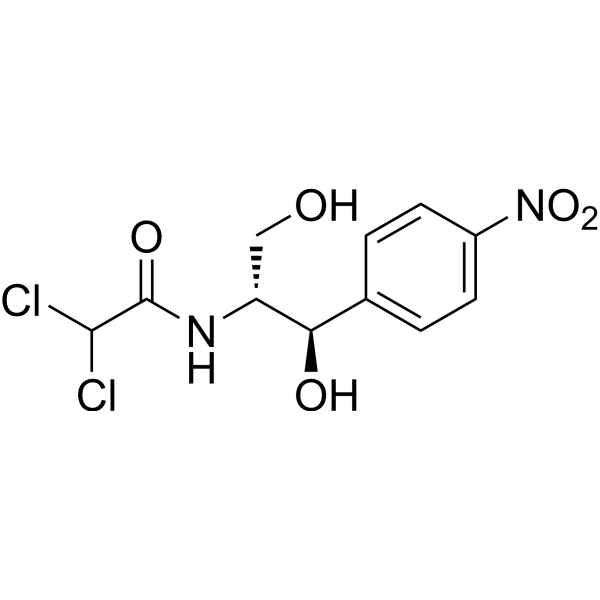
  • HY-B0239
    Chloramphenicol
    Maximum Cited Publications
    16 Publications Verification

    Antibiotic Bacterial HIF/HIF Prolyl-Hydroxylase VEGFR Autophagy Apoptosis Beclin1 JNK Akt MMP Infection Cancer
    Chloramphenicol is an orally active, potent and broad-spectrum antibiotic. Chloramphenicol shows antibacterial activity. Chloramphenicol represses the oxygen-labile transcription factor and hypoxia inducible factor-1 alpha (HIF-1α) in hypoxic A549 and H1299 cells. Chloramphenicol suppresses the mRNA levels of vascular endothelial growth factor (VEGF) and glucose transporter 1, eventually decreasing VEGF release. Chloramphenicol can be used for anaerobic infections and lung cancer research .
    Chloramphenicol
  • HY-N0060B
    (E)-Ferulic acid
    1 Publications Verification

    (E)-Coniferic acid

    β-catenin Bcl-2 Family Ferroptosis Endogenous Metabolite Cancer
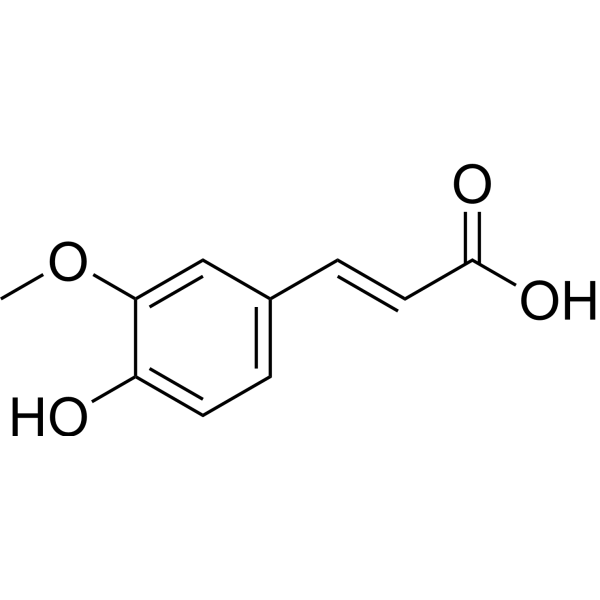
    (E)-Ferulic acid is an isomer of ferulic acid, an aromatic compound abundant in plant cell walls. (E)-Ferulic acid causes phosphorylation of β-catenin (β-catenin), leading to proteasome degradation, increasing the expression of pro-apoptotic factor Bax and reducing pro-apoptotic factor Expression of the survival factor survivin. (E)-Ferulic acid can effectively remove reactive oxygen species (ROS) and inhibit lipid peroxidation. (E)-Ferulic acid exerts antiproliferative and antimigratory effects in the human lung cancer cell line H1299.
    (E)-Ferulic acid
  • HY-122727
    STL127705
    5+ Cited Publications

    DNA-PK Apoptosis Cancer
    STL127705 (Compound L) is a potent Ku 70/80 heterodimer protein inhibitor with an IC50 of 3.5 μM. STL127705 interferes the binding of Ku70/80 to DNA and by inhibits the activation of the DNA-PKCS kinase. STL127705 shows antiproliferative and anticancer activity. STL127705 induces apoptosis .
    STL127705
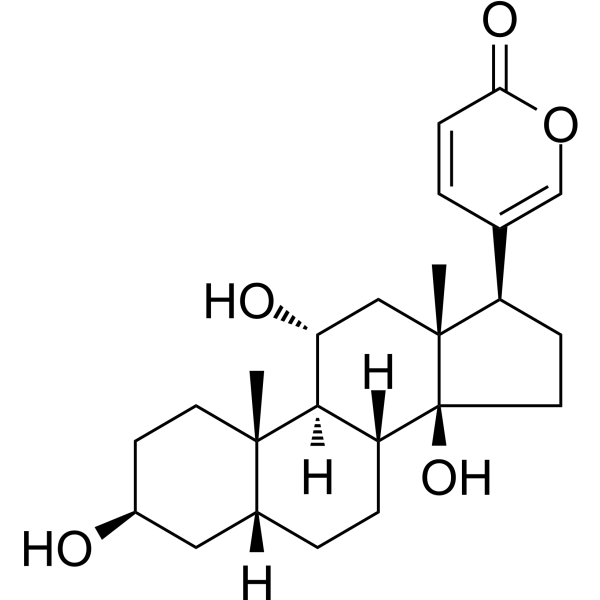
  • HY-N0883
    Gamabufotalin
    4 Publications Verification

    Gamabufagin

    VEGFR Cancer
    Gamabufotalin (Gamabufagin), a main active compound isolated from Chinese medicine Chansu, has been shown to strongly inhibit cancer cell growth and inflammatory response. Gamabufotalin could inhibite angiogenesis by inhibiting the activation of VEGFR-2 signaling pathways.
    Gamabufotalin
  • HY-N0267
    Hypaconitine
    2 Publications Verification

    NF-κB Potassium Channel Calcium Channel Cardiovascular Disease Neurological Disease Inflammation/Immunology Cancer
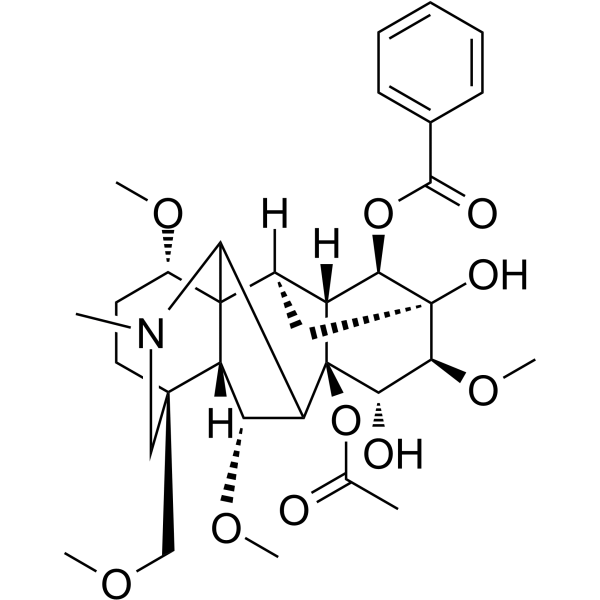
    Hypaconitine inhibits the KCNH2 current with an IC50 of 8.1 nM, and exhibits cardiotoxicity. Hypaconitine inhibits TGF-β1-induced epithelial-mesenchymal transition (EMT) in A549 cell through the inhibition of NF-κB nuclear translocation. Hypaconitine acts as the neuromuscular blocker. Hypaconitine is orally active .
    Hypaconitine
  • HY-119039
    RU-301
    1 Publications Verification

    TAM Receptor Inflammation/Immunology Cancer
    RU-301 is a pan TAM inhibitor that blocks Gas6-induced TAM activation and tumorigenicity. RU-301 significantly reduces nonalcoholic steatohepatitis (NASH) fibrosis, along with attenuates ERK activation and TGFβ1 expression. RU-301 can be used in studies of cancer and nonalcoholic steatohepatitis .
    RU-301
  • HY-N3980
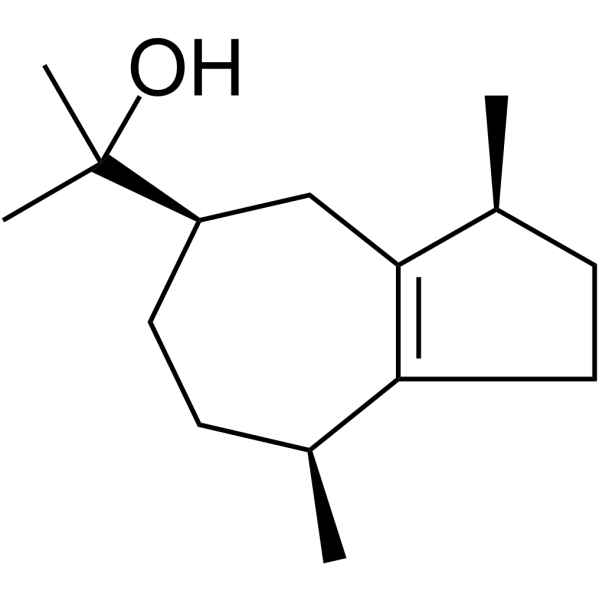
    Guaiol
    1 Publications Verification

    Champacol; Guaiac alcohol

    Autophagy RAD51 Infection Cardiovascular Disease Inflammation/Immunology Cancer
    Guaiol is a sesquiterpenoid alcohol with oral activity found in various traditional Chinese medicines, exhibiting biological activities such as anti-proliferative, autophagy-promoting, insecticidal, anti-anxiety, anti-inflammatory, diuretic, and blood pressure-lowering effects. Guaiol induces apoptosis in non-small cell lung cancer cells by regulating the stability of RAD51 through autophagy modulation. Guaiol can also act directly on parasites, inhibiting their growth by affecting the kinetoplast, mitochondrial matrix and plasma membrane of the promastigotes. Guaiol kills amastigotes at an IC50 of 0.01 µg/mL. Guaiol can be used in research related to cancer, infections, cardiovascular diseases, and inflammatory conditions [4]
    Guaiol
  • HY-149302
    MC4033
    1 Publications Verification

    Apoptosis Autophagy Histone Acetyltransferase Cancer
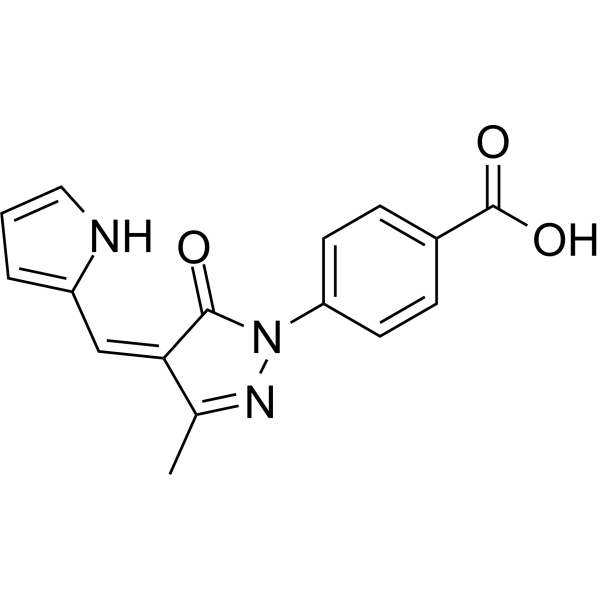
    MC4033 shows IC50s of 39.4 μM, 52.1 μM, 41 μM and 30.1 μM in HCT116, H1299, A549 and U937, respectively .
    MC4033 (25, 50, 100, and 200 μM, 72 h) reduces the level of H4K16Ac in HT29 cells, suggesting its ability to inhibit KAT8 in cells .
    MC4033
  • HY-148078
    PFM03
    3 Publications Verification

    Endonuclease Others
    PFM03 is a MRE11 Endonuclease inhibitor. PFM03 regulates DNA double-strand break repair (DSBR) by nonhomologous end-joining (NHEJ) .
    PFM03
  • HY-110077
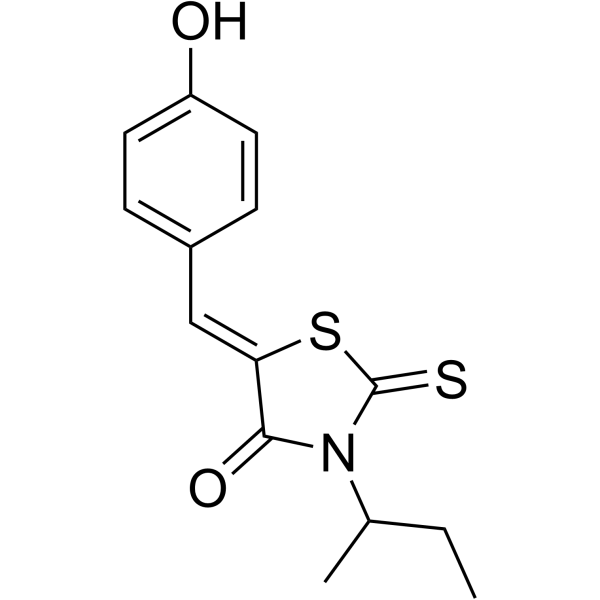
    API-1
    1 Publications Verification

    Akt Apoptosis Caspase PARP Cancer
    API-1 is a potent selective Akt/PKB inhibitor that reduces the level of phosphorylated Akt (IC50 = 0.8 μM). API-1 binds to the PH domain and inhibits Akt membrane translocation. API-1 induces c-FLIP degradation. API-1 reduces cell proliferation and induces apoptosis. API-1 decreases tumor growth in mouse xenograft model .
    API-1
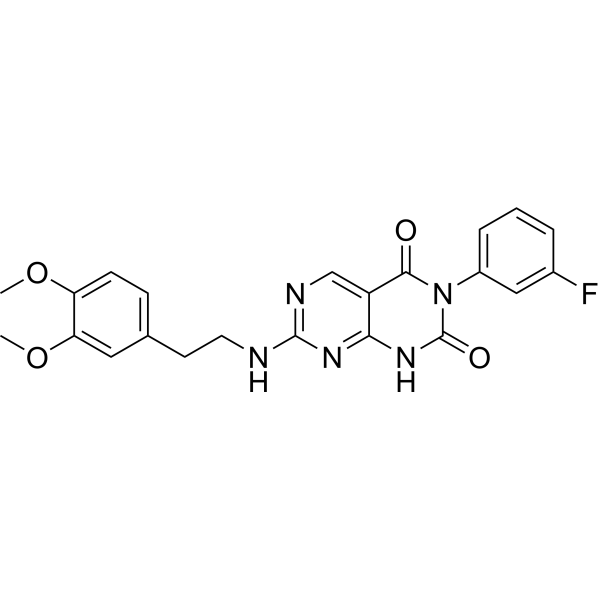
  • HY-148900

    E1/E2/E3 Enzyme Cancer
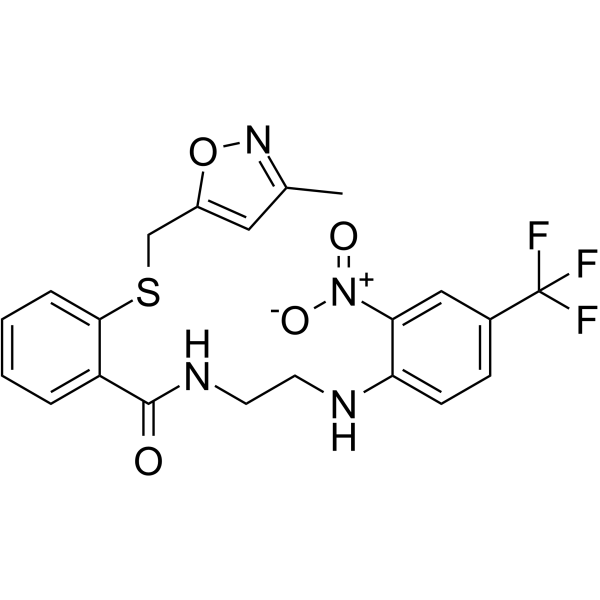
    SCFSkp2-IN-2 (Compound AAA-237) is a Skp2 inhibitor with a KD of 28.77 μM. AAA-237 induces apoptosis of NSCLC cells and shows antitumor activities .
    SCFSkp2-IN-2
  • HY-18707

    Ras Apoptosis Cancer
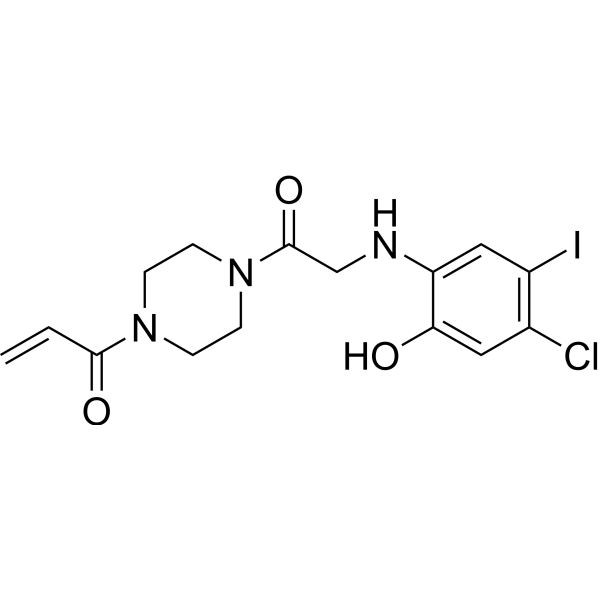
    K-Ras(G12C) inhibitor 12 is an irreversible inhibitor of K-Ras(G12C). K-Ras(G12C) inhibitor 12 can alter the nucleotide-binding preference of K-Ras and block its interaction with effector proteins. K-Ras(G12C) inhibitor 12 can reduce cell viability and induce apoptosis in lung cancer cell lines with G12C mutations. K-Ras(G12C) inhibitor 12 has anti-tumor activity .
    K-Ras(G12C) inhibitor 12
  • HY-N6951

    Apoptosis Akt mTOR Reactive Oxygen Species (ROS) Caspase Bacterial Fungal Infection Neurological Disease Metabolic Disease Inflammation/Immunology Cancer
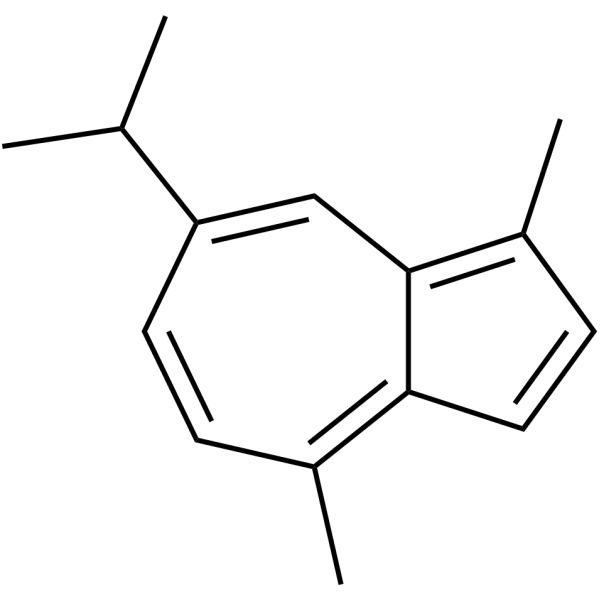
    Guaiazulene is a bicyclic sesquiterpene. Guaiazulene exhibits various biological activities such as anti-inflammatory, antioxidant, hepatoprotective, antibacterial, and anti-tumor properties. Guaiazulene is also commonly used as a colorant in cosmetics. Guaiazulene shows in vitro cytotoxicity to rat neuronal cells and N2a neuroblastoma cells at high concentrations .
    Guaiazulene
  • HY-P11056

    MDM-2/p53 Others
    REF1 peptide is a PORK1 agonist with an EC50 of 0.028 nM in tomato. REF1 peptide binds to the extracellular domain of PORK1, triggers receptor autophosphorylation, and drives downstream MPK3/MPK6 activation, thereby initiating defense and regeneration signaling cascades. REF1 peptide induces callus formation, inhibits shoot regeneration upon continuous exposure, and enhances the regeneration and transformation efficiency of recalcitrant dicotyledonous and monocotyledonous crops .
    REF1 peptide
  • HY-B0239R

    Reference Standards Antibiotic Bacterial HIF/HIF Prolyl-Hydroxylase VEGFR Autophagy Apoptosis Beclin1 JNK Akt MMP Infection Cancer
    Chloramphenicol (Standard) is the analytical standard of Chloramphenicol. This product is intended for research and analytical applications. Chloramphenicol is an orally active, potent and broad-spectrum antibiotic. Chloramphenicol shows antibacterial activity. Chloramphenicol represses the oxygen-labile transcription factor and hypoxia inducible factor-1 alpha (HIF-1α) in hypoxic A549 and H1299 cells. Chloramphenicol suppresses the mRNA levels of vascular endothelial growth factor (VEGF) and glucose transporter 1, eventually decreasing VEGF release. Chloramphenicol can be used for anaerobic infections and lung cancer research .
    Chloramphenicol (Standard)
  • HY-108639
    MIRA-1
    2 Publications Verification

    NSC 19630

    MDM-2/p53 Apoptosis Cancer
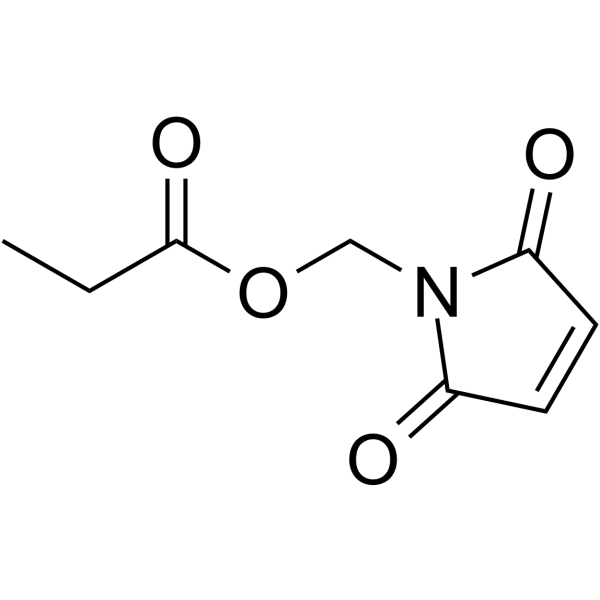
    MIRA-1 is a maleimide analogue. MIRA-1 can induce apoptosis in mutant p53 cells via restoration of p53-dependent transcriptional transactivation. MIRA-1 has anticancer activity .
    MIRA-1
  • HY-174346

    E1/E2/E3 Enzyme Apoptosis DNA/RNA Synthesis Cancer
    Skp2-IN-4 is an Skp2 inhibitor with a IC50 of 0.38  μM for Skp2-Cks1 binding. Skp2-IN-4 improves anti-tumor activity, inhibits the proliferation and induces S phase arrest by targeting Skp2. Skp2-IN-4 significantly enhances Cisplatin (HY-17394) chemosensitivity by suppressing the tumor cell stemness in NCl-H1299 xenograft mice model, promising for lung cancer and esophageal cancer research .
    Skp2-IN-4
  • HY-16018A

    ABT-348 hydrochloride

    Aurora Kinase PDGFR VEGFR Cancer
    Ilorasertib (ABT-348) hydrochloride is a potent, orally active and ATP-competitive aurora inhibitor with IC50s of116, 5, 1 nM for aurora A, aurora B, aurora C, respectively. Ilorasertib hydrochloride also is a potent VEGF, PDGF inhibitor. Ilorasertib hydrochloride has the potential for the research of acute myeloid leukemia (AML) and myelodysplastic syndrome (MDS) .
    Ilorasertib hydrochloride
  • HY-16018

    ABT-348

    Aurora Kinase VEGFR PDGFR Cancer
    Ilorasertib (ABT-348) is a potent, orally active and ATP-competitive aurora inhibitor with IC50s of116, 5, 1 nM for aurora A, aurora B, aurora C, respectively. Ilorasertib also is a potent VEGF, PDGF inhibitor. Ilorasertib has the potential for the research of acute myeloid leukemia (AML) and myelodysplastic syndrome (MDS) .
    Ilorasertib
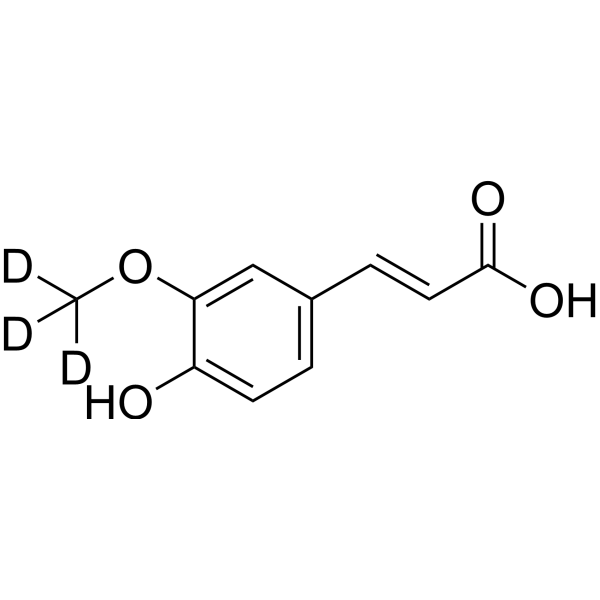
  • HY-N0060BS

    (E)-Coniferic acid-d3

    β-catenin Bcl-2 Family Ferroptosis Endogenous Metabolite Cancer
    (E)-Ferulic acid-d3 is the deuterium labeled (E)-Ferulic acid. (E)-Ferulic acid is a isomer of Ferulic acid which is an aromatic compound, abundant in plant cell walls. (E)-Ferulic acid causes the phosphorylation of β-catenin, resulting in proteasomal degradation of β-catenin and increases the expression of pro-apoptotic factor Bax and decreases the expression of pro-survival factor survivin. (E)-Ferulic acid shows a potent ability to remove reactive oxygen species (ROS) and inhibits lipid peroxidation. (E)-Ferulic acid exerts both anti-proliferation and anti-migration effects in the human lung cancer cell line H1299 .
    (E)-Ferulic acid-d3
  • HY-151776

    TZ-Cy3

    Fluorescent Dye Others
    Cy3 methyltetrazine (TZ-Cy3) is a click chemistry reagent with methyltetrazine building blocks that is highly reactive towards cyclooctene. Cy3 methyltetrazine is also a tetrazine-modified fluorescent probe that can be used to analyze protein phosphorylation in solution and living cells .
    Cy3 methyltetrazine
  • HY-151606

    Akt Cancer
    Akt3 degrader 1 (compound 12l) is a selective Akt3 degrader that overcomesOsimertinib (HY-15772)-induced resistance in H1975OR NSCLC cells. Akt3 degrader 1 also has anti-proliferative activity and significantly inhibits tumour growth in mice. Akt3 degrader 1 can be used in the study of drug-resistant non-small cell lung cancer .
    Akt3 degrader 1
  • HY-173002

    DNA Methyltransferase Cancer
    MS9024 is the degrader for DNA methyltransferase 1 that degrades DNMT1 in cell HCT116 through the ubiquitin-proteasome pathway with a DC50 of 35 nM (DC50 in MDA-MB-468 and H1299 is 254 nM and 101 nM). MS9024 also inhibits DNMT1 with an IC50 of 0.43 μM .
    MS9024
  • HY-N7850

    1-Hydroxy-8-methoxyanthraquinone

    Endogenous Metabolite Cancer
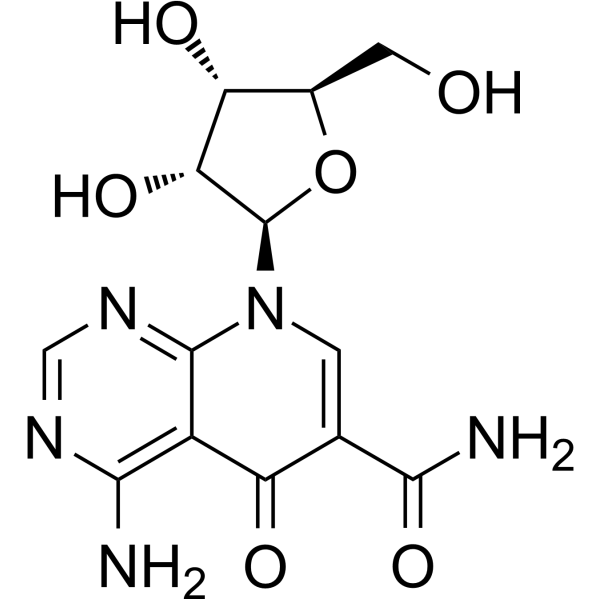
    6PGD-IN-1 (compound S3) is an inhibitor of 6-phosphogluconate dehydrogenase (6PGD). IC50 and Kd the value of 17.8μM and 17.1 μM respectively. 6PGD-IN-1 has antitumor activity .
    6PGD-IN-1
  • HY-126583

    Calcium Channel Cancer
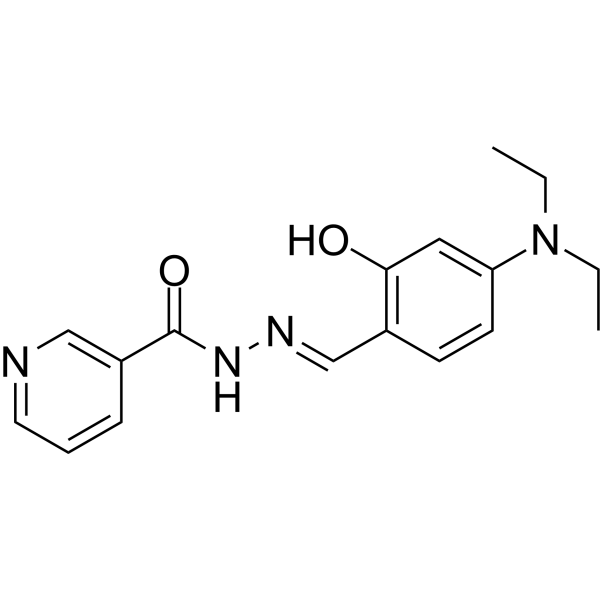
    Nemadipine-A is a specific inhibitor of the EGL-19 L-type Ca 2+ channel . Nemadipine-A, a cell-permeable L-type calcium channel inhibitor, sensitizes TRAIL-resistant cancer cells to this ligand .
    Nemadipine-A
  • HY-142094

    Histone Methyltransferase Cancer
    NSD3-IN-2 is a potent NSD3 inhibitor with an IC50 value of 17.97 μM. NSD3-IN-2 inhibits the growth and proliferation of non-small cell lung cancer cell lines H460, H1299 and H1650 with anti-cancer activity .
    NSD3-IN-2
  • HY-175874

    Microtubule/Tubulin PI3K Akt Apoptosis Cancer
    Tubulin-IN-55 is a tubulin inhibitor. Tubulin-IN-55 disrupts the PI3K/Akt signaling pathway in cancer cells. Tubulin-IN-55 exerts broad-spectrum anti-proliferative activity against multiple tumor cells (HeLa, HCT116, 4T1, A549, H1299, MDA-MB231). Tubulin-IN-55 induces G2/M phase arrest and apoptosis, and inhibits tumor cell migration/invasion in cancer cells. Tubulin-IN-55 demonstrates potent antitumor efficacy in orthotopic autologous transplantation mice. Tubulin-IN-55 can be used for the study of cancer .
    Tubulin-IN-55
  • HY-W106860

    Drug Intermediate Cancer
    9H-Carbazole-3-carbaldehyde is an anticancer agent that can be isolated from the stems of Lansium parasiticum (Lour.) Skeels. 9H-Carbazole-3-carbaldehyde shows significant cytotoxic activity in a variety of tumor cell lines, especially against H1299 and SMMC-7721 lung cancer cells with IC50 values of 6.19-26.84 μg/mL .
    9H-Carbazole-3-carbaldehyde
  • HY-168926

    Reactive Oxygen Species (ROS) Apoptosis Cancer
    NQO2-IN-1 (Compound 20b) is the inhibitor for quinone oxidoreductase (NQO) that inhibits NQO2 with an IC50 of 95 nM. NQO2-IN-1 overcomes the resistance of NSCLC cells to tumor necrosis factor-related apoptosis-inducing ligand (TRAIL) by induction of ROS and apoptosis .
    NQO2-IN-1
  • HY-174247

    PROTACs PAK Cadherin Cancer
    CPS-021 is a selective PAK4 PROTAC degrader with a DC50 of 50 nM. CPS-021 has potent antimigratory and invasive activity and significantly suppresses the invasion and metastasis of tumor cells in A549-luc lung metastasis mice model . Pink: PAK4 ligand (HY-174822); Blue: CRBN ligase ligand (HY-10984); Black: linker
    CPS-021
  • HY-172880

    Polo-like Kinase (PLK) Apoptosis Cancer
    PLK1-IN-15 (Compound 7n) is a PLK1 inhibitor (IC50: 38.5 nM). PLK1-IN-15 exhibits antiproliferative activity against HepG2, Huh7, H1299 and A549 cells (IC50: 2.03, 2.08, 4.79 and 17.11 μM, respectively). PLK1-IN-15 induces cell cycle arrest at the G2/M phase and apoptosis, and has anticancer activity .
    PLK1-IN-15
  • HY-161886

    SWI/SNF Complex Epigenetic Reader Domain Cancer
    SMARCA2-IN-7 (compound 12), a dual inhibitor of BRM and BRG1 (IC50 < 0.005 for both), has an anti-tumor proliferation effect that inhibits BRG1-deleted SKMEL5 tumor proliferation with a cell proliferation activity AAC50 of 13 nM in SKMEL5. The cell proliferation activity AAC50 of KRT880 in H1299 cells was 42 nM .
    SMARCA2-IN-7
  • HY-161885

    Epigenetic Reader Domain Cancer
    SMARCA2-IN-6 is a SMARCA2 (also known as BRM) inhibitor, with IC50s less than 5 nM for SMARCA2 and SMARCA4. SMARCA2-IN-6 inhibits KRT80 gene expression in H1299 cells (IC50: 26 nM). SMARCA2-IN-6 inhibits proliferation in BRG1-mutant SKMEL5 cells (IC50: 13 nM) .
    SMARCA2-IN-6
  • HY-162739

    Epigenetic Reader Domain Cancer
    SMARCA2-IN-1 (Compound I-19) is an inhibitor for SWI/SNF chromatin remodeling complexe SMARCA2 with IC50 >1000 nM in H1299 .
    SMARCA2-IN-1
  • HY-153012

    TAM Receptor c-Fms Cancer
    Axl/Mer-IN-1 (Compound 1) is an Axl/Mer receptor tyrosine kinase (Axl/Mer RTK) and CSF1R inhibitor with Kds of <0.1 μM .
    Axl/Mer/CSF1R-IN-1
  • HY-120786

    6-(3′,4′,5′-Trimethoxybenzoyl)quinoline

    Microtubule/Tubulin Apoptosis Cancer
    MPT0B014 is a tubulin polymerization inhibitor. MPT0B014 induces cancer cell apoptosis. MPT0B014 can be used for the research of cancer .
    MPT0B014
  • HY-B0239S2

    JNK Apoptosis VEGFR MMP Bacterial Akt Autophagy HIF/HIF Prolyl-Hydroxylase Antibiotic Beclin1 Cancer
    Threo-Chloramphenicol-d6 is the deuterium labeled Chloramphenicol . Chloramphenicol is an orally active, potent and broad-spectrum antibiotic. Chloramphenicol shows antibacterial activity. Chloramphenicol represses the oxygen-labile transcription factor and hypoxia inducible factor-1 alpha (HIF-1α) in hypoxic A549 and H1299 cells. Chloramphenicol suppresses the mRNA levels of vascular endothelial growth factor (VEGF) and glucose transporter 1, eventually decreasing VEGF release. Chloramphenicol can be used for anaerobic infections and lung cancer research .
    Threo-Chloramphenicol-d6
  • HY-N0060BR

    (E)-Coniferic acid (Standard)

    Reference Standards β-catenin Bcl-2 Family Ferroptosis Endogenous Metabolite Cancer
    (E)-Ferulic acid (Standard) is the analytical standard of (E)-Ferulic acid. This product is intended for research and analytical applications. (E)-Ferulic acid is an isomer of ferulic acid, an aromatic compound abundant in plant cell walls. (E)-Ferulic acid causes phosphorylation of β-catenin (β-catenin), leading to proteasome degradation, increasing the expression of pro-apoptotic factor Bax and reducing pro-apoptotic factor Expression of the survival factor survivin. (E)-Ferulic acid can effectively remove reactive oxygen species (ROS) and inhibit lipid peroxidation. (E)-Ferulic acid exerts antiproliferative and antimigratory effects in the human lung cancer cell line H1299.
    (E)-Ferulic acid (Standard)
  • HY-171047

    Apoptosis Autophagy DNA/RNA Synthesis Akt mTOR Cancer
    Autophagy inducer 7 (Compound SSA) is an Autophagy and Apoptosis inducer. Autophagy inducer 7 activates autophagy by inhibiting Akt/mTOR signaling and the expression of downstream proteins. Autophagy inducer 7 suppresses DNA synthesis and causes a G0-G1 cell-cycle arrest. Autophagy inducer 7 inhibits tumor cell growth .
    Autophagy inducer 7
  • HY-173603

    FAK Cancer
    FAK-IN-27 (compound 8A) is a potent and selective FAK inhibitor with an IC50 of 4.968 nM. FAK-IN-27 suppresses H1299 cells proliferation with an IC50 of 0.28 μM. FAK-IN-27 can be used in the study of NSCLC .
    FAK-IN-27
  • HY-168257

    PROTACs Epigenetic Reader Domain Cancer
    PROTAC SMARCA2 degrader-30 (example 85) is a PROTAC SMARCA2 degrader with a DC50 less than 100 nM in H1299 cells .
    PROTAC SMARCA2 degrader-30
  • HY-155039

    Drug Derivative Cancer
    Antitumor agent-105 (Compound 37) is an antitumor agent. Antitumor agent-105 has antitumor activity against A549, H1299, H460, HCT116, MDA-MB-231 cells, with IC50 values of 6.7, 8.3, 4.3, 4.4, 6.7 μM respectively .
    Antitumor agent-105
  • HY-123286

    Sachaliside 1

    Bacterial Cancer
    (E)-Triandrin (Sachaliside 1) is a phenylpropanol glycoside, can be isolated from the bark of Populus Sakhalinensis. (E)-Triandrin exhibits cytotoxic activity against Artemia and human lung cancer cell line (H1299) .
    (E)-Triandrin
  • HY-115949

    HSP Cancer
    Antitumor agent-47 (Compound 3e) is a silibinin derivative with an antitumor activity. Antitumor agent-47 shows cytotoxic activity against NCI-H1299 and HT29 cells with IC50 values of 8.07 µM and 6.27 µM, respectively .
    Antitumor agent-47
  • HY-115950

    Drug Derivative Cancer
    Antitumor agent-48 (Compound 4a) is a 2,3-dehydrosilybin derivative with an antitumor activity. Antitumor agent-48 shows cytotoxic activity against MCF-7, NCI-H1299, HepG2 and HT29 cells with IC50 values of 8.06 µM, 13.1 µM, 16.51 µM and 12.44 µM, respectively .
    Antitumor agent-48
  • HY-N15614

    Others Cancer
    Cassamine is a diterpenoid compound that can be isolated from the bark of Erythrophleum fordii. Cassamine exhibits certain cytotoxicity against non-small cell lung cancer cell lines, with IC50 values of 3.4, 2.1, and 1.9 μM against A549, NCI-H1975, and NCI-H1299, respectively. Cassamine has antitumor activity and can be used in the research of lung cancer and other tumors .
    Cassamine
  • HY-161887

    Epigenetic Reader Domain Cancer
    SMARCA2-IN-8 (Compound 13) is an orally active inhibitor for SWI/SNF chromatin remodeling complexe SMARCA2 (also known as Brahma homologue, BRM) and SMARCA4 (also known as Brahma-related gene 1, BRG1) with IC50 of 5 and 6 nM. SMARCA2-IN-8 inhibits the proliferation of SMARCA2 mutated cancer cell SKMEL5 with AAC50 of 5 nM. SMARCA2-IN-8 downregulates the SMARCA2-dependent KRT80 gene expression with AAC50 of 10 nM. SMARCA2-IN-8 exhibits antitumor efficacy and good pharmacokinetic characteristics in mice .
    SMARCA2-IN-8
  • HY-129990

    Liposome Cancer
    Dios-Arg diTFA, a cationic lipid with an arginine-bearing headgroup, shows obvious double bond proton signals at around 5.2-5.3 ppm. Dios-Arg diTFA is used, coupled to DOPE, to bind siRNA and plasmid to for cationic LNPs for intracellular transport .
    Dios-Arg diTFA
  • HY-180183

    Epigenetic Reader Domain Cancer
    DLG-41 is a GAS41 YEATS domain inhibitor (IC50: 600 nM in AlphaLISA). DLG-41 potently disrupts the association of GAS41 YEATS with chromatin in cells. DLG-41 strongly enhances levels of CDKN1A. DLG-41 has anticancer activity against NSCLC .
    DLG-41
  • HY-168209

    Wnt CDK Apoptosis Cancer
    LBM22 is a CDC2-like kinase 2 (CLK2) inhibitor with the IC50 of 3.9 nM. LBM22 has antiproliferative activity and inhibits serine/arginine-rich (SR) protein phosphorylation. LBM22 down-regulates the expression of Wnt-related proteins and anti-apoptotic proteins and can be used for study of non-small cell lung cancer .
    LBM22

Inquiry Online

Your information is safe with us. * Required Fields.

Salutation


Country or Region *

Applicant Name *


Organization Name *

Department *


Email Address *


Product Name *

Cat. No.


Requested quantity *

Phone Number *


Remarks

Inquiry Online

Inquiry Information

Product Name:
Cat. No.:
Quantity:
MCE Japan Authorized Agent:

