
1. Search Result
Search Result
Pathways Recommended: Neuronal Signaling JAK/STAT Signaling
Results for "

IFN-γ signaling

" in MedChemExpress (MCE) Product Catalog:

37

Inhibitors & Agonists

2

Biochemical Assay Reagents

5

Peptides

9

Inhibitory Antibodies

4

Natural
Products

Targets Recommended:
Cat. No. Product Name Target Research Areas Chemical Structure
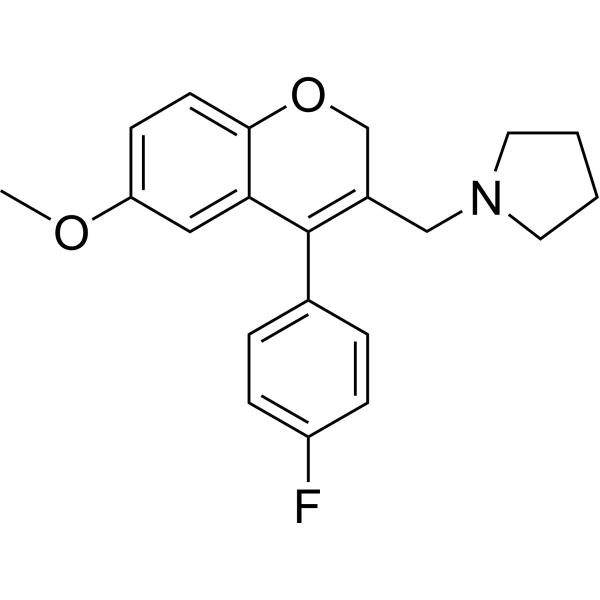
  • HY-145923
    Osunprotafib
    5 Publications Verification

    ABBV-CLS-484

    Phosphatase STAT JAK Cancer
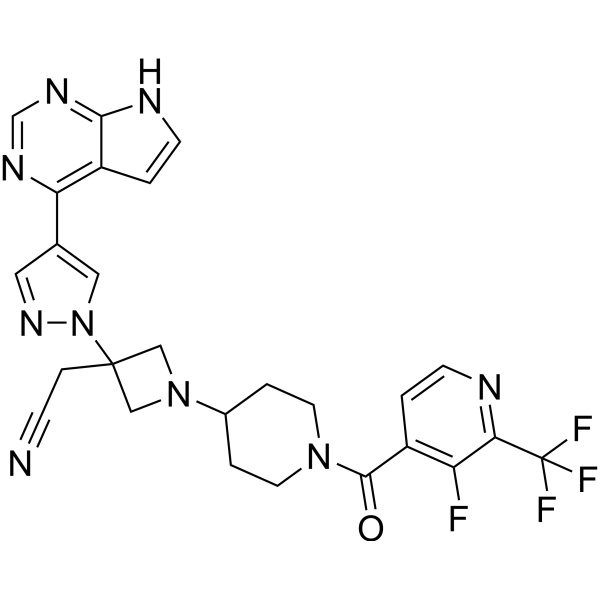
    Osunprotafib (ABBV-CLS-484) is an orally active and selective active site PTPN1 (IC50: 2.5 nM) and PTPN2(IC50: 1.8 nM) inhibitor. Osunprotafib has 6-8-fold weaker activity on PTPN9 and no detectable activity on SHP-1 or SHP-2. Osunprotafib increases the sensitivity of human cancer cell lines to IFNγ. Osunprotafib generates robust anti-tumor immunity by enhancing JAK-STAT signalling and reducing T cell dysfunction .
    Osunprotafib
  • HY-P990876

    PF-06480605; RVT-3101

    TNF Receptor NF-κB IFNAR Inflammation/Immunology
    Afimkibart (PF-06480605; RVT-3101) is a fully human monoclonal antibody that selectively inhibits trimeric tumor necrosis factor-like ligand 1A (TL1A). Afimkibart neutralizes active trimeric TL1A, blocks TL1A-induced signaling pathways. Afimkibart inhibits NF-κB activation and IFN-γ production. Afimkibart can be used for the research of inflammatory bowel disease .
    Afimkibart
  • HY-136339
    Cbl-b-IN-1
    1 Publications Verification

    E1/E2/E3 Enzyme Interleukin Related Inflammation/Immunology Cancer
    Cbl-b-IN-1 (Example 519) is an inhibitor of Cbl-b, with an IC50 of less than 100 nM. Cbl-b-IN-1 can promote the secretion of cytokines such as IL-2, IFN-γ, and TNF-α, facilitate T cell activation, and enhance the TCR signaling pathway. Cbl-b-IN-1 can be used in research on immunomodulation .
    Cbl-b-IN-1
  • HY-19744
    T6167923
    Maximum Cited Publications
    15 Publications Verification

    MyD88 Inflammation/Immunology
    T6167923 is a selective inhibitor of MyD88-dependent signaling pathways. T6167923 directly binds to Toll/IL1 receptor (TIR) domain of MyD88 and disrupts MyD88 homodimeric formation. T6167923 inhibits NF-κB driven Staphylococcus enterotoxin AP (SEAP) activity, and improves anti-inflammatory activity with IC50s of 2.7 μM, 2.9 μM, 2.66 μM and 2.66 μM for IFN-γ, IL-1β, IL-6 and TNF-α, respectively .
    T6167923
  • HY-107390A
    AX-024 hydrochloride
    3 Publications Verification

    TNF Receptor Interleukin Related IFNAR Inflammation/Immunology Cancer
    AX-024 hydrochloride is an orally available, first-in-class inhibitor of the TCR-Nck interaction that selectively inhibits TCR-triggered T cell activation with an IC50 ~1 nM. AX-024 hydrochloride modulates cell signaling by targeting SH3 domains. AX-024 hydrochloride has low-acute toxicity and high potency and selectivity, and strongly inhibit the production of IL-6, TNF-α, IFN-γ, IL-10 and IL-17A.
    AX-024 hydrochloride
  • HY-107390
    AX-024
    3 Publications Verification

    TNF Receptor Interleukin Related IFNAR Inflammation/Immunology Cancer
    AX-024 is an orally available, first-in-class inhibitor of the TCR-Nck interaction that selectively inhibits TCR-triggered T cell activation with an IC50 ~1 nM. AX-024 modulates cell signaling by targeting SH3 domains. AX-024 has low-acute toxicity and high potency and selectivity, and strongly inhibit the production of IL-6, TNF-α, IFN-γ, IL-10 and IL-17A.
    AX-024
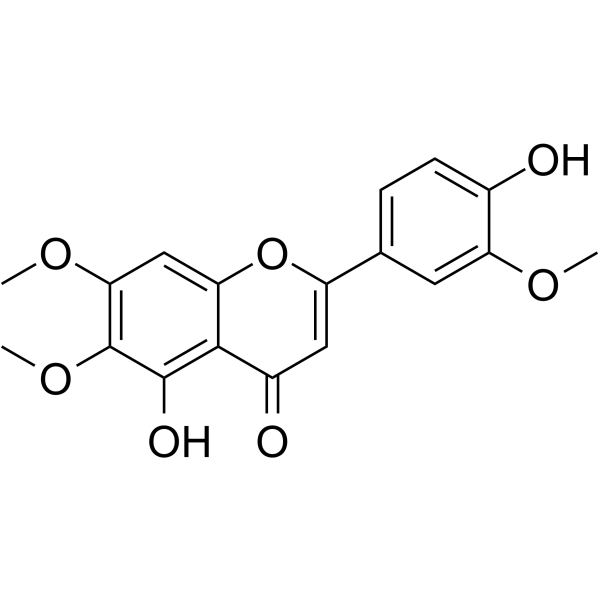
  • HY-119347
    Cirsilineol
    3 Publications Verification

    IFNAR STAT Inflammation/Immunology Cancer
    Cirsilineol, a natural flavone compound, selectively inhibits IFN-γ/STAT1/T-bet signaling in intestinal CD4 + T cells. Cirsilineol has potent immunosuppressive and anti-tumor properties. Cirsilineol significantly ameliorates trinitro-benzene sulfonic acid (TNBS)-induced T-cell-mediated experimental colitis in mice .
    Cirsilineol
  • HY-P990297

    CCR HIV Infection Inflammation/Immunology Cancer
    Anti-Mouse/Rat/Human CCL2/MCP-1 Antibody (2H5) is an anti-mouse/rat/human CCL2/MCP-1 IgG monoclonal antibody. Anti-Mouse/Rat/Human CCL2/MCP-1 Antibody (2H5) can reverse the immunosuppressive microenvironment by blocking the CCL2 signaling pathway. Anti-Mouse/Rat/Human CCL2/MCP-1 Antibody (2H5) can reduce the secretion of IFN-γ and the infiltration of macrophages. CCL2/MCP-1 Antibody (2H5) can reduce the amount of HIV virus by increasing the proportion of T cells. Anti-Mouse/Rat/Human CCL2/MCP-1 Antibody (2H5) can be used for researches on inflammation conditions, virus infection and cancer such as inflammatory bowel disease (IBD), hepatocellular carcinoma (HCC) and HIV .
    Anti-Mouse/Rat/Human CCL2/MCP-1 Antibody (2H5)
  • HY-164864

    PROTACs STAT Cancer
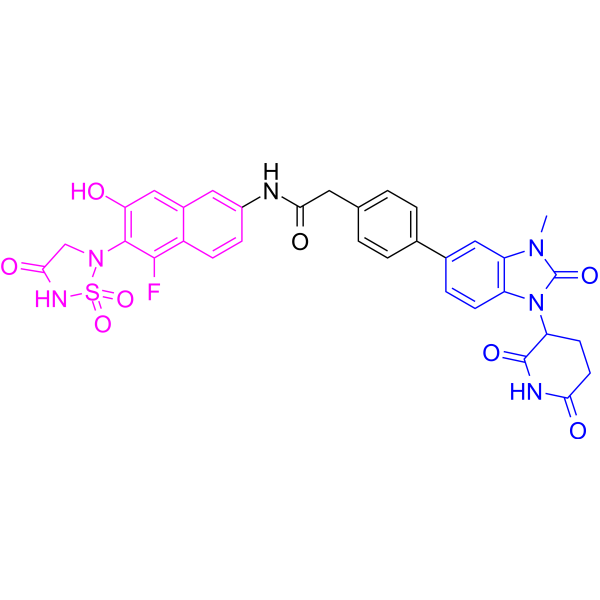
    DU-14 (PTP1B/TC-PTP PROTAC) is a potent and selective PTP1B and TC-PTP dual PROTAC degrader. DU-14 (PTP1B/TC-PTP PROTAC) has the IC50 for PTP1B and TC-PTP phosphatase activity of 24.2 nM and 30.1 nM, respectively. DU-14 (PTP1B/TC-PTP PROTAC) enhances IFN-γ signaling, promotes T cell activation, and has anti-tumor activity. (Pink: PTP1B/TC-PTP inhibitor (HY-171027); Black: Linker (HY-W340290); Blue: E3 ligand (HY-112078)) .
    DU-14 (PTP1B/TC-PTP PROTAC)
  • HY-NP134

    Toll-like Receptor (TLR) MyD88 NF-κB Interleukin Related IFNAR Inflammation/Immunology Cancer
    Flagellin from S. typhimurium is a potent TLR5 agonist. Flagellin from S. typhimurium activates immune cells and inhibits the activity of melanoma cells. Flagellin from S. typhimurium activates the NF-κB pathway dependent on the TLR5/MyD88/TRAF6 signaling axis in cells. Flagellin from S. typhimurium induces a proinflammatory response in the primary chicken hepatocyte-nonparenchymal cell co-culture system by promoting IL-8 production, inhibiting IL-10 production, and increasing the IFN-γ/IL-10 ratio. Flagellin from S. typhimurium can be used for research on melanoma and inflammatory diseases .
    Flagellin from S. typhimurium
  • HY-125938
    Cycloartenyl ferulate
    1 Publications Verification

    Cycloartenol ferulate; Cycloartenol ferulic acid ester

    Drug Derivative Apoptosis Reactive Oxygen Species (ROS) JAK STAT Inflammation/Immunology Cancer
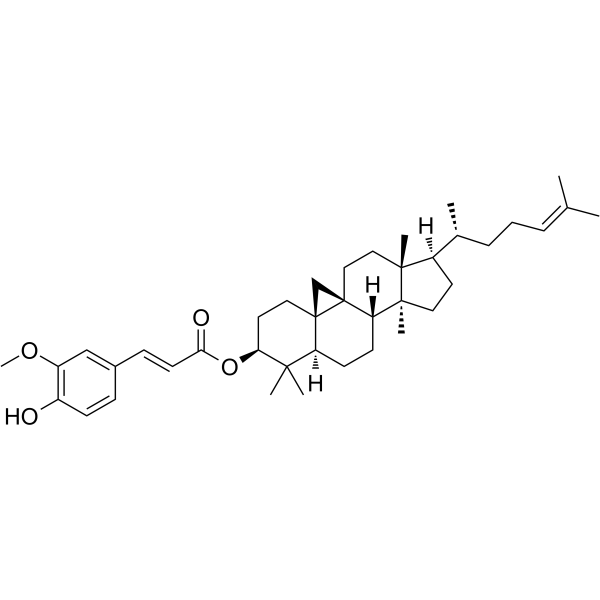
    Cycloartenyl ferulate (Cycloartenol ferulate; Cycloartenol ferulic acid ester) is a derivative of γ-oryzanol (HY-B2194) with multiple biological activities including antioxidant, anti-inflammatory, and anti-tumor properties. Cycloartenyl ferulate selectively binds to IFNγR1 (binding affinity Kd = 0.5 μM) to activate the canonical JAK1/2-STAT1 signaling pathway. Cycloartenyl ferulate inhibits paraquat (PQ)-triggered apoptosis and ROS in HK2 cells. Cycloartenyl ferulate enhances the activation and cytolytic activity of natural killer (NK) cells by upregulating the expression of NK cell activation receptors (NKG2D, NKp30, NKp44) and the release of cytotoxic molecules and cytokine IFNγ. Cycloartenyl ferulate exerts anti-cancer effects in tumor mice models. Cycloartenyl ferulate can be used for the study of cancer and allergic inflammation intervention .
    Cycloartenyl ferulate
  • HY-W145481A

    Carob galactomannan

    Sirtuin Inflammation/Immunology
    D-Galacto-D-mannan (Carob galactomannan) is an orally active Dectin-2 agonist. D-Galacto-D-mannan exerts antioxidant activity against hydroxyl radical generation. D-Galacto-D-mannan activates Dectin-2 to trigger downstream signaling pathways, promote the expression of immunoregulatory molecules, coordinate innate and adaptive immune responses, and inhibit excessive inflammatory responses by upregulating the expression of Sirtuin 1. When used as a vaccine adjuvant, D-Galacto-D-mannan induces cellular and humoral immune responses, promotes IFNγ secretion, increases antibody levels and virus neutralization titers, and elevates the levels of immunoglobulin G and A. D-Galacto-D-mannan can serve as an adjuvant for foot-and-mouth disease vaccines, enhance the vaccine-mediated ability of hosts to defend against viral infection in mice, and reduce local side effects at the inoculation site in pigs. D-Galacto-D-mannan can be used in the research of inflammatory and immune diseases, such as foot-and-mouth disease .
    D-Galacto-D-mannan
  • HY-156466

    STAT Interleukin Related IFNAR Inflammation/Immunology
    QL-1200186 is a selective, orally active, allosteric inhibitor targeting the tyrosine kinase TYK2 pseudokinase domain JH2 (IC50=0.06 nM, TYK2 JH2), with 164-fold selectivity over TYK1 JH2 (IC50=9.85 nM,TYK1 JH2). QL-1200186 first stabilizes the TYK2 JH2 conformation, inhibits the activity of the JH1 catalytic domain, and blocks the IFNα, IL-12/IL-23-mediated JAK-STAT signaling pathway. QL-1200186 can inhibit the production of Th1/Th17 cell-related cytokines (such as IFNγ, IL-23), reduce immune cell activation, and has no significant effect on JAK1/2/3 kinase activity. QL-1200186 can significantly improve skin inflammation in the Imiquimod (HY-B0180)-induced psoriasis mouse model and reduce the Psoriasis Area and Severity Index (PASI) score. QL-1200186 can be used in the study of autoimmune diseases such as psoriasis and systemic lupus erythematosus (SLE) .
    QL-1200186
  • HY-P990233

    IFNAR Infection Inflammation/Immunology Cancer
    Anti-Mouse IFNγR/CD119 Antibody (GR-20) is a rat-derived IgG2a κ type antibody inhibitor, targeting to mouse IFNγR/CD119.Anti-Mouse IFNγR/CD119 Antibody (GR-20) reacts with the mouse IFNγR (interferon gamma receptor) α chain also known as CD119 and IFNγ receptor 1. Anti-Mouse IFNγR/CD119 Antibody (GR-20) blocks the binding of IFNγ to CD119 therefore inhibiting IFNγ signaling. Anti-Mouse IFNγR/CD119 Antibody (GR-20) can be used for the researches of cancer, infection, inflammation and immunology, such as melanoma and C. trachomatis infected genital tract inflammation .
    Anti-Mouse IFNγR/CD119 Antibody (GR-20)
  • HY-160151

    PROTACs Phosphatase JAK IFNAR MHC Cancer
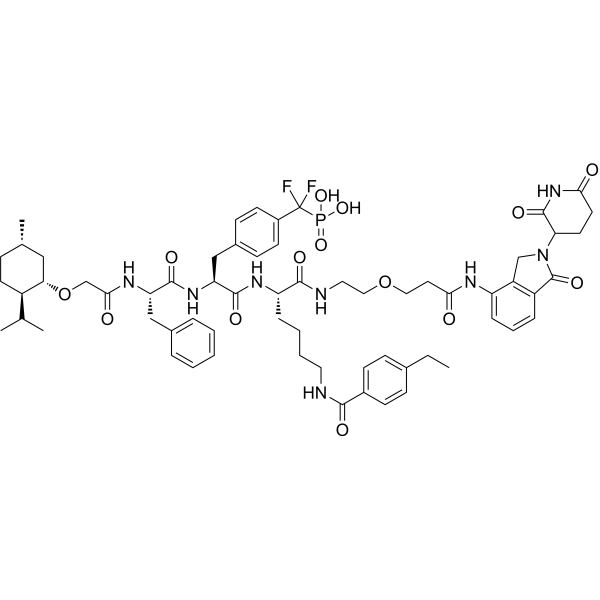
    TP1L is a potent and selective T-cell protein tyrosine phosphatase (TC-PTP) PROTAC degrader, with a DC50 value of 35.8 nM. TP1L elevates the phosphorylation level of TC-PTP substrates including pSTAT1 and pJAK1. TP1L selectively enhances IFN-γ signaling and increases MHC-I expression. TP1L activates TCR signaling through increases phosphorylation of LCK. TP1L enhances CAR-T cell mediated tumor killing efficacy through activation of the CAR-T cells. TP1L can be used for the study of cancer. (Pink: TC-PTP ligand: (HY-138964), Blue: E3 ligase CRBN Ligand (HY-A0003), Black: Linker: (HY-140002)) .
    TP1L
  • HY-P10994

    Eps8(327-335)

    EGFR IFNAR Interleukin Related TNF Receptor Complement System Apoptosis Inflammation/Immunology Cancer
    Eps8 peptide 327 is an HLA-A*2402-restricted peptide antigen derived from Eps8 protein. Eps8 peptide 327 has potent antitumor activity with significant cytotoxicity. Eps8 peptide 327 effectively inhibits cancer cells proliferation, induces apoptosis and disrupts EGFR signal pathway by inhibiting downstream signals (such as IL-2, TNF-α and IFN-γ) expression and the Eps8/EGFR interaction. Eps8 peptide 327 significantly inhibits tumor growth in HT-29 xenograft mcie models .
    Eps8 peptide 327
  • HY-P1409A
    ADWX 1 TFA
    1 Publications Verification

    Potassium Channel Inflammation/Immunology
    ADWX 1 TFA is a new peptide inhibitor that is potent and selective for Kv1.3 with an IC50 value of 1.89 pM. ADWX 1 inhibits Kv1.3 channel activity specifically to inhibit both the initial calcium signaling and NF-κB activation. ADWX 1 TFA ameliorates the disease in rats of experimental autoimmune encephalomyelitis (EAE) models. ADWX 1 TFA can be used to study T cell-mediated autoimmune diseases .
    ADWX 1 TFA
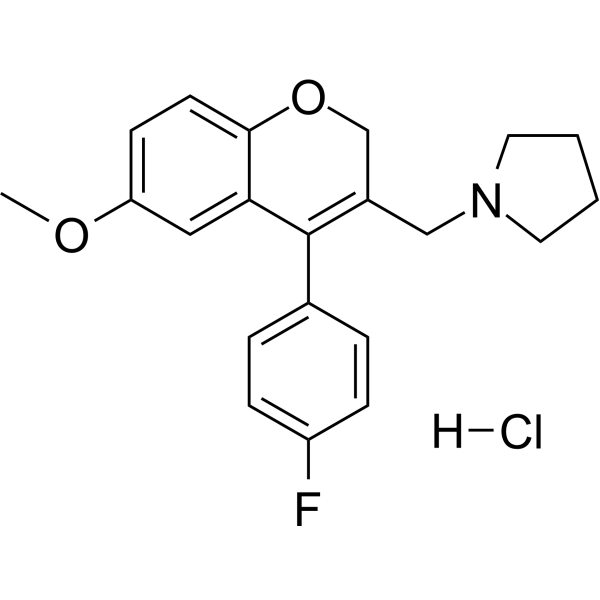
  • HY-145923B

    ABBV-CLS-484 hydrochloride

    Phosphatase Inflammation/Immunology Cancer
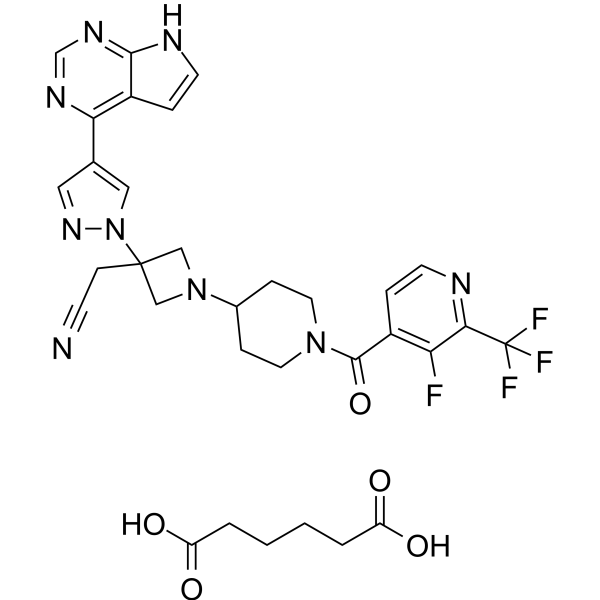
    Osunprotafib (ABBV-CLS-484) hydrochloride is an orally active and selective active site PTPN1 (IC50: 2.5 nM) and PTPN2(IC50: 1.8 nM) inhibitor. Osunprotafib hydrochloride has 6-8-fold weaker activity on PTPN9 and no detectable activity on SHP-1 or SHP-2. Osunprotafib hydrochloride increases the sensitivity of human cancer cell lines to IFNγ. Osunprotafib hydrochloride generates robust anti-tumor immunity by enhancing JAK-STAT signalling and reducing T cell dysfunction .
    Osunprotafib hydrochloride
  • HY-W060417

    Interleukin Related Inflammation/Immunology Cancer
    iST2-1 is an Stimulation-2 (ST2) inhibitor with an IC50 value of 46.65 μM, blocks interaction between ST2 and IL-33, inhibits downstream signaling. iST2-1 functions as an immunomodulator, reduces proliferation of CD4 + and CD8 + T cells, increases regulatory T cell populations, reduces IFN-γ +CD4 + T cell populations, increases Foxp3 +CD4 + regulatory T cell populations in the gastrointestinal tract. iST2-1 reduces plasma soluble ST2 and IFN-γ levels, reduces graft-versus-host disease scores, improves survival in graft-versus-host disease animal models, preserves graft-versus-tumor effect. iST2-1 can be used for the research of graft-versus-host disease .
    iST2-1
  • HY-P991475

    Transmembrane Glycoprotein NF-κB IFNAR Cancer
    MG-1131 is a human monoclonal antibody (mAb) targeting TIGIT. MG-1131 activates NF-κB signaling in T cells and enhances NK-mediated tumor killing activity in a PVR-dependent manner. MG-1131 blocks TIGIT to increase IFN-γ secretion. MG-1131 can be used in anti-tumor immunity research. Recommended isotype control: Human IgG1 kappa, Isotype Control (HY-P99001) .
    MG-1131
  • HY-176456

    PARP Inflammation/Immunology Cancer
    PARP14 inhibitor 2 (Compound 3) is an orally active and highly selective PARP14 inhibitor with an IC50 value of <30 nM. PARP14 inhibitor 2 inhibits the mono-ADP-ribosyltransferase activity of PARP14 and regulates IFN-γ and IL-4 signaling, reversing protumor macrophage polarization and inhibiting anti-tumor inflammatory responses. PARP14 inhibitor 2 is promising for research of PARP14-related diseases such as tumors, atopic dermatitis and autoimmune diseases .
    PARP14 inhibitor 2
  • HY-P11340

    MHC Infection Inflammation/Immunology
    VMAPRTLFL is a 9-mer peptide derived from the signal peptide of HLA-G and can serve as a peptide ligand for HLA-E. VMAPRTLFL plays a crucial role in regulating the functions of adaptive natural killer (NK) cells. Specifically, VMAPRTLFL enriches FcεRγ - adaptive NK cells, upregulates the expression of CD25, and enhances their proliferative activity, antibody-dependent cellular cytotoxicity (ADCC), and IFN-γ release. VMAPRTLFL can be used in research related to human cytomegalovirus (HCMV) infection, transplant rejection, and pregnancy immunity .
    VMAPRTLFL
  • HY-168971

    CP-25

    IFNAR STAT TNF Receptor Interleukin Related CXCR JAK G Protein-coupled Receptor Kinase (GRK) Inflammation/Immunology
    Paeoniflorin-6′-O-benzene sulfonate (CP-25) is the inhibitor for G protein-coupled receptor kinase 2 (GRK2) that inhibits the translocation of GRK2 to the cell membrane, inhibits JAK1/STAT3 signaling pathway. Paeoniflorin-6′-O-benzene sulfonate inhibits IL-17A/CXCL2-induced proliferation of HaCaT. Paeoniflorin-6′-O-benzene sulfonate reduces the levels of inflammatory factors and chemokines such as IL-17A, IL-17F, IFN-γ, TNF-α, IL-22, IL-23, CXCL2, CXCL3 and CXCL9, alleviates Imiquimod (HY-B0180)-induced psoriasis in mouse model .
    Paeoniflorin-6′-O-benzene sulfonate
  • HY-N10623

    Tyrosinase Cancer
    5-epi-Arvestonate A is a sesquiterpenoid isolated from the whole plants of Seriphidium transiliense. 5-epi-Arvestonate A promotes melanogenic production by activating the transcription of microphthalmia-associated transcription factor (MITF) and tyrosinase family genes. 5-epi-Arvestonate A inhibits the expression of IFN-γ-chemokine through the JAK/STAT signaling pathway in immortalized human keratinocyte (HaCaT) cells .
    5-epi-Arvestonate A
  • HY-13644

    15-Deoxyspergualin

    Others Others
    Gusperimus is a fully synthetic racemate that has a novel mechanism of action by binding to the intracellular heat shock protein hsp70 and interfering with intracellular signal transduction. This mechanism of action can enhance the effect of immunosuppressive therapy. Gusperimus can inhibit the differentiation of T cells into cytotoxic T cells, reduce the expression of IL-2 receptors on CD4 and CD8 cells, and inhibit IFN-γ-induced B cell maturation. In addition, when used with cyclosporine, tacrolimus or mycophenolate mofetil, Gusperimus can enhance the immunosuppressive effect and prevent allogeneic transplant rejection.
    Gusperimus
  • HY-P10840

    JAK MHC Inflammation/Immunology
    Tkip is a JAK2 specific inhibitor. Tkip can bind the JAK2 autophosphorylation site, inhibit the JAK2 autophosphorylation and the phosphorylation of the IFN-γ receptor subunit IFNGR-1. Tkip inhibits the antiviral activity of IFN-γ and the expression of MHC Class I molecules. Tkip can be used to study the IFN-γ signaling pathway .
    Tkip
  • HY-P10995

    EGFR IFNAR Interleukin Related TNF Receptor Complement System Apoptosis Inflammation/Immunology Cancer
    TAT-327 is cell-penetrating peptide. TAT-327 selectively inserts into cancer cell membranes and shows potent antitumor activity. TAT-327 effectively inhibits cancer cells proliferation, induces apoptosis and disrupts EGFR signal pathway by inhibiting downstream signals (such as IL-2, TNF-α and IFN-γ) expression and the Eps8/EGFR interaction. TAT-327 significantly inhibits tumor growth in HT-29 xenograft mcie models .
    TAT-327
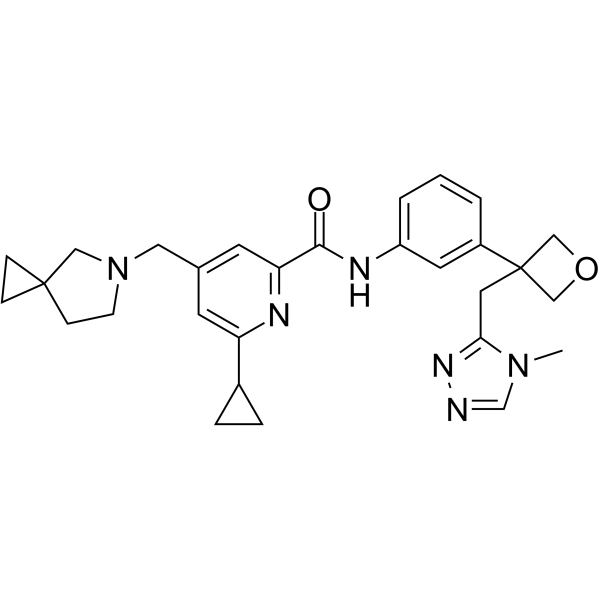
  • HY-179380

    Phosphatase IFNAR JAK STAT Cancer
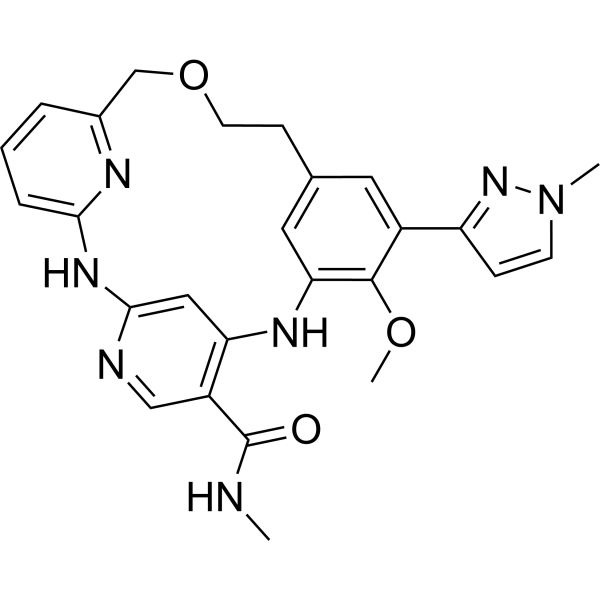
    PTPN2-IN-2 is a potent and orally active PTPN2 inhibitor (IC50 = 7.05 nM) that enhances the IFN-γ signaling pathway. PTPN2-IN-2 inhibits PTP1B with an IC50 of 9.88 nM. PTPN2-IN-2 inhibits tumor growth, promotes the activation and infiltration of tumor immune cells in a B16-OVA mouse model. PTPN2-IN-2 can be used for the research of melanoma .
    PTPN2-IN-2
  • HY-119347R

    Reference Standards IFNAR STAT Inflammation/Immunology Cancer
    Cirsilineol (Standard) is the analytical standard of Cirsilineol. This product is intended for research and analytical applications. Cirsilineol, a natural flavone compound, selectively inhibits IFN-γ/STAT1/T-bet signaling in intestinal CD4+ T cells. Cirsilineol has potent immunosuppressive and anti-tumor properties. Cirsilineol significantly ameliorates trinitro-benzene sulfonic acid (TNBS)-induced T-cell-mediated experimental colitis in mice .
    Cirsilineol (Standard)
  • HY-P992408

    TNF Receptor NF-κB MHC IFNAR Cancer
    MEDI-5083 is an Fc fusion protein that targets CD40 and is a CD40 agonist. MEDI-5083 stimulates CD40 signaling via NF-κB activation. MEDI-5083 upregulates MHCII, CD80, and CD86 expression, induces pro-inflammatory cytokine secretion, and enhances IFN-γ secretion by memory CD8+ T cells. MEDI-5083 can be used for the research of melanoma, colon carcinoma, and advanced solid tumors[1][2].
    MEDI-5083
  • HY-181545A

    NO Synthase IFNAR Cancer
    nNOS-IN-2 trihydrochloride is a blood-brain barrier-permeable nitric oxide synthase (nNOS) inhibitor. nNOS-IN-2 trihydrochloride exhibits Ki values of 1.7 nM and 2.3 nM against human and rat nNOS, respectively, and shows high selectivity for human eNOS and iNOS. nNOS-IN-2 trihydrochloride also effectively reduces PD-L1 expression in human melanoma cells under both basal conditions and IFN-γ exposure. nNOS-IN-2 trihydrochloride can be used for the study of melanoma and related signaling pathways .
    nNOS-IN-2 trihydrochloride
  • HY-P991999

    FGFR IFNAR Interleukin Related Cancer
    OM-RCA-01 is an anti-FGFR1 monoclonal antibody with a Kd of 1.59 nM for human FGFR1. OM-RCA-01 inhibits the phosphorylation of FGFR1, blocks FGF-mediated signaling pathways, and suppresses the proliferation of downstream tumor cells. OM-RCA-01 delays tumor growth in lung cancer and renal cancer xenograft models expressing FGFR1. When combined with Nivolumab, OM-RCA-01 enhances the release of IFN-γ and IL-2. OM-RCA-01 is applicable for the research of lung cancer and renal cell carcinoma .
    OM-RCA-01
  • HY-107390AR

    Reference Standards TNF Receptor Interleukin Related IFNAR Inflammation/Immunology Cancer
    AX-024 hydrochloride (Standard) is the analytical standard of AX-024 (hydrochloride) (HY-107390A). This product is intended for research and analytical applications. AX-024 hydrochloride is an orally available, first-in-class inhibitor of the TCR-Nck interaction that selectively inhibits TCR-triggered T cell activation with an IC50 ~1 nM. AX-024 hydrochloride modulates cell signaling by targeting SH3 domains. AX-024 hydrochloride has low-acute toxicity and high potency and selectivity, and strongly inhibit the production of IL-6, TNF-α, IFN-γ, IL-10 and IL-17A.
    AX-024 hydrochloride (Standard)
  • HY-P992454

    Tim3 Cancer
    S095018 (Sym023) is a human IgG2-type inhibitor targeting T cell immunoglobulin and TIM-3. S095018 competitively blocks the binding of multiple ligands such as Gal-9 and phosphatidylserine to TIM-3. S095018 stimulates the anti-tumor activity of T cells, dendritic cells and macrophages, and exhibits good safety both as a monotherapy and in combination with the anti-PD-1 antibody Sym021. S095018 also induces an increase in the density of CD8 + T cells in the tumor microenvironment, and upregulates gene signatures associated with IFN-γ signaling, antigen presentation and T cell activation. S095018 can be used for the research of advanced/metastatic recurrent biliary tract cancer .
    S095018
  • HY-P992201

    CL1-R2

    MHC Apoptosis IFNAR TNF Receptor Interleukin Related Akt mTOR Cardiovascular Disease Neurological Disease Cancer
    Anti-CD160 Antibody (MAT 302) (CL1-R2) is a human monoclonal antibody targeting CD160. Anti-CD160 Antibody (MAT 302) blocks the CD160-HVEM protein interaction, inhibits FGF2-mediated renal tubular vascular growth, and induces endothelial cell apoptosis. Anti-CD160 Antibody (MAT 302) targets CD160 on neovascularization to exert anti-angiogenic and vascular normalization effects, trigger the production of IFN-γ, TNF and IL-6 by NK cells, and enhance glucose metabolism of NK cells through the AKT/mTOR/s6k signaling pathway. Anti-CD160 Antibody (MAT 302) reduces vascular density, normalizes remaining tumor blood vessels, and inhibits tumor growth in melanoma-bearing mice. Anti-CD160 Antibody (MAT 302) can be used in research related to neovascularization, proliferative diabetic retinopathy, and melanoma .
    Anti-CD160 Antibody (MAT 302)
  • HY-P992401

    EGFR CD3 PI3K Akt p38 MAPK Caspase Apoptosis IFNAR TNF Receptor Interleukin Related Cancer
    M802 is an anti-HER2/CD3 bispecific antibody, with a Kd of 0.578 nM for human HER2 and a Kd of 71.2 nM for human CD3. M802 inhibits the PI3K/AKT and MAPK signaling pathways, suppresses tumor cell proliferation, activates caspase-3, and promotes tumor cell apoptosis (apoptosis). M802 recruits and activates CD3-positive immune cells, mediates cytotoxicity against HER2-positive tumor cells, and induces immune cells to secrete IFN-γ, TNF-α, IL-2 and IL-6. M802 exhibits anti-tumor efficacy in mice with gastric cancer xenografts. M802 can be used in research related to HER2-positive breast cancer, HER2-positive gastric cancer and other cancers. The recommended isotype control is human IgG1 kappa (HY-P99001) .
    M802
  • HY-183079

    Toll-like Receptor (TLR) IFNAR Interleukin Related Infection Inflammation/Immunology
    ENDO12 is an inhibitor of the Munc13-4-STX7 protein complex, with a Kd value of 2.7 µM for STX7. ENDO12 blocks the interaction of Munc13-4-STX7. ENDO12 inhibits endolysosomal flux, endolysosomal cargo degradation, the extracellular signal-regulated kinase signaling pathway in neutrophils, the IFN regulatory factor signaling pathway in plasmacytoid dendritic cells, and the responses of primary dendritic cells to TLR3, TLR7, and TLR9. ENDO12 alleviates CpG-induced systemic inflammation by reducing the levels of myeloperoxidase, IL-6 and IFNγ. ENDO12 does not interfere with the host's antiviral response to lymphocytic choriomeningitis virus infection.\nENDO12 can be used in studies related to systemic inflammation .
    ENDO12

Inquiry Online

Your information is safe with us. * Required Fields.

Salutation


Country or Region *

Applicant Name *


Organization Name *

Department *


Email Address *


Product Name *

Cat. No.


Requested quantity *

Phone Number *


Remarks

Inquiry Online

Inquiry Information

Product Name:
Cat. No.:
Quantity:
MCE Japan Authorized Agent:

