

Search Result
Results for "
In vitro cytotoxicity
" in MedChemExpress (MCE) Product Catalog:
2
Biochemical Assay Reagents
2
Isotope-Labeled Compounds
| Cat. No. |
Product Name |
Target |
Research Areas |
Chemical Structure |
-
- HY-12456
-
|
|
Antibiotic
ADC Payload
DNA Alkylator/Crosslinker
Necroptosis
Apoptosis
|
Cancer
|
|
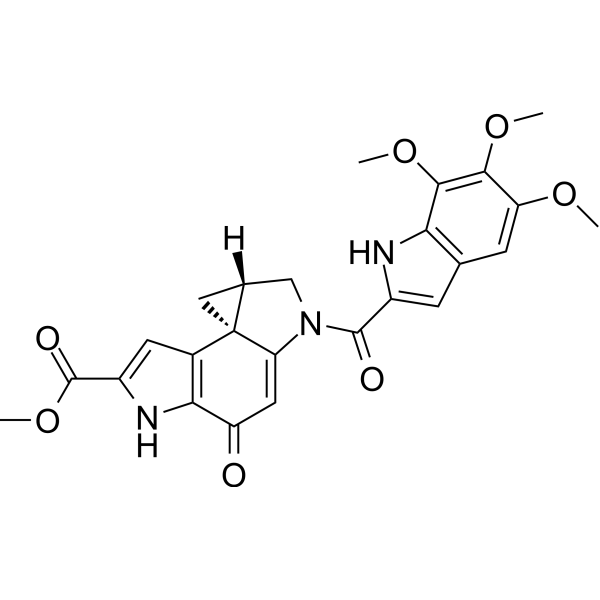
Duocarmycin SA is an orally active antitumor antibiotic with an IC50 of 10 pM . Duocarmycin SA is an extremely potent cytotoxic agent capable of inducing a sequence-selective alkylation of duplex DNA. Duocarmycin SA demonstrates synergistic cytotoxicity against glioblastoma multiforme (GBM) cells treated with proton radiation in vitro .
|
-
-
- HY-B1064
-
|
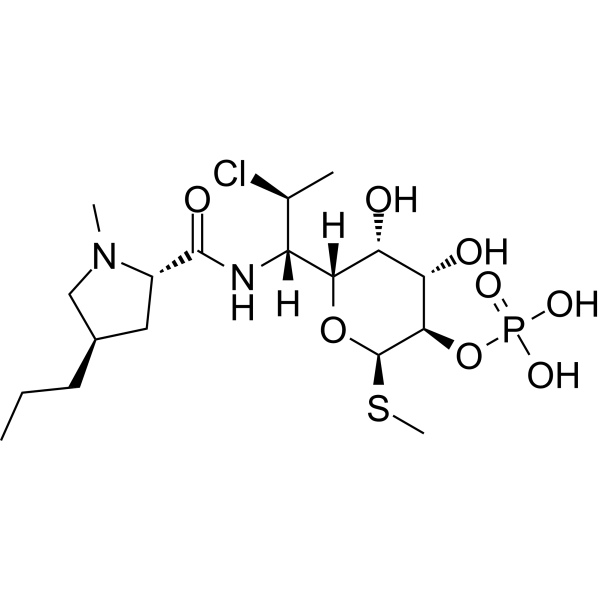
ClIndamycIn 2-phosphate; U-28508
|
Bacterial
Antibiotic
Parasite
|
Infection
Cancer
|
|
Clindamycin phosphate (Clindamycin 2-phosphate) is a broad-spectrum bacteriostatic lincosamide antibiotic. Clindamycin phosphate is the proagent of Clindamycin (HY-B1455) with no antimicrobial activity in vitro but can be rapidly converted in vivo to the active parent agent, Clindamycin, by phosphatase ester hydrolysis. Clindamycin phosphate can be used for researching acne and bacterial vaginosis . Clindamycin phosphate has no cytotoxicity. Combined with platelet rich fibrin (PRF), PRF-Clindamycin phosphate enhances antimicrobial properties .
|
-
-
- HY-N6777
-
-
-
- HY-10498
-
|
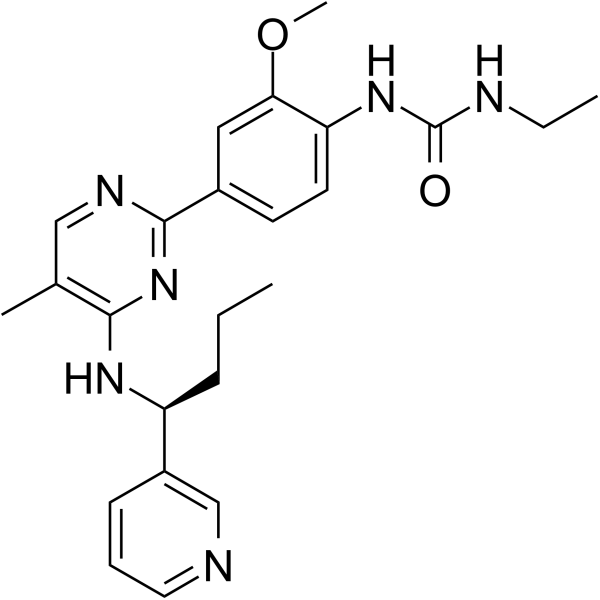
CYT-997
|
Microtubule/Tubulin
Reactive Oxygen Species (ROS)
Apoptosis
|
Cancer
|
|
Lexibulin (CYT-997) is a potent and orally active tubulin polymerisation inhibitor with IC50s of 10-100 nM in cancer cell lines; with potent cytotoxic and vascular disrupting activity in vitro and in vivo . Lexibulin induces cell apoptosis and induces mitochondrial ROS generation in GC cells .
|
-
-
- HY-N6951
-
-
-
- HY-N2416
-
|
|
Microtubule/Tubulin
Apoptosis
|
Cancer
|
|
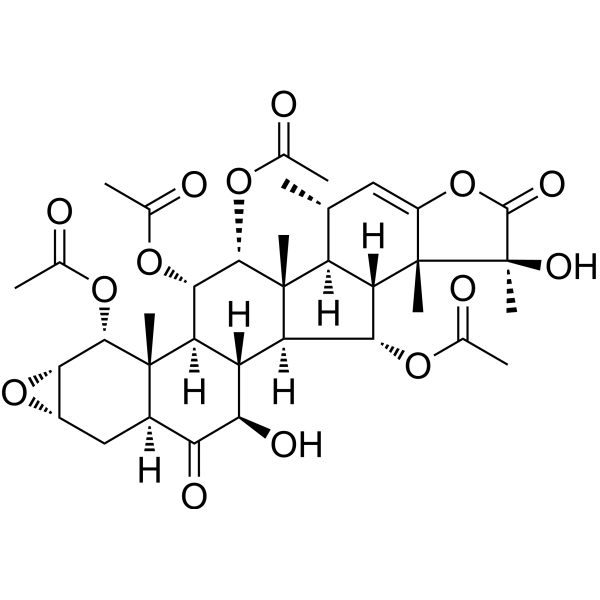
Taccalonolide A is a microtubule stabilizer, which is a steroid isolated from Tacca chantrieri, with cytotoxic and antimalarial activities . Taccalonolide A causes G2-M accumulation, Bcl-2 phosphorylation and initiation of apoptosis . Taccalonolide A is effective in vitro against cell lines that overexpress P-glycoprotein (Pgp) and multidrug resistance protein 7 (MRP7), with an IC50 of 622 nM for SK-OV-3 cells .
|
-
-
- HY-124473
-
|
NaphthafluoresceIn
|
HIF/HIF Prolyl-Hydroxylase
|
Cancer
|
|
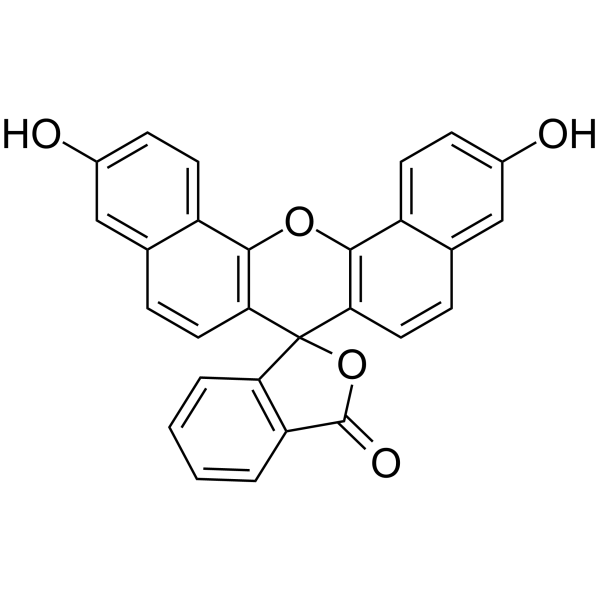
Naphthofluorescein inhibits the interaction between HIF-1 and Mint3.
Naphthofluorescein suppresses Mint3-dependent HIF-1 activity and glycolysis in cancer cells and macrophages without cytotoxicity in vitro and adverse effect in vivo . Naphthofluorescein is also a fluorescent pH-sensitive probe that can be used for functional Cerenkov imaging .
|
-
-
- HY-119529
-
|
3,8-QuInolInediol
|
Tyrosinase
Bacterial
|
Cancer
|
|
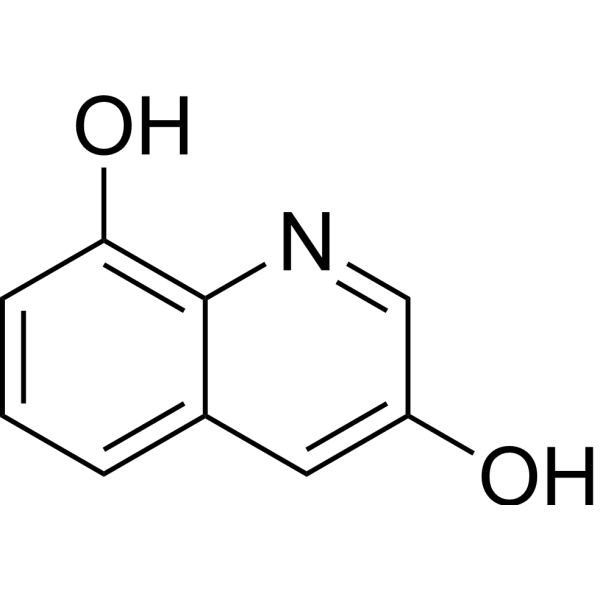
Jineol is a cytotoxic alkaloid from the centipede Scolopendra subspinipes. Jineol exhibits modest cytotoxic activity in vitro against the growth of human tumor cell lines .
|
-
-
- HY-101961
-
|
AG 1288
|
c-Kit
|
Inflammation/Immunology
|
|
Tyrphostin AG 1288 is a potent Tyrosine Kinase inhibitor. Tyrphostin AG 1288 inhibits ICAM1 expression and TNFα-mediated cytotoxicity in vitro .
|
-
-
- HY-171499
-
|
EL625
|
MDM-2/p53
|
Cancer
|
|
Cenersen (EL625) is an oligonucleotide targeting TP53. Cenersen can eliminate the activity of TP53 gain-of-function mutants and increase the sensitivity of lymphoma cells to cytotoxic chemotherapy in vitro. Cenersen can be used for the study of chronic lymphocytic leukemia (CLL) .
|
-
-
- HY-136591
-
|
|
Drug Metabolite
|
Neurological Disease
Cancer
|
|
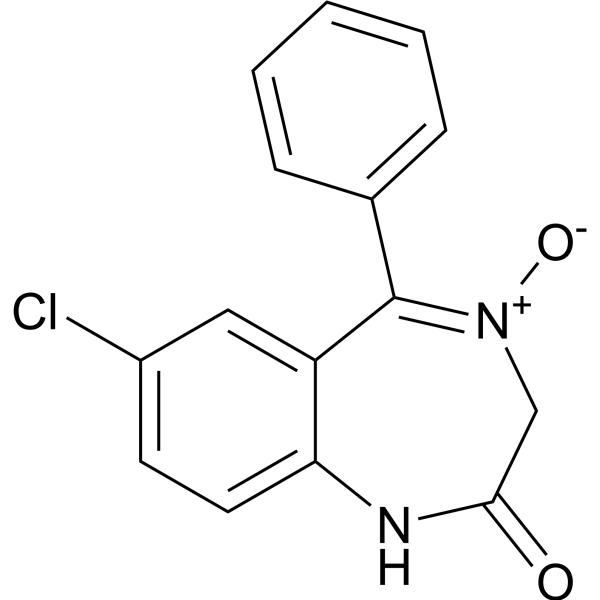
Demoxepam is a major metabolite of Chlordiazepoxide. Demoxepam exhibits cytotoxicity activity against cancer cell lines. Demoxepam has anticonvulsant and anxiolytic effects. Demoxepam has an inhibitory effect on in vitro [ 3H]tryptophan binding to rat hepatic nuclei .
|
-
-
- HY-U00279
-
|
|
DNA/RNA Synthesis
|
Cancer
|
|
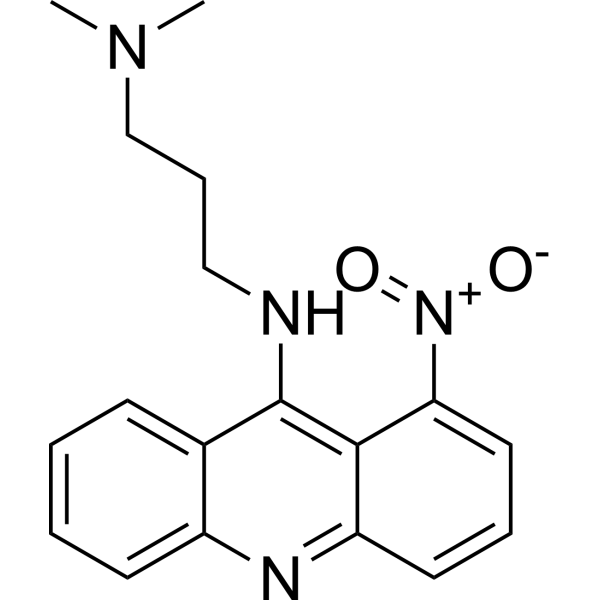
Nitracrine inhibits RNA synthesis and covalently, reversibly binds to DNA but also forms covalent adducts with DNA in vivo. Nitracrine, a 1-nitroacridine derivative, is a potent hypoxia-selective agent in vitro and antitumor agent. Nitracrine has cytotoxicity towards most cells .
|
-
-
- HY-N1391
-
|
10-Deacetylpaclitaxel
|
Microtubule/Tubulin
|
Cancer
|
|
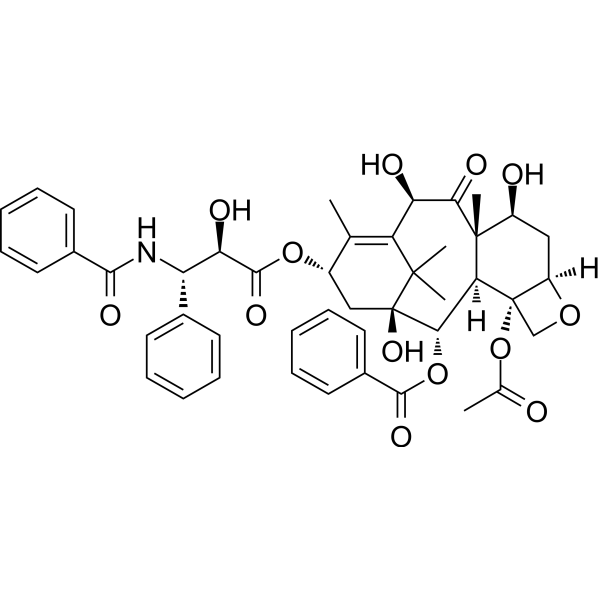
10-Deacetyltaxol (10-Deacetylpaclitaxel) is a taxane derivative isolated from Taxus wallichiana Zucc . 10-Deacetyltaxol (10-Deacetylpaclitaxel) promotes the polymerization of tubulin and to inhibit the depolymerization of microtubules induced by cold or by calcium ions in vitro . 10-Deacetyltaxol (10-Deacetylpaclitaxel) exhibits cytotoxicity in human glial and neuroblastoma cell-lines .
|
-
-
- HY-12098
-
|
MPC-6827 hydrochloride
|
Microtubule/Tubulin
|
Cancer
|
|
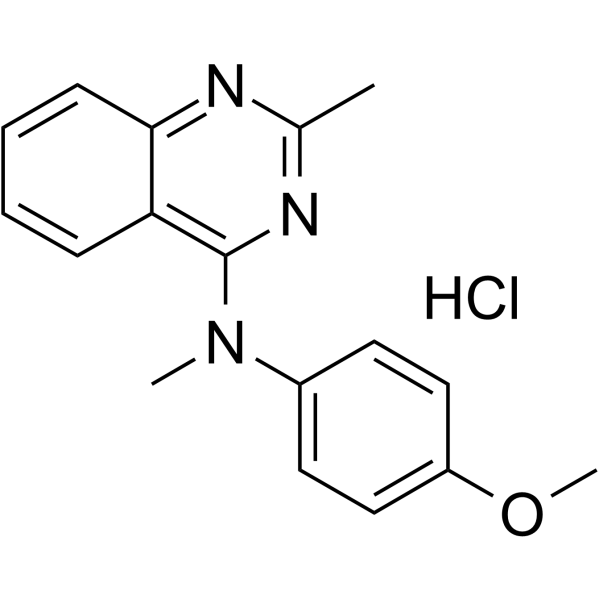
Verubulin hydrochloride (MPC-6827 hydrochloride) is a blood brain barrier permeable microtubule-disrupting agent, with potent and broad-spectrum in vitro and in vivo cytotoxic activities. Verubulin hydrochloride (MPC-6827 hydrochloride) exhibits potent anticancer activity in human MX-1 breast and other mouse xenograft cancer models. Verubulin hydrochloride (MPC 6827 hydrochloride) is a promising candidate for the treatment of multiple cancer types .
|
-
-
- HY-N5021
-
|
AHSYB
|
Others
|
Neurological Disease
|
|
Anhydrosafflor yellow B (AHSYB) is a quinochalcone C-glycoside isolated from Carthamus tinctorius. Anhydrosafflor yellow B inhibits ADP-induced platelet aggregation, exhibits significant anti-oxidative effects in vitro, and possesses certain activity against H2O2-induced cytotoxicity in cultured PC12 cells and primary neuronal cells .
|
-
-
- HY-76665
-
|
|
Drug Derivative
|
Cancer
|
|
Anticancer agent 209 (compound 1) is an anticancer agent. Anticancer agent 209 exhibits cytotoxic activity against colon cancer in vitro .
|
-
-
- HY-148255
-
|
|
Apoptosis
Autophagy
|
Cancer
|
|
QN523 is a novel scaffold with agent-like properties, showing potent in vitro cytotoxicity in a panel of 12 cancer cell lines. QN523 induces apoptosis and autophagy. QN523 can be used in research of cancer .
|
-
-
- HY-P99381
-
|
|
Transmembrane Glycoprotein
|
Cancer
|
|
XmAb 5592 is a humanized, Fc-engineered anti-HM1.24 antibody with enhanced binding to FcγRIIIa and FcγRIIa receptors, augments HM1.24-specific multiple myeloma (MM) cells lysis in vitro via antibody-dependent cellular cytotoxicity (ADCC) and antibody dependent cellular phagocytosis (ADCP) .
|
-
-
- HY-169474
-
|
PAMAM G1.0
|
Biochemical Assay Reagents
|
Cancer
|
|
Starburst 1st Generation (PAMAM G1.0) is a Polyamidoamine (HY-164657; PAMAM) dendrimer with amine termini that has been used as a drug delivery system in vitro. Starburst 1st Generation conjugated to di-n-dodecylamine and encapsulating 5-Fluorouracil (HY-90006) increase the solubility of 5-Fluorouracil and are cytotoxic to AGS gastric adenocarcinoma cells .
|
-
-
- HY-155813
-
|
|
SARS-CoV
|
Infection
|
|
MPI60 is a potent SARS-CoV-2 M Pro inhibitor with high antiviral potency, low cellular cytotoxicity, and high in vitro metabolic stability. MPI60 can be used for SARS-CoV-2 research .
|
-
-
- HY-160649
-
|
|
Drug-Linker Conjugates for ADC
Topoisomerase
|
Cancer
|
|
MC-Gly-Gly-Phe-Gly-GABA-Exatecan is an agent linker conjugate for ADC, with an inhibitor for Topoisomerase Exatecan (HY-13631) with IC50 of 22 μM. MC-Gly-Gly-Phe-Gly-GABA-Exatecan targets various antibodies, exhibits cytotoxic and antitumor efficacy in vitro and in vivo .
|
-
-
- HY-P10841
-
|
|
Amino Acid Derivatives
|
Cancer
|
|
CyPep-1 is a novel cationic lytic peptide with antitumor activity. CyPep-1 is highly cytotoxic by interacting with the negatively charged cell membrane of cancer cells. CyPep-1 has strong cytolytic activity on cancer cells both in vivo and in vitro, and can be used in the study of solid tumors .
|
-
-
- HY-157762
-
|
|
Glutathione Peroxidase
Ferroptosis
|
Cancer
|
|
GPX4-IN-9 (Compound A16) is a glutathione peroxidase 4 (GPX4) inhibitor that specifically targets GPX4 under both in vitro and in vivo conditions, inducing ferroptosis. GPX4-IN-9 exhibits cytotoxicity against pancreatic cancer cells and can be used in cancer research .
|
-
-
- HY-128947
-
|
|
ADC Linker
|
Cancer
|
|
CL2 Linker is a cleavableADC linker. CL2-SN-38 and CL2A-SN-38 are equivalent in agent substitution (~6), cell binding (Kd ~1.2 nM), cytotoxicity (IC50 ~2.2 nM), and serum stability in vitro (t1/2 ~20 hours) .
|
-
-
- HY-N10203
-
|
|
Endogenous Metabolite
|
Cancer
|
|
Rostratin A is a cytotoxic disulfide found in the marine-derived fungus Exserohilum rostratum. Rostratin A shows in vitro cytotoxicity against human colon carcinoma (HCT-116) with an IC50 of 8.5 μg/mL .
|
-
-
- HY-108999A
-
|
BWA770U
|
DNA/RNA Synthesis
|
Cancer
|
|
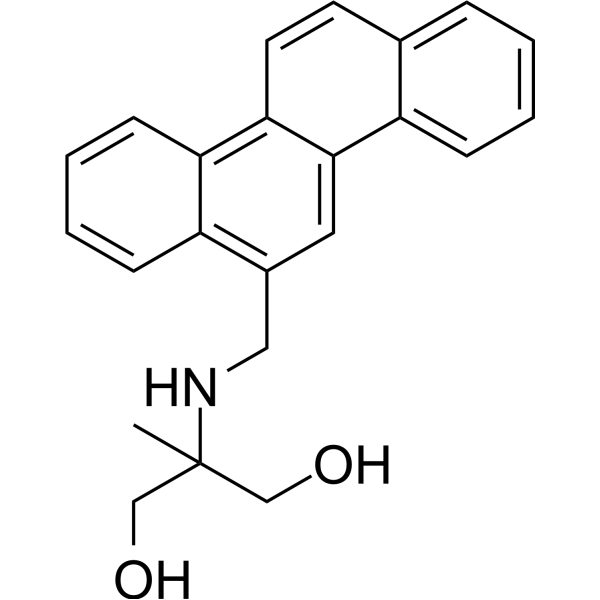
Crisnatol (BWA770U) is an orally active and anticancer agent, and a member of the arylmethylaminopropanediol class of DNA intercalators. Crisnatol shows in vitro cytotoxicity against human breast cancer cells, but not normal human skin fibroblasts .
|
-
-
- HY-146819
-
|
|
Carbonic Anhydrase
|
Cancer
|
|
Compound 9 is the most effective against tumor specific Ca ix/ca XII (ki=29.1 and 8.8 nm), so it is possible to evaluate its cytotoxicity and selectivity to HepG-2, HCT-116 and MCF-7 cancer cell lines in vitro, and its IC50 values to tumor cells are 1.78, 1.94 and 3.07, respectively μ M. It showed that it had obvious cytotoxicity.
|
-
-
- HY-W015627
-
-
-
- HY-W800776
-
|
1,2-Dioleoyl-3-dimethyl-hydroxyethylammonium bromide
|
Liposome
|
Others
|
|
DORI is a cationic lipid that can deliver plasmid DNA in vitro. DORI has lower cytotoxicity and high transfection efficiency .
|
-
-
- HY-N5007
-
|
|
Apoptosis
|
Cancer
|
|
Galgravin is an active compound in Nectandra megapotamica, with anti-inflammatory activity. Galgravin displays in vitro cytotoxic activity and induce apoptosis in leukemia cells .
|
-
-
- HY-130081
-
|
|
ADC Payload
Microtubule/Tubulin
|
Cancer
|
|
DM3-SMe is a maytansine derivative and a tubulin inhibitor, and is a cytotoxic moiety of antibody-drug conjugates (ADCs), which can be linked to antibody through disulfide bond or stable thioether bond. DM3-SMe shows highly cytotoxic activity in vitro with an IC50 of 0.0011 nM .
|
-
-
- HY-14461
-
|
|
Parasite
|
Infection
|
|
SJL 01 (Compound 8) is an anti-parasitic agent. SJL 01 (Compound 8) is cytotoxic to L-6 myocytes and exhibits antileishmaniasis activity both in vivo and in vitro. SJL 01 can be used for visceral leishmaniasis research .
|
-
-
- HY-P990719
-
|
XmAb24306
|
Interleukin Related
|
Inflammation/Immunology
Cancer
|
|
Efbalropendekin Alfa (XmAb24306) is an IL-15/IL-15 receptor alpha complex fused to a heterodimeric Fc domain (IL15/IL15Rα-Fc). Efbalropendekin Alfa increases direct and antibody-dependent cellular cytotoxicity (ADCC)-mediated human natural killer (NK) cell cytotoxicity in vitro .
|
-
-
- HY-10498A
-
|
CYT-997 dihydrochloride
|
Microtubule/Tubulin
Reactive Oxygen Species (ROS)
Apoptosis
|
Cancer
|
|
Lexibulin dihydrochloride (CYT-997 dihydrochloride) is a potent and orally active tubulin polymerisation inhibitor with IC50s of 10-100 nM in cancer cell lines; with potent cytotoxic and vascular disrupting activity in vitro and in vivo . Lexibulin dihydrochloride induces cell apoptosis and induces mitochondrial ROS generation in GC cells .
|
-
-
- HY-105522
-
|
TetraplatIn; NSC 363812
|
Drug Derivative
|
Cancer
|
|
Ormaplatin (Tetraplatin) is a Platinum (HY-W096169D) analog with anticancer activity. Ormaplatin demonstrates cytotoxic activity in Cisplatin (HY-17394)-sensitive cell lines in vitro and in vivo. Ormaplatin can be used for non-small cell lung, colon, and breast cancer research .
|
-
-
- HY-120574
-
|
|
ADC Payload
Topoisomerase
|
Cancer
|
|
TH1338 (compound 3b), an orally active camptothecin derivative and a potent chemotherapeutic agent for cancer, demonstrates excellent cytotoxic potency against human tumor cell lines in vitro. TH1338 (compound 3b) possesses significant brain penetration, favorable efflux pump properties, and hematological toxicity profile .
|
-
-
- HY-N6250
-
|
Isomucronulatol 7-O-β-glucoside
|
NO Synthase
Interleukin Related
|
Inflammation/Immunology
|
|
Isomucronulatol 7-O-glucoside (Isomucronulatol 7-O-β-D-glucoside) is an isoflavonoid glycoside isolated from the roots of Astragalus membranaceus. Isomucronulatol 7-O-glucoside targets inflammation-related pathways in vitro to exert anti-inflammatory activity without cytotoxicity at effective concentrations. Isomucucronulatol 7-O-glucoside inhibits NO production and weakly suppresses IL‑12 p40 production in vitro. Isomucronulatol 7-O-glucoside can be used for the research on inflammation .
|
-
-
- HY-P991542
-
|
|
CD19
|
Cancer
|
|
GBR-401 is a humanized anti-CD19 monoclonal antibody with high affinity for FcγRIIIa. GBR-401 exerts a potent in vitro and in vivo cytotoxic activity against various B-cell malignancies. GBR-401 induces cell death by antibody dependent cellular cytotoxicity (ADCC) and direct killing effect. GBR-401 demonstrates potent activity of depleting malignant B cells and prolongs mice survival in multiple xenograft severe combined immunodeficiency (SCID) mice models .
|
-
-
- HY-P1881
-
|
|
HPV
|
Cancer
|
|
HPV16-E711-20 epitope is a well-known HLA-A *0201-restricted human cytotoxic T lymphocyte (CTL) epitope of the HPV16 E7 protein that shows high-affinity binding to HLA-A2 in vitro. HPV16 CTL epitopes may be good candidates for the development of an effective peptide-based antitumor vaccine .
|
-
-
- HY-157404
-
|
|
Pim
|
Cancer
|
|
Pim-1/2 kinase inhibitor 2 (compound 5b) is a competitive PIM-1 and PIM-2 kinase inhibitor with IC50s of 1.31 μM and 0.67 μM, respectively. Pim-1/2 kinase inhibitor 2 shows in-vitro low cytotoxicity against normal human lung fibroblast Wi-38 cell line and potent in-vitro anticancer activity against myeloid leukaemia (NFS-60), liver (HepG-2), prostate (PC-3), and colon (Caco-2) cancer cell lines .
|
-
-
- HY-19541A
-
|
|
Epigenetic Reader Domain
|
Cancer
|
|
I-CBP112 hydrochloride is a selective inhibitor of CBP/P300 that directly binds their bromodomains (Kds = 142 and 625 nM, respectively). I-CBP112 significantly reduces the leukemia-initiating potential of MLL-AF9(+) acute myeloid leukemia cells in a dose-dependent manner in vitro and in vivo. I-CBP112 increases the cytotoxic activity of BET bromodomain inhibitor JQ1 as well as doxorubicin .
|
-
-
- HY-171184
-
|
|
PARP
Bcr-Abl
Apoptosis
Mitosis
|
Cancer
|
|
EAPB0503 is a quinoline compound with anti-tumor activity, showing strong cytotoxicity against melanoma cells in vitro (IC50=200 nM). EAPB0503 can induce specific cell cycle arrest in mitosis of CML cells and directly activate apoptosis, leading to an increase in the G0 cell population, disruption of mitochondrial membrane potential, PARP cleavage, and DNA fragmentation. EAPB0503 also reduces the levels of BCR-ABL protein .
|
-
-
- HY-155239
-
|
|
VEGFR
|
Cancer
|
|
VEGFR-2-IN-35 (compound 7) is a potent VEGFR-2 inhibitor with IC50=37 nM. VEGFR-2-IN-35 inhibits MCF-7 and HCT 116 cancer cells with IC50 values of 10.56 and 7.07 μM, respectively .
|
-
-
- HY-N10204
-
|
|
Endogenous Metabolite
|
Cancer
|
|
Rostratin B, a cytotoxic disulfide, shows in vitro cytotoxicity against human colon carcinoma (HCT-116) with IC50 of 1.9 μg/mL .
|
-
-
- HY-N10205
-
|
|
Endogenous Metabolite
|
Cancer
|
|
Rostratin C, a cytotoxic disulfide, shows in vitro cytotoxicity against human colon carcinoma (HCT-116) with IC50 value of 0.76μg /mL .
|
-
-
- HY-105279
-
|
PP 56
|
FGFR
|
Others
|
|
α-Trinositol (PP 56) is an isomer of the intracellular messenger IP3. α-Trinositol can be used in the study of in vitro cytotoxicity and glutamate-induced glial cytotoxic swelling and injury .
|
-
-
- HY-N10265
-
|
|
Endogenous Metabolite
|
Cancer
|
|
Stephacidin B is a fungal metabolite. Stephacidin B shows in vitro cytotoxicity against a panel of human tumor cell lines. Stephacidin B shows the strongest cytotoxicity against testosterone-dependent prostate LNCaP cancer cells .
|
-
-
- HY-120190
-
|
|
Drug Metabolite
|
Infection
|
|
Citreoindole is a diketopiperazine metabolite isolated from a hybrid cell fusion of two strains of P. citreovirde that is cytotoxic in vitro against HeLa cells at 8.4 μM.
|
-
-
- HY-N8394
-
|
|
Others
|
Cancer
|
|
Eupatolide is an antitumor agent that can be isolated from Eupatorium formosanum. Eupatolide has cytotoxic activity and inhibits human epidermoid carcinoma of larynx cell growth in vitro .
|
-
-
- HY-N8317
-
|
|
Others
|
Cancer
|
|
Rubicordifolin is a natural product that can be isolated from Rubia cordifolia. Rubicordifolin inhibits the growth of sarcoma ascites in mice. Rubicordifolin has significant cytotoxic activity both in vitro and in vivo .
|
-
- HY-163089
-
|
|
Biochemical Assay Reagents
|
Cancer
|
|
Anticancer agent 176 (Compoint 10α) is an anticancer agent. Anticancer agent 176 exhibits excellent in vitro cytotoxic activity against neuroblastoma with an IC50 value of 6.3 μM .
|
-
- HY-D2215
-
|
|
Fluorescent Dye
|
Cancer
|
|
Mito-CCY is a mitochondria-targeted, NIR-absorbing cryptocyanine probe. Mito-CCY displays a high photothermal conversion efficiency, good biological compatibility in vitro, and photoinduced cytotoxicity in HeLa cells .
|
-
- HY-149003
-
|
|
PARP
Apoptosis
|
Cancer
|
|
PARP1-IN-10 (compound 12c) is a no-cytotoxicity and potent PARP1 inhibitor with an IC50 value of 50.62 nM in vitro. PARP1-IN-10 causes cell cycle arrest at G2/M phase and apoptosis, and enhances the cytotoxicity of temozolomide (TMZ) .
|
-
- HY-155167
-
|
|
Antibiotic
Fungal
|
Cancer
|
|
Anticancer agent 151 (compound 6C) is an anticancer agent. Anticancer agent 151 exhibits excellent in vitro cytotoxic activity against MCF-7 cells with an IC50 value of 6.3 μM .
|
-
- HY-108999
-
|
BWA770U mesylate
|
DNA/RNA Synthesis
|
Cancer
|
|
Crisnatol (BWA770U) mesylate is an orally active and anticancer agent, and a member of the arylmethylaminopropanediol class of DNA intercalators. Crisnatol mesylate shows in vitro cytotoxicity against human breast cancer cells, but not normal human skin fibroblasts .
|
-
- HY-N13286
-
|
|
Bacterial
|
Infection
|
|
Glycozolidal (compound 12) is a carbazole alkaloid with antibacterial activity against P. gingivalis. Glycozolidal is cytotoxic against human gingival fibroblasts (HGFs) and monocytes (U937) in vitro with IC50 values of 120.86 µg/mL and 97.74 µg/mL, respectively .
|
-
- HY-19135
-
|
|
HIV Protease
|
Infection
|
|
A-77003 is an inhibitor for HIV protease, with IC50 of 0.1 to 0.2 μg/ml, for HIV-1 and HIV-2 protease. A-77003 exhibits high levels of antiretroviral activity and low cytotoxicity in vitro .
|
-
- HY-155189
-
|
|
Melanocortin Receptor
|
Others
|
|
IIIM-8 is a melanogenesis inhibitor. IIIM-8 inhibits pigment production both in vitro and in vivo without incurring any cytotoxicity in Human Adult Epidermal Melanocytes (HAEM). IIIM-8 can be used for hyperpigmentation disorders research .
|
-
- HY-149347
-
|
|
Bacterial
|
Infection
|
|
Mtb-IN-3 (compound 10c) is an inhibitor of Mycobacterium tuberculosis (Mtb). Mtb-IN-3 shows selective, potent in vitro antimycobacterial activity without cytotoxicity. Mtb-IN-3 inhibits colony-forming in spleen in the murine tuberculosis model .
|
-
- HY-146406
-
|
|
Apoptosis
|
Cancer
|
|
Anticancer agent 52 is a potent anticancer agent. Anticancer agent 52 shows in vitro cytotoxicity. Anticancer agent 52 induces apoptosis. Anticancer agent 52 shows antitumor effect. Anticancer agent 52 has the potential for the research of bladder cancer .
|
-
- HY-N12657
-
|
|
Others
|
Neurological Disease
|
|
Retinestatin, a new polyol polyketide, can protect SH-SY5Y dopaminergic cells from MPP + (HY-W008719)-induced cytotoxicity. Retinestatin shows neuroprotective effects in an in vitro model of Parkinson’s disease .
|
-
- HY-76665R
-
|
|
Drug Derivative
Reference Standards
|
Cancer
|
|
Anticancer agent 209 (Standard) is the analytical standard of Anticancer agent 209 (HY-76665). This product is intended for research and analytical applications. Anticancer agent 209 (compound 1) is an anticancer agent. Anticancer agent 209 exhibits cytotoxic activity against colon cancer in vitro.
|
-
- HY-U00279A
-
|
|
DNA/RNA Synthesis
|
Cancer
|
|
Nitracrine dihydrochloride hydrate inhibits RNA synthesis and covalently, reversibly binds to DNA but also forms covalent adducts with DNA in vivo. Nitracrine dihydrochloride hydrate, a 1-nitroacridine derivative, is a potent hypoxia-selective agent in vitro and antitumor agent. Nitracrine dihydrochloride hydrate has cytotoxicity towards most cells .
|
-
- HY-146407
-
|
|
Apoptosis
|
Cancer
|
|
Anticancer agent 53 is a potent anticancer agent. Anticancer agent 53 shows in vitro cytotoxicity. Anticancer agent 53 induces apoptosis and cell cycle arrest in S/G2/M phases. Anticancer agent 53 shows antitumor activity with no apparent toxicity .
|
-
- HY-149805
-
|
|
Apoptosis
|
Cancer
|
|
Anticancer agent 110 is an anticancer agent with in vitro anticancer activity and excellent anti-leukemia potency. Anticancer agent 110 is highly cytotoxic to K-562 lineage chronic myelogenous leukemia cells at nanomolar concentrations. Anticancer agent 110 causes DNA damage and leads to apoptosis .
|
-
- HY-116621
-
|
|
DNA-PK
|
Cancer
|
|
NU-7163 is an ATP-competitive DNA-PK inhibitor (IC50=0.19 μM; Ki=24 nM). NU-7163 enhances the cytotoxicity of ionizing radiation against the HeLa human tumor cell line in vitro .
|
-
- HY-145908
-
|
|
NO Synthase
|
Cancer
|
|
Antitumor agent-49 (Compound 10) is a Harmine derivative-furoxan hybrids containing NO donor, with antitumor activities. Antitumor agent-49 shows cytotoxic activity against HepG2 cells with an IC50 of 1.79 µM. Antitumor agent-49 produces high levels of NO in vitro .
|
-
- HY-108999AR
-
|
BWA770U (Standard)
|
DNA/RNA Synthesis
Reference Standards
|
Cancer
|
|
Crisnatol (Standard) is the analytical standard of Crisnatol. This product is intended for research and analytical applications. Crisnatol (BWA770U) is an orally active and anticancer agent, and a member of the arylmethylaminopropanediol class of DNA intercalators. Crisnatol shows in vitro cytotoxicity against human breast cancer cells, but not normal human skin fibroblasts .
|
-
- HY-N14144
-
|
|
Bacterial
|
Infection
Cancer
|
|
Cremimycin has anti-Gram-positive bacteria activity including methicillin-resistant Staphylococcus aureus (MRSA), MIC is 0.2-0.39 μg/mL. Cremimycin shows cytotoxicity to mouse tumor cell lines P388, L1210, IMC, S180, B16 and SS3 in vitro .
|
-
- HY-178979
-
|
|
Parasite
|
Infection
|
|
PIM-IN-3 (Compound 50) is an orally active new anti-intestinal worm drug. PIM-IN-3 exhibits strong inhibitory activity in vitro, especially for whipworms (IC50 = 6.6 µM). PIM-IN-3 has low cytotoxicity. PIM-IN-3 can be used in the research of gastrointestinal nematode diseases .
|
-
- HY-P10301
-
|
|
CXCR
|
Cancer
|
|
CXCL9(74-103) is a derivative peptide of CXCL9 that has a high affinity for glycosaminoglycans (GAGs) and can bind to GAGs. CXCL9(74-103) possesses anti-angiogenic properties, capable of reducing EGF, VEGF165, and FGF-2-mediated angiogenesis processes in vitro, without exhibiting cytotoxicity .
|
-
- HY-146547
-
|
|
Interleukin Related
TNF Receptor
|
Inflammation/Immunology
|
|
Anti-inflammatory agent 17 is a potent and orally active anti-inflammatory agent. Anti-inflammatory agent 17 inhibits the release of IL-6 and TNF-α in vitro experiments without cytotoxicity. Anti-inflammatory agent 17 exhibits anti-inflammatory activity in vivo. Anti-inflammatory agent 17 has the potential for the research of Acute lung injury (ALI) .
|
-
- HY-119530
-
|
BW 57-323
|
Nucleoside Antimetabolite/Analog
|
Others
|
|
Thiamiprine (BW 57-323) is a compound related to azathioprine. Its nucleoside forms are similar to the parent compound in terms of cytotoxicity in vitro (except for the arabinoside). In the rat adjuvant arthritis model in vivo, its riboside and 2'-deoxyriboside are less active than the parent compound. The arabinoside is inactive and nontoxic. It has similar potency to the other parent compounds tested, but has a different safety profile.
|
-
- HY-115905
-
|
|
Parasite
|
Infection
|
|
Antimalarial agent 9 (Compound 11) is a potent antimalarial agent. Antimalarial agent 9 is a quinoline-imidazole derivative compound. Antimalarial agent 9 exhibits significant antimalarial efficacy in-vitro against both CQ-sensitive (IC50-0.14 μM) and MDR strain (IC50-0.41 μM) with minimal cytotoxicity and high selectivity .
|
-
- HY-118722
-
|
|
DNA/RNA Synthesis
Cytochrome P450
|
Cancer
|
|
RB-90740 is a type of biological reducing agent. RB-90740 is activated through metabolic reduction and generates cytotoxic products, thereby selectively killing tumor cells (usually in a hypoxic environment). RB-90740 has selective toxicity towards hypoxic cells, which is mainly achieved by causing DNA strand breaks and activating reducing enzymes (such as Cytochrome P450). RB-90740 does not initially exhibit cytotoxicity similar to its in vitro properties in hypoxic cells in mouse models. RB-90740 can be used to study the tumor physiological environment
|
-
- HY-10498R
-
|
CYT-997 (Standard)
|
Reference Standards
Microtubule/Tubulin
Reactive Oxygen Species (ROS)
Apoptosis
|
Cancer
|
|
Lexibulin (Standard) is the analytical standard of Lexibulin. This product is intended for research and analytical applications. Lexibulin (CYT-997) is a potent and orally active tubulin polymerisation inhibitor with IC50s of 10-100 nM in cancer cell lines; with potent cytotoxic and vascular disrupting activity in vitro and in vivo . Lexibulin induces cell apoptosis and induces mitochondrial ROS generation in GC cells .
|
-
- HY-113853
-
|
|
Akt
Apoptosis
|
Others
|
|
WF-10129 is a cytotoxic steroidal compound isolated from the plant Physalis. WF-10129 inhibits liver cancer cell proliferation, induces apoptosis, interferes with metabolism, and significantly reduces lactate production in vitro and in vivo. WF-10129 can also exert anti-tumor activity by regulating the expression of related genes and proteins through the AKT-p53 pathway.
|
-
- HY-N3210
-
|
|
Others
|
Cancer
|
|
Nb-Demethylechitamine is an alkaloid isolated from the methanol extract of Alstonia rostrata twigs. Nb-Demethylechitamine has in vitro cytotoxic activity against several human cancer cell lines, including human myeloid leukemia HL-60, liver cancer SMMC-7721, lung cancer A-549, breast cancer MCF-7, and colon cancer SW480 cells .
|
-
- HY-163435
-
|
|
Apoptosis
Caspase
PARP
Bcl-2 Family
|
Cancer
|
|
Anticancer agent 201 (Compound 2f) has IC50 values in the low micromolar range for multiple tumor cell lines. Anticancer agent 201 is highly cytotoxic to CCRF-CEM cells in vitro, inducing apotosis by activating caspase-3 in the intrinsic mitochondrial pathway and lysis of PARP, as well as reducing the expression of Bcl-2 and Bcl-XL proteins. Anticancer agent 201 can be used in cancer research .
|
-
- HY-122047
-
|
|
Autophagy
|
Cancer
|
|
SW063058 is an autophagy inducer that specifically disrupts the binding of Beclin 1 to Bcl-2 while leaving the interaction between Bcl-2 and pro-apoptotic members like Bax and BIM unaffected. By inhibiting the negative regulatory effects of Bcl-2 on Beclin 1, which is crucial for the initiation of autophagy, SW063058 promotes autophagic activity without triggering cytotoxicity, apoptosis, or other forms of cell death in vitro.
|
-
- HY-123597
-
|
DDUG; NCI C04808
|
Autophagy
Checkpoint Kinase (Chk)
|
Cancer
|
|
NSC 109555 is an ATP-competitive inhibitor of checkpoint kinase 2 (Chk2; IC50=200 nM in a cell-free kinase assay). It is selective for Chk2 over Chk1 and 16 kinases in a panel but does inhibit Brk, c-Met, IGFR, and LCK with IC50 values of 210, 6,000, 7,400, and 7,100 nM, respectively. NSC 109555 inhibits Chk2 autophosphorylation and phosphorylation of the Chk2 substrate histone H1 in vitro (IC50=240 nM). It inhibits the growth of, and induces autophagy in, L1210 leukemia cells in vitro.2 NSC 109555 (1,250 nM) potentiates gemcitabine-induced cytotoxicity in MIA PaCa-2, CFPAC-1, PANC-1, and BxPC-3 pancreatic cancer cells, as well as reduces gemcitabine-induced increases in Chk2 phosphorylation and enhances gemcitabine-induced production of reactive oxygen species (ROS) in MIA PaCa-2 cells.
|
-
- HY-N6951R
-
-
- HY-119821R
-
|
|
Reference Standards
Glycosidase
|
Infection
|
|
Thiamiprine (Standard) is the analytical standard of Thiamiprine. This product is intended for research and analytical applications. Thiamiprine (BW 57-323) is a compound related to azathioprine. Its nucleoside forms are similar to the parent compound in terms of cytotoxicity in vitro (except for the arabinoside). In the rat adjuvant arthritis model in vivo, its riboside and 2'-deoxyriboside are less active than the parent compound. The arabinoside is inactive and nontoxic. It has similar potency to the other parent compounds tested, but has a different safety profile.
|
-
- HY-12098R
-
|
MPC-6827 hydrochloride (Standard)
|
Microtubule/Tubulin
Reference Standards
|
Cancer
|
|
Verubulin (hydrochloride) (Standard) is the analytical standard of Verubulin (hydrochloride). This product is intended for research and analytical applications. Verubulin hydrochloride (MPC-6827 hydrochloride) is a blood brain barrier permeable microtubule-disrupting agent, with potent and broad-spectrum in vitro and in vivo cytotoxic activities. Verubulin hydrochloride (MPC-6827 hydrochloride) exhibits potent anticancer activity in human MX-1 breast and other mouse xenograft cancer models. Verubulin hydrochloride (MPC 6827 hydrochloride) is a promising candidate for the treatment of multiple cancer types .
|
-
- HY-146018
-
|
|
HIV
|
Infection
|
|
HIV-1 inhibitor-23 (compound 12a) is a highly potent HIV-1 non-nucleoside reverse transcriptase inhibitor, with EC50s of 24.9 nM and 10.4 nM for HIV-1 WT and HIV-1 K103N, respectively. HIV-1 inhibitor-23 has low cytotoxicity (CC50 > 221 μM) and a favorable in vitro microsomal stability .
|
-
- HY-N18195
-
|
|
Others
|
Cancer
|
|
Trichilin B is a limonoid compound found in the twigs and leaves of Trichilia connaroides. Trichilin B exhibits no in vitro cytotoxic activity against tumor cell lines .
|
-
- HY-N17880
-
|
|
Drug Derivative
|
Inflammation/Immunology
Cancer
|
|
Monbarbatain C is a biphenanthrene compound found in the tubers of Monomeria barbata Lindl. Monbarbatain C induces cytotoxic activity against liver carcinoma and promyelocytic leukaemia cells in vitro. Monbarbatain C mediates DPPH radical scavenging activity in vitro. Monbarbatain C can be used for the research of liver carcinoma, promyelocytic leukaemia, ovarian carcinoma, and epidermoid carcinoma .
|
-
- HY-N18156
-
|
|
Others
|
Cancer
|
|
29β-Toosendanin is a toosendanin-type limonoid that is found in the root bark of Melia azedarach. 29β-Toosendanin exerts cytotoxic effects on lymphocytic leukemia cells in vitro. 29β-Toosendanin can be used for the research of leukemia .
|
-
- HY-N19720
-
|
|
Drug Derivative
Parasite
|
Infection
|
|
Bractein is a natural aurone flavonoid with potential antioxidant activity. Bractein shows in vitro antileishmanial activity and inhibits promastigotes and intracellular amastigotes of Leishmania donovani. Bractein exhibits no obvious cytotoxicity against mammalian macrophages with an EC50 value > 25.0 μg/mL. Bractein can be used for the research of Leishmania .
|
-
- HY-N14530
-
|
|
Bacterial
|
Infection
Cancer
|
|
Cremeomycin has anti-Gram-positive bacteria activity including methicillin-resistant Staphylococcus aureus (MRSA), MIC is 0.2-0.39 μg/mL. Cremeomycin shows cytotoxicity to mouse tumor cell lines P388, L1210, IMC, S180, B16 and SS3 in vitro .
|
-
- HY-136591R
-
|
|
Drug Metabolite
Reference Standards
|
Neurological Disease
Cancer
|
|
Demoxepam (Standard) is the analytical standard of Demoxepam. This product is intended for research and analytical applications. Demoxepam is a major metabolite of Chlordiazepoxide. Demoxepam exhibits cytotoxicity activity against cancer cell lines. Demoxepam has anticonvulsant and anxiolytic effects. Demoxepam has an inhibitory effect on in vitro [ 3H]tryptophan binding to rat hepatic nuclei .
|
-
- HY-N6777S
-
|
|
Isotope-Labeled Compounds
|
Cancer
|
|
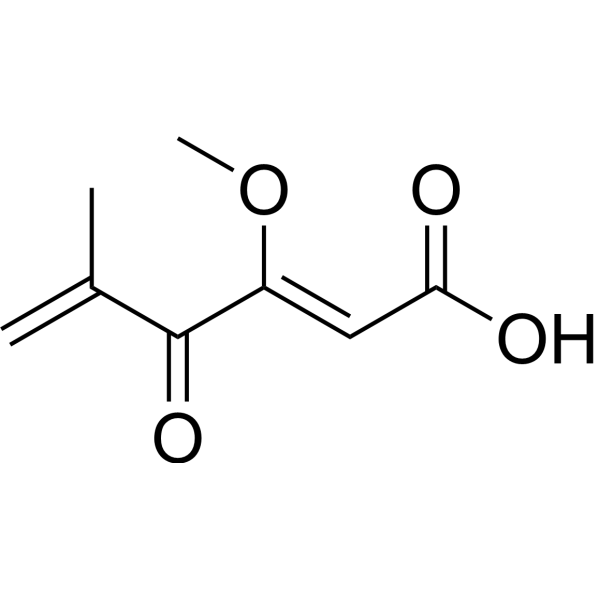
Penicillic acid- 13C8 is the 13C-labeled Penicillic acid (HY-N6777). Penicillic acid is a polyketide mycotoxin produced by several species of Aspergillus and Penicillium. Penicillic acid exhibits cytotoxicity in rat alveolar macrophages (AM) in vitro. Penicillic acid inhibits Fas ligand-induced apoptosis by blocking self-processing of caspase-8 .
|
-
- HY-P992450
-
|
|
TNF Receptor
|
Cancer
|
|
REGN6569 is a fully human IgG1 monoclonal antibody targeting glucocorticoid-induced tumor necrosis factor receptor-related protein (GITR) with high specificity for GITR. REGN6569 exerts stronger in vitro antibody-dependent cell-mediated cytotoxicity (ADCC) against regulatory T cells expressing GITR. REGN6569 selectively depletes regulatory T cells via antibody-dependent cell-mediated cytotoxicity and increases the proportion of proliferative natural killer (NK) cells in peripheral blood. REGN6569 is applicable for advanced solid malignancies. Isotype control: HY-P99001 .
|
-
- HY-W011592
-
|
|
NO Synthase
|
Inflammation/Immunology
|
|
N-Phthaloyl-L-glutamic acid is an orally active anti-inflammatory agent. N-Phthaloyl-L-glutamic acid inhibits Lipopolysaccharides (HY-D1056) (LPS)-induced nitric oxide production in murine spleen cells. N-Phthaloyl-L-glutamic acid does not exhibit significant cytotoxicity in vitro against tumor cells and BALB/c mice spleen cell culture. N-Phthaloyl-L-glutamic acid can be used for the research of inflammation .
|
-
- HY-N18294
-
|
|
Parasite
|
Infection
Cancer
|
|
(R,R)-Polysphorin is a neolignan antimalarial agent that is isolated from the dried leaves and stems of Rhaphidophora decursiva. (R,R)-Polysphorin inhibits the growth of chloroquine-sensitive and chloroquine-resistant Plasmodium falciparum clones in vitro by mediating free radical damage to key cellular components via conjugated double bonds. (R,R)-Polysphorin also exhibits cytotoxicity against human oral epidermoid carcinoma cells .
|
-
- HY-179719
-
|
|
Bacterial
Drug Intermediate
|
Infection
|
|
Anti-MRSA agent 41 (Compound 3d) is a prodrug of Mupirocin (HY-B0958), being a cholesterol disulfide conjugate of Mupirocin. Anti-MRSA agent 41 shows no antibacterial activity or cytotoxicity in vitro. Anti-MRSA agent 41 demonstrates strong anti-MRSA infection efficacy in systemic bacteremia and pneumonia mouse models. Anti-MRSA agent 41 can be used in antibiotic resistance research .
|
-
- HY-W353474
-
|
|
Drug Derivative
|
Cancer
|
|
iso-Dehydrozingerone is a dehydrozingerone analog. iso-Dehydrozingerone exhibits moderate in vitro cytotoxic activity against human tumor cells, with IC50 values of 10.0 μg/mL, 8.2 μg/mL and >10 μg/mL against human nasopharyngeal carcinoma cells, multidrug-resistant nasopharyngeal carcinoma cells and human lung cancer cells, respectively. iso-Dehydrozingerone can be used in studies related to nasopharyngeal carcinoma, multidrug-resistant nasopharyngeal carcinoma and lung cancer .
|
-
- HY-N19297
-
|
PrieurianIn
|
Elastase
|
Inflammation/Immunology
Cancer
|
|
Endosidin1 (Prieurianin) is a Prieurianin with cleaved A and B rings. Endosidin1 is isolated from the roots of Aphanamixis polystachya. Endosidin1 inhibits superoxide anion production and Elastase release in neutrophils, with an IC50 >10 μg/mL. Endosidin1 exhibits mild cytotoxic activity against laryngeal cancer cells in vitro. Endosidin1 shows anti-inflammatory activity. Endosidin1 can be used in studies related to laryngeal cancer .\n
|
-
- HY-D3220
-
|
|
Fluorescent Dye
Amyloid-β
|
Neurological Disease
|
|
PTO-41 is a blood-brain barrier-permeable near-infrared fluorescent probe that targets β-amyloid oligomers (Aβ Oligomers, AβOs) with a Kd of 349 nM. PTO-41 exhibits low cytotoxicity, high sensitivity to β-amyloid oligomers in in vitro phantom imaging, and can be rapidly cleared from the brain. PTO-41 is applicable to the research of Alzheimer's disease (Ex/Em = 538 nM/680 nM) .
|
-
- HY-180323
-
|
|
RAR/RXR
|
Inflammation/Immunology
|
|
ER-38925 is a retinoid agonist with selevtivity to retinoic acid receptor subtype α (RAR-α). ER-38925 prolongs the lifespan of the recipient mice dose-dependently. ER-38925 potently inhibits alloantigenstimulated donor T lymphocyte prolifertion in vitro. ER-38925 can prevent the development of antiallogeneic cytotoxic T lymphocyte response in mice. ER-38925 inhibits serum anti-DNA autoantibody production in mouse model of human chronic GVHD .
|
-
- HY-119530R
-
|
BW 57-323 (Standard)
|
Nucleoside Antimetabolite/Analog
Reference Standards
|
Others
|
|
Thiamiprine (Standard) is the analytical standard of Thiamiprine. This product is intended for research and analytical applications. Thiamiprine (BW 57-323) is a compound related to azathioprine. Its nucleoside forms are similar to the parent compound in terms of cytotoxicity in vitro (except for the arabinoside). In the rat adjuvant arthritis model in vivo, its riboside and 2'-deoxyriboside are less active than the parent compound. The arabinoside is inactive and nontoxic. It has similar potency to the other parent compounds tested, but has a different safety profile.
|
-
- HY-116971
-
|
|
Histone Methyltransferase
Apoptosis
|
Cancer
|
|
DCG066 is an inhibitor of lysine methyltransferase G9a. DCG066 can bind directly to G9a and inhibit methyltransferase activity in vitro. DCG066 decreases di-methylation levels of histone H3 lysine 9 (H3K9Me2), inhibits cell proliferation and induces cell apoptosis. DCG066 displays low cytotoxicity in leukemia cell lines with high levels of G9a expression, including K562 .
|
-
- HY-N1391R
-
|
10-Deacetylpaclitaxel (Standard)
|
Reference Standards
Microtubule/Tubulin
|
Cancer
|
|
10-Deacetyltaxol (Standard) is the analytical standard of 10-Deacetyltaxol. This product is intended for research and analytical applications. 10-Deacetyltaxol (10-Deacetylpaclitaxel) is a taxane derivative isolated from Taxus wallichiana Zucc . 10-Deacetyltaxol (10-Deacetylpaclitaxel) promotes the polymerization of tubulin and to inhibit the depolymerization of microtubules induced by cold or by calcium ions in vitro . 10-Deacetyltaxol (10-Deacetylpaclitaxel) exhibits cytotoxicity in human glial and neuroblastoma cell-lines .
|
-
- HY-P99612
-
|
MORAb-202
|
Antibody-Drug Conjugates (ADCs)
|
Cancer
|
|
Farletuzumab ecteribulin (MORAb-202) is an antibody-drug conjugate (ADC), consisting of the humanized anti-human folate receptor alpha (FRA) antibody Farletuzumab (HY-P99153) conjugated via reduced interchain disulfide bonds to Mal-PEG2-Val-Cit-PAB-eribulin. Farletuzumab ecteribulin has a agent-to-antibody ratio of 4.0. Farletuzumab ecteribulin is highly cytotoxic to FRA-positive cells in vitro. Farletuzumab ecteribulin has potent antitumor activity.
|
-
- HY-126489
-
|
|
Parasite
|
Infection
|
|
Tetromycin B is a cysteine protease inhibitor with Ki values of 0.62, 1.42, 32.5, and 1.59 μM for rhodesain, falcipain-2, cathepsin L, and cathepsin B, respectively. It inhibits the growth of T. brucei in vitro (IC50=30.87 μM). Tetromycin B is also cytotoxic to HEK293T kidney cells and J774.1 macrophages (IC50s=71.77 and 20.2 μM, respectively).
|
-
- HY-160843
-
|
|
Apoptosis
|
Cancer
|
|
N-ω-chloroacetyl-L-ornithine (NCAO) is a potent reversible competitive ornithine decarboxylase (ODC) inhibitor that exerts cytotoxic and antiproliferative effects on tumor cell lines with EC50 values ranging from 1 to 50.6 µM. NCAO induces tumor cell Apoptosis and inhibits tumor cell migration in vitro. NCAO also exhibits a potent antitumor activity against both solid and ascitic tumors in a mouse model using the myeloma (Ag8) cell line. NCAO is promising for research of antitumor agents .
|
-
- HY-N0060AR
-
|
Coniferic acid sodium (Standard)
|
Reference Standards
FGFR
Endogenous Metabolite
Reactive Oxygen Species (ROS)
|
Cardiovascular Disease
Cancer
|
|
10-Deacetyltaxol (Standard) is the analytical standard of 10-Deacetyltaxol. This product is intended for research and analytical applications. 10-Deacetyltaxol (10-Deacetylpaclitaxel) is a taxane derivative isolated from Taxus wallichiana Zucc . 10-Deacetyltaxol (10-Deacetylpaclitaxel) promotes the polymerization of tubulin and to inhibit the depolymerization of microtubules induced by cold or by calcium ions in vitro . 10-Deacetyltaxol (10-Deacetylpaclitaxel) exhibits cytotoxicity in human glial and neuroblastoma cell-lines .
|
-
- HY-159512
-
|
|
EGFR
Apoptosis
|
Cancer
|
|
EGFR kinase inhibitor 7 (compound 18i) is an EGFR inhibitor (IC50=42.3 nM) with anticancer activity. EGFR kinase inhibitor 7 has significant in vitro cytotoxicity and apoptosis induction ability. EGFR kinase inhibitor 7 has antiproliferative activity against human colon cancer cell line HCT116 and human non-small cell lung cancer cell line A549, with IC50 values of 4.82 µM and 1.43 µM, respectively .
|
-
- HY-175841
-
|
|
Tau Protein
p38 MAPK
NF-κB
Apoptosis
Bcl-2 Family
ERK
JNK
|
Neurological Disease
|
|
Tau Protein Phosphorylation-IN-1 is a tau protein phosphorylation inhibitor that potently protects PC12 cells against Aβ25–35-induced cytotoxicity (EC50 = 1.93 μM), and can penetrate the blood-brain barrier (BBB).Tau Protein Phosphorylation-IN-1 reverses the hyperphosphorylation of tau, significantly inhibits the expression of certain immune-related cytotoxic factors, suppresses the MAPK and NF-κB signaling pathways, and significantly inhibits the expression of RAGE and the apoptosis factors Bax/Bcl-2, both in vitro and in vivo. Tau Protein Phosphorylation-IN-1 relieves nerve damage, and improves learning and memory in an Alzheimer’s disease (AD) mouse model. Tau Protein Phosphorylation-IN-1 can be used for AD research .
|
-
- HY-D2186
-
|
|
Biochemical Assay Reagents
|
Others
|
|
BTD probe-1 is a benzothiazine-based chemoproteomic probe and selective protein S-sulfenic acid (Cys-SOH) labeling agent. BTD probe-1 labels protein S-sulfenic acids in vitro in cell and tissue samples, and in situ in intact cells, enabling detection or enrichment of modified proteins/peptides. BTD probe-1 exhibits no cytotoxicity in cells at concentrations ≤1 mM. BTD probe-1 enables global, site-specific mapping and quantification of cysteine S-sulfenylation in complex proteomes with lower input material .
|
-
- HY-123525
-
|
|
GABA Receptor
|
Neurological Disease
|
|
COR628 is a positive allosteric modulator of GABA(B) receptors with the activity of enhancing GABA-induced GTPγS stimulation. COR628 showed significant activity in in vitro studies but did not exhibit endogenous agonist activity. COR628 has shown efficacy in experiments in mice by enhancing the sedation/hypnosis induced by baclofen, shortening the onset time and extending the duration of loss of righting reflex when combined with non-sedating doses of baclofen . The cytotoxic effect of COR628 is comparable to or higher than that of GS39783 or BHF177 in concentration .
|
-
- HY-162829
-
|
|
URAT1
GLUT
|
Metabolic Disease
|
|
hURAT1 inhibitor 1 (compound 27b) is an isomarine-based, orally active dual hURAT1/GLUT9 inhibitor with IC50s of 0.16 μM and 4.47 μM, respectively, and has anti-hyperuricemia effects. hURAT1 inhibitor 1 showed significant uric acid-lowering activity in a hyperuricemia mouse model (10 mg/kg dose). hURAT1 inhibitor 1 had no significant in vitro cytotoxicity or in vivo hepatotoxicity and showed good PK characteristics .
|
-
- HY-N2078
-
|
NeodiosgenIn
|
LXR
Reactive Oxygen Species (ROS)
Apoptosis
Fatty Acid Synthase (FASN)
|
Metabolic Disease
|
|
Yamogenin (Neodiosgenin) is a diastereomer of diosgenin. Yamogenin antagonizes the activation of the liver X receptor (LXR) in luciferase ligand assay. Yamogenin inhibits triacylglyceride (TG) accumulation through the suppression of gene expression of fatty acid synthesis in HepG2 hepatocytes. Yamogenin is a steroidal saponin that can be obtained from plant species with in vitro cytotoxicity, antioxidant, and antimicrobial properties. Yamogenin induces cell death via the extrinsic and intrinsic way of apoptosis. Yamogenin inhibits protein denaturation with an IC50 of 1421.92 μg/mL. Yamogenin can be studied in research on gastric cancer .
|
-
- HY-164899
-
|
2-amInopyridIne-3-carboxylic acid imidazolide
|
Transmembrane Glycoprotein
|
Cancer
|
|
2A3 (2-aminopyridine-3-carboxylic acid imidazolide) is a T cell activator that specifically binds to CEACAM6 and CEACAM5. 2A3 exhibits enzymatic activity that catalyzes the glucuronidation of specific substrates (e.g., 1-naphthol), and possesses significant cytotoxic activity. When integrated into CAR T cells or used alone, 2A3 acts by inducing cytokine release, degranulation, and direct cytotoxicity. 2A3 kills pancreatic and breast cancer cells with high target antigen expression in vitro, and significantly inhibits the growth of pancreatic cancer xenografts in vivo. 2A3 broadly targets malignant tumors with overexpressed CEACAM5, CEACAM6, or co-expressed both, and shows high expression mainly in tissues such as the liver and colon. 2A3 serves as an important research tool for the immunotherapy of pancreatic and breast cancer . 2A3 is a novel SHAPE reagent, which can be used for the analysis of RNA structure both in vitro and in vivo . 2A3 is an electrophilic chemical probe that acylates the 2'-OH in the RNA backbone. 2A3 can be used for RNA SHAPE-MaP experiments and is capable of analyzing the RNA secondary structures at single nucleotide resolution.
|
-
- HY-D1583
-
|
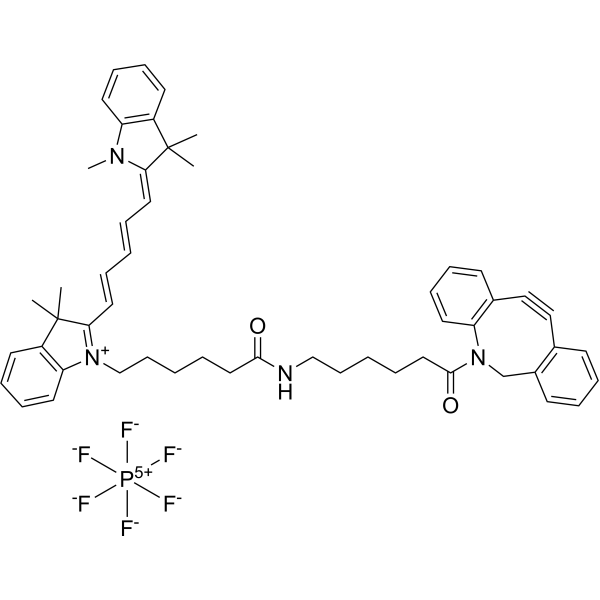
DBCO-Cy5 hexafluorophosphate; CyanIne5 dibenzocyclooctyne hexafluorophosphate
|
Fluorescent Dye
|
Others
|
|
Cyanine5 DBCO (DBCO-Cy5) hexafluorophosphate is a low-toxicity azide reactive probe (NIR fluorescent dye), for imaging azide-labeled biomolecules via a copper-free "click-through" reaction. Cyanine5 DBCO hexafluorophosphate has no apparent cytotoxicity or animal toxicity and shows no damage to the physiological functions of cells other than the target cells (azide-labeled cells). Cyanine5 DBCO hexafluorophosphate can be used to label and track cells in vitro and in vivo (Ex=635 nm, Em=650-700 nm) .
|
-
- HY-13561
-
|
M475271
|
Src
Apoptosis
|
Cancer
|
|
AZM475271 (M475271) is an orally active and selective Src kinase inhibitor. AZM475271 inhibits phosphorylation of c-Src kinase, Lck, c-yes (IC50s = 0.01, 0.03, 0.08 μM, respectively). AZM475271 induces apoptosis. AZM475271 reduces tumor cell proliferation and migration in vitro and in vivo, and reduces microvessel density (MVD). AZM475271 inhibits tumor growth and metastasis. AZM475271 sensitizes tumor cells to the cytotoxic effects of Gemcitabine (HY-17026) .
|
-
- HY-D2907
-
|
DBCO-Cy5; CyanIne5 dibenzocyclooctyne
|
Fluorescent Dye
|
Others
|
|
Cyanine5 DBCO (DBCO-Cy5) is a low-toxicity azide reactive probe (NIR fluorescent dye), for imaging azide-labeled biomolecules via a copper-free "click-through" reaction. Cyanine5 DBCO has no apparent cytotoxicity or animal toxicity and shows no damage to the physiological functions of cells other than the target cells (azide-labeled cells). Cyanine5 DBCO can be used to label and track cells in vitro and in vivo (Ex=635 nm, Em=650-700 nm) .
|
-
- HY-155852
-
|
|
Ferroptosis
Apoptosis
ACSL Family
Glutathione Peroxidase
Reactive Oxygen Species (ROS)
|
Inflammation/Immunology
Cancer
|
|
Lepadin H is a ferroptosis inducer and apoptosis inducer with in vitro cytotoxicity and in vivo antitumor efficacy against cancer cells. Lepadin H reduces GPX4 and SLC7A11 levels, increases p53 and ACSL4 expression, drives lipid hydroperoxide production, elevates reactive oxygen species (ROS) levels, reduces cellular glutathione (GSH) levels, induces lipid peroxidation and G2/M phase cell cycle arrest, and suppresses clonogenic growth and migration of cancer cells.Lepadin H can be used for the research of melanoma .
|
-
- HY-P991547
-
|
|
CD20
Apoptosis
|
Inflammation/Immunology
Cancer
|
|
Anti-CD20 Antibody (mAb 1.5.3) is a fully human IgG1 anti-CD20 antibody. Anti-CD20 Antibody (mAb 1.5.3) evokes enhanced pro-apoptotic activity in vitro. Anti-CD20 Antibody (mAb 1.5.3) mediated both complement-dependent cytotoxicity and antibody-dependent cellular cytotoxicity. Anti-CD20 Antibody (mAb 1.5.3) demonstrates enhanced anti-tumor activity in various tumor xenograft models. Anti-CD20 Antibody (mAb 1.5.3) produces a superior B-cell depletion profile in lymph node organs and bone marrow in a primate pharmacodynamic model. Anti-CD20 Antibody (mAb 1.5.3) can be studied in research for B-cell maglignancies .
|
-
- HY-18957C
-
|
BGB-283 hydrochloride
|
Endogenous Metabolite
|
Cancer
|
|
Lifirafenib hydrochloride (BGB-283 hydrochloride) is a novel, reversible B-RAFV600E inhibitor with antitumor activity. Lifirafenib has shown potent antitumor activity against solid tumors with B-RAFV600E mutations, such as melanoma, thyroid cancer, and low-grade serous ovarian cancer. Lifirafenib exhibits selective cytotoxicity in vitro, preferentially inhibiting the proliferation of cancer cells with B-RAFV600E and EGFR mutations/amplification. Lifirafenib can achieve dose-dependent inhibition of tumor growth in animal models, accompanied by partial and complete tumor shrinkage .
|
-
- HY-173283
-
|
|
Fungal
|
Infection
|
|
Antifungal agent 129 (Compound 4g) is an inhibitor targeting Rhizoctonia solani, with an EC50 value of 4.27 mg/L. It has a good control effect against rice sheath blight in in vitro and in vivo experiments. Preliminary exploration through scanning electron microscopy, molecular docking, enzyme activity determination, and cytotoxicity experiments has revealed that Antifungal agent 129 may exert its inhibitory activity by affecting the cell structure or physiological processes of Rhizoctonia solani. Antifungal agent 129 can be used in the research of plant diseases in the agricultural field, such as rice sheath blight, which are caused by Rhizoctonia solani .
|
-
- HY-P99361
-
|
PDL192; ABT-361; Anti-TNFRSF12A/TWEAKR/CD266 Reference Antibody (enavatuzumab)
|
TNF Receptor
|
Cancer
|
|
Enavatuzumab (PDL192; ABT-361) is a humanized IgG1 monoclonal antibody targeting the receptor of TNF-like weak inducer of apoptosis (TWEAK). TWEAK (Fn14; TNFRSF12A), the natural ligand of the TWEAK receptor (TweakR), stimulates multiple cellular responses. Enavatuzumab induces tumor growth inhibition through direct TweakR signaling and antibody dependent cell-mediated cytotoxicity (ADCC). Enavatuzumab can actively recruits and activates myeloid effectors to kill tumor cells. Enavatuzumab inhibits the growth of various human TweakR-positive cancer cell lines and xenografts in vitro and in vivo .
|
-
- HY-16680
-
|
HelioxanthIn analogue 8-1
|
HBV
|
Infection
|
|
Helioxanthin 8-1(Helioxanthin analogue 8-1) is an anti-HBV agent. Helioxanthin 8-1 exhibits anti-hepatitis B virus activity in both in vitro human hepatitis B virus models and animal models. Helioxanthin 8-1 inhibits the synthesis of duck hepatitis B virus (DHBV) DNA, covalently closed circular DNA, RNA and proteins, thereby blocking DHBV replication. Helioxanthin 8-1 shows higher cytotoxicity in virus-induced cells than in non-induced cells. Helioxanthin 8-1 can be used in studies related to hepatitis B virus infection .
|
-
- HY-N13838
-
|
|
Bacterial
|
Infection
|
|
8,9-Dehydro-7,9-diisobutyryloxythymol is a Thymol (HY-N6810) derivative, as well as an antibacterial agent. 8,9-Dehydro-7,9-diisobutyryloxythymol can be found in the aerial parts of Ageratina adenophora, with selective activity against Gram-positive bacterial strains including Bacillus cereus. 8,9-Dehydro-7,9-diisobutyryloxythymol does not exhibit detectable in vitro cytotoxic activity against human cancer cell lines. 8,9-Dehydro-7,9-diisobutyryloxythymol can be used for the research of bacterial infection .
|
-
- HY-N1341
-
|
|
HCV
HCV Protease
DNA/RNA Synthesis
Bacterial
|
Infection
|
|
Roseoside is an inhibitor of DNA gyrase and HAV 3C protease, and also inhibits HCV NS5A/B replicase in human systems with an IC50 of 20 μM. Roseoside binds to the active site of enzymes and stabilizes the interaction by forming hydrogen bonds with key amino acid residues. Roseoside inhibits the growth of Gram-positive bacteria, Gram-negative bacteria, and Candida albicans, and interferes with HCV RNA replication in vitro by inhibiting HCV NS5A/B replicase (IC50=20 μM). Roseoside shows no cytotoxicity and serves as a research tool for studies related to bacterial infections, candidiasis, HAV and HCV .
|
-
- HY-182800
-
|
|
Molecular Glues
Casein Kinase
|
Cancer
|
|
IBA-11 is a selective CRBN-dependented CK1α molecular glue degrader. IBA-11 binds to the canonical tri-tryptophan pocket of CRBN, forming a ternary complex with CK1α to mediate its degradation. IBA-11 induces CRBN-dependent ubiquitin-proteasome system-mediated degradation of CK1α. IBA-11 exhibits cytotoxicity against cancer cells. IBA-11 demonstrates in vitro metabolic stability in rat liver microsomes and minimal hERG inhibition. IBA-11 can be used for the research of cancer, such as acute myeloid leukemia .
|
-
- HY-149230
-
|
|
Deubiquitinase
|
Cancer
|
|
USP28-IN-4 is a USP28 inhibitor (IC50=0.04 μM) with high selectivity over USP2, USP7, USP8, USP9x, UCHL3 and UCHL5. USP28-IN-4 shows cytotoxicity against cancer cells, down-regulates the cellular level of c-Myc through ubiquitin-proteasome system. USP28-IN-4 also decreases the ankyrase-1/2 level in vitro. USP28-IN-4 enhance the sensitivity of colorectal cancer cells to Regorafenib (HY-10331) .
|
-
- HY-N2078R
-
|
NeodiosgenIn (Standard)
|
Reference Standards
LXR
Apoptosis
Fatty Acid Synthase (FASN)
Reactive Oxygen Species (ROS)
|
Metabolic Disease
|
|
Yamogenin (Standard) is the analytical standard of Yamogenin. This product is intended for research and analytical applications. Yamogenin (Neodiosgenin) is a diastereomer of diosgenin. Yamogenin antagonizes the activation of the liver X receptor (LXR) in luciferase ligand assay. Yamogenin inhibits triacylglyceride (TG) accumulation through the suppression of gene expression of fatty acid synthesis in HepG2 hepatocytes. Yamogenin is a steroidal saponin that can be obtained from plant species with in vitro cytotoxicity, antioxidant, and antimicrobial properties. Yamogenin induces cell death via the extrinsic and intrinsic way of apoptosis. Yamogenin inhibits protein denaturation with an IC50 of 1421.92 μg/mL. Yamogenin can be studied in research on gastric cancer .
|
-
- HY-149229
-
|
|
Deubiquitinase
|
Cancer
|
|
USP28-IN-3 is a USP28 inhibitor (IC50=0.1 μM) with high selectivity over USP2, USP7, USP8, USP9x, UCHL3 and UCHL5. USP28-IN-3 shows cytotoxicity against cancer cells, down-regulates the cellular level of c-Myc through ubiquitin-proteasome system. USP28-IN-3 also decreases the ankyrase-1/2 level in vitro. USP28-IN-3 enhance the sensitivity of colorectal cancer cells to Regorafenib (HY-10331) .
|
-
- HY-DY1068
-
|
|
Fluorescent Dye
|
Others
|
Cyanine5 DBCO (DBCO-Cy5) hexafluorophosphate (solution) is a low-toxicity azide reactive probe (NIR fluorescent dye) , for imaging azide-labeled biomolecules via a copper-free "click-through" reaction. Cyanine5 DBCO hexafluorophosphate has no apparent cytotoxicity or animal toxicity and shows no damage to the physiological functions of cells other than the target cells (azide-labeled cells). Cyanine5 DBCO hexafluorophosphate can be used to label and track cells in vitro and in vivo (Ex=635 nm, Em=650-700 nm) . Solvent and concentration: DMSO: 10 mM
|
-
- HY-149228
-
|
|
Deubiquitinase
|
Cancer
|
|
USP28-IN-2 is a USP28 inhibitor (IC50=0.3 μM) with high selectivity over USP2, USP7, USP8, USP9x, UCHL3 and UCHL5. USP28-IN-2 shows cytotoxicity against cancer cells, down-regulates the cellular level of c-Myc through ubiquitin-proteasome system. USP28-IN-2 also decreases the ankyrase-1/2 level in vitro. USP28-IN-2 enhance the sensitivity of colorectal cancer cells to Regorafenib (HY-10331) .
|
-
- HY-121605
-
|
|
Apoptosis
|
Cancer
|
|
RL71 is a curcuminoid anticancer agent that exhibits potent cytotoxicity against a variety of ER-negative breast cancer cells. RL71 (1 μM) induces cell cycle arrest in the G2/M phase and induces apoptosis in SKBr3 cells. RL7 also decreases HER2/neu phosphorylation and increases p27. RL71 also significantly reduced the phosphorylation of Akt and transiently increased the stress kinases JNK1/2 and p38 MAPK. Furthermore, RL71 exhibited anti-angiogenic potential in vitro, inhibiting the migration of HUVEC cells and the ability of these cells to form tubular networks .
|
-
- HY-126914
-
|
|
Parasite
|
Infection
|
|
Diacetylcercosporin is a perylenequinone produced by Cercospora and Septoria that has diverse biological activities. Diacetylcercosporin inhibits the growth of P. falciparum strains that are sensitive and resistant to chloroquine (IC50s=2.75 and 1.94 μM for D6 and W2 clones, respectively) and L. donovani parasites (IC50=3.1 μM) in vitro. Diacetylcercosporin exhibits cytotoxicity against SK-MEL, KB, BT549, and SKOV3 human cancer cell lines (IC50s=4.8-8.7 μM). Diacetylcercosporin is also a phytotoxin that inhibits the growth of lettuce and bentgrass at a concentration of 1.62 mM.
|
-
- HY-20559
-
|
|
Drug Intermediate
|
Cancer
|
|
4-Chloro-3-nitrobenzoic acid is a benzoic acid derivative and an important intermediate for the synthesis of anticancer agents. 4-Chloro-3-nitrobenzoic acid shows low cytotoxicity against HepG2, A549 and HeLa cancer cells in vitro (>10,000 μM). 4-Chloro-3-nitrobenzoic acid can block thymidine uptake and inhibit lymphocyte growth. 4-Chloro-3-nitrobenzoic acid serves as a ligand for Cu (II) complexes and is used in the preparation of 10H-pyrazino[2,3-b][1,4]benzothiazine derivatives .
|
-
- HY-156584
-
|
|
Endogenous Metabolite
|
Infection
|
|
ODE-Bn-PMEG is an antiviral compound with strong inhibitory activity against HPV-11, -16, and -18. ODE-Bn-PMEG effectively reduced transient amplification of viral DNA in transfected cells at concentrations well below its cytotoxic levels. ODE-Bn-PMEG showed increased uptake in human foreskin fibroblasts and was able to be efficiently converted to the active antiviral metabolite PMEG diphosphate in vitro. The P-chiral enantiomer of ODE-Bn-PMEG showed comparable antiviral activity, indicating its potential application against multiple HPV types. ODE-Bn-PMEG is a promising candidate for local inhibition of HPV-16, HPV-18, and other high-risk types .
|
-
- HY-116504
-
|
|
EGFR
Akt
ERK
Apoptosis
|
Cancer
|
|
WB-308 is a novel small molecule that was identified as an inhibitor of EGFR by an in vitro EGFR kinase activity system. WB-308 was able to reduce the proliferation and clonogenicity of NSCLC cells, causing G2/M phase arrest and apoptosis. In addition, WB-308 inhibited tumor growth in two in vivo animal models (lung orthotopic transplantation model and patient-derived clonal mouse model). WB-308 impaired the phosphorylation of EGFR, AKT, and ERK1/2 proteins. Compared with Gefitinib, WB-308 had lower cytotoxicity. This study showed that WB-308 is a new EGFR-TKI that may be considered as an alternative to Gefitinib in the clinical treatment of NSCLC.
|
-
- HY-N18272
-
|
|
Others
|
Cancer
|
|
1α-Benzoyloxy-3α-acetoxyl-7α-hydroxy-12β-ethoxynimbolinin is a nimbolinin-type limonoid and cytotoxin, found in the fruits of Melia toosendan. 1α-Benzoyloxy-3α-acetoxyl-7α-hydroxy-12β-ethoxynimbolinin exhibits in vitro cytotoxicity against human hepatocellular carcinoma, human lung cancer, and human breast cancer cells. 1α-Benzoyloxy-3α-acetoxyl-7α-hydroxy-12β-ethoxynimbolinin can be used for the research of hepatocellular carcinoma, lung cancer, breast cancer .
|
-
- HY-182942
-
|
|
Bacterial
Elastase
|
Infection
|
|
PV-DPD-19 is an autoinducer-2 (AI-2) quorum sensing inhibitor. PV-DPD-19 reduces AI-2 production and inhibits the expression of multiple MSCRAMMs. In co-culture systems with Staphylococcus aureus, PV-DPD-19 decreases the production of pyocyanin and Elastase in Pseudomonas aeruginosa. PV-DPD-19 impairs the adhesion ability of Staphylococcus aureus to lung epithelial cells. PV-DPD-19 inhibits biofilm formation of Pseudomonas aeruginosa (MBIC50 = 27 μg/mL) and Staphylococcus aureus (MBIC50 = 35 μg/mL). PV-DPD-19 shows no cytotoxicity in both in vitro lung epithelial cell models and in vivo Galleria mellonella larva models .
|
-
- HY-101741
-
|
A-289099
|
Microtubule/Tubulin
Apoptosis
|
Cancer
|
|
A-259745 is an orally active antimitotic agent that binds to the colchicine-binding site of tubulin. A-259745 exhibits potent in vitro cytotoxic activity against both multi-drug-resistant and non-multi-drug-resistant cancer cell lines, with ED50 values of 0.018 μM against HCT-15 and 0.028 μM against NCI-H460 cell lines. A-259745 inhibits tubulin polymerization, disrupts the dynamic equilibrium of the mitotic spindle, arrests dividing cells in metaphase, and subsequently induces apoptosis. A-259745 shows dose-dependent antitumor efficacy in murine tumor models. A-259745 can be used for the study of cancer .
|
-
- HY-153843
-
|
|
Biochemical Assay Reagents
|
Others
|
|
RNA Aptamer Corn (sodium) is a 28-nt-long aptamer that is substantially shorter than Spinach and Spinach2 and exhibits bright red fluorescence upon binding DFHO (a soluble analog of the intrinsic fluorophore of red fluorescent protein), RNA Aptamer Corn (sodium) can be used to visualize RNA expression or localization in live cells which have been soaked with chromophores. The Corn-DFHO does not become appreciably cytotoxic when illuminated. And most importantly, Corn-DFHO exhibits markedly increased photostability compared to other aptamer-chromophore complexes both in vitro and in vivo. (36 nt Corn construct: 5'-GGCGCGAGGAAGGAGGUCUGAGGAGGUCACUGCGCC-3'; A 36-nt RNA construct, comprised of the 28-nt minimal Corn sequence extended proximally with a 4 base-pair stem.)
|
-
- HY-N3387
-
|
|
Apoptosis
NF-κB
Akt
MMP
|
Inflammation/Immunology
Cancer
|
|
Licoricidin (LCD) is isolated from Glycyrrhiza uralensis Fisch, possesses anti-cancer activities. Licoricidin (LCD) inhibit SW480 cells (IC50=7.2 μM) by inducing cycle arrest, apoptosis and autophagy, and is a potential chemopreventive or chemotherapeutic agent against colorectal cancer . Licoricidin (LCD) inhibits Lung Metastasis by inhibition of tumor angiogenesis and lymphangiogenesis as well as changes in the local microenvironment of tumor tissues the anticarcinogenic effect . Licoricidin enhanced gemcitabine-induced cytotoxicity in Osteosarcoma (OS) cells by inactivation of the Akt and NF-κB pathways in vitro and in vivo . Licoricidin blocks UVA-induced photoaging via ROS scavenging, limits the activity of MMP-1, it can be considered as an active ingredient in new topically applied anti-ageing formulations .
|
-
- HY-121605S
-
|
|
Isotope-Labeled Compounds
Apoptosis
|
Cancer
|
|
RL71-d6 is a deuterium labeled RL71 (HY-121605). RL71 is a curcuminoid anticancer agent that exhibits potent cytotoxicity against a variety of ER-negative breast cancer cells. RL71 (1 μM) induces cell cycle arrest in the G2/M phase and induces apoptosis in SKBr3 cells. RL7 also decreases HER2/neu phosphorylation and increases p27. RL71 also significantly reduced the phosphorylation of Akt and transiently increased the stress kinases JNK1/2 and p38 MAPK. Furthermore, RL71 exhibited anti-angiogenic potential in vitro, inhibiting the migration of HUVEC cells and the ability of these cells to form tubular networks .
|
-
- HY-P99291
-
|
LM609; MEDI-522
|
Integrin
Apoptosis
Akt
|
Cancer
|
|
Etaracizumab (LM 609) is an αvβ3 integrin IgG mAb. Etaracizumab is developed to target αvβ3+ cancer cells via NK cell-mediated cytotoxicity. Etaracizumab sterically hinders access of large ligands to the RGD-binding pocket, without obstructing it. Etaracizumab decreases p-Akt in vitro. Etaracizumab can decrease cancer proliferation and invasion. Etaracizumab induces tumor cell apoptosis, and inhibition ofαvβ3-mediated cell adhesion, endothelial cell migration and osteoclast-mediated bone resorption. Etaracizumab can be studied in anti-tumor research against cancers such as ovarian cancer, metastatic melanoma as well as advanced solid tumors. Recommend Isotype Control: Human IgG1 kappa, Isotype Control (HY-P99001) .
|
-
- HY-159098
-
|
|
Molecular Glues
PROTACs
Histone Acetyltransferase
|
Cardiovascular Disease
|
|
dWIZ-1 is an orally active molecular glue and chemical probe targeting the WIZ transcription factor, which based on an IMiD backbone, binding to human WIZ with an affinity of 3.5 μM. dWIZ-1 recruits WIZ to the cereblon-DDB1 complex via its ZF7 domain, thereby triggering proteasome-dependent degradation of WIZ. dWIZ-1 significantly induces fetal hemoglobin expression in erythroblasts while reducing the level of inhibitory H3K9 dimethylation at WIZ binding sites such as the β-globin locus. Meanwhile, dWIZ-1 does not affect the proliferation and differentiation of erythroblasts, and no cytotoxicity is observed in in vitro cells or cynomolgus monkey models. dWIZ-1 serves as a critical tool molecule for investigating the mechanism and underlying pathways of sickle cell disease .
|
-
- HY-D3186
-
|
|
Fluorescent Dye
Glycosidase
|
Cancer
|
|
HMRef-βGal is a fluorescent probe and a substrate responsive to β-galactosidase (β-galactosidase) (Ex/Em=498 nm/505-600 nm). After being cleaved by β-galactosidase, HMRef-βGal triggers significant fluorescence enhancement via intramolecular spirocyclic function regulation. HMRef-βGal generates bright fluorescence in cancer cells with elevated β-galactosidase activity, enabling visualization of tiny peritoneal metastases in mouse models. HMRef-βGal exhibits low in vitro cytotoxicity and low acute in vivo toxicity in mice. HMRef-βGal can be used for preclinical fluorescence-guided diagnosis and cytoreductive surgery of peritoneal metastases, including compatibility with real-time naked-eye detection and endoscopic imaging, as well as for studies related to peritoneal metastases of ovarian cancer .
|
-
- HY-179585
-
|
|
Apoptosis
|
Cancer
|
|
DD-CIP2 is a DNA damage and apoptosis inducer. DD-CIP2 demonstrates effective anti-proliferative activity against multiple cancer cell. DD-CIP2 modulates the DNA damage response pathway, triggering robust DNA damage, cell cycle arrest, and apoptosis in vitro. DD-CIP2 demonstrates significant anti-tumor efficacy in vivo at well-tolerated doses, without substantial toxicity. DD-CIP2 exhibits superior cytotoxic potency against a broad panel of blood-and solid-tumor-derived cancer cell lines independent of their BRCA1/2 status. DD-CIP2 can be used for small-cell lung cancer (SCLC) and non small-cell lung cancer (NSCLC) research .
|
-
| Cat. No. |
Product Name |
Type |
-
- HY-D1583
-
|
DBCO-Cy5 hexafluorophosphate; CyanIne5 dibenzocyclooctyne hexafluorophosphate
|
Fluorescent Dyes
|
|
Cyanine5 DBCO (DBCO-Cy5) hexafluorophosphate is a low-toxicity azide reactive probe (NIR fluorescent dye), for imaging azide-labeled biomolecules via a copper-free "click-through" reaction. Cyanine5 DBCO hexafluorophosphate has no apparent cytotoxicity or animal toxicity and shows no damage to the physiological functions of cells other than the target cells (azide-labeled cells). Cyanine5 DBCO hexafluorophosphate can be used to label and track cells in vitro and in vivo (Ex=635 nm, Em=650-700 nm) .
|
-
- HY-D2186
-
|
|
Fluorescent Dyes
|
|
BTD probe-1 is a benzothiazine-based chemoproteomic probe and selective protein S-sulfenic acid (Cys-SOH) labeling agent. BTD probe-1 labels protein S-sulfenic acids in vitro in cell and tissue samples, and in situ in intact cells, enabling detection or enrichment of modified proteins/peptides. BTD probe-1 exhibits no cytotoxicity in cells at concentrations ≤1 mM. BTD probe-1 enables global, site-specific mapping and quantification of cysteine S-sulfenylation in complex proteomes with lower input material .
|
-
- HY-D2907
-
|
DBCO-Cy5; CyanIne5 dibenzocyclooctyne
|
Fluorescent Dyes
|
|
Cyanine5 DBCO (DBCO-Cy5) is a low-toxicity azide reactive probe (NIR fluorescent dye), for imaging azide-labeled biomolecules via a copper-free "click-through" reaction. Cyanine5 DBCO has no apparent cytotoxicity or animal toxicity and shows no damage to the physiological functions of cells other than the target cells (azide-labeled cells). Cyanine5 DBCO can be used to label and track cells in vitro and in vivo (Ex=635 nm, Em=650-700 nm) .
|
-
- HY-DY1068
-
|
|
Fluorescent Dyes
|
Cyanine5 DBCO (DBCO-Cy5) hexafluorophosphate (solution) is a low-toxicity azide reactive probe (NIR fluorescent dye) , for imaging azide-labeled biomolecules via a copper-free "click-through" reaction. Cyanine5 DBCO hexafluorophosphate has no apparent cytotoxicity or animal toxicity and shows no damage to the physiological functions of cells other than the target cells (azide-labeled cells). Cyanine5 DBCO hexafluorophosphate can be used to label and track cells in vitro and in vivo (Ex=635 nm, Em=650-700 nm) . Solvent and concentration: DMSO: 10 mM
|
-
- HY-D2215
-
|
|
Fluorescent Dyes
|
|
Mito-CCY is a mitochondria-targeted, NIR-absorbing cryptocyanine probe. Mito-CCY displays a high photothermal conversion efficiency, good biological compatibility in vitro, and photoinduced cytotoxicity in HeLa cells .
|
-
- HY-D3220
-
|
|
Fluorescent Dyes
|
|
PTO-41 is a blood-brain barrier-permeable near-infrared fluorescent probe that targets β-amyloid oligomers (Aβ Oligomers, AβOs) with a Kd of 349 nM. PTO-41 exhibits low cytotoxicity, high sensitivity to β-amyloid oligomers in in vitro phantom imaging, and can be rapidly cleared from the brain. PTO-41 is applicable to the research of Alzheimer's disease (Ex/Em = 538 nM/680 nM) .
|
-
- HY-D3186
-
|
|
Fluorescent Dyes
|
|
HMRef-βGal is a fluorescent probe and a substrate responsive to β-galactosidase (β-galactosidase) (Ex/Em=498 nm/505-600 nm). After being cleaved by β-galactosidase, HMRef-βGal triggers significant fluorescence enhancement via intramolecular spirocyclic function regulation. HMRef-βGal generates bright fluorescence in cancer cells with elevated β-galactosidase activity, enabling visualization of tiny peritoneal metastases in mouse models. HMRef-βGal exhibits low in vitro cytotoxicity and low acute in vivo toxicity in mice. HMRef-βGal can be used for preclinical fluorescence-guided diagnosis and cytoreductive surgery of peritoneal metastases, including compatibility with real-time naked-eye detection and endoscopic imaging, as well as for studies related to peritoneal metastases of ovarian cancer .
|
| Cat. No. |
Product Name |
Type |
-
- HY-20559
-
|
|
Biochemical Assay Reagents
|
|
4-Chloro-3-nitrobenzoic acid is a benzoic acid derivative and an important intermediate for the synthesis of anticancer agents. 4-Chloro-3-nitrobenzoic acid shows low cytotoxicity against HepG2, A549 and HeLa cancer cells in vitro (>10,000 μM). 4-Chloro-3-nitrobenzoic acid can block thymidine uptake and inhibit lymphocyte growth. 4-Chloro-3-nitrobenzoic acid serves as a ligand for Cu (II) complexes and is used in the preparation of 10H-pyrazino[2,3-b][1,4]benzothiazine derivatives .
|
-
- HY-W015627
-
|
|
Biochemical Assay Reagents
|
|
3,5-dichloropyridine is a drug intermediate that can be used to synthesize metal-organic framework (MOF) materials and P2X7 receptor antagonists .
|
| Cat. No. |
Product Name |
Target |
Research Area |
-
- HY-P10841
-
|
|
Amino Acid Derivatives
|
Cancer
|
|
CyPep-1 is a novel cationic lytic peptide with antitumor activity. CyPep-1 is highly cytotoxic by interacting with the negatively charged cell membrane of cancer cells. CyPep-1 has strong cytolytic activity on cancer cells both in vivo and in vitro, and can be used in the study of solid tumors .
|
-
- HY-P1881
-
|
|
HPV
|
Cancer
|
|
HPV16-E711-20 epitope is a well-known HLA-A *0201-restricted human cytotoxic T lymphocyte (CTL) epitope of the HPV16 E7 protein that shows high-affinity binding to HLA-A2 in vitro. HPV16 CTL epitopes may be good candidates for the development of an effective peptide-based antitumor vaccine .
|
-
- HY-P10301
-
|
|
CXCR
|
Cancer
|
|
CXCL9(74-103) is a derivative peptide of CXCL9 that has a high affinity for glycosaminoglycans (GAGs) and can bind to GAGs. CXCL9(74-103) possesses anti-angiogenic properties, capable of reducing EGF, VEGF165, and FGF-2-mediated angiogenesis processes in vitro, without exhibiting cytotoxicity .
|
| Cat. No. |
Product Name |
Target |
Research Area |
Image |
-
- HY-P99361
-
|
PDL192; ABT-361; Anti-TNFRSF12A/TWEAKR/CD266 Reference Antibody (enavatuzumab)
|
TNF Receptor
|
Cancer
|
|
Enavatuzumab (PDL192; ABT-361) is a humanized IgG1 monoclonal antibody targeting the receptor of TNF-like weak inducer of apoptosis (TWEAK). TWEAK (Fn14; TNFRSF12A), the natural ligand of the TWEAK receptor (TweakR), stimulates multiple cellular responses. Enavatuzumab induces tumor growth inhibition through direct TweakR signaling and antibody dependent cell-mediated cytotoxicity (ADCC). Enavatuzumab can actively recruits and activates myeloid effectors to kill tumor cells. Enavatuzumab inhibits the growth of various human TweakR-positive cancer cell lines and xenografts in vitro and in vivo .
|
-
(5)
-
- HY-P99291
-
|
LM609; MEDI-522
|
Integrin
Apoptosis
Akt
|
Cancer
|
|
Etaracizumab (LM 609) is an αvβ3 integrin IgG mAb. Etaracizumab is developed to target αvβ3+ cancer cells via NK cell-mediated cytotoxicity. Etaracizumab sterically hinders access of large ligands to the RGD-binding pocket, without obstructing it. Etaracizumab decreases p-Akt in vitro. Etaracizumab can decrease cancer proliferation and invasion. Etaracizumab induces tumor cell apoptosis, and inhibition ofαvβ3-mediated cell adhesion, endothelial cell migration and osteoclast-mediated bone resorption. Etaracizumab can be studied in anti-tumor research against cancers such as ovarian cancer, metastatic melanoma as well as advanced solid tumors. Recommend Isotype Control: Human IgG1 kappa, Isotype Control (HY-P99001) .
|
-
(5)
-
- HY-P99381
-
|
|
Transmembrane Glycoprotein
|
Cancer
|
|
XmAb 5592 is a humanized, Fc-engineered anti-HM1.24 antibody with enhanced binding to FcγRIIIa and FcγRIIa receptors, augments HM1.24-specific multiple myeloma (MM) cells lysis in vitro via antibody-dependent cellular cytotoxicity (ADCC) and antibody dependent cellular phagocytosis (ADCP) .
|
-
(5)
-
- HY-P990719
-
|
XmAb24306
|
Interleukin Related
|
Inflammation/Immunology
Cancer
|
|
Efbalropendekin Alfa (XmAb24306) is an IL-15/IL-15 receptor alpha complex fused to a heterodimeric Fc domain (IL15/IL15Rα-Fc). Efbalropendekin Alfa increases direct and antibody-dependent cellular cytotoxicity (ADCC)-mediated human natural killer (NK) cell cytotoxicity in vitro .
|
-
(5)
-
- HY-P991542
-
|
|
CD19
|
Cancer
|
|
GBR-401 is a humanized anti-CD19 monoclonal antibody with high affinity for FcγRIIIa. GBR-401 exerts a potent in vitro and in vivo cytotoxic activity against various B-cell malignancies. GBR-401 induces cell death by antibody dependent cellular cytotoxicity (ADCC) and direct killing effect. GBR-401 demonstrates potent activity of depleting malignant B cells and prolongs mice survival in multiple xenograft severe combined immunodeficiency (SCID) mice models .
|
-
(5)
-
- HY-P991547
-
|
|
CD20
Apoptosis
|
Inflammation/Immunology
Cancer
|
|
Anti-CD20 Antibody (mAb 1.5.3) is a fully human IgG1 anti-CD20 antibody. Anti-CD20 Antibody (mAb 1.5.3) evokes enhanced pro-apoptotic activity in vitro. Anti-CD20 Antibody (mAb 1.5.3) mediated both complement-dependent cytotoxicity and antibody-dependent cellular cytotoxicity. Anti-CD20 Antibody (mAb 1.5.3) demonstrates enhanced anti-tumor activity in various tumor xenograft models. Anti-CD20 Antibody (mAb 1.5.3) produces a superior B-cell depletion profile in lymph node organs and bone marrow in a primate pharmacodynamic model. Anti-CD20 Antibody (mAb 1.5.3) can be studied in research for B-cell maglignancies .
|
-
(5)
-
- HY-P992450
-
|
|
TNF Receptor
|
Cancer
|
|
REGN6569 is a fully human IgG1 monoclonal antibody targeting glucocorticoid-induced tumor necrosis factor receptor-related protein (GITR) with high specificity for GITR. REGN6569 exerts stronger in vitro antibody-dependent cell-mediated cytotoxicity (ADCC) against regulatory T cells expressing GITR. REGN6569 selectively depletes regulatory T cells via antibody-dependent cell-mediated cytotoxicity and increases the proportion of proliferative natural killer (NK) cells in peripheral blood. REGN6569 is applicable for advanced solid malignancies. Isotype control: HY-P99001 .
|
-
(5)
| Cat. No. |
Product Name |
Category |
Target |
Chemical Structure |
-
- HY-N2078
-
-
-
- HY-N3387
-
-
-
- HY-N6777
-
-
-
- HY-N6951
-
-
-
- HY-N2416
-
-
-
- HY-119529
-
-
-
- HY-N1391
-
-
-
- HY-N5021
-
-
-
- HY-N10203
-
-
-
- HY-N5007
-
-
-
- HY-N6250
-
-
-
- HY-155852
-
-
-
- HY-N10204
-
-
-
- HY-N10205
-
-
-
- HY-N10265
-
-
-
- HY-N8394
-
-
-
- HY-N8317
-
-
-
- HY-N13286
-
-
-
- HY-N12657
-
-
-
- HY-N14144
-
-
-
- HY-113853
-
|
|
Microorganisms
Ketones, Aldehydes, Acids
Source Classification
|
Akt
Apoptosis
|
|
WF-10129 is a cytotoxic steroidal compound isolated from the plant Physalis. WF-10129 inhibits liver cancer cell proliferation, induces apoptosis, interferes with metabolism, and significantly reduces lactate production in vitro and in vivo. WF-10129 can also exert anti-tumor activity by regulating the expression of related genes and proteins through the AKT-p53 pathway.
|
-
-
- HY-N3210
-
-
-
- HY-N6951R
-
-
-
- HY-119821R
-
|
|
Structural Classification
Microorganisms
Phenols
Polyphenols
Source Classification
|
Reference Standards
Glycosidase
|
|
Thiamiprine (Standard) is the analytical standard of Thiamiprine. This product is intended for research and analytical applications. Thiamiprine (BW 57-323) is a compound related to azathioprine. Its nucleoside forms are similar to the parent compound in terms of cytotoxicity in vitro (except for the arabinoside). In the rat adjuvant arthritis model in vivo, its riboside and 2'-deoxyriboside are less active than the parent compound. The arabinoside is inactive and nontoxic. It has similar potency to the other parent compounds tested, but has a different safety profile.
|
-
-
- HY-N1391R
-
|
10-Deacetylpaclitaxel (Standard)
|
Structural Classification
Terpenoids
Taxaceae
Diterpenoids
Plants
Taxus wallichiana Zucc.
Source Classification
|
Reference Standards
Microtubule/Tubulin
|
|
10-Deacetyltaxol (Standard) is the analytical standard of 10-Deacetyltaxol. This product is intended for research and analytical applications. 10-Deacetyltaxol (10-Deacetylpaclitaxel) is a taxane derivative isolated from Taxus wallichiana Zucc . 10-Deacetyltaxol (10-Deacetylpaclitaxel) promotes the polymerization of tubulin and to inhibit the depolymerization of microtubules induced by cold or by calcium ions in vitro . 10-Deacetyltaxol (10-Deacetylpaclitaxel) exhibits cytotoxicity in human glial and neuroblastoma cell-lines .
|
-
-
- HY-N0060AR
-
-
-
- HY-N2078R
-
|
NeodiosgenIn (Standard)
|
Structural Classification
other families
Plants
Steroids
Source Classification
|
Reference Standards
LXR
Apoptosis
Fatty Acid Synthase (FASN)
Reactive Oxygen Species (ROS)
|
|
Yamogenin (Standard) is the analytical standard of Yamogenin. This product is intended for research and analytical applications. Yamogenin (Neodiosgenin) is a diastereomer of diosgenin. Yamogenin antagonizes the activation of the liver X receptor (LXR) in luciferase ligand assay. Yamogenin inhibits triacylglyceride (TG) accumulation through the suppression of gene expression of fatty acid synthesis in HepG2 hepatocytes. Yamogenin is a steroidal saponin that can be obtained from plant species with in vitro cytotoxicity, antioxidant, and antimicrobial properties. Yamogenin induces cell death via the extrinsic and intrinsic way of apoptosis. Yamogenin inhibits protein denaturation with an IC50 of 1421.92 μg/mL. Yamogenin can be studied in research on gastric cancer .
|
-
-
- HY-N18195
-
-
-
- HY-N17880
-
-
-
- HY-N18156
-
-
-
- HY-N19720
-
-
-
- HY-N14530
-
|
|
Natural Products
Microorganisms
Source Classification
|
Bacterial
|
|
Cremeomycin has anti-Gram-positive bacteria activity including methicillin-resistant Staphylococcus aureus (MRSA), MIC is 0.2-0.39 μg/mL. Cremeomycin shows cytotoxicity to mouse tumor cell lines P388, L1210, IMC, S180, B16 and SS3 in vitro .
|
-
-
- HY-N18294
-
-
-
- HY-N19297
-
-
-
- HY-N13838
-
|
|
Triterpenes
Structural Classification
Pongamia pinnata (L.) Pierre
Terpenoids
Plants
Compositae
Source Classification
|
Bacterial
|
|
8,9-Dehydro-7,9-diisobutyryloxythymol is a Thymol (HY-N6810) derivative, as well as an antibacterial agent. 8,9-Dehydro-7,9-diisobutyryloxythymol can be found in the aerial parts of Ageratina adenophora, with selective activity against Gram-positive bacterial strains including Bacillus cereus. 8,9-Dehydro-7,9-diisobutyryloxythymol does not exhibit detectable in vitro cytotoxic activity against human cancer cell lines. 8,9-Dehydro-7,9-diisobutyryloxythymol can be used for the research of bacterial infection .
|
-
-
- HY-N18272
-
|
|
Structural Classification
Natural Products
Melia azedarach Linn.
Plants
Meliaceae
Source Classification
|
Others
|
|
1α-Benzoyloxy-3α-acetoxyl-7α-hydroxy-12β-ethoxynimbolinin is a nimbolinin-type limonoid and cytotoxin, found in the fruits of Melia toosendan. 1α-Benzoyloxy-3α-acetoxyl-7α-hydroxy-12β-ethoxynimbolinin exhibits in vitro cytotoxicity against human hepatocellular carcinoma, human lung cancer, and human breast cancer cells. 1α-Benzoyloxy-3α-acetoxyl-7α-hydroxy-12β-ethoxynimbolinin can be used for the research of hepatocellular carcinoma, lung cancer, breast cancer .
|
-
| Cat. No. |
Product Name |
Chemical Structure |
-
- HY-121605S
-
|
|
|
RL71-d6 is a deuterium labeled RL71 (HY-121605). RL71 is a curcuminoid anticancer agent that exhibits potent cytotoxicity against a variety of ER-negative breast cancer cells. RL71 (1 μM) induces cell cycle arrest in the G2/M phase and induces apoptosis in SKBr3 cells. RL7 also decreases HER2/neu phosphorylation and increases p27. RL71 also significantly reduced the phosphorylation of Akt and transiently increased the stress kinases JNK1/2 and p38 MAPK. Furthermore, RL71 exhibited anti-angiogenic potential in vitro, inhibiting the migration of HUVEC cells and the ability of these cells to form tubular networks .
|
-
-
- HY-N6777S
-
|
|
|
Penicillic acid- 13C8 is the 13C-labeled Penicillic acid (HY-N6777). Penicillic acid is a polyketide mycotoxin produced by several species of Aspergillus and Penicillium. Penicillic acid exhibits cytotoxicity in rat alveolar macrophages (AM) in vitro. Penicillic acid inhibits Fas ligand-induced apoptosis by blocking self-processing of caspase-8 .
|
-
| Cat. No. |
Product Name |
|
Classification |
-
- HY-D1583
-
|
DBCO-Cy5 hexafluorophosphate; CyanIne5 dibenzocyclooctyne hexafluorophosphate
|
|
DBCO
|
|
Cyanine5 DBCO (DBCO-Cy5) hexafluorophosphate is a low-toxicity azide reactive probe (NIR fluorescent dye), for imaging azide-labeled biomolecules via a copper-free "click-through" reaction. Cyanine5 DBCO hexafluorophosphate has no apparent cytotoxicity or animal toxicity and shows no damage to the physiological functions of cells other than the target cells (azide-labeled cells). Cyanine5 DBCO hexafluorophosphate can be used to label and track cells in vitro and in vivo (Ex=635 nm, Em=650-700 nm) .
|
| Cat. No. |
Product Name |
|
Classification |
-
- HY-171499
-
|
EL625
|
|
Antisense Oligonucleotides
|
|
Cenersen (EL625) is an oligonucleotide targeting TP53. Cenersen can eliminate the activity of TP53 gain-of-function mutants and increase the sensitivity of lymphoma cells to cytotoxic chemotherapy in vitro. Cenersen can be used for the study of chronic lymphocytic leukemia (CLL) .
|
-
- HY-153843
-
|
|
|
Aptamers
|
|
RNA Aptamer Corn (sodium) is a 28-nt-long aptamer that is substantially shorter than Spinach and Spinach2 and exhibits bright red fluorescence upon binding DFHO (a soluble analog of the intrinsic fluorophore of red fluorescent protein), RNA Aptamer Corn (sodium) can be used to visualize RNA expression or localization in live cells which have been soaked with chromophores. The Corn-DFHO does not become appreciably cytotoxic when illuminated. And most importantly, Corn-DFHO exhibits markedly increased photostability compared to other aptamer-chromophore complexes both in vitro and in vivo. (36 nt Corn construct: 5'-GGCGCGAGGAAGGAGGUCUGAGGAGGUCACUGCGCC-3'; A 36-nt RNA construct, comprised of the 28-nt minimal Corn sequence extended proximally with a 4 base-pair stem.)
|
-
- HY-W800776
-
|
1,2-Dioleoyl-3-dimethyl-hydroxyethylammonium bromide
|
|
Cationic Lipids
|
|
DORI is a cationic lipid that can deliver plasmid DNA in vitro. DORI has lower cytotoxicity and high transfection efficiency .
|
Your information is safe with us. * Required Fields.
Inquiry Information
- Product Name:
- Cat. No.:
- Quantity:
- MCE Japan Authorized Agent:

