




1. Search Result
Search Result
Results for "

Insulin Receptor Agonist

" in MedChemExpress (MCE) Product Catalog:

79

Inhibitors & Agonists

28

Peptides

2

Inhibitory Antibodies

5

Natural
Products

Cat. No. Product Name Target Research Areas Chemical Structure
  • HY-P3375

    IBI-362; LY-3305677; OXM-3

    GCGR GLP Receptor Metabolic Disease
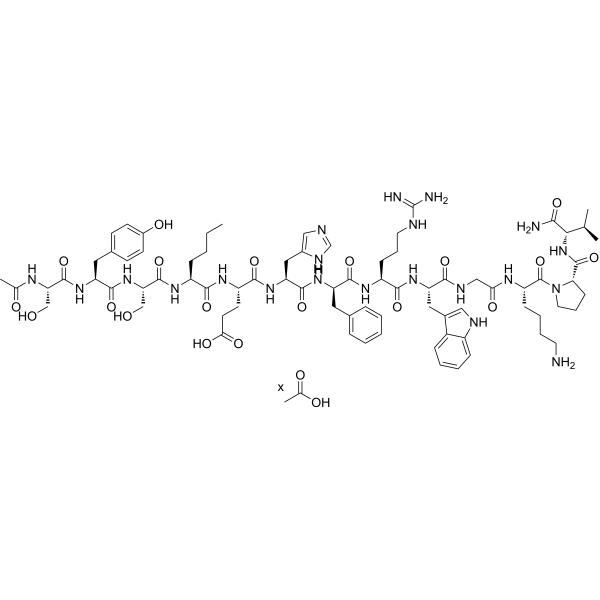
    Mazdutide (IBI-362; LY-3305677) is a long-acting synthetic oxyntomodulin analog. Mazdutide is also a co-agonist of glucagon-like peptide (GLP-1R) and glucagon receptor (GCGR). Mazdutide binds human and mouse GCGR (Ki: 17.7 nM and 15.9 nM, respectively) and GLP-1R (Ki: 28.6 nM and 25.1 nM, respectively) and stimulates insulin secretion from mouse islets (EC50: 5.2 nM). Mazdutide is used in studies of obesity and type 2 diabetes (T2D) .
    Mazdutide
  • HY-14734
    Anamorelin
    5+ Cited Publications

    RC-1291; ONO-7643

    GHSR Endocrinology Cancer
    Anamorelin (RC-1291) is an orally active Ghrelin receptor agonist with an EC50 of 0.74 nM. Anamorelin can promote appetite, increase body weight, and stimulate the secretion of growth hormone and insulin-like growth factor-1. Anamorelin can be used in the research of anorexia and cancer cachexia .
    Anamorelin
  • HY-W040127
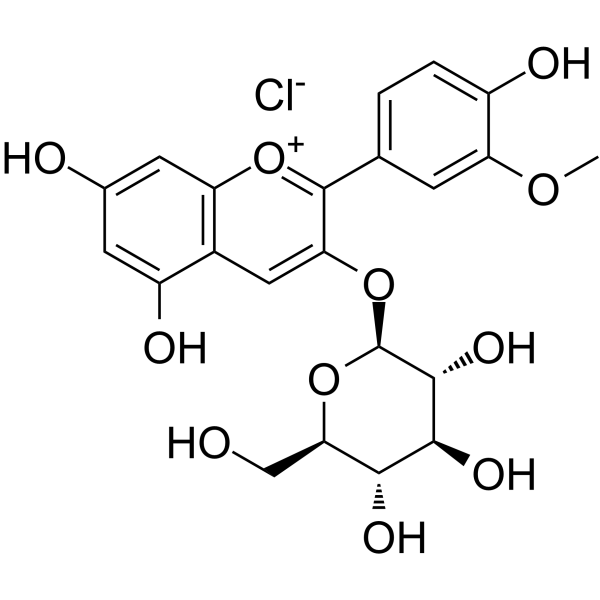
    Peonidin 3-O-glucoside chloride
    1 Publications Verification

    Insulin Receptor Metabolic Disease
    Peonidin 3-O-glucoside chloride is an agonist of the free fatty acid receptor FFAR1 and Glucokinase. Peonidin 3-O-glucoside chloride enhances insulin secretion of pancreatic beta cells and increases glucose uptake by liver cells. Peonidin 3-O-glucoside chloride activates FFAR1, promotes the phosphorylation of related proteins in the insulin secretion pathway, and increases the expression of FFAR1. In liver cells, Peonidin 3-O-glucoside chloride activates GK and regulates proteins associated with carbohydrate metabolism. Peonidin 3-O-glucoside chloride can be used in diabetes research .
    Peonidin 3-O-glucoside chloride
  • HY-15589
    GW9508
    5+ Cited Publications

    Free Fatty Acid Receptor Potassium Channel Cardiovascular Disease Metabolic Disease Inflammation/Immunology
    GW9508 is a potent and selective G protein-coupled receptors FFA1 (GPR40) and GPR120 agonist with pEC50s of 7.32 and 5.46, respectively. GW9508 shows ~100-fold selectivity for GPR40 over GPR120. GW9508 is inactive against other GPCRs, kinases, proteases, integrins and PPARs. GW9508 is a glucose-sensitive insulin secretagogue and an ATP-sensitive potassium (KATP) channels opener. Anti-inflammatory and anti-atherosclerotic activities .
    GW9508
  • HY-P11274A

    Amycretin sodium; NN 9487 sodium

    Amylin Receptor Insulin Receptor GCGR Metabolic Disease
    Zenagamtide (Amycretin; NN 9487) sodium is an orally active, blood-brain barrier permeable triple agonist that targets GLP-1, amylin (Amylin Receptor) and calcitonin receptor (Calcitonin Receptor). Zenagamtide sodium is a single peptide consisting of 68 amino acids that can target brain regions regulating food intake, significantly suppress appetite and reduce energy intake. Therefore, Zenagamtide sodium improves body weight, waist circumference, glycated hemoglobin and lipid profile, and also alleviates the histological features of metabolic dysfunction-associated steatotic liver disease (MASLD) and enhances insulin sensitivity. Zenagamtide sodium may cause transient increases in heart rate and fluctuations in serum calcium levels, but it is an important compound for the study of overweight, obesity, insulin resistance and related metabolic diseases .
    Zenagamtide sodium
  • HY-160734

    GSBR-1290

    GLP Receptor Metabolic Disease
    Aleniglipron (GSBR-1290) is an orally active glucagon-like peptide-1 receptor (GLP-1R) agonist, with an EC50 value of less than 0.1 nM in HDB cell lines in cAMP stimulation assays. Aleniglipron selectively activates the Gαs-cAMP signaling pathway of GLP-1R without β-arrestin recruitment. Aleniglipron induces insulin release, promotes glucose clearance, reduces food intake and decreases body weight. Aleniglipron is applicable to research related to type 2 diabetes and obesity .
    Aleniglipron
  • HY-14229
    TGR5 Receptor Agonist
    3 Publications Verification

    CCDC

    G protein-coupled Bile Acid Receptor 1 Calcium Channel Metabolic Disease
    TGR5 Receptor Agonist (CCDC), a potent Takeda G protein-coupled receptor 5 (TGR5; GPCR19) agonist, shows improved potency in the U2-OS cells and melanophore cells with pEC50s of 6.8 and 7.5, respectively. TGR5 Receptor Agonist can induce peripheral and central hypersensitivity to bladder distension in mice, and increase intracellular Ca 2+ concentration. TGR5 Receptor Agonist can also reduces food intake and improves insulin responsiveness, in diet-induced obese mice. TGR5 Receptor Agonist can be used to research diabetes, bladder hypersensitivity and anti-obesity .
    TGR5 Receptor Agonist
  • HY-175701

    RO7795081; RG6652

    Arrestin GLP Receptor Metabolic Disease
    CT-996 is an orally active GLP-1RA agonist with an EC50 of 0.49 nM. CT-996 reduces the recruitment of β-arrestin and the internalization of GLP-1R. CT-996 suppresses postprandial blood glucose in mice expressing human GLP-1 receptors and enhances glucose-stimulated insulin secretion (GSIS) in obese monkeys during intravenous glucose challenge. CT-996 can be used for the research of type 2 diabetes (T2D) and obesity .
    CT-996
  • HY-P10959

    LY3532226

    Insulin Receptor Metabolic Disease
    Macupatide is a glucose-dependent insulinotropic polypeptide (GIP) receptor agonist. Macupatide improves insulin secretion responses and insulin sensitivity.Macupatide can be used for the research of type 2 diabetes .
    Macupatide
  • HY-14734A
    Anamorelin hydrochloride
    5+ Cited Publications

    RC-1291 hydrochloride; ONO-7643 hydrochloride

    GHSR Endocrinology Cancer
    Anamorelin (RC-1291) hydrochloride is an orally active Ghrelin receptor agonist with an EC50 of 0.74 nM. Anamorelin hydrochloride can promote appetite, increase body weight, and stimulate the secretion of growth hormone and insulin-like growth factor-1. Anamorelin hydrochloride can be used in the research of anorexia and cancer cachexia .
    Anamorelin hydrochloride
  • HY-N15721

    Trp-CA

    Orphan GPCR GLP Receptor Metabolic Disease
    Tryptophan-cholic acid (Trp-CA) is a microbial amino acid-conjugated bile acid that acts as an endogenous ligand and agonist (EC50=9.6 μM) for the orphan G protein-coupled receptor (GPCR) MRGPRE (Mas-related G protein-coupled receptor family member E). Tryptophan-cholic acid is orally effective but has poor oral absorption and does not cross the blood-brain barrier. Tryptophan-cholic acid promotes the secretion of glucagon-like peptide GLP-1, thereby improving glucose tolerance in diabetic mice. Tryptophan-cholic acid improves glucose tolerance, promotes insulin secretion, and alleviates high-fat diet-induced hepatic steatosis without causing pruritus side effects. Tryptophan-cholic acid is primarily used in research on type 2 diabetes (T2D) .
    Tryptophan-cholic acid
  • HY-P99665

    LY-3209590

    Insulin Receptor Metabolic Disease
    Insulin efsitora alfa (LY-3209590) is a selective agonist of insulin receptor (IR). Insulin efsitora alfa is a fusion protein composed of human IR agonists fused with the crystallizable (Fc) domain of human immunoglobulin G2 (IgG2) fragment, with a molecular weight of 64.1 kDa. Insulin efsitora alfa is well tolerated and has potential applications in diabetes .
    Insulin efsitora alfa
  • HY-112606

    RXFP Receptor Others
    ML-290 is a first-in-class and potent relaxin/insulin-like family peptide receptor (RXFP1) agonist and activator of anti-fibrotic genes, with an EC50 of 94 nM . ML290 is a biased allosteric agonist at the relaxin receptor RXFP1.
    ML-290
  • HY-P11274

    Amycretin; NN 9487

    Amylin Receptor GCGR Insulin Receptor Metabolic Disease
    Zenagamtide (Amycretin; NN 9487) is an orally active, blood-brain barrier permeable triple agonist that targets GLP-1, amylin (Amylin Receptor) and calcitonin receptor (Calcitonin Receptor). Zenagamtide is a single peptide consisting of 68 amino acids that can target brain regions regulating food intake, significantly suppress appetite and reduce energy intake. Therefore, Zenagamtide improves body weight, waist circumference, glycated hemoglobin and lipid profile, and also alleviates the histological features of metabolic dysfunction-associated steatotic liver disease (MASLD) and enhances insulin sensitivity. Zenagamtide may cause transient increases in heart rate and fluctuations in serum calcium levels, but it is an important compound for the study of overweight, obesity, insulin resistance and related metabolic diseases .
    Zenagamtide
  • HY-134353B

    Adenosine 5'-β-thiodiphosphate trilithium

    P2Y Receptor NF-κB Interleukin Related Caspase Neurological Disease Inflammation/Immunology Cancer
    ADP-β-S (Adenosine 5'-(β-thiodiphosphate)) trilithium is a non-hydrolyzable ADP analog and a P2Y12 receptor agonist. ADP-β-S trilithium activates the P2Y12 receptor in microglia, thereby triggering downstream inflammatory signaling pathways. ADP-β-S trilithium activates P2Y purinergic receptors in rat pancreatic β cells and enhances glucose-induced insulin secretion. ADP-β-S trilithium can be used in the research of diseases such as inflammation and diabetes .
    ADP-β-S trilithium
  • HY-P3375A

    IBI-362 TFA; LY-3305677 TFA; OXM-3 TFA

    GCGR GLP Receptor Metabolic Disease
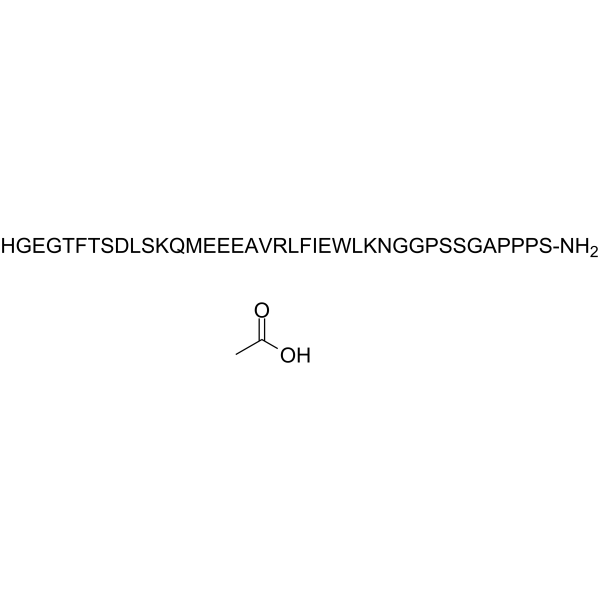
    Mazdutide (IBI-362; LY-3305677) TFA is a long-acting synthetic oxyntomodulin analog. Mazdutide is also a co-agonist of glucagon-like peptide (GLP-1R) and glucagon receptor (GCGR). Mazdutide TFA binds human and mouse GCGR (Ki: 17.7 nM and 15.9 nM, respectively) and GLP-1R (Ki: 28.6 nM and 25.1 nM, respectively) and stimulates insulin secretion from mouse islets (EC50: 5.2 nM). Mazdutide TFA is used in studies of obesity and type 2 diabetes (T2D) .
    Mazdutide TFA
  • HY-10199A
    Ibutamoren
    5 Publications Verification

    MK-677 free base; MK-0677 free base

    GHSR Insulin Receptor Neurological Disease Metabolic Disease
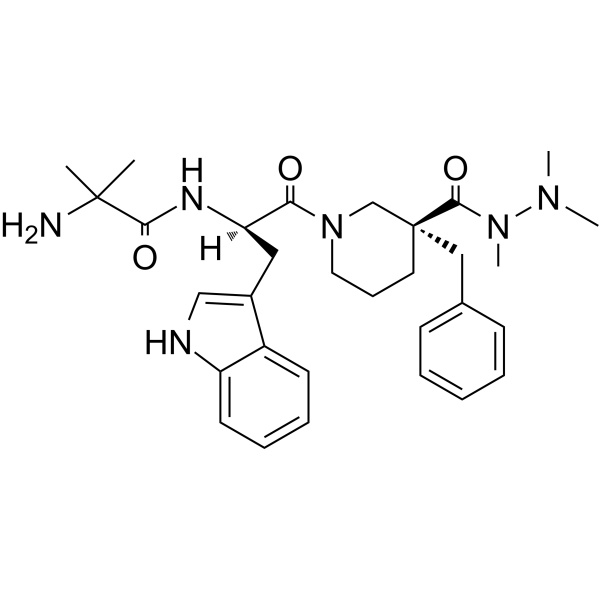
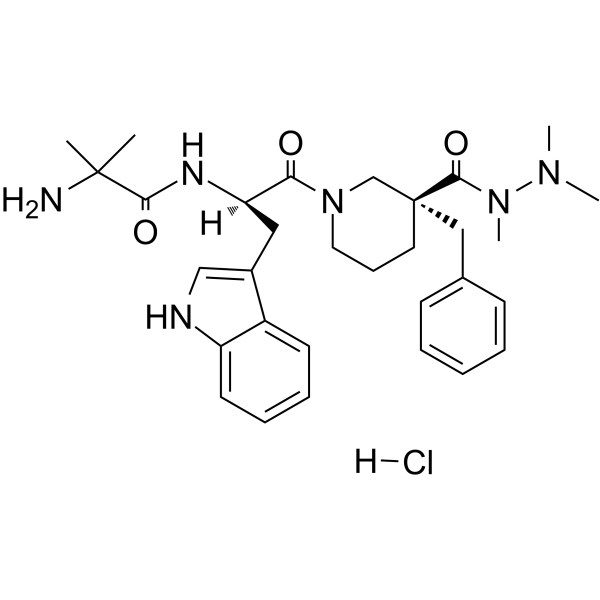
    Ibutamoren (MK-677 free base; MK-0677 free base) is an orally active non-peptide growth hormone secretagogue receptor agonist. Ibutamoren activates signal cascades by mimicking endogenous ligands, triggers pulsatile release of growth hormone from the pituitary gland, and increases serum levels of IGF-1 and insulin-like growth factor-binding protein 3. Ibutamoren not only increases the frequency of growth hormone pulses in male individuals, but also promotes elevated bone formation markers in female individuals with postmenopausal osteoporosis. The combination of Ibutamoren with Alendronate sodium hydrate (HY-11101) significantly increases bone mineral density at the femoral neck. However, Ibutamoren may cause mild, reversible adverse reactions such as increased appetite, fluid retention, and elevated fasting blood glucose. Ibutamoren has been widely used in studies related to idiopathic growth hormone deficiency, sarcopenia, Alzheimer's disease, and osteoporosis .
    Ibutamoren
  • HY-107586

    DAQ B1; L-783281; Dimethylasterriquinone

    Insulin Receptor Akt NO Synthase NADPH Oxidase JAK STAT FOXO DNA/RNA Synthesis ERK Flavivirus Cardiovascular Disease Infection Metabolic Disease Inflammation/Immunology
    Demethylasterriquinone B1 (DAQ B1; L-783281) is an orally active insulin receptor (insulin receptor) agonist and AKT activator. By activating AKT, Demethylasterriquinone B1 upregulates the expression and activity of eNOS to increase NO production, while downregulating the expression of the NADPH oxidase subunit p22phox to reduce oxidative stress and improve vascular endothelial dysfunction in hypertensive rats. Demethylasterriquinone B1 combind with an AKT inhibitor targets the insulin signaling pathway to activate two antiviral pathways, RNA interference and JAK/STAT, in mosquitoes, thereby reducing Zika virus infection .
    Demethylasterriquinone B1
  • HY-19995
    GSK137647A
    1 Publications Verification

    GSK 137647

    Free Fatty Acid Receptor Metabolic Disease
    GSK137647A (GSK 137647) is a potent, selective free fatty acid receptor 4 (FFA4) agonist with pEC50 values of 6.3, 6.2, and 6.1 for human, mouse and rat FFA4, and pEC50 values < 4.5 for all three species for FFA1, FFA2, and FFA3, respectively. GSK137647A has anti-inflammatory activity. GSK137647A induces insulin secretion and inhibits epithelial ion transport, GSK137647A is related to regulation of glucose homeostasis and anti-inflammatory response .
    GSK137647A
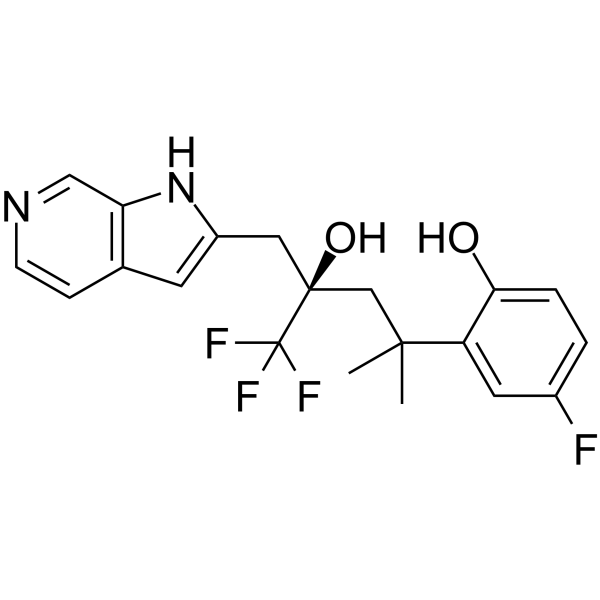
  • HY-U00425

    Ligands for Target Protein for PROTAC Estrogen Receptor/ERR Metabolic Disease Cancer
    PROTAC ERRα ligand 1 is a PROTAC target protein ligand. PROTAC ERRα ligand 1 is an orally active ERRα inverse agonist with IC50 values of 0.6 μM for ERRα. PROTAC ERRα ligand 1 shows no significant activity against a panel of other nuclear receptors, including ERα c, ERRγ, ERβ, PPARα, PPARγ, PPARδ, and RXRα. PROTAC ERRα ligand 1 can provide enhanced insulin sensitivity in vivo. PROTAC ERRα ligand 1 can be used for metabolic diseases research, such as type 2 diabetes and obesity .
    PROTAC ERRα ligand 1
  • HY-14234
    Glucocorticoid receptor agonist
    1 Publications Verification

    Glucocorticoid Receptor Metabolic Disease Inflammation/Immunology Endocrinology
    Glucocorticoid receptor agonist is a Glucocorticoid receptor agonist that acts on Glucocorticoid receptor (GR), progesterone receptor (PR) and mineralocorticoid receptor (MR) with the IC50 values of 2.1 , 1200 and 210 nM, respectively. Glucocorticoid receptor agonist has steroid-like anti-inflammatory properties and may be used to improve metabolism and reduce increased levels of body fat and serum insulin .
    Glucocorticoid receptor agonist
  • HY-116819

    GCGR Neurological Disease Metabolic Disease
    VU0453379 is a blood-brain barrier permeable GLP-1R positive allosteric modulator (PAM) with an EC50 value of 1.3 μM. VU0453379 potentiates the actions of endogenous GLP-1 and synthetic peptide agonists, and promotes GLP-1 receptor internalization. VU0453379 stimulates insulin secretion from primary mouse islets. VU0453379 enhances the function of endogenous GLP-1R and reverses catalepsy in animal models. VU0453379 is useful for research on Parkinson's disease and type 2 diabetes .
    VU0453379
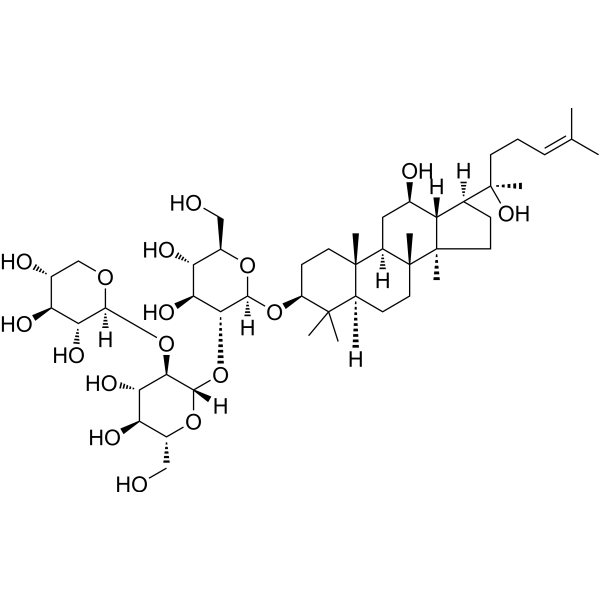
  • HY-N0910
    Notoginsenoside Ft1
    1 Publications Verification

    PI3K mTOR Akt Apoptosis p38 MAPK ERK Transmembrane Glycoprotein Glutathione Reductase (GR) Estrogen Receptor/ERR Calcium Channel Ferroptosis G protein-coupled Bile Acid Receptor 1 FXR Cardiovascular Disease Neurological Disease Metabolic Disease Inflammation/Immunology Cancer
    Notoginsenoside Ft1 is an orally active bioactive saponin. Notoginsenoside Ft1 inhibits the PI3K/AKT/mTOR signaling pathway, activates the p38 MAPK and ERK1/2 signaling pathways, and increases the proportion of CD8 + T cells, thereby inducing apoptosis and lysosomal cell death in various cancer cells, and promoting angiogenesis. Notoginsenoside Ft1 causes vasodilation by activating glucocorticoid receptors (GR) and estrogen receptor beta (ERβ) in endothelial cells. Notoginsenoside Ft1 increases intracellular Ca 2+ accumulation, reduces cAMP levels by activating a signaling network mediated through P2Y12 receptors, and promotes platelet aggregation, thereby exerting a procoagulant effect. Notoginsenoside Ft1 inhibits ferroptosis (ferroptosis) in renal tubular epithelial cells by activating the TGR5 receptor, thereby demonstrating a renal protective effect. Notoginsenoside Ft1 acts as a TGR5 agonist and an FXR antagonist to combat obesity and insulin resistance .
    Notoginsenoside Ft1
  • HY-P1072

    CGRP Receptor Cardiovascular Disease Metabolic Disease
    PHM-27 (human) is a human prepro-vasoactive intestinal polypeptide (27 amino acid). PHM-27 (human) is a potent the human calcitonin receptor agonist with an EC50 of 11 nM. PHM-27 (human) efficiently enhances glucose-induced insulin secretion from beta cells by an autocrine mechanism .
    PHM-27 (human)
  • HY-P0014B
    Liraglutide TFA
    35+ Cited Publications

    GLP Receptor Metabolic Disease
    Liraglutide (TFA) is an agonist of glucagon-like peptide 1 receptor (GLP-1). Liraglutide (TFA) can activate GLP-1, leading to the release of insulin in the presence of increased glucose concentration. Liraglutide (TFA) also reduces glucagon secretion in a glucose-dependent manner. Liraglutide (TFA) can be studied in research on type 2 diabetes .
    Liraglutide TFA
  • HY-14363

    Free Fatty Acid Receptor Metabolic Disease
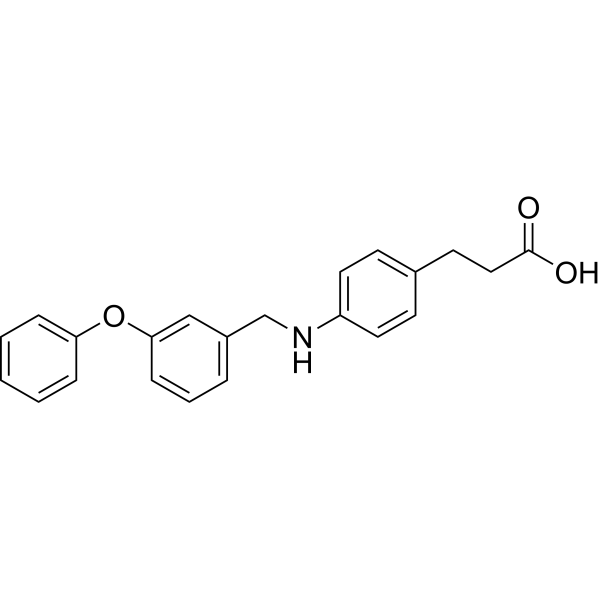
    TUG-424 is a potent and selective free fatty acid receptor 1 (FFA1/GPR40) agonist with an EC50 of 32 nM. TUG-424 significantly increases glucose-stimulated insulin secretion at 100 nM. TUG-424 may serve to explore the role of FFA1 in metabolic diseases such as diabetes or obesity . TUG-424 is a click chemistry reagent, it contains an Alkyne group and can undergo copper-catalyzed azide-alkyne cycloaddition (CuAAc) with molecules containing Azide groups.
    TUG-424
  • HY-106103

    MK-678; L-363586

    Somatostatin Receptor Cardiovascular Disease Neurological Disease Metabolic Disease Inflammation/Immunology
    Seglitide (MK-678) is an orally active, selective SSTR2 agonist and somatostatin analog. Seglitide also acts as a competitive Somatostatin receptor antagonist, with pA2 values of 6.50, 6.24 and 6.09 against SS14, SS25 and SS28, respectively. Seglitide produces only weak, transient inhibition of myocardial contractility in isolated right atria of guinea pigs. Seglitide inhibits glucagon secretion and reduces circulating insulin levels. Seglitide causes a sustained, reversible reduction in elevated systolic blood pressure in streptozotocin (HY-13753)-induced diabetic rats, but exerts no effect on spontaneously hypertensive rats. Seglitide induces membrane hyperpolarization and inhibits electrical excitability. Seglitide induces concentration-dependent contraction and significant desensitization in isolated distal colon of rats. Seglitide can be used in research related to hypertension complicated with insulin-dependent diabetes mellitus .
    Seglitide
  • HY-P3584A

    (Pro3) Gastric Inhibitory Peptide, human TFA

    Insulin Receptor Metabolic Disease
    (Pro3) GIP, human TFA is an efficacious, stable and specific human GIP receptor (hGIPR) full agonist. (Pro3) GIP, human TFA has high binding affinity for human GIPR with Ki/ Kd value of 0.90 nM. (Pro3) GIP, human TFA human can be used for the research of obesity-related diabetes .
    (Pro3) GIP, human TFA
  • HY-P10959A

    LY3532226 acetate

    Insulin Receptor Metabolic Disease
    Macupatide acetate is a glucose-dependent insulinotropic polypeptide (GIP) receptor agonist. Macupatide acetate improves insulin secretion responses and insulin sensitivity.Macupatide acetate can be used for the research of type 2 diabetes .
    Macupatide acetate
  • HY-P4685

    Angiotensin Receptor Metabolic Disease
    (Sar1,Ile4,8)-Angiotensin II is a functionally selective angiotensin II type 1 receptor (AT1R) agonist. (Sar1,Ile4,8)-Angiotensin II potentiates insulin-stimulated insulin receptor (IR) signaling and glycogen synthesis. (Sar1,Ile4,8)-Angiotensin II potentiates insulin-stimulated phosphorylation of Akt and GSK3α/β .
    (Sar1,Ile4,8)-Angiotensin II
  • HY-P2541A

    Insulin Receptor Metabolic Disease
    GIP (1-30) amide, porcine TFA is a full glucose-dependent insulinotropic polypeptide (GIP) receptor agonist with high affinity equal to native GIP(1-42) . GIP (1-30) amide, porcine is a weak inhibitor of gastric acid secretion and potent stimulator of insulin.
    GIP (1-30) amide, porcine TFA
  • HY-P10413

    Androgen Receptor Metabolic Disease Endocrinology
    SHBG 141-161 is a GPRC6A receptor agonist. SHBG 141-161 mimics the action of GPRC6A endogenous agonist uncarboxylated osteocalcin by binding to GPRC6A and promoting downstream signaling to increase testosterone and insulin secretion. SHBG 141-161 also reduces the affinity of GPRC6A to GDP protein by binding to the outer cell domain of GPRC6A thus affecting the dynamics of signal transduction. SHBG 141-161 can be used to study GPRC6A in energy metabolism and endocrine regulation .
    SHBG(141–161)
  • HY-N2452

    GLP Receptor Cardiovascular Disease Infection Metabolic Disease
    Cochinchinenin C is a GLP-1R agonist that binds to the extracellular domain of the receptor via hydrophobic interactions and hydrogen bonds, and promotes glucose-dependent insulin secretion from pancreatic β-cells. Cochinchinenin C also increases intracellular cAMP and ATP levels. At low concentrations, Cochinchinenin C binds to human serum albumin, alters its microenvironment, and induces dominant static fluorescence quenching. Cochinchinenin C shows almost no cytotoxicity to pancreatic β-cells, and exerts a synergistic effect with Loureirin A (HY-N1505) when binding to human serum albumin. Cochinchinenin C has been widely used in studies of type 2 diabetes, Helicobacter pylori infection, thrombotic diseases, and other conditions .
    Cochinchinenin C
  • HY-151959

    FXR Cardiovascular Disease Metabolic Disease Inflammation/Immunology
    FXR agonist 4 (compound 10a) is an agonist of farnesoid X receptor (FXR) with an EC50 value of 1.05 μM. FXR agonist 4 effectively improves hyperlipidemia, hepatic steatosis, insulin resistance and hepatic inflammation in DIO mice. FXR agonist 4 can be used for the research of non-alcoholic fatty liver disease (NAFLD) .
    FXR agonist 4
  • HY-144035

    GCGR Metabolic Disease Inflammation/Immunology
    GLP-1R agonist 4 is a glucagon-like peptide-1 (GLP-1) receptor agonist. GLP-1 is an intestinal hypoglycemic hormone secreted by L-cells in the lower gastrointestinal tract. GLP-1R agonist 4 can be used for the research of type 2 diabetes mellitus, obesity, non-alcoholic steatohepatitis, insulin resistance and etc .
    GLP-1R agonist 4
  • HY-P10965

    ZT002

    GLP Receptor Metabolic Disease
    Zovaglutide (ZT002) is a long-acting, selective GLP-1 receptor agonist. Zovaglutide enhances albumin binding capacity via dual fatty acid chain modification. Zovaglutide exerts metabolic effects through central and peripheral GLP-1 pathways, thereby promoting satiety, reducing caloric intake and enhancing glucose-dependent insulin secretion, with no activity against GIP or glucagon receptors. Zovaglutide can be used in research on type 2 diabetes or obesity .
    Zovaglutide
  • HY-P10302

    GLP Receptor Insulin Receptor Metabolic Disease
    GLP-1R/GIPR AgonIST-1 is a double-receptor agonist for GLP-1 (glucagon-like peptide-1) and GIP (glucose-dependent insulin releasing peptide). GLP-1R/GIPR agonist-1 lowers blood sugar by mimicking the action of endogenous hormones GLP-1 and GIP, enhancing insulin secretion while inhibiting glucagon secretion. GLP-1R/GIPR agonist-1 can be used in the study of metabolic diseases such as diabetes, obesity, and non-alcoholic steatohepatitis (NASH) .
    GLP-1R/GIPR agonist-1
  • HY-P3255
    DA-JC4
    1 Publications Verification

    Insulin Receptor Neurological Disease Inflammation/Immunology
    DA-JC4 is a dual GLP-1/GIP receptor agonist and can be used for the research of neurological disease and insulin signaling pathways .
    DA-JC4
  • HY-P11043

    GLP Receptor Neuropeptide Y Receptor Arrestin Metabolic Disease
    GEP44 is a peptide biased triple agonist targeting Glucagon-like peptide 1 receptor (GLP-1R), neuropeptide Y1 Receptor (Y1-R), and neuropeptide Y2 Receptor (Y2-R). GEP44 induces Y1-R antagonist-controlled, GLP-1R-dependent stimulation of insulin secretion in both rat and human pancreatic islets by counteracting effects of Y1-R and GLP-1R agonism. GEP44 promotes insulin-independent Y1-R-mediated glucose uptake in muscle tissue and significantly reduces food intake and body weight in diet-induced obese rat models. GEP44 can be used for obesity and type 2 diabetes mellitus research .
    GEP44
  • HY-P2090A

    Somatostatin Receptor Adenylate Cyclase Cardiovascular Disease
    Angiopeptin TFA, a cyclic octapeptide analogue of somatostatin, is a weak sst2/sst5 receptor partial agonist with IC50 values of 0.26 nM and 6.92 nM, respectively. Angiopeptin TFA is a potent inhibitor of growth hormone release and insulin-like growth factor-1 (IGF-1) production. Angiopeptin TFA inhibits adenylate cyclase or stimulates extracellular acidification. Angiopeptin TFA has the potential for coronary atherosclerosis research .
    Angiopeptin TFA
  • HY-15589R

    Free Fatty Acid Receptor Potassium Channel Reference Standards Cardiovascular Disease Metabolic Disease Inflammation/Immunology
    GW9508 (Standard) is the analytical standard of GW9508. This product is intended for research and analytical applications. GW9508 is a potent and selective G protein-coupled receptors FFA1 (GPR40) and GPR120 agonist with pEC50s of 7.32 and 5.46, respectively. GW9508 shows ~100-fold selectivity for GPR40 over GPR120. GW9508 is inactive against other GPCRs, kinases, proteases, integrins and PPARs. GW9508 is a glucose-sensitive insulin secretagogue and an ATP-sensitive potassium (KATP) channels opener. Anti-inflammatory and anti-atherosclerotic activities .
    GW9508 (Standard)
  • HY-139709

    Glucocorticoid Receptor Inflammation/Immunology
    Glucocorticoids receptor agonist 1 is a potent anti-inflammatory, arylpyrazole-based glucocorticoid receptor agonist that does not impair insulin secretion.
    Glucocorticoids receptor agonist 1
  • HY-139710

    Glucocorticoid Receptor Inflammation/Immunology
    Glucocorticoids receptor agonist 2 is a potent anti-inflammatory, arylpyrazole-based glucocorticoid receptor agonist that does not impair insulin secretion.
    Glucocorticoids receptor agonist 2
  • HY-164040

    Somatostatin Receptor Metabolic Disease
    Zavolosotine (Compound 1) is an orally active agonist for somatostatin receptor type 5 (SST5) with EC50 <1 nM. Zavolosotine inhibits insulin and glucagon secretion, increases levels of glucagon in blood in rat model .
    Zavolosotine
  • HY-14229R

    CCDC (Standard)

    G protein-coupled Bile Acid Receptor 1 Calcium Channel Reference Standards Metabolic Disease
    TGR5 Receptor Agonist (Standard) is the analytical standard of TGR5 Receptor Agonist. This product is intended for research and analytical applications. TGR5 Receptor Agonist (CCDC), a potent Takeda G protein-coupled receptor 5 (TGR5; GPCR19) agonist, shows improved potency in the U2-OS cells and melanophore cells with pEC50s of 6.8 and 7.5, respectively. TGR5 Receptor Agonist can induce peripheral and central hypersensitivity to bladder distension in mice, and increase intracellular Ca2+ concentration. TGR5 Receptor Agonist can also reduces food intake and improves insulin responsiveness, in diet-induced obese mice. TGR5 Receptor Agonist can be used to research diabetes, bladder hypersensitivity and anti-obesity .
    TGR5 Receptor Agonist (Standard)
  • HY-P2541

    Insulin Receptor Metabolic Disease
    GIP (1-30) amide, porcine is a full glucose-dependent insulinotropic polypeptide (GIP) receptor agonist with high affinity equal to native GIP(1-42) . GIP (1-30) amide, porcine is a weak inhibitor of gastric acid secretion and potent stimulator of insulin.
    GIP (1-30) amide, porcine
  • HY-P10318

    GLP Receptor Endocrinology
    SHR-2042 is a selective agonist of the GLP-1 receptor.SHR-2042 improves glycemic control by activating the GLP-1 receptor, enhancing insulin secretion and inhibiting glucagon secretion. SHR-2042 combined with sodium N-(8-[2-hydroxybenzoyl] amino) caprylate (SNAC) promotes monomerization through the formation of micelles and improves oral absorption efficiency .
    SHR-2042
  • HY-176770

    GLP Receptor Metabolic Disease
    GLP-1R agonist 34 (Compound 1) is an orally active small molecule glucagon-like peptide-1 receptor (GLP-1R) agonist. GLP-1R agonist 34 promotes insulin secretion, inhibits glucagon release, and delays gastric emptying, thereby effectively lowering blood glucose levels. GLP-1R agonist 34 is promising for research of metabolic diseases, including type 2 diabetes, obesity, and non-alcoholic steatohepatitis (NASH) .
    GLP-1R agonist 34
  • HY-120287

    Somatostatin Receptor Endocrinology
    L-054522 is an agonist for somatostatin receptor subtype 2 with Kd of 0.01 nM. L-054522 inhibits growth hormone release from rat primary pituitary cell (IC50=0.05 nM) and glucagon and insulin release from isolated mouse pancreatic islet cell (IC50=0.05 nM and 12 nM) .
    L-054522
  • HY-134353A

    Adenosine 5'-(β-thiodiphosphate) trisodium

    Interleukin Related P2Y Receptor NF-κB Caspase Neurological Disease Inflammation/Immunology Cancer
    ADP-β-S (Adenosine 5'-(β-thiodiphosphate)) trilithium is a non-hydrolyzable ADP analog and a P2Y12 receptor agonist. ADP-β-S trilithium activates the P2Y12 receptor in microglia, thereby triggering downstream inflammatory signaling pathways. ADP-β-S trilithium activates P2Y purinergic receptors in rat pancreatic β cells and enhances glucose-induced insulin secretion. ADP-β-S trilithium can be used in the research of diseases such as inflammation and diabetes .
    ADP-β-S trisodium

Inquiry Online

Your information is safe with us. * Required Fields.

Salutation


Country or Region *

Applicant Name *


Organization Name *

Department *


Email Address *


Product Name *

Cat. No.


Requested quantity *

Phone Number *


Remarks

Inquiry Online

Inquiry Information

Product Name:
Cat. No.:
Quantity:
MCE Japan Authorized Agent:

