From 11:00 pm to 12:00 pm EST ( 8:00 pm to 9:00 pm PST ) on January 6th, the website will be under maintenance. We are sorry for the inconvenience. Please arrange your schedule properly.
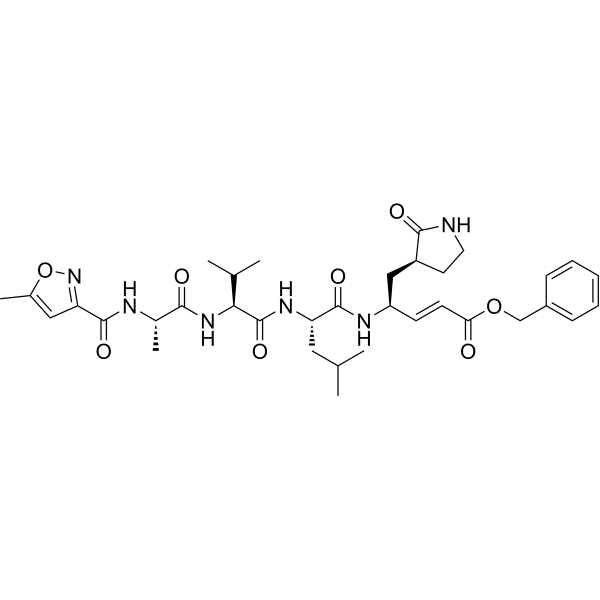
Mpro inhibitor N3 is a potent SARS-CoV-2 MPro inhibitor with an EC50 value of 16.77 µM. Mpro inhibitor N3 shows antiviral activities against HCoV-229E, FIPV, IBV and MHV-A59 .
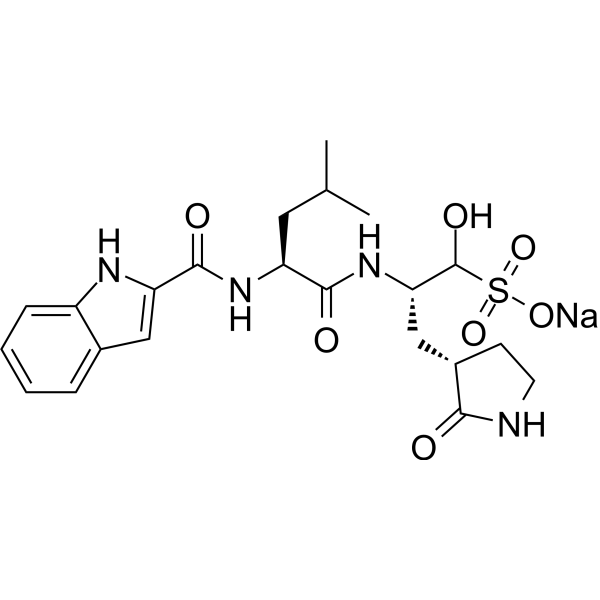
Olgotrelvir (STI-1558) sodium is an orally active dual inhibitor of coronavirus main protease (Mpro) and human cell cathepsin (Cathepsin L). Olgotrelvir sodium is readily converted to its active form, AC1115, in full blood and/or plasma. Olgotrelvir sodium can effectively inhibit both SARS-CoV-2 replication and entry into host cells .
SARS-CoV-2 Mpro-IN-2 (compound GC-14) is a selective, low cytotoxic and non-covalent M pro inhibitor (IC50=0.40 μM) with good anti-SARS-CoV-2 activity (EC50=1.1 μM). SARS-CoV-2 Mpro-IN-2 can be used in COVID-19 studies .
BOC-(1R,3S)-3-aminocyclopentane carboxylic acid ((1S,3S)-3-[(tert-Butoxycarbonyl)amino]cyclopentanecarboxylic acid) is a conformationally constrained peptide building block and a key component of SARS-CoV-2 main protease (Mpro) inhibitors. When incorporated into macrocyclic peptides, BOC-(1R,3S)-3-aminocyclopentane carboxylic acid not only helps generate high-affinity Mpro inhibitors by preorganizing the secondary structure of peptides, but also exerts sequence-dependent functional inhibition on the hydrolytic activity of Mpro. BOC-(1R,3S)-3-aminocyclopentane carboxylic is widely used in COVID-19-related research .
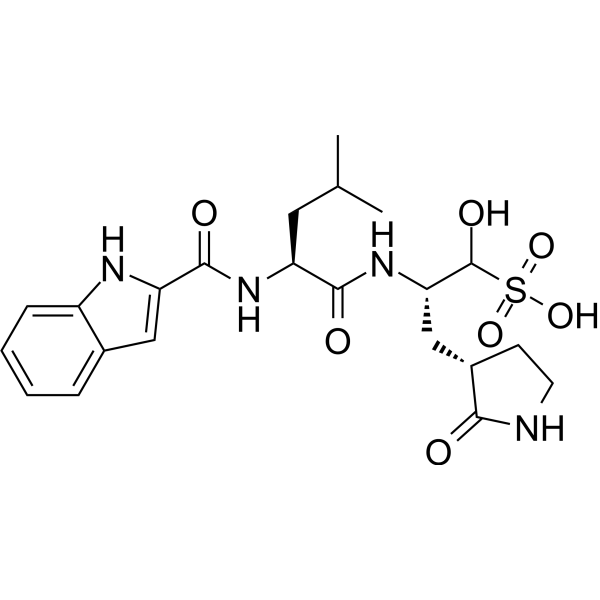
Olgotrelvir (STI-1558) is an orally active dual inhibitor of coronavirus main protease (Mpro) and human cell cathepsin (Cathepsin L). Olgotrelvir is readily converted to its active form, AC1115, in full blood and/or plasma. Olgotrelvir can effectively inhibit both SARS-CoV-2 replication and entry into host cells .
DNDI-6510 (Compound (S)-x38) is a non-covalent SARS-CoV-2 MPro inhibitor with a IC50 of 0.04 μM. DNDI-6510 has a potent antiviral activity across SARS-CoV-2 and its variants as well as a weak efficacy to SARS-CoV-1. DNDI-6510 significantly improves drug exposure in metabolically humanized mice model (8HUM) .
Polycarpine hydrochloride (1a) is a broad-spectrum Mpro inhibitor (IC50 = 30 nM) that can be isolated from the Polycarpa aurata and also serves as an anti-coronaviral agent. Polycarpine hydrochloride possesses antiviral and antifungal activities, with IC50 values of 30.0 nM and 0.12 μM against SARS-CoV-2 Mpro and PEDV Mpro, respectively .
SARS-CoV-2 Mpro-IN-6 is a covalent, irreversible and selective SARS-CoV-2 M pro inhibitor with an IC50 of 0.18 μM. SARS-CoV-2 Mpro-IN-6 does not inhibit human cathepsins B, F, K, and L, and caspase 3 .
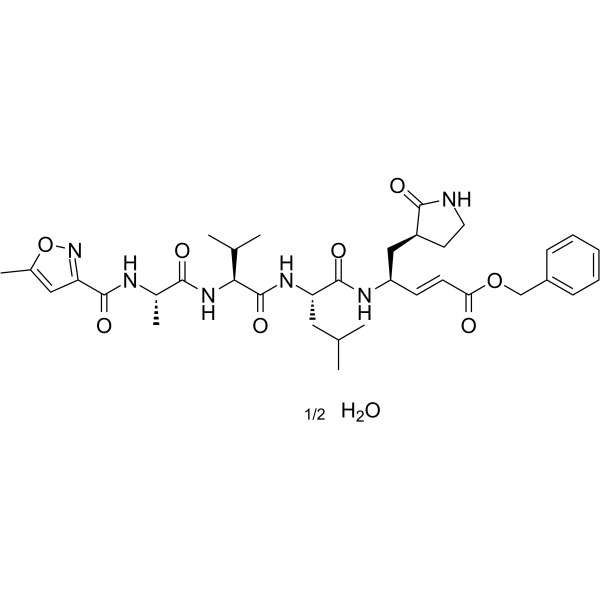
Mpro inhibitor N3 hemihydrate is a potent inhibitor of SARS-CoV-2 Mpro with an EC50 of 16.77 μM for SARS-CoV-2. Mpro inhibitor N3 hemihydrate specifically inhibits Mpro from multiple coronaviruses, including SARS-CoV and MERS-CoV. Mpro inhibitor N3 hemihydrate displays inhibition against HCoV-229E, FIPV, and MHV-A59 with individual IC50 of 4.0 μM, 8.8 μM, and 2.7 μM, respectively .
Mpro/Cathepsin L-IN-2 (Compound 1) is a dual irreversible inhibitor of SARS-CoV-2 main protease (M pro, pIC50=8.61) and human cathepsin L (hCTSL, pIC50=7.64). Mpro/Cathepsin L-IN-2 is promising for research of COVID-19 and other coronavirus infections .
SARS-CoV-2 Mpro-IN-49 (Compound 22e) is a potent SARS-CoV-2 main protease (M pro) inhibitor (IC50=0.087 μM). SARS-CoV-2 Mpro-IN-49 is promising for research of SARS-CoV-2 and coronavirus .
MPD2 is a Cereblon-binding ligand-based PROTAC that degrades MPro, the main protease of SARS-CoV-2. MPD2 effectively reduced MPro protein levels in 293T cells in a time-dependent manner (DC50=296 nM). MPD2 exhibited potent antiviral activity against multiple SARS-CoV-2 strains and had enhanced potency against Nirmatrelvir (HY-138687) resistant strains. MPD2 provides a new direction for antiviral drug development against SARS-CoV-2 and other emerging coronavirus pathogens (Sturcture Note:(Blue: Cereblon ligand (HY-14658), Black: linker (HY-W275882);Red: SARS-CoV-2 MPro Inhibitor MP18 (HY-158763)) .
Leupeptin (hemisulfate) (Standard) is the analytical standard of Leupeptin (hemisulfate). This product is intended for research and analytical applications. Leupeptin hemisulfate is a broad-spectrum, membrane-permeable protease inhibitor. Leupeptin hemisulfate potently inhibits serine, cysteine and threonine proteases. Leupeptin hemisulfate inhibits Mpro (the main protease of SARS-CoV-2) and also has anti-inflammatory activity[1][2][3].
SARS-CoV-2-IN-1 is a potent Mpro inhibitor. SARS-CoV-2-IN-1 inhibits the purified recombinant SARS-CoV-2 Mpro, SARS-CoV Mpro and MERS-CoV Mpro with IC50s of 0.67, 0.90 and 0.58 μM, respectively .
SARS-CoV-2 Mpro-IN-50 (Compound 30) is a noncovalent SARS-CoV-2 Mpro inhibitor with an IC50 of 14 nM. SARS-CoV-2 Mpro-IN-50 is also a pan-CoV Mpro inhibitor with IC50 s of 20-190 nM for SARS-CoV-1 Mpro, 229E Mpro, HKU1 Mpro, MERS Mpro, NL63 Mpro and OC43 Mpro. SARS-CoV-2 Mpro-IN-50 has significant antiviral activity against the SARS-CoV-2 omicron variant (EC50 : 22 nM). SARS-CoV-2 Mpro-IN-50 can be used for coronavirus infections research .
Mpro/PLpro-IN-1 (Compound 29) is a potent inhibitor of M pro/PL pro. Mpro/PLpro-IN-1 is a dual acting SARS-CoV-2 proteases inhibitor featuring micromolar inhibitory potency versus M pro (IC50 = 1.72 μM) and submicromolar potency versus PL pro (IC50 = 0.67 μM) .
SARS-CoV-2 Mpro-IN-13 (compound 20j) is a covalent SARS-CoV-2 Protease Mpro inhibitor with an IC50 value of 19.0 nM. SARS-CoV-2 Mpro-IN-13 processes antiviral activity with an EC50 value of 138.1 nM .
SARS-CoV-2 Mpro-IN-10 (27h) is a potent M pro inhibitor with IC50 value and EC50 values of 10.9 nM and 43.6 nM, respectively. SARS-CoV-2 Mpro-IN-10 can be used for the research of SARS-CoV-2 virus .
PROTAC SARS-CoV-2 Mpro degrader-4 (Compound LLP019) is a SARS-CoV-2 M ProPROTAC degrader with a DC50 value of 4.7 μM. PROTAC SARS-CoV-2 Mpro degrader-4 induces M Pro ubiquitination and proteasomal degradation to inhibit SARS-CoV-2 replication. PROTAC SARS-CoV-2 Mpro degrader-4 is promising for research of COVID-19 and related coronavirus infections. (Pink: DH03 (HY-32717); Black: linker (HY-42149); Blue: Thalidomide-4-O-CH2-COO(t-Bu) (HY-42771) .
SARS-CoV-2 Mpro-IN-5 is a dual Inhibitor of Main Protease (M Pro) and Cathepsin L (CatL), with IC50s of 1800 nM and 145 nM respectively. SARS-CoV-2 Mpro-IN-5 has antiviral activity against SARS-CoV2. SARS-CoV-2 Mpro-IN-5 blocks SARS-CoV2 replication in hACE2 expressing A549 cells with IC50 value of 14.7 nM .
SARS-CoV-2 Mpro-IN-4 is a dual Inhibitor of Main Protease (M Pro) and Cathepsin L (CatL), with IC50s of 900 nM and 60 nM respectively. SARS-CoV-2 Mpro-IN-4 has antiviral activity against SARS-CoV2. SARS-CoV-2 Mpro-IN-4 blocks SARS-CoV2 replication in hACE2 expressing A549 cells with IC50 value of 8.2 nM .
SARS-CoV MPro-IN-2 (compound 15) is a potent inhibitor of SARS-CoV-2 M pro with an IC50 value of 72.07 nM. The main protease (M pro) of the virus as the major enzyme processing viral polyproteins contributes to the replication and transcription of SARS-CoV-2 in host cells, and has been characterized as an attractive target in agent discovery. SARS-CoV MPro-IN-2 has the potential for the research of COVID-19 .
Mpro ligand 1 is the ligand for target protein for PROTAC SARS-CoV-2 Mpro degrader-3 (HY-161789). Mpro ligand 1 is the active form of Mpro ligand 2 (HY-161791) .
SARS-CoV-2 Mpro-IN-23 (Compound 2) is an inhibitor for SARS-CoV-2 main protease (Mpro), which inhibits wildtype Mpro and mutant Mpro variants, with IC50 of 0.057-0.92 μM. SARS-CoV-2 Mpro-IN-23 inhibits the post-entry viral processes of wild-type SARS-CoV-2 single-round infectious particles (SRIPs), suppresses the viral replication of Mpro wildtype and Mpro mutants with EC50 of 0.02-0.52 μM .
SARS-CoV-2 Mpro-IN-45 (compound 28f) is an orally active Mpro inhibitor with IC50 values of 0.12 and 0.16 μM for HCoV-OC43 Mpro and SARS-CoV-2 Mpro, respectively. SARS-CoV-2 Mpro-IN-45 exhibits antiviral activity .
SARS-CoV-2 Mpro-IN-40 (compound 119) is an inhibitor of SARS-CoV-2 Mpro, with an IC50 value of 15.7 nM against Mpro Fret. SARS-CoV-2 Mpro-IN-40 exhibits low metabolic stability in human microsomes .
SARS-CoV-2 Mpro-IN-34 (Compound 26) is an inhibitor for SARS-CoV-2 Mpro with an IC50 of 6 nM. SARS-CoV-2 Mpro-IN-34 exhibits inhibitory efficacy against OC43 Mpro with an IC50 of 33 nM. SARS-CoV-2 Mpro-IN-34 exhibits antiviral activity in SARS-CoV-2 infected Vero E6 cell with an EC50 of 0.103 μM .
SARS-CoV-2 Mpro-IN-44 (Compound 25) is a broad-spectrum coronavirus main protease (Mpro) inhibitor. SARS-CoV-2 Mpro-IN-44 has inhibitory activity against a variety of high-risk coronaviruses (including SARS-CoV-2 and PEDV, etc.) (IC50: < 0.6 μM). SARS-CoV-2 Mpro-IN-44 achieves broad-spectrum inhibition of coronaviruses by enhancing the interaction with the conserved sites of Mpro. SARS-CoV-2 Mpro-IN-44 can be used for anti-coronavirus drug development .
SARS-CoV-2 Mpro-IN-29 (Compound 7) is an inhibitor of the SARS-CoV-2 main protease (Mpro) with an IC50 of 310 nM and an EC50 of 0.5 μM in Vero cells. SARS-CoV-2 Mpro-IN-29 binds to the active site of Mpro, blocking the cleavage of viral polyproteins, showing significant antiviral activity and enhanced metabolic function. SARS-CoV-2 Mpro-IN-29 holds potential for research on SARS-CoV-2 antiviral agents .
BACE-1/Mpro-IN-1 is a high brain-penetrant BACE-1 (IC50 = 0.26 μM) and SARS-CoV-2 Mpro (IC50 = 0.91 μM) dual inhibitor. BACE-1/Mpro-IN-1 binds to the aspartyl protease and cysteine protease as a mixed-type inhibitor. BACE-1/Mpro-IN-1 exhibits the most favorable docking score and a strong interaction profile. BACE-1/Mpro-IN-1 can be used for the study of COVID-19 exacerbated Neuroinflammation and Alzheimer’s disease .
SARS-CoV-2 Mpro-IN-19 (compound MPI94) is a SARS-CoV-2 MPro inhibitor with the IC50 of 0.096 μM. SARS-CoV-2 Mpro-IN-19 can be used for study of COVID-19 .
SARS-CoV-2 Mpro-IN-43 (Compound 1) is a coronavirus main protease (Mpro) inhibitor (IC50: 72 μM). SARS-CoV-2 Mpro-IN-43 interacts with key residues in the active site of Mpro via non-covalent binding, exerting its anti-coronavirus effect. SARS-CoV-2 Mpro-IN-43 exhibits moderate to low cytotoxicity, with CC50 values of 13.24, 41.02, and 42.26 µM in HaCaT, HEK293T, and HepG2 cells, respectively. SARS-CoV-2 Mpro-IN-43 can be used in anti-SARS-CoV-2 research .
SARS-CoV-2 Mpro-IN-42 (compound C5) is a potent SARS-CoV-2 Mpro inhibitor with an IC50 of 33.6 nM. SARS-CoV-2 Mpro-IN-42 can be used in the study of SARS-CoV-2 .
SARS-CoV-2 Mpro-IN-47 is an orally active SARS-CoV-2 Mpro reversible covalent Inhibitor. SARS-CoV-2 Mpro-IN-47 shows potent antiviral activity against several clinical variants of SARS-CoV-2. SARS-CoV-2 Mpro-IN-47 can be used for the research of infection, such as SARS-CoV-2 .
SARS-CoV-2 Mpro-IN-18 (compound 84) is a potent SARS-CoV-2 Mpro inhibitor with the IC50 of 3.23 nM. SARS-CoV-2 Mpro-IN-18 can be used for study of anti-SARS-CoV-2 agent .
SARS-CoV-2 Mpro-IN-24 (Compound X77) is a inhibitor of SARS-CoV-2 Mpro (IC50=2.8 μM) and also a non-covalent inhibitor of SARS-CoV Mpro (IC50=3.4 μM) .
SARS-CoV-2 Mpro-IN-14 (Compound 19) is an inhibitor of SARS-CoV-2 Mpro with an IC50 of 0.044 μM. SARS-CoV-2 Mpro-IN-14 exhibits water solubility, has no cytotoxicity, and can be used in the study of COVID-19 .
SARS-CoV-2 Mpro-IN-51 (compound 4) is a SARS-CoV-2 Mpro inhibitor (IC50 = 26 nM). SARS-CoV-2 Mpro-IN-51 has inhibitory effects on the triple mutant L50F/E166A/L167F. SARS-CoV-2 Mpro-IN-51 can be used for research on viral infections .
SARS-CoV-2 Mpro-IN-17 (compound S5-28) is an orally active and noncovalent SARS-CoV-2 Mpro inhibitor with the EC50 of 1.35 μM. SARS-CoV-2 Mpro-IN-17 can be used for study of COVID-19 .
SARS-CoV MPro-IN-1 is a SARS-CoV-2 3CLpro covalent inhibitor, with an IC50 of 40 nM. SARS-CoV MPro-IN-1 shows good anti-SARS-CoV-2-infection activity in cell culture with an EC50 of 0.33 μM. SARS-CoV MPro-IN-1 has the potential for COVID-19 research .
SARS-CoV-2 Mpro-IN-48 is a potent SARS-CoV-2 main protease inhibitor with an IC50 of 21.1 nM. SARS-CoV-2 Mpro-IN-48 exhibits potent antiviral activity against the SARS-CoV-2 JN.1 variant. SARS-CoV-2 Mpro-IN-48 can be used for the research of infection, such as COVID-19 .
SARS-CoV-2 Mpro-IN-20 (compound MPI100) is a SARS-CoV-2 main protease inhibitor. SARS-CoV-2 Mpro-IN-20 shows antiviral activity with the EC50 of 3.4 μM .
SARS-CoV-2 Mpro-IN-21 (compound A8) is a potent SARS-CoV-2 and OVID-19 Main Protease M Pro inhibitor. SARS-CoV-2 Mpro-IN-21 shows excellent antioxidant activity in DPPH assay with an IC50 of 0.36 mg/mL. SARS-CoV-2 Mpro-IN-21 also exhibits better antibacterial potency against Klebsiella with an IC50 of 1.19 mg/mL .
SARS-CoV-2 Mpro-IN-39 (Compound 9d) is an inhibitor of the main protease (Mpro) of SARS-CoV-2, with an IC50 value of 5.94 µM, an EC50 value of 9.33 µM for inhibiting the replication of SARS-CoV-2 in Vero cells, and a cytotoxicity CC50 value of 289.63 µM. SARS-CoV-2 Mpro-IN-39 can be used in the research of the anti-COVID-19 field .
SARS-CoV-2 Mpro-IN-46 (Compound 12) is a SARS-CoV-2 main protease inhibitor with an IC50 of ∼25 μM. SARS-CoV-2 Mpro-IN-46 has potent antiviral activity with low cytotoxicity against SARS-CoV-2 (IC50: 7.4 μM). SARS-CoV-2 Mpro-IN-46 can be used for coronaviruses COVID-19 research .
SARS-CoV-2 Mpro-IN-36 (Compound 6d) is an inhibitor of SARS-CoV-2 M pro with an IC50 of 110 nM. SARS-CoV-2 Mpro-IN-36 exhibits antiviral activity with an EC50 of 1.6 μM .
SARS-CoV-2 Mpro-IN-25 (Compound 3a) is a SARS-CoV-2 protease inhibitor with an IC50 value of 0.26 μM. SARS-CoV-2 Mpro-IN-25 exhibits antiviral activity and can be used in pneumonia-related research .
SARS-CoV-2 Mpro-IN-41 (Compound 7e) is an orally active inhibitor of COX-2 and SARS-CoV-2 M pro (IC50 values are 9.66 μM and 13.24 μM, respectively). SARS-CoV-2 Mpro-IN-41 also has a certain inhibitory activity against COX-1 (IC50: 46.11 μM). SARS-CoV-2 Mpro-IN-41 can significantly inhibit the expression of inflammatory-related cytokines (such as TNF-α, IL-6, IL-1β) and exert anti-inflammatory effects. SARS-CoV-2 Mpro-IN-41 exerts anti-inflammatory and antiviral effects by selectively inhibiting COX-2 and SARS-CoV-2 M pro. SARS-CoV-2 Mpro-IN-41 can be used for anti-inflammatory and anti-coronavirus research .
SARS-CoV-2 Mpro-IN-32 (Compound 1) is a selective inhibitor of SARS-CoV-2 M Pro with an IC50 value of 230 nM. SARS-CoV-2 Mpro-IN-32 can also inhibit the replication of multiple SARS-CoV-2 variants in vitro .
SARS-CoV-2 Mpro-IN-31 (Compound 18) is an inhibitor of SARS-CoV-2 M Pro with an IC50 value of 11 nM. Additionally, SARS-CoV-2 Mpro-IN-31 effectively inhibits the enzymatic activity of the cysteine proteases cathepsin B and cathepsin L, with IC50 values of 24 nM and 1.8 nM, respectively .
PROTAC SARS-CoV-2 Mpro degrader-3 (Compound P2) exhibits antiviral activity through the degradation of the main protease (Mpro) of human coronaviruses (HCoVs) (DC50=27 μM). PROTAC SARS-CoV-2 Mpro degrader-3 inhibits the viral replication, with EC50 of 4.6 μM, 4.6 μM, and 0.71 μM, for human coronaviruses HCoV-229E, HCoV-OC43 and SARS-CoV-2, respectively. (Pink: ligand for target protein Mpro ligand 2 (HY-161791); Black: linker (HY-161792); Blue: ligand for E3 ligase (S,R,S)-AHPC (HY-125845)) .
PROTAC SARS-CoV-2 Mpro degrader-2 (Compound 6) is a potent PROTAC degrader of SARS-CoV-2 M pro. PROTAC SARS-CoV-2 Mpro degrader-2 has broad-spectrum antiviral activity against CoVs, including SARS-CoV-2 (EC50 = 10.8 μM), HCoV-OC43 (EC50 = 1.6 μM) and HCoV-229E (EC50 = 6.5 μM). PROTAC SARS-CoV-2 Mpro degrader-2 exhibits potent activity against SARS-CoV-2 in Calu-3 cells, with an EC50 of 0.89 μM .
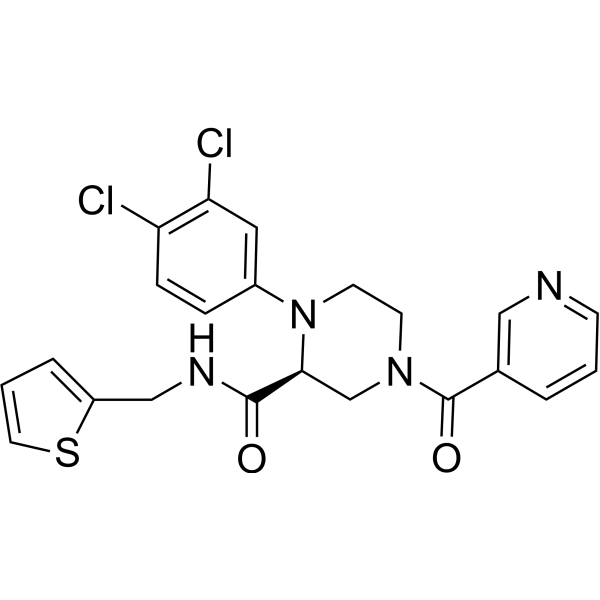
CDD-1845 is a non-covalent and non-peptide potent SARS-CoV-2 Mpro inhibitor with a Ki of 3 nM. CDD-1845 also inhibits ΔP168, A173V, and ΔP168/A173V Mpro variants .
CDD-1819 is a non-covalent and non-peptide potent SARS-CoV-2 Mpro inhibitor with a Ki of 5 nM. CDD-1819 also inhibits ΔP168, A173V, and ΔP168/A173V Mpro variants .
CDD-1733 is a non-covalent and non-peptide potent SARS-CoV-2 Mpro inhibitor with a Ki of 12 nM. CDD-1733 also inhibits ΔP168, A173V, and ΔP168/A173V Mpro variants .
SARS-CoV-2 Mpro-IN-9 (compound c7) is a nonpeptidic, noncovalent SARS-CoV-2 M pro inhibitor (IC50=0.085 μM), with improved physicochemical and drug metabolism and pharmacokinetics (DMPK) properties. SARS-CoV-2 Mpro-IN-9 inhibits viral replication (EC50=1.10 μM) in SARS-CoV-2-infected Vero E6 cells, while exhibits low cytotoxic effects (CC50>50 μM) .
SARS-CoV-2-IN-59 (compound E07), an imidazoline derivative, is a non-peptide small molecule inhibitor of SARS-CoV-2 that targets the main protease (Mpro) of the coronavirus. SARS-CoV-2-IN-59 has a strong interaction with residues on Mpro (Met 165, Gln 166, Met 165, His 41, Gln 189) .
FL-166 is a SARS coronavirus main protease (Mpro) inhibitor (Ki: 40 nM). FL-166 exerts its inhibitory effect by targeting a cluster of serine residues near the active site of the protease. FL-166 can be used in the study of SARS-CoV .
Jobosic acid, a saturated fatty acid, is a selective SARS-CoV-2 inhibitor. Jobosic acid inhibits Mpro and spike-RBD/ACE-2 interaction with IC50 values of 7.5 μg/mL and 3 μg/mL, respectively. Jobosic acid shows viral entry inhibition for the omicron SARS-CoV-2 variant .
SARS-CoV-2-IN-36 is a potent SARS-CoV-2 Mpro (SARS-CoV) inhibitor with an IC50 of 2.37 μM and a Kd of 1.19 μM in enzymatic assays. SARS-CoV-2-IN-36 shows antiviral activity against UC-1074, RG2674, and NVDBB-2220 SARS-CoV-2 variants in Vero cells .
SARS-CoV-2 Mpro-IN-54 is a SARS-CoV-2 main protease (Mpro) inhibitor with an IC50 of 12.5 nM against SARS-CoV-2 Mpro. SARS-CoV-2 Mpro-IN-54 functionally inhibits SARS-CoV-2 main protease activity. SARS-CoV-2 Mpro-IN-54 can be used for the research of COVID-19 .
SARS-CoV-2 Mpro ligand 2 (Compound 24) is a ligand for the target protein for PROTAC (SARS-CoV-2 Mpro). SARS-CoV-2 Mpro ligand 2 can be used to synthesize PROTAC SARS-CoV-2 Mpro degrader-8 (HY-181870) .
SARS-CoV-2 Mpro-IN-56 is an orally active SARS-CoV-2 Mpro inhibitor with an IC50 of 0.026 μM. SARS-CoV-2 Mpro-IN-56 can be used for the research of COVID-19 .
Mpro/RdRp-IN-1 (Compound 1) is a dual-target inhibitor against SARS-CoV-2, targeting RdRp (EC50 = 25.45) and Mpro (IC50 = 125.4 μM). Mpro/RdRp-IN-1 exhibits EC₅₀ for HCoV-OC43 of 4.79 μM, and the selectivity index (SI) is 10.89. Mpro/RdRp-IN-1 can be used for studying SARS-CoV-2 and HCoV-OC43 infections .
PROTAC SARS-CoV-2 Mpro degrader-6 is a PROTACs degrader targeting the SARS-CoV-2 main protease (M pro). PROTAC SARS-CoV-2 Mpro degrader-6 effectively induces the degradation of M pro and increases K48-linked polyubiquitination of M pro in HEK293 cells. PROTAC SARS-CoV-2 Mpro degrader-6 can be used in studies related to coronavirus disease 2019 (COVID-19) .
SARS-CoV-2 Mpro-IN-55 is a SARS-CoV-2 M pro inhibitor with a IC50 value of 7.20 nM. SARS-CoV-2 Mpro-IN-55 shows limited inhibitory activity against SARS-CoV-2. SARS-CoV-2 Mpro-IN-55 can be used in research related to COVID-19 .
SARS-CoV-2 Mpro-IN-57 is an irreversible SARS-CoV-2 main protease inhibitor with an IC50 of 0.41 μM and a Kd of 247.37 nM. SARS-CoV-2 Mpro-IN-57 forms a covalent bond with the key amino acid residue Cys145 in SARS-CoV-2 main protease via its -CN group. SARS-CoV-2 Mpro-IN-57 can be used for the research of COVID-19 .
PROTAC SARS-CoV-2 Mpro degrader-8 is an antiviral PROTAC degrader targeting the SARS-CoV-2 main protease (Mpro), with weak direct binding affinity to Mpro (Kd=80.5 μM). PROTAC SARS-CoV-2 Mpro degrader-8 exhibits broad-spectrum antiviral activity against SARS-CoV-2 and the human endemic coronavirus HCoV-OC43. It can be used for research on coronavirus infections .
PROTAC SARS-CoV-2 Mpro degrader-5 is a SARS-CoV-2 main protease (Mpro) PROTAC. PROTAC SARS-CoV-2 Mpro degrader-5 engages CRBN E3 ubiquitin ligase to form a ternary complex with SARS-CoV-2 Mpro, induces K48-linked polyubiquitination of SARS-CoV-2 Mpro, and drives proteasome-dependent turnover of SARS-CoV-2 Mpro with a high selectivity index (CC50/DC50 > 10) in human embryonic kidney cells.PROTAC SARS-CoV-2 Mpro degrader-5 can be used for the research of COVID-19 .
PROTAC SARS-CoV-2 Mpro degrader-7 is a SARS-CoV-2 main protease (Mpro) PROTAC degrader with a DC50 of 0.985 μM. PROTAC SARS-CoV-2 Mpro degrader-7 promotes K48-linked polyubiquitination of SARS-CoV-2 Mpro, leading to proteasome-dependent degradation via the ubiquitin-proteasome system.PROTAC SARS-CoV-2 Mpro degrader-7 forms a ternary complex with SARS-CoV-2 Mpro and CRBN E3 ubiquitin ligase to enable viral protease ubiquitination.PROTAC SARS-CoV-2 Mpro degrader-7 exhibits a high selectivity index, and induces dose-dependent degradation of SARS-CoV-2 Mpro in stable cells expressing the viral protease.PROTAC SARS-CoV-2 Mpro degrader-7 can be used for the research of COVID-19 .
SARS-CoV-2 Mpro-IN-52 (compound 47) is a potent SARS-CoV-2 main protease (MPro) inhibitor (EC50 = 0.0099 µM) with antiviral activity. SARS-CoV-2 Mpro-IN-52 exhibits potent and broad-spectrum activity against MERS, OC43, 229E with EC50s of 0.00961, 0.138, and 0.117 µM. SARS-CoV-2 Mpro-IN-52 can be used for COVID-19 research .
Mpro/PLPro-IN-2 (Compound 22l) is a non-covalent competitive dual inhibitor of the papain-like protease and main protease of SARS-CoV-2, with a Ki of 0.2 μM for the papain-like protease and a Ki of 1.1 μM for the main protease . Mpro/PLPro-IN-2 can be used in the research field of anti-SARS-CoV-2 .
SARS-CoV-2 Mpro-IN-37 (compound 8r) is a SARS-CoV-2 main protease (M pro) inhibitor, with an IC50 of 0.0199 μM. SARS-CoV-2 Mpro-IN-37 inhibits SARS-CoV-1 M pro and MERS-CoV M pro with IC50s of 0.00945 and 0.111 μM, respectively. SARS-CoV-2 Mpro-IN-37 displays high antiviral activity in the nanomolar range without showing cellular toxicity .
(S,R,S)-AHPC-Me-C2-piperazine is an E3 ligase ligand-linker conjugate containing an E3 ligase ligand (HY-112078) and a PROTAC linker. (S,R,S)-AHPC-Me-C2-piperazine can be used in the PROTAC SARS-CoV-2 Mpro degrader-8 (HY-181870) .
UAWJ-247 is a potent and reversible SARS-CoV-2 main protease (Mpro) inhibitor with an IC50 of 0.042 μM and a Ki of 0.035 μM. UAWJ-247 can be used for the research of covid-19 .
UAWJ246 is a covalent reversible inhibitor of the SARS-CoV-2 main protease (Mpro), with an IC50 of 0.045 μM and a Ki of 0.036 μM. UAWJ246 exhibits potent antiviral activity by inhibiting SARS-CoV-2 viral replication and shows low cytotoxicity. UAWJ246 can be used in research related to SARS-CoV-2 infection, such as studies on COVID-19 [1][2].
(+)-Adlumidine (Adlumidine) is an isoquinoline alkaloid. (+)-Adlumidine efficiently binds to two key targets of SARS-CoV-2, Mpro and RBD, with IC50 values of 953.86 nM and 9.48 μM, respectively. (+)-Adlumidine exerts significant positive inotropic effects and certain positive chronotropic effects on cultured mouse embryonic cardiomyocytes. (+)-Adlumidine can be used for research on cardiovascular-related diseases and SARS-CoV-2 infection.
GRL-190-21 (compound 5e) is an inhibitor for SARS-Cov-2-Mpro with a Ki of 0.04 nM and exhibits antiviral activity in VeroE6 cells with EC50 of 0.26 μM. GRL-190-21 reduces the infectivity, replication, and cytopathic effect of SARS-CoV-2 without significant toxicity .
MPI8 (TG0205221) is an inhibitor of the major protease of SARS-CoV-2(MPro) with high antiviral activity. MPI8 exerts its antiviral effect by dual and selective inhibition of SARS-CoV-2 MPro and host cell cysteine protease L (cathepsin L). MPI8 can be used in clinical studies of COVID-19 .
D-4-77 is a potent inhibitor of SARS-CoV-2 Mpro with an IC50 value of 0.95 μM. D-4-77 has antiviral active with an EC50 value of 0.49 μM. D-4-77 suppresses SARS-CoV-2 Mpro -induced antagonism of the host NF-κB innate immune response .
MPI8 (TG0205221) TFA is an inhibitor of the major protease of SARS-CoV-2(MPro) with high antiviral activity. MPI8 TFA exerts its antiviral effect by dual and selective inhibition of SARS-CoV-2 MPro and host cell cysteine protease L (cathepsin L). MPI8 TFA can be used in clinical studies of COVID-19 .
Jun13698 is a SARS-CoV-2 main protease (M pro) inhibitor with Ki values of 65.6 nM, 510.0 nM, and 117.5 nM against the wild-type, E166V, and E166A mutants, respectively. Jun13698 forms stable complexes with wild-type and mutant M pro to mediate enzyme inhibition. Jun13698 exhibits antiviral activity against SARS-CoV-2 variants carrying the E166V/A mutation. Jun13698 is applicable to COVID-19-related research .
Arcapillin is a flavonoid that can be isolated from Artemisia capillaris Thunb. Arcapillin induces dose-dependent relaxation of ileum and pulmonary artery smooth muscle, causes slight urinary bladder smooth muscle contraction at highest tested concentrations. Arcapillin binds to the active site of SARS-CoV-2 Mpro via interactions with Gln139, His163, and His164, exhibits antiviral activity against SARS-CoV-2 and MERS-CoV. Arcapillin can be used for the research of gastrointestinal disorders, COVID-19, and Middle East respiratory syndrome (MERS) .
Jensenone is an acylphloroglucinol derivative. Jensenone binds to COVID-19 proteinase in molecular docking studies. Jensenone can be used as a COVID-19 Mpro inhibitor .
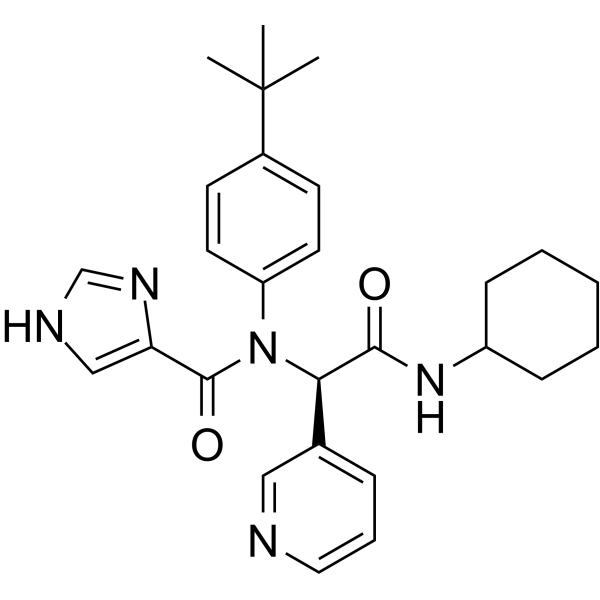
X77 is a potent non-covalent inhibitor of the main protease of SARS-CoV-2 (SARS-CoV-2 M pro) . X77 binds to SARS-CoV-2 M pro with a Kd value of 0.057 μM .
(Rac)-X77?is a racemate of X77. X77 is a potent non-covalent inhibitor of the main protease of SARS-CoV-2 (SARS-CoV-2 M pro) . X77 binds to SARS-CoV-2 M pro with a Kd value of 0.057 μM .
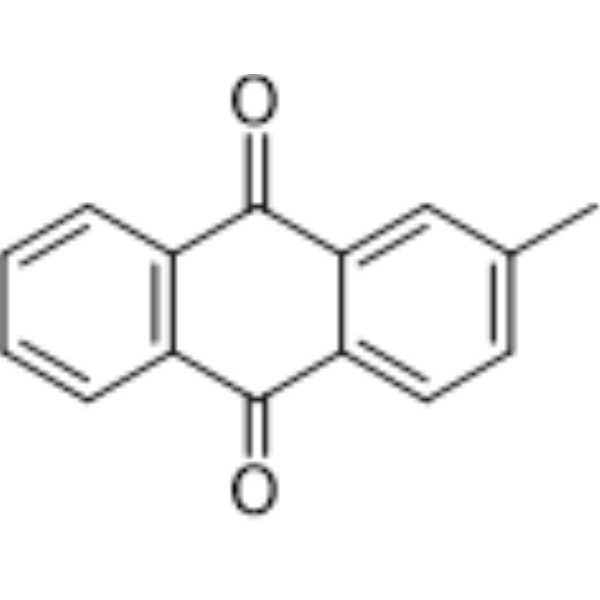
Tectoquinone (2-Methylanthraquinone) is an inhibitor for SARS CoV-2 major protease (SARS CoV-2 Mpro). Tectoquinone exhibits anti-termite and antiviral activities .
BP-198 is an Mpro PROTAC degrader. BP-198 promotes the ubiquitination and degradation of Mpro. BP-198 has antiviral effects against SARS-CoV-2 (IC50: 11.8 μM) and has stronger activity against drug-resistant viruses. (Pink: target protein ligand (HY-176442); blue: E3 ligase ligand (HY-176441); black: linker (HY-W457968); E3 ligase-linker conjugate (HY-176443)) .
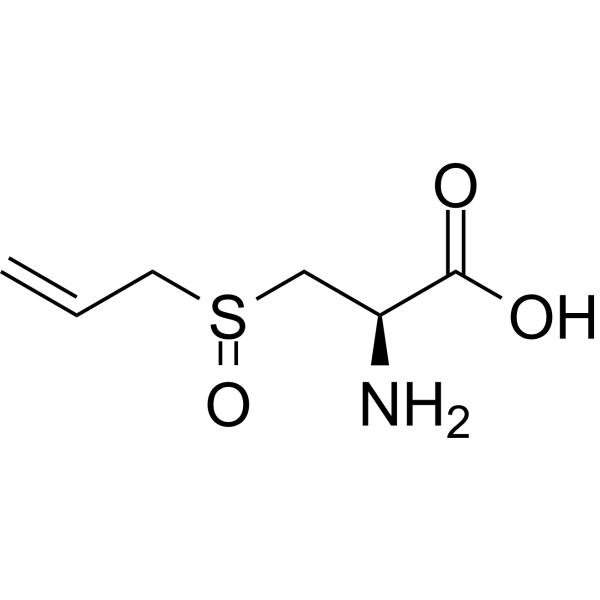
(±)-Alliin (Standard) is the analytical standard of (±)-Alliin. This product is intended for research and analytical applications. (±)-Alliin is the main active component of garlic. (±)-Alliin is a putative inhibitor of the main protease of SARS-CoV-2 (Mpro) .
NVP-EGT710 (EGT710) is an orally active non-peptidomimetic covalent SARS-CoV-2 Mpro inhibitor. NVP-EGT710 can be used for coronavirus infection research .
Garcinone B, a xanthone derivative, is a nature product that could be isolated from the pericarp of Mangosteen. Garcinone B is a potent ACE2 and Mpro inhibitor. Garcinone B can be used in research of COVID-19 .
SARS-CoV-2 main protease is a main protease (Mpro) of SARS-CoV-2, which plays a central role in viral replication and transcription and represents an attractive drug target for fighting COVID-19 .
Setomimycin is a potent antibiotic. Setomimycin inhibits the SARS-CoV-2 Mpro enzyme with an IC50 value of 12.02 µM. Setomimycin shows anti-inflammatory and antioxidant properties. Setomimycin shows antiproliferative and antitumor activity .
SARS-CoV-2-IN-68 (compound 6C) is a covalent SARS-CoV-2 PLpro/Mpro inhibitor with potent antiviral activities. SARS-CoV-2-IN-68 binds to Zn-finger domain of PLpro .
Tectoquinone (Standard) is the analytical standard of Tectoquinone. This product is intended for research and analytical applications. Tectoquinone (2-Methylanthraquinone) is an inhibitor for SARS CoV-2 major protease (SARS CoV-2 Mpro). Tectoquinone exhibits anti-termite and antiviral activities .
LY1 is a potent, selective and covalent inhibitor against both SARS-CoV-2 PL pro and M pro with Kd values of 1.5 μM and 2.3 μM for M pro C145A protein and PL pro C111A protein, respectively. LY1 potent against the viral proteases, with IC50s of 0.12 μM and 0.99 μM against M pro and PL pro. LY1 shows high selectivity over other kinases, human proteases and metalloenzyme .
Jaceidin triacetate(compound 54) is a natural compound isolated formmarulabark.Jaceidin triacetatecan inhibitSARS-CoV-2 Mpro, with theIC50of 11.9μM.Jaceidin triacetateinhibits the replication of Sars-Cov-2 Viral in Vero-E6 cells .
INSCoV-600K(1) is a potent inhibitor of M pro (3CL pro). Proteases (PL pro and 3CL pro) are involved with transcription and replication of the virus. INSCoV-600K(1) has the potential for the research of SARS-CoV-2 infection (extracted from patent WO2021219089A1) .
INSCoV-601I(1) is a potent inhibitor of M pro (3CL pro). Proteases (PL pro and 3CL pro) are involved with transcription and replication of the virus. INSCoV-601I(1) has the potential for the research of SARS-CoV-2 infection (extracted from patent WO2021219089A1) .
Artecanin is a SARS-CoV-2 main protease (M pro) inhibitor with predicted high gastrointestinal absorption and oral bioavailability, and no predicted hepatotoxicity, carcinogenicity, mutagenicity or cytotoxicity. Artecanin interacts with His41 and Cys145, the key amino acid residues in the active site of M pro, blocks the cleavage and maturation of viral precursor proteins, and forms a stable complex with M pro. Artecanin blocks the invasion of SARS-CoV-2. Artecanin is applicable to the research of COVID-19 .
INSCoV-614(1B) is a potent inhibitor of M pro (3CL pro). Proteases (PL pro and 3CL pro) are involved with transcription and replication of the virus. INSCoV-614(1B) has the potential for the research of SARS-CoV-2 infection (extracted from patent WO2021219089A1) .
E3 ligase Ligand 66 is an E3 ligase ligand that can be used to recruit IAP proteins. E3 ligase Ligand 66 can be linked to SARS-CoV-2 Mpro ligand 1 (HY-176442) through a linker to form PROTAC BP-198 (HY-176440) .
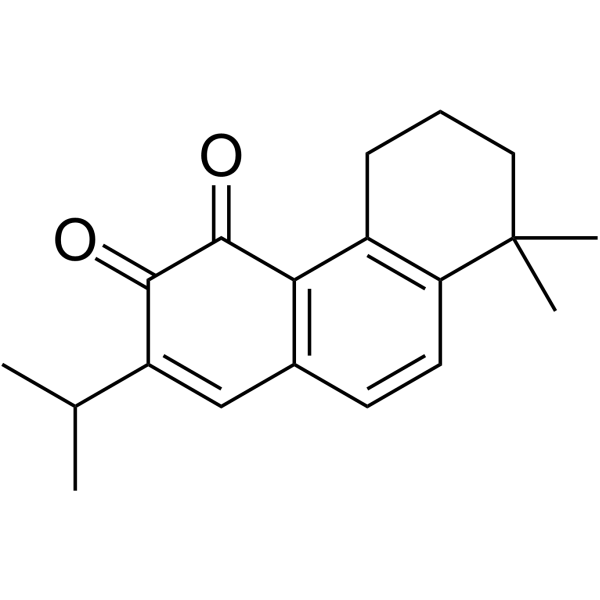
Miltirone is an orally active natural compound found in the root of Salvia miltiorrhiza. Miltirone is a central benzodiazepine receptor partial agonist, with an IC50 of 0.3 μM. Miltirone induces ROS - and-p53 dependent apoptosis. Miltirone inhibits carboxylesterase 2 (CES2; Ki = 0.04 μM) and SARS-CoV main protease (Mpro) .
AB-343 is a selective covalent inhibitor of SARS-CoV-2 Mpro, with an IC50 of 8 nM and a Ki of 2.8 nM. AB-343 can effectively inhibit the main proteases of SARS-CoV-2 and many other coronaviruses, and is also active against some resistant variants. AB-343 can be used in the research of treating coronavirus infection-related diseases .
TLP-3, Temporin L (HY-P2523) analogue, is a SARS-CoV-2 main protease (Mpro) inhibitor with an IC50 of 7.0 μM. TLP-3 inhibits protease activity through stabilizing hydrogen bonding and hydrophobic interactions with key enzyme residues. TLP-3 can be used for the research of ARS-CoV‑2 infection .
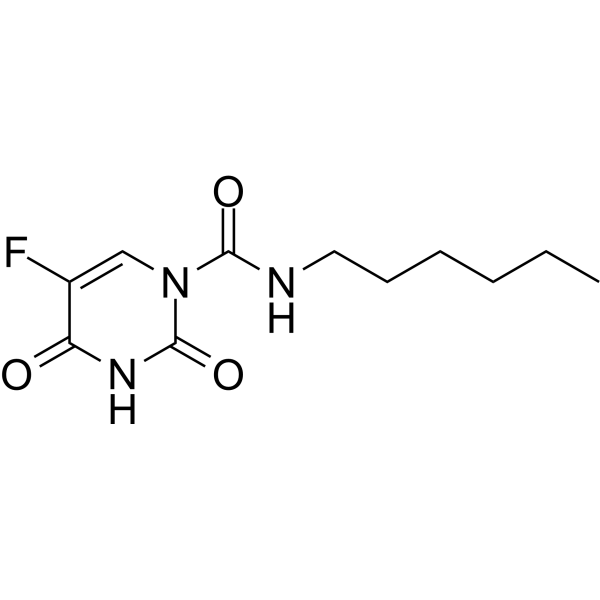
Carmofur (HCFU) is a rat recombinant acid ceramidase inhibitor with an IC50 of 29 nM. Carmofur is also a protease inhibitor of SARS-CoV-2 main protease (Mpro), fatty acid amide hydrolase (FAAH) and N-acylethanolamine acid amidase (NAAA). Carmofur has anti-cancer, anti-inflammatory and anti-virus activities, and can be used for the study of COVID-19 and acute lung injury (ALI) .
Proglumetacin is an orally active and potent cyclo-oxygenase inhibitor. Proglumetacin can inhibits SARS-CoV Mpro (main protease of the SARS-CoV-2), with an AC50 of 8.9 μM (activity concentration at half maximal activity). Proglumetacin has anti-inflammatory activity, can be used for inflammation (such as Rheumatoid arthritis, and Allergic air pouch inflammation) research[1][2][3].
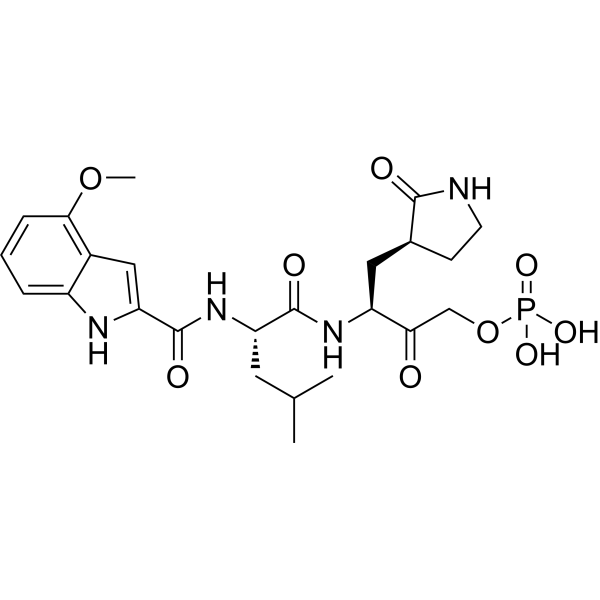
Lufotrelvir (PF-07304814), a phosphate proagent of PF-00835231, acts as a potent 3CLpro protease (Mpro) inhibitor with SARS-CoV-2 antiviral activity. Lufotrelvir binds and inhibits SARS-CoV-2 3CLpro activity with a Ki of 174nM. Lufotrelvir is promising single antiviral agent and also can be used for the research of combination with other antivirals that target other critical stages of the coronavirus life cycle.
DEMAMP is an antioxidant. DEMAMP exhibits scavenging effects on DPPH and H2O2free radicals, with IC50 values of 0.60 and 0.48 mg/mL, respectively. Molecular docking simulations show that DEMAMP potently inhibits NADPH oxidase and the Mpro and RdRp proteins of SARS-CoV-2, and ADMET analysis confirms that it has favorable oral bioavailability. DEMAMP can be used in studies related to COVID-19 .
NZ-804 is an orally active inhibitor for SARS-CoV-2 main protease Mpro with an IC50 of 8.9 nM. NZ-804 inhibits the SARS-CoV-2 replication in HeLa-hACE2 cell with an EC50 of 14 nM. NZ-804 exhibits board-spectrum antiviral activity aganst multiple CoVs. NZ-804 diminishes virus replication in mouse and hamster model .
SP inhibitor 1 (compound 34) is a selective SARS-CoV-2 spike protein (SP) inhibitor with an IC50 of 3.26 μM, >25 μM, >25 μM for SP, M pro and PL pro protein, respectively. SP inhibitor 1 is a vitro SARS-CoV-2 replication inhibitor at non-toxic concentrations (0.3250<5.98 μM). SP inhibitor 1 shows cellular antiviral activity .
(S,R,S)-AHPC-NHCO-C-O-C5-N3 is a conjugate of ligand for E3 ligase (HY-125845) and linker (HY-161792). (S,R,S)-AHPC-NHCO-C-O-C5-N3 can be utilized for synthesis of PROTAC SARS-CoV-2 Mpro degrader-3 (HY-161789) .
Carmofur (Standard) is the analytical standard of Carmofur. This product is intended for research and analytical applications. Carmofur (HCFU) is a rat recombinant acid ceramidase inhibitor with an IC50 of 29 nM. Carmofur is also a protease inhibitor of SARS-CoV-2 main protease (Mpro), fatty acid amide hydrolase (FAAH) and N-acylethanolamine acid amidase (NAAA). Carmofur has anti-cancer, anti-inflammatory and anti-virus activities, and can be used for the study of COVID-19 and acute lung injury (ALI) .
TKB272 is an orally active and selective antiviral agent targeting the main protease (Mpro) of SARS-CoV-2. It effectively blocks the infection and replication of various SARS-CoV-2 strains, including Omicron variants such as XBB.1.5 and EG.5.1. The enzymatic inhibitory activity of TKB272 shows an IC50 of 0.7 µM (against SARS-CoV-2WK-521 Mpro), and its antiviral activity at the cellular level reaches an EC50 as low as 2.6 nM (against BQ.1.1 strain in HeLahACE2-TMPRSS2 cells), with a cytotoxicity CC50 of 98 µM, indicating no apparent toxicity. In addition, TKB272 significantly suppresses the replication of SARS-CoV-2XBB.1.5 in B6.Cg-Tg(K18-hACE2)2-Prlmn/J transgenic mouse models. TKB272 holds promise for research in the field of SARS-CoV-2 infection .
Leupeptin hemisulfate is a broad-spectrum, membrane-permeable protease inhibitor. Leupeptin hemisulfate potently inhibits serine, cysteine and threonine proteases. Leupeptin hemisulfate inhibits M pro (the main protease of SARS-CoV-2) and also has anti-inflammatory activity .
Leupeptin is a broad-spectrum, membrane-permeable protease inhibitor. Leupeptin potently inhibits serine, cysteine and threonine proteases. Leupeptin inhibits M pro (the main protease of SARS-CoV-2) and also has anti-inflammatory activity .
Simeprevir- 13C,d3 is the 13C- and deuterium labeled Simeprevir. Simeprevir is an oral, potent and highly specific hepatitis C virus (HCV) NS3/4A protease inhibitor with a Ki of 0.36 nM. Simeprevir inhibits HCV replication with an EC50 of 7.8 nM. Simeprevir also potently suppresses SARS-CoV-2 replication and synergizes with Remdesivir. Simeprevir inhibits the main protease (Mpro) and the RNA-dependent RNA polymerase (RdRp) of SARS-CoV-2, and also modulates host immune responses .
Simeprevir (Standard) is the analytical standard of Simeprevir (HY-10241). This product is intended for research and analytical applications. Simeprevir (TMC435; TMC435350) is an oral, potent and highly specific hepatitis C virus (HCV) NS3/4A protease inhibitor with a Ki of 0.36 nM. Simeprevir inhibits HCV replication with an EC50 of 7.8 nM. Simeprevir also potently suppresses SARS-CoV-2 replication and synergizes with Remdesivir. Simeprevir inhibits the main protease (Mpro) and the RNA-dependent RNA polymerase (RdRp) of SARS-CoV-2, and also modulates host immune responses .
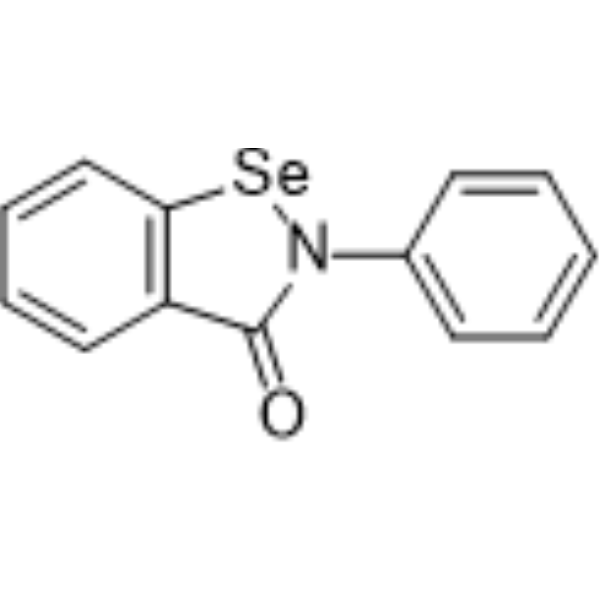
Ebselen (SPI-1005), a glutathione peroxidase mimetic, is a potent voltage-dependent calcium channel (VDCC) blocker . Ebselen potently inhibits M pro (IC50=0.67 μM) and COVID-19 virus (EC50=4.67 μM) .Ebselen is an inhibitor of HIV-1 capsid CTD dimerization. Ebselen, an organoselenium compound, can permeate the blood-brain barrier and has anti-inflammatory, antioxidant and anticancer activity .
2,5-Dimethylcyclohexanol, a volatile organic compound, is a fatty acid that can be isolated from Amphora sp.. 2,5-Dimethylcyclohexanol has significant antineoplastic and antiviral activities with inhibition of SARS-CoV-2 Mpro. 2,5-Dimethylcyclohexanol also has potent antifungal activity against Pseudogymnoascus destructans. 2,5-Dimethylcyclohexanol compromises cell wall and membrane integrity while perturbing energy metabolism, increases the levels of ROS, ATP, Superoxide anion and GSH, and decreases CAT and SOD activities. And 2,5-Dimethylcyclohexanol alters virulence ribosomal genes expression, and disrupts the MAPK signaling pathways, inducing fungal cell apoptosis .
SR-A-174 is a SARS-CoV-2M Pro inhibitor with an IC50 of 0.060 μM. SR-A-174 has limited cell permeability and exhibits low activity in cells expressing M Pro-eGFP, with a cellular IC50 > 10 μM. SR-A-174 can be used in COVID-19-related research .
Withanoside V is a blood-brain barrier-permeable withanolide derivative . Withanoside V binds strongly to Sudlow I (domain IIA) of human serum albumin (HSA) to form a stable complex and alter the secondary structure of albumin, thereby increasing helix content and reducing β-sheet and random coil. Withanoside V binds to Aβ (1-42) to block the interaction between monomers and subsequent aggregation. Withanoside V inhibits the viability of neuroblastoma cells, reduces the number of apoptotic cells induced by Aβ (1-42), and decreases ROS production. Withanoside V inhibits SARS-CoV-2 Mpro. Withanoside V can be used for research on Alzheimer's disease and coronavirus disease 2019 .
YL1004 is a potent, selective and orally active noncovalent inhibitor of SARS-CoV-2 papain-like protease (PL pro). YL1004 shows an IC50 of 17.5 nM and a Ki of 2.3 nM against PL pro, with an in vitro anti-SARS-CoV-2 EC50 of 0.08 μM-1.37 μM. YL1004 suppresses the proteolytic activity of PL pro and blocks its deubiquitinating and deISGylating effects to restore host innate antiviral immune signaling. YL1004 inhibits the replication of wild-type, Delta, Omicron variants and nirmatrelvir-resistant strains of SARS-CoV-2. YL1004 can be used for the research of COVID-19 (SARS-CoV-2 infection) .
VPC285785 is an orally active SARS-CoV-2 main protease inhibitor with an IC50 of 0.8 μM and a Kd of 2.7 μM. VPC285785 functionally inhibits the viral main protease-mediated processing of viral polyprotein precursors required for viral replication. VPC285785 reduces viral loads in the liver, brain and spleen tissues of MHV-infected mice. VPC285785 is applicable to the research of coronavirus infections .
Leupeptin is a broad-spectrum, membrane-permeable protease inhibitor. Leupeptin potently inhibits serine, cysteine and threonine proteases. Leupeptin inhibits M pro (the main protease of SARS-CoV-2) and also has anti-inflammatory activity .
TLP-3, Temporin L (HY-P2523) analogue, is a SARS-CoV-2 main protease (Mpro) inhibitor with an IC50 of 7.0 μM. TLP-3 inhibits protease activity through stabilizing hydrogen bonding and hydrophobic interactions with key enzyme residues. TLP-3 can be used for the research of ARS-CoV‑2 infection .
Leupeptin hemisulfate is a broad-spectrum, membrane-permeable protease inhibitor. Leupeptin hemisulfate potently inhibits serine, cysteine and threonine proteases. Leupeptin hemisulfate inhibits M pro (the main protease of SARS-CoV-2) and also has anti-inflammatory activity .
Miltirone is an orally active natural compound found in the root of Salvia miltiorrhiza. Miltirone is a central benzodiazepine receptor partial agonist, with an IC50 of 0.3 μM. Miltirone induces ROS - and-p53 dependent apoptosis. Miltirone inhibits carboxylesterase 2 (CES2; Ki = 0.04 μM) and SARS-CoV main protease (Mpro) .
Tectoquinone (2-Methylanthraquinone) is an inhibitor for SARS CoV-2 major protease (SARS CoV-2 Mpro). Tectoquinone exhibits anti-termite and antiviral activities .
Jensenone is an acylphloroglucinol derivative. Jensenone binds to COVID-19 proteinase in molecular docking studies. Jensenone can be used as a COVID-19 Mpro inhibitor .
Withanoside V is a blood-brain barrier-permeable withanolide derivative . Withanoside V binds strongly to Sudlow I (domain IIA) of human serum albumin (HSA) to form a stable complex and alter the secondary structure of albumin, thereby increasing helix content and reducing β-sheet and random coil. Withanoside V binds to Aβ (1-42) to block the interaction between monomers and subsequent aggregation. Withanoside V inhibits the viability of neuroblastoma cells, reduces the number of apoptotic cells induced by Aβ (1-42), and decreases ROS production. Withanoside V inhibits SARS-CoV-2 Mpro. Withanoside V can be used for research on Alzheimer's disease and coronavirus disease 2019 .
Polycarpine hydrochloride (1a) is a broad-spectrum Mpro inhibitor (IC50 = 30 nM) that can be isolated from the Polycarpa aurata and also serves as an anti-coronaviral agent. Polycarpine hydrochloride possesses antiviral and antifungal activities, with IC50 values of 30.0 nM and 0.12 μM against SARS-CoV-2 Mpro and PEDV Mpro, respectively .
Garcinone B, a xanthone derivative, is a nature product that could be isolated from the pericarp of Mangosteen. Garcinone B is a potent ACE2 and Mpro inhibitor. Garcinone B can be used in research of COVID-19 .
Miltirone is an orally active natural compound found in the root of Salvia miltiorrhiza. Miltirone is a central benzodiazepine receptor partial agonist, with an IC50 of 0.3 μM. Miltirone induces ROS - and-p53 dependent apoptosis. Miltirone inhibits carboxylesterase 2 (CES2; Ki = 0.04 μM) and SARS-CoV main protease (Mpro) .
Leupeptin (hemisulfate) (Standard) is the analytical standard of Leupeptin (hemisulfate). This product is intended for research and analytical applications. Leupeptin hemisulfate is a broad-spectrum, membrane-permeable protease inhibitor. Leupeptin hemisulfate potently inhibits serine, cysteine and threonine proteases. Leupeptin hemisulfate inhibits Mpro (the main protease of SARS-CoV-2) and also has anti-inflammatory activity[1][2][3].
Arcapillin is a flavonoid that can be isolated from Artemisia capillaris Thunb. Arcapillin induces dose-dependent relaxation of ileum and pulmonary artery smooth muscle, causes slight urinary bladder smooth muscle contraction at highest tested concentrations. Arcapillin binds to the active site of SARS-CoV-2 Mpro via interactions with Gln139, His163, and His164, exhibits antiviral activity against SARS-CoV-2 and MERS-CoV. Arcapillin can be used for the research of gastrointestinal disorders, COVID-19, and Middle East respiratory syndrome (MERS) .
Tectoquinone (Standard) is the analytical standard of Tectoquinone. This product is intended for research and analytical applications. Tectoquinone (2-Methylanthraquinone) is an inhibitor for SARS CoV-2 major protease (SARS CoV-2 Mpro). Tectoquinone exhibits anti-termite and antiviral activities .
SARS-CoV MPro-IN-2 (compound 15) is a potent inhibitor of SARS-CoV-2 M pro with an IC50 value of 72.07 nM. The main protease (M pro) of the virus as the major enzyme processing viral polyproteins contributes to the replication and transcription of SARS-CoV-2 in host cells, and has been characterized as an attractive target in agent discovery. SARS-CoV MPro-IN-2 has the potential for the research of COVID-19 .
(±)-Alliin (Standard) is the analytical standard of (±)-Alliin. This product is intended for research and analytical applications. (±)-Alliin is the main active component of garlic. (±)-Alliin is a putative inhibitor of the main protease of SARS-CoV-2 (Mpro) .
Jaceidin triacetate(compound 54) is a natural compound isolated formmarulabark.Jaceidin triacetatecan inhibitSARS-CoV-2 Mpro, with theIC50of 11.9μM.Jaceidin triacetateinhibits the replication of Sars-Cov-2 Viral in Vero-E6 cells .
2,5-Dimethylcyclohexanol, a volatile organic compound, is a fatty acid that can be isolated from Amphora sp.. 2,5-Dimethylcyclohexanol has significant antineoplastic and antiviral activities with inhibition of SARS-CoV-2 Mpro. 2,5-Dimethylcyclohexanol also has potent antifungal activity against Pseudogymnoascus destructans. 2,5-Dimethylcyclohexanol compromises cell wall and membrane integrity while perturbing energy metabolism, increases the levels of ROS, ATP, Superoxide anion and GSH, and decreases CAT and SOD activities. And 2,5-Dimethylcyclohexanol alters virulence ribosomal genes expression, and disrupts the MAPK signaling pathways, inducing fungal cell apoptosis .
(+)-Adlumidine (Adlumidine) is an isoquinoline alkaloid. (+)-Adlumidine efficiently binds to two key targets of SARS-CoV-2, Mpro and RBD, with IC50 values of 953.86 nM and 9.48 μM, respectively. (+)-Adlumidine exerts significant positive inotropic effects and certain positive chronotropic effects on cultured mouse embryonic cardiomyocytes. (+)-Adlumidine can be used for research on cardiovascular-related diseases and SARS-CoV-2 infection.
Artecanin is a SARS-CoV-2 main protease (M pro) inhibitor with predicted high gastrointestinal absorption and oral bioavailability, and no predicted hepatotoxicity, carcinogenicity, mutagenicity or cytotoxicity. Artecanin interacts with His41 and Cys145, the key amino acid residues in the active site of M pro, blocks the cleavage and maturation of viral precursor proteins, and forms a stable complex with M pro. Artecanin blocks the invasion of SARS-CoV-2. Artecanin is applicable to the research of COVID-19 .
SARS-CoV-2 3CLpro/3C-like protease Protein (Tag Free) is the recombinant virus-derived SARS-CoV-2 3CLpro/3C-like protease, expressed by E. coli , with tag Free labeled tag. ,
SARS-CoV-2 3CLpro/3C-like protease Protein is the recombinant Virus-derived SARS-CoV-2 3CLpro/3C-like protease protein, expressed by E. coli, with tag free.
SARS-CoV-2 3CLpro/3C-like protease Protein (His-Avi) is the recombinant Virus-derived SARS-CoV-2 3CLpro/3C-like protease protein, expressed by E. coli, with N-His, N-Avi labeled tag.
SARS-CoV-2 3CLpro/3C-like protease Protein (sf9, His) is the recombinant Virus-derived SARS-CoV-2 3CLpro/3C-like protease protein, expressed by Sf9 insect cells, with N-His labeled tag.
SARS-CoV-2 3CLpro/3C-like protease Protein (sf9, His-Avi) is the recombinant Virus-derived SARS-CoV-2 3CLpro/3C-like protease protein, expressed by Sf9 insect cells, with N-His, N-Avi labeled tag.
Simeprevir- 13C,d3 is the 13C- and deuterium labeled Simeprevir. Simeprevir is an oral, potent and highly specific hepatitis C virus (HCV) NS3/4A protease inhibitor with a Ki of 0.36 nM. Simeprevir inhibits HCV replication with an EC50 of 7.8 nM. Simeprevir also potently suppresses SARS-CoV-2 replication and synergizes with Remdesivir. Simeprevir inhibits the main protease (Mpro) and the RNA-dependent RNA polymerase (RdRp) of SARS-CoV-2, and also modulates host immune responses .
(S,R,S)-AHPC-NHCO-C-O-C5-N3 is a conjugate of ligand for E3 ligase (HY-125845) and linker (HY-161792). (S,R,S)-AHPC-NHCO-C-O-C5-N3 can be utilized for synthesis of PROTAC SARS-CoV-2 Mpro degrader-3 (HY-161789) .
Inquiry Online
Your information is safe with us. * Required Fields.
Western blot analysis of extracts from THP-1(lane 2(20μg), Jurkat (lane 3(20μg) and NIH3T3(lane 4(20μg) using FOXO1A (HY-P80132) Rabbit mAb. Proteins were transferred
to a PVDF membrane and blocked with 5% non-fat milk in TBST for 2 hour at room temperature. The primary antibody (1/1000) and Loading control antibody (Beta Actin, HY-P80438, 1/10000) was
used in 5% non-fat milk in TBST at 4°C overnight. Goat Anti-Mouse/Rabbit IgG-HRP Secondary Antibody (1/10000) was used for 1 hour at room temperature.
Western blot analysis of extracts from THP-1(lane 2(20μg), Jurkat (lane 3(20μg) and NIH3T3(lane 4(20μg) using FOXO1A (HY-P80132) Rabbit mAb. Proteins were transferred
to a PVDF membrane and blocked with 5% non-fat milk in TBST for 2 hour at room temperature. The primary antibody (1/1000) and Loading control antibody (Beta Actin, HY-P80438, 1/10000) was
used in 5% non-fat milk in TBST at 4°C overnight. Goat Anti-Mouse/Rabbit IgG-HRP Secondary Antibody (1/10000) was used for 1 hour at room temperature.
Western blot analysis of extracts from THP-1(lane 2(20μg), Jurkat (lane 3(20μg) and NIH3T3(lane 4(20μg) using FOXO1A (HY-P80132) Rabbit mAb. Proteins were transferred
to a PVDF membrane and blocked with 5% non-fat milk in TBST for 2 hour at room temperature. The primary antibody (1/1000) and Loading control antibody (Beta Actin, HY-P80438, 1/10000) was
used in 5% non-fat milk in TBST at 4°C overnight. Goat Anti-Mouse/Rabbit IgG-HRP Secondary Antibody (1/10000) was used for 1 hour at room temperature.
Western blot analysis of extracts from THP-1(lane 2(20μg), Jurkat (lane 3(20μg) and NIH3T3(lane 4(20μg) using FOXO1A (HY-P80132) Rabbit mAb. Proteins were transferred
to a PVDF membrane and blocked with 5% non-fat milk in TBST for 2 hour at room temperature. The primary antibody (1/1000) and Loading control antibody (Beta Actin, HY-P80438, 1/10000) was
MedchemExpress Validation 03
Western blot analysis of extracts from THP-1(lane 2(20μg), Jurkat (lane 3(20μg) and NIH3T3(lane 4(20μg) using FOXO1A (HY-P80132) Rabbit mAb. Proteins were transferred
MedchemExpress Validation 04
Western blot analysis of extracts from THP-1(lane 2(20μg), Jurkat (lane 3(20μg) and NIH3T3(lane 4(20μg) using FOXO1A (HY-P80132) Rabbit mAb. Proteins were transferred
to a PVDF membrane and blocked with 5% non-fat milk in TBST for 2 hour at room temperature. The primary antibody (1/1000) and Loading control antibody (Beta Actin, HY-P80438, 1/10000) was
used in 5% non-fat milk in TBST at 4°C overnight. Goat Anti-Mouse/Rabbit IgG-HRP Secondary Antibody (1/10000) was used for 1 hour at room temperature.
MedchemExpress Validation
Western blot analysis of extracts from THP-1(lane 2(20μg), Jurkat (lane 3(20μg) and NIH3T3(lane 4(20μg) using FOXO1A (HY-P80132) Rabbit mAb. Proteins were transferred
to a PVDF membrane and blocked with 5% non-fat milk in TBST for 2 hour at room temperature. The primary antibody (1/1000) and Loading control antibody (Beta Actin, HY-P80438, 1/10000) was
used in 5% non-fat milk in TBST at 4°C overnight. Goat Anti-Mouse/Rabbit IgG-HRP Secondary Antibody (1/10000) was used for 1 hour at room temperature.
Western blot analysis of extracts from THP-1(lane 2(20μg), Jurkat (lane 3(20μg) and NIH3T3(lane 4(20μg) using FOXO1A (HY-P80132) Rabbit mAb. Proteins were transferred
to a PVDF membrane and blocked with 5% non-fat milk in TBST for 2 hour at room temperature. The primary antibody (1/1000) and Loading control antibody (Beta Actin, HY-P80438, 1/10000) was
used in 5% non-fat milk in TBST at 4°C overnight. Goat Anti-Mouse/Rabbit IgG-HRP Secondary Antibody (1/10000) was used for 1 hour at room temperature.
MedchemExpress Validation
Western blot analysis of extracts from THP-1(lane 2(20μg), Jurkat (lane 3(20μg) and NIH3T3(lane 4(20μg) using FOXO1A (HY-P80132) Rabbit mAb. Proteins were transferred
to a PVDF membrane and blocked with 5% non-fat milk in TBST for 2 hour at room temperature. The primary antibody (1/1000) and Loading control antibody (Beta Actin, HY-P80438, 1/10000) was
used in 5% non-fat milk in TBST at 4°C overnight. Goat Anti-Mouse/Rabbit IgG-HRP Secondary Antibody (1/10000) was used for 1 hour at room temperature.
MedchemExpress Validation
Western blot analysis of extracts from THP-1(lane 2(20μg), Jurkat (lane 3(20μg) and NIH3T3(lane 4(20μg) using FOXO1A (HY-P80132) Rabbit mAb. Proteins were transferred
to a PVDF membrane and blocked with 5% non-fat milk in TBST for 2 hour at room temperature. The primary antibody (1/1000) and Loading control antibody (Beta Actin, HY-P80438, 1/10000) was
used in 5% non-fat milk in TBST at 4°C overnight. Goat Anti-Mouse/Rabbit IgG-HRP Secondary Antibody (1/10000) was used for 1 hour at room temperature.
MedchemExpress Validation
Western blot analysis of extracts from THP-1(lane 2(20μg), Jurkat (lane 3(20μg) and NIH3T3(lane 4(20μg) using FOXO1A (HY-P80132) Rabbit mAb. Proteins were transferred
to a PVDF membrane and blocked with 5% non-fat milk in TBST for 2 hour at room temperature. The primary antibody (1/1000) and Loading control antibody (Beta Actin, HY-P80438, 1/10000) was
used in 5% non-fat milk in TBST at 4°C overnight. Goat Anti-Mouse/Rabbit IgG-HRP Secondary Antibody (1/10000) was used for 1 hour at room temperature.
MedchemExpress Validation
Western blot analysis of extracts from THP-1(lane 2(20μg), Jurkat (lane 3(20μg) and NIH3T3(lane 4(20μg) using FOXO1A (HY-P80132) Rabbit mAb. Proteins were transferred
to a PVDF membrane and blocked with 5% non-fat milk in TBST for 2 hour at room temperature. The primary antibody (1/1000) and Loading control antibody (Beta Actin, HY-P80438, 1/10000) was
used in 5% non-fat milk in TBST at 4°C overnight. Goat Anti-Mouse/Rabbit IgG-HRP Secondary Antibody (1/10000) was used for 1 hour at room temperature.
MedchemExpress Validation
Western blot analysis of extracts from THP-1(lane 2(20μg), Jurkat (lane 3(20μg) and NIH3T3(lane 4(20μg) using FOXO1A (HY-P80132) Rabbit mAb. Proteins were transferred
to a PVDF membrane and blocked with 5% non-fat milk in TBST for 2 hour at room temperature. The primary antibody (1/1000) and Loading control antibody (Beta Actin, HY-P80438, 1/10000) was
used in 5% non-fat milk in TBST at 4°C overnight. Goat Anti-Mouse/Rabbit IgG-HRP Secondary Antibody (1/10000) was used for 1 hour at room temperature.
MedchemExpress Validation
Western blot analysis of extracts from THP-1(lane 2(20μg), Jurkat (lane 3(20μg) and NIH3T3(lane 4(20μg) using FOXO1A (HY-P80132) Rabbit mAb. Proteins were transferred
to a PVDF membrane and blocked with 5% non-fat milk in TBST for 2 hour at room temperature. The primary antibody (1/1000) and Loading control antibody (Beta Actin, HY-P80438, 1/10000) was
used in 5% non-fat milk in TBST at 4°C overnight. Goat Anti-Mouse/Rabbit IgG-HRP Secondary Antibody (1/10000) was used for 1 hour at room temperature.
MedChemExpress values your privacy and your trust is important to us. We use cookies to enhance your website experience. Some cookies are necessary to run the website.
Privacy and Cookie Policy

