1. Search Result
Search Result
Results for "

Neuroprotective s

" in MedChemExpress (MCE) Product Catalog:

200

Inhibitors & Agonists

1

Screening Libraries

11

Peptides

44

Natural
Products

12

Isotope-Labeled Compounds

5

Click Chemistry

Cat. No. Product Name Target Research Areas Chemical Structure
  • HY-B0220
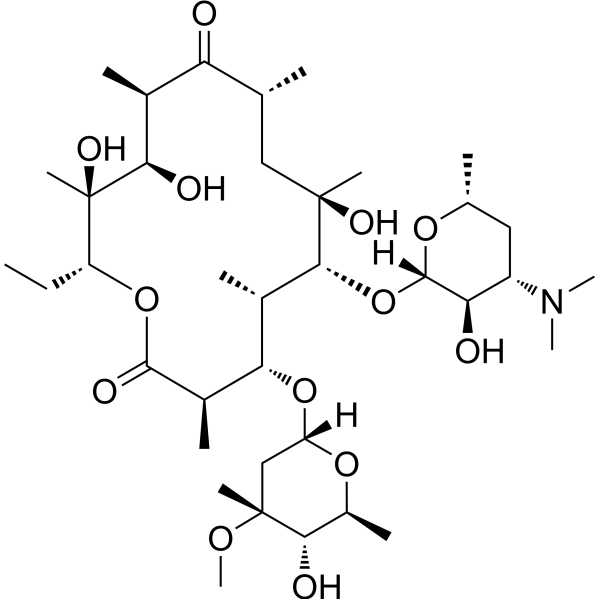
    Erythromycin
    Maximum Cited Publications
    24 Publications Verification

    Bacterial Antibiotic DNA/RNA Synthesis Infection Cancer
    Erythromycin is a macrolide antibiotic produced by actinomycete?Streptomyces erythreus?with a broad spectrum of antimicrobial activity. Erythromycin binds to bacterial 50S ribosomal subunits and inhibits?RNA-dependent protein synthesis?by blockage of transpeptidation and/or translocation reactions, without affecting synthesis of nucleic acid [1][2]. Erythromycin also exhibits antitumor and neuroprotective effect in different fields of research [3][4].
    Erythromycin
  • HY-15655
    GW1929
    10+ Cited Publications

    PPAR Neurological Disease Metabolic Disease
    GW 1929 is an orally active peroxisome proliferator-activated receptor-γ (PPARγ) agonist with a pKi of 8.84 for human PPAR-γ, and pEC50s of 8.56 and 8.27 for human PPAR-γ and murine PPAR-γ, respectively. GW 1929 (hydrochloride) has antidiabetic efficacy and neuroprotective potential .
    GW1929
  • HY-N0068
    Solasodine
    5 Publications Verification

    Purapuridine; Solancarpidine; Solasodin

    MDM-2/p53 Fungal E1/E2/E3 Enzyme Apoptosis Infection Cardiovascular Disease Neurological Disease Inflammation/Immunology Cancer
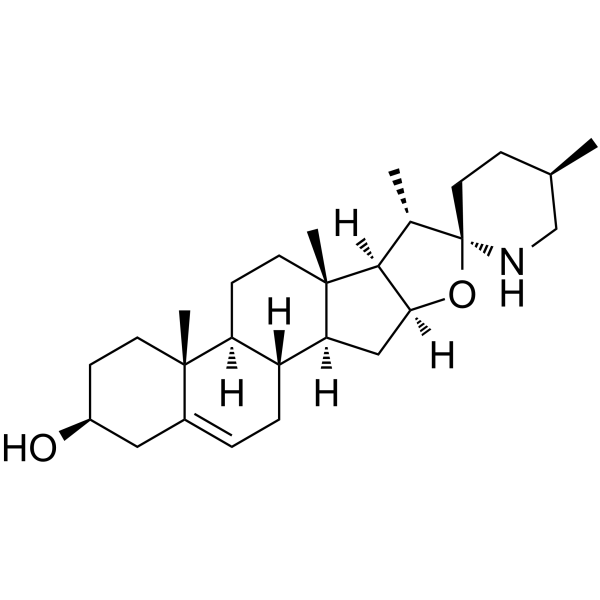
    Solasodine (Purapuridine) is a steroidal alkaloid that occurs in plants of the Solanaceae family. Solasodine induces apoptosis by inhibiting the p53-MDM2 complex, p21Waf1/Cip1, and Bcl-2 proteins. Solasodine has neuroprotective, antifungal, hypotensive, anticancer, antiatherosclerotic, antiandrogenic and anti-inflammatory activities .
    Solasodine
  • HY-13812
    QNZ
    45+ Cited Publications

    EVP4593

    NF-κB TNF Receptor Neurological Disease Inflammation/Immunology
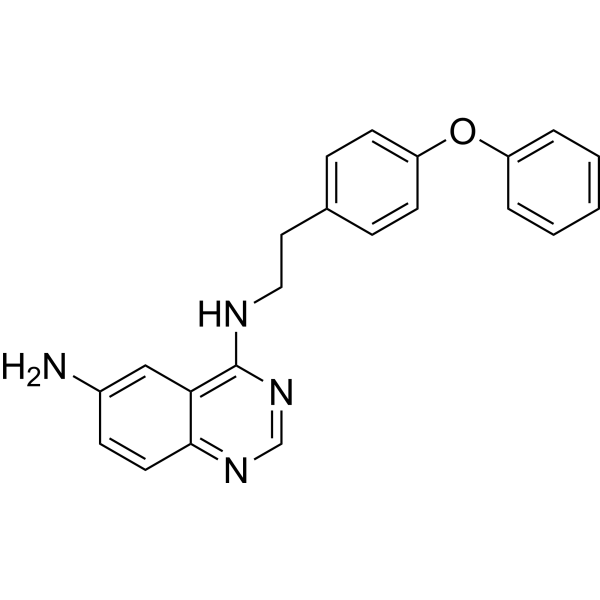
    QNZ (EVP4593) shows strong inhibitory effects on NF-κB transcriptional activation and TNF-α production with IC50s of 11 and 7 nM, respectively. QNZ (EVP4593) is a neuroprotective inhibitor of SOC channel.
    QNZ
  • HY-13716
    Noscapine
    2 Publications Verification

    (S,R)-Noscapine

    Opioid Receptor Apoptosis Neurological Disease Inflammation/Immunology Cancer
    Noscapine ((S,R)-Noscapine) is an orally active phthalideisoquinoline alkaloid with potent antitussive. Noscapine exerts its antitussive effects by activating sigma opioid receptors and is a non-competitive Bradykinin inhibitor. Noscapine disrupts microtubule dynamics, induces mitotic arrest and apoptosis. Noscapine possesses anticancer, neuroprotective, anti-inflammatory activities, and can cross the blood-brain barrier .
    Noscapine
  • HY-121389

    Palmitamide

    Bacterial NF-κB PPAR Infection Inflammation/Immunology
    Hexadecanamide (Palmitamide) is a fatty acid amide that has orally active anti-allergic, antioxidant, and neuroprotective effects. Hexadecanamide exerts protective effects in Staphylococcus aureus- and SARA-induced mastitis. Hexadecanamide suppresses S. aureus-induced activation of the NF-κB pathway and improves blood-milk barrier integrity. Hexadecanamide activates PPARα. Hexadecanamide enhances sperm motility in vitro. Hexadecanamide can be studied in research for mastitis and asthenozoospermia .
    Hexadecanamide
  • HY-N7560
    Safranal
    5+ Cited Publications

    Keap1-Nrf2 Neurological Disease Inflammation/Immunology
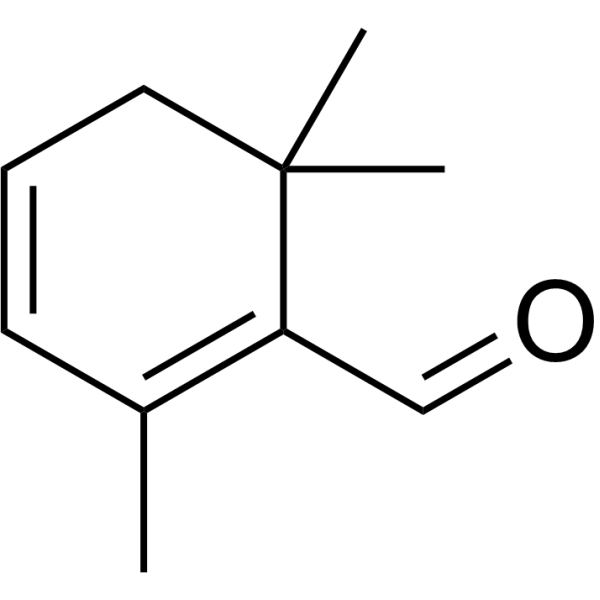
    Safranal is an orally active main component of Saffron (Crocus sativus) and is responsible for the unique aroma of this spice. Safranal has neuroprotective and anti-inflammatory effects and has the potential for Parkinson’s disease research .
    Safranal
  • HY-101972
    AZ-PFKFB3-67
    1 Publications Verification

    Phosphatase Bcl-2 Family Neurological Disease Metabolic Disease
    AZ-PFKFB3-67 is a potent and selective PFKFB3 kinase inhibitor with IC50s of 11, 159 and 1130 nM for PFKFB3, PFKFB2 and PFKFB1, respectively. AZ-PFKFB3-67 reduces MCL-1. AZ-PFKFB3-67 has neuroprotective activity .
    AZ-PFKFB3-67
  • HY-18100A
    PRE-084 hydrochloride
    10+ Cited Publications

    Sigma Receptor Akt NO Synthase Cardiovascular Disease Neurological Disease
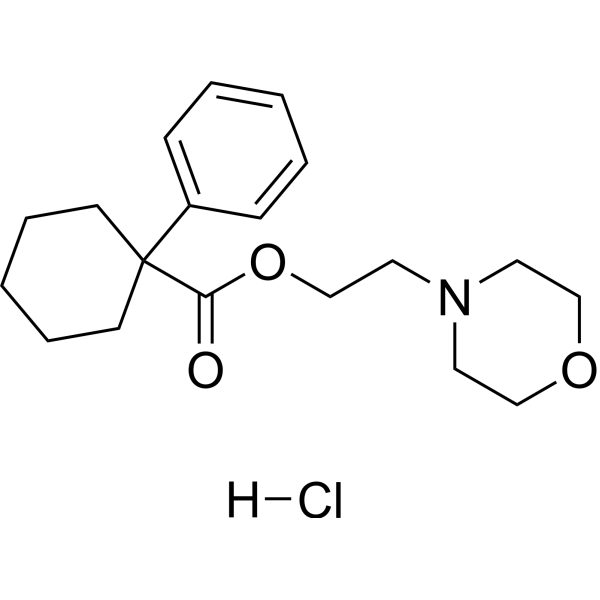
    PRE-084 hydrochloride is a highly selective σ1 receptor (S1R) agonist, with an IC50 of 44 nM. PRE-084 hydrochloride exhibits good neuroprotective effects, can improve motor function and motor neuron survival in mice. PRE-084 hydrochloride also can ameliorate myocardial ischemia-reperfusion injury in rats by activating the Akt-eNOS pathway .
    PRE-084 hydrochloride
  • HY-107661
    Arundic Acid
    2 Publications Verification

    ONO-2506; (R)-2-Propyloctanoic acid

    ERK Akt NF-κB EAAT Cardiovascular Disease Neurological Disease
    Arundic Acid is an orally effective astrocyte function modulator and neuroprotective agent. Arundic Acid increases the expression and function of the astrocytic glutamate transporter EAAT1 by activating the ERK, Akt and NF-κB pathways. Arundic Acid attenuates retinal ganglion cell death in a normal-tension glaucoma model. Arundic Acid exerts neuroprotective effects in a mouse model of Parkinson's disease. Arundic Acid is a S100β protein synthesis inhibitor that prevents neurological deficits and brain tissue damage after intracerebral hemorrhage in rats. Arundic Acid downregulates neuroinflammation and astrocytic dysfunction after status epilepticus in immature rats. Arundic Acid is applicable to research related to Parkinson's disease, cerebral ischemia, glaucoma, intracerebral hemorrhage and epilepsy .
    Arundic Acid
  • HY-B0124
    Zonisamide
    3 Publications Verification

    AD 810; CI 912

    Carbonic Anhydrase Apoptosis Neurological Disease
    Zonisamide (AD 810) is an orally active carbonic anhydrase inhibitor, with Kis of 35.2 and 20.6 nM for hCA II and hCA V, respectively. Zonisamide exerts neuroprotective effects through anti-apoptosis and upregulating MnSOD levels. Zonisamide also increases the expression of Hrd1, thereby improving cardiac function in AAC rats. Zonisamide can be used in studies of seizure, parkinson’s disease and cardiac hypertrophy .
    Zonisamide
  • HY-15381
    Fingolimod phosphate
    1 Publications Verification

    FTY720 phosphate

    LPL Receptor Infection Neurological Disease Inflammation/Immunology
    Fingolimod phosphate (FTY720 phosphate) is an orally active sphingosine 1-phosphate (S1P) receptor agonist. Fingolimod phosphate can promote the neuroprotective effects of microglia. Fingolimod phosphate can be used for the research of multiple sclerosis and neurologic diseases .
    Fingolimod phosphate
  • HY-B0220A
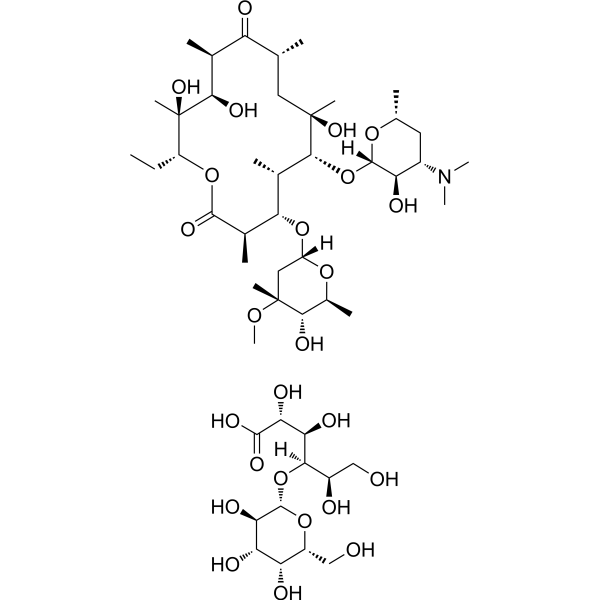
    Erythromycin lactobionate
    20+ Cited Publications

    Antibiotic Bacterial DNA/RNA Synthesis Infection Cancer
    Erythromycin lactobionate is a macrolide antibiotic produced by actinomycete Streptomyces erythreus with a broad spectrum of antimicrobial activity. Erythromycin lactobionate binds to bacterial 50S ribosomal subunits and inhibits RNA-dependent protein synthesis by blockage of transpeptidation and/or translocation reactions, without affecting synthesis of nucleic acid [1][2]. Erythromycin lactobionate also exhibits antitumor and neuroprotective effect in different fields of research [3][4].
    Erythromycin lactobionate
  • HY-B0220D
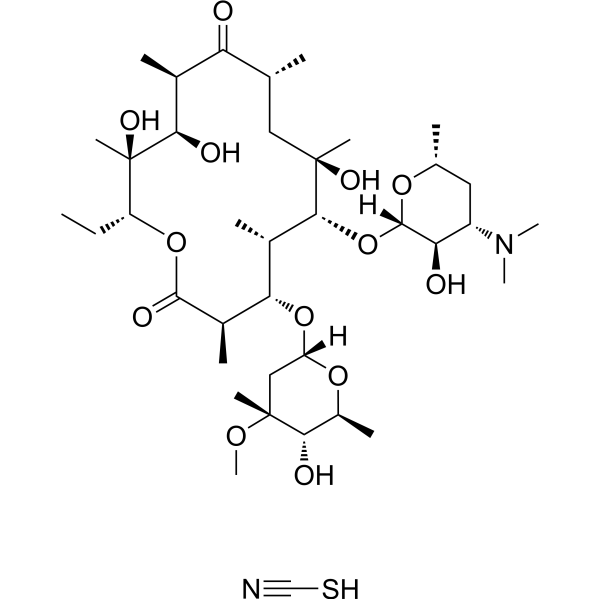
    Erythromycin thiocyanate
    Maximum Cited Publications
    24 Publications Verification

    Bacterial Antibiotic DNA/RNA Synthesis Infection Cancer
    Erythromycin thiocyanate is a macrolide antibiotic produced by actinomycete Streptomyces erythreus with a broad spectrum of antimicrobial activity. Erythromycin thiocyanate binds to bacterial 50S ribosomal subunits and inhibits RNA-dependent protein synthesis by blockage of transpeptidation and/or translocation reactions, without affecting synthesis of nucleic acid [1][2]. Erythromycin thiocyanate also exhibits antitumor and neuroprotective effect in different fields of research [3][4].
    Erythromycin thiocyanate
  • HY-17387
    (-)-Huperzine A
    5+ Cited Publications

    Huperzine A

    Cholinesterase (ChE) iGluR Infection Neurological Disease Inflammation/Immunology
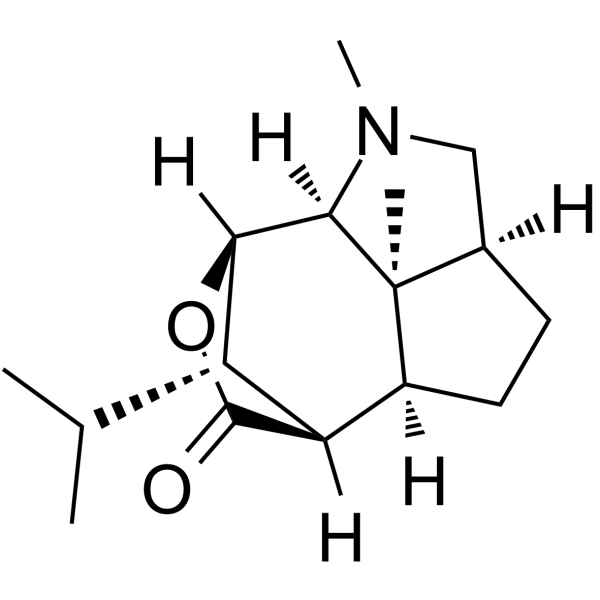
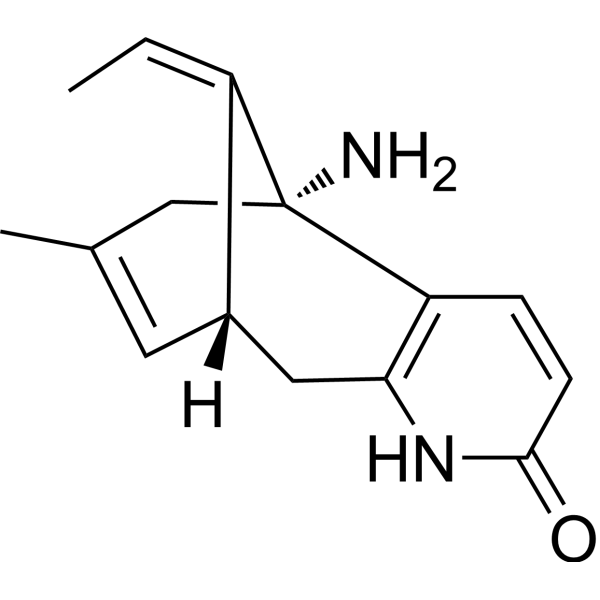
    (-)-Huperzine A (Huperzine A) is an alkaloid isolated from Huperzia serrata, with neuroprotective activity. (-)-Huperzine A is a potent, highly specific, reversible and blood-brain barrier penetrant inhibitor of acetylcholinesterase (AChE), with an IC50 of 82 nM. (-)-Huperzine A also is non-competitive antagonist of N-methyl-D-aspartate glutamate (NMDA) receptor. (-)-Huperzine A is developed for the research of neurodegenerative diseases, including Alzheimer’s disease .
    (-)-Huperzine A
  • HY-P6306
    CS-6253
    1 Publications Verification

    Apolipoprotein Amyloid-β Neurological Disease Metabolic Disease
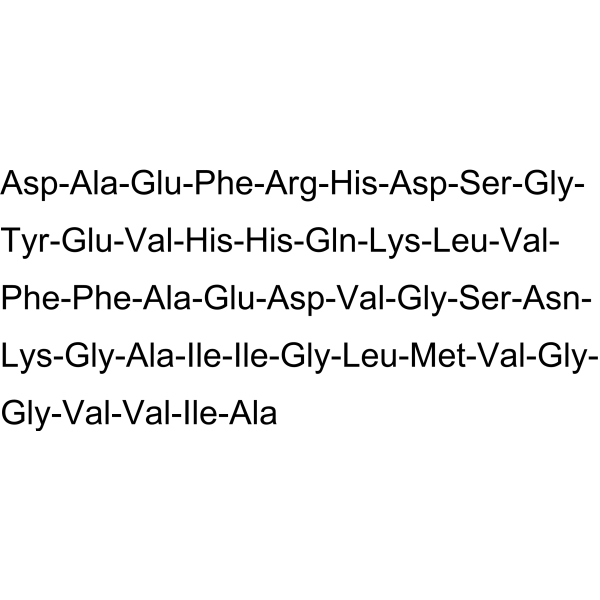
    CS-6253 is an agonist of ABCA1. CS-6253 can regulate lipoprotein metabolism, promote high-density lipoprotein biogenesis, and cellular cholesterol efflux. CS-6253 also has certain neuroprotective effects and can clear from the brain. CS-6253 can be used for research on cholesterol metabolism and diseases such as Alzheimer’s disease .
    CS-6253
  • HY-69019
    7-Nitroindazole
    1 Publications Verification

    NO Synthase Cardiovascular Disease Neurological Disease
    7-Nitroindazole is a selective and BBB-penetrable inhibitor of nitric oxide synthase (NOS) (IC50 = 0.47 μM in mouse cerebellum). 7-Nitroindazole does not affect blood pressure or endothelium-dependent relaxation while inhibiting nNOS in experimental animals. 7-Nitroindazole has anti-injurious and neuroprotective properties, and can be studied in research for neurological diseases such as Parkinson’s disease .
    7-Nitroindazole
  • HY-100550
    MSDC 0160
    4 Publications Verification

    Mitoglitazone; CAY10415

    Insulin Receptor Mitochondrial Metabolism Neurological Disease Endocrinology
    MSDC 0160 (Mitoglitazone) is a mitochondrial target of thiazolidinediones (mTOT)-modulating insulin sensitizer and a modulator of mitochondrial pyruvate carrier (MPC). MSDC 0160 is a thiazolidinedione (TZD) with antidiabetic and neuroprotective activities. MSDC 0160 has the potential for Alzheimer′s disease .
    MSDC 0160
  • HY-W012531
    2-Hydroxycinnamic acid
    1 Publications Verification

    HIV SARS-CoV Endogenous Metabolite Bacterial Infection Neurological Disease Inflammation/Immunology Cancer
    2-Hydroxycinnamic acid is a phenolic acid with antimicrobial and antioxidant properties. 2-Hydroxycinnamic acid has antimicrobial activity against Staphylococcus aureus and is not susceptible to drug resistance. 2-Hydroxycinnamic acid shows inhibitory effects on infection of HIV/SARS-CoV S pseudovirus with an IC50 of 0.3 mM. In addition, 2-Hydroxycinnamic acid has neuroprotective and antitumor activity .
    2-Hydroxycinnamic acid
  • HY-B2188
    S-Methyl-L-cysteine
    2 Publications Verification

    L-S-Methylcysteine

    Reactive Oxygen Species (ROS) Neurological Disease Metabolic Disease
    S-Methyl-L-cysteine is a natural product that acts as a substrate in the catalytic antioxidant system mediated by methionine sulfoxide reductase A (MSRA), with antioxidative, neuroprotective, and anti-obesity activities.
    S-Methyl-L-cysteine
  • HY-B0792

    LRRK2 Neurological Disease
    CZC-54252 is a potent and selective LRRK2 inhibitor with IC50s of 1.28 nM and 1.85 nM for wild-type and G2019S LRRK2, respectively. CZC-54252 attenuates G2019S LRRK2-induced human neuronal injury with an EC50 of ~1 nM. CZC-54252 has a neuroprotective activity .
    CZC-54252
  • HY-15314
    Ranirestat
    1 Publications Verification

    AS-3201

    Aldose Reductase Neurological Disease Metabolic Disease
    Ranirestat (AS-3201) potent and orally active aldose reductase (AR) inhibitor with IC50s of 11 nM and 15 nM for rat lens AR and recombinant human AR, respectively, and a Ki of 0.38 nM for recombinant human AR. Ranirestat has the potential for diabetic sensorimotor polyneuropathy treatment. Ranirestat also has a neuroprotective effect on diabetic retinas .
    Ranirestat
  • HY-13716A
    Noscapine hydrochloride
    2 Publications Verification

    (S,R)-Noscapine hydrochloride

    Opioid Receptor Apoptosis Neurological Disease Inflammation/Immunology Cancer
    Noscapine ((S,R)-Noscapine) hydrochloride is an orally active phthalideisoquinoline alkaloid with potent antitussive. Noscapine hydrochloride exerts its antitussive effects by activating sigma opioid receptors and is a non-competitive Bradykinin inhibitor. Noscapine hydrochloride disrupts microtubule dynamics, induces mitotic arrest and apoptosis. Noscapine hydrochloride possesses anticancer, neuroprotective, anti-inflammatory activities, and can crosse the blood-brain barrier .
    Noscapine hydrochloride
  • HY-17388
    (±)-Huperzine A
    1 Publications Verification

    Drug Isomer Cholinesterase (ChE) iGluR Neurological Disease
    (±)-Huperzine A is the racemate of (-)-Huperzine A (HY-17387). (-)-Huperzine A is an alkaloid isolated from Huperzia serrata, with neuroprotective activity. (-)-Huperzine A is a potent, highly specific, reversible and blood-brain barrier penetrant inhibitor of acetylcholinesterase (AChE), with an IC50 of 82 nM. (-)-Huperzine A also is non-competitive antagonist of N-methyl-D-aspartate glutamate (NMDA) receptor. (-)-Huperzine A is developed for the research of neurodegenerative diseases, including Alzheimer’s disease .
    (±)-Huperzine A
  • HY-105008

    (S,S)-SDG; (S,S)-LGM2605

    Others Cardiovascular Disease Neurological Disease Inflammation/Immunology
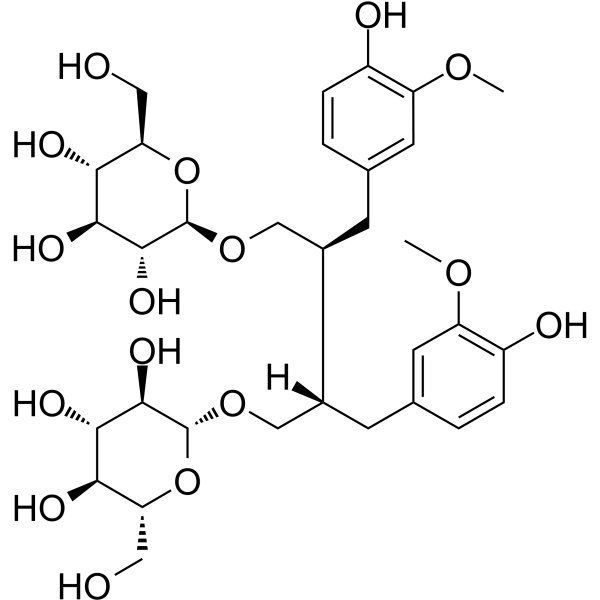
    Secoisolariciresinol diglucoside ((S,S)-SDG), the main lignan in wholegrain flaxseed, is known for its beneficial effects including anti-inflammatory, antioxidant, anti-mutagenic, anti-microbial, anti-obesity, hypolipidemic, and neuroprotective effects .
    Secoisolariciresinol diglucoside
  • HY-101445B

    Drug Isomer Neurological Disease
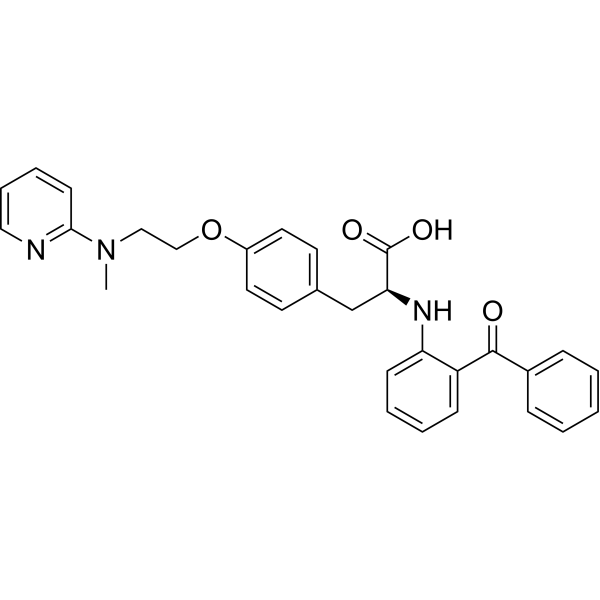
    (S)-Trolox is an analogue of vitamin E, in which the phytyl chain is replaced with a carboxyl group. (S)-Trolox is frequently used as a model compound for studies of structural features, as well as a standard for evaluation of antioxidant activity. (S)-Trolox has potent and specific neuroprotective and antioxidant effects .
    (S)-Trolox
  • HY-109046
    Tulrampator
    2 Publications Verification

    CX-1632; S-47445

    iGluR mTOR Neurological Disease
    Tulrampator (S-47445) is an orally active selective AMPA receptor modulator. Tulrampator possesses procognitive, enhancing synaptic plasticity, anti-depressant-anxiolytic-like, procognitive and potential neuroprotective properties. Tulrampator can be used for research of alzheimer’s disease and in major depressive disorder .
    Tulrampator
  • HY-110264

    HDAC Apoptosis Neurological Disease Cancer
    MI-192 is a selective HDAC2 and HDAC3 inhibitor with IC50s of 30 nM and 16 nM, respectively. MI-192 is more selective for HDAC2/3 than other HDAC isomers.MI-192 induces myeloid leukaemic cells apoptosis. Anticaner and neuroprotective activities .
    MI-192
  • HY-155659
    4A7C-301
    1 Publications Verification

    Nuclear Hormone Receptor 4A/NR4A Neurological Disease
    4A7C-301 is a Nurr1 agonist with robust neuroprotective effects in vitro. 4A7C-301 significantly ameliorates neuropathological abnormalities and improves motor and olfactory dysfunctions in AAV2-mediated α-synuclein-overexpressing male mouse models. 4A7C-301 can be used for the research of Parkinson’s disease .
    4A7C-301
  • HY-125558

    ORG-34517

    Glucocorticoid Receptor Neurological Disease
    PT150 (ORG-34517) is a competitive and orally active glucocorticoid receptor antagonist. PT150 shows neuroprotective effects. PT150 has the potential for the research of Parkinson’s disease .
    PT150
  • HY-110157

    Estrogen Receptor/ERR Neurological Disease
    AC-186 is a selective non-steroidal estrogen receptor β (ERβ) agonist with EC50s of 6 nM and 5000 nM for ERβ and ERα, respectively. AC-186 shows gender selective neuroprotective effects in a male rat model of Parkinson's disease .
    AC-186
  • HY-13779A

    Monoamine Oxidase Dopamine Transporter Neurological Disease
    J147 is an exceptionally potent, orally active, neuroprotective agent for cognitive enhancement. J147 can pass the blood brain barrier (BBB). J147 can inhibit monoamine oxidase B (MAO B) and the dopamine transporter. J147 plays an impotant role in Alzheimer’s disease (AD) .
    J147
  • HY-N4005

    Bacterial Tyrosinase Infection Neurological Disease
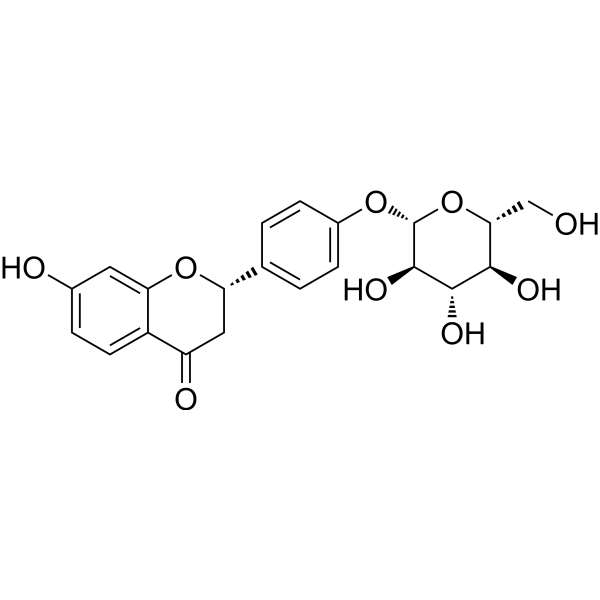
    Isoastilbin is a dihydroflavonol glycoside compound in Rhizoma Smilacis glabrae and Astragalus membranaceus. Isoastilbin inhibits glucosyltransferase (GTase) with an IC50 value of 54.3 μg/mL, and also inhibits tyrosinase activity. Isoastilbin shows neuroprotective, antioxidation, antimicrobial and anti-apoptotic properties and has the potential for Alzheimer’s disease research .
    Isoastilbin
  • HY-14418

    ML-128

    mGluR Neurological Disease
    VU0361737 (ML-128) is a potent, selective and CNS penetrant positive allosteric modulator of metabotropic glutamate receptor 4 (mGluR4 PAM), with EC50s of 240 nM and 110 nM for human and rat mGluR4 receptors, respectively. VU0361737 has neuroprotective effect. VU0361737 is potential for Parkinson's disease research .
    VU0361737
  • HY-W015515

    (S)-3,7-Dimethyloct-6-en-1-ol

    Environmental Pollutants TNF Receptor Beta-secretase γ-secretase ERK Cholinesterase (ChE) Neurological Disease Inflammation/Immunology
    L-Citronellol ((S)-3,7-Dimethyloct-6-en-1-ol) is a natural product with anti-allergic and neuroprotective effects. L-Citronellol inhibits mast cell activation and the release of inflammatory factors by inhibiting the ERK pathway. L-Citronellol inhibits BACE1/PSEN1 and AChE, reduces TNF-α expression and lipid peroxidation, demonstrating the potential of multi-target anti-Alzheimer's disease (AD) .
    L-Citronellol
  • HY-W001538

    SPRC

    STAT MDM-2/p53 Inflammation/Immunology
    S-Propargylcysteine (SPRC), a structural analog of S-allyl cysteine (SAC), is a slow H2S-releasing compound. S-Propargylcysteine reduces Ca 2+ accumulation and inflammatory cytokines, inhibits STAT3, and elevates p53 and Bax. S-Propargylcysteine has anti-inflammatory activity and protects mice against acute pancreatitis. S-Propargylcysteine also has cardioprotective, neuroprotective acitivties .
    S-Propargylcysteine
  • HY-175352

    Nuclear Hormone Receptor 4A/NR4A SOD IAP Survivin Calcium Channel Neurological Disease
    Nurr1 agonist 14 (Compound 32) is a Nurr1 agonist with an EC50 of 0.09  μM for Nurr1. Nurr1 agonist 14 has significant neuroprotective activity with no influence of residual DHODH inhibition. Nurr1 agonist 14 upregulates neuroprotective genes including SOD2, SESN3, BIRC5, XIAP, FLRT2 and CRMP4 in dopaminergic neurons. Nurr1 agonist 14 can be used for neurodegenerative diseases such as Alzheimer′s disease (AD), Parkinson′s disease (PD) and multiple sclerosis (MS) research .
    Nurr1 agonist 14
  • HY-111055

    GSK-3 Neurological Disease
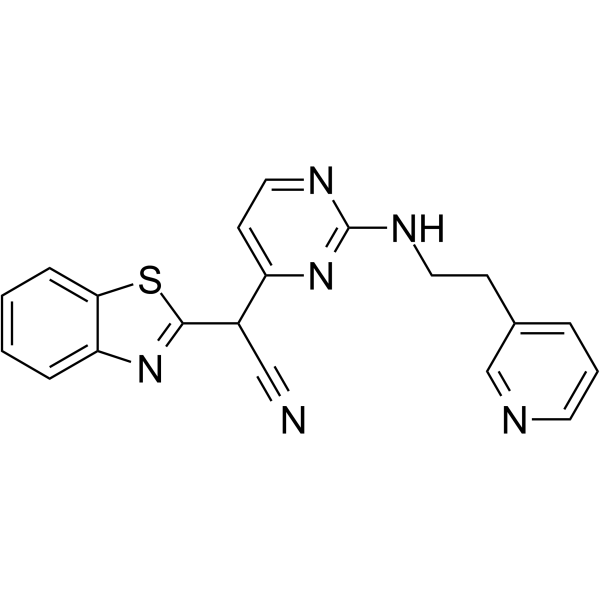
    BIP-135 is a potent and selective ATP-competitive GSK-3 inhibitor, with IC50s of 16 nM and 21 nM for GSK-3α and GSK-3β, respectively. BIP 135 exhibits neuroprotective effect .
    BIP-135
  • HY-113616A

    MARCKS mAChR Neurological Disease
    VU0364572 TFA is an orally active and selective allosteric agonist of the M1 muscarinic receptor with an EC50 of 0.11 μM. VU0364572 TFA has neuroprotective potential for preventing memory impairments and reducing neuropathology in Alzheimer’s Disease. VU0364572 TFA is CNS penetrant .
    VU0364572 TFA
  • HY-B0220S2

    Bacterial DNA/RNA Synthesis Antibiotic Infection
    Erythromycin-d3 is the deuterium labeled Erythromycin . Erythromycin is a macrolide antibiotic produced by actinomycete Streptomyces erythreus with a broad spectrum of antimicrobial activity. Erythromycin binds to bacterial 50S ribosomal subunits and inhibits RNA-dependent protein synthesis by blockage of transpeptidation and/or translocation reactions, without affecting synthesis of nucleic acid. Erythromycin also exhibits antitumor and neuroprotective effect in different fields of research .
    Erythromycin-d3
  • HY-112403
    (S)-Roscovitine
    1 Publications Verification

    (S)-Seliciclib; (S)-CYC202

    CDK Neurological Disease
    (S)-Roscovitine ((S)-Seliciclib; (S)-CYC202) is a potent and cross the blood-brain barrier CDKs inhibitor. (S)-Roscovitine shows neuroprotective efficacy. (S)-Roscovitine has the potential for the research of stroke .
    (S)-Roscovitine
  • HY-134361

    P2Y Receptor Eukaryotic Initiation Factor (eIF) Neurological Disease Metabolic Disease Inflammation/Immunology
    ATP-γ-S (tetrasodium) is a P2Y11 receptor agonist, an antioxidant and a neuroprotective agent. ATP-γ-S (tetrasodium) can be used as a substrate for the nucleotide hydrolysis and RNA unwinding activities of eukaryotic translation initiation factor eIF4A. ATP-γ-S (tetrasodium) is active in ATP hydrolysis .
    ATP-γ-S tetrasodium
  • HY-P6306A
    CS-6253 TFA
    1 Publications Verification

    Apolipoprotein Amyloid-β Neurological Disease Metabolic Disease
    CS-6253 TFA is an agonist of ABCA1. CS-6253 TFA can regulate lipoprotein metabolism, promote high-density lipoprotein biogenesis, and cellular cholesterol efflux. CS-6253 TFA also has certain neuroprotective effects and can clear from the brain. CS-6253 TFA can be used for research on cholesterol metabolism and diseases such as Alzheimer’s disease .
    CS-6253 TFA
  • HY-W015515R

    (S)-3,7-Dimethyloct-6-en-1-ol (Standard)

    Reference Standards ERK Beta-secretase γ-secretase Cholinesterase (ChE) TNF Receptor Neurological Disease Inflammation/Immunology
    L-Citronellol ((S)-3,7-Dimethyloct-6-en-1-ol) is an analytical standard for L-Citronellol (HY-W015515). This product is intended for research and analytical applications. L-Citronellol is a natural product with anti-allergic and neuroprotective effects. L-Citronellol inhibits mast cell activation and the release of inflammatory factors by inhibiting the ERK pathway. L-Citronellol inhibits BACE1/PSEN1 and AChE, reduces TNF-α expression and lipid peroxidation, demonstrating the potential of multi-target anti-Alzheimer's disease (AD).
    L-Citronellol (Standard)
  • HY-N0068R

    Purapuridine (Standard); Solancarpidine (Standard); Solasodin (Standard)

    Reference Standards MDM-2/p53 Fungal E1/E2/E3 Enzyme Apoptosis Infection Cardiovascular Disease Neurological Disease Inflammation/Immunology Cancer
    Solasodine (Standard) is the analytical standard of Solasodine. This product is intended for research and analytical applications. Solasodine (Purapuridine) is a steroidal alkaloid that occurs in plants of the Solanaceae family. Solasodine has neuroprotective, antifungal, hypotensive, anticancer, antiatherosclerotic, antiandrogenic and anti-inflammatory activities .
    Solasodine (Standard)
  • HY-B0792A

    LRRK2 Neurological Disease
    CZC-54252 hydrochloride is a potent and selective LRRK2 inhibitor with IC50s of 1.28 nM and 1.85 nM for wild-type and G2019S LRRK2, respectively. G2019S LRRK2-induced human neuronal injury is attenuated by CZC-54252 hydrochloride with an EC50 of ~1 nM.CZC-54252 hydrochloride has a neuroprotective activity .
    CZC-54252 hydrochloride
  • HY-107514

    mGluR Neurological Disease
    (RS)-PPG is a potent and selective agonist for group III mGluRs. The EC50s of 5.2 μM, 4.7 μM, 185 μM, and 0.2 μM for hmGluR4a, hmGluR6, hmGluR7b, and hmGluR8a, respectively. Anticonvulsive and neuroprotective activity .
    (RS)-PPG
  • HY-105692

    PARP Neurological Disease
    DR2313 is a potent, selective, competitive and brain-penetrant inhibitor of poly(ADP-ribose) polymerase (PARP), with IC50s of 0.20 μM and 0.24 μM for PARP-1 and PARP-2, respectively. DR2313 exhibits neuroprotective effects on ischemic injuries in vitro and in vivo .
    DR2313
  • HY-155140

    Cholinesterase (ChE) Neurological Disease
    BChE-IN-17 (compound 6n) is a potent and selective BChE inhibitor with IC50s of 10.5 nM and 32.5 nM for eqBChE and hBChE, respectively. BChE-IN-17 shows over 1000-fold selectivity to BChE against AChE. BChE-IN-17 shows low neurotoxicity and moderate neuroprotective effects .
    BChE-IN-17
  • HY-18100

    Sigma Receptor Akt NO Synthase Cardiovascular Disease Neurological Disease
    PRE-084 is a highly selective σ1 receptor (S1R) agonist, with an IC50 of 44 nM. PRE-084 exhibits good neuroprotective effects, can improve motor function and motor neuron survival in mice. PRE-084 also can ameliorate myocardial ischemia-reperfusion injury in rats by activating the Akt-eNOS pathway .
    PRE-084

Inquiry Online

Your information is safe with us. * Required Fields.

Salutation


Country or Region *

Applicant Name *


Organization Name *

Department *


Email Address *


Product Name *

Cat. No.


Requested quantity *

Phone Number *


Remarks

Inquiry Online

Inquiry Information

Product Name:
Cat. No.:
Quantity:
MCE Japan Authorized Agent:

