44 Results for "

P. fluorescens ATCC 13525

" in MedChemExpress (MCE) Product Catalog:
Products (44)

44 Results for "P. fluorescens ATCC 13525" in MCE Product Catalog:

2
2 Cited Publications
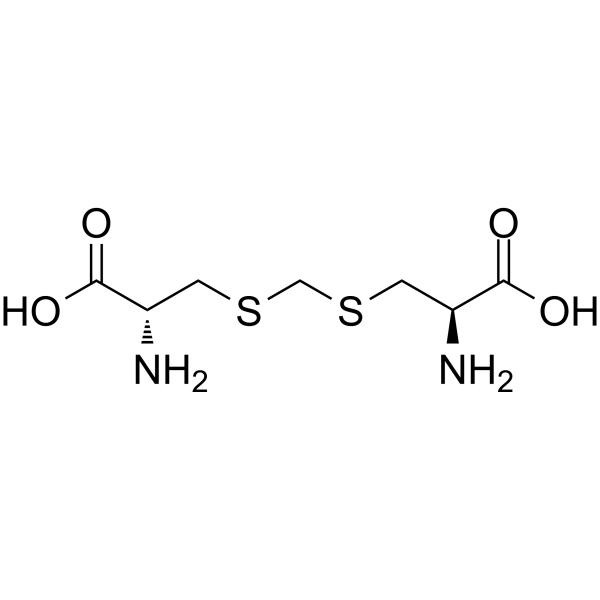
Cat. No.: HY-125923
CAS No.: 498-59-9
Purity:  ≥98.0%
Djenkolic acid is a sulfur-containing amino acid. Djenkolic acid can be isolated from the djenkol beans of the Southeast Asian plant Archidendron jiringa. Djenkolic acid de-inhibits the SO4 2- uptake system in Pseudomonas fluorescens. Djenkolic acid causes supersaturation of the urinary system with djenkolic acid crystals, leading to urinary tract obstruction and acute kidney injury .
loading...
    loading...
1
1 Cited Publications
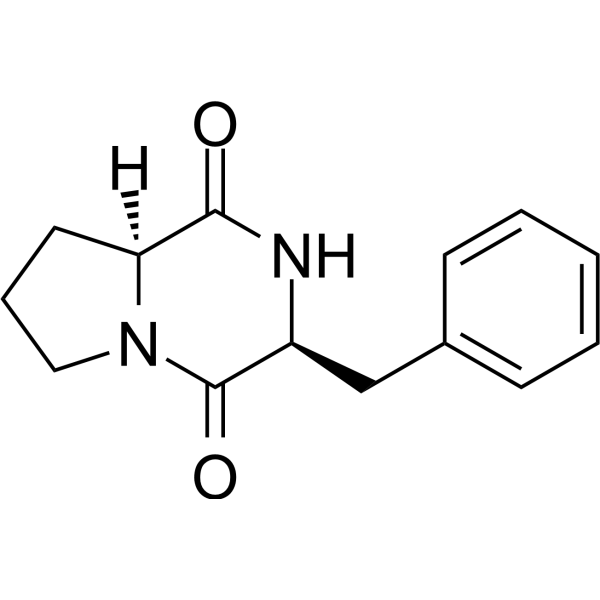
Cat. No.: HY-P1934A
CAS No.: 3705-26-8
Cyclo(L-Phe-L-Pro), isolated from Pseudomonas fluorescens and Pseudomonas alcaligenes cell-free culture supernatants is an antifungal cyclic dipeptide . Cyclo(L-Phe-L-Pro) inhibits IFN-β production by interfering with retinoic-acid-inducible gene-I (RIG-I) activation . Cyclo(L-Phe-L-Pro) exhibits free-radical scavenging activity with the IC50 of 24 µM in the DPPH assay .
loading...
    loading...
1
1 Cited Publications
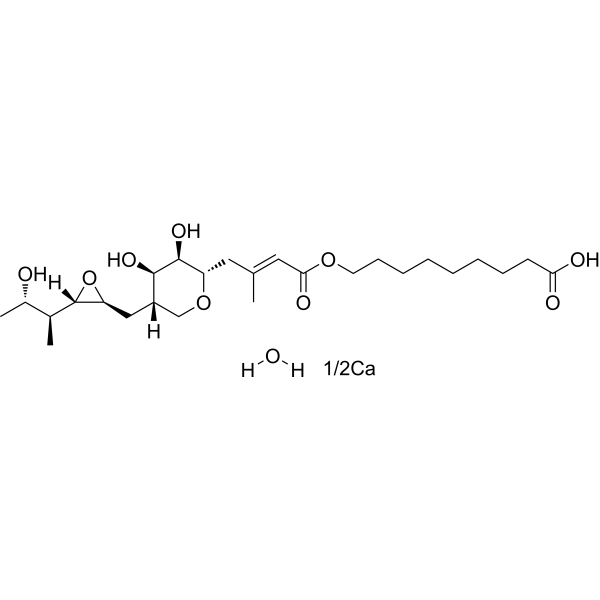
Cat. No.: HY-N7068
CAS No.: 115074-43-6
Synonyms: BRL-4910A calcium hydrate; Pseudomonic acid calcium hydrate
Mupirocin (BRL-4910A, Pseudomonic acid) calcium hydrate is an orally active antibiotic isolated from Pseudomonas fluorescens. Mupirocin calcium hydrate apparently exerts its antimicrobial activity by reversibly inhibiting isoleucyl-transfer RNA, thereby inhibiting bacterial protein and RNA synthesis .
loading...
    loading...
1
1 Cited Publications
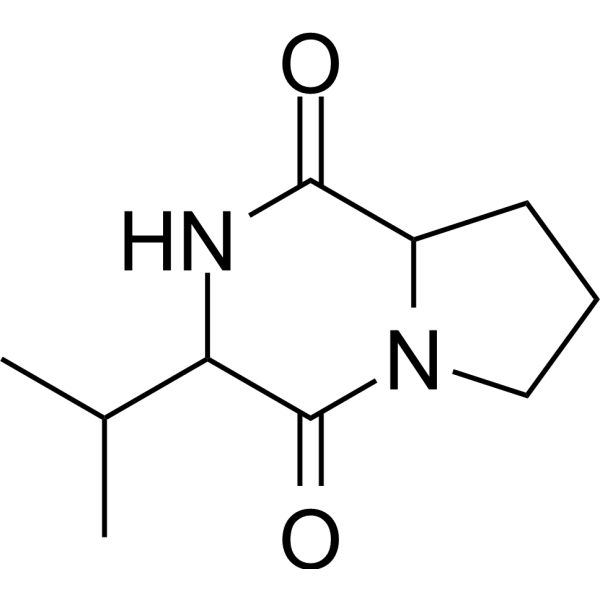
Cat. No.: HY-N11615
CAS No.: 5654-87-5
Cyclo(Pro-Val) can be isolated from Pseudomonas fluorescens GcM5-1A and has cytotoxicity .
loading...
    loading...
Cat. No.: HY-Y1422I
CAS No.: 9001-62-1
Lipase, Pseudomonas fluorescens (Immobilized) is an immobilized biocatalyst derived from Pseudomonas fluorescens. Lipase, Pseudomonas fluorescens (Immobilized) efficiently catalyzes the hydrolysis, esterification and transesterification of triacylglycerols in solvent-free systems, and is particularly suitable for biodiesel production from soybean oil and selective modification of oils rich in EPA and DHA. Lipase, Pseudomonas fluorescens (Immobilized) exhibits optimal activity at pH 8.5 and 45°C, and retains residual activity after repeated cycles of use. Lipase, Pseudomonas fluorescens (Immobilized) is activated by Ca 2+, but inhibited by Co 2+, Ni 2+, Fe 3+, Fe 2+ and EDTA .
loading...
    loading...
Cat. No.: HY-119171
CAS No.: 1953157-39-5
Purity:  99.80%
Target:  

KMO

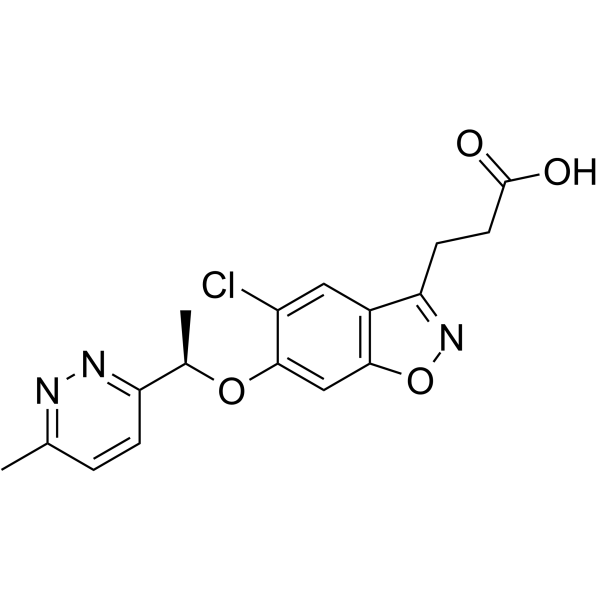
GSK 366 is a type II kynurenine-3-monooxygenase (KMO) inhibitor with IC50 values of 2.3 nM and 0.7 nM for human KMO and P. fluorescens-KMO (Pf-KMO). GSK 366 binds to KMO’s substrate site, prevents productive NADPH association, substrate binding, and FAD hydroperoxy species formation. GSK 366 does not stimulate hydrogen peroxide (H2O2) production and reduces H2O2 levels. GSK 366 can be used for the researches of inflammation and neurological disease, such as acute pancreatitis multiple organ dysfunction syndrome and Alzheimer’s disease .
loading...
    loading...
Cat. No.: HY-W094710
CAS No.: 126-96-5
Synonyms: Sodium hydrogen diacetate
Research Areas:  

Infection

Sodium diacetate (Sodium hydrogen diacetate) is a multifunctional biochemical reagent with antibacterial (bacteria) and antifungal (fungi) activities. Sodium diacetate exerts its antimicrobial effect mainly by effectively penetrating the cell walls of microorganisms and interfering with enzyme interactions. Sodium diacetate inhibits the growth and survival of fungi such as Botrytis cinerea, as well as bacteria such as Listeria and Escherichia coli. Sodium diacetate inhibits the growth of endothelial cells. Sodium diacetate can be used in the synthesis of food preservatives, flavoring agents and pH control additives .
loading...
    loading...
Cat. No.: HY-W049970
CAS No.: 6379-73-3
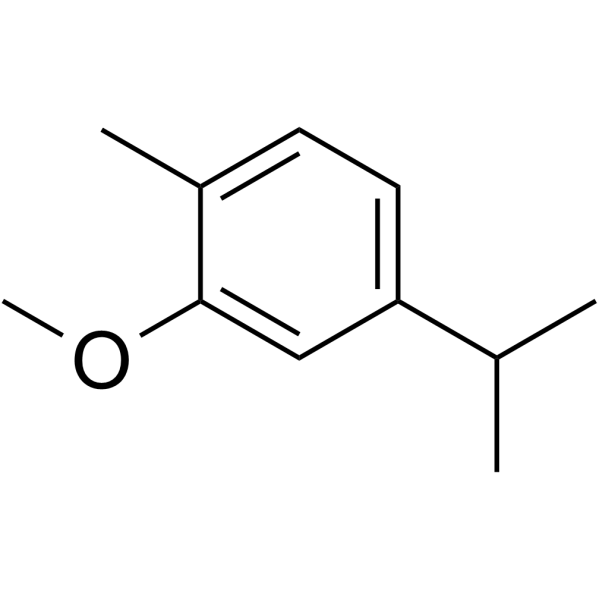
Carvacrol methyl ether is a carvacrol derivative isolated from plant essential oils. Carvacrol methyl ether essentially lost its antibacterial activity, exhibiting only a weak inhibitory effect on Saccharomyces cerevisiae at the highest tested concentration of 3 g/L .
loading...
    loading...
Cat. No.: HY-D0705
CAS No.: 74543-21-8
Synonyms: Hydrogen 4-aminoazobenzene-3,4'-disulphonate sodium salt
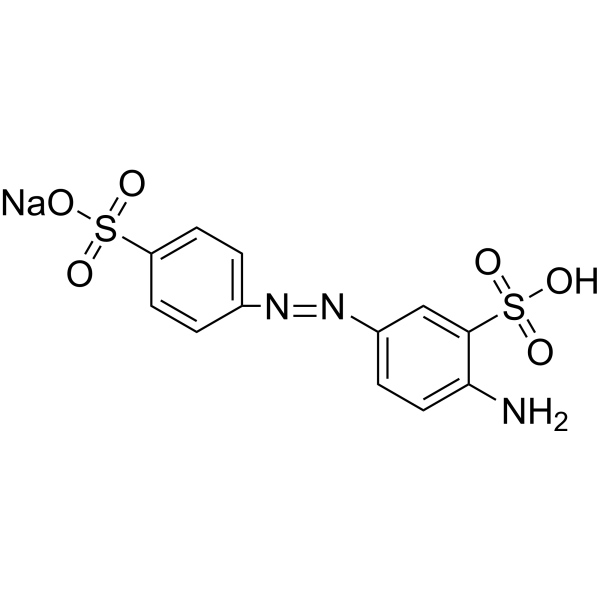
Acid Yellow 9 monosodium salt is an azo dye, degraded by Pseudomonas fluorescens as sole source of carbon, nitrogen and energy for the bacterium .
loading...
    loading...
Cat. No.: HY-W001996
CAS No.: 5006-66-6
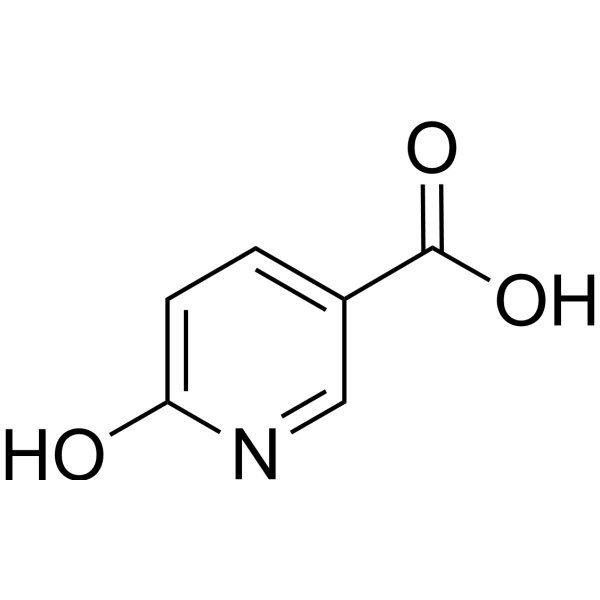
6-Hydroxynicotinic acid is an intermediate in the oxidation of Nicotinic acid (HY-B0143) by Pseudomonas fluorescens and metabolite. 6-Hydroxynicotinic acid can be isolated from root exudates of Cucumis melo. 6-Hydroxynicotinic acid disrupts the Auxin signaling pathway. 6-Hydroxynicotinic acid inhibits haustoria precursor formation in Phlipanche aegyptiaca .
loading...
    loading...
Cat. No.: HY-N6663
CAS No.: 13466-78-9
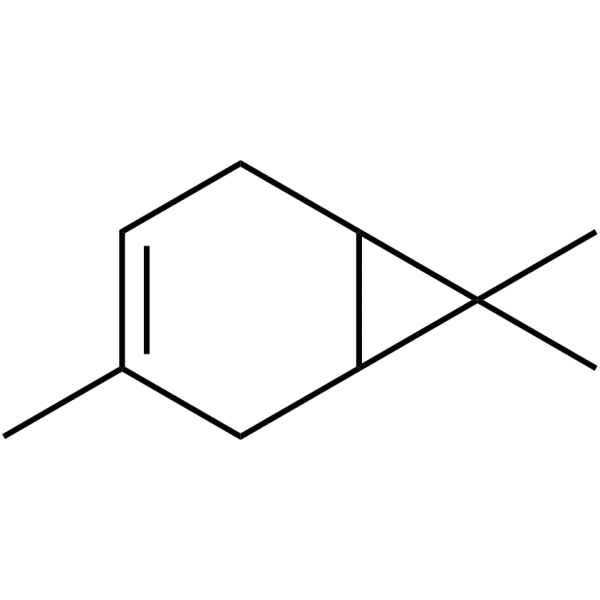
3-Carene is an orally active TCA cycle enzyme inhibitor. 3-Carene inhibits succinate dehydrogenase and malate dehydrogenase as well as pyruvate kinase, disrupting energy metabolism. 3-Carene disrupts cell wall and cell membrane integrity, leading to potassium ion leakage, protein leakage, membrane depolarization, ATP depletion, morphological disruption, and cell lysis. 3-Carene interferes with amino acid metabolism, pantothenate and CoA biosynthesis, purine and pyrimidine metabolism, and aminoacyl-tRNA biosynthesis. 3-Carene enhances GABA receptor-mediated synaptic responses. 3-Carene can be used in research on bacterial infections, inflammation, anxiety, and sleep disorders .
loading...
    loading...
Cat. No.: HY-N1915
CAS No.: 2478-35-5
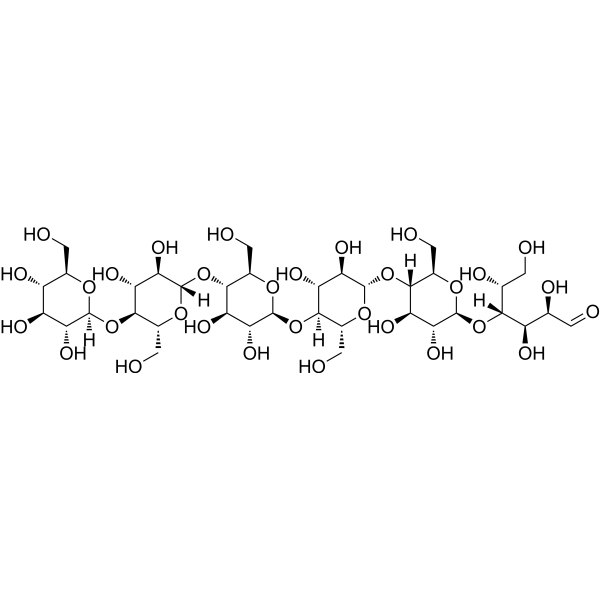
Cellohexaose is a YKL-40 carbohydrate-binding ligand that occupies the primary carbohydrate-binding cleft through carbohydrate-π stacking and hydrogen-bonding interactions, and can serve as a bioinert spacer for hybrid glyco-nanolayers, modulating the surface density of bioactive shell hexaose to enhance TLR2-mediated responses. Cellohexaose is used in research on chronic inflammatory diseases and cancer .
loading...
    loading...
Cat. No.: HY-118448
CAS No.: 2161-86-6
Purity:  99.27%
Research Areas:  

Infection

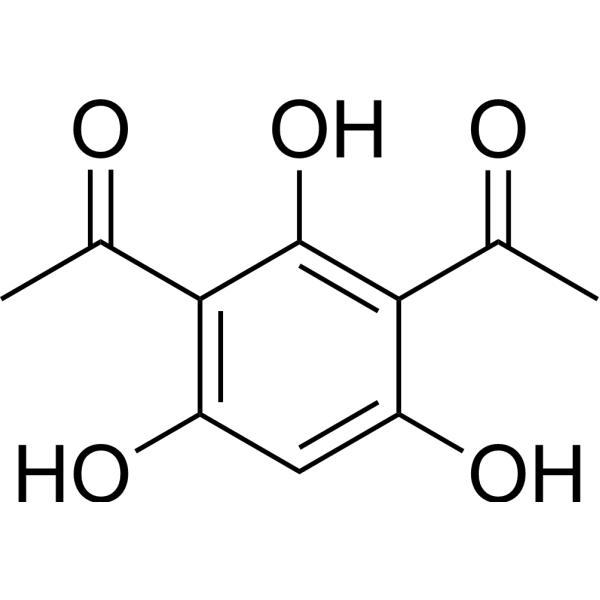
2,4-Diacetylphloroglucinol is a polyketide antibiotic produced by Pseudomonas fluorescens. 2,4-Diacetylphloroglucinol exhibits broad-spectrum toxicity against various organisms such as bacteria, fungi, oomycetes, and nematodes. 2,4-Diacetylphloroglucinol can also inhibit plant pathogens and affect the root development of tomato seedlings .
loading...
    loading...
Cat. No.: HY-W007410
CAS No.: 1550-35-2
Target:  

Drug Intermediate

Research Areas:  

Others

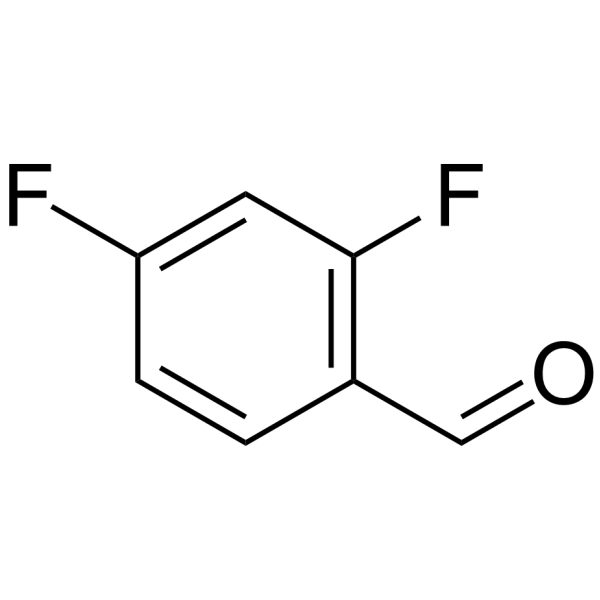
2,4-Difluorobenzaldehyde is a fluorinated benzaldehyde derivative commonly used as an intermediate in organic synthesis. 2,4-Difluorobenzaldehyde serves as a substrate for enzymatic oxidation and undergoes the Baeyer-Villiger oxidation reaction under the catalysis of 4-hydroxyacetophenone monooxygenase. 2,4-Difluorobenzaldehyde acts as a synthetic precursor for trichalcone enzyme inhibitors. 2,4-Difluorobenzaldehyde is applicable to related research in fields such as medicine, pesticides, and liquid crystal materials .
loading...
    loading...
Cat. No.: HY-137787
CAS No.: 96996-50-8
Purity:  96.01%
Research Areas:  

Infection

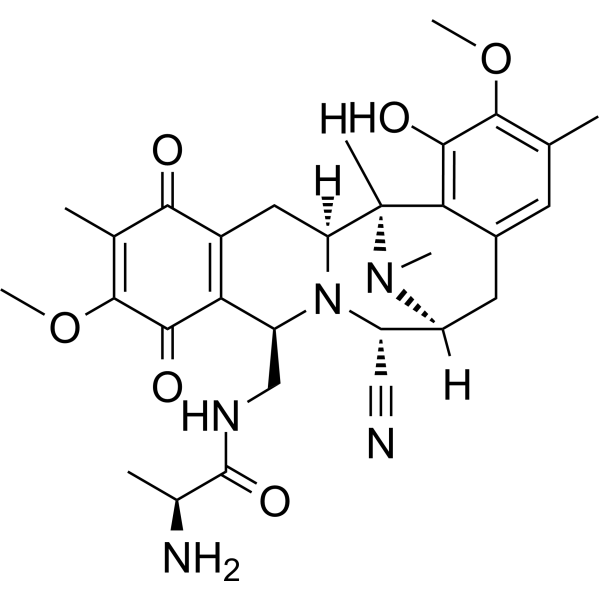
Cyanosafracin B is an Antibiotic. Cyanosafracin B is present in the fermentation products of Pseudomonas fluorescens. Cyanosafracin B can be used for the synthesis of Ecteinascidin .
loading...
    loading...
Cat. No.: HY-129316
CAS No.: 143209-04-5
Synonyms: CGP 52547
Research Areas:  

Infection

(S)-Dihydroaeruginoic acid is an antibiotic originally isolated from P. fluorescens. It has antimicrobial activity in a disc assay against R. solani, P. ultimum, B. cinera, S. rolfsii, C. gloeosporioide, F. oxysporum, and S. tritici fungi as well as B. subtilis, E. herbicola, and S. albus bacteria when used at a concentration of 200 μg/disc.
loading...
    loading...
Cat. No.: HY-W001996R
CAS No.: 5006-66-6
6-Hydroxynicotinic acid (Standard) is the analytical standard of 6-Hydroxynicotinic acid (HY-W001996). This product is intended for research and analytical applications. 6-Hydroxynicotinic acid is an intermediate in the oxidation of Nicotinic acid (HY-B0143) by Pseudomonas fluorescens and metabolite. 6-Hydroxynicotinic acid can be isolated from root exudates of Cucumis melo. 6-Hydroxynicotinic acid disrupts the Auxin signaling pathway. 6-Hydroxynicotinic acid inhibits haustoria precursor formation in Phlipanche aegyptiaca .
loading...
    loading...
Cat. No.: HY-128384
CAS No.: 147228-80-6
Purity:  ≥98.0%
Target:  

Bacterial

Research Areas:  

Infection

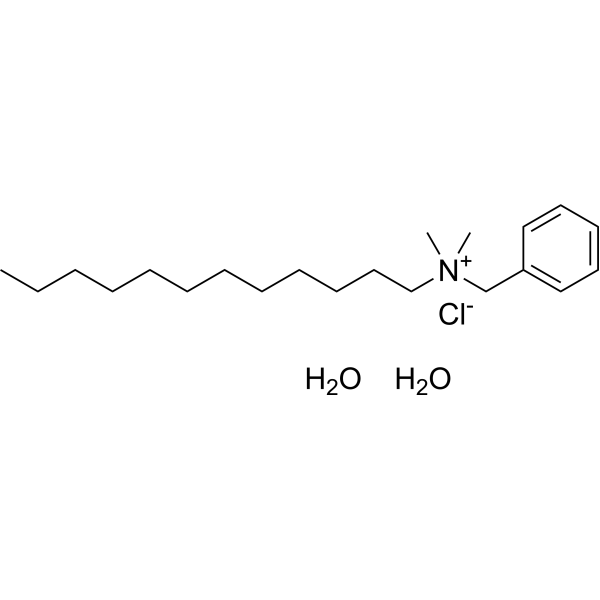
Benzyldodecyldimethylammonium chloride dihydrate is a quaternary ammonium compound (QAC) and can be used as a biocide to target antibiotic-resistant bacteria, such as methicillin-resistant Staphylococcus aureus (MRSA), multidrug-resistant (MDR) P. aeruginosa et. al. Benzyldodecyldimethylammonium chloride dihydrate, an antimicrobial agent, bacteriostatic or bactericidal properties depending on the concentration.
loading...
    loading...
Cat. No.: HY-153576
CAS No.: 299405-68-8
Purity:  91.85%
Target:  

Bacterial

Research Areas:  

Infection

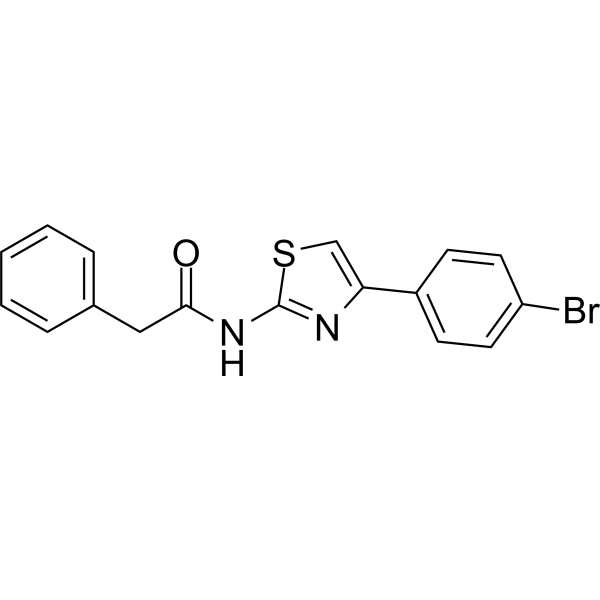
Antibacterial agent 143 (Compound 5a) is an antibacterial agent with MICs of 25, 25, 50 and 50 μg/mL against B. subtilis ATCC6633, S. aureus ATCC6538, P. aeruginosa ATCC13525 and E. coli ATCC35218, respectively .
loading...
    loading...
Cat. No.: HY-118448R
CAS No.: 2161-86-6
2,4-Diacetylphloroglucinol (Standard) is the analytical standard of 2,4-Diacetylphloroglucinol (HY-118448). This product is intended for research and analytical applications. 2,4-Diacetylphloroglucinol is a polyketide antibiotic produced by Pseudomonas fluorescens. 2,4-Diacetylphloroglucinol exhibits broad-spectrum toxicity against various organisms such as bacteria, fungi, oomycetes, and nematodes. 2,4-Diacetylphloroglucinol can also inhibit plant pathogens and affect the root development of tomato seedlings .
loading...
    loading...

