1. Search Result
Search Result
Results for "

PR

" in MedChemExpress (MCE) Product Catalog:

180

Inhibitors & Agonists

11

Peptides

8

Inhibitory Antibodies

15

Natural
Products

24

Recombinant Proteins

11

Isotope-Labeled Compounds

42

Antibodies

1

Click Chemistry

24

Oligonucleotides

Cat. No. Product Name Target Research Areas Chemical Structure
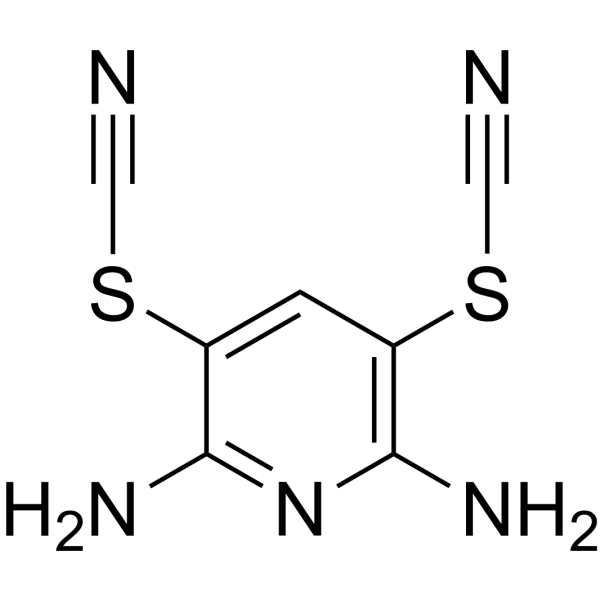
  • HY-13814
    PR-619
    35+ Cited Publications

    Deubiquitinase Autophagy Apoptosis Cancer
    PR-619 is a broad-range and reversible DUB inhibitor with EC50s of 3.93, 4.9, 6.86, 7.2, and 8.61 μM for USP4, USP8, USP7, USP2, and USP5, respectively. PR-619 induces ER Stress and ER-Stress related apoptosis .
    PR-619
  • HY-10455
    Carfilzomib
    60+ Cited Publications

    PR-171

    Proteasome Autophagy Apoptosis Cancer
    Carfilzomib (PR-171) is an irreversible proteasome inhibitor with an IC50 of 5 nM in ANBL-6 and RPMI 8226 cells.
    Carfilzomib
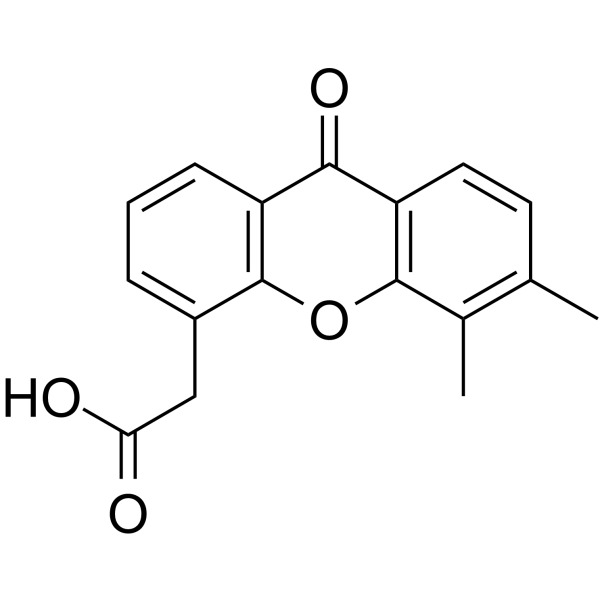
  • HY-10964
    Vadimezan
    Maximum Cited Publications
    71 Publications Verification

    DMXAA; ASA-404

    STING IFNAR Influenza Virus Infection Cancer
    Vadimezan (DMXAA), the tumor vascular disrupting agent (tumor-VDA), is a murine agonist of the stimulator of interferon genes (STING) and also a potent inducer of type I IFNs and other cytokines. Vadimezan is unable to activate human STING. Vadimezan has anti-influenza virus H1N1-PR8 activities.
    Vadimezan
  • HY-13207
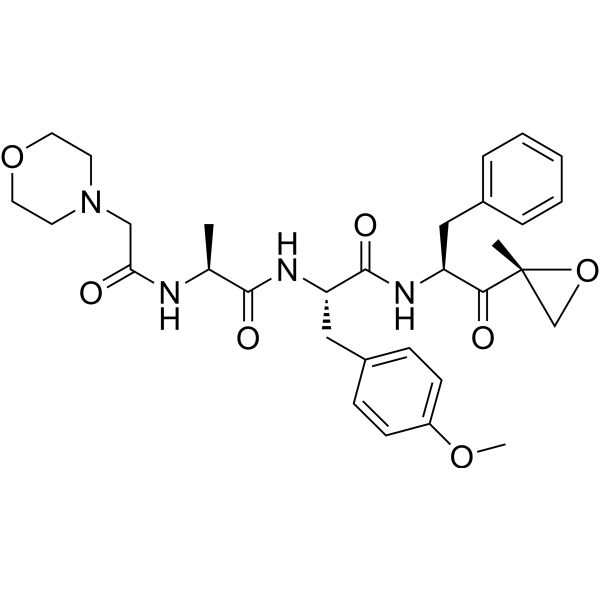
    ONX-0914
    20+ Cited Publications

    PR-957

    Proteasome Bacterial HIV Infection Inflammation/Immunology
    ONX-0914 (PR-957) is a selective inhibitor of low-molecular mass polypeptide-7 (LMP7), the chymotrypsin-like subunit of the immunoproteasome. ONX-0914 blocks cytokine production and attenuates progression of experimental arthritis. ONX-0914 is a noncompetitive irreversible inhibitor of the mycobacterial proteasome (Ki=5.2 μM). ONX-0914 reactivates latent HIV-1 through p-TEFb activation mediated by HSF-1 .
    ONX-0914
  • HY-101395
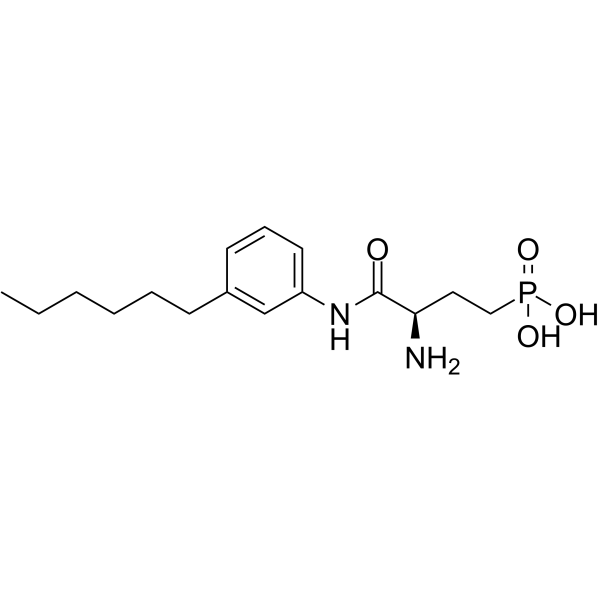
    W146
    5 Publications Verification

    LPL Receptor Apoptosis Metabolic Disease Cancer
    W146 is a selective antagonist of sphingosine-1-phosphate receptor 1 (S1PR1) with an EC50 value of 398 nM.
    W146
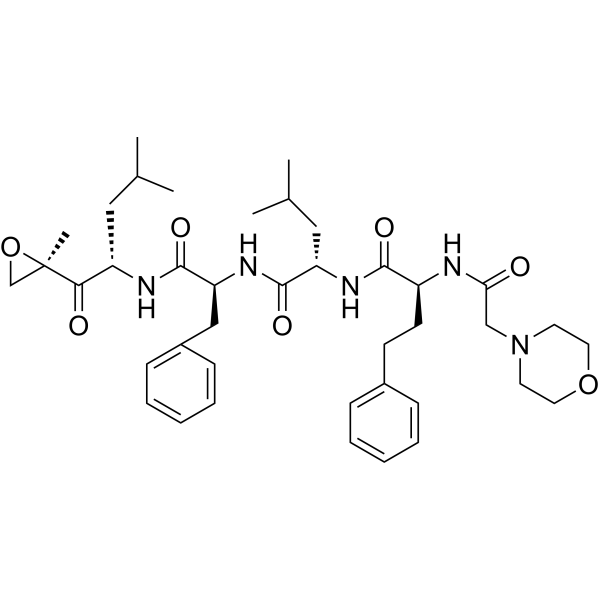
  • HY-12113
    Oprozomib
    3 Publications Verification

    ONX 0912; PR-047

    Proteasome Autophagy Apoptosis Cancer
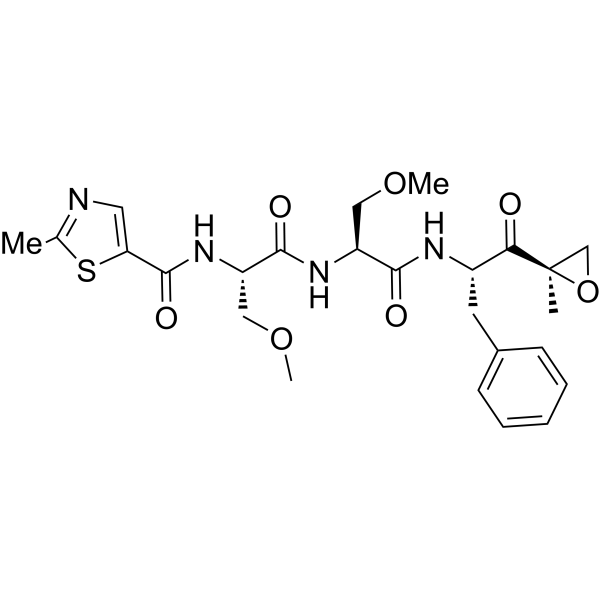
    Oprozomib (PR-047) is an orally bioavailable and selective peptide epoxyketone proteasome inhibitor with IC50s of 36 and 82 nM for proteasome (β5) and immunoproteasome (LMP7), respectively. Oprozomib (ONX 0912) induces apoptosis in MM cells .
    Oprozomib
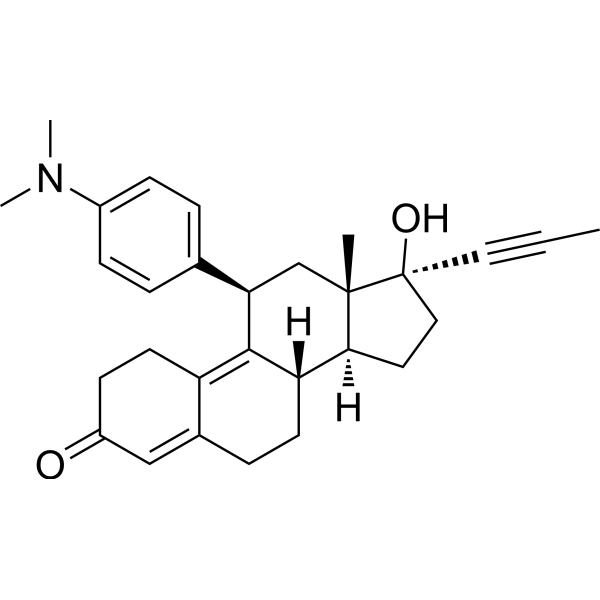
  • HY-119384
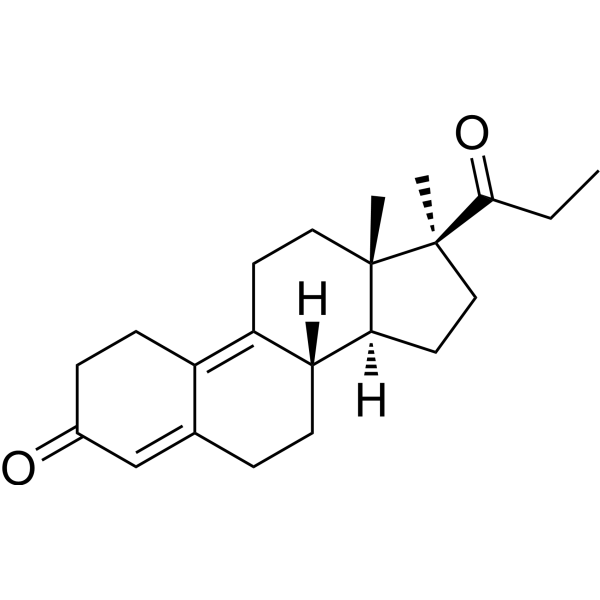
    Promegestone
    1 Publications Verification

    R-5020; Surgestone

    Progesterone Receptor Endocrinology Cancer
    Promegestone (R-5020), a progestin, is a potent progesterone receptor (PR) agonist. Promegestone has the potential for endocrine regulation and cancer research .
    Promegestone
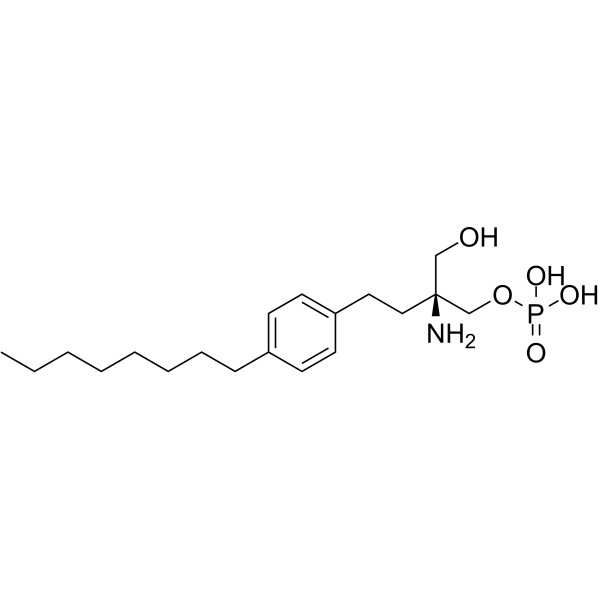
  • HY-176533

    LPL Receptor Neurological Disease
    S1PR5-IN-1 (Compound 7a) is a highly selective S1PR5 antagonist and orally bioavailable inhibitor with a human S1PR5 IC50 of 85.4 nM and human S1PR5 Ka of 2.173 nM.S1PR5-IN-1 binds to S1PR5 and inhibits natural killer cell migration toward sphingosine-1-phosphate.S1PR5-IN-1 can be used for the research of multiple sclerosis .
    S1PR5-IN-1
  • HY-P99489

    ABBV 181; PR 1648817

    PD-1/PD-L1 Inflammation/Immunology Cancer
    Budigalimab (ABBV 181; PR 1648817) is a humanized, recombinant IgG1 monoclonal antibody targeting programmed cell death 1 (PD-1) receptor. Budigalimab has an Fc mutation that reduces the inhibition of Fc receptor interactions and effector factors. Budigalimab can block the binding of PD-1 and PD-L1, which has anti-tumor activity. Budigalimab can be used in the study of solid tumors .
    Budigalimab
  • HY-P99899

    PR-1498487

    ADC Antibody Cancer
    Samrotamab (PR-1498487) is a humanized IgG1-κ chimeric antibody targeting LRRC15. Samrotamab markedly reduces bladder cancer cells viability and inhibits clonogenic growth, migratory and invasive capabilities. Samrotamab significantly increases LRRC15 mRNA level while suppressing SCG5 mRNA expression. Samrotamab can be used for synthesis of ADC ABBV-085 .
    Samrotamab
  • HY-17611

    MSP-2017; (-)-MSP-2017

    Calcium Channel Cardiovascular Disease Neurological Disease
    Etripamil (MSP-2017) is a short-acting, L-type calcium-channel antagonist. Etripamil inhibits calcium influx through slow calcium channels, thereby slowing AV node conduction and prolonging the AV node refractory period. Etripamil increases heart rate and decreases systolic blood pressure. Etripamil can be used in the study of paroxysmal supraventricular tachycardia (PSVT) .
    Etripamil
  • HY-13660
    Mocravimod hydrochloride
    2 Publications Verification

    KRP-203

    LPL Receptor Reactive Oxygen Species (ROS) Akt GSK-3 JAK STAT Metabolic Disease Inflammation/Immunology Cancer
    Mocravimod (hydrochloride) is an orally active sphingosine-1-phosphate receptor (S1PR) modulator that blocks the signal required by T cells to egress from lymph nodes and other lymphoid organs. Mocravimod (hydrochloride) preferentially binds to S1PR1 over S1PR2 and S1PR3 in cardiomyocytes. Mocravimod (hydrochloride) significantly lowered the concentration of reactive oxygen species (ROS), prevented mitochondrial permeability transition pore opening, boosted mitochondrial membrane potential (MMP), and increased phosphorylation of AKT, EKR, GSK-3β, JAK2, and STAT3. Mocravimod (hydrochloride) retains T cell effector function. Mocravimod (hydrochloride) can be used for the study of acute myelogenous leukemia, diabetes and Myocardial Ischemia-Reperfusion Injury (MIRI) .
    Mocravimod hydrochloride
  • HY-109038
    Mocravimod
    2 Publications Verification

    KRP-203 free base

    LPL Receptor Reactive Oxygen Species (ROS) Mitochondrial Metabolism Akt GSK-3 JAK STAT Cardiovascular Disease Metabolic Disease Inflammation/Immunology Cancer
    Mocravimod (KRP-203 free base) is a sphingosine-1-phosphate receptor (S1PR) modulator that blocks the signal required by T cells to egress from lymph nodes and other lymphoid organs. Mocravimod preferentially binds to S1PR1 over S1PR2 and S1PR3 in cardiomyocytes. Mocravimod significantly lowered the concentration of reactive oxygen species (ROS), prevented mitochondrial permeability transition pore opening, boosted mitochondrial membrane potential (MMP), and increased phosphorylation of AKT, EKR, GSK-3β, JAK2, and STAT3. Mocravimod retains T cell effector function. Mocravimod can be used for the study of acute myelogenous leukemia, diabetes and Myocardial Ischemia-Reperfusion Injury (MIRI) .
    Mocravimod
  • HY-123587

    Proteasome Apoptosis Cancer
    PR-924 is a selective tripeptide epoxyketone immunoproteasome subunit LMP-7 inhibitor with an IC50 of 22 nM. PR-924 covalently modifies proteasomal N-terminal threonine active sites. PR-924 inhibits growth and triggers apoptosis in multiple myeloma (MM) cells. PR-924 has antitumor activities .
    PR-924
  • HY-163472

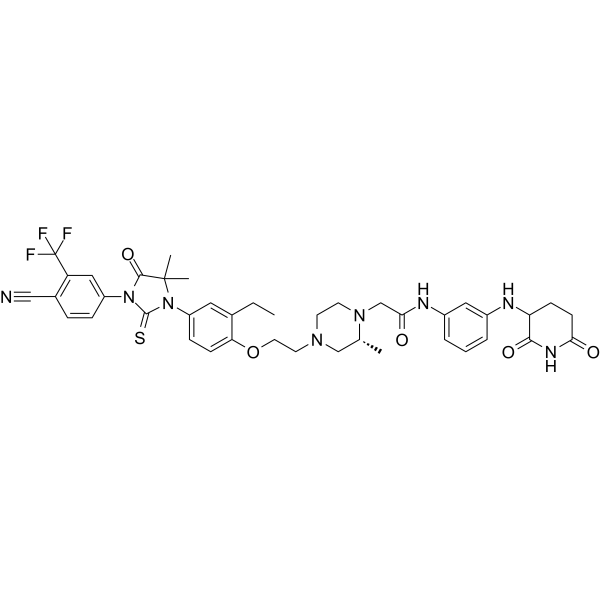
    Dihydroceramide Desaturase 1 (DES1) Neurological Disease Metabolic Disease Cancer
    PR280 is a dihydroceramide desaturase 1 (Des1) inhibitor with an IC50 of 700 nM. PR280 is used for the research of metabolic diseases, cancers, and neurodegenerative diseases .
    PR280
  • HY-15606
    Tanaproget
    1 Publications Verification

    NSP-989

    Progesterone Receptor Endocrinology
    Tanaproget is an orally effective, selective nonsteroidal progesterone receptor (PR) agonist targeting human PR with an IC50 of 1.7 nM. Tanaproget promotes the interaction between PR receptors and coactivators (such as SRC-1), thereby inhibiting the secretion of matrix metalloproteinases (MMP-3/MMP-7) and reducing endometrial tissue invasion and angiogenesis. Tanaproget can be used for contraception and endometriosis inhibition research .
    Tanaproget
  • HY-P99852

    ABT165; PR1283233

    VEGFR Notch Cancer
    Dilpacimab (ABT165) is a bispecific variable domain immunoglobulin. Dilpacimab binds to and inhibits DLL4 and VEGF and acts as a tumor growth inhibitor. Dilpacimab can be used in research related to metastatic colorectal cancer and advanced solid tumors .
    Dilpacimab
  • HY-16405

    DNA Alkylator/Crosslinker Cancer
    PR-104 is a selective hypoxia-activated DNA cross-linking agent and can be used for the research of multiple tumor xenograft models. PR-104, as a nitrogen mustard pre-proagent, is converted efficiently to the more lipophilic dinitrobenzamide mustards alcohol PR-104A .
    PR-104
  • HY-126145

    LPL Receptor Inflammation/Immunology
    S1PR1 modulator 1 is a selective S1PR1 inhibitor, with a pIC50 of 7.6, with >40- and >80-fold selectivity, over the other S1PR isoforms S1PR2/3/4 .
    S1PR1 modulator 1
  • HY-109963

    Histone Methyltransferase Cancer
    PR5-LL-CM01 is a potent protein arginine methyltransferase 5 (PRMT5) inhibitor (IC50= 7.5 μM). Anti-tumor activies .
    PR5-LL-CM01
  • HY-11028

    PF-2413873

    Progesterone Receptor Endocrinology
    PF-02413873 (PF-2413873) is a potent selective, fully competitive and orally active nonsteroidal progesterone receptor (PR) antagonist, with a Ki of 2.6 nM. PF-02413873 can block progesterone binding and PR nuclear translocation, and inhibit endometrial growth in vivo .
    PF-02413873
  • HY-P10697A

    LDLR Metabolic Disease
    VH4127 TFA is a cyclic peptide targeting the low density lipoprotein receptor (LDLR) with a KD of 18 nM for hLDLR. VH4127 TFA specifically binds to rodent and human epidermal growth factor (EGF) homology domain of LDLR .
    VH4127 TFA
  • HY-136578

    LPL Receptor Drug Metabolite Inflammation/Immunology Cancer
    RP101988, the major active metabolite of Ozanimod, is a selective, potent S1PR1 (sphingosine-1-phosphate receptor 1) agonist, with EC50s of 0.19 nM and 32.8 nM for S1PR1 and S1PR5, respectivlely .
    RP101988
  • HY-P1259A

    Proteasome Bacterial Inflammation/Immunology
    PR-39 TFA, a natural proline- and arginine-rich antibacterial peptide, is a noncompetitive, reversible and allosteric proteasome inhibitor. PR-39 TFAreversibly binds to the α7 subunit of the proteasome and blocks degradation of NF-κB inhibitor IκBα by the ubiquitin-proteasome pathway. PR-39 TFA stimulates angiogenesis, inhibits inflammatory responses and significant reduces myocardial infarct size in mice .
    PR-39 TFA
  • HY-14572

    SN 27858

    DNA Alkylator/Crosslinker Drug Metabolite Cancer
    PR-104A (SN 27858) is the alcohol metabolite of phosphate proagent PR-104. PR-104A is a hypoxia-selective DNA cross-linking agent/DNA-damaging agent and cytotoxin. Antitumor Activity . PR-104A is metabolized under hypoxia by the 1-electron NADPH:cytochrome P450 oxidoreductase. PR-104A can be used for the research of relapsed/refractory T-lineage acute lymphoblastic leukemia (T-ALL) .
    PR-104A
  • HY-10455R

    PR-171 (Standard)

    Reference Standards Proteasome Autophagy Apoptosis Cancer
    Carfilzomib (Standard) is the analytical standard of Carfilzomib. This product is intended for research and analytical applications. Carfilzomib (PR-171) is an irreversible proteasome inhibitor with an IC50 of 5 nM in ANBL-6 and RPMI 8226 cells.
    Carfilzomib (Standard)
  • HY-P1788

    Influenza Virus Infection
    Influenza A NP(366-374) Strain A/PR/8/35 is an H2-Db-restricted epitope from Influenza A/PR/8/35 nucleoprotein .
    Influenza A NP(366-374) Strain A/PR/8/35
  • HY-P990827

    TROP2 Cancer
    Anti-TROP-2 Antibody (Pr1E11) is a kind of mouse IgG1 κ chimeric antibody inhibitor, targeting to human TROP-2. Anti-TROP-2 Antibody (Pr1E11) specifically binds to TROP-2 with high affinity and shows low internalization activitv. Anti-TROP-2 Antibody (Pr1E11) can be used for the research of cancer, such as epithelial cancer and primary pancreatic cancer .
    Anti-TROP-2 Antibody (Pr1E11)
  • HY-13207A
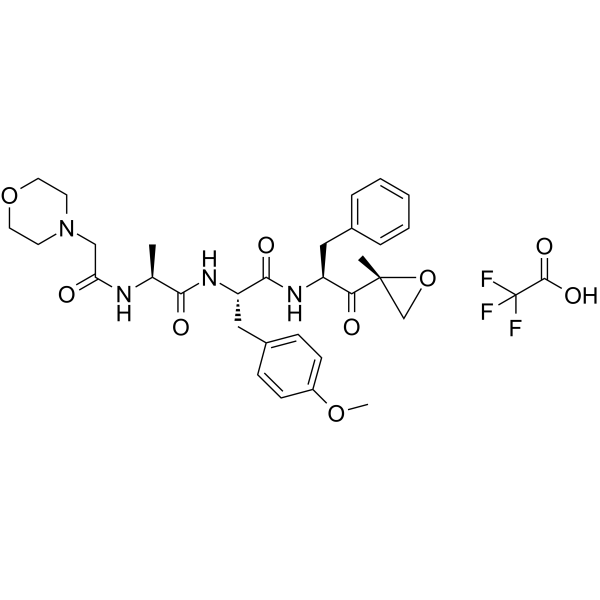
    ONX-0914 TFA
    20+ Cited Publications

    PR-957 TFA

    Proteasome Bacterial HIV Infection Inflammation/Immunology
    ONX-0914 (PR-957) TFA is a selective inhibitor of low-molecular mass polypeptide-7 (LMP7), the chymotrypsin-like subunit of the immunoproteasome. ONX-0914 TFA blocks cytokine production and attenuates progression of experimental arthritis. ONX-0914 TFA is a noncompetitive irreversible inhibitor of the mycobacterial proteasome (Ki=5.2 μM). ONX-0914 TFA reactivates latent HIV-1 through p-TEFb activation mediated by HSF-1 .
    ONX-0914 TFA
  • HY-P990904

    PR-1925514

    CCR Inflammation/Immunology
    HY-P990904 is an CCR8-targeting IgG1κ type humanized antibody, the recommed isotype control is Human IgG1 kappa, Isotype Control (HY-P99001) .
    Azirkitug
  • HY-136576
    RP101075
    1 Publications Verification

    LPL Receptor Drug Metabolite Inflammation/Immunology
    RP101075, an active metabolite of Ozanimod, is a potent, orally active S1PR (sphingosine-1-phosphate receptor 1) agonist, with an EC50 of 0.27 nM. RP101075 displays >100-fold selectivity over S1PR5 (EC50=5.9 nM) and >10000-fold over S1PR 2, 3, and 4. RP101075 displays superior cardiovascular safety profile .
    RP101075
  • HY-101395A
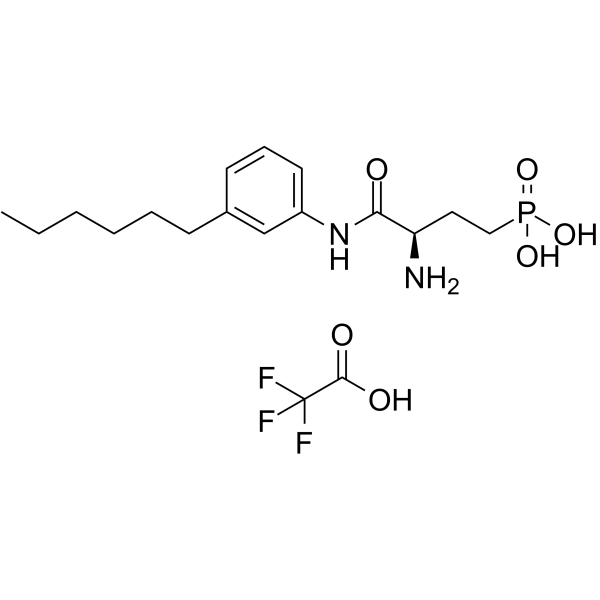
    W146 TFA
    5 Publications Verification

    LPL Receptor Apoptosis Metabolic Disease Cancer
    W146 TFA is a selective antagonist of sphingosine-1-phosphate receptor 1 (S1PR1) with an EC50 value of 398 nM.
    W146 TFA
  • HY-157493

    Progesterone Receptor Endocrinology
    PR antagonist 1 (compound 8) is a selective progesterone receptor (PR) antagonist, and can be used for the research of a variety of progesterone-related diseases and disorders such as endometriosis and uterine fibroids .
    PR antagonist 1
  • HY-W873634

    TRAP-PR

    Radionuclide-Drug Conjugates (RDCs) Cancer
    TRAP-Pr is a radionuclide conjugate (RDC) that can bind to the radionuclide [68]Ga. RDCs have the ability to specifically target biomolecules and can be used in medical imaging or therapy. TRAP-Pr can be further functionalized with acetone and used in click chemistry CuAAC reactions to conjugate other labeled molecules.
    TRAP
  • HY-RS12391

    Small Interfering RNA (siRNA) LPL Receptor Others

    S1PR1 Human Pre-designed siRNA Set A contains three designed siRNAs for S1PR1 gene (Human), as well as a negative control, a positive control, and a FAM-labeled negative control.

    S1PR1 Human Pre-designed siRNA Set A
    S1PR1 Human Pre-designed siRNA Set A
  • HY-100953
    CYM-5520
    1 Publications Verification

    LPL Receptor Metabolic Disease
    CYM-5520 is a selective and allosteric sphingosine 1-phosphate receptor 2 (S1PR2) agonist with an EC50 of 480 nM. CYM-5520 does not activate S1PR1, S1PR3, S1PR4 and S1PR5 receptors. CYM-5520 can co-bind in the S1PR2 receptor with S1P. CYM-5520 can be used for osteoporosis research .
    CYM-5520
  • HY-10455S

    Isotope-Labeled Compounds Proteasome Autophagy Apoptosis Cancer
    Carfilzomib-d8 is deuterium labeled Carfilzomib. Carfilzomib (PR-171) is an irreversible proteasome inhibitor with an IC50 of 5 nM in ANBL-6 and RPMI 8226 cells.
    Carfilzomib-d8
  • HY-116170

    Aldose Reductase Cancer
    SN34037 is a specific inhibitor of Aldo-keto reductase 1C3 (AKR1C3, EC 1.1.1.188) with the ability to inhibit the cytotoxic activity of PR-104A. SN34037-sensitive coumberone reduction provides a rapid and specific assay for AKR1C3 activity. SN34037 inhibits the aerobic cytotoxicity of PR-104A in TF1 erythroleukemia cells with high AKR1C3 expression, but not in Nalm6 pre-B acute lymphoblastic leukemia cells with low AKR1C3 expression .
    SN34037
  • HY-160604

    FPL 12924; PR 934-423; FPL 13592

    iGluR Neurological Disease
    Remacemide (FPL 12924) is an orally active, non-competitive, low-affinity NMDA receptor antagonist. Remacemide shows neuroprotection activity in animal models of hypoxia and ischemic stroke. Remacemide is also an anticonvulsant, and can be used in Parkinson's disease and Huntington's disease research .
    Remacemide
  • HY-P1259

    Proteasome Bacterial Inflammation/Immunology
    PR-39, a natural proline- and arginine-rich antibacterial peptide, is a noncompetitive, reversible and allosteric proteasome inhibitor. PR-39 reversibly binds to the α7 subunit of the proteasome and blocks degradation of NF-κB inhibitor IκBα by the ubiquitin-proteasome pathway. PR-39 stimulates angiogenesis, inhibits inflammatory responses and significant reduces myocardial infarct size in mice .
    PR-39
  • HY-126484

    Fungal Others
    Eremofortin B is a sesquiterpenoid compound synthesized by penicillium roqueforti PR Toxin (PRT) .
    Eremofortin B
  • HY-RS12394

    Small Interfering RNA (siRNA) LPL Receptor Others

    S1PR2 Human Pre-designed siRNA Set A contains three designed siRNAs for S1PR2 gene (Human), as well as a negative control, a positive control, and a FAM-labeled negative control.

    S1PR2 Human Pre-designed siRNA Set A
    S1PR2 Human Pre-designed siRNA Set A
  • HY-12073

    Progesterone Receptor Endocrinology Cancer
    W-255348 is an effective non-steroidal progesterone receptor (PR) antagonist that acquires antagonist activity by binding to and subsequently blocking progesterone induced nuclear accumulation, phosphorylation, and PR promoter interactions. WAY-255348 can be used in the research of reproductive disorders or PR-positive breast cancer .
    WAY-255348
  • HY-P99892

    PR-1594407; DC-1630423

    EGFR Others
    Serclutamab is a humanized chimeric antibody targeting EGFR IgG1-κ. Mainly expressed by CHO (Chinese Hamster Ovary) cells .
    Serclutamab
  • HY-106827

    RU 27987

    Progesterone Receptor Androgen Receptor Phosphatase Endocrinology
    Trimegestone (RU 27987) is an orally active 19-norpregnane progestin. Trimegestone binds to progesterone receptor (PR) with an IC50 value of 3.3 nM (rat PR). Trimegestone increases alkaline phosphatase activity (EC50=0.1 nM) but not luciferase activity. Trimegestone also shows a weak antiandrogenic activity (weak androgen receptor affinity). Trimegestone can be used in studies of contraception or menopausal syndromes .
    Trimegestone
  • HY-178491

    LPL Receptor Inflammation/Immunology
    S1PR1 agonist 3 (Compound Y18) is a highly selective S1PR1 receptor agonist (EC50=0.98 nM). S1PR1 agonist 3 is promising for research of autoimmune diseases such as multiple sclerosis and ulcerative colitis .
    S1PR1 agonist 3
  • HY-143865

    LPL Receptor Inflammation/Immunology
    S1PR1 agonist 2 is a potent agonist of S1PR1. Sphingosine-1-phosphate (S1P) is a cell membrane-derived lysophospholipid signalling molecule that exerts its physiological functions mainly by stimulating some members of the G protein-coupled receptor family. S1PR1 agonist 2 has the potential for the research of autoimmune diseases (extracted from patent WO2021175225A1, compound 1) .
    S1PR1 agonist 2
  • HY-W673679

    Dihydroceramide Desaturase 1 (DES1) Others
    (1R,2S)-Deoxy-PR280 is a competitive inhibitor of dihydroceramide desaturase, with a Ki of 6 µM .
    (1R,2S)-Deoxy-PR280
  • HY-P10697

    LDLR Metabolic Disease
    VH4127 is a cyclic peptide targeting the low density lipoprotein receptor (LDLR) with a KD of 18 nM for hLDLR. VH4127, bearing non-natural amino acid residues, specifically binds to rodent and human epidermal growth factor (EGF) homology domain of LDLR .
    VH4127
  • HY-P10698

    Peptide-Drug Conjugates (PDCs) LDLR Neurological Disease
    VH-N412 is a vectorized neuropeptide (NT) with good blood-brain barrier permeability. VH-N412 binds to the low-density lipoprotein receptor (LDLR) and neuropeptide receptor 1 (NTSR-1), and acts as a pharmacological-induced hypothermia (PIH) inducer. VH-N412 exhibits anticonvulsant and neuroprotective effects, and can be used in the study of neurological diseases such as epilepsy.
    VH-N412

Inquiry Online

Your information is safe with us. * Required Fields.

Salutation


Country or Region *

Applicant Name *


Organization Name *

Department *


Email Address *


Product Name *

Cat. No.


Requested quantity *

Phone Number *


Remarks

Inquiry Online

Inquiry Information

Product Name:
Cat. No.:
Quantity:
MCE Japan Authorized Agent:

