336 Results for "

RAW264.7 cell

" in MedChemExpress (MCE) Product Catalog:
Products (336)

336 Results for "RAW264.7 cell" in MCE Product Catalog:

17
17 Publications Verification
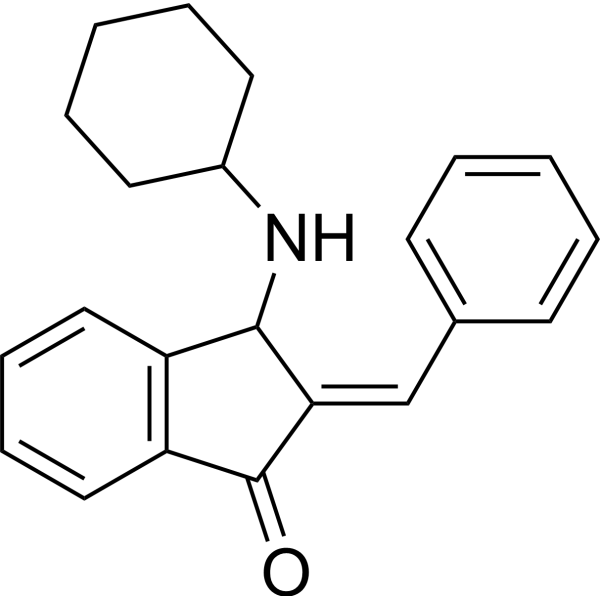
Cat. No.: HY-115502
CAS No.: 1245792-51-1
Purity:  99.73%
Synonyms: (E)-BCI
Target:  

Phosphatase

Research Areas:  

Inflammation/Immunology

BCI ((E)-BCI) is a DUSP6 (dual specificity phosphatase 6) inhibitor. BCI shows anti-inflammatory activity and decreases reactive oxygen species (ROS) production. BCI can be used in inflammatory disease research .
loading...
    loading...
17
17 Publications Verification
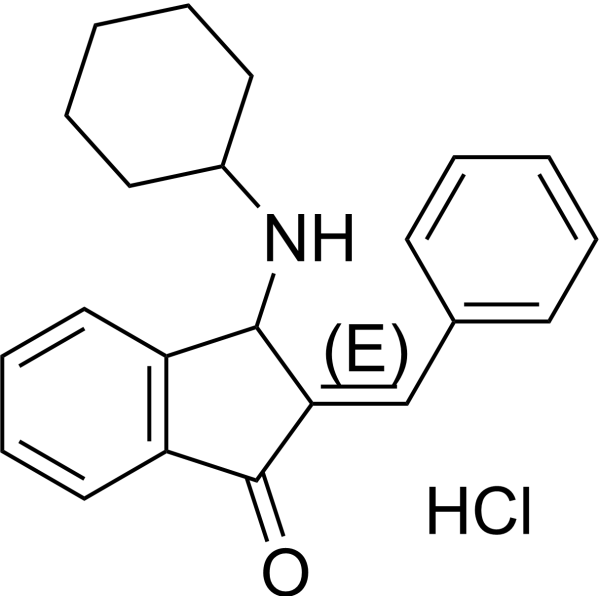
Cat. No.: HY-115502A
CAS No.: 95130-23-7
Purity:  99.93%
Synonyms: (E)-BCI hydrochloride
Target:  

Phosphatase

Research Areas:  

Inflammation/Immunology

BCI ((E)-BCI) hydrochloride is a DUSP6 (dual specificity phosphatase 6) inhibitor. BCI hydrochloride shows anti-inflammatory activity and decreases reactive oxygen species (ROS) production. BCI hydrochloride can be used in inflammatory disease research .
loading...
    loading...
17
17 Publications Verification
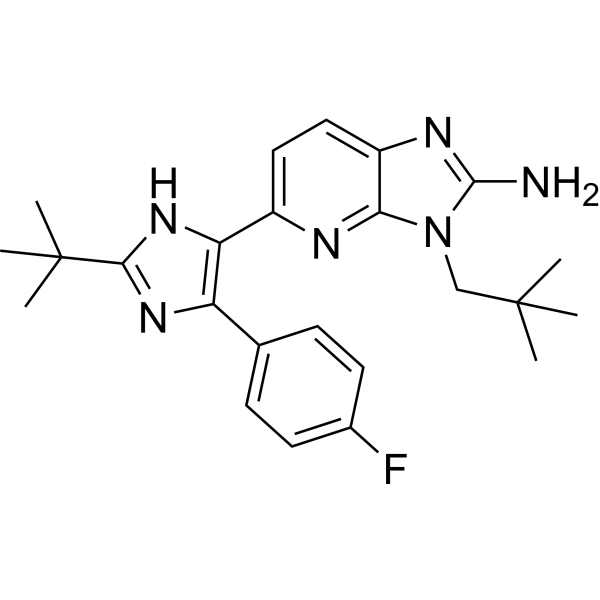
Cat. No.: HY-13241A
CAS No.: 862505-00-8
Synonyms: LY2228820
Target:  

p38 MAPK Autophagy

Research Areas:  

Cancer

Ralimetinib is an ATP-competitive p38α and p38β MAPK inhibitor with an IC50 of 5.3 nmol/L against human p38α and an IC50 of 3.2 nmol/L against human p38β. Ralimetinib slows tumor growth in preclinical in vivo cancer models, exhibits oral bioavailability in mice, and achieves sustained target inhibition for 4 to 8 h. Ralimetinib is applicable for research on melanoma, non-small cell lung cancer, ovarian cancer, glioma, multiple myeloma, breast cancer, renal cancer, and head and neck squamous cell carcinoma .
loading...
    loading...
17
17 Publications Verification
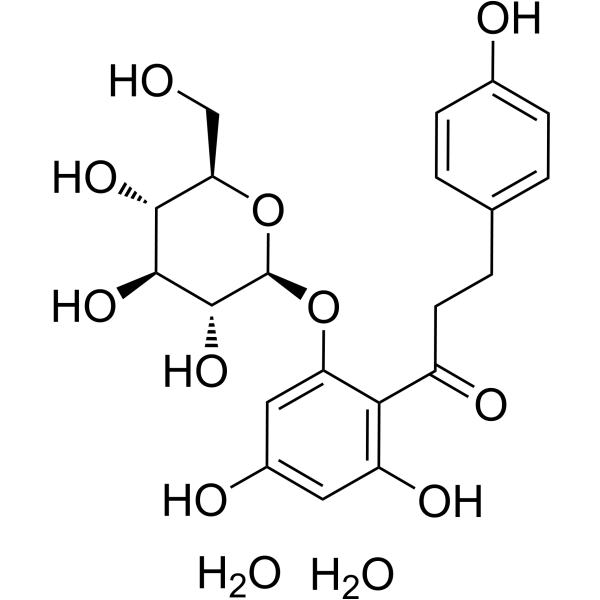
Cat. No.: HY-N0143A
CAS No.: 7061-54-3
Synonyms: Floridzin dihydrate
Phlorizin (Floridzin) dihydrate is an orally active non-selective sodium-glucose cotransporter (SGLT) inhibitor, with an IC50 of 0.04 μM and a Ki of 39 nM against hSGLT2, and an IC50 of 0.17 μM and a Ki of 0.31 μM against hSGLT1. Phlorizin dihydrate promotes GLUT4 translocation, inhibits gluconeogenesis and promotes glycogen synthesis by activating the PI3K/Akt/mTOR pathway. Phlorizin dihydrate reduces DNA damage and apoptosis (apoptosis) by inhibiting the NF-κB inflammatory pathway. Phlorizin dihydrate induces apoptosis via activating the Caspase pathway by antagonizing the JAK/STAT3 and PCK pathways. Phlorizin dihydrate also exhibits antibacterial, anti-inflammatory and neuroprotective activities .
loading...
    loading...
12
12 Cited Publications
Cat. No.: HY-N0373
CAS No.: 58749-23-8
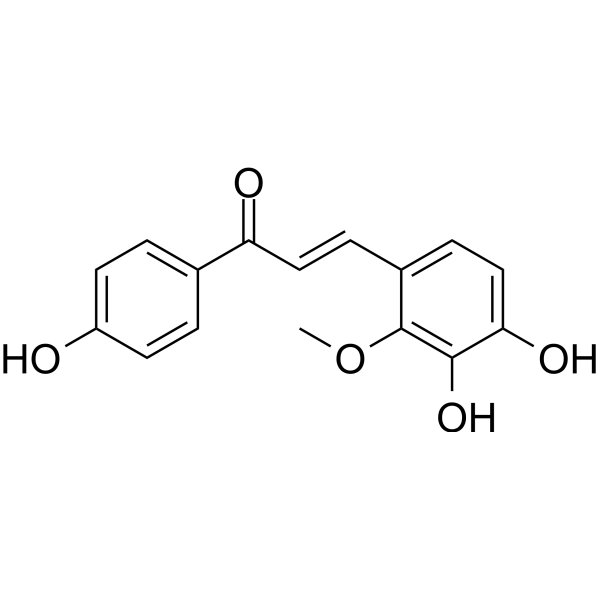
Licochalcone B is an extract from the root of Glycyrrhiza uralensis. Licochalcone B inhibits amyloid β (42) self-aggregation (IC50=2.16 μM) and disaggregate pre-formed Aβ42 fibrils, reduce metal-induced Aβ42 aggregation through chelating metal ionsLicochalcone B inhibits phosphorylation of NF-κB p65 in LPS signaling pathway. Licochalcone B inhibits growth and induces apoptosis of NSCLC cells. Licochalcone B specifically inhibits the NLRP3 inflammasome by disrupting NEK7‐NLRP3 interaction .
loading...
    loading...
8
8 Cited Publications
Cat. No.: HY-111152
CAS No.: 912798-42-6
Purity:  99.89%
Target:  

STAT

Research Areas:  

Cancer

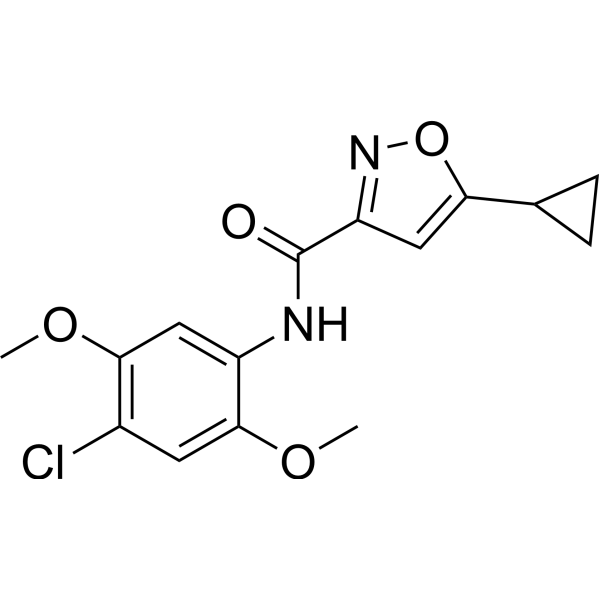
ML115, a molecular probe of the signal transducer, is a selective STAT3 agonist, with an EC50 of 2 nM. ML115 increases the expression of BCL3, a known STAT3-dependent oncogene. ML115 is inactive against the related STAT1, STAT5 and NF-κB anti-targets. ML115 counteracts the effects of Ginsenoside Rc (HY-N0042) on cell viability and inflammatory responses in LPS (HY-D1056)-stimulated H9c2 and RAW264.7 cells, while altering oxidative stress markers. ML115 can be used for the study of breast and prostate cancers .
loading...
    loading...
8
8 Cited Publications
Cat. No.: HY-113556
CAS No.: 102067-84-5
Purity:  99.87%
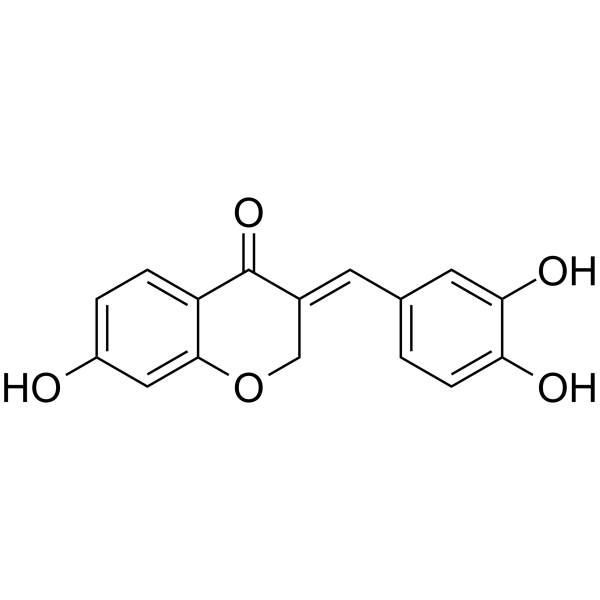
Sappanone A is an orally active homoisoflavone found in sappan L. Sappanone A is a PDE4 and NF-κB inhibitor with anti-inflammatory and antioxidant effect. Sappanone A induces HO-1 expression through activation of Nrf2 pathway. Sappanone A also inhibits RANKL-induced osteoclastogenesis. Sappanone A has great potential in the research of inflammation-related and cardiovascular .
loading...
    loading...
6
6 Cited Publications
Cat. No.: HY-N1363
CAS No.: 14113-05-4
Synonyms: (E)-Queen Bee Acid; (E)-10-Hydroxy-2-decenoic acid
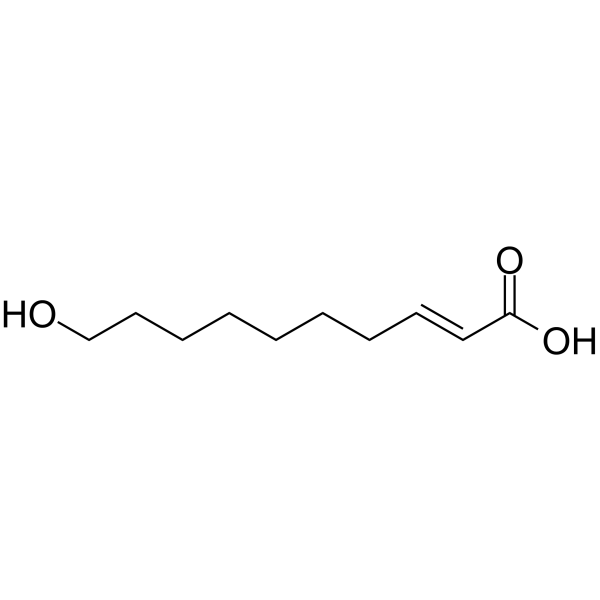
Royal Jelly Acid ((E)-Queen Bee Acid) is a major fatty acid found in royal jelly with oral bioavailability, exhibiting anti-inflammatory, anticancer, antimalarial, antiprotozoal, and neuroregulatory activities. Royal Jelly Acid can be used for research in various fields, including cancer, infections, immune inflammation, and neurological diseases .
loading...
    loading...
4
4 Cited Publications
Cat. No.: HY-W033577
CAS No.: 22594-69-0
Synonyms: CORM-2
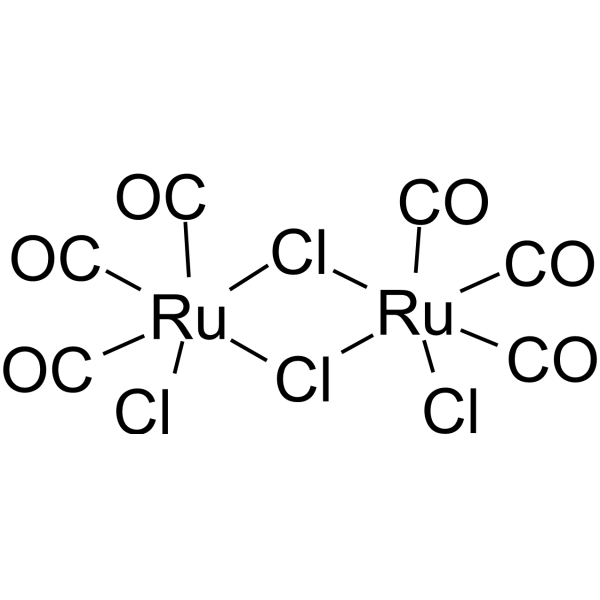
Tricarbonyldichlororuthenium(II) dimer (CORM-2) is a CO-releasing molecule. Tricarbonyldichlororuthenium(II) dimer exhibits anti-inflammatory, antioxidant, and gastric mucosa-protective activities. Additionally, Tricarbonyldichlororuthenium(II) dimer has CO-independent functional effects on multiple potassium channels .
loading...
    loading...
4
4 Cited Publications
Cat. No.: HY-N0257
CAS No.: 110623-72-8
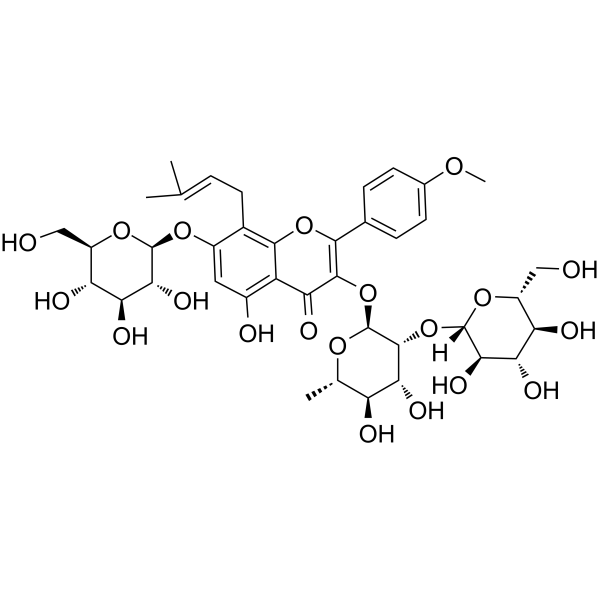
Epimedin A, one of the main flavonoid active components in Herba Epimedii, is orally active. Epimedin A can inhibit osteoclastogenesis, differentiation, and bone resorption. Epimedin A also possesses anti-inflammatory activity. Epimedin A can be used in the research of osteoporosis and inflammatory diseases .
loading...
    loading...
4
4 Cited Publications
Cat. No.: HY-B0780
CAS No.: 247257-48-3
Synonyms: BR-A-657
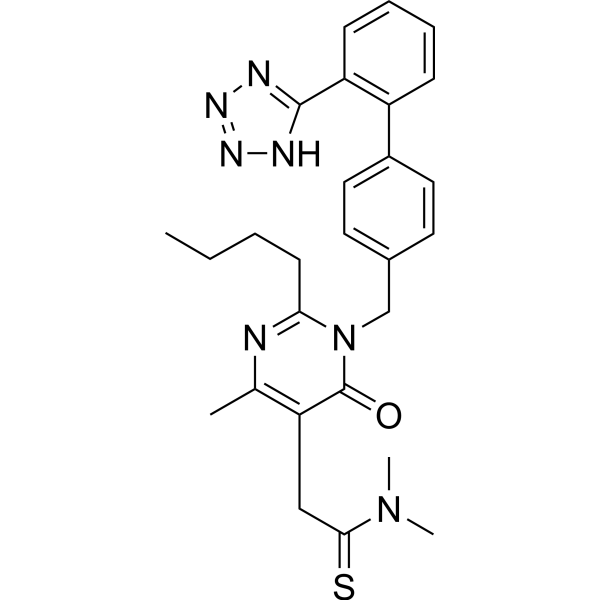
Fimasartan (BRA-657) is an orally effective angiotensin receptor AT1 non-peptide antagonist. Fimasartan has antihypertensive effects. Fimasartan improves neuroinflammation and brain injury mediated by NLRP3 inflammatome after intracerebral hemorrhage, and has neuroprotective effect. Fimasartan inhibits the expression of inducible nitric oxide synthase through the inactivation of NF-κB and activator protein-1 .
loading...
    loading...
4
4 Cited Publications
Cat. No.: HY-113402
CAS No.: 636-58-8
Purity:  95.20%
Synonyms: γ-Glu-Cys
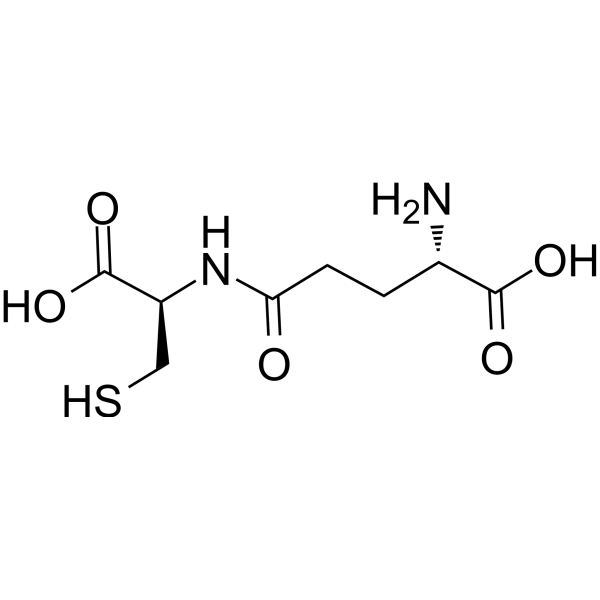
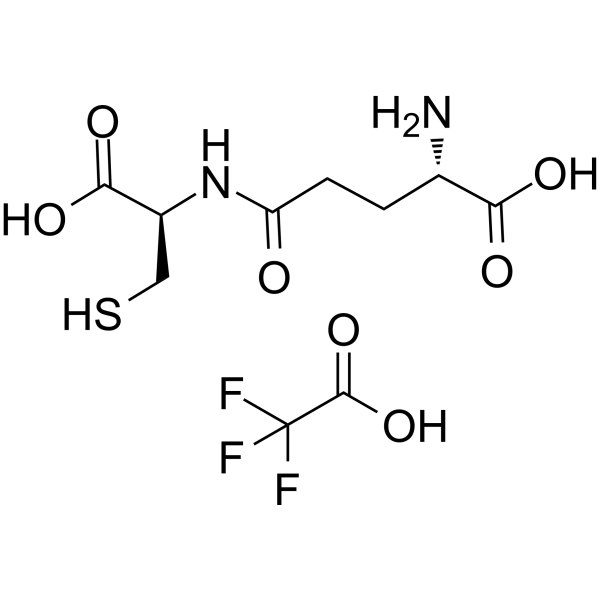
Gamma-glutamylcysteine (γ-Glu-Cys) is an orally active, blood-brain barrier permeable dipeptide . Gamma-glutamylcysteine activates AMPK, SIRT1, IL-4/STAT6, AC/cAMP/PI3K, IGF-1R/IRS1/PI3K, and Nrf2 signaling pathways; it inhibits NF-κB, JAK1/STAT1/3, MAPKs, cadmium-induced p38 MAPK, JNK, and PI3K/Akt signaling pathways. Gamma-glutamylcysteine regulates macrophage polarization, modulates the trafficking of CD36 and GLUT4, induces glutathione synthesis, improves metabolic dysfunction, reduces lipid deposition, ameliorates glucose homeostasis, inhibits apoptosis (Apoptosis), stabilizes mitochondria, suppresses lipid peroxidation, iron accumulation and ferroptosis (Ferroptosis), reduces ds-HMGB1 levels, reverses mechanical hyperalgesia, and alleviates hepatic lipid droplet formation. Gamma-glutamylcysteine is applicable to research related to inflammatory bowel disease, type 2 diabetes, cadmium-induced neurotoxicity, Alzheimer's disease, cerebral ischemia/reperfusion injury, neuropathy, and alcoholic liver disease .
loading...
    loading...
4
4 Cited Publications
Cat. No.: HY-113402A
CAS No.: 283159-88-6
Purity:  95.20%
Synonyms: γ-Glu-Cys TFA
Gamma-glutamylcysteine TFA (γ-Glu-Cys TFA) is an orally active, blood-brain barrier permeable dipeptide . Gamma-glutamylcysteine TFA activates AMPK, SIRT1, IL-4/STAT6, AC/cAMP/PI3K, IGF-1R/IRS1/PI3K, and Nrf2 signaling pathways; it inhibits NF-κB, JAK1/STAT1/3, MAPKs, cadmium-induced p38 MAPK, JNK, and PI3K/Akt signaling pathways. Gamma-glutamylcysteine TFA regulates macrophage polarization, modulates the trafficking of CD36 and GLUT4, induces glutathione synthesis, improves metabolic dysfunction, reduces lipid deposition, ameliorates glucose homeostasis, inhibits apoptosis (Apoptosis), stabilizes mitochondria, suppresses lipid peroxidation, iron accumulation and ferroptosis (Ferroptosis), reduces ds-HMGB1 levels, reverses mechanical hyperalgesia, and alleviates hepatic lipid droplet formation. Gamma-glutamylcysteine TFA is applicable to research related to inflammatory bowel disease, type 2 diabetes, cadmium-induced neurotoxicity, Alzheimer's disease, cerebral ischemia/reperfusion injury, neuropathy, and alcoholic liver disease .
loading...
    loading...
3
3 Cited Publications
Cat. No.: HY-N0617
CAS No.: 80651-76-9
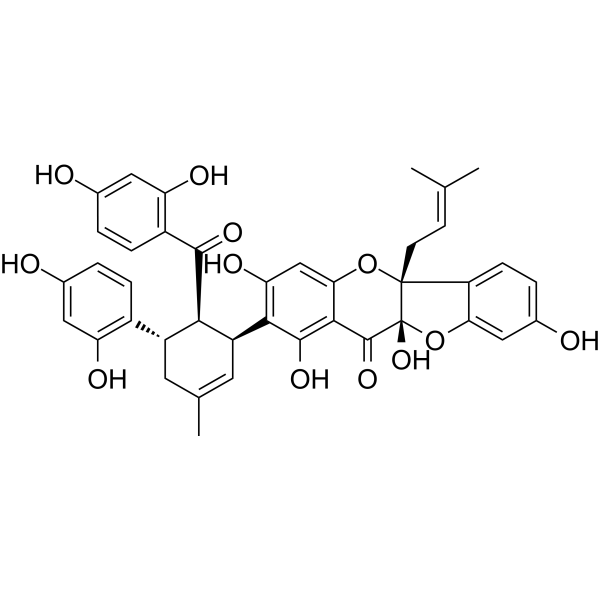
Sanggenon C, a flavonoid, exerts protective effects against cardiac hypertrophy and fibrosis via suppression of the calcineurin/NFAT2 pathway. Sanggenon C inhibits mitochondrial fission to induce apoptosis by blocking the ERK signaling pathway. Sanggenon C inhibits inducible nitric oxide synthase expression in RAW264.7 cells, and TNF-α-stimulated cell adhesion and VCAM-1 expression, by suppressing NF-κB activity. Sanggenon C possesses antioxidant, anti-inflammatory and antitumor activities .
loading...
    loading...
3
3 Cited Publications
Cat. No.: HY-N0591
CAS No.: 477-43-0
Synonyms: (-)-Dehydrocostus lactone; Epiligulyl oxide
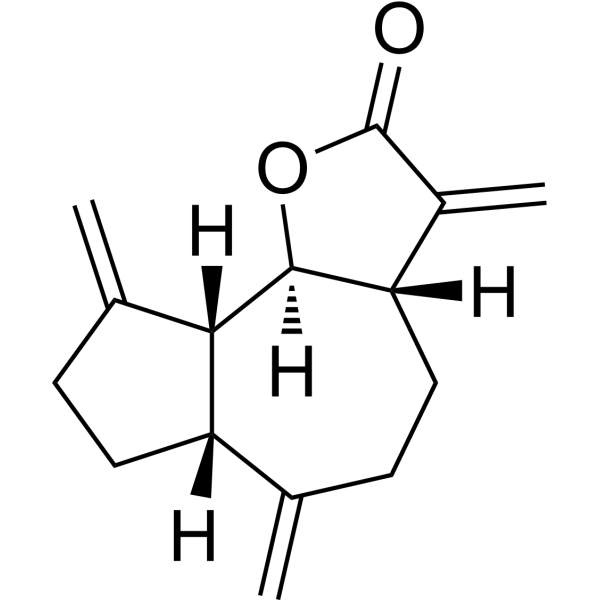
Dehydrocostus Lactone ((-)-Dehydrocostus lactone) is a natural sesquiterpene that can be isolated from Saussurea lappa. Dehydrocostus Lactone has multiple activities such as anti-inflammatory, antibacterial, anti-tumor, and immunomodulatory effects. Dehydrocostus Lactone has an MIC of 2 µg/mL against Mycobacterium tuberculosis. Dehydrocostus Lactone can also inhibit the killing activity of cytotoxic T lymphocytes and induce apoptosis in tumor cells .
loading...
    loading...
3
3 Cited Publications
Cat. No.: HY-N0661
CAS No.: 556-27-4
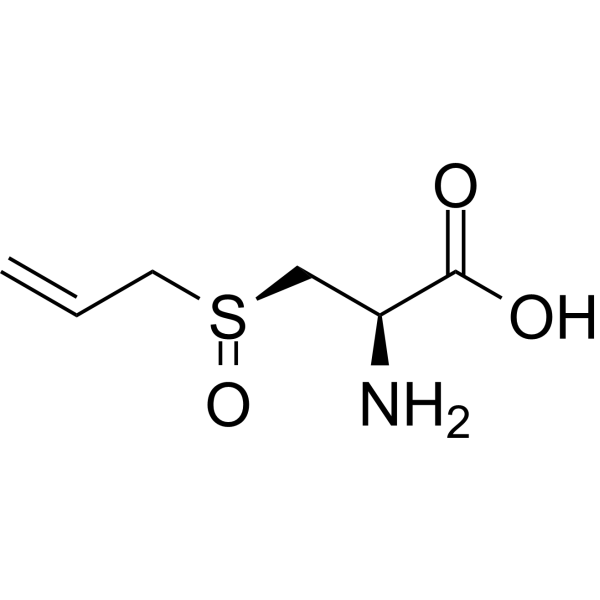
Alliin, an orally active sulfoxide compound that can be isolated from garlic, exhibits hypoglycemic, antioxidant, anti-inflammatory and antitumor activities .
loading...
    loading...
3
3 Cited Publications
Cat. No.: HY-N6065
CAS No.: 73069-27-9
Synonyms: (+)-Praeruptorin A
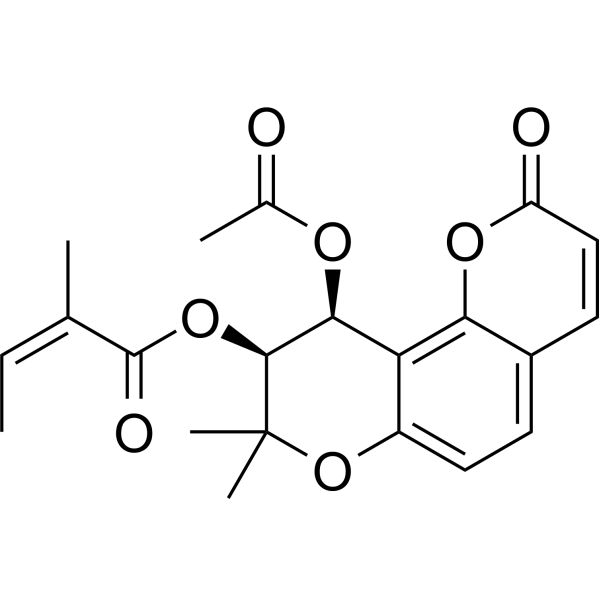
Praeruptorin A ((+)-Praeruptorin A) is an orally active isomer of (±)-Praeruptorin A (HY-N0081). Praeruptorin A also acts as a Calcium channel blocker. Praeruptorin A can be isolated from Peucedanum. Praeruptorin A serves as a substrate for CYP3A4. Praeruptorin A downregulates NMDA receptors containing GluN2B and inhibits neuronal Apoptosis. Praeruptorin A mediates vasodilation, inhibits vascular hypertrophy and reduces blood pressure. Praeruptorin A can be used in research related to neurological diseases, myocardial ischemia, heart failure, exertional angina, renovascular hypertension and spontaneous hypertension .
loading...
    loading...
2
2 Cited Publications
Cat. No.: HY-N0569
CAS No.: 18449-41-7
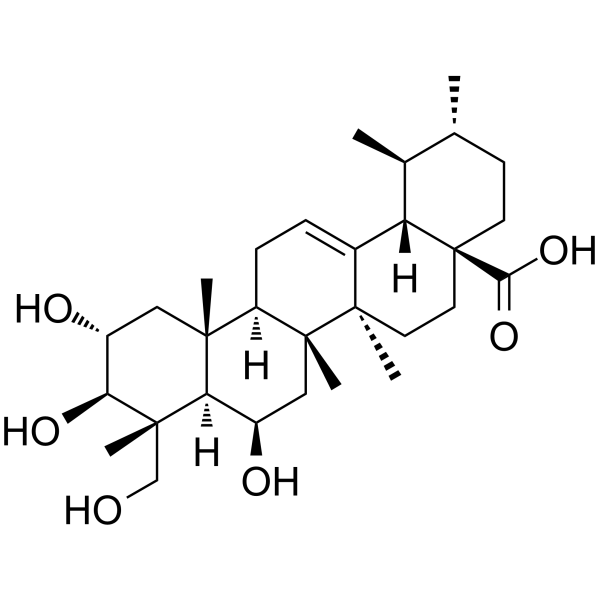
Madecassic acid is isolated from Centella asiatica (Umbelliferae). Madecassic acid has anti-inflammatory properties caused by iNOS, COX-2, TNF-alpha, IL-1beta, and IL-6 inhibition via the downregulation of NF-κB activation in RAW 264.7 macrophage cells .
loading...
    loading...
2
2 Cited Publications
Cat. No.: HY-N0515
CAS No.: 945619-74-9
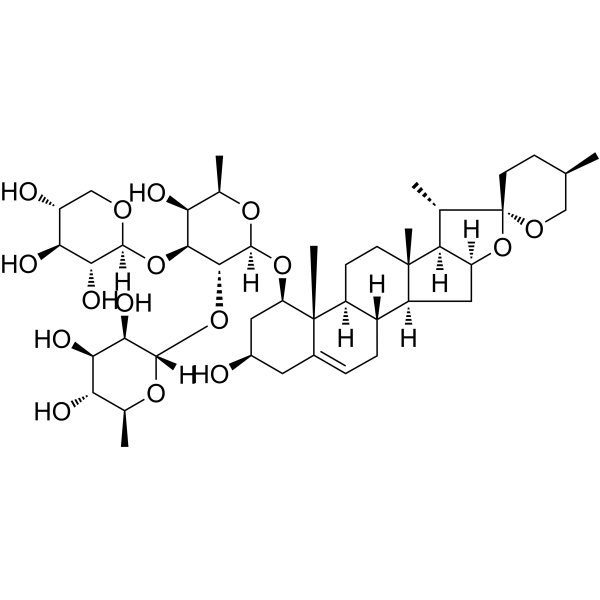
Ophiopogonin D can be isolated from the tubers of Ophiopogon japonicus, is a rare naturally occurring C29 steroidal glycoside. Ophiopogonin D is a CYP2J3 inducer that significantly inhibits Ang II induced NF-κB nuclear translocation, IκBα down-regulation, intracellular Ca 2+ overload and activation of pro-inflammatory cytokines by increasing the expression of CYP2J2/EETs and PPARα in human umbilical vein endothelial cells (HUVECs). Ophiopogonin D can inhibit isteoclastic differentiation in RAW264.7 cells. Ophiopogonin D has protective effect as an antioxidant in H2O2-induced endothelial injury. Ophiopogonin D blocks ERK signaling cascades. Ophiopogonin D alleviates high-fat diet-induced metabolic syndrome and changes the structure of gut microbiota in mice. Ophiopogonin D has been used against inflammatory, metabolic and cardiovascular diseases .
loading...
    loading...
2
2 Cited Publications
Cat. No.: HY-107825
CAS No.: 577-85-5
Purity:  99.92%
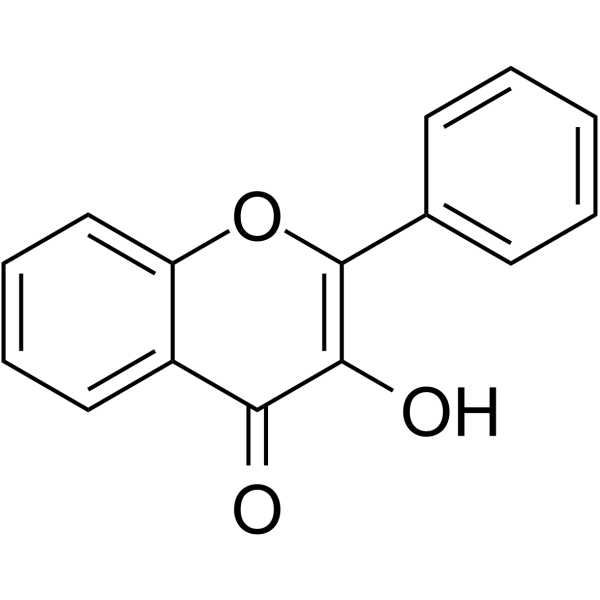
Flavonol is a cholinesterase (ChE) inhibitor, with an IC50 value of 120 μM and a Ki value of 74 μM. Flavonol has antioxidant, free radical-scavenging, antibacterial properties, and immune modulation functions. Flavonol inhibits the PriA helicase of Staphylococcus aureus. Flavonol can suppress the production of NO in LPS-activated RAW 264.7 cells by inhibiting the expression of the iNOS enzyme. Flavonol shows protective and analgesic effects in mice through various neuronal pathways. Flavonol can be used in research related to tumors and atherosclerosis diseases .
loading...
    loading...

