Search Result
Results for "
Store
" in MedChemExpress (MCE) Product Catalog:
3
Biochemical Assay Reagents
3
Isotope-Labeled Compounds
| Cat. No. |
Product Name |
Target |
Research Areas |
Chemical Structure |
-
- HY-W009724
-
|
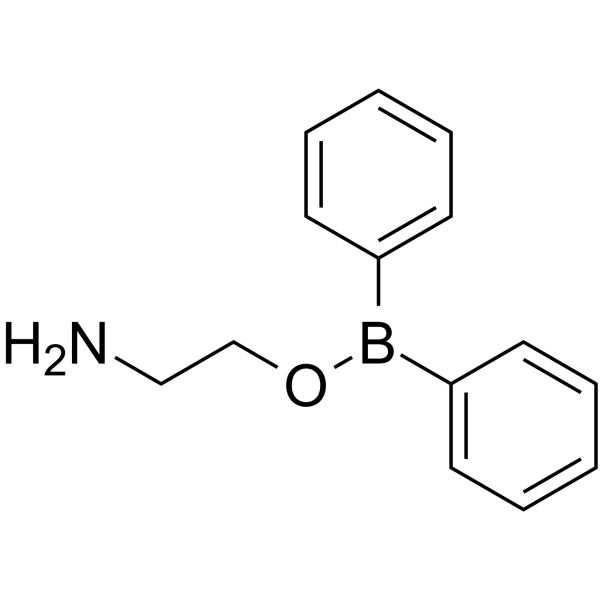
2-APB
|
Calcium Channel
TRP Channel
CRAC Channel
|
Cardiovascular Disease
Inflammation/Immunology
|
|
2-Aminoethyl diphenylborinate (2-APB) is a cell-permeable inhibitor of Inositol triphosphate receptor (IP3R). 2-Aminoethyl diphenylborinate also inhibits the store-operated Ca 2+ (SOC) channel and activates some TRP channels (V1, V2 and V3). Additionally, 2-Aminoethyl diphenylborinate has inhibitory effects on vasospasm. At high concentrations, it exhibits specific anti-inflammatory and antioxidant effects in neural tissue .
|
-
-
- HY-N1584
-
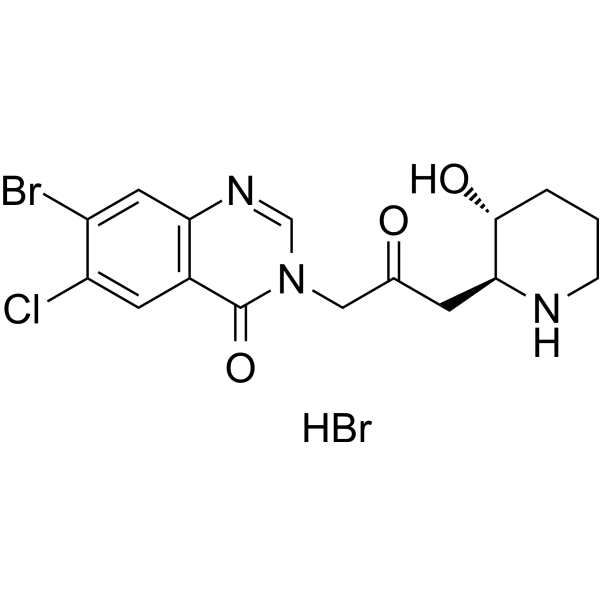
Halofuginone
Maximum Cited Publications
20 Publications Verification
RU-19110
|
DNA/RNA Synthesis
TGF-beta/Smad
Parasite
Sodium Channel
Calcium Channel
|
Infection
Cardiovascular Disease
Inflammation/Immunology
Cancer
|
|
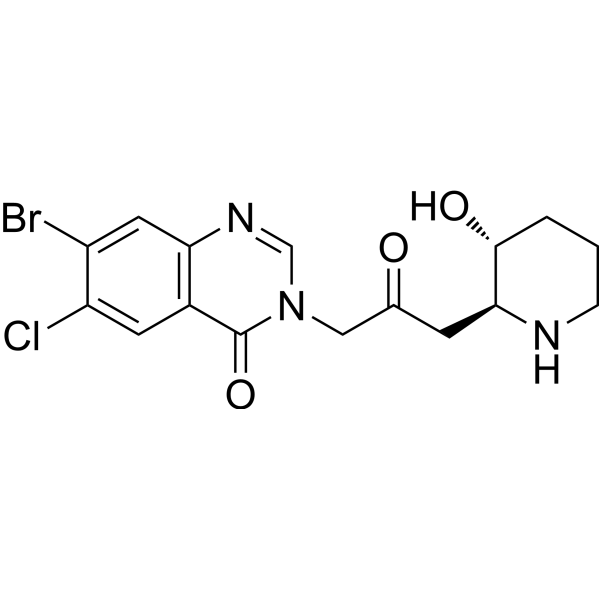
Halofuginone (RU-19110), a Febrifugine derivative, is a competitive prolyl-tRNA synthetase inhibitor with a Ki of 18.3 nM . Halofuginone is a specific inhibitor of type-I collagen synthesis and attenuates osteoarthritis (OA) by inhibition of TGF-β activity . Halofuginone is also a potent pulmonary vasodilator by activating Kv channels and blocking voltage-gated, receptor-operated and store-operated Ca 2+ channels. Halofuginone has anti-malaria, anti-inflammatory, anti-cancer, anti-fibrosis effects .
|
-
-
- HY-100001
-
|
|
TRP Channel
CRAC Channel
Autophagy
CaMK
Akt
Apoptosis
Na+/Ca2+ Exchanger
Calcium Channel
|
Neurological Disease
Inflammation/Immunology
Cancer
|
|
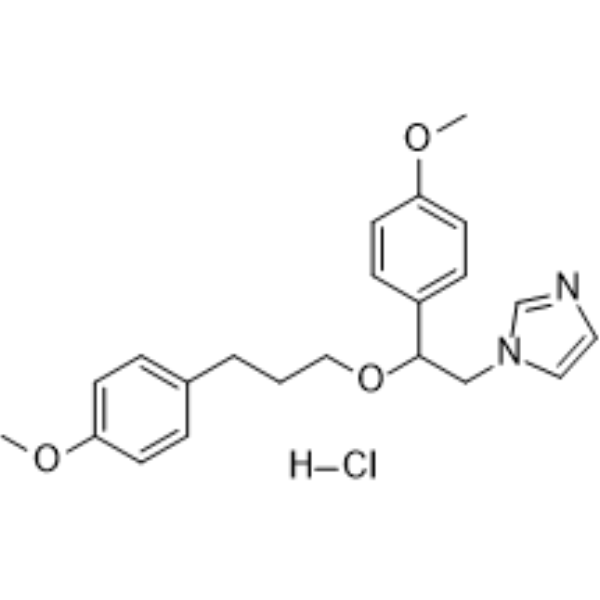
SKF-96365 hydrochloride is a TRPC channel antagonist and store-operated calcium entry (SOCE) inhibitor. SKF-96365 hydrochloride reduces calcium ion influx by inhibiting the activity and expression of TRPC6, STIM1 and Orai1. SKF-96365 hydrochloride inhibits voltage-gated sodium current (cardiac INa/NaV1.5) and slows myocardial conduction. SKF-96365 hydrochloride inhibits phosphorylation/activation of CaMKIIγ and suppresses the downstream AKT signaling pathway. SKF-96365 hydrochloride induces G2/M phase cell cycle arrest, apoptosis and cytoprotective autophagy in colorectal cancer cells. SKF-96365 hydrochloride alleviates allergic rhinitis symptoms by reducing inflammatory cytokine levels. SKF-96365 hydrochloride reduces intracellular calcium overload, inhibits Homer1 expression, prevents nuclear damage and suppresses apoptosis. SKF-96365 hydrochloride inhibits the growth of colorectal cancer xenografts in nude mice . SKF-96365 hydrochloride is applicable to research related to allergic rhinitis, colorectal cancer, Parkinson's disease, persistent spontaneous nociception and hyperalgesia .
|
-
-
- HY-100831
-
|
BTP2
|
CRAC Channel
|
Inflammation/Immunology
|
|
YM-58483 (BTP2) is the first selective and potent inhibitor of CRAC channels and subsequent Ca 2+ signals. YM-584832 is a blocker of store-operated Ca 2+ entry (SOCE) .
|
-
-
- HY-N1370
-
|
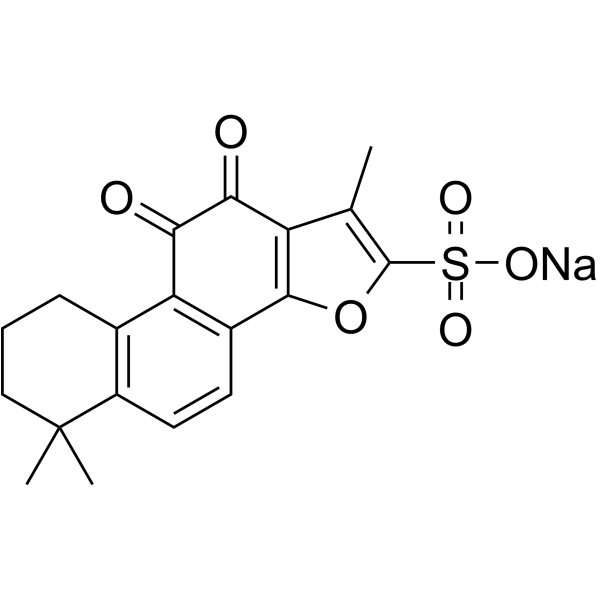
Sodium Tanshinone IIA sulfonate; Tanshinone IIA sodium sulfonate
|
CRAC Channel
|
Cardiovascular Disease
Cancer
|
|
Tanshinone IIA sulfonate (sodium) is a derivative of tanshinone IIA, which acts as an inhibitor of store-operated Ca 2+ entry (SOCE), and is used to treat cardiovascular disorders.
|
-
-
- HY-P0084
-
|
SRIF-14; Somatostatin-14
|
Endogenous Metabolite
|
Cardiovascular Disease
Neurological Disease
|
|
Cyclic somatostatin (SRIF-14) is a growth hormone-release inhibiting factor used in the research of severe, acute hemorrhages of gastroduodenal ulcers. Cyclic somatostatin is a neuropeptide co-stored with acetylcholine in the cardiac parasympathetic innervation, exerts influences directly on contraction of ventricular cardiomyocytes. Cyclic somatostatin inhibits the contractile response of isoprenaline with an IC50 value of 13 nM. Cyclic somatostatin can be used for the research of cardiovascular disease .
|
-
-
- HY-N1584A
-
|
RU-19110 hydrobromide
|
DNA/RNA Synthesis
TGF-beta/Smad
Parasite
Sodium Channel
Calcium Channel
|
Infection
Cardiovascular Disease
Inflammation/Immunology
Cancer
|
|
Halofuginone (RU-19110) hydrobromid, a Febrifugine derivative, is a competitive prolyl-tRNA synthetase inhibitor with a Ki of 18.3 nM . Halofuginone hydrobromid is a specific inhibitor of type-I collagen synthesis and attenuates osteoarthritis (OA) by inhibition of TGF-β activity . Halofuginone hydrobromid is also a potent pulmonary vasodilator by activating Kv channels and blocking voltage-gated, receptor-operated and store-operated Ca 2+ channels. Halofuginone hydrobromid has anti-malaria, anti-inflammatory, anti-cancer, anti-fibrosis effects .
|
-
-
- HY-P990125
-
|
|
c-Fms
|
Cardiovascular Disease
Neurological Disease
Metabolic Disease
Inflammation/Immunology
|
|
Anti-Mouse (CSF1R/CD115) Antibody (AFS98) is an anti-mouse CSF1R IgG2a antibody inhibitor derived from rats. Anti-Mouse (CSF1R/CD115) Antibody (AFS98) inhibits M-CSF-dependent colony formation and cell growth by blocking the binding of M-CSF to its receptor. Anti-Mouse (CSF1R/CD115) Antibody (AFS98) can be used for the researches of inflammation, metabolic disease, cardiovascular disease and neurological disease, such as such as stroke, diabetes and arthritis .
|
-
-
- HY-111325
-
Synta66
5 Publications Verification
|
CRAC Channel
|
Neurological Disease
|
|
Synta66 is an inhibitor of store-operated calcium entry channel Orai, which forms the pore of the CRAC channel, and used for the research of neurological disease.
|
-
-
- HY-P2879
-
|
|
Endogenous Metabolite
|
Metabolic Disease
|
|
Cholesterol esterase, Pseudomonas is an enzyme that hydrolyzes cholesterol ester to cholesterol and free fatty acid in the intestinal lumen. Cholesterol synthesized in the acinar cells and is stored in zymogen granules. Cholesterol esterase is also known as bile salt-stimulated lipase and carboxy ester lipasea, acts function for acceleration of cholesterol absorption .
|
-
-
- HY-D1617
-
|
|
Fluorescent Dye
|
Others
|
|
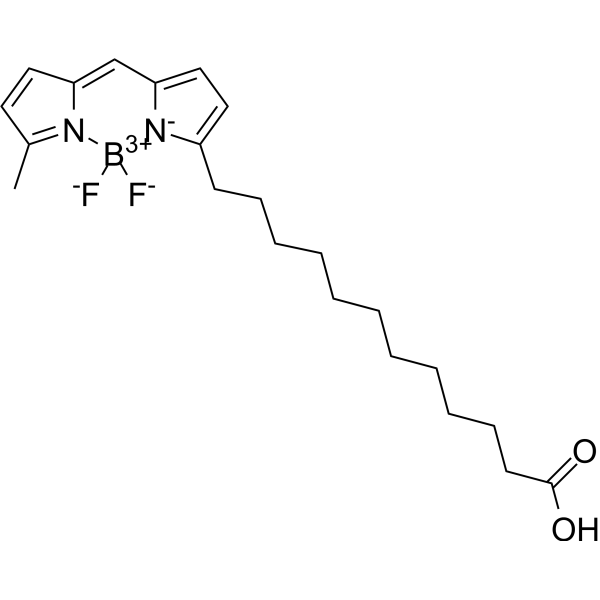
BODIPY 500/510 C1, C12 is a BODIPY dye. BODIPY dye is a small molecule dye with strong ultraviolet absorption ability, its fluorescence peak is relatively sharp, and the quantum yield is high. They are relatively insensitive to the polarity and pH of the environment and are relatively stable under different physiological conditions. Due to its structural asymmetry, BODIPY derives a variety of structural products. BODIPY lipid droplet dyes can well pass through the cell membrane into the cell, and localize the neutral lipids in the cell to specifically stain the lipid droplets, which can be used for labeling of live cells and fixed cells . Maximum excitation/emission wavelength: 500/510 nm . Protect from light, stored at -20°C.
|
-
-
- HY-N1353
-
|
|
p38 MAPK
|
Cardiovascular Disease
Inflammation/Immunology
|
|
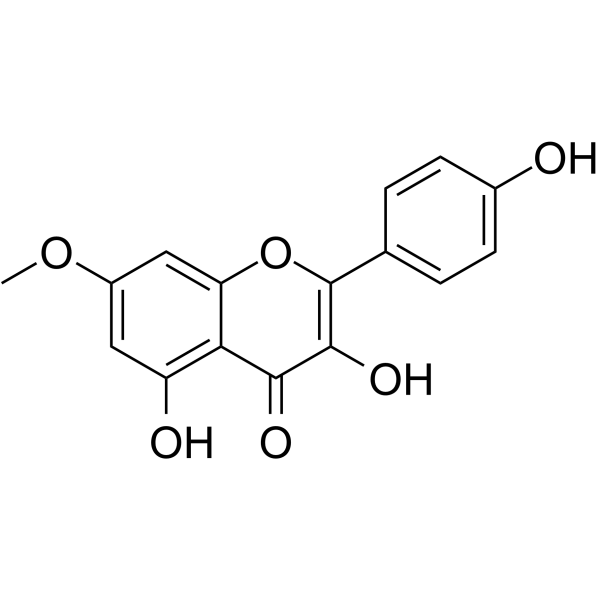
Rhamnocitrin is an anti-inflammatory and antioxidant agent that targets STIM-1, NFATc3 and MAPK pathways and can scavenge DPPH (IC50=28.38 mM). Rhamnocitrin selectively inhibits oxidative stress and inflammatory responses in vascular endothelial cells and neurons. Rhamnocitrin up-regulates miR-185 to inhibit STIM-1-mediated store-operated calcium entry (SOCE), thereby blocking NFATc3 nuclear translocation and downstream inflammatory factor expression, while inducing heme oxygenase HO-1 expression and regulating the ERK/p38 MAPK pathway, inhibiting antioxidant and pro-inflammatory cytokines (such as IL-6, IL-8) and adhesion molecules (such as ICAM-1, VCAM-1). Rhamnocitrin can be used in the study of endothelial-related inflammatory diseases (such as sepsis, acute lung injury, atherosclerosis) and neuroprotection (such as oxidative damage of PC12 cells) .
|
-
-
- HY-12504
-
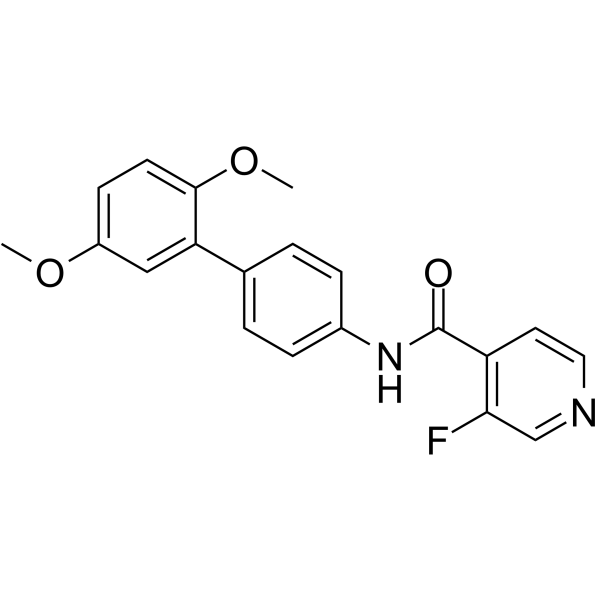
Pyr6
1 Publications Verification
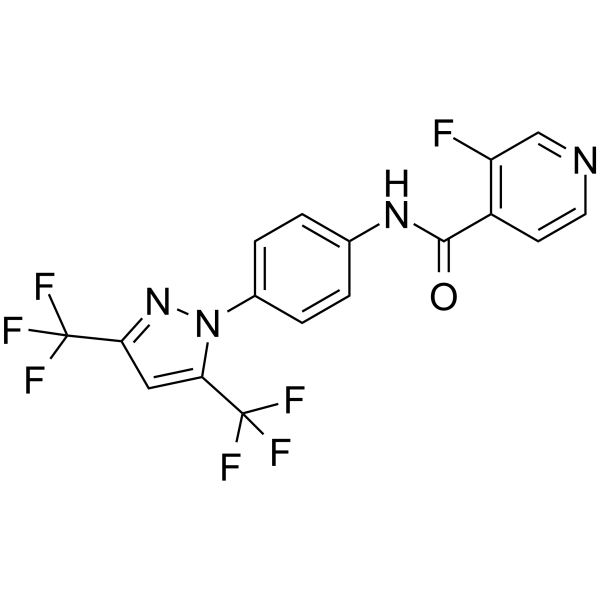
N-[4-[3,5-Bis(trifluoromethyl)-1H-pyrazol-1-yl]phenyl]-3-fluoro-4-pyridinecarboxamide
|
CRAC Channel
|
Others
|
|
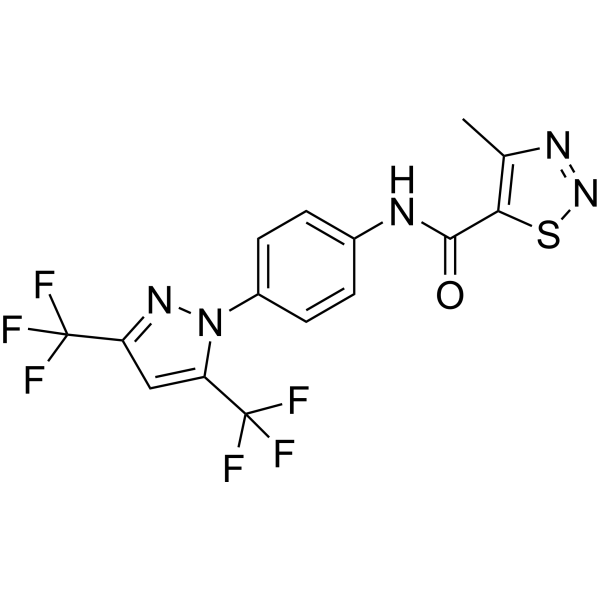
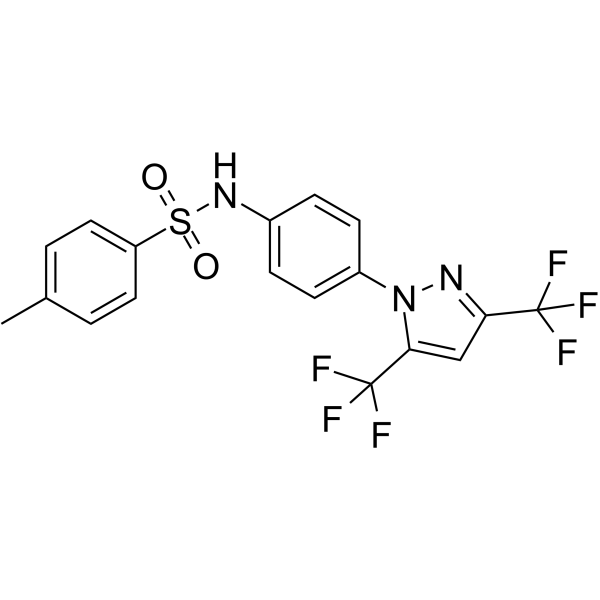
Pyr6 is a selective store operated calcium entry (SOCE) inhibitor with an IC50 of 0.49 μM. Pyr6 displays 37-fold higher potency for RBL SOCE than for TRPC3 ROCE .
|
-
-
- HY-N6600
-
|
|
Environmental Pollutants
Biochemical Assay Reagents
|
Others
|
|
Octadecane is an alkane used as a phase change material for storing thermal energy at ambient temperature. Octadecane can endow pesticide formulations with environmental responsiveness in the field of agricultural nanomaterials, enabling precise and safe pesticide application .
|
-
-
- HY-N2344
-
|
Proanthocyanidin A1
|
PKC
|
Inflammation/Immunology
|
|
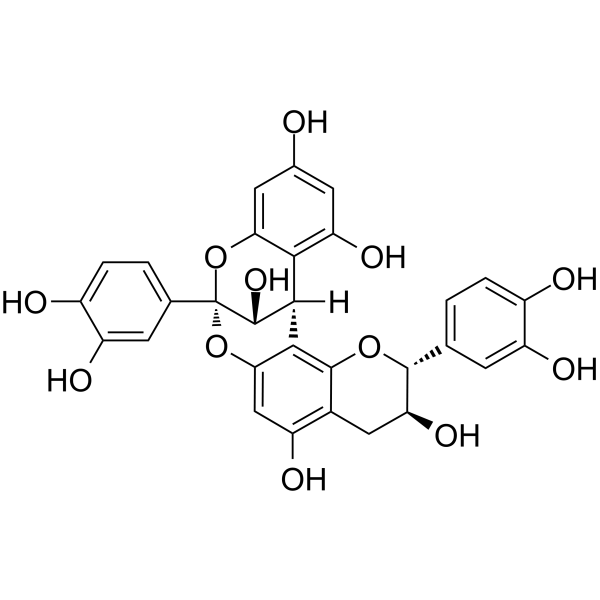
Procyanidin A1 (Proanthocyanidin A1) is a procyanidin dimer, which inhibits degranulation downstream of protein kinase C activation or Ca 2+ influx from an internal store in RBL-213 cells. Procyanidin A1 has antiallergic effects .
|
-
-
- HY-103310
-
MRS1845
1 Publications Verification
|
Calcium Channel
CRAC Channel
|
Cardiovascular Disease
|
|
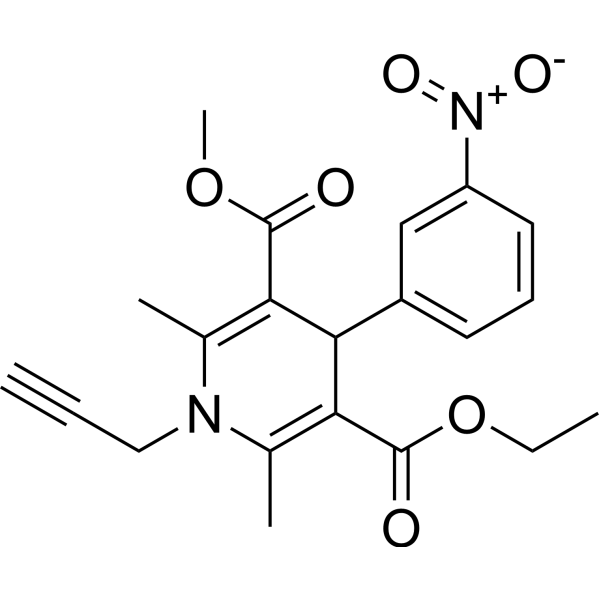
MRS1845 is a selective store-operated calcium (SOC) channel inhibitor with an IC50 of 1.7 μM . MRS1845 is an ORAI1 inhibitor . MRS1845 is a click chemistry reagent, it contains an Alkyne group and can undergo copper-catalyzed azide-alkyne cycloaddition (CuAAc) with molecules containing Azide groups.
|
-
-
- HY-129476
-
|
|
Parasite
Endogenous Metabolite
|
Infection
Cancer
|
|
L-Canaline is a nonprotein amino acid stored in many leguminous plants. L-Canaline is a cytotoxic metabolite catalyzed by L-canavanine and its arginase. L-Canaline is a potent and irreversible inhibitor of ornithine aminotransferase. L-Canaline inhibits the growth of the malaria parasite Plasmodium falciparum with an IC50 of 297 nM. L-Canaline has anticancer and antiproliferative effects .
|
-
-
- HY-19408
-
Pyr10
3 Publications Verification
|
TRP Channel
|
Others
|
|
Pyr10 is a pyrazole derivative and a selective TRP cation 3 (TRPC3) inhibitor. Pyr10 inhibits Ca 2+ influx in carbachol-stimulated TRPC3-transfected HEK293 cells with an IC50 of 0.72 μM (IC50 of 13.08 μM for store operated Ca 2+ entry in BRL-2H3 cells). Pyr10 has the ability to distinguish between receptor-operated TRPC3 and native stromal interaction molecule 1 (STIM1)/Orai1 channels .
|
-
-
- HY-W012658
-
|
O-Methylacetophenone
|
Xanthine Oxidase
|
Metabolic Disease
Inflammation/Immunology
|
|
2-Methylacetophenone (O-Methylacetophenone), acetophenone derivative and acaricide, is a xanthine dehydrogenase (XDH) inhibitor. 2-Methylacetophenone competitively binds to the XDH active site, blocking the pathway for xanthine to be converted to uric acid. 2-Methylacetophenone can be used for the study of hyperuricemia and house dust .
|
-
-
- HY-B1837
-
|
|
Environmental Pollutants
Sodium Channel
|
Infection
|
|
Cyfluthrin is a type II pyrethroid and has effects on various insects. Cyfluthrin is a modulator of Nav1.8 sodium channels by repetitive stimulation. Cyfluthrin can be applied in agriculture,veterinary, insecticide,pyrethroid and stored product .
|
-
-
- HY-B2140
-
|
Bromosalicylchloranilide; Salifungin
|
Fungal
Bacterial
|
Infection
|
|
Multifungin (Bromochlorosalicylanilide) is an antifungal that treats oral candidiasis . Multifungin prevents the formation and accumulation of Zearalenone and reduces the fungal population in stored-crushed corn .
|
-
-
- HY-P1077
-
CALP1
3 Publications Verification
|
mGluR
Phosphodiesterase (PDE)
Apoptosis
Calmodulin
|
Inflammation/Immunology
|
|
CALP1 is a calmodulin (CaM) agonist (Kd of 88 µM) with binding to the CaM EF-hand/Ca 2+-binding site. CALP1 blocks calcium influx and apoptosis (IC50 of 44.78 µM) through inhibition of calcium channel opening. CALP1 blocks glutamate receptor channels and blocks a store-operated nonselective cation channel. CALP1 activates CaM-dependent phosphodiesterase activity .
|
-
-
- HY-124619
-
|
|
EAAT
HIV
|
Neurological Disease
|
|
GPI-1046 is an orally active, antibiotic-free immunophilin ligand that reduces ethanol intake by upregulating glutamate transporter 1 (GLT1) in the prefrontal cortex (PFC) and nucleus accumbens core (NAc-core). GPI-1046 improves human immunodeficiency virus (HIV)-associated sensory neuropathy (HIV-SN) by attenuating store-operated calcium (SOC) entry. GPI-1046 has neuroprotective activity .
|
-
-
- HY-W017054
-
|
|
Biochemical Assay Reagents
|
Others
|
|
2-Amino-2-methyl-1,3-propanediol is a solid-solid phase change material with energy release and heat storage properties. 2-Amino-2-methyl-1,3-propanediol can crystallize from a supercooled solid state, release thermal energy during heating, and store thermal energy in the supercooled solid state. 2-Amino-2-methyl-1,3-propanediol can be used in the production of surfactants, vulcanization accelerators, and as a biological buffer .
|
-
-
- HY-N6067
-
|
|
Bacterial
|
Infection
Cancer
|
|
Primin is a natural product stored in trichomes on leaves and stems of Primula obconica, with antimicrobial and antitumour properties .
|
-
-
- HY-113618B
-
|
|
CRAC Channel
Interleukin Related
|
Cardiovascular Disease
|
|
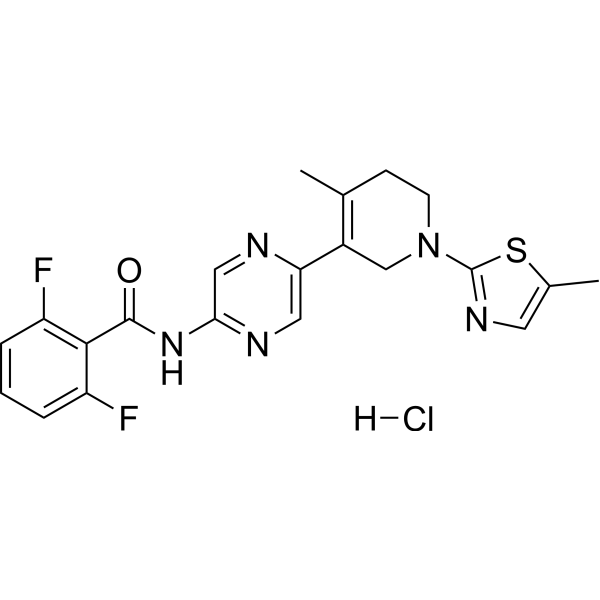
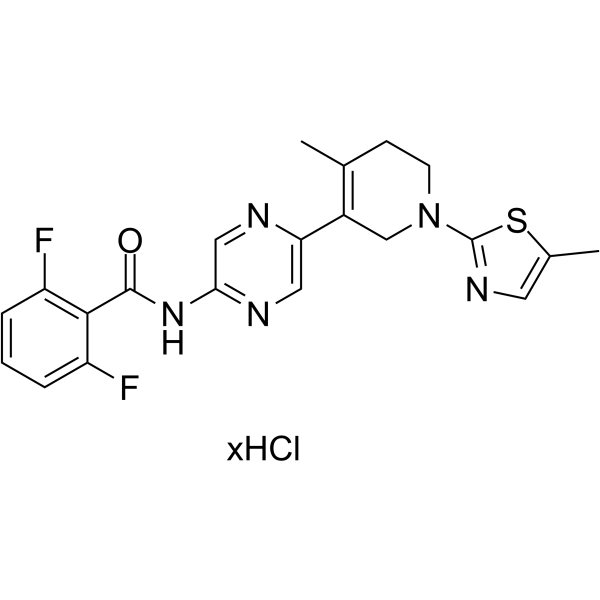
RO2959 monohydrochloride is a potent and selective CRAC channel inhibitor with an IC50 of 402 nM. RO2959 monohydrochloride is a potent blocker of store operated calcium entry (SOCE) mediated by Orai1/Stim1 channels with an IC50 of 25 nM. RO2959 monohydrochloride is also a potent inhibitor of human IL-2 production, and potently blocks T cell receptor triggered gene expression and T cell functional pathways .
|
-
-
- HY-P1077A
-
|
|
mGluR
Phosphodiesterase (PDE)
Apoptosis
Calmodulin
|
Inflammation/Immunology
|
|
CALP1 TFA is a calmodulin (CaM) agonist (Kd of 88 µM) with binding to the CaM EF-hand/Ca 2+-binding site. CALP1 TFA blocks calcium influx and apoptosis (IC50 of 44.78 µM) through inhibition of calcium channel opening. CALP1 TFA blocks glutamate receptor channels and blocks a store-operated nonselective cation channel. CALP1 TFA activates CaM-dependent phosphodiesterase activity .
|
-
-
- HY-134299
-
|
8-(4-Chlorophenylthio)-cAMP-AM
|
Ras
PKA
|
Cardiovascular Disease
Metabolic Disease
Cancer
|
|
8-CPT-cAMP-AM (8-(4-Chlorophenylthio)-cAMP-AM) is an Epac/PKA activator. 8-CPT-cAMP-AM potentiates glucose-dependent first- and second-phase insulin secretion, induces β-cell depolarization, modulates intracellular calcium via influx and ryanodine-sensitive store mobilization, and facilitates calcium-induced calcium release resistant to PKA inhibition. 8-CPT-cAMP-AM can be used for the research of cardiac hypertrophy, diabetic cardiomyopathy, and melanoma .
|
-
-
- HY-103059
-
|
|
Calcium Channel
|
Cardiovascular Disease
|
|
SOICR-IN-1 (compound 32) is a store-overload induced calcium release (SOICR) inhibitor with an IC50 value of 14.6 μM. SOICR-IN-1 can be used for the research of cardiac arrhythmias .
|
-
-
- HY-N1584C
-
|
RU-19110 lactate
|
DNA/RNA Synthesis
TGF-beta/Smad
Parasite
Sodium Channel
Calcium Channel
|
Infection
Cardiovascular Disease
Inflammation/Immunology
Cancer
|
|
Halofuginone lactate, a Febrifugine derivative, is a competitive prolyl-tRNA synthetase inhibitor with a Ki of 18.3 nM . Halofuginone lactate is a specific inhibitor of type-I collagen synthesis and attenuates osteoarthritis (OA) by inhibition of TGF-β activity . Halofuginone lactate is also a potent pulmonary vasodilator by activating Kv channels and blocking voltage-gated, receptor-operated and store-operated Ca 2+ channels. Halofuginone lactate has anti-malaria, anti-inflammatory, anti-cancer, anti-fibrosis effects .
|
-
-
- HY-B1640R
-
|
Etacrynic acid (Standard)
|
Reference Standards
Glutathione S-transferase
NF-κB
Calcium Channel
|
Inflammation/Immunology
Cancer
|
|
Ethacrynic acid (Standard) is the analytical standard of Ethacrynic acid. This product is intended for research and analytical applications. Ethacrynic acid (Etacrynic acid) is a diuretic. Ethacrynic acid is an inhibitor of glutathione S-transferases (GSTs). Ethacrynic acid is a potent inhibitor of NF-kB-signaling pathway, and also modulates leukotriene formation. Ethacrynic acid also inhibits L-type voltage-dependent and store-operated calcium channel, leading to relaxation of airway smooth muscle (ASM) cells. Ethacrynic acid has anti-inflammatory properties that reduces the retinoid-induced ear edema in mice .
|
-
-
- HY-P2302
-
|
|
Antibiotic
Bacterial
Fungal
|
Infection
Inflammation/Immunology
Cancer
|
|
Defensin HNP-3 human is an α-defensin stored in the azurophilic granules of human neutrophils. Defensin HNP-3 human exerts broad-spectrum bactericidal, antifungal and antiviral activities mainly by forming bacterial membrane pores, and acts as a chemoattractant for monocytes and T cells. Defensin HNP-3 human maintains epithelial integrity to support periodontal tissue homeostasis, and exerts concentration-dependent effects on epithelial cell proliferation, adhesion and bacterial adhesion. Defensin HNP-3 human targets solid tumors and leukemia by inducing single-strand DNA breaks and membrane permeabilization in tumor cells via electrostatic binding and pore formation. Defensin HNP-3 human is abundant in human tongue squamous cell carcinoma and neutrophils infiltrating oral squamous cell carcinoma. Defensin HNP-3 human can be applied to research related to periodontitis and human tongue squamous cell carcinoma .
|
-
-
- HY-125942
-
|
|
CRAC Channel
TRP Channel
CaMK
Akt
Apoptosis
Autophagy
Na+/Ca2+ Exchanger
Calcium Channel
|
Neurological Disease
Inflammation/Immunology
Cancer
|
|
SKF-96365 is a TRPC channel antagonist and store-operated calcium entry (SOCE) inhibitor. SKF-96365 reduces calcium ion influx by inhibiting the activity and expression of TRPC6, STIM1 and Orai1. SKF-96365 inhibits voltage-gated sodium current (cardiac INa/NaV1.5) and slows myocardial conduction. SKF-96365 inhibits phosphorylation/activation of CaMKIIγ and suppresses the downstream AKT signaling pathway. SKF-96365 induces G2/M phase cell cycle arrest, apoptosis and cytoprotective autophagy in colorectal cancer cells. SKF-96365 alleviates allergic rhinitis symptoms by reducing inflammatory cytokine levels. SKF-96365 reduces intracellular calcium overload, inhibits Homer1 expression, prevents nuclear damage and suppresses apoptosis. SKF-96365 inhibits the growth of colorectal cancer xenografts in nude mice . SKF-96365 is applicable to research related to allergic rhinitis, colorectal cancer, Parkinson's disease, persistent spontaneous nociception and hyperalgesia .
|
-
-
- HY-P3689
-
|
|
CGRP Receptor
Adenylate Cyclase
|
Others
|
|
[Tyr22] Calcitonin Gene Related Peptide, (22-37), rat is a fragments 22-37 of rat calcitonin gene related peptide (CGRP), targeting CGRP receptor and adenylate cyclase. Calcitonin is mainly produced by thyroid C cells while CGRP is secreted and stored in the nervous system .
|
-
-
- HY-113618A
-
|
|
CRAC Channel
Interleukin Related
|
Cardiovascular Disease
|
|
RO2959 hydrochloride is a potent and selective CRAC channel inhibitor with an IC50 of 402 nM. RO2959 hydrochloride is a potent blocker of store operated calcium entry (SOCE) mediated by Orai1/Stim1 channels with an IC50 of 25 nM. RO2959 hydrochloride is also a potent inhibitor of human IL-2 production, and potently blocks T cell receptor triggered gene expression and T cell functional pathways .
|
-
-
- HY-N1584R
-
|
RU-19110 (Standard)
|
Reference Standards
DNA/RNA Synthesis
TGF-beta/Smad
Parasite
Sodium Channel
Calcium Channel
|
Infection
Cardiovascular Disease
Inflammation/Immunology
Cancer
|
|
Halofuginone (Standard) is the analytical standard of Halofuginone. This product is intended for research and analytical applications. Halofuginone (RU-19110), a Febrifugine derivative, is a competitive prolyl-tRNA synthetase inhibitor with a Ki of 18.3 nM . Halofuginone is a specific inhibitor of type-I collagen synthesis and attenuates osteoarthritis (OA) by inhibition of TGF-β activity . Halofuginone is also a potent pulmonary vasodilator by activating Kv channels and blocking voltage-gated, receptor-operated and store-operated Ca2+ channels. Halofuginone has anti-malaria, anti-inflammatory, anti-cancer, anti-fibrosis effects .
|
-
-
- HY-N1584AR
-
|
RU-19110 hydrobromide (Standard)
|
Reference Standards
DNA/RNA Synthesis
TGF-beta/Smad
Parasite
Sodium Channel
Calcium Channel
|
Infection
Cardiovascular Disease
Inflammation/Immunology
Cancer
|
|
Halofuginone (hydrobromide) (Standard) is the analytical standard of Halofuginone (hydrobromide). This product is intended for research and analytical applications. Halofuginone (RU-19110) hydrobromid, a Febrifugine derivative, is a competitive prolyl-tRNA synthetase inhibitor with a Ki of 18.3 nM . Halofuginone hydrobromid is a specific inhibitor of type-I collagen synthesis and attenuates osteoarthritis (OA) by inhibition of TGF-β activity . Halofuginone hydrobromid is also a potent pulmonary vasodilator by activating Kv channels and blocking voltage-gated, receptor-operated and store-operated Ca 2+ channels. Halofuginone hydrobromid has anti-malaria, anti-inflammatory, anti-cancer, anti-fibrosis effects .
|
-
-
- HY-112913
-
-
-
- HY-N6600S
-
|
|
Isotope-Labeled Compounds
Environmental Pollutants
Biochemical Assay Reagents
|
Others
|
|
Octadecane-d38 is the deuterium labeled Octadecane. Octadecane is an alkane used as a phase change material for storing thermal energy at ambient temperature. Octadecane can endow pesticide formulations with environmental responsiveness in the field of agricultural nanomaterials, enabling precise and safe pesticide application .
|
-
-
- HY-W015850
-
|
|
Insecticide
|
Infection
|
|
2,3-Dimethylmaleic anhydride is biofumigant found in Colocasia esculenta var. esculenta (L.) Schott. 2,3-Dimethylmaleic anhydride is highly toxic to insect pests for stored grains even at very low concentration, but has no adverse effect on seed germination. 2,3-Dimethylmaleic anhydride can be used as insecticide .
|
-
-
- HY-N1584B
-
|
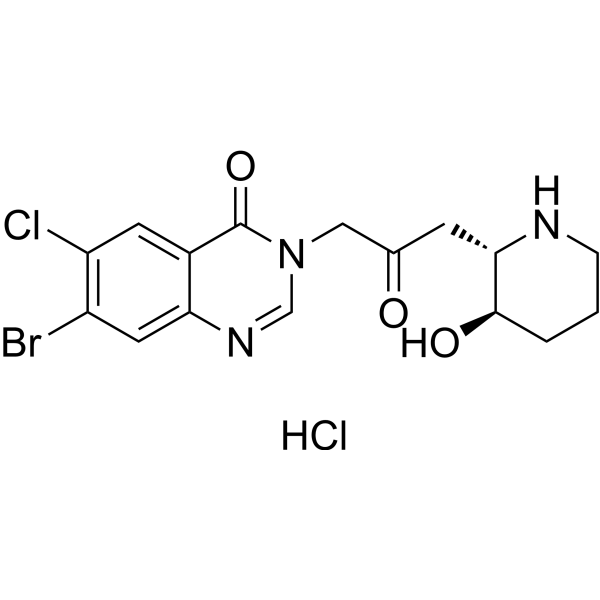
RU-19110 hydrochloride
|
Calcium Channel
DNA/RNA Synthesis
Parasite
Sodium Channel
TGF-beta/Smad
|
Infection
Cardiovascular Disease
Inflammation/Immunology
Cancer
|
|
Halofuginone (RU-19110) hydrobromid, a Febrifugine derivative, is a competitive prolyl-tRNA synthetase inhibitor with a Ki of 18.3 nM. Halofuginone hydrobromid is a specific inhibitor of type-I collagen synthesis and attenuates osteoarthritis (OA) by inhibition of TGF-β activity. Halofuginone hydrobromid is also a potent pulmonary vasodilator by activating Kv channels and blocking voltage-gated, receptor-operated and store-operated Ca 2+ channels. Halofuginone hydrobromid has anti-malaria, anti-inflammatory, anti-cancer, anti-fibrosis effects .
|
-
-
- HY-Z7733
-
|
Desmethylcarvedilol; BM-14242
|
Calcium Channel
|
Metabolic Disease
|
|
O-Desmethylcarvedilol (Desmethylcarvedilol) is an active metabolite of the non-selective β-adrenergic receptor (β-AR) antagonist Carvedilol (HY-B0006). O-Desmethylcarvedilol inhibits store-overload-induced calcium release in HEK293 cells expressing the ryanodine receptor 2 (RyR2) R4496C (RyR2 R4496C) mutation (IC50 = 7.62 µM). O-Desmethylcarvedilol reduces increases in heart rate and prevents decreases in diastolic blood pressure induced by Isoproterenol (HY-B0468) in conscious rabbits (ED50s = 32 and 5 µg/kg, respectively) .
|
-
-
- HY-119381
-
|
Jodfenphos
|
Insecticide
|
Others
|
|
Iodofenphos (Jodfenphos) is an insecticide, that can be used as a protectant for stored grains. Iodofenphos is effective against grain pests, such as Sitophilus oryzae, Tribolium castaneum, and larvae of Trogoderma granarium, and has a significant residual toxicity, which could provide good insect control for several months .
|
-
-
- HY-N6600R
-
|
|
Reference Standards
Environmental Pollutants
Biochemical Assay Reagents
|
Others
|
|
Octadecane is an alkane that is used to store thermal energy at ambient temperature as a phase change material. Octadecane is an alkane used as a phase change material for storing thermal energy at ambient temperature. Octadecane can endow pesticide formulations with environmental responsiveness in the field of agricultural nanomaterials, enabling precise and safe pesticide application.
|
-
-
- HY-100831R
-
|
BTP2 (Standard)
|
Reference Standards
CRAC Channel
|
Inflammation/Immunology
|
|
YM-58483 (Standard) is the analytical standard of YM-58483. This product is intended for research and analytical applications. YM-58483 (BTP2) is the first selective and potent inhibitor of CRAC channels and subsequent Ca2+ signals. YM-584832 is a blocker of store-operated Ca2+ entry (SOCE) .
|
-
-
- HY-P0084A
-
|
SRIF-14 acetate; Somatostatin-14 acetate
|
Endogenous Metabolite
|
Cardiovascular Disease
Metabolic Disease
|
|
Cyclic somatostatin (SRIF-14) acetate is a growth hormone-release inhibiting factor used in the research of severe, acute hemorrhages of gastroduodenal ulcers. Cyclic somatostatin acetate is a neuropeptide co-stored with acetylcholine in the cardiac parasympathetic innervation, exerts influences directly on contraction of ventricular cardiomyocytes. Cyclic somatostatin acetate inhibits the contractile response of isoprenaline with an IC50 value of 13 nM. Cyclic somatostatin acetate can be used for the research of cardiovascular disease .
|
-
-
- HY-119381R
-
|
Jodfenphos (Standard)
|
Reference Standards
Insecticide
|
Infection
|
|
Iodofenphos (Standard) is the analytical standard of Iodofenphos. This product is intended for research and analytical applications. Iodofenphos (Jodfenphos) is an insecticide, that can be used as a protectant for stored grains. Iodofenphos is effective against grain pests, such as Sitophilus oryzae, Tribolium castaneum, and larvae of Trogoderma granarium, and has a significant residual toxicity, which could provide good insect control for several months .
|
-
-
- HY-B1837R
-
|
|
Reference Standards
Sodium Channel
|
Infection
|
|
Cyfluthrin (Standard) is the analytical standard of Cyfluthrin. This product is intended for research and analytical applications. Cyfluthrin is a type II pyrethroid and has effects on various insects. Cyfluthrin is a modulator of Nav1.8 sodium channels by repetitive stimulation. Cyfluthrin can be applied in agriculture,veterinary, insecticide,pyrethroid and stored product[1][2].
|
-
-
- HY-117097
-
-
-
- HY-NP0205
-
-
- HY-N10100
-
|
|
Others
|
Others
|
|
Epiglobulol is a natural product that can be isolated from Atalantia buxifolia. Epiglobulol is a principal components of essential oil which has significant contact toxicity against three stored-product insects .
|
-
- HY-B1558
-
|
MCI-2016 free base
|
Calcium Channel
|
Neurological Disease
|
|
Bifemelane is a nootropic compound. Bifemelan causes the first peak by stimulating release from intracellular Ca 2+ stores and the second by capacitive entry through store–operated Ca 2+ channels. Bifemelane will be provided as a pharmacological tool for basic studies on astrocytes .
|
-
- HY-N1370R
-
|
Sodium Tanshinone IIA sulfonate (Standard); Tanshinone IIA sodium sulfonate (Standard)
|
Reference Standards
CRAC Channel
|
Cardiovascular Disease
Cancer
|
|
Tanshinone IIA sulfonate (sodium) (Standard) is the analytical standard of Tanshinone IIA sulfonate (sodium). This product is intended for research and analytical applications. Tanshinone IIA sulfonate (sodium) is a derivative of tanshinone IIA, which acts as an inhibitor of store-operated Ca2+ entry (SOCE), and is used to treat cardiovascular disorders.
|
-
- HY-B1837S
-
|
β-Cyfluthi-d6
|
Isotope-Labeled Compounds
Sodium Channel
|
Infection
|
|
Cyfluthrin-d6 (β-Cyfluthi-d6) is deuterium labeled Cyfluthrin. Cyfluthrin is a type II pyrethroid and has effects on various insects. Cyfluthrin is a modulator of Nav1.8 sodium channels by repetitive stimulation. Cyfluthrin can be applied in agriculture,veterinary, insecticide,pyrethroid and stored product .
|
-
- HY-N2344R
-
|
Proanthocyanidin A1 (Standard)
|
Reference Standards
PKC
|
Inflammation/Immunology
|
|
Procyanidin A1 (Standard) is the analytical standard of Procyanidin A1. This product is intended for research and analytical applications. Procyanidin A1 (Proanthocyanidin A1) is a procyanidin dimer, which inhibits degranulation downstream of protein kinase C activation or Ca2+ influx from an internal store in RBL-213 cells. Procyanidin A1 has antiallergic effects .
|
-
- HY-W800649
-
|
|
Biochemical Assay Reagents
|
Others
|
|
Aminooxy-PEG2-amine hydrochloride (compound L3) is an aqueous soluble crosslinker. The aminooxy group can be used in bioconjugation. It reacts with an aldehyde to form an oxime bond, if a reductant is used, it will form a hydroxylamine linkage. The amino group is reactive with carboxylic acids, activated NHS esters, carbonyls (ketone, aldehyde) etc. Aminooxy compounds are very reactive and sensitive; they cannot be stored for long term .
|
-
- HY-B1640A
-
|
Etacrynic acid sodium; Sodium etacrynate
|
NF-κB
Glutathione S-transferase
Calcium Channel
NO Synthase
|
Cardiovascular Disease
Inflammation/Immunology
Cancer
|
|
Ethacrynic acid (Etacrynic acid sodium) sodium is a diuretic. Ethacrynic acid sodium is an inhibitor of glutathione S-transferases (GSTs). Ethacrynic acid sodium is a potent inhibitor of NF-kB-signaling pathway, and also modulates leukotriene formation. Ethacrynic acid sodium also inhibits L-type voltage-dependent and store-operated calcium channel, leading to relaxation of airway smooth muscle (ASM) cells. Ethacrynic acid sodium has anti-inflammatory properties that reduces the retinoid-induced ear edema in mice .
|
-
- HY-108538
-
|
|
Glutathione S-transferase
NF-κB
Calcium Channel
|
Inflammation/Immunology
|
|
Ethacrynic acid D5 is a deuterium labeled Ethacrynic acid. Ethacrynic acid is a diuretic. Ethacrynic acid is an inhibitor of glutathione S-transferases (GSTs). Ethacrynic acid is a potent inhibitor of NF-kB-signaling pathway, and also modulates leukotriene formation. Ethacrynic acid also inhibits L-type voltage-dependent and store-operated calcium channel, leading to relaxation of airway smooth muscle (ASM) cells. Ethacrynic acid has anti-inflammatory properties that reduces the retinoid-induced ear edema in mice .
|
-
- HY-W105272R
-
|
|
Reference Standards
Endogenous Metabolite
|
Metabolic Disease
|
|
Halofuginone (Standard) is the analytical standard of Halofuginone. This product is intended for research and analytical applications. Halofuginone (RU-19110), a Febrifugine derivative, is a competitive prolyl-tRNA synthetase inhibitor with a Ki of 18.3 nM . Halofuginone is a specific inhibitor of type-I collagen synthesis and attenuates osteoarthritis (OA) by inhibition of TGF-β activity . Halofuginone is also a potent pulmonary vasodilator by activating Kv channels and blocking voltage-gated, receptor-operated and store-operated Ca2+ channels. Halofuginone has anti-malaria, anti-inflammatory, anti-cancer, anti-fibrosis effects .
|
-
- HY-N1584BR
-
|
RU-19110 hydrochloride (Standard)
|
Reference Standards
Calcium Channel
DNA/RNA Synthesis
Parasite
Sodium Channel
TGF-beta/Smad
|
Infection
Cardiovascular Disease
Inflammation/Immunology
Cancer
|
|
Halofuginone (hydrochloride) (Standard) is the analytical standard of Halofuginone (hydrochloride). This product is intended for research and analytical applications. Halofuginone (RU-19110) hydrobromid, a Febrifugine derivative, is a competitive prolyl-tRNA synthetase inhibitor with a Ki of 18.3 nM. Halofuginone hydrobromid is a specific inhibitor of type-I collagen synthesis and attenuates osteoarthritis (OA) by inhibition of TGF-β activity. Halofuginone hydrobromid is also a potent pulmonary vasodilator by activating Kv channels and blocking voltage-gated, receptor-operated and store-operated Ca2+ channels. Halofuginone hydrobromid has anti-malaria, anti-inflammatory, anti-cancer, anti-fibrosis effects [4] .
|
-
- HY-166478S
-
|
Desmethylcarvedilol-d5; BM-14242-d5
|
Isotope-Labeled Compounds
Calcium Channel
|
Metabolic Disease
|
|
O-Desmethyl carvedilol-d5 (Desmethylcarvedilol-d5) is deuterium labeled O-Desmethylcarvedilol. O-Desmethylcarvedilol (Desmethylcarvedilol) is an active metabolite of the non-selective β-adrenergic receptor (β-AR) antagonist Carvedilol (HY-B0006). O-Desmethylcarvedilol inhibits store-overload-induced calcium release in HEK293 cells expressing the ryanodine receptor 2 (RyR2) R4496C (RyR2 R4496C) mutation (IC50 = 7.62 μM). O-Desmethylcarvedilol reduces increases in heart rate and prevents decreases in diastolic blood pressure induced by Isoproterenol (HY-B0468) in conscious rabbits (ED50s = 32 and 5 μg/kg, respectively) .
|
-
- HY-N1353R
-
|
|
Reference Standards
Others
p38 MAPK
|
Cardiovascular Disease
Inflammation/Immunology
|
|
Rhamnocitrin (Standard) is the analytical standard of Rhamnocitrin. This product is intended for research and analytical applications. Rhamnocitrin is an anti-inflammatory and antioxidant agent that targets STIM-1, NFATc3 and MAPK pathways and can scavenge DPPH (IC50=28.38 mM). Rhamnocitrin selectively inhibits oxidative stress and inflammatory responses in vascular endothelial cells and neurons. Rhamnocitrin up-regulates miR-185 to inhibit STIM-1-mediated store-operated calcium entry (SOCE), thereby blocking NFATc3 nuclear translocation and downstream inflammatory factor expression, while inducing heme oxygenase HO-1 expression and regulating the ERK/p38 MAPK pathway, inhibiting antioxidant and pro-inflammatory cytokines (such as IL-6, IL-8) and adhesion molecules (such as ICAM-1, VCAM-1). Rhamnocitrin can be used in the study of endothelial-related inflammatory diseases (such as sepsis, acute lung injury, atherosclerosis) and neuroprotection (such as oxidative damage of PC12 cells) .
|
-
- HY-103059R
-
|
|
Reference Standards
Calcium Channel
|
Cardiovascular Disease
|
|
SOICR-IN-1 (Standard) is the analytical standard of SOICR-IN-1 (HY-103059). This product is intended for research and analytical applications. SOICR-IN-1 (compound 32) is a store-overload induced calcium release (SOICR) inhibitor with an IC50 value of 14.6 μM. SOICR-IN-1 can be used for the research of cardiac arrhythmias .
|
-
- HY-E70932
-
|
|
Phosphatase
|
Metabolic Disease
|
|
Non-Prostatic Acid Phosphatase, Sweet Potato (EC 3.1.3.2), a type of enzyme, used to free attached phosphoryl groups from other molecules during digestion. Acid phosphatase is stored in lysosomes and functions when these fuse with endosomes, which are acidified while they function; therefore, it has an acid pH optimum. This enzyme is present in many animal and plant species.
|
-
- HY-W800650
-
|
|
Biochemical Assay Reagents
|
Others
|
|
Aminooxy-PEG1-amine is a chemical reagent containing an aminooxy group and a primary amine. The aminooxy group is reactive with an aldehyde to form an oxime bond. If a reductant is used, it will form a hydroxylamine linkage. The amino group is reactive withactivated NHS esters, or carboxylic acid in the presence of coupling reagent EDC. Aminooxy compounds are very reactive and sensitive; they cannot be stored for long term.
|
-
- HY-N18470
-
|
|
DNA/RNA Synthesis
Apoptosis
Reactive Oxygen Species (ROS)
|
Inflammation/Immunology
|
|
Gadusol is a potent, maternally supplied natural sunscreen. Gadusol is synthesized by the mother during oogenesis and stored in eggs, representing the primary sunscreen mechanism during the early developmental stages of fish. Gadusol directly prevents UVB-induced DNA damage and reduces the generation of ROS thereby avoiding cellular stress and apoptosis. Gadusol does not exert antioxidant functions in zebrafish embryos. Gadusol can be used in studies related to topical photoprotective cosmetics .
|
-
- HY-W014277
-
|
|
Drug Metabolite
|
Others
|
|
2,6-Diisopropylnaphthalene is a substituted naphthalene compound, metabolite precursor and potato sprout inhibitor. 2,6-Diisopropylnaphthalene is metabolized in rats only via oxidation of its isopropyl chains, producing five major unconjugated urinary metabolites, glucuronide conjugates of these metabolites, while a small amount of the parent drug is excreted in urine. 2,6-Diisopropylnaphthalene inhibits sprouting of stored potato tubers; when used alone, it only provides a short-term sprout-inhibiting effect .
|
-
-
-
HY-L231
-
|
|
26 compounds
|
|
The TCA cycle (tricarboxylic acid cycle)—is also known as the Krebs cycle or the citric acid cycle (CAC). The TCA cycle is a series of chemical reactions that release stored energy through the oxidation of acetyl-CoA in carbohydrates, fats, and proteins.
For decades, the TCA cycle has been considered as the central pathway for cell oxidative phosphorylation to produce energy and biosynthesis. Research shows that TCA cycle is associated with many diseases, especially cancer. In colon carcinoma, liver cancer and other cancers, there are mutations that lead to the imbalance of TCA cycle metabolites, indicating that TCA cycle may be related to the occurrence of cancer. Understanding the role and molecular mechanism of TCA cycle in inhibiting or promoting cancer progression will promote the development of new metabolite-based cancer treatment methods in the future.
MCE supplies a unique collection of 26 key intermediates of the TCA cycle, which can be utilized for TCA-related research and metabolomics identification studies.
|
-
-
HY-L148
-
|
|
72 compounds
|
|
The TCA cycle (tricarboxylic acid cycle)—is also known as the Krebs cycle or the citric acid cycle (CAC). The TCA cycle is a series of chemical reactions that release stored energy through the oxidation of acetyl-CoA in carbohydrates, fats, and proteins.
For decades, the TCA cycle has been considered as the central pathway for cell oxidative phosphorylation to produce energy and biosynthesis. Research shows that TCA cycle is associated with many diseases, especially cancer. In colon carcinoma, liver cancer and other cancers, there are mutations that lead to the imbalance of TCA cycle metabolites, indicating that TCA cycle may be related to the occurrence of cancer. Understanding the role and molecular mechanism of TCA cycle in inhibiting or promoting cancer progression will promote the development of new metabolite-based cancer treatment methods in the future.
MCE supplies a unique collection of 72 compounds related to the TCA cycle. MCE TCA Cycle Compound Library is a useful tool for the TCA cycle related research and anti-cancer drug development. p>
|
-
-
HY-L022M
-
|
|
3,220 compounds
|
|
New drug development is a time-consuming and high-cost process. Drug repurposing (also called drug repositioning, reprofiling or re‑tasking) offers various advantages over developing an entirely new drug for a given indication. First, the risk of failure is lower. Second, the time frame for drug development can be reduced. Third, less investment is needed. Approved drugs have identified bioactivities, good pharmacokinetic characteristics and safety which are suitable for drug repurposing.
MCE owns a unique collection of 3,220 approved compounds which have been completed extensive preclinical and clinical studies and have well-characterized bioactivities, safety and bioavailability properties. The package of this library is 96-well microplate with peelable foil seal, which makes the screening process easier and faster.
|
| Cat. No. |
Product Name |
Type |
-
- HY-D1617
-
|
|
Fluorescent Dyes
|
|
BODIPY 500/510 C1, C12 is a BODIPY dye. BODIPY dye is a small molecule dye with strong ultraviolet absorption ability, its fluorescence peak is relatively sharp, and the quantum yield is high. They are relatively insensitive to the polarity and pH of the environment and are relatively stable under different physiological conditions. Due to its structural asymmetry, BODIPY derives a variety of structural products. BODIPY lipid droplet dyes can well pass through the cell membrane into the cell, and localize the neutral lipids in the cell to specifically stain the lipid droplets, which can be used for labeling of live cells and fixed cells . Maximum excitation/emission wavelength: 500/510 nm . Protect from light, stored at -20°C.
|
| Cat. No. |
Product Name |
Type |
-
- HY-W017054
-
|
|
Biochemical Assay Reagents
|
|
2-Amino-2-methyl-1,3-propanediol is a solid-solid phase change material with energy release and heat storage properties. 2-Amino-2-methyl-1,3-propanediol can crystallize from a supercooled solid state, release thermal energy during heating, and store thermal energy in the supercooled solid state. 2-Amino-2-methyl-1,3-propanediol can be used in the production of surfactants, vulcanization accelerators, and as a biological buffer .
|
-
- HY-NP007
-
|
|
Biochemical Assay Reagents
|
|
Myoglobin is a small molecular pigment protein formed by binding globin to Heme, which can be reversibly bound to oxygen to form MbO2, MbO2 is called oxymyoglobin, and Mb is called deoxymyoglobin. Myoglobin has the role of transporting and storing oxygen in muscle cells .
|
-
- HY-NP0205
-
|
|
Biochemical Assay Reagents
|
|
Sheep transferrin is a sheep-derived protein that transports iron from the absorption site to cells, where it is stored or utilized .
|
| Cat. No. |
Product Name |
Target |
Research Area |
-
- HY-P0084
-
|
SRIF-14; Somatostatin-14
|
Endogenous Metabolite
|
Cardiovascular Disease
Neurological Disease
|
|
Cyclic somatostatin (SRIF-14) is a growth hormone-release inhibiting factor used in the research of severe, acute hemorrhages of gastroduodenal ulcers. Cyclic somatostatin is a neuropeptide co-stored with acetylcholine in the cardiac parasympathetic innervation, exerts influences directly on contraction of ventricular cardiomyocytes. Cyclic somatostatin inhibits the contractile response of isoprenaline with an IC50 value of 13 nM. Cyclic somatostatin can be used for the research of cardiovascular disease .
|
-
- HY-P1077
-
CALP1
3 Publications Verification
|
mGluR
Phosphodiesterase (PDE)
Apoptosis
Calmodulin
|
Inflammation/Immunology
|
|
CALP1 is a calmodulin (CaM) agonist (Kd of 88 µM) with binding to the CaM EF-hand/Ca 2+-binding site. CALP1 blocks calcium influx and apoptosis (IC50 of 44.78 µM) through inhibition of calcium channel opening. CALP1 blocks glutamate receptor channels and blocks a store-operated nonselective cation channel. CALP1 activates CaM-dependent phosphodiesterase activity .
|
-
- HY-P1077A
-
|
|
mGluR
Phosphodiesterase (PDE)
Apoptosis
Calmodulin
|
Inflammation/Immunology
|
|
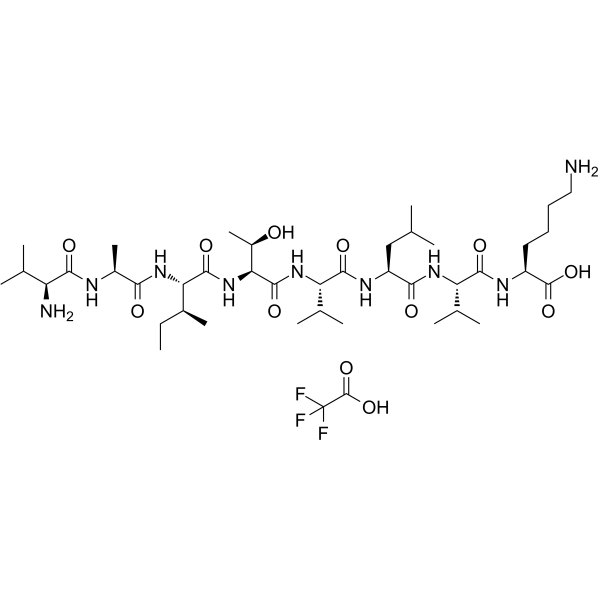
CALP1 TFA is a calmodulin (CaM) agonist (Kd of 88 µM) with binding to the CaM EF-hand/Ca 2+-binding site. CALP1 TFA blocks calcium influx and apoptosis (IC50 of 44.78 µM) through inhibition of calcium channel opening. CALP1 TFA blocks glutamate receptor channels and blocks a store-operated nonselective cation channel. CALP1 TFA activates CaM-dependent phosphodiesterase activity .
|
-
- HY-P2302
-
|
|
Antibiotic
Bacterial
Fungal
|
Infection
Inflammation/Immunology
Cancer
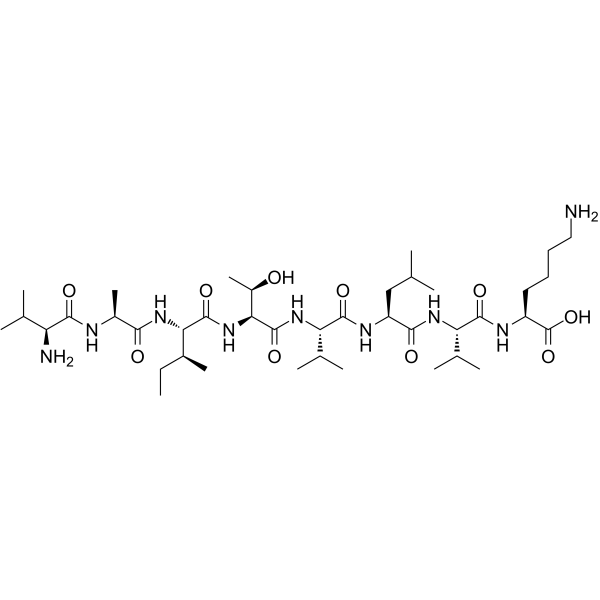
|
|
Defensin HNP-3 human is an α-defensin stored in the azurophilic granules of human neutrophils. Defensin HNP-3 human exerts broad-spectrum bactericidal, antifungal and antiviral activities mainly by forming bacterial membrane pores, and acts as a chemoattractant for monocytes and T cells. Defensin HNP-3 human maintains epithelial integrity to support periodontal tissue homeostasis, and exerts concentration-dependent effects on epithelial cell proliferation, adhesion and bacterial adhesion. Defensin HNP-3 human targets solid tumors and leukemia by inducing single-strand DNA breaks and membrane permeabilization in tumor cells via electrostatic binding and pore formation. Defensin HNP-3 human is abundant in human tongue squamous cell carcinoma and neutrophils infiltrating oral squamous cell carcinoma. Defensin HNP-3 human can be applied to research related to periodontitis and human tongue squamous cell carcinoma .
|
-
- HY-P3689
-
|
|
CGRP Receptor
Adenylate Cyclase
|
Others
|
|
[Tyr22] Calcitonin Gene Related Peptide, (22-37), rat is a fragments 22-37 of rat calcitonin gene related peptide (CGRP), targeting CGRP receptor and adenylate cyclase. Calcitonin is mainly produced by thyroid C cells while CGRP is secreted and stored in the nervous system .
|
-
- HY-P4851
-
|
Manse-AKH
|
Peptides
|
Others
|
|
Adipokinetic Hormone (Apis mellifera ligustica, Bombyx mori, Heliothis zea, Manduca sexta) is a common peptide among various insects. Adipokinetic Hormone induces strong adipokinetic/hypertrehalosemic response. However Adipokinetic Hormone has no a glycogen-mobilizing function nor an adequate glycogen store in fat body for its effective utilization .
|
-
- HY-P0084A
-
|
SRIF-14 acetate; Somatostatin-14 acetate
|
Endogenous Metabolite
|
Cardiovascular Disease
Metabolic Disease
|
|
Cyclic somatostatin (SRIF-14) acetate is a growth hormone-release inhibiting factor used in the research of severe, acute hemorrhages of gastroduodenal ulcers. Cyclic somatostatin acetate is a neuropeptide co-stored with acetylcholine in the cardiac parasympathetic innervation, exerts influences directly on contraction of ventricular cardiomyocytes. Cyclic somatostatin acetate inhibits the contractile response of isoprenaline with an IC50 value of 13 nM. Cyclic somatostatin acetate can be used for the research of cardiovascular disease .
|
-
- HY-P3826
-
|
|
Peptides
|
Neurological Disease
|
|
Chromogranin A (324-337), human is a peptide fragment of chromogranin A, it can be isolated from human ileal carcinoid tumor. Chromogranin A is a soluble glycoprotein stored with hormones and neuropeptides in secretory granules of most (neuro)endocrine cells and neurons, and it is also a plasma marker of neuroendocrine tumors .
|
-
- HY-K0608
-
|
|
|
MCE Masson Staining Kit can simultaneously stain various tissue components, such as cell nuclei, collagen fibers, and muscle fibers. It features low toxicity, environmental friendliness, simple operation, and stable performance. The staining results show clear coloration and high contrast. The stained sections can be stored for long periods with minimal fading, facilitating long-term preservation and image analysis. This kit is widely used in studies of connective tissue, muscle tissue, and collagen fibers, and is suitable for histological observation and related pathological analyses.
|
-
- HY-K0609
-
|
|
|
MCE Modified Masson Staining Kit employs Celestine Blue hematoxylin for light nuclear staining, offering shorter differentiation time compared to conventional methods. It features low toxicity, environmental friendliness, simple operation, and stable performance. The staining results show clear coloration and high contrast. The stained sections can be stored for long periods with minimal fading, facilitating long-term preservation and image analysis. This kit is widely used in studies of connective tissue, muscle tissue, and collagen fibers, and is suitable for histological observation and related pathological analyses.
|
| Cat. No. |
Product Name |
Target |
Research Area |
Image |
-
- HY-P990125
-
|
|
c-Fms
|
Cardiovascular Disease
Neurological Disease
Metabolic Disease
Inflammation/Immunology
|
|
Anti-Mouse (CSF1R/CD115) Antibody (AFS98) is an anti-mouse CSF1R IgG2a antibody inhibitor derived from rats. Anti-Mouse (CSF1R/CD115) Antibody (AFS98) inhibits M-CSF-dependent colony formation and cell growth by blocking the binding of M-CSF to its receptor. Anti-Mouse (CSF1R/CD115) Antibody (AFS98) can be used for the researches of inflammation, metabolic disease, cardiovascular disease and neurological disease, such as such as stroke, diabetes and arthritis .
|
-
(5)
| Cat. No. |
Product Name |
Category |
Target |
Chemical Structure |
-
- HY-N1584
-
-
-
- HY-N1370
-
-
-
- HY-N1584A
-
-
-
- HY-N1353
-
|
|
Cardiovascular Disease
Flavonols
Flavonoids
other families
Classification of Application Fields
Phenols
Polyphenols
Plants
Disease Research Fields
Source Classification
|
p38 MAPK
|
|
Rhamnocitrin is an anti-inflammatory and antioxidant agent that targets STIM-1, NFATc3 and MAPK pathways and can scavenge DPPH (IC50=28.38 mM). Rhamnocitrin selectively inhibits oxidative stress and inflammatory responses in vascular endothelial cells and neurons. Rhamnocitrin up-regulates miR-185 to inhibit STIM-1-mediated store-operated calcium entry (SOCE), thereby blocking NFATc3 nuclear translocation and downstream inflammatory factor expression, while inducing heme oxygenase HO-1 expression and regulating the ERK/p38 MAPK pathway, inhibiting antioxidant and pro-inflammatory cytokines (such as IL-6, IL-8) and adhesion molecules (such as ICAM-1, VCAM-1). Rhamnocitrin can be used in the study of endothelial-related inflammatory diseases (such as sepsis, acute lung injury, atherosclerosis) and neuroprotection (such as oxidative damage of PC12 cells) .
|
-
-
- HY-N2344
-
-
-
- HY-129476
-
-
-
- HY-W012658
-
-
-
- HY-W017054
-
|
|
Source Classification
|
Biochemical Assay Reagents
|
|
2-Amino-2-methyl-1,3-propanediol is a solid-solid phase change material with energy release and heat storage properties. 2-Amino-2-methyl-1,3-propanediol can crystallize from a supercooled solid state, release thermal energy during heating, and store thermal energy in the supercooled solid state. 2-Amino-2-methyl-1,3-propanediol can be used in the production of surfactants, vulcanization accelerators, and as a biological buffer .
|
-
-
- HY-N6067
-
-
-
- HY-N1584R
-
-
-
- HY-N1584AR
-
-
-
- HY-W015850
-
-
-
- HY-N10100
-
-
-
- HY-N1370R
-
-
-
- HY-N2344R
-
-
-
- HY-W105272R
-
|
|
Structural Classification
Natural Products
Endogenous metabolite
Source Classification
|
Reference Standards
Endogenous Metabolite
|
|
Halofuginone (Standard) is the analytical standard of Halofuginone. This product is intended for research and analytical applications. Halofuginone (RU-19110), a Febrifugine derivative, is a competitive prolyl-tRNA synthetase inhibitor with a Ki of 18.3 nM . Halofuginone is a specific inhibitor of type-I collagen synthesis and attenuates osteoarthritis (OA) by inhibition of TGF-β activity . Halofuginone is also a potent pulmonary vasodilator by activating Kv channels and blocking voltage-gated, receptor-operated and store-operated Ca2+ channels. Halofuginone has anti-malaria, anti-inflammatory, anti-cancer, anti-fibrosis effects .
|
-
-
- HY-N1353R
-
|
|
Flavonols
Structural Classification
Flavonoids
other families
Phenols
Polyphenols
Plants
Source Classification
|
Reference Standards
Others
p38 MAPK
|
|
Rhamnocitrin (Standard) is the analytical standard of Rhamnocitrin. This product is intended for research and analytical applications. Rhamnocitrin is an anti-inflammatory and antioxidant agent that targets STIM-1, NFATc3 and MAPK pathways and can scavenge DPPH (IC50=28.38 mM). Rhamnocitrin selectively inhibits oxidative stress and inflammatory responses in vascular endothelial cells and neurons. Rhamnocitrin up-regulates miR-185 to inhibit STIM-1-mediated store-operated calcium entry (SOCE), thereby blocking NFATc3 nuclear translocation and downstream inflammatory factor expression, while inducing heme oxygenase HO-1 expression and regulating the ERK/p38 MAPK pathway, inhibiting antioxidant and pro-inflammatory cytokines (such as IL-6, IL-8) and adhesion molecules (such as ICAM-1, VCAM-1). Rhamnocitrin can be used in the study of endothelial-related inflammatory diseases (such as sepsis, acute lung injury, atherosclerosis) and neuroprotection (such as oxidative damage of PC12 cells) .
|
-
-
- HY-N18470
-
|
|
Structural Classification
Natural Products
Animals
Source Classification
|
DNA/RNA Synthesis
Apoptosis
Reactive Oxygen Species (ROS)
|
|
Gadusol is a potent, maternally supplied natural sunscreen. Gadusol is synthesized by the mother during oogenesis and stored in eggs, representing the primary sunscreen mechanism during the early developmental stages of fish. Gadusol directly prevents UVB-induced DNA damage and reduces the generation of ROS thereby avoiding cellular stress and apoptosis. Gadusol does not exert antioxidant functions in zebrafish embryos. Gadusol can be used in studies related to topical photoprotective cosmetics .
|
-
| Cat. No. |
Product Name |
Chemical Structure |
-
- HY-N6600S
-
|
|
|
Octadecane-d38 is the deuterium labeled Octadecane. Octadecane is an alkane used as a phase change material for storing thermal energy at ambient temperature. Octadecane can endow pesticide formulations with environmental responsiveness in the field of agricultural nanomaterials, enabling precise and safe pesticide application .
|
-
-
- HY-B1837S
-
|
|
|
Cyfluthrin-d6 (β-Cyfluthi-d6) is deuterium labeled Cyfluthrin. Cyfluthrin is a type II pyrethroid and has effects on various insects. Cyfluthrin is a modulator of Nav1.8 sodium channels by repetitive stimulation. Cyfluthrin can be applied in agriculture,veterinary, insecticide,pyrethroid and stored product .
|
-
-
- HY-166478S
-
|
|
|
O-Desmethyl carvedilol-d5 (Desmethylcarvedilol-d5) is deuterium labeled O-Desmethylcarvedilol. O-Desmethylcarvedilol (Desmethylcarvedilol) is an active metabolite of the non-selective β-adrenergic receptor (β-AR) antagonist Carvedilol (HY-B0006). O-Desmethylcarvedilol inhibits store-overload-induced calcium release in HEK293 cells expressing the ryanodine receptor 2 (RyR2) R4496C (RyR2 R4496C) mutation (IC50 = 7.62 μM). O-Desmethylcarvedilol reduces increases in heart rate and prevents decreases in diastolic blood pressure induced by Isoproterenol (HY-B0468) in conscious rabbits (ED50s = 32 and 5 μg/kg, respectively) .
|
-
| Cat. No. |
Product Name |
|
Classification |
-
- HY-103310
-
MRS1845
1 Publications Verification
|
|
Alkynes
|
|
MRS1845 is a selective store-operated calcium (SOC) channel inhibitor with an IC50 of 1.7 μM . MRS1845 is an ORAI1 inhibitor . MRS1845 is a click chemistry reagent, it contains an Alkyne group and can undergo copper-catalyzed azide-alkyne cycloaddition (CuAAc) with molecules containing Azide groups.
|
Your information is safe with us. * Required Fields.
Inquiry Information
- Product Name:
- Cat. No.:
- Quantity:
- MCE Japan Authorized Agent:

