
1. Search Result
Search Result
Results for "

TME

" in MedChemExpress (MCE) Product Catalog:

20

Inhibitors & Agonists

1

Inhibitory Antibodies

1

Isotope-Labeled Compounds

Cat. No. Product Name Target Research Areas Chemical Structure
  • HY-148029

    TAK-676

    STING Cancer
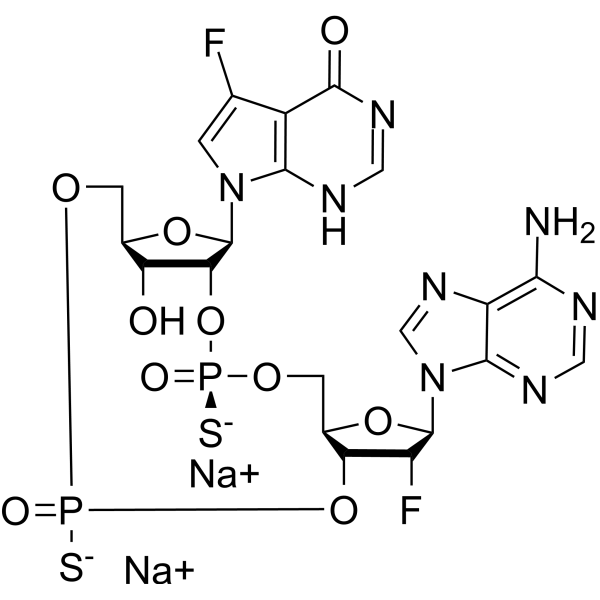
    Dazostinag disodium (TAK-676) is an agonist of STING, triggering the activation of STING signaling pathway and type I interferons. Dazostinag disodium is also a modulator of immune system, resulting complete regressions and durable memory T-cell immunity. Dazostinag disodium promotes durable IFN-dependent antitumor immunity .
    Dazostinag disodium
  • HY-136198

    Syk PI3K Cancer
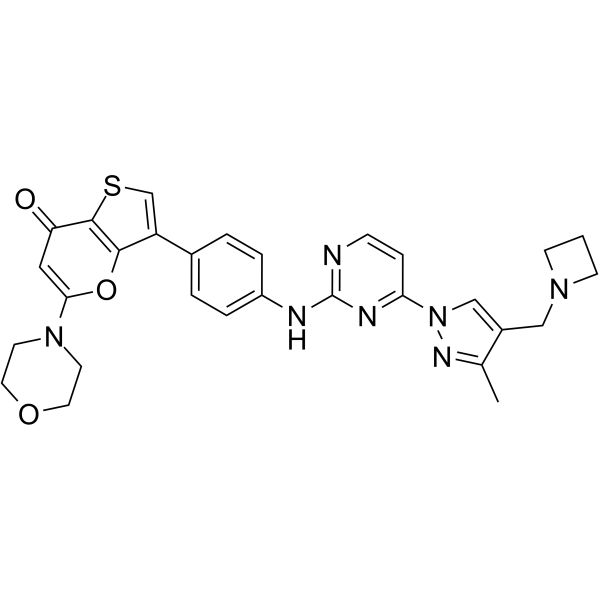
    SRX3207 is an orally active and first-in-class dual Syk/PI3K inhibitor, with IC50 values of 10.7 nM and 861 nM for Syk and PI3Kα, respectively. SRX3207 relieves tumor immunosuppression .
    SRX3207
  • HY-160831
    PQQ-trimethylester
    1 Publications Verification

    PQQ-TME

    α-synuclein Neurological Disease
    PQQ-trimethylester (PQQ-TME) is a synthetic compound that is a trimethylester derivative of pyrroloquinoline quinone (PQQ). PQQ-trimethylester has twice the blood-brain barrier permeability of PQQ (HY-100196) in vitro. In addition, PQQ-trimethylester shows strong inhibitory activity against α-synuclein, amyloid β1-42 (Aβ1-42) and prion protein fibrillation. PQQ-trimethylester can be used in the study of neurodegenerative diseases .
    PQQ-trimethylester
  • HY-178360

    PROTACs Histone Acetyltransferase HIF/HIF Prolyl-Hydroxylase PD-1/PD-L1 PTEN Metabolic Disease Inflammation/Immunology Cancer
    NP1192 is a potent, selective PROTAC NAT10 degrader that depletes NAT10 protein and inhibits ac4C modification in cancer cells. NP1192 demonstrates dual inhibition of hypoxia-driven glycolysis and immunosuppression via NAT10/HIF-1α/PD-L1 axis disruption, achieving superior antitumor efficacy and synergizing with anti-PD-L1 both in vitro and in vivo. NP1192 can be used for ovarian, cervical, and glioblastoma cancer research. (Blue: CRBN ligand (HY-148834); Black: linker; Pink: NAT10 ligand (HY-16706)) .
    NP1192
  • HY-163642

    Others Cancer
    TNF-α agonistic 1 (compound 22a) can repolarize tumor-associated macrophages (TAMs) in the tumor microenvironment (TME) from the M2 phenotype to the M1 anti-tumor phenotype .
    TNF-α agonistic 1
  • HY-111786

    Toll-like Receptor (TLR) Cancer
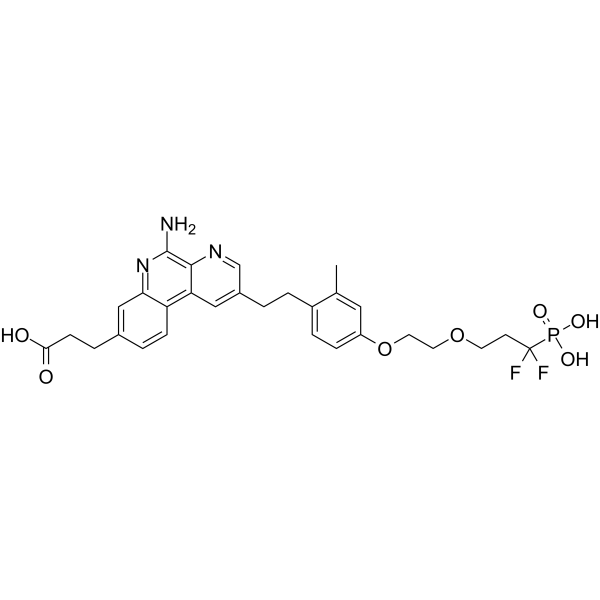
    LHC-165 is a TLR7 agonist. LHC-165 has potential to used in study of solid tumors .
    LHC-165
  • HY-175660

    Heme Oxygenase (HO) Cancer
    KCL-HO-1i is an orally active heme oxygenase-1 (HO-1) inhibitor (rat HO-1: IC50 = 123 nM) and human HO-1: IC50 = 128 nM). KCL-HO-1i targets immunosuppressive LYVE-1 + perivascular tumor-associated macrophages (PvTAMs) in the tumor microenvironment (TME), reduces PvTAM-mediated immune exclusion. KCL-HO-1i demonstrates synergistic anti-tumor efficacy with chemotherapy in MMTV-PyMT spontaneous breast cancer mice or C57Bl/6 mice bearing subcutaneous MN-MCA1 sarcomas. KCL-HO-1i can be used for the study of cancer .
    KCL-HO-1i
  • HY-163146

    Fluorescent Dye Cancer
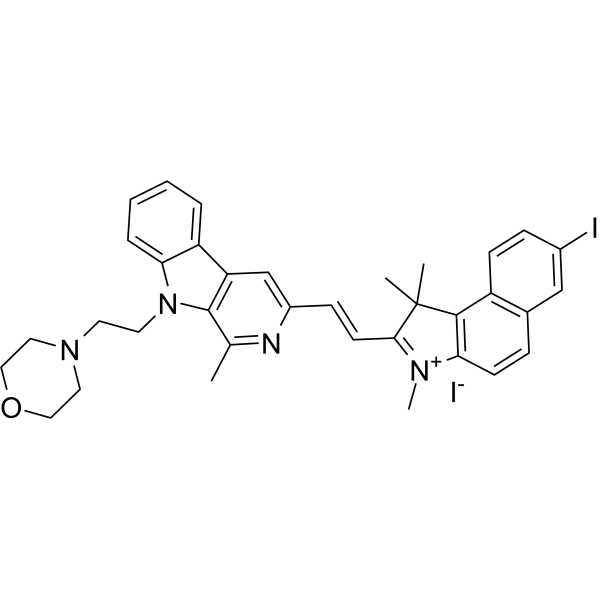
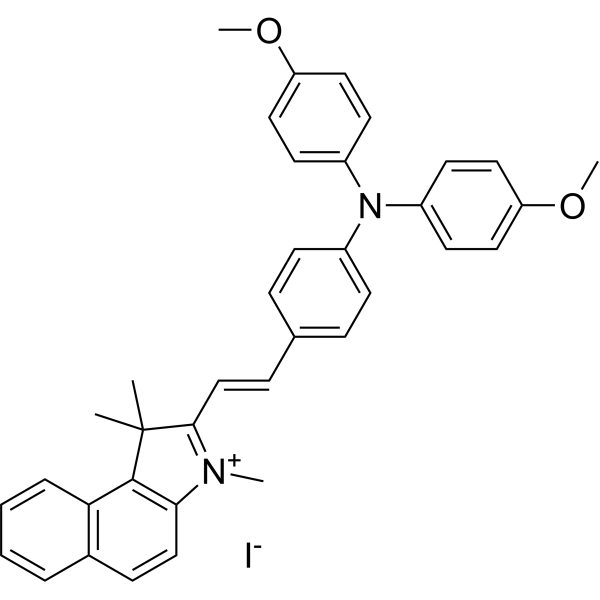
    TME-HYM (PH Probe) is a novel fluorescent probe based on acidic tumor microenvironment (TME) activation and organic anion transporting polypeptide (OATPs, overexpressed on cancer cells), and can be selective uptaken. TME-HYM (PH Probe) can selectively lit up cancer cells and tumor tissues, offering dual tumor selectivity for precise visualization of tumor mass .
    TME-HYM (PH Probe)
  • HY-143325

    HDAC Adenosine Receptor Cancer
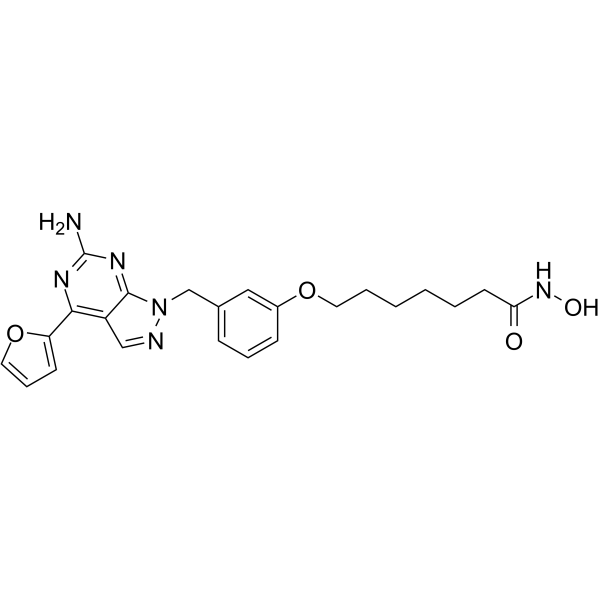
    A2AAR/HDAC-IN-2 is a potent A2AAR/HDAC dual inhibitor, with good binding affinity for A2AAR (Ki=10.3 nM) and good inhibitory activity against HDAC1 (IC50=18.5 nM). A2AAR/HDAC-IN-2 can be used in study of antitumor .
    A2AAR/HDAC-IN-2
  • HY-163607

    Apoptosis NF-κB Cancer
    SpiD3, a spirocyclic dimer, is an anticancer agent. SpiD3 markedly inhibits malignant B-cell proliferation and suppressed NF-κB activation independent of TME-associated stimuli. SpiD3 induces apoptosis and inhibits protein synthesis in chronic lymphocytic leukemia cells. SpiD3 can be used for study of chronic lymphocytic leukemia (CLL) .
    SpiD3
  • HY-165386

    Toll-like Receptor (TLR) NF-κB STAT MMP COX VEGFR Cancer
    TU-100 is a Japanese herbal medicine. TU-100 exhibits anti-cancer effects by regulating cancer-associated fibroblasts (CAFs) in the TME. TU-100 can antagonize the M2 polarization phenotype of macrophages in the tumor microenvironment by suppressing the TLR4/NF-κB/STAT3 axis. TU-100 can inhibit the high expression of MMP-2, COX-2, and VEGF in TAMs .
    TU-100
  • HY-158126

    DNA/RNA Synthesis Cancer
    G-quadruplex ligand 2 (compound A3) is a triphenylamine-based ligand that targets mitochondrial DNA G4s. G-quadruplex ligand 2 activates the cGAS-STING pathway. G-quadruplex ligand 2 inhibits tumor growth and metastasis via regulation of TME .
    G-quadruplex ligand 2
  • HY-118116

    bicyclo-PGEM; bicyclo-Prostaglandin E2

    Drug Metabolite Others
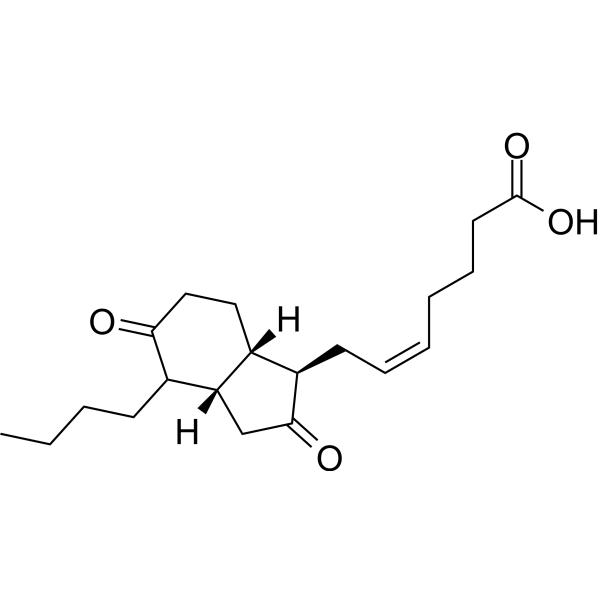
    bicyclo-PGE2 (bicyclo-PGEM) is a stable decomposition product of PGE2 and 13, 14-dihydro-15-ketone PGE2 .
    bicyclo-PGE2
  • HY-151559

    Checkpoint Kinase (Chk) STAT CXCR CCR Cancer
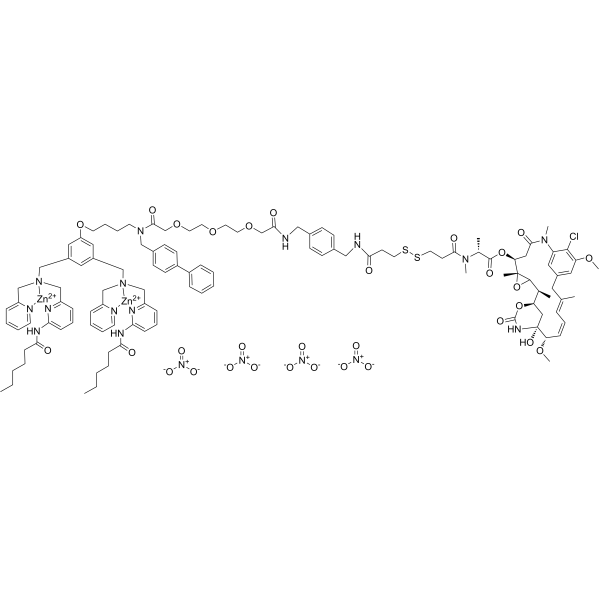
    Zn-DPA-maytansinoid conjugate 1 is a small molecule-based maytansinoid conjugate targeting immune checkpoint. Zn-DPA-maytansinoid conjugate 1 induces lasting regression of tumor growth and rejuvenates tumor microenvironment (TME) to an "inflamed hot tumor" .
    Zn-DPA-maytansinoid conjugate 1
  • HY-130117

    Reactive Oxygen Species (ROS) Apoptosis Cancer
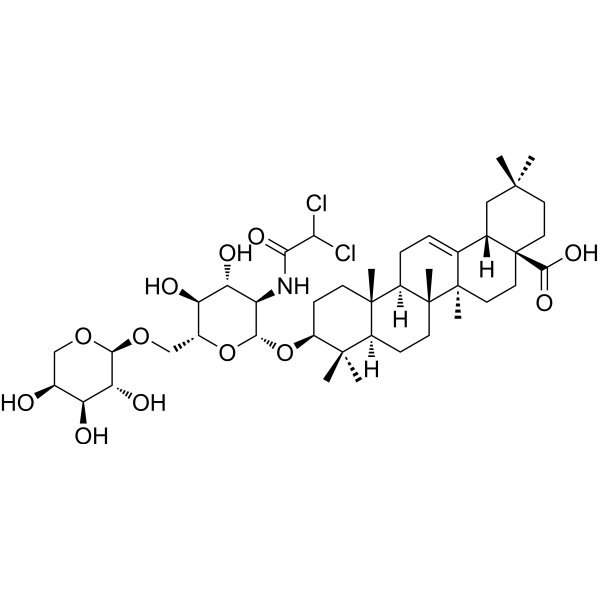
    AlbA-DCA is a conjugate formed by the attachment of Albiziabioside A (AlbA) to a dichloroacetate acid (DCA) subunit. AlbA-DCA can induce a marked increase in intracellular ROS and alleviate the accumulation of lactic acid in tumor microenvironment (TME), and also selectively kills cancer cells and induce apoptosis .
    AlbA-DCA
  • HY-P990038

    ES002023

    NTPDase Neurological Disease
    Eurestobart (ES002023) is a recombinant human IgG1 antibody against CD39. Eurestobart restores antitumor immunity by stabilizing the pro-inflammatory extracellular ATP (eATP) and interfering with synthesis of the immunosuppressive adenosine within the tumor microenvironment (TME). Eurestobart is used in the research of locally advanced and metastatic solid tumors .
    Eurestobart
  • HY-149773S

    MAP4K Inflammation/Immunology Cancer
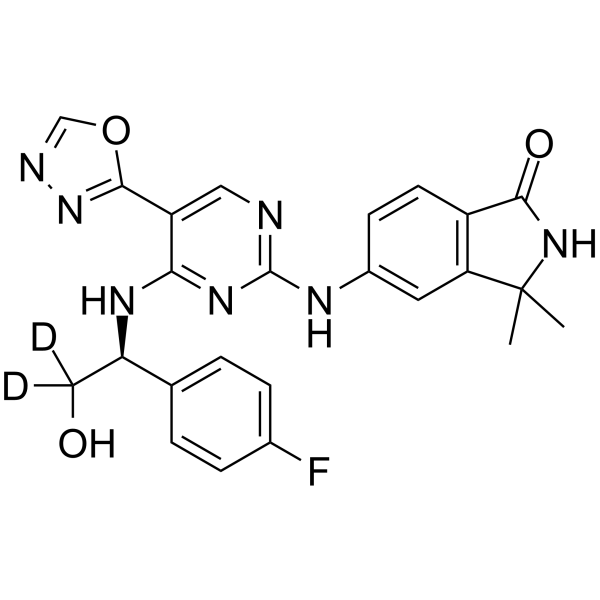
    HPK1-IN-40 (compound 49) is a potent and selective HPK1 inhibitor with an IC50 of 0.9 nM. HPK1-IN-40 reinvigorates T-cell receptor (TCR) signaling, promoting T-cell function and cytokine production in T cells while having anti-cancer activity .
    HPK1-IN-40-d2
  • HY-170877

    SHP2 PI3K Akt Autophagy Cancer
    SHP2-IN-35 (Compound 3f) is the inhibitor for SHP2. SHP2-IN-35 exhibits antiproliferative activity in cancer cells RKO, SW480 and CT26 with IC50 of 5.72 μM, 3.71 μM and 1.42 μM, respectively. SHP2-IN-35 inhibits the PI3K-Akt signaling pathway, regulates the cell cycle associated gene expressions, and induces mitochondrial-related autophagy. SHP2-IN-35 inhibits the expression of certain cytokines and chemokines in the tumor microenvironment (TME), thereby regulating the tumor progression .
    SHP2-IN-35
  • HY-172167

    PD-1/PD-L1 HDAC Inflammation/Immunology Cancer
    PD-L1/HDAC-IN-1 (Compound 14) is the inhibitor for PD-L1 and HDAC that inhibits PD-1/PD-L1 interaction, HDAC2 and HDAC3 with IC50 of 88.10, 27.98 and 14.47 nM, respectively. PD-L1/HDAC-IN-1 exhibits slight cytotoxicity in MCF-7 (IC50=19.34 μM). PD-L1/HDAC-IN-1 upregulates the expression of PD-L1 and CXCL10, promoting anti-tumour immune response by recruiting T-cell infiltration into TME .
    PD-L1/HDAC-IN-1
  • HY-162415

    c-Fms Apoptosis Cancer
    CSF1R-IN-22 (Compound C19) is an orally effective CSF-1R selective inhibitor (IC50<6 nM). CSF1R-IN-22 enhances the secretion of CXCL9 from M2 macrophages, increases CD8 + T cell infiltration. CSF1R-IN-22 boosts anti-tumor immune responses of anti-PD-1, and induces apoptosis in tumor cells. CSF1R-IN-22 can effectively reprogram M2-like TAMs (tumor-associated macrophages) to the M1 phenotype and reshape the TME by inducing the recruitment of CD8 + T cells into tumors and reducing the infiltration of immunosuppressive Tregs and MDSCs .
    CSF1R-IN-22

Inquiry Online

Your information is safe with us. * Required Fields.

Salutation


Country or Region *

Applicant Name *


Organization Name *

Department *


Email Address *


Product Name *

Cat. No.


Requested quantity *

Phone Number *


Remarks

Inquiry Online

Inquiry Information

Product Name:
Cat. No.:
Quantity:
MCE Japan Authorized Agent:

