
1. Search Result
Search Result
Results for "

aglycone

" in MedChemExpress (MCE) Product Catalog:

71

Inhibitors & Agonists

53

Natural
Products

1

Click Chemistry

Cat. No. Product Name Target Research Areas Chemical Structure
  • HY-N2072
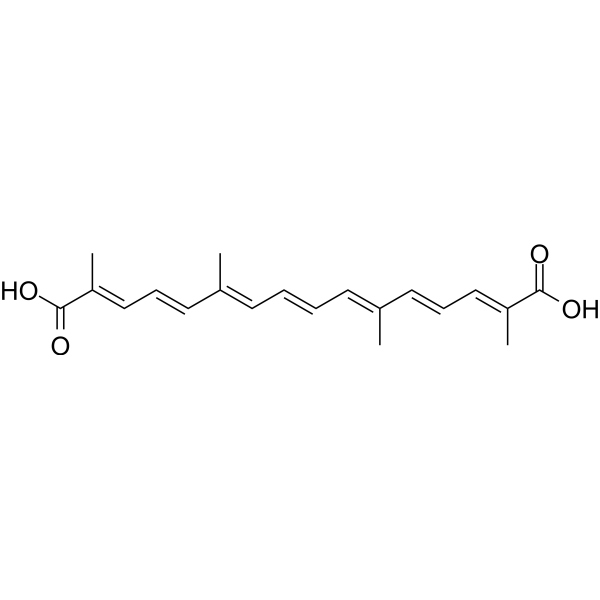
    Crocetin
    3 Publications Verification

    Transcrocetin; trans-Crocetin

    iGluR Apoptosis COX p38 MAPK Neurological Disease Inflammation/Immunology Cancer
    Crocetin (Transcrocetin) is an aglycone of crocin. Crocetin is an orally active and brain-penetrant. Crocetin shows strong NMDA receptor affinity and channel opening activity. Crocetin can downregulate the proinflammatory cytokines and COX-2 exoression. Crocetin can inhibit apoptosis and activation of MAPK. Crocetin can delay delays brain and body aging. Crocetin can be used for the researches of cancer, neurological disease and inflammation, such as cervical cancer and ischemia .
    Crocetin
  • HY-N6833
    Rebaudioside M
    1 Publications Verification

    Others Metabolic Disease Inflammation/Immunology Cancer
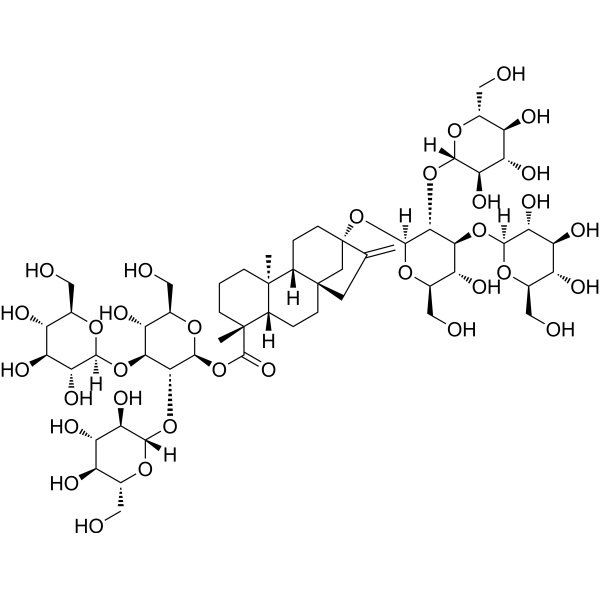
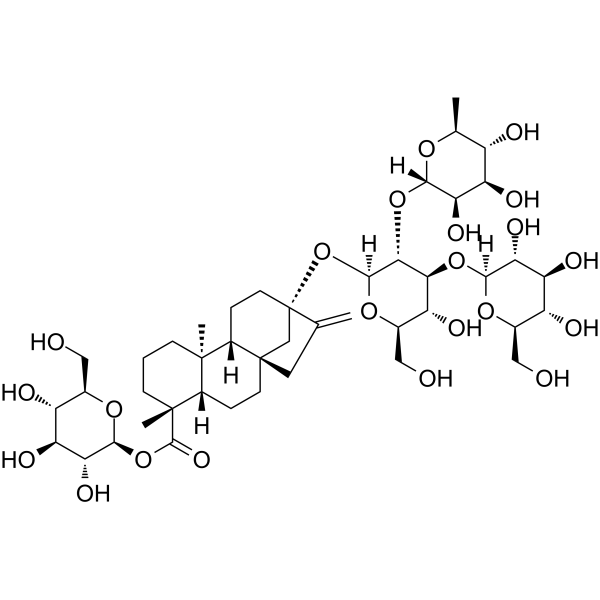
    Rebaudioside M, a glycoside of the ent-kaurene diterpenoid aglycone, is a non-calorie sweetener isolated from Stevia rebaudiana. Rebaudioside M has antidiabetics, antihypertension, anti-inflammatory, antioxidant, anticaries and anticancer benefits. Rebaudioside M is more than 350 times sweeter than sucrose. Rebaudioside M can be used in food and beverage .
    Rebaudioside M
  • HY-13250

    Drug Derivative Cancer
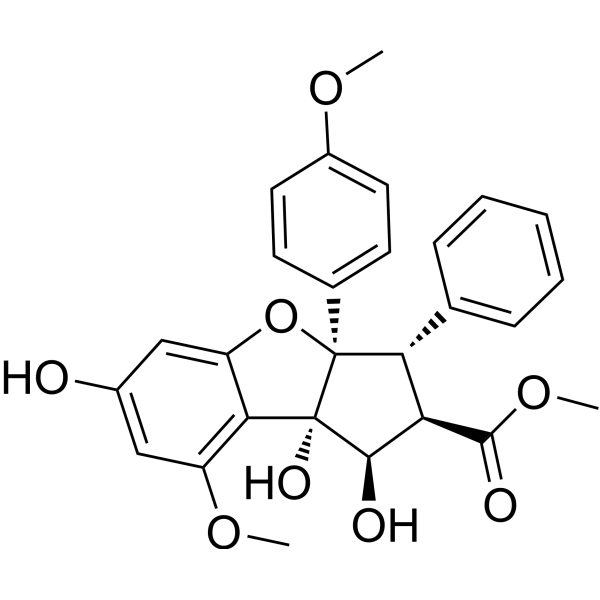
    Silvestrol aglycone is a Silvestrol analogue, inhibits protein translation initiation in cancer cells, with EC50s of 10 and 200 nM for myc-LUC and tub-LUC luciferase reporter protein translation, respectively. Anti-cancer activity .
    Silvestrol aglycone
  • HY-W008226

    2,4,6-trihydroxyacetophenone; 1-(2,4,6-Trihydroxyphenyl)ethanone

    Cytochrome P450 Bacterial Antibiotic Infection Metabolic Disease
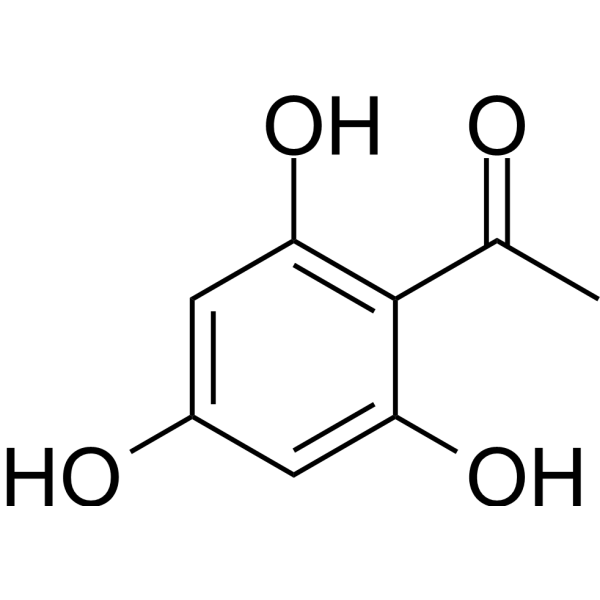
    Phloracetophenone (2,4,6-trihydroxyacetophenone) is the aglycone part of acetophenone glycoside obtained from Curcuma comosa Roxb, with cholesterol-lowering activity. Phloracetophenone enhances cholesterol 7α-hydroxylase (CYP7A1) activity . Phloracetophenone stimulats bile secretion mediated through Mrp2 .
    Phloracetophenone
  • HY-N2736
    3′,4′,7-Trihydroxyflavone
    1 Publications Verification

    Beta-lactamase COX Interleukin Related Bacterial JNK ERK p38 MAPK STAT Apoptosis NO Synthase Nuclear Factor of activated T Cells (NFAT) Lactate Dehydrogenase Reactive Oxygen Species (ROS) SOD Akt Caspase Bcl-2 Family Infection Neurological Disease Inflammation/Immunology
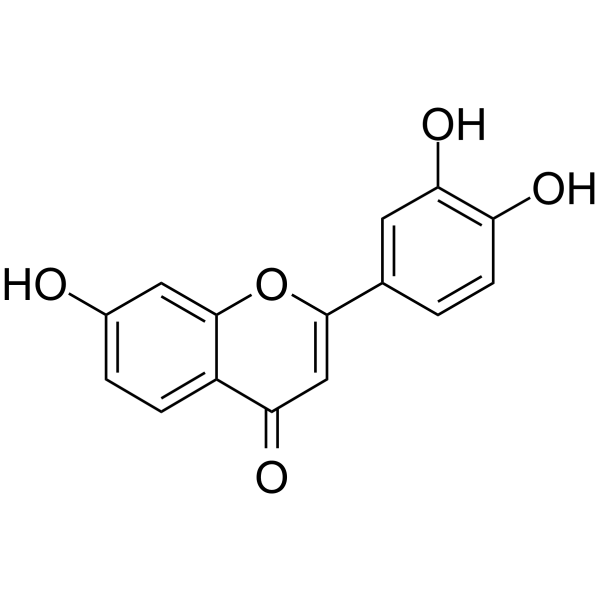
    3′,4′,7-Trihydroxyflavone is an orally active inhibitor of OXA-48 (IC50 = 1.89 μM) and COX-1 (IC50 = 36.37 μM). 3′,4′,7-Trihydroxyflavone exhibits antioxidant and anti-inflammatory properties, inhibiting the release of inflammatory cytokines such as IL-6, IL-8, and TNF-α. 3′,4′,7-Trihydroxyflavone inhibits H2O2-induced neuronal apoptosis and ROS accumulation, and exerts anti-neuroinflammatory effects by suppressing the JNK-STAT1 pathway. 3′,4′,7-Trihydroxyflavone exhibits antimicrobial and antibiotic-modifying activities against multidrug-resistant Gram-negative enteric bacteria. 3′,4′,7-Trihydroxyflavone inhibits RANKL-induced osteoclast formation via NFATc1. 3′,4′,7-Trihydroxyflavone activates the CREB-BDNF axis and restores scopolamine (HY-N0296)-induced memory deficits in mice .
    3′,4′,7-Trihydroxyflavone
  • HY-E70130

    Others Others
    Snailase, Snail gastrointestinal is an enzyme mixture composed of more than 20 enzymes, which is often used for enzymatic hydrolysis of purified flavonoid glycosides. Snailase can be obtained from the digestive tract and includes cellulase, sucrase, hemicellulase, pectinase, polygalacturonase, protease, etc .
    Snailase, Snail gastrointestinal
  • HY-N0467

    Dulcoside B

    Endogenous Metabolite Neurological Disease
    Rebaudioside C (Dulcoside B) is an orally effective natural sweetener that cannot pass the blood-brain barrier and selectively binds to human sweet taste receptors (TAS1R2/TAS1R3). The sweetness of Rebaudioside C is about 20-30 times that of sucrose, and its sweetness activity depends on the C-16/C-17 double bond structure and specific aglycones. The glycoside structure in the Rebaudioside C molecule can bind to the sweet taste receptor, activate the taste signal transduction pathway, and produce sweetness perception .
    Rebaudioside C
  • HY-119323
    7-Azido-4-methylcoumarin
    1 Publications Verification

    Fluorescent Dye Others
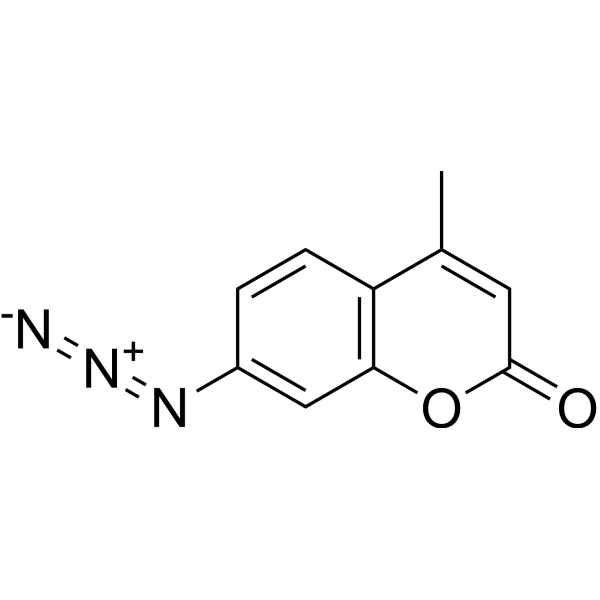
    7-Azido-4-methylcoumarin is a selective coumarin-based fluorescent probe for hydrogen sulfide (H2S). In the presence of H2S, the aromatic azido group of 7-Azido-4-methylcoumarin is selectively reduced to produce the fluorescently active 7-amino-4-methylcoumarin (AMC). 7-Azido-4-methylcoumarin binds to the coumarin/phenol-binding site of BSA, the aglycone-binding site of UGT1A6, and the substrate-binding site of SULT1A1, respectively. 7-Azido-4-methylcoumarin retains its fluorescent properties after covalent binding, acts as a fluorescent H2S probe, and does not react with cysteine, homocysteine or glutathione (Ex/Em = 340/445 nm) .
    7-Azido-4-methylcoumarin
  • HY-121309
    Doxorubicinone
    2 Publications Verification

    Adriamycin aglycone; Adriamycinone

    NF-κB TNF Receptor Interleukin Related Drug Derivative Inflammation/Immunology Cancer
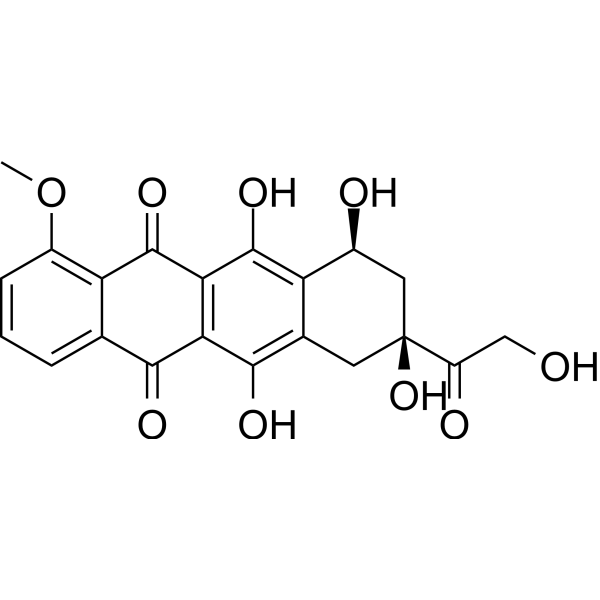
    Doxorubicinone (Adriamycin aglycone) is the aglycone of the antibiotic Doxorubicin (HY-15142A), i.e., its sugar-free parent nucleus structure. Doxorubicinone does not induce DNA damage or bind to RelA, but still downregulates the expression of pro-inflammatory cytokines (such as TNF, IL-12, etc.) regulated by the NF-κB pathway. Doxorubicinone can be used in sepsis-related research .
    Doxorubicinone
  • HY-N6073

    Apoptosis HSV Infection Metabolic Disease Inflammation/Immunology Cancer
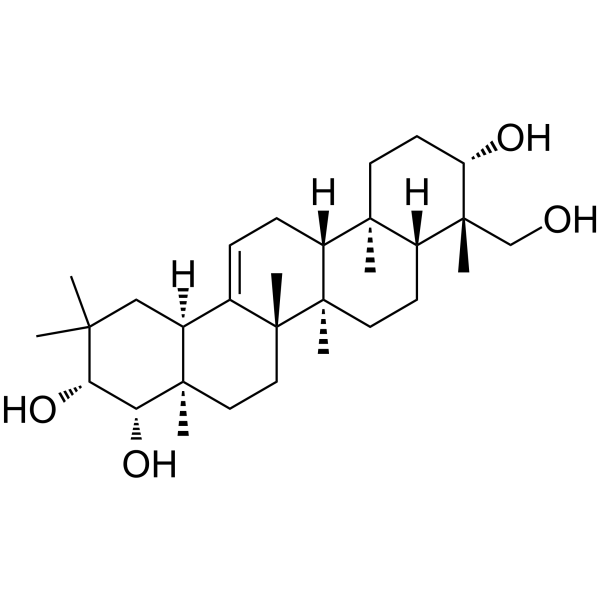
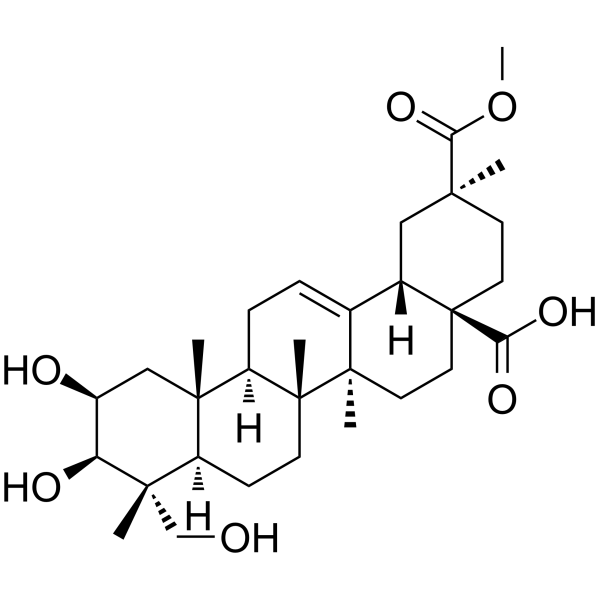
    Soyasapogenol A is a triterpenoid aglycone of soyasaponins. Soyasapogenol A has activities such as anti-inflammation, anti-cancer, hepatoprotection and anti-HSV-1. Soyasapogenol A can be used in the research of tumors and immune inflammatory diseases .
    Soyasapogenol A
  • HY-135115

    3,4-DHPEA-EA

    α-synuclein HDAC Adrenergic Receptor Inflammation/Immunology
    Oleuropein Aglycone (3,4-DHPEA-EA) is a polyphenol and the aglycone form of oleuropein (HY-N0292), formed by enzymatic, acidic or acetylated hydrolysis of oleuropein. Dietary intake of oleuropein Aglycone (50 mg/kg diet) increases the number of neuronal autophagic vesicles, reverses cognitive deficits in the TgCRND8 transgenic mouse model of Alzheimer's disease, and reduces the levels of histone deacetylase 2 (HDAC2) in the cortex and hippocampus. Oleuropein Aglycone increases urinary norepinephrine, interscapular brown adipose tissue epinephrine, and UCP1 protein levels, and reduced plasma leptin levels and total abdominal adipose tissue weight in a rat model of high-fat diet-induced obesity. Oleuropein Aglycone also reduced lung neutrophil infiltration, lipid peroxidation, and IL-1β levels in a mouse model of carrageenan-induced pleurisy.
    Oleuropein Aglycone
  • HY-N0798
    20(R)-Protopanaxatriol
    1 Publications Verification

    20(R)-APPT

    Others Others
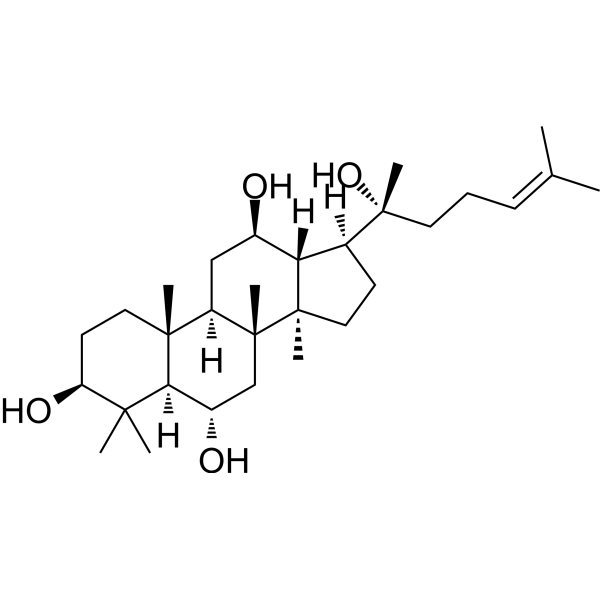
    20(R)-Protopanaxatriol is a natural aglycone of ginsenosides Re, Rf, Rg1, Rg2 and Rh.
    20(R)-Protopanaxatriol
  • HY-N3434

    Drug Derivative Reactive Oxygen Species (ROS) Cancer
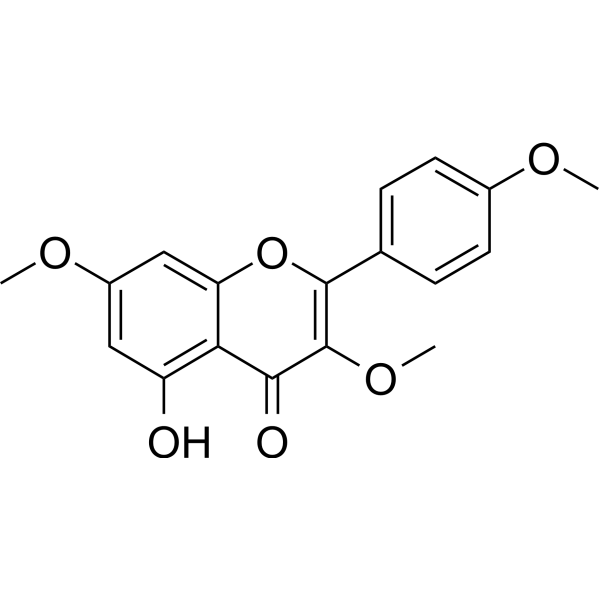
    Kaempferol 3,7,4'-trimethyl ether is an O-methylated kaempferol flavonol aglycone distributed in Siparuna gigantotepala, Aframomum arundinaceum and Siparuna guianensis. Kaempferol 3,7,4'-trimethyl ether exhibits antioxidant activity. Kaempferol 3,7,4'-trimethyl ether suppresses the proliferation of leukemia cells and exerts selective cytotoxicity against both drug‑sensitive and multi‑factorial drug‑resistant cancer cells. Kaempferol 3,7,4'-trimethyl ether can be applied in the research of multidrug‑resistant cancers .
    Kaempferol 3,7,4'-trimethyl ether
  • HY-106048
    Bredinin aglycone
    1 Publications Verification

    5-Hydroxy-1H-imidazole-4-carboxamide; FF-10501

    Nucleoside Antimetabolite/Analog Others
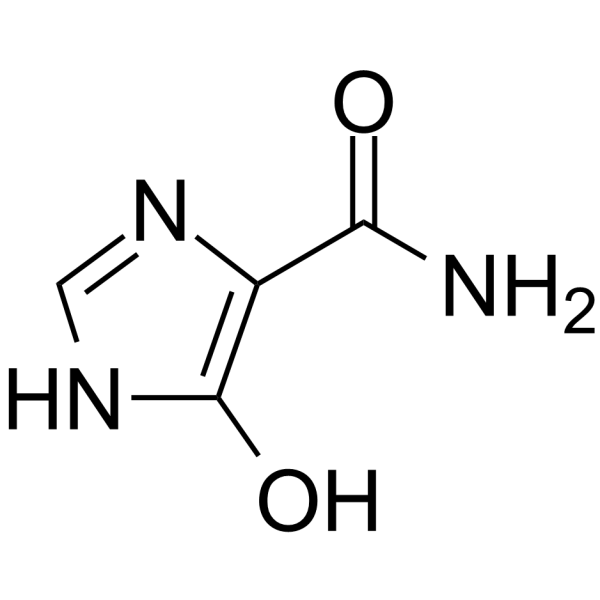
    Bredinin aglycone (5-Hydroxy-1H-imidazole-4-carboxamide) is a purine nucleotide analogue. Bredinin aglycone can be used to examine the efficiency of catalysts for the preparation of purine nucleotide analogues .
    Bredinin aglycone
  • HY-N1375

    Others Cancer
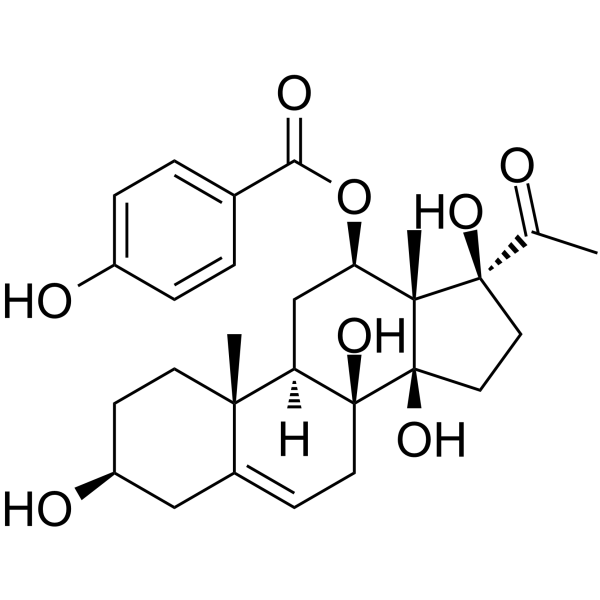
    Qingyanshengenin (NSC 379666; compound 2), a pregnane glycoside, is a C21 steroidal aglycone isolated from the root of Cynanchumot ophyllum (Asclepiadaceae). Qingyanshengenin has anti-cancer activity .
    Qingyangshengenin
  • HY-N6833R

    Reference Standards Others Others
    Rebaudioside M (Standard) is the analytical standard of Rebaudioside M. This product is intended for research and analytical applications. Rebaudioside M, a glycoside of the ent-kaurene diterpenoid aglycone, is a non-calorie sweetener isolated from Stevia rebaudiana. Rebaudioside M is more than 350 times sweeter than sucrose .
    Rebaudioside M (Standard)
  • HY-126941

    ERK MMP Reactive Oxygen Species (ROS) NF-κB p38 MAPK NOD-like Receptor (NLR) TRP Channel TNF Receptor Interleukin Related Infection Neurological Disease Inflammation/Immunology Endocrinology
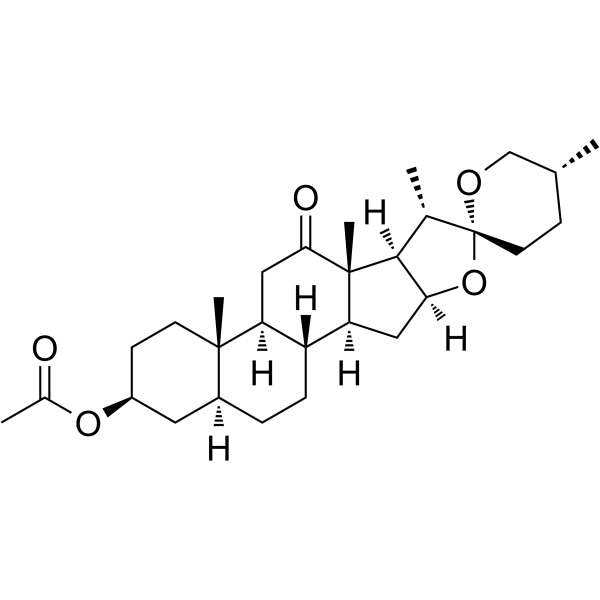
    Hecogenin acetate is an orally active steroid saponin aglycone with extensive biological activities. Hecogenin acetate inhibits the phosphorylation of NF-κB and p38 MAPK signaling pathways, antagonizes TRPA1/TRPM8 channels, inhibits the production of pro-inflammatory cytokines, and has anti-inflammatory and analgesic effects. Hecogenin acetate inhibits the production of ROS and the activation of NLRP3 inflammasome; downregulates the expression of MMP-2, and has neuroprotective and anti-tumor activities. Hecogenin acetate enhances gastric mucosal defense and promotes ulcer healing. Hecogenin acetate can be used in combination with certain antibiotics to regulate bacterial efflux pumps and restore antibiotic sensitivity .
    Hecogenin acetate
  • HY-N2093
    Vicine
    2 Publications Verification

    Drug Metabolite Cardiovascular Disease Metabolic Disease
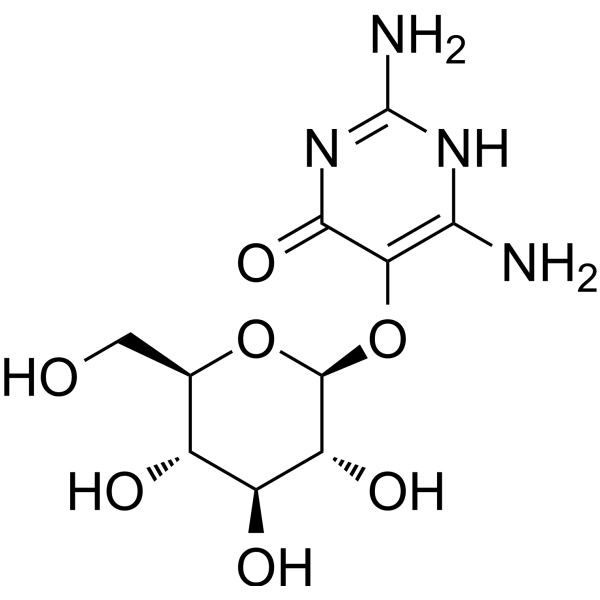
    Vicine, an alkaloid glycoside found mainly in fava beans, is toxic in individuals who have a hereditary loss of the enzyme glucose-6-phosphate dehydrogenase and may cause haemolytic anaemia.Vicine is an inactive compound that is hydrolysed by the intestinal microflora to a highly reactive free radical generating compound, the aglycone divicine when Vicine enters the body through food .
    Vicine
  • HY-N2072R

    Transcrocetin (Standard); trans-Crocetin (Standard)

    iGluR Reference Standards Apoptosis COX p38 MAPK Neurological Disease Inflammation/Immunology Cancer
    Crocetin (Standard) (TransCrocetin (Standard) ) is an aglycone of crocin. Crocetin (Standard) is orally active and brain-penetrant. Crocetin (Standard) shows strong NMDA receptor affinity and channel opening activity. Crocetin (Standard) can downregulate the proinflammatory cytokines and COX-2 exoression. Crocetin (Standard) can inhibit apoptosis and activation of MAPK. Crocetin (Standard) can delay delays brain and body aging. Crocetin (Standard) can be used for the researches of cancer, neurological disease and inflammation, such as cervical cancer and ischemia .
    Crocetin (Standard)
  • HY-N7497

    Others Others
    Protoescigenin is the main aglycone of horse chestnut saponin mixture known as escin. Protoescigenin is selected as substrate for exploratory chemistry towards selective protection, followed by propargyl ether formation and subsequent condensation with azido-monosaccharides, to obtain novel triazole linked conjugates of the triterpene .
    Protoescigenin
  • HY-135738

    Drug Intermediate Others
    Convicine is a pyrimidine glycoside. Convicine, as well as Vicine, is the precursor of the aglycones Divicine and Isouramil. Convicine is the main factors of favism, which is a genetic condition leading to severe hemolysis after faba bean ingestion. Convicine can be isolated from the faba bean .
    Convicine
  • HY-121309R

    Adriamycin aglycone (Standard); Adriamycinone (Standard)

    Reference Standards NF-κB TNF Receptor Interleukin Related Drug Derivative Inflammation/Immunology Cancer
    Doxorubicinone (Adriamycin aglycone) (Standard) is the analytical standard of Doxorubicinone. This product is intended for research and analytical applications. Doxorubicinone is the aglycone of the antibiotic Doxorubicin (HY-15142A), i.e., its sugar-free parent nucleus structure. Doxorubicinone does not induce DNA damage or bind to RelA, but still downregulates the expression of pro-inflammatory cytokines (such as TNF, IL-12, etc.) regulated by the NF-κB pathway. Doxorubicinone can be used in sepsis-related research.
    Doxorubicinone (Standard)
  • HY-121125

    Others Others
    Aucubigenin, the aglycone of the iridoid glycoside aucubin, has been characterized through X-ray diffraction analysis. Its crystal structure reveals monoclinic symmetry with specific conformations adopted by its cyclopentane and pyran rings. The study also determined the absolute configurations of both aucubin and aucubigenin. Significant O-H O hydrogen bonding interactions were observed in the crystal lattices of both compounds, highlighting their structural stability and potential for intermolecular interactions .
    Aucubigenin
  • HY-N16529

    Glycosidase Metabolic Disease
    1,6,8-Trihydroxy-2,7-dimethoxy-3-methylanthraquinone (Compound 2) is a anthraquinone aglycone found in Cassia obtusefolia. 1,6,8-Trihydroxy-2,7-dimethoxy-3-methylanthraquinone can inhibit α-glucosidase with an IC50 of 120.65 μg/mL. 1,6,8-Trihydroxy-2,7-dimethoxy-3-methylanthraquinone can be used for the research of diabetes .
    1,6,8-Trihydroxy-2,7-dimethoxy-3-methylanthraquinone
  • HY-137970

    A-83543D aglycone

    Parasite Infection
    Spinosyn D aglycone is an aglycone form of the insecticide Spinosyn D (HY-125326). Unlike spinosyn D, spinosyn D aglycone is not lethal to H. virescens (tobacco budworm) neonate larvae (LC50=>64 ppm).
    Spinosyn D aglycone
  • HY-156133

    Drug Derivative Others
    Dihydrospinosyn A aglycone (compound 2) is a derivative of spinosyn A aglycone with a hydrolyzed C9- and C17-glycosidic bond.
    Dihydrospinosyn A aglycone
  • HY-N11996

    NO Synthase NF-κB Others
    Aloenin aglycone (compound 13) is an NF-κB inhibitor that can be isolated from aloe exudate. Aloenin aglycone inhibits TNFα-induced NF-κB transcriptional activity (IC50: 18.7 μM). Aloenin aglycone (10 μM) also reduced inducible nitric oxide synthase (iNOS) and intercellular adhesion molecule 1 (ICAM-1) gene expression after treatment of HepG2 cells with 10 ng/mL TNFα .
    Aloenin aglycone
  • HY-155252

    (-)-Spinosyn A aglycon

    Insecticide Others
    Spinosyn A aglycone ((-)-Spinosyn A aglycon) is an aglycone form of the insecticide Spinosyn A (HY-B0767). Spinosyn A aglycone is an acid degradation product produced by hydrolysis of both saccharide groups on spinosyn A .
    Spinosyn A aglycone
  • HY-13250B

    Drug Isomer Cancer
    Silvestrol aglycone enantiomer is a cyclopenta benzofuran core phenol .
    Silvestrol aglycone (enantiomer)
  • HY-N10257

    Endogenous Metabolite Others
    Burnettramic acid A aglycone is a fungal metabolite found in Aspergillus burnettii .
    Burnettramic acid A aglycone
  • HY-106048R

    5-Hydroxy-1H-imidazole-4-carboxamide (Standard); FF-10501 (Standard)

    Reference Standards Nucleoside Antimetabolite/Analog Others
    Bredinin aglycone (Standard) is the analytical standard of Bredinin aglycone. This product is intended for research and analytical applications. Bredinin aglycone (5-Hydroxy-1H-imidazole-4-carboxamide) is a purine nucleotide analogue. Bredinin aglycone can be used to examine the efficiency of catalysts for the preparation of purine nucleotide analogues[1].
    Bredinin aglycone (Standard)
  • HY-160121

    Patrinoside aglycone

    Apoptosis NO Synthase TNF Receptor Interleukin Related PGE synthase COX Inflammation/Immunology Cancer
    Patrinoside aglucone (Compound 8) is an iridoid glucoside that can be isolated from the Valeriana tuberosa. Patrinoside aglucone has potent anticancer activity with G2/M phase tumor cell cycle arrest and apoptosis induction. Patrinoside aglucone also significantly inhibits the proliferation of cancer stem cells (such as MDA-MB-231 and U-251MG cells). Patrinoside aglucone has great anti-inflammatory activity by inhibiting NO release (IC50: 43.44 μM) and significantly reduces the level of TNF-α, IL-1β, IL-6, PGE2 and COX-2 .
    Patrinoside aglucone
  • HY-180463

    Drug Metabolite Others
    Rubradirin aglycone (Compound 7) is an aglycone of Rubradirin and can be obtained by mild acid hydrolysis of Rubradirin .
    Rubradirin aglycone
  • HY-141441

    Bacterial Infection
    Novobiocic acid is an aglycone form of the antibiotic Novobiocin (HY-B0425).
    Novobiocic acid
  • HY-N7954

    Others Neurological Disease
    Neopanaxadiol, an aglycone of protopanaxadiol type ginsenosides, has the potential for Alzheimer's disease research .
    Neopanaxadiol
  • HY-N12749

    Others Cardiovascular Disease
    16-Anhydro Digitalin (compound 11) is a cardiac glycoside with a 16-dehydroisosyringyl aglycone structure .
    16-Anhydro Digitalin
  • HY-N9816

    Drug Metabolite Others
    Plucheoside B (Compound 7b) aglycone is an aglycone of plucheoside B with an absolute configuration of 3R, 4R, and 9R that can be isolated from the leaves of Croton cascarilloides Räuschel .
    Plucheoside B aglycone
  • HY-N3932

    Others Others
    Garjasmin (compound 1) is a kind of iridoid aglycone. Garjasmin can be isolated from the flowers of Gardenia jasminoides Ellis .
    Garjasmin
  • HY-N3691

    Drug Derivative Others
    Daturataturin A aglycone is a natural steroid.
    Daturataturin A aglycone
  • HY-N13220

    Others Endocrinology
    Soybean Extract is a soybean extract, and its components include: Isoflavone. Soybean Extract has an increased content of isoflavone aglycones after biotransformation, which is an estrogen-like bioactive compound with effective type I collagen enhancement. .
    Soybean Extract
  • HY-N0798R

    20(R)-APPT (Standard)

    Reference Standards Others Others
    20(R)-Protopanaxatriol (Standard) is the analytical standard of 20(R)-Protopanaxatriol. This product is intended for research and analytical applications. 20(R)-Protopanaxatriol is a natural aglycone of ginsenosides Re, Rf, Rg1, Rg2 and Rh.
    20(R)-Protopanaxatriol (Standard)
  • HY-137968

    Parasite Infection
    Avermectin B1a aglycon is an aglycone derivative of Avermectin B1a (HY-15308), an antiparasitic agent that paralyzes nematodes. Avermectin B1a aglycon hyperpolarizes P. crassipes muscle fibers, with a minimum effective concentration of 0.1 μM .
    Avermectin B1a aglycon
  • HY-N11975

    Others Others
    Glycyrrhizin-6′,6′′-dimethylester (compound 23) is a licorice saponin isolated from licorice root. Glycyrrhizin-6′,6′′-dimethylester can participate as an aglycone in the generation of methyl glucuronate, producing similar threshold sweetness, licorice, and bitterness .
    Glycyrrhizin-6′,6′′-dimethylester
  • HY-N6073R

    Reference Standards Apoptosis HSV Infection Metabolic Disease Inflammation/Immunology Cancer
    Soyasapogenol A (Standard) is the analytical standard of Soyasapogenol A (HY-N6073). This product is intended for research and analytical applications. Soyasapogenol A is a triterpenoid aglycone of soyasaponins. Soyasapogenol A has activities such as anti-inflammation, anti-cancer, hepatoprotection and anti-HSV-1. Soyasapogenol A can be used in the research of tumors and immune inflammatory diseases .
    Soyasapogenol A (Standard)
  • HY-N11976

    Others Others
    Glycyrrhizin-6′′-methylester (compound 22) is a glycyrrhizin that can be isolated from licorice root. Glycyrrhizin-6′′-methylester can participate as an aglycone in the formation of methyl glucuronate, producing a sweet and licorice taste, but no bitterness. This reveals the importance of the free carboxyl group on the glycoside cone-bound glucuronic acid for natural sweetness and licorice taste .
    Glycyrrhizin-6′′-methylester
  • HY-N7497R

    Reference Standards Others Others
    Protoescigenin (Standard) is the analytical standard of Protoescigenin. This product is intended for research and analytical applications. Protoescigenin is the main aglycone of horse chestnut saponin mixture known as escin. Protoescigenin is selected as substrate for exploratory chemistry towards selective protection, followed by propargyl ether formation and subsequent condensation with azido-monosaccharides, to obtain novel triazole linked conjugates of the triterpene .
    Protoescigenin (Standard)
  • HY-129236

    Na+/K+ ATPase Apoptosis Cancer
    Hellebrin is a bufadienolide compound extracted from plants that can inhibit tumor cell growth. Hellebrigenin shows potential in overcoming cancer cells' resistance to apoptosis stimuli and has also demonstrated anti-proliferation effects in multidrug-resistant (MDR) cancer cell models. Hellebrin can act on Na+/K+-ATPase to regulate intracellular signaling pathways .
    Hellebrin
  • HY-125550

    Drug Derivative Others
    Doramectin aglycone is an active compound.
    Doramectin aglycone
  • HY-N12923

    Others Others
    IB-96212 aglycone (Compound 2) is the hydrolyzate of IB-96212 (HY-161239A) .
    IB-96212 aglycone
  • HY-N18227

    Others Others
    12β-Hydroxycimigenol (Compound 1a) is a cycloartane-type triterpene aglycone that can be isolated from the aerial parts of Cimicifuga simplex .
    12β-Hydroxycimigenol

Inquiry Online

Your information is safe with us. * Required Fields.

Salutation


Country or Region *

Applicant Name *


Organization Name *

Department *


Email Address *


Product Name *

Cat. No.


Requested quantity *

Phone Number *


Remarks

Inquiry Online

Inquiry Information

Product Name:
Cat. No.:
Quantity:
MCE Japan Authorized Agent:

