1. Search Result
Search Result
Results for "

antiparasitic effects

" in MedChemExpress (MCE) Product Catalog:

26

Inhibitors & Agonists

11

Natural
Products

1

Isotope-Labeled Compounds

1

Oligonucleotides

Cat. No. Product Name Target Research Areas Chemical Structure
  • HY-N2364
    Arecoline
    5 Publications Verification

    mAChR nAChR Infection Neurological Disease Metabolic Disease Inflammation/Immunology Cancer
    Arecoline, a naturally brain-penetrant and orally active occurring psychoactive alkaloid, is a partial agonist of nicotinic and muscarinic acetylcholine receptor. Arecoline exhibits stimulation, alertness, anxiolysis and anti-parasitic effects. Arecoline also can induce oxidative stress .
    Arecoline
  • HY-B0489
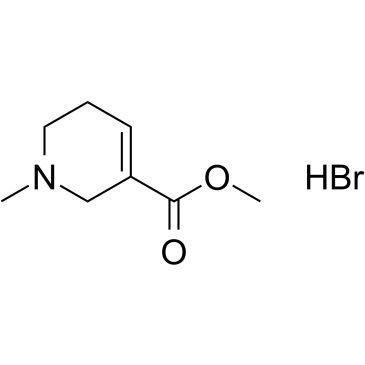
    Arecoline hydrobromide
    5 Publications Verification

    methyl 1,2,5,6-tetrahydro-1-methyl-3-pyridinecarboxylate hydrobromide

    mAChR nAChR Infection Neurological Disease Metabolic Disease Inflammation/Immunology Cancer
    Arecoline hydrobromide, a naturally brain-penetrant and orally active occurring psychoactive alkaloid, is a partial agonist of nicotinic and muscarinic acetylcholine receptor. Arecoline hydrobromide exhibits stimulation, alertness, anxiolysis and anti-parasitic effects. Arecoline hydrobromide also can induce oxidative stress .
    Arecoline hydrobromide
  • HY-W018025

    Bacterial Fungal Parasite Endogenous Metabolite Infection Inflammation/Immunology
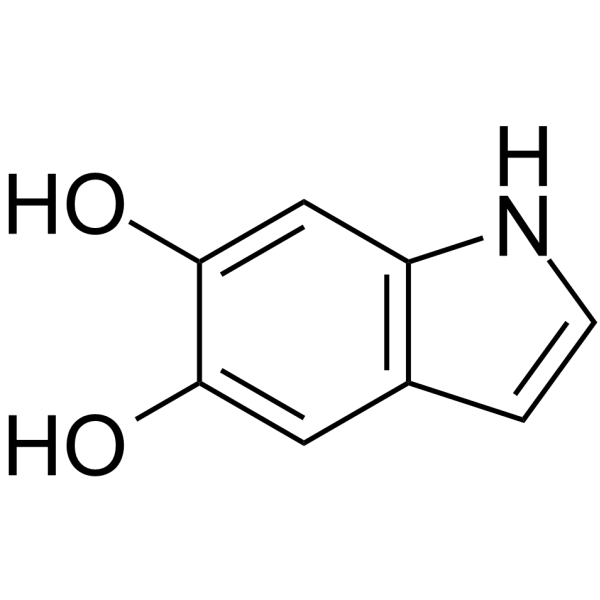
    5,6-Dihydroxyindole, a melanin precursor, has a broad-spectrum antibacterial, antifungal, antiviral, antiparasitic activity. 5,6-Dihydroxyindole has cytotoxic effects and is strongly toxic against various pathogens .
    5,6-Dihydroxyindole
  • HY-12724
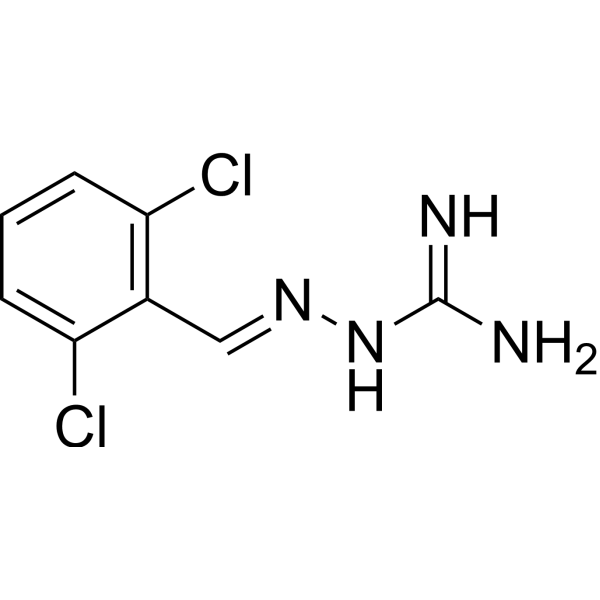
    Guanabenz
    2 Publications Verification

    Adrenergic Receptor Parasite Cardiovascular Disease Cancer
    Guanabenz is an orally active α-2-adrenoceptor agonist. Guanabenz has antihypertensive effect and antiparasitic activity. Guanabenz interferes ER stress-signalling and has protective effects in cardiac myocytes. Guanabenz also is used for the research of high blood pressure .
    Guanabenz
  • HY-N3544

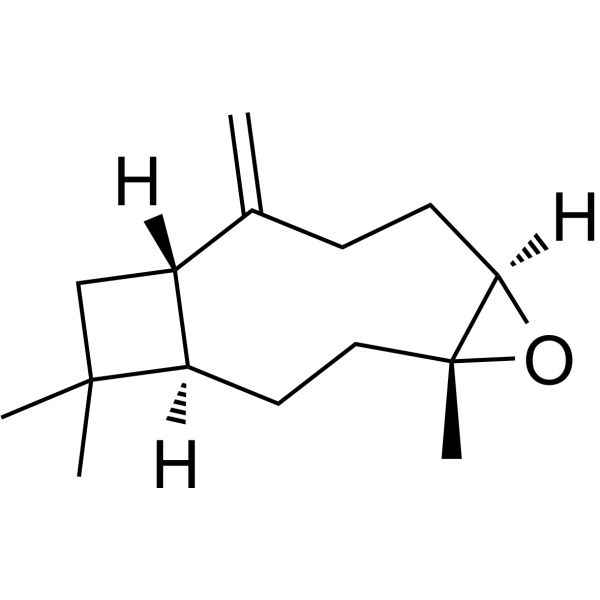
    (-)-Caryophyllene oxide

    Environmental Pollutants Apoptosis Bacterial Fungal Parasite Infection Neurological Disease Inflammation/Immunology Cancer
    Caryophyllene oxide ((-)-Caryophyllene oxide) is a bicyclic sesquiterpene with anticancer effects. Caryophyllene oxide induces apoptosis of PC-3 cells. Caryophyllene oxide shows analgesic and anti-inflammatory activities. Caryophyllene oxide has insecticidal, antioxidant, antimicrobial, antifungal, and antiparasitic properties .
    Caryophyllene oxide
  • HY-12724A

    Parasite Adrenergic Receptor Cardiovascular Disease Cancer
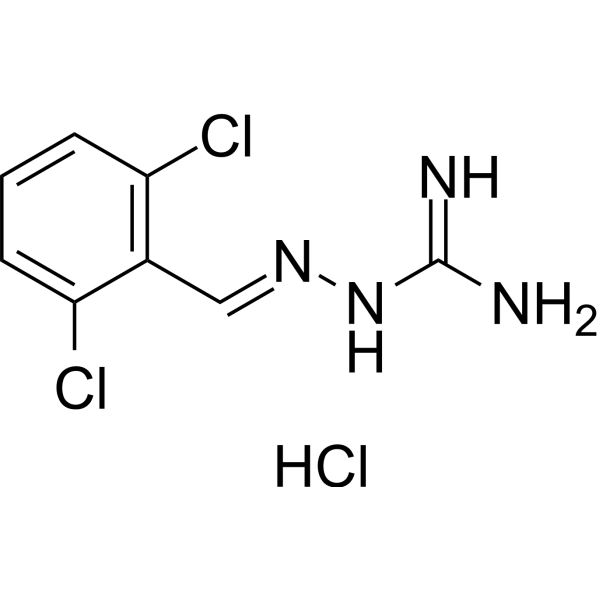
    Guanabenz hydrochloride is an orally active α-2-adrenoceptor agonist. Guanabenz hydrochloride has antihypertensive effect and antiparasitic activity. Guanabenz hydrochloride interferes ER stress-signalling and has protective effects in cardiac myocytes. Guanabenz hydrochloride also is used for the research of high blood pressure .
    Guanabenz hydrochloride
  • HY-12538

    Rutamine

    Apoptosis Autophagy Fungal Parasite Reactive Oxygen Species (ROS) Interleukin Related JAK STAT Infection Inflammation/Immunology Cancer
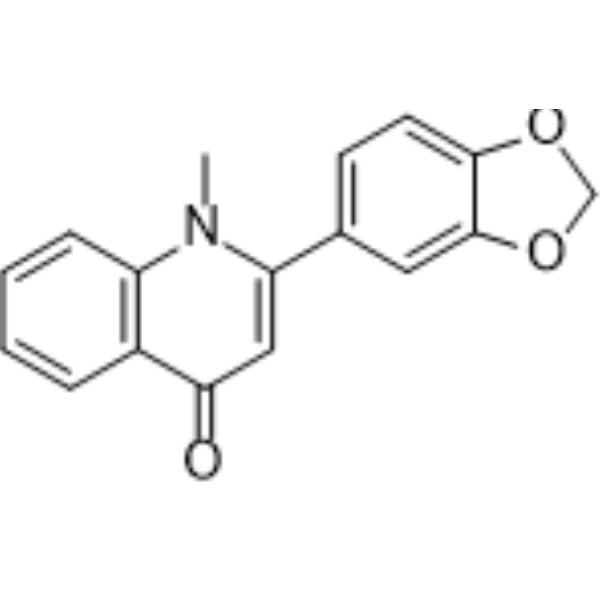
    Graveoline (Rutamine) is an orally active alkaloid with various activities such as antifungal, antiparasitic, anti-inflammatory, and antitumor effects. Graveoline can induce tumor cell apoptosis and autophagy through a reactive oxygen species-mediated pathway. Graveoline has an MIC of 500 μg/mL for Candida albicans. Graveoline can be used in the research of various diseases such as tumors and liver injury .
    Graveoline
  • HY-153021

    Parasite Infection
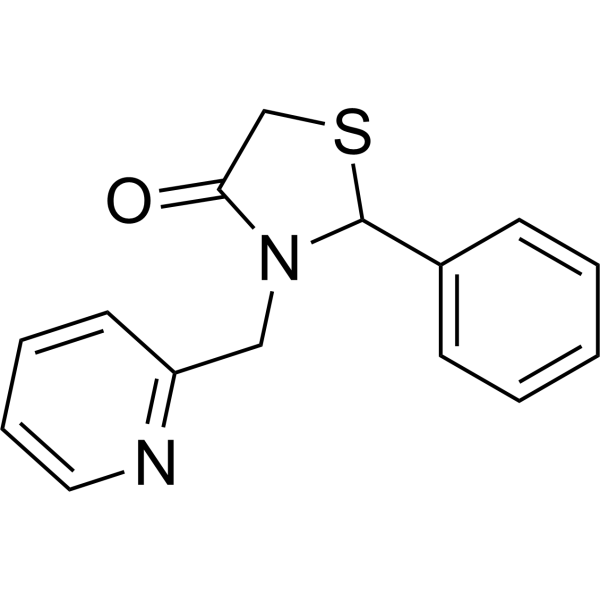
    NMT-IN-1 is a Trypanosoma brucei N-myristoyltransferase (TbNMT) inhibitor, with an IC50 of 31 μM against TbNMT and an IC50 of 66 μM against hNMT. As a thiazolidinone hit compound identified via virtual screening, NMT-IN-1 exerts enzymatic inhibitory effects by binding to the active site of TbNMT. NMT-IN-1 adopts a binding mode distinct from that of pyrazole sulfonamide inhibitors and can inhibit the myristoyl transfer reaction catalyzed by TbNMT. NMT-IN-1 is mainly used in the research of anti-parasitic lead compounds for human African trypanosomiasis (African sleeping sickness). It provides a structural basis for the subsequent optimization of TbNMT inhibitors with high activity, high selectivity and blood-brain barrier permeability .
    NMT-IN-1
  • HY-N10220

    Endogenous Metabolite Parasite Infection
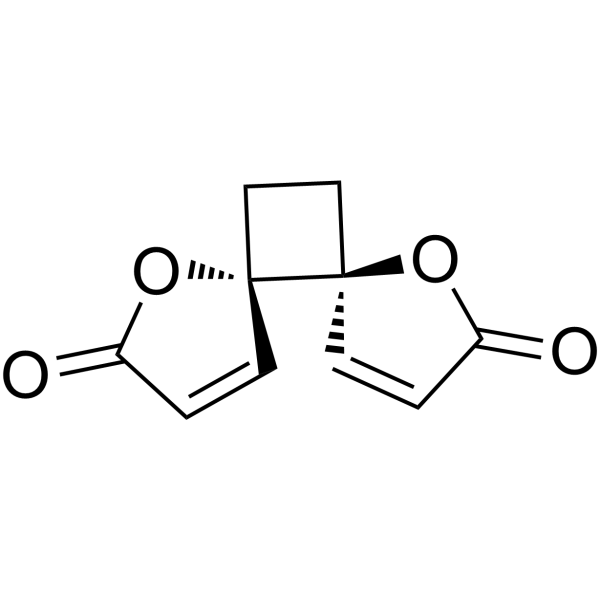
    Paraherquamide E is a fungal metabolite found in Penicillium charlesii. Paraherquamide E has antinematodal and antiparasitic effects .
    Paraherquamide E
  • HY-179690

    Parasite Adenosine Kinase Infection
    Antiparasitic agent-30 is a potent adenosine kinase TbrAK modulator and antitrypanosomal agent. Antiparasitic agent-30 exhibits significant inhibitory activity against Trypanosoma brucei rhodesiense, while enhancing the activity of recombinant TbrAK(EC50=38 nM, Ka=75 nM-497 nM). Antiparasitic agent-30 exerts its pharmacological effects by eliminating intrinsic substrate inhibition and hyperactivating TbrAK in Trypanosoma brucei rhodesiense. Antiparasitic agent-30 serves as a valuable tool molecule for studying acute African human trypanosomiasis (sleeping sickness) .
    Antiparasitic agent-30
  • HY-W391625

    (Rac)-Epiligulyl oxide

    Fungal Cancer
    (Rac)-Dehydrocostus Lactone ((Rac)-Epiligulyl oxide) is a natural product with antiparasitic activity. (Rac)-Dehydrocostus Lactone can significantly inhibit the growth of Trypanosoma brucei rhodesiense. (Rac)-Dehydrocostus Lactone exhibits a broad spectrum of biological effects, including anti-inflammatory, anticancer, antiviral and antimicrobial activities. (Rac)-Dehydrocostus Lactone also has antifungal, antioxidant, antidiabetic, antiulcer and antihelminthic effects. (Rac)-Dehydrocostus Lactone exhibits different IC(50) values in cytotoxicity tests and has a high selectivity index .
    (Rac)-Dehydrocostus Lactone
  • HY-W342283

    Parasite Angiotensin-converting Enzyme (ACE) Angiotensin Receptor p38 MAPK STAT NF-κB TNF Receptor 5-HT Receptor Cardiovascular Disease Infection Inflammation/Immunology
    Diminazene is an antiparasitic agent widely used to treat parasitic diseases caused by hemoparasites (such as trypanosomes and babesia). Diminazene acts as an ACE2 activator and exerts cardiovascular protective effects by activating the ACE2/Ang-(1-7)/Mas receptor axis. By regulating gut microbiota-tryptophan metabolism, Diminazene inhibits the activation of core inflammatory signaling pathways including MAPK, STAT and NF-κB, increases central 5-HT levels, and suppresses splenic TNF-α production, thereby alleviating systemic inflammation .
    Diminazene
  • HY-157314

    HDAC Parasite Infection
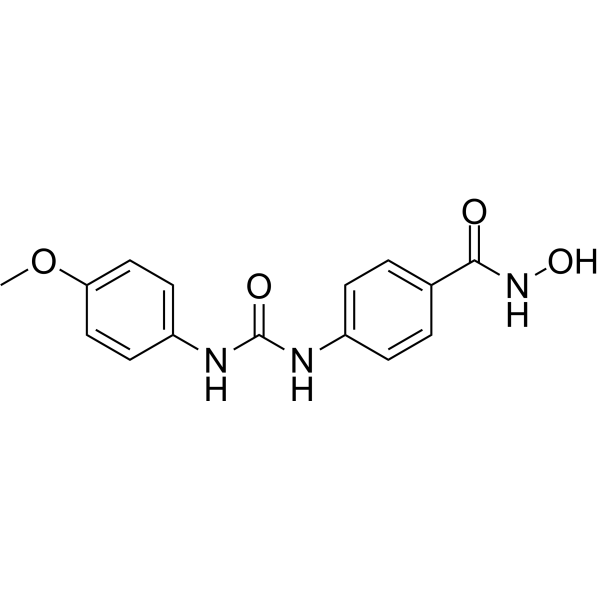
    HDAC6-IN-27 (compound 8C) is a HDAC inhibitor with IC50 vales of 15.9 nM 136.5 nM and 6180.2 nM for HDAC6, HDAC8 and HDAC1, respectively. HDAC6-IN-27 shows potent antiparasitic effects .
    HDAC6-IN-27
  • HY-B0489R

    methyl 1,2,5,6-tetrahydro-1-methyl-3-pyridinecarboxylate hydrobromide (Standard)

    Reference Standards mAChR nAChR Infection Neurological Disease Metabolic Disease Inflammation/Immunology Cancer
    Arecoline hydrobromide (Standard) is the analytical standard of Arecoline hydrobromide. This product is intended for research and analytical applications. Arecoline hydrobromide, a naturally brain-penetrant and orally active occurring psychoactive alkaloid, is a partial agonist of nicotinic and muscarinic acetylcholine receptor. Arecoline hydrobromide exhibits stimulation, alertness, anxiolysis and anti-parasitic effects. Arecoline hydrobromide also can induce oxidative stress .
    Arecoline hydrobromide (Standard)
  • HY-149722

    Parasite Infection
    Antiparasitic agent-20 (Compound 1p) is a parasite inhibitor with broad antiparasitic activity. Antiparasitic agent-20 has inhibitory effects on T. brucei and T. cruzi with EC50 values of 0.09 μM and 14.1 μM respectively .
    Antiparasitic agent-20
  • HY-B0489A

    mAChR nAChR Infection Neurological Disease Metabolic Disease Inflammation/Immunology Cancer
    Arecoline hydrochloride, a naturally brain-penetrant and orally active occurring psychoactive alkaloid, is a partial agonist of nicotinic and muscarinic acetylcholine receptor. Arecoline hydrochloride exhibits stimulation, alertness, anxiolysis and anti-parasitic effects. Arecoline hydrochloride also can induce oxidative stress .
    Arecoline hydrochloride
  • HY-W018025R

    Reference Standards Bacterial Fungal Parasite Endogenous Metabolite Infection Inflammation/Immunology
    5,6-Dihydroxyindole (Standard) is the analytical standard of 5,6-Dihydroxyindole. This product is intended for research and analytical applications. 5,6-Dihydroxyindole, a melanin precursor, has a broad-spectrum antibacterial, antifungal, antiviral, antiparasitic activity. 5,6-Dihydroxyindole has cytotoxic effects and is strongly toxic against various pathogens .
    5,6-Dihydroxyindole (Standard)
  • HY-W011235R

    Reference Standards 5-HT Receptor Calcium Channel Drug Metabolite Cardiovascular Disease Neurological Disease
    Arecoline (hydrobromide) (Standard) is the analytical standard of Arecoline (hydrobromide). This product is intended for research and analytical applications. Arecoline hydrobromide, a naturally occurring psychoactive alkaloid, is a partial agonist of nicotinic and muscarinic acetylcholine receptor. Arecoline hydrobromide exhibits stimulation, alertness, anxiolysis and anti-parasitic effects. Arecoline hydrobromide also can induce oxidative stress .
    Norfluoxetine hydrochloride (Standard)
  • HY-12724AR

    Parasite Adrenergic Receptor Reference Standards Cardiovascular Disease Cancer
    Guanabenz (hydrochloride) (Standard) is the analytical standard of Guanabenz (hydrochloride). This product is intended for research and analytical applications. Guanabenz hydrochloride is an orally active α-2-adrenoceptor agonist. Guanabenz hydrochloride has antihypertensive effect and antiparasitic activity. Guanabenz hydrochloride interferes ER stress-signalling and has protective effects in cardiac myocytes. Guanabenz hydrochloride also is used for the research of high blood pressure .
    Guanabenz hydrochloride (Standard)
  • HY-N3544R

    (-)-Caryophyllene oxide (Standard)

    Reference Standards Apoptosis Bacterial Fungal Parasite Infection Neurological Disease Inflammation/Immunology Cancer
    Caryophyllene oxide (Standard) ((-)-Caryophyllene oxide (Standard)) is the analytical standard of Caryophyllene oxide (HY-N3544). This product is intended for research and analytical applications. Caryophyllene oxide is a bicyclic sesquiterpene with anticancer effects. Caryophyllene oxide induces apoptosis of PC-3 cells. Caryophyllene oxide shows analgesic and anti-inflammatory activities. Caryophyllene oxide has insecticidal, antioxidant, antimicrobial, antifungal, and antiparasitic properties.
    Caryophyllene oxide (Standard)
  • HY-159603

    Parasite Na+/K+ ATPase Infection
    S-WJM992 (compound 10ahb) is an antiparasitic agent that inhibits ATPase activity under high [Na+] conditions. S-WJM992 also has significant inhibitory effects on parasites that have developed PfATP4 inhibitor-resistance. S-WJM992 is a potential transmission blocker that effectively inhibits gamete development and prevents parasite transmission to mosquitoes via blood feeding .
    S-WJM992
  • HY-174604

    mRNA Inflammation/Immunology
    Human IL4 mRNA encodes the human interleukin 4 (IL4) protein, a pleiotropic cytokine produced by activated T cells. IL4 is considered an important cytokine for tissue repair, counterbalancing the effects of proinflammatory type 1 cytokines, however, it also promotes allergic airway inflammation. Moreover, IL-4 mediates and regulates a variety of human host responses such as allergic, anti-parasitic, wound healing, and acute inflammation.
    Human IL4 mRNA
  • HY-12538R

    Rutamine (Standard)

    Reference Standards Apoptosis Autophagy Fungal Parasite Reactive Oxygen Species (ROS) Interleukin Related JAK STAT Infection Inflammation/Immunology Cancer
    Graveoline (Standard) is the analytical standard of Graveoline (HY-12538). This product is intended for research and analytical applications. Graveoline (Rutamine) is an orally active alkaloid with various activities such as antifungal, antiparasitic, anti-inflammatory, and antitumor effects. Graveoline can induce tumor cell apoptosis and autophagy through a reactive oxygen species-mediated pathway. Graveoline has an MIC of 500 μg/mL for Candida albicans. Graveoline can be used in the research of various diseases such as tumors and liver injury .
    Graveoline (Standard)
  • HY-182295

    Reactive Oxygen Species (ROS) Apoptosis MMP Bacterial Parasite Cardiovascular Disease Infection Neurological Disease
    Negundoside is an iridoid glycoside compound. Negundoside exhibits hepatoprotective effects, reduces ROS, lipid peroxidation and intracellular calcium ion levels, and prevents the decrease of mitochondrial membrane potential (MMP) and apoptosis (apoptosis). Negundoside has neuroprotective effects, improves behavioral deficits, alleviates oxidative damage, and ameliorates cerebral infarction. Negundoside also possesses antibacterial and antiparasitic activities .
    Negundoside
  • HY-W739837

    Isotope-Labeled Compounds mAChR nAChR Infection Neurological Disease Metabolic Disease Inflammation/Immunology Cancer
    Arecoline-d5 hydrobromide is the deuterium labeled Arecoline hydrobromide (HY-B0489). Arecoline hydrobromide, a naturally occurring psychoactive alkaloid, is a partial agonist of nicotinic and muscarinic acetylcholine receptor. Arecoline hydrobromide exhibits stimulation, alertness, anxiolysis and anti-parasitic effects. Arecoline hydrobromide also can induce oxidative stress .
    Arecoline-d5 hydrobromide
  • HY-183286

    Dihydrofolate reductase (DHFR) Parasite Infection
    DHFR-IN-27 (Compound LA4) is an orally active DHFR inhibitor and antimalarial agent, with a Ki value of 1.71 nM against TgDHFR. DHFR-IN-27 reduces the parasitic load of Toxoplasma gondii in infected mice and prolongs the survival time of infected mice. DHFR-IN-27 exerts Antiparasitic effects against Toxoplasma gondii. DHFR-IN-27 can be used in the research of toxoplasmosis .
    DHFR-IN-27

Inquiry Online

Your information is safe with us. * Required Fields.

Salutation


Country or Region *

Applicant Name *


Organization Name *

Department *


Email Address *


Product Name *

Cat. No.


Requested quantity *

Phone Number *


Remarks

Inquiry Online

Inquiry Information

Product Name:
Cat. No.:
Quantity:
MCE Japan Authorized Agent:

