


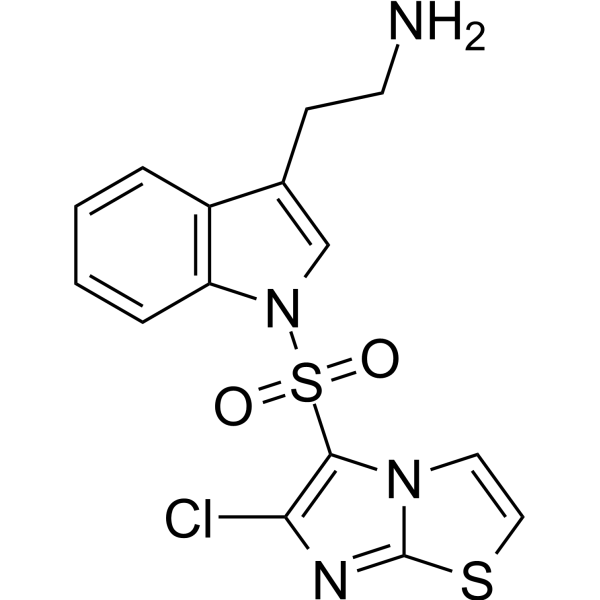
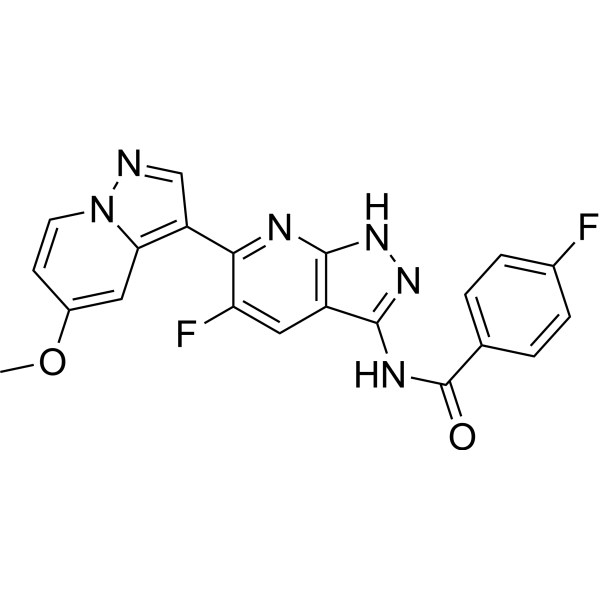
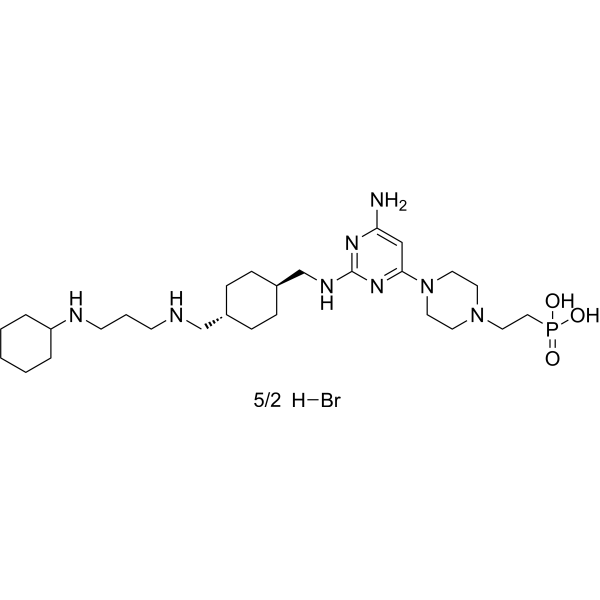


1. Search Result
Search Result
Pathways Recommended: Neuronal Signaling JAK/STAT Signaling
Results for "

cAMP signaling

" in MedChemExpress (MCE) Product Catalog:

126

Inhibitors & Agonists

1

Fluorescent Dyes

1

Biochemical Assay Reagents

20

Peptides

1

Inhibitory Antibodies

13

Natural
Products

2

Isotope-Labeled Compounds

1

Click Chemistry

1

GMP Molecules

Targets Recommended:
Cat. No. Product Name Target Research Areas Chemical Structure
  • HY-16900
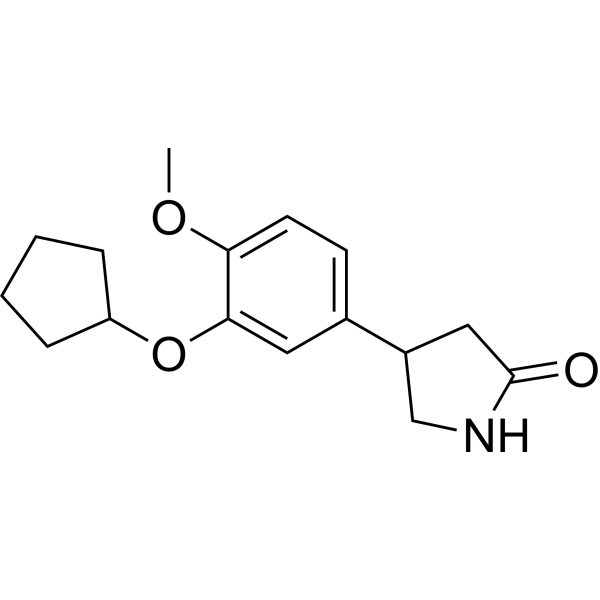
    Rolipram
    15+ Cited Publications

    (R,S)-Rolipram; (±)-Rolipram; ZK 62711

    Bacterial HIV Phosphodiesterase (PDE) Epigenetic Reader Domain Amyloid-β Infection Neurological Disease Cancer
    Rolipram is a PDE4 inhibitor, with blood-brain barrier permeability, that reverses β-amyloid-induced learning and memory impairment in rats. Rolipram elevates intracellular cAMP and clevels and regulates the cAMP/CREB signaling pathway, thereby alleviating neuroinflammation and apoptotic responses. Rolipram promotes neuronal differentiation of human bone marrow mesenchymal stem cells and inhibits Methamphetamine- and morphine-induced hyperlocomotion in mice. Rolipram also reduces the viability of glioblastoma stem-like cells and enhances Bevacizumab (HY-P9906)-induced cell death. Rolipram inhibits the expression of proinflammatory cytokines and enhances central noradrenergic transmission. Rolipram is mainly used in studies related to various central nervous system diseases including Alzheimer's disease, major depressive disorder, glioblastoma multiforme, and multiple sclerosis .
    Rolipram
  • HY-108742
    Abaloparatide
    3 Publications Verification

    BA 058; BIM 44058

    PTHR Arrestin Metabolic Disease Cancer
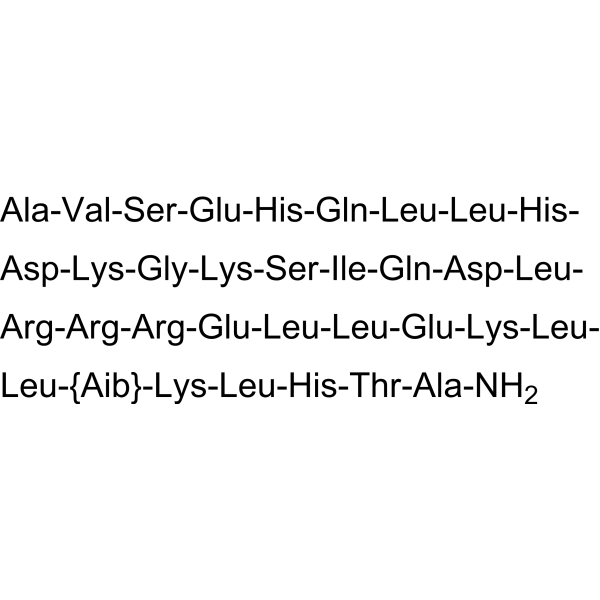
    Abaloparatide (BA 058) is a parathyroid hormone receptor 1 (PTHR1) analog. Abaloparatide also is a selective PTHR1 activator. Abaloparatide enhances Gs/cAMP signaling and β-arrestin recruitment. Abaloparatide enhances bone formation and cortical structure in mice. Abaloparatide has the potential for the research of osteoporosis .
    Abaloparatide
  • HY-160734

    GSBR-1290

    GLP Receptor Metabolic Disease
    Aleniglipron (GSBR-1290) is an orally active glucagon-like peptide-1 receptor (GLP-1R) agonist, with an EC50 value of less than 0.1 nM in HDB cell lines in cAMP stimulation assays. Aleniglipron selectively activates the Gαs-cAMP signaling pathway of GLP-1R without β-arrestin recruitment. Aleniglipron induces insulin release, promotes glucose clearance, reduces food intake and decreases body weight. Aleniglipron is applicable to research related to type 2 diabetes and obesity .
    Aleniglipron
  • HY-P4860
    Adropin (34-76) (human, mouse, rat)
    1 Publications Verification

    Akt Gli JNK PKA Metabolic Disease
    Adropin (34-76) is a secretory domain of Adropin. Adropin (34-76) can inhibit cAMP level and glucose production in hepatocytes, and has a hypoglycemic effect. Adropin (34-76) plays an antifibrotic role by inhibiting the GLI1 signaling pathway .
    Adropin (34-76) (human, mouse, rat)
  • HY-B0679
    Lubiprostone
    1 Publications Verification

    RU-0211; SPI-0211

    Chloride Channel CFTR Glutathione Peroxidase NO Synthase TNF Receptor Metabolic Disease
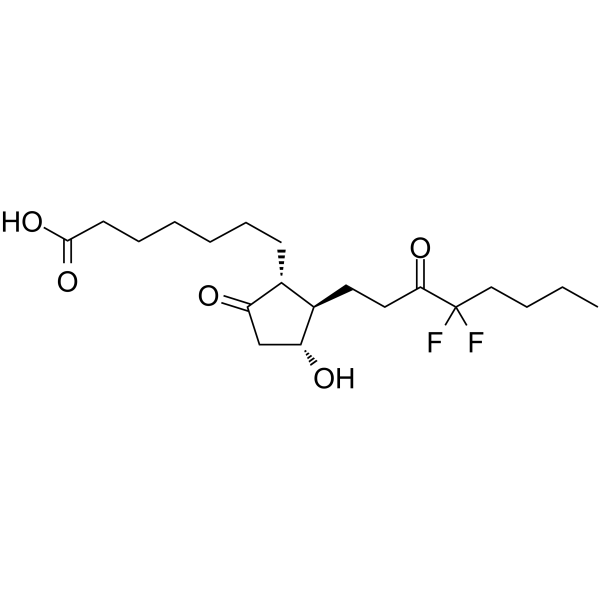
    Lubiprostone (SPI-0211) increases intestinal fluid secretion through generation of CIC-2/CFTR and activation of cAMP signaling pathway. Lubiprostone inhibits myeloperoxidase (MPO) activity, downregulates Indomethacin (HY-14397)-induced iNOS and TNFα expression. Lubiprostone can be used for chronic constipation research .
    Lubiprostone
  • HY-106539

    FXR G protein-coupled Bile Acid Receptor 1 GLP Receptor Metabolic Disease Cancer
    Colesevelam hydrochloride is an orally active bile acid sequestrant, lipid-lowering agent, and glycemic control agent. Colesevelam hydrochloride binds bile acids in the gastrointestinal tract to form nonabsorbable complexes, interrupts enterohepatic recirculation and increases fecal bile acid elimination. Colesevelam hydrochloride modulates FXR, TGR5, and Cyp7a1 activity and triggers cAMP signaling and GLP-1 release. Colesevelam hydrochloride alters hepatic lipid and glucose metabolism, suppresses hepatic glycogenolysis, reduces hepatic triglyceride and cholesterol levels, and increases LDL-C (low-density lipoprotein cholesterol) clearance. Colesevelam hydrochloride can be used for the research of type 2 diabetes mellitus, hypercholesterolemia, and alcohol-related liver disease .
    Colesevelam hydrochloride
  • HY-19929

    CHF-6001

    Phosphodiesterase (PDE) NF-κB Interleukin Related CXCR CCR TNF Receptor Inflammation/Immunology
    Tanimilast (CHF-6001) is an orally active and selective phosphodiesterase 4 inhibitor (IC50=0.026 nM) with robust anti-inflammatory activity and suitable for topical pulmonary administration. Tanimilast increases cellular cAMP levels, and inhibits NF-κB signaling pathway. Tanimilast is used for the research of obstructive lung diseases .
    Tanimilast
  • HY-P10728

    RXFP Receptor ERK Cardiovascular Disease Inflammation/Immunology
    B7-33 is a single-chain relaxin mimetic and a selective relaxin receptor 1 (RXFP1) agonist. B7-33 phosphorylates ERK1/2 without inducing activation of the cAMP signaling pathway. B7-33 exhibits anti-fibrotic and cardioprotective activities. B7-33 can be used in the research of vascular diseases such as cardiomyopathy, myocardial infarction and fibrosis .
    B7-33
  • HY-107580

    GPR109A Cardiovascular Disease Metabolic Disease Inflammation/Immunology
    GPR109 receptor agonist-1 is a highly selective agonist of the human orphan G protein-coupled receptor GPR109b, and does not activate the mouse homologous receptor PUMA-G. GPR109 receptor agonist-1 functionally modulates the human GPR109b receptor via the cAMP signaling pathway, with an EC50 of 400 nM. GPR109 receptor agonist-1 inhibits isoproterenol (HY-B0468)-stimulated lipolysis in human subcutaneous adipocytes, with efficacy comparable to that of Niacin (HY-B0143), and does not act on β-adrenergic receptors. GPR109 receptor agonist-1 can be used in studies related to dyslipidemia and atherosclerosis .
    GPR109 receptor agonist-1
  • HY-167856

    GPR88 Neurological Disease
    RTI-122 is a selective, blood-brain barrier-permeable GPR88 agonist (cAMP EC50=11 nM), with EC50 values of 11.5 nM and 155 nM for human and mouse GPR88, respectively ([ 35S]GTPγS assay). By activating the GPR88 receptor to regulate the cAMP signaling pathway and G protein activity, RTI-122 significantly attenuates Binge-like drinking, reduces alcohol intake, and decreases alcohol-seeking motivation. RTI-122 blocks the reinstatement of alcohol-seeking behavior without affecting water or sucrose intake. RTI-122 exhibits metabolic stability in mice (T1/2=5.8 h) and can be used to investigate alcohol use disorder .
    RTI-122
  • HY-16642A
    LY2828360
    1 Publications Verification

    Cannabinoid Receptor Neurological Disease
    LY2828360 is a slowly acting but efficacious G protein-biased cannabinoid (CB2) agonist, inhibiting cAMP accumulation and activating ERK1/2 signaling.
    LY2828360
  • HY-103322

    PKA Potassium Channel Metabolic Disease Cancer
    6-Bnz-cAMP sodium, a derivative of cyclic adenosine monophosphate (cAMP), is a selective PKA activator with inhibitory activity against the bTREK-1 K + channel. 6-Bnz-cAMP sodium does not activate the Epac signaling pathway. It inhibits the bTREK-1 K + channel via a voltage-independent, ATP-dependent mechanism that is independent of the PKA/Epac/calmodulin kinase/MAP kinase pathway. 6-Bnz-cAMP sodium activates CREB phosphorylation to regulate osteoblast-specific gene expression, induces osteoblast differentiation, promotes extracellular matrix mineralization, supports osteoblast proliferation, and shows no cytotoxicity toward osteoblasts. It can be used in studies related to bone tissue repair and regeneration .
    6-Bnz-cAMP sodium salt
  • HY-14340
    WAY-181187
    2 Publications Verification

    SAX-187

    5-HT Receptor Neurological Disease
    WAY-181187 (SAX-187) is a potent and selective full 5-HT6 receptor agonist with a Ki of 2.2 nM and an EC50 of 6.6 nM . WAY181187 mediates 5-HT6 receptor-dependent signal pathways, such as cAMP, Fyn and ERK1/2 kinase, as specific agonist .
    WAY-181187
  • HY-P2878
    Phosphodiesterase I
    1 Publications Verification

    PDE

    Phosphodiesterase (PDE) Neurological Disease Cancer
    Phosphodiesterase I (PDE) is an enzyme that can catalyze the hydrolysis of the 3' ring phosphate bond of cyclic nucleotides, and is often used in biochemical research. Phosphodiesterase I acts as an important regulator of signal transduction mediated by the second messenger molecules cAMP and cGMP. According to their specificity to cyclic nucleotides, they can also be divided into different types, such as PDE1-PDE11, which also have certain potential in various diseases .
    Phosphodiesterase I
  • HY-P10927A

    BRINP2-related peptide TFA

    PKA AP-1 Metabolic Disease
    BRP (BRINP2-related peptide) TFA is a 12-peptide derived from BRINP2 that can cross the blood-brain barrier. BRP TFA induces the central activation of FOS in neuronal cells via the cAMP-PKA-CREB signaling pathway. BRP TFA exerts anorectic and anti-obesity effects without triggering nausea or aversive responses. The action of BRP TFA is independent of the leptin, GLP-1 receptor and melanocortin 4 receptor pathways. BRP TFA is applicable to obesity-related research .
    BRP TFA
  • HY-121615

    alpha-Phellandrene

    Environmental Pollutants Insecticide NO Synthase Apoptosis Autophagy Infection Neurological Disease Inflammation/Immunology Cancer
    α-Phellandrene (alpha-Phellandrene) is an orally active monoterpenoid and insecticide. α-Phellandrene can be isolated from plant essential oils. α-Phellandrene induces Apoptosis and Autophagy. α-Phellandrene promotes cAMP signaling pathway and increases NO production. α-Phellandrene has anti-inflammatory and anticancer (sarcoma) activities. α-Phellandrene shows insecticidal activity against Lucilia cuprina L3. α-Phellandrene reduces mechanical hyperalgesia .
    α-Phellandrene
  • HY-19867A

    TG-0054 hydrobromide

    CXCR Cardiovascular Disease Cancer
    Burixafor (TG-0054) hydrobromide is a potent CXCR4 antagonist with a pIC50 of 7.4. Burixafor hydrobromide inhibits the binding of CXCL12 to CXCR4, antagonizes CXCL12-induced recruitment of Gαᵢ and β-arrestin2, and blocks the downstream Gαᵢ-mediated inhibitory effect on cAMP signal transduction. Burixafor hydrobromide mobilizes CD34 + hematopoietic stem/progenitor cells (HSPC) from the bone marrow to the peripheral blood. Burixafor hydrobromide can be used for research on autologous hematopoietic stem cell transplantation (ASCT) .
    Burixafor hydrobromide
  • HY-P5275

    CG-Lipoxyn

    NF-κB Histone Demethylase Metabolic Disease
    Tripeptide-41 (CG-Lipoxyn) is a signal peptide. Tripeptide-41 activates the NF-kB signaling pathway, inhibits the expression of C/EBP and increases cAMP. Tripeptide-41 is an important intracellular signaling factor that causes lipolysis by promoting the hydrolysis of lipids into triglycerides. Tripeptide-41 can be used in cosmetics that targets fat accumulation .
    Tripeptide-41
  • HY-128932
    Cefminox sodium
    1 Publications Verification

    MT-141

    Antibiotic Bacterial PPAR Prostaglandin Receptor PTEN Akt mTOR Infection Cardiovascular Disease Endocrinology
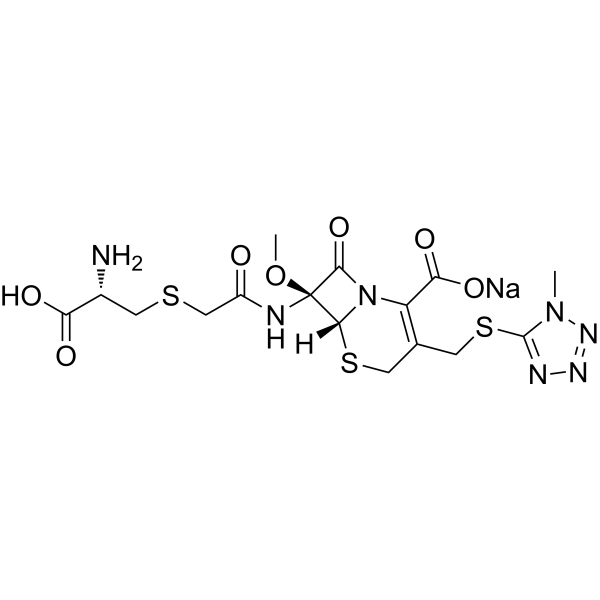
    Cefminox sodium (MT-141) is a semisynthetic cephamycin, which exhibits antibacterial activity. Cefminox sodium is a broad-spectrum, bactericidal cephalosporin antibiotic. Cefminox sodium also acts as a dual agonist of prostacyclin receptor (IP) and PPARγ. Cefminox sodium upregulates cAMP production and PTEN expression and inhibits Akt/mTOR signaling. Cefminox sodium also prevents pulmonary arterial hypertension in rat model .
    Cefminox sodium
  • HY-103565
    AMN082
    1 Publications Verification

    mGluR Neurological Disease
    AMN082, a selective, orally active, and brain penetrant mGluR7 agonist, directly activates receptor signaling via an allosteric site in the transmembrane domain. AMN082 potently inhibits cAMP accumulation and stimulates GTPγS binding (EC50 values, 64-290 nM) at transfected mammalian cells expressing mGluR7. AMN082 shows selectivity over other mGluR subtypes and selected ionotropic glutamate receptors. Antidepressant effects .
    AMN082
  • HY-P10927

    BRINP2-related peptide

    AP-1 PKA Metabolic Disease
    BRP is a 12-peptide derived from BRINP2 that can cross the blood-brain barrier. BRP induces the central activation of FOS in neuronal cells via the cAMP-PKA-CREB signaling pathway. BRP exerts anorectic and anti-obesity effects without triggering nausea or aversive responses. The action of BRP is independent of the leptin, GLP-1 receptor and melanocortin 4 receptor pathways. BRP is applicable to obesity-related research .
    BRP
  • HY-111385
    UNC9994 hydrochloride
    2 Publications Verification

    Dopamine Receptor 5-HT Receptor Arrestin Neurological Disease
    UNC9994 hydrochloride is a functionally selective, β-arrestin–biased dopamine D2 receptor (D2R) agonist that selectively activates β-arrestin recruitment and signaling. UNC9994 hydrochloride shows a binding affinity with a Ki of 79 nM for D2R. UNC9994 hydrochloride is also an antagonist of Gi-regulated cAMP production and partial agonist for D2R/β-arrestin-2 interactions. UNC9994 hydrochloride shows antipsychotic-like activity .
    UNC9994 hydrochloride
  • HY-162734

    GPR65 Inflammation/Immunology
    BRD5075 is a selective GPR65 activator. BRD5075 enhances GPR65 activity under acidic conditions, promotes Gαs-dependent signaling pathways, including cAMP production and G protein recruitment. BRD5075 regulates the cytokine and chemokine expression network in dendritic cells, and inhibits the expression of pro-inflammatory cytokines and chemokines in a GPR65-dependent manner. BRD5075 is applicable to research related to inflammatory bowel disease .
    BRD5075
  • HY-121793

    (-)-Roemerine

    Endogenous Metabolite 5-HT Receptor mGluR iGluR Bacterial Antibiotic Infection Neurological Disease Cancer
    Roemerine is an alkaloid that has been identified from the leaves of Fibraurea recisa Pierre. Roemerine exhibits antibacterial, anticancer, and antidepressant activities, can reverse the multidrug resistance phenotype in cultured cells, and exerts antibacterial effects by regulating the cAMP signaling pathway. Additionally, Roemerine influences neuronal activity by increasing BDNF protein expression and modulating the serotonergic and glutamatergic systems. Roemerine holds promise for research in the fields of cancer, infections, and neurological diseases .
    Roemerine
  • HY-120511
    KNT-127
    1 Publications Verification

    Opioid Receptor Neurological Disease
    KNT-127 is a selective and BBB-penetrant δ-opioid receptor (DOR) agonist (Ki = 0.16 nM). KNT-127 is highly selective to the δ receptor, with Ki values of 0.16, 21.3 and 153 nM for δ, μ and κ receptors, respectively. KNT-127 acts as a biased ligand that mainly activates cyclic adenosine monophosphate (cAMP) signaling with lower beta-arrestin signaling activation. KNT-127 increases the release of dopamine and L-glutamate in the striatum, nucleus accumbens, and prefrontal cortex. KNT-127 exhibits antidepressant- and anxiolytic-like effects. KNT-127 can be studied in research on neurological diseases .
    KNT-127
  • HY-110206

    Cannabinoid Receptor Metabolic Disease
    AM6545 is a highly selective, brain-free (peripherally active) CB1 receptor antagonist (Ki=1.7 nM). AM6545 inhibits endocannabinoid signaling by competitively antagonizing CB1 receptors, inhibiting CB1-mediated appetite stimulation and inflammatory responses without affecting cAMP levels. AM6545 significantly reduces food intake and body weight in mice, while improving metabolic syndrome-related renal impairment (such as proteinuria, fibrosis) and insulin resistance. AM6545 can be used in the study of obesity and its complications .
    AM6545
  • HY-P6292

    PACAP Receptor PKA ERK PI3K Akt GSK-3 Neurological Disease Cancer
    KS-133 is a bicyclic peptide with VIPR2 antagonistic activity that can cross the blood-brain barrier. KS-133 selectively blocks VIPR2-mediated Gq/Ca, Gs/cAMP, cAMP/PKA/ERK and PI3K/AKT/GSK3β signaling pathways. KS-133 inhibits VIPR2 agonist-induced CREB phosphorylation in the prefrontal cortex of mice. KS-133 shifts the polarization direction of macrophages toward M1. KS-133 attenuates cancer cell proliferation and reduces the cell cycle distribution level at the S-M phase. KS-133 exerts antitumor effects in a mouse model of colorectal cancer. KS-133 reverses cognitive decline in mouse models of psychiatric disorders. KS-133 can be used for research related to schizophrenia, colorectal cancer and breast cancer .
    KS-133
  • HY-N0910
    Notoginsenoside Ft1
    1 Publications Verification

    PI3K mTOR Akt Apoptosis p38 MAPK ERK Transmembrane Glycoprotein Glutathione Reductase (GR) Estrogen Receptor/ERR Calcium Channel Ferroptosis G protein-coupled Bile Acid Receptor 1 FXR Cardiovascular Disease Neurological Disease Metabolic Disease Inflammation/Immunology Cancer
    Notoginsenoside Ft1 is an orally active bioactive saponin. Notoginsenoside Ft1 inhibits the PI3K/AKT/mTOR signaling pathway, activates the p38 MAPK and ERK1/2 signaling pathways, and increases the proportion of CD8 + T cells, thereby inducing apoptosis and lysosomal cell death in various cancer cells, and promoting angiogenesis. Notoginsenoside Ft1 causes vasodilation by activating glucocorticoid receptors (GR) and estrogen receptor beta (ERβ) in endothelial cells. Notoginsenoside Ft1 increases intracellular Ca 2+ accumulation, reduces cAMP levels by activating a signaling network mediated through P2Y12 receptors, and promotes platelet aggregation, thereby exerting a procoagulant effect. Notoginsenoside Ft1 inhibits ferroptosis (ferroptosis) in renal tubular epithelial cells by activating the TGR5 receptor, thereby demonstrating a renal protective effect. Notoginsenoside Ft1 acts as a TGR5 agonist and an FXR antagonist to combat obesity and insulin resistance .
    Notoginsenoside Ft1
  • HY-107544

    PKA Metabolic Disease
    8-pCPT-2'-O-Me-cAMP-AM is a cyclic AMP analogue, selectively activates Epac-Rap signaling pathway. 8-pCPT-2'-O-Me-cAMP-AM protects renal function by activating Epac from ischemia injury. 8-pCPT-2'-O-Me-cAMP-AM also stimulates insulin secretion by interaction with PKA pathway .
    8-pCPT-2'-O-Me-cAMP-AM
  • HY-173178

    Estrogen Receptor/ERR Cancer
    LNS8801 is an orally active agonist of the G protein-coupled estrogen receptor (GPER). By activating GPER, LNS8801 mediates downstream signaling pathways, such as promoting the production of cyclic adenosine monophosphate (cAMP) and activating the cAMP response element-binding protein (CREB) signaling, thereby exerting anti-tumor activities including inhibiting tumor cell proliferation, inducing cell differentiation, and enhancing tumor immunogenicity. LNS8801 can be used in the research of various cancers (e.g., melanoma, pancreatic cancer, colorectal cancer, lung cancer, etc.) and relevant studies exploring the roles of GPER in normal physiological and pathological processes .
    LNS8801
  • HY-108742A
    Abaloparatide TFA
    3 Publications Verification

    BA 058 TFA; BIM 44058 TFA

    Arrestin PTHR Metabolic Disease Endocrinology Cancer
    Abaloparatide TFA (BA 058 TFA) is a parathyroid hormone receptor 1 (PTHR1) analogue. Abaloparatide TFA also is a selective PTHR1 activator. Abaloparatide TFA enhances Gs/cAMP signaling and β-arrestin recruitment. Abaloparatide TFA enhances bone formation and cortical structure in mice. Abaloparatide TFA has the potential for the research of osteoporosis .
    Abaloparatide TFA
  • HY-153213A

    TSH Receptor Endocrinology
    Org 274178-0 is a selective thyroid-stimulating hormone receptor (TSHR) antagonist with a pIC50 value for TSHR is 5.03. Org 274178-0 inhibits the activation of cAMP signaling pathway and phospholipase C (PLC) signaling pathway mediated by thyroid-stimulating hormone (TSH) and TSH receptor-stimulating immunoglobulins (TSIs). Org 274178-0 is promising for research of Graves’ disease and Graves’ ophthalmopathy .
    Org 274178-0
  • HY-163671

    GPR52 Arrestin Neurological Disease
    PW0729 is a selective GPR52 agonist. PW0729 activates G protein/cAMP signaling pathway, with bias toward this pathway over β-arrestin recruitment, and induces GPR52 desensitization. PW0729 can be used for the research of neuropsychiatric and neurological diseases .
    PW0729
  • HY-N6901

    Epigenetic Reader Domain Metabolic Disease
    Luteolin 7-sulfate is isolated from Phyllospadix iwatensis Makino, a marine plant. Luteolin 7-sulfate attenuates TYR gene expression through the intervention of a cAMP-responsive element binding protein (CREB)- and microphthalmia-associated transcription factor (MITF)-mediated signaling pathway, leading to the decreased melanin synthesis .
    Luteolin 7-sulfate
  • HY-110218
    CW 008
    2 Publications Verification

    PKA Epigenetic Reader Domain Others
    CW 008, a derivative of pyrazole-pyridine, is a CREB or PKA pathway agonist. CW 008 also is a stem cell differentiating agent. CW 008 stimulates osteoblast differentiation of human MSCs and increases bone formation in ovariectomized mice. CW008 promotes osteogenesis by activating cAMP/PKA/CREB signaling pathway and inhibiting leptin secretion .
    CW 008
  • HY-P1298A

    CRFR Cardiovascular Disease Neurological Disease
    Sauvagine TFA is a corticotropin-releasing factor receptor (CRFR) agonist. Sauvagine TFA activates HM-CRF receptors to stimulate intracellular cAMP accumulation, activates PC-CRF receptors to trigger associated signaling pathways, and stimulates the hypothalamic-pituitary-adrenal axis. Sauvagine TFA can be used for research on central nervous system and blood diseases .
    Sauvagine TFA
  • HY-P10336

    Serpin Neurological Disease Endocrinology
    Serpinin is an agonist of the protease inhibitor Nexin-1 (PN-1). Serpinin upregulates the expression of PN-1 through the cAMP-PKA-Sp1 signaling pathway, promoting granule biogenesis in endocrine cells. Serpinin is used in research related to the regulation of secretory function . Serpinin is a selective agonist for β-adrenergic receptors. Serpinin interacts with β1-adrenergic receptors to activate the AC-cAMP-PKA pathway, which regulates myocardial systolic and diastolic function. pGlu-serpinin upregulates Bcl2 mRNA transcription and exerts neuroprotective effects .
    Serpinin
  • HY-P10716

    GLP Receptor Metabolic Disease
    Exendin-P5 is a selective agonist that targets the GLP-1R. Exendin-P5 promotes rapid activation of G proteins by transient interactions with the transmembrane domain of GLP-1R, enhancing its potency in G protein-mediated signaling and accelerating cAMP production. This mechanism suggests the potential application of Exendin-P5 in the study of metabolic diseases .
    Exendin-P5
  • HY-134254

    8-(6-Aminohexylamino)-cAMP

    Biochemical Assay Reagents Others
    8-AHA-cAMP (8-(6-Aminohexylamino)-cAMP) is a cAMP derivative that modulates the function of proteins by interacting with their cAMP binding domain (CNBD). 8-AHA-cAMP can be used to reveal the mechanism of action of cAMP in cell signaling .
    8-AHA-cAMP
  • HY-108991

    (-)-T-0509

    Adrenergic Receptor Cardiovascular Disease
    T-0509 ((-)-T-0509) is a selective full agonist of the β1 receptor. T-0509 activates the cAMP signaling pathway through the β1 receptor and enhances myocardial contractility .
    T-0509
  • HY-P1298

    CRFR Cardiovascular Disease Neurological Disease
    Sauvagine is a corticotropin-releasing factor receptor (CRFR) agonist. Sauvagine activates HM-CRF receptors to stimulate intracellular cAMP accumulation, activates PC-CRF receptors to trigger associated signaling pathways, and stimulates the hypothalamic-pituitary-adrenal axis. Sauvagine can be used for research on central nervous system and blood diseases .
    Sauvagine
  • HY-175231

    5-HT Receptor Neurological Disease
    ST171 is a bitopic 5-HT1AR agonist with an Ki of 0.41  nM. ST171 selectively activates Gi/o signaling pathway and inhibits 5-HT1AR-mediated cAMP accumulation without Gs activation and marginal β-arrestin recruitment. T171 reduces hypersensitivity in chronic neuropathic and inflammatory pain mice model. ST171 can be used for pain research .
    ST171
  • HY-P10365

    Adhesion G Protein-coupled Receptors (AGPCRs) Others
    Vmm-p15 is a peptide agonist optimized for the adhesion G protein-coupled receptor GPR64 (also known as ADGRG2 or HE6). The affinity of VPM-p15 with GPR64 is significantly higher than that of the original p15 peptide. The cAMP level induced by VMM-P15 increased significantly, activated GPR64, and triggered downstream Gs, Gq, and G12/13 signaling. VPM-p15 can be used to study the activation mechanism of adherent GPCR family members .
    VPM-p15
  • HY-162401

    RXFP Receptor Cardiovascular Disease
    AZ7976 (Compound 42) is a highly selective agonist for the Relaxin Family Peptide Receptor 1 (RXFP1) (pEC50 > 10.5). AZ7976 enhances RXFP1's cAMP signaling through an allosteric mechanism, thereby physiologically increasing heart rate. AZ7976 can be used in the field of cardiovascular disease research .
    AZ7976
  • HY-P10256A

    Kisspeptin Receptor PKA PKC Endocrinology
    Kiss2 peptide acetate is the acetate form of Kiss2 pepride (HY-P10256). Kiss2 peptide acetate is a positive regulator of reproduction. Kiss2 peptide acetate binds with its cognate receptor Kiss2R (GPR54) in COS-7 cells, activates PKA and PKC signaling pathways through Gas and Gaq proteins, and thus enhances the activity of cAMP response element-dependent luciferase (CRE-luc) and serum response element-dependent luciferase (SRE-luc) .
    Kiss2 peptide acetate
  • HY-124681

    Neuromedin U Receptor (NMUR) Metabolic Disease
    NY0116 is a neuromedin U receptor 2 (NMUR2) agonist with EC50 values of 27.76 μM for hNMUR1 and 13.61 μM for hNMUR2. NY0116 decreases cAMP while stimulating calcium signaling in stably expressing NMUR2 HEK293 cells .
    NY0116
  • HY-134263

    PKA Ras Cardiovascular Disease
    8-Br-cAMP-AM is a cyclic adenosine monophosphate (cAMP) analog that activates two major signal transduction pathways in the heart by mimicking the effects of cAMP: protein kinase A (PKA) and guanosine nucleotide exchange factor (Epac), which is directly activated by cAMP. 8-Br-cAMP-AM can be used to study cardiac ischemia and reperfusion injury .
    8-Br-cAMP-AM
  • HY-161107

    GPR84 Inflammation/Immunology
    OX04529 (compound 69) is a potent, selective and orally active agonist of GPR84. OX04529 inhibits FSK-induced cAMP production with an EC50 of 0.0185 nM. OX04529 displayed excellent potency, high G-protein signaling bias .
    OX04529
  • HY-179407

    Phosphodiesterase (PDE) Inflammation/Immunology
    LT-104A is a potent PDE4 inhibitor that elevates intracellular cAMP levels (EC50 = 1.9 μM) and inhibits PDE4D3 activity (IC50 = 9.3 μM). LT-104A activates the cAMP-PKA-CREB anti-inflammatory signaling pathway and suppresses NF-κB-related gene expression (Il1b and Nos2). LT-104A can be used for inflammation-related disease research .
    LT-104A
  • HY-175982

    Aurora Kinase Cancer
    AURKA-IN-3 (Compound AL8) is an irreversible covalent Aurora kinase A (AURKA) inhibitor with an IC50 value of 23.0 nM. AURKA-IN-3 inhibits the activation of cAMP signaling pathway and phospholipase C (PLC) signaling pathway mediated by AURKA, and reduces the autophosphorylation level of AURKA. AURKA-IN-3 is promising for research of malignant tumors associated with high AURKA expression (e.g., leukemia, lymphoma) .
    AURKA-IN-3

Inquiry Online

Your information is safe with us. * Required Fields.

Salutation


Country or Region *

Applicant Name *


Organization Name *

Department *


Email Address *


Product Name *

Cat. No.


Requested quantity *

Phone Number *


Remarks

Inquiry Online

Inquiry Information

Product Name:
Cat. No.:
Quantity:
MCE Japan Authorized Agent:

