1. Search Result
Search Result
Results for "

cirrhosis

" in MedChemExpress (MCE) Product Catalog:

51

Inhibitors & Agonists

4

Screening Libraries

1

Fluorescent Dyes

3

Peptides

12

Natural
Products

4

Isotope-Labeled Compounds

3

Antibodies

Cat. No. Product Name Target Research Areas Chemical Structure
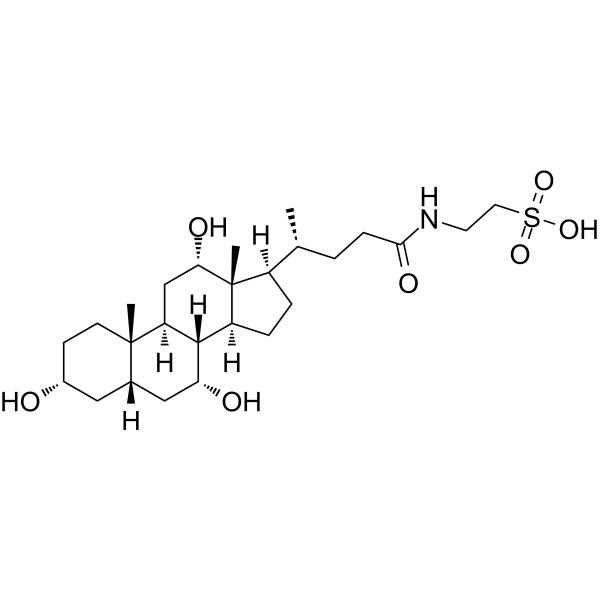
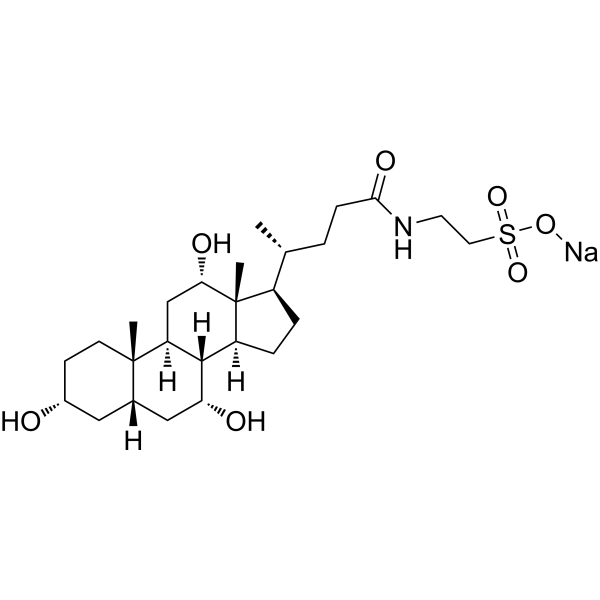
  • HY-B1788
    Taurocholic acid
    Maximum Cited Publications
    31 Publications Verification

    N-Choloyltaurine

    Endogenous Metabolite Neurological Disease Inflammation/Immunology
    Taurocholic acid (N-Choloyltaurine) has marked bioactive effects such as an inhibitory potential against hepatic artery ligation induced biliary damage by upregulation of VEGF-A expression. Taurocholic acid has immunoregulation effect .
    Taurocholic acid
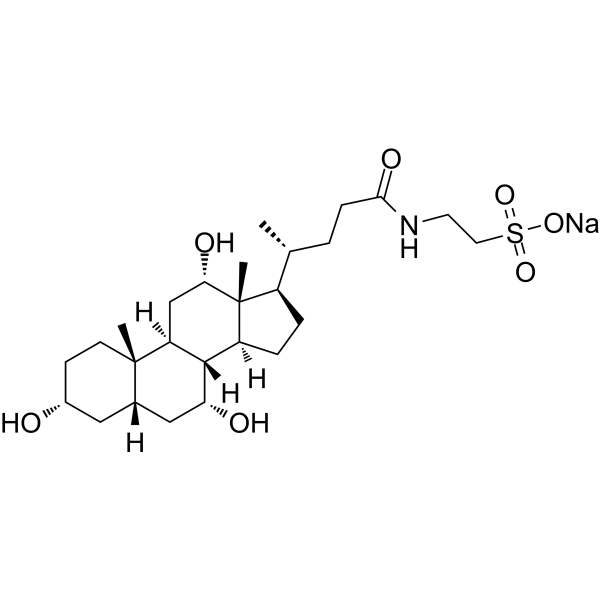
  • HY-N0545
    Taurocholic acid sodium
    Maximum Cited Publications
    31 Publications Verification

    Sodium taurocholate; N-Choloyltaurine sodium

    VEGFR Endogenous Metabolite Cardiovascular Disease Neurological Disease Inflammation/Immunology Cancer
    Taurocholic acid sodium (Sodium taurocholate) has marked bioactive effects such as an inhibitory potential against hepatic artery ligation induced biliary damage by upregulation of VEGF-A expression. Taurocholic acid sodium has immunoregulation effect .
    Taurocholic acid sodium
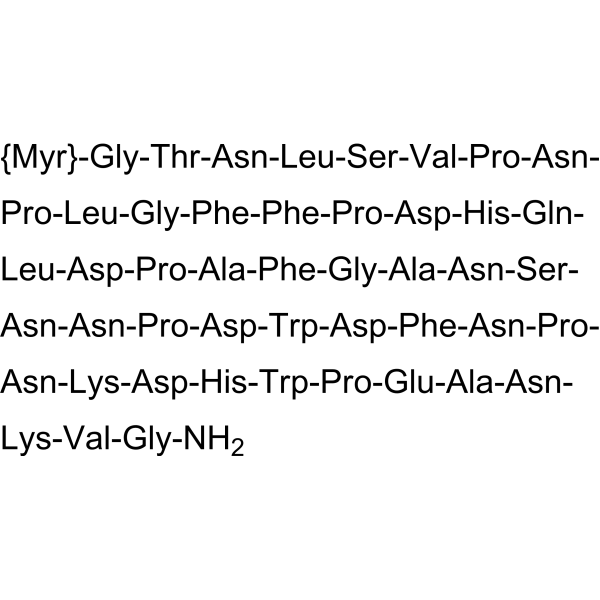
  • HY-P3465
    Bulevirtide
    5+ Cited Publications

    Myrcludex B

    HBV Infection
    Bulevirtide (Myrcludex B) is a NTCP inhibitor, a linear lipopeptide of 47 amino acids. Bulevirtide inhibits HBV and HDV entry into liver cells, blocks HBV infection in hepatocytes, and participates in HBV transcriptional suppression. Bulevirtide can be used in HDV infection and compensated cirrhosis research .
    Bulevirtide
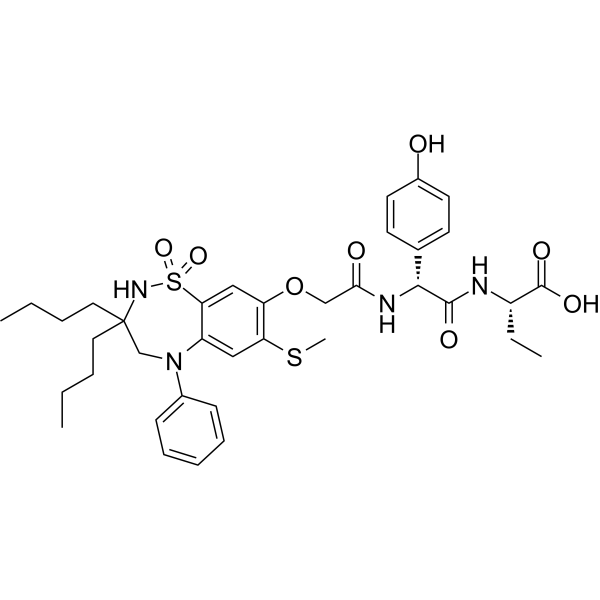
  • HY-109120
    Odevixibat
    4 Publications Verification

    A4250

    Apical Sodium-Dependent Bile Acid Transporter Metabolic Disease
    Odevixibat (A4250) is a selective and orally active ileal apical sodium-dependent bile acid transporter (ASBT) inhibitor. Odevixibat decreases cholestatic liver and bile duct injury in mice model. Odevixibat has the potential for the treatment of primary biliary cirrhosis .
    Odevixibat
  • HY-122141

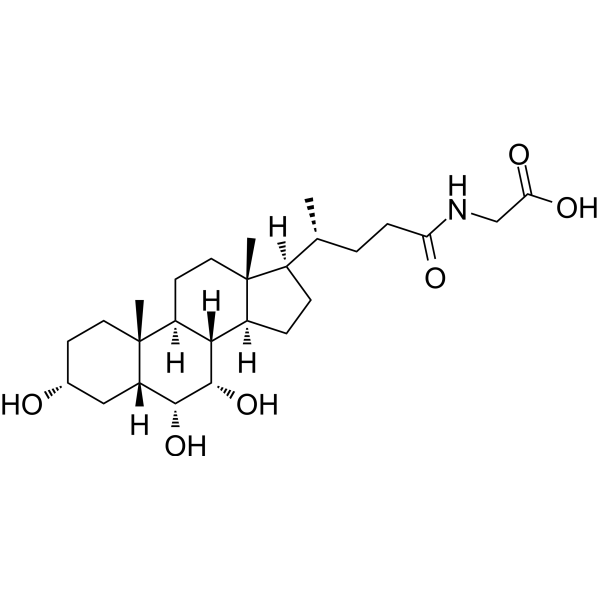
    GHCA

    Endogenous Metabolite Infection Metabolic Disease
    Glycohyocholic acid (GHCA) is a primary conjugated bile acid formed by the conjugation of Hyocholic acid (HY-121238) and Glycine (HY-Y0966). Glycohyocholic acid can be used as a biomarker in the study of hepatitis C-related cirrhosis and diabetes .
    Glycohyocholic acid
  • HY-B0247
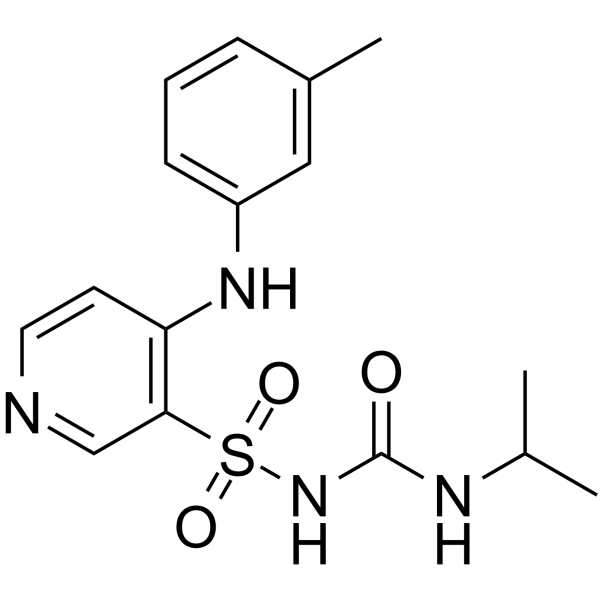
    Torsemide
    1 Publications Verification

    Torasemide

    NKCC Cardiovascular Disease Metabolic Disease
    Torsemide (Torasemide) is an orally active loop diuretic. Torsemide has anti-aldosterone and vasodilatory effects. Torsemide also can be used for the research of heart failure, renal disease and hepatic cirrhosis .
    Torsemide
  • HY-N3021

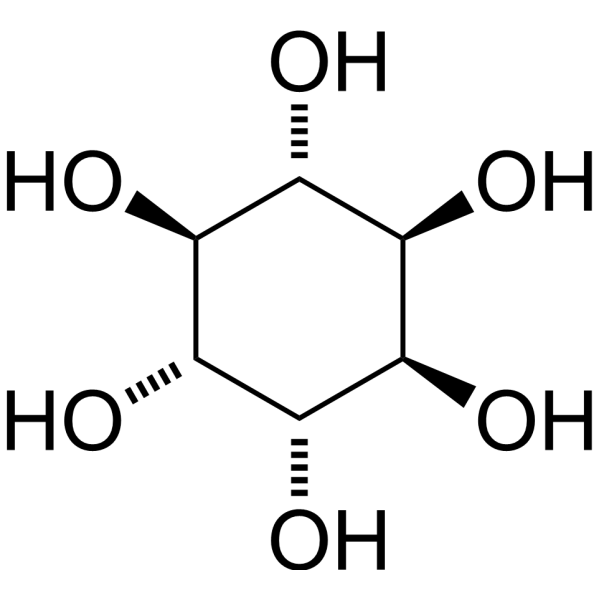
    Endogenous Metabolite NF-κB TNF Receptor FOXO Microtubule/Tubulin Metabolic Disease
    D-chiro-Inositol is a stereoisomer of inositol that exhibits activities such as improving glucose metabolism, anti-tumor effects, anti-inflammatory properties, and antioxidant activity. D-chiro-Inositol effectively alleviates cholestasis by enhancing bile acid secretion and reducing oxidative stress. D-chiro-Inositol improves insulin resistance, lowers hyperglycemia and circulating insulin levels, reduces serum androgen levels, and ameliorates some metabolic abnormalities associated with X syndrome by mimicking the action of insulin. Additionally, D-chiro-Inositol can induce a reduction in pro-inflammatory factors (such as Nf-κB) and cytokines (such as TNF-α), thereby exerting anti-inflammatory effects. D-chiro-Inositol may be used in the study of liver cirrhosis, breast cancer, type 2 diabetes, and polycystic ovary syndrome .
    D-chiro-Inositol
  • HY-A0282

    Amino Acid Derivatives Metabolic Disease Inflammation/Immunology
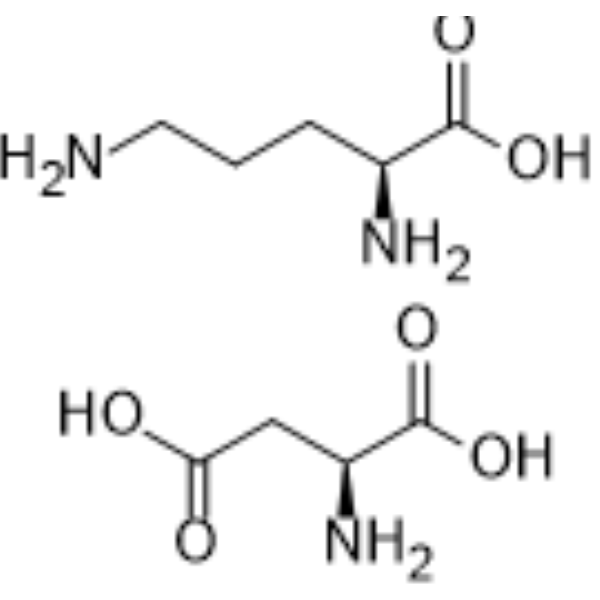
    L-Ornithine L-aspartate is a stable salt of two natural nonessential L-amino acids with oral activity: ornithine and aspartic acid. L-Ornithine L-aspartate lowers blood ammonia concentration and to eliminate symptoms of hepatic encephalopathy associated with liver cirrhosis. L-Ornithine L-aspartate also improves mitochondrial functions .
    L-Ornithine L-aspartate
  • HY-N2127
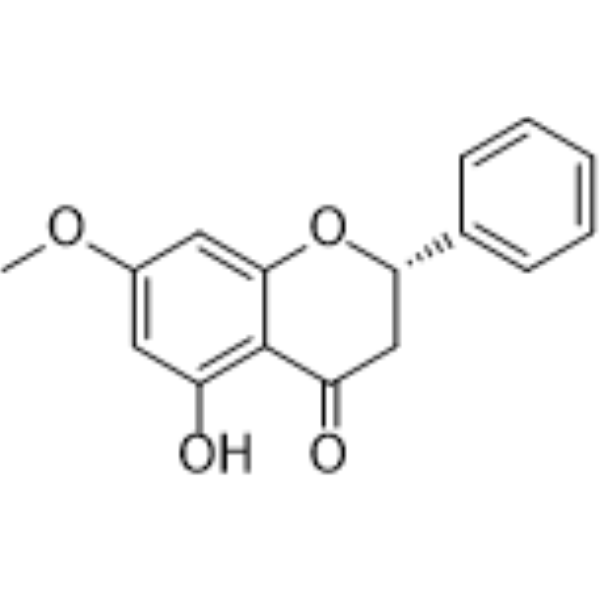
    Pinostrobin
    3 Publications Verification

    Amyloid-β Apoptosis Ser/Thr Protease HSV Interleukin Related Infection Cardiovascular Disease Neurological Disease Inflammation/Immunology Cancer
    Pinostrobin is a flavonoid with anti-cancer, antioxidant, antiviral and neuroprotective activities. Pinostrobin has oral activity. Pinostrobin is a potent PCSK9 inhibitor that inhibits the catalytic activity of PCSK9. Pinostrobin can be used in the research of viral infections, cancer, leukemia, cardiovascular and cerebrovascular diseases, cirrhosis, inflammation and neurological diseases .
    Pinostrobin
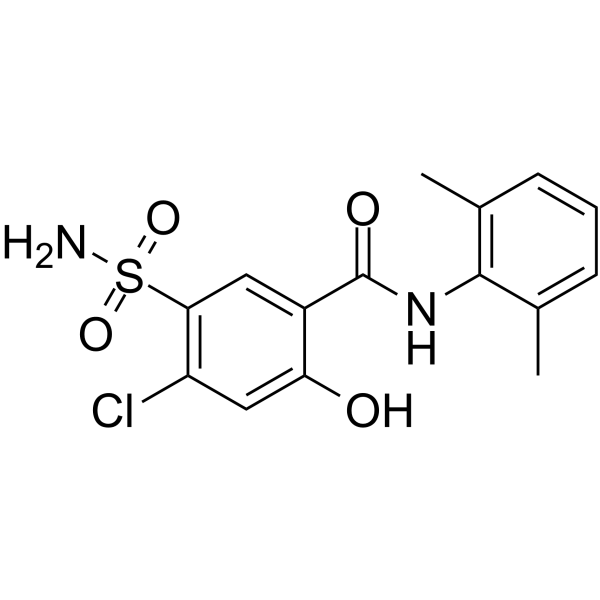
  • HY-W042301

    Anion Exchangers Carbonic Anhydrase Endothelin Receptor Cardiovascular Disease
    Xipamide is an orally active carbonic anhydrase (CA) inhibitor and Na +/Cl --potassium transporter inhibitor with diuretic and antihypertensive effects. Xipamide reduces NaCl reabsorption by inhibiting the Cl -/NaCO3 - anion exchanger, and increases calcium reabsorption while promoting potassium and magnesium excretion. Xipamide is mainly cleared via the renal pathway and causes a temporary decrease in glomerular filtration rate under specific conditions. Xipamide does not affect Ca 2+ signaling induced by endothelin-1 and other factors, nor does it inhibit various ion cotransport or pump activities in red blood cells. Xipamide can be used in researches related to cardiovascular diseases, hypertension (especially with left ventricular hypertrophy), advanced renal failure, and liver cirrhosis with ascites .
    Xipamide
  • HY-160719

    Peptide-Drug Conjugates (PDCs) Inflammation/Immunology
    NHS-activated 2-octynoic acid-BSA is an immunogen used to establish a mouse model of primary biliary cholangitis (PBC). When used in combination with Complete Freund's Adjuvant (HY-153808), NHS-activated 2-octynoic acid-BSA stimulates the body's immune system, which recognizes it as a foreign antigen and triggers an immune response against autologous biliary epithelial cells. This leads to the production of anti-PDC-E2 antibodies, causing bile duct damage and inflammation. NHS-activated 2-octynoic acid-BSA is promising for use in primary biliary cholangitis research .
    2-octynoic acid-BSA
  • HY-163959

    PNPLA3 Metabolic Disease Cancer
    PF-07853578 is an orally active PNPLA3 modulator. PF-07853578 significantly reduces human PNPLA3-I148M protein levels and effectively decreases hepatic triglyceride content by reducing this mutant protein. PNPLA3 degrader-1 can be used in the research of liver cirrhosis and hepatocellular carcinoma .
    PF-07853578
  • HY-P5535

    OCE-205

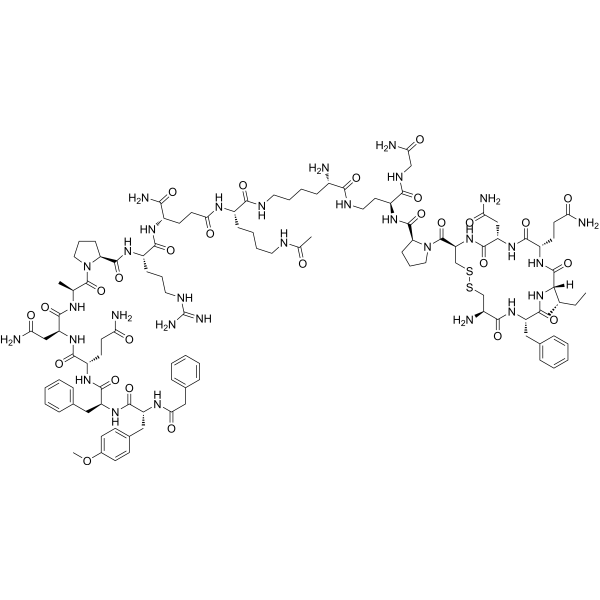
    Vasopressin Receptor Inflammation/Immunology
    Invopressin (Compound 42) is a vasopressin V1A receptor partial agonist (EC50: 1.0 nM). Invopressin can be used for research of cirrhosis, including bacterial peritonitis, HRS2 and refractory ascites .
    Invopressin
  • HY-W016798

    Endogenous Metabolite Metabolic Disease
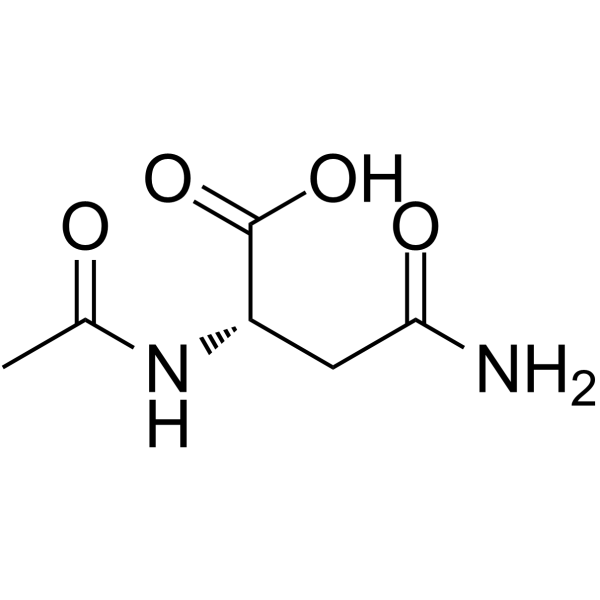
    (S)-2-acetamido-4-amino-4-oxobutanoic acid is a metabolite. (S)-2-acetamido-4-amino-4-oxobutanoic acid can be used in the research of decompensated liver cirrhosis .
    (S)-2-acetamido-4-amino-4-oxobutanoic acid
  • HY-N0545R

    Sodium taurocholate (Standard); N-Choloyltaurine sodium (Standard)

    Reference Standards VEGFR Endogenous Metabolite Inflammation/Immunology
    Taurocholic acid (sodium) (Standard) is the analytical standard of Taurocholic acid (sodium). This product is intended for research and analytical applications. Taurocholic acid sodium (Sodium taurocholate) has marked bioactive effects such as an inhibitory potential against hepatic artery ligation induced biliary damage by upregulation of VEGF-A expression. Taurocholic acid sodium has immunoregulation effect .
    Taurocholic acid sodium (Standard)
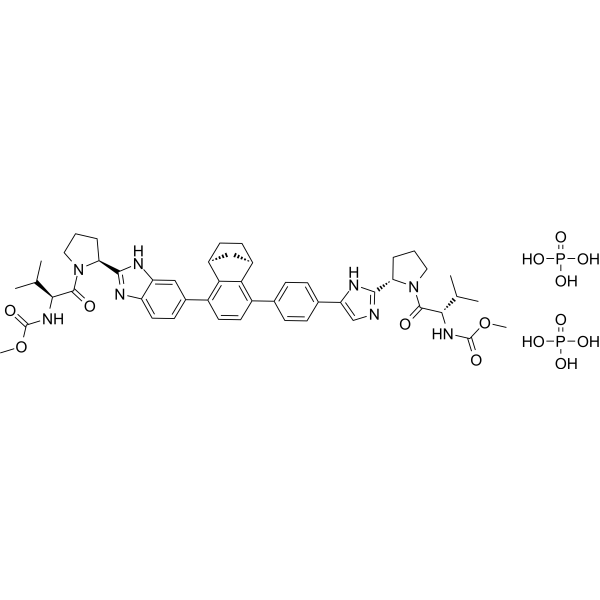
  • HY-147358

    Emitasvir diphosphate; DAG-181 diphosphate

    HCV Infection
    Yimitasvir diphosphate (Emitasvir diphosphate; DAG-181 diphosphate) is an orally active inhibitor of hepatitis C virus (HCV) nonstructural protein 5A (NS5A). Yimitasvir diphosphate is applicable to research related to HCV infection .
    Yimitasvir diphosphate
  • HY-169004

    TGF-beta/Smad Interleukin Related Neurological Disease Inflammation/Immunology
    CBT-295 is an orally active autotaxin (ATX) inhibitor. CBT-295 exhibits a significant reduction in inflammatory cytokines like TGF-β, TNF-α and IL-6 levels, also reduced bile duct proliferation marker CK-19 and lowered liver fibrosis. The reversal of liver fibrosis with CBT-295 led to a reduction in blood and brain ammonia levels. CBT-295 also reduced neuroinflammation induced by ammonia. CBT-295 is promising for research of liver cirrhosis and associated encephalopathy .
    CBT-295
  • HY-B0247S

    Torasemide-d7

    Isotope-Labeled Compounds Cardiovascular Disease Metabolic Disease
    Torsemide-d7 is the deuterium labeled Torsemide. Torsemide (Torasemide) is an orally active loop diuretic. Torsemide has anti-aldosterone and vasodilatory effects. Torsemide also can be used for the research of heart failure, renal disease and hepatic cirrhosis .
    Torsemide-d7
  • HY-B0247R
    Torsemide (Standard)
    1 Publications Verification

    Torasemide (Standard)

    NKCC Reference Standards Cardiovascular Disease Metabolic Disease
    Torsemide (Standard) is the analytical standard of Torsemide. This product is intended for research and analytical applications. Torsemide (Torasemide) is an orally active loop diuretic. Torsemide has anti-aldosterone and vasodilatory effects. Torsemide also can be used for the research of heart failure, renal disease and hepatic cirrhosis .
    Torsemide (Standard)
  • HY-126128

    Biochemical Assay Reagents Cancer
    Heliotrine is a monoester pyrrolizidine alkaloid and is used for obtaining models of hepatitis and cirrhosis of the liver .
    Heliotrine
  • HY-18344

    SR 121463

    Vasopressin Receptor Metabolic Disease
    Satavaptan (SR 121463) is an antagonist for vasopressin V2 receptor. Satavaptan regulates the vasopressin regulated phosphopeptides and vasopressin-mediated signaling pathway. Satavaptan is potential in ameliorating hyponatremia .
    Satavaptan
  • HY-118167

    Drug Metabolite Metabolic Disease Inflammation/Immunology
    Monoethylglycinexylidide is a metabolite of Lidocain (HY-B0185) via oxidative N-deethylation of Lignocaine by liver cytochrome P-450 enzymes in the liver [1] .
    Monoethylglycinexylidide
  • HY-B1788R

    N-Choloyltaurine (Standard)

    Reference Standards Endogenous Metabolite Inflammation/Immunology
    Taurocholic acid (Standard) is the analytical standard of Taurocholic acid. This product is intended for research and analytical applications. Taurocholic acid (N-Choloyltaurine) has marked bioactive effects such as an inhibitory potential against hepatic artery ligation induced biliary damage by upregulation of VEGF-A expression. Taurocholic acid has immunoregulation effect .
    Taurocholic acid (Standard)
  • HY-147358A

    Emitasvir; DAG-181

    HCV Infection
    Yimitasvir (Emitasvir; DAG-181) is an orally active inhibitor of hepatitis C virus (HCV) nonstructural protein 5A (NS5A). Yimitasvir is applicable to research related to HCV infection .
    Yimitasvir
  • HY-N3021R

    Reference Standards Endogenous Metabolite NF-κB TNF Receptor FOXO Microtubule/Tubulin Metabolic Disease
    D-chiro-Inositol is a stereoisomer of inositol that exhibits activities such as improving glucose metabolism, anti-tumor effects, anti-inflammatory properties, and antioxidant activity. D-chiro-Inositol effectively alleviates cholestasis by enhancing bile acid secretion and reducing oxidative stress. D-chiro-Inositol improves insulin resistance, lowers hyperglycemia and circulating insulin levels, reduces serum androgen levels, and ameliorates some metabolic abnormalities associated with X syndrome by mimicking the action of insulin. Additionally, D-chiro-Inositol can induce a reduction in pro-inflammatory factors (such as Nf-κB) and cytokines (such as TNF-α), thereby exerting anti-inflammatory effects. D-chiro-Inositol may be used in the study of liver cirrhosis, breast cancer, type 2 diabetes, and polycystic ovary syndrome .
    D-chiro-Inositol (Standard)
  • HY-118028

    Drug Derivative Cardiovascular Disease Inflammation/Immunology
    Leyk is an orally active Cysteine derivative. Leyk stimulates bone marrow hematopoiesis. Leyk exerts a significant protective effect against cyclophosphamide-induced leukopenia. Leyk can be used in studies related to thrombocytopenia and leukopenia .
    Leyk
  • HY-W010270A

    TRP Channel NF-κB NO Synthase TREM receptor Arginase Metabolic Disease Inflammation/Immunology
    Aurothiomalate (disodium) is a TRPA1 inhibitor. Aurothiomalate (disodium) inhibits NF-κB activation and iNOS expression. Aurothiomalate (disodium) promotes M2 transformation of macrophages and increases the expression of TREM-2 and arginase-1. Aurothiomalate (disodium) can be used in the study of liver fibrosis/cirrhosis and arthritis .
    Aurothiomalate disodium
  • HY-134221

    Adrenergic Receptor Reactive Oxygen Species (ROS) Cardiovascular Disease
    S-Nitroso-N-acetylcysteine is a nitric oxide donor. S-Nitroso-N-acetylcysteine has a tissue vascular dilation effect, which can enhance liver microcirculation and effectively prevent ischemia-reperfusion injury in fatty liver. S-Nitroso-N-acetylcysteine can reduce liver fibrosis in rats with cirrhosis .
    S-Nitroso-N-acetylcysteine
  • HY-W775009

    COX Inflammation/Immunology
    Imidazole salicylate is a nonsteroidal anti-inflammatory drug that can be used to study cirrhosis and ascites .
    Imidazole salicylate
  • HY-W775009R

    COX Reference Standards Inflammation/Immunology
    Imidazole salicylate (Standard) is the analytical standard of Imidazole salicylate. This product is intended for research and analytical applications. Imidazole salicylate is a nonsteroidal anti-inflammatory drug that can be used to study cirrhosis and ascites .
    Imidazole salicylate (Standard)
  • HY-122141S

    Glycine hyocholate-d4

    Endogenous Metabolite Isotope-Labeled Compounds Infection Metabolic Disease
    Glycohyocholic acid-d4 is the deuterium labeled Glycohyocholic acid (HY-122141). Glycohyocholic acid (GHCA) is a primary conjugated bile acid formed by the conjugation of Cholic acid (HY-N0324) and Glycine (HY-Y0966). Glycohyocholic acid can be used in the study of hepatitis C-related cirrhosis and diabetes mellitus .
    Glycohyocholic acid-d4
  • HY-157650

    17β-HSD Metabolic Disease
    HSD17B13-IN-38 (Compound 18.02) is an inhibitor of hydroxysteroid 17β-dehydrogenase 13 (HSD17B13). HSD17B13-IN-38 can be used in the research of liver diseases such as hepatitis, liver fibrosis, liver cirrhosis, and hepatocellular carcinoma .
    HSD17B13-IN-20
  • HY-157653

    17β-HSD Metabolic Disease
    HSD17B13-IN-22 (Compound 18.03) is an inhibitor of hydroxysteroid 17β-dehydrogenase 13 (HSD17B13). HSD17B13-IN-22 can be used in the research of liver diseases such as hepatitis, liver fibrosis, liver cirrhosis, and hepatocellular carcinoma .
    HSD17B13-IN-22
  • HY-157654

    17β-HSD Metabolic Disease
    HSD17B13-IN-26 (Compound 18.04) is an inhibitor of hydroxysteroid 17β-dehydrogenase 13 (HSD17B13). HSD17B13-IN-26 can be used in the research of liver diseases such as hepatitis, liver fibrosis, liver cirrhosis, and hepatocellular carcinoma .
    HSD17B13-IN-26
  • HY-109120S

    A4250-d5

    Apical Sodium-Dependent Bile Acid Transporter Isotope-Labeled Compounds Metabolic Disease
    Odevixibat-d5 is deuterated labeled Odevixibat (HY-109120). Odevixibat (A4250) is a selective and orally active ileal apical sodium-dependent bile acid transporter (ASBT) inhibitor. Odevixibat decreases cholestatic liver and bile duct injury in mice model. Odevixibat has the potential for the treatment of primary biliary cirrhosis .
    Odevixibat-d5
  • HY-109120R

    A4250 (Standard)

    Apical Sodium-Dependent Bile Acid Transporter Reference Standards Metabolic Disease
    Odevixibat (Standard) is the analytical standard of Odevixibat. This product is intended for research and analytical applications. Odevixibat (A4250) is a selective and orally active ileal apical sodium-dependent bile acid transporter (ASBT) inhibitor. Odevixibat decreases cholestatic liver and bile duct injury in mice model. Odevixibat has the potential for the treatment of primary biliary cirrhosis .
    Odevixibat (Standard)
  • HY-109120S1

    A4250-13C6

    Apical Sodium-Dependent Bile Acid Transporter Isotope-Labeled Compounds Metabolic Disease
    Odevixibat- 13C6 is 13C labeled Odevixibat (HY-109120). Odevixibat (A4250) is a selective and orally active ileal apical sodium-dependent bile acid transporter (ASBT) inhibitor. Odevixibat decreases cholestatic liver and bile duct injury in mice model. Odevixibat has the potential for the treatment of primary biliary cirrhosis .
    Odevixibat-13C6
  • HY-148514

    PDGFR Cancer
    CT52923 is a selective, orally active platelet-derived growth factor receptor (PDGFR) antagonist. CT52923 also is an ATP-competitive inhibitor. CT52923 can be used for the research variety of pathological diseases, including atherosclerosis, glomerulonephritis, liver cirrhosis, pulmonary fibrosis, and cancer .
    CT52923
  • HY-106894

    HOE 077

    Drug Metabolite Others
    Lufironil (HOE 077) is a prolyl 4-hydroxylase inhibitor. Lufironil is developed for the research of chronic liver diseases including alcoholic hepatitis and liver cirrhosis .
    Lufironil
  • HY-19421

    Bacterial Inflammation/Immunology
    Orazamide is an AICA orotate. Orazamide can prevent anti-TB drug-induced liver damage by downregulating the protein expression of HMGB 1 and RAGE in liver tissue and inhibiting the secretion of inflammatory factors. Orazamide can be used in research on hepatitis and liver cirrhosis .
    Orazamide
  • HY-150787

    FXR Cytochrome P450 Metabolic Disease
    BMS-986339 is an orally active, potent FXR agonist. BMS-986339 forms H-bond with His298 and ASN287 residues. BMS-986339 can be used in the research of primary biliary cirrhosis (PBC), primary sclerosing cholangitis (PSC), and nonalcoholic steatohepatitis (NASH), anti-fibrosis .
    BMS-986339
  • HY-118167R

    Reference Standards Drug Metabolite Metabolic Disease Inflammation/Immunology
    Monoethylglycinexylidide (Standard) is the analytical standard of Monoethylglycinexylidide. This product is intended for research and analytical applications. Monoethylglycinexylidide is a metabolite of Lidocain (HY-B0185) via oxidative N-deethylation of Lignocaine by liver cytochrome P-450 enzymes in the liver .
    Monoethylglycinexylidide (Standard)
  • HY-N13208

    MMP TGF-beta/Smad Others
    Stevia Powder is a natural sweetener with antioxidant activity. Stevia Powder can downregulate pro fibrotic pathways in cirrhotic rats, including reduced hepatic myofibroblasts and decreased expression of matrix metalloproteinases MMP2 and MMP13, upregulate anti fibrotic molecule Smad7, prevent serum necrosis and elevated bile stasis markers, thereby inhibiting the development of liver fibrosis .
    Stevia Powder
  • HY-109083A

    GS-9674 tromethamine

    Autophagy FXR Metabolic Disease
    Cilofexor tromethamine (GS-9674 tromethamine) is a nonsteroidal farnesene oxide receptor agonist with activity in improving markers of cholestasis and liver injury. Cilofexor tromethamine was shown to be well tolerated in patients without cirrhosis and resulted in significant improvements in liver biochemical parameters and cholestatic markers. Cilofexor tromethamine offers a potential inhibitory option for the management of primary sclerosing cholangitis .
    Cilofexor tromethamine
  • HY-122141R

    GHCA (Standard)

    Reference Standards Endogenous Metabolite Infection Metabolic Disease
    Glycohyocholic acid (Standard) is the analytical standard of Glycohyocholic acid (HY-122141). This product is intended for use in research and analytical applications. Glycohyocholic acid (GHCA) is a primary conjugated bile acid formed by the conjugation of Cholic acid (HY-N0324) and Glycine (HY-Y0966). Glycohyocholic acid can be used in the study of hepatitis C-related cirrhosis and diabetes mellitus .
    Glycohyocholic acid (Standard)
  • HY-W016798R

    Reference Standards Endogenous Metabolite Metabolic Disease
    (S)-2-acetamido-4-amino-4-oxobutanoic acid (Standard) is an analytical standard for (S)-2-acetamido-4-amino-4-oxobutanoic acid (HY-W016798). This product is intended for research and analytical applications. (S)-2-acetamido-4-amino-4-oxobutanoic acid is a metabolite. (S)-2-acetamido-4-amino-4-oxobutanoic acid can be used in the research of decompensated liver cirrhosis.
    (S)-2-acetamido-4-amino-4-oxobutanoic acid (Standard)
  • HY-D3191

    Fluorescent Dye Aminopeptidase Monoamine Oxidase Infection Metabolic Disease
    L&M-D-MR is a highly specific fluorescent "AND" logic probe with response moieties for leucine aminopeptidase (LAP) and monoamine oxidase (MAO). The coexistence of both LAP and MAO is required for L&M-D-MR to trigger intramolecular cyclization, release fluorophores and activate fluorescence. In the presence of only a single enzyme, L&M-D-MR generates only an extremely weak signal. L&M-D-MR enables bioimaging in living cells and mouse models, and can effectively distinguish different subtypes of liver diseases via blood samples or test strips. L&M-D-MR is widely used in studies related to liver cirrhosis, hepatitis B and drug-induced liver injury .
    L&M-D-MR
  • HY-P2032

    Endogenous Metabolite Infection Cancer
    Cyclochlorotine is a mycotoxin that can be extracted from the yellow rice infectant Penicillium islandicum Sopp. Cyclochlorotine promotes glycogenolysis, inhibits glycogen synthesis, affects fat synthesis and protein synthesis in liver cells. Cyclochlorotine exhibits chronic toxicity in liver that induces liver fibrosis and cirrhosis in mouse models. Cyclochlorotine exhibits carcinogenicity .
    Cyclochlorotine
  • HY-183637

    Urea Transporter Cardiovascular Disease Metabolic Disease Endocrinology
    E822-1968 is an UT-A2 inhibitor with a human IC50 of 0.44 μM. E822-1968 blocks urea transport mediated by UT-A2. E822-1968 can be used for the study of hyponatremia and edema associated with congestive heart failure, nephrotic syndrome, and cirrhosis .
    E822-1968
  • HY-116718

    Urea Transporter Cardiovascular Disease
    UTA1inh-D1 is a selective UT-A1 and UT-B urea transporter inhibitor with IC50 values of 3.8 μM and 15 μM, respectively. UTA1inh-D1 is promising for research of refractory edema, such as congestive heart failure and cirrhosis .
    UTA1inh-D1

Inquiry Online

Your information is safe with us. * Required Fields.

Salutation


Country or Region *

Applicant Name *


Organization Name *

Department *


Email Address *


Product Name *

Cat. No.


Requested quantity *

Phone Number *


Remarks

Inquiry Online

Inquiry Information

Product Name:
Cat. No.:
Quantity:
MCE Japan Authorized Agent:

