
1. Search Result
Search Result
Results for "

covalent binding

" in MedChemExpress (MCE) Product Catalog:

177

Inhibitors & Agonists

11

Screening Libraries

6

Fluorescent Dye

12

Biochemical Assay Reagents

8

Peptides

5

MCE Kits

2

Inhibitory Antibodies

11

Natural
Products

5

Isotope-Labeled Compounds

7

Click Chemistry

1

Oligonucleotides

Cat. No. Product Name Target Research Areas Chemical Structure
  • HY-148439
    Daraxonrasib
    5+ Cited Publications

    RMC-6236; RAS-IN-2

    Ras PERK Cancer
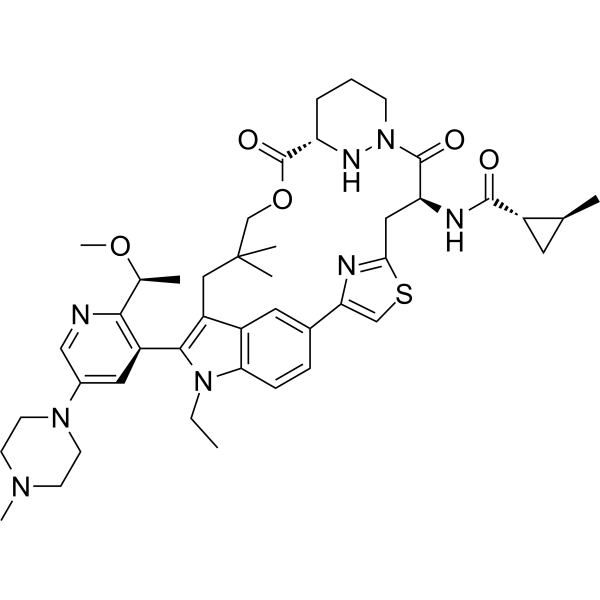
    Daraxonrasib (RMC-6236) is an orally active, non-covalent RAS (ON) inhibitor. Daraxonrasib disrupts the interaction of wild-type or mutant RAS proteins with the RAS binding domain of BRAF, with EC50 values ranging from 28-220 nM for wild-type KRAS, NRAS, HRAS, and multiple oncogenic RAS variants. Daraxonrasib inhibits pERK. Daraxonrasib has anti-tumor activity against KRAS mutant tumors .
    Daraxonrasib
  • HY-P3152
    Streptavidin
    5 Publications Verification

    Biochemical Assay Reagents Others
    Streptavidin is a ~60 kDa homotetramer. Streptavidin binds four molecules of biotin with the highest affinity. The binding affinity of biotin to streptavidin is one of the highest reported for a non-covalent interaction to date, with a KD ~0.01 pM . Streptavidin has an immunosuppressive role .
    This product is a Streptavidin protein recombinantly expressed in an E. coli expression system.
    Streptavidin
  • HY-105129
    Pimonidazole hydrochloride
    5+ Cited Publications

    Biochemical Assay Reagents Cancer
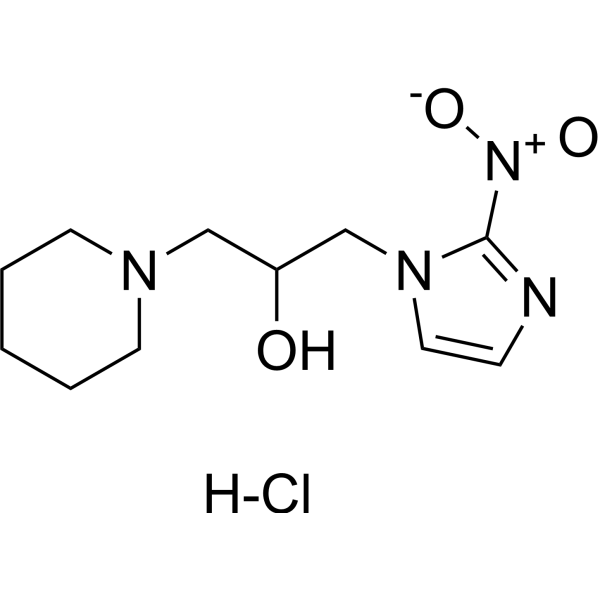
    Pimonidazole is a novel hypoxia marker for complementary study of tumor hypoxia and cell proliferation in tumor . Pimonidazole accumulates in hypoxic cells via covalent binding with macromolecules or by forming reductive metabolites after reduction of its nitro group, it can be used for qualitative and quantitative assessment of tumor hypoxia .
    Pimonidazole hydrochloride
  • HY-137383

    Biochemical Assay Reagents Reactive Oxygen Species (ROS) Others
    Sulfo-SANPAH is a primary amine-nitrobenzene azide cross-linker. Sulfo-SANPAH improves the functionalization process of PDMS surfaces, is covalently bound to the PAAm gel surface. Sulfo-SANPAH is widely used to crosslink ECM proteins to various substrates, including acrylic-based hydrogels, such as polyacrylamide hydrogels. Sulfo-SANPAH facilitates covalent binding through its negatively charged sulfonate group on its N-hydroxysuccinimide ester ring and a photoactivated phenyl azide group that is highly reactive with nucleophiles and free radicals .
    Sulfo-SANPAH
  • HY-138565
    K-975
    Maximum Cited Publications
    31 Publications Verification

    YAP Cancer
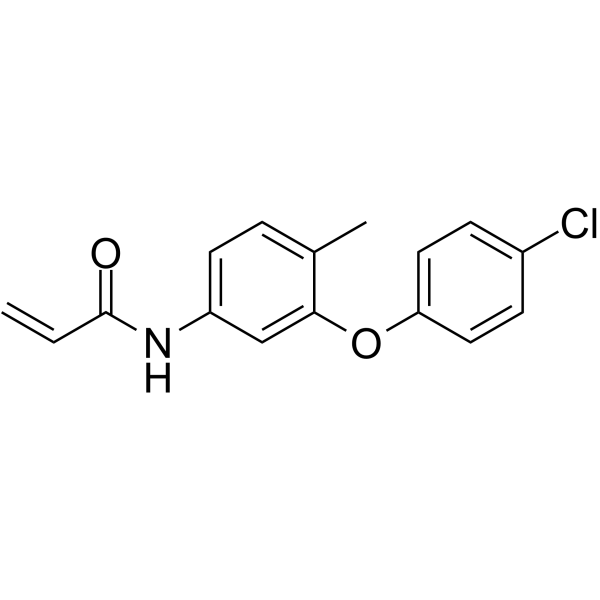
    K-975 is a potent, selective and orally active TEAD inhibitor, with a strong inhibitory effect against protein-protein interactions between YAP1/TAZ and TEAD. K-975 covalently binds to Cys359 located in the palmitate-binding pocket of TEAD via an acrylamide structure. K-975 exhibits antitumor activity on malignant pleural mesothelioma .
    K-975
  • HY-129589
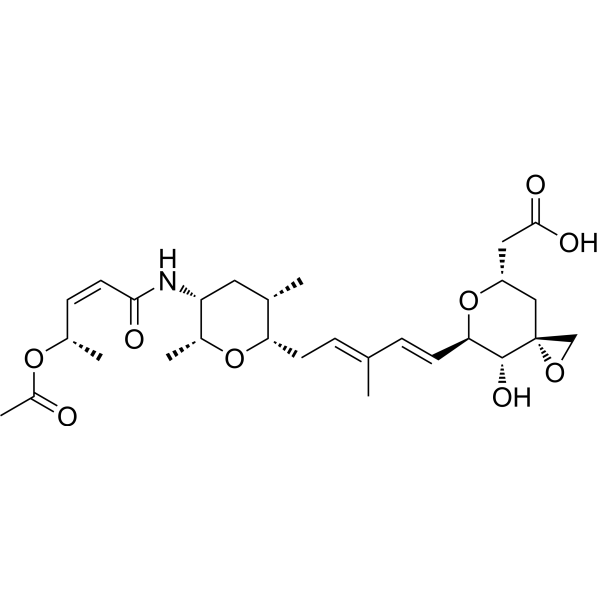
    Thailanstatin A
    2 Publications Verification

    ADC Payload Cancer
    Thailanstatin A is an ultra-potent inhibitor of eukaryotic RNA splicing (IC50=650 nM). Thailanstatin A exerts effects via non-covalent binding to the SF3b subunit of the U2 snRNA subcomplex of the spliceosome and shows low-nM to sub-nM IC50s against multiple cancer cell lines. Thailanstatin A, a payload for ADCs, is conjugated to the lysines on trastuzumab yielding “linker-less” ADC .
    Thailanstatin A
  • HY-159641

    BAY-3605349

    Molecular Glues Keap1-Nrf2 Metabolic Disease Inflammation/Immunology Cancer
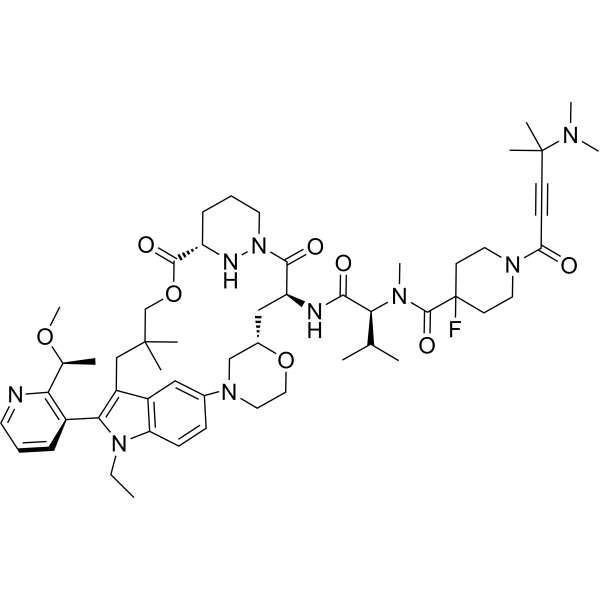
    VVD-130037 (BAY-3605349) is a covalent molecular glue and allosteric NRF2 degrader. VVD-130037 covalently binds to KEAP1 and allosterically enhances the affinity of KEAP1-CUL3, promotes the formation of the active KEAP1-CUL3 E3 ligase complex, and thereby enhances the ubiquitination and degradation of NRF2. VVD-130037 exhibits KEAP1 target-binding activity both in in vitro systems and mouse models, and it can be used in research related to NRF2-dependent cancers, solid tumors harboring KEAP1 nonsense mutations and frameshift mutations, as well as advanced solid tumors .
    VVD-130037
  • HY-105129A
    Pimonidazole
    5+ Cited Publications

    Biochemical Assay Reagents Cancer
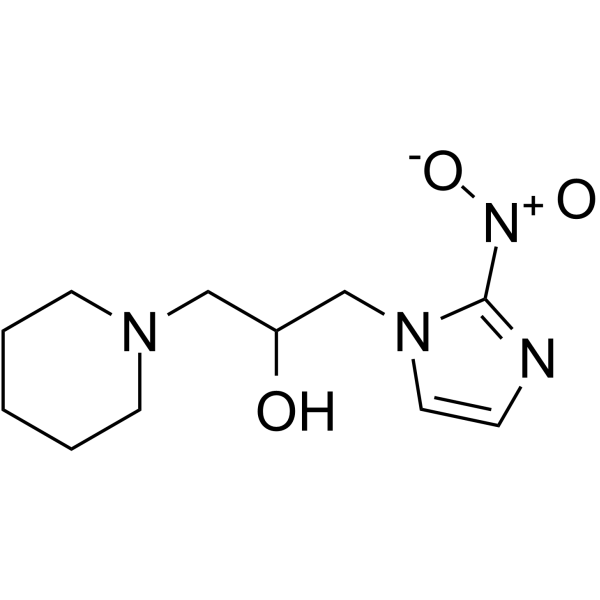
    Pimonidazole is a novel hypoxia marker for complementary study of tumor hypoxia and cell proliferation in tumor . Pimonidazole accumulates in hypoxic cells via covalent binding with macromolecules or by forming reductive metabolites after reduction of its nitro group, it can be used for qualitative and quantitative assessment of tumor hypoxia .
    Pimonidazole
  • HY-W068119A

    2-Maleimidoethylamine hydrochloride

    Biochemical Assay Reagents Cancer
    N-(2-Aminoethyl)maleimide (2-Maleimidoethylamine) hydrochloride is a selective covalent binding agent for thiol groups (RSGs), covalently binding to thiols via an irreversible thioether bond to prepare MMP-2-sensitive nanosystems. Under near-neutral conditions, the maleimide group in N-(2-Aminoethyl)maleimide hydrochloride binds to thiol groups via a nucleophilic addition reaction, and can be used to modify polymers or biological interfaces, enhancing mucosal adhesion and regulating the surface charge of biological interfaces. N-(2-Aminoethyl)maleimide hydrochloride can optimize the adhesion performance of drug delivery carriers and cell interactions with biological interfaces, and is applied in transmucosal drug delivery systems (such as drug carriers for oral and bladder sites) and biomaterial surface engineering research, providing support for tissue implantation, regeneration, and related drug delivery .
    N-(2-Aminoethyl)maleimide hydrochloride
  • HY-15317
    RI-1
    5+ Cited Publications

    RAD51 Cancer
    RI-1 is a RAD51 inhibitor, with IC50s ranging from 5 to 30 μM. RI-1 binds covalently to the surface of RAD51 protein at cysteine 319. RI-1 inactivates RAD51 by directly binding to a protein surface that serves as an interface between protein subunits in RAD51 filaments. RI-1 can disrupt homologous recombination in human cells .
    RI-1
  • HY-100848
    TX1-85-1
    2 Publications Verification

    EGFR Cancer
    TX1-85-1 is an irreversible Her3 (ErbB3) inhibitor with an IC50 of 23 nM. TX1-85-1 is also the first selective Her3 ligand, which forms a covalent bond with Cys721 located in the ATP-binding site of Her3. TX1-85-1 induces partial degradation of Her3 protein and attenuates Her3-dependent signaling .
    TX1-85-1
  • HY-100739
    RA190
    4 Publications Verification

    Proteasome Cancer
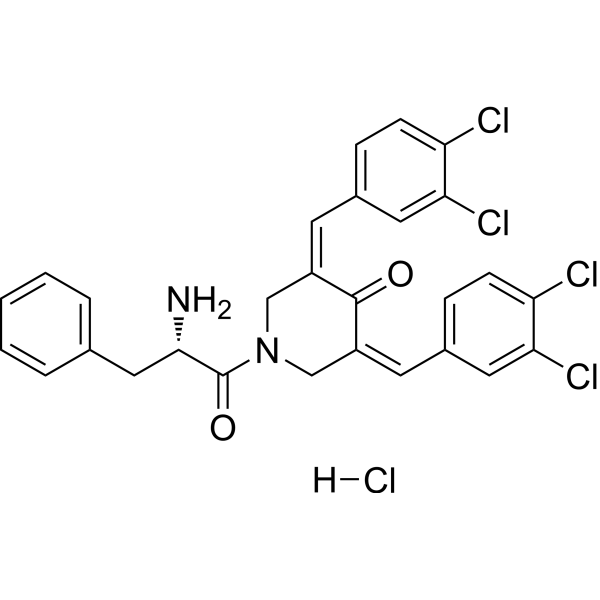
    RA190, a bis-benzylidine piperidon, inhibits proteasome function by covalently binding to cysteine 88 of ubiquitin receptor RPN13.
    RA190
  • HY-128522

    Ras Cancer
    ARS-1323-alkyne is a covalent inhibitor probe that covalently binds to the Switch-II pocket (S-IIP) of the KRAS G12C mutant protein. ARS-1323-alkyne visualizes the covalent modification of KRAS G12C and quantitatively measures the binding efficiency of the inhibitor to the target. ARS-1323-alkyne can be used to validate the target occupancy of KRAS G12C inhibitors and the synergistic mechanism of combination therapy .
    ARS-1323-alkyne
  • HY-19564
    JX06
    5+ Cited Publications

    PDHK Apoptosis Cancer
    JX06 is a potent, selective and covalent inhibitor of PDK. JX06 inhibits PDK1, PDK2 and PDK3 with IC50s of 49 nM, 101 nM, and 313 nM, respectively. JX06 inhibits PDK1 activity via covalently binding to a cysteine residue in an irreversible manner. JX06 shows significant antitumor activity .
    JX06
  • HY-48999A
    FSK hydrochloride
    1 Publications Verification

    EGFR Cancer
    FSK hydrochloride is fluorosulfonyloxybenzoyl-L-lysine, which features a long, flexible aryl fluorosulfate-containing side chain that can reach protein sites inaccessible to covalent conjugation. FSK hydrochloride modifies nanomolecules to target epidermal growth factor receptor (EGFR), resulting in irreversibly bound covalent interactions. Through genetically encoded chemical crosslinking, FSK hydrochloride captures unknown enzyme-substrate interactions in living cells, targets residues other than Cys, and mediates crosslinking at the binding periphery. FSK hydrochloride enables the construction of a bioreactive SuFEx system for generating covalent bonds in various proteins both in vitro and in vivo .
    FSK hydrochloride
  • HY-D0056

    Fluorescent Dye Others
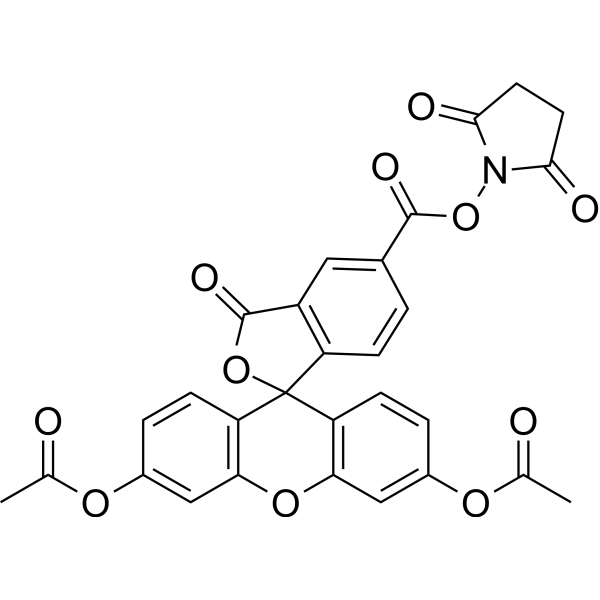
    5-Carboxyfluorescein diacetate N-succinimidyl ester is a cell permeable dye (Ex=492 nm, Em=517 nm). 5-Carboxyfluorescein diacetate N-succinimidyl ester can label cells by covalently binding to intracellular molecules. 5-Carboxyfluorescein diacetate N-succinimidyl ester is used to track lymphocyte migration and proliferation .
    5-Carboxyfluorescein diacetate N-succinimidyl ester
  • HY-119323
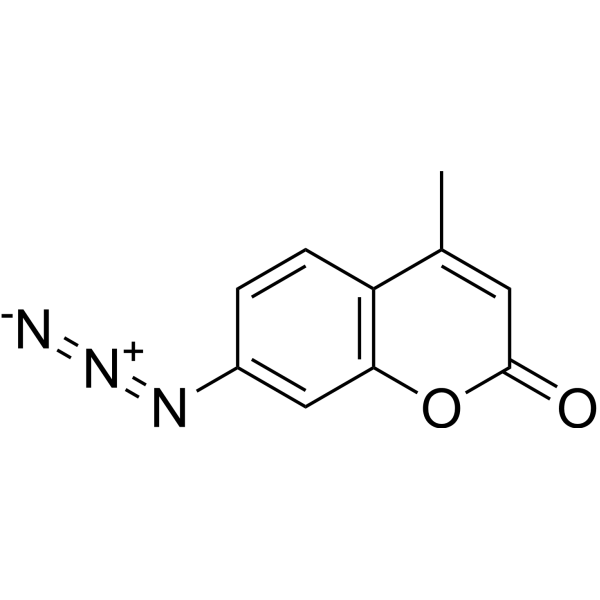
    7-Azido-4-methylcoumarin
    1 Publications Verification

    Fluorescent Dye Others
    7-Azido-4-methylcoumarin is a selective coumarin-based fluorescent probe for hydrogen sulfide (H2S). In the presence of H2S, the aromatic azido group of 7-Azido-4-methylcoumarin is selectively reduced to produce the fluorescently active 7-amino-4-methylcoumarin (AMC). 7-Azido-4-methylcoumarin binds to the coumarin/phenol-binding site of BSA, the aglycone-binding site of UGT1A6, and the substrate-binding site of SULT1A1, respectively. 7-Azido-4-methylcoumarin retains its fluorescent properties after covalent binding, acts as a fluorescent H2S probe, and does not react with cysteine, homocysteine or glutathione (Ex/Em = 340/445 nm) .
    7-Azido-4-methylcoumarin
  • HY-U00447

    MDM-2/p53 DNA Alkylator/Crosslinker Cancer
    PK11000 is an alkylating agent, and stabilizes the DNA-binding domain of both WT and mutant p53 proteins by covalent cysteine modification without compromising DNA binding. PK11000 has anti-tumor activities .
    PK11000
  • HY-19706
    ARS-853
    5 Publications Verification

    Ras Apoptosis Cancer
    ARS-853 is a cell-active, selective, covalent KRAS G12C inhibitor with an IC50 of 2.5 μM. ARS-853 inhibits mutant KRAS-driven signaling by binding to the GDP-bound oncoprotein and preventing activation .
    ARS-853
  • HY-B0306

    Protionamide

    Bacterial Infection
    Prothionamide is an orally active thioamide antibacterial agent. Prothionamide is a substrate of OCT1 with a Km value of 805.8 μM. Prothionamide reacts with NAD to form a covalent adduct, with the adduct being a tight-binding inhibitor of Mycobacterium tuberculosis and Mycobacterium leprae InhA. Prothionamide can effectively inhibit the growth of Mycobacterium tuberculosis (MIC = ~0.5 µg/mL) and Mycobacterium leprae. Prothionamide is used in the research of tuberculosis and leprosy .
    Prothionamide
  • HY-117203A
    CDK12-IN-E9
    1 Publications Verification

    CDK Cancer
    CDK12-IN-E9 is a potent and selective covalent CDK12 inhibitor and a non-covalent CDK9 inhibitor, while avoiding ABC transporter-mediated efflux. CDK12-IN-E9 has weak binding ability to CDK7/CyclinH complex with an IC50> 1 μM .
    CDK12-IN-E9
  • HY-138825

    Pyk2 Metabolic Disease
    NCGC00188636 is a novel covalent pyruvate kinase (PYK) inhibitor. NCGC00188636 blocks nucleotide binding to the active site of pyruvate kinase. NCGC00188636 can be used for the research of the metabolism of many organisms and cell types.
    NCGC00188636
  • HY-156820

    Epigenetic Reader Domain Cancer
    HLDA-221 is a non-covalent regulated induced proximity targeting chimeras (RIPTAC). The binding of HLDA-221 to BRD4-BD1 is significantly increased after pre-incubation with FKBP. HLDA-221 can be used in cancer research .
    HLDA-221
  • HY-153385

    Molecular Glues Epigenetic Reader Domain Cancer
    TMX1 is a covalent, selective BRD4 molecular glue degrader. TMX1 binds to the JQ1-binding site of BRD4BD2, forms covalent bonds with Cys58 of DCAF16 and Cys87 of GAK in a BRD4BD2-dependent template-assisted manner, stabilizes the BRD4-TMX1-DCAF16 ternary complex, and promotes the ubiquitination of BRD4 via the CRL4DCAF16 ubiquitin ligase complex. TMX1 induces selective degradation of BRD4, mild degradation of BRD2 and BRD3, as well as DCAF16-dependent cytotoxicity .
    TMX1
  • HY-132817
    Gunagratinib
    1 Publications Verification

    ICP-192

    FGFR Cancer
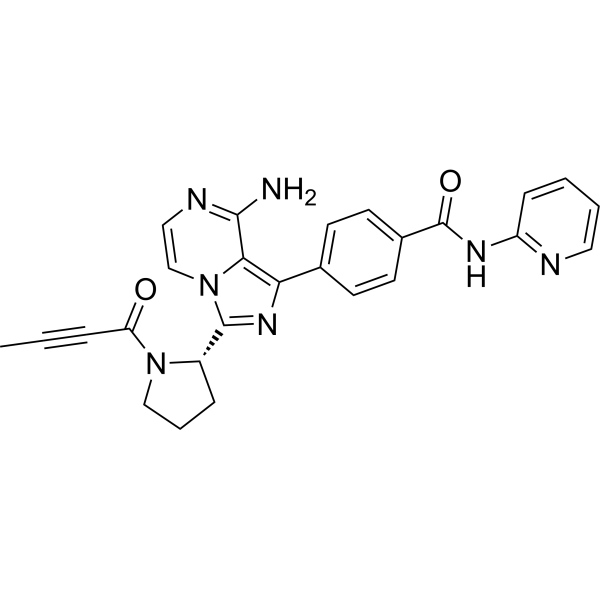
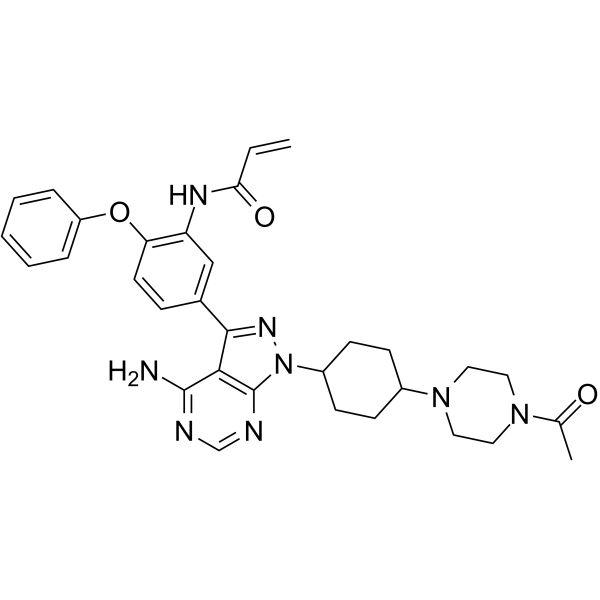
    Gunagratinib (ICP-192) is a low toxicity and orally active pan-FGFR (fibroblast growth factor receptors) inhibitor that potently and selectively inhibits FGFR activities irreversibly by covalent binding. Gunagratinib can be used for the research of cancer . Gunagratinib is a click chemistry reagent, it contains an Alkyne group and can undergo copper-catalyzed azide-alkyne cycloaddition (CuAAc) with molecules containing Azide groups .
    Gunagratinib
  • HY-139621

    DNA Alkylator/Crosslinker Cancer
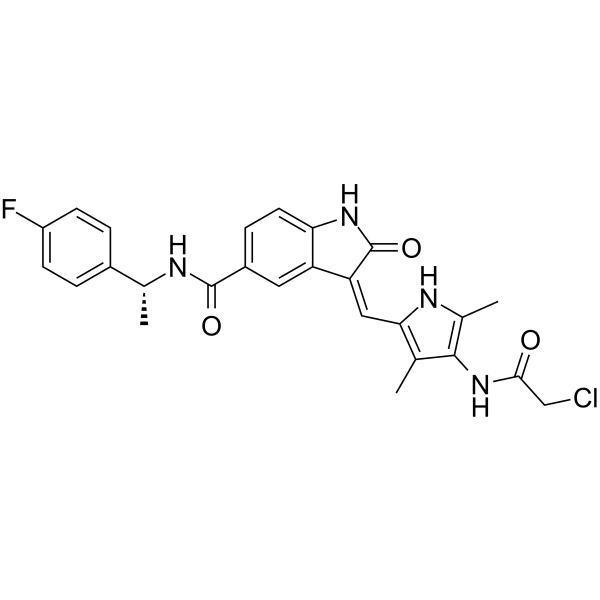
    Colibactin 742 is a covalently binding DNA-damaging agent targeting DNA, with an IC50 of 5.2 μM against human cervical cancer cells (HeLa). Colibactin 742 covalently binds to DNA, forming interstrand crosslinks (ICLs), activating the Fanconi anemia DNA repair pathway, inducing γH2AX and FANCD2 foci formation and cell cycle arrest, while exacerbating mismatch repair deficiency (MMRd)-related mutations. Colibactin 742 can mimic the genotoxicity of natural Colibactin while avoiding its instability, and is mainly used in colorectal cancer (CRC) related research, including microbial tumorigenesis mechanisms, DNA damage repair pathways, and mutation signature analysis .
    Colibactin 742
  • HY-163565

    Btk Neurological Disease
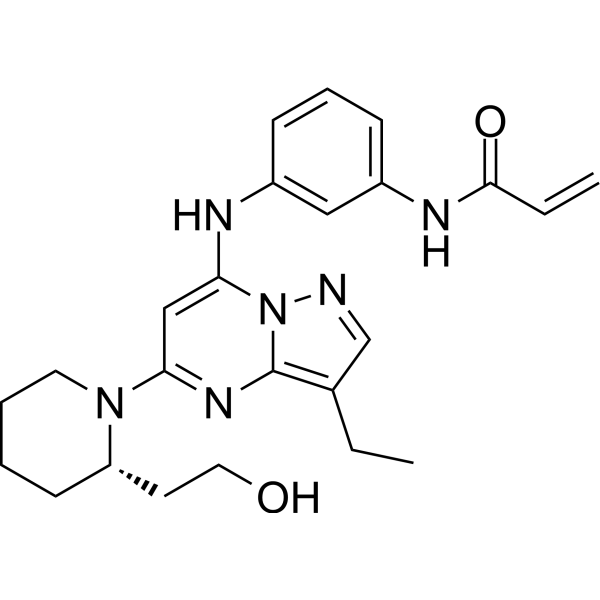
    BIIB129 is a covalent, selective, small molecule inhibitor of Bruton's tyrosine kinase (BTK) capable of penetrating the blood-brain barrier. BIIB129 inhibits the activity of BTK by covalently binding to Cys481 in BTK, thereby affecting the function of B cells and myeloid cells. BIIB129 can be used in multiple sclerosis (MS) research .
    BIIB129
  • HY-138065

    Apoptosis Others
    Iodoacetyl-LC-biotin is a biotinylated electrophile probe that can be used to investigate the scope and characteristics of protein covalent binding to subcellular proteomes .
    Iodoacetyl-LC-biotin
  • HY-47573
    CCG273441
    3 Publications Verification

    G Protein-coupled Receptor Kinase (GRK) Cardiovascular Disease Cancer
    CCG273441 is a covalent inhibitor of G protein-coupled receptor (GPCR) kinase 5 (GRK5) with an IC50 value of 3.8 nM. CCG273441 is highly selective to GRK5 over GRK2 (IC50=4.8 μM) by binding Cys474, a GRK5 subfamily-specific residue, as a covalent handle .
    CCG273441
  • HY-124645

    Flavivirus Dengue Virus Btk MNK Infection Cancer
    QL-X-138 is a potent and selective BTK/MNK dual kinase inhibitor, exhibits covalent binding to BTK and non-covalent binding to MNK. QL-X-138 shows IC50s of 9.4 nM, 107.4 nM and 26 nM for BTK, MNK1 and MNK2 kinases respectively. QL-X-138 also shows anti-dengue virus 2 activity, with an IC50 of 3.5 μM. QL-X-138 can be used for the research of B-cell malignancies .
    QL-X-138
  • HY-12679

    Btk Cancer
    PF-06658607 is an alkynylated irreversible Brutons tyrosine kinase (BTK) inhibitor that covalently reacts with active site cysteines in the ATP-binding pocket. PF-06658607 can be used to detect "off "-targets for covalent kinase inhibitors in cancer cells. The alkyne moiety allows for azide-based detection probe via copper-catalyzed click chemistry .
    PF-06658607
  • HY-177119

    PROTACs RIP kinase Mixed Lineage Kinase Infection Inflammation/Immunology
    ZBP1 Covalent PROTAC-1 is a covalent Z-DNA binding protein 1 ZBP1 PROTAC degrader, with its DC50 being 25.69 nM. ZBP1 Covalent PROTAC-1 integrates the ligand that recruits the VHL E3 ubiquitin ligase and the DNA aptamer (Aptamer Z3) with the specific Zα domain that can bind to ZBP1, which has a high affinity (KD = 2.71 nM) with ZBP1. After degrading ZBP1, the phosphorylation levels of downstream signaling molecules RIPK3 and MLKL significantly decrease. ZBP1 Covalent PROTAC-1, encapsulated by nano-liposomes, significantly improves the survival rate of mice infected with influenza A virus (IAV) after administration via the trachea .
    ZBP1 Covalent PROTAC-1
  • HY-163562

    PINK1/Parkin Neurological Disease Cancer
    JYQ-164 is a small molecule inhibitor of Parkinson's disease protein 7 (PARK7/DJ-1) in humans. JYQ-164 works by covalently and selectively targeting Cys106, a key residue of PARK7 (IC50=21 nM). The high inhibitory effect of JYQ-164 on PARK7 is 5 times more potent than the previously reported inhibitor JYQ-88. JYQ-164 can be used in Parkinson's disease and cancer research .
    JYQ-164
  • HY-103462

    FAAH Cardiovascular Disease Metabolic Disease Inflammation/Immunology Cancer
    TC-F2 is a reversible non-covalent binding inhibitor of fatty acid amide hydrolase (FAAH) with an IC50 of 28 nM. FAAH is involved in many human diseases, particularly cancer, pain and inflammation as well as neurological, metabolic and cardiovascular disorders .
    TC-F2
  • HY-D2188

    Deubiquitinase Cancer
    IMP-2373 is a low-toxicity activity-based probe targeting covalent pan-deubiquitinase (DUB), which modulates and monitors DUB activity via covalent binding to the catalytic cysteine and active site of DUB. IMP-2373 enables real-time tracking of dynamic intracellular DUB activity in physiologically relevant living cell systems, and quantitative analysis of activity changes induced by pharmacological inhibition or MYC dysregulation. IMP-2373 can be used for research on related diseases such as B-cell lymphoma .
    IMP-2373
  • HY-W000854

    3-Methoxyphenylboronic acid

    Biochemical Assay Reagents Others
    3-Methoxybenzeneboronic acid (3-Methoxyphenylboronic acid) is a boronic acid derivative. 3-Methoxybenzeneboronic acid shows best suitable binding pattern at the active site by interacting non-covalently with amino acid residues of proteins. 3-Methoxybenzeneboronic acid is a biochemical reagent that can be used as a biological material or organic compound for life science related research .
    3-Methoxybenzeneboronic acid
  • HY-W760183

    Fluorescent Dye Cancer
    EM12-SO2F is a powerful covalent inhibitor of CRBN through binding at His353. EM12-SO2F is a useful chemical probe to investigate the CRBN. EM12-SO2F inhibits the degradation of IKZF1 by lenalidomide (HY-A0003) in MOLT4 cells
    EM12-SO2F
  • HY-158036

    PROTACs STING Others Inflammation/Immunology
    PROTAC STING degrader-2 is a protein Degrader that targets Stimulator of interferon genes (STING) (DC50=0.53 μM). PROTAC STING Degrader-2 is combined with STING protein and E3 ubiquitin ligase in a covalent manner to induce the degradation of STING protein. PROTAC STING Degrader-2 can be used to investigate the role of STING in autoinflammation and autoimmune diseases (PINK: STING binder (HY-145009); Blue: VHL ligand (HY-164043); Black: linker) .
    PROTAC STING Degrader-2
  • HY-133738

    Epigenetic Reader Domain Cancer
    M-808 is a highly potent and efficacious covalent Menin-MLL interaction inhibitor, with a binding IC50 value of 2.6 nM .
    M-808
  • HY-144650

    Apoptosis HSP Cancer
    Hsp90-Cdc37-IN-3 (Compound 9) is a novel celastrol−imidazole derivative with anticancer activity. Hsp90-Cdc37-IN-3 inhibits Hsp90Cdc37 by covalent-binding, and induces apoptosis .
    Hsp90-Cdc37-IN-3
  • HY-164725

    Radionuclide-Drug Conjugates (RDCs) FAP Cancer
    FAPI-mFS is an irreversible fibroblast activation protein (FAP) inhibitor, that enhances the uptake and retention time in cancer cells through its covalent binding property for FAP. FAPI-mFS can be used for cancer imaging the therapy, when labeled with radioactive 68Ga or 177Lu . FAPI-mFS can be used for the synthesis/research of Radionuclide-Drug Conjugates (RDCs).
    FAPI-mFS
  • HY-103046

    E1/E2/E3 Enzyme Inflammation/Immunology
    UbcH5c-IN-1 (compound 6d) is a potent and selective small-molecule inhibitor of Ubiquitin-conjugating enzyme UbcH5c, with a Kd of 283 nM for E2 UbcH5c-IN-1 by covalent binding with Cys85. A promising lead compound for the development of new antirheumatoid arthritis (RA) agent .
    UbcH5c-IN-1
  • HY-W582504

    CuCl(TPP)3

    DNA Stain Bacterial Fungal Infection Cancer
    Chlorotris(triphenylphosphine)copper (CuCl(TPP)₃) is a DNA-targeted metal complex. Chlorotris(triphenylphosphine)copper involves non-covalent interactions (such as groove binding mode) through the copper(I) center to affect DNA function, showing inhibitory activity against bacteria, fungi, and tumor cells. Chlorotris(triphenylphosphine)copper is promising for research of antibacterial, antitumor, and antioxidant agents .
    Chlorotris(triphenylphosphine)copper
  • HY-179237

    MAPKAPK2 (MK2) Others
    MK2-IN-8 (Compound 42) is a covalent MK2 kinase inhibitor. MK2-IN-8 forms a unique covalent bond with the catalytic lysine, thereby demonstrating that the fluorosulfonate can effectively target the catalytic lysine in kinases.
    MK2-IN-8
  • HY-168432

    Phytohormone Others
    KK181N1 is a potent inhibitor of karrikin (KAR) receptor KAI2. KK181N1 binds to the catalytic pockets of KAI2 in a non-covalent binding manner. KK181N1 selectively depress the KAR-induced phenotypes in Arabidopsis .
    KK181N1
  • HY-N16420

    DNA/RNA Synthesis Apoptosis Cancer
    Illudin B is a DNA-targeting cytotoxin that forms interstrand DNA crosslinks via covalent binding, disrupting DNA replication and transcription. Illudin B induces cell cycle arrest and apoptosis, showing toxicity against multiple tumor cells (e.g., leukemia, breast, lung cancer) .
    Illudin B
  • HY-144605

    EGFR PROTACs Cancer
    PROTAC EGFR degrader 3 is a potent PROTAC EGFR degrader. PROTAC EGFR degrader 3 shows excellent cellular activity against the H1975 and HCC827 cells with high selectively. PROTAC EGFR degrader 3 shows that the lysosome is involved in the degradation process of EGFR mutant degradation .
    PROTAC EGFR degrader 3
  • HY-177936

    NEDD8-activating Enzyme Cancer
    NAE-IN-3 (compound 1) is a potent, selective and non-covalent competitive NEDD8-activating enzyme (NAE) inhibitor (IC50 = 0.8 μM). NAE-IN-3 inhibits NAE by blocking the ATP-binding domain. NAE-IN-3 exhibits selectivity over analogous E1 enzymes UAE and SAE. NAE-IN-3 can be used for cancer research .
    NAE-IN-3
  • HY-126152

    Herbicide Others
    Chlorthiamid is a broad-spectrum herbicide. Chlorthiamid is an olfactory toxicant with a high in vivo covalent binding in the olfactory mucosa of mice .
    Chlorthiamid
  • HY-P11421

    Biochemical Assay Reagents Others
    Cys-His Tag is a dual-purpose protein tag combining a cysteine residue and a Histidine tag. Cys-His Tag can be used to improve marker specificity or introduce covalent binding sites .
    Cys-His Tag

Inquiry Online

Your information is safe with us. * Required Fields.

Salutation


Country or Region *

Applicant Name *


Organization Name *

Department *


Email Address *


Product Name *

Cat. No.


Requested quantity *

Phone Number *


Remarks

Inquiry Online

Inquiry Information

Product Name:
Cat. No.:
Quantity:
MCE Japan Authorized Agent:

