1. Search Result
Search Result
Results for "

cytotoxicity reduction

" in MedChemExpress (MCE) Product Catalog:

18

Inhibitors & Agonists

2

Fluorescent Dyes

1

Peptides

2

Natural
Products

Cat. No. Product Name Target Research Areas Chemical Structure
  • HY-15924
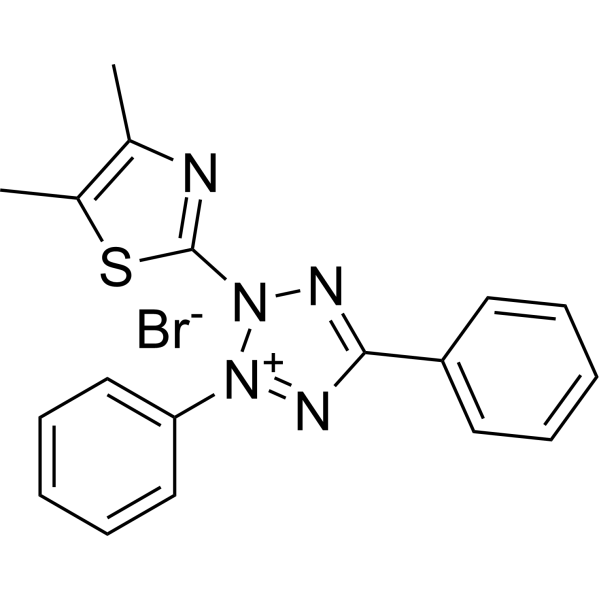
    Thiazolyl Blue
    180+ Cited Publications

    MTT; Thiazolyl Blue Tetrazolium bromide; Methylthiazolyldiphenyl-tetrazolium bromide

    Fluorescent Dye Others
    Thiazolyl Blue (MTT) is a cell-permeable and positively charged tetrazolium dye that is used to detect reductive metabolism in cells. Thiazolyl Blue is taken up by cells through the plasma membrane and then reduced to formazan by intracellular NAD (P) H-oxidoreductases. Thiazolyl Blue is frequently used in colorimetric assays to measure cell proliferation, cytotoxicity, and apoptosis .
    Thiazolyl Blue
  • HY-135470
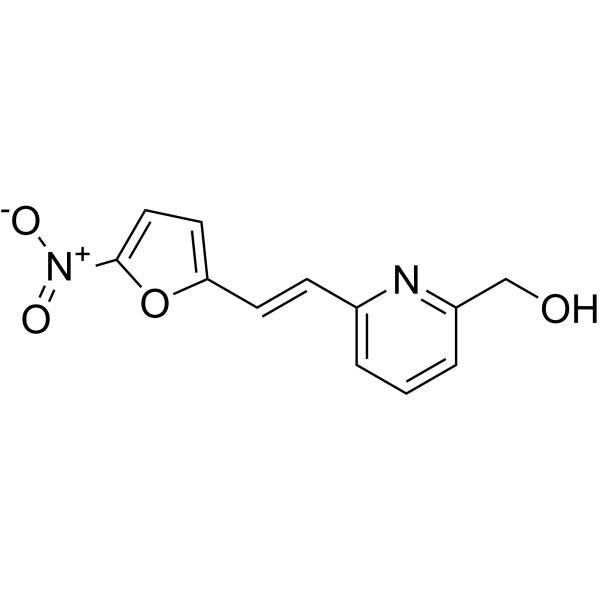
    Nifurpirinol
    1 Publications Verification

    P-7138

    Bacterial Infection
    Nifurpirinol (P-7138) is a selective prosubstrate of bacterial nitroreductase (NTR). NTR catalyzes the reduction of nifurpirinol to generate cytotoxic metabolites that induce apoptosis in target cells. Nifurpirinol selectively ablates NTR-expressing cells such as pancreatic β cells, osteoblasts, dopaminergic neurons, and podocytes in transgenic zebrafish models. Nifurpirinol can be used in regeneration studies and disease modeling such as focal segmental glomerulosclerosis (FSGS) .
    Nifurpirinol
  • HY-P2612

    TNF Receptor RANKL/RANK Apoptosis Inflammation/Immunology
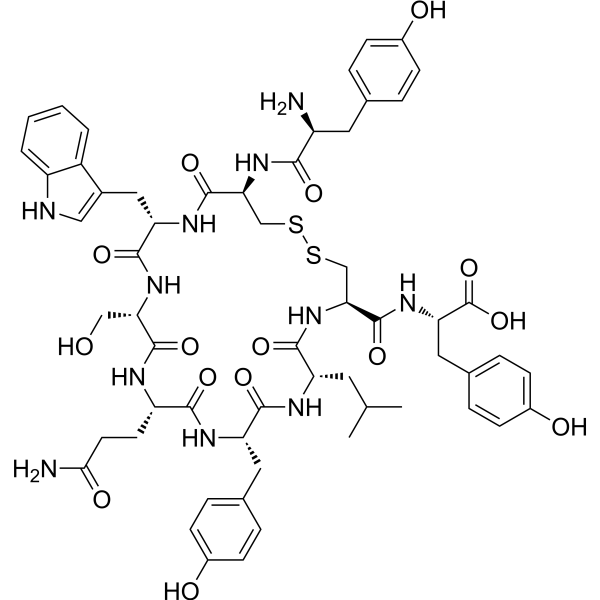
    WP9QY is an inhibitor targeting TNFα and RANKL, which blocks the TNFα-TNFR1 interaction and inhibits TNFα-mediated apoptosis, cytotoxicity and bone destruction. WP9QY inhibits osteoclastogenesis and promotes osteoblast differentiation, induces chondrocyte proliferation and glycosaminoglycan production, and synergizes with TGF-β3 to promote chondrogenesis. WP9QY effectively repairs full-thickness articular cartilage defects in rabbits via intra-articular injection, and inhibits methylmercury-induced reduction of NeuN-positive cells in mouse brain slices. WP9QY can be applied to the research of diseases related to methylmercury-induced neuronal death, cartilage injury, osteoarthritis and bone loss .
    WP9QY
  • HY-151799

    p62 E1/E2/E3 Enzyme Apoptosis Cancer
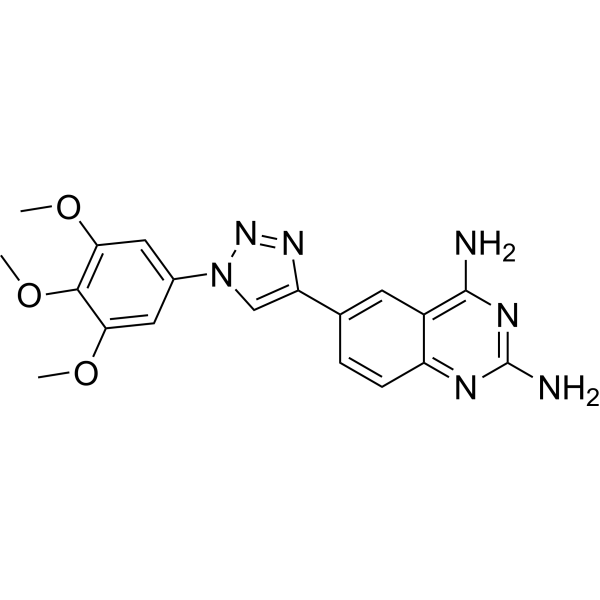
    P62-RNF168 agonist-1 (compound 5a) is a low cytotoxicity P62-RNF168 agonist that enhances the interaction between P62 and RNF168. P62-RNF168 agonist-1 induces a reduction in H2A ubiquitination mediated by RNF168 and impairs homologous recombination-mediated DNA repair. P62-RNF168 agonist-1 also inhibits the growth of xenograft tumors in mice in a dose-dependent manner .
    P62-RNF168 agonist-1
  • HY-N1989

    Na+/K+ ATPase CaMK Apoptosis Cholinesterase (ChE) NO Synthase NF-κB Neurological Disease Cancer
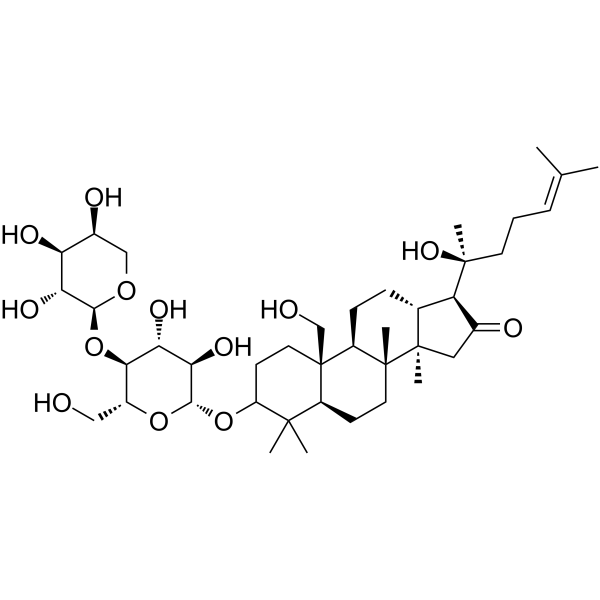
    Bacoside A is an orally active, blood-brain barrier-permeable triterpenoid saponin that modulates the activities of ATPases, AChE, CaMK2A and iNOS. Derived from Bacopa monniera. Bacoside A exerts significant antioxidant, anti-inflammatory and anti-apoptotic effects by maintaining ion balance, scavenging reactive oxygen species, stabilizing cell membranes, and regulating the expression of NF-κB and apoptosis-related proteins. Bacoside A counteracts morphine-induced reductions in Na +/K +-ATPase, Ca 2+-ATPase and Mg 2+-ATPase activities, increases mitochondrial membrane potential, and decreases intracellular reactive oxygen species levels. Bacoside A specifically binds to calcium/calmodulin-dependent protein kinase IIA to trigger endoplasmic reticulum calcium release. Bacoside A exhibits non-apoptotic cytotoxicity against glioblastoma cells while protecting normal nerve cells from stress-induced damage. Bacoside A is applicable to the research of Parkinson's disease and glioblastoma multiforme .
    Bacoside A
  • HY-116170

    Aldose Reductase Cancer
    SN34037 is a specific inhibitor of Aldo-keto reductase 1C3 (AKR1C3, EC 1.1.1.188) with the ability to inhibit the cytotoxic activity of PR-104A. SN34037-sensitive coumberone reduction provides a rapid and specific assay for AKR1C3 activity. SN34037 inhibits the aerobic cytotoxicity of PR-104A in TF1 erythroleukemia cells with high AKR1C3 expression, but not in Nalm6 pre-B acute lymphoblastic leukemia cells with low AKR1C3 expression .
    SN34037
  • HY-144341

    Bacterial Infection
    DprE1-IN-1 is a potent, orally active DprE1 inhibitor with favorable hepatocyte stability, low cytotoxicity and low hERG channel inhibition. DprE1-IN-1 displays potent activity against both agent-susceptible and clinically isolated drug-resistant Tuberculosis strains with MICs10 CFU reduction in macrophages.
    DprE1-IN-1
  • HY-163880

    EGFR Ras p38 MAPK Reactive Oxygen Species (ROS) Cancer
    EGFR-IN-119 (Compound 5l) is an inhibitor for EGFR with an IC50 of 84.3 nM. EGFR-IN-119 inhibits the cytotoxicity in lung cancer cell A549 with an IC50 of 1.34 μM. EGFR-IN-119 downregulates the expressions of EGFR, KRAS, and MAP2K genes, exhibits antioxidant activity through reduction of reactive oxygen species (ROS), and hyperpolarizes the mitochondrial membrane potential .
    EGFR-IN-119
  • HY-178111

    Bacterial Infection
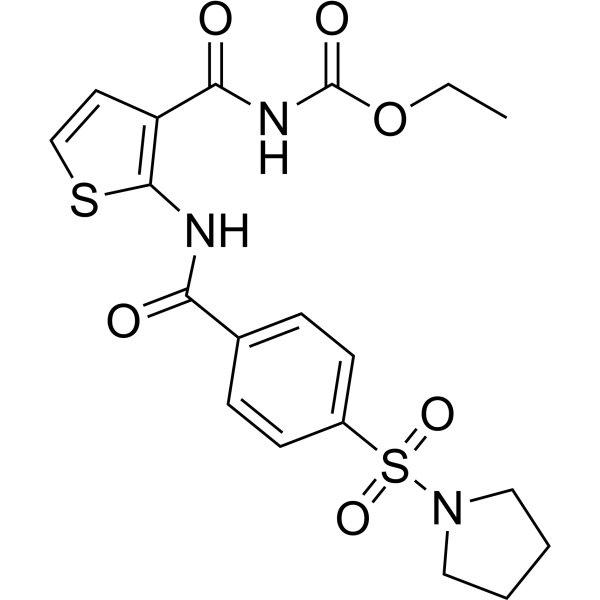
    AcrB-IN-6 is an effective AcrB inhibitor. AcrB-IN-6 The compound inhibits the function of bacterial multidrug efflux pumps, thereby significantly enhancing the antibacterial activity of various antibiotics. AcrB-IN-6 achieves 32-fold MIC reductions in wild-type E. coli BW25113. AcrB-IN-6 exhibits excellent synergistic antibacterial effects, low cytotoxicity and hemolytic properties. AcrB-IN-6 can be used for researching anti-resistant bacteria .
    AcrB-IN-6
  • HY-179249

    DNA/RNA Synthesis Nucleoside Antimetabolite/Analog SARS-CoV Dengue Virus Infection
    Fluoroneplanocin A-8N (Compound 3a) is an inhibitor targeting SAH hydrolase (IC50 = 1.51 μM) and viral RNA polymerase. Fluoroneplanocin A-8N exhibits broad-spectrum anti-SARS-CoV-2 and dengue virus activity, with EC50 values of 12.2 and 37.4 μM respectively. Fluoroneplanocin A-8N has no cytotoxicity. Fluoroneplanocin A-8N can be used for anti-positive-strand viruses .
    Fluoroneplanocin A-8N
  • HY-153675

    PIN1 Metabolic Disease
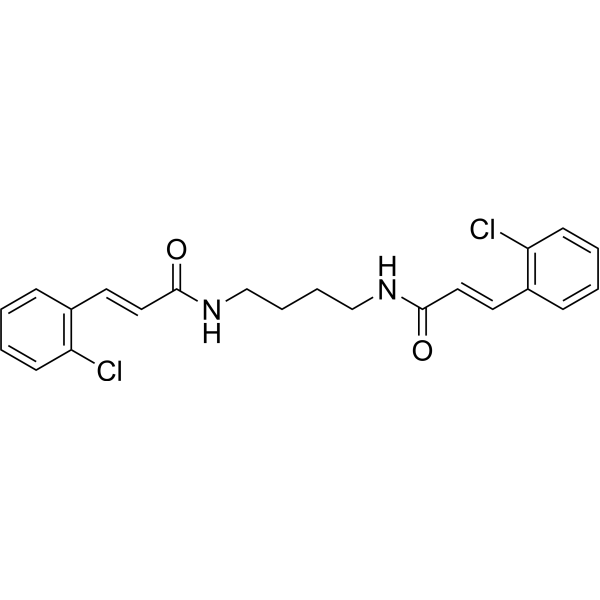
    BCPA is a Pin1 regulator without cytotoxicity. BCPA attenuates the reduction of Pin1 protein to inhibit receptor activator of RANKL-induced osteoclastogenesis. BCPA regulates osteoclast activation, used to osteoporosis research .
    BCPA
  • HY-N10307

    Fungal Bacterial Endogenous Metabolite Infection Cancer
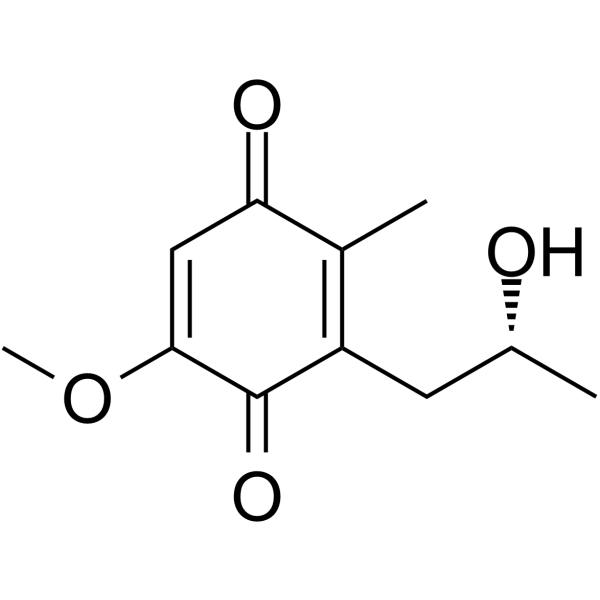
    Anserinone B is an antifungal and antibacterial benzoquinone. Anserinone B causes radial growth reductions of 50% and 37% against S.fimicola and A. furfuraceus, respectively. Anserinones B also displays moderate cytotoxicity in the NCI’s 60 human tumor cell line panel (GI50=4.4 µg/mL) .
    Anserinone B
  • HY-155035

    17β-HSD Cancer
    S07-1066 is an aldo-keto reductase 1C3 (AKR1C3) inhibitor, synergizing doxorubicin (DOX) cytotoxicity. S07-1066 selectively blocks AKR1C3-mediated reduction of DOX, and reverses the DOX resistance in overexpressing AKR1C3 cells .
    S07-1066
  • HY-U00279B

    DNA/RNA Synthesis Cancer
    Nitracrine hydrochloride is a platinum-based antineoplastic drug with selective toxicity to hypoxic cells. Nitracrine hydrochloride exhibits significant cytotoxicity against the Chinese hamster ovary cell line AA8 under hypoxic conditions. Nitracrine hydrochloride exerts its effect by binding to the insertion of DNA and forming covalent adducts. The cytotoxicity of Nitracrine hydrochloride under hypoxic conditions is related to its reductive metabolism to form alkylated substances. At the same time, it may enhance the reactivity to DNA through the insertion of DNA, thereby improving the efficacy. Nitracrine hydrochloride can also inhibit RNA synthesis, contributing to its anti-tumor effect .
    Nitracrine hydrochloride
  • HY-118722

    DNA/RNA Synthesis Cytochrome P450 Cancer
    RB-90740 is a type of biological reducing agent. RB-90740 is activated through metabolic reduction and generates cytotoxic products, thereby selectively killing tumor cells (usually in a hypoxic environment). RB-90740 has selective toxicity towards hypoxic cells, which is mainly achieved by causing DNA strand breaks and activating reducing enzymes (such as Cytochrome P450). RB-90740 does not initially exhibit cytotoxicity similar to its in vitro properties in hypoxic cells in mouse models. RB-90740 can be used to study the tumor physiological environment
    RB-90740
  • HY-135470R

    P-7138 (Standard)

    Reference Standards Bacterial Infection
    Nifurpirinol (P-7138) (Standard) is the analytical standard of Nifurpirinol (HY-135470). This product is intended for research and analytical applications. Nifurpirinol (P-7138) is a selective prosubstrate of bacterial nitroreductase (NTR). NTR catalyzes the reduction of nifurpirinol to generate cytotoxic metabolites that induce apoptosis in target cells. Nifurpirinol selectively ablates NTR-expressing cells such as pancreatic β cells, osteoblasts, dopaminergic neurons, and podocytes in transgenic zebrafish models. Nifurpirinol can be used in regeneration studies and disease modeling such as focal segmental glomerulosclerosis (FSGS) .
    Nifurpirinol (Standard)
  • HY-161778

    HDAC VD/VDR Inflammation/Immunology Cancer
    ZG-126 is an agonist for vitamin D receptor (VDR) and an inhibitor for histone deacetylase (HDAC) (IC50=0.63-67.6 μM). ZG-126 exhibits cytotoxicity in cancer cells MDA-MB-231 and 4T1. ZG-126 exhibits antitumor and anti-metastatic efficacy against melanoma and triple-negative breast cancer (TNBC) in mouse models. ZG-126 also exhibits anti-inflammatory activity, through the reduction of macrophage infiltration and immunosuppressive M2-polarization .
    ZG-126
  • HY-DY1086

    MTT (solution); Thiazolyl Blue Tetrazolium bromide (solution); Methylthiazolyldiphenyl-tetrazolium bromide (solution)

    Fluorescent Dye Others
    Thiazolyl Blue (solution) (MTT (solution)) is a cell-permeable and positively charged tetrazolium dye that is used to detect reductive metabolism in cells. Thiazolyl Blue is taken up by cells through the plasma membrane and then reduced to formazan by intracellular NAD (P) H-oxidoreductases. Thiazolyl Blue is frequently used in colorimetric assays to measure cell proliferation, cytotoxicity, and apoptosis .
    Solvent and concentration: PBS: 5 mg/mL
    Thiazolyl Blue (solution)

Inquiry Online

Your information is safe with us. * Required Fields.

Salutation


Country or Region *

Applicant Name *


Organization Name *

Department *


Email Address *


Product Name *

Cat. No.


Requested quantity *

Phone Number *


Remarks

Inquiry Online

Inquiry Information

Product Name:
Cat. No.:
Quantity:
MCE Japan Authorized Agent:

