1. Search Result
Search Result
Results for "

decreases the G2/M phase

" in MedChemExpress (MCE) Product Catalog:

46

阻害剤およびアゴニスト

8

生化学アッセイ試薬

11

天然物

8

同位体標識化合物

製品番号 製品名 Target 研究分野 構造式
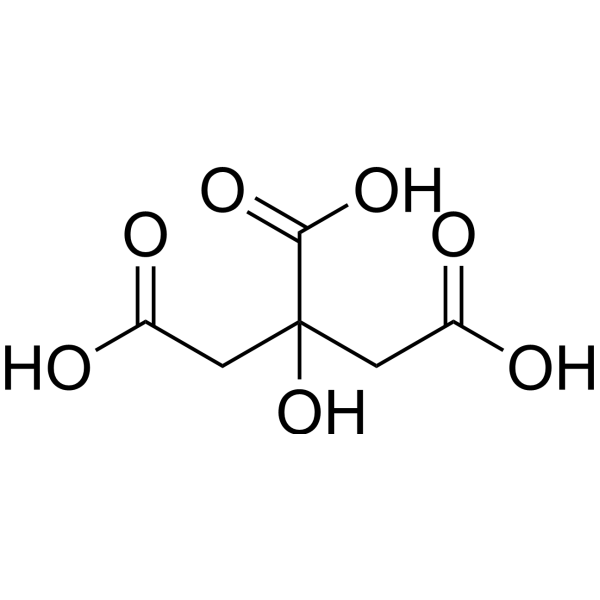
  • HY-N1428
    Citric acid
    Maximum Cited Publications
    34 Publications Verification

    Environmental Pollutants Endogenous Metabolite Bacterial Apoptosis Infection Cardiovascular Disease Metabolic Disease Inflammation/Immunology Cancer
    Citric acid is a natural preservative and food tartness enhancer. Citric acid induces apoptosis and cell cycle arrest at G2/M phase and S phase in HaCaT cells. Citric acid cause oxidative damage of the liver by means of the decrease of antioxidative enzyme activities. Citric acid is also an acidulant, emulsifier, sequestrant and buffering agent widely used across many industries .
    Citric acid
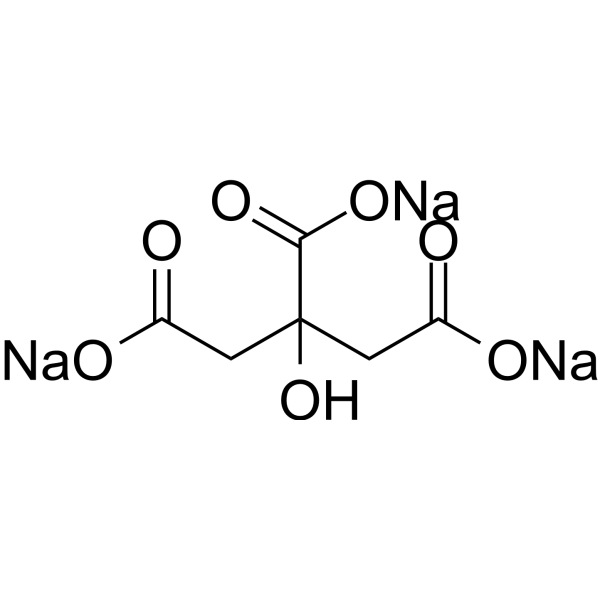
  • HY-B2201
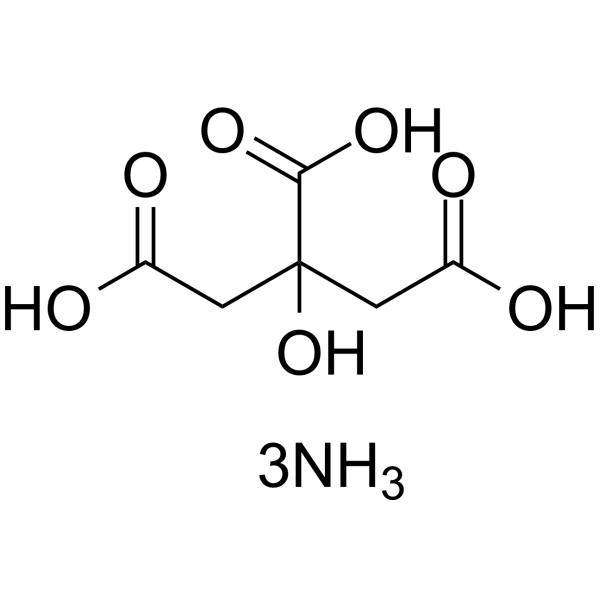
    Citric acid trisodium
    Maximum Cited Publications
    11 Publications Verification

    Sodium citrate; Trisodium citrate anhydrous

    Environmental Pollutants Endogenous Metabolite Bacterial Apoptosis Infection Cardiovascular Disease Metabolic Disease Inflammation/Immunology Cancer
    Citric acid trisodium (Sodium citrate) is a natural preservative and food tartness enhancer. Citric acid trisodium induces apoptosis and cell cycle arrest at G2/M phase and S phase in HaCaT cells. Citric acid trisodium cause oxidative damage of the liver by means of the decrease of antioxidative enzyme activities. Citric acid trisodium is also an acidulant, emulsifier, sequestrant and buffering agent widely used across many industries .
    Citric acid trisodium
  • HY-N1428S1

    Isotope-Labeled Compounds Endogenous Metabolite Apoptosis Bacterial Infection Cardiovascular Disease Metabolic Disease Inflammation/Immunology Cancer
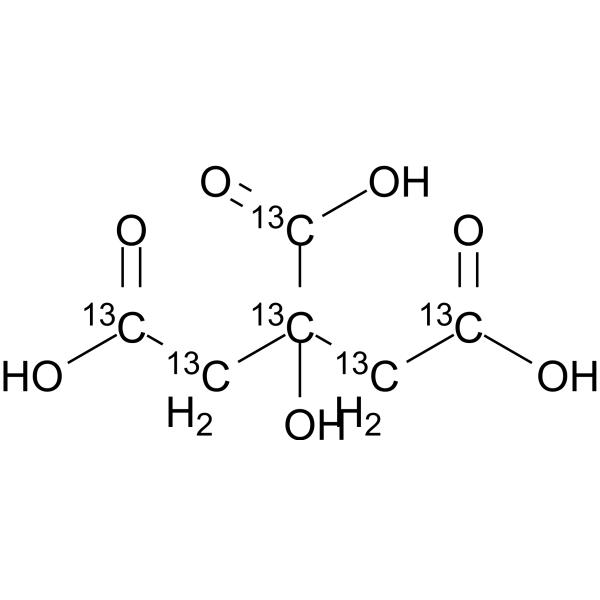
    Citric acid- 13C6 is the 13C-labeled Citric acid (HY-N1428). Citric acid is a natural preservative and food tartness enhancer. Citric acid induces apoptosis and cell cycle arrest at G2/M phase and S phase in HaCaT cells. Citric acid cause oxidative damage of the liver by means of the decrease of antioxidative enzyme activities. Citric acid is also an acidulant, emulsifier, sequestrant and buffering agent widely used across many industries .
    Citric acid-13C6
  • HY-N1428A
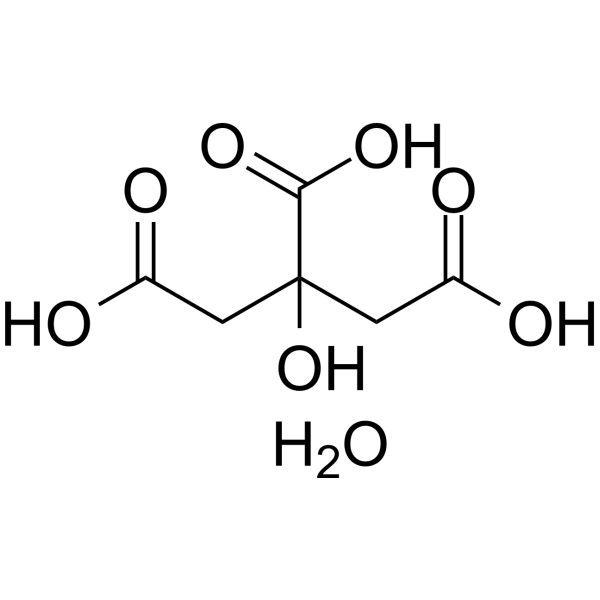
    Citric acid monohydrate
    5+ Cited Publications

    Environmental Pollutants Endogenous Metabolite Apoptosis Bacterial Infection Cardiovascular Disease Metabolic Disease Inflammation/Immunology Cancer
    Citric acid monohydrate is a natural preservative and food tartness enhancer. Citric acid monohydrate induces apoptosis and cell cycle arrest at G2/M phase and S phase in HaCaT cells. Citric acid monohydrate cause oxidative damage of the liver by means of the decrease of antioxidative enzyme activities. Citric acid monohydrate is also an acidulant, emulsifier, sequestrant and buffering agent widely used across many industries .
    Citric acid monohydrate
  • HY-N1428S

    Isotope-Labeled Compounds Apoptosis Endogenous Metabolite Bacterial Infection Cardiovascular Disease Metabolic Disease Inflammation/Immunology Cancer
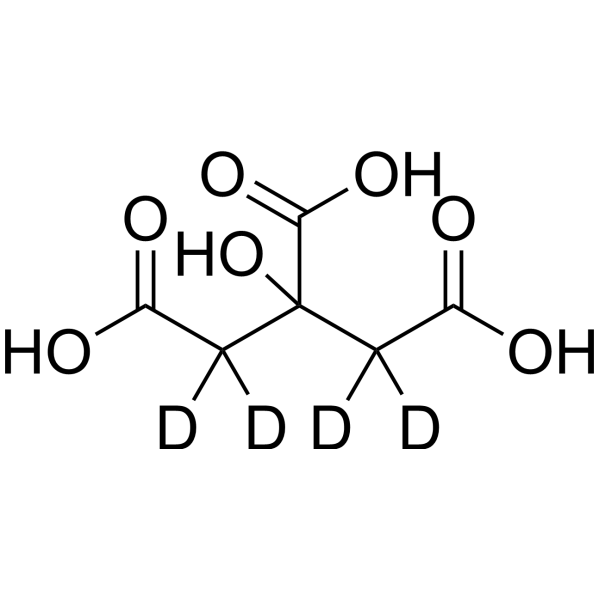
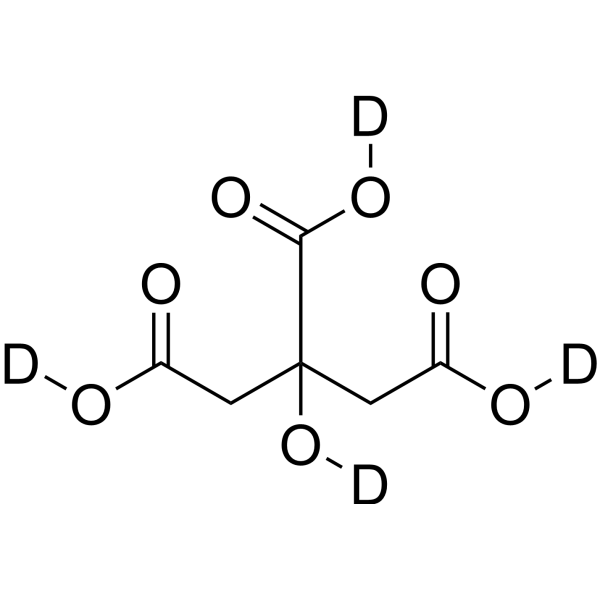
    Citric acid-d4 is the deuterium labeled Citric acid (HY-N1428). Citric acid is a natural preservative and food tartness enhancer. Citric acid induces apoptosis and cell cycle arrest at G2/M phase and S phase in HaCaT cells. Citric acid cause oxidative damage of the liver by means of the decrease of antioxidative enzyme activities. Citric acid is also an acidulant, emulsifier, sequestrant and buffering agent widely used across many industries .
    Citric acid-d4
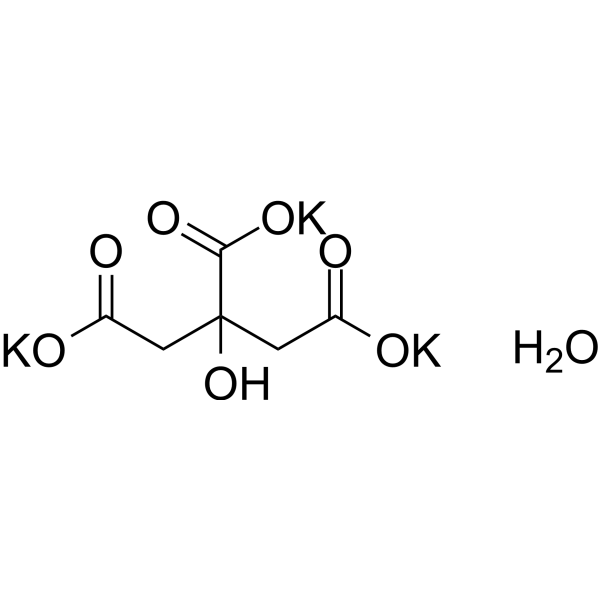
  • HY-W009156
    Citric acid tripotassium hydrate
    10+ Cited Publications

    Potassium citrate monohydrate

    Environmental Pollutants Endogenous Metabolite Bacterial Apoptosis Infection Cardiovascular Disease Metabolic Disease Inflammation/Immunology Cancer
    Citric acid tripotassium hydrate (Potassium citrate monohydrate) is a natural preservative and food tartness enhancer. Citric acid tripotassium hydrate induces apoptosis and cell cycle arrest at G2/M phase and S phase in HaCaT cells. Citric acid tripotassium hydrate cause oxidative damage of the liver by means of the decrease of antioxidative enzyme activities. Citric acid tripotassium hydrate is also an acidulant, emulsifier, sequestrant and buffering agent widely used across many industries .
    Citric acid tripotassium hydrate
  • HY-105930
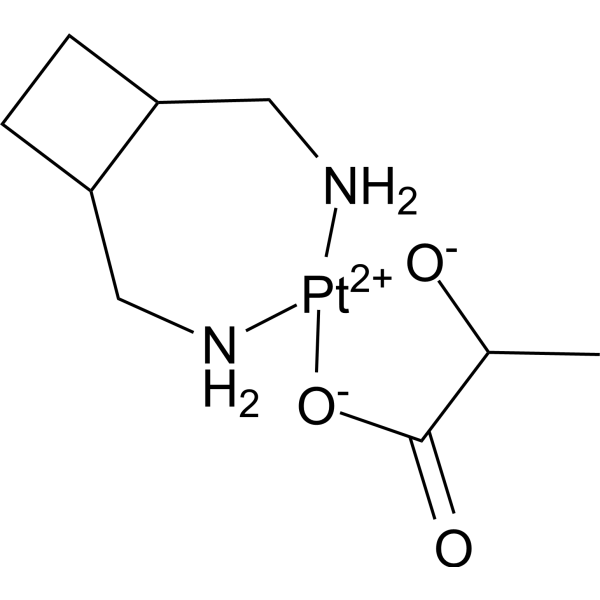
    Lobaplatin
    5 Publications Verification

    D-19466

    Apoptosis Caspase Bcl-2 Family Cancer
    Lobaplatin (D-19466) is a diastereometric mixture of platinum(II) complexe. Lobaplatin arrests cell cycle at G1 and G2/M phase. Lobaplatin induces apoptosis by increasing expressions of caspase and Bax, decreasing expression of Bcl-2. Lobaplatin can be used for research of cancer .
    Lobaplatin
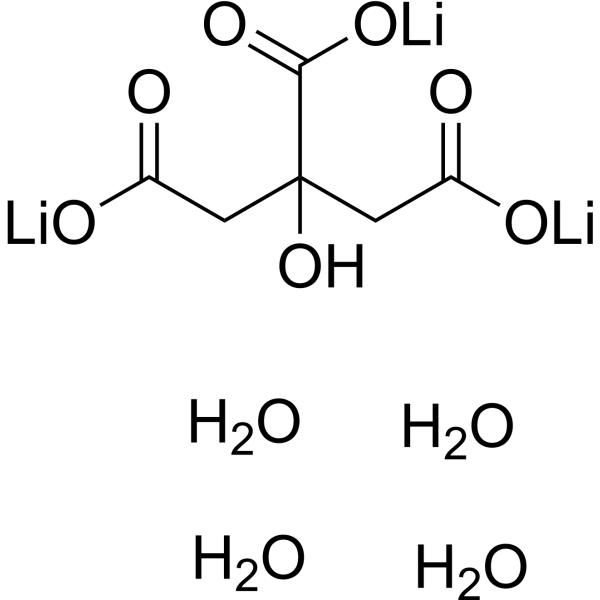
  • HY-B1295
    Lithium citrate tetrahydrate
    Maximum Cited Publications
    11 Publications Verification

    Litarex tetrahydrate

    Apoptosis Endogenous Metabolite Bacterial Infection Cardiovascular Disease Metabolic Disease Inflammation/Immunology Cancer
    Lithium citrate (Litarex) tetrahydrate is a natural preservative and food tartness enhancer. Lithium citrate tetrahydrate induces apoptosis and cell cycle arrest at G2/M phase and S phase in HaCaT cells. Lithium citrate tetrahydrate cause oxidative damage of the liver by means of the decrease of antioxidative enzyme activities. Lithium citrate tetrahydrate is also an acidulant, emulsifier, sequestrant and buffering agent widely used across many industries .
    Lithium citrate tetrahydrate
  • HY-N1428CA

    Apoptosis Endogenous Metabolite Bacterial Cardiovascular Disease Infection Metabolic Disease Inflammation/Immunology Cancer
    Ferric citrate, suitable for cell culture is a natural preservative and food tartness enhancer. Ferric citrate, suitable for cell culture induces apoptosis and cell cycle arrest at G2/M phase and S phase in HaCaT cells. Ferric citrate, suitable for cell culture causes oxidative damage of the liver by means of the decrease of antioxidative enzyme activities. Ferric citrate, suitable for cell culture is also an acidulant, emulsifier, sequestrant and buffering agent widely used across many industries .
    Ferric citrate,suitable for cell culture
  • HY-N2983

    Tyrosinase Others
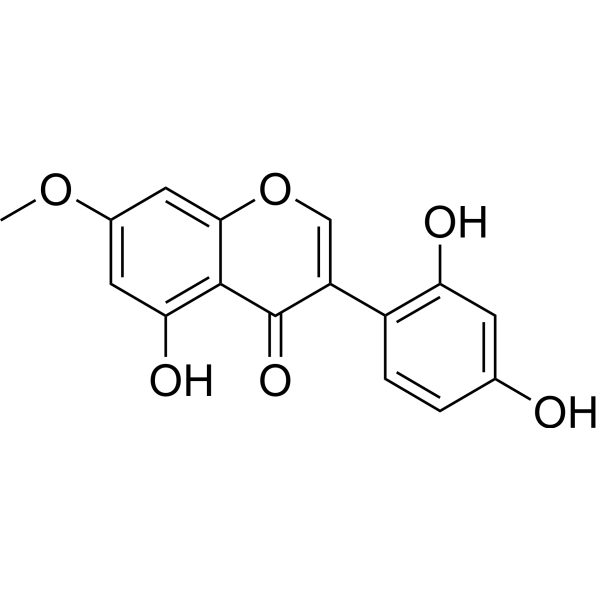
    Cajanin is a potent and orally active anti-melanogenic agent. Cajanin shows antiproliferative activity in MNT1 Cells. Cajanin efficiently decreases the melanin content. Cajanin down-regulates the mRNA and protein expression levels of MITF, tyrosinase, TRP-1 and Dct (TRP-2). Cajanin induces cell cycle arrest at G2/M and S phase. Cajanin stimulates osteoblast proliferation. Cajanin has the potential for the research of human hyperpigmented disorders and menopausal osteoporosis .
    Cajanin
  • HY-W008606

    Citric acid monosodium salt

    Environmental Pollutants Endogenous Metabolite Bacterial Apoptosis Infection Cardiovascular Disease Metabolic Disease Inflammation/Immunology Cancer
    Sodium citrate monobasic (Citric acid monosodium salt) is a natural preservative and food tartness enhancer. Sodium citrate monobasic induces apoptosis and cell cycle arrest at G2/M phase and S phase in HaCaT cells. Sodium citrate monobasic cause oxidative damage of the liver by means of the decrease of antioxidative enzyme activities. Sodium citrate monobasic is also an acidulant, emulsifier, sequestrant and buffering agent widely used across many industries .
    Sodium citrate monobasic
  • HY-N1428R
    Citric acid (standard)
    5+ Cited Publications

    Reference Standards Apoptosis Endogenous Metabolite Bacterial Infection Cardiovascular Disease Metabolic Disease Inflammation/Immunology Cancer
    Citric acid (Standard) is the analytical standard of Citric acid (HY-N1428). This product is intended for research and analytical applications. Citric acid is a natural preservative and food tartness enhancer. Citric acid induces apoptosis and cell cycle arrest at G2/M phase and S phase in HaCaT cells. Citric acid cause oxidative damage of the liver by means of the decrease of antioxidative enzyme activities. Citric acid is also an acidulant, emulsifier, sequestrant and buffering agent widely used across many industries .
    Citric acid (standard)
  • HY-N1428S3

    Isotope-Labeled Compounds Apoptosis Endogenous Metabolite Bacterial Infection Cardiovascular Disease Metabolic Disease Inflammation/Immunology Cancer
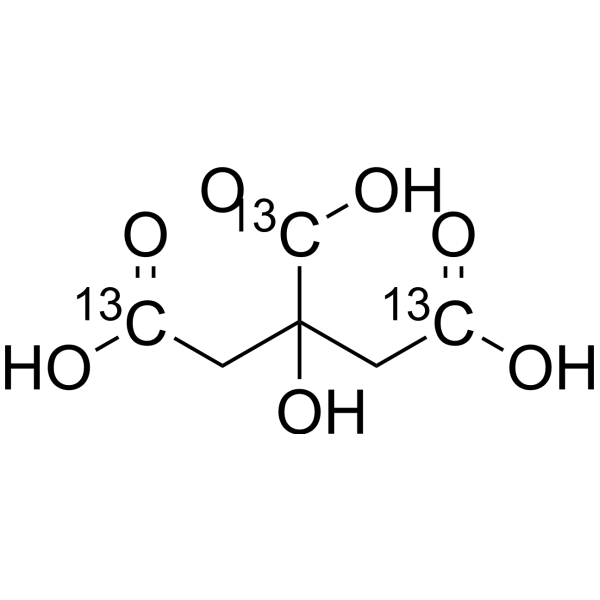
    Citric acid- 13C3 is the 13C-labeled Citric acid (HY-N1428). Citric acid is a natural preservative and food tartness enhancer. Citric acid induces apoptosis and cell cycle arrest at G2/M phase and S phase in HaCaT cells. Citric acid cause oxidative damage of the liver by means of the decrease of antioxidative enzyme activities. Citric acid is also an acidulant, emulsifier, sequestrant and buffering agent widely used across many industries .
    Citric acid-13C3
  • HY-124211

    Environmental Pollutants MDM-2/p53 Aryl Hydrocarbon Receptor Cancer
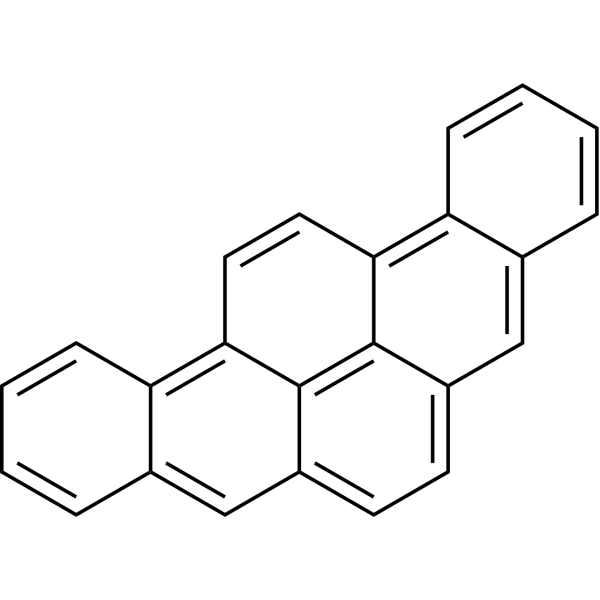
    Dibenzo (a,i) pyrene is a polycyclic aromatic hydrocarbon and also a carcinogenic ligand of the TCDD (Ah) receptor. Dibenzo (a,i) pyrene binds to the TCDD (Ah) receptor in rat liver. Dibenzo (a,i) pyrene induces DNA adduct formation and upregulates the protein levels of p53 and p21 WAF1 in diploid lung fibroblasts. Dibenzo (a,i) pyrene alters the cell cycle distribution of diploid lung fibroblasts, increasing the proportion of cells in the S phase, decreasing the proportions of cells in the G0/G1 and G2/M phases, and causing S phase delay/arrest. Dibenzo (a,i) pyrene is applicable for cancer research .
    Dibenzo(a,i)pyrene
  • HY-N3001
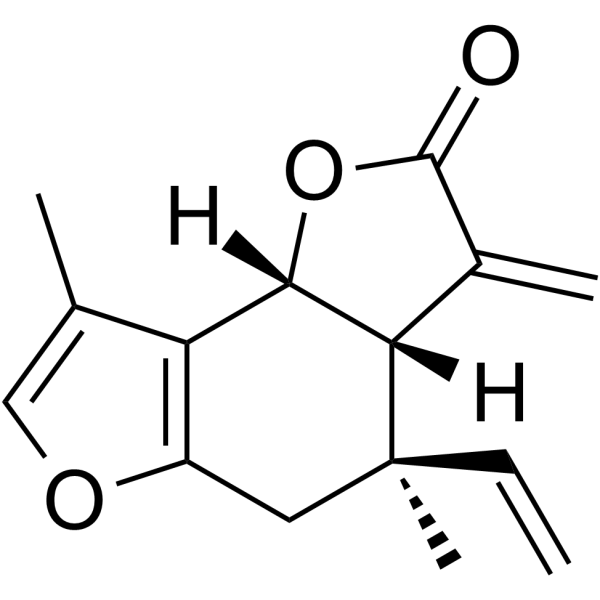
    Isolinderalactone
    1 Publications Verification

    STAT VEGFR Bcl-2 Family Survivin IAP NF-κB Apoptosis Caspase Neurological Disease Inflammation/Immunology Cancer
    Isolinderalactone is a sesquiterpene that exhibits anti-cancer, anti-inflammatory, and neuroprotective effects. Isolinderalactone inhibits VEGF expression and tyrosine phosphorylation of VEGFR2. Isolinderalactone decreases viability and induces apoptosis in U-87 glioblastoma (GBM) cells and colorectal cancer (CRC) cells. Isolinderalactone induces G2/M phase cell cycle arrest, ROS generation, pJNK/p38 MAPK activation, in colorectal cancer (CRC) cells. Isolinderalactone blocks LPS (HY-D1056)-induced NF-κB activation while activating Nrf2-HMOX1 signaling in RAW264.7 macrophages. Isolinderalactone improves cognitive dysfunction in APP/PS1 mice. Isolinderalactone can be used for the study of Glioblastoma multiforme (GBM), colorectal cancer, Alzheimer’s disease and acute lung injury .
    Isolinderalactone
  • HY-N1428S2

    Isotope-Labeled Compounds Apoptosis Endogenous Metabolite Bacterial Infection Cardiovascular Disease Metabolic Disease Inflammation/Immunology Cancer
    Citric acid- 13C2 is the 13C-labeled Citric acid (HY-N1428). Citric acid is a natural preservative and food tartness enhancer. Citric acid induces apoptosis and cell cycle arrest at G2/M phase and S phase in HaCaT cells. Citric acid cause oxidative damage of the liver by means of the decrease of antioxidative enzyme activities. Citric acid is also an acidulant, emulsifier, sequestrant and buffering agent widely used across many industries .
    Citric acid-13C2
  • HY-N1428S6

    Isotope-Labeled Compounds Endogenous Metabolite Apoptosis Bacterial Infection Cardiovascular Disease Metabolic Disease Inflammation/Immunology Cancer
    Citric acid-d4-1 is deuterated labeled Citric acid (HY-N1428). Citric acid is a natural preservative and food tartness enhancer. Citric acid induces apoptosis and cell cycle arrest at G2/M phase and S phase in HaCaT cells. Citric acid cause oxidative damage of the liver by means of the decrease of antioxidative enzyme activities. Citric acid is also an acidulant, emulsifier, sequestrant and buffering agent widely used across many industries .
    Citric acid-d4-1
  • HY-W127841

    Isotope-Labeled Compounds Apoptosis Endogenous Metabolite Bacterial Infection Cardiovascular Disease Metabolic Disease Inflammation/Immunology Cancer
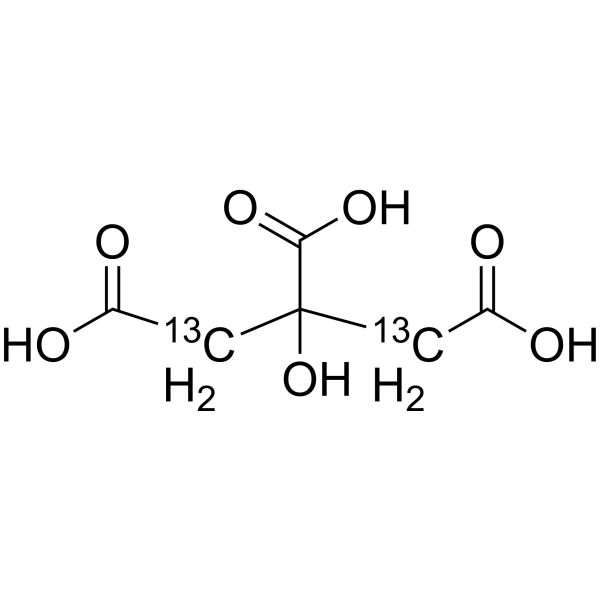
    Citric acid-2,4- 13C2 is the 13C-labeled Citric acid (HY-N1428). Citric acid is a natural preservative and food tartness enhancer. Citric acid induces apoptosis and cell cycle arrest at G2/M phase and S phase in HaCaT cells. Citric acid cause oxidative damage of the liver by means of the decrease of antioxidative enzyme activities. Citric acid is also an acidulant, emulsifier, sequestrant and buffering agent widely used across many industries .
    Citric acid-2,4-13C2
  • HY-118529

    Phosphatase Cancer
    JUN-1111 is an irreversible and selective Cdc25 phosphatase inhibitor with IC50 values of 0.38, 1.8, 0.66, 28, 37 µM for Cdc25A, Cdc25B, Cdc25C, VHR, PTP1B, respectively. JUN-1111 induces cell cycle arrest at G1 and G2/M phases. JUN-1111 decreases the expression of phosphoCdk1 .
    JUN-1111
  • HY-146817

    Microtubule/Tubulin Apoptosis Cancer
    Tubulin polymerization-IN-11 is a potent tubulin polymerization inhibitor with an IC50 value of 3.4 μM. Tubulin polymerization-IN-11 shows antiproliferative activity. Tubulin polymerization-IN-11 induces Apoptosis and cell cycle arrest at G2/M phase. Tubulin polymerization-IN-11 decreases the expression of cyclin B1, p-cdc2, and Bcl-2 protein levels and increases the expression of cleaved PARP .
    Tubulin polymerization-IN-11
  • HY-151984

    CDK Cancer
    CDK9-IN-22 is a potent CDK9 inhibitor with IC50s of 10.4, 876.2 nM for CDK9, CDK, respectively. CDK9-IN-22 induces apoptosis and cell cycle arrests at G2/M phase. CDK9-IN-22 decreases the expression of p-RNAPII (S2) and CDK9 protein. CDK9-IN-22 shows antiproliferative and aiti-tumor activity .
    CDK9-IN-22
  • HY-121605

    Apoptosis Cancer
    RL71 is a curcuminoid anticancer agent that exhibits potent cytotoxicity against a variety of ER-negative breast cancer cells. RL71 (1 μM) induces cell cycle arrest in the G2/M phase and induces apoptosis in SKBr3 cells. RL7 also decreases HER2/neu phosphorylation and increases p27. RL71 also significantly reduced the phosphorylation of Akt and transiently increased the stress kinases JNK1/2 and p38 MAPK. Furthermore, RL71 exhibited anti-angiogenic potential in vitro, inhibiting the migration of HUVEC cells and the ability of these cells to form tubular networks .
    RL71
  • HY-N1428AR

    Reference Standards Endogenous Metabolite Apoptosis Bacterial Infection Cardiovascular Disease Metabolic Disease Inflammation/Immunology Cancer
    Citric acid monohydrate (Standard) is the analytical standard of Citric acid monohydrate (HY-N1428A). This product is intended for research and analytical applications. Citric acid monohydrate is a natural preservative and food tartness enhancer. Citric acid monohydrate induces apoptosis and cell cycle arrest at G2/M phase and S phase in HaCaT cells. Citric acid monohydrate cause oxidative damage of the liver by means of the decrease of antioxidative enzyme activities. Citric acid monohydrate is also an acidulant, emulsifier, sequestrant and buffering agent widely used across many industries .
    Citric acid monohydrate (Standard)
  • HY-124122

    VEGFR Checkpoint Kinase (Chk) Apoptosis Caspase Bcl-2 Family Cancer
    BPTQ is a potent inhibitor against VEGFR1 and CHK2 with IC50 values of 0.54 and 1.70 µmol/L, respectively. BPTQ is also an intercalator of DNA with anticancer activities. BPTQ inhibits the proliferation of HL-60 cells by arresting cells at S and G2/M phase with an IC50 value of 12 µmol/L. BPTQ also activates the mitochondria-mediated Apoptosis pathway by a decrease in mitochondrial membrane potential, increase in the Bax:Bcl-2 ratio and activation of caspases .
    BPTQ
  • HY-146253

    CDK Apoptosis Bcl-2 Family Caspase Cancer
    CDK1/2/4-IN-1 (compound 3a) is a potent CDK inhibitor with IC50 values of 1.47, 0.78 and 0.87 μM for CDK1, CDK2 and CDK4, respectively. CDK1/2/4-IN-1 arrests cell cycle at G2/M phase and induces apoptosis. CDK1/2/4-IN-1 elevates Bax, caspase-3, P53 levels and decreases Bcl-2 level. CDK1/2/4-IN-1 can be used for cancer research .
    CDK1/2/4-IN-1
  • HY-178441

    Pyruvate Kinase Reactive Oxygen Species (ROS) Apoptosis Microtubule/Tubulin Metabolic Disease Cancer
    PKM2-IN-11 is a PKM2 inhibitor (IC50 = 0.363 μM). PKM2-IN-11 has dual mechanisms involving pyruvate kinase M2 (PKM2) inhibition and microtubule stabilization. PKM2-IN-11 can decrease PKM2 protein levels in MCF-7 cells. PKM2-IN-11 can slightly reduce reactive oxygen species (ROS) levels and significantly increase early apoptotic cells. PKM2-IN-11 induces G2/M phase arrest. PKM2-IN-11 can be used for the study of breast cancer .
    PKM2-IN-11
  • HY-168895

    AP-1 ERK Apoptosis Cancer
    c-Fos-IN-1 (Compound P16) is a c-Jun inhibitor, and decreases mRNA levels and protein levels of c-Fos. c-Fos-IN-1 also inhibits the phosphorylation activity of ERK and the transcriptional activity of AP-1. c-Fos-IN-1 shows anticancer activity by inhibiting ERK/c-Fos/Jun pathway. c-Fos-IN-1 inhibits the proliferation and migration of gastric cancer cells (IC50: 2.31 μM for MGC-803 cell). c-Fos-IN-1 arrests cell cycle at G2/M phase and induces cancer cell apoptosis. c-Fos-IN-1 inhibits gastric cancer tumor growth .
    c-Fos-IN-1
  • HY-149221

    Apoptosis Cancer
    Apoptosis inducer 11 (compound 3u) induces apoptosis through the mitochondrial pathway. Apoptosis inducer 11 induces a block in G2/M, a strong decrease in S phase in non-Hodgkin lymphoma cell lines .
    Apoptosis inducer 11
  • HY-W278582

    Topoisomerase Apoptosis Cancer
    Topoisomerase II inhibitor 14 is a potent topoisomerase II inhibtor. Topoisomerase II inhibitor 14 induces apoptosis and arrests cell cycle at S phase and G2-M phases. Topoisomerase II inhibitor 14 exhibits antioxidant effect and decreases the level of GSH, MDA, and NO. Topoisomerase II inhibitor 14 can be used for the study of neck squamous cell carcinoma (HNSCC) .
    Topoisomerase II inhibitor 14
  • HY-13451R

    Reference Standards Bacterial Antibiotic Infection
    Citric acid (Standard) is the analytical standard of Citric acid. This product is intended for research and analytical applications. Citric acid is a natural preservative and food tartness enhancer. Citric acid induces apoptosis and cell cycle arrest at G2/M phase and S phase in HaCaT cells. Citric acid cause oxidative damage of the liver by means of the decrease of antioxidative enzyme activities. Citric acid causes renal toxicity in mice .
    Finafloxacin (Standard)
  • HY-120490

    Apoptosis Microtubule/Tubulin Mitosis Cancer
    NMK-TD-100 is a modulator for microtubule. NMK-TD-100 binds to tubulin, inhibits the tubulin polymerization with an IC50 of 17.5 µM, inhibits mitosis, and decreases mitochondrial membrane potential (MMP). NMK-TD-100 inhibits the proliferation of HeLa with an IC50 of 1.42 µM, arrests cell cycle at G2/M phase, induces apoptosis in HeLa .
    NMK-TD-100
  • HY-W009156R

    Potassium citrate monohydrate (Standard)

    Reference Standards Apoptosis Endogenous Metabolite Bacterial Infection Cardiovascular Disease Metabolic Disease Inflammation/Immunology Cancer
    Citric acid tripotassium hydrate (Standard) (Potassium citrate monohydrate (Standard)) is the analytical standard of Citric acid tripotassium hydrate (HY-W009156). This product is intended for research and analytical applications. Citric acid tripotassium hydrate is a natural preservative and food tartness enhancer. Citric acid tripotassium hydrate induces apoptosis and cell cycle arrest at G2/M phase and S phase in HaCaT cells. Citric acid tripotassium hydrate cause oxidative damage of the liver by means of the decrease of antioxidative enzyme activities. Citric acid tripotassium hydrate is also an acidulant, emulsifier, sequestrant and buffering agent widely used across many industries .
    Citric acid tripotassium hydrate (Standard)
  • HY-B1295R

    Litarex tetrahydrate (Standard)

    Apoptosis Endogenous Metabolite Bacterial Reference Standards Infection Cardiovascular Disease Metabolic Disease Inflammation/Immunology Cancer
    Lithium citrate (tetrahydrate) (Standard) is the analytical standard of Lithium citrate (tetrahydrate). This product is intended for research and analytical applications. Lithium citrate (Litarex) tetrahydrate is a natural preservative and food tartness enhancer. Lithium citrate tetrahydrate induces apoptosis and cell cycle arrest at G2/M phase and S phase in HaCaT cells. Lithium citrate tetrahydrate cause oxidative damage of the liver by means of the decrease of antioxidative enzyme activities. Lithium citrate tetrahydrate is also an acidulant, emulsifier, sequestrant and buffering agent widely used across many industries .
    Lithium citrate tetrahydrate (Standard)
  • HY-146261

    Microtubule/Tubulin Indoleamine 2,3-Dioxygenase (IDO) Apoptosis Cancer
    HI5 is a potent tublin and IDO inhibitor, with an IC50 value of 70 nM in HeLa cells. HI5 inhibit IDO expression and decrease kynurenine production, leading to stimulating T cells activation and proliferation. HI5 can inhibit tubulin polymerization and cell migration, cause G2/M phase arrest, and induce apoptosis via the mitochondrial dependent apoptosis pathway and cause reactive oxidative stress generation in HeLa cells. HI5 can be used for researching anticancer .
    HI5
  • HY-159938

    p38 MAPK Apoptosis Bcl-2 Family MDM-2/p53 Caspase Cancer
    p38α inhibitor 6 (compound 19) is a p38α inhibitor with the IC50 of 0.68 μM. p38α inhibitor 6 induces cell apoptosis and arrests cell cycle at G0 and G2/M phase. p38α inhibitor 6 decreases the TNF-α concentration as well as increased the expression of tumor suppressor gene p53, Bax/BCL-2 ratio and caspase 3/7 .
    p38α inhibitor 6
  • HY-168565

    Apoptosis Microtubule/Tubulin Reactive Oxygen Species (ROS) Cancer
    Tubulin polymerization-IN-70 (compound Q19) is a potent tubulin polymerization inhibitor. Tubulin polymerization-IN-70 shows antiproliferative activity. Tubulin polymerization-IN-70 target the colchicine binding site of tubulin and inhibited tubulin polymerization. Tubulin polymerization-IN-70 induces apoptosis and cell cycle arrest at G2/M phase. Tubulin polymerization-IN-70 induces mitochondrial membrane potential decrease and increases the levels of reactive oxygen species (ROS). Tubulin polymerization-IN-70 shows antiangiogenic and anticancer activity .
    Tubulin polymerization-IN-70
  • HY-N4189

    PI3K Akt p38 MAPK STAT Apoptosis Cancer
    Isocucurbitacin B is a natural terpenoid compound found in Pedicellus Melo. Isocucurbitacin B can inhibit the PI3K/AKT, MAPK, and STAT3 signaling pathways and downregulate CAV1 expression. Isocucurbitacin B can inhbit cancer cell proliferation, migration and invision. Isocucurbitacin B can induce apoptosis and cause G2/M phase arrest. Isocucurbitacin B can decrease intracellular cholesterol and PH levels and increase intracellular calcium levels. Isocucurbitacin B can be used for the research of cancer, such as glioma [1][2].

    Isocucurbitacin B
  • HY-175512

    Microtubule/Tubulin Apoptosis Reactive Oxygen Species (ROS) Cancer
    Tubulin-IN-53 is a potent Tubulin inhibitor with an IC50 of 6.06 μM. Tubulin-IN-53 inhibits the polymerization of tubulin by targeting the colchicine binding site of tubulin and destroys the microtubule network. Tubulin-IN-53 induces MCF-7 cell cycle arrest in the G2/M phase and apoptosis, and inhibits cell migration accompanied by the decrease of mitochondrial membrane potential and increase the accumulation of ROS. Tubulin-IN-53 destroys the angiogenesis of human umbilical vein endothelial cells.Tubulin-IN-53 can used for the study of cancers such as breast cancer and lung cancer .
    Tubulin-IN-53
  • HY-163511

    Akt Apoptosis mTOR PI3K Microtubule/Tubulin Cancer
    PI3K/Akt/mTOR-IN-4 (compound 4r) is a potent PI3K/Akt/mTOR and tubulin polymerization inhibitor. PI3K/Akt/mTOR-IN-4 induce apoptosis and cell cycle arrest at G2/M phase. PI3K/Akt/mTOR-IN-4 decreases the expression of p-PI3K, p-Akt, and p-mTOR, β-tubulin .
    PI3K/Akt/mTOR-IN-4
  • HY-169096

    Microtubule/Tubulin Apoptosis Cancer
    DPP-21 is an inhibitor of tubulin polymerization (IC50: 2.4 μM). DPP-21 shows anti-proliferative activity against cancer cell lines, with IC50s of 0.38 nM (HCT116), 11.69 nM (B16), 5.37 nM (HeLa), 9.53 nM (MCF7), 8.94 nM (H23) and 9.37 nM (HepG2) respectively. DPP-21 arrests the cell cycle in the G2/M phase of mitosis, subsequently inducing tumor cell apoptosis (decreases Bcl-2 but upregulates the pro-apoptotic protein Bax) .
    DPP-21
  • HY-121989

    (Z)-3,5,4'-Trimethoxystilbene

    Microtubule/Tubulin HCV CDK Akt PAK Infection Metabolic Disease Cancer
    cis-Trismethoxy resveratrol ((Z)-3,5,4'-Trimethoxystilbene) is an anti-HCV agent and Tubulin inhibitor, with an IC50 of 4 μM against Tubulin. cis-Trismethoxy resveratrol induces G2/M phase cell cycle arrest, reduces DCLK1, decreases CDK1 levels, blocks phosphorylation of Akt Ser 473, and induces the expression of p21 Cip1/Waf1. cis-Trismethoxy resveratrol exhibits anti-tumor and hepatoprotective activities. cis-Trismethoxy resveratrol can be used in studies related to colon adenocarcinoma, hepatocellular carcinoma, hepatitis C, and liver injury .
    cis-Trismethoxy resveratrol
  • HY-121605S

    Isotope-Labeled Compounds Apoptosis Cancer
    RL71-d6 is a deuterium labeled RL71 (HY-121605). RL71 is a curcuminoid anticancer agent that exhibits potent cytotoxicity against a variety of ER-negative breast cancer cells. RL71 (1 μM) induces cell cycle arrest in the G2/M phase and induces apoptosis in SKBr3 cells. RL7 also decreases HER2/neu phosphorylation and increases p27. RL71 also significantly reduced the phosphorylation of Akt and transiently increased the stress kinases JNK1/2 and p38 MAPK. Furthermore, RL71 exhibited anti-angiogenic potential in vitro, inhibiting the migration of HUVEC cells and the ability of these cells to form tubular networks .
    RL71-d6
  • HY-W724319

    Sodium citrate-d4; Trisodium citrate anhydrous-d4

    Isotope-Labeled Compounds Apoptosis Bacterial Endogenous Metabolite Cardiovascular Disease Infection Metabolic Disease Inflammation/Immunology Cancer
    Citric acid-d4 trisodium (Sodium citrate-d4) is the deuterium labeled Citric acid trisodium (HY-B2201). Citric acid trisodium (Sodium citrate) is a natural preservative and food tartness enhancer. Citric acid trisodium induces apoptosis and cell cycle arrest at G2/M phase and S phase in HaCaT cells. Citric acid trisodium cause oxidative damage of the liver by means of the decrease of antioxidative enzyme activities. Citric acid trisodium is also an acidulant, emulsifier, sequestrant and buffering agent widely used across many industries .
    Citric acid-d4 trisodium
  • HY-180147

    Microtubule/Tubulin Reactive Oxygen Species (ROS) Apoptosis Cancer
    Microtubule-IN-14 (Compound 10u) is a microtubule inhibitor. Microtubule-IN-14 inhibits the polymerization of tubulin, thereby preventing the formation of the spindle apparatus in cell mitosis and blocking the cell cycle at the G2/M phase. Microtubule-IN-14 induces a decrease in mitochondrial membrane potential and a burst of reactive oxygen species (ROS), promoting tumor cell apoptosis. Microtubule-IN-14 can be used for the study of non-small cell lung cancer and liver cancer .
    Microtubule-IN-14
  • HY-180148

    Microtubule/Tubulin Reactive Oxygen Species (ROS) Apoptosis Cancer
    Microtubule-IN-15 (Compound 10v) is a microtubule inhibitor. Microtubule-IN-15 inhibits the polymerization of tubulin, thereby preventing the formation of the spindle apparatus in cell mitosis and blocking the cell cycle at the G2/M phase. Microtubule-IN-15 induces a decrease in mitochondrial membrane potential and a burst of reactive oxygen species (ROS), promoting tumor cell apoptosis. Microtubule-IN-15 can be used for the study of non-small cell lung cancer and liver cancer .
    Microtubule-IN-15
  • HY-N17440

    Apoptosis Caspase Bcl-2 Family DNA/RNA Synthesis Bacterial Fungal Infection Inflammation/Immunology Cancer
    2-Methoxyjuglone, a naphthoquinone, is an apoptosis inducer. 2-Methoxyjuglone activates caspase-9 and caspase-3 via the mitochondrial cytochrome c-dependent intrinsic apoptosis cascade. 2-Methoxyjuglone increases pro-apoptotic Bax levels, decreases anti-apoptotic Bcl-2 levels, and promotes mitochondrial cytochrome c release. 2-Methoxyjuglone induces apoptosis morphological features, early apoptosis, S-phase and G2/M-phase cell cycle arrest, and DNA double-strand breaks. 2-Methoxyjuglone exerts activity against Gram-positive bacteria, pathogenic fungi, and phytopathogenic fungi. 2-Methoxyjuglone can be used for the research of hepatocellular carcinoma, osteosarcoma, colon adenocarcinoma, breast cancer, fungal infection, bacterial infection .
    2-Methoxyjuglone

オンラインお問い合わせ

入力情報は安全に管理されます. 必須入力項目.

タイトル


国或いは地域 *

お名前 *


組纖名 *

デパートメント *


メールアドレス *


製品名 *

製品番号


カスタマ需要量 *

電話番号 *


必ず会社名を記載ください。個人への返信は行いません。

備考

バルクお問い合わせ

Inquiry Information

製品名:
製品番号:
数量:
MCE 日本正規代理店:

