


93 Results for "

disease animal models

" in MedChemExpress (MCE) Product Catalog:
Products (93)

93 Results for "disease animal models" in MCE Product Catalog:

402
402 Publications Verification
Cat. No.: HY-14648
CAS No.: 50-02-2
Purity:  99.86%
Synonyms: Hexadecadrol; Prednisolone F
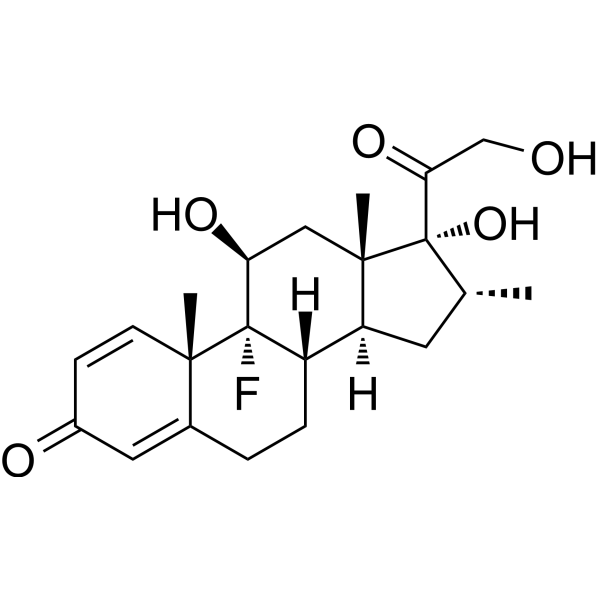
Dexamethasone (Hexadecadrol) is a glucocorticoid receptor agonist, apoptosis inducer, and common disease inducer in experimental animals, constructing models of muscle atrophy, hypertension, and depression. Dexamethasone can inhibit the production of inflammatory miRNA-155 exosomes in macrophages and significantly reduce the expression of inflammatory factors in neutrophils and monocytes. Dexamethasone also has potential for use in COVID-19 research .
loading...
    loading...
402
402 Publications Verification
Cat. No.: HY-14648C
CAS No.: 50-02-2
Purity:  ≥98.0%
Synonyms: Dexamethasone cyclodextrin complex
Dexamethasone (Hexadecadrol) Water Soluble is a water-soluble form of Dexamethasone (HY-14648). Dexamethasone is a glucocorticoid receptor agonist, apoptosis inducer, and a common disease inducer in experimental animals. It can be used to construct models of muscle atrophy, hypertension, and depression. Dexamethasone can inhibit the production of inflammatory miRNA-155 exosomes in macrophages and significantly reduce the expression of inflammatory factors in neutrophils and monocytes. Dexamethasone also has the potential to be used in COVID-19 research .(Sale size is the weight of dexamethasone)
loading...
    loading...
316
316 Cited Publications
Cat. No.: HY-15452
CAS No.: 49843-98-3
Purity:  99.85%
Synonyms: EX-527
Target:  

Sirtuin

Research Areas:  

Inflammation/Immunology Cancer

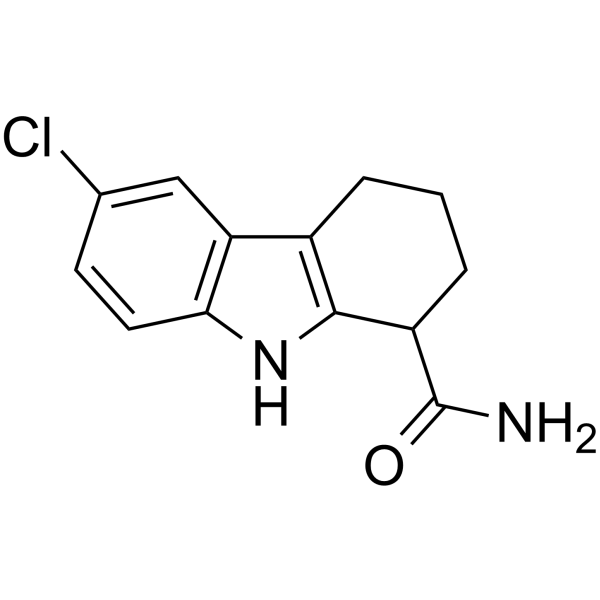
Selisistat (EX-527) is a potent and selective SirT1 (Sir2 in Drosophila melanogaster) inhibitor with an IC50 of 123 nM for SirT1. Selisistat alleviates pathology in multiple animal and cell models of Huntington's disease .
loading...
    loading...
37
37 Cited Publications
Cat. No.: HY-W008719
CAS No.: 36913-39-0
Research Areas:  

Neurological Disease

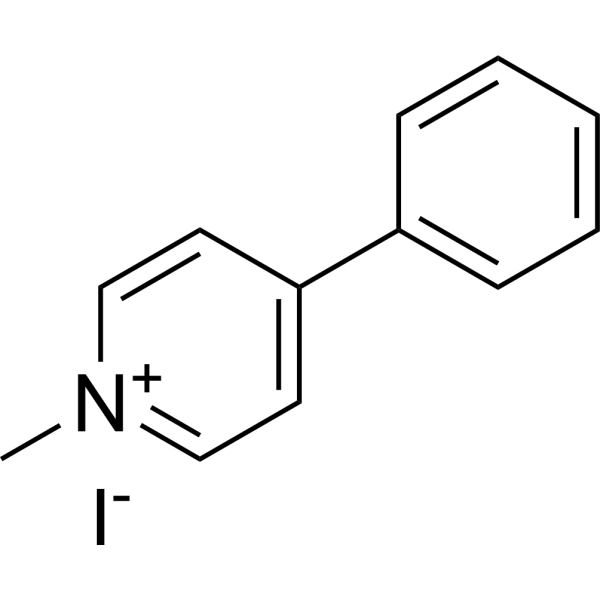
MPP+ iodide, a toxic metabolite of the neurotoxin MPTP, causes symptom of Parkinson's disease in animal models by selectively destroying dopaminergic neurons in substantia nigra. MPP+ iodide is taken up by the dopamine transporter into dopaminergic neurons where it exerts its neurotoxic action on mitochondria by affecting complex I of the respiratory chain. MPP+ iodide is also a high affinity substrate for the serotonin transporter (SERT) .
loading...
    loading...
12
12 Cited Publications
Cat. No.: HY-B1779
CAS No.: 57-50-1
Synonyms: D-(+)-Saccharose
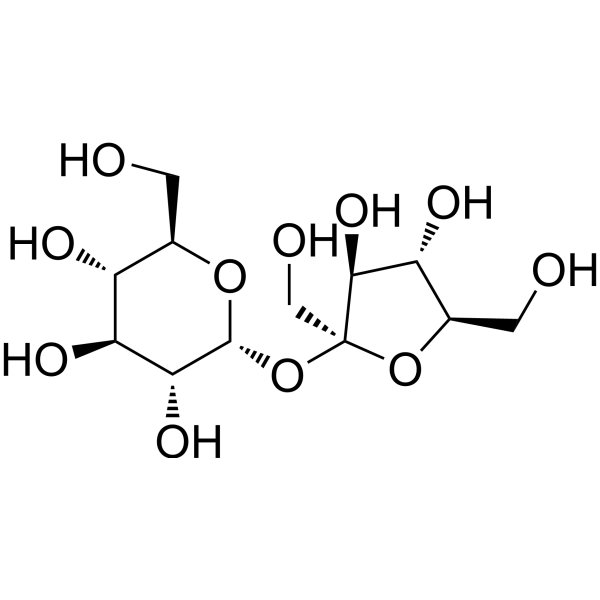
Sucrose (D-(+)-Saccharose) is a disaccharide which is composed of two monosaccharides, glucose and fructose. Sucrose can be applied in some animal models, including metabolic disease, obesity, diet on preference, and diabetes, et al .
loading...
    loading...
11
11 Cited Publications
Cat. No.: HY-112584
CAS No.: 7150-23-4
Purity:  99.94%
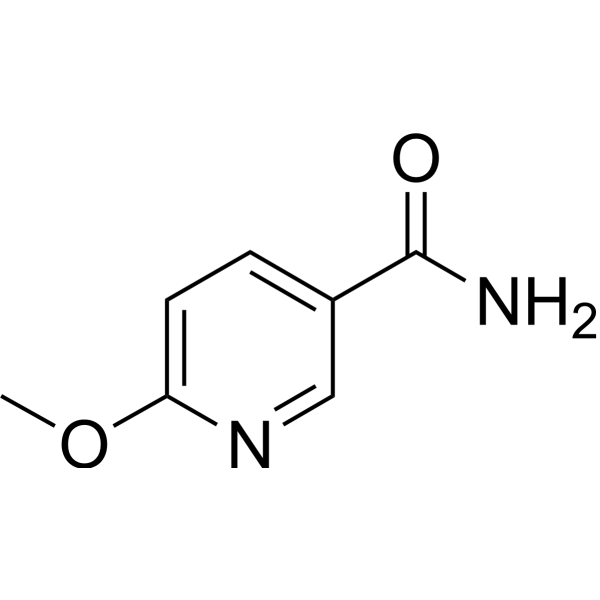
Synonyms: 6-Methoxynicotinamide
Research Areas:  

Metabolic Disease

JBSNF-000088 (6-Methoxynicotinamide), a analog of nicotinamide (NA), is a potent and orally active Nicotinamide N-methyltransferase (NNMT) inhibitor with IC50s of 1.8 µM, 2.8 µM, and 5.0 µM for human NNMT, monkey NNMT and mouse NNMT, respectively. JBSNF-000088 inhibits NNMT activity, reduces MNA levels and drives insulin sensitization, glucose modulation and body weight reduction in animal models of metabolic disease .
loading...
    loading...
6
6 Cited Publications
Cat. No.: HY-D1056A1
Synonyms: LPS, from Escherichia coli (O111:B4)
Lipopolysaccharides, from E. coli O111:B4 (LPS, from Escherichia coli (O111:B4)) are endotoxins and TLR4 activators extracted from Escherichia coli (E. coli O111:B4) and are classified as S (smooth) type LPS. Lipopolysaccharides (LPS), from E. coli O111:B4 possess the typical three-part structure: O-antigen, R3-type core oligosaccharide, and lipid A. Lipopolysaccharides (LPS), from E. coli O111:B4 activate TLR-4 in immune cells and can cause significant gastric diseases. Lipopolysaccharides (LPS), from E. coli O111:B4 can be used to induce cellular inflammation and establish animal models related to inflammation .
It is recommended to prepare a solution with concentration ≥2 mg/mL. Vortex thoroughly for more than 10 minutes. Due to the adsorption characteristics of LPS, silanized container or low adsorption centrifuge tubes should be used for aliquoting and storage, and mix thoroughly before use.
loading...
    loading...
6
6 Cited Publications
Cat. No.: HY-16969
CAS No.: 1401708-83-5
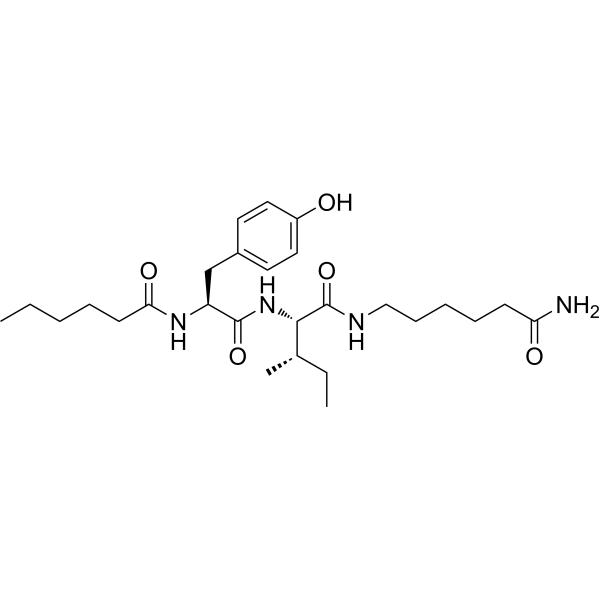
Synonyms: PNB-0408; N-hexanoic-Try-Ile-(6)-amino hexanoic amide; Hexanoyl-Tyr-Ile-Ahx-NH2
Target:  

c-Met/HGFR

Research Areas:  

Neurological Disease

Dihexa, an oligopeptide drug, is an orally active and blood-brain barrier-permeable angiotensin IV analog. Dihexa binds to hepatocyte growth factor (HGF) with high affinity (Kd=65 pM) and potentiates its activity at its receptor, c-Met. Dihexa exhibits excellent antidementia activity and improves cognitive function in animal models. Dihexa may have therapeutic potential as a treatment Alzheimer’s disease .
loading...
    loading...
2
2 Cited Publications
Cat. No.: HY-15344
CAS No.: 1208313-97-6
Purity:  ≥95.0%
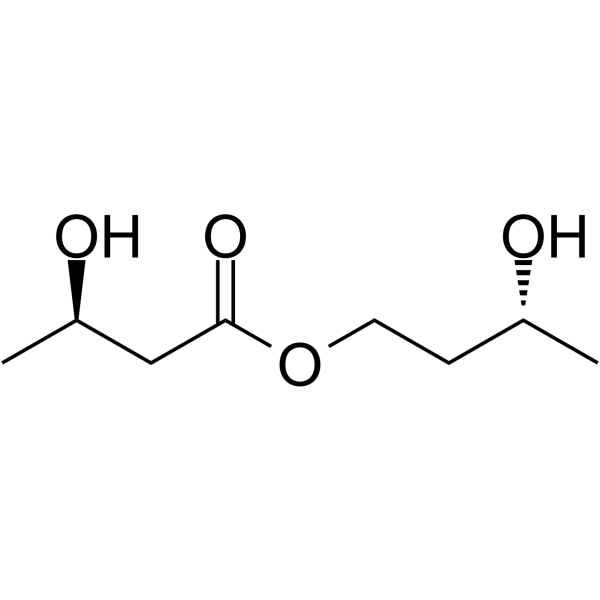
Ketone monoester is an orally available ketone monoester that serves as a source of nutritional ketones. Ketone monoester increases plasma beta-hydroxybutyrate, acetoacetate, blood glucose, blood sodium, and blood creatinine levels in mouse models. Ketone monoester has the potential to improve athletic performance and endurance in animals. Ketone monoester partially prevents myasthenia in septic mice. Ketone monoester may also be used to study Parkinson's disease or diabetes .
loading...
    loading...
2
2 Cited Publications
Cat. No.: HY-124876
CAS No.: 685121-45-3
Purity:  99.89%
Synonyms: SC-D
Target:  

α-synuclein

Research Areas:  

Neurological Disease

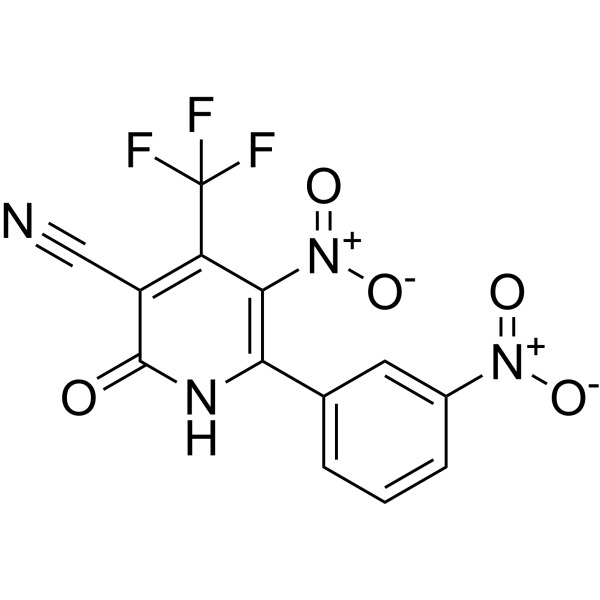
SynuClean-D (SC-D) is an inhibitor of α-synuclein aggregation, disrupts mature amyloid fibrils, prevents fibril propagation, and abolishes the degeneration of dopaminergic neurons in an animal model of Parkinson’s disease .
loading...
    loading...
1
1 Cited Publications
Cat. No.: HY-Y1117
CAS No.: 108-78-1
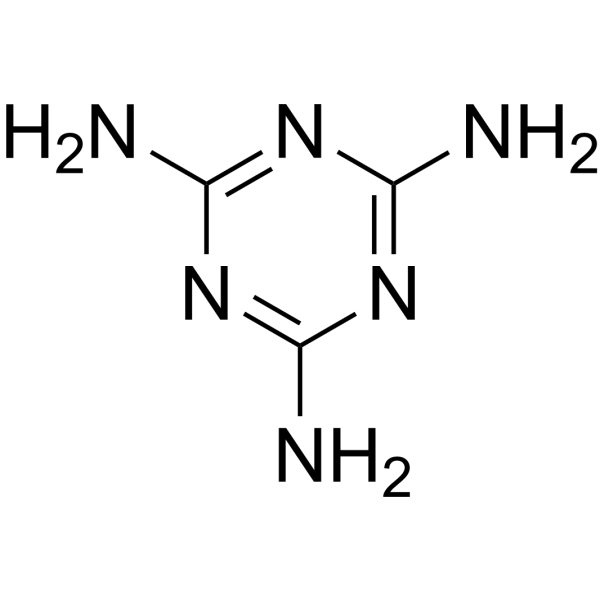
Melamine is an orally active inducer of Apoptosis. Melamine induces animal disease models. Melamine affects the activity of Sertoli cell and can be used for research on male reproductive function. Melamine also has neurotoxicity and nephrotoxicity. Melamine induces cognitive impairment and acute kidney injury models. Melamine can also be used to induce bladder cancer and urinary stone models .
loading...
    loading...
1
1 Cited Publications
Cat. No.: HY-B0596
CAS No.: 103300-74-9
Synonyms: TA-0910
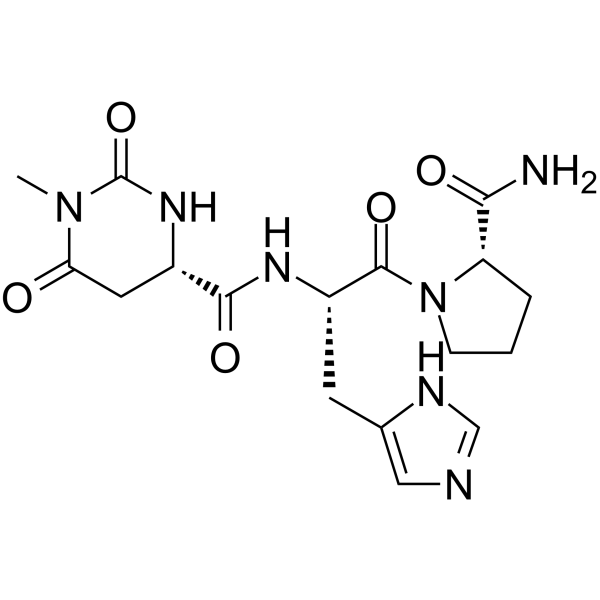
Taltirelin (TA-0910) is an orally effective analogue of thyrotropin releasing hormone (TRH) and a TRH receptor (TRH-R) superagonist (IC50 at 910 nM). Taltirelin can cross the blood-brain barrier. Taltirelin stimulates an increase in cytosolic Ca 2+ concentration (Ca 2+ release) with an EC50 value of 36 nM. Taltirelin increases cell viability and reduces apoptosis in SH-SY5Y cells and primary rat mesencephalic neurons treated with MPP+ (HY-W008719) or Rotenone (HY-B1756). Taltirelin has neuroprotective effects in both cellular and animal models of Parkinson's disease. Taltirelin alleviates fatigue-like behavior in mouse models of cancer-related fatigue .
loading...
    loading...
1
1 Cited Publications
Cat. No.: HY-132850
CAS No.: 2221010-42-8
Purity:  ≥98.0%
Synonyms: BLD-2660
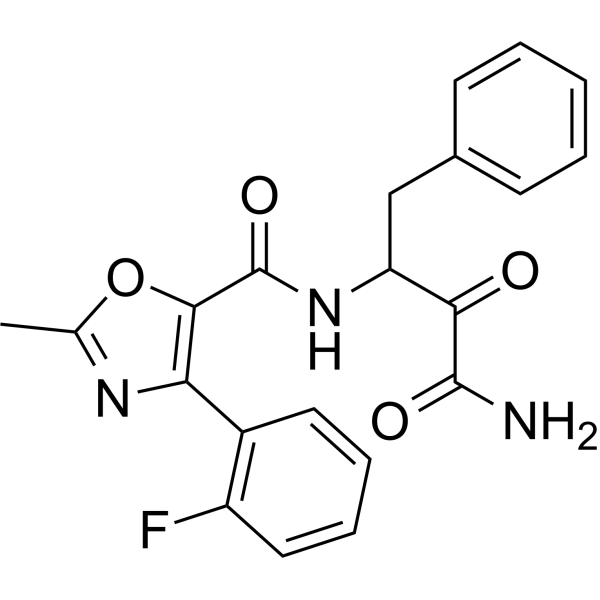
Dazcapistat (BLD-2660) is an orally active small-molecule inhibitor of calpain 1, 2, and 9 (calpain 1, 2, 9). Dazcapistat reduces the expression/production level of IL-6 in injured lung tissue and alleviates fibrosis . Dazcapistat exerts anti-fibrotic effects in various animal models of fibrosis in the skin, liver and lung . Dazcapistat can be used in research related to coronavirus disease 2019 (COVID-19) and idiopathic pulmonary fibrosis .
loading...
    loading...
1
1 Cited Publications
Cat. No.: HY-B0596A
CAS No.: 1549593-23-8
Synonyms: TA-0910 acetate
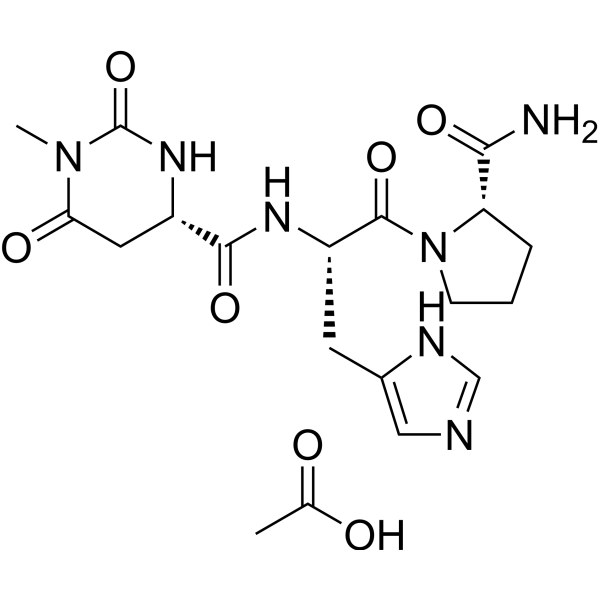
Taltirelin acetate (TA-0910) is an acetate form of Taltirelin (TA-0910). Taltirelin (TA-0910) is an orally effective analogue of thyrotropin releasing hormone (TRH) and a TRH receptor (TRH-R) superagonist (IC50 at 910 nM). Taltirelin can cross the blood-brain barrier. Taltirelin stimulates an increase in cytosolic Ca 2+ concentration (Ca 2+ release) with an EC50 value of 36 nM. Taltirelin increases cell viability and reduces apoptosis in SH-SY5Y cells and primary rat mesencephalic neurons treated with MPP+ (HY-W008719) or Rotenone (HY-B1756). Taltirelin has neuroprotective effects in both cellular and animal models of Parkinson's disease. Taltirelin alleviates fatigue-like behavior in mouse models of cancer-related fatigue .
loading...
    loading...
1
1 Cited Publications
Cat. No.: HY-P5982
PTPσ Inhibitor, ISP is a PTPσ intracellular wedge domain mimetic peptide containing a TAT cell-penetrating domain, which acts as a PTPσ inhibitor. PTPσ Inhibitor, ISP binds to and inhibits PTPσ, thereby relieving CSPG-mediated axonal growth inhibition. PTPσ Inhibitor, ISP enhances CSPG degradation by promoting the secretion of Cathepsin B or MMP-2, and promotes DRG axonal growth, OPC migration and remyelination. PTPσ Inhibitor, ISP promotes nerve regeneration and improves sensory, motor and urinary functions in animal models of spinal cord injury, dorsal root injury and multiple sclerosis. PTPσ Inhibitor, ISP also increases the phosphorylation of ERK and AKT in colorectal cancer cells. PTPσ Inhibitor, ISP can be used in studies related to PTPσ/CSPG signaling, nerve regeneration, demyelinating diseases and RAS/ERK signaling .
loading...
    loading...
Cat. No.: HY-174990
CAS No.: 2927452-83-1
Target:  

15-PGDH

HW201877 is a potent and orally active 15-prostaglandin dehydrogenase (15-PGDH) inhibitor with an IC50 of 3.6 nM. HW201877 demonstrates robust cellular efficacy in elevating PGE2 levels in A549 cells and exhibits remarkable efficacy in animal models of tissue injury and fibrosis. HW201877 can be used for the study of inflammatory bowel disease (IBD), idiopathic pulmonary fibrosis (IPF) and Crohn’s disease (CD) .
loading...
    loading...
Cat. No.: HY-NP004
Synonyms: CVF
Cobra Venom Factor (CVF) is a selective activator targeting complement components C3, C5, and factor B in the complement system. After binding to factor B, Cobra Venom Factor is cleaved by factor D, forming a stable C3/C5 convertase resistant to regulatory proteins H and I. This continuously hydrolyzes C3 and C5, depleting serum complement while inducing neutrophil migration, vascular leakage, and increased TNF-α levels. Cobra Venom Factor can be used to deplete complement and mimic complement activation-related pathological states, and is applied in animal models of complement-mediated diseases such as acute respiratory distress syndrome (ARDS), sepsis, and shock. Cobra Venom Factor can be isolated from the venom of cobras (e.g., Naja atra, Naja melanoleuca, Naja kaouthia, etc.) .
loading...
    loading...
Cat. No.: HY-156619
CAS No.: 1426449-01-5
Purity:  99.32%
Synonyms: EVT-8565072; THB335
Target:  

c-Kit PDGFR

Labuxtinib (EVT-8565072; THB335) is a potent dual inhibitor of c-Kit and PDGFR. Labuxtinib exhibits potent inhibitory activity against wild-type c-Kit (IC50 = 0.005 μM). Labuxtinib inhibits SCF-dependent and PDGF-dependent cell proliferation, and blocks the proliferation of cells dependent on c-Kit or PDGFR signaling pathways. In animal models of skin allergy, Labuxtinib depletes skin mast cells and significantly alleviates anaphylactic shock responses. Labuxtinib can be used in research on mast cell-related diseases, respiratory diseases, inflammatory diseases, fibrotic diseases, metabolic diseases, and other related conditions .
loading...
    loading...
Cat. No.: HY-N12060
CAS No.: 90045-36-6
Ginkgo biloba extract is a natural product that can be isolated from Ginkgo biloba leaves . Ginkgo biloba extract alleviates oxidative stress-induced neuronal apoptosis (Apoptosis) by stabilizing mitochondrial function, regulating Bcl-2 family proteins and inhibiting caspase activation. Ginkgo biloba extract alleviates testicular injury by upregulating SKP2 and inhibiting Beclin1-independent autophagy (Autophagy) . Ginkgo biloba extract alleviates various types of neuronal damage in animal models. Ginkgo biloba extract reduces behavioral sensitization in rats. Ginkgo biloba extract counteracts Aβ-induced neurotoxicity by blocking a series of Aβ-triggered events, including glucose uptake, ROS accumulation, AKT activation, mitochondrial dysfunction, JNK and ERK 1/2 pathways, and apoptosis, and also interferes with the formation of Aβ oligomers. Ginkgo biloba extract is applicable to research related to cerebral hypoperfusion, testicular injury, Alzheimer's disease, Parkinson's disease, multi-infarct dementia, stroke, traumatic brain injury and amyotrophic lateral sclerosis .
loading...
    loading...
Cat. No.: HY-P991734
VHB937 is a potent and selective TREM2 agonist, a human monoclonal antibody, with sub-nanomolar affinity. VHB937 enhances TREM2 surface expression and downstream signaling, such as Syk phosphorylation and calcium mobilization. VHB937 exhibits robust neuroprotective effects in vivo, significantly reducing pathology and pro-inflammatory markers across a broad range of animal models of neuroinflammation and neurodegeneration. VHB937 can be used for neurodegenerative diseases research .
loading...
    loading...

