


1. Search Result
Search Result
Results for "

electrically

" in MedChemExpress (MCE) Product Catalog:

74

Inhibitors & Agonists

4

Screening Libraries

4

Fluorescent Dye

3

Biochemical Assay Reagents

7

Peptides

6

Natural
Products

5

Isotope-Labeled Compounds

3

Oligonucleotides

Cat. No. Product Name Target Research Areas Chemical Structure
  • HY-B0470
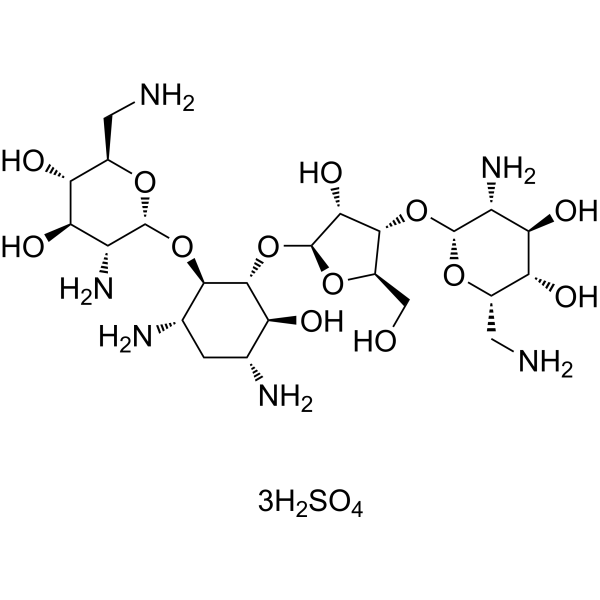
    Neomycin sulfate
    65+ Cited Publications

    Environmental Pollutants Antibiotic Phospholipase Bacterial Infection Metabolic Disease Cancer
    Neomycin sulfate, an aminoglycoside antibiotic, exerts antibacterial activity through irreversible binding of the nuclear 30S ribosomal subunit, thereby blocking bacterial protein synthesis. Neomycin sulfate is a known phospholipase C (PLC) inhibitor. Neomycin sulfate potently inhibits both the nuclear translocation of angiogenin and angiogenin-induced cell proliferation and angiogenesis. Neomycin sulfate inhibits IP3-mediated Ca 2+ release, MgATP-dependent Ca 2+ uptake, and electrical excitation-evoked skeletal muscle Ca 2+ transients. Neomycin sulfate depletes gut microbiota in specific mouse models, causes hearing impairment, and kidney damage with prolonged exposure. Neomycin sulfate can be used for the research of cancer .
    Neomycin sulfate
  • HY-W017277

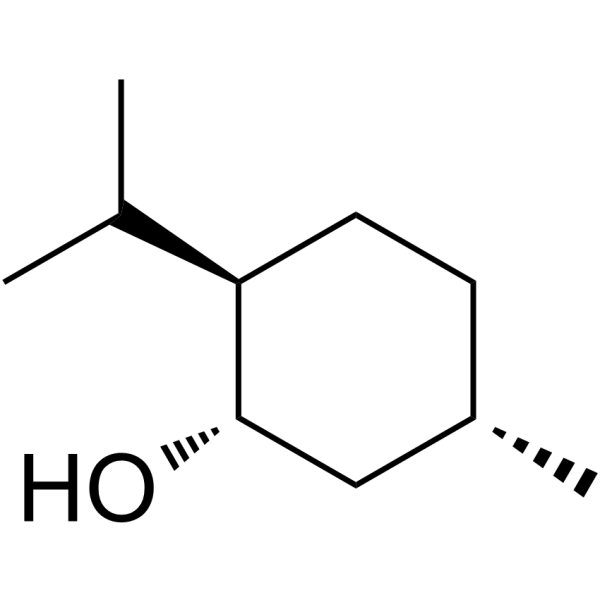
    D-Menthol

    Fungal Neurological Disease
    (+)-Menthol (D-Menthol) is one of the optical isomers of Menthol. (+)-Menthol can reduce the electrically evoked contractions of rat phrenic hemidiaphragm in vitro. Local anaesthetic activity. (+)-Menthol inhibits fungal growth and sporulation. (+)-Menthol can also inhibit the growth of Microcystis aeruginosa cells .
    (+)-Menthol
  • HY-143202

    Liposome Biochemical Assay Reagents Others
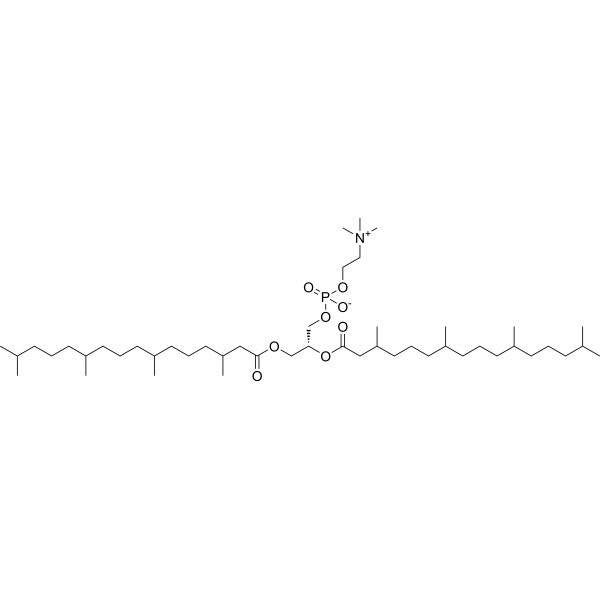
    DPhPC is a phospholipid compound characterized by high mechanical and chemical stability, broad temperature phase stability, and high electrical resistance. DPhPC readily forms unilamellar vesicles and solid-supported bilayers. DPhPC is commonly used as a component of nanoliposomal drug carriers or as a model membrane material for studies on membrane proteins/ion channels .
    DPhPC
  • HY-N0478
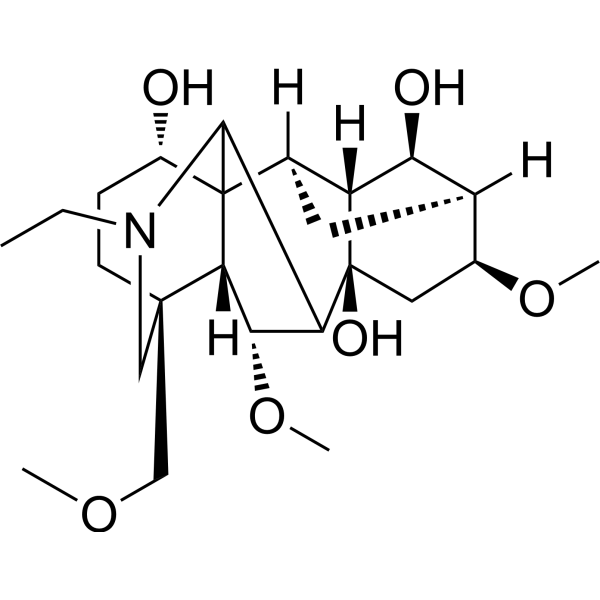
    Neoline
    1 Publications Verification

    Bullatine B

    Others Neurological Disease
    Neoline (Bullatine B) is the active ingredient of the active ingredient (PA), which can be used to cure the disease. Neoline Flow Suppression Nav1.7 Electrical Flow Control (VGSC), improve diabetes mechanical pain sensitivity. Neoline has a list of compounds that can be used, research on its use, and the quality of its processing during processing in pain .
    Neoline
  • HY-Y1213

    Biochemical Assay Reagents Drug Intermediate Others
    Carbon possesses unique physicochemical properties such as electrical and structural characteristics, making it a core material in the field of fuel cells. Carbon also serves as a pharmaceutical excipient and can be used in the synthesis of other compounds .
    Carbon
  • HY-W010323

    DHBQ

    Endogenous Metabolite Fungal Others
    2,5-Dihydroxy-1,4-benzoquinone (DHBQ) is a redox-active quinone-based organic ligand with antibacterial activity that can be obtained from fungal metabolites. After 2,5-Dihydroxy-1,4-benzoquinone is incorporated into the Fe (dhbq) metal-organic framework, a two-electron redox process occurs, which helps improve the discharge capacity of Li +-ion battery cathodes. 2,5-Dihydroxy-1,4-benzoquinone can be used to construct conductive metal-organic frameworks suitable for Li +-ion battery cathodes .
    2,5-Dihydroxy-1,4-benzoquinone
  • HY-Y1213S
    Carbon-13C
    2 Publications Verification

    Isotope-Labeled Compounds Biochemical Assay Reagents Drug Intermediate Others
    Carbon- 13C is the 13C labeled Carbon (HY-Y1213). Carbon possesses unique physicochemical properties such as electrical and structural characteristics, making it a core material in the field of fuel cells. Carbon also serves as a pharmaceutical excipient and can be used in the synthesis of other compounds .
    Carbon-13C
  • HY-150520

    Antibiotic Phospholipase Infection Cancer
    Neomycin, an aminoglycoside antibiotic, exerts antibacterial activity through irreversible binding of the nuclear 30S ribosomal subunit, thereby blocking bacterial protein synthesis. Neomycin is a known phospholipase C (PLC) inhibitor. Neomycin potently inhibits both the nuclear translocation of angiogenin and angiogenin-induced cell proliferation and angiogenesis. Neomycin inhibits IP3-mediated Ca 2+ release, MgATP-dependent Ca 2+ uptake, and electrical excitation-evoked skeletal muscle Ca 2+ transients. Neomycin depletes gut microbiota in specific mouse models, causes hearing impairment, and kidney damage with prolonged exposure. Neomycin can be used for the research of cancer .
    Neomycin
  • HY-P10352A

    Bacterial Infection
    Pediocin PA-1 TFA is a class IIa bacteriocin that specifically binds to membrane proteins of susceptible Gram-positive bacteria (such as Listeria monocytogenes) to form voltage-independent hydrophilic pores, leading to dissipation of proton motive force, ATP depletion and cell death. Pediocin PA-1 TFA shows no significant activity against intact Gram-negative bacteria, strains carrying immunity genes and obligate anaerobic commensal gut microbiota, and its bactericidal function depends on the integrity of disulfide bonds, with activity lost upon reduction. Pediocin PA-1 TFA can be used not only as a food biopreservative but also for research on listeriosis .
    Pediocin PA 1 TFA
  • HY-B1804

    Trioctanoin; Glyceryl trioctanoate

    Endogenous Metabolite Neurological Disease Inflammation/Immunology
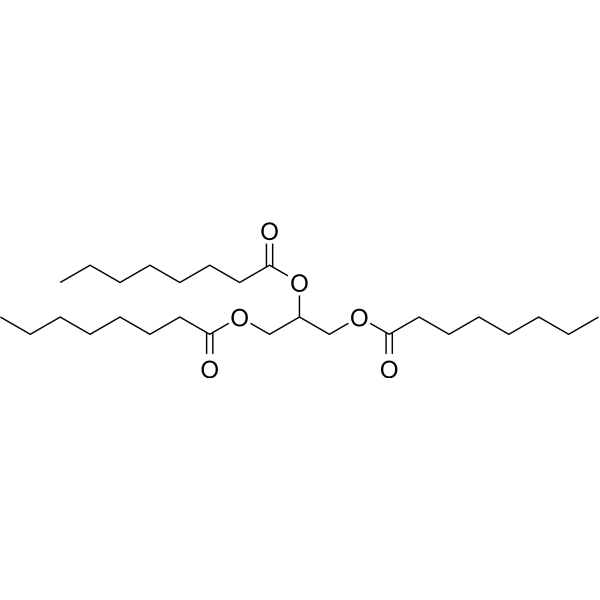
    Tricaprilin (Trioctanoin) is an orally active and well tolerated ketogenic agent that safely induces ketosis. Tricaprilin restores brain electrical activity and metabolism to help counteract neuroinflammation in migraine. Tricaprilin is promising for research of migraine prevention and Alzheimer’s disease (AD). Tricaprilin is a pure C8 medium chain triglyceride (MCT) .
    Tricaprilin
  • HY-D0127

    Fluorescent Dye Others
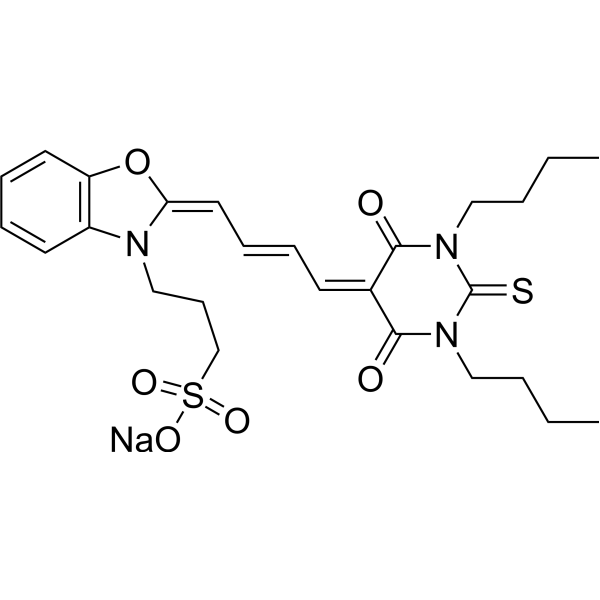
    Merocyanin 540 is a fluorescent membrane probe that selectively stains the membranes of a wide variety of electrically excitable cells, but not those of nonexcitable cells (Ex/Em: 540/580 nm) .
    Merocyanin 540
  • HY-129763

    Fluorescent Dye Cardiovascular Disease
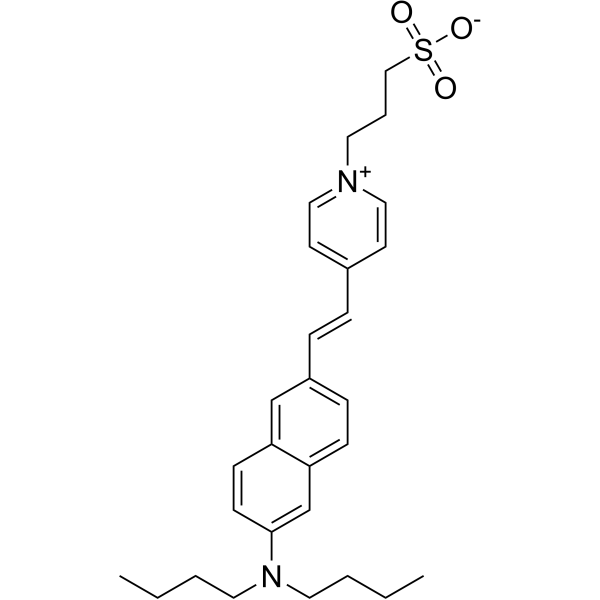
    Di-4-ANEPPS is a voltage-sensitive dye that acts on voltage-gated ion channels (such as sodium channels) and inhibits sodium current, significantly reducing sodium current density, although specific values like IC50 remain unclear. It mainly binds to the voltage-sensitive regions on the cell membrane, changing its fluorescence properties to reflect membrane potential changes and thus affecting the function of ion channels to exert its activity. This substance can be used in cardiovascular research, such as the electrophysiology of cardiomyocytes, myocardial ischemia, and the effects of drugs on cardiomyocytes. It is of great value in evaluating drug cardiotoxicity and exploring the mechanisms of arrhythmias .
    Di-4-ANEPPS
  • HY-168773

    EAAT Neurological Disease
    (R)-AS-1 is a selective positive allosteric modulator of the excitatory amino acid transporter 2 (EAAT2), with an EC50 of 11 nM. (R)-AS-1 (at doses of 60 and 90 mg/kg) increases spontaneous locomotor activity in mice. Additionally, it demonstrates anticonvulsant activity in mouse models of seizures induced by maximal electroshock (MES), pentylenetetrazole (PTZ), or electrical stimuli (32 or 44 mA), with ED50s of 66.3, 36.3, 15.6, and 41.6 mg/kg, respectively. (R)-AS-1 can be used in neurological disease research .
    (R)-AS-1
  • HY-156004

    Bacterial Others
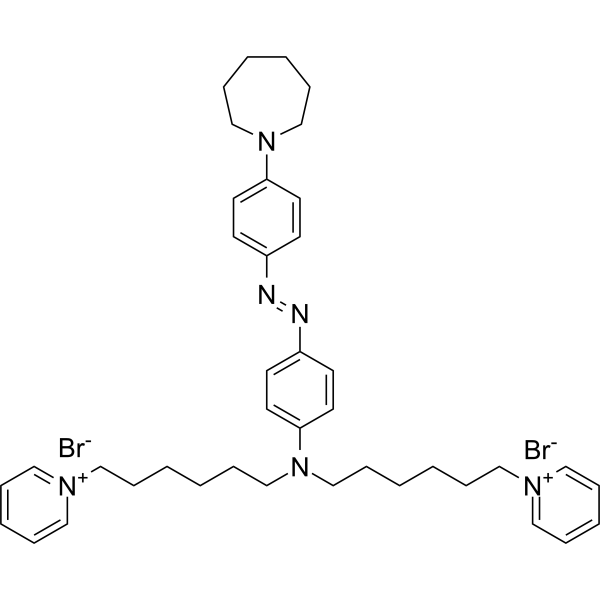
    Ziapin 2 is a membrane potential modulator and an intracellular membrane photoactuator. Ziapin 2 binds to the bacterial plasma membrane, and upon embedding into the lipid bilayer, undergoes trans-cis isomerization under 470 nm light irradiation, which triggers membrane potential hyperpolarization and induces the opening of ion channels on bacterial cell membranes. Through interactions with lipids, Ziapin 2 increases the overall flexibility of the lipid bilayer. Ziapin 2 can form photosensitive transmembrane dimers to trigger cellular signal transduction. Ziapin 2 is applicable to the research and regulation of bacterial electrical signal transduction and the regulation of membrane physical properties .
    Ziapin 2
  • HY-P10352

    Bacterial Infection
    Pediocin PA 1 is a class IIa bacteriocin that specifically binds to membrane proteins of susceptible Gram-positive bacteria (such as Listeria monocytogenes) to form voltage-independent hydrophilic pores, leading to dissipation of proton motive force, ATP depletion and cell death. Pediocin PA 1 shows no significant activity against intact Gram-negative bacteria, strains carrying immunity genes and obligate anaerobic commensal gut microbiota, and its bactericidal function depends on the integrity of disulfide bonds, with activity lost upon reduction. Pediocin PA 1 can be used not only as a food biopreservative but also for research on listeriosis .
    Pediocin PA 1
  • HY-W004048

    Sodium p-toluenesulfonate

    Environmental Pollutants Drug Intermediate Others
    Sodium 4-methylbenzenesulfonate (Sodium p-toluenesulfonate) is a drug intermediate, capable of being used to synthesize xanthine oxidase inhibitors. Sodium 4-methylbenzenesulfonate can be used as a dopant to construct a polypyrrole (PPy) conductive film on the surface of titanium (Ti) implants .
    Sodium 4-methylbenzenesulfonate
  • HY-W094517

    Biochemical Assay Reagents Endocrinology
    Sodium phosphate dibasic heptahydrate is an orally active and osmotic laxative, often used as a component of over-the-counter gastrointestinal lavage drugs. Sodium phosphate dibasic heptahydrate draws water into the intestinal lumen, maintains electrical neutrality by retaining cations in the intestinal lumen, and thereby alters fecal volume, consistency and phosphate levels. Sodium phosphate dibasic heptahydrate can be used to generate self-assembled calcium phosphate tubular scaffolds, which support the adhesion, survival and elongation of mesenchymal stem cells. Sodium phosphate dibasic heptahydrate can be applied to research on factitious disorders and related fields .
    Sodium phosphate dibasic heptahydrate
  • HY-108511

    Sigma Receptor Apoptosis SARS-CoV Infection Cancer
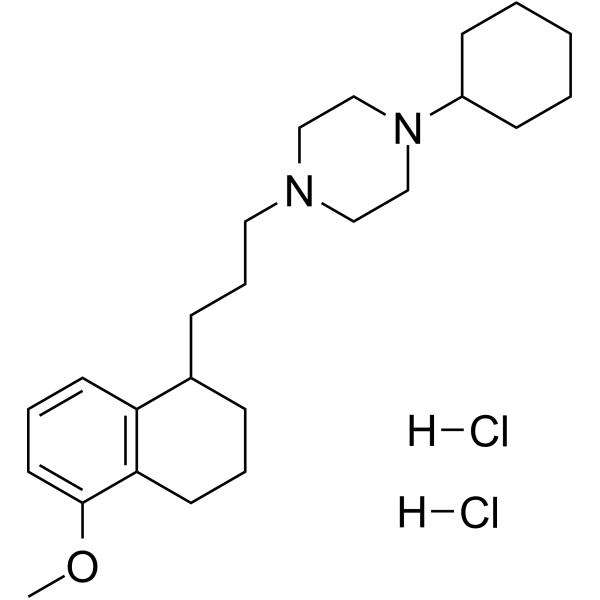
    PB28 dihydrochloride, a cyclohexylpiperazine derivative, is a high affinity and selective sigma 2 (σ2) receptor agonist with a Ki of 0.68 nM. PB28 dihydrochloride is also a σ1 antagonist with a Ki of 0.38 nM. PB28 dihydrochloride is less affinity for other receptors. PB28 dihydrochloride inhibits electrically evoked twitch in guinea pig bladder and ileum with EC50 values of 2.62 μM and 3.96 μM, respectively. PB28 dihydrochloride can modulate SARS-CoV-2-human protein-protein interaction. PB28 dihydrochloride induces caspase-independent apoptosis and has antitumor activity .
    PB28 dihydrochloride
  • HY-W440408

    Polyester short-cut fiber

    Environmental Pollutants Biochemical Assay Reagents Others
    Poly(oxyethyleneoxyterephthaloyl) is a commonly used waterproof polymer material. Poly(oxyethyleneoxyterephthaloyl) can be used in textile, electrical and other fields .
    Poly(oxyethyleneoxyterephthaloyl)
  • HY-169450

    9-O-Desmethyl mitragynine

    Opioid Receptor Neurological Disease
    (-)-9-Hydroxycorynantheidine (9-O-Desmethyl mitragynine), the 9-demethyl analogue of Mitragynine, is a selective and partial agonist of μ-opioid receptor. (-)-9-Hydroxycorynantheidine inhibits electrically stimulated twitch contraction in guinea-pig ileum .
    (-)-9-Hydroxycorynantheidine
  • HY-129101

    Eseroline fumarate

    5-HT Receptor Neurological Disease
    (-)-Eseroline fumarate is a metabolic of Physostigmine (HY-N6608), an AChE inhibitor. (-)-Eseroline fumarate elicits a leakage of lactic acid dehydrogenase (LDH) from cancer cells. (-)-Eseroline fumarate also induces the release of adenine nucleotides and 5-hydroxytryptamine (5-HT) from neuronal cells, thus induce cell death. (-)-Eseroline fumarate inhibits the electrically evoked twitches of the mouse vas deferens and of the guinea-pig ileum .
    (-)-Eseroline fumarate
  • HY-B1804S

    Trioctanoin-13C3; Glyceryl trioctanoate-13C3

    Isotope-Labeled Compounds Endogenous Metabolite Neurological Disease Inflammation/Immunology
    Tricaprilin- 13C3 (Trioctanoin- 13C3) is a 13C-labeled Tricaprilin (HY-B1804) . Tricaprilin is an orally active and well tolerated ketogenic agent that safely induces ketosis. Tricaprilin restores brain electrical activity and metabolism to help counteract neuroinflammation in migraine. Tricaprilin is promising for research of migraine prevention and Alzheimer’s disease (AD). Tricaprilin is a pure C8 medium chain triglyceride (MCT) .
    Tricaprilin-13C3
  • HY-A0236

    Sodium Channel Potassium Channel Calcium Channel Calmodulin Cardiovascular Disease
    Aprindine is an Ib-class anti-arrhythmic agent. Aprindine mainly exerts its effect by blocking sodium channels (INa), thereby reducing the excitability and conduction velocity of cardiac muscle cells. Aprindine significantly inhibits delayed potassium currents, which helps to prolong the atrial effective refractory period (AERP) and inhibit the occurrence of atrial fibrillation. Aprindine can also regulate intracellular calcium ion concentration by inhibiting Na +/Ca 2+ exchange current (INCX), thereby further stabilizing cardiac electrical activity. Aprindine can be used for the study of atrial fibrillation (AF) and ventricular arrhythmias .
    Aprindine
  • HY-D1556

    1,2-dioleoyl-sn-glycero-3-phosphoethanolamine-N-(carboxyfluorescein) ammonium

    Fluorescent Dye Cancer
    18:1 PE CF (1,2-dioleoyl-sn-glycero-3-phosphoethanolamine-N-(carboxyfluorescein) (ammonium)) is a pH-sensitive fluorescent indicator. 18:1 PE CF exhibits changes in fluorescence intensity in response to pH variations and reflects the electrostatic states of cationic liposomes and lipoplexes. 18:1 PE CF supports real-time visualization of pH distribution and membrane deformation in giant unilamellar vesicles and is suitable for steady-state fluorescence testing in large unilamellar vesicle membranes. 18:1 PE CF is capable of monitoring the surface electrical potential of cationic liposomes and lipoplexes and can effectively label lipid bilayers and nanomicelles. 18:1 PE CF can be used for the research of the investigation of lung cancer (Ex = 495 nm; Em = 520 nm) .
    18:1 PE CF
  • HY-125743

    (S)-Methanandamide

    Cannabinoid Receptor Neurological Disease
    S-1 Methanandamide ((S)-Methanandamide), an Anandamide analog, is a CB1 receptor ligand with a Ki of 173 nM. S-1 Methanandamide inhibits electrically-evoked twitch response in mouse vas deferens with an IC50 value of 230 nM .
    S-1 Methanandamide
  • HY-171152A

    Claudin Metabolic Disease
    NSC 357754 dihydrochloride is an inhibitor of Claudin. NSC 357754 dihydrochloride can increase the transepithelial electrical resistance of cells and reduce the permeability of specific cations. NSC 357754 dihydrochloride can be used in the research of intestinal diseases mediated by Claudin-2 and/or Claudin-15 .
    NSC 357754 dihydrochloride
  • HY-107628

    Melatonin Receptor Neurological Disease
    N-Pentanoyl 2-benzyltryptamine is a potent and selective antagonist of MT2 melatonin receptor, with a pKi of 8.03 for human MT2. N-Pentanoyl 2-benzyltryptamine shows 89- and 229-fold selectivity for human MT2 over human mt1 and Xenopus mel1c receptor subtypes. N-Pentanoyl 2-benzyltryptamine can inhibit melatonin-induced enhancement of electrically-evoked responses .
    N-Pentanoyl 2-benzyltryptamine
  • HY-A0236A

    Sodium Channel Potassium Channel Calcium Channel Calmodulin Cardiovascular Disease
    Aprindine hydrochloride is an Ib-class anti-arrhythmic agent. Aprindine hydrochloride mainly exerts its effect by blocking sodium channels (INa), thereby reducing the excitability and conduction velocity of cardiac muscle cells. Aprindine hydrochloride significantly inhibits delayed potassium currents, which helps to prolong the atrial effective refractory period (AERP) and inhibit the occurrence of atrial fibrillation. Aprindine hydrochloride can also regulate intracellular calcium ion concentration by inhibiting Na +/Ca 2+ exchange current (INCX), thereby further stabilizing cardiac electrical activity. Aprindine hydrochloride can be used for the study of atrial fibrillation (AF) and ventricular arrhythmias .
    Aprindine hydrochloride
  • HY-160052

    Interleukin Related Inflammation/Immunology Cancer
    IL-6 aptamer sodium is an aptamer that specifically binds to IL-6, and can serve as a biological recognition receptor for high-sensitivity detection. IL-6 aptamer sodium enables label-free specific detection through changes in electrical signals of carbon nanotube microarrays or alterations in capacitive impedance on the surface of gold sensors. IL-6 aptamer sodium still maintains high selectivity even below the gray zone threshold for cancer diagnosis, and shows no significant non-specific binding to bovine serum albumin. IL-6 aptamer sodium can form an ordered self-assembled monolayer with 6-mercapto-1-hexanol on gold surfaces, making it suitable for reagent-free capacitive impedance biosensing platforms. IL-6 aptamer sodium is widely used in research related to fields such as cancer, inflammatory diseases, myeloma, liver cancer and glioma .
    IL-6 aptamer sodium
  • HY-W014883

    1,12-DD; 1,12-Diamino dodecane

    Potassium Channel Metabolic Disease
    1,12-Dodecanediamine (1,12-DD) is a reversible Maxi calcium-activated potassium channel blocker. 1,12-Dodecanediamine can reduce the single-channel current amplitude, mean channel open time, and channel open probability. 1,12-Dodecanediamine is promising for research of cell electrical signal transduction mechanism .
    1,12-Dodecanediamine
  • HY-110337

    Fluorescent Dye Others
    FFN 102 mesylate is a synthetic biogenic neurotransmitter analogue with PH-dependent fluorescence and electrical activity .
    FFN 102 mesylate
  • HY-106234

    Opioid Receptor Cardiovascular Disease Neurological Disease
    ZP 120C is a potent and partial ORL1 receptor agonist. ZP 120C inhibits electrically induced contraction. ZP 120C can be used in the research of hyponatremia/hypokalemia .
    ZP 120C
  • HY-119615

    Adrenergic Receptor Neurological Disease Endocrinology
    Mezilamine is a potent antidopaminergic agent. Mezilamine induces a concentration dependent increase in the electrically stimulated overflow of 3H-noradrenaline from rat cortical slices, without affecting the basal overflow. Mezilamine acts as a presynaptic α-adrenoceptor antagonist and a postsynaptic α-adrenoceptor agonist .
    Mezilamine
  • HY-N6685

    3-AcDON; 3-ADON

    Endogenous Metabolite Interleukin Related Infection Inflammation/Immunology
    3-Acetyldeoxynivalenol (3-AcDON; 3ADON), a trichothecene mycotoxin deoxynivalenol (DON) acetylated derivative, is a brain-penetrant Fusarium mycotoxin. 3-Acetyldeoxynivalenol induces mRNA expression and production of inflammatory chemokine IL-8 in intestinal cells .
    3-Acetyldeoxynivalenol
  • HY-120927A

    Opioid Receptor Neurological Disease
    Alvimopan metabolite hydrochloride is a peripherally restricted Opioid Receptor antagonist that inhibits the amplitude of electrically evoked contractions and spontaneous mechanical activity in guinea pig ileum .
    Alvimopan metabolite hydrochloride
  • HY-101595

    Drug Derivative Others
    RPH-2823, a basic triamterene derivative, induces a dose-dependent decrease in short-circuit current (SCC) and increase in transepithelial electrical resistance .
    RPH-2823
  • HY-177361

    Sodium Channel Cardiovascular Disease
    Zocainone is an antiarrhythmic agent. Zocainone blocks sodium channels in cardiac tissue, stabilizing the cardiac action potential and reducing abnormal electrical activity. Zocainone is promising for research of cardiac arrhythmias .
    Zocainone
  • HY-115763

    3-APPA; CGP 27492; CGA 147823

    GABA Receptor Neurological Disease
    3-Aminopropylphosphinic acid (3-APPA) is a phosphonic analog of GABA. 3-Aminopropylphosphinic acid is a potent, selective GABAB receptor agonist .
    3-Aminopropylphosphinic acid
  • HY-P5968A

    β(25-35)KA TFA

    Amyloid-β Neurological Disease
    [Ala28]-β Amyloid(25-35) (β(25-35)KA) TFA is an electrically neutral mutant peptide of Aβ(25-35) that accelerates the aggregation of Firefly Luciferase .
    [Ala28]-β Amyloid(25-35) TFA
  • HY-12596

    Calcium Channel Sodium Channel Potassium Channel Neurological Disease
    JNJ-26489112, a CNS-active agent, exhibits broad-spectrum anticonvulsant activity in rodents against audiogenic, electrically-induced, and chemically-induced seizures. JNJ-26489112 inhibits voltage-gated Na + channels and N-type Ca 2+ channels, and is effective as a K + channel opener. JNJ-26489112 has very weak inhibition of CA-II (IC50=35 μM) and CA-I (18 μM) .
    JNJ-26489112
  • HY-136634

    mAChR Others
    BTM-1042 is a newly synthesized compound with antispasmodic effects. It can inhibit the twitch reaction of the guinea pig ileum under electrical stimulation and is not affected by naloxone. It has similar effects to atropine and can block muscarinic receptors, but has less effect on other types of receptors. BTM-1042 also has an inhibitory effect on the ileal reaction caused by nicotine and 5-hydroxytryptamine. BTM-1042 showed a dose-dependent inhibitory effect on the spontaneous movement of the rabbit stomach. In general, BTM-1042 is a agent with a strong antispasmodic effect.
    BTM-1042
  • HY-108511A

    Sigma Receptor Apoptosis SARS-CoV Infection Cancer
    PB28 is a cyclohexylpiperazine derivative and a high affinity and selective sigma 2 (σ2) receptor agonist with a Ki of 0.68 nM. PB28 is also a σ1 antagonist with a Ki of 0.38 nM. PB28 is less affinity for other receptors. PB28 inhibits electrically evoked twitch in guinea pig bladder and ileum with EC50 values of 2.62 μM and 3.96 μM, respectively. PB28 can modulate SARS-CoV-2-human protein-protein interaction. PB28 induces caspase-independent apoptosis and has antitumor activity .
    PB28
  • HY-19252

    5-HT Receptor Neurological Disease
    GR-4991W93 is an orally active partial agonist against 5HT1B/1D receptor, with pIC50 values of 6.95 and 7.80 against 5HT1B and 5HT1D, respectively. GR-4991W93 demonstrates potent inhibition of electrically evoked plasma extravasation in the guinea pig. GR-4991W93 can be used for migraine research .
    GR-4991W93
  • HY-106504

    Imidazoline Receptor Neurological Disease
    Aganodine is a guanidine that activates presynaptic imidazoline receptors and can inhibit electrically evoked [ 3H]-norepinephrine release .
    Aganodine
  • HY-158556

    Drug Derivative Neurological Disease
    2,3-Dimethylethcathinone (2,3-Dmec) hydrochloride is a drug derivative. Ethcathinone increases the peak dopamine efflux after electrical stimulation and slows dopamine reuptake in rats .
    2,3-DMEC hydrochloride
  • HY-116400

    Calcium Channel Platelet-activating Factor Receptor (PAFR) Cardiovascular Disease
    BN 50341 is an orally active anticalcic agent and a benzazepine derivative. BN 50341 decreases the in vivo electrically induced thrombus formation in rat or guinea-pig artery and can be utilized in cardiovascular research .
    BN 50341
  • HY-P3593

    Calcium Channel Cardiovascular Disease Neurological Disease
    LPLRF-NH2 is a member of RFamide peptide with anorexigenic effect. LPLRF-NH2 increases arterial blood pressure and modulates the electrical activity of brainstem neurons .
    LPLRF-NH2
  • HY-171782

    Others Cardiovascular Disease
    Amidepin is a new type of antiarrhythmic compound. Amidepin has the activity of regulating cardiac electrical activity. The main regulatory mechanism of amidepin involves ion channel or receptor interaction. Amidepin can be used for the study of arrhythmias .
    Amidepin
  • HY-W747554

    nAChR Neurological Disease
    SM 32 is an analgesic. SM 32 produces an increase in ACh release. SM 32 amplifies electrically- and nicotine- evoked guinea-pig ileum contractions. SM32 induces antinociceptive effects through a central cholinergic mechanism .
    SM 32
  • HY-P5968

    β(25-35)KA

    Amyloid-β Neurological Disease
    [Ala28]-β Amyloid(25-35) (β(25-35)KA) is an electrically neutral mutant peptide of Aβ(25-35) that accelerates the aggregation of Firefly Luciferase .
    [Ala28]-β Amyloid(25-35)

Inquiry Online

Your information is safe with us. * Required Fields.

Salutation


Country or Region *

Applicant Name *


Organization Name *

Department *


Email Address *


Product Name *

Cat. No.


Requested quantity *

Phone Number *


Remarks

Inquiry Online

Inquiry Information

Product Name:
Cat. No.:
Quantity:
MCE Japan Authorized Agent:

