1. Search Result
Search Result
Results for "

hepatic insulin resistance

" in MedChemExpress (MCE) Product Catalog:

23

Inhibitors & Agonists

1

Peptides

10

Natural
Products

Cat. No. Nombre del producto Target Áreas de investigación Chemical Structure
  • HY-N2118
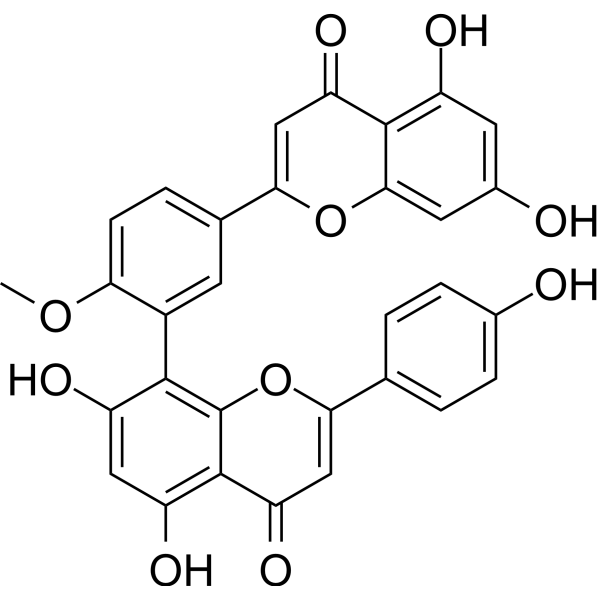
    Bilobetin
    2 Publications Verification

    PPAR PKA Akt p38 MAPK ERK Metabolic Disease
    Bilobetin, an active component of Ginkgo biloba, can reduce blood lipids and improve the effects of insulin. Bilobetin ameliorated insulin resistance, increased the hepatic uptake and oxidation of lipids, reduced very-low-density lipoprotein triglyceride secretion and blood triglyceride levels, enhanced the expression and activity of enzymes involved in β-oxidation and attenuated the accumulation of triglycerides and their metabolites in tissues. Bilobetin also increased the phosphorylation, nuclear translocation and activity of PPARα accompanied by elevated cAMP level and PKA activity .
    Bilobetin
  • HY-125848

    Apoptosis AMPK PPAR p38 MAPK PI3K Akt GSK-3 Reactive Oxygen Species (ROS) SOD Caspase Neurological Disease Metabolic Disease Inflammation/Immunology Cancer
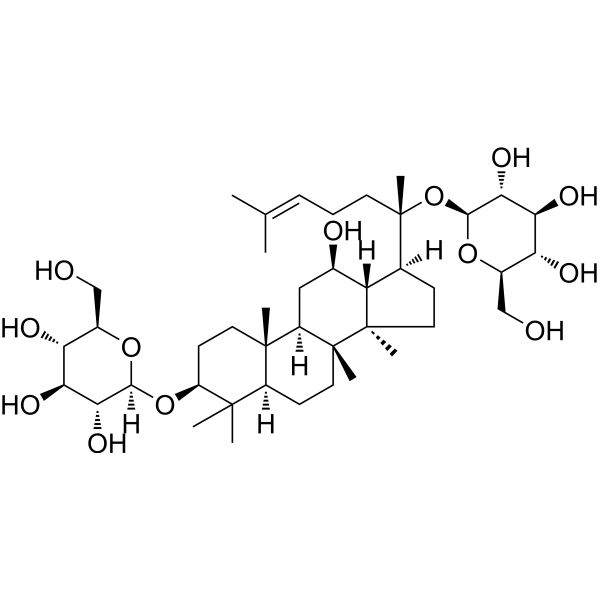
    Ginsenoside F2 is an orally active bioactive compound that participates in the regulation of metabolism and inflammation. Ginsenoside F2 promotes the phosphorylation of AMPK and ACC, binds to PPARγ, inhibits the phosphorylation of MAPK, activates the PI3K/AKT/GSK-3β pathway, reduces GLRX expression, and regulates lipid metabolism. Ginsenoside F2 reduces ROS production and MDA levels, restores SOD activity in cells, and alleviates oxidative stress. Ginsenoside F2 induces cell apoptosis (Apoptosis) and increases the number of cleaved caspase-3-positive cells. Ginsenoside F2 reduces body weight gain, adipose tissue weight and serum lipid levels in obese mice, and activates the hepatic AMPK signaling pathway and the expression of antioxidant enzymes. Ginsenoside F2 alleviates atopic dermatitis in mice by inhibiting inflammation and reshaping the gut microbiota . Ginsenoside F2 is applicable to research related to insulin resistance, obesity, atopic dermatitis, liver cancer, glioblastoma and glioma .
    Ginsenoside F2
  • HY-N6869
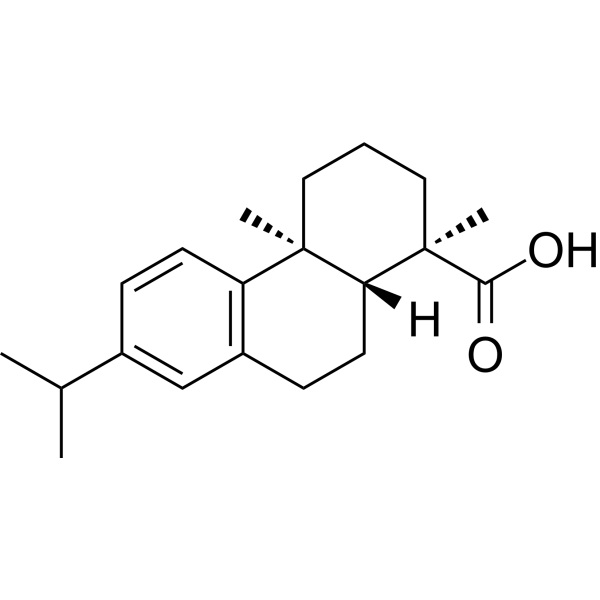
    Dehydroabietic acid
    1 Publications Verification

    Antibiotic PPAR Bacterial Fungal Infection Metabolic Disease Inflammation/Immunology Cancer
    Dehydroabietic acid is a diterpene resin acid that can be isolated from Pinus and Picea. Dehydroabietic acid has anti-bacterial, anti-fungal, anti-inflammatory, and anticancer activities. Dehydroabietic acid is a dual PPAR-α/γ agonist and PPAR-γ partial agonist, which can attenuate insulin resistance (IR) and hepatic steatosis induced by HFD-consumption in mice .
    Dehydroabietic acid
  • HY-160912

    ELOVL Metabolic Disease
    ELOVL6-IN-5 is an orally active and selective elongase enzyme of long-chain fatty acid family 6 (ELOVL6) inhibitor with IC50 values of 85 nM and 38 nM for human and mouse ELOVL6, respectively. ELOVL6-IN-5 shows >60-fold selectivity over other ELOVL family enzymes (ELOVL1, 2, 3, 5) and no effect on other lipid synthesis enzymes like ACC1, ACC2. ELOVL6-IN-5 reduces hepatic fatty acid composition ratio of C18 to C16 in diet-induced obesity (DIO) and KKAy mice. ELOVL6 inhibition by ELOVL6-IN-5 does not improve insulin resistance. ELOVL6-IN-5 can be used for the research of metabolic disease .
    ELOVL6-IN-5
  • HY-P1123

    ATP Citrate Lyase Free Fatty Acid Receptor Acetyl-CoA Carboxylase Metabolic Disease
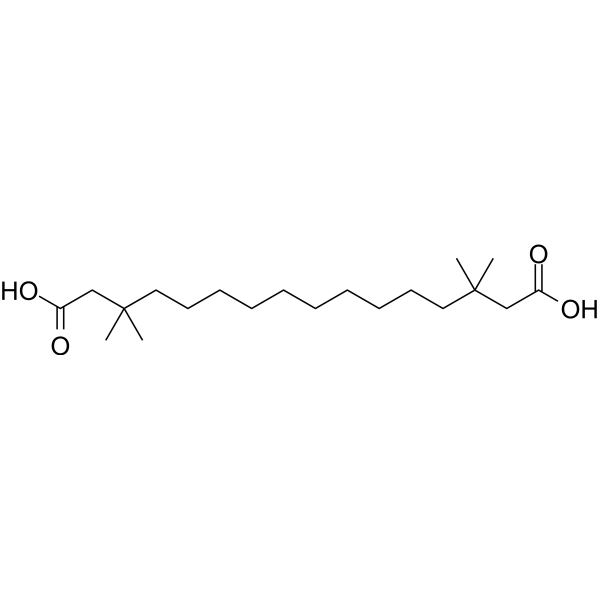
    MEDICA16 is an orally active acetyl-CoA carboxylase and ATP-citrate lyase inhibitor. MEDICA16 limits the acetyl-CoA supply for acetyl-CoA carboxylase, inhibits acetyl-CoA carboxylase activity, exerts citrate-competitive inhibitory effects on ATP-citrate lyase, and reduces hepatic AMPK activity. MEDICA16 can be used in research related to insulin resistance, hyperlipidemia, and obesity .
    MEDICA16
  • HY-W009417

    Environmental Pollutants Glycosidase Metabolic Disease
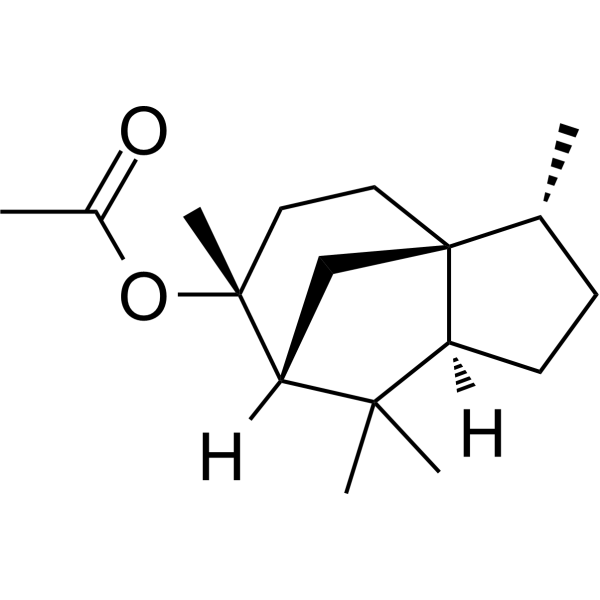
    Cedryl acetate is an orally active α-glucosidase inhibitor with an IC50 of 94 μM against yeast α-glucosidase. Cedryl acetate reduces high-fat diet-induced body weight gain, visceral fat pad weight, adipocyte hypertrophy, hepatic lipid accumulation, glucose intolerance, insulin resistance and gluconeogenesis. Cedryl acetate can be used in the research of obesity and obesity-related metabolic syndrome .
    Cedryl acetate
  • HY-W109613

    Bacterial PPAR Fungal Infection Metabolic Disease
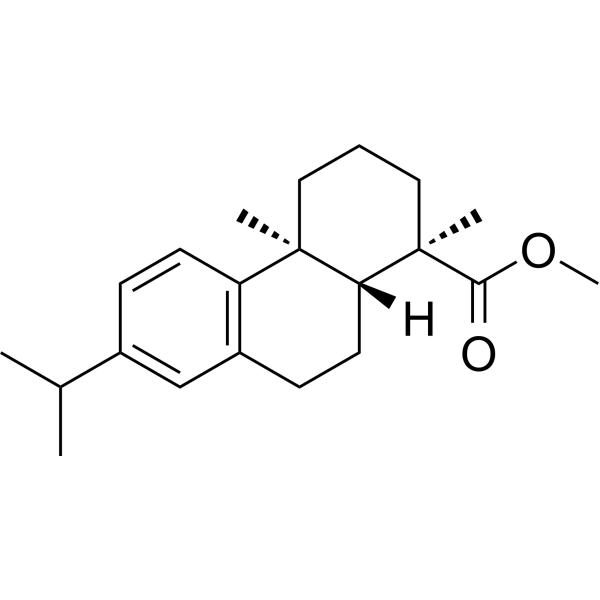
    Methyl dehydroabietate is an orally active resin acid. Methyl dehydroabietate disrupts microbial cell walls and exhibits significant antibacterial activity. Methyl dehydroabietate induces the expression of PPARα in the liver and PPARγ in adipose tissue, and promotes adipocyte differentiation. Methyl dehydroabietate improves insulin resistance, reduces TNFα levels, and alleviates adipocyte hypertrophy and hepatic steatosis in obese mice. Methyl dehydroabietate can be used in research related to obesity, insulin resistance and hepatic steatosis .
    Methyl dehydroabietate
  • HY-116538
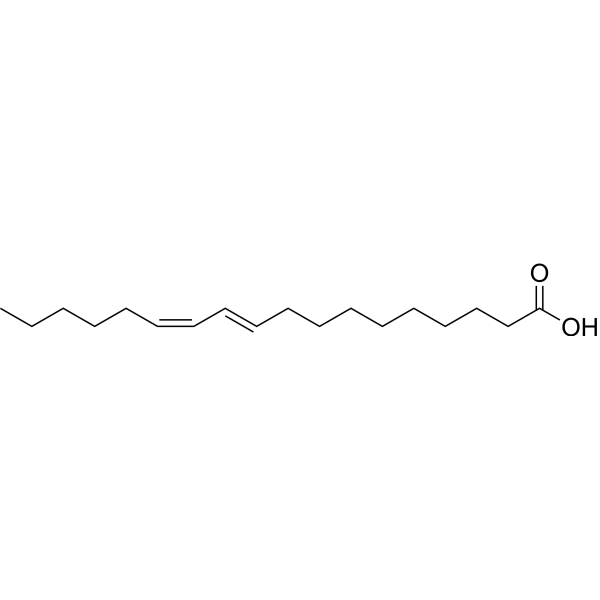
    (10E,12Z)-Octadeca-10,12-dienoic acid
    1 Publications Verification

    trans-10,cis-12 CLA2

    Endogenous Metabolite PPAR NF-κB Stearoyl-CoA Desaturase (SCD) Lipase Metabolic Disease Inflammation/Immunology Cancer
    (10E,12Z)-Octadeca-10,12-dienoic acid (trans-10,cis-12 CLA2) is an orally active PPARα activator and inhibits adipocyte differentiation. (10E,12Z)-Octadeca-10,12-dienoic acid and its downstream metabolites have various antioxidant and antitumor activities. (10E,12Z)-Octadeca-10,12-dienoic acid can induce proinflammatory cytokines and chemokines, which would lead to decreased adipogenesis and insulin resistance in adipose tissue. (10E,12Z)-Octadeca-10,12-dienoic acid can affect many aspects of milk fat synthesis. (10E,12Z)-Octadeca-10,12-dienoic acid reduces expression of lipogenic enzymes and inhibits the desaturation of fatty acids. (10E,12Z)-Octadeca-10,12-dienoic acid can reduce lipoprotein lipase (LPL) activity in cultured 3T3-L1 adipocytes and enhance triacylglycerol release from these cells. (10E,12Z)-Octadeca-10,12-dienoic acid decreases the expression of hepatic stearoyl-CoA desatyrase mRNA in mice. (10E,12Z)-Octadeca-10,12-dienoic acid is associated with changes in mucosal NF-κB and Cyclin D1 protein levels in mice .
    (10E,12Z)-Octadeca-10,12-dienoic acid
  • HY-N2421
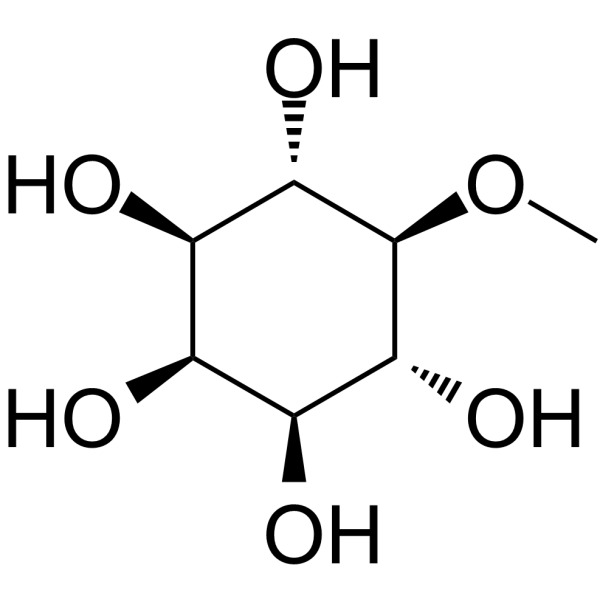
    Sequoyitol
    1 Publications Verification

    5-O-Methyl-myo-inositol

    NF-κB TGF-β Receptor Reactive Oxygen Species (ROS) Insulin Receptor Akt Parasite Infection Metabolic Disease Endocrinology
    Sequoyitol (5-O-Methyl-myo-inositol) is an orally active hypoglycemic agent and antioxidant. Sequoyitol can be isolated from herbaceous plants. Sequoyitol downregulates the expression of NF-κB and TGF-β1, reduces ROS production and malondialdehyde levels, and enhances total antioxidant capacity. Sequoyitol activates the insulin signaling pathway, including the phosphorylation of IR, IRS1 and Akt. Sequoyitol increases serum insulin levels, inhibits hepatic glucose production, and promotes cellular glucose uptake. Sequoyitol antagonizes TNFα-induced inhibition of the insulin signaling pathway, and decreases blood urea nitrogen and serum creatinine levels. Sequoyitol elicits potential peaks in the chemosensors of adult and larval Atrophaneura alcinous, and acts as an oviposition stimulant for female Atrophaneura alcinous. Sequoyitol can be used in research related to type 2 diabetes, insulin resistance, hyperglycemia, impaired glucose tolerance and diabetic nephropathy .
    Sequoyitol
  • HY-P2985A

    Endogenous Metabolite Inflammation/Immunology
    Alanine aminotransferase, human liver is an enzyme mainly produced in the liver. It is a pyridoxalase that catalyzes the reversible interconversion of L-alanine and 2-oxoglutamate to pyruvate and L-glutamate. Alanine aminotransferase, human liver is elevated in active anti-HMGCR myopathy. Alanine aminotransferase, human liver can be used in studies related to immune-mediated necrotizing myopathy and non-alcoholic fatty liver disease .
    Alanine aminotransferase, Human liver
  • HY-151959

    FXR Cardiovascular Disease Metabolic Disease Inflammation/Immunology
    FXR agonist 4 (compound 10a) is an agonist of farnesoid X receptor (FXR) with an EC50 value of 1.05 μM. FXR agonist 4 effectively improves hyperlipidemia, hepatic steatosis, insulin resistance and hepatic inflammation in DIO mice. FXR agonist 4 can be used for the research of non-alcoholic fatty liver disease (NAFLD) .
    FXR agonist 4
  • HY-144035

    GCGR Metabolic Disease Inflammation/Immunology
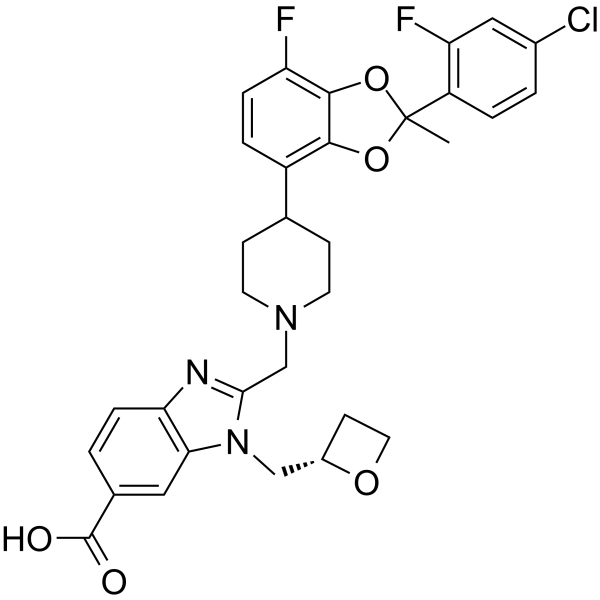
    GLP-1R agonist 4 is a glucagon-like peptide-1 (GLP-1) receptor agonist. GLP-1 is an intestinal hypoglycemic hormone secreted by L-cells in the lower gastrointestinal tract. GLP-1R agonist 4 can be used for the research of type 2 diabetes mellitus, obesity, non-alcoholic steatohepatitis, insulin resistance and etc .
    GLP-1R agonist 4
  • HY-23199

    Acyltransferase Metabolic Disease
    H2-003 is a diacylglycerol acyltransferase DGAT2 inhibitor with an IC50 value of 7.4 μM against human targets. H2-003 reduces triacylglycerol biosynthesis and inhibits lipid droplet formation. H2-003 can be used in studies related to hepatic steatosis and insulin resistance .
    H2-003
  • HY-N2953

    Fatty Acid Synthase (FASN) Metabolic Disease
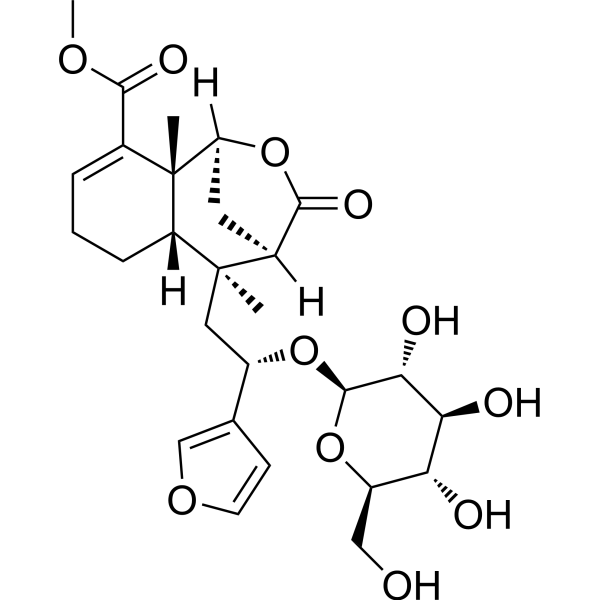
    Borapetoside E can be isolated from T. crispa. Borapetoside E improves hyperglycemia, insulin resistance, hepatic steatosis, hyperlipidemia, and oxygen consumption in obese mice. Borapetoside E also inhibits SREBPs expression in the liver and adipose tissue .
    Borapetoside E
  • HY-19176

    Insulin Receptor Metabolic Disease
    S-15261 is an orally active and potent anti-hyperglycemic agent. S-15261 reduces hepatic glucose production through direct and insulin-sensitizing effects. S-15261 can be used for the research of insulin resistance syndrome .
    S-15261
  • HY-N2118R

    Reference Standards PPAR PKA Akt p38 MAPK ERK Metabolic Disease
    Bilobetin (Standard) is the analytical standard of Bilobetin. This product is intended for research and analytical applications. Bilobetin, an active component of Ginkgo biloba, can reduce blood lipids and improve the effects of insulin. Bilobetin ameliorated insulin resistance, increased the hepatic uptake and oxidation of lipids, reduced very-low-density lipoprotein triglyceride secretion and blood triglyceride levels, enhanced the expression and activity of enzymes involved in β-oxidation and attenuated the accumulation of triglycerides and their metabolites in tissues. Bilobetin also increased the phosphorylation, nuclear translocation and activity of PPARα accompanied by elevated cAMP level and PKA activity .
    Bilobetin (Standard)
  • HY-N6869R

    Antibiotic Reference Standards PPAR Bacterial Fungal Infection Metabolic Disease Inflammation/Immunology Cancer
    Dehydroabietic acid (Standard) is the analytical standard of Dehydroabietic acid. This product is intended for research and analytical applications. Dehydroabietic acid is a diterpene resin acid that can be isolated from Pinus and Picea. Dehydroabietic acid has anti-bacterial, anti-fungal, anti-inflammatory, and anticancer activities. Dehydroabietic acid is a dual PPAR-α/γ agonist and PPAR-γ partial agonist, which can attenuate insulin resistance (IR) and hepatic steatosis induced by HFD-consumption in mice .
    Dehydroabietic acid (Standard)
  • HY-123765

    Acyltransferase Metabolic Disease
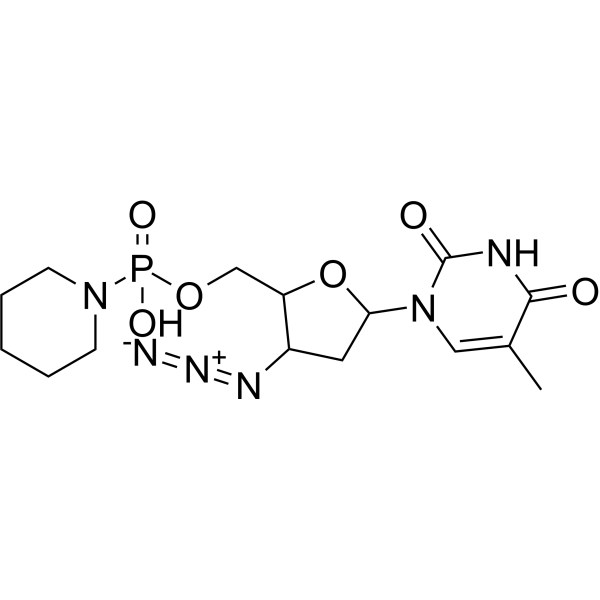
    JTT-553 is a DGAT1 inhibitor (IC50: 2.38 nM). JTT-553 reduces plasma concentrations of glucose, insulin, non-esterified fatty acids (NEFA), total cholesterol (TC), and hepatic triglycerides (TG). JTT-553 improves insulin-dependent glucose uptake and glucose intolerance in adipose tissue of DIO mice. JTT-553 reduces TNF-α mRNA levels and increases GLUT4 mRNA levels in adipose tissue of KK-Ay mice. JTT-553 improves adipose tissue insulin resistance and systemic glucose metabolism by reducing body weight. JTT-553 can be used in the study of obesity and type 2 diabetes mellitus (T2DM) .
    JTT-553
  • HY-W009417R

    Reference Standards Glycosidase Environmental Pollutants Metabolic Disease
    Cedryl acetate (Standard) is the analytical standard of Cedryl acetate. This product is intended for research and analytical applications. Cedryl acetate is an orally active α-glucosidase inhibitor with an IC50 of 94 μM against yeast α-glucosidase. Cedryl acetate reduces high-fat diet-induced body weight gain, visceral fat pad weight, adipocyte hypertrophy, hepatic lipid accumulation, glucose intolerance, insulin resistance and gluconeogenesis. Cedryl acetate can be used in the research of obesity and obesity-related metabolic syndrome .
    Cedryl acetate (Standard)
  • HY-161926

    PPAR Metabolic Disease
    YGT-31 is a modulator for PPARγ with an IC50 of 1.72 μM, and a Ki of 0.62 μM. YGT-31 reduces blood glucose levels and improves insulin resistance in db/db mice type 2 diabetes models, through inhibition of CDK5-mediated PPARγ-Ser273 phosphorylation. YGT-31 exhibits anti-hepatic steatosis effect in mice non-alcoholic fatty liver disease (NAFLD) model .
    YGT-31
  • HY-P11588

    Amylin Receptor CGRP Receptor Metabolic Disease
    KBP-042 is an orally active amylin receptor activator, a calcitonin receptor activator. KBP-042 induces sustained weight loss, reduces adipose tissue mass, lowers hepatic lipid deposition, increases plasma adiponectin, decreases plasma leptin, and reduces plasma glucose-dependent insulinotropic peptide levels. KBP-042 can be used for the research of obesity and insulin resistance .
    KBP-042
  • HY-182751

    ATP Citrate Lyase Inflammation/Immunology
    ACLY-IN-4 is an ATP-citrate lyase (ACLY) inhibitor with an IC50 of 0.022 μM and a Kd of 0.19 μM. ACLY-IN-4 binds to the allosteric binding site of ACLY. ACLY-IN-4 exhibits hypolipidemic, anti-steatotic, insulin sensitivity-improving, anti-oxidative stress, anti-inflammatory and anti-fibrotic activities. ACLY-IN-4 alleviates hepatic steatosis, systemic insulin resistance, oxidative stress, hepatic inflammation and fibrosis. ACLY-IN-4 can be used for the research of metabolic dysfunction-associated steatohepatitis .
    ACLY-IN-4
  • HY-182750

    ATP Citrate Lyase Inflammation/Immunology
    ACLY-IN-3 is an ATP-citrate lyase (ACLY) inhibitor with an IC50 of 0.036 μM and a target Kd of 0.54 μM. ACLY-IN-3 interacts with the allosteric binding site of ACLY to inhibit its activity. ACLY-IN-3 exhibits excellent lipid-lowering effects and alleviates hepatic inflammation and liver fibrosis. ACLY-IN-3 can be used for the research of metabolic dysfunction-associated steatohepatitis .
    ACLY-IN-3

Consulta en línea

Your information is safe with us. * Required Fields.

Saludo


Country or Region *

Nombre del solicitante *


Nombre de la Organizaciòn *

Department *


Direcciòn del E-mail *


Nombre del producto *

Cat. No.


Requested quantity *

Número de teléfono *


Observaciones

Consulta en línea

Inquiry Information

Nombre del producto:
Cat. No.:
Cantidad:
MCE Japan Authorized Agent:

