
1. Search Result
Search Result
Results for "

human glioma

" in MedChemExpress (MCE) Product Catalog:

54

Inhibitors & Agonists

1

Fluorescent Dyes

4

Peptides

4

Inhibitory Antibodies

13

Natural
Products

7

Recombinant Proteins

3

Isotope-Labeled Compounds

2

Antibodies

1

Oligonucleotides

Cat. No. Product Name Target Research Areas Chemical Structure
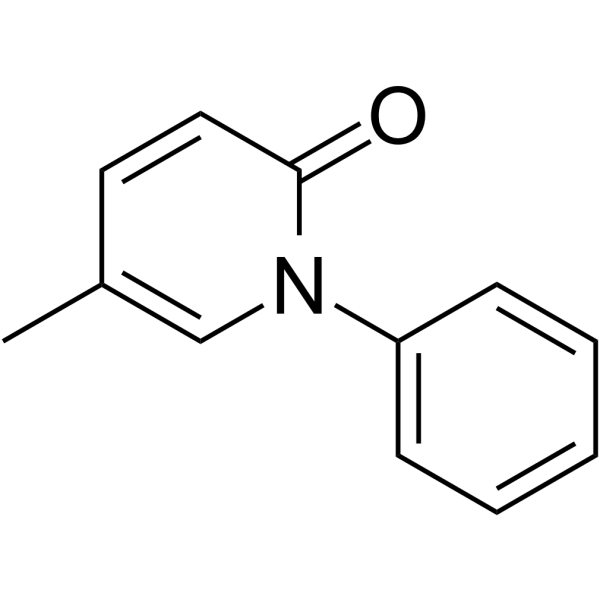
  • HY-B0673
    Pirfenidone
    Maximum Cited Publications
    80 Publications Verification

    AMR69

    TGF-beta/Smad CCR Inflammation/Immunology Cancer
    Pirfenidone (AMR69) is an antifibrotic agent that attenuates CCL2 and CCL12 production in fibrocyte cells. Pirfenidone has growth-inhibitory effect and reduces TGF-β2 protein levels in human glioma cell lines. Pirfenidone also has anti-inflammatory activities .
    Pirfenidone
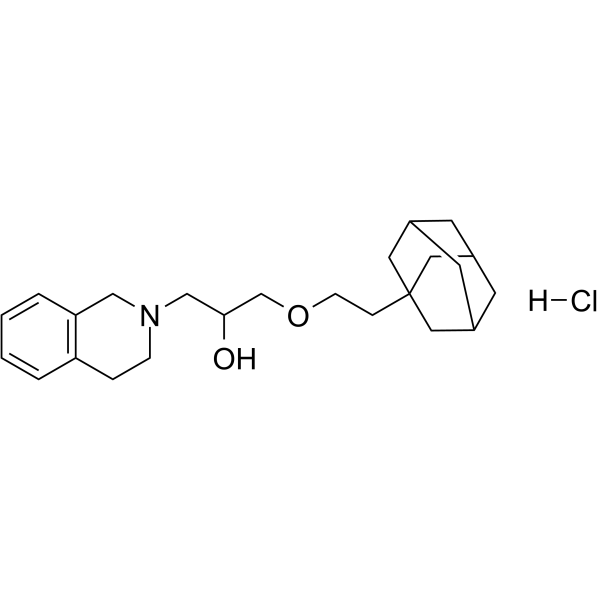
  • HY-U00448
    ADDA 5 hydrochloride
    4 Publications Verification

    Cytochrome P450 Cancer
    ADDA 5 hydrochloride is a partial non-competitive inhibitor of cytochrome c oxidase (CcO), with IC50s of 18.93 μM and 31.82 μM for purified CcO from human glioma and bovine heart, respectively.
    ADDA 5 hydrochloride
  • HY-13241A
    Ralimetinib
    10+ Cited Publications

    LY2228820

    p38 MAPK Autophagy Cancer
    Ralimetinib is an ATP-competitive p38α and p38β MAPK inhibitor with an IC50 of 5.3 nmol/L against human p38α and an IC50 of 3.2 nmol/L against human p38β. Ralimetinib slows tumor growth in preclinical in vivo cancer models, exhibits oral bioavailability in mice, and achieves sustained target inhibition for 4 to 8 h. Ralimetinib is applicable for research on melanoma, non-small cell lung cancer, ovarian cancer, glioma, multiple myeloma, breast cancer, renal cancer, and head and neck squamous cell carcinoma .
    Ralimetinib
  • HY-134434
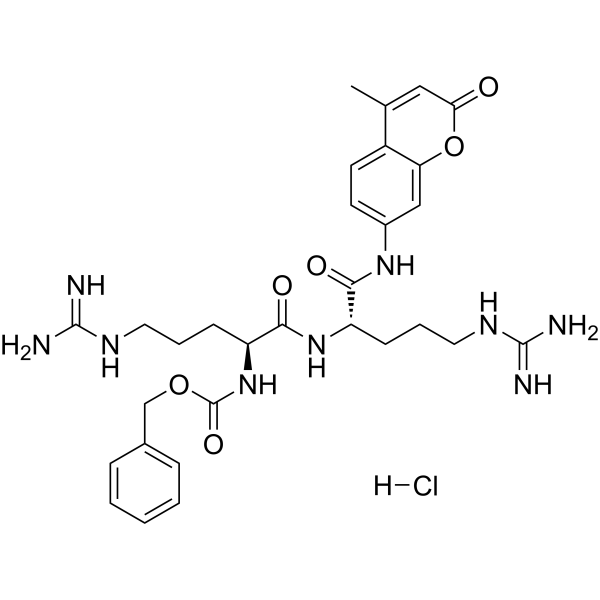
    Z-Arg-Arg-AMC hydrochloride
    1 Publications Verification

    Cathepsin Fluorescent Dye Others
    Z-Arg-Arg-AMC hydrochloride is a highly selective fluorescent Cathepsin B substrate. Z-Arg-Arg-AMC hydrochloride can be hydrolyzed by Cathepsin B to produce a fluorescent product for enzyme activity detection .
    Z-Arg-Arg-AMC hydrochloride
  • HY-B0673R

    AMR69 (Standard)

    Reference Standards TGF-beta/Smad CCR Inflammation/Immunology Cancer
    Pirfenidone (Standard) is the analytical standard of Pirfenidone. This product is intended for research and analytical applications. Pirfenidone (AMR69) is an antifibrotic agent that attenuates CCL2 and CCL12 production in fibrocyte cells. Pirfenidone has growth-inhibitory effect and reduces TGF-β2 protein levels in human glioma cell lines. Pirfenidone also has anti-inflammatory activities .
    Pirfenidone (Standard)
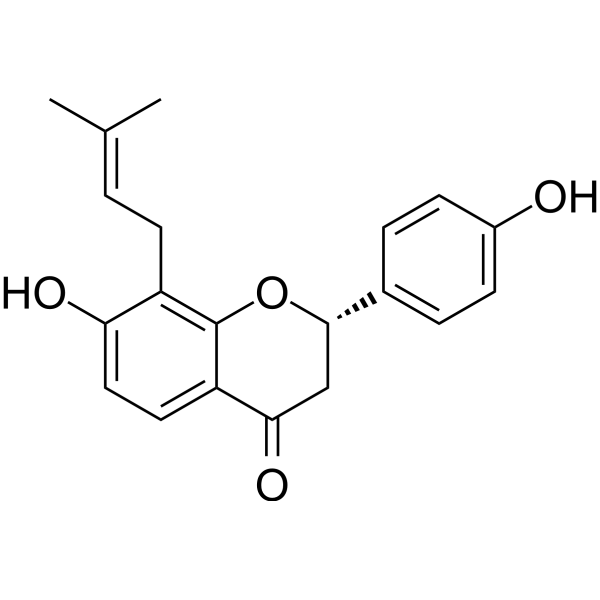
  • HY-N0762
    Isobavachin
    5 Publications Verification

    Cytochrome P450 UGT p38 MAPK NF-κB NO Synthase COX Fc Receptor (FcR) RANKL/RANK Keap1-Nrf2 Reactive Oxygen Species (ROS) Apoptosis Autophagy Neurological Disease Metabolic Disease Inflammation/Immunology Cancer
    Isobavachin is an orally active, blood-brain barrier-penetrating prenylated flavonoid present in Psoralea corylifolia. Isobavachin inhibits human CYP2B6, CYP2C9, CYP2C19, UGT1A1, UGT1A9, and UGT2B7. Isobavachin suppresses MAPK activation, NF-κB nuclear translocation, overexpression of iNOS/COX-2, FcεRI-mediated signaling pathways, and RANKL-induced osteoclastogenesis. Isobavachin induces autophagy, cytotoxicity, neuronal differentiation, and NRF2 activation; it alleviates oxidative damage, inflammatory responses, apoptosis, iron accumulation, mitochondrial biogenesis, and mast cell degranulation. Isobavachin is applicable to research related to liver injury, inflammatory diseases, osteoporosis, liver cancer, prostate cancer, glioma, periodontitis-induced bone loss, and Alzheimer's disease .
    Isobavachin
  • HY-N6038

    Autophagy Fungal Cancer
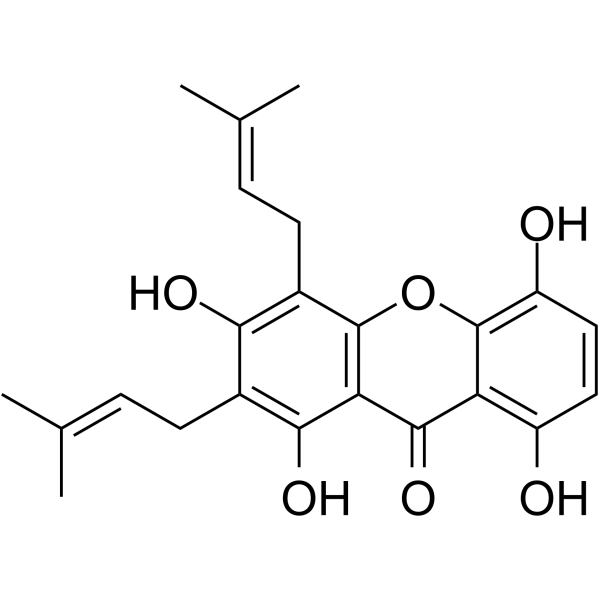
    Gartanin is a natural xanthone of mangosteen, with antioxidant, anti-inflammatory, antifungal, neuroprotective and antineoplastic properties. Gartanin induces cell cycle arrest and autophagy and suppresses migration in human glioma cells .
    Gartanin
  • HY-N1983
    Caudatin
    1 Publications Verification

    Apoptosis Autophagy Reactive Oxygen Species (ROS) Mitochondrial Metabolism PARP Caspase Bcl-2 Family VEGFR FAK WDR5 p38 MAPK JNK PPAR Neurological Disease Inflammation/Immunology Cancer
    Caudatin is an orally active and brain-penetrant C-21 steroidal found in Cynanchum bungei decne with a variety of biological activities. Caudatin can inhibit cell proliferation, migration, invasion, cause cell phase arrest, induce apoptosis, autophagy, ROS prodution and loss of mitochondrial membrane potential. Caudatin activates PARP, caspase-3, -7, -9, upregulates pro-apoptotic Bad and Bax and downregulates anti-apoptotic Bcl-2 and Bcl-XL. Caudatin suppresses VEGF, FAK phosphorylation, upregulates p21, p27, DR5 protein expression, activates the p38 MAPK, JNK and PPARα/TFEB-mediated autophagy-lysosomal signaling pathways. Caudatin can be used for the research of cancer, inflammation and neurological disease, such as glioma and Alzheimer's disease .
    Caudatin
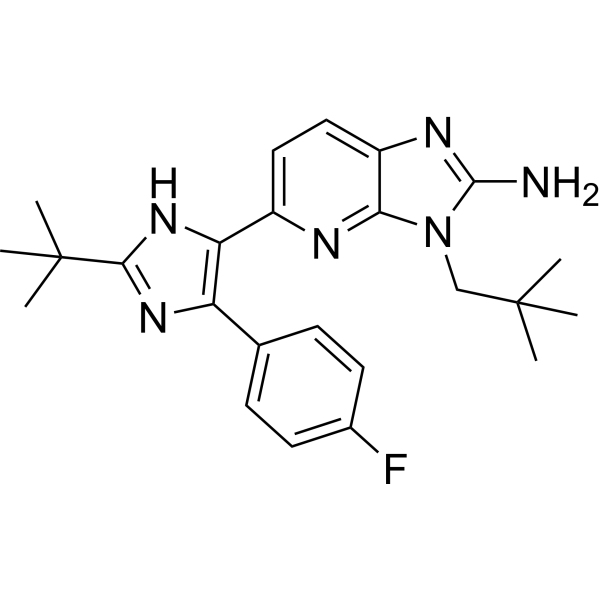
  • HY-112198

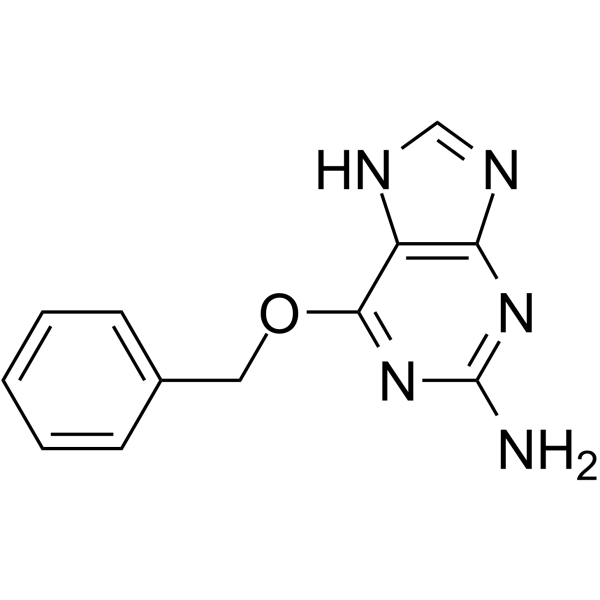
    ATM/ATR Cancer
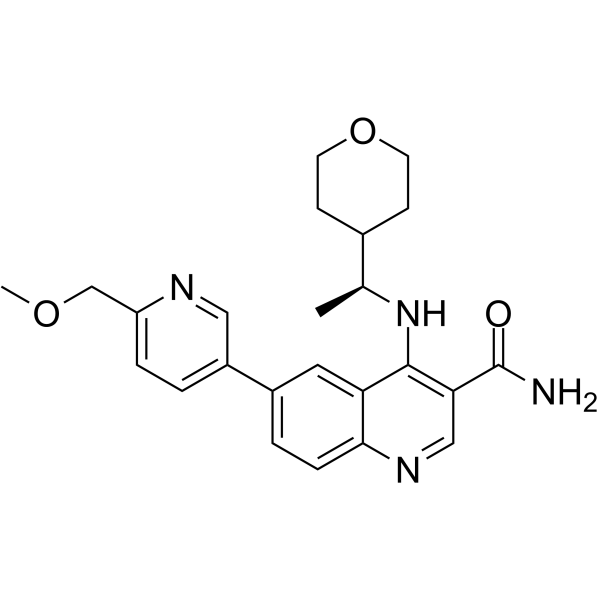
    AZ31 is a a potent, highly selective, and orally active ATM inhibitor with an IC50 of <1.2 nM for ATM enzyme, and an IC50 of 46 nM for ATM in cell. AZ31 shows excellent selectivity over ATR (>500-fold) and excellent PIKK-family selectivity and pan-kinase selectivity. AZ31 is a potent radiosensitizer in vitro, it can be used for the research of cancer .
    AZ31
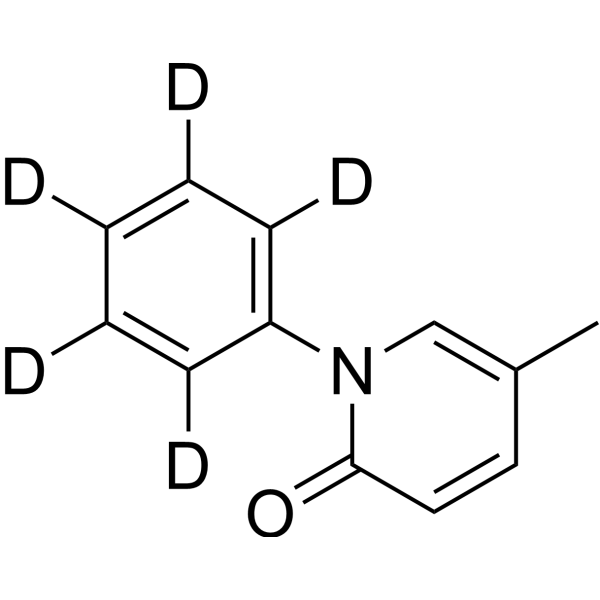
  • HY-B0673S1

    LYT-100; AMR69-d3

    Isotope-Labeled Compounds Others
    Deupirfenidone-d3 is the deuterium labeled Pirfenidone (HY-B0673). Pirfenidone (AMR69) is an antifibrotic agent that attenuates CCL2 and CCL12 production in fibrocyte cells. Pirfenidone has growth-inhibitory effect and reduces TGF-β2 protein levels in human glioma cell lines. Pirfenidone also has anti-inflammatory activities .
    Deupirfenidone
  • HY-W342664

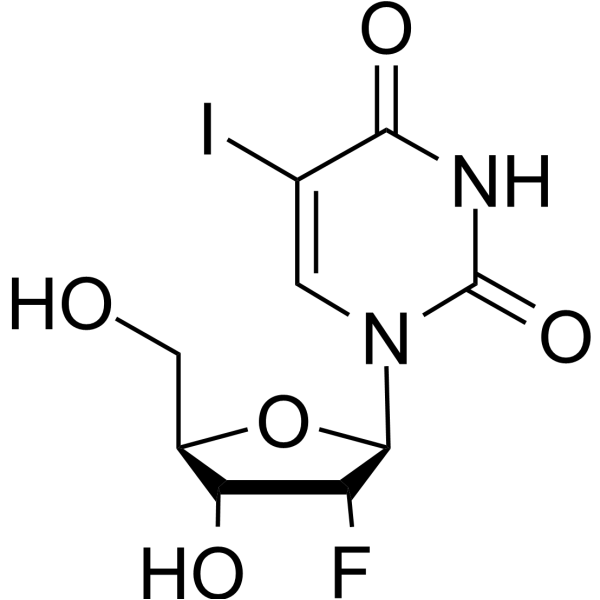
    FIRU

    Nucleoside Antimetabolite/Analog HSV Cancer
    2'-Deoxy-2'-fluoro-5-iodouridine (FIRU) is a nucleoside analog. When labeled with 123I, 2'-Deoxy-2'-fluoro-5-iodouridine accumulates highly selectively in tumors expressing the HSV1-tk gene. Radiolabeled 2'-Deoxy-2'-fluoro-5-iodouridine enables imaging of adenovirus-mediated HSV1-tk suicide gene transfer .
    2'-Deoxy-2'-fluoro-5-iodouridine
  • HY-160972

    LXR Neurological Disease Cancer
    MM0299 is a selective lanosterol synthase (LSS) inhibitor with an IC50 value of 2.22 μM. MM0299 depletes intracellular cholesterol and acts as a growth inhibitor for glioma stem-like cells. MM0299 exhibits anti-glioblastoma activity. MM0299 is applicable to research related to glioblastoma .
    MM0299
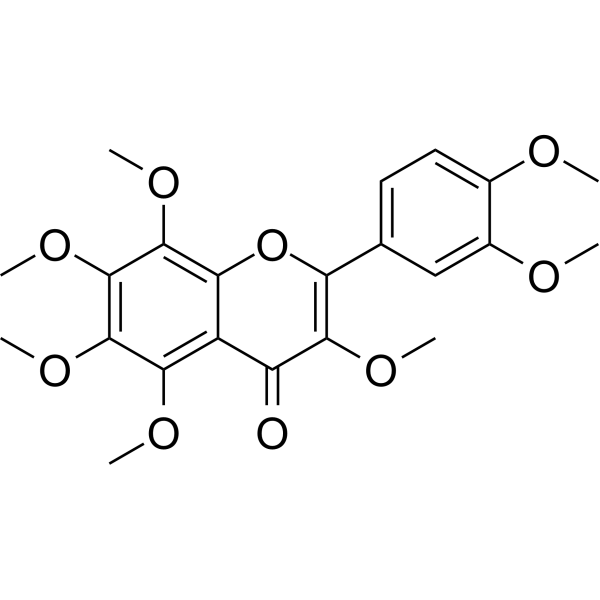
  • HY-N2038

    Phosphodiesterase (PDE) Neurological Disease Cancer
    3,5,6,7,8,3',4'-Heptemthoxyflavone, a flavonoid from satsuma peel, is an orally available CREB activator with anti-tumor and anti-neuroinflammatory activity. 3,5,6,7,8,3',4'-Heptemthoxyflavone inhibits collagenase activity and increases the content of type I procollagen in human dermal fibroblast neoblast (HDFn) cells. 3,5,6,7,8,3',4'-Heptemthoxyflavone induces brain-derived neurotrophic factor (BDNF) expression through the cAMP/ERK/CREB signaling pathway and reduces phosphodiesterase activity in C6 glioma .
    3,​5,​6,​7,​8,​3',​4'-​Heptemthoxyflavone
  • HY-14604
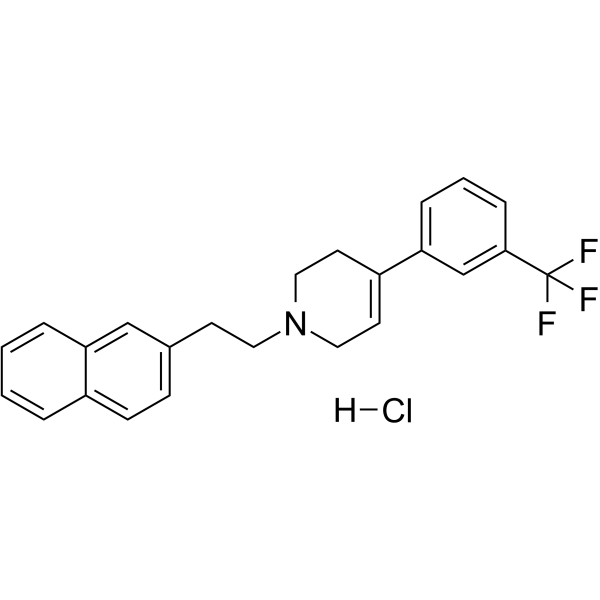
    Xaliproden hydrochloride
    1 Publications Verification

    SR57746A; SR57746 hydrochloride

    5-HT Receptor Dopamine Receptor Trk Receptor PKC ERK Akt JNK Neurological Disease Metabolic Disease
    Xaliproden (SR57746) hydrochloride (SR57746A) is an orally active, highly selective 5-HT1A receptor agonist. Xaliproden hydrochloride activates pertussis toxin-sensitive G protein-coupled signaling cascades, as well as the PKC, ERK1/ERK2, Akt and p21 Ras/MEK-1 pathways. Xaliproden hydrochloride also downregulates the JNK/p66/c-Jun signaling pathway, induces phosphorylation of the shc adaptor protein, regulates extracellular dopamine and 5-HT levels, and induces [ 35S]GTPγS labeling in rat brain structures rich in 5-HT1A receptors. Xaliproden hydrochloride exerts neurotrophic, neuroprotective, renoprotective, anti-inflammatory, anti-apoptotic, anti-fibrotic and analgesic effects. Xaliproden hydrochloride also enhances NGF-induced neurite outgrowth, promotes motor neuron survival, attenuates renal tubular injury and inhibits chemotherapy-induced mechanical allodynia, without activating or altering NGF-induced TrkA receptor activation. Xaliproden hydrochloride can be used in the research of motor neuron disease, diabetic nephropathy, chemotherapy-induced peripheral neuropathy, amyotrophic lateral sclerosis, Alzheimer's disease, acute tonic nociceptive pain, inflammatory pain, depression and anxiety .
    Xaliproden hydrochloride
  • HY-B0673S

    AMR69-d5

    TGF-beta/Smad CCR Inflammation/Immunology Cancer
    Pirfenidone-d5 (AMR69-d5) is a deuterium labeled Pirfenidone. Pirfenidone is an antifibrotic agent that attenuates CCL2 and CCL12 production in fibrocyte cells. Pirfenidone has growth-inhibitory effect and reduces TGF-β2 protein levels in human glioma cell lines. Pirfenidone also has anti-inflammatory activities .
    Pirfenidone-d5
  • HY-145103

    Histone Methyltransferase Cancer
    UNC6934 is a selective NSD2-PWWP1 antagonist with a Kd of 91 nM against human targets. UNC6934 binds to the canonical methyl-lysine binding pocket of NSD2-PWWP1 and directly competes with H3K36me2 for binding. UNC6934 induces the aggregation of NSD2 within the nucleolus, without altering ribosomal RNA transcription, global H3K36me2 levels or the proliferation of KMS-11 cells. UNC6934 can be used in studies related to multiple myeloma and diffuse intrinsic pontine glioma .
    UNC6934
  • HY-N6946

    NF-κB Interleukin Related Inflammation/Immunology
    Mitraphylline is the major pentacyclic oxindolic alkaloid presented in Uncaria tomentosa. Mitraphylline inhibits lipopolysaccharide-mediated activation of primary human neutrophils. Mitraphylline exhibits antiproliferative activity in human glioma and neuroblastoma cell lines. Mitraphylline can inhibit interleukin release in vivo .
    Mitraphylline
  • HY-W747597

    Disialoganglioside GD1b; Ganglioside C1; Ganglioside G2

    Endogenous Metabolite Cancer
    Ganglioside GD1b Disodium Salt (Bovine Brain) (Disialoganglioside GD1b; Ganglioside C1) is an acidic glycosphingolipid containing two sialic acid residues linked to an internal galactose unit. Ganglioside GD1b Disodium Salt tightly packs with cholesterol to form lipid microdomains that modulate intracellular and intercellular signaling events. Concentrations of Ganglioside GD1b Disodium Salt (Bovine Brain) in the human brain increase with age and are positively correlated with pilocytic astrocytoma tumor grade. Ganglioside GD1b Disodium Salt has been detected in various other gliomas, including primitive neuroectodermal tumors, glioblastomas, and anaplastic astrocytomas.
    Ganglioside GD1b Disodium Salt (Bovine Brain)
  • HY-P10323

    Tumstatin (74-98), human

    Integrin FAK mTOR Apoptosis Cancer
    T7 Peptide is a protein synthesis inhibitor and anti-angiogenic agent, with a Kd of 10 nM for human transferrin receptor. T7 Peptide inhibits the phosphorylation of focal adhesion kinase, the activation of phosphatidylinositol 3-kinase and Akt, the kinase activity of mTOR, as well as the phosphorylation of 4E-BP1 in endothelial cells. T7 Peptide induces G0/G1 cell cycle arrest, apoptosis and protective autophagy in hepatocellular carcinoma cells, and suppresses tumor growth in mouse models. T7 Peptide is applicable to research related to cancer, glioblastoma, hepatocellular carcinoma and glioma .
    T7 Peptide
  • HY-P10323A

    Tumstatin (74-98), human TFA

    Integrin FAK mTOR Apoptosis Cancer
    T7 Peptide TFA is a protein synthesis inhibitor and anti-angiogenic agent, with a Kd of 10 nM for human transferrin receptor. T7 Peptide TFA inhibits the phosphorylation of focal adhesion kinase, the activation of phosphatidylinositol 3-kinase and Akt, the kinase activity of mTOR, as well as the phosphorylation of 4E-BP1 in endothelial cells. T7 Peptide TFA induces G0/G1 cell cycle arrest, apoptosis and protective autophagy in hepatocellular carcinoma cells, and suppresses tumor growth in mouse models. T7 Peptide TFA is applicable to research related to cancer, glioblastoma, hepatocellular carcinoma and glioma .
    T7 Peptide TFA
  • HY-P990207

    Integrin Neurological Disease Inflammation/Immunology Cancer
    Anti-Mouse/Human Integrin β7 Antibody (FIB504) is an anti-mouse/human Integrin β7 IgG2a monoclonal antibody. Anti-Mouse/Human Integrin β7 Antibody (FIB504) can reduce the residence of type 2 innate lymphoid cells (ILC2s). Anti-Mouse/Human Integrin β7 Antibody (FIB504) can be used for researches on inflammation conditions and cancer such as lupus nephritis and glioma .
    Anti-Mouse/Human Integrin β7 Antibody (FIB504)
  • HY-117778B

    Enolase Bacterial Antibiotic ATP Synthase Infection Cancer
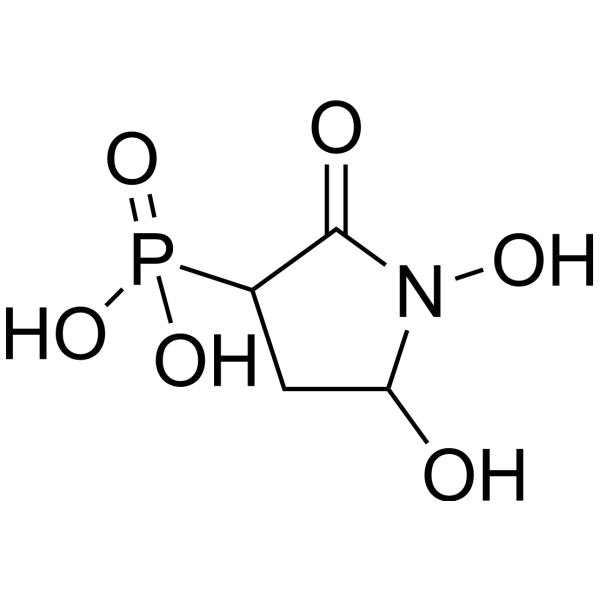
    SF2312 ammonium is a phosphonate Antibiotic and Enolase inhibitor, with an IC50 of 18.4 nM against E. coli enolase. SF2312 ammonium reduces intracellular ATP levels and inhibits glycolytic flux. SF2312 ammonium exhibits activity against both Gram-positive and Gram-negative bacteria, and exerts synergistic effects against E. coli when combined with Fosfomycin (HY-B1075A). SF2312 ammonium shows selective toxicity toward gliomas with ENO1 gene knockout. SF2312 ammonium can be used in research related to bacterial infections and gliomas .
    SF2312 ammonium
  • HY-P99772

    L19TNF

    TNF Receptor Cancer
    Onfekafusp alfa (L19TNF) is a homotrimer that forms from engineered peptides for the L19 antibody in scFv format fused to human TNF. Onfekafusp alfa can be used for malignant glioma research .
    Onfekafusp alfa
  • HY-178178

    PARP Reactive Oxygen Species (ROS) DNA/RNA Synthesis Apoptosis Cancer
    PARP1-IN-46 is a potent PARP-1 inhibitor with an IC50 of 2.4 nM. PARP1-IN-46 demonstrates remarkable anti-proliferative activity in both rat (C6) and human (U87MG) glioma cells. PARP1-IN-46 promotes PARP cleavage, triggers DNA damage, and increases ROS. PARP1-IN-46 effectively inhibits the migration, invasion and colony formation of glioma cells, and ultimately induces cell apoptosis. PARP1-IN-46 can be used to the study of glioma .
    PARP1-IN-46
  • HY-123410

    Cannabinoid Receptor Cancer
    KM-233 is a classical cannabinoid with good blood brain barrier penetration. KM-233 possesses a selective affinity for the CB2 receptors relative to THC. KM-233 is effective at reducing U87 glioma tumor burden, and can be used for glioma research .
    KM-233
  • HY-P11642A

    Enteropeptidase Aminopeptidase Opioid Receptor ERK mTOR Androgen Receptor Inflammation/Immunology
    Sialorphin TFA is a neutral endopeptidase (NEP) and aminopeptidase N (APN) inhibitor that responds to androgen signals. Sialorphin TFA blocks the degradation of endogenous opioid peptides and interacts with μ-, δ-, κ-opioid receptors. Sialorphin TFA regulates the ERK/mTOR signaling pathway by inducing cell cycle arrest, enhancing ERK1/2 activity, and reducing the phosphorylation levels of mTOR, 4E-BP1, p70S6K; accordingly, Sialorphin TFA exhibits antiproliferative activity against colorectal cancer, glioma and prostate cancer cells without cytotoxicity. In addition, Sialorphin TFA also produces antinociceptive responses, regulates sexual behavior, relaxes corpus cavernosum smooth muscle, and alleviates experimental colitis. Sialorphin TFA is also a copper (II) ion-binding ligand. Sialorphin TFA has been used in mechanistic studies related to cancer, pain management and inflammatory bowel disease .
    Sialorphin TFA
  • HY-N15582

    Apoptosis Inflammation/Immunology Cancer
    Perezone is a sesquiterpenoid benzoquinone found in the roots of Acourtia species. Perezone inhibits the activity of leukemia cell line K-562 and human glioma cell line U-251 (IC50: 6.83 μM). Perezone increases the expression of caspase 3, 8, and 9 genes associated with apoptosis. Perezone has antioxidant and anti-inflammatory activities .
    Perezone
  • HY-121931

    Lipoxygenase Cancer
    AA863 is a 5-lipoxygenase inhibitor with activity in inhibiting the proliferation of human glioma cells. AA863 exhibits significant and dose-dependent inhibitory effects in monolayer cultured glioma cells with an IC50 of 9.0 micromolar .
    AA863
  • HY-129932

    Drug Derivative Cancer
    Pyrrolidine ricinoleamide ((R)-5d) is a fatty acid amide that exhibits effective antiproliferative activity against a series of cancer cells, including human glioma U251 cells. Pyrrolidine ricinoleamide can be used in cancer research .
    Pyrrolidine ricinoleamide
  • HY-E70726

    Src Cancer
    FYN Y531F Recombinant Human Active Protein Kinase is an oncogene that directly activated YANK2 through phosphorylation its Y110, and Fyn-mediated YANK2 phosphorylation at Y110 site promotes glioma growth by increasing its stability .
    FYN Y531F Recombinant Human Active Protein Kinase
  • HY-N6038R

    Reference Standards Autophagy Fungal Cancer
    Gartanin (Standard) is the analytical standard of Gartanin. This product is intended for research and analytical applications. Gartanin is a natural xanthone of mangosteen, with antioxidant, anti-inflammatory, antifungal, neuroprotective and antineoplastic properties. Gartanin induces cell cycle arrest and autophagy and suppresses migration in human glioma cells .
    Gartanin (Standard)
  • HY-N6946R

    NF-κB Reference Standards Interleukin Related Inflammation/Immunology
    Mitraphylline (Standard) is the analytical standard of Mitraphylline. This product is intended for research and analytical applications. Mitraphylline is the major pentacyclic oxindolic alkaloid presented in Uncaria tomentosa. Mitraphylline inhibits lipopolysaccharide-mediated activation of primary human neutrophils. Mitraphylline exhibits antiproliferative activity in human glioma and neuroblastoma cell lines. Mitraphylline can inhibit interleukin release in vivo .
    Mitraphylline (Standard)
  • HY-10587A

    Histone Methyltransferase Apoptosis Autophagy Cancer
    BIX-01294 hydrochloride hydrate is a histone-lysine methyltransferase (HMTase) inhibitor, which selective inhibits the G9aHMTase with IC50 of 1.7 μM, reduces histone-3 lysine (9) methylation (H3K9me), induces autophagy and apoptosis in human glioma cells .
    BIX-01294 hydrochloride hydrate
  • HY-173431

    Dopamine Receptor Reactive Oxygen Species (ROS) Cancer
    Dopamine D4 receptor ligand 3 (Compound 16) is a dopamine D4 receptor (D4R) antagonist (pKi: 8.86). Dopamine D4 receptor ligand 3 has pIC50 values of 5.78, 5.55, and 6.17 for Go, Gi, and βArr2 sensors in HEK-293T cells, respectively. Dopamine D4 receptor ligand 3 inhibits the viability of three human glioma cell lines, U87 MG, T98G, and U251 MG. Dopamine D4 receptor ligand 3 induces ROS production and mitochondrial dysfunction in glioma cells .
    Dopamine D4 receptor ligand 3
  • HY-N12834

    Others Inflammation/Immunology Cancer
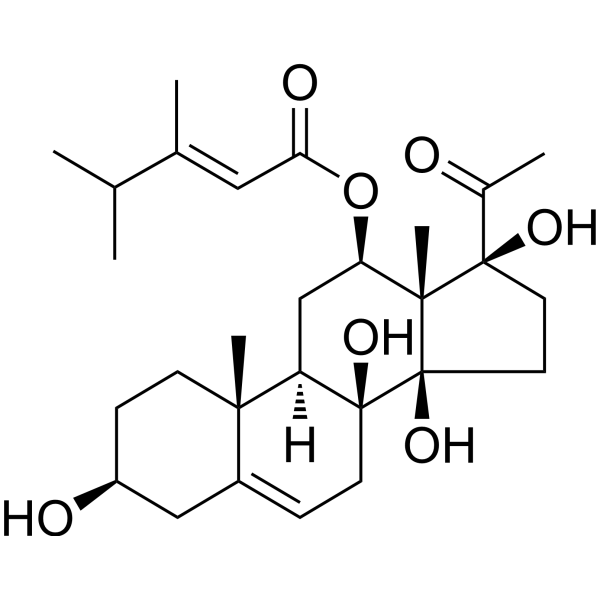
    Ecdysoside B (compound 6b) is a pregnanoside compound isolated from the plant Ecdysanthera rosea. Ecdysoside B and its derivatives and isomers shows anticancer, immunosuppressive and anti-inflammatory activities. Ecdysoside B shows cytotoxicity to a variety of human tumor cell lines, including PANC-1 (human pancreatic cancer cells), A375 (human melanoma cells) and U87 (brain glioma U87 cells). Ecdysoside B can be used for research in the areas of cancer, immunomodulation and anti-inflammato .
    Ecdysoside B
  • HY-124242

    Drug Derivative Cancer
    (S)-α-Methylbenzyl ricinoleamide (compound (R,S)-3d) is a fatty acid amide. (S)-α-Methylbenzyl ricinoleamide shows antiproliferative activity, inhibits the growth of human ovarian cancer cells NCI-ADR/RES and glioma cells U251 with GI50s of 1.9 μg/mL and 3.6 μg/mL, respectively .
    (S)-α-Methylbenzyl ricinoleamide
  • HY-N1127S

    CMV Cancer
    Tricin-d6 is the deuterium labeled Tricin . Tricin is a natural flavonoid present in large amounts in Triticum aestivum. Tricin can inhibit human cytomegalovirus (HCMV) replication by inhibiting CDK9. Tricin inhibits the proliferation and invasion of C6 glioma cells via the upregulation of focal-adhesion-finase (FAK)-targeting microRNA-7 .
    Tricin-d6
  • HY-P990236

    Transmembrane Glycoprotein Infection Inflammation/Immunology Cancer
    Anti-Mouse/Rat/Monkey/Human ICOS/CD278 Antibody (C398.4A) is an anti-mouse/rat/monkey/human ICOS/CD278 IgG monoclonal antibody. Anti-Mouse/Rat/Monkey/Human ICOS/CD278 Antibody (C398.4A) has limited effectiveness in improving T cell function and immune activation. Anti-Mouse/Rat/Monkey/Human ICOS/CD278 Antibody (C398.4A) can be used for researches on cancer and infection conditions such as gliomas and hepatitis B virus infection .
    Anti-Mouse/Rat/Monkey/Human ICOS/CD278 Antibody (C398.4A)
  • HY-P991419

    VEGFR Cancer
    MSB-0254 is a human monoclonal antibody (mAb) targeting VEGFR2/KDR/CD309. MSB-0254 inhibits the invasion, migration, and vascular mimetic (VM) formation of U251 and primary glioma cells. MSB-0254 inhibits the growth of U251 and GL261 cell transplanted tumors. MSB-0254 reduces the expression of CD34, VEGFR2, Ki67, MMP2, MMP9, and CD34/PAS. MSB-0254 can be used in advanced solid tumors research .
    MSB-0254
  • HY-N2038R

    Reference Standards Phosphodiesterase (PDE) Neurological Disease Cancer
    3,​5,​6,​7,​8,​3',​4'-​Heptemthoxyflavone (Standard) is the analytical standard of 3,​5,​6,​7,​8,​3',​4'-​Heptemthoxyflavone (HY-N2038). This product is intended for research and analytical applications. 3,5,6,7,8,3',4'-Heptemthoxyflavone, a flavonoid from satsuma peel, is an orally available CREB activator with anti-tumor and anti-neuroinflammatory activity. 3,5,6,7,8,3',4'-Heptemthoxyflavone inhibits collagenase activity and increases the content of type I procollagen in human dermal fibroblast neoblast (HDFn) cells. 3,5,6,7,8,3',4'-Heptemthoxyflavone induces brain-derived neurotrophic factor (BDNF) expression through the cAMP/ERK/CREB signaling pathway and reduces phosphodiesterase activity in C6 glioma .
    3,?5,?6,?7,?8,?3',?4'-?Heptemthoxyflavone (Standard)
  • HY-181517

    Bacterial Infection Cancer
    Antitumor agent-212 is a α-exo-methylene-selenolactone derivative with prominent selective antitumor activity. Antitumor agent-212 exhibits an MIC value of 128 μg/mL against Gram-positive bacteria. Antitumor agent-212 exhibits significant antitumor effects in the U87 human glioma xenograft model. Antitumor agent-212 can be used for the study of glioma, breast cancer and non-small cell lung cancer, and antibacterial study .
    Antitumor agent-212
  • HY-118713

    DNA/RNA Synthesis Apoptosis Cancer
    Kuanoniamine A is a pyridoacridine alkaloid and also an anticancer agent. Kuanoniamine A inhibits DNA synthesis, induces apoptosis, and regulates the cell cycle by reducing the proportion of cells in the G2/M phase. Kuanoniamine A inhibits the proliferation of human lymphocytes. Kuanoniamine A can be used in research related to breast cancer, glioma, non-small cell lung cancer, and melanoma .
    Kuanoniamine A
  • HY-180371

    Drug Derivative Cancer
    NF-115 is a glycolipid inhibitor. NF-115 inhibits proliferation of glioma cancer cells and exhibits potent antimitotic activity in human astroblastoma cells. NF-115 can be used for research on glioma .
    NF-115
  • HY-180198

    Melatonin Receptor Cancer
    UCM1400 is a melatonin receptor (MT) subtype-selective modulator. UCM1400 shows agonistic effect for MT1 and antagonistic effect for MT2 with pKi values of 7.94 and 8.11. UCM1400 can inhibit the decrease in cAMP mediated by the MT2 receptor with a pIC50 of 7.87. UCM1400 exhibits anti-proliferative activity against human glioma cells and inhibit tumor growth. UCM1400 can be used for the research of cancer, such as glioma .
    UCM1400
  • HY-N19817

    Biochemical Assay Reagents Others
    Gleditsioside H is an oleanane-type bisdesmosidic saponin that can be isolated from the malformed fruits of Gleditsia sinensis .
    Gleditsioside H
  • HY-181311

    PROTACs Aurora Kinase E1/E2/E3 Enzyme Neurological Disease Cancer
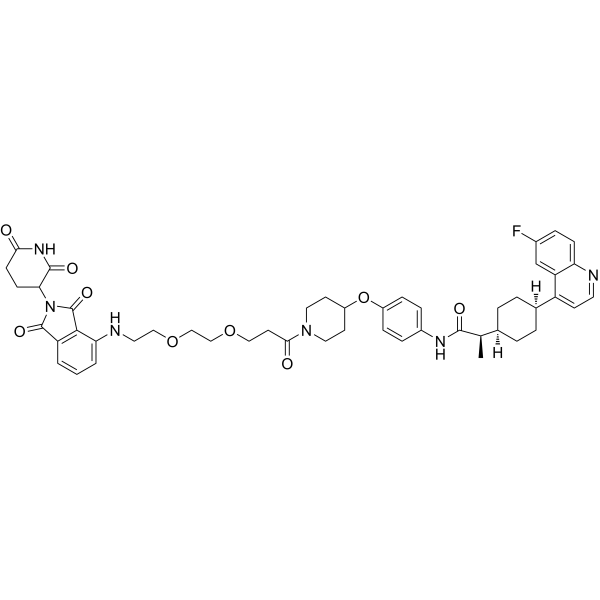
    CCT400028 is a PROTACs-class degrader that targets the Aurora A (AURKA) kinase. CCT400028 induces ubiquitination and proteasomal degradation of target proteins by recruiting the cereblon (CRBN) E3 ubiquitin ligase. The KD values of CCT400028 against the three subtypes of human AURKA are 71 nM, 2100 nM and >10000 nM, respectively, and its IC50 against human CRBN is 6300 nM. CCT400028 is applicable to relevant research on leukemia, neuroblastoma and glioma .
    CCT400028
  • HY-135435

    VEGFR PDGFR FGFR Neurological Disease Metabolic Disease Cancer
    SU10944 is a selective, orally active VEGFR inhibitor, with an IC50 of 6 nM against VEGFR-1, an IC50 of 96 nM and a Ki of 21 nM against VEGFR-2. SU10944 only exhibits weak inhibitory activity against PDGFRβ (IC50 = 1 μM), SCFR (IC50 = 1.58 μM) and FGFR-1 (IC50 = 1.6 μM). SU10944 selectively inhibits VEGFR receptor downstream signaling, neovascularization, vascular permeability, VEGF-mediated tissue factor production, and induces tumor growth delay. SU10944 can be used in research related to diabetic retinopathy, exudative age-related macular degeneration or cancer .
    SU10944
  • HY-N17369

    Others Others
    Neogenkwanine H is a daphnane-type diterpene that can be found in Daphne genkwa .
    Neogenkwanine H
  • HY-183336

    Dihydroorotate Dehydrogenase Apoptosis Cancer
    MEDS700 is a blood-brain barrier permeable inhibitor of human dihydroorotate dehydrogenase (hDHODH) with an IC50 of 1.5 nM. MEDS700 induces apoptosis and differentiation, and inhibits proliferation of cancer cells. MEDS700 can be used in research on acute myeloid leukemia and other conditions .
    MEDS700
  • HY-185323

    Drug Derivative Apoptosis DNA/RNA Synthesis Neurological Disease Cancer
    Gem-C12 is a prodrug of Gemcitabine (HY-17026). Gem-C12 terminates DNA chain elongation, inhibits nucleic acid synthesis and induces Apoptosis. Gem-C12 inhibits the proliferation of glioma cells. Gem-C12 and Honokiol (HY-N0003) exhibit synergistic anti-glioblastoma activity. Gem-C12 can be used in research related to glioblastoma multiforme .
    Gem-C12

Inquiry Online

Your information is safe with us. * Required Fields.

Salutation


Country or Region *

Applicant Name *


Organization Name *

Department *


Email Address *


Product Name *

Cat. No.


Requested quantity *

Phone Number *


Remarks

Inquiry Online

Inquiry Information

Product Name:
Cat. No.:
Quantity:
MCE Japan Authorized Agent:

