
1. Search Result
Search Result
Results for "

hypoglycemic activities.

" in MedChemExpress (MCE) Product Catalog:

52

Inhibitors & Agonists

1

Peptides

25

Natural
Products

1

Isotope-Labeled Compounds

Cat. No. Product Name Target Research Areas Chemical Structure
  • HY-N6653
    Lentinan
    5+ Cited Publications

    JAK Keap1-Nrf2 Apoptosis Infection Metabolic Disease Inflammation/Immunology Cancer
    Lentinan is an orally active biocompatible multifunctional polysaccharide with biological activities such as anti-inflammatory, antioxidant, immune regulation, anti-tumor, hypoglycemic, and lipid-lowering [1][4].
    Lentinan
  • HY-N0205
    Pulchinenoside C
    5 Publications Verification

    Anemoside B4

    Others Cancer
    Pulchinenoside C (Anemoside B4) is Pulsatilla koreana Nakai that have many numerous biological effects in vitro, including enhancing hypoglycemic, anti-tumor, neuroprotective and anti-angiogenic activity.
    Pulchinenoside C
  • HY-N0416
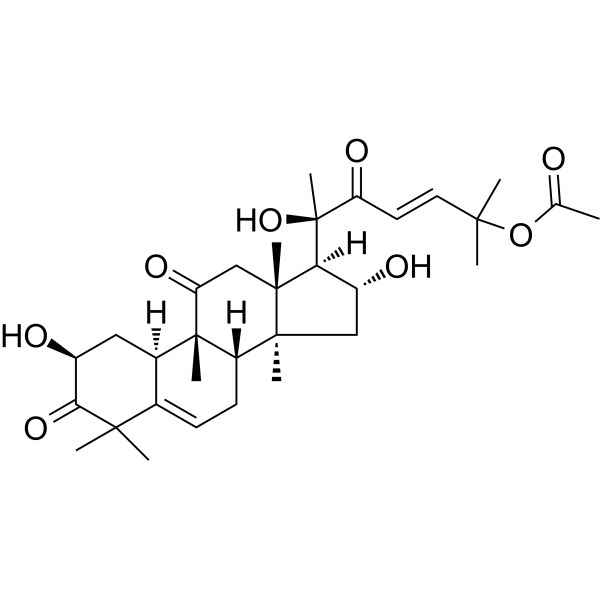
    Cucurbitacin B
    Maximum Cited Publications
    11 Publications Verification

    HIF/HIF Prolyl-Hydroxylase Integrin Autophagy Apoptosis Endogenous Metabolite ROS Kinase COX Others Neurological Disease Inflammation/Immunology Cancer
    Cucurbitacin B belongs to a class of highly oxidized tetracyclic triterpenoids and is oral active. Cucurbitacin B inhibits tumor cell growth, migration and invasion and cycle arrest, but induces cell apoptosis. Cucurbitacin B has potent anti-inflammatory, antioxidant, antiviral, hypoglycemic, hepatoprotective, neuroprotective activity .
    Cucurbitacin B
  • HY-N0661
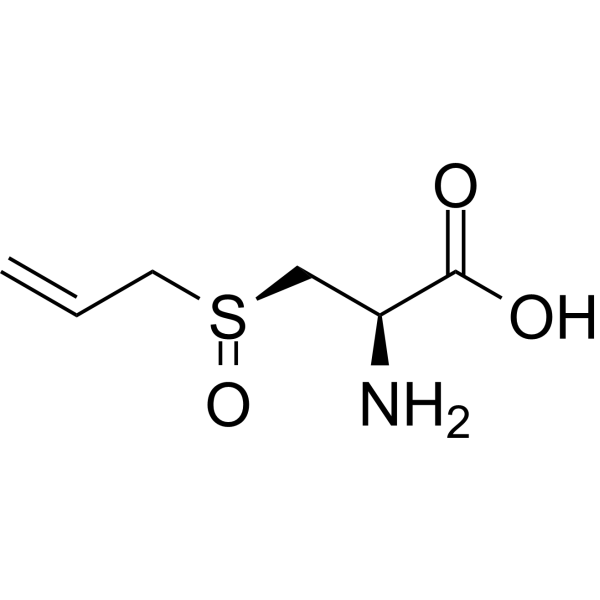
    Alliin
    3 Publications Verification

    Others Cardiovascular Disease Metabolic Disease Inflammation/Immunology Cancer
    Alliin, an orally active sulfoxide compound that can be isolated from garlic, exhibits hypoglycemic, antioxidant, anti-inflammatory and antitumor activities .
    Alliin
  • HY-N0655
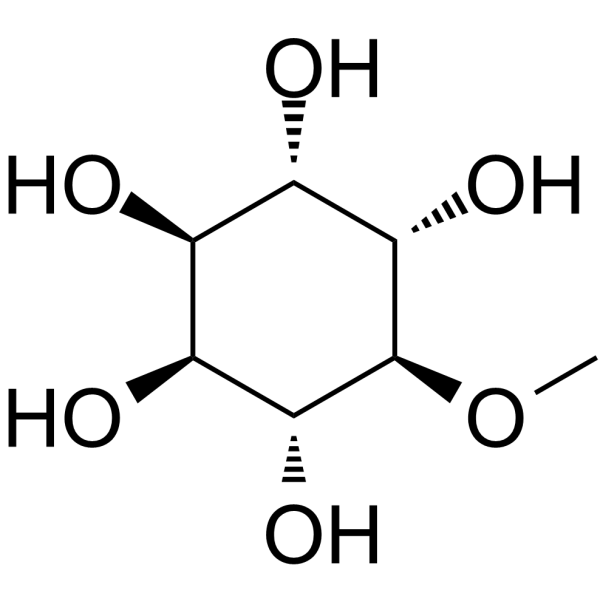
    D-Pinitol
    1 Publications Verification

    3-O-Methyl-D-chiro-inositol

    Influenza Virus Infection Cardiovascular Disease Inflammation/Immunology
    D-pinitol (3-O-Methyl-D-chiro-inositol) is a natural compound presented in several plants, like Pinaceae and Leguminosae plants. D-pinitol exerts hypoglycemic activity and protective effects in the cardiovascular system . D-pinitol has antiviral and larvicidal activities .
    D-Pinitol
  • HY-N0807
    Swertiamarin
    1 Publications Verification

    MMP NF-κB JAK Keap1-Nrf2 Metabolic Disease Inflammation/Immunology Cancer
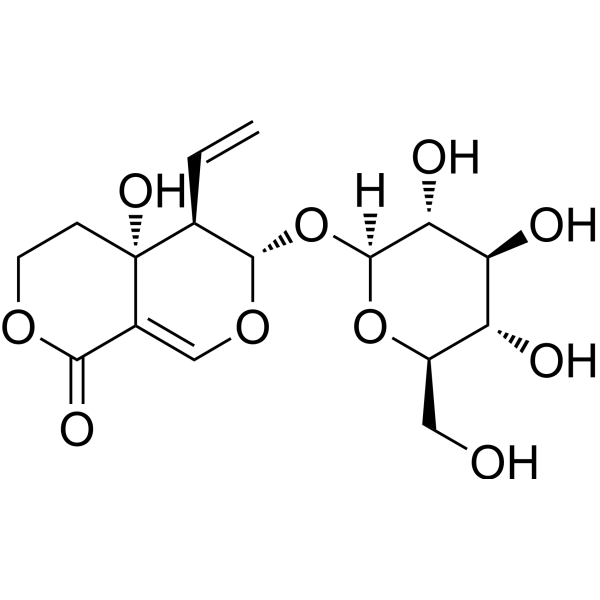
    Swertiamarin is an orally active natural product with hypoglycemic, lipid-lowering, anti-rheumatic, and antioxidant activities. Swertiamarin can regulate the levels of pro-inflammatory cytokines, MMP, and NF-κB, and promote osteoblast proliferation. Swertiamarin has antioxidant and hepatoprotective effects against carbon tetrachloride induced rat liver toxicity through the Nrf2/HO-1 pathway. Swertiamarin can attenuate inflammatory mediators by regulating JAK2/STAT3 transcription factors in adjuvant induced arthritis rats. Swertiamarin can be used in the research of diabetes and arthritis .
    Swertiamarin
  • HY-N0761
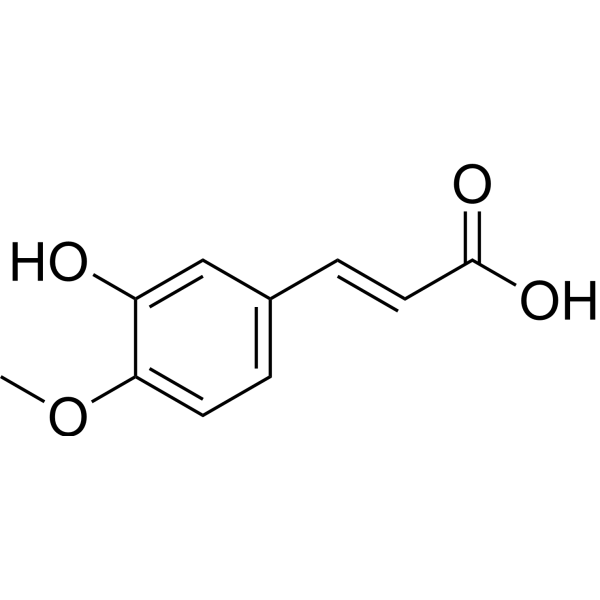
    Isoferulic acid
    3 Publications Verification

    3-Hydroxy-4-methoxycinnamic acid

    Adrenergic Receptor Influenza Virus Infection Metabolic Disease Inflammation/Immunology Endocrinology
    Isoferulic acid (3-Hydroxy-4-methoxycinnamic acid) is an orally active cinnamic acid derivative. Isoferulic acid exhibits hypoglycemic, antiviral, and antioxidant activities. Isoferulic acid can also inhibit fructose- and glucose-mediated protein glycation. Isoferulic acid can be used in the research of diseases such as diabetes .
    Isoferulic acid
  • HY-N8264
    Moringin
    1 Publications Verification

    TRP Channel Neurological Disease Inflammation/Immunology Cancer
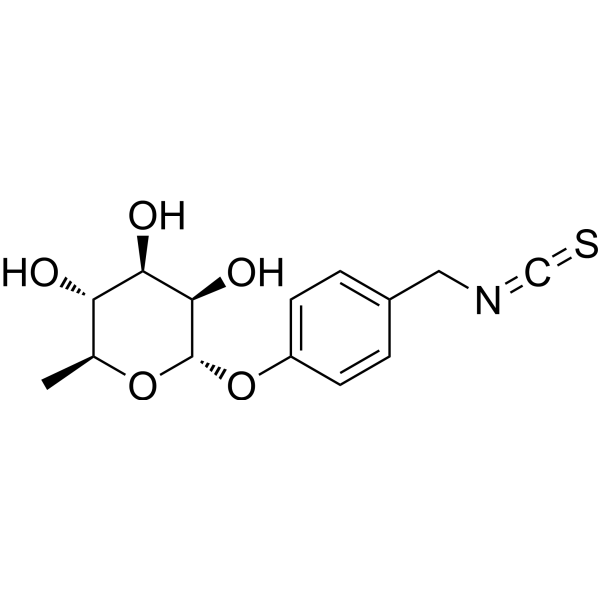
    Moringin is a potent and selective TRPA1 ion channel natural agonist with an EC50 of 3.14 μM. Moringin does not activate or activates very weakly the vanilloids somatosensory channels TRPV1, TRPV2, TRPV3 and TRPV4, and the melastatin cooling receptor TRPM8. Moringin has hypoglycemic, antimicrobial, anti-inflammatory, anticancer and neuroprotection activities .
    Moringin
  • HY-N2413

    PDGFR UGT Reactive Oxygen Species (ROS) Apoptosis Tyrosinase p38 MAPK Akt ERK COX Interleukin Related Neurological Disease Metabolic Disease Inflammation/Immunology
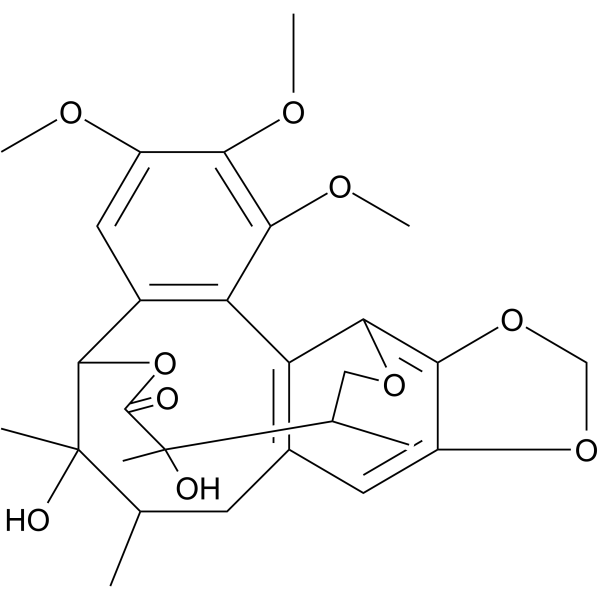
    Gomisin D is an orally active lignan that binds to PDGFRβ with a Kd of 10 μM. By targeting PDGFRβ to regulate signaling pathways, Gomisin D inhibits the activation and proliferation of hepatic stellate cells and promotes their apoptosis, thereby ameliorating hepatic fibrosis. Gomisin D exhibits multiple activities such as photoprotection, antimelanogenesis, antioxidant effects, and hypoglycemic activity. Gomisin D can be used in studies related to diabetes, Alzheimer's disease, and hepatic fibrosis .
    Gomisin D
  • HY-W011651

    BZ-55

    Phosphatase Metabolic Disease
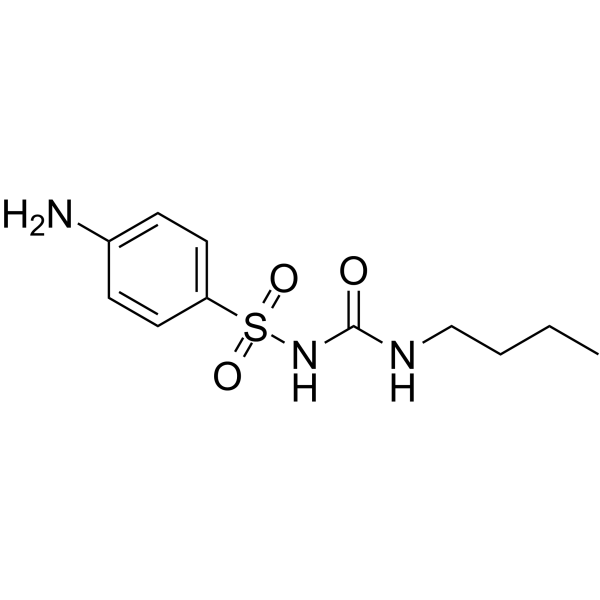
    Carbutamide (BZ-55) is an orally active and first-generation sulfonylurea with hypoglycemic activity .
    Carbutamide
  • HY-N0299
    Stachyose hydrate
    1 Publications Verification

    Endogenous Metabolite Apoptosis Metabolic Disease Inflammation/Immunology
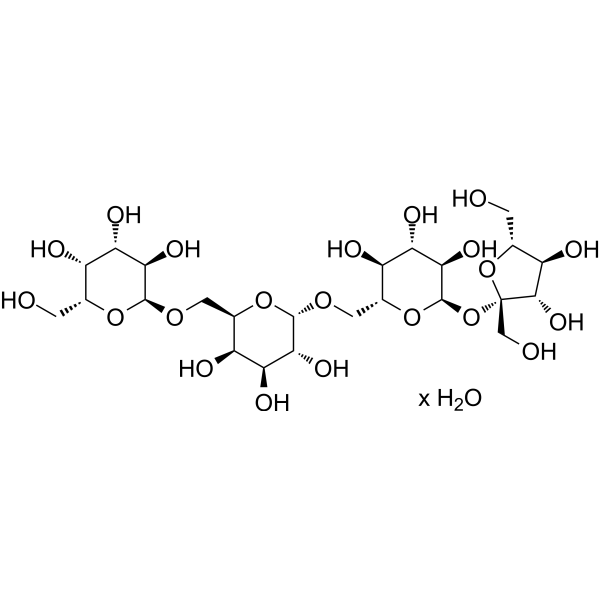
    Stachyose hydrate is an orally active prebiotic that enhances the growth and activity of beneficial bacteria. Stachyose hydrate has hypoglycemic effects and can improve inflammation by regulating gut microbiota. In addition, Stachyose hydrate can induce plant cell apoptosis (Apoptosis). Stachyose hydrate can be used in research on inflammation, gastrointestinal diseases, and agriculture .
    Stachyose hydrate
  • HY-136093A
    Lixumistat acetate
    1 Publications Verification

    IM156; HL156A; HL271 acetate

    Mitochondrial Metabolism AMPK Neurological Disease Metabolic Disease Inflammation/Immunology Cancer
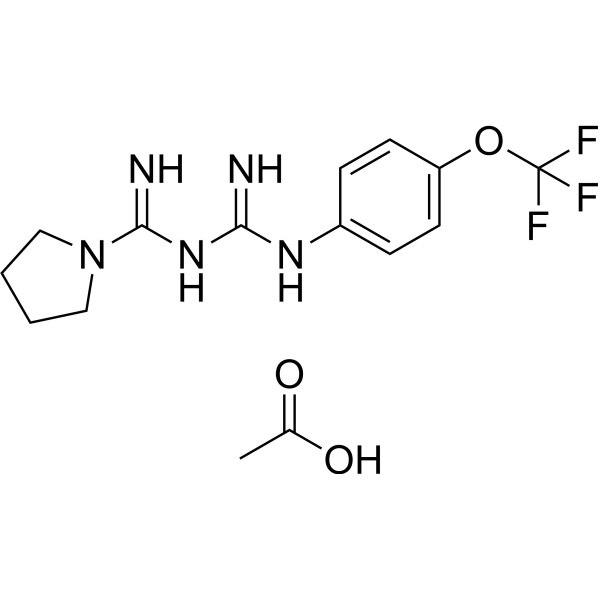
    Lixumistat (IM156) acetate is a potent and orally active AMPK activator and OXPHOS inhibitor. Lixumistat acetate strongly activates AMPK, while it lacks the systemic metabolic regulatory effects of classic metformin, such as hypoglycemic and weight-lowering activities. Lixumistat acetate exhibits significant therapeutic effects on cognitive decline associated with brain aging and pulmonary fibrosis .
    Lixumistat acetate
  • HY-Y0624

    Endogenous Metabolite Mitochondrial Metabolism Metabolic Disease
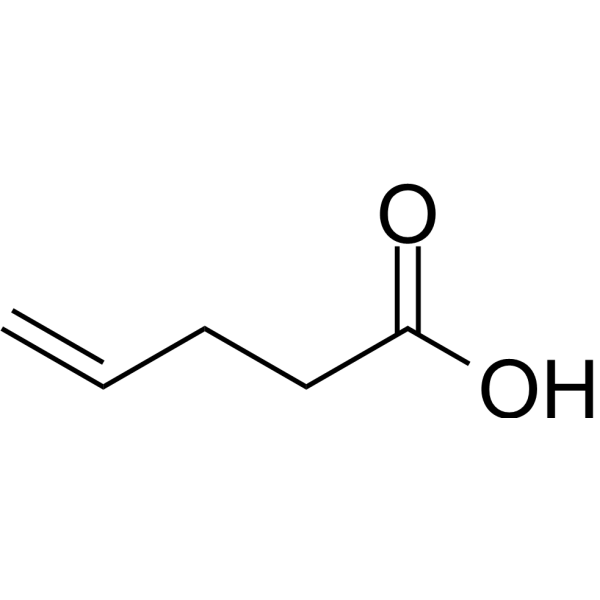
    4-Pentenoic acid is a medium-chain unsaturated fatty acid. 4-Pentenoic acid has hypoglycemic and fatty acid oxidation inhibitory activities. 4-Pentenoic acid can affect blood glucose metabolism and energy metabolism through mechanisms such as inhibiting long-chain fatty acid oxidation, reducing gluconeogenesis, and promoting glucose utilization .
    4-Pentenoic acid
  • HY-128447
    Allyl methyl sulfide
    1 Publications Verification

    Endogenous Metabolite SOD NF-κB GLUT Metabolic Disease Inflammation/Immunology
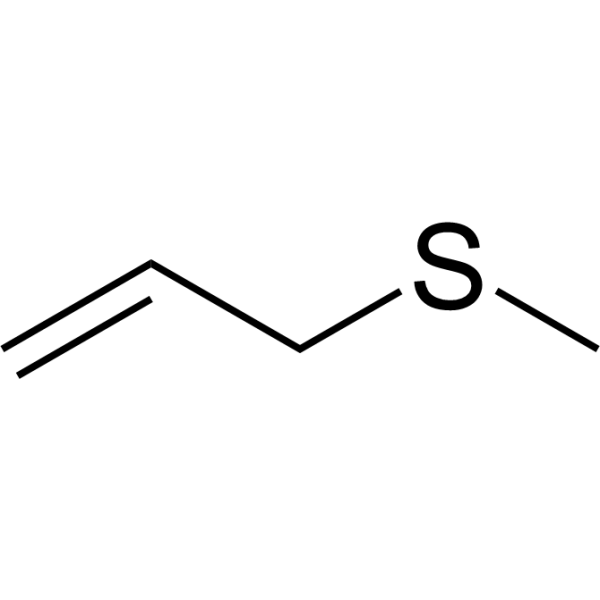
    Allyl methyl sulfide is an orally active organic sulfide. Allyl methyl sulfide is one of the main active ingredients in garlic volatile metabolites. Allyl methyl sulfide can be extracted from garlic. Allyl methyl sulfide enhances SOD activity, inhibits NF-κB signaling pathway, and upregulates pancreatic GLUT2 expression. Allyl methyl sulfide has significant antioxidant, anti-inflammatory and hypoglycemic activities. Allyl methyl sulfide can be used in the research of diabetes and its complications .
    Allyl methyl sulfide
  • HY-P10302A

    GLP Receptor Metabolic Disease Inflammation/Immunology
    GLP-1R/GIPR agonist-1 sodium is a dual GLP-1/GIP receptor agonist, with an EC50 of 0.57 nM for GLP-1R and an EC50 of 0.75 nM for GIPR. GLP-1R/GIPR agonist-1 sodium reduces food intake, inhibits weight gain, repairs islet damage, improves glucose tolerance, regulates serum lipid and liver enzyme levels, ameliorates hepatic vacuolization, reduces hepatic fat accumulation, delays the progression of hepatic fibrosis, and exhibits long-lasting hypoglycemic activity. GLP-1R/GIPR agonist-1 sodium can be used in research related to type 2 diabetes, obesity, and non-alcoholic steatohepatitis .
    GLP-1R/GIPR agonist-1 (soduim)
  • HY-136093B
    Lixumistat
    1 Publications Verification

    IM156 free base; HL156A free base; HL271 free base

    Mitochondrial Metabolism AMPK Neurological Disease Inflammation/Immunology
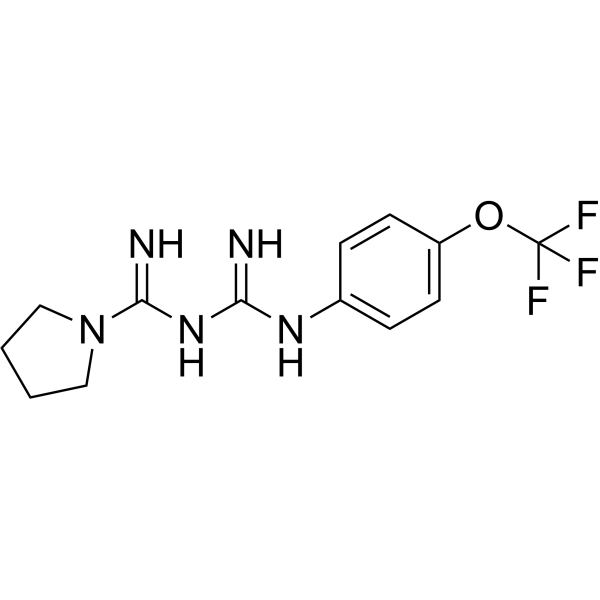
    Lixumistat (IM156 free base) is a potent and orally active AMPK activator and OXPHOS inhibitor. Lixumistat strongly activates AMPK, while it lacks the systemic metabolic regulatory effects of classic metformin, such as hypoglycemic and weight-lowering activities. Lixumistat exhibits significant therapeutic effects on cognitive decline associated with brain aging and pulmonary fibrosis .
    Lixumistat
  • HY-142026

    (+)-Vitisin A

    Caspase ERK NF-κB Influenza Virus PAK LDLR PPAR PCSK9 Androgen Receptor Keap1-Nrf2 Monoamine Oxidase Cholinesterase (ChE) IKK Wnt β-catenin Reactive Oxygen Species (ROS) Apoptosis Cuproptosis Infection Neurological Disease Metabolic Disease Inflammation/Immunology Cancer
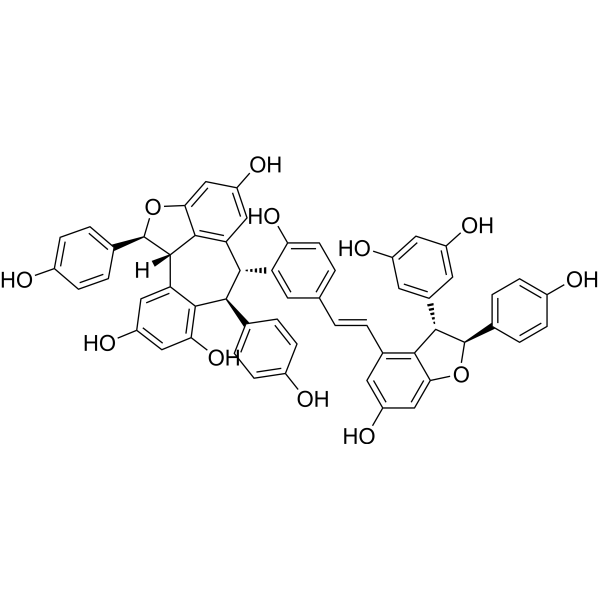
    Vitisin A ((+)-Vitisin A) is an orally active natural product with multiple pharmacological activities including anti-inflammatory, anti-tumor, anti-oxidant, anti-pathogenic microorganism, hypoglycemic and lipid-regulating, anti-osteoporotic, neuroprotective and cardiovascular protective effects. Vitisin A exhibits inhibitory effects on human AChE and MAO-B with IC50 values of 1.29 µM and 4.94 µM, respectively. Vitisin A inhibits the ERK, MAPK, NF-κB, STAT1, HMGCR and TRAF6 pathways, downregulates the related phosphorylation and protein expression, while activates the Nrf2/HO-1 pathway and upregulates p21 expression. Vitisin A induces tumor cell apoptosis and cell cycle arrest, inhibits adipogenesis and lipid accumulation, while alleviates oxidative stress, suppresses inflammatory responses, blocks hepatic fibrosis, Cuproptosis and cholesterol synthesis, and increases the expression levels of central BDNF and TrkB. Vitisin A can be used in the research of tumors, infectious diseases, metabolic diseases, bone and joint diseases, liver diseases, skin injuries, as well as neurodegenerative and cognitive dysfunction-related diseases .
    Vitisin A
  • HY-136093
    Lixumistat hydrochloride
    1 Publications Verification

    HL271; IM156 hydrochloride; HL156A hydrochloride

    Mitochondrial Metabolism AMPK Neurological Disease
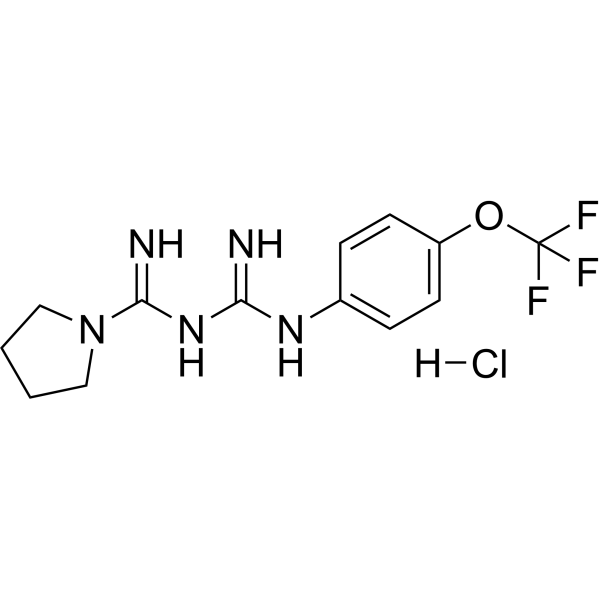
    Lixumistat (IM156) hydrochloride is a potent and orally active AMPK activator and OXPHOS inhibitor. Lixumistat hydrochloride strongly activates AMPK, while it lacks the systemic metabolic regulatory effects of classic metformin, such as hypoglycemic and weight-lowering activities. Lixumistat hydrochloride exhibits significant therapeutic effects on cognitive decline associated with brain aging and pulmonary fibrosis .
    Lixumistat hydrochloride
  • HY-113631

    PPAR Neurological Disease Metabolic Disease
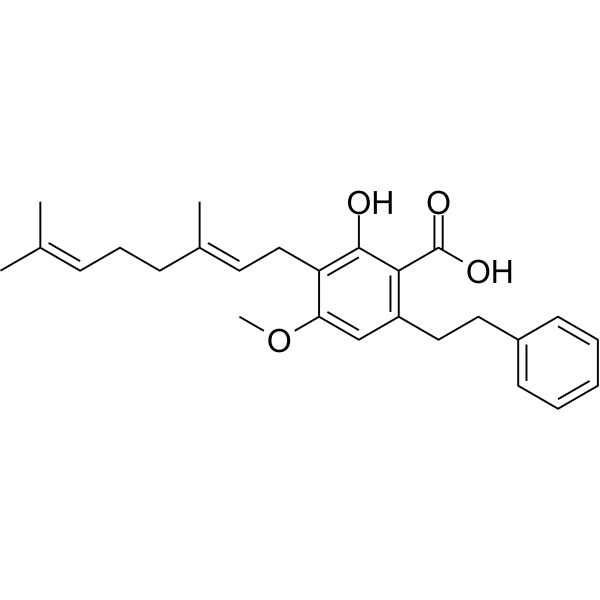
    Amorfrutin B is a highly potent natural peroxisome proliferation-activated receptor γ (PPARγ) agonist with oral activity with Ki values of 19 nM and EC50 values of 73 nM, respectively. Amorfrutin B has hypoglycemic and neuroprotective activities .
    Amorfrutin B
  • HY-Y0004

    Drug Derivative Metabolic Disease
    2-Pyridinemethanol is a pyridylalcohol, with hypoglycemic activity .
    2-Pyridinemethanol
  • HY-N4147

    Others Metabolic Disease Inflammation/Immunology
    Eleutheroside D is an active lignan isolated from the root of Eleutherococcus senticosus, has anti-inflammatory and hypoglycemic activities . Eleutheroside D is an optical isomer of Eleutheroside E (HY-N0272) .
    Eleutheroside D
  • HY-N0416R

    HIF/HIF Prolyl-Hydroxylase Reference Standards Integrin Autophagy Apoptosis Endogenous Metabolite ROS Kinase COX Others Neurological Disease Inflammation/Immunology Cancer
    Cucurbitacin B (Standard) is the analytical standard of Cucurbitacin B. This product is intended for research and analytical applications. Cucurbitacin B belongs to a class of highly oxidized tetracyclic triterpenoids and is oral active. Cucurbitacin B inhibits tumor cell growth, migration and invasion and cycle arrest, but induces cell apoptosis. Cucurbitacin B has potent anti-inflammatory, antioxidant, antiviral, hypoglycemic, hepatoprotective, neuroprotective activity .
    Cucurbitacin B (Standard)
  • HY-128447R

    Reference Standards Endogenous Metabolite SOD NF-κB GLUT Metabolic Disease Inflammation/Immunology
    Allyl methyl sulfide (Standard) is the analytical standard of Allyl methyl sulfide (HY-128447). This product is intended for research and analytical applications. Allyl methyl sulfide is an orally active organic sulfide. Allyl methyl sulfide is one of the main active ingredients in garlic volatile metabolites. Allyl methyl sulfide can be extracted from garlic. Allyl methyl sulfide enhances SOD activity, inhibits NF-κB signaling pathway, and upregulates pancreatic GLUT2 expression. Allyl methyl sulfide has significant antioxidant, anti-inflammatory and hypoglycemic activities. Allyl methyl sulfide can be used in the research of diabetes and its complications .
    Allyl methyl sulfide (Standard)
  • HY-N12241

    Others Others
    Sterebin F is a steroid isolated from the Stevia rebaudiana leaves. Sterebin F has hypoglycemic activity .
    Sterebin F
  • HY-135670B

    Glycosidase Metabolic Disease
    Glycosidase-IN-2 (Compound 20) is an azasugar class of glycosidase inhibitor. Glycosidase-IN-2 has hypoglycemic activity .
    Glycosidase-IN-2
  • HY-W011651R

    BZ-55 (Standard)

    Phosphatase Reference Standards Metabolic Disease
    Carbutamide (Standard) is the analytical standard of Carbutamide. This product is intended for research and analytical applications. Carbutamide (BZ-55) is an orally active and first-generation sulfonylurea with hypoglycemic activity .
    Carbutamide (Standard)
  • HY-135670A

    Glycosidase Metabolic Disease
    β-glycosidase-IN-1 (Compound 33) is a piperidine derivative and a β-glycosidase inhibitor. β-glycosidase-IN-1 has hypoglycemic activity .
    β-glycosidase-IN-1
  • HY-W011651S

    BZ-55-d9

    Isotope-Labeled Compounds Metabolic Disease
    Carbutamide-d9 (BZ-55-d9) is the deuterium labeled Carbutamide. Carbutamide (BZ-55) is an orally active and first-generation sulfonylurea with hypoglycemic activity .
    Carbutamide-d9
  • HY-121565

    Insulin Receptor Metabolic Disease Endocrinology
    SaRI 59-801 is an orally effective hypoglycemic compound with stimulation activity of insulin secretion. SaRI 59-801 decreases blood glucose in several species and to elevate plasma insulin in rats and mice .
    SaRI 59-801
  • HY-N0661R

    Reference Standards Others Cardiovascular Disease Metabolic Disease Inflammation/Immunology Cancer
    Alliin (Standard) is the analytical standard of Alliin. This product is intended for research and analytical applications. Alliin, an orally active sulfoxide compound that can be isolated from garlic, exhibits hypoglycemic, antioxidant, anti-inflammatory and antitumor activities .
    Alliin (Standard)
  • HY-135670

    Glycosidase Metabolic Disease
    Glycosidase-IN-1 (Compound 9) is a glycosidase inhibitor synthesized from D-mannose. Glycosidase-IN-1 be used to synthesize some immunosuppressive agents and β-glucosidase inhibitors. Glycosidase-IN-1 has hypoglycemic activity .
    Glycosidase-IN-1
  • HY-N0807R

    Reference Standards MMP NF-κB JAK Keap1-Nrf2 Metabolic Disease Inflammation/Immunology Cancer
    Swertiamarin (Standard) is the analytical standard of Swertiamarin. This product is intended for research and analytical applications. Swertiamarin is an orally active iridoid compound with hypoglycemic, hypolipidemic, anti rheumatic and antioxidant activities, which can be used in the research of diabetes and arthritis .
    Swertiamarin (Standard)
  • HY-168706

    Phosphatase Metabolic Disease
    LXQ-87 is an oral noncompetitive inhibitor of PTP1B with an IC50 of 1.061 μM, showing hypoglycemic activity. LXQ-87 alleviates insulin resistance and promotes cellular glucose uptake, making it useful for research on type 2 diabetes .
    LXQ-87
  • HY-173183

    Glycosidase Metabolic Disease
    α-Glucosidase-IN-87 (Compound 11c) is an orally active α-glucosidase inhibitor with an IC50 value of 119.7 μM. α-Glucosidase-IN-87 has hypoglycemic activity and can be used in the research of metabolic diseases such as diabetes .
    α-Glucosidase-IN-87
  • HY-162893

    Glycosidase Metabolic Disease
    SX29 is an orally active non-competitive α-glucosidase inhibitor with an IC50 value of 2.12 μM. SX29 exhibits hypoglycemic activity, and oral administration of SX29 can reduce blood glucose levels and improve glucose tolerance in diabetic mice .
    SX29
  • HY-N0655R

    3-O-Methyl-D-chiro-inositol (Standard)

    Reference Standards Influenza Virus Infection Cardiovascular Disease Inflammation/Immunology
    D-Pinitol (Standard) is the analytical standard of D-Pinitol. This product is intended for research and analytical applications. D-pinitol (3-O-Methyl-D-chiro-inositol) is a natural compound presented in several plants, like Pinaceae and Leguminosae plants. D-pinitol exerts hypoglycemic activity and protective effects in the cardiovascular system . D-pinitol has antiviral and larvicidal activities .
    D-Pinitol (Standard)
  • HY-150723

    Glycosidase Metabolic Disease
    PBI-6DNJ is an orally active and potent multivalent glycosidase inhibitor. PBI-6DNJ exhibits good inhibition activity against α-glucosidase from mice, with a Ki of 0.14 μM. PBI-6DNJ exhibits good hypoglycemic activity. PBI-6DNJ can be used for type 2 diabetes research .
    PBI-6DNJ
  • HY-163005

    Glycosidase Metabolic Disease
    α-Glucosidase-IN-43 (compound AS14) is an α-glucosidase inhibitor (IC50: 4.32 μM) with acute hypoglycemic activity. α-Glucosidase-IN-43 exhibits safety and in vivo efficacy, is nontoxic to normal mouse fibroblasts, and is able to rescue streptozotocin (HY-13753)-induced diabetic rats. α-Glucosidase-IN-43 can be used to study postprandial hyperglycemia in diabetic patients .
    α-Glucosidase-IN-43
  • HY-173503

    GLUT Metabolic Disease
    DS-1150b is an orally active GLUT4 activator. DS-1150b has the activity of activating GLUT4 transport and can promote the translocation of GLUT4 to the cell membrane in skeletal muscle cells. DS-1150b has shown hypoglycemic effects in the Zucker obese rat model and can be used in the study of type 2 diabetes mellitus (T2DM) .
    DS-1150b
  • HY-N0761R

    3-Hydroxy-4-methoxycinnamic acid (Standard)

    Reference Standards Adrenergic Receptor Influenza Virus Infection Metabolic Disease Inflammation/Immunology Endocrinology
    Isoferulic acid (Standard) (3-Hydroxy-4-methoxycinnamic acid (Standard)) is the analytical standard of Isoferulic acid (HY-N0761). This product is intended for research and analytical applications. Isoferulic acid (3-Hydroxy-4-methoxycinnamic acid) is an orally active cinnamic acid derivative. Isoferulic acid exhibits hypoglycemic, antiviral, and antioxidant activities. Isoferulic acid can also inhibit fructose- and glucose-mediated protein glycation. Isoferulic acid can be used in the research of diseases such as diabetes .
    Isoferulic acid (Standard)
  • HY-Y0624R

    Reference Standards Endogenous Metabolite Mitochondrial Metabolism Metabolic Disease
    4-Pentenoic acid (Standard) is the analytical standard of 4-Pentenoic acid (HY-Y0624). This product is intended for research and analytical applications. 4-Pentenoic acid is a medium-chain unsaturated fatty acid. 4-Pentenoic acid has hypoglycemic and fatty acid oxidation inhibitory activities. 4-Pentenoic acid can affect blood glucose metabolism and energy metabolism through mechanisms such as inhibiting long-chain fatty acid oxidation, reducing gluconeogenesis, and promoting glucose utilization.
    4-Pentenoic acid (Standard)
  • HY-I0786

    Dipeptidyl Peptidase Metabolic Disease
    (2S,4R)-Teneligliptin is a selective inhibitor of dipeptidyl peptidase IV (DPP-4). (2S,4R)-Teneligliptin increases the plasma concentration of active glucagon-like peptide-1 (GLP-1), which promotes insulin secretion in response to elevated blood glucose levels, exerting hypoglycemic activity. (2S,4R)-Teneligliptin is promising for research of type 2 diabetes .
    (2S,4R)-Teneligliptin
  • HY-19904A

    (+/-)-LY2409021

    Endogenous Metabolite Metabolic Disease
    (+/-)-Adomeglivant ((+/-)-LY2409021) is a potent and selective glucagon receptor antagonist with hypoglycemic activity. (+/-)-Adomeglivant is effective in lowering blood sugar levels in both healthy people and people with type 2 diabetes. (+/-)-Adomeglivant is well tolerated by glucagon signaling blockade in patients with type 2 diabetes and significantly reduces fasting and postprandial blood glucose with a concomitant reversible elevation of aminotransferases. Glucagon signaling inhibition by (+/-)-Adomeglivant is a promising potential inhibitory approach for patients with type 2 diabetes and warrants further evaluation of its benefits and risks in longer clinical trials .
    (+/-)-Adomeglivant
  • HY-173217

    PPAR Phosphatase Cardiovascular Disease Metabolic Disease
    PPARα agonist 5 is an orally available, selective partial agonist of PPARα (EC50: 3 nM). PPARα agonist 5 reduces lipid accumulation and upregulates key PPARα target genes, exerting anti-fatty liver effects. PPARα agonist 5 also exhibits significant hypolipidemic and hypoglycemic effects through partial PPARγ agonist activity and mild inhibition of protein tyrosine phosphatase 1B (PTP1B) (IC50: 79.1 μM). PPARα agonist 5 has a good safety profile and can be used in the study of type 2 diabetes with dyslipidemia .
    PPARα agonist 5
  • HY-126969

    PPAR Metabolic Disease
    C333H is a selective PPARγ modulator with insulin-sensitizing and hypoglycemic activities. C333H exhibits similar insulin-sensitizing effects to thiazolidinediones (TZDs) in diabetic mouse models without significantly increasing body weight or adipose tissue weight. C333H increases circulating high molecular weight adiponectin isoform levels in diabetic db/db mice, reduces serine phosphorylation of PPARγ 273 in brown adipose tissue, and selectively modulates the expression of specific PPARγ target genes in adipose tissue. Express. C333H exhibits weak recruitment of co-activators and weak dissociation of co-repressors in vitro. These properties suggest that C333H may be a potential inhibitor of type 2 diabetes .
    C333H
  • HY-180784

    Drug Derivative Dipeptidyl Peptidase SGLT GLUT Metabolic Disease
    Hypoglycemic agent 4 (Compound 5b) is a tetrahydroacridine derivative with orally active hypoglycemic activity. Hypoglycemic agent 4 has a good binding affinity for the key diabetic targets: DPP-IV, SGLT1, and GLUT2. Hypoglycemic agent 4 can inhibit glucose diffusion. Hypoglycemic agent 4 can reduce fasting blood sugar in Streptozotocin (HY-13753)-induced diabetic rats and its effect is comparable to Gliclazide (HY-B0753). Hypoglycemic agent 4 can be used for research of type 2 diabetes .
    Hypoglycemic agent 4
  • HY-Y0004R

    Drug Derivative Reference Standards Metabolic Disease
    2-Pyridinemethanol is a pyridylalcohol, with hypoglycemic activity .
    2-Pyridinemethanol (Standard)
  • HY-118523

    Endogenous Metabolite Metabolic Disease
    AL-321 is an insulin sensitizer. AL-321 exhibits significant hypoglycemic and hypolipidemic activities in insulin resistance models. AL-321 can be used in the research of hereditary obesity-related diabetes .
    AL-321
  • HY-N19811

    Glycosidase Metabolic Disease
    Eleuthoside B is a naphthyl gentiobioside identified from the bulbs of Eleutherine americana. Eleuthoside B has an IC50 >1.00 mM against α-glucosidase, and it is not the main contributor to the antidiabetic (hypoglycemic) activity exhibited by the plant extract .
    Eleuthoside B
  • HY-N17985

    Others Metabolic Disease Inflammation/Immunology
    Kalopanaxsaponin H is an hederagenin glycoside (saponin) with no hypoglycemic activity upon intraperitoneal injection. Kalopanaxsaponin H can be metabolized by human intestinal bacteria into Kalopanaxsaponin I, Kalopanaxsaponin A, hederagenin 3-O-α-L-arabinopyranoside and hederagenin, among which Kalopanaxsaponin I and hederagenin are the main metabolites. Kalopanaxsaponin H is isolated from the stem bark of Kalopanax pictus and is used in diabetes-related research .
    Kalopanaxsaponin H

Inquiry Online

Your information is safe with us. * Required Fields.

Salutation


Country or Region *

Applicant Name *


Organization Name *

Department *


Email Address *


Product Name *

Cat. No.


Requested quantity *

Phone Number *


Remarks

Inquiry Online

Inquiry Information

Product Name:
Cat. No.:
Quantity:
MCE Japan Authorized Agent:

