
Search Result
Results for "
hypoxic tumors
" in MedChemExpress (MCE) Product Catalog:
3
Isotope-Labeled Compounds
| Cat. No. |
Product Name |
Target |
Research Areas |
Chemical Structure |
-
- HY-N6782
-
-
-
- HY-B1247
-
|
PPIX
|
Endogenous Metabolite
|
Others
|
|
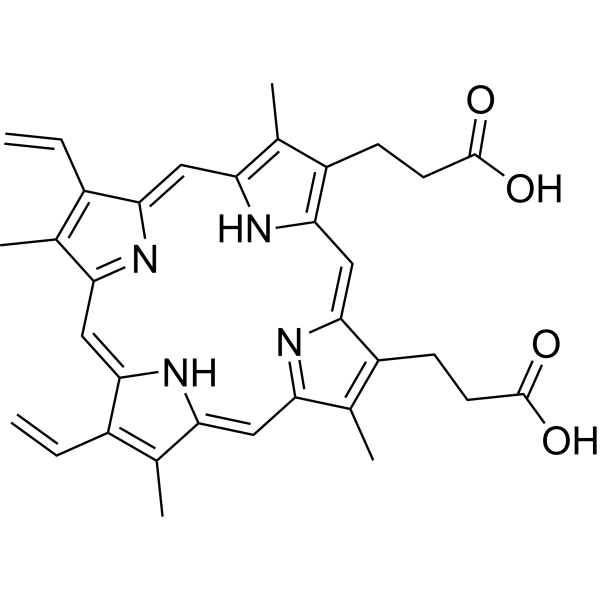
Protoporphyrin IX is a final intermediate in the heme biosynthetic pathway, which acts as a radiation sensitizer enhancing ROS generation even in a hypoxic state and inducing DNA damage. Protoporphyrin IX also acts as a photo sensitizer undergoing photobleaching that occurs through direct degradation by light irradiation. Protoporphyrin IX is formed and accumulated following 5-aminolevulinic acid (5-ALA) (HY-W000450) administration in the tumor cells of rats. Protoporphyrin IX causes selective improvement of basal cell carcinoma when activated red fluorescence of a peak wavelength at 405 nm. Protoporphyrin IX is promising for research of sonodynamic and photodynamic agents for a wide range of cancers, such as bladder cancer and nodular basal cell carcinoma .
|
-
-
- HY-105129
-
|
|
Biochemical Assay Reagents
|
Cancer
|
|
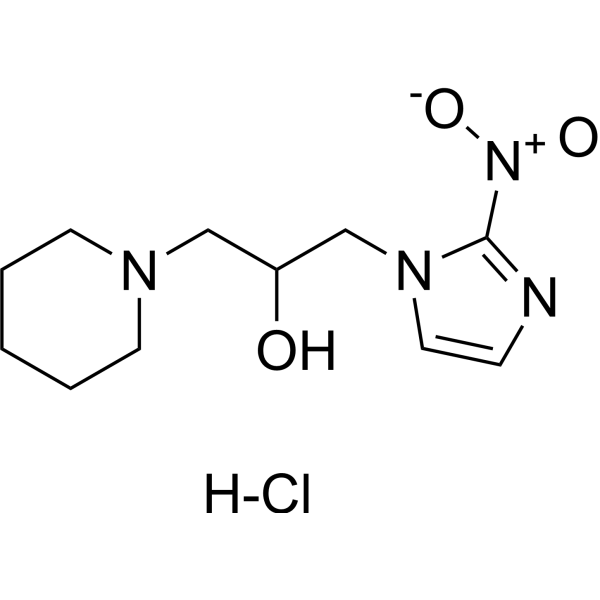
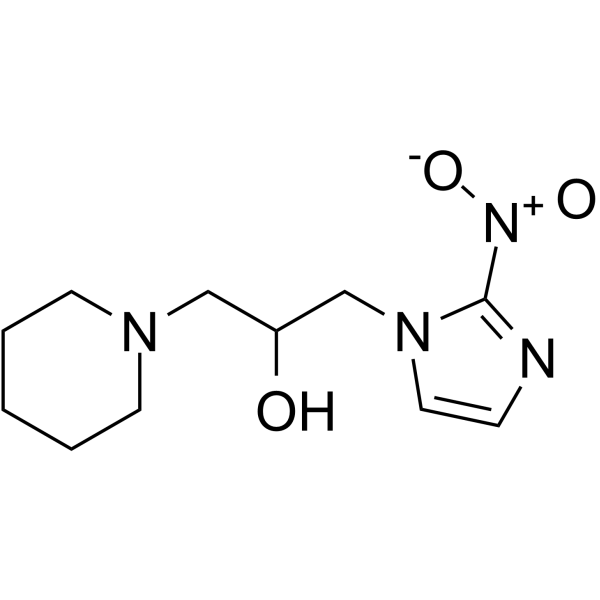
Pimonidazole is a novel hypoxia marker for complementary study of tumor hypoxia and cell proliferation in tumor . Pimonidazole accumulates in hypoxic cells via covalent binding with macromolecules or by forming reductive metabolites after reduction of its nitro group, it can be used for qualitative and quantitative assessment of tumor hypoxia .
|
-
-
- HY-105129A
-
|
|
Biochemical Assay Reagents
|
Cancer
|
|
Pimonidazole is a novel hypoxia marker for complementary study of tumor hypoxia and cell proliferation in tumor . Pimonidazole accumulates in hypoxic cells via covalent binding with macromolecules or by forming reductive metabolites after reduction of its nitro group, it can be used for qualitative and quantitative assessment of tumor hypoxia .
|
-
-
- HY-13767
-
|
SR259075; SR4233; Win59075; SML 0552; SR 259075; Tirazone
|
DNA/RNA Synthesis
|
Cancer
|
|
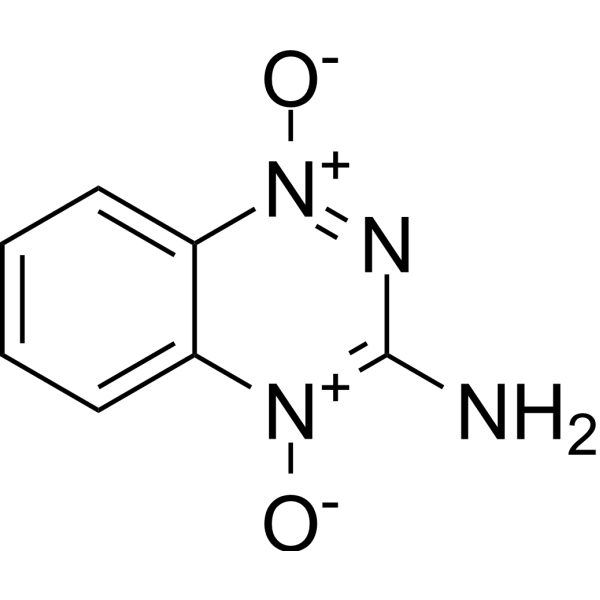
Tirapazamine (SR259075) is an anticancer agent that shows selective cytotoxicity for hypoxic cells in solid tumors, thereby inducing single-and double-strand breaks in DNA, base damage, and cell death. Tirapazamine is an anticancer and bioreductive agent.Tirapazamine (SR259075) can enhance the cytotoxic effects of ionizing radiation in hypoxic cells .
|
-
-
- HY-124379
-
TPCK
1 Publications Verification
L-1-Tosylamido-2-phenylethyl chloromethyl ketone; L-TPCK
|
Ser/Thr Protease
HPV
Apoptosis
PDK-1
|
Infection
Neurological Disease
Inflammation/Immunology
Cancer
|
|
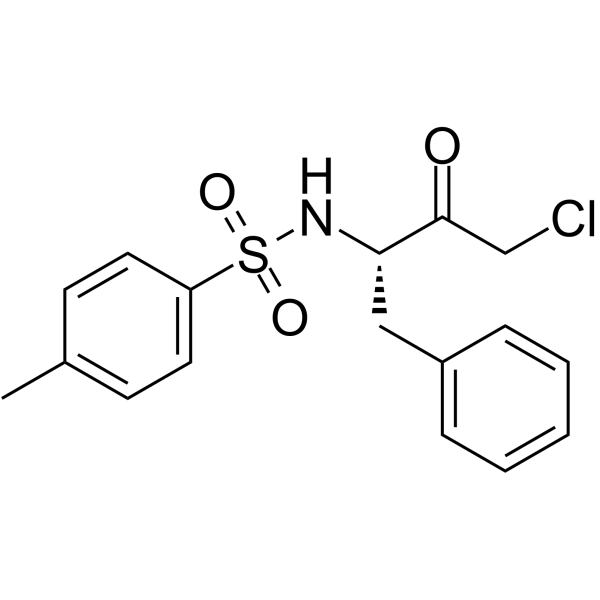
TPCK (L-1-Tosylamido-2-phenylethyl chloromethyl ketone; L-TPCK) is an effective serine protease inhibitor and also a blocker of the PDK1/Akt pathway. TPCK can modify the E7 protein in actively keratinocyte cells. TPCK can induce cellular apoptosis, suppress tumor growth, reduce hypoxic-ischemic brain injury in rat pups, and affect vascular permeability in inflamed rats .
|
-
-
- HY-119264
-
|
|
Molecular Glues
Ras
Apoptosis
HIF/HIF Prolyl-Hydroxylase
|
Cancer
|
|
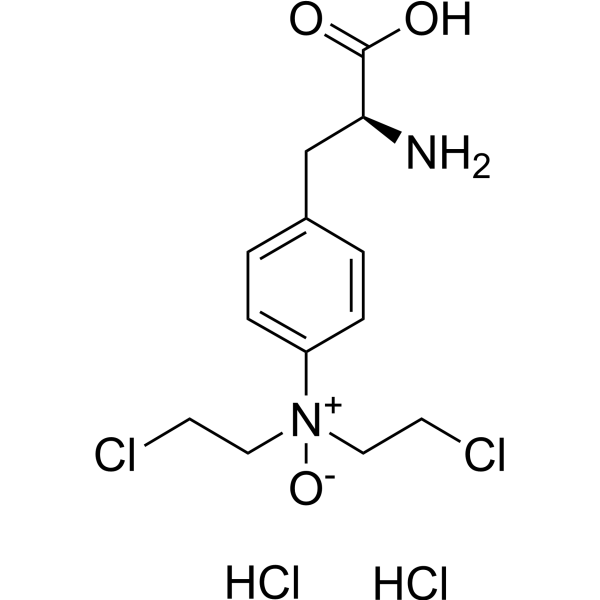
PRLX-93936 is a molecular Glues that binds to and reprograms the TRIM21 ubiquitin ligase to degrade nuclear pore complexes. PRLX-93936 binds to TRIM21, forms a ternary complex with TRIM21 and NUP98, and mediates the ubiquitination and proteasomal degradation of NUP98 and other nuclear pore complex proteins. PRLX-93936 induces the loss of short-lived cytoplasmic mRNA transcripts, triggers cancer cell apoptosis (Apoptosis), and inhibits the activated Ras pathway. PRLX-93936 inhibits HIF-1 under hypoxic conditions (IC50 = 0.09 μM in cell-based reporter gene assay). PRLX-93936 suppresses tumor growth in mouse models and improves survival rates in mouse models of multiple myeloma. PRLX-93936 is applicable to research related to pancreatic cancer and multiple myeloma .
|
-
-
- HY-W016409
-
|
Protocatechuic acid ethyl ester
|
HIF/HIF Prolyl-Hydroxylase
Reactive Oxygen Species (ROS)
NO Synthase
Autophagy
Apoptosis
|
Metabolic Disease
Cancer
|
|
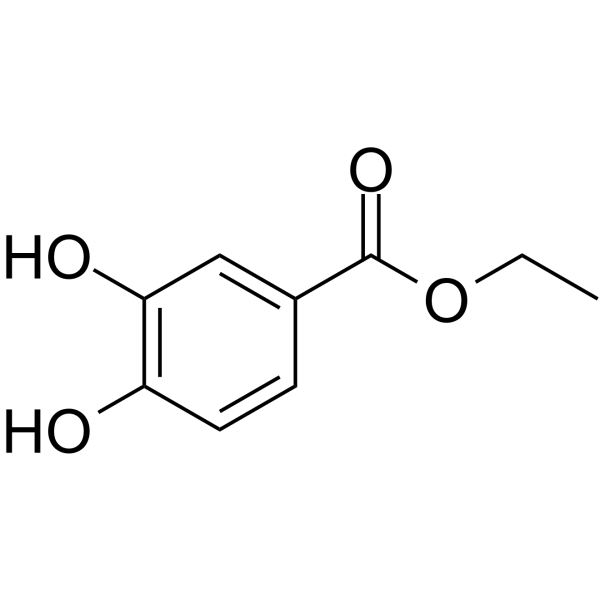
Ethyl 3,4-dihydroxybenzoate (Protocatechuic acid ethyl ester) is an orally effective, blood-brain barrier-permeable, competitive prolyl hydroxylase (PHD) inhibitor that inhibits the hydroxylation modification of hypoxia-inducible factor (HIF) by PHD. Ethyl 3,4-dihydroxybenzoate stabilizes HIF-1α by inhibiting PHD, activates downstream pathways to induce autophagy and apoptosis of tumor cells, and regulates inflammatory responses, inhibits the NF-κB pathway, improves vascular permeability, and promotes osteoblast differentiation. Ethyl 3,4-dihydroxybenzoate has anti-tumor, anti-hypoxic injury, and bone metabolism regulation effects. It can also be used in the research of cardiovascular protection (such as reducing myocardial ischemic damage), bone tissue engineering (promoting osteogenesis/inhibiting osteoclast differentiation), and prevention and treatment of high-altitude cerebral edema .
|
-
-
- HY-40136
-
|
|
Endogenous Metabolite
|
Cardiovascular Disease
Metabolic Disease
Endocrinology
Cancer
|
|
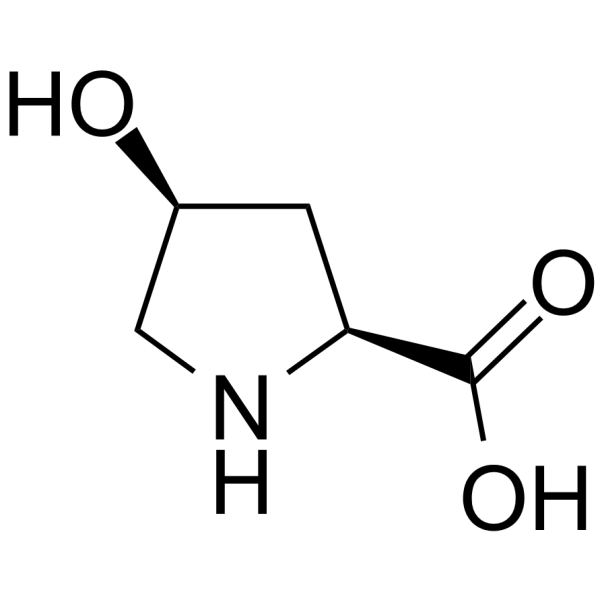
cis-4-Hydroxy-L-proline is an orally active proline analog and collagen production inhibitor. cis-4-Hydroxy-L-proline inhibits cell growth by preventing the deposition of triple helical collagen on the cell layer. cis-4-Hydroxy-L-proline inhibits N-nitrosomethylurea-induced breast tumor growth. cis-4-Hydroxy-L-proline improves lung compliance and reduces prostate weight. cis-4-Hydroxy-L-proline can be used in the study of hypoxic pulmonary hypertension .
|
-
-
- HY-119264A
-
|
|
Molecular Glues
Apoptosis
Ras
HIF/HIF Prolyl-Hydroxylase
|
Cancer
|
|
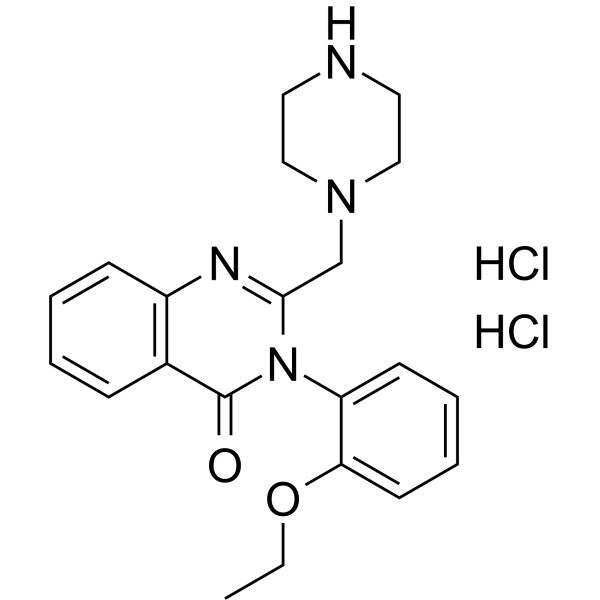
PRLX-93936 dihydrochloride is a molecular Glues that binds to and reprograms the TRIM21 ubiquitin ligase to degrade nuclear pore complexes. PRLX-93936 dihydrochloride binds to TRIM21, forms a ternary complex with TRIM21 and NUP98, and mediates the ubiquitination and proteasomal degradation of NUP98 and other nuclear pore complex proteins. PRLX-93936 dihydrochloride induces the loss of short-lived cytoplasmic mRNA transcripts, triggers cancer cell apoptosis (Apoptosis), and inhibits the activated Ras pathway. PRLX-93936 dihydrochloride inhibits HIF-1 under hypoxic conditions (IC50 = 0.09 μM in cell-based reporter gene assay). PRLX-93936 dihydrochloride suppresses tumor growth in mouse models and improves survival rates in mouse models of multiple myeloma. PRLX-93936 dihydrochloride is applicable to research related to pancreatic cancer and multiple myeloma .
|
-
-
- HY-P1435
-
|
|
NADPH Oxidase
|
Cardiovascular Disease
Cancer
|
|
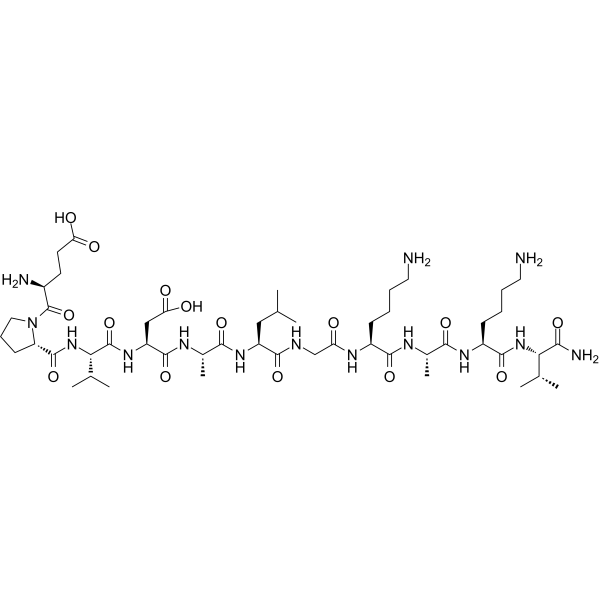
NoxA1ds is a potent and highly selective NADPH oxidase 1 (NOX1) inhibitor (IC50=20 nM). NoxA1ds inhibits NOX1-derived O 2- production in HT-29 human colon cancer cells. NoxA1ds attenuates VEGF-induced human pulmonary artery endothelial cell migration under hypoxic conditions in vitro. NoxA1ds can be used in the study of hypertension, atherosclerosis and tumors .
|
-
-
- HY-B1247R
-
|
PPIX (Standard)
|
Reference Standards
Endogenous Metabolite
|
Others
|
|
Protoporphyrin IX (Standard) is the analytical standard of Protoporphyrin IX. This product is intended for research and analytical applications. Protoporphyrin IX is a final intermediate in the heme biosynthetic pathway, which acts as a radiation sensitizer enhancing ROS generation even in a hypoxic state and inducing DNA damage. Protoporphyrin IX also acts as a photo sensitizer undergoing photobleaching that occurs through direct degradation by light irradiation. Protoporphyrin IX is formed and accumulated following 5-aminolevulinic acid (5-ALA) (HY-W000450) administration in the tumor cells of rats. Protoporphyrin IX causes selective improvement of basal cell carcinoma when activated red fluorescence of a peak wavelength at 405 nm. Protoporphyrin IX is promising for research of sonodynamic and photodynamic agents for a wide range of cancers, such as bladder cancer and nodular basal cell carcinoma .
|
-
-
- HY-N13009
-
|
|
Raf
HIF/HIF Prolyl-Hydroxylase
ERK
MEK
Reactive Oxygen Species (ROS)
Apoptosis
Caspase
|
Cancer
|
|
MO-2097 is a RAF-1/HIF-1α inhibitor. MO-2097 induces RAF-1 destabilization, leading to a reduction in
EMT-associated transcription factors and mesenchymal markers. MO-2097 inhibits HIF-1a protein expression mediated by hnRNPA2B1 under hypoxic and mimetic hypoxia. MO-2097 induces mitochondrial ROS, which leads to apoptosis in cells. MO-2097 effectively suppresses colorectal cancer metastasis by inhibiting the RAF/MEK/ERK signaling pathway. MO-2097 attenuates tumor growth in a xenograft HCT116 cell mouse model. MO-2097 can be used for the study of colorectal cancer .
|
-
-
- HY-13730
-
|
N-Methylmitomycin C; NSC-56410; U-14743
|
DNA Alkylator/Crosslinker
|
Cancer
|
|
Porfiromycin (N-Methylmitomycin C) is a bioreductive alkylating agent that preferentially kill hypoxic tumor cells relative to other aerobic counterparts .
|
-
-
- HY-D1450
-
|
S01448
|
Fluorescent Dye
|
Cancer
|
|
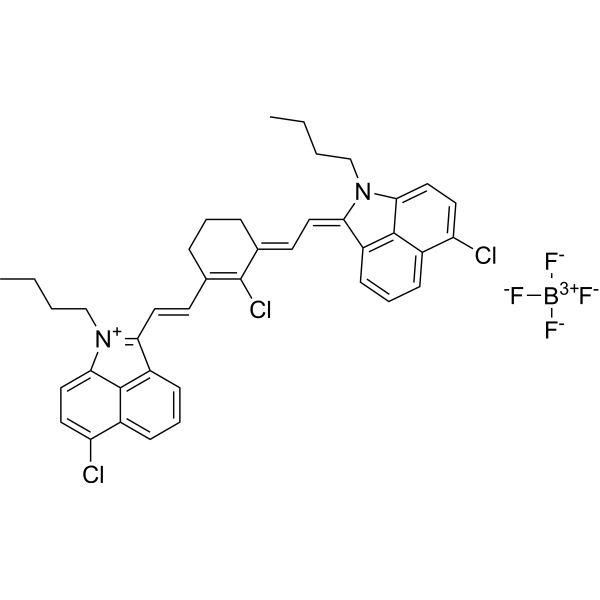
IR-1048 is a nitroreductase (NTR)-responsive near-infrared fluorescence (NIR)/photoacoustic (PA) imaging probe and photothermal agent. IR-1048 is coupled with a nitroimidazole group to form IR-1048-MZ. IR-1048-MZ is catalytically reduced by NTR in a hypoxic environment, restoring strong near-infrared absorption and fluorescence emission (NIR II window), while activating the photothermal effect. IR-1048 relies on NTR-mediated electron transfer to relieve intramolecular fluorescence quenching, achieving specific imaging and photothermal ablation of tumor hypoxic areas. IR-1048 is mainly used for high-contrast NIR II/photoacoustic imaging and photothermal therapy research and tumor diagnosis of the tumor hypoxic microenvironment .
|
-
-
- HY-170779
-
|
|
FAP
|
Cancer
|
|
DOTA-NI-FAPI-04 is a FAP inhibitor (IC50 = 7.44 nM). By integrating FAP targeting with hypoxia-sensitive groups (nitroimidazole), DOTA-NI-FAPI-04 significantly enhances tumor uptake and retention capabilities. DOTA-NI-FAPI-04 chelates metallic isotopes (such as 68Ga and 177Lu) through DOTA to produce radioactive probes ([68Ga]Ga/DOTA-NI-FAPI-04 and [177Lu]Lu/DOTA-NI-FAPI-04), which can be used for research in tumor diagnostics and therapeutic agents. DOTA-NI-FAPI-04 holds dual targeting potential in the fields of cancer imaging, tumor microenvironment analysis, and radionuclide therapy, particularly suitable for scenarios where the tumor stroma and hypoxic regions synergistically interact .
|
-
-
- HY-B1247A
-
|
PPIX disodium
|
Endogenous Metabolite
|
Cancer
|
|
Protoporphyrin IX disodium is a final intermediate in the heme biosynthetic pathway, which acts as a radiation sensitizer enhancing ROS generation even in a hypoxic state and inducing DNA damage. Protoporphyrin IX disodium also acts as a photo sensitizer undergoing photobleaching that occurs through direct degradation by light irradiation. Protoporphyrin IX disodium is formed and accumulated following 5-aminolevulinic acid (5-ALA) (HY-W000450) administration in the tumor cells of rats. Protoporphyrin IX disodium causes selective improvement of basal cell carcinoma when activated red fluorescence of a peak wavelength at 405 nm. Protoporphyrin IX disodium is promising for research of sonodynamic and photodynamic agents for a wide range of cancers, such as bladder cancer and nodular basal cell carcinoma .
|
-
-
- HY-40136S
-
|
|
Isotope-Labeled Compounds
Endogenous Metabolite
|
Cardiovascular Disease
Metabolic Disease
Endocrinology
Cancer
|
|
cis-4-Hydroxy-L-proline-d3 is the deuterium labeled cis-4-Hydroxy-L-proline (HY-40136). cis-4-Hydroxy-L-proline is an orally active proline analog and collagen production inhibitor. cis-4-Hydroxy-L-proline inhibits cell growth by preventing the deposition of triple helical collagen on the cell layer. cis-4-Hydroxy-L-proline inhibits N-nitrosomethylurea-induced breast tumor growth. cis-4-Hydroxy-L-proline improves lung compliance and reduces prostate weight. cis-4-Hydroxy-L-proline can be used in the study of hypoxic pulmonary hypertension .
|
-
-
- HY-105061
-
|
Ro 7-0582; SR 1354
|
Bacterial
Parasite
|
Infection
Cancer
|
|
Misonidazole (Ro 7-0582; SR 1354) is a hypoxic tumor cell radiosensitizer . Misonidazole also has antimicrobial effects .
|
-
-
- HY-105211
-
|
|
Biochemical Assay Reagents
|
Cancer
|
|
KU-2285 is an orally active fluorinated 2-nitroimidazole hypoxic cell radiosensitizer. KU-2285 has higher lipophilicity, superior sensitizing activity to Etanidazole (HY-116972), and lower neurotoxicity. KU-2285 can be used in research related to tumor diagnosis .
|
-
-
- HY-169100
-
|
|
VEGFR
PI3K
Akt
mTOR
p38 MAPK
HIF/HIF Prolyl-Hydroxylase
|
Cancer
|
|
Antiproliferative agent-57 (compound M2) is a tumor angiogenesis inhibitor. Antiproliferative agent-57 inhibits the secretion of VEGF in SiHa cells under hypoxic conditions (IC50=0.68 μM) without inducing cytotoxicity. Antiproliferative agent-57 can modulate the PI3K/AKT/mTOR and MAPK signaling pathways in tumor cells to inhibit the expression of HIF-1α and VEGF in tumor tissues .
|
-
-
- HY-155003
-
|
|
Fluorescent Dye
|
Cancer
|
|
TPEQM-DMA is a NIR-II photosensitizer. TPEQM-DMA accumulates in cancerous mitochondria, and inhibits cancer cell growth. TPEQM-DMA has potent type-I phototherapeutic efficacy to overcome the intrinsic pitfalls of PDT in combating hypoxic tumors .
|
-
-
- HY-118722
-
|
|
DNA/RNA Synthesis
Cytochrome P450
|
Cancer
|
|
RB-90740 is a type of biological reducing agent. RB-90740 is activated through metabolic reduction and generates cytotoxic products, thereby selectively killing tumor cells (usually in a hypoxic environment). RB-90740 has selective toxicity towards hypoxic cells, which is mainly achieved by causing DNA strand breaks and activating reducing enzymes (such as Cytochrome P450). RB-90740 does not initially exhibit cytotoxicity similar to its in vitro properties in hypoxic cells in mouse models. RB-90740 can be used to study the tumor physiological environment
|
-
-
- HY-117249
-
|
AK-2123
|
Apoptosis
Caspase
|
Cancer
|
|
Sanazole (AK-2123) is a hypoxic cell radiosensitizer. Sanazole enhances radiation-induced DNA strand breaks. In mouse fibroblast tumors, Sanazole increases nuclear condensation and fragmentation, as well as elevates caspase-3 activity, thereby enhancing radiation-induced apoptosis .
|
-
-
- HY-156169
-
|
|
Carbonic Anhydrase
|
Cancer
|
|
hCAIX/XII-IN-7 (compound 3e) is a potent hCA IX and XII inhibitor with Kis of 3.2 nM, 9.2 nM, 503.7 nM and 59 nM for hCA I, hCA II, hCA IX and hCA XII, respectively. hCAIX/XII-IN-7 has the potential for hypoxic tumors research .
|
-
-
- HY-W272058
-
|
|
Drug Derivative
|
Cancer
|
|
Isometronidazole is a hypoxic cell sensitizer. Isometronidazole (750 mg/kg) shows an efficacy as a hypoxic cell sensitizer in severely hypoxic FaDu tumors but not in less hypoxic GL tumors.
|
-
-
- HY-W272058R
-
|
|
Biochemical Assay Reagents
Reference Standards
|
Cancer
|
|
Isometronidazole (Standard) is the analytical standard of Isometronidazole. This product is intended for research and analytical applications. Isometronidazole is a hypoxic cell sensitizer. Isometronidazole (750 mg/kg) shows an efficacy as a hypoxic cell sensitizer in severely hypoxic FaDu tumors but not in less hypoxic GL tumors.
|
-
-
- HY-170565
-
|
|
Mitophagy
Apoptosis
|
Cancer
|
|
CHD-1 is a a hypoxia-activated antitumor prodrug. CHD-1 impairs mitochondrial morphology and membrane potential in hypoxic tumor cells, further triggering excessive mitophagy and inducing apoptosis. CHD-1 inhibits the growth of hypoxic tumor cells in vitro and the growth of HeLa xenograft in vivo .
|
-
-
- HY-159132
-
|
|
Carbonic Anhydrase
|
Cancer
|
|
CAIX/CAXII-IN-2 (compound 23) is a CAIX/CAXII inhibitor, with Ki values of 8.9 nM and 5.3 nM for CAIX/CAXII, respectively. CAIX/CAXII-IN-2 can be used in cancer research .
|
-
-
- HY-U00279B
-
|
|
DNA/RNA Synthesis
|
Cancer
|
|
Nitracrine hydrochloride is a platinum-based antineoplastic drug with selective toxicity to hypoxic cells. Nitracrine hydrochloride exhibits significant cytotoxicity against the Chinese hamster ovary cell line AA8 under hypoxic conditions. Nitracrine hydrochloride exerts its effect by binding to the insertion of DNA and forming covalent adducts. The cytotoxicity of Nitracrine hydrochloride under hypoxic conditions is related to its reductive metabolism to form alkylated substances. At the same time, it may enhance the reactivity to DNA through the insertion of DNA, thereby improving the efficacy. Nitracrine hydrochloride can also inhibit RNA synthesis, contributing to its anti-tumor effect .
|
-
-
- HY-105129AS
-
|
|
Isotope-Labeled Compounds
|
Cancer
|
|
Pimonidazole-d10 is the deuterium labeled Pimonidazole. Pimonidazole is a novel hypoxia marker for complementary study of tumor hypoxia and cell proliferation in tumor . Pimonidazole accumulates in hypoxic cells via covalent binding with macromolecules or by forming reductive metabolites after reduction of its nitro group, it can be used for qualitative and quantitative assessment of tumor hypoxia .
|
-
-
- HY-105129R
-
|
|
Reference Standards
Others
|
Cancer
|
|
Pimonidazole (hydrochloride) (Standard) is the analytical standard of Pimonidazole (hydrochloride). This product is intended for research and analytical applications. Pimonidazole is a novel hypoxia marker for complementary study of tumor hypoxia and cell proliferation in tumor . Pimonidazole accumulates in hypoxic cells via covalent binding with macromolecules or by forming reductive metabolites after reduction of its nitro group, it can be used for qualitative and quantitative assessment of tumor hypoxia .
|
-
-
- HY-105129AR
-
|
|
Reference Standards
Others
|
Cancer
|
|
Pimonidazole (Standard) is the analytical standard of Pimonidazole. This product is intended for research and analytical applications. Pimonidazole is a novel hypoxia marker for complementary study of tumor hypoxia and cell proliferation in tumor . Pimonidazole accumulates in hypoxic cells via covalent binding with macromolecules or by forming reductive metabolites after reduction of its nitro group, it can be used for qualitative and quantitative assessment of tumor hypoxia .
|
-
-
- HY-163545
-
|
|
Drug Derivative
|
Cancer
|
|
Tc-Me2P is a 99MTC-labeled acrylamide (PnAO) derivative that contains two 4-methyl-2-nitroimidazole groups. The primary activity of Tc-Me2P is as an imaging agent for tumor hypoxia. By specifically binding to hypoxic regions in tumor tissue, it can be used for single photon emission computed tomography (SPECT) and positron emission tomography (PET) imaging to detect hypoxia in tumors. Tc-Me2P can be used to study the targeting of different chemical structures in tumors and normal tissues .
|
-
-
- HY-149257
-
|
|
JAK
STAT
|
Cancer
|
|
HAT-SIL-TG-1&AT is a Janus tyrosine kinase (JAK) inhibitor with antitumor effects. HAT-SIL-TG-1&AT is the hypoxia-activated prodrug, witch inhibits JAK-STAT signaling in tumor tissue. And HAT-SIL-TG-1&AT inhibits HEL cells proliferation and downregulated phosphorylated STAT3/5 under hypoxic conditions .
|
-
-
- HY-175638
-
|
|
Carbonic Anhydrase
Apoptosis
Bcl-2 Family
CDK
|
Cancer
|
|
Carbonic anhydrase-IN-35 is a selective carbonic anhydrase (CA) inhibitor. Carbonic anhydrase-IN-35 potently inhibits tumor-associated hCA IX (Ki = 0.6 nM) and hCA XII (Ki = 2.2 nM). Carbonic anhydrase-IN-35 induces apoptosis in MCF-7 cells by elevating Bax, reducing Bcl-2, and downregulating CDK4/6. Carbonic anhydrase-IN-35 exhibits potent cytotoxicity against MCF-7 (IC50 = 0.3975 μM normoxic/0.6575 μM hypoxic), MCF-7-ADR (IC50> = 0.3975 μM normoxic/4.488 μM hypoxic), MDA-MB-231, and 4T1 breast cancer cells. Carbonic anhydrase-IN-35 can be used for the study of breast cancer .
|
-
-
- HY-155760
-
|
|
VEGFR
Carbonic Anhydrase
|
Cancer
|
|
hCA/VEGFR-2-IN-3 (compound 8j) is an indolinonylbenzenesulfonamide and a potential dual inhibitor of cancer-associated hCA IX/XII and VEGFR-2. hCA/VEGFR-2-IN-3 inhibits VEGFR-2 (IC50=358 nM), has high binding activity to hCAs with Ki of 4.2 nM (hCA IX), 22.9 nM (hCA II), 25.1 nM (hCA I), 28.0 nM (hCA XII), respectively. hCA/VEGFR-2-IN-3 has antiproliferative activity against VEGFR-2 overexpressing breast cancer cells .
|
-
-
- HY-155763
-
|
|
VEGFR
Carbonic Anhydrase
|
Cancer
|
|
hCA/VEGFR-2-IN-4 (compound 15b) is an indolinylbenzenesulfonamide and a potential dual inhibitor of cancer-associated hCA IX/XII and VEGFR-2. hCA/VEGFR-2-IN-4 inhibits VEGFR-2 (IC50=0.811 μM) and has high binding activity to hCAs, with Ki of 3.8 nM (hCA XII), 6.2 nM (hCA IX), 19.8 nM (hCA II), and 35.5 nM (hCA I), respectively. hCA/VEGFR-2-IN-4 has antiproliferative activity on VEGFR-2-overexpressing breast cancer cells .
|
-
-
- HY-155758
-
|
|
VEGFR
Carbonic Anhydrase
|
Cancer
|
|
hCA/VEGFR-2-IN-2 (compound 8g) is an indolinonylbenzenesulfonamide and a potential dual inhibitor of cancer-associated hCA IX/XII and VEGFR-2. hCA/VEGFR-2-IN-2 inhibits VEGFR-2 (IC50=204 nM) and has high binding activity to hCAs, with Kis of 3.6 nM (hCA IX), 16.1 nM (hCA II), 16.7 nM (hCA XII), and 75.3 nM (hCA I), respectively. hCA/VEGFR-2-IN-2 has antiproliferative activity on VEGFR-2-overexpressing breast cancer cells .
|
-
-
- HY-162000
-
|
|
Apoptosis
|
Cancer
|
hCAIX/XII-IN-13 is an inhibitor of human carbonic anhydrases (hCA). hCAIX/XII-IN-13 shows good inhibitory activity against the tumor-related CA subtypes IX and XII, with Ki values of 0.08 µM and 0.06 µM, respectively. Under hypoxic conditions, hCAIX/XII-IN-13 can restore the cytotoxicity of Doxorubicin (HY-15142A) on MCF-7 cells, increasing G2/M phase cell cycle arrest and apoptosis .
|
-
-
- HY-P1435A
-
|
|
NADPH Oxidase
|
Cardiovascular Disease
Cancer
|
|
NoxA1ds TFA is a potent and highly selective NADPH oxidase 1 (NOX1) inhibitor (IC50=20 nM). NoxA1ds TFA inhibits NOX1-derived O 2- production in HT-29 human colon cancer cells. NoxA1ds TFA attenuates VEGF-induced human pulmonary artery endothelial cell migration under hypoxic conditions in vitro. NoxA1ds TFA can be used in the study of hypertension, atherosclerosis and tumors .
|
-
-
- HY-178475
-
|
|
Carbonic Anhydrase
Glutathione Peroxidase
Ferroptosis
|
Cancer
|
|
CA IX/GPX4-IN-1 (Compound 22abcb) is a dual targeted inhibitor of CA IX and GPX4 activity. CA IX/GPX4-IN-1 can effectively kill SUM159PT cells (IC50 = 416 nM) by inducing iron death under hypoxic conditions. CA IX/GPX4-IN-1 has an IC50 of 663 nM to CA IX in SUM159PT-CAIX-FL cells. CA IX/GPX4-IN-1 can significantly inhibit tumor growth and can be reversed by ferroptosis inhibitors. CA IX/GPX4-IN-1 can be used for research on breast cancer and other cancers .
|
-
-
- HY-40136R
-
|
|
Reference Standards
Endogenous Metabolite
|
Cardiovascular Disease
Metabolic Disease
Endocrinology
Cancer
|
|
cis-4-Hydroxy-L-proline (Standard) is the analytical standard of cis-4-Hydroxy-L-proline (HY-40136). This product is intended for research and analytical applications. cis-4-Hydroxy-L-proline is an orally active proline analog and collagen production inhibitor. cis-4-Hydroxy-L-proline inhibits cell growth by preventing the deposition of triple helical collagen on the cell layer. cis-4-Hydroxy-L-proline inhibits N-nitrosomethylurea-induced breast tumor growth. cis-4-Hydroxy-L-proline improves lung compliance and reduces prostate weight. cis-4-Hydroxy-L-proline can be used in the study of hypoxic pulmonary hypertension .
|
-
-
- HY-W014394R
-
|
|
TRP Channel
Reference Standards
Parasite
|
Cardiovascular Disease
|
|
Protoporphyrin IX (Standard) is the analytical standard of Protoporphyrin IX. This product is intended for research and analytical applications. Protoporphyrin IX is a final intermediate in the heme biosynthetic pathway, which acts as a radiation sensitizer enhancing ROS generation even in a hypoxic state and inducing DNA damage. Protoporphyrin IX also acts as a photo sensitizer undergoing photobleaching that occurs through direct degradation by light irradiation. Protoporphyrin IX is formed and accumulated following 5-aminolevulinic acid (5-ALA) (HY-W000450) administration in the tumor cells of rats. Protoporphyrin IX causes selective improvement of basal cell carcinoma when activated red fluorescence of a peak wavelength at 405 nm. Protoporphyrin IX is promising for research of sonodynamic and photodynamic agents for a wide range of cancers, such as bladder cancer and nodular basal cell carcinoma .
|
-
-
- HY-W778057
-
|
Protocatechuic acid ethyl ester-13C3
|
Reactive Oxygen Species (ROS)
|
Cancer
|
|
Ethyl 3,4-Dihydroxybenzoate- 13C3 (Protocatechuic acid ethyl ester- 13C3) is the 13C-labeled Ethyl 3,4-dihydroxybenzoate (HY-W016409). Ethyl 3,4-dihydroxybenzoate (Protocatechuic acid ethyl ester) is an orally effective, blood-brain barrier-permeable, competitive prolyl hydroxylase (PHD) inhibitor that inhibits the hydroxylation modification of hypoxia-inducible factor (HIF) by PHD. Ethyl 3,4-dihydroxybenzoate stabilizes HIF-1α by inhibiting PHD, activates downstream pathways to induce autophagy and apoptosis of tumor cells, and regulates inflammatory responses, inhibits the NF-κB pathway, improves vascular permeability, and promotes osteoblast differentiation. Ethyl 3,4-dihydroxybenzoate has anti-tumor, anti-hypoxic injury, and bone metabolism regulation effects. It can also be used in the research of cardiovascular protection (such as reducing myocardial ischemic damage), bone tissue engineering (promoting osteogenesis/inhibiting osteoclast differentiation), and prevention and treatment of high-altitude cerebral edema .
|
-
-
- HY-W016409R
-
|
Protocatechuic acid ethyl ester (Standard)
|
Reference Standards
HIF/HIF Prolyl-Hydroxylase
Reactive Oxygen Species (ROS)
NO Synthase
Autophagy
Apoptosis
|
Metabolic Disease
Cancer
|
|
Ethyl 3,4-dihydroxybenzoate (Standard) (Protocatechuic acid ethyl ester (Standard)) is the analytical standard of Ethyl 3,4-dihydroxybenzoate (HY-W016409). This product is intended for research and analytical applications. Ethyl 3,4-dihydroxybenzoate (Protocatechuic acid ethyl ester) is an orally effective, blood-brain barrier-permeable, competitive prolyl hydroxylase (PHD) inhibitor that inhibits the hydroxylation modification of hypoxia-inducible factor (HIF) by PHD. Ethyl 3,4-dihydroxybenzoate stabilizes HIF-1α by inhibiting PHD, activates downstream pathways to induce autophagy and apoptosis of tumor cells, and regulates inflammatory responses, inhibits the NF-κB pathway, improves vascular permeability, and promotes osteoblast differentiation. Ethyl 3,4-dihydroxybenzoate has anti-tumor, anti-hypoxic injury, and bone metabolism regulation effects. It can also be used in the research of cardiovascular protection (such as reducing myocardial ischemic damage), bone tissue engineering (promoting osteogenesis/inhibiting osteoclast differentiation), and prevention and treatment of high-altitude cerebral edema .
|
-
-
- HY-W177315A
-
|
|
Biochemical Assay Reagents
|
Cancer
|
|
5-Nitrotryptamine is a radiosensitizer. 5-Nitrotryptamine shows radiosensitizing effects. 5-Nitrotryptamine can be used in the research of hypoxic tumors .
|
-
-
- HY-105095
-
|
PR 350; RP 343
|
Biochemical Assay Reagents
|
Cancer
|
|
Doranidazole (PR 350) is a radiosensitizer. Doranidazole increases the radiosensitivity of hypoxic SCCVII cells. Doranidazole significantly enhances radiation-induced growth delay in SCCVII tumors when administered intravenously before tumor irradiation. Doranidazole radiosensitizes tumors to an extent that depends on the tumor's oxygenation status. Doranidazole can be used for the study of lymphoma and hypoxic pancreatic tumors .
|
-
-
- HY-183570
-
|
|
Photosensitizer
Reactive Oxygen Species (ROS)
|
Cancer
|
|
Antitumor photosensitizer-11 is a type-I carbazole/benzindolium photosensitizer with antitumor activity. Antitumor photosensitizer-11 induces ROS generation via a type-I pathway, forming superoxide anions and hydroxyl radicals. Antitumor photosensitizer-11 triggers immunogenic cell death in cancer cells via enhanced oxidative stress. Antitumor photosensitizer-11 exhibits antiproliferative activity in normoxic and hypoxic environments, inhibits breast cancer tumor growth in vivo, and promotes dendritic cell maturation and T cell infiltration. Antitumor photosensitizer-11 can be used for the research of cancer, such as breast cancer .
|
-
-
- HY-116156
-
|
|
Biochemical Assay Reagents
|
Cancer
|
|
SR-4554 is a probe for the measurement of tumor hypoxia. SR-4554 undergoes enzymatic single-electron reduction reactions within hypoxic cells. SR-4554 determines the 19F retention index for four commonly used mouse tumors (EMT6, SCCVII, KILT and RIF-I) through 19F MRS technique. SR-4554 can used to detect tumor Hypoxia noninvasively by 19F magnetic resonance spectroscopy ( 19F MRS) .
|
-
- HY-125059
-
|
|
Endogenous Metabolite
|
Cancer
|
|
PTC-510 Free base is a compound that selectively inhibits hypoxia-induced VEGF expression in tumor cells. PTC-510 Free base demonstrates potent activity in reducing endogenous VEGF production under hypoxic conditions. PTC-510 Free base has been shown to control tumor growth effectively while minimizing toxicity. PTC-510 Free base represents a novel therapeutic strategy to address the limitations of current anti-VEGF therapies.
|
-
- HY-182066
-
|
|
PANoptosis
|
Cancer
|
|
Photosensitizer-9 is an iridium (III)-based photosensitizer with anti-melanoma activity. Photosensitizer-9 exhibits significant phototoxicity (IC50=0.98 μM) and an ideal phototoxicity index (PI=3.05). Under light irradiation, Photosensitizer-9 generates large amounts of intracellular •OH in an oxygen-independent manner. Photosensitizer-9 mediates photodynamic therapy under hypoxic conditions and synergistically activates PANoptosis (by upregulating cleaved Caspase-3, GSDMD-N, p-MLKL), ferroptosis (by disrupting the GSH-GPX4-LPO axis), apoptosis, pyroptosis and necroptosis in melanoma cells. Photosensitizer-9 induces immunogenic cell death by promoting the release of damage-associated molecular patterns under hypoxic conditions and increases the maturation rate of dendritic cells. Photosensitizer-9 reduces tumor volume in melanoma-bearing mice. Photosensitizer-9 is applicable to relevant studies on melanoma .
|
-
-
-
HY-L179
-
|
|
41 compounds
|
|
Radiotherapy is a common treatment for various cancers, and more than 50% of cancer patients require radiotherapy during the disease treatment. With advances in radiation technology and a better understanding of tumor biology, the efficacy of radiation therapy has gradually improved, and more and more patients have benefited from it. However, even with the use of advanced radiotherapy techniques, there are still many malignant tumor cells with low sensitivity to radiation, leading to the radiation effect is not ideal. To solve this problem, radiosensitizers have received more and more attention. Radiosensitizer is a kind of drug that can enhance the radiosensitivity of tumor cells and improve the effect of radiotherapy. Radiation sensitizers act in a variety of ways, such as killing hypoxic cells, enhancing DNA damage, inhibiting DNA damage repair, and blocking cell cycle progression, making tumor cells more susceptible to radiation damage and death than surrounding normal cells.
MCE designs a unique collection of 41 compounds with definite reported radiosensitization. It can be used for drug combination research in anti-cancer treatment.
|
-
-
HY-L204
-
|
|
535 compounds
|
|
Lactic acid metabolism is one of the key metabolic pathways within living organisms. It plays a crucial role not only in cellular energy conversion but is also closely related to a variety of physiological and pathological processes. The production and clearance of lactic acid are important indicators of cellular metabolic balance, and its abnormal regulation may lead to conditions such as lactic acidosis, muscle fatigue, and hereditary metabolic diseases. Moreover, lactic acid is closely related to the malignancy of tumors and is considered a biomarker for malignant tumors and poor prognosis. Lactic acid can serve as a metabolic substrate to support the metabolic needs of tumor cells under hypoxic conditions, and it can also cause acidification of the tumor microenvironment, suppress immune cell function to promote immune evasion, and induce drug resistance in tumor cells. Currently, targeting lactic acid-lactylation and its related metabolic pathways has become a new research avenue for cancer treatment. In-depth exploration of the molecular mechanisms of lactic acid metabolism can help in screening lead compounds that regulate the lactic acid metabolism.
MCE contains 535 small molecule compounds targeting enzymes involved in lactic acid metabolism. This library is of significant value for researching the role of lactate metabolism in the mechanisms of diseases.
|
| Cat. No. |
Product Name |
Target |
Research Area |
-
- HY-P1435
-
|
|
NADPH Oxidase
|
Cardiovascular Disease
Cancer
|
|
NoxA1ds is a potent and highly selective NADPH oxidase 1 (NOX1) inhibitor (IC50=20 nM). NoxA1ds inhibits NOX1-derived O 2- production in HT-29 human colon cancer cells. NoxA1ds attenuates VEGF-induced human pulmonary artery endothelial cell migration under hypoxic conditions in vitro. NoxA1ds can be used in the study of hypertension, atherosclerosis and tumors .
|
-
- HY-P1435A
-
|
|
NADPH Oxidase
|
Cardiovascular Disease
Cancer
|
|
NoxA1ds TFA is a potent and highly selective NADPH oxidase 1 (NOX1) inhibitor (IC50=20 nM). NoxA1ds TFA inhibits NOX1-derived O 2- production in HT-29 human colon cancer cells. NoxA1ds TFA attenuates VEGF-induced human pulmonary artery endothelial cell migration under hypoxic conditions in vitro. NoxA1ds TFA can be used in the study of hypertension, atherosclerosis and tumors .
|
| Cat. No. |
Product Name |
Category |
Target |
Chemical Structure |
-
- HY-N6782
-
-
-
- HY-B1247
-
-
-
- HY-W016409
-
|
Protocatechuic acid ethyl ester
|
Arachis hypogaea L.
Classification of Application Fields
Leguminosae
Phenols
Polyphenols
Metabolic Disease
Plants
Disease Research Fields
Source Classification
|
HIF/HIF Prolyl-Hydroxylase
Reactive Oxygen Species (ROS)
NO Synthase
Autophagy
Apoptosis
|
|
Ethyl 3,4-dihydroxybenzoate (Protocatechuic acid ethyl ester) is an orally effective, blood-brain barrier-permeable, competitive prolyl hydroxylase (PHD) inhibitor that inhibits the hydroxylation modification of hypoxia-inducible factor (HIF) by PHD. Ethyl 3,4-dihydroxybenzoate stabilizes HIF-1α by inhibiting PHD, activates downstream pathways to induce autophagy and apoptosis of tumor cells, and regulates inflammatory responses, inhibits the NF-κB pathway, improves vascular permeability, and promotes osteoblast differentiation. Ethyl 3,4-dihydroxybenzoate has anti-tumor, anti-hypoxic injury, and bone metabolism regulation effects. It can also be used in the research of cardiovascular protection (such as reducing myocardial ischemic damage), bone tissue engineering (promoting osteogenesis/inhibiting osteoclast differentiation), and prevention and treatment of high-altitude cerebral edema .
|
-
-
- HY-40136
-
-
-
- HY-B1247R
-
|
PPIX (Standard)
|
Structural Classification
Human Gut Microbiota Metabolites
Microorganisms
Ketones, Aldehydes, Acids
Endogenous metabolite
Source Classification
|
Reference Standards
Endogenous Metabolite
|
|
Protoporphyrin IX (Standard) is the analytical standard of Protoporphyrin IX. This product is intended for research and analytical applications. Protoporphyrin IX is a final intermediate in the heme biosynthetic pathway, which acts as a radiation sensitizer enhancing ROS generation even in a hypoxic state and inducing DNA damage. Protoporphyrin IX also acts as a photo sensitizer undergoing photobleaching that occurs through direct degradation by light irradiation. Protoporphyrin IX is formed and accumulated following 5-aminolevulinic acid (5-ALA) (HY-W000450) administration in the tumor cells of rats. Protoporphyrin IX causes selective improvement of basal cell carcinoma when activated red fluorescence of a peak wavelength at 405 nm. Protoporphyrin IX is promising for research of sonodynamic and photodynamic agents for a wide range of cancers, such as bladder cancer and nodular basal cell carcinoma .
|
-
-
- HY-N13009
-
|
|
Phenols
Polyphenols
Morus alba L.
Plants
Moraceae
Source Classification
|
Raf
HIF/HIF Prolyl-Hydroxylase
ERK
MEK
Reactive Oxygen Species (ROS)
Apoptosis
Caspase
|
|
MO-2097 is a RAF-1/HIF-1α inhibitor. MO-2097 induces RAF-1 destabilization, leading to a reduction in
EMT-associated transcription factors and mesenchymal markers. MO-2097 inhibits HIF-1a protein expression mediated by hnRNPA2B1 under hypoxic and mimetic hypoxia. MO-2097 induces mitochondrial ROS, which leads to apoptosis in cells. MO-2097 effectively suppresses colorectal cancer metastasis by inhibiting the RAF/MEK/ERK signaling pathway. MO-2097 attenuates tumor growth in a xenograft HCT116 cell mouse model. MO-2097 can be used for the study of colorectal cancer .
|
-
-
- HY-40136R
-
-
-
- HY-W014394R
-
|
|
Structural Classification
Monophenols
other families
Phenols
Plants
Source Classification
|
TRP Channel
Reference Standards
Parasite
|
|
Protoporphyrin IX (Standard) is the analytical standard of Protoporphyrin IX. This product is intended for research and analytical applications. Protoporphyrin IX is a final intermediate in the heme biosynthetic pathway, which acts as a radiation sensitizer enhancing ROS generation even in a hypoxic state and inducing DNA damage. Protoporphyrin IX also acts as a photo sensitizer undergoing photobleaching that occurs through direct degradation by light irradiation. Protoporphyrin IX is formed and accumulated following 5-aminolevulinic acid (5-ALA) (HY-W000450) administration in the tumor cells of rats. Protoporphyrin IX causes selective improvement of basal cell carcinoma when activated red fluorescence of a peak wavelength at 405 nm. Protoporphyrin IX is promising for research of sonodynamic and photodynamic agents for a wide range of cancers, such as bladder cancer and nodular basal cell carcinoma .
|
-
-
- HY-W016409R
-
|
Protocatechuic acid ethyl ester (Standard)
|
Structural Classification
Arachis hypogaea L.
Leguminosae
Phenols
Polyphenols
Plants
Source Classification
|
Reference Standards
HIF/HIF Prolyl-Hydroxylase
Reactive Oxygen Species (ROS)
NO Synthase
Autophagy
Apoptosis
|
|
Ethyl 3,4-dihydroxybenzoate (Standard) (Protocatechuic acid ethyl ester (Standard)) is the analytical standard of Ethyl 3,4-dihydroxybenzoate (HY-W016409). This product is intended for research and analytical applications. Ethyl 3,4-dihydroxybenzoate (Protocatechuic acid ethyl ester) is an orally effective, blood-brain barrier-permeable, competitive prolyl hydroxylase (PHD) inhibitor that inhibits the hydroxylation modification of hypoxia-inducible factor (HIF) by PHD. Ethyl 3,4-dihydroxybenzoate stabilizes HIF-1α by inhibiting PHD, activates downstream pathways to induce autophagy and apoptosis of tumor cells, and regulates inflammatory responses, inhibits the NF-κB pathway, improves vascular permeability, and promotes osteoblast differentiation. Ethyl 3,4-dihydroxybenzoate has anti-tumor, anti-hypoxic injury, and bone metabolism regulation effects. It can also be used in the research of cardiovascular protection (such as reducing myocardial ischemic damage), bone tissue engineering (promoting osteogenesis/inhibiting osteoclast differentiation), and prevention and treatment of high-altitude cerebral edema .
|
-
| Cat. No. |
Product Name |
Chemical Structure |
-
- HY-40136S
-
|
|
|
cis-4-Hydroxy-L-proline-d3 is the deuterium labeled cis-4-Hydroxy-L-proline (HY-40136). cis-4-Hydroxy-L-proline is an orally active proline analog and collagen production inhibitor. cis-4-Hydroxy-L-proline inhibits cell growth by preventing the deposition of triple helical collagen on the cell layer. cis-4-Hydroxy-L-proline inhibits N-nitrosomethylurea-induced breast tumor growth. cis-4-Hydroxy-L-proline improves lung compliance and reduces prostate weight. cis-4-Hydroxy-L-proline can be used in the study of hypoxic pulmonary hypertension .
|
-
-
- HY-105129AS
-
|
|
|
Pimonidazole-d10 is the deuterium labeled Pimonidazole. Pimonidazole is a novel hypoxia marker for complementary study of tumor hypoxia and cell proliferation in tumor . Pimonidazole accumulates in hypoxic cells via covalent binding with macromolecules or by forming reductive metabolites after reduction of its nitro group, it can be used for qualitative and quantitative assessment of tumor hypoxia .
|
-
-
- HY-W778057
-
|
|
|
Ethyl 3,4-Dihydroxybenzoate- 13C3 (Protocatechuic acid ethyl ester- 13C3) is the 13C-labeled Ethyl 3,4-dihydroxybenzoate (HY-W016409). Ethyl 3,4-dihydroxybenzoate (Protocatechuic acid ethyl ester) is an orally effective, blood-brain barrier-permeable, competitive prolyl hydroxylase (PHD) inhibitor that inhibits the hydroxylation modification of hypoxia-inducible factor (HIF) by PHD. Ethyl 3,4-dihydroxybenzoate stabilizes HIF-1α by inhibiting PHD, activates downstream pathways to induce autophagy and apoptosis of tumor cells, and regulates inflammatory responses, inhibits the NF-κB pathway, improves vascular permeability, and promotes osteoblast differentiation. Ethyl 3,4-dihydroxybenzoate has anti-tumor, anti-hypoxic injury, and bone metabolism regulation effects. It can also be used in the research of cardiovascular protection (such as reducing myocardial ischemic damage), bone tissue engineering (promoting osteogenesis/inhibiting osteoclast differentiation), and prevention and treatment of high-altitude cerebral edema .
|
-
| Cat. No. |
Product Name |
|
Classification |
-
- HY-159132
-
|
|
|
Azide
|
|
CAIX/CAXII-IN-2 (compound 23) is a CAIX/CAXII inhibitor, with Ki values of 8.9 nM and 5.3 nM for CAIX/CAXII, respectively. CAIX/CAXII-IN-2 can be used in cancer research .
|
-
- HY-178475
-
|
|
|
Alkynes
|
|
CA IX/GPX4-IN-1 (Compound 22abcb) is a dual targeted inhibitor of CA IX and GPX4 activity. CA IX/GPX4-IN-1 can effectively kill SUM159PT cells (IC50 = 416 nM) by inducing iron death under hypoxic conditions. CA IX/GPX4-IN-1 has an IC50 of 663 nM to CA IX in SUM159PT-CAIX-FL cells. CA IX/GPX4-IN-1 can significantly inhibit tumor growth and can be reversed by ferroptosis inhibitors. CA IX/GPX4-IN-1 can be used for research on breast cancer and other cancers .
|
Your information is safe with us. * Required Fields.
Inquiry Information
- Product Name:
- Cat. No.:
- Quantity:
- MCE Japan Authorized Agent:

