Search Result
Results for "
liver lesions
" in MedChemExpress (MCE) Product Catalog:
2
Biochemical Assay Reagents
2
Isotope-Labeled Compounds
| Cat. No. |
Product Name |
Target |
Research Areas |
Chemical Structure |
-
- HY-124748A
-
|
|
Protease Activated Receptor (PAR)
Apoptosis
|
Inflammation/Immunology
|
|
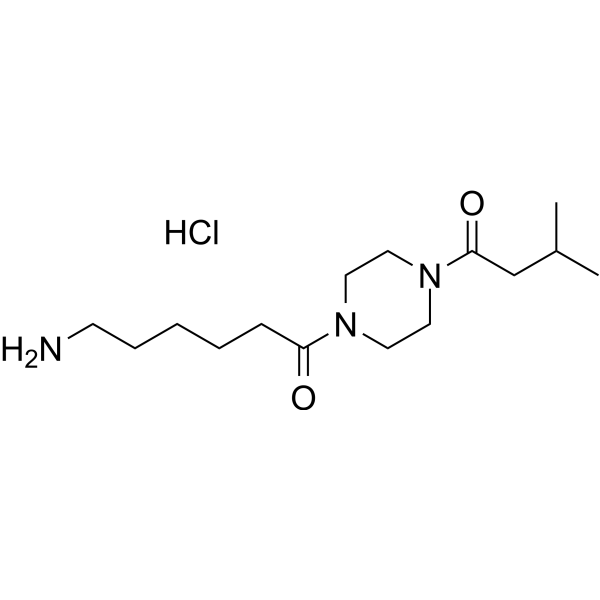
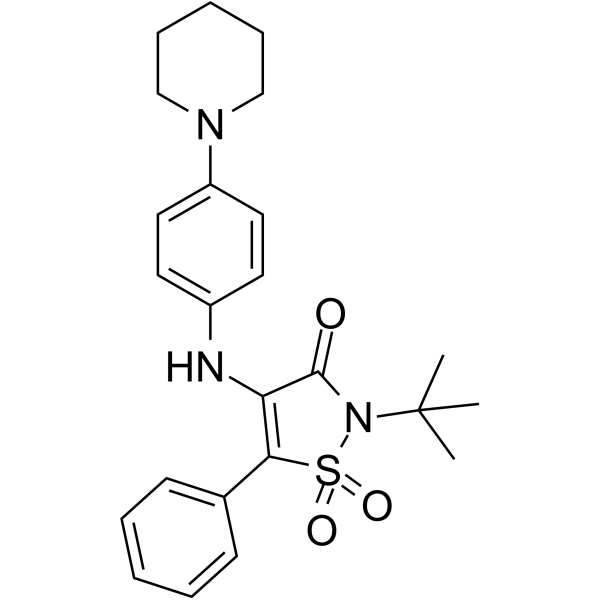
ENMD-1068 hydrochloride is a selective protease-activated receptor 2 (PAR2) antagonist. ENMD-1068 hydrochloride reduces hepatic stellate cell activation and collagen expression by inhibiting TGF-β1/Smad signaling. ENMD-1068 hydrochloride also inhibits the proliferation of endometrial cells and induces apoptosis of epithelial cells in the lesion. ENMD-1068 hydrochloride can be used in the study of endometriosis and liver fibrosis .
|
-
-
- HY-12642
-
|
|
Parasite
Bacterial
TNF Receptor
Interleukin Related
|
Infection
Metabolic Disease
Inflammation/Immunology
|
|
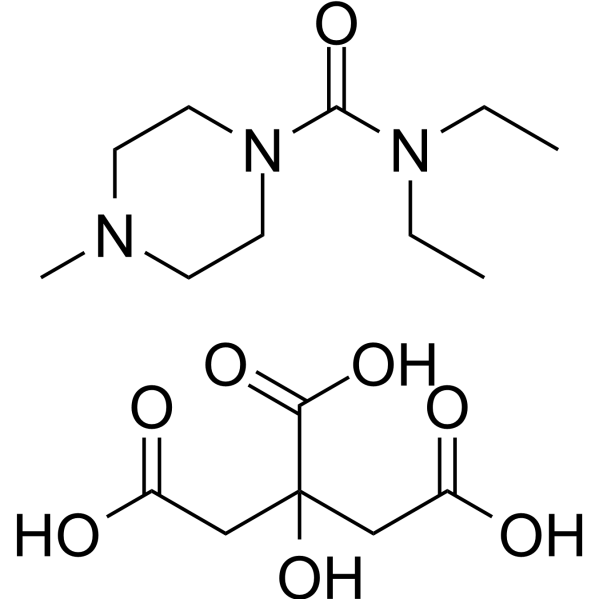
Diethylcarbamazine citrate is an orally active microfilaricidal agent used originally in onchocerciasis and lymphatic filiariasis. Diethylcarbamazine citrate reduces eosinophil trafficking to the lung tissue and exerts anti-allergic effects. Diethylcarbamazine citrate reduces serum levels of leptin, TNF-α, IL-6, MCP-1, glucose, insulin, and triglycerides, and ameliorates insulin resistance without altering body, liver, or adipose tissue weights. Diethylcarbamazine citrate enhances reactive oxygen intermediate expression by polymorphonuclear neutrophils, increases lymphocyte proliferation, and inhibits actinomycetoma lesion development. Diethylcarbamazine citrate can be used for the researches of bronchial asthma, insulin resistance and infection .
|
-
-
- HY-18282
-
|
|
LXR
|
Cardiovascular Disease
Metabolic Disease
Cancer
|
|
AZ876 is a selective, orally active agonist of liver X receptor (LXRα/β) (Ki=0.007 μM [LXRα, human], 0.011 μM [LXRβ, human]. AZ876 induces the expression of target genes such as ABCA1 and ABCG1, promotes reverse cholesterol transport (RCT) and regulates lipid metabolism and anti-inflammatory effects. AZ876 increases cardiac polyunsaturated fatty acid levels, reduces myocardial fibrosis, and reduces lesion area and monocyte adhesion in atherosclerosis models. AZ876 can be used in cardiovascular disease research, such as preventing and treating β-adrenergic-induced cardiac diastolic dysfunction and inhibiting the progression of atherosclerosis .
|
-
-
- HY-108292
-
|
|
NF-κB
|
Neurological Disease
Cancer
|
|
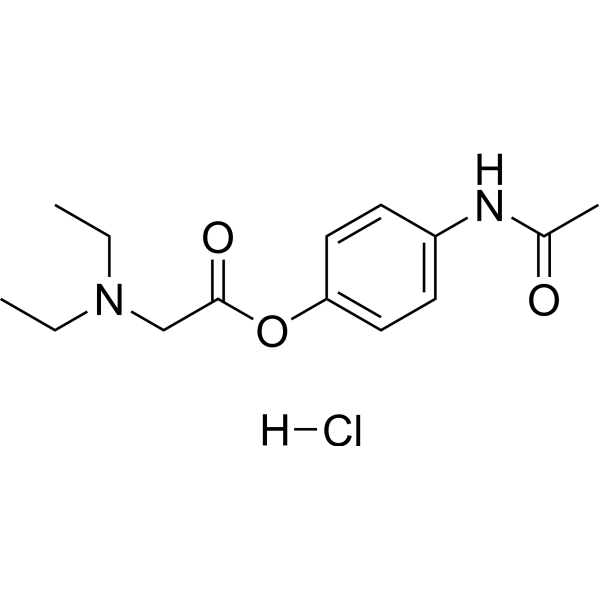
Propacetamol hydrochloride is an orally active prodrug of paracetamol and an inducer of acute liver injury models, with multiple properties including antinociception, antioxidation and gastroprotection. Propacetamol hydrochloride potentiates Tramadol and attenuates Aspirin (HY-14654)-induced gastric mucosal damage and lipid peroxidation. Under specific conditions, Propacetamol hydrochloride also acts as a hepatotoxic inducer, triggering acute liver injury, oxidative stress and apoptosis, with strain differences in toxicity sensitivity. Propacetamol hydrochloride can be used in the research of acute liver injury, drug-induced hepatotoxicity and gastric mucosal damage .
|
-
-
- HY-Y0496
-
|
|
Insecticide
Environmental Pollutants
Mitosis
|
Cancer
|
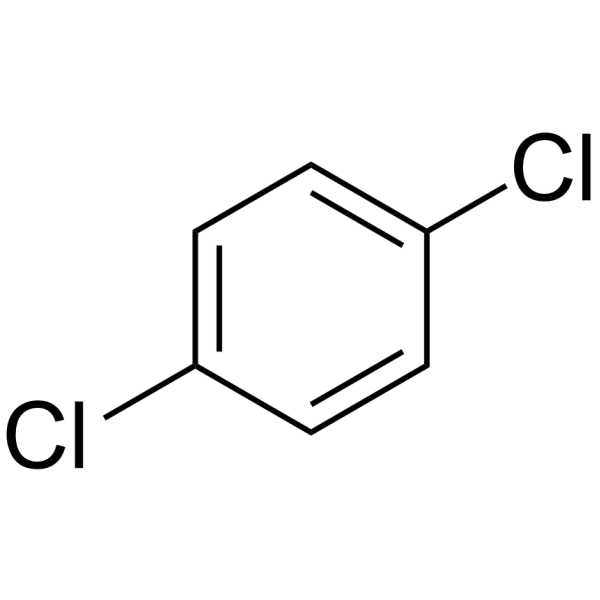
1,4-Dichlorobenzene is a non-genotoxic, orally active mitogenic/tumor-promoting carcinogen that is also widely used as a dye, resin intermediate, and deodorant, moth repellent/insecticide. 1,4-Dichlorobenzene induces liver tumors in mice and promotes the growth of spontaneous precancerous lesions, but shows no liver tumor-inducing activity in F344 rats. Exposure to 1,4-dichlorobenzene leads to elevated leukocyte counts, serum alanine aminotransferase, and blood urea nitrogen levels. Due to the hepatotoxic characteristics, 1,4-Dichlorobenzene is applicable to liver cancer-related research .
|
-
-
- HY-Y0850U3
-
|
Polyvinyl alcohol (Mw 125000, 98-99% hydrolyzed, ~2800 polymerization); Poly(Ethenol) (Mw 125000, 98-99% hydrolyzed, ~2800 polymerization)
|
Biochemical Assay Reagents
|
Others
|
|
PVA (Polyvinyl alcohol) (Mw 125000, 98-99% hydrolyzed, ~2800 polymerization) is a water-soluble, biodegradable, biocompatible and non-immunogenic polymer. PVA (Mw 125000, 98-99% hydrolyzed, ~2800 polymerization) causes no irritation to rabbit eyes, no skin sensitization in guinea pigs, promotes the proliferation of human skin keratinocytes, and reduces the loss of corneal endothelial cells. The LD50 of PVA (Mw 125000, 98-99% hydrolyzed, ~2800 polymerization) in rats and dogs is greater than 10 g/kg. PVA (Mw 125000, 98-99% hydrolyzed, ~2800 polymerization) is hardly absorbed by the digestive system, causes no adverse effects upon long-term oral administration, and shows no mutagenicity or carcinogenicity. However, repeated intravenous or portal vein injection of PVA (Mw 125000, 98-99% hydrolyzed, ~2800 polymerization) may induce pathological changes such as glomerular lesions, anemia, hypertension or liver fibrosis in rats or dogs. Crosslinked nanofibers prepared by modifying PVA (Mw 125000, 98-99% hydrolyzed, ~2800 polymerization) can be used in studies related to wound dressings and other applications .
|
-
-
- HY-B2010
-
-
-
- HY-N13250
-
|
|
Apoptosis
AMPK
Elastase
Bcl-2 Family
Interleukin Related
Caspase
PI3K
Akt
SOD
|
Cardiovascular Disease
|
|
Hawthorn Extract is an orally active hawthorn extract. Hawthorn Extract decreases Bax expression and increases Bcl-2 expression in the aorta. Hawthorn Extract regulates the AMPK signaling pathway, induces apoptosis, enhances the hepatic antioxidant system, and ameliorates symptoms of liver injury, inflammation and cancer. Hawthorn Extract reduces plasma levels of pro-inflammatory factors, increases plasma levels of anti-inflammatory adiponectin, and alleviates atherosclerotic plaque lesions in the aorta. Hawthorn Extract improves symptoms associated with chronic heart failure . Hawthorn Extract inhibits FMLP-induced superoxide anion production, Elastase release, ILB4 generation and calcium signaling in neutrophils, and also reduces LPS-induced cytokine production in neutrophils. Hawthorn Extract induces autophagy and inhibits the proliferation of intestinal stem cells. Hawthorn Extract can be used in research related to atherosclerosis, hepatitis, alcoholic liver disease, non-alcoholic fatty liver disease, hepatocellular carcinoma, chronic heart failure and hypotension .
|
-
-
- HY-12642A
-
|
|
Parasite
Bacterial
TNF Receptor
Interleukin Related
|
Infection
Metabolic Disease
Inflammation/Immunology
|
|
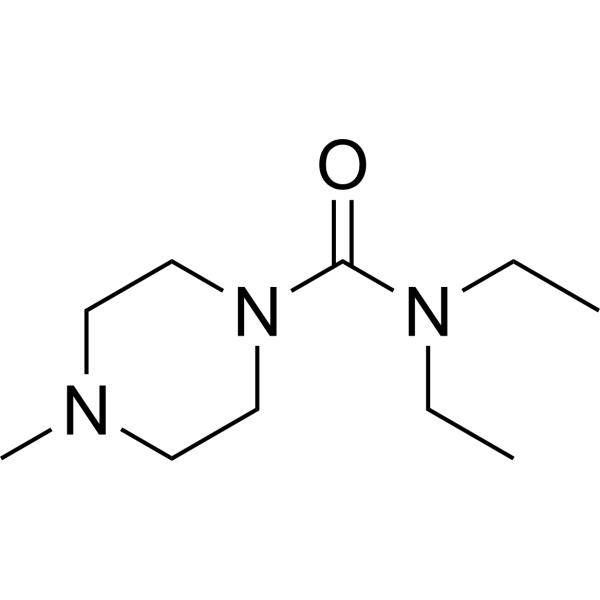
Diethylcarbamazine is an orally active microfilaricidal agent used originally in onchocerciasis and lymphatic filiariasis. Diethylcarbamazine reduces eosinophil trafficking to the lung tissue and exerts anti-allergic effects. Diethylcarbamazine reduces serum levels of leptin, TNF-α, IL-6, MCP-1, glucose, insulin, and triglycerides, and ameliorates insulin resistance without altering body, liver, or adipose tissue weights. Diethylcarbamazine enhances reactive oxygen intermediate expression by polymorphonuclear neutrophils, increases lymphocyte proliferation, and inhibits actinomycetoma lesion development. Diethylcarbamazine can be used for the researches of bronchial asthma, insulin resistance and infection .
|
-
-
- HY-145049
-
|
|
HBV
|
Infection
|
|
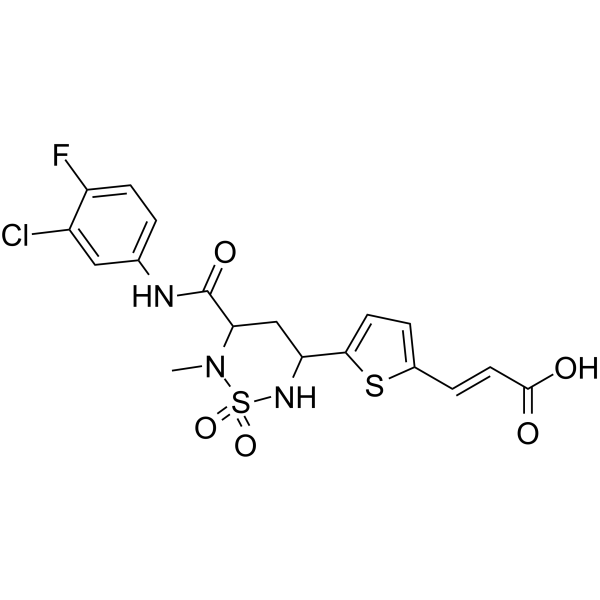
HBV-IN-6 is a potent HBV inhibitor with an EC50 of 44 nM (WO2021213445A1, compound 3) .
|
-
-
- HY-124748
-
|
|
Protease Activated Receptor (PAR)
Apoptosis
|
Inflammation/Immunology
|
|
ENMD-1068 is a selective protease-activated receptor 2 (PAR2) antagonist. ENMD-1068 reduces hepatic stellate cell activation and collagen expression by inhibiting TGF-β1/Smad signaling. ENMD-1068 also inhibits the proliferation of endometrial cells and induces apoptosis of epithelial cells in the lesion. ENMD-1068 can be used in the study of endometriosis and liver fibrosis .
|
-
-
- HY-Y0496S
-
|
|
Isotope-Labeled Compounds
Insecticide
|
Others
|
|
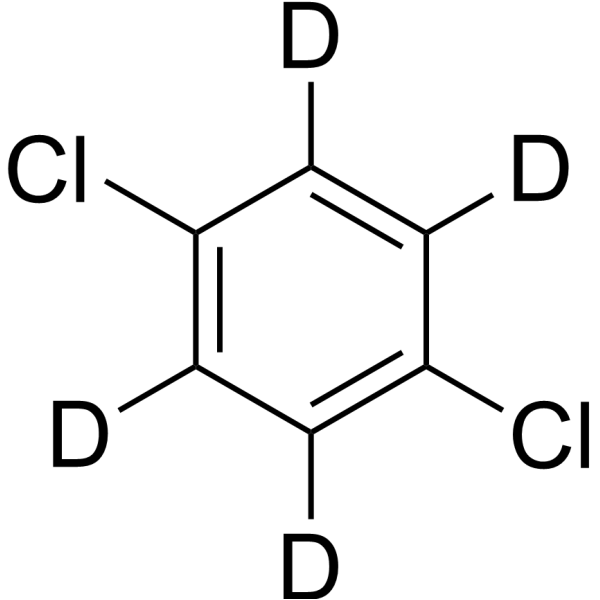
1,4-Dichlorobenzene-d4 is the deuterium labeled 1,4-Dichlorobenzene. 1,4-Dichlorobenzene is a non-genotoxic, orally active mitogenic/tumor-promoting carcinogen that is also widely used as a dye, resin intermediate, and deodorant, moth repellent/insecticide. 1,4-Dichlorobenzene induces liver tumors in mice and promotes the growth of spontaneous precancerous lesions, but shows no liver tumor-inducing activity in F344 rats. 1,4-Dichlorobenzene increases the levels of white blood cell count, serum alanine aminotransferase and blood urea nitrogen in occupationally exposed populations. 1,4-Dichlorobenzene is metabolized to 2,5-dichlorophenol and excreted in urine, and this metabolite can serve as a biomarker for 1,4-Dichlorobenzene exposure. Due to its specific hepatotoxic characteristics, 1,4-Dichlorobenzene is applicable to liver cancer-related research .
|
-
-
- HY-18282R
-
|
|
LXR
|
Cardiovascular Disease
Metabolic Disease
Cancer
|
|
AZ876 (Standard) is the analytical standard of AZ876. This product is intended for research and analytical applications. AZ876 is a selective, orally active agonist of liver X receptor (LXRα/β) (Ki=0.007 μM [LXRα, human], 0.011 μM [LXRβ, human]. AZ876 induces the expression of target genes such as ABCA1 and ABCG1, promotes reverse cholesterol transport (RCT) and regulates lipid metabolism and anti-inflammatory effects. AZ876 increases cardiac polyunsaturated fatty acid levels, reduces myocardial fibrosis, and reduces lesion area and monocyte adhesion in atherosclerosis models. AZ876 can be used in cardiovascular disease research, such as preventing and treating β-adrenergic-induced cardiac diastolic dysfunction and inhibiting the progression of atherosclerosis .
|
-
-
- HY-173383
-
|
1,2-dioleoyl-sn-glycero-3-phosphoethanolamine-N- tetraazacyclododecane-N-tetraacetic acid, sodium salt
|
Biochemical Assay Reagents
|
Inflammation/Immunology
Cancer
|
|
DOPE-DOTA sodium is a chelated lipid that serves as a key contrast agent in magnetic resonance imaging (MRI). DOPE-DOTA sodium can be used for cancer, blood-brain barrier disruption, abnormalities such as aneurysms or plaque buildup, inflammation in arthritis, and liver function and lesions study
|
-
-
- HY-145050
-
|
|
HBV
|
Infection
|
|
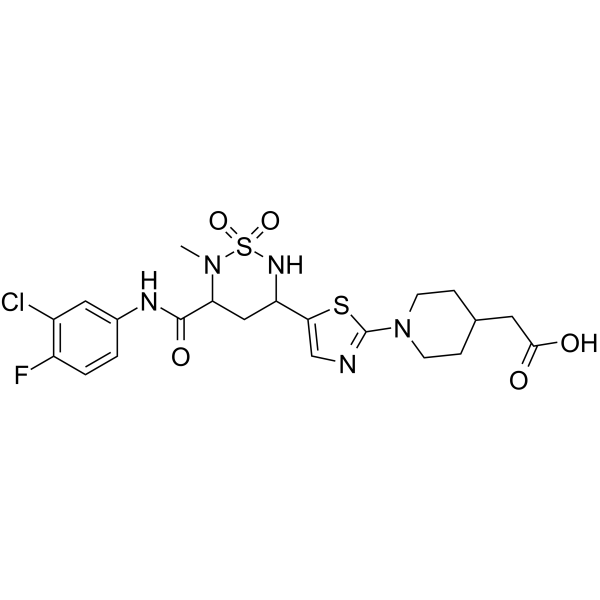
HBV-IN-7 is a potent HBV inhibitor with an EC50 of 7 nM (WO2021213445A1, compound 5) .
|
-
-
- HY-145051
-
|
|
HBV
|
Infection
|
|
HBV-IN-8 is a potent HBV inhibitor with an EC50 of 287.9 nM (WO2021213445A1, compound 13) .
|
-
-
- HY-B2010S
-
-
-
- HY-B2010R
-
-
-
- HY-Y0496R
-
|
|
Reference Standards
Insecticide
|
Others
|
|
1,4-Dichlorobenzene (Standard) is the analytical standard of 1,4-Dichlorobenzene. This product is intended for research and analytical applications. 1,4-Dichlorobenzene is a non-genotoxic, orally active mitogenic/tumor-promoting carcinogen that is also widely used as a dye, resin intermediate, and deodorant, moth repellent/insecticide. 1,4-Dichlorobenzene induces liver tumors in mice and promotes the growth of spontaneous precancerous lesions, but shows no liver tumor-inducing activity in F344 rats. 1,4-Dichlorobenzene increases the levels of white blood cell count, serum alanine aminotransferase and blood urea nitrogen in occupationally exposed populations. 1,4-Dichlorobenzene is metabolized to 2,5-dichlorophenol and excreted in urine, and this metabolite can serve as a biomarker for 1,4-Dichlorobenzene exposure. Due to its specific hepatotoxic characteristics, 1,4-Dichlorobenzene is applicable to liver cancer-related research .
|
-
-
- HY-12642AR
-
|
|
Reference Standards
Parasite
Bacterial
TNF Receptor
Interleukin Related
|
Infection
Metabolic Disease
Inflammation/Immunology
|
|
Diethylcarbamazine (Standard) is the analytical standard of Diethylcarbamazine (HY-12642A). This product is intended for research and analytical applications. Diethylcarbamazine is an orally active microfilaricidal agent used originally in onchocerciasis and lymphatic filiariasis. Diethylcarbamazine reduces eosinophil trafficking to the lung tissue and exerts anti-allergic effects. Diethylcarbamazine reduces serum levels of leptin, TNF-α, IL-6, MCP-1, glucose, insulin, and triglycerides, and ameliorates insulin resistance without altering body, liver, or adipose tissue weights. Diethylcarbamazine enhances reactive oxygen intermediate expression by polymorphonuclear neutrophils, increases lymphocyte proliferation, and inhibits actinomycetoma lesion development. Diethylcarbamazine can be used for the researches of bronchial asthma, insulin resistance and infection .
|
-
-
- HY-12642R
-
|
|
Reference Standards
Parasite
Bacterial
TNF Receptor
Interleukin Related
|
Infection
Metabolic Disease
Inflammation/Immunology
|
|
Diethylcarbamazine citrate (Standard) is the analytical standard of Diethylcarbamazine citrate (HY-12642). This product is intended for research and analytical applications. Diethylcarbamazine citrate is an orally active microfilaricidal agent used originally in onchocerciasis and lymphatic filiariasis. Diethylcarbamazine citrate reduces eosinophil trafficking to the lung tissue and exerts anti-allergic effects. Diethylcarbamazine citrate reduces serum levels of leptin, TNF-α, IL-6, MCP-1, glucose, insulin, and triglycerides, and ameliorates insulin resistance without altering body, liver, or adipose tissue weights. Diethylcarbamazine citrate enhances reactive oxygen intermediate expression by polymorphonuclear neutrophils, increases lymphocyte proliferation, and inhibits actinomycetoma lesion development. Diethylcarbamazine citrate can be used for the researches of bronchial asthma, insulin resistance and infection .
|
-
-
- HY-N18066
-
|
|
Drug Derivative
Acyltransferase
NF-κB
PPAR
Fatty Acid Synthase (FASN)
Keap1-Nrf2
|
Cardiovascular Disease
Metabolic Disease
Inflammation/Immunology
|
|
Esculeogenin A is the sapogenol of tomato saponin Esculeoside A (HY-N18067). Esculeogenin A is an orally active hepatoprotective, hypolipidemic, and antioxidant agent. Esculeogenin A regulates molecular targets like PPARα, SREBP1, Nrf2, NF-κB, ACAT1/ACAT2 to promote hepatic fatty acid oxidation, suppress de novo lipogenesis, enhance antioxidant defense, and inhibit inflammation. Esculeogenin A improves liver function, alleviates hyperlipidemia, and inhibits hepatic steatosis and foam cell formation, preventing nonalcoholic fatty liver disease in high-fat-diet-fed rats and reducing atherosclerotic lesions in apoE-deficient mice. Esculeogenin A can be used for the research of nonalcoholic fatty liver disease, atherosclerosis, and hyperlipidemia .
|
-
-
- HY-P11618
-
|
|
Glycoprotein VI
|
Cancer
|
|
10P3Me is a Glypican-3 (GPC3)-targeting probe with a Ka of 93.8 nM for the human target. 10P3Me exhibits high binding affinity to GPC3, targets GPC3-positive cells, and serves as an agent for PET imaging. 10P3Me selectively accumulates in GPC3-positive tumor tissues, including subcutaneous xenograft models and orthotopic HepG2-LUC liver cancer models, to achieve precise localization of lesions .
|
-
-
- HY-W133921
-
|
|
Biochemical Assay Reagents
|
Others
|
|
Dipropylene glycol is a mixture of three structural isomers (2-(2-hydroxypropoxy)-1-propanol, 1,1'-oxybis (2-propanol), and 2,2'-oxybis (1-propanol)). Dipropylene glycol induces liver and kidney damage as well as reproductive toxicity in rodents. Dipropylene glycol can be used in chemical industry-related research, such as for plasticizers, polyester resins, cosmetics, fragrances, polyurethane polyols, and alkyd resins .
|
-
-
- HY-P992459
-
|
|
ADC Antibody
Transmembrane Glycoprotein
|
Cancer
|
|
SGM-101 Antibody is a chimeric monoclonal antibody targeting carcinoembryonic antigen (CEA). SGM-101 Antibody can serve as a tumor-specific fluorescent imaging probe after being covalently conjugated with the near-infrared fluorescent dye BM104 . SGM-101 Antibody accumulates in CEA-positive tumor tissues via antigen-antibody specific binding, and emits near-infrared fluorescence to enable imaging of tumor lesions. SGM-101 Antibody can be used in research related to gastric cancer, colorectal cancer, pancreatic cancer, non-small cell lung cancer, breast cancer, peritoneal carcinomatosis, and liver metastases .
|
-
-
- HY-P992475
-
|
|
Radionuclide-Drug Conjugates (RDCs)
|
Cancer
|
|
Tecnemab K1 is an anti-Melanoma monoclonal antibody. Tecnemab K1 accumulates in metastatic lesions of malignant melanoma and some benign lesions. When radiolabeled, Tecnemab K1 can serve as a radiotracer for malignant melanoma research. The isotype control is Mouse IgG1 kappa, Isotype Control (HY-P99977) .
|
-
| Cat. No. |
Product Name |
Type |
-
- HY-Y0850U3
-
|
Polyvinyl alcohol (Mw 125000, 98-99% hydrolyzed, ~2800 polymerization); Poly(Ethenol) (Mw 125000, 98-99% hydrolyzed, ~2800 polymerization)
|
Biochemical Assay Reagents
|
|
PVA (Polyvinyl alcohol) (Mw 125000, 98-99% hydrolyzed, ~2800 polymerization) is a water-soluble, biodegradable, biocompatible and non-immunogenic polymer. PVA (Mw 125000, 98-99% hydrolyzed, ~2800 polymerization) causes no irritation to rabbit eyes, no skin sensitization in guinea pigs, promotes the proliferation of human skin keratinocytes, and reduces the loss of corneal endothelial cells. The LD50 of PVA (Mw 125000, 98-99% hydrolyzed, ~2800 polymerization) in rats and dogs is greater than 10 g/kg. PVA (Mw 125000, 98-99% hydrolyzed, ~2800 polymerization) is hardly absorbed by the digestive system, causes no adverse effects upon long-term oral administration, and shows no mutagenicity or carcinogenicity. However, repeated intravenous or portal vein injection of PVA (Mw 125000, 98-99% hydrolyzed, ~2800 polymerization) may induce pathological changes such as glomerular lesions, anemia, hypertension or liver fibrosis in rats or dogs. Crosslinked nanofibers prepared by modifying PVA (Mw 125000, 98-99% hydrolyzed, ~2800 polymerization) can be used in studies related to wound dressings and other applications .
|
-
- HY-173383
-
|
1,2-dioleoyl-sn-glycero-3-phosphoethanolamine-N- tetraazacyclododecane-N-tetraacetic acid, sodium salt
|
Biochemical Assay Reagents
|
|
DOPE-DOTA sodium is a chelated lipid that serves as a key contrast agent in magnetic resonance imaging (MRI). DOPE-DOTA sodium can be used for cancer, blood-brain barrier disruption, abnormalities such as aneurysms or plaque buildup, inflammation in arthritis, and liver function and lesions study
|
| Cat. No. |
Product Name |
Target |
Research Area |
-
- HY-P11618
-
|
|
Glycoprotein VI
|
Cancer
|
|
10P3Me is a Glypican-3 (GPC3)-targeting probe with a Ka of 93.8 nM for the human target. 10P3Me exhibits high binding affinity to GPC3, targets GPC3-positive cells, and serves as an agent for PET imaging. 10P3Me selectively accumulates in GPC3-positive tumor tissues, including subcutaneous xenograft models and orthotopic HepG2-LUC liver cancer models, to achieve precise localization of lesions .
|
| Cat. No. |
Product Name |
Target |
Research Area |
Image |
-
- HY-P992459
-
|
|
ADC Antibody
Transmembrane Glycoprotein
|
Cancer
|
|
SGM-101 Antibody is a chimeric monoclonal antibody targeting carcinoembryonic antigen (CEA). SGM-101 Antibody can serve as a tumor-specific fluorescent imaging probe after being covalently conjugated with the near-infrared fluorescent dye BM104 . SGM-101 Antibody accumulates in CEA-positive tumor tissues via antigen-antibody specific binding, and emits near-infrared fluorescence to enable imaging of tumor lesions. SGM-101 Antibody can be used in research related to gastric cancer, colorectal cancer, pancreatic cancer, non-small cell lung cancer, breast cancer, peritoneal carcinomatosis, and liver metastases .
|
-
(5)
-
- HY-P992475
-
|
|
Radionuclide-Drug Conjugates (RDCs)
|
Cancer
|
|
Tecnemab K1 is an anti-Melanoma monoclonal antibody. Tecnemab K1 accumulates in metastatic lesions of malignant melanoma and some benign lesions. When radiolabeled, Tecnemab K1 can serve as a radiotracer for malignant melanoma research. The isotype control is Mouse IgG1 kappa, Isotype Control (HY-P99977) .
|
-
(5)
| Cat. No. |
Product Name |
Category |
Target |
Chemical Structure |
-
- HY-N13250
-
|
|
Cardiovascular Disease
Classification of Application Fields
Rosaceae
Plants
Disease Research Fields
Source Classification
|
Apoptosis
AMPK
Elastase
Bcl-2 Family
Interleukin Related
Caspase
PI3K
Akt
SOD
|
|
Hawthorn Extract is an orally active hawthorn extract. Hawthorn Extract decreases Bax expression and increases Bcl-2 expression in the aorta. Hawthorn Extract regulates the AMPK signaling pathway, induces apoptosis, enhances the hepatic antioxidant system, and ameliorates symptoms of liver injury, inflammation and cancer. Hawthorn Extract reduces plasma levels of pro-inflammatory factors, increases plasma levels of anti-inflammatory adiponectin, and alleviates atherosclerotic plaque lesions in the aorta. Hawthorn Extract improves symptoms associated with chronic heart failure . Hawthorn Extract inhibits FMLP-induced superoxide anion production, Elastase release, ILB4 generation and calcium signaling in neutrophils, and also reduces LPS-induced cytokine production in neutrophils. Hawthorn Extract induces autophagy and inhibits the proliferation of intestinal stem cells. Hawthorn Extract can be used in research related to atherosclerosis, hepatitis, alcoholic liver disease, non-alcoholic fatty liver disease, hepatocellular carcinoma, chronic heart failure and hypotension .
|
-
-
- HY-N18066
-
|
|
Structural Classification
Solanum lycopersicum L.
Solanaceae
Plants
Steroids
Source Classification
|
Drug Derivative
Acyltransferase
NF-κB
PPAR
Fatty Acid Synthase (FASN)
Keap1-Nrf2
|
|
Esculeogenin A is the sapogenol of tomato saponin Esculeoside A (HY-N18067). Esculeogenin A is an orally active hepatoprotective, hypolipidemic, and antioxidant agent. Esculeogenin A regulates molecular targets like PPARα, SREBP1, Nrf2, NF-κB, ACAT1/ACAT2 to promote hepatic fatty acid oxidation, suppress de novo lipogenesis, enhance antioxidant defense, and inhibit inflammation. Esculeogenin A improves liver function, alleviates hyperlipidemia, and inhibits hepatic steatosis and foam cell formation, preventing nonalcoholic fatty liver disease in high-fat-diet-fed rats and reducing atherosclerotic lesions in apoE-deficient mice. Esculeogenin A can be used for the research of nonalcoholic fatty liver disease, atherosclerosis, and hyperlipidemia .
|
-
| Cat. No. |
Product Name |
Chemical Structure |
-
- HY-Y0496S
-
|
|
|
1,4-Dichlorobenzene-d4 is the deuterium labeled 1,4-Dichlorobenzene. 1,4-Dichlorobenzene is a non-genotoxic, orally active mitogenic/tumor-promoting carcinogen that is also widely used as a dye, resin intermediate, and deodorant, moth repellent/insecticide. 1,4-Dichlorobenzene induces liver tumors in mice and promotes the growth of spontaneous precancerous lesions, but shows no liver tumor-inducing activity in F344 rats. 1,4-Dichlorobenzene increases the levels of white blood cell count, serum alanine aminotransferase and blood urea nitrogen in occupationally exposed populations. 1,4-Dichlorobenzene is metabolized to 2,5-dichlorophenol and excreted in urine, and this metabolite can serve as a biomarker for 1,4-Dichlorobenzene exposure. Due to its specific hepatotoxic characteristics, 1,4-Dichlorobenzene is applicable to liver cancer-related research .
|
-
-
- HY-B2010S
-
|
|
|
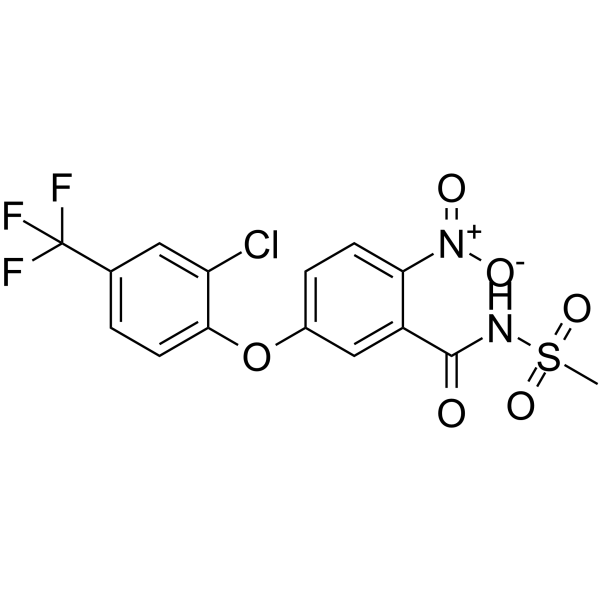
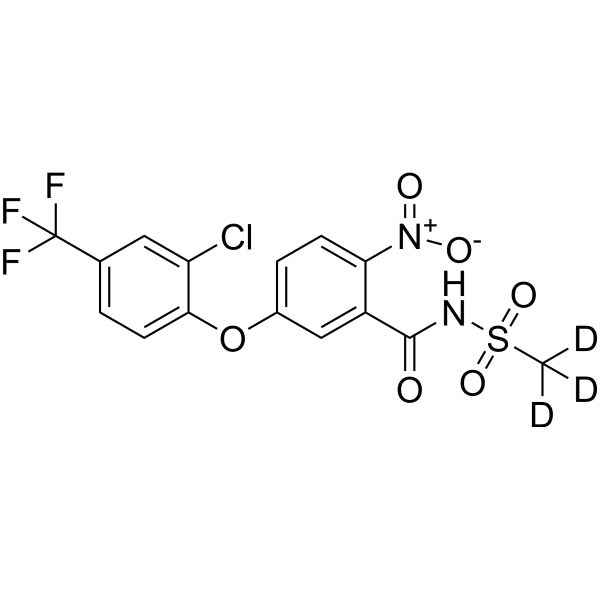
Fomesafen-d3 is the deuterium-labeled Fomesafen (HY-B2010). Fomesafen is an orally active herbicide. Fomesafen inhibits protoporphyrinogen oxidase (PPO). Fomesafen induces Apoptosis and increases ROS. Fomesafen exhibits developmental toxicity, immunotoxicity, and neurotoxicity. It induces precancerous lesions in the liver and hepaturoporphyria in mice. Fomesafen is used to control broadleaf weeds in soybean fields, rubber plantations, and orchards .
|
-
Your information is safe with us. * Required Fields.
Inquiry Information
- Product Name:
- Cat. No.:
- Quantity:
- MCE Japan Authorized Agent:

