
Search Result
Results for "
microtubule assembly
" in MedChemExpress (MCE) Product Catalog:
2
Isotope-Labeled Compounds
| Cat. No. |
Product Name |
Target |
Research Areas |
Chemical Structure |
-
- HY-13520
-
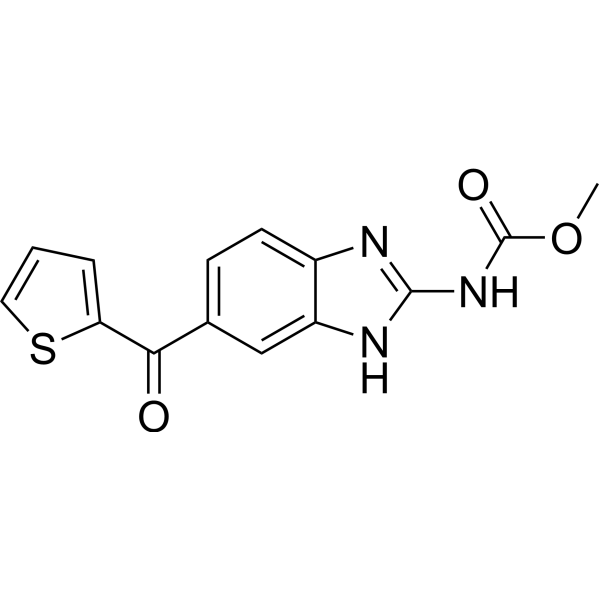
Nocodazole
Maximum Cited Publications
119 Publications Verification
Oncodazole; R17934
|
Bcr-Abl
Autophagy
Microtubule/Tubulin
Apoptosis
Mitosis
|
Cancer
|
|
Nocodazole (Oncodazole) is a rapidly-reversible inhibitor of microtubule. Nocodazole binds to β-tubulin and disrupts microtubule assembly/disassembly dynamics, which prevents mitosis and induces apoptosis in tumor cells. Nocodazole inhibits Bcr-Abl.
|
-
-
- HY-15552
-
|
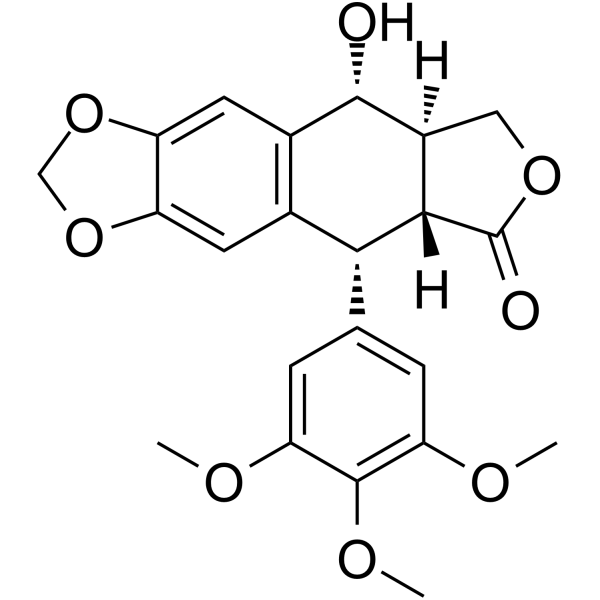
Podophyllotoxin
|
Microtubule/Tubulin
|
Cancer
|
|
Podofilox (Podophyllotoxin) is a potent inhibitor of microtubule assembly and DNA topoisomerase II.
|
-
-
- HY-115364
-
|
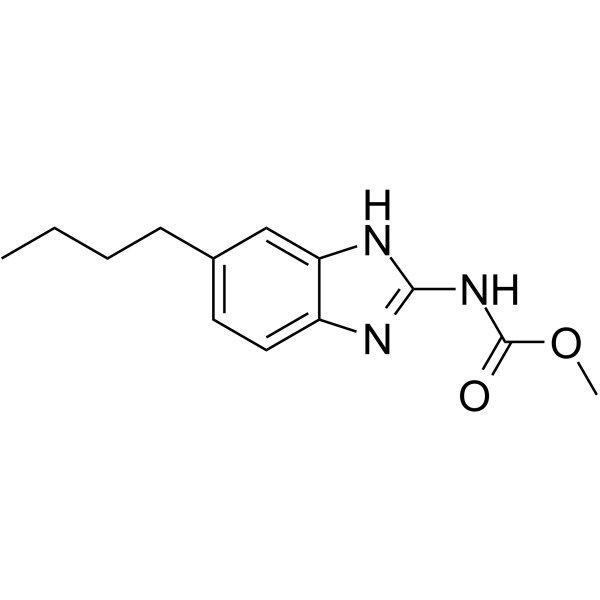
SKF 29044
|
Microtubule/Tubulin
Parasite
|
Infection
|
|
Parbendazole is a potent inhibitor of microtubule assembly, destabilizes tubulin, with an EC50 of 530 nM, and exhibits a broad-spectrum anthelmintic activity.
|
-
-
- HY-P4808
-
|
|
Amyloid-β
Autophagy
|
Neurological Disease
|
|
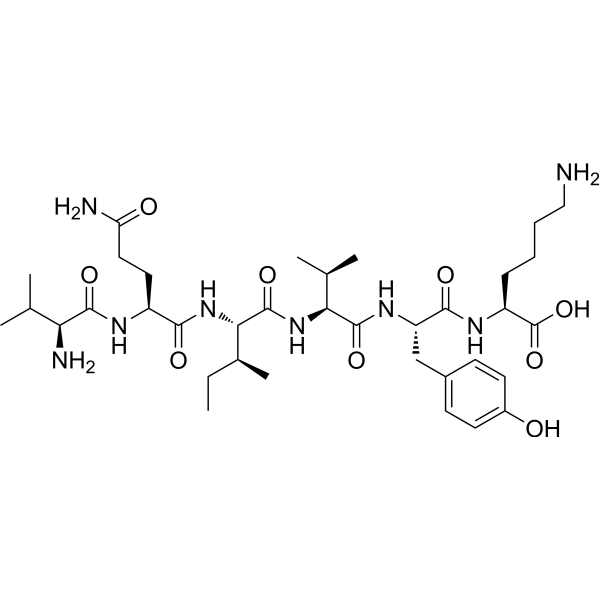
PHF6 (VQIVYK) is a self-assembly sequence capable of initiating the full-length tau protein aggregation and is mapped to the third microtubule-binding repeat region of the tau protein .
|
-
-
- HY-17435
-
|
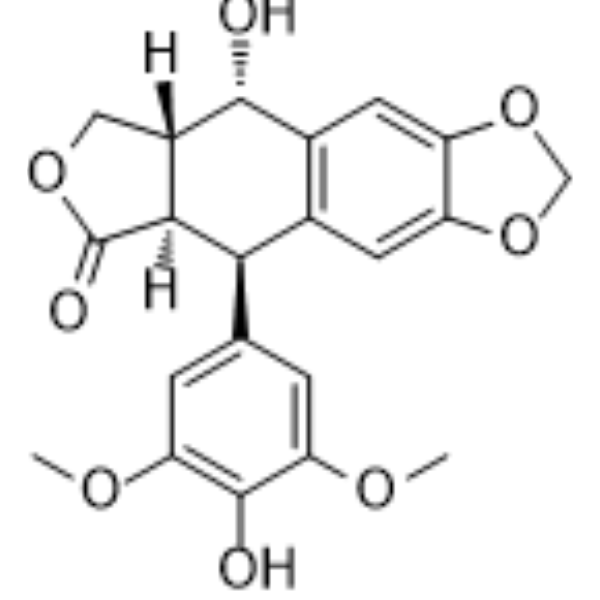
4'-O-demethylepipodophyllotoxin; 4'-DMEP
|
Microtubule/Tubulin
|
Cancer
|
|
4'-Demethylepipodophyllotoxin (4'-DMEP) is an intermediate compound that inhibits microtubule assembly.
|
-
-
- HY-148870
-
|
|
ADC Payload
|
Cancer
|
|
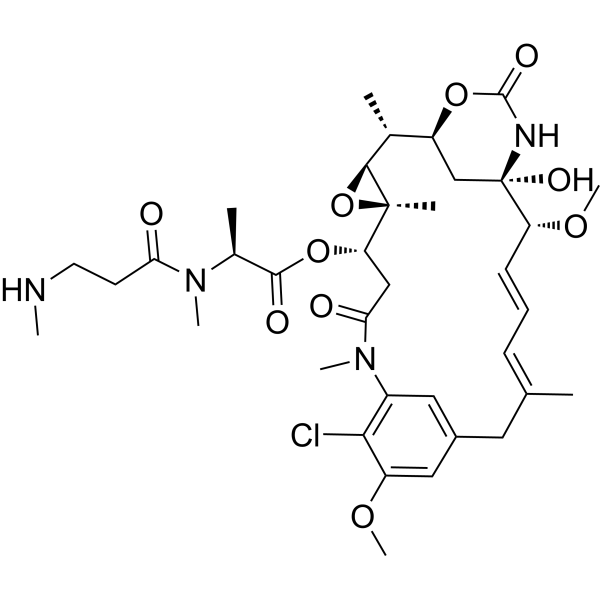
Maytansinoid B is a kind of ADC Cytotoxin. Maytansinoid B can be used to conjugates with antibodies to form antibody-drug conjugates (ADCs). Maytansinoids are known as antimitotic agents, binding to tubulin and inhibiting microtubule assembly. Maytansinoids induces G2/M arrest in the cell cycle to induce apoptosis .
|
-
-
- HY-106008
-
|
BAL27862
|
Microtubule/Tubulin
|
Cancer
|
|
Avanbulin (BAL27862) is a potent, Colchicine site-binding, tubulin assembly inhibitor. Avanbulin inhibits tubulin assembly at 37 °C with an IC50 of 1.4 μM. Avanbulin binds to tubulin with an apparent Kd value of 244 nM. Avanbulin can be used for the research of cancer and cell division .
|
-
-
- HY-119357
-
|
|
Microtubule/Tubulin
Apoptosis
Autophagy
|
Neurological Disease
Cancer
|
|
TN-16 is a Microtubule polymerization inhibitor. TN-16 induces G2/M cell cycle arrest, metaphase mitotic arrest and Apoptotic cell death in cells, and blocks late Autophagic flux by inhibiting autophagosome-lysosome fusion. TN-16 suppresses tumor growth in syngeneic mouse breast cancer models. TN-16 can be used in research related to neuroblastoma, cervical cancer, breast cancer and other tumors .
|
-
-
- HY-N6773
-
|
|
HIV Protease
Fungal
|
Infection
|
|
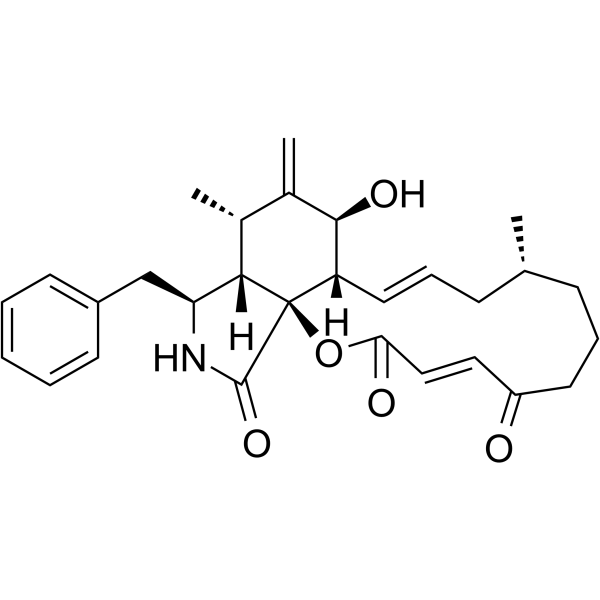
Cytochalasin A is a cell-permeable fungal toxin that is an oxidized derivative of cytochalasin B. Cytochalasin A is an inhibitor of HIV-1 protease (IC50=3 μM) and inhibits actin polymerization and interferes with microtubule assembly by reacting with sulfhydryl groups. Antibiotic and fungicidal activitives .
|
-
-
- HY-144894
-
|
|
Kinesin
Microtubule/Tubulin
|
Cancer
|
|
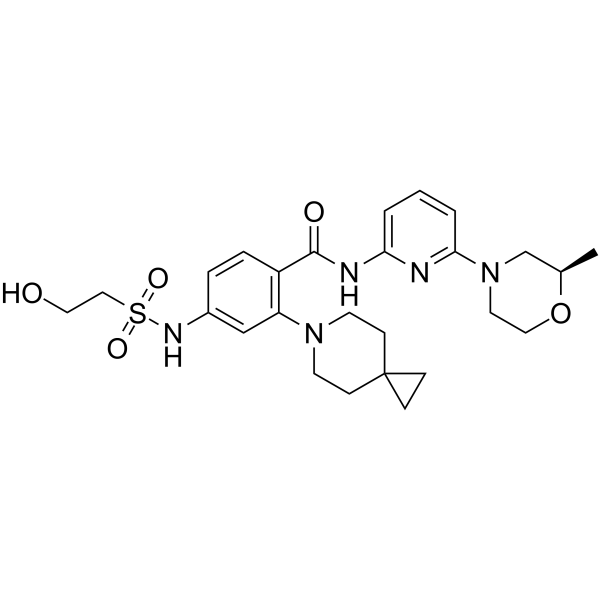
AM-5308 is the inhibitor for KIF18A (IC50=47 nM) that inhibits KIF18A-mediated microtubule ATPase activity. AM-5308 activates mitotic checkpoints, regulates cell division processes, including chromosome segregation and spindle assembly. AM-5308 exhibits antitumor activity .
|
-
-
- HY-P4808A
-
|
|
Amyloid-β
Autophagy
|
Neurological Disease
|
|
PHF6 (VQIVYK) TFA is a self-assembly sequence capable of initiating the full-length tau protein aggregation. PHF6 TFA is mapped to the third microtubule-binding repeat region of the tau protein .
|
-
-
- HY-132260
-
|
IMGN529; Debio 1562
|
Antibody-Drug Conjugates (ADCs)
Apoptosis
|
Cancer
|
|
Naratuximab emtansine (IMGN529) is a CD37-targeted ADC consisting of a humanized IgG1 mAb coupled to the microtubule disruptor DM1. Naratuximab emtansine has high affinity and specificity for CD37, allowing ADC internalization, processing and intracellular release of DM1. Due to its ability to disrupt microtubule assembly, DM1 can subsequently induce cell cycle arrest and apoptosis .
|
-
-
- HY-162143
-
|
|
SphK
Akt
mTOR
|
Cancer
|
|
SKI-349 is a dual-targeted inhibitor of sphingosine kinase 1/2 (SPHK1/2) and microtubule assembly (MDA). SKI-349 has anticancer activity. SKI-349 can inhibit the vitality, invasion, and AKT/mTOR signaling pathway of liver cells .
|
-
-
- HY-16191
-
|
|
Microtubule/Tubulin
Apoptosis
HIF/HIF Prolyl-Hydroxylase
Mitosis
|
Cancer
|
|
ELR510444 is an orally active tubulin inhibitor with an IC50 of 10 μM. ELR510444 binds to the colchicine-binding site on β-tubulin, inhibits tubulin assembly, depolymerizes microtubules and blocks HIF activity. ELR510444 induces cellular microtubule loss, abnormal mitotic spindle, mitotic arrest, apoptosis, morphological changes in tumor endothelial cells, and inhibits cancer cell proliferation, angiogenesis and tumor growth. ELR510444 can be used in research related to various cancers such as renal cell carcinoma .
|
-
-
- HY-125374
-
|
XRP9881
|
Apoptosis
|
Cancer
|
|
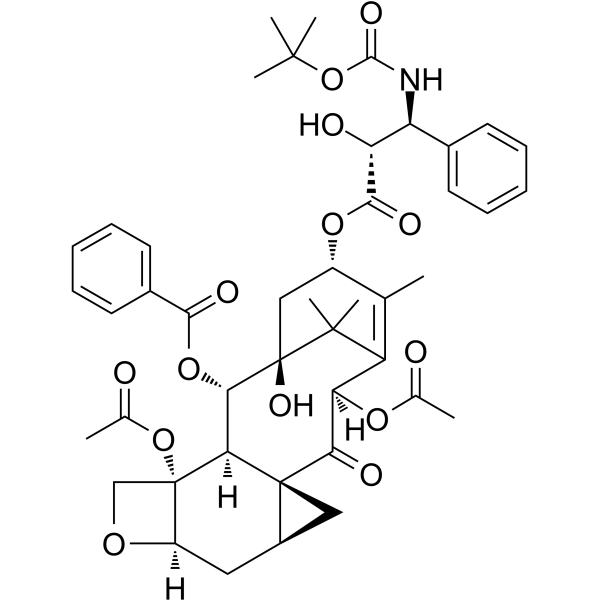
Larotaxel (XRP9881) is a taxane analogue with preclinical activity against taxane-resistant breast cancer. Larotaxel (XRP9881) exerts its cytotoxic effect by promoting tubulin assembly and stabilizing microtubules, ultimately leading to cell death by apoptosis. It presents the ability to cross the blood brain barrier and has a much lower affinity for P-glycoprotein 1 than Docetaxel .
|
-
-
- HY-19916
-
|
BAL-101553
|
Microtubule/Tubulin
Checkpoint Kinase (Chk)
|
Cancer
|
|
Lisavanbulin (BAL-101553) is the prodrug of the microtubule targeting agent Avanbulin (BAL 27862) (HY-106008). Lisavanbulin is a BBB-penetrant and orally active antitumor agent, especially in tumors that express high levels of end-binding protein 1. Lisavanbulin has ability to target tumor cell proliferation and affects the tumor microenvironment by reducing tumor microvasculature. Lisavanbulin is also a spindle assembly checkpoint activator. Lisavanbulin induces cell cycle arrest and subsequent death or aberrant chromosome segregation. Lisavanbulin can be studied in research for diffuse large B cell lymphoma (DLBCL) and glioblastoma .
|
-
-
- HY-153384
-
|
|
Apoptosis
Microtubule/Tubulin
Mitosis
|
Cancer
|
|
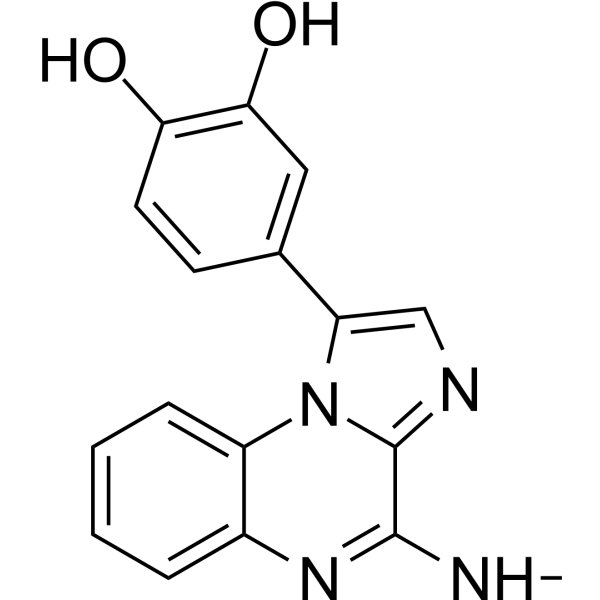
EAPB 02303 is a microtubule-disrupting agent and inhibitor. EAPB 02303 induces mitosis arrest and impairment of spindle assembly. Thus, EAPB 02303 induces apoptosis and exhibits antitumor activity. EAPB 02303 also exhibits a potent synergy with Paclitaxel (HY-B0015) at lower concentrations .
|
-
-
- HY-14934
-
|
STA 5312
|
Microtubule/Tubulin
|
Cancer
|
|
Rosabulin (STA 5312) is a potent and orally active microtubule inhibitor that inhibits microtubule assembly. Rosabulin has broad-spectrum anti-tumor activity .
|
-
-
- HY-19916A
-
|
BAL-101553 dihydrochloride
|
Microtubule/Tubulin
Checkpoint Kinase (Chk)
|
Cancer
|
|
Lisavanbulin (BAL-101553) dihydrochloride is the prodrug of the microtubule targeting agent Avanbulin (BAL 27862) (HY-106008). Lisavanbulin dihydrochloride exhibits antitumor activity, especially in tumors that express high levels of end-binding protein 1. Lisavanbulin dihydrochloride has ability to target tumor cell proliferation and affects the tumor microenvironment by reducing tumor microvasculature. Lisavanbulin dihydrochloride is also a spindle assembly checkpoint activator. Lisavanbulin dihydrochloride induces cell cycle arrest and subsequent death or aberrant chromosome segregation. Lisavanbulin dihydrochloride can be studied in research for diffuse large B cell lymphoma (DLBCL) and glioblastoma .
|
-
-
- HY-120921
-
|
RH-7281
|
Fungal
Microtubule/Tubulin
|
Infection
|
|
Zoxamide (RH-7281) is an oomycete Fungicide and covalent β-tubulin inhibitor. RH-7281 inhibits the assembly of tubulin into microtubules in vitro. Zoxamide binds covalently to β-tubulin, disrupting microtubule assembly and the cytoskeleton. Zoxamide blocks nuclear division in germinated hyphae of Phytophthora capsici and inhibits hyphal growth of Phytophthora capsici .
|
-
-
- HY-163737
-
|
|
Microtubule/Tubulin
|
Cancer
|
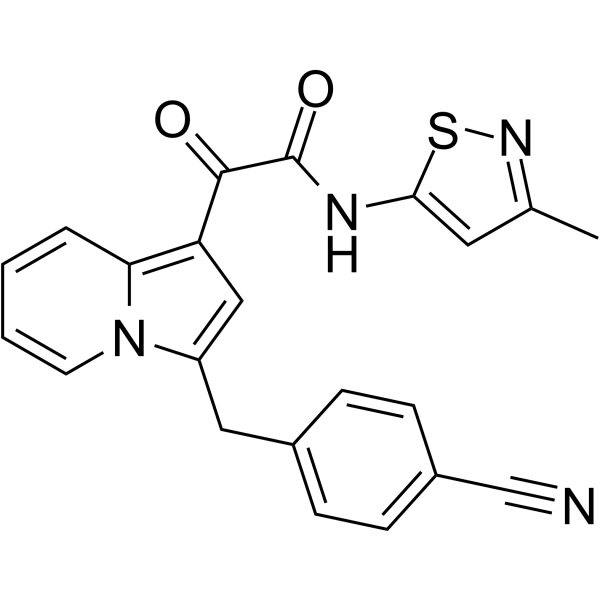
|
ST-401, a microtubule-targeting agent (MTA), is a brain-penetrant microtubule (MT) assembly inhibitor. ST-401 disrupts microtubule (MT) function through gentle and reverisible reduction in MT assembly that triggers mitotic delay and cell death in interphase. ST-401 shows a potent antitumor activity .
|
-
-
- HY-13520R
-
|
Oncodazole (Standard); R17934 (Standard)
|
Bcr-Abl
Autophagy
Microtubule/Tubulin
Apoptosis
Mitosis
Reference Standards
|
Cancer
|
|
Nocodazole (Standard) is the analytical standard of Nocodazole. This product is intended for research and analytical applications. Nocodazole (Oncodazole) is a rapidly-reversible inhibitor of microtubule. Nocodazole binds to β-tubulin and disrupts microtubule assembly/disassembly dynamics, which prevents mitosis and induces apoptosis in tumor cells. Nocodazole inhibits Bcr-Abl.
|
-
-
- HY-134274A
-
|
8-Bromoguanosine-5'-triphosphate tetrasodium
|
Bacterial
|
Metabolic Disease
|
|
8-Br-GTP (tetrasodium) (8-Bromoguanosine-5'-triphosphate (tetrasodium)) is a derivative of the energy substrate – GTP, for protein synthesis and gluconeogenesis. 8-Br-GTP (tetrasodium) inhibits the E. coli GTPase FtsZ with a Ki of 31.8 μM. 8-Br-GTP (tetrasodium) promotes the assembly of porcine brain microtubules .
|
-
-
- HY-130559
-
|
|
Microtubule/Tubulin
Apoptosis
|
Cancer
|
|
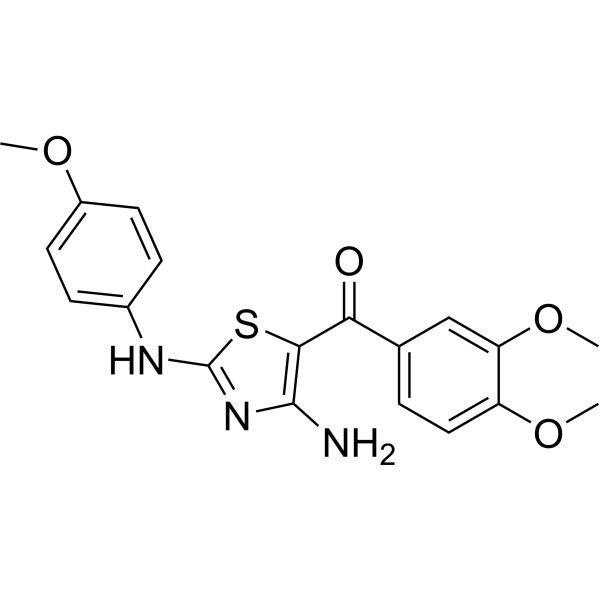
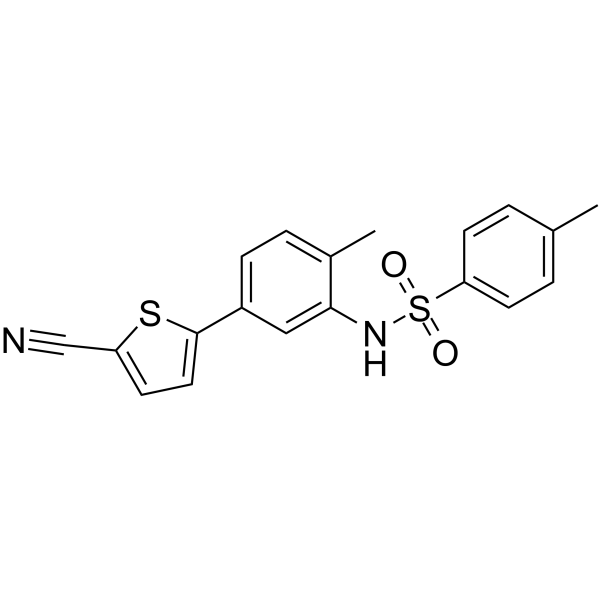
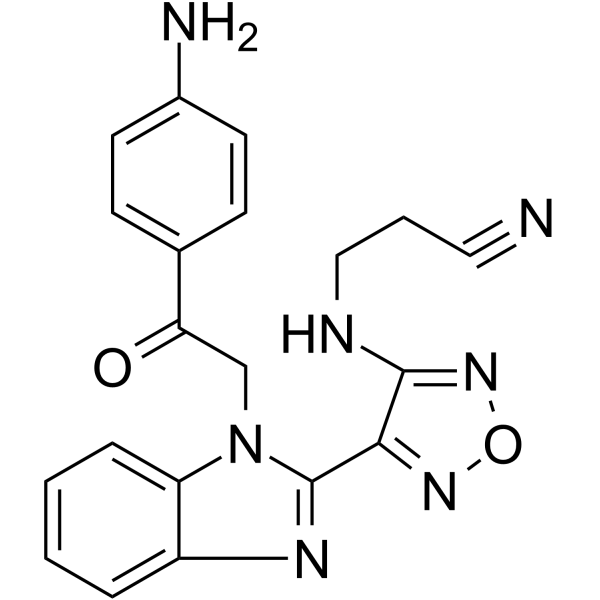
SL-3-19 is a tubulin ligand. SL-3-19 exhibits antitumor activity against esophageal squamous cell carcinoma (ESCC) both in vitro and in vivo by inhibiting microtubule assembly, inducing G2/M phase cell cycle arrest and apoptosis, and disrupting tumor blood vessels. SL-3-19 has a higher activity than SL-1-73 (HY-130558). SL-3-19 can be used for the research of ESCC and other tumors .
|
-
-
- HY-101989
-
|
|
Microtubule/Tubulin
Apoptosis
|
Cancer
|
|
Tubulin polymerization-IN-24 (compound HMBA) is a potent tubulin polymerization inhibitor. Tubulin polymerization-IN-24 inhibits MCF-7 cells proliferation. Tubulin polymerization-IN-24 induces apoptosis and cell cycle arrest at G2/M phase. Tubulin polymerization-IN-24 increase the GTP hydrolysis rate and inhibits microtubule assembly .
|
-
-
- HY-13760
-
|
ILX651
|
Microtubule/Tubulin
|
Cancer
|
|
Tasidotin hydrochloride is a peptide analog of the antimitotic depsipeptide dolastatin 15, as an inhibitor of microtubule assembly and microtubule dynamics.
|
-
-
- HY-119692
-
-
-
- HY-15552S
-
|
|
Microtubule/Tubulin
|
Cancer
|
|
Podofilox-d6 is the deuterium labeled Podofilox. Podofilox (Podophyllotoxin) is a potent inhibitor of microtubule assembly and DNA topoisomerase II .
|
-
-
- HY-15552R
-
|
Podophyllotoxin (Standard)
|
Reference Standards
Microtubule/Tubulin
|
Cancer
|
|
Podofilox (Standard) is the analytical standard of Podofilox. This product is intended for research and analytical applications. Podofilox (Podophyllotoxin) is a potent inhibitor of microtubule assembly and DNA topoisomerase II.
|
-
-
- HY-115364S
-
-
-
- HY-115364R
-
|
SKF 29044 (Standard)
|
Reference Standards
Microtubule/Tubulin
Parasite
|
Infection
|
|
Parbendazole (Standard) is the analytical standard of Parbendazole. This product is intended for research and analytical applications. Parbendazole is a potent inhibitor of microtubule assembly, destabilizes tubulin, with an EC50 of 530 nM, and exhibits a broad-spectrum anthelmintic activity.
|
-
-
- HY-124519
-
|
Cent-1
|
Microtubule/Tubulin
|
Cancer
|
|
Centmitor-1 (Cent-1) is a mitotic arrest inducer. Centmitor-1 modulates microtubule plus-ends and reduced microtubule dynamics. In cells, Centmitor-1 causes mitotic arrest characterized by chromosome alignment defects, multipolar spindles, centrosome fragmentation, and activated spindle assembly checkpoint .
|
-
-
- HY-17435R
-
|
4'-O-demethylepipodophyllotoxin (Standard); 4'-DMEP (Standard)
|
Reference Standards
Microtubule/Tubulin
|
Cancer
|
|
4'-Demethylepipodophyllotoxin (Standard) is the analytical standard of 4'-Demethylepipodophyllotoxin. This product is intended for research and analytical applications. 4'-Demethylepipodophyllotoxin (4'-DMEP) is an intermediate compound that inhibits microtubule assembly.
|
-
-
- HY-133207
-
|
|
Microtubule/Tubulin
|
Cancer
|
|
Myoseverin B is a microtubule assembly inhibitor capable of inhibiting the polymerization of tubulin (IC50 = 2 μM) and exhibiting low cytotoxicity in most cell types. Myoseverin B can be used in research as an antitumor agent .
|
-
-
- HY-14919
-
|
MN-029 free base
|
Microtubule/Tubulin
|
Cancer
|
|
Denibulin, a novel vascular-disrupting agent, inhibits microtubule assembly reversibly, disrupting tumor vascular endothelial cell cytoskeletons. Denibulin demonstrated tolerability and potential anti-vascular effects, warranting further investigation in cancer therapy .
|
-
-
- HY-13224A
-
|
|
Endogenous Metabolite
|
Cancer
|
|
AZD4877 hydrochloride is a synthetic dynein inhibitor with potential anti-tumor activity. AZD4877 selectively inhibits the microtubule dynein KSP (also known as kinesin-5 or Eg5), which may lead to inhibition of mitotic spindle assembly. The action of AZD4877 may activate the spindle assembly checkpoint, leading to cell cycle arrest at the mitotic stage. AZD4877 may induce cell death in actively dividing tumor cells. AZD4877 may be less likely to cause peripheral neuropathy associated with microtubule-targeted compounds as it is not involved in post-mitotic processes. AZD4877 is essential for the formation of bipolar spindles and the proper segregation of sister chromosomes .
|
-
-
- HY-121634
-
|
|
Polo-like Kinase (PLK)
|
Others
|
|
DAP-81 is an inhibitory agent targeting Polo-like kinases (Plks), a class of evolutionarily conserved serine/threonine kinases. DAP-81 dose-dependently increases the number of monopolar spindles in treated cells. High-resolution live-cell microscopy revealed that Plk activity is required for the assembly and maintenance of bipolar mitotic spindles. Plk inhibition destabilizes centromeric microtubules while stabilizing other spindle microtubules, leading to the formation of monopolar spindles. Further testing of compounds based on "privileged scaffolds" such as the DAP scaffold may lead to the discovery of new cell division probes and anti-microtubule agents.
|
-
-
- HY-144793
-
|
|
Microtubule/Tubulin
|
Cancer
|
|
Deac-SS-Biotin is a potent antitumor agent with improved tumor targeting effects and reduced off-target toxicities. Deac-SS-Biotin uptakes into the cells through biotin-mediated internalization. Deac-SS-Biotin combined with DTT (Glutathione mimetic) can effectively inhibit microtubule assembly and displays greater antitumor activity .
|
-
-
- HY-121490
-
|
|
Apoptosis
|
Cancer
|
|
IMM-02 is a DID-DAD binding inhibitor with activity promoting actin assembly and microtubule stabilization. IMM-02 is able to trigger serum response factor-mediated gene expression and lead to cell cycle arrest and apoptosis. IMM-02 has shown the ability to slow tumor growth in a mouse colon cancer xenograft model .
|
-
-
- HY-145827
-
|
|
Kinesin
Microtubule/Tubulin
|
Cancer
|
|
KIF18A-IN-4 is a moderately potent ATP and microtubule (MT) noncompetitive KIF18A inhibitor (IC50=6.16 μM). KIF18A-IN-4 has selectivity against a large panel of mitotic kinesins and kinases, and does not show any direct effects on tubulin assembly. KIF18A-IN-4 exhibits anti-tumor activity .
|
-
-
- HY-185269
-
|
|
Microtubule/Tubulin
Drug Derivative
|
Cancer
|
|
2'-Deoxy-PTX is a Paclitaxel (HY-B0015) derivative and microtubule assembly inducer. 2'-Deoxy-PTX binds to GMPcPP-stabilized microtubules, with a Kaapp of 0.50 × 10 6 M -1. 2′-Deoxy-PTX induces Tubulin to assemble into normal microtubules. 2'-Deoxy-PTX can be used for the research of prostate cancer .
|
-
-
- HY-170864
-
-
-
- HY-106021
-
|
ILX651 free base
|
Microtubule/Tubulin
Prolyl Endopeptidase (PREP)
|
Cancer
|
|
Tasidotin (ILX651 free base) is a tubulin inhibitor and competitive Prolyl Endopeptidase (PREP) inhibitor, with an IC50 of 10 μM against bovine tubulin. Tasidotin exhibits high cerebrospinal fluid penetration in non-human primates. Tasidotin antagonizes microtubule assembly and induces an extended assembly lag phase, thereby inhibiting mitosis and cell proliferation, and exerts cytotoxic and oncolytic effects on cancer cells. Tasidotin is metabolized into polypeptides and proline inside cells, and its in vivo metabolism is mediated by prolyl endopeptidase. Tasidotin can be applied in research related to Burkitt's lymphoma, breast cancer, leukemia, melanoma, central nervous system malignancies and various solid tumors .
|
-
-
- HY-182478
-
|
|
Microtubule/Tubulin
|
Cancer
|
|
MDL-27048, a tubulin inhibitor, binds competitively, reversibly to the Colchicine (HY-16569)-binding site on tubulin heterodimers. MDL-27048 inhibits microtubule assembly, induces slow depolymerization of preassembled microtubules, disrupts microtubule polymerization-depolymerization dynamics, and disrupts cytoplasmic microtubule networks. MDL-27048 exerts growth inhibitory effects on human cancer cells, induces mitotic arrest, and does not disrupt actin filaments at microtubule-depolymerizing concentrations. MDL-27048 can be used for the research of malignant tumors .
|
-
-
- HY-106008R
-
|
BAL27862 (Standard)
|
Reference Standards
Microtubule/Tubulin
|
Cancer
|
|
Avanbulin (Standard) is the analytical standard of Avanbulin (HY-106008). This product is intended for research and analytical applications. Avanbulin (BAL27862) is a potent, Colchicine site-binding, tubulin assembly inhibitor. Avanbulin inhibits tubulin assembly at 37 °C with an IC50 of 1.4 μM. Avanbulin binds to tubulin with an apparent Kd value of 244 nM. Avanbulin can be used for the research of cancer and cell division .
|
-
-
- HY-117759
-
|
KAR-2
|
Microtubule/Tubulin
|
Cancer
|
|
Deacetoxyvinzolidine (KAR-2) is a bis-indol derivative with high anti-microtubular and anti-tumour activities. Deacetoxyvinzolidine exhibits high affinity for bovine purified brain tubulin (Kd of 3 μM) and inhibits microtubule assembly at a concentration of 10 nM. Deacetoxyvinzolidine does not possess anti-calmodulin activity. Deacetoxyvinzolidine can be used for the study of leukaemia .
|
-
-
- HY-W072781
-
|
|
Microtubule/Tubulin
|
Cancer
|
|
N-Deacetylthiocolchicine is a tubulin inhibitor with an IC50 value of 2.2 nM in MDR-negative MDA-MB 231 breast cancer cells. N-Deacetylthiocolchicine exerts antiproliferative activity by binding to tubulin to interfere with microtubule assembly, arresting cells in mitosis during the cell cycle. N-Deacetylthiocolchicine is promising for research of malignancies such as breast cancer .
|
-
-
- HY-130558
-
|
|
Apoptosis
Microtubule/Tubulin
|
Cancer
|
|
SL-1-73 is a tubulin ligand. SL-1-73 exhibits antitumor activity against esophageal squamous cell carcinoma (ESCC) both in vitro and in vivo by inhibiting microtubule assembly, inducing G2/M phase cell cycle arrest and apoptosis, and disrupting tumor blood vessels. SL-1-73 can be used for the research of ESCC and other tumors .
|
-
-
- HY-N13795
-
|
|
Polo-like Kinase (PLK)
Microtubule/Tubulin
|
Cancer
|
|
3,4,3'-Tri-O-methylflavellagic acid is a flavonoid inhibitor that targets αβ-tubulin (colchicine binding site) and polo-like kinase-1 (PLK-1), and can be isolated from the roots of Anogeissus leiocarpus. 3,4,3'-Tri-O-methylflavellagic acid interferes with microtubule assembly dynamics and kinase activity, exhibiting anti-cancer cell proliferation and potent anti-nociceptive effects .
|
-
-
- HY-Z9022
-
|
|
Microtubule/Tubulin
|
Cancer
|
|
Iso cephalomannine is a tubulin-targeting cytotoxic agent. Iso cephalomannine induces cytotoxicity in breast cancer cells. Iso cephalomannine can be used in breast cancer-related research .
|
-
- HY-185483
-
|
|
Antibody-Drug Conjugates (ADCs)
Transmembrane Glycoprotein
Microtubule/Tubulin
|
Cancer
|
|
AMG-172 is an antibody-drug conjugate (ADC) composed of a fully human IgG1 monoclonal anti-CD27L antibody conjugated to DM1 (HY-19792) via the non-cleavable linker MCC. AMG-172 releases the intracellular active component Lysine-MCC-DM through catabolism. Lysine-MCC-DM inhibits the assembly and disassembly dynamics of Microtubule and induces cell arrest at metaphase. AMG-172 can be used for research on relapsed/refractory clear cell renal cell carcinoma .
|
-
| Cat. No. |
Product Name |
Target |
Research Area |
-
- HY-P4808
-
|
|
Amyloid-β
Autophagy
|
Neurological Disease
|
|
PHF6 (VQIVYK) is a self-assembly sequence capable of initiating the full-length tau protein aggregation and is mapped to the third microtubule-binding repeat region of the tau protein .
|
-
- HY-P4808A
-
|
|
Amyloid-β
Autophagy
|
Neurological Disease
|
|
PHF6 (VQIVYK) TFA is a self-assembly sequence capable of initiating the full-length tau protein aggregation. PHF6 TFA is mapped to the third microtubule-binding repeat region of the tau protein .
|
| Cat. No. |
Product Name |
Target |
Research Area |
Image |
-
- HY-132260
-
|
IMGN529; Debio 1562
|
Antibody-Drug Conjugates (ADCs)
Apoptosis
|
Cancer
|
|
Naratuximab emtansine (IMGN529) is a CD37-targeted ADC consisting of a humanized IgG1 mAb coupled to the microtubule disruptor DM1. Naratuximab emtansine has high affinity and specificity for CD37, allowing ADC internalization, processing and intracellular release of DM1. Due to its ability to disrupt microtubule assembly, DM1 can subsequently induce cell cycle arrest and apoptosis .
|
-
(5)
| Cat. No. |
Product Name |
Category |
Target |
Chemical Structure |
| Cat. No. |
Product Name |
Chemical Structure |
-
- HY-15552S
-
|
|
|
Podofilox-d6 is the deuterium labeled Podofilox. Podofilox (Podophyllotoxin) is a potent inhibitor of microtubule assembly and DNA topoisomerase II .
|
-
-
- HY-115364S
-
|
|
|
Parbendazole-d3 is the deuterium labeled Parbendazole. Parbendazole is a potent inhibitor of microtubule assembly, destabilizes tubulin, with an EC50 of 530 nM, and exhibits a broad-spectrum anthelmintic activity.
|
-
Your information is safe with us. * Required Fields.
Inquiry Information
- Product Name:
- Cat. No.:
- Quantity:
- MCE Japan Authorized Agent:

