
126 Results for "

neuronal signaling

" in MedChemExpress (MCE) Product Catalog:
Products (126)

126 Results for "neuronal signaling" in MCE Product Catalog:

27
27 Publications Verification
Cat. No.: HY-P1363
Synonyms: Amyloid β-peptide (1-42) (human) TFA
Target:  

Amyloid-β

Research Areas:  

Neurological Disease

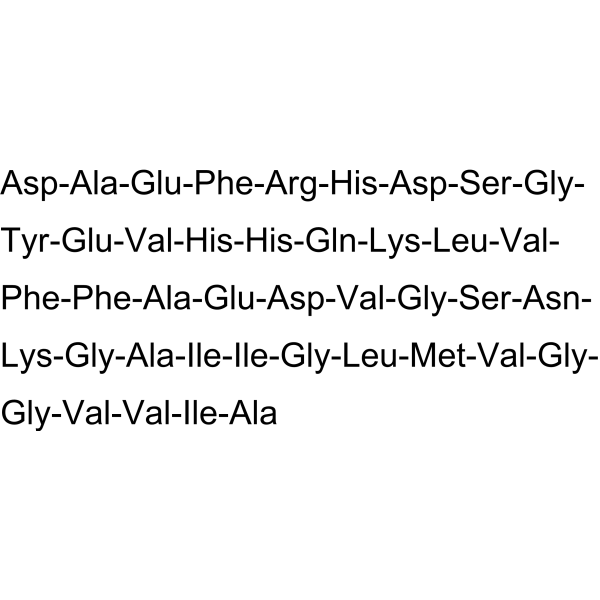
β-Amyloid (1-42) (Amyloid β-peptide (1-42), human TFA, a 42-amino acid peptide that has not been treated with HFIP, is a brain-penetrant amyloid protein fragment, which can be used in research on Alzheimer's disease and Down’s syndrome. β-Amyloid (1-42), human TFA remaining as a monomer exhibits antioxidant and neuroprotective effects. β-Amyloid (1-42), human TFA, after being monomericized by HFIP and dissolved in DMSO to form the stock solution, on the one hand, can form soluble oligomers (AβOs) when incubated at 4 °C, which have synaptic toxicity and neurotoxicity; on the other hand, it can be incubated at 37 °C to form insoluble fibrils, with lower neurotoxicity, and participating in the oxidative damage process. Aβ42 oligomers bind to various neuronal surface receptors (such as PrPc, mGluR5, NMDA receptors, etc.), triggering oxidative stress, calcium homeostasis imbalance, and synaptic toxicity via activating downstream signaling pathways, leading to neuronal dysfunction and death .
loading...
    loading...
27
27 Publications Verification
Cat. No.: HY-P1363A
CAS No.: 107761-42-2
Synonyms: Amyloid β-peptide (1-42) (human)
Target:  

Amyloid-β

Research Areas:  

Neurological Disease

β-Amyloid (1-42) (Amyloid β-peptide (1-42)), human, a 42-amino acid peptide that has not been treated with HFIP, is a brain-penetrant amyloid protein fragment, which can be used in research on Alzheimer's disease and Down’s syndrome. β-Amyloid (1-42), human remaining as a monomer exhibits antioxidant and neuroprotective effects. β-Amyloid (1-42), human, after being monomericized by HFIP and dissolved in DMSO to form the stock solution, on the one hand, can form soluble oligomers (AβOs) when incubated at 4 °C, which have synaptic toxicity and neurotoxicity; on the other hand, it can be incubated at 37 °C to form insoluble fibrils, with lower neurotoxicity, and participating in the oxidative damage process. Aβ42 oligomers bind to various neuronal surface receptors (such as PrPc, mGluR5, NMDA receptors, etc.), triggering oxidative stress, calcium homeostasis imbalance, and synaptic toxicity via activating downstream signaling pathways, leading to neuronal dysfunction and death .
loading...
    loading...
27
27 Publications Verification
Cat. No.: HY-P1363B
CAS No.: 107761-42-2
Target:  

Amyloid-β

Research Areas:  

Neurological Disease

β-Amyloid (1-42), human, HFIP-treated, a 42-amino acid peptide that has been treated with HFIP from β-Amyloid (1-42), human (HY-P1363A), is a brain-penetrant amyloid protein fragment, which can be used in research on Alzheimer's disease and Down’s syndrome. β-Amyloid (1-42), human, HFIP-treated remaining as a monomer exhibits antioxidant and neuroprotective effects. β-Amyloid (1-42), human, HFIP-treated, after being dissolved in DMSO to form the stock solution, on the one hand, can form soluble oligomers (AβOs) when incubated at 4°C, which have synaptic toxicity and neurotoxicity; on the other hand, it can be incubated at 37°C to form insoluble fibrils, with lower neurotoxicity, and participating in the oxidative damage process. Aβ42 oligomers bind to various neuronal surface receptors (such as PrPc, mGluR5, NMDA receptors, etc.), triggering oxidative stress, calcium homeostasis imbalance, and synaptic toxicity via activating downstream signaling pathways, leading to neuronal dysfunction and death .
loading...
    loading...
19
19 Cited Publications
Cat. No.: HY-16900
CAS No.: 61413-54-5
Synonyms: (R,S)-Rolipram; (±)-Rolipram; ZK 62711
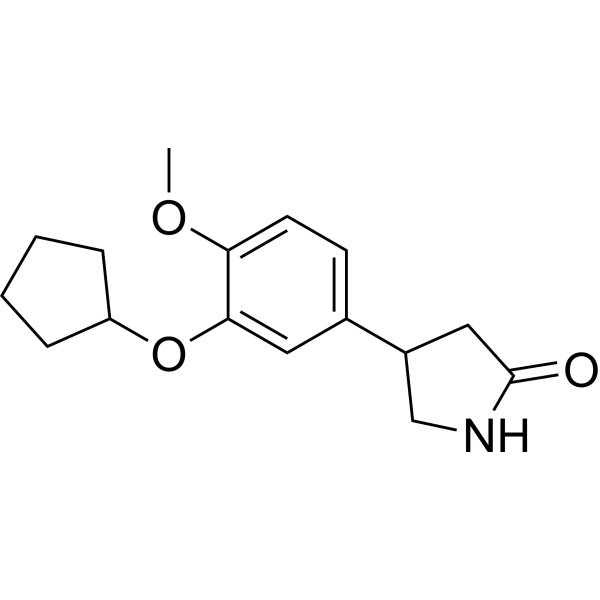
Rolipram is a PDE4 inhibitor, with blood-brain barrier permeability, that reverses β-amyloid-induced learning and memory impairment in rats. Rolipram elevates intracellular cAMP and clevels and regulates the cAMP/CREB signaling pathway, thereby alleviating neuroinflammation and apoptotic responses. Rolipram promotes neuronal differentiation of human bone marrow mesenchymal stem cells and inhibits Methamphetamine- and morphine-induced hyperlocomotion in mice. Rolipram also reduces the viability of glioblastoma stem-like cells and enhances Bevacizumab (HY-P9906)-induced cell death. Rolipram inhibits the expression of proinflammatory cytokines and enhances central noradrenergic transmission. Rolipram is mainly used in studies related to various central nervous system diseases including Alzheimer's disease, major depressive disorder, glioblastoma multiforme, and multiple sclerosis .
loading...
    loading...
18
18 Cited Publications
Cat. No.: HY-B1272
CAS No.: 58-28-6
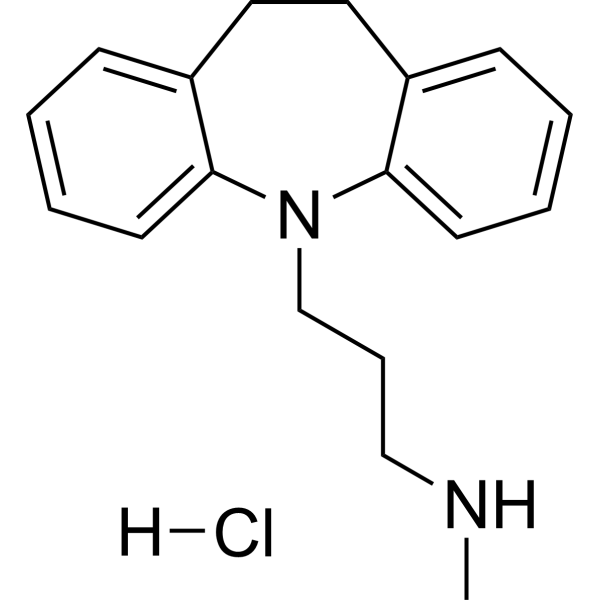
Desipramine hydrochloride is a first-generation tricyclic antidepressant. Desipramine hydrochloride selectively binds to norepinephrine transporter and blocks neuronal norepinephrine reuptake. Desipramine hydrochloride activates MAPK signaling via ERK1/2, JNK, and p38, represses NF-κB and AP-1 activity, and induces apoptosis via ROS elevation, mitochondrial membrane potential reduction, and intracellular calcium increase. Desipramine hydrochloride also shows anyi-inflammatory activity, inhibiting TNF-α production. Desipramine hydrochloride can be used for the research of hepatocellular cancer, inflammation, and neurological diseases .
loading...
    loading...
11
11 Cited Publications
Cat. No.: HY-103312
CAS No.: 88903-69-9
Purity:  ≥99.0%
Synonyms: (-)-Xestospongin C
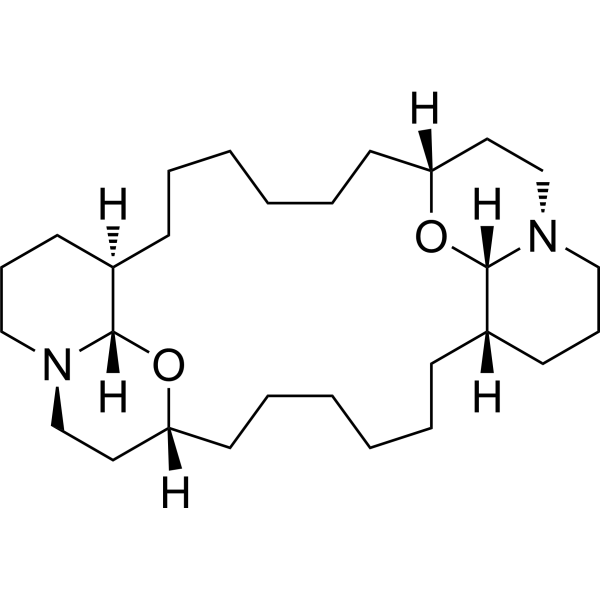
Xestospongin C ((-)-Xestospongin C) is a selective, reversible inositol 1,4,5-trisphosphate receptor (IP3R) inhibitor. Xestospongin C acts as an inhibitor of the sarcoplasmic/endoplasmic reticulum Ca 2+ ATPase (SERCA) pump of internal stores. Xestospongin C blocks IP3-induced Ca 2+ release from cerebellar microsomes with an IC50 of 358 nM. Xestospongin C is a valuable tool for investigating the structure and function of IP3Rs and Ca 2+ signaling in neuronal and nonneuronal cells .
loading...
    loading...
10
10 Cited Publications
Cat. No.: HY-B1142
CAS No.: 940-69-2
Synonyms: (±)-α-Lipoamide; DL-Lipoamide; DL-6,8-Thioctamide
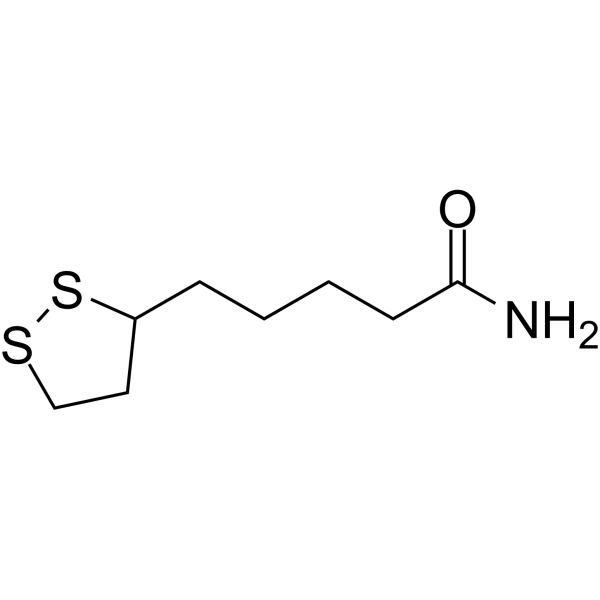
Lipoamide ((±)-α-Lipoamide) is a monocarboxylic acid derivative of a neutral amide, formed by the condensation of the carboxyl group of lipoic acid and ammonia. Lipoamide protects against oxidative stress-mediated neuronal cell damage and also acts as a coenzyme to transfer acetyl groups and hydrogen during pyruvate deacylation. Lipoamide also stimulates mitochondrial biogenesis in adipocytes through the endothelial NO synthase-cGMP-protein kinase G signaling pathway .
loading...
    loading...
7
7 Cited Publications
Cat. No.: HY-A0067
CAS No.: 131-57-7
Synonyms: Benzophenone 3
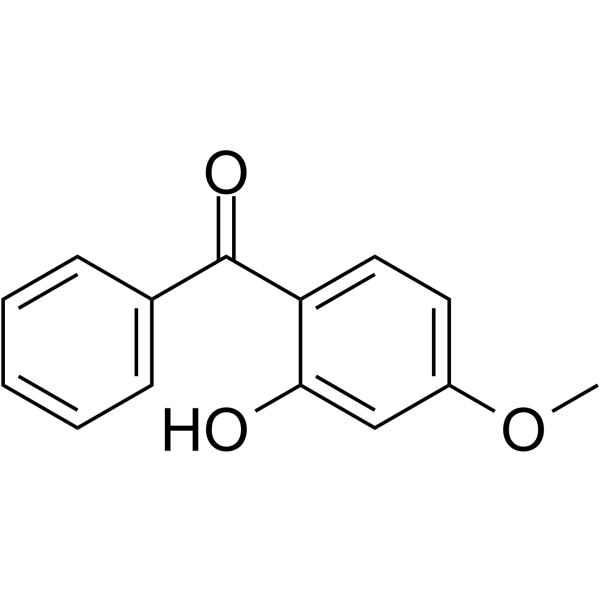
Oxybenzone (Benzophenone 3) is a commonly used UV filter in sun tans and skin protectants. Oxybenzone act as endocrine disrupting chemicals (EDCs) and can pass through the placental and blood-brain barriers. Benzophenone-3 impairs autophagy, alters epigenetic status, and disrupts retinoid X receptor signaling in apoptotic neuronal cells .
loading...
    loading...
6
6 Cited Publications
Cat. No.: HY-N0762
CAS No.: 31524-62-6
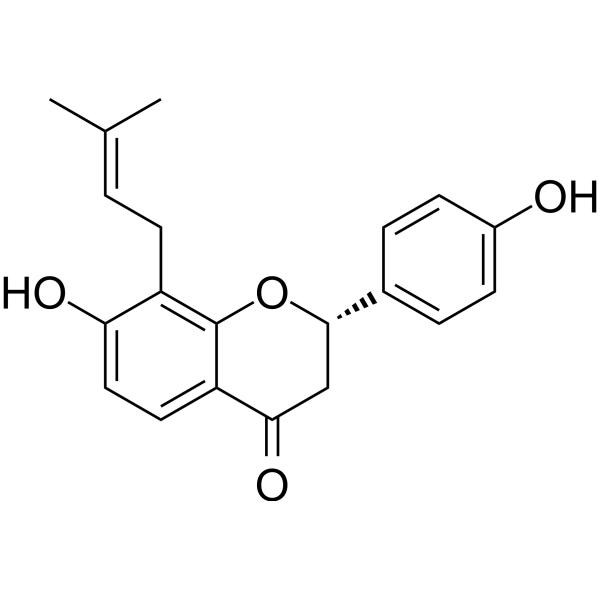
Isobavachin is an orally active, blood-brain barrier-penetrating prenylated flavonoid present in Psoralea corylifolia. Isobavachin inhibits human CYP2B6, CYP2C9, CYP2C19, UGT1A1, UGT1A9, and UGT2B7. Isobavachin suppresses MAPK activation, NF-κB nuclear translocation, overexpression of iNOS/COX-2, FcεRI-mediated signaling pathways, and RANKL-induced osteoclastogenesis. Isobavachin induces autophagy, cytotoxicity, neuronal differentiation, and NRF2 activation; it alleviates oxidative damage, inflammatory responses, apoptosis, iron accumulation, mitochondrial biogenesis, and mast cell degranulation. Isobavachin is applicable to research related to liver injury, inflammatory diseases, osteoporosis, liver cancer, prostate cancer, glioma, periodontitis-induced bone loss, and Alzheimer's disease .
loading...
    loading...
3
3 Cited Publications
Cat. No.: HY-B1060
CAS No.: 2375-03-3
Synonyms: Methylprednisolone hydrogen succinate sodium
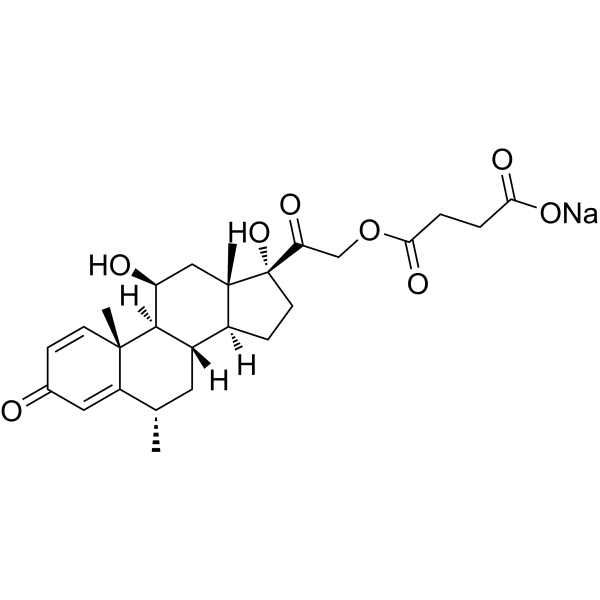
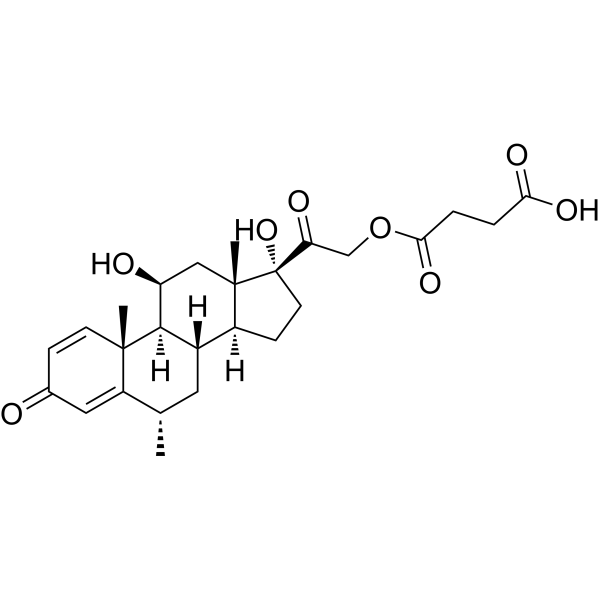
Methylprednisolone succinate (Methylprednisolone hydrogen succinate) sodium is a prodrug of Methylprednisolone (HY-B0260) and glucocorticoid with immunosuppressant and anti-inflammatory activity. Methylprednisolone succinate sodium binds cytosolic glucocorticoid receptors, translocates to nuclei, and modulates target gene transcription. Methylprednisolone succinate sodium alters Bax, Bcl-2, occludin, and ZO-1 expression; attenuates TLR4/NF-κB signaling; suppresses proinflammatory cytokine production and immune cell activation. Methylprednisolone succinate sodium can be used for the research of intracranial haemorrhage, rheumatoid arthritis, multiple sclerosis, preterminal cancer, inflammatory conditions, shock, immediate-type hypersensitivity, acute myocardial ischemia, hypoxic heart muscle damage, and traumatic spinal cord injury .
loading...
    loading...
3
3 Cited Publications
Cat. No.: HY-P99407
CAS No.: 2097151-87-4
Synonyms: VX 15/2503

Target:  

Inhibitory Antibodies

Research Areas:  

Neurological Disease Cancer

Pepinemab (VX 15/2503) is a human monoclonal antibody against SEMA4D, a signalling protein 4D (SEMA4D), also known as CD100, which is a regulator of neuronal development and plays a role in a variety of cellular processes. Pepinemab can be used in the study of various neurodegenerative diseases such as Alzheimer's disease by blocking the activity of SEMA4D .
loading...
    loading...
3
3 Cited Publications
Cat. No.: HY-B1900
CAS No.: 2921-57-5
Synonyms: Methylprednisolone hydrogen succinate
Methylprednisolone succinate (Methylprednisolone hydrogen succinate) is a prodrug of Methylprednisolone (HY-B0260) and glucocorticoid with immunosuppressant and anti-inflammatory activity. Methylprednisolone succinate binds cytosolic glucocorticoid receptors, translocates to nuclei, and modulates target gene transcription. Methylprednisolone succinate alters Bax, Bcl-2, occludin, and ZO-1 expression; attenuates TLR4/NF-κB signaling; suppresses proinflammatory cytokine production and immune cell activation. Methylprednisolone succinate can be used for the research of intracranial haemorrhage, rheumatoid arthritis, multiple sclerosis, preterminal cancer, inflammatory conditions, shock, immediate-type hypersensitivity, acute myocardial ischemia, hypoxic heart muscle damage, and traumatic spinal cord injury .
loading...
    loading...
3
3 Cited Publications
Cat. No.: HY-131181
CAS No.: 2393840-15-6
Purity:  99.73%
Target:  

Phospholipase

Research Areas:  

Neurological Disease

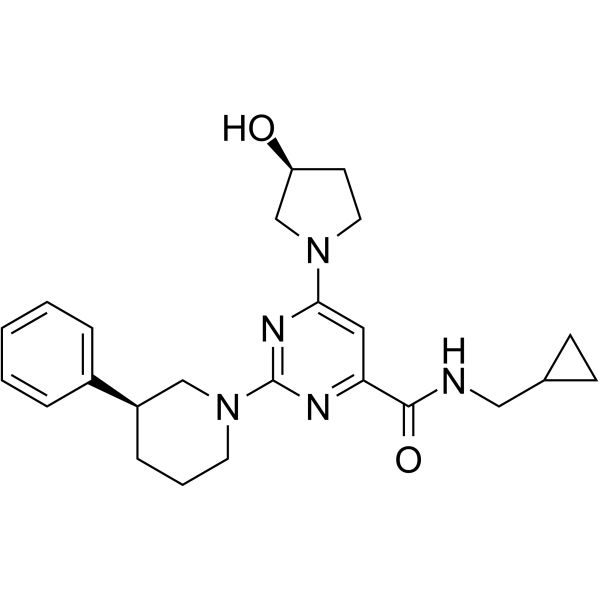
LEI-401 is a first-in-class, selective, and CNS-active NAPE-PLD (N-acylphosphatidylethanolamine phospholipase D) inhibitor, with an IC50 of 27 nM. LEI-401 modulates emotional behavior in mice .
loading...
    loading...
3
3 Cited Publications
Cat. No.: HY-66012
CAS No.: 5875-06-9
Synonyms: Proxymetacaine hydrochloride
Target:  

Sodium Channel

Research Areas:  

Neurological Disease

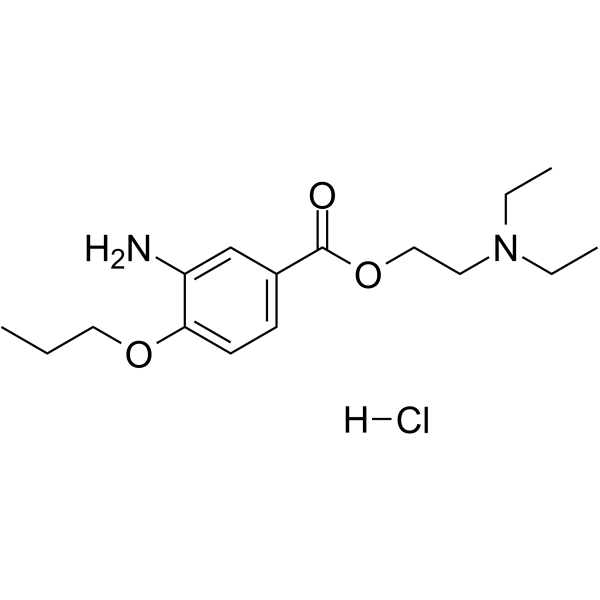
Proparacaine (Proxymetacaine) hydrochloride is a local anesthetic. Proparacaine hydrochloride blocks voltage-gated sodium channels on neuronal cell membranes, thereby inhibiting signal conduction and nociceptive signal transmission. Proparacaine hydrochloride blocks nociceptive signals in the eye and induces ocular muscle relaxation to reduce eye movement during surgery. Proparacaine hydrochloride is used in research related to cataracts .
loading...
    loading...
3
3 Cited Publications
Cat. No.: HY-103435
CAS No.: 858134-23-3
Purity:  99.90%
Synonyms: Terrestrin A
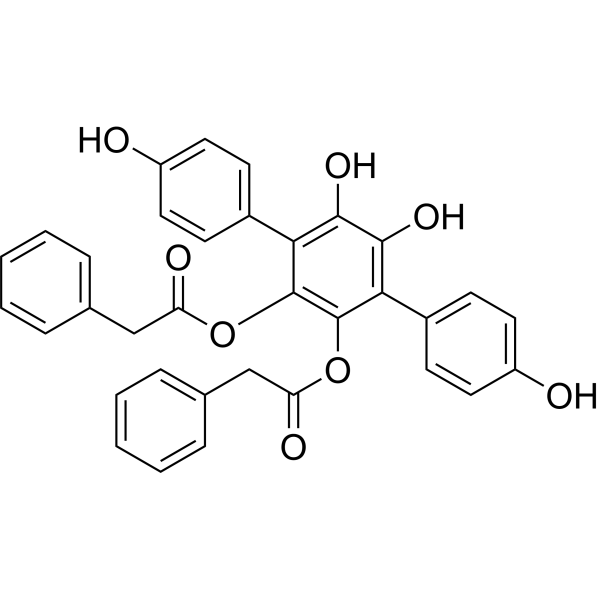
Vialinin A (Terrestrin A) is a p-terphenyl compound that can be derived from a Chinese edible mushroom. Vialinin A is an inhibitor of ubiquitin-specific peptidase 4 (USP4) and has anti-inflammatory and antioxidant properties. Vialinin A can alleviate cerebral ischaemia-reperfusion injury-induced neurological deficits and neuronal apoptosis. Vialinin A promotes activation of Keap1-Nrf2-ARE signaling pathway and increases the protein degradation of Keap1. Vialinin A possesses various pharmacological activities in cancer, Kawasaki disease, asthma, and pathological scarring. Vialinin A is a potent inhibitor of TNF-α, USP4, USP5, and sentrin/SUMO-specific protease 1 (SENP1). Vialinin A can be studied in reseach for autoimmune diseases, cancer and ischaemic stroke .
loading...
    loading...
2
2 Cited Publications
Cat. No.: HY-N5134
CAS No.: 85-32-5
Synonyms: 5'-GMP; 5'-guanosine monophosphate
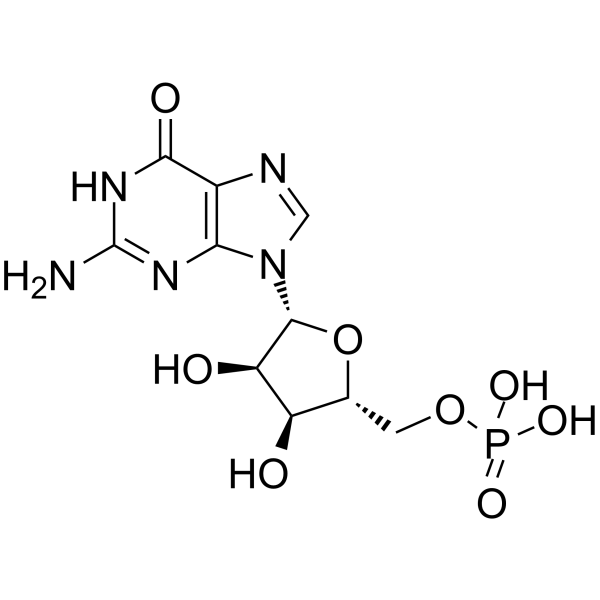
5'-Guanylic acid is a purine nucleotide that participates in physiological processes such as energy metabolism, signal transduction, and gene expression regulation. 5'-Guanylic acid regulates the expression of genes related to fatty acid metabolism. 5'-Guanylic acid is the weak agonist for ionotropic glutamate receptors (iGluR), reduces the activity of the glutamatergic system and exhibits neuroprotective effect. 5'-Guanylic acid also causes neuronal cell death at high concentrations .
loading...
    loading...
2
2 Cited Publications
Cat. No.: HY-Y0669
CAS No.: 535-75-1
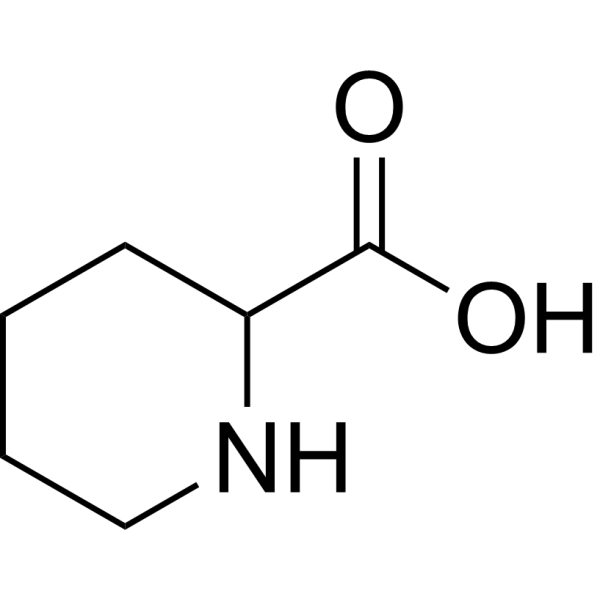
Pipecolic acid is an orally bioavailable, blood-brain barrier-permeable metabolite of lysine with antioxidant, inhibitor, and inducer activity. Pipecolic acid modulates the YAP-GPX4 signaling pathway, reduces retinal vascular tube formation, and mitigates ferroptosis. Pipecolic acid potentiates voltage-sensitive Ca 2+ channel currents and induces neuronal apoptosis. Pipecolic acid can be used for the research of diabetic retinopathy .
loading...
    loading...
2
2 Cited Publications
Cat. No.: HY-W010970
CAS No.: 5550-12-9
Synonyms: 5'-GMP disodium salt; 5'-guanosine monophosphate disodium salt
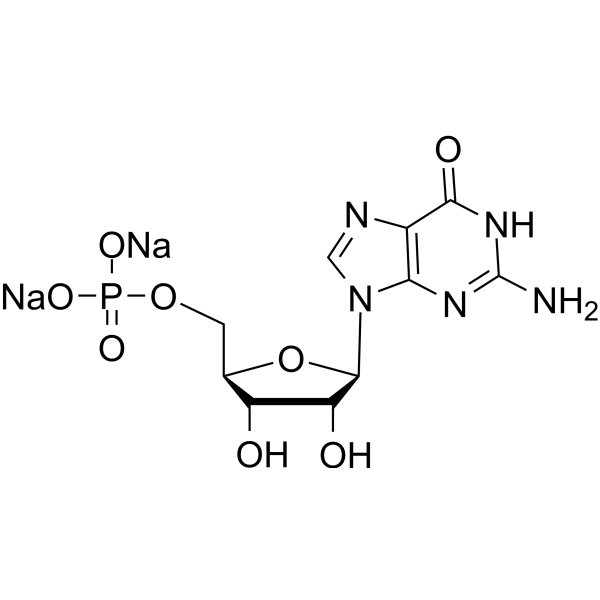
5'-Guanylic acid disodium salt is the disodium salt form of 5'-Guanylic acid (HY-N5134). 5'-Guanylic acid disodium salt is a purine nucleotide that participates in physiological processes such as energy metabolism, signal transduction, and gene expression regulation. 5'-Guanylic acid disodium salt regulates the expression of genes related to fatty acid metabolism. 5'-Guanylic acid disodium salt is the weak agonist for ionotropic glutamate receptors (iGluR), reduces the activity of the glutamatergic system and exhibits neuroprotective effect. 5'-Guanylic acid disodium salt also causes neuronal cell death at high concentrations .
loading...
    loading...
2
2 Cited Publications
Cat. No.: HY-B0653A
CAS No.: 27262-48-2
Synonyms: (S)-(-)-Bupivacaine monohydrochloride
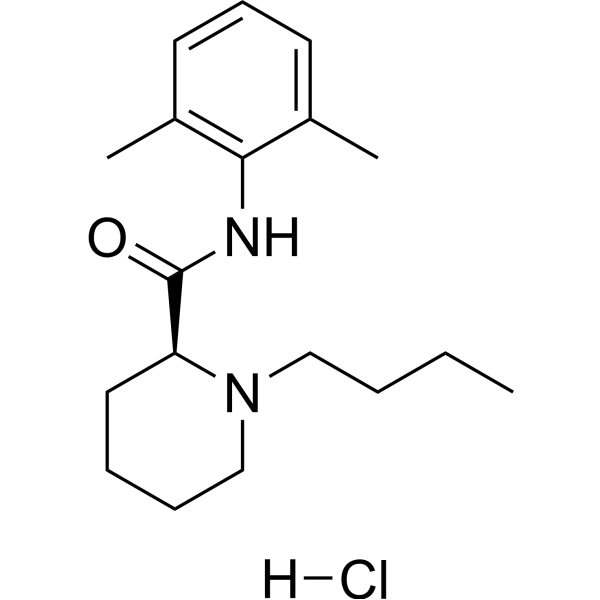
Levobupivacaine hydrochloride ((S)-(-)-Bupivacaine monohydrochloride) is a long-acting amide local agent that can suppress or relieve pain. Levobupivacaine hydrochloride exerts agent that can suppress or relieve pain. and analgesic effects through reversible blockade of neuronal sodium channel. Levobupivacaine hydrochloride can inhibit impulse transmission and conduction in cardiovascular and other tissues, possessing certain cardiac and CNS toxicity. Levobupivacaine hydrochloride is metabolized by hepatic cytochrome P450 (CYP450) enzymes in vivo. Levobupivacaine hydrochloride can also induce ferroptosis by miR-489-3p/SLC7A11 signaling in gastric cancer .
loading...
    loading...
2
2 Cited Publications
Cat. No.: HY-101318
CAS No.: 72786-10-8
Purity:  98.0%
Synonyms: β-FNA hydrochloride
β-Funaltrexamine (β-FNA) hydrochloride is a blood-brain barrier-permeable, selective and irreversible μ-opioid receptor antagonist with immunomodulatory, anti-inflammatory and neuroprotective activities. β-Funaltrexamine hydrochloride inhibits p38 MAPK and TLR4 signaling by blocking μ-opioid receptors, and reduces the transcriptional activities of NF-κB, AP-1, CREB and Stat. Furthermore, β-Funaltrexamine hydrochloride inhibits iNOS activation and pro-inflammatory microglial polarization, converting microglia to an anti-inflammatory phenotype, thereby downregulating neuroinflammation and ameliorating neuronal degeneration. β-Funaltrexamine hydrochloride is widely applicable to research related to stroke, cerebral ischemia/reperfusion injury and neurodegenerative diseases .
loading...
    loading...

