1. Search Result
Search Result
Results for "

osteosarcoma

" in MedChemExpress (MCE) Product Catalog:

147

Inhibitors & Agonists

3

Fluorescent Dye

4

Biochemical Assay Reagents

6

Peptides

17

Inhibitory Antibodies

34

Natural
Products

3

Isotope-Labeled Compounds

2

Antibodies

1

Oligonucleotides

1

GMP Molecules

Cat. No. Product Name Target Research Areas Chemical Structure
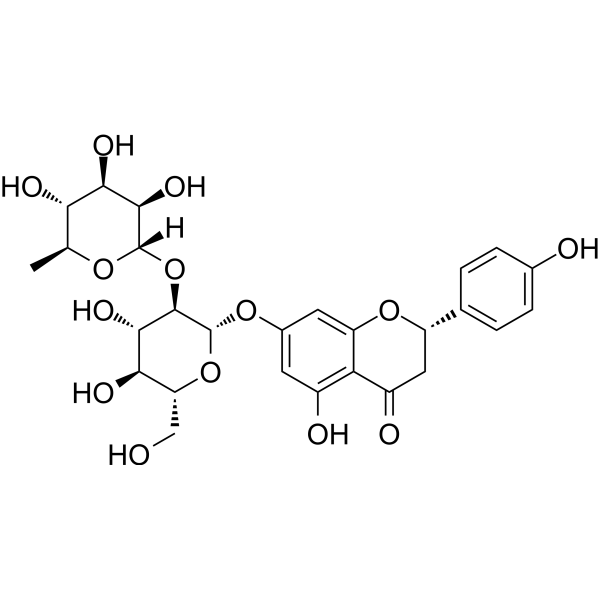
  • HY-N0153
    Naringin
    Maximum Cited Publications
    24 Publications Verification

    Naringoside

    Cytochrome P450 Autophagy Mitophagy Endogenous Metabolite Inflammation/Immunology Cancer
    Naringin is a major flavanone glycoside obtained from tomatoes, grapefruits, and many other citrus fruits. Naringin exhibits biological properties such as antioxidant, anti-inflammatory, and antiapoptotic activities. Naringin also inhibits proliferation and invasion and induces apoptosis in human osteosarcoma cells by inhibiting zinc finger E-box binding homeobox 1 (Zeb1) .
    Naringin
  • HY-134901
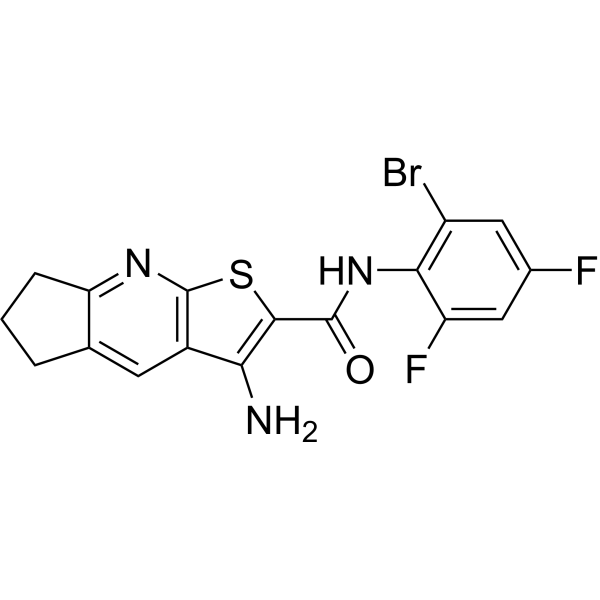
    WM-3835
    5+ Cited Publications

    Histone Acetyltransferase Apoptosis Cancer
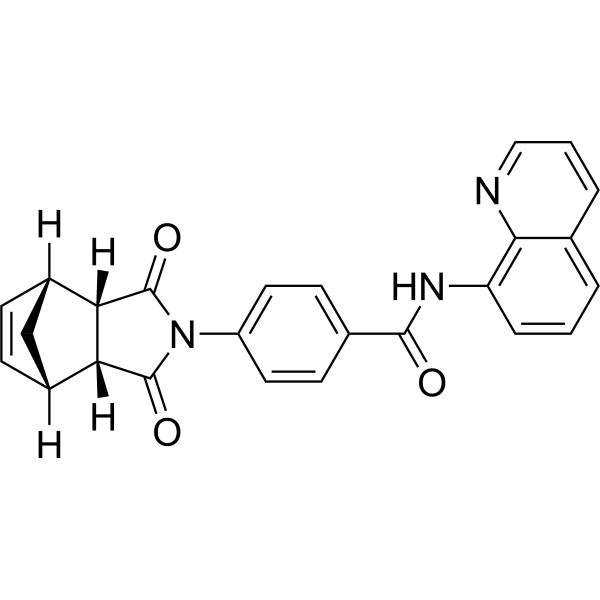
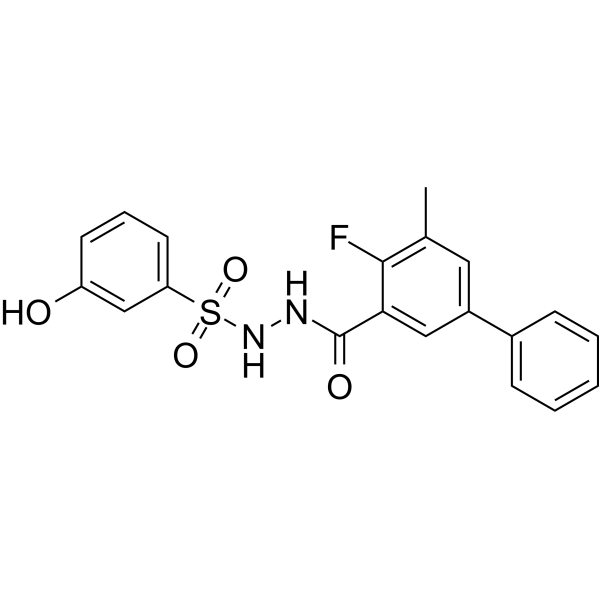
    WM-3835 is a potent and high-specific HBO1 (KAT7 or MYST2) inhibitor and binds directly to the acetyl-CoA binding site of HBO1. WM-3835 activates apoptosis while inhibits osteosarcoma (OS) cell proliferation, migration and invasion. WM-3835 has antitumor activity and potently inhibits pOS-1 xenograft growth in mice .
    WM-3835
  • HY-13682
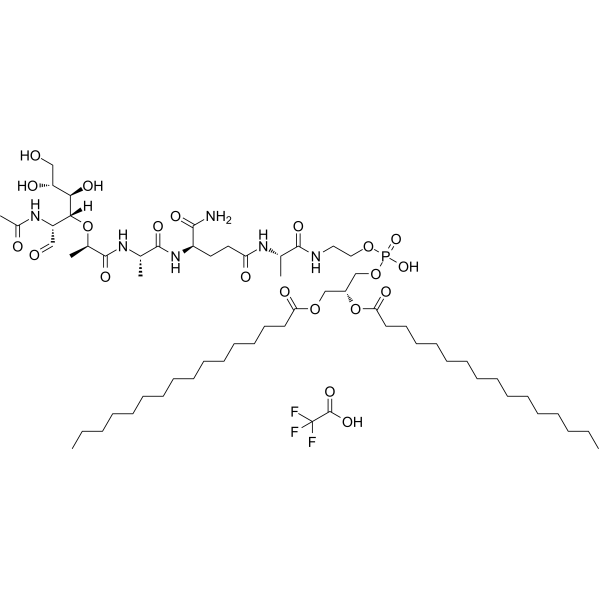
    Mifamurtide
    5 Publications Verification

    MTP-PE; L-MTP-PE; CGP 19835

    NOD-like Receptor (NLR) Inflammation/Immunology Cancer
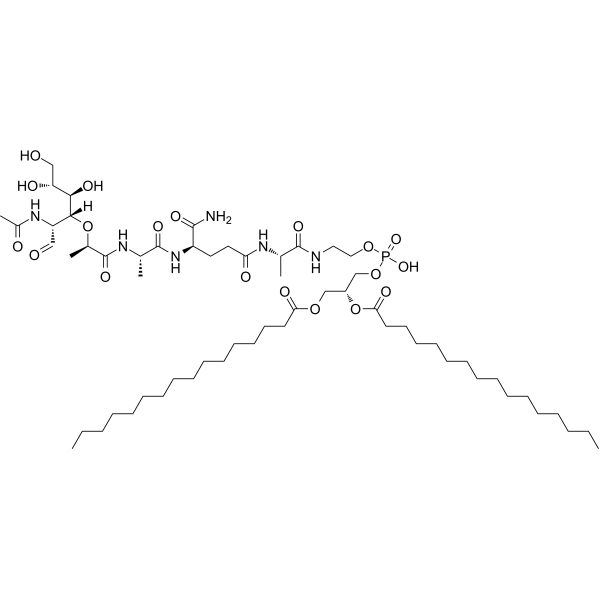
    Mifamurtide (MTP-PE), an analog of the muramyl dipeptide (MDP), is a nonspecific immunomodulator by stimulating the immune response activating macrophages and monocytes. Mifamurtide is a specific ligand for NOD2 and acts as an insulin sensitizer. Mifamurtide has potential for use in rare disease and osteosarcoma research .
    Mifamurtide
  • HY-17372
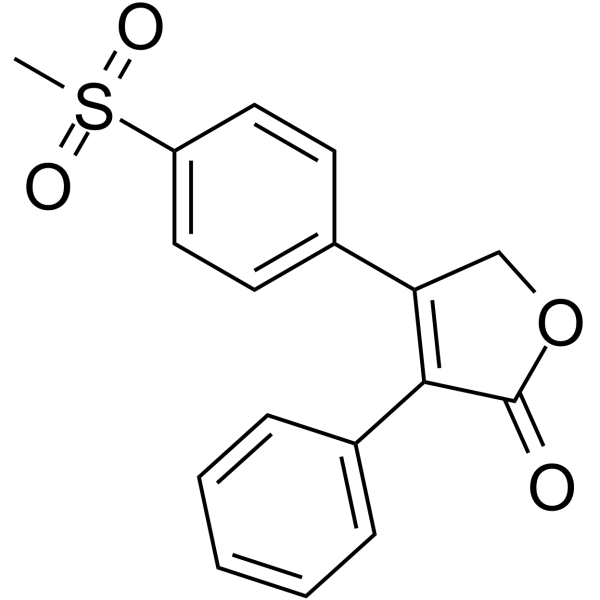
    Rofecoxib
    5 Publications Verification

    MK 966

    COX Inflammation/Immunology Cancer
    Rofecoxib is a potent, specific and orally active COX-2 inhibitor, with IC50s of 26 and 18 nM for human COX-2 in human osteosarcoma cells and Chinese hamster ovary cells, with a 1000-fold selectivity for COX-2 over human COX-1 (IC50 > 50 μM in U937 cells and > 15 μM in Chinese hamster ovary cells).
    Rofecoxib
  • HY-164561
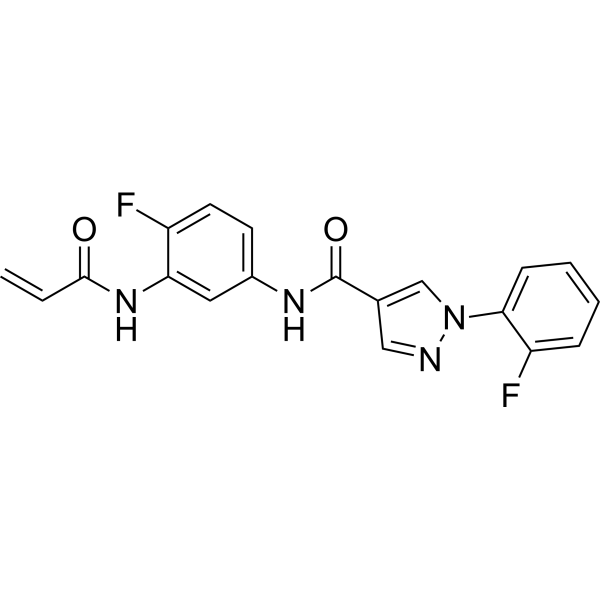
    TASIN-30
    1 Publications Verification

    Emopamil Binding Protein Ferroptosis Apoptosis Cancer
    TASIN-30 is a selective EBP inhibitor with an EC50 of 0.097 μM. TASIN-30 blocks the production of 7-dehydrocholesterol (7-DHC) and downstream cholesterol biosynthesis processes. TASIN-30 depletes downstream sterols, disrupts the integrity of lipid rafts in tumor cells, accelerates intracellular cholesterol consumption, and inhibits tumor cell proliferation. TASIN-30 induces ferroptosis and apoptosis by reducing 7-DHC levels and increasing phospholipid peroxidation. TASIN-30 achieves tumor suppression in nude mice with osteosarcoma. TASIN-30 can be used in cancer-related research such as colorectal cancer and osteosarcoma .
    TASIN-30
  • HY-P99126
    Anti-Mouse/Human CD44 Antibody (IM7)
    2 Publications Verification

    Transmembrane Glycoprotein CD44 Inflammation/Immunology Cancer
    Anti-Mouse/Human CD44 Antibody (IM7) is an anti-huamn and mouse CD44 IgG2b monoclonal antibody that recognizes a conserved epitope outside the HA-binding domain of the CD44 molecule. Anti-Mouse/Human CD44 Antibody (IM7) exerts a potent anti-inflammatory effect by inducing the shedding of cell surface CD44, significantly improving symptoms in mice with rheumatoid arthritis without affecting relevant immune responses. Anti-Mouse/Human CD44 Antibody (IM7) can be used for researches on inflammation conditions and cancer such as arthritis and osteosarcoma .
    Anti-Mouse/Human CD44 Antibody (IM7)
  • HY-N0563
    Alizarin
    1 Publications Verification

    AMPK VEGFR PI3K Akt NF-κB Cytochrome P450 Cardiovascular Disease Cancer
    Alizarin is a natural dye. Alizarin can be extracted from the roots of madder plant. Alizarin activates AMPK and VEGFR2/eNOS pathway. Alizarin regulates PI3K/Akt and inhibits NF-κB pathway. Alizarin enhances CYP1A1 enzyme activity. Alizarin has protective effects on hypertension and vascular endothelial dysfunction. Alizarin has anti-tumor activity against multiple cancers including pancreatic cancer, breast cancer, osteosarcoma and liver cancer. Alizarin has been widely used as a pigment in textile fabrics and paintings .
    Alizarin
  • HY-B1508

    Acetomenaphthone

    Endogenous Metabolite Apoptosis Cardiovascular Disease Cancer
    Vitamin K4 is a chemically synthesized Vitamin K which plays an important role in the normal blood coagulation system. Vitamin K4 arrests the cells in S phase and induces apoptosis. Vitamin K4 can be used for the research of cancer, such as prostate cancer and osteosarcoma .
    Vitamin K4
  • HY-W016781
    D-Arginine
    2 Publications Verification

    H-D-Arg-OH

    Endogenous Metabolite Neurological Disease Cancer
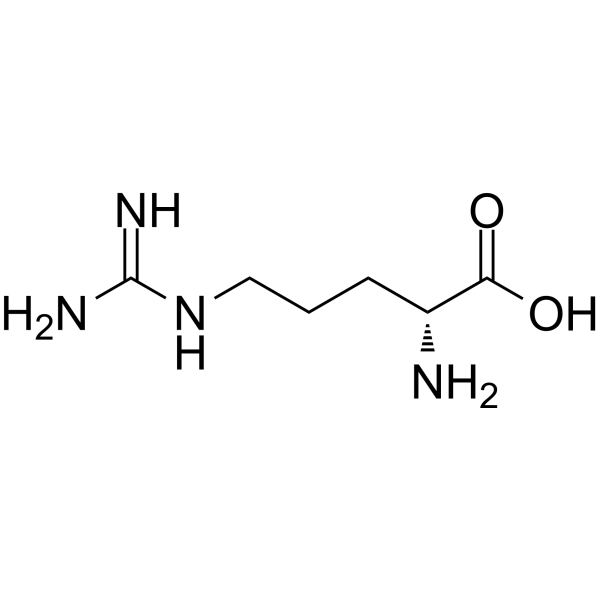
    D-arginine (H-D-Arg-OH) is the D-isomer of arginine. Arginine is an α-amino acid that is used in the biosynthesis of proteins. D-Arginine is an inactive form of L-arginine. D-arginine can be used in myeloma and neurological disease research . .
    D-Arginine
  • HY-127009

    Levofolinic acid; Levofolene

    Lysyl Oxidase Apoptosis Metabolic Disease Cancer
    Levoleucovorin (Levofolinic acid; Levofolene) is the pharmacologically and orally active levoisomer of Folinic acid (HY-17556), a synthetic folate analogue. Levoleucovorin can inhibit LOXL2 with an IC50 of 68.81 μM. Levoleucovorin can inhibit cancer cells proliferation, migration and induce apoptosis. Levoleucovorin can be used as a rescue agent for high-dose Methotrexate (HY-14519). Levoleucovorin can reduce the frequency of embryonic malformations. Levoleucovorin can be used for the research of can and endocrinology, such as breast cancer and osteosarcoma .
    Levoleucovorin
  • HY-W286743
    Nε-(Carboxymethyl)-L-lysine
    1 Publications Verification

    CML; N6-(Carboxymethyl)-L-lysine; Nε-(1-Carboxymethyl)-L-lysine

    Polo-like Kinase (PLK) ERK NF-κB Cancer
    Nε-(Carboxymethyl)-L-lysine (CML) is an orally active advanced glycation end product. Nε-(Carboxymethyl)-L-lysine upregulates the expression of PLK1 and CEP20, and induces the activation of RAGE and ERK/NFκB. Nε-(Carboxymethyl)-L-lysine drives centrosome amplification. Nε-(Carboxymethyl)-L-lysine induces malignant transformation of hepatocytes and promotes the development of hepatocellular carcinoma. Nε-(Carboxymethyl)-L-lysine induces epithelial-mesenchymal transition in osteosarcoma cells and enhances their migration and invasion properties .
    Nε-(Carboxymethyl)-L-lysine
  • HY-163573

    DNA/RNA Synthesis Cancer
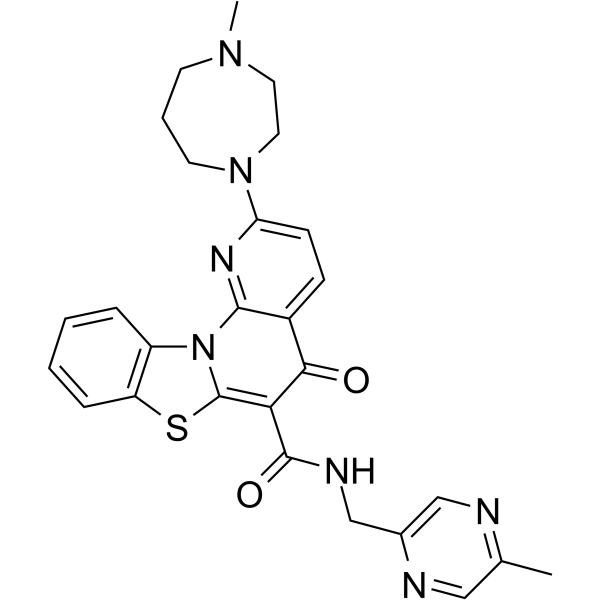
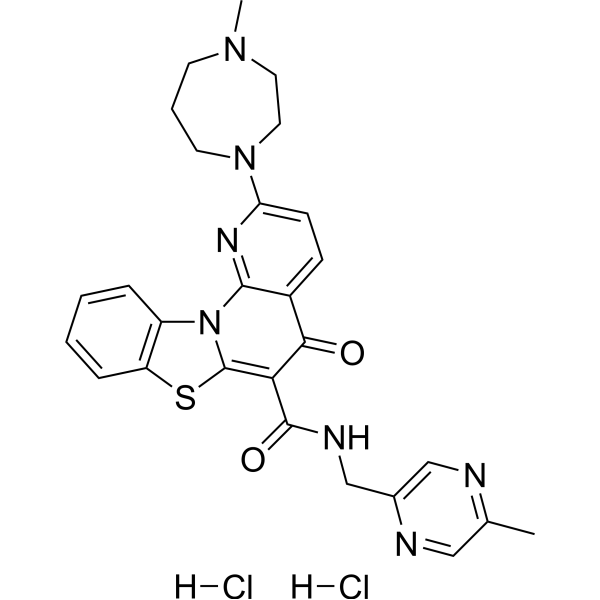
    FANCM-BTR PPI-IN-1 (Compound 32) is a FANCM/BTR interaction inhibitor that blocks the localization of FANCM to telomeres. FANCM-BTR PPI-IN-1 exhibits anticancer activity against osteosarcoma .
    FANCM-BTR PPI-IN-1
  • HY-B0012
    Pamidronic acid
    1 Publications Verification

    RANKL/RANK Toll-like Receptor (TLR) Wnt β-catenin Metabolic Disease Inflammation/Immunology Cancer
    Pamidronic acid, the second-generation nitrogen-containing bisphosphonate, is an inhibitor of bone loss. Pamidronic acid significantly inhibits subchondral bone loss in early osteoarthritis by upregulating the expression of OPG in cartilage and subchondral bone, and inhibiting the expression of RANKL and MMP-9 in both tissues, as well as TLR-4 in cartilage, thereby alleviating cartilage degeneration. Additionally, Pamidronic acid can inhibit the signaling of Wnt and β-catenin, and is applicable for research on osteoporosis and osteosarcoma .
    Pamidronic acid
  • HY-N7135

    Tyrosinase Fungal Metabolic Disease Inflammation/Immunology Cancer
    Tropolone is a seven-membered non-benzenoid aromatic compound, which is the precursor of many Azulene derivatives. Tropolone is a potent mushroom tyrosinase inhibitor with an IC50 value of 0.4 μM. Its inhibitory effect can be achieved by dialysis or excess CU2+ Reversa. Tropolone exhibits broad anti-viral and anti-fungal activity and is synergistic upon co-treatment with nucleos(t)ide analog drugs. Tropolone is a promising candidate for research in osteosarcoma .
    Tropolone
  • HY-107636
    DC_AC50
    5+ Cited Publications

    Apoptosis Cancer
    DC_AC50 is a dual inhibitor of Atox1 and CCS (copper chaperones). Inhibiting intracellular copper chaperones as a means of reducing/preventing acquired chemotherapy resistance .
    DC_AC50
  • HY-P991537

    HS-20093 Antibody; GSK5764227 Antibody

    ADC Antibody CD276/B7-H3 Cancer
    HS-20093 Antibody (GSK5764227 Antibody) is an antibody targeting B7-H3, which can be used to synthesize the ADC HS-20093. HS-20093 Antibody exhibits anti-tumor activity. HS-20093 Antibody can be studied in research for small cell lung cancer, relapsed or refractory osteosarcoma, and advanced solid tumors .
    Risvutatug
  • HY-B0012A
    Pamidronate disodium
    1 Publications Verification

    CGP 23339A

    RANKL/RANK Toll-like Receptor (TLR) Wnt β-catenin Metabolic Disease Inflammation/Immunology Cancer
    Pamidronate disodium (CGP 23339A), the second-generation nitrogen-containing bisphosphonate, is an inhibitor of bone loss. Pamidronate disodium significantly inhibits subchondral bone loss in early osteoarthritis by upregulating the expression of osteoprotegerin in cartilage and subchondral bone, and inhibiting the expression of RANKL and MMP-9 in both tissues, as well as TLR-4 in cartilage, thereby alleviating cartilage degeneration. Additionally, Pamidronate disodium can inhibit the signaling of Wnt and β-catenin, and is applicable for research on osteoporosis and osteosarcoma .
    Pamidronate disodium
  • HY-P990858

    CD47 Cancer
    Anti-CD47 Antibody (B6.H12) is a kind of mouse IgG1 κ chimeric antibody, targeting to human CD47. Anti-CD47 Antibody (B6.H12) blocks CD47 interactions with SIRPα. Anti-CD47 Antibody (B6.H12) inhibits cell proliferation, cell migration and invasion. Anti-CD47 Antibody (B6.H12) increases macrophage phagocytosis. Anti-CD47 Antibody (B6.H12) shows potent anti-tumor effect in various tumor models, such as osteosarcoma .
    Anti-CD47 Antibody (B6.H12)
  • HY-N2896

    Reactive Oxygen Species (ROS) Apoptosis Fungal Bacterial NF-κB SOD AMPK mTOR Notch Toll-like Receptor (TLR) Wnt MyD88 Sirtuin Infection Neurological Disease Inflammation/Immunology Cancer
    Arjunolic acid is an orally active, multifunctional bioactive compound. Arjunolic acid exhibits free radical scavenging activity, as well as fungal and bacterial activities. Arjunolic acid induces apoptosis (Apoptosis) in various cancer cells. Arjunolic acid protects hepatocytes against induced oxidative stress and apoptosis by reducing reactive oxygen species and inhibiting NF-κB activation. Arjunolic acid regulates pancreatic dysfunction in type 2 diabetic rats by blocking the activation of the TLR-4/MyD88 and canonical Wnt pathways. Arjunolic acid inhibits neuroinflammation and ameliorates depressive behaviors via the SIRT1/AMPK/Notch1 signaling pathway in microglia. Arjunolic acid improves Crohn's disease-like colitis by restoring gut microbiota composition and inhibiting TLR4 signaling. Arjunolic acid suppresses osteosarcoma progression by inhibiting Wnt3a-mediated M2 polarization of macrophages. Arjunolic acid ameliorates diabetic retinopathy via the autophagy pathway regulated by AMPK/mTOR/HO-1. Arjunolic acid is applicable to research related to type 2 diabetes, organ toxicity, depression, Crohn's disease, osteosarcoma, diabetic retinopathy, and testicular dysfunction .
    Arjunolic acid
  • HY-N2112
    Glaucocalyxin A
    2 Publications Verification

    PI3K Akt Apoptosis Cancer
    Glaucocalyxin A, an ent-kauranoid diterpene from Rabdosia japonica var., induces apoptosis in osteosarcoma by inhibiting nuclear translocation of Five-zinc finger Glis 1 (GLI1) via regulating PI3K/Akt signaling pathway. Glaucocalyxin A has antitumor effect .
    Glaucocalyxin A
  • HY-158109

    Antibody-Drug Conjugates (ADCs) CD2 Topoisomerase Cancer
    M3554 is an anti-GD2 antibody-drug conjugate (ADC) based on the humanized anti-GD2 antibody. M3554 consists of the humanized monoclonal antibody hu14.18 (K322A) (HY-P991040) linked to a topoisomerase 1 inhibitor Exatecan (HY-13631) via a cleavable β-glucuronide linker. M3554 can be used for the study of neuroblastoma, osteosarcoma or glioma .
    M3554
  • HY-B0730
    Pamidronate disodium pentahydrate
    1 Publications Verification

    RANKL/RANK Toll-like Receptor (TLR) Wnt β-catenin Metabolic Disease Inflammation/Immunology Cancer
    Pamidronate disodium pentahydrate, the second-generation nitrogen-containing bisphosphonate, is an inhibitor of bone loss. Pamidronate disodium pentahydrate significantly inhibits subchondral bone loss in early osteoarthritis by upregulating the expression of osteoprotegerin in cartilage and subchondral bone, and inhibiting the expression of RANKL and MMP-9 in both tissues, as well as TLR-4 in cartilage, thereby alleviating cartilage degeneration. Additionally, Pamidronate disodium pentahydrate can inhibit the signaling of Wnt and β-catenin, and is applicable for research on osteoporosis and osteosarcoma .
    Pamidronate disodium pentahydrate
  • HY-32341
    Seocalcitol
    2 Publications Verification

    EB 1089

    VD/VDR Cancer
    Seocalcitol is a vitamin D analog, binds vitamin D receptor protein from human osteosarcoma MG-63 cells with Kd of 0.27 nM.
    Seocalcitol
  • HY-169053

    IKK NF-κB Cancer
    SU1261 is an IKK inhibitor with Ki values of 10 nM and 680 nM for IKKα and IKKβ, respectively. SU1261 can inhibit non-canonical NF-κB signaling in U2OS osteosarcoma cells .
    SU1261
  • HY-122714

    PAI-1 Cancer
    SK-216 is a plasminogen activator inhibitor-1 (PAI-1) inhibitor that acts as an anti-metastatic agent for human osteosarcoma and inhibits lung metastasis of human osteosarcoma .
    SK-216
  • HY-148099

    Deubiquitinase Cancer
    USP1-IN-2 (Compound I-193) is a potent ubiquitin-specific protease 1 (USP1) inhibitor with an IC50 of less than about 50 nM. USP1-IN-2 can be used for the study of cancers such as osteosarcoma .
    USP1-IN-2
  • HY-P99594

    ZKAB001; STI-1014; STI-A1014

    PD-1/PD-L1 Cancer
    Socazolimab (ZKAB001) is an anti-PD-L1 monoclonal antibody. Socazolimab has lasting safety and efficacy in the treatment of recurrent or metastatic cervical cancer. Socazolimab also has potential applications in small cell lung cancer, esophageal squamous cell carcinoma (ESCC), advanced urothelial carcinoma and osteosarcoma .
    Socazolimab
  • HY-N7385

    MMP Apoptosis Cancer
    Nudol is a phenanthrene compound that has anti-cancer activity. Nudol inhibits cell proliferation, induces cell apoptosis. Nudol inhibits MMP-2M and MMP-9 activity (Ki: 988.9 nM, 1.76 μM, respectively). Nudol can be used in the research of cancers, such as osteosarcoma .
    Nudol
  • HY-P99218

    Sch 717454; 19D12

    IGF-1R Cancer
    Robatumumab (Sch 717454) is an anti-human IGF-1R (insulin-like growth factor receptor-1) antibody. Robatumumab shows anti-tumor activity and anti-proliferative activity to cancer cells. Robatumumab can be used in osteosarcoma and Ewing sarcoma research .
    Robatumumab
  • HY-N6611

    IGF-1R Infection Inflammation/Immunology Cancer
    Chimaphilin is an IGF-1R inhibitor (IC50: 0.086 μM). Chimaphilin has antifungal, antioxidant and anticancer activities. Chimaphilin inhibits the growth of both drug-sensitive and drug-resistant osteosarcoma cell lines. Chimaphilin can induce cancer cell apoptosis. Chimaphilin is a main component of pyrola .
    Chimaphilin
  • HY-13682B
    Mifamurtide sodium
    5 Publications Verification

    MTP-PE sodium; L-MTP-PE sodium; CGP 19835 sodium

    NOD-like Receptor (NLR) Inflammation/Immunology Cancer
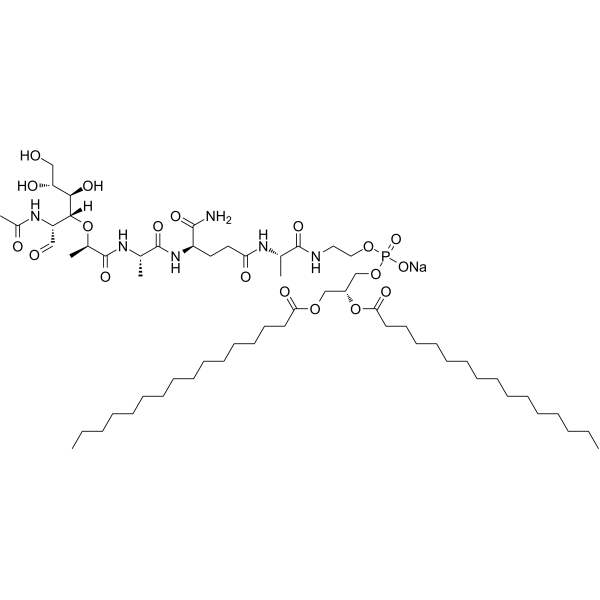
    Mifamurtide sodium (MTP-PE sodium), an analog of the muramyl dipeptide (MDP), is a nonspecific immunomodulator by stimulating the immune response activating macrophages and monocytes. Mifamurtide sodium is a specific ligand for NOD2 and acts as an insulin sensitizer. Mifamurtide sodium has potential for use in rare disease and osteosarcoma research .
    Mifamurtide sodium
  • HY-13682C
    Mifamurtide TFA
    5 Publications Verification

    MTP-PE TFA; L-MTP-PE TFA; CGP 19835 TFA

    NOD-like Receptor (NLR) Inflammation/Immunology Cancer
    Mifamurtide TFA (MTP-PE TFA), an analog of the muramyl dipeptide (MDP), is a nonspecific immunomodulator by stimulating the immune response activating macrophages and monocytes. Mifamurtide TFA is a specific ligand for NOD2 and acts as an insulin sensitizer. Mifamurtide TFA has potential for use in rare disease and osteosarcoma research .
    Mifamurtide TFA
  • HY-W020958

    Tris(acetylacetonato)ruthenium (III)

    Caspase Apoptosis Cancer
    Ru (acac) 3 (Tris (acetylacetonato) ruthenium (III)) is a caspase-3 activator and Apoptosis inducer. Ru (acac) 3 exerts growth inhibitory effects on various cell lines in vitro by inhibiting DNA/RNA synthesis and inducing mild reversible S-phase cell cycle arrest. Ru (acac) 3 is commonly used in research related to ovarian cancer, osteosarcoma, cervical cancer, melanoma, and other fields .
    Ru(acac)3
  • HY-N0153R
    Naringin (Standard)
    Maximum Cited Publications
    24 Publications Verification

    Naringoside (Standard)

    Endogenous Metabolite Cytochrome P450 Mitophagy Autophagy Reference Standards Inflammation/Immunology Cancer
    Naringin is a major flavanone glycoside obtained from tomatoes, grapefruits, and many other citrus fruits. Naringin exhibits biological properties such as antioxidant, anti-inflammatory, and antiapoptotic activities. Naringin also inhibits proliferation and invasion and induces apoptosis in human osteosarcoma cells by inhibiting zinc finger E-box binding homeobox 1 (Zeb1) .
    Naringin (Standard)
  • HY-169296

    IMPDH Cancer
    IMPDH2-IN-4 (Compound 2d) is a selective IMPDH2 inhibitor with a Ki,app value of 1.8 μM. IMPDH2-IN-4 exhibits anti-cancer activity against osteosarcoma. IMPDH2-IN-4 can be used in research related to osteosarcoma .
    IMPDH2-IN-4
  • HY-P3730

    CDK Cancer
    Cdk2/Cyclin Inhibitory Peptide I (Tat-LFG), a CDK2 inhibitor, kills U2OS osteosarcoma cells in a dose-dependent manner .
    Cdk2/Cyclin Inhibitory Peptide I
  • HY-N6865
    Groenlandicine
    2 Publications Verification

    Cholinesterase (ChE) Topoisomerase Reactive Oxygen Species (ROS) Beta-secretase Apoptosis Neurological Disease Metabolic Disease Inflammation/Immunology Cancer
    Groenlandicine, a protoberberine alkaloid, is a cholinesterase inhibitor (AChE (IC50 = 0.54 μM), BChE (IC50 = 3.32 μM)). Groenlandicine non-competitively inhibits BACE1 (IC50 = 19.68 μM, Ki = 21.2) and inhibits RLAR (IC50 = 140.1 μM), HRAR (IC50 = 154.2 μM), and total ROS generation (IC50 = 51.78 μM) in vitro. Groenlandicine suppresses osteosarcoma cell proliferation while promoting apoptosis. Groenlandicine inhibits the tumor growth when combined with Cisplatin (HY-17394). Groenlandicine can be used for the study on osteosarcoma, Alzheimer's disease and diabetes mellitus .
    Groenlandicine
  • HY-158318

    DNA/RNA Synthesis Cancer
    NUDT5/14 antagonist 1 (Compound 9) is a selective, dual antagonist for nucleotide diphosphate kinase NUDT5 and NUDT14, with IC50 of 0.27 and 0.16 μM, respectively. NUDT5/14 antagonist 1 binds to Bruton’s tyrosine kinase (BTK) with an IC50 of 0.377 μM .
    NUDT5/14 antagonist 1
  • HY-124588

    DNA Methyltransferase Cancer
    MC3343, a DNMT inhibitor (EC50 of 5.7 μM) and a strong DNA binder, affects tumor proliferation by blocking OS cells in G1 or G2/M phases and induces osteoblastic differentiation through the specific re-expression of genes regulating this physiological process .
    MC3343
  • HY-P10841

    Amino Acid Derivatives Cancer
    CyPep-1 is a novel cationic lytic peptide with antitumor activity. CyPep-1 is highly cytotoxic by interacting with the negatively charged cell membrane of cancer cells. CyPep-1 has strong cytolytic activity on cancer cells both in vivo and in vitro, and can be used in the study of solid tumors .
    CyPep-1
  • HY-P990282

    Transmembrane Glycoprotein Cancer
    Anti-Mouse CD24 Antibody (M1/69) is a rat-derived anti-mouse CD24 IgG2b κ type antibody inhibitor. Anti-Mouse CD24 Antibody reduces heat stable antigen (HSA) expression level and delays wound healing in Wild-type HSA +/+ mice .
    Anti-Mouse CD24 Antibody (M1/69)
  • HY-178989

    Phosphoglycerate Kinase (PGK) Cuproptosis Cancer
    PGK1-IN-2 (Compound 60) is a PGK1 inhibitor with an IC50 of 8.24 μM. PGK1-IN-2 demonstrates a significant ability to inhibit the proliferation of osteosarcoma cells. PGK1-IN-2 interferes with the glycolytic pathway of tumor cells by inhibiting PGK1. PGK1-IN-2 inhibits cell migration and invasion, and induces cell S phase and G2-M phase cycle arrest. PGK1-IN-2 may kill cells by inducing cuproptosis. PGK1-IN-2 shows a significant anti-tumor effect in the MNNG-HOS osteosarcoma xenograft mouse model. PGK1-IN-2 can be used for the study of osteosarcoma .
    PGK1-IN-2
  • HY-176261

    PROTACs Cancer
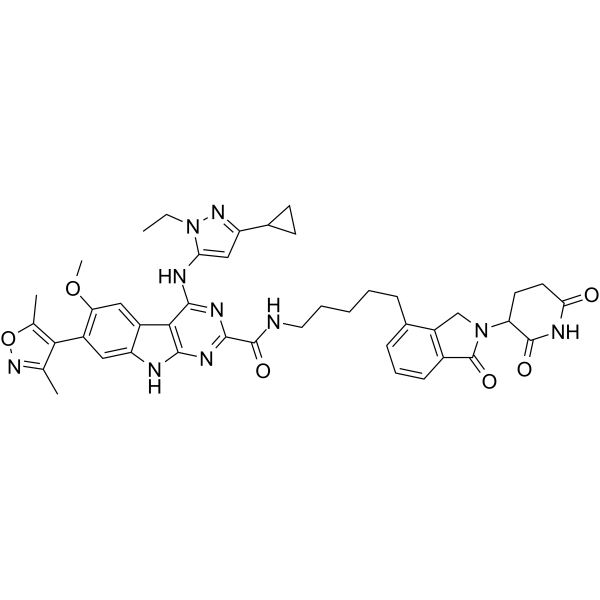
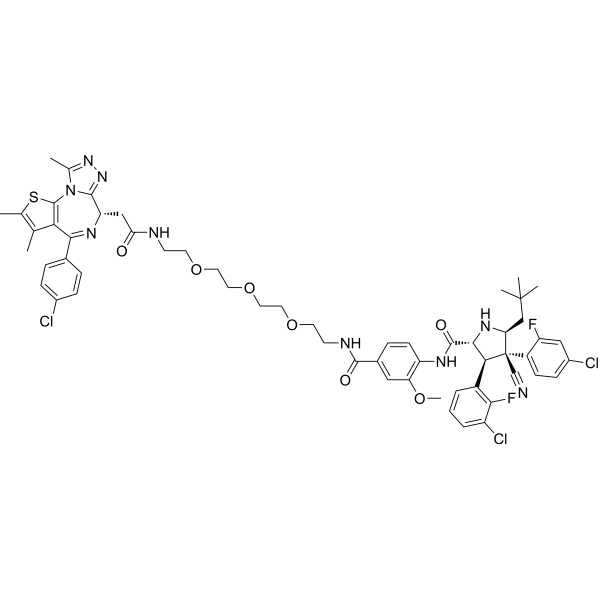
    DDD2 is a selective and potent VHL-mediated PROTAC NUDT5 degrader. DDD2 induces robust NUDT5 degradation. DDD2 can be used in cancer research, such as lymphocytic leukemia and osteosarcoma . (Structure Note: Pink: NUDT5 inhibitor (HY-176262); Blue: E3 (HY-125845); Black: linker (HY-W001958))
    DDD2
  • HY-P10775

    Peptide-Drug Conjugates (PDCs) MMP Cancer
    BT1769 is a MT1-MMP-targeted (KD = 3.35 nM) Bicycle toxin conjugate. BT1769 can be used in the study for osteosarcoma. BT1769 consists of a novel bicyclic targeting peptide that selectively binds MT1-MMP; a cytotoxin MMAE; and an enzymatically cleavable dipeptide linker .
    BT1769
  • HY-N7135R

    Tyrosinase Reference Standards Fungal Metabolic Disease Inflammation/Immunology Cancer
    Tropolone is a seven-membered non-benzenoid aromatic compound, which is the precursor of many Azulene derivatives. Tropolone is a potent mushroom tyrosinase inhibitor with an IC50 value of 0.4 μM. Its inhibitory effect can be achieved by dialysis or excess CU2+ Reversa. Tropolone exhibits broad anti-viral and anti-fungal activity and is synergistic upon co-treatment with nucleos(t)ide analog drugs. Tropolone is a promising candidate for research in osteosarcoma .
    Tropolone (Standard)
  • HY-P10775A

    MMP Cancer
    BT1769 acetate is a conjugate and antitumor agent targeting MT1-MMP, with a Kd value of 3.35 nM against human targets. BT1769 acetate exhibits favorable pharmacokinetic properties. BT1769 acetate specifically binds to MT1-MMP via its bicyclic peptide component, delivering the cytotoxic agent MMAE (HY-15162) to antigen-expressing cells. It effectively inhibits tumor growth, induces complete responses, and significantly prolongs event-free survival in osteosarcoma patient-derived xenograft models. BT1769 acetate shows extremely low activity in Ewing sarcoma models and can be used in osteosarcoma-related research .
    BT1769 acetate
  • HY-144653

    PDGFR Apoptosis Cancer
    PDGFR-IN-1 (compound 7m) is a potent and orally active PDGFR (platelet-derived growth factor receptor) inhibitor, with IC50 values of 2.4 and 0.9 nM for PDGFRα and PDGFRβ, respectively. PDGFR-IN-1 displays robust antitumor effects and low toxicity, and can be used to study osteosarcoma .
    PDGFR-IN-1
  • HY-162970

    Wnt Cancer
    XD23 is a potent osteosarcoma inhibitor that works by downregulating DKK1 and activating the WNT/β-catenin signaling pathway.
    XD23
  • HY-13752

    HSP Cancer
    STA-1474 is an orally active and highly selective HSP90 inhibitor. STA-1474 can trigger tumor cell apoptosis. STA-1474 demonstrates significant antitumor efficacy in spontaneous canine cancer models (e.g., osteosarcoma, thyroid carcinoma). STA-1474 is promising for research of solid tumors (e.g., osteosarcoma, breast cancer) and HSP90-driven cancers .
    STA-1474
  • HY-13682A

    MTP-PE sodium hydrate; L-MTP-PE sodium hydrate; CGP 19835 sodium hydrate

    NOD-like Receptor (NLR) Inflammation/Immunology Cancer
    Mifamurtide (MTP-PE; CGP 19835) sodium hydrate is the sodium hydrate of mifamurtide. Mifamurtide is a nonspecific immunomodulator that acts by stimulating immune responses by activating macrophages and monocytes. Mifamurtide is a specific ligand for NOD2 and is used as an insulin sensitizer and may also be used in osteosarcoma research .
    Mifamurtide sodium hydrate

Inquiry Online

Your information is safe with us. * Required Fields.

Salutation


Country or Region *

Applicant Name *


Organization Name *

Department *


Email Address *


Product Name *

Cat. No.


Requested quantity *

Phone Number *


Remarks

Inquiry Online

Inquiry Information

Product Name:
Cat. No.:
Quantity:
MCE Japan Authorized Agent:

