1. Search Result
Search Result
Results for "

p-53 level

" in MedChemExpress (MCE) Product Catalog:

73

Inhibitors & Agonists

19

Natural
Products

2

Oligonucleotides

Targets Recommended:
Cat. No. Product Name Target Research Areas Chemical Structure
  • HY-N0171A
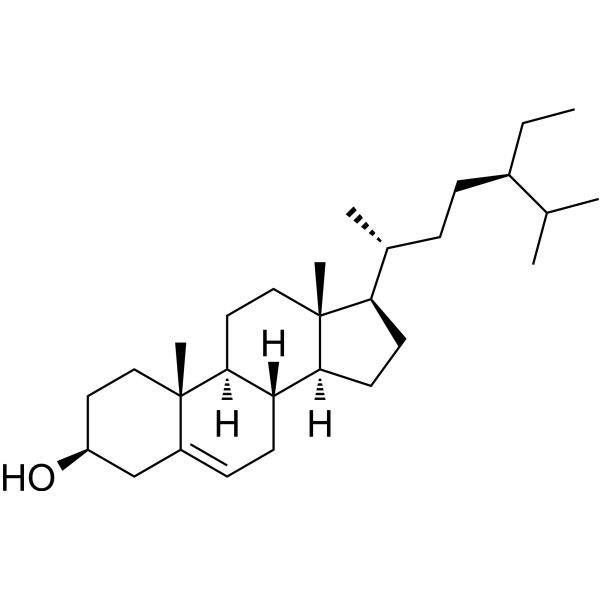
    Beta-Sitosterol (purity>98%)
    15+ Cited Publications

    β-Sitosterol (purity>98%); 22,23-Dihydrostigmasterol (purity>98%)

    Bacterial Apoptosis Reactive Oxygen Species (ROS) MDM-2/p53 Caspase PARP MMP Bcl-2 Family HIF/HIF Prolyl-Hydroxylase TNF Receptor Interleukin Related NF-κB mTOR Lactate Dehydrogenase CDK Glutathione Peroxidase SOD Infection Cardiovascular Disease Inflammation/Immunology Cancer
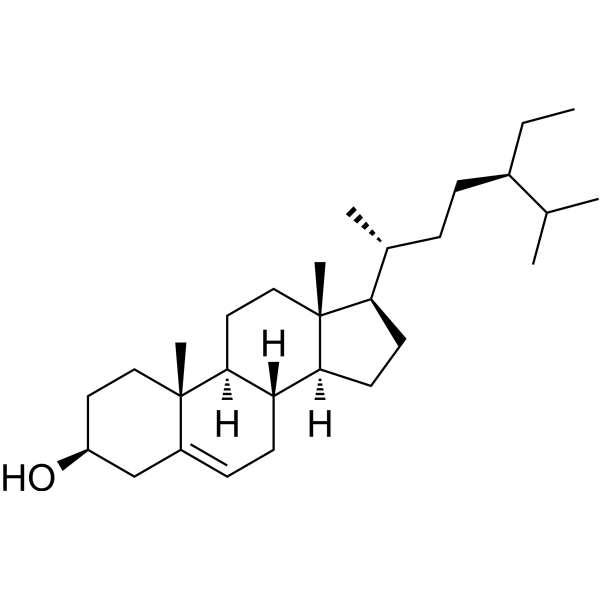
    Beta-Sitosterol (purity>98%) is orally active. Beta-Sitosterol exhibits multiple activities, including anti-inflammatory, anticancer, antioxidant, antimicrobial, antidiabetic, antioxidant enzyme, and analgesic. Beta-Sitosterol inhibits inflammation and impaired adipogenesis in bovine mammary epithelial cells by reducing levels of ROS, TNF-α, IL-1β, and NF-κB p65 and restoring the activity of the HIF-1α/mTOR signaling pathway. Beta-Sitosterol induces apoptosis in cancer cells through ROS-mediated mitochondrial dysregulation and p53 activation. Beta-Sitosterol exerts its anticancer effects in cancer cells by activating caspase-3, caspase-8, and caspase-9, mediating PARP inactivation, MMP loss, altered Bcl-2-Bax ratio, and cytochrome c release. Beta-Sitosterol modulates macrophage polarization and reduces rheumatoid inflammation in mice. Beta-Sitosterol inhibits tumor growth in multiple mouse cancer models. Beta-Sitosterol can be used in the research of arthritis, lung cancer, breast cancer and other cancers, diabetes, etc .
    Beta-Sitosterol (purity>98%)
  • HY-N0171
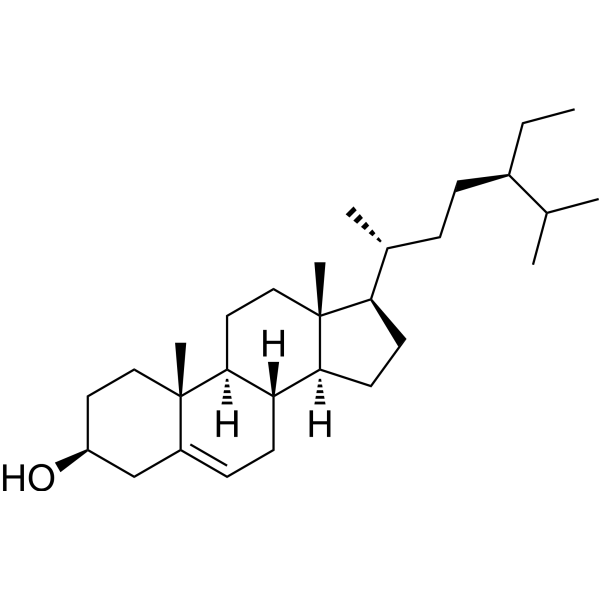
    Beta-Sitosterol (purity>80%)
    20+ Cited Publications

    Apoptosis Endogenous Metabolite Cardiovascular Disease Inflammation/Immunology Cancer
    Beta-Sitosterol (purity≥80%) is orally active. Beta-Sitosterol exhibits multiple activities, including anti-inflammatory, anticancer, antioxidant, antimicrobial, antidiabetic, antioxidant enzyme, and analgesic. Beta-Sitosterol inhibits inflammation and impaired adipogenesis in bovine mammary epithelial cells by reducing levels of ROS, TNF-α, IL-1β, and NF-κB p65 and restoring the activity of the HIF-1α/mTOR signaling pathway. Beta-Sitosterol induces apoptosis in cancer cells through ROS-mediated mitochondrial dysregulation and p53 activation. Beta-Sitosterol exerts its anticancer effects in cancer cells by activating caspase-3, caspase-8, and caspase-9, mediating PARP inactivation, MMP loss, altered Bcl-2-Bax ratio, and cytochrome c release. Beta-Sitosterol modulates macrophage polarization and reduces rheumatoid inflammation in mice. Beta-Sitosterol inhibits tumor growth in multiple mouse cancer models. Beta-Sitosterol can be used in the research of arthritis, lung cancer, breast cancer and other cancers, diabetes, etc .
    Beta-Sitosterol (purity>80%)
  • HY-12025
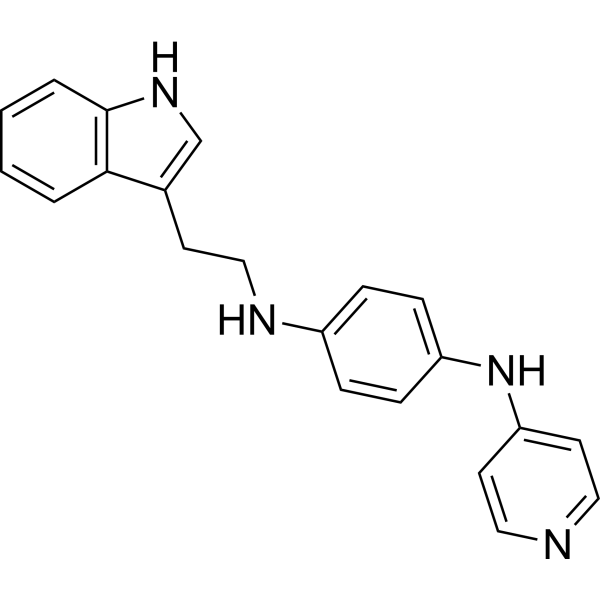
    Serdemetan
    3 Publications Verification

    JNJ-26854165

    MDM-2/p53 E1/E2/E3 Enzyme Apoptosis Cancer
    Serdemetan (JNJ-26854165) is a potent anticancer agent with radiosensitizing activity. Serdemetan exhibits antiproliferative activity in various p53 wild-type tumor cells. Serdemetan also antagonizes the Mdm2-HIF1α axis leading to decreased levels of glycolytic enzymes .
    Serdemetan
  • HY-N0559
    Kirenol
    1 Publications Verification

    Casein Kinase Apoptosis AMPK Akt NF-κB TGF-beta/Smad Cardiovascular Disease Neurological Disease Metabolic Disease Inflammation/Immunology Cancer
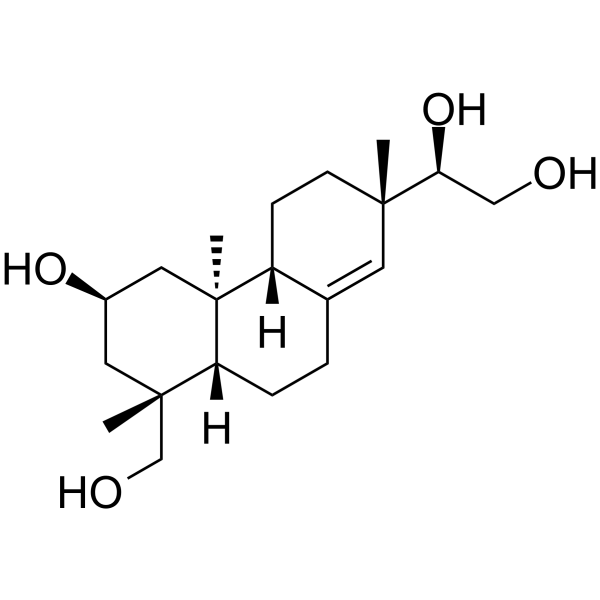
    Kirenol is a diterpenoid compound, an orally active apoptosis inducer and signaling pathway regulator, with a Kd value of 5.47 μM against the target CK2. Kirenol promotes the cleavage of Bid into tBid, regulates the protein levels/phosphorylation of Bax, Bcl-2, p53 and p21, and induces caspase-independent apoptosis, S-phase cell cycle arrest, ROS accumulation and cytotoxicity in cancer cells. Kirenol activates the CK2/AKT and AMPK-mTOR-ULK1 pathways, inhibits the signaling of NF-κB, TGF-β/Smads and NLRP3 inflammasome, and regulates the GSK3β, BMP and Wnt/β-catenin pathways. Kirenol induces autophagy, mitophagy and osteoblast differentiation, promotes mitochondrial fusion, and exerts antioxidant, anti-inflammatory, antifibrotic, renoprotective, cardioprotective, neuroprotective and analgesic effects. Kirenol is applicable to research related to chronic myeloid leukemia, ischemic stroke, diabetic nephropathy, heart failure, acute lung injury and osteoporosis .
    Kirenol
  • HY-15221
    Methylstat
    3 Publications Verification

    Apoptosis Histone Demethylase MDM-2/p53 Cardiovascular Disease Cancer
    Methylstat is a potent histone demethylases inhibitor. Methylstat shows anti-proliferative activity with low cytotoxicity. Methylstat induces apoptosis and cell cycle arrest at G0/G1 phase. Methylstat increases the expression of p53 and p21 protein levels. Methylstat inhibits angiogenesis induced by various cytokines. Methylstat can be used as a chemical probe for addressing its role in angiogenesis .
    Methylstat
  • HY-N0171R
    Beta-Sitosterol (Standard)
    5+ Cited Publications

    β-Sitosterol (Standard); 22,23-Dihydrostigmasterol (Standard))

    Reference Standards Apoptosis Endogenous Metabolite Cardiovascular Disease Inflammation/Immunology Cancer
    Beta-Sitosterol (Standard) is the analytical standard of Beta-Sitosterol. This product is intended for research and analytical applications. Beta-Sitosterol (purity≥80%) is orally active. Beta-Sitosterol exhibits multiple activities, including anti-inflammatory, anticancer, antioxidant, antimicrobial, antidiabetic, antioxidant enzyme, and analgesic. Beta-Sitosterol inhibits inflammation and impaired adipogenesis in bovine mammary epithelial cells by reducing levels of ROS, TNF-α, IL-1β, and NF-κB p65 and restoring the activity of the HIF-1α/mTOR signaling pathway. Beta-Sitosterol induces apoptosis in cancer cells through ROS-mediated mitochondrial dysregulation and p53 activation. Beta-Sitosterol exerts its anticancer effects in cancer cells by activating caspase-3, caspase-8, and caspase-9, mediating PARP inactivation, MMP loss, altered Bcl-2-Bax ratio, and cytochrome c release. Beta-Sitosterol modulates macrophage polarization and reduces rheumatoid inflammation in mice. Beta-Sitosterol inhibits tumor growth in multiple mouse cancer models. Beta-Sitosterol can be used in the research of arthritis, lung cancer, breast cancer and other cancers, diabetes, etc.
    Beta-Sitosterol (Standard)
  • HY-108638
    NSC 146109 hydrochloride
    2 Publications Verification

    XI-011 hydrochloride

    MDM-2/p53 Apoptosis PARP Cancer
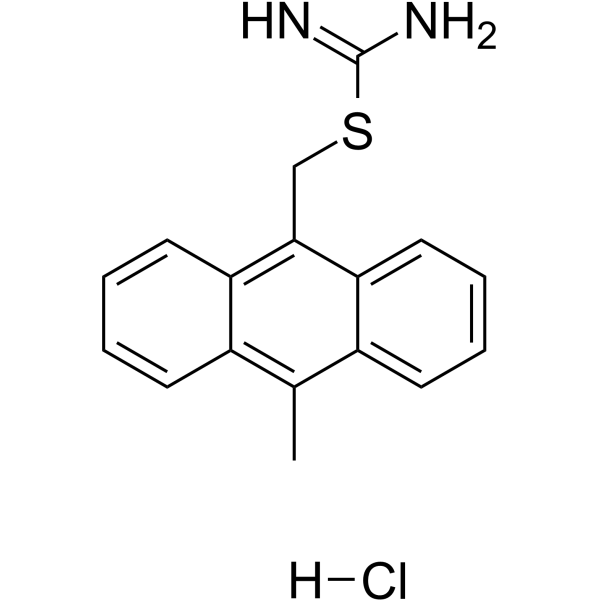
    NSC 146109 hydrochloride (XI-011 hydrochloride) is a p53 activator and MDMX inhibitor. NSC 146109 hydrochloride inhibits MDMX gene transcription, downregulates MDMX mRNA and protein levels, stabilizes p53 and activates the transcriptional activity of p53. NSC 146109 hydrochloride induces cancer cell apoptosis (apoptosis) and inhibits the growth of transformed cells. NSC 146109 hydrochloride inhibits the growth of xenograft tumors. NSC 146109 hydrochloride can be used in research related to breast cancer and cervical cancer .
    NSC 146109 hydrochloride
  • HY-128784

    MDM-2/p53 Reactive Oxygen Species (ROS) Cancer
    PK11007 is a mild thiol alkylator with anticancer activity. PK11007 stabilizes p53 via selective alkylation of two surface-exposed cysteines without compromising its DNA binding activity. PK11007 induces mutant p53 cancer cell death by increasing reactive oxygen species (ROS) levels .
    PK11007
  • HY-N0912
    Rehmannioside D
    1 Publications Verification

    Sirtuin Apoptosis MDM-2/p53 Reactive Oxygen Species (ROS) Bcl-2 Family Caspase Metabolic Disease Inflammation/Immunology
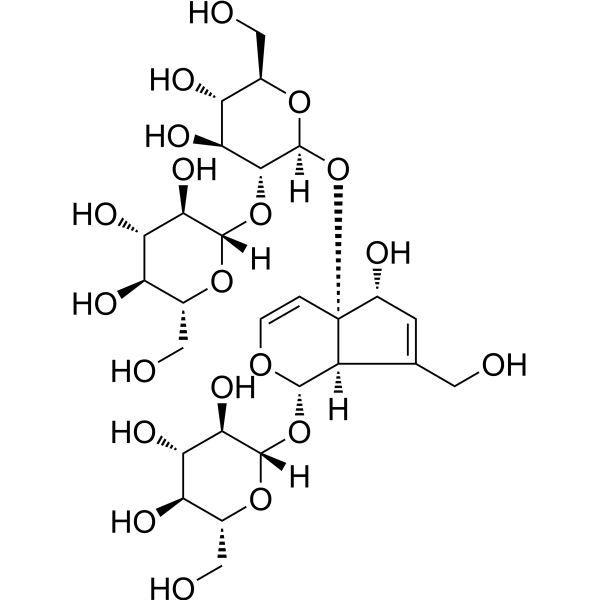
    Rehmannioside D is an orally active Sirt7 modulator. Rehmannioside D upregulates Sirt7 expression, inhibits the level of acetylated p53, and blocks the activation of the p53 signaling pathway. Rehmannioside D alleviates liver injury, inflammatory response, collagen deposition and hepatocyte apoptosis. Rehmannioside D is applicable to research related to liver fibrosis .
    Rehmannioside D
  • HY-128841
    PROTAC MDM2 Degrader-2
    1 Publications Verification

    PROTACs MDM-2/p53 E1/E2/E3 Enzyme Cancer
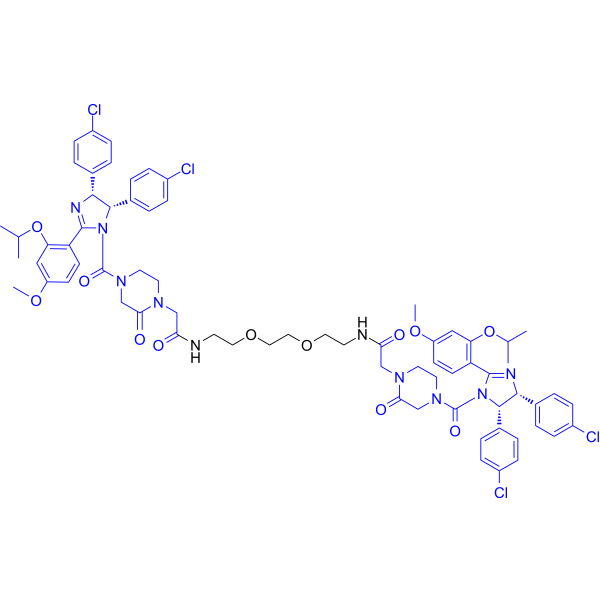
    PROTAC MDM2 Degrader-2 is an MDM2 PROTAC degrader. PROTAC MDM2 Degrader-2 can induce the self-ubiquitination and degradation of MDM2, thereby upregulating the level of p53 protein. PROTAC MDM2 Degrader-2 has anti-tumor activity and can be used in the study of cancer . (Blue: MDM2 ligand (HY-128836); Black: linker (HY-128833))
    PROTAC MDM2 Degrader-2
  • HY-N2993

    Apoptosis Caspase PARP Akt PTEN MDM-2/p53 JNK Cancer
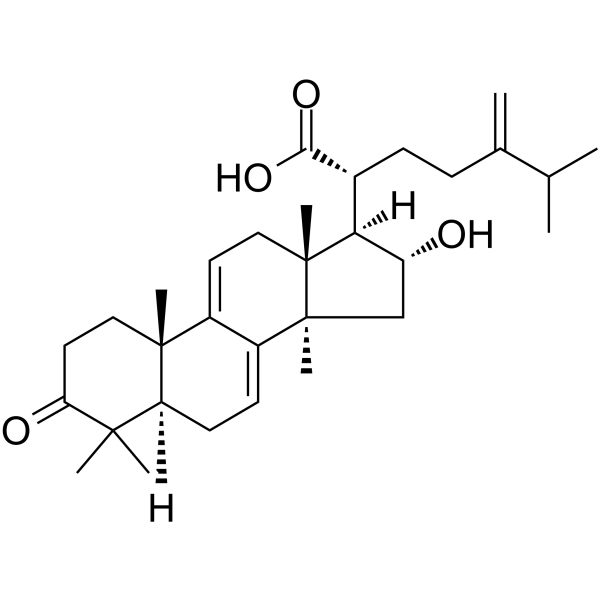
    Polyporenic acid C is a lanostane-type triterpenoid. Polyporenic acid C can be isolated from Poria cocos. Polyporenic acid C causes the cleavage of caspase-8 and caspase-3, as well as the cleavage of PARP. Polyporenic acid C reduces the phosphorylation level of Akt (Ser473), increases the phosphorylation of PTEN and p53 (Ser15), and activates JNK. Polyporenic acid C induces Apoptosis. Polyporenic acid C shows anticancer activity against non-small cell lung cancer .
    Polyporenic acid C
  • HY-N3677

    OGT Akt mTOR GSK-3 Reactive Oxygen Species (ROS) Apoptosis PARP MDM-2/p53 Inflammation/Immunology Cancer
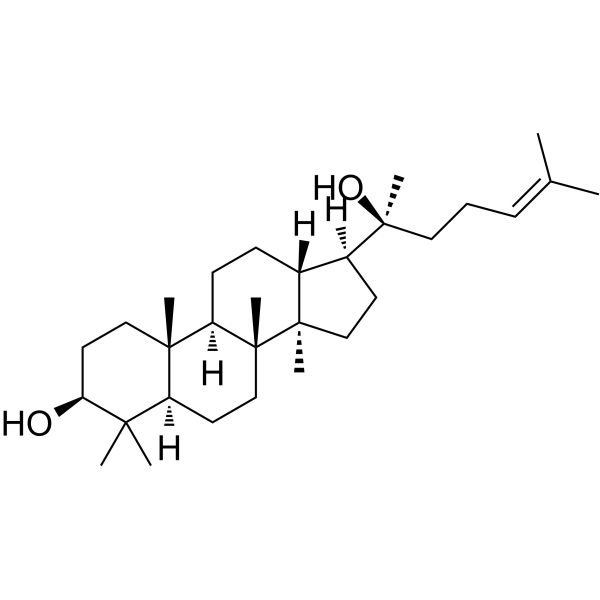
    Dammarenediol II is a ginsenoside precursor . Dammarenediol II reduces the activity of O-GlcNAc transferase (OGT) and downregulates the global O-GlcNAcylation level. Dammarenediol II inhibits the phosphorylation of Akt, mTOR and GSK3β. Dammarenediol II inhibits human carboxylesterase activity, VEGF-induced ROS production, stress fiber formation and vascular endothelial cadherin disruption. Dammarenediol II promotes cell apoptosis (apoptosis), increases the levels of cleaved PARP1 and p53, and inhibits retinal microvascular leakage. Dammarenediol II can be used in studies related to liver cancer and diabetic retinopathy .
    Dammarenediol II
  • HY-N3031

    Bacterial Apoptosis Bcl-2 Family MDM-2/p53 Glutathione Peroxidase SOD TNF Receptor Interleukin Related Infection Inflammation/Immunology
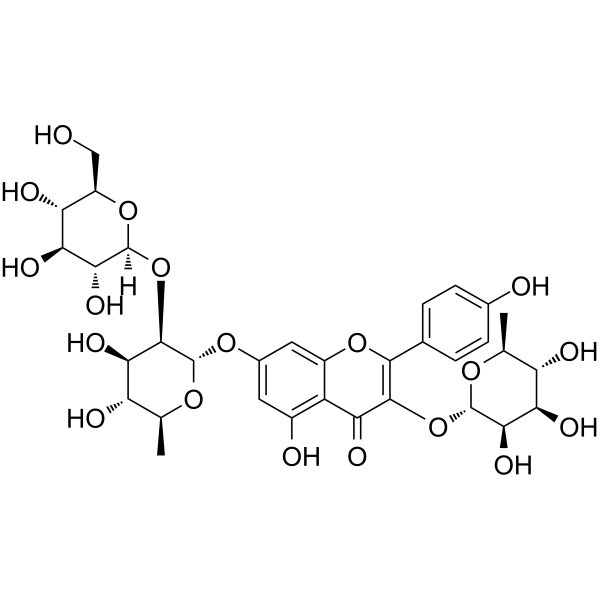
    Grosvenorine is an orally active flavonoid glycoside found in S. grosvenorii. Grosvenorine exhibits antibacterial, antioxidant and antiinflammation activities. Grosvenorine can induce apoptosis and increases anti-apoptotic Bcl-2 protein expression and reduces pro-apoptotic P53 protein expression in gastric tissues. Grosvenorine enhances mucin/glycoprotein secretion, regulates gastric pH, and reduces gastric lesion incidence.Grosvenorine increases glutathione peroxidase, catalase, and SOD levels, reduces lipid peroxidation (MDA), and lowers TNF-α and IL-6 levels. Grosvenorine can be used for the researches of bacterial infection and Gastric ulcer .
    Grosvenorine
  • HY-N2445
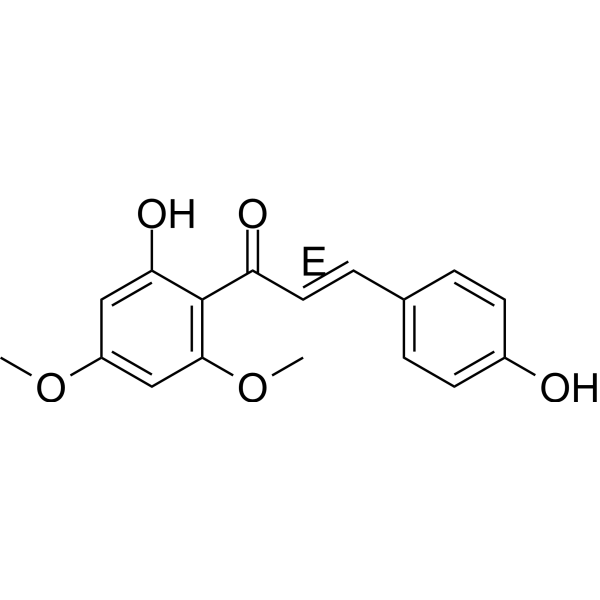
    Flavokawain C
    4 Publications Verification

    Apoptosis Akt JNK PERK Caspase PARP MDM-2/p53 IAP Reactive Oxygen Species (ROS) SOD FABP Autophagy AMPK mTOR GLUT EGFR PI3K HSP VEGFR FAK Cancer
    Flavokawain C is an orally active natural chalcone. Flavokawain C inhibits the proliferation of various cancer cells. Flavokawain C upregulates GADD153 in cancer cells, inhibits the phosphorylation of Akt and JNK, suppresses early ERK phosphorylation, activates late ERK phosphorylation, activates caspase related subtypes, induces PARP-1 cleavage, causes upregulation of p21 and p27, downregulation of mutant p53 and anti-apoptotic IAP proteins, elevates intracellular ROS levels, reduces SOD activity, and induces apoptosis. Flavokawain C downregulates FABP4, induces autophagy in cancer cells, and activates the AMPK/mTOR pathway . Flavokawain C decreases the expression of glycolysis-related proteins GLUT1 and HK2, and inhibits glycolysis in nasopharyngeal carcinoma cells. Flavokawain C inhibits the activation of the EGFR/PI3K/Akt/mTOR signaling pathway and reduces the expression of HSP90B1. Flavokawain C inhibits angiogenesis by decreasing the expression of angiogenic proteins Ang-1 and VEGF in human umbilical vein endothelial cells. Flavokawain C increases γ-H2AX levels in cells, inhibits the phosphorylation of FAK, PI3K and AKT in cells, and induces DNA damage in cells. Flavokawain C exerts anti-tumor activity in multiple tumor xenograft mouse models. Flavokawain C is applicable to research related to colorectal cancer, colon adenocarcinoma, nephroblastoma, nasopharyngeal carcinoma and liver cancer .
    Flavokawain C
  • HY-136910

    USP7-IN-7

    Deubiquitinase MDM-2/p53 Cancer
    USP7-797 (USP7-IN-7) is an orally available, selective USP7 inhibitor (IC50=0.5 nmol/L) with antitumor activity. USP7-797 reduces the level of MDM2, thereby increasing the stability and activity of p53, leading to cell cycle arrest and apoptosis. USP7-797 has low nanomolar cytotoxicity against p53 mutant cancer cell lines, p53 wild-type hematological tumors, and neuroblastoma cell lines .
    USP7-797
  • HY-18399
    YM-1
    1 Publications Verification

    HSP NO Synthase Cancer
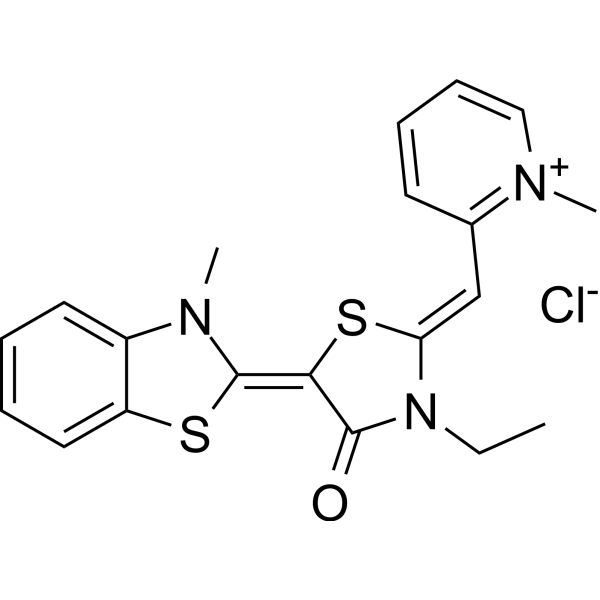
    YM-1 is a stable MKT-077 (HY-15096) analog and an orally active Hsp70 inhibitor. YM-1 induces cell death of HeLa cells and up-regulates the level of p53 and p21 proteins .
    YM-1
  • HY-124211

    Environmental Pollutants MDM-2/p53 Aryl Hydrocarbon Receptor Cancer
    Dibenzo (a,i) pyrene is a polycyclic aromatic hydrocarbon and also a carcinogenic ligand of the TCDD (Ah) receptor. Dibenzo (a,i) pyrene binds to the TCDD (Ah) receptor in rat liver. Dibenzo (a,i) pyrene induces DNA adduct formation and upregulates the protein levels of p53 and p21 WAF1 in diploid lung fibroblasts. Dibenzo (a,i) pyrene alters the cell cycle distribution of diploid lung fibroblasts, increasing the proportion of cells in the S phase, decreasing the proportions of cells in the G0/G1 and G2/M phases, and causing S phase delay/arrest. Dibenzo (a,i) pyrene is applicable for cancer research .
    Dibenzo(a,i)pyrene
  • HY-108636

    MDM-2/p53 Cancer
    RETRA is a mutant p53-dependent activator of p73 that suppresses mutant p53-bearing cancer cells. RETRA increases the expression level of p73, and a release of p73 from the blocking complex with mutant p53, which produces tumor-suppressor effects .
    RETRA
  • HY-111329
    JGB1741
    1 Publications Verification

    ILS-JGB-1741

    Sirtuin Apoptosis Cancer
    JGB1741 (ILS-JGB-1741) is a potent and specific SIRT1 activity inhibitor with an IC50 of ∼15 μM. JGB1741 is a weak SIRT2 and SIRT3 inhibitor with an all IC50>100 μM. JGB1741 increases the acetylated p53 levels leading to p53-mediated apoptosis with modulation of Bax/Bcl2 ratio, cytochrome c release and PARP cleavage. JGB1741 has the potential for breast cancer research .
    JGB1741
  • HY-122753

    MDM-2/p53 Cancer
    SLMP53-1 is a wild-type and mutant p53 reactivator with promising antitumor activity. SLMP53-1 mediates the reprograming of glucose metabolism in cancer cells. SLMP53-1 depletes angiogenesis, decreasing endothelial cell tube formation and vascular endothelial growth factor (VEGF) expression levels .
    SLMP53-1
  • HY-N0857
    Deoxyandrographolide
    1 Publications Verification

    GLUT HDAC Virus Protease PI3K AMPK Akt Histone Demethylase MDM-2/p53 IFNAR Reactive Oxygen Species (ROS) Infection Metabolic Disease Inflammation/Immunology
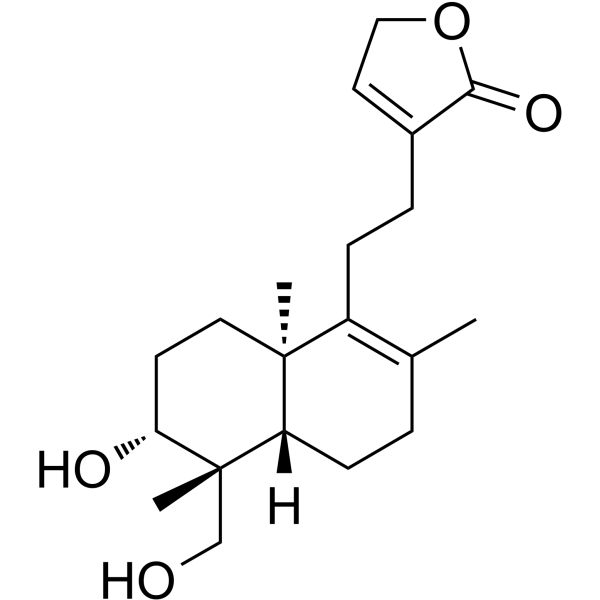
    Deoxyandrographolide is an orally active lactone found in the Andrographis paniculata Nees. Deoxyandrographolide shows a KD of 38.4 μM of HDAC1. Deoxyandrographolide enhances GLUT4 plasma membrane translocation, activates PI3K and AMPK-dependent signaling pathways, suppresses fasting blood glucose, serum insulin, triglycerides, and LDL-cholesterol levels. Deoxyandrographolide enhances HDAC1 expression via inhibited ubiquitination degradation, represses H3K4me3, improves chromosome stability, and restrains aging biomarkers p16, p21, γH2A.X, p53 and ROS production. Deoxyandrographolide interacts with Foot-and-Mouth Disease Virus 3Cpro active site, inhibits protease and IFN-antagonist activity, derepresses ISG expression, and inhibits viral replication. Deoxyandrographolide can be used for the researches of type 2 diabetes mellitus, vascular senescence and virus infection .
    Deoxyandrographolide
  • HY-146887

    Deubiquitinase Apoptosis Cancer
    USP7-IN-9 is a highly potent ubiquitin-specific protease 7 (USP7) inhibitor with an IC50 value of 40.8 nM. USP7-IN-9 can induce apoptosis and arrest cell progression at G0/G1 and S phases in RS4; 11 cells. USP7-IN-9 reduces the protein levels of oncoproteins MDM2 and DNMT1 and increases the protein levels of tumor suppressors p53 and p21 .
    USP7-IN-9
  • HY-12455

    ADC Payload Antibiotic DNA Alkylator/Crosslinker Apoptosis Caspase Cancer
    Duocarmycin A is an antitumor antibiotic and DNA alkylating agent with broad-spectrum antibacterial activity, which can serve as a payload for synthesizing antibody-drug conjugates (ADCs). Duocarmycin A selectively binds to the AT-rich minor groove of DNA, forms covalent adducts by alkylating the adenine N3 residue, thereby disrupting DNA structure and inhibiting its replication and transcription. Duocarmycin A induces apoptosis, sub-G1 phase accumulation and chromatin condensation, reduces the levels of pro-caspase-3/9, and induces p53-independent p21 expression. Duocarmycin A is widely used in the research of various malignancies, including leukemia, sarcoma, glioblastoma, as well as multiple solid tumor models such as lung cancer, breast cancer, and colorectal cancer .
    Duocarmycin A
  • HY-126905

    NSC328784

    Reactive Oxygen Species (ROS) Cancer
    ZMC3 (NSC328784) is a zinc chelator. ZMC3 shows Zinc metallochaperone properties. ZMC3 shows enhanced sensitivity in p53-R175H mutant cells. ZMC3 increases the cell ROS level .
    ZMC3
  • HY-169021

    JNK Cancer
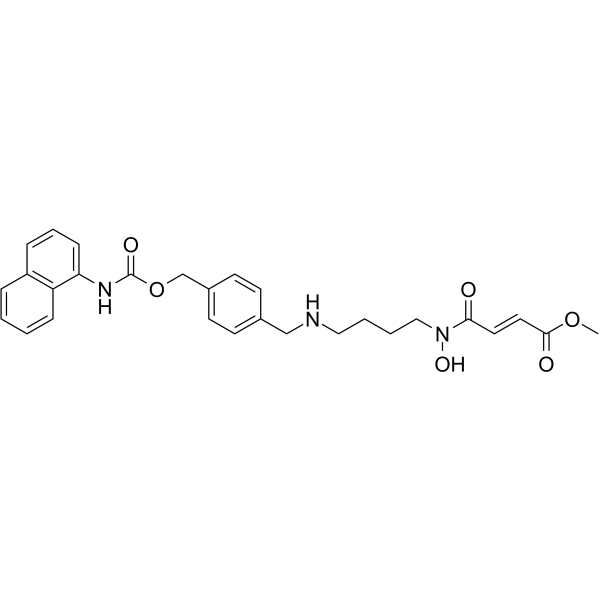
    JNK-1-IN-3 (Compound 9e) is an inhibitor of JNK1 that downregulates JNK1 gene expression and inhibits the protein levels of its phosphorylated form, concurrently reducing the expression of its downstream targets, c-Jun and c-Fos, in tumors while restoring p53 activity. JNK-1-IN-3 exhibits broad-spectrum antiproliferative activity, particularly with high inhibitory activity against renal and breast cancer cell lines, demonstrating both in vivo and in vitro anticancer activity .
    JNK-1-IN-3
  • HY-130326

    Ru(η6-p-cymene)Cl2(pta)

    Apoptosis Caspase Cardiovascular Disease Cancer
    RAPTA-C (Ru(η6-p-cymene)Cl2(pta)) acts as an anti-cancer and anti-angiogenic agent. RAPTA-C exhibits anti-metastatic, anti-angiogenic, and anti-tumoral activities through protein and histone-deoxyribonucleic acid alterations. RAPTA-C exhibits cell growth inhibition by triggering G(2)/M phase arrest in cancer cells. RAPTA-C also enhances the levels of p53 and triggers the mitochondrial Apoptotic pathway, resulting in cytochrome C release and caspase-9 activation. RAPTA-C reduces the growth of tumors with the inhibition of angiogenesis in a ovarian carcinoma model .
    RAPTA-C
  • HY-159175

    PROTACs Deubiquitinase Apoptosis MDM-2/p53 Cancer
    XM-U-14 is a selective PROTAC USP7 Degrader (DC50: 0.74 nM in inducing USP7 degradation in RS4;11 cell line). XM-U-14 upregulates the levels of p53 and p21. XM-U-14 also significantly inhibits acute lymphoblastic leukemia (ALL) cell growth (IC50: 0.5 nM and 8.3 nM for RS4;11 cells and Reh cells respectively). XM-U-14 induces apoptosis and cycle arrest. XM-U-14 inhibits tumor growth. (Blue: VHL ligand (HY-159465), Black: linker (HY-W539783); Pink: USP7 inhibitor (HY-159464)) .
    XM-U-14
  • HY-158685

    MDM-2/p53 Cancer
    RG7112D is a potent MDM2 inhibitor with IC50s of 11 nM and >10000 nM and for MDM2-p53 and VHL-HIF1α by binding HTRF assay, respectively. RG7112D is coupled by an amide bond to VHL-Amine, resulting in a bi-functional molecule, YX-02-030. YX-02-03, a MDM2-PROTAC, potently inhibits MDM2-p53 binding (HTRF IC50=63nM). RG7112D can stabilize MDM2 protein and increase p53 protein levels .
    RG7112D
  • HY-125927
    8-Aminoadenosine
    1 Publications Verification

    8-NH2-Ado

    DNA/RNA Synthesis Akt mTOR Autophagy Apoptosis Cancer
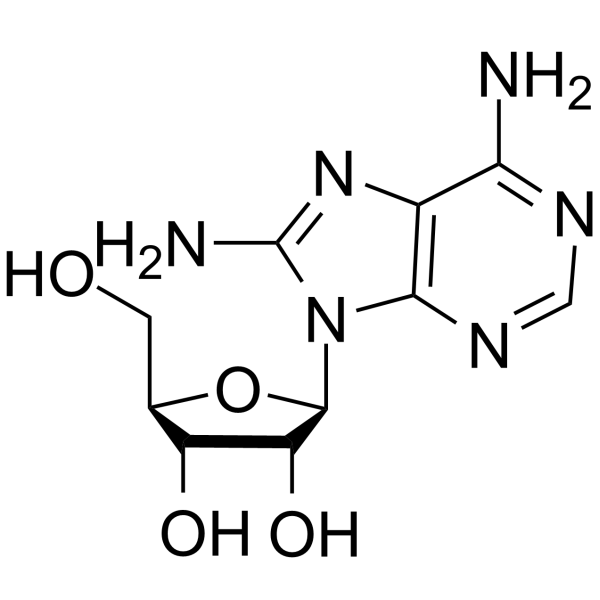
    8-Aminoadenosine (8-NH2-Ado), a RNA-directed nucleoside analogue, reduces cellular ATP levels and inhibits mRNA synthesis. 8-Aminoadenosine blocks Akt/mTOR signaling and induces autophagy and apoptosis in a p53-independent manner. 8-Aminoadenosine has antitumor activity .
    8-Aminoadenosine
  • HY-178858

    PROTACs FLT3 Checkpoint Kinase (Chk) STAT ERK c-Myc Akt Cancer
    PROTAC FLT3/CHK1 Degrader-1 is a PROTAC FLT3/CHK1 degrader, with DC50 values of 5.88 nM (FLT3) and 4.17 nM (CHK1), respectively. PROTAC FLT3/CHK1 Degrader-1 can inhibit the phosphorylation of FLT3 downstream signaling effectors STAT5 (Tyr694), AKT (Ser473), and ERK (Tyr204), downregulate the protein level of c-Myc and maintain the expression of p53 protein. PROTAC FLT3/CHK1 Degrader-1 induces apoptosis in MV-4-11 cells. PROTAC FLT3/CHK1 Degrader-1 shows significant anti-tumor efficacy in mice bearing MV-4-11 subcutaneous xenografts. PROTAC FLT3/CHK1 Degrader-1 can be used for the study of acute myeloid leukemia (AML). (Pink: FLT3/CHK1 ligand (HY-178869 ), Blue: CRBN Ligand (HY-W093272), Black: Linker, E3 ligase ligand-linker conjugate (HY-W998238)) .
    PROTAC FLT3/CHK1 Degrader-1
  • HY-113843

    MDM-2/p53 Cancer
    RETRA (hydrobromide) is a mutant p53-dependent activator of p73 that can inhibit cancer cells carrying mutant p53. RETRA (hydrobromide) increases the expression level of p73, induces transcriptional activation of several common to transcriptional targets p53 and p73, which leads to mutant p53- and p73-dependent inhibition of tumor growth, reduction of colony formation and induction of effector caspases .
    RETRA hydrobromide
  • HY-146095

    MDM-2/p53 DNA/RNA Synthesis Apoptosis Cancer
    p53 Activator 2 (compound 10ah) intercalats into DNA and results in significant DNA double-strand break.p53 Activator 2 increases the expression of p53, p-p53, CDK4, p21 to cause cell cycle arrest at G2/M phase.p53 Activator 2 induce apoptosis and significantly down-regulates the anti-apoptosis proteins Bcl-2, Bcl-xL and the levels of cyclin B1.p53 Activator 2 has anti-proliferation activity against MGC-803 cells, with an IC50 of 1.73 µM. p53 Activator 2 displays potent anticancer efficiency against MGC-803 xenograft tumors models .
    p53 Activator 2
  • HY-138054

    MDM-2/p53 Cancer
    Cjoc42 is a compound capable of binding to gankyrin. Cjoc42 inhibits gankyrin activity in a dose-dependent manner. Cjoc42 prevents the decrease in p53 protein levels normally associated with high amounts of gankyrin. Cjoc42 restores p53-dependent transcription and sensitivity to DNA damage .
    Cjoc42
  • HY-18406

    HSP Cancer
    YM-1 tosylate is a stable MKT-077 (HY-15096) analog and an orally active Hsp70 inhibitor. YM-1 tosylate induces cell death of HeLa cells and up-regulates the level of p53 and p21 proteins .
    YM-1 tosylate
  • HY-155852

    Ferroptosis Apoptosis ACSL Family Glutathione Peroxidase Reactive Oxygen Species (ROS) Inflammation/Immunology Cancer
    Lepadin H is a ferroptosis inducer and apoptosis inducer with in vitro cytotoxicity and in vivo antitumor efficacy against cancer cells. Lepadin H reduces GPX4 and SLC7A11 levels, increases p53 and ACSL4 expression, drives lipid hydroperoxide production, elevates reactive oxygen species (ROS) levels, reduces cellular glutathione (GSH) levels, induces lipid peroxidation and G2/M phase cell cycle arrest, and suppresses clonogenic growth and migration of cancer cells.Lepadin H can be used for the research of melanoma .
    Lepadin H
  • HY-162927

    MDM-2/p53 Apoptosis Cancer
    p53-MDM2-IN-6 (Compound 10a), a LSM-83177 hydrazone analog, is a potent p53-MDM2 inhibitor with an IC50 value of 11.08 µg/mL. p53-MDM2-IN-6 arrests the cell cycle in the S phase and induces early and late Apoptosis with antiproliferative activity against HT29 cell lines with an IC50 value of 10.44 µg/mL. p53-MDM2-IN-6 inhibits p53-MDM2 interaction with increment in p-53 level and decrease the expression of GST enzymes. p53-MDM2-IN-6 is promising for research of colorectal cancer .
    p53-MDM2-IN-6
  • HY-175034

    Topoisomerase Apoptosis MDM-2/p53 Bcl-2 Family Caspase Cancer
    Topoisomerase I/II-IN-1 is a dual inhibitor of topoisomerase I/II. Topoisomerase I/II-IN-1 induces G2/M arrest and apoptosis in cancer cells by upregulating p53, p21, and Bax mRNA levels, caspase-3 protein levels, and the Bax/Bcl-2 ratio, while downregulating Bcl-2. Topoisomerase I/II-IN-1 is useful in the study of various cancers, including melanoma, renal cancer, colorectal cancer, and breast cancer .
    Topoisomerase I/II-IN-1
  • HY-162886

    JNK Reactive Oxygen Species (ROS) Cancer
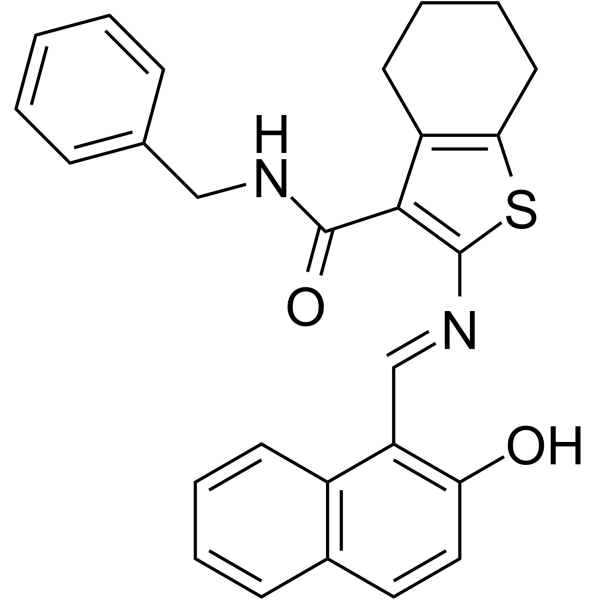
    BSO-07 is a ROS/JNK activator with significant anticancer effects, having an IC50 value of 24.81 μM against human breast cancer (BC) cells. BSO-07 induces apoptosis (Apoptosis) and paraptosis by activating JNK and increasing ROS levels, including enhancing the expression of apoptosis-associated proteins such as PARP, Bax, phosphorylated p53, ATF4, and CHOP, while decreasing the levels of anti-apoptotic proteins like Bcl-2, Bcl-xL, and Survivin. BSO-07 holds promise for research in the field of breast cancer .
    BSO-07
  • HY-146253

    CDK Apoptosis Bcl-2 Family Caspase Cancer
    CDK1/2/4-IN-1 (compound 3a) is a potent CDK inhibitor with IC50 values of 1.47, 0.78 and 0.87 μM for CDK1, CDK2 and CDK4, respectively. CDK1/2/4-IN-1 arrests cell cycle at G2/M phase and induces apoptosis. CDK1/2/4-IN-1 elevates Bax, caspase-3, P53 levels and decreases Bcl-2 level. CDK1/2/4-IN-1 can be used for cancer research .
    CDK1/2/4-IN-1
  • HY-178373

    Topoisomerase DNA/RNA Synthesis Reactive Oxygen Species (ROS) MDM-2/p53 Caspase Cancer
    Topoisomerase I-IN-18, a derivative of Thiosemicarbazide (HY-Y0032), is a Topoisomerase I inhibitor. Topoisomerase I-IN-18 can disrupt DNA synthesis and transcription. Topoisomerase I-IN-18 inhibits tumor cell proliferation by inducing S-phase cell cycle arrest. Topoisomerase I-IN-18 can enhance mitochondria-mediated apoptosis, suppress cell migration, and increase intracellular Reactive Oxygen Species (ROS) levels. Topoisomerase I-IN-18 can increase p53 protein expression, γH2AX phosphorylation, upregulate Bax expression, downregulate Bcl-2 expression, and activate the caspase cascade. Topoisomerase I-IN-18 can be used for the study of lung cancer .
    Topoisomerase I-IN-18
  • HY-178942

    VEGFR EGFR Apoptosis Bcl-2 Family Caspase MDM-2/p53 Cancer
    EGFR/VEGFR2-IN-9 (Compound 9b) is an inhibitor of VEGFR-2 (IC50 = 1.325 μM) and EGFR (IC50 = 1.891 μM). EGFR/VEGFR2-IN-9 significantly inhibits the proliferation of multiple cancer cell lines, particularly leukemia cells. EGFR/VEGFR2-IN-9 upregulates the expression levels of Bax, caspase-3, and p53, while downregulating the expression of Bcl-2. EGFR/VEGFR2-IN-9 induces apoptosis and arrests the cell cycle in the G1 phase. EGFR/VEGFR2-IN-9 can be used to investigate anti-tumor angiogenesis and multi-drug resistant cancers .
    EGFR/VEGFR2-IN-9
  • HY-155851

    Ferroptosis MDM-2/p53 Glutathione Peroxidase ACSL Family Cancer
    Lepadin E is a significantly cytotoxic ferroptosis inducer that induces iron death through the classical p53-SLC7A11-GPX4 pathway. Lepadin E promoted p53 expression, decreases SLC7A11 and GPX4 levels, and leads to increased ROS and lipid peroxide production, and upregulated ACSL4 expression, thus causes cell death. Lepadin E has significant antitumor effect .
    Lepadin E
  • HY-147776

    MDM-2/p53 Cancer
    Antiproliferative agent-8 (Compound 5a) is an anti-cancer agent. Antiproliferative against-8 has antiproliferative activity. Antiproliferative agent-8 significantly increases the P53 levels .
    Antiproliferative agent-8
  • HY-N0912R

    Reference Standards Reactive Oxygen Species (ROS) Metabolic Disease Inflammation/Immunology
    Rehmannioside D (Standard) is the analytical standard of Rehmannioside D (HY-N0912). This product is intended for research and analytical applications. Rehmannioside D is an orally active Sirt7 modulator. Rehmannioside D upregulates Sirt7 expression, inhibits the level of acetylated p53, and blocks the activation of the p53 signaling pathway. Rehmannioside D alleviates liver injury, inflammatory response, collagen deposition and hepatocyte apoptosis. Rehmannioside D is applicable to research related to liver fibrosis .
    Rehmannioside D (Standard)
  • HY-125570

    Apoptosis Cancer
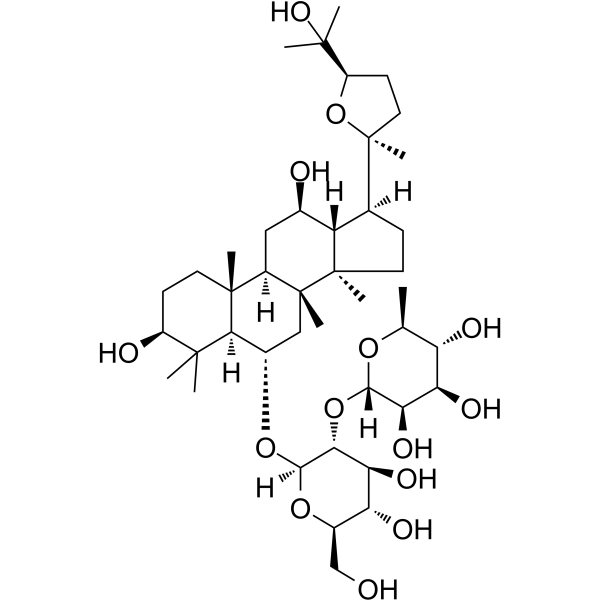
    Ginsenoside Rs3 is a natural diol-type ginseng saponin with anticancer effects. Ginsenoside Rs3 selectively elevates protein levels of p53 and p21WAF1 leading to induction of apoptosis in SK-HEP-1 cells .
    Ginsenoside Rs3
  • HY-118375

    ISC-4

    Apoptosis Cancer
    Phenylbutyl isoselenocyanate (ISC-4) is a selective apoptosis inducer that increases reactive oxygen species levels to inhibit androgen receptor (AR) and activate p53 pathway. Phenylbutyl isoselenocyanate induces apoptosis in LNCaP prostate cancer cells and has anti-prostate cancer properties.
    Phenylbutyl isoselenocyanate
  • HY-162148

    EGFR Cancer
    HNPMI is an inhibitor of EGFR and has cytotoxic effects on tumor cells. HNPMI can downregulate the protein levels of osteopontin, survivin and cathepsin S, leading to apoptosis. HNPMI also regulates BCL-2/BAX and p53 in CRC cell lines to inhibit tumorigenesis .
    HNPMI
  • HY-169412

    MDM-2/p53 CDK Caspase Bcl-2 Family Reactive Oxygen Species (ROS) p38 MAPK ERK JNK Cancer
    MAPK-IN-3 (Compound 4a) is an anti-proliferative agent that shows particularly strong inhibitory effects on KYSE 30, HCT 116, and HGC 27, with IC50 values of 0.57 μM, 3.27 μM, and 2.28 μM, respectively. MAPK-IN-3 blocks the cell cycle via a p53-dependent mechanism and induces cell apoptosis through a p53-independent mechanism. MAPK-IN-3 downregulates the expression of cell cycle-related proteins like Cyclin D1 and cyclin B1, upregulates pro-apoptotic proteins such as cleaved PARP, cleaved caspase-7, and cleaved caspase-9, and reduces the expression of anti-apoptotic proteins like Bcl-2. Additionally, MAPK-IN-3 increases the intracellular level of ROS in KYSE 30 cells and upregulates the expression of members of the MAPK signaling pathway associated with ROS, such as p-ERK, p-p38 and p-JNK .
    MAPK-IN-3
  • HY-170313

    GLUT Apoptosis Reactive Oxygen Species (ROS) Cancer
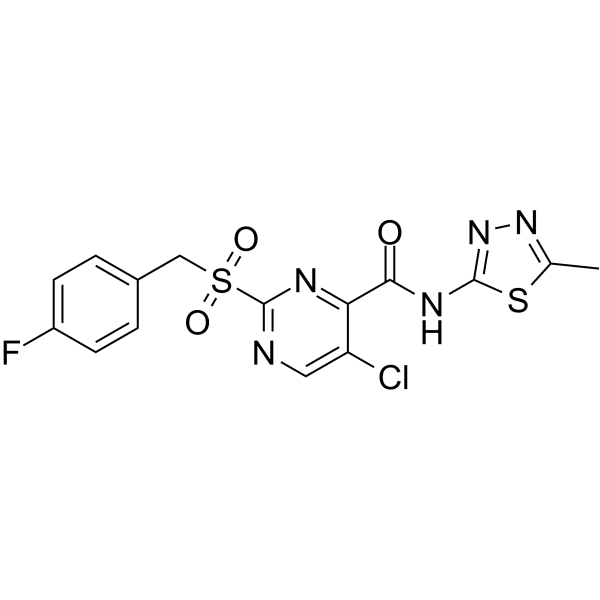
    GLUT-1-IN-4 (Compound 13) is the p53 protein-dependent inhibitor for GLUT-1 glucose transporter. GLUT-1-IN-4 inhibits the proliferation of multiple cancer cells with IC50 in submicromolar levels. GLUT-1-IN-4 arrests the cell cycle, stimulates oxidative stress, and induces apoptosis .
    GLUT-1-IN-4
  • HY-147816

    Mitochondrial Metabolism Cancer
    Anticancer agent 70 (Compound 21), an anticancer agent, exhibits remarkable cytotoxic activity against numerous human cancer cell lines. Anticancer agent 70 results in the G0/G1-cell cycle arrest with a concomitant increase in p53 and p21 protein levels. Anticancer agent 70 leads to ATP depletion and disruption of the mitochondrial membrane potential .
    Anticancer agent 70

Inquiry Online

Your information is safe with us. * Required Fields.

Salutation


Country or Region *

Applicant Name *


Organization Name *

Department *


Email Address *


Product Name *

Cat. No.


Requested quantity *

Phone Number *


Remarks

Inquiry Online

Inquiry Information

Product Name:
Cat. No.:
Quantity:
MCE Japan Authorized Agent:

