1. Search Result
Search Result
Pathways Recommended: MAPK/ERK Pathway
Results for "

p53/p21 pathway

" in MedChemExpress (MCE) Product Catalog:

18

Inhibitors & Agonists

2

Peptides

6

Natural
Products

Cat. No. Product Name Target Research Areas Chemical Structure
  • HY-108521

    RAR/RXR Apoptosis MDM-2/p53 Metabolic Disease Cancer
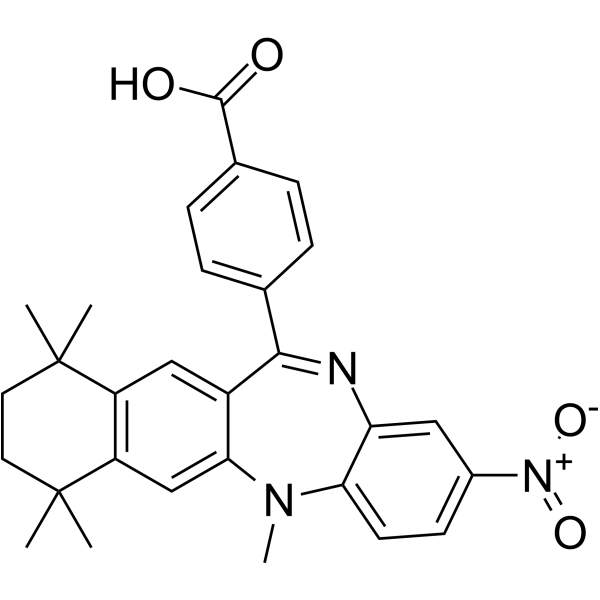
    HX531 is an orally active RXR antagonist with an IC50 of 18 nM. HX531 upregulates the p53-p21Cip1 pathway. HX531 abrogates the anti-apoptotic effect of t-RA. HX531 exerts anti-obesity, anti-diabetic and anti-melanoma activities .
    HX531
  • HY-N0559
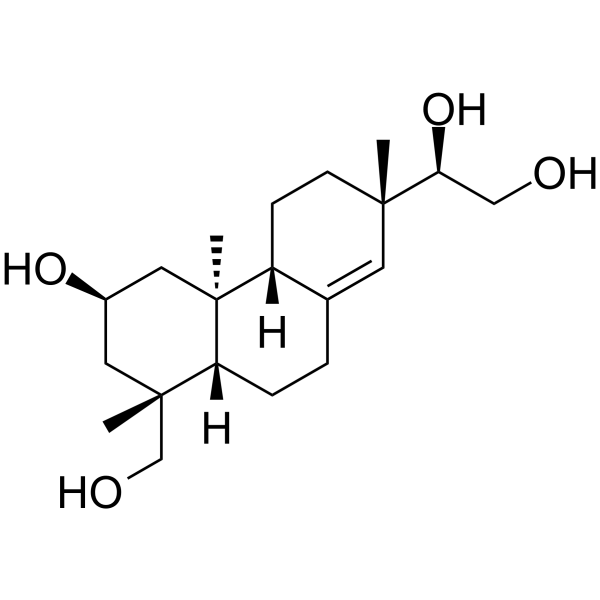
    Kirenol
    1 Publications Verification

    Casein Kinase Apoptosis AMPK Akt NF-κB TGF-beta/Smad Cardiovascular Disease Neurological Disease Metabolic Disease Inflammation/Immunology Cancer
    Kirenol is a diterpenoid compound, an orally active apoptosis inducer and signaling pathway regulator, with a Kd value of 5.47 μM against the target CK2. Kirenol promotes the cleavage of Bid into tBid, regulates the protein levels/phosphorylation of Bax, Bcl-2, p53 and p21, and induces caspase-independent apoptosis, S-phase cell cycle arrest, ROS accumulation and cytotoxicity in cancer cells. Kirenol activates the CK2/AKT and AMPK-mTOR-ULK1 pathways, inhibits the signaling of NF-κB, TGF-β/Smads and NLRP3 inflammasome, and regulates the GSK3β, BMP and Wnt/β-catenin pathways. Kirenol induces autophagy, mitophagy and osteoblast differentiation, promotes mitochondrial fusion, and exerts antioxidant, anti-inflammatory, antifibrotic, renoprotective, cardioprotective, neuroprotective and analgesic effects. Kirenol is applicable to research related to chronic myeloid leukemia, ischemic stroke, diabetic nephropathy, heart failure, acute lung injury and osteoporosis .
    Kirenol
  • HY-N4225
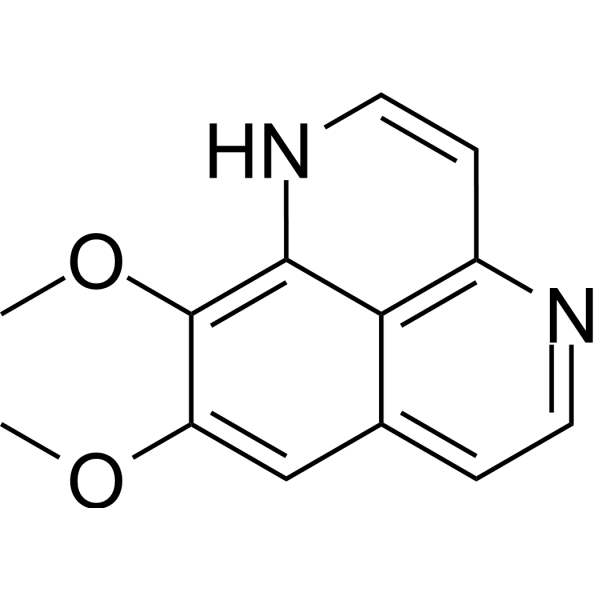
    Aaptamine
    2 Publications Verification

    Adrenergic Receptor Proteasome Cholinesterase (ChE) Bacterial Apoptosis AP-1 NF-κB Infection Neurological Disease Inflammation/Immunology Endocrinology Cancer
    Aaptamine is an alkaloid that can be isolated from the sponge Aaptos suberitoides. Aaptamine is a competitive antagonist of the α-adrenergic receptor, as well as an inhibitor of the proteasome and cholinesterase. Aaptamine is cytotoxic to tumor cells and can induce apoptosis, cell cycle arrest of tumor cells, and the expression of p21 through a p53-independent pathway. Aaptamine has multiple activities such as anti-tumor, antioxidant, antibacterial, and analgesic effects .
    Aaptamine
  • HY-N2445
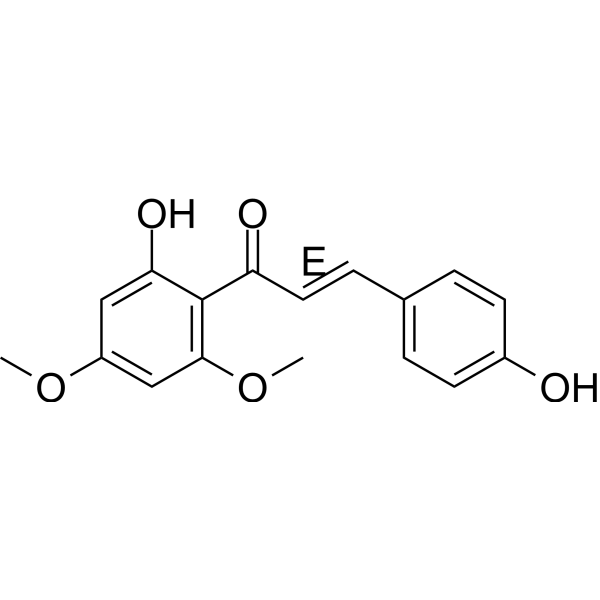
    Flavokawain C
    4 Publications Verification

    Apoptosis Akt JNK PERK Caspase PARP MDM-2/p53 IAP Reactive Oxygen Species (ROS) SOD FABP Autophagy AMPK mTOR GLUT EGFR PI3K HSP VEGFR FAK Cancer
    Flavokawain C is an orally active natural chalcone. Flavokawain C inhibits the proliferation of various cancer cells. Flavokawain C upregulates GADD153 in cancer cells, inhibits the phosphorylation of Akt and JNK, suppresses early ERK phosphorylation, activates late ERK phosphorylation, activates caspase related subtypes, induces PARP-1 cleavage, causes upregulation of p21 and p27, downregulation of mutant p53 and anti-apoptotic IAP proteins, elevates intracellular ROS levels, reduces SOD activity, and induces apoptosis. Flavokawain C downregulates FABP4, induces autophagy in cancer cells, and activates the AMPK/mTOR pathway . Flavokawain C decreases the expression of glycolysis-related proteins GLUT1 and HK2, and inhibits glycolysis in nasopharyngeal carcinoma cells. Flavokawain C inhibits the activation of the EGFR/PI3K/Akt/mTOR signaling pathway and reduces the expression of HSP90B1. Flavokawain C inhibits angiogenesis by decreasing the expression of angiogenic proteins Ang-1 and VEGF in human umbilical vein endothelial cells. Flavokawain C increases γ-H2AX levels in cells, inhibits the phosphorylation of FAK, PI3K and AKT in cells, and induces DNA damage in cells. Flavokawain C exerts anti-tumor activity in multiple tumor xenograft mouse models. Flavokawain C is applicable to research related to colorectal cancer, colon adenocarcinoma, nephroblastoma, nasopharyngeal carcinoma and liver cancer .
    Flavokawain C
  • HY-N0857
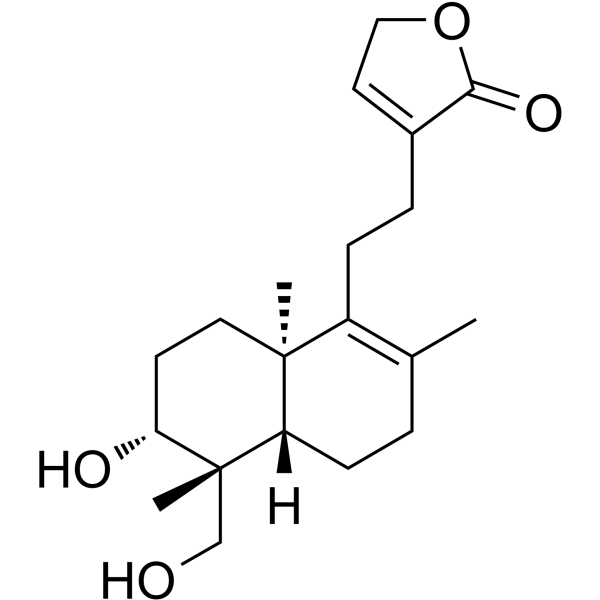
    Deoxyandrographolide
    1 Publications Verification

    GLUT HDAC Virus Protease PI3K AMPK Akt Histone Demethylase MDM-2/p53 IFNAR Reactive Oxygen Species (ROS) Infection Metabolic Disease Inflammation/Immunology
    Deoxyandrographolide is an orally active lactone found in the Andrographis paniculata Nees. Deoxyandrographolide shows a KD of 38.4 μM of HDAC1. Deoxyandrographolide enhances GLUT4 plasma membrane translocation, activates PI3K and AMPK-dependent signaling pathways, suppresses fasting blood glucose, serum insulin, triglycerides, and LDL-cholesterol levels. Deoxyandrographolide enhances HDAC1 expression via inhibited ubiquitination degradation, represses H3K4me3, improves chromosome stability, and restrains aging biomarkers p16, p21, γH2A.X, p53 and ROS production. Deoxyandrographolide interacts with Foot-and-Mouth Disease Virus 3Cpro active site, inhibits protease and IFN-antagonist activity, derepresses ISG expression, and inhibits viral replication. Deoxyandrographolide can be used for the researches of type 2 diabetes mellitus, vascular senescence and virus infection .
    Deoxyandrographolide
  • HY-106263B

    PTEN PDK-1 MDM-2/p53 Apoptosis Akt Cancer
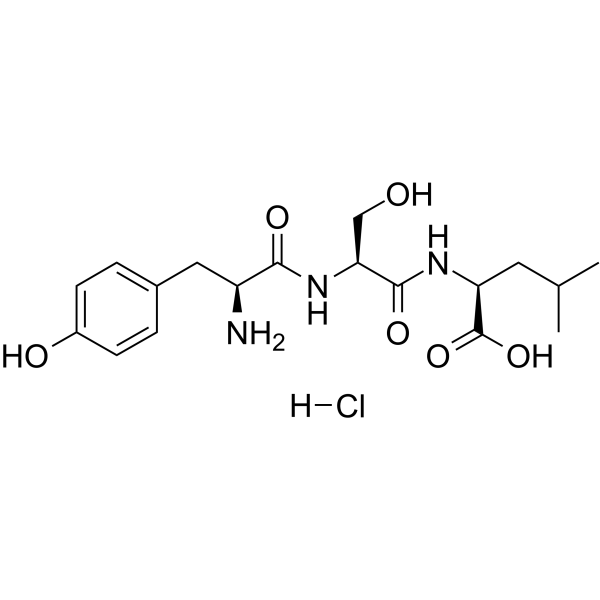
    Tyroserleutide hydrochloride is a tripeptide isolated from the degradation products of porcine spleen with antitumor activity. Tyroserleutide hydrochloride can upregulate the expression of the tumor suppressor gene PTEN and inhibit the activity of AKT and PDK1. Tyroserleutide hydrochloride inhibits tumor cell proliferation and MDM2 phosphorylation by inhibiting the PI3K/AKT pathway, and also upregulates P21, P27, P53, and induces mitochondrial damage and cell apoptosis .
    Tyroserleutide hydrochloride
  • HY-173084

    Phosphatase MDM-2/p53 Cancer
    BRD6257 is an orally active inhibitor for protein phosphatase, Mg2+/Mn2+ dependent 1D PPM1D with an IC50 of 5 nM. BRD6257 activates p53 signaling pathway with an EC50 of 51 nM, increases the p21 expression, inhibits the proliferation of cancer cell MOLM13 (IC50=2.8 μM). BRD6257 exhibits good metabolic stability in human and rat liver microsomes .
    BRD6257
  • HY-N12281

    Apoptosis MDM-2/p53 PAK Calcium Channel Endocrinology Cancer
    Sennoside is an orally active apoptosis inducer and stimulant laxative, found in Senna (Cassia angustifolia). Sennoside induces overexpression of wild-type p53 and p21/WAF as part of pathways mediating colonic epithelial cell apoptosis. Sennoside stimulates colonic peristalsis, reverses net water, sodium, chloride absorption to secretion and enhances potassium and calcium secretion. Sennoside increases paracellular permeability to small molecules, accelerates colon transit and softens fecal pellets. Sennoside can be used for the research of constipation, melanosis coli, and colorectal cancer .
    Sennoside
  • HY-120105

    DNA/RNA Synthesis Apoptosis MDM-2/p53 Bcl-2 Family Caspase PARP Cancer
    NSC666715 is a DNA polymerase β (Pol-β) inhibitor. NSC666715 directly and specifically interacts with Pol-β, interferes with its binding to damaged DNA, blocks its dRP lyase activity, and inhibits Pol-β-mediated SN- and LP-BER. NSC666715 induces AP site accumulation and S-phase cell cycle arrest, and triggers senescence and apoptosis (apoptosis) via the p53/p21 pathway in colorectal cancer cells. NSC666715 enhances TMZ (HY-17364)-induced DNA damage, senescence and apoptosis, and potentiates the cytotoxicity of TMZ. NSC666715 inhibits tumor growth in colon cancer xenograft models. NSC666715 can be used in research related to colorectal cancer .
    NSC666715
  • HY-179520

    Topoisomerase DNA/RNA Synthesis MDM-2/p53 Bcl-2 Family Cancer
    XSJ151 is a topoisomerase I inhibitor, stabilizing the DNA-Topo I covalent complex and inducing DNA double-strand breaks. XSJ151-induces DNA damage activates the p53-p21 signaling pathway, specifically regulating the expression of cyclins, leading to G2/M phase cell cycle arrest and disrupting the dynamic homeostasis of Bcl-2 family proteins, thereby triggering apoptosis in gastric cancer cells. XSJ151 can be used for the study of gastric cancer .
    XSJ151
  • HY-179129

    MDM-2/p53 Cancer
    AKT-100 is a p53 reactivation agent. AKT-100 significantly inhibits the proliferation of various ovarian and endometrial cancer cells at low concentrations. AKT-100 can upregulate cell cycle regulatory genes (such as p21, GADD45) and pro apoptotic genes (such as NOXA, DR5), and inhibit DNA repair pathways. AKT-100 is commonly used in cancer research .
    AKT-100
  • HY-174301

    Deubiquitinase DNA Methyltransferase MDM-2/p53 Cancer
    USP7-IN-18 is a naphthalene derivative. USP7-IN-18 is a selective USP7 inhibitor (IC50 : 130.9 nM), with no or very weak inhibition of the other 8 DUBs including USP47. USP7-IN-18 specifically binds to the catalytic domain of USP7, blocking its deubiquitinase activity. USP7-IN-18 causes degradation of the oncogenic proteins MDM2 and DNMT1, and also degrades the novel target PCLAF. USP7-IN-18 activates the p53-p21 pathway. USP7-IN-18 exerts anti-tumor effects in colon cancer animal models and reshapes the tumor immune microenvironment. USP7-IN-18 achieves both direct cytotoxic and immune-synergistic anti-tumor actions.
    USP7-IN-18
  • HY-158210

    Wnt β-catenin MDM-2/p53 Cancer
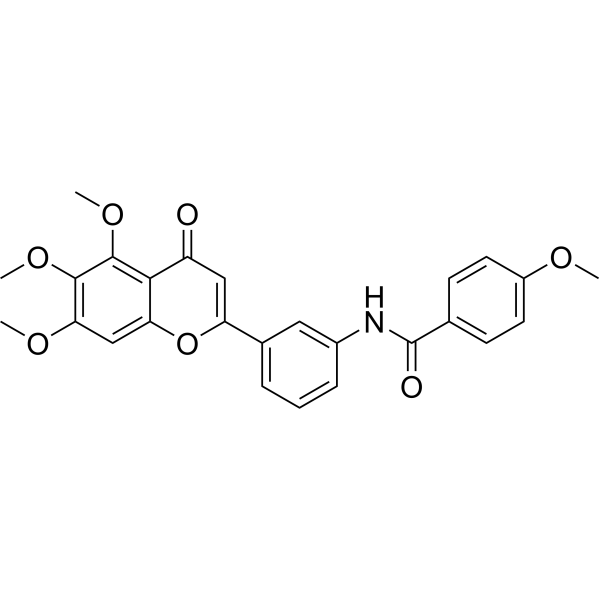
    Wnt/β-catenin-IN-3 (compound 17) is a Wnt/β-catenin inhibitor with low micromolarGI50s against various cancer cells. Wnt/β-catenin-IN-3triggers G2/M cell cycle arrest though activation of p53-p21 pathway as well as intrinsic and extrinsic apoptotic death of colon cancer cells .
    Wnt/β-catenin-IN-3
  • HY-119948

    Cyclin G-associated Kinase (GAK) MDM-2/p53 Cancer
    AKCI is a type of AURKC-IκBα interaction inhibitor, with an IC50 value of 24.9 μM. In MDA-MB-231 cells, AKCI can induce G2/M cell cycle arrest by regulating the p53/p21/CDC2/cyclin B1 pathway, inhibit cell migration and invasion, and reduce colony formation and tumor growth. AKCI can be used for research on breast cancer .
    AKCI
  • HY-N0559R

    Reference Standards Casein Kinase Apoptosis AMPK Akt NF-κB TGF-beta/Smad Cardiovascular Disease Neurological Disease Metabolic Disease Inflammation/Immunology Cancer
    Kirenol (Standard) is the analytical standard of Kirenol (HY-N0559). This product is intended for research and analytical applications. Kirenol is a diterpenoid compound, an orally active apoptosis inducer and signaling pathway regulator, with a Kd value of 5.47 μM against the target CK2. Kirenol promotes the cleavage of Bid into tBid, regulates the protein levels/phosphorylation of Bax, Bcl-2, p53 and p21, and induces caspase-independent apoptosis, S-phase cell cycle arrest, ROS accumulation and cytotoxicity in cancer cells. Kirenol activates the CK2/AKT and AMPK-mTOR-ULK1 pathways, inhibits the signaling of NF-κB, TGF-β/Smads and NLRP3 inflammasome, and regulates the GSK3β, BMP and Wnt/β-catenin pathways. Kirenol induces autophagy, mitophagy and osteoblast differentiation, promotes mitochondrial fusion, and exerts antioxidant, anti-inflammatory, antifibrotic, renoprotective, cardioprotective, neuroprotective and analgesic effects. Kirenol is applicable to research related to chronic myeloid leukemia, ischemic stroke, diabetic nephropathy, heart failure, acute lung injury and osteoporosis.
    Kirenol (Standard)
  • HY-P10914

    MDM-2/p53 Autophagy Inflammation/Immunology Cancer
    D-CopA3 is the inhibitor for MDM2 and the activator for p53 signaling pathway. D-CopA3 exhibits cytotoxicity in colorectal cancer cells HCT-116, LoVo, and RKO (IC50=15-18 μM), induces JNK/Beclin-1 mediated autophagy. D-CopA3 downregulates the expression of cell cycle inhibitory protein p21Cip1/Waf1, enhances the mucosal barrier function and reduces penetration of inflammatory mediators. D-CopA3 exhibits anti-inflammtory activity in mouse C. difficile toxin A-induced acute enteritis models and DSS (HY-116282)-induced chronic colitis models. D-CopA3 exhibits antitumor efficacy in mouse HCT-116 xenograft models .
    D-CopA3
  • HY-180820

    Drug Derivative MDM-2/p53 CDK Reactive Oxygen Species (ROS) Apoptosis Bcl-2 Family Caspase Cancer
    Dimethyl bisphenolate (Compound DMB) is a natural neolignan derivative with orally active anti-tumor activity. Dimethyl bisphenolate can inhibit cancer cells proliferation, invasion and migration. Dimethyl bisphenolate can activate the p53 signaling pathway, upregulate the expression of p21 protein, inhibit the activity of the CDK1-cyclin B1 complex, and cause cells to stall at the G2/M phase. Dimethyl bisphenolate can induce ROS production, upregulate pro-apoptotic proteins Noxa and Bim, downregulate anti-apoptotic protein Bcl-2, activate caspase-9 and caspase-3, and ultimately induce cell apoptosis. Dimethyl bisphenolate can be used for research of glioblastoma .
    Dimethyl bisphenolate
  • HY-108521R

    Reference Standards RAR/RXR Apoptosis MDM-2/p53 Metabolic Disease Cancer
    HX531 (Standard) is the analytical standard of HX531 (HY-108521). This product is intended for research and analytical applications. HX531 is an orally active RXR antagonist with an IC50 of 18 nM. HX531 upregulates the p53-p21Cip1 pathway. HX531 abrogates the anti-apoptotic effect of t-RA. HX531 exerts anti-obesity, anti-diabetic and anti-melanoma activities .
    HX531 (Standard)

Inquiry Online

Your information is safe with us. * Required Fields.

Salutation


Country or Region *

Applicant Name *


Organization Name *

Department *


Email Address *


Product Name *

Cat. No.


Requested quantity *

Phone Number *


Remarks

Inquiry Online

Inquiry Information

Product Name:
Cat. No.:
Quantity:
MCE Japan Authorized Agent:

