

1. Search Result
Search Result
Results for "

pancreatic protein

" in MedChemExpress (MCE) Product Catalog:

142

Inhibitors & Agonists

2

Screening Libraries

1

Fluorescent Dyes

4

Biochemical Assay Reagents

9

Peptides

4

Inhibitory Antibodies

11

Natural
Products

21

Recombinant Proteins

10

Isotope-Labeled Compounds

7

Antibodies

10

Oligonucleotides

Cat. No. Product Name Target Research Areas Chemical Structure
  • HY-13755
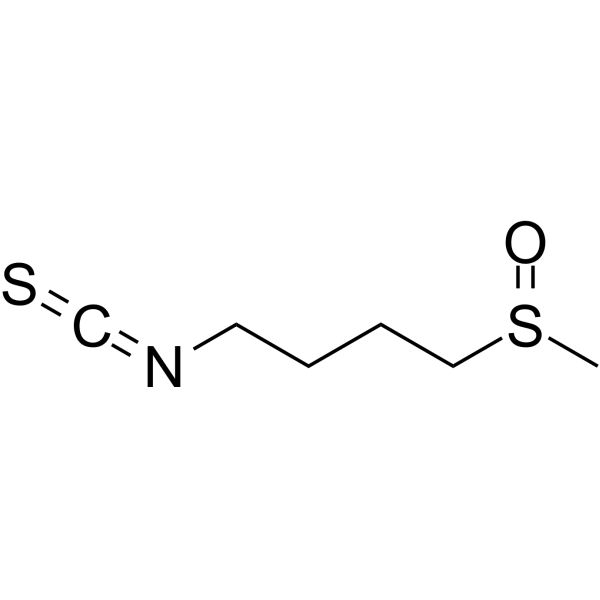
    Sulforaphane
    Maximum Cited Publications
    69 Publications Verification

    HDAC Keap1-Nrf2 Apoptosis Bcl-2 Family Caspase Reactive Oxygen Species (ROS) Inflammation/Immunology Cancer
    Sulforaphane is an orally active inducer of the Keap1/Nrf2/ARE pathway. Sulforaphane promotes the transcription of tumor-suppressing proteins and effectively inhibits the activity of HDACs. Through the activation of the Keap1/Nrf2/ARE pathway and further induction of HO-1 expression, Sulforaphane protects the heart. Sulforaphane suppresses high glucose-induced pancreatic cancer through AMPK-dependent signal transmission. Sulforaphane exhibits both anticancer and anti-inflammatory properties .
    Sulforaphane
  • HY-16993
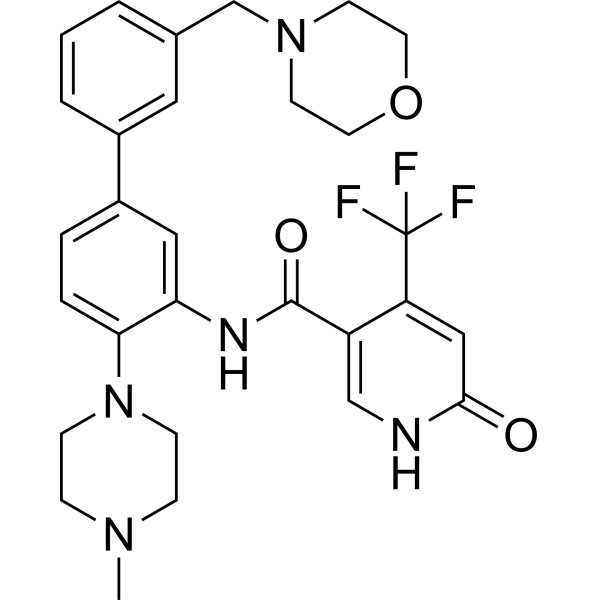
    OICR-9429
    10+ Cited Publications

    Apoptosis WDR5 Cancer
    OICR-9429, a chemical probe, is high affinity WD repeat domain 5 (WDR5) inhibitor, competitively blocks WDR5 interaction with MLL protein via binding the central peptide-binding pocket of WDR5. OICR-9429 can suppress histone H3K4 trimethylation and can be used for the research of various cancers including non-MLL-rearranged leukaemia, colon, pancreatic, prostate cancer and bladder cancer (BCa) .
    OICR-9429
  • HY-A0036
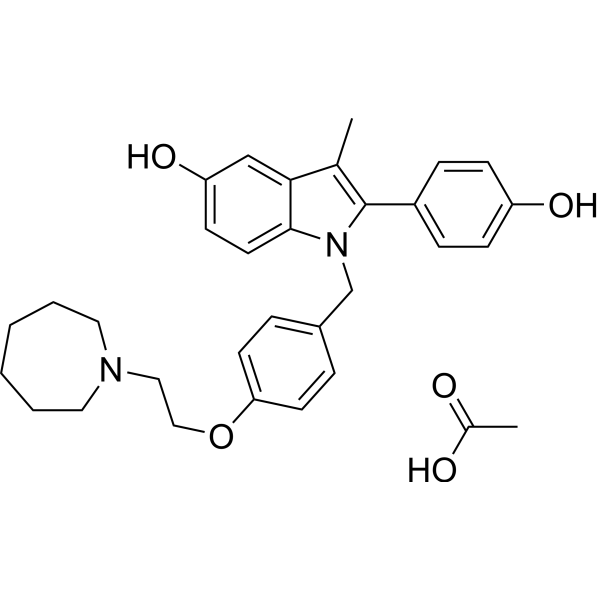
    Bazedoxifene acetate
    15+ Cited Publications

    TSE-424 acetate

    Estrogen Receptor/ERR Cancer
    Bazedoxifene acetate (TSE-424 acetate) is an oral, nonsteroidal selective estrogen receptor modulator (SERM), with IC50s of 23 nM and 99 nM for ERα and ERβ, respectively. Bazedoxifene acetate can be used for the research of osteoporosis. Bazedoxifene acetate also acts as an inhibitor of IL-6/GP130 protein-protein interactions and can be used for the research of pancreatic cancer .
    Bazedoxifene acetate
  • HY-A0031
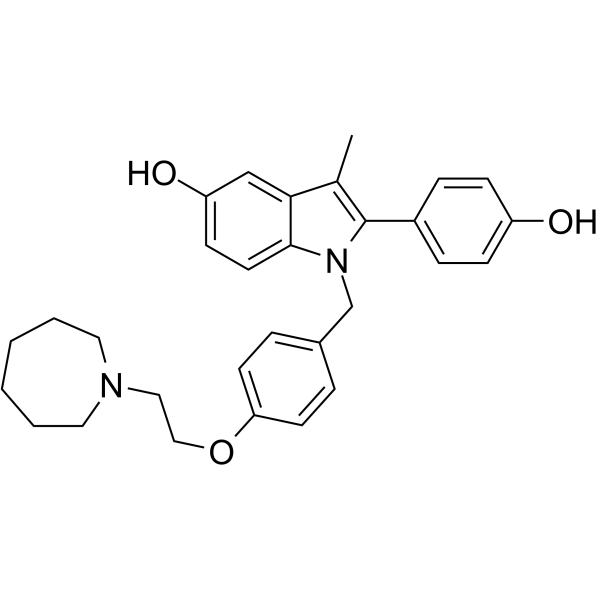
    Bazedoxifene
    15+ Cited Publications

    TSE-424

    Estrogen Receptor/ERR Neurological Disease Cancer
    Bazedoxifene (TSE-424) is an oral, BBB-penetrant nonsteroidal selective estrogen receptor modulator (SERM), with IC50s of 23 nM and 99 nM for ERα and ERβ, respectively. Bazedoxifene can be used for the research of osteoporosis. Bazedoxifene also acts as an inhibitor of IL-6/GP130 protein-protein interactions and can be used for the research of pancreatic cancer .
    Bazedoxifene
  • HY-148808

    RXC007

    ROCK Cancer
    Zelasudil (RXC007) is an orally active, highly selective small molecule Rho-associated coiled-coil containing protein kinase 2 (ROCK2) inhibitor with anti-fibrotic efficacy. Zelasudil elicits positive immunomodulatory effects in metastatic pancreatic tumors with increase of CD8+ and CD4+ T cell infiltrate into the tumor cortex and reduction in immunosuppressive FOXP3+ regulatory T cells at the tumor border. Zelasudil is promising for research of pancreatic ductal adenocarcinoma .
    Zelasudil
  • HY-W040127
    Peonidin 3-O-glucoside chloride
    1 Publications Verification

    Insulin Receptor Metabolic Disease
    Peonidin 3-O-glucoside chloride is an agonist of the free fatty acid receptor FFAR1 and Glucokinase. Peonidin 3-O-glucoside chloride enhances insulin secretion of pancreatic beta cells and increases glucose uptake by liver cells. Peonidin 3-O-glucoside chloride activates FFAR1, promotes the phosphorylation of related proteins in the insulin secretion pathway, and increases the expression of FFAR1. In liver cells, Peonidin 3-O-glucoside chloride activates GK and regulates proteins associated with carbohydrate metabolism. Peonidin 3-O-glucoside chloride can be used in diabetes research .
    Peonidin 3-O-glucoside chloride
  • HY-B0481
    Miglitol
    2 Publications Verification

    BAY1099; BAY-m1099

    Glycosidase AMPK Reactive Oxygen Species (ROS) Metabolic Disease
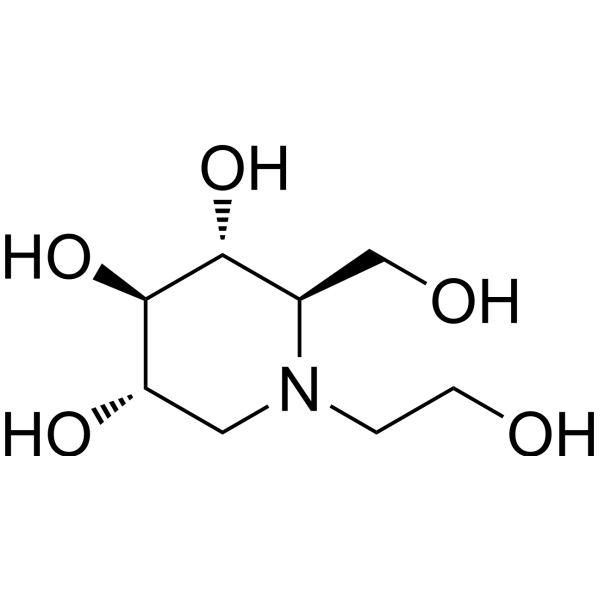
    Miglitol (BAY-m1099) is an orally active antidiabetic compound that inhibits the breakdown of glycoconjugates into glucose. Miglitol inhibits glycoside hydrolase enzymes called α-glucosidases. Miglitol inhibits oxidative stress-induced apoptosis and mitochondrial ROS over-production in endothelial cells by enhancement of AMP-activated protein kinase. Dietary supplementation with Miglitol from pre-onset stage in OLETF rats delays the onset and development of diabetes and preserves the insulin secretory function of pancreatic islets .
    Miglitol
  • HY-158409

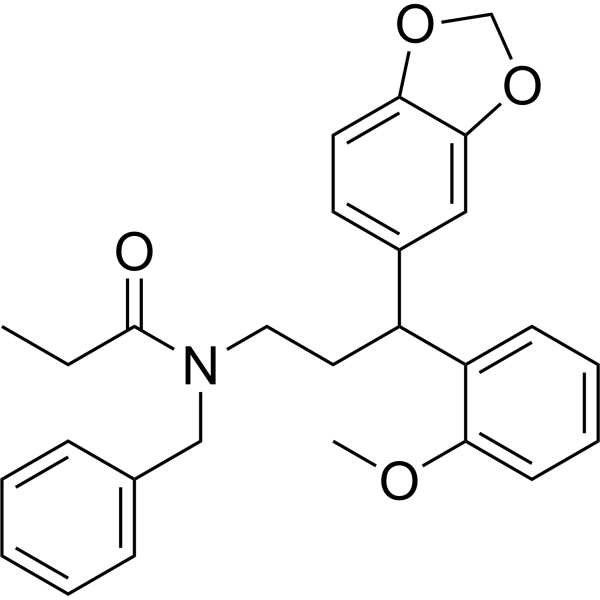
    Molecular Glues Ras Cyclophilin PERK Cancer
    Pan-rasin-2 (compound 6A) is an orally active molecular glues that targets RAS. Pan-RAS-IN-2 inhibits pERK (IC50 in AsPC-1 cells: 0.3 nM). Pan-rasin-2 has significant inhibitory activity on cell proliferation of RAS mutant cell lines. Pan-rasin-2 can form ternary complexes with cyclophilin A (CYPA) and RAS (ON) proteins and the formation of ternary complexes can block the binding of RAF downstream of RAS, which has anti-tumor (such as colorectal cancer, pancreatic cancer) effects .
    Pan-RAS-IN-2
  • HY-145926
    MRTX0902
    2 Publications Verification

    SOS1 Ras Neurological Disease Cancer
    MRTX0902 is a potent, selective, brain-penetrant, and orally active SOS1 inhibitor with a Ki of 1.9 nM. MRTX0902 disrupts the SOS1:KRASG12C protein-protein interaction (PPI). MRTX0902 can be used in research on pancreatic ductal adenocarcinoma .
    MRTX0902
  • HY-134616
    Ulinastatin
    4 Publications Verification

    Uristatin

    Ser/Thr Protease Apoptosis Neurological Disease Inflammation/Immunology
    Ulinastatin (Uristatin) is a trypsin and serine protease inhibitor. Ulinastatin is the main protein binding inhibitor of various trypsin, chymotrypsin, and various pancreatic proteases. Ulinastatin shows neuroprotective, anti-inflammatory, anti-apoptotic, anti-oxidant effects .
    Ulinastatin
  • HY-P10944

    NNS309

    FAP Inflammation/Immunology Cancer
    Unlabeled FXX489 (NNS309) is a fibroblast activation protein (FAP)-targeting ligand. Unlabeled FXX489 can be labeled with 68Ga and 177Lu and shows anticancer effects. Unlabeled FXX489 can be used for the study of pancreatic ductal adenocarcinoma (PDAC), non-small cell lung cancer (NSCLC), breast cancer (BC), and colorectal cancer (CRC) .
    Unlabeled FXX489
  • HY-113037C

    Farnesyl diphosphate ammonium

    TRP Channel Endogenous Metabolite Calcium Channel Neurological Disease Inflammation/Immunology Cancer
    Farnesyl pyrophosphate (Farnesyl diphosphate) ammonium is a metabolic intermediate in the mevalonate (MVA) pathway. It is a TRP channel (TRPM2) agonist that triggers Ca2+ influx and cell death. Farnesyl pyrophosphate ammonium is a key branch substrate for cholesterol synthesis, ubiquinone synthesis, protein farnesylation, and geranylgeranyl pyrophosphate (GGPP) synthesis. Farnesyl pyrophosphate ammonium is used in research on cerebral ischemia, neurodegenerative diseases, pancreatic cancer, inflammation, and autoimmune diseases .
    Farnesyl pyrophosphate ammonium
  • HY-70006
    Galeterone
    3 Publications Verification

    TOK-001; VN-124-1

    Molecular Glues Androgen Receptor MNK Cytochrome P450 Apoptosis Cancer
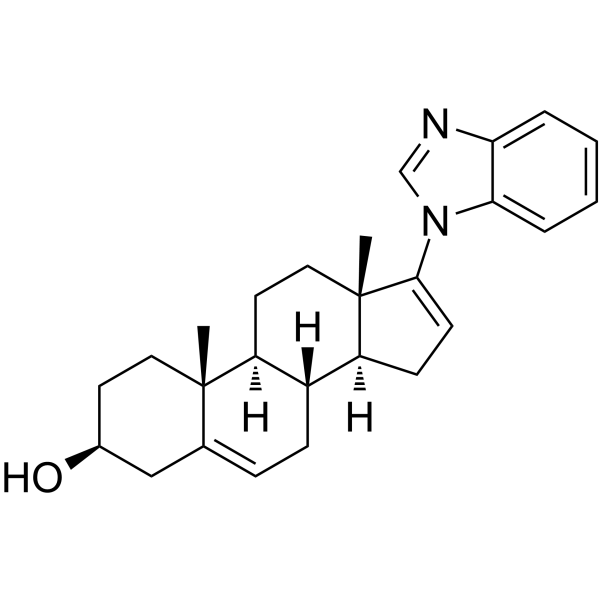
    Galeterone (TOK-001) is a potent, orally active molecular glue degrader, which degrades androgen receptor (AR) and its splice variants (AR-Vs) and MAP kinase-interacting serine/threonine protein kinase Mnk1/2. Galeterone also functions as a CYP17 inhibitor (IC50 = 47 nM). Galeterone induces cell apoptosis. Galeterone inhibits tumor growth in human prostate cancer xenograft mouse models. Galeterone can be used for castration resistant prostate cancer (CRPC) and pancreatic ductal adenocarcinoma (PDAC) research [1][2].
    Galeterone
  • HY-138364
    YUM70
    3 Publications Verification

    HSP Apoptosis Cancer
    YUM70 is a potent and selective inhibitor of glucose-regulated protein 78 (GRP78), with an IC50 of 1.5 μM for inhibiting GRP78 ATPase activity of the full-length protein. YUM70 induces endoplasmic reticulum (ER) stress-mediated apoptosis in pancreatic cancer. YUM70 also has in vivo efficacy in a pancreatic cancer xenograft model .
    YUM70
  • HY-P10735

    Gastric inhibitory polypeptide(mouse); GIP(1-42) (mouse)

    Lipase Apoptosis Metabolic Disease
    GIP (Gastric inhibitory polypeptide) (mouse) is a gastrointestinal hormone that is secreted by the intestinal K cells, and also expressed in and secreted from pancreatic islets. GIP (mouse) promotes insulin secretion from pancreatic β cells via the G-protein-coupled GIP receptor (GIPR). GIP (mouse) promotes pancreatic β cell proliferation and inhibits apoptosis. GIP (mouse) also exerts direct lipogenic effects on adipose tissue .
    GIP (mouse)
  • HY-114492

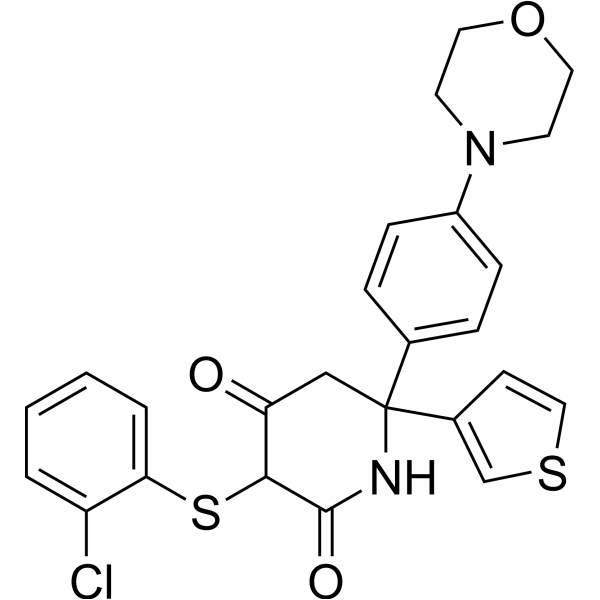
    GSK'547

    RIP kinase Cancer
    GSK547 (GSK'547) is a highly selective and potent inhibitor of receptor-interacting serine/threonine protein kinase 1 (RIPK1), inhibits macrophage-mediated adaptive immune tolerance in pancreatic cancer .
    GSK547
  • HY-112816
    MA242
    1 Publications Verification

    MDM-2/p53 Apoptosis Cancer
    MA242 is a specific dual inhibitor of MDM2 and NFAT1. MA242 directly binds both MDM2 and NFAT1 with high affinity, induces their protein degradation, and inhibits NFAT1-mediated transcription of MDM2. MA242 induces apoptosis in pancreatic cancer cell lines regardless of p53 status .
    MA242
  • HY-13981
    Ligandrol
    2 Publications Verification

    LGD-4033

    Androgen Receptor Apoptosis Insulin Receptor Caspase Metabolic Disease Endocrinology
    Ligandrol is an orally active, selective androgen receptor (AR) agonist. Ligandrol enhances protein synthesis, inhibits muscle breakdown and oxidative stress, improves muscle cell viability and bone tissue microstructure, and reduces Cisplatin (HY-17394)-induced muscle toxicity and apoptosis. Ligandrol promotes muscle growth, protects bone structure, and has anti-diabetic, anti-apoptotic and antioxidant effects. Ligandrol can antagonize Streptozotocin (HY-13753) damage to pancreatic islets and improve the symptoms of type 2 diabetes .
    Ligandrol
  • HY-160799
    HA-9104
    1 Publications Verification

    E1/E2/E3 Enzyme Apoptosis Cancer
    HA-9104 is a potent and selective inhibitor of cullin-5 neddylation via virtually targeting the V30 pocket of UBE2F. HA-9104 binds to UBE2F, reduces its protein levels, and consequently inhibits cullin-5 neddylation. HA-9104 has potent growth suppression and radiosensitizing activities via targeting the UBE2F-CRL5 axis and causing DNA damage, leading to induction of apoptosis and G2/M arrest in lung and pancreatic cancer cells .
    HA-9104
  • HY-W250574

    NOTA-bis(t-Butyl ester)

    Biochemical Assay Reagents Radionuclide-Drug Conjugates (RDCs) Drug Derivative Cancer
    NOTA-bis (tBu) ester is a derivative of NOTA (HY-134418). NOTA-bis (tBu) ester is radiolabeled with 68Ga to form ZD2-( 68Ga-NOTA) after conjugation with ZD2. ZD2-( 68Ga-NOTA) can be used for PET imaging studies of pancreatic cancer .
    NOTA-bis(tBu)ester
  • HY-176763

    Sec61 Cancer
    KZR-261 is a Sec61 translocase inhibitor. KZR-261 binds directly to the Sec61 channel, thereby inhibiting the biosynthesis of certain Sec61 substrate proteins, including oncogenic factors. KZR-261 activates the endoplasmic reticulum stress response. KZR-261 exhibits broad in vitro anticancer activity. KZR-261 shows antitumor efficacy in mouse models of cancer. KZR-261 can be used for the research of multiple myeloma, colorectal cancer, small cell lung cancer, pancreatic cancer, prostate cancer, non-Hodgkin's lymphoma, and mantle cell lymphoma .
    KZR-261
  • HY-178842

    Ras ADC Payload Cancer
    Z52 is a Ras protein inhibitor. Z52 can be used for the research of cancer, such as pancreatic cancer .
    Z52
  • HY-P3509

    MDM-2/p53 Cancer
    PNC-28 is a peptide from the mdm-2-binding domain (residues 17–26) of the p53 protein which contains a membrane crossing-penetratin sequence. PNC-28 can be used for pancreatic cancer research .
    PNC-28
  • HY-124404A

    ERK DNA/RNA Synthesis p38 MAPK Cancer
    12(S)-HETE is the 12-lipoxygenase metabolite of arachidonic acid and has a mitogenic effect on cancer cell proliferation. 12(S)-HETE induces tyrosine phosphorylation of cellular proteins, promotes ERK and P38 MAPK phosphorylation, increases DNA synthesis, and stimulates the proliferation of pancreatic cancer cells .
    12(S)-HETE
  • HY-124828
    CMLD-2
    2 Publications Verification

    HuR Cancer
    CMLD-2, an inhibitor of HuR-ARE interaction, competitively binds HuR protein disrupting its interaction with adenine-uridine rich elements (ARE)-containing mRNAs (Ki=350 nM). CMLD-2 induces apoptosis exhibits antitumor activity in different cancer cells as colon, pancreatic, thyroid and lung cancer cell lines. Hu antigen R (HuR) is an RNA binding protein, can regulate target mRNAs stability and translation .
    CMLD-2
  • HY-15652

    ONO-6818; ONO-PO-736

    Elastase Inflammation/Immunology
    Freselestat (ONO-6818) is a potent and orally active neutrophil elastase inhibitor with a Ki of 12.2 nM. Freselestat is >100-fold less-active against other proteases such as trypsin, protein-ase 3, pancreatic elastase, plasmin, thrombin, collagenase, cathepsin G, and murine macrophage elastase. Freselestat has a potent anti-inflammatory activity .
    Freselestat
  • HY-B1152
    Piperacetazine
    1 Publications Verification

    Dopamine Receptor CD276/B7-H3 FOXO Neurological Disease Cancer
    Piperacetazine is an orally active dopamine receptor antagonist and phenothiazine antipsychotic. Piperacetazine can directly bind to the PAX3::FOXO1 fusion protein and inhibit its transcriptional activity. Piperacetazine also exhibits antitumor activity with an IC50 of 7.627 μM against PANC-1 cells. Piperacetazine can be used for the research of diseases such as schizophrenia and pancreatic cancer and other tumors .
    Piperacetazine
  • HY-120272
    SMAP-2
    1 Publications Verification

    DT-1154

    Phosphatase Cancer
    SMAP-2 (DT-1154) is an orally active protein phosphatase 2A (PP2A) activator, with anti-cancer activity .
    SMAP-2
  • HY-113225

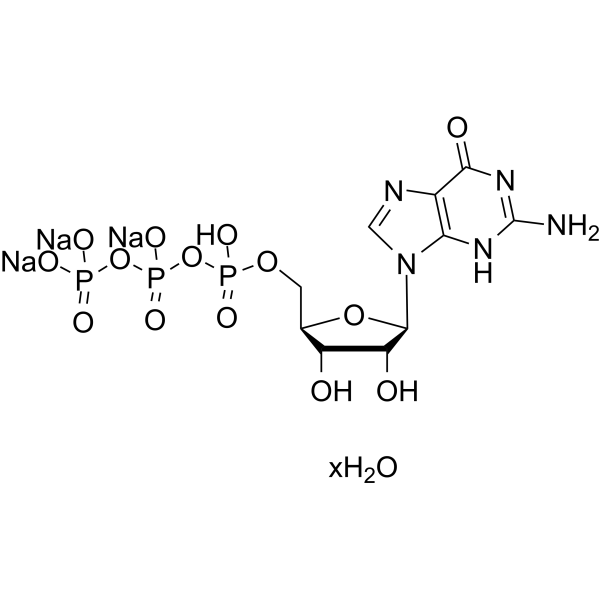
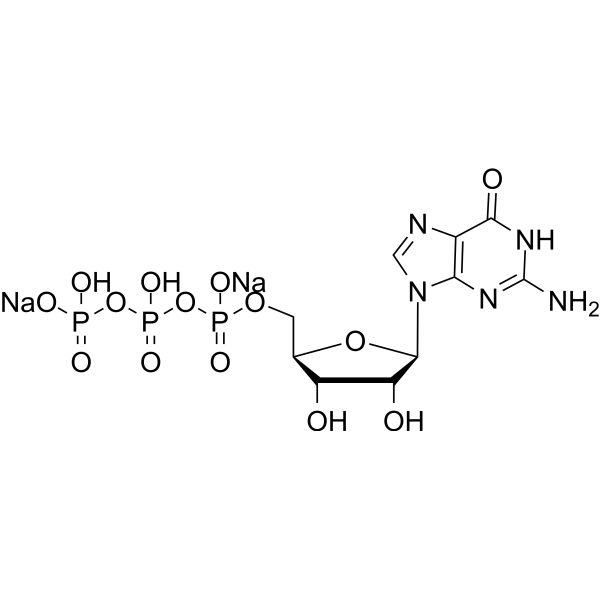
    GTP

    Endogenous Metabolite DNA/RNA Synthesis Apoptosis Mitosis Cancer
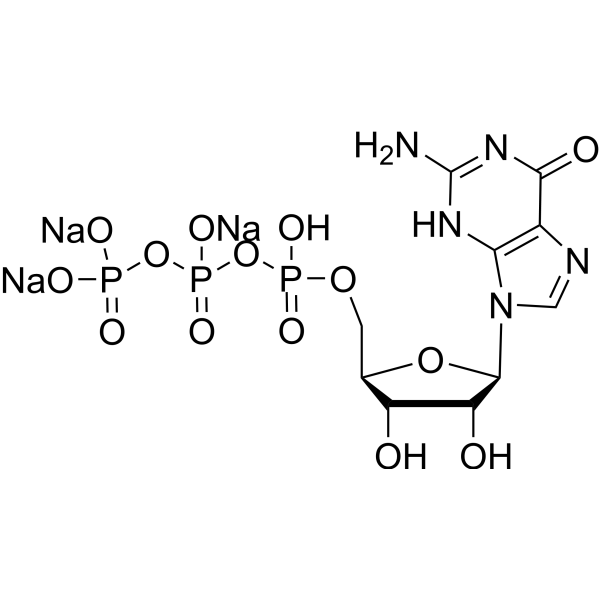
    Guanosine triphosphate (GTP) is a critical nucleotide and regulator of cellular metabolism. Guanosine triphosphate promotes ribosomal DNA localization, pre-rRNA transcription and ribosome biogenesis by binding to RNA polymerase I and GPN proteins (GPN1/3). Guanosine triphosphate links MYC-dependent ribosome biogenesis to nucleotide sufficiency, acts as a metabolic gatekeeper supporting protein synthesis, DNA/RNA synthesis and cellular signal transduction, while also participating in the physiological activities of pancreatic β-cells and serving as an oxidative substrate for reactive oxygen species. In small cell lung cancer with high MYC expression, Guanosine triphosphate accumulates through the IMPDH-driven synthetic pathway, thereby affecting apoptosis and mitotic processes. Guanosine triphosphate is used in the research of small cell lung cancer, hepatoblastoma and cellular metabolism .
    Guanosine triphosphate
  • HY-P99667
    Ipafricept
    4 Publications Verification

    OMP-54F28; FZD8-Fc

    Wnt Cancer
    Ipafricept (OMP-54F28; FZD8-Fc) is a first class recombinant fusion protein with the extracellular part of the human frizzled-8 receptor fused to a human IgG1 Fc fragment that binds Wnt ligands, which blocks Wnt signaling. Ipafricept reduces tumor growth and results in a decrease in both liver and lung metastases combined with Gemcitabine (HY-17026) in pancreatic cancer mouse models. Ipafricept shows solid tumor inhibition activity with well tolerance, such as desmoid tumor, germ cell cancer, ovarian cancer .
    Ipafricept
  • HY-132941

    PROTACs Epigenetic Reader Domain c-Myc Apoptosis Cancer
    CFT-2718 is a selective CRBN-dependent BRD4 PROTAC degrader. CFT-2718 mediates rapid, selective BRD4 degradation, reduces total and phosphorylated Ser2 RPB1 levels, and reduces MYC protein levels. CFT-2718 can inhibit cancer cells proliferation and induce apoptosis. CFT-2718 reduces growth of lung cancer and pancreatic patient-derived xenograft models. CFT-2718 can be used for the research of cancer, such as small-cell lung cancer and pancreatic cancer .
    CFT-2718
  • HY-B1273

    1-Phenyl-1-pentanol

    Fluorescent Dye Endocrinology
    Fenipentol (1-Phenyl-1-pentanol), a synthetic derivative of an ingredient of Curcuma longa that is used as a condiment and dye. Fenipentol is also an orally active choleretic agent that plays an important role in release of secretin, gastrin, and pancreatic secretion of bicarbonate and protein .
    Fenipentol
  • HY-143657

    Myosin Ferlin Family MMP Cancer
    Myoferlin inhibitor 1 is a compound that exhibits reversible, concentration-dependent binding to the myoferlin MYOF-C2D protein, with a KD of 0.094 μM. Myoferlin inhibitor 1 shows potent anti-invasion and anti-migration activities against different pancreatic cancer cells. Myoferlin inhibitor 1 inhibits pancreatic cancer metastasis through reversing mesenchymal transition (EMT), inhibiting the secretions of MMP1 and MMP2 and blocking the receptor tyrosine kinases. Myoferlin inhibitor 1 displays effective antimetastatic activities in pancreatic cancer in vitro and in vivo. Myoferlin inhibitor 1 can be used in research on preventing pancreatic cancer metastasis .
    Myoferlin inhibitor 1
  • HY-P3509A

    MDM-2/p53 Cancer
    PNC-28 acetate is a peptide from the mdm-2-binding domain (residues 17–26) of the p53 protein which contains a membrane crossing-penetratin sequence. PNC-28 acetate can be used for pancreatic cancer research .
    PNC-28 acetate
  • HY-138295

    Ras Cancer
    KRAS inhibitor-10 selectively and effectively inhibit RAS proteins, and particularly KRAS proteins. KRAS inhibitor-10 is an orally active anti-cancer agent and can be used for cancer research, such as pancreatic cancer, breast cancer, multiple myeloma, leukemia and lung cancer. KRAS inhibitor-10 is a tetrahydroisoquinoline compound (compound 11) extracted from patent WO2021005165 A1 .
    KRAS inhibitor-10
  • HY-177106

    Drug Intermediate Ras Cancer
    ADT-1004 is an orally active prodrug of ADT-007 (HY-157887). ADT-007 is a reversible, highly potent and selective pan-RAS inhibitor that binds to the nucleotide-free conformation of RAS proteins and blocks their GTP activation, thereby inhibiting the downstream MAPK and AKT signaling pathways. ADT-1004 can be used for the research of pancreatic ductal adenocarcinoma .
    ADT-1004
  • HY-173178

    Estrogen Receptor/ERR Cancer
    LNS8801 is an orally active agonist of the G protein-coupled estrogen receptor (GPER). By activating GPER, LNS8801 mediates downstream signaling pathways, such as promoting the production of cyclic adenosine monophosphate (cAMP) and activating the cAMP response element-binding protein (CREB) signaling, thereby exerting anti-tumor activities including inhibiting tumor cell proliferation, inducing cell differentiation, and enhancing tumor immunogenicity. LNS8801 can be used in the research of various cancers (e.g., melanoma, pancreatic cancer, colorectal cancer, lung cancer, etc.) and relevant studies exploring the roles of GPER in normal physiological and pathological processes .
    LNS8801
  • HY-P4928

    Amylin Receptor Metabolic Disease
    Biotinyl-Amylin (mouse, rat) is a biotinylated Amylin (mouse, rat). Amylin (mouse, rat) is a 37-aminoacid pancreatic protein that exerts control over several metabolic events such as glycemia and lacticemia .
    Biotinyl-Amylin (mouse, rat)
  • HY-160038

    LXR Cancer
    GAC0003A4 is an LXR inverse agonist that inhibits LXR transcriptional activity. GAC0003A4 also efficiently degrades LXRβ protein. GAC0003A4 has the potential to be used in advanced pancreatic cancer and other refractory malignancies .
    GAC0003A4
  • HY-122232

    Autophagy p62 Cancer
    SW083688 is a selective TAOK2 inhibitor with an IC50 of 1.3 μM. SW083688 increases the abundance of p62 protein, inhibits autophagosome maturation, and blocks Autophagic flux. SW083688 is applicable for the research of non-small cell lung cancer and pancreatic cancer .
    SW083688
  • HY-16967

    G-quadruplex Bcl-2 Family Ras Caspase Cancer
    MM41 is a quadruplex-interacting compound. MM41 binds tightly to quadruplexes encoded in the promoter sequences of the BCL-2 and k-RAS genes. MM41 reduces BCL-2 and k-RAS protein levels, increases caspase 3. MM41 has antitumor effects against pancreatic cancer .
    MM41
  • HY-169789

    PI3K Metabolic Disease Cancer
    PKN3-IN-1 (compound 16) inhibits PKN3 (serine/threonine protein kinase 3) and GAK (cyclin G-associated kinase) with IC50 of 0.014 μM and Ki of 0.0044 μM respectively. PKN3-IN-1 is a potential tool compound to study the cell biology of PKN3 and its role in pancreatic and prostate cancer and T-cell acute lymphoblastic leukemia .
    PKN3-IN-1
  • HY-113037CS

    Farnesyl diphosphate-d2 triammonium

    Isotope-Labeled Compounds TRP Channel Endogenous Metabolite Calcium Channel Neurological Disease Inflammation/Immunology Cancer
    Farnesyl pyrophosphate-d2 (Farnesyl diphosphate-d2) triammonium is a deuterium labeled Farnesyl pyrophosphate triammonium (HY-113037C). Farnesyl pyrophosphate ammonium is a metabolic intermediate in the mevalonate (MVA) pathway. It is a TRP channel (TRPM2) agonist that triggers Ca2+ influx and cell death. Farnesyl pyrophosphate ammonium is a key branch substrate for cholesterol synthesis, ubiquinone synthesis, protein farnesylation, and geranylgeranyl pyrophosphate (GGPP) synthesis. Farnesyl pyrophosphate ammonium is used in research on cerebral ischemia, neurodegenerative diseases, pancreatic cancer, inflammation, and autoimmune diseases.
    Farnesyl pyrophosphate-d2 triammonium
  • HY-178837

    Ras ADC Payload Cancer
    Z56 is a Ras protein inhibitor. Z56 can be used for the research of cancer, such as pancreatic cancer .
    Z56
  • HY-A0031A

    TSE-424 hydrochloride

    Estrogen Receptor/ERR Cancer
    Bazedoxifene hydrochloride (TSE-424 hydrochloride) is an oral active, BBB-penetrant nonsteroidal selective estrogen receptor modulator (SERM), with IC50s of 23 nM and 99 nM for ERα and ERβ, respectively. Bazedoxifene hydrochloride can be used for the research of osteoporosis. Bazedoxifene hydrochloride acts as an inhibitor of IL-6/GP130 protein-protein interactions. Bazedoxifene hydrochloride can be used for the research of pancreatic cancer .
    Bazedoxifene hydrochloride
  • HY-A0036R

    TSE-424 acetate (Standard)

    Reference Standards Estrogen Receptor/ERR Cancer
    Bazedoxifene (acetate) (Standard) is the analytical standard of Bazedoxifene (acetate). This product is intended for research and analytical applications. Bazedoxifene acetate (TSE-424 acetate) is an oral, nonsteroidal selective estrogen receptor modulator (SERM), with IC50s of 23 nM and 99 nM for ERα and ERβ, respectively. Bazedoxifene acetate can be used for the research of osteoporosis. Bazedoxifene acetate also acts as an inhibitor of IL-6/GP130 protein-protein interactions and can be used for the research of pancreatic cancer .
    Bazedoxifene acetate (Standard)
  • HY-123056

    p62 Autophagy Apoptosis Cancer
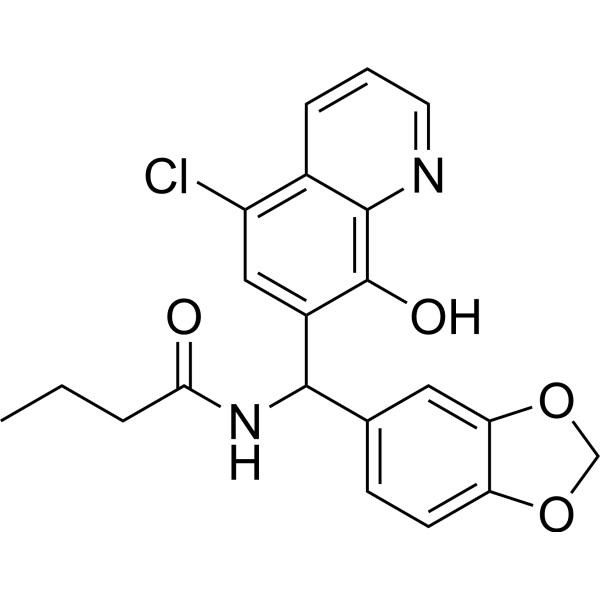
    EAD1 is a Chloroquine (HY-17589A) analog with anticancer activity. EAD1 blocks autophagy, leading to the intracellular accumulation of autophagosome-related proteins LC3-II and p62. EAD1 induces cancer cell apoptosis and inhibits cancer cell proliferation. EAD1 can be used in the research of lung cancer and pancreatic cancer .
    EAD1
  • HY-113037B

    Farnesyl diphosphate

    TRP Channel Endogenous Metabolite Calcium Channel Neurological Disease Inflammation/Immunology Cancer
    Farnesyl pyrophosphate is a metabolic intermediate in the mevalonate (MVA) pathway. It is a TRP channel (TRPM2) agonist that triggers Ca2+ influx and cell death. Farnesyl pyrophosphate is a key branch substrate for cholesterol synthesis, ubiquinone synthesis, protein farnesylation, and geranylgeranyl pyrophosphate (GGPP) synthesis. Farnesyl pyrophosphate is used in research on cerebral ischemia, neurodegenerative diseases, pancreatic cancer, inflammation, and autoimmune diseases.
    Farnesyl pyrophosphate
  • HY-157458

    ATTECs Phosphodiesterase (PDE) Autophagy Cancer
    PDEδ autophagic degrader 1 (compound 12c), an autophagosome-tethering compound (ATTEC). is a potent PDEδ autophagic degrader. PDEδ autophagic degrader 1 reduces the PDEδ protein level through lysosome-mediated autophagy without affecting the PDEδ mRNA expression. PDEδ autophagic degrader 1 suppresses the growth in KRAS mutant pancreatic cancer cells .
    PDEδ autophagic degrader 1
  • HY-131203

    PROTACs Epigenetic Reader Domain Apoptosis c-Myc Caspase Cancer
    PROTAC BRD4 Degrader-6 (compound 32a) is a potent small-molecule BRD4PROTAC degrader with IC50 value of 2.7 nM for BRD4 BD1. PROTAC BRD4 Degrader-6 potently degrades BRD4 protein and inhibits the expression of c-Myc. PROTAC BRD4 Degrader-6 inhibits the proliferation of pancreatic cancer cell line BxPC3 and induces apoptosis. PROTAC BRD4 Degrader-6 can be used for human pancreatic cancer research (Pink: Mivebresib (HY-100015); Black: linker, Azido-PEG1-CH2CO2H (HY-108369); Blue: Lenalidomide (HY-A0003)) .
    PROTAC BRD4 Degrader-6

Inquiry Online

Your information is safe with us. * Required Fields.

Salutation


Country or Region *

Applicant Name *


Organization Name *

Department *


Email Address *


Product Name *

Cat. No.


Requested quantity *

Phone Number *


Remarks

Inquiry Online

Inquiry Information

Product Name:
Cat. No.:
Quantity:
MCE Japan Authorized Agent:

