
1. Search Result
Search Result
Results for "

primary hepatocellular carcinoma

" in MedChemExpress (MCE) Product Catalog:

16

Inhibitors & Agonists

1

Screening Libraries

1

Inhibitory Antibodies

6

Natural
Products

Cat. No. Product Name Target Research Areas Chemical Structure
  • HY-N2334
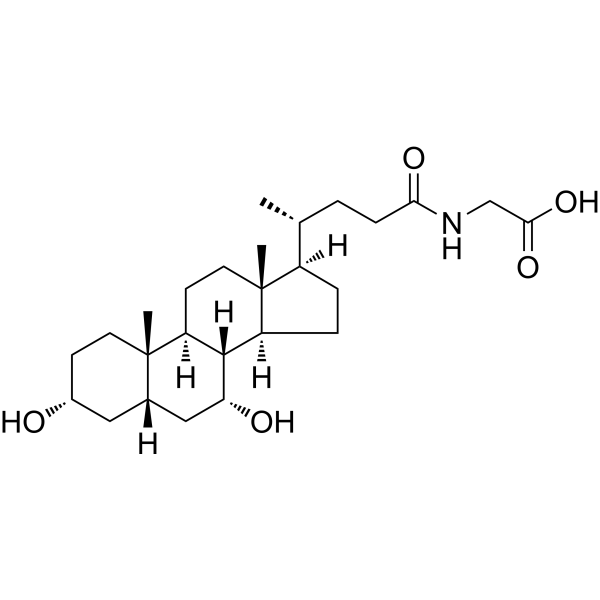
    Glycochenodeoxycholic acid
    5 Publications Verification

    Chenodeoxycholylglycine

    Endogenous Metabolite Apoptosis STAT BCL6 Interleukin Related Caspase Metabolic Disease Cancer
    Glycochenodeoxycholic acid (Chenodeoxycholylglycine) is a relatively toxic bile salt generated in the liver from chenodeoxycholic acid and glycine. Glycochenodeoxycholic acid inhibits Autophagosome formation and impairs lysosomal function by inhibiting lysosomal proteolysis and increasing lysosomal pH in human normal liver cells, leading to the Apoptosis of human hepatocyte cells. Glycochenodeoxycholic acid induces stemness and chemoresistance via activating STAT3 signaling pathway in hepatocellular carcinoma cells (HCC). Glycochenodeoxycholic acid is promising for research in the field of cholestasis desease, hepatocellular carcinoma and primary sclerosing cholangitis (PSC) .
    Glycochenodeoxycholic acid
  • HY-N2334A
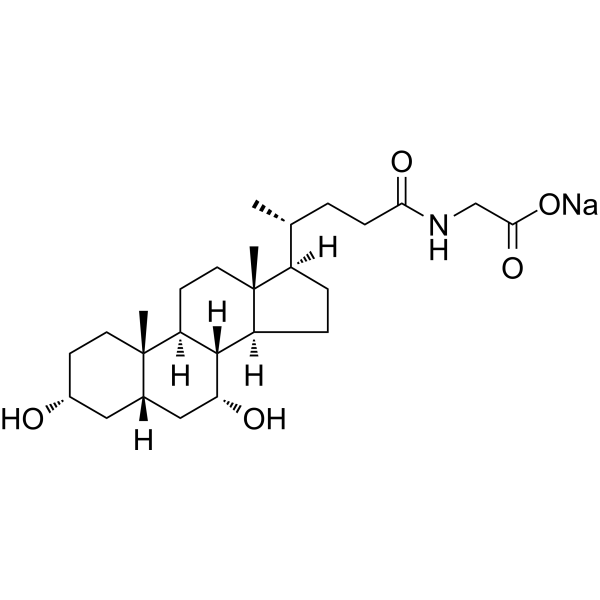
    Glycochenodeoxycholic acid sodium salt
    5 Publications Verification

    Chenodeoxycholylglycine sodium salt; Sodium glycochenodeoxycholate

    Endogenous Metabolite Apoptosis STAT BCL6 Interleukin Related Caspase Metabolic Disease Cancer
    Glycochenodeoxycholic acid sodium salt (Sodium glycochenodeoxycholate) is a relatively toxic bile salt generated in the liver from chenodeoxycholic acid and glycine. Glycochenodeoxycholic acid sodium salt inhibits Autophagosome formation and impairs lysosomal function by inhibiting lysosomal proteolysis and increasing lysosomal pH in human normal liver cells, leading to the Apoptosis of human hepatocyte cells. Glycochenodeoxycholic acid sodium salt induces stemness and chemoresistance via activating STAT3 signaling pathway in hepatocellular carcinoma cells (HCC). Glycochenodeoxycholic acid sodium salt is promising for research in the field of cholestasis desease, hepatocellular carcinoma and primary sclerosing cholangitis (PSC) .
    Glycochenodeoxycholic acid sodium salt
  • HY-P99758

    CS1003

    PD-1/PD-L1 Cancer
    Nofazinlimab (CS1003) is a humanised IgG4 anti-PD-1 monoclonal antibody. Nofazinlimab shows antitumor activity and can be used for the research of unresectable or metastatic hepatocellular carcinoma .
    Nofazinlimab
  • HY-N0864

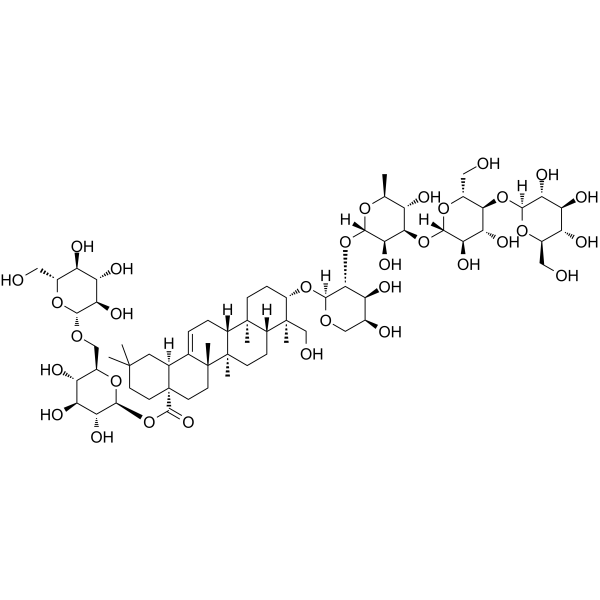
    Macranthoiside I

    Apoptosis COX Reactive Oxygen Species (ROS) Caspase SOD Cancer
    Macranthoidin B (Macranthoiside I) is an orally active triterpene saponin. Macranthoidin B inhibits epithelial-mesenchymal transition in endometriosis via the COX‑2/PGE2 pathway, and also induces tumor cell apoptosis and inhibits their proliferation by regulating metabolism and increasing ROS levels . Macranthoidin B can be used in studies related to endometriosis, colorectal cancer and hepatocellular carcinoma .
    Macranthoidin B
  • HY-153863

    PROTACs MEK Raf Cancer
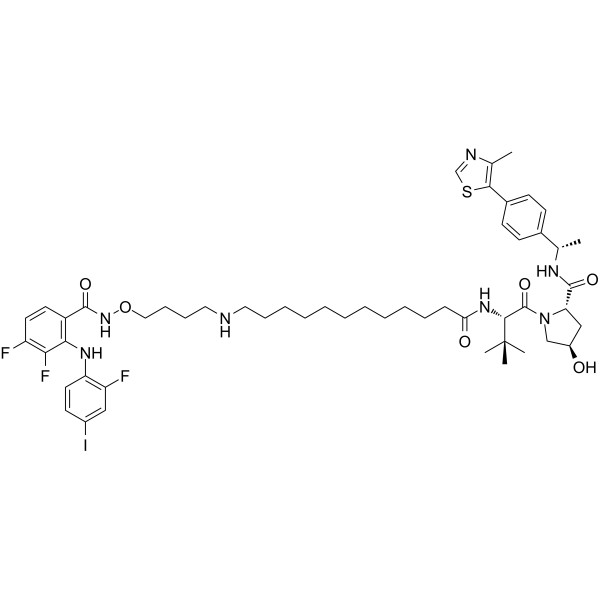
    MS934 is a novel improved VHL-recruiting MEK 1/2 PROTAC degrader. MS934 also degrades CRAF. MS934 can be used for the research of variety of human cancers, such as melanoma, nonsmall cell lung cancer (NSCLC), colorectal cancer, primary brain tumors, and hepatocellular carcinoma (Pink: Target protein ligand (HY-168288); Black: linker (HY-168289); Blue: E3 ligase ligand (HY-112078)) .
    MS934
  • HY-N6726

    Fungal Endogenous Metabolite Infection Cancer
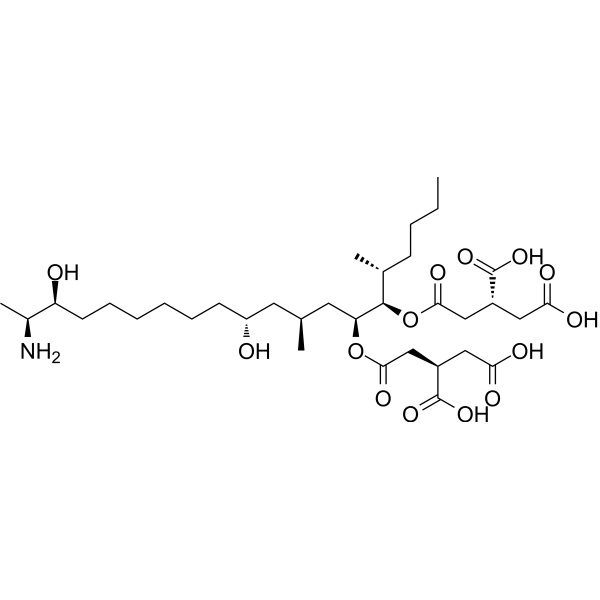
    Fumonisin B3 is an orally active fumonisin Mycotoxin. Fumonisin B3 can be isolated from Fusarium moniliforme, Fusarium proliferatum and Fusarium nygamai. Fumonisin B3 induces precancerous lesions, triggers embryonic death of chicken embryos, causes severe hemorrhage in dead chicken embryos. Fumonisin B3 can be used in studies related to hepatocellular carcinoma .
    Fumonisin B3
  • HY-108659

    P2Y Receptor Interleukin Related NF-κB Reactive Oxygen Species (ROS) Inflammation/Immunology
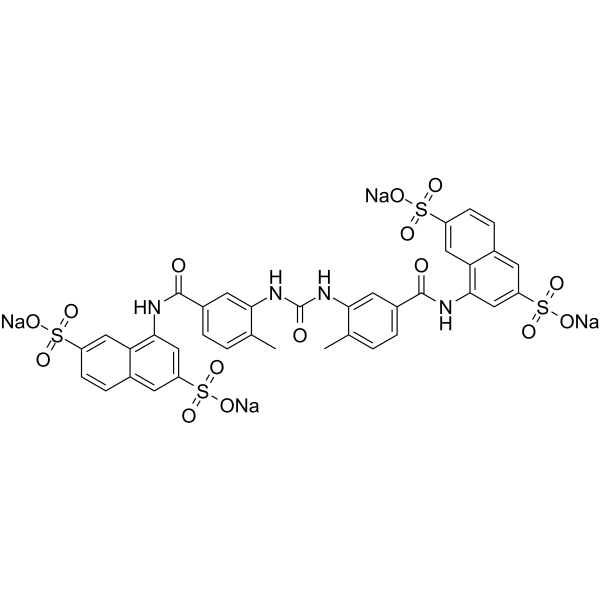
    NF340 is a P2Y11 receptor inhibitor with a pIC50 of 7.3-7.7 against human P2Y11 receptor, and it exhibits high selectivity over other P2Y family receptors. NF340 binds to the ATP-binding amino acid residues of the P2Y11 receptor to inhibit its activity, block nociceptive activity, and reduce spinal dorsal horn P2Y11 receptor upregulation induced by spinal nerve injury. NF340 attenuates the NFκB signaling pathway activated by IL-1β by decreasing IκBα phosphorylation, nuclear p65 accumulation, and NFκB promoter activity. NF340 inhibits IL-1β-induced pro-inflammatory cytokine expression, reduces intracellular ROS and 4-HNE levels, and suppresses IL-1β-induced matrix metalloproteinase expression in primary fibroblast-like synoviocytes. NF340 inhibits ATP-induced elevation of intracellular Ca 2+ concentration and cell migration in human hepatocellular carcinoma cells. NF340 can be used in the research of neuropathic pain, myocardial ischemia/reperfusion injury, inflammatory pain, rheumatoid arthritis, and hepatocellular carcinoma .
    NF340
  • HY-N2334R

    Chenodeoxycholylglycine (Standard)

    Reference Standards Endogenous Metabolite Apoptosis STAT BCL6 Interleukin Related Caspase Metabolic Disease Cancer
    Glycochenodeoxycholic acid (Standard) is the analytical standard of Glycochenodeoxycholic acid. This product is intended for research and analytical applications. Glycochenodeoxycholic acid (Chenodeoxycholylglycine) is a relatively toxic bile salt generated in the liver from chenodeoxycholic acid and glycine. Glycochenodeoxycholic acid inhibits Autophagosome formation and impairs lysosomal function by inhibiting lysosomal proteolysis and increasing lysosomal pH in human normal liver cells, leading to the Apoptosis of human hepatocyte cells. Glycochenodeoxycholic acid induces stemness and chemoresistance via activating STAT3 signaling pathway in hepatocellular carcinoma cells (HCC). Glycochenodeoxycholic acid is promising for research in the field of cholestasis desease, hepatocellular carcinoma and primary sclerosing cholangitis (PSC)[1][2][3][4].
    Glycochenodeoxycholic acid (Standard)
  • HY-N2334AR

    Chenodeoxycholylglycine sodium salt (Standard); Sodium glycochenodeoxycholate (Standard)

    Reference Standards Endogenous Metabolite Apoptosis STAT BCL6 Interleukin Related Caspase Metabolic Disease Cancer
    Glycochenodeoxycholic acid sodium salt (Standard) is the analytical standard of Glycochenodeoxycholic acid sodium salt. This product is intended for research and analytical applications. Glycochenodeoxycholic acid sodium salt (Sodium glycochenodeoxycholate) is a relatively toxic bile salt generated in the liver from chenodeoxycholic acid and glycine. Glycochenodeoxycholic acid sodium salt inhibits Autophagosome formation and impairs lysosomal function by inhibiting lysosomal proteolysis and increasing lysosomal pH in human normal liver cells, leading to the Apoptosis of human hepatocyte cells. Glycochenodeoxycholic acid sodium salt induces stemness and chemoresistance via activating STAT3 signaling pathway in hepatocellular carcinoma cells (HCC). Glycochenodeoxycholic acid sodium salt is promising for research in the field of cholestasis desease, hepatocellular carcinoma and primary sclerosing cholangitis (PSC) .
    Glycochenodeoxycholic acid sodium salt (Standard)
  • HY-W013514

    Environmental Pollutants DNA/RNA Synthesis Cancer
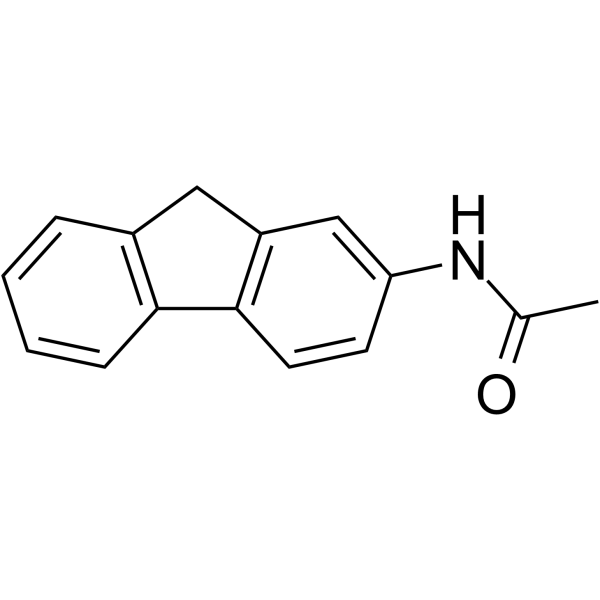
    2-Acetamidofluorene is a potent carcinogenan. 2-Acetamidofluorene is can be used fot induction of hepatocellular carcinoma (HCC) and multiple primary tumours .
    2-Acetamidofluorene
  • HY-178205

    CXCR ERK Akt Cancer
    BPRCX 807 is a selective and potent CXCR4 (CXC chemokine receptor type 4) antagonist. BPRCX 807 inhibits CXCL12-mediated ERK and Akt phosphorylation. BPRCX 807 can significantly suppress primary tumor growth. BPRCX 807 can be used for the study of hepatocellular carcinoma .
    BPRCX807
  • HY-W013514R

    DNA/RNA Synthesis Reference Standards Cancer
    2-Acetamidofluorene is a potent carcinogenan. 2-Acetamidofluorene is can be used fot induction of hepatocellular carcinoma (HCC) and multiple primary tumours .
    2-Acetamidofluorene (Standard)
  • HY-138813R

    SU-12662 hydrochloride (Standard)

    Reference Standards Drug Metabolite Cancer
    Glycochenodeoxycholic acid sodium salt (Standard) is the analytical standard of Glycochenodeoxycholic acid sodium salt. This product is intended for research and analytical applications. Glycochenodeoxycholic acid sodium salt (Sodium glycochenodeoxycholate) is a relatively toxic bile salt generated in the liver from chenodeoxycholic acid and glycine. Glycochenodeoxycholic acid sodium salt inhibits Autophagosome formation and impairs lysosomal function by inhibiting lysosomal proteolysis and increasing lysosomal pH in human normal liver cells, leading to the Apoptosis of human hepatocyte cells. Glycochenodeoxycholic acid sodium salt induces stemness and chemoresistance via activating STAT3 signaling pathway in hepatocellular carcinoma cells (HCC). Glycochenodeoxycholic acid sodium salt is promising for research in the field of cholestasis desease, hepatocellular carcinoma and primary sclerosing cholangitis (PSC) .
    N-Desethyl Sunitinib hydrochloride (Standard)
  • HY-19272

    Nucleoside Antimetabolite/Analog Asialoglycoprotein Receptor (ASGPR) Cancer
    OGT-719 is a potent, orally active nucleoside analogue that targets the asialoglycoprotein receptor (ASGP-R). OGT-719 inhibits growth of metastatic colorectal tumors in the liver of nude mice. OGT-719 can be used for primary hepatocellular carcinoma and colorectal liver metastases research .
    OGT-719
  • HY-119618

    Endogenous Metabolite Cancer
    R1498 is a multi-target kinase inhibitor with anti-angiogenic and anti-proliferative activities. R1498 mainly targets targets such as Aurora kinase and VEGFR2, which are associated with tumor development. R1498 showed moderate in vitro growth inhibition in a variety of tumor cells, with IC50 values in the micromolar range. R1498 showed anti-tumor efficacy superior to sorafenib in a variety of gastric cancer and hepatocellular carcinoma xenograft models, with tumor growth inhibition rates exceeding 80%, and tumor shrinkage was observed in some models. R1498 showed a 10-30% tumor shrinkage rate in three xenograft models derived from human primary gastric cancer tumors, further demonstrating its inhibitory potential. R1498 effectively inhibited Aurora A activity in vivo and reduced tumor vascularization .
    R1498
  • HY-183920

    CMV p97 Infection
    LC-1310 is an antiviral agent that targets and inhibits p97, and it suppresses the in vitro replication of human cytomegalovirus (HCMV) with an EC50 value of 0.3 μM. LC-1310 targets the D2 ATP-binding site of p97, downregulates the expression of early viral proteins, thereby blocking the transcription and proliferation of early viral genes. LC-1310 can be used for research on human cytomegalovirus infection .
    LC-1310

Inquiry Online

Your information is safe with us. * Required Fields.

Salutation


Country or Region *

Applicant Name *


Organization Name *

Department *


Email Address *


Product Name *

Cat. No.


Requested quantity *

Phone Number *


Remarks

Inquiry Online

Inquiry Information

Product Name:
Cat. No.:
Quantity:
MCE Japan Authorized Agent:

