




32 Results for "

rat islet

" in MedChemExpress (MCE) Product Catalog:
Products (32)

32 Results for "rat islet" in MCE Product Catalog:

72
72 Publications Verification
Cat. No.: HY-13443A
CAS No.: 914454-01-6
Purity:  99.91%
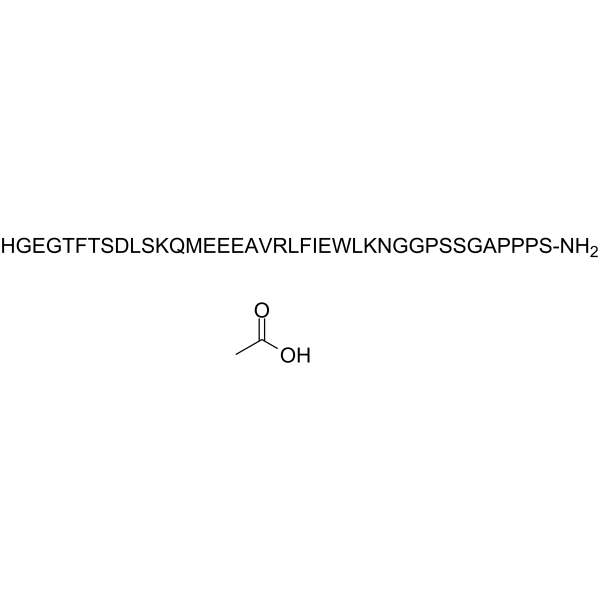
Synonyms: Exenatide acetate
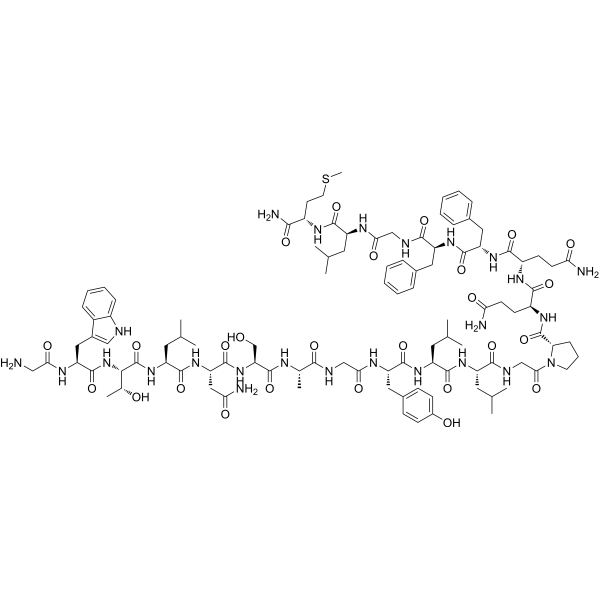
Exendin-4 acetate (Exenatide acetate) is an orally active, blood-brain barrier-permeable glucagon-like peptide-1 receptor (GLP‑1 receptor) agonist that resists degradation mediated by dipeptidyl peptidase IV. Exendin-4 acetate mediates multiple glucose-regulating effects, including stimulation of glucose-dependent insulin secretion, inhibition of glucagon production, increase in β-cell mass, delay of gastric emptying, reduction of food intake, improvement of peripheral insulin sensitivity, and restoration of normal islet structure. Exendin-4 acetate inhibits oxidative stress, alleviates inflammatory responses, and reduces neuronal apoptosis. Exendin-4 acetate reduces the aggregation level of mutant huntingtin, improves motor function, prolongs survival time, and regulates the expression levels of leptin and ghrelin. Exendin-4 acetate can be used in research related to type 2 diabetes, acute ischemic stroke, and Huntington's disease .
loading...
    loading...
72
72 Publications Verification
Cat. No.: HY-13443
CAS No.: 141758-74-9
Purity:  99.95%
Synonyms: Exenatide
Exendin‑4 (Exenatide) is an orally active, blood-brain barrier-permeable glucagon-like peptide-1 receptor (GLP‑1 receptor) agonist that resists degradation mediated by dipeptidyl peptidase IV. Exendin‑4 mediates multiple glucose-regulating effects, including stimulation of glucose-dependent insulin secretion, inhibition of glucagon production, increase in β-cell mass, delay of gastric emptying, reduction of food intake, improvement of peripheral insulin sensitivity, and restoration of normal islet structure. Exendin‑4 inhibits oxidative stress, alleviates inflammatory responses, and reduces neuronal apoptosis. Exendin‑4 reduces the aggregation level of mutant huntingtin, improves motor function, prolongs survival time, and regulates the expression levels of leptin and ghrelin. Exendin‑4 can be used in research related to type 2 diabetes, acute ischemic stroke, and Huntington's disease .
loading...
    loading...
7
7 Cited Publications
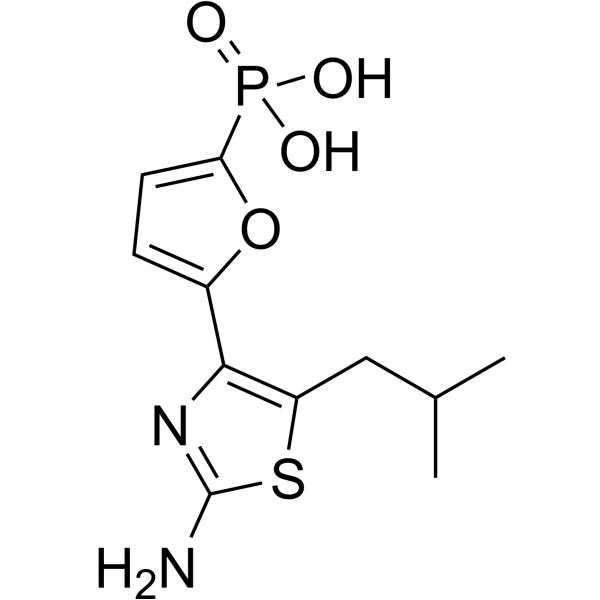
Cat. No.: HY-16307
CAS No.: 261365-11-1
Target:  

FBPase

Research Areas:  

Metabolic Disease Cancer

MB05032 is a fructose-1,6-bisphosphatase (FBP1/FBPase) inhibitor with an IC50 value of 16 nM. MB05032 blocks FBP1-mediated glycolysis inhibition in NK cells, restores NK cell glucose uptake, lactate production, degranulation, perforin production, and cytotoxicity against gastric cancer cells. MB05032 elevates ATP/ADP ratios, increases glucose utilization, and enhances insulin secretion in pancreatic β-cells. MB05032 increases neutrophil adhesion, phagocytosis, and mRNA abundance of HKII, ITGA9, CD36 in subclinically hypocalcemic dairy cows. MB05032 inhibits gluconeogenesis in hepatocytes, acts as the active metabolite of prodrug Managlinat dialanetil (MB06322) (HY-14955). MB05032 can be used for the research of gastric cancer, type 2 diabetes, subclinical hypocalcemia, and insulin resistance .
loading...
    loading...
6
6 Cited Publications
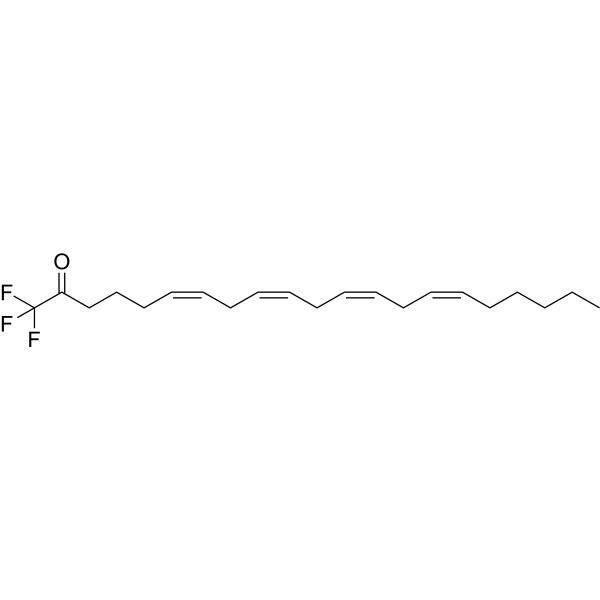
Cat. No.: HY-108611
CAS No.: 149301-79-1
Purity:  ≥99.0%
Synonyms: Arachidonyl trifluoromethyl ketone
Target:  

Phospholipase

Research Areas:  

Cardiovascular Disease

AACOCF3 (Arachidonyl trifluoromethyl ketone) is a cell-permeant trifluoromethyl ketone analog of arachidonic acid. AACOCF3 is a potent and selective slow binding inhibitor of the 85-kDa cytosolic phospholipase A2 (cPLA2). AACOCF3 blocks production of arachidonate and 12-hydroxyeicosatetraenoic acid by calcium ionophore-challenged platelets. AACOCF3 inhibits glucose-induced insulin secretion from isolated rat islets. AACOCF3 has the potential for the research of cardiovascular disease .
loading...
    loading...
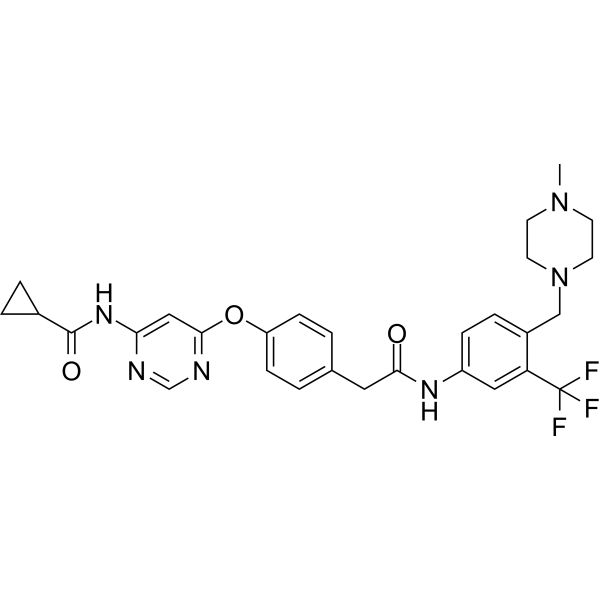
Cat. No.: HY-12461
CAS No.: 1421227-53-3
Purity:  99.94%
WS6 is an IkB kinase and EBP1 inhibitor, with IC50 values of 0.24 nM, 0.21 nM, and 40.48 nM in MV4-11, MOLM13, and K562 cells, respectively. WS6 promotes the proliferation of alpha and beta cells in the pancreas, has antioxidant and anti-inflammatory activities, and can alleviate depression like behavior in rats [1][2][4].
loading...
    loading...
Cat. No.: HY-101020
CAS No.: 1452-77-3
Purity:  99.97%
Synonyms: 2-Picolinamide
Target:  

PARP

Research Areas:  

Metabolic Disease

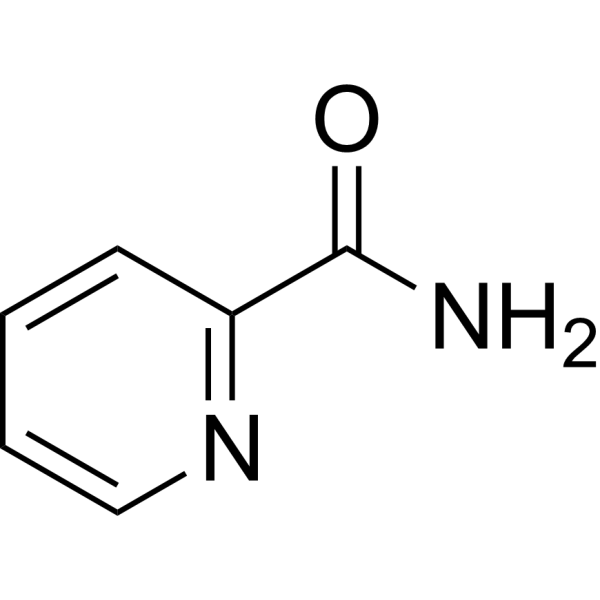
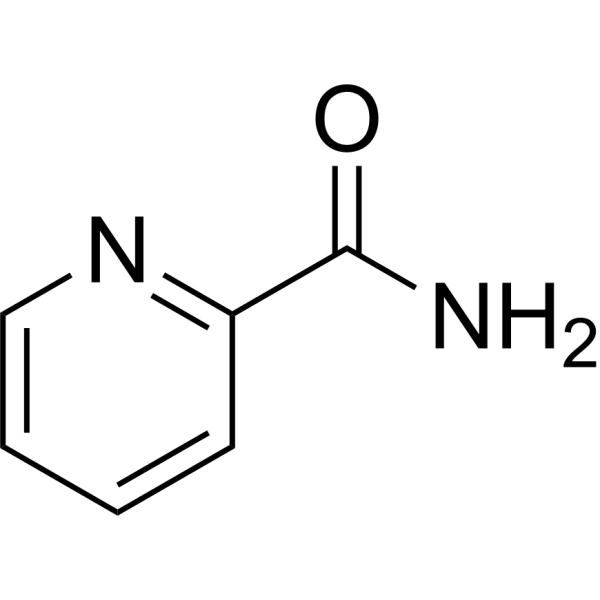
Picolinamide (2-Picolinamide) is an inhibitor of Poly(ADP-ribose) synthetase of nuclei from rat pancreatic islet cells .
loading...
    loading...
Cat. No.: HY-W145482
CAS No.: 13224-94-7
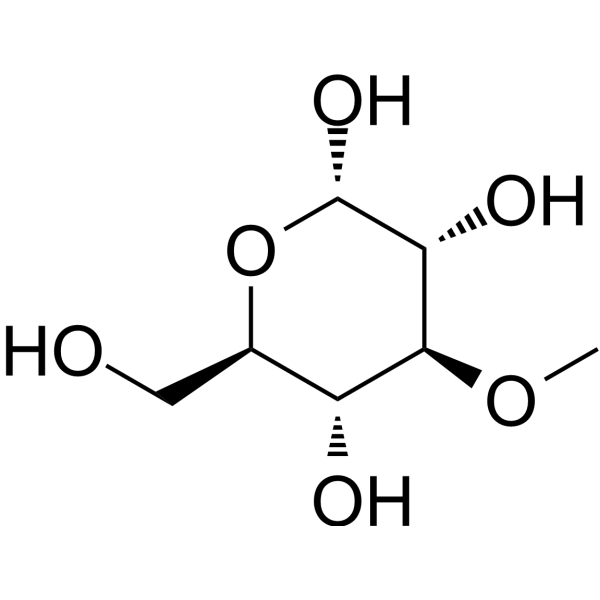
3-O-Methyl-D-glucopyranose is a non-metabolizable glucose analog. 3-O-Methyl-D-glucopyranose exerts a protective effect against alloxan-induced damage to rat pancreatic islet β cells. 3-O-Methyl-D-glucopyranose can be used in diabetes research .
loading...
    loading...
Cat. No.: HY-158220
Synonyms: HAMA (MW 400 kDa)
Hyaluronic acid Methacryloyl (MW 400 kDa) (HAMA (MW 400 kDa)) is a methacrylated hyaluronic acid with biocompatibility. Hyaluronic acid Methacryloyl (MW 400 kDa) also serves as a 3D printing hydrogel ink, featuring rapid photoresponsiveness, fast gelation speed and stable hydrogel performance. Hyaluronic acid Methacryloyl (MW 400 kDa) can rapidly initiate gelation with lithium phenyl-2,4,6-trimethylbenzoylphosphinate (LAP) under ultraviolet irradiation. Moreover, the combination of Hyaluronic acid Methacryloyl with tissue-specific extracellular matrix (ECM) materials (such as pancreatic extracellular matrix (pECM)) acts as an important source material for organoid culture .
loading...
    loading...
Cat. No.: HY-P5074
CAS No.: 1132745-52-8
Target:  

GCGR

Research Areas:  

Metabolic Disease

GRPP (human) is a 30 amino acid Gcg-derived peptide. GRPP (human) causes slight increases in plasma insulin and decreases in plasma glucagon. GRPP (human) does not affect insulin secretion in rat islets .
loading...
    loading...
Cat. No.: HY-15481
CAS No.: 189224-48-4
Purity:  98.91%
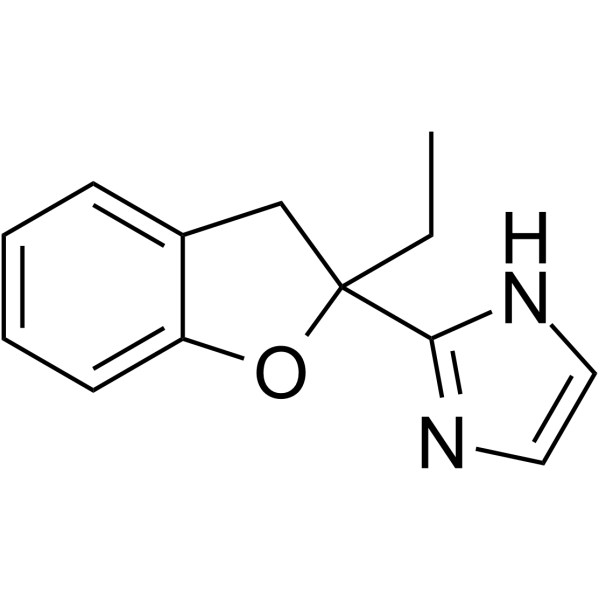
KU14R, an imidazole analog of efaroxan, is a putative imidazoline I3 receptor antagonist and reversible KATP channel inhibitor. KU14R inhibits KATP channel activity in mouse pancreatic β cells with an IC50 of 31.9 μmol/L, and also suppresses Kir6.2 ΔC26 channel activity. KU14R exerts model-dependent antagonistic effects on imidazoline-sensitive insulin secretion. KU14R can be used in the research of diabetes-related diseases .
loading...
    loading...
Cat. No.: HY-W039923
CAS No.: 4163-60-4
β-D-Galactose pentaacetate is a negative regulator of insulin with plasma membrane penetrating ability and can be hydrolyzed by intracellular esterases. β-D-Galactose pentaacetate inhibits Leucine (HY-N0486)-induced insulin release in Wistar rat islets, potentially preventing excessive insulin release in pathological conditions .
loading...
    loading...
Cat. No.: HY-P11043
GEP44 is a peptide biased triple agonist targeting Glucagon-like peptide 1 receptor (GLP-1R), neuropeptide Y1 Receptor (Y1-R), and neuropeptide Y2 Receptor (Y2-R). GEP44 induces Y1-R antagonist-controlled, GLP-1R-dependent stimulation of insulin secretion in both rat and human pancreatic islets by counteracting effects of Y1-R and GLP-1R agonism. GEP44 promotes insulin-independent Y1-R-mediated glucose uptake in muscle tissue and significantly reduces food intake and body weight in diet-induced obese rat models. GEP44 can be used for obesity and type 2 diabetes mellitus research .
loading...
    loading...
Cat. No.: HY-P1532
CAS No.: 90419-12-8
Synonyms: rat pancreatic polypeptide
Pancreatic Polypeptide, rat (Rat pancreatic polypeptide) is a rat-derived Pancreatic Polypeptide. Pancreatic Polypeptide is a preferential agonist of NPYR4. Pancreatic Polypeptide, rat protects cells against Streptozotocin (HY-13753)-induced DNA damage. Pancreatic Polypeptide, rat inhibits glucose-stimulated insulin secretion. Pancreatic Polypeptide, rat (TFA) can be used in diabetes-related research .
loading...
    loading...
Cat. No.: HY-103545
CAS No.: 725474-97-5
Synonyms: Gastric inhibitory peptide (1-39) (porcine)
Target:  

Insulin Receptor

Research Areas:  

Metabolic Disease

GIP (1-39) (Gastric inhibitory peptide (1-39) (porcine)) is an insulinotropic peptide that stimulats insulin secretion from rat pancreatic islets. GIP (1-39) at 100 nM was able to significantly increase intracellular Ca 2+ concentration ([Ca 2+]i), and capable of enhancing exocytosis .
loading...
    loading...
Cat. No.: HY-P2392
CAS No.: 252554-79-3
Research Areas:  

Others

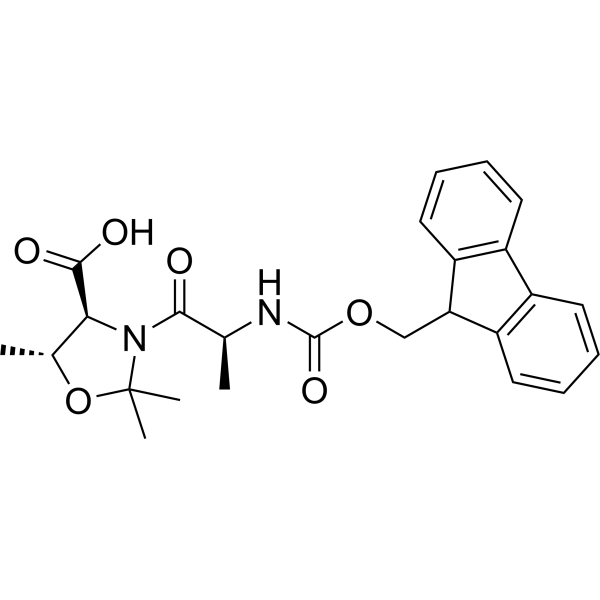
Fmoc-Ala-Thr (psi (Me,Me) pro)-OH is an Fmoc-protected pseudoproline derivative that serves as a building block for solid-phase peptide synthesis. Fmoc-Ala-Thr (psi (Me,Me) pro)-OH inhibits polypeptide aggregation and improves amino acid coupling efficiency during the synthesis of human and rat IAPP as well as general peptide synthesis. Fmoc-Ala-Thr (psi (Me,Me) pro)-OH is applicable to peptide synthesis-related research .
loading...
    loading...
Cat. No.: HY-120287
CAS No.: 214348-67-1
Target:  

Somatostatin Receptor

Research Areas:  

Endocrinology

L-054522 is an agonist for somatostatin receptor subtype 2 with Kd of 0.01 nM. L-054522 inhibits growth hormone release from rat primary pituitary cell (IC50=0.05 nM) and glucagon and insulin release from isolated mouse pancreatic islet cell (IC50=0.05 nM and 12 nM) .
loading...
    loading...
Cat. No.: HY-P0262
CAS No.: 138579-66-5
Galantide, a non-specific galanin receptor antagonist, is a peptide consisting of fragments of galanin and substance P. Galantide recognizes two classes of galanin binding sites (KD<0.1 nM and ~6 nM) in the rat hypothalamus. Galantide dose dependently (IC50=1.0 nM) antagonizes the galanin-mediated inhibition of the glucose-induced insulin secretion from mouse pancreatic islets. Galantide appears to bind to a single population of SP receptors (KD~40 nM) .
loading...
    loading...
Cat. No.: HY-13443S
Synonyms: Exenatide (Leu-13C6,15N) TFA
Exendin-4 (Leu- 13C6, 15N) TFA (Exenatide (Leu- 13C6, 15N) TFA) is the 13C, 15N-labeled Exendin-4 (HY-13443). Exendin‑4 (Exenatide) is an orally active, blood-brain barrier-permeable glucagon-like peptide-1 receptor (GLP‑1 receptor) agonist that resists degradation mediated by dipeptidyl peptidase IV. Exendin‑4 mediates multiple glucose-regulating effects, including stimulation of glucose-dependent insulin secretion, inhibition of glucagon production, increase in β-cell mass, delay of gastric emptying, reduction of food intake, improvement of peripheral insulin sensitivity, and restoration of normal islet structure. Exendin‑4 inhibits oxidative stress, alleviates inflammatory responses, and reduces neuronal apoptosis. Exendin‑4 reduces the aggregation level of mutant huntingtin, improves motor function, prolongs survival time, and regulates the expression levels of leptin and ghrelin. Exendin‑4 can be used in research related to type 2 diabetes, acute ischemic stroke, and Huntington's disease .
loading...
    loading...
Cat. No.: HY-101020R
CAS No.: 1452-77-3
Synonyms: 2-Picolinamide (Standard)
Research Areas:  

Metabolic Disease

Picolinamide (Standard) is the analytical standard of Picolinamide. This product is intended for research and analytical applications. Picolinamide (2-Picolinamide) is an inhibitor of Poly(ADP-ribose) synthetase of nuclei from rat pancreatic islet cells .
loading...
    loading...
Cat. No.: HY-120029
CAS No.: 129425-83-8
Research Areas:  

Endocrinology

Org-9935 is a selective inhibitor of PDE3 with an IC50 of 50 nM. Org-9935 inhibits maturation of oocyte in naturally selected dominant follicle in rhesus macaques. Org-9935 can augment glucose-induced insulin release in isolated rat islets with an EC50 of 20 μM .
loading...
    loading...

