



1. Search Result
Search Result
Results for "

respiratory tract

" in MedChemExpress (MCE) Product Catalog:

119

Inhibitors & Agonists

1

Biochemical Assay Reagents

6

Inhibitory Antibodies

12

Natural
Products

15

Isotope-Labeled Compounds

1

Oligonucleotides

Targets Recommended:
Cat. No. Product Name Target Research Areas Chemical Structure
  • HY-P9944
    Palivizumab
    3 Publications Verification

    MEDI 493

    RSV Infection Inflammation/Immunology Cancer
    Palivizumab (MEDI 493) is a humanized monoclonal antibody against respiratory syncytial virus (RSV). Palivizumab can bind to RSV F protein with a Kd value of 1.4 nM. Palivizumab can prevent respiratory syncytial virus infection in cotton mice .
    Palivizumab
  • HY-P99756
    Nirsevimab
    2 Publications Verification

    MEDI8897

    RSV Infection
    Nirsevimab (MEDI8897) is a recombinant monoclonal antibody against human respiratory syncytial virus (RSV). Nirsevimab has neutralizing activity against RSV A and RSV B viruses, with IC50 values of 5.42 ng/mL and 9.71 ng/mL, respectively. Nirsevimab can be used for research on respiratory infections .
    Nirsevimab
  • HY-20685

    Palmidrol; Loramine P 256

    Endogenous Metabolite Influenza Virus Infection Cancer
    Palmitoylethanolamide (Palmidrol) is an active endogenous compound which can used for preventing virus infection of the respiratory tract.
    Palmitoylethanolamide
  • HY-B0198
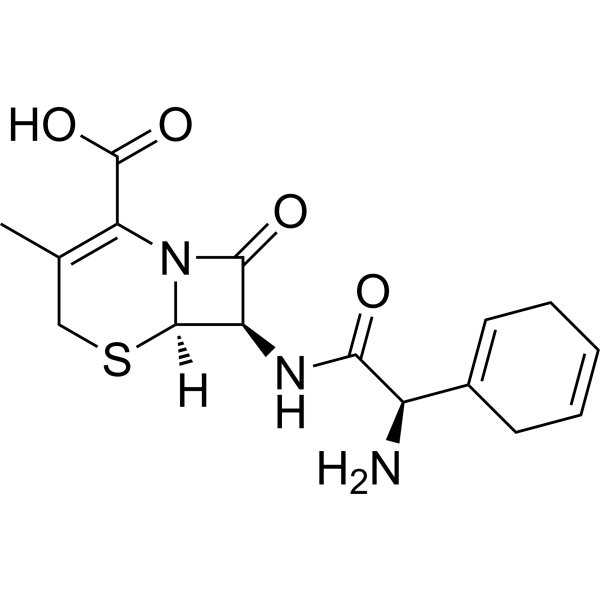
    Cefaclor
    2 Publications Verification

    Antibiotic Penicillin-binding protein (PBP) Bacterial 5-HT Receptor Infection Neurological Disease Inflammation/Immunology
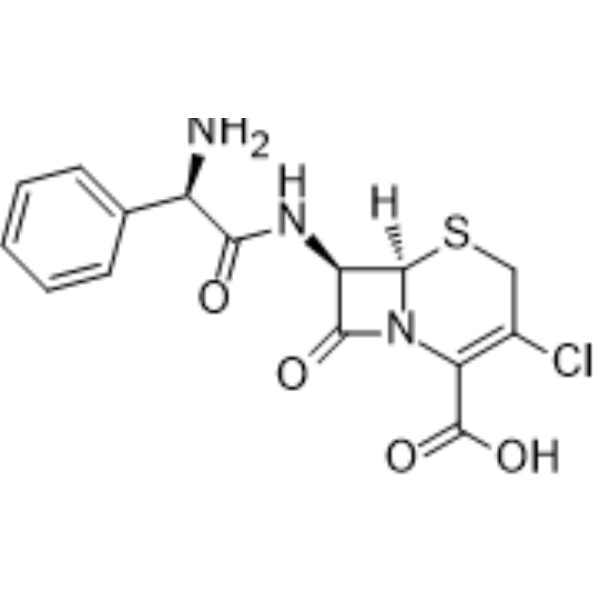
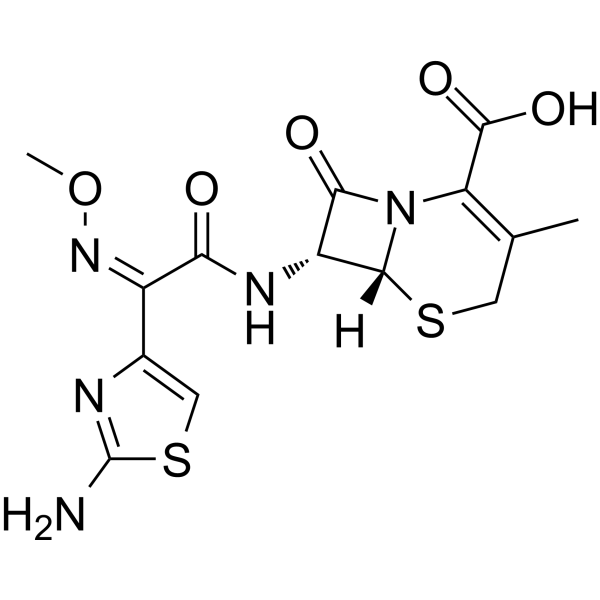
    Cefaclor is a well-absorbed orally active cephalosporin antibiotic. Cefaclor can specifically bind to specific for penicillin-binding protein 3 (PBP3). Cefaclor can be used for the research of depression and kinds of infections caused by bacteria, such as respiratory tract infections, bacterial bronchitis, pharyngitis and skin infections .
    Cefaclor
  • HY-B1156
    Cephradine
    5 Publications Verification

    Cefradine; SQ-11436

    Bacterial Antibiotic TOPK Infection Inflammation/Immunology
    Cephradine (Cefradine) is a broad-spectrum and orally active cephalosporin. Cephradine is active against both gram-positive and gram-negative pathogens. Cephradine is effective in eradicating most penicillinase-producing organisms. Cephradine has been used in the research of genitourinary, gastrointestinal and respiratory tract infections, and in infections of the skin and soft tissues. Cephradine blocks solar-ultraviolet induced skin inflammation through direct inhibition of TOPK .
    Cephradine
  • HY-B1050

    SB-265805S; LB-20304a

    Bacterial Antibiotic DNA/RNA Synthesis Topoisomerase Infection
    Gemifloxacin mesylate (SB-265805S; LB-20304a) is an orally active broad-spectrum quinolone antibacterial antibiotic. Gemifloxacin mesylate inhibits DNA synthesis by inhibiting DNA gyrase and Topoisomerase IV activities. Gemifloxacin mesylate has potent antibacterial activities against gram-positive bacteria in vitro efficacy study, particularly Streptococci and Staphylococci. Gemifloxacin mesylate has been used in the research of respiratory tract infections .
    Gemifloxacin mesylate
  • HY-B0439

    Sulphadoxine

    Parasite HIV Antibiotic Endogenous Metabolite Infection
    Sulfadoxine(Sulphadoxine) is a long acting sulfonamide that is used, usually in combination with other agents, for respiratory, urinary tract and malarial infections. Sulfadoxine inhibits HIV replication in peripheral blood mononuclear cells.
    Sulfadoxine
  • HY-B0395C
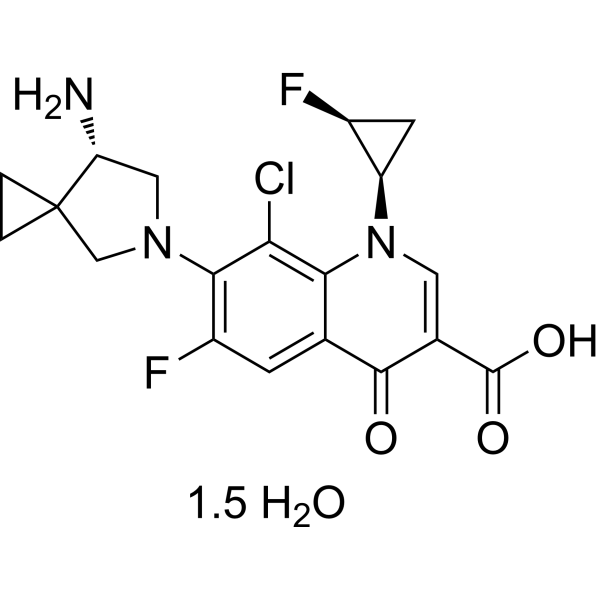
    Sitafloxacin hydrate
    5+ Cited Publications

    DU6859a hydrate

    Bacterial Antibiotic Infection
    Sitafloxacin (DU6859a) hydrate is an orally active fluoroquinolone antibiotic (antibiotic) with in vitro activity against a wide range of Gram-positive and -negative bacteria, including anaerobic bacteria, as well as atypical pathogens. Sitafloxacin is used in the study of respiratory tract infections and urinary tract infections .
    Sitafloxacin hydrate
  • HY-A0111
    Cefetamet
    1 Publications Verification

    Ro 15-8074; Deacetoxycefotaxime

    Antibiotic Bacterial Penicillin-binding protein (PBP) Drug Metabolite Infection
    Cefetamet (Ro 15-8074) is a cephalosporin antibiotic and the active metabolite of Cefetamet pivoxil (HY-B1894A). Cefetamet binds to bacterial penicillin-binding protein (PBP) (IC50 for PBP3 in Escherichia coli W3110 is 2.5 μg/mL). Cefetamet has significant activity against Gram-negative bacteria such as Enterobacteriaceae, Neisseria species, and Haemophilus influenzae, as well as Gram-positive bacteria such as Streptococcus. Cefetamet kills and lyses Treponema pallidum. Cefetamet can be used in the research of respiratory tract, urinary tract, ear, nose and throat infections, and syphilis .
    Cefetamet
  • HY-B0035
    Sulfamethazine
    3 Publications Verification

    Sulfadimidine; Sulfadimerazine

    Bacterial Antibiotic Infection
    Sulfamethazine (Sulfadimidine) is an antimicrobial agent with blood-brain barrier permeability. Sulfamethazine is widely used to treat and prevent various animal diseases (such as gastrointestinal and respiratory tract infections). In China and the European Commission, the maximum residue level for Sulfamethazine in animal product is set at 100 μg/kg .
    Sulfamethazine
  • HY-B0337
    Sulfadimethoxine
    3 Publications Verification

    Sulphadimethoxine

    Bacterial Antibiotic Infection
    Sulfadimethoxine (Sulphadimethoxine) is a sulfonamide antibiotic used to treat many infections .
    Sulfadimethoxine
  • HY-B1150
    Clofoctol
    1 Publications Verification

    Bacterial SARS-CoV Antibiotic Infection Cancer
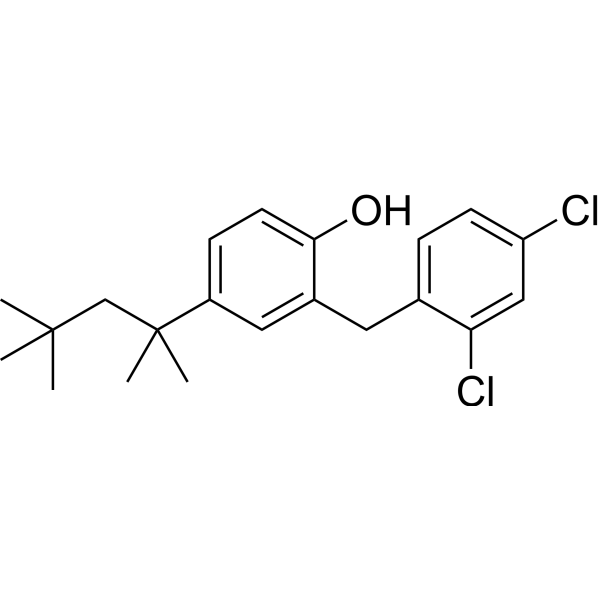
    Clofoctol is a bacteriostatic antibiotic. Clofoctol is used in the treatment of respiratory tract and ear, nose and throat infections caused by Gram-positive bacteria. Clofoctol is only functional against Gram-positive bacteria and can penetrate into human lung tissue. Clofoctol is also an inhibitor of prostate cancer. Clofoctol has antiviral potency .
    Clofoctol
  • HY-108858
    Dornase alfa
    1 Publications Verification

    rhDNase

    DNA/RNA Synthesis Endonuclease Inflammation/Immunology
    Dornase alfa (rhDNase) is a recombinant human deoxyribonuclease I (rhDNase) that can specifically degrade extracellular DNA. Dornase alfa catalyzes the cleavage of DNA released by neutrophils in respiratory mucus, reduces sputum viscosity, thereby improving mucus clearance efficiency, reducing airway obstruction and alleviating inflammatory responses. Dornase alfa can be used to improve lung function (such as FEV_1) in cystic fibrosis (CF), reduce the risk of acute pulmonary exacerbations, and has good in vivo tolerability. Dornase alfa acts locally on the respiratory tract through aerosol inhalation, specifically improving the high viscosity of mucus caused by DNA accumulation and related respiratory symptoms .
    Dornase alfa
  • HY-B0395
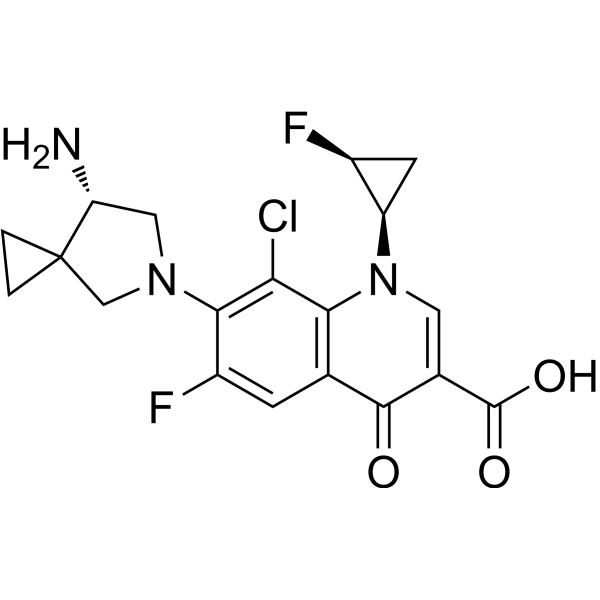
    Sitafloxacin
    5+ Cited Publications

    DU6859a

    Bacterial Antibiotic Infection
    Sitafloxacin (DU6859a) is a potent, orally active fluoroquinolone antibiotic. Sitafloxacin shows antichlamydial activity and antibacterial activities against a broad range of gram-positive and gram-negative bacteria, including anaerobic bacteria, as well as against atypical pathogens. Sitafloxacin can be used for the research of respiratory tract infection and urinary tract infection .
    Sitafloxacin
  • HY-B1257

    Sodium cefmetazole

    Bacterial Antibiotic Infection Cancer
    Cefmetazole sodium (Sodium cefmetazole) is a semisynthetic cephamycin antibiotic with broad-spectrum antibacterial activity, covering gram-positive, gram-negative, and anaerobic bacteria. Cefmetazole sodium binds to penicillin binding proteins (PBPs), resulting in interfering bacterial cell wall biosynthesis. Cefmetazole sodium is used for the research of gynecologic, intraabdominal, urinary tract, respiratory tract and skin and soft tissue infections .
    Cefmetazole sodium
  • HY-108402A

    Penicillin-binding protein (PBP) Bacterial Antibiotic Infection
    Cefodizime sodium is a third generation cephalosporin antibiotic with a broad spectrum of antibacterial activity. Cefodizime sodium has no renal toxic effect, good tolerance and immune regulation activity, and can be used for the research of severe infections of the respiratory and urinary tracts .
    Cefodizime sodium
  • HY-N0677A
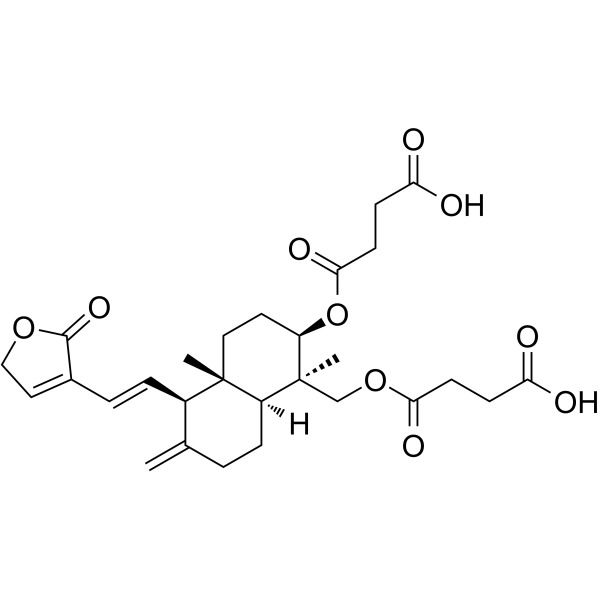
    Kalii Dehydrographolidi Succinas
    1 Publications Verification

    Potassium dehydroandrographolide succinate

    Antibiotic Infection Inflammation/Immunology
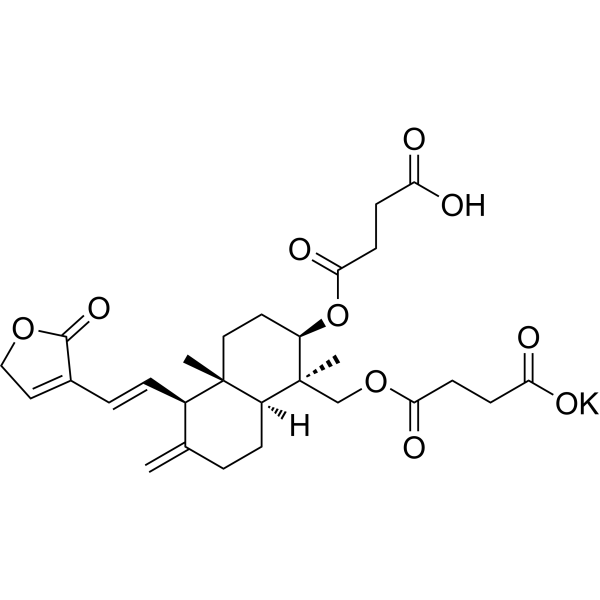
    Kalii Dehydrographolidi Succinas (Potassium dehydroandrographolide succinate) is an antibiotic. Kalii Dehydrographolidi Succinas exerts immunostimulatory, anti-infective and anti-inflammatory effects . Kalii Dehydrographolidi Succinas shows potential for research on viral pneumonia and viral upper respiratory tract infections .
    Kalii Dehydrographolidi Succinas
  • HY-120384
    AZD-0284
    3 Publications Verification

    ROR Inflammation/Immunology
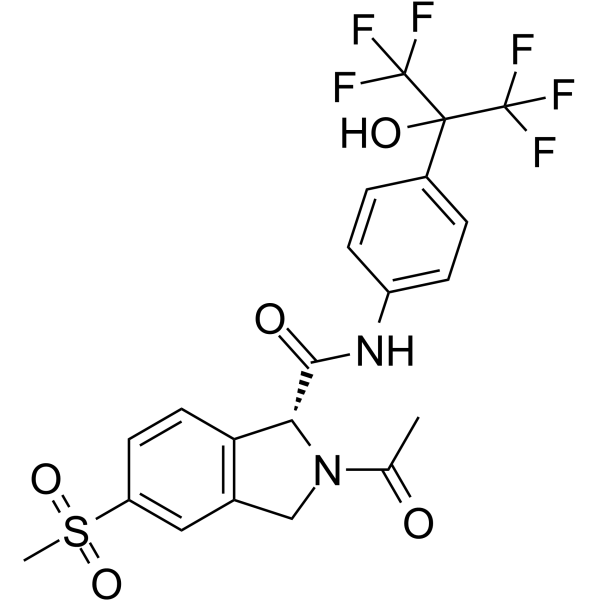
    AZD-0284 is a selective inverse agonist of the nuclear receptor RORγ. AZD-0284 has the potential for plaque psoriasis vulgaris and respiratory tract disorders treatment .
    AZD-0284
  • HY-W011518
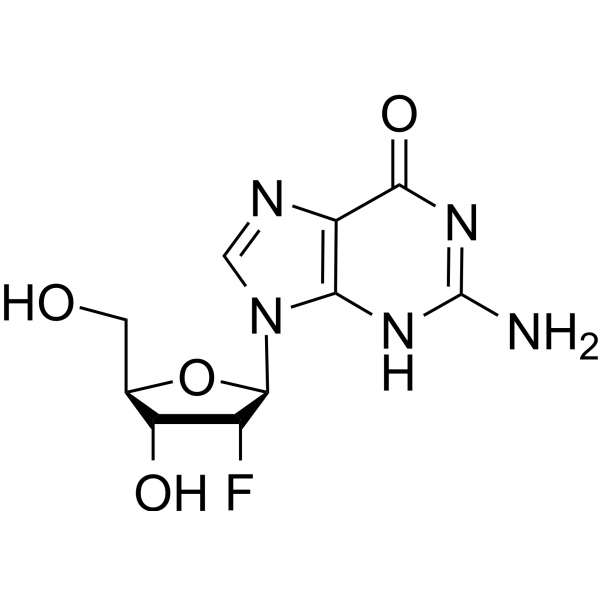
    2′-Deoxy-2′-fluoroguanosine
    1 Publications Verification

    Nucleoside Antimetabolite/Analog Influenza Virus Infection
    2′-Deoxy-2′-fluoroguanosine is a nucleoside analog and potent influenza virus inhibitor with an EC90 value of <0.35 μM against influenza A and B viruses. 2′-Deoxy-2′-fluoroguanosine inhibits influenza virus replication in the upper respiratory tract, thereby ameliorating fever and nasal inflammation .
    2′-Deoxy-2′-fluoroguanosine
  • HY-16487

    TMFX; TA-167 free acid; A-62254 free acid

    Bacterial Antibiotic Infection
    Temafloxacin (TMFX) is an orally active quinolone broad-spectrum antibacterial agent. Temafloxacin is well tolerated in lower respiratory and genitourinary tract infections .
    Temafloxacin
  • HY-B0213
    Sulfameter
    2 Publications Verification

    Sulfametoxydiazine; 5-Methoxysulfadiazine; NSC 683528

    Antibiotic Bacterial Infection
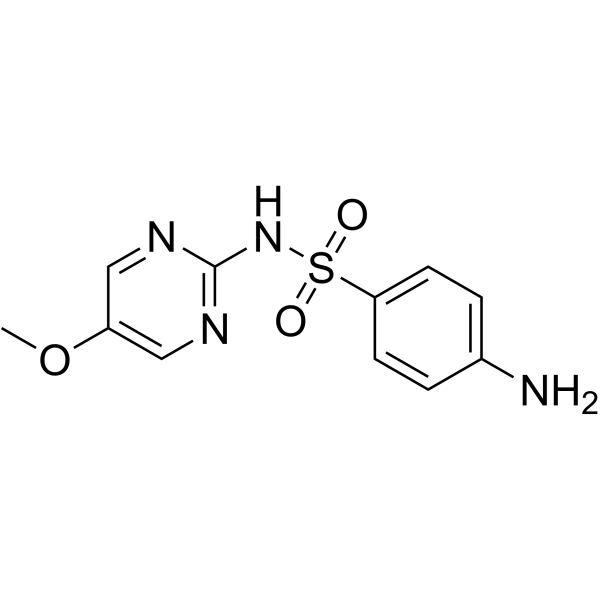
    Sulfameter (Sulfametoxydiazine) is an orally active long-acting sulfonamide antibiotic. Sulfameter is active against both Gram-positive and Gram-negative bacteria. Sulfameter can be used for the research of diseases such as respiratory and urinary tract infections .
    Sulfameter
  • HY-B0035A
    Sulfamethazine sodium
    3 Publications Verification

    Sulfadimidine sodium; Sulfadimerazine sodium

    Bacterial Antibiotic Infection
    Sulfamethazine sodium (Sulfadimidine sodium) is an antimicrobial with blood-brain barrier permeability. Sulfamethazine sodium is widely used to treat and prevent various animal diseases (such as gastrointestinal and respiratory tract infections). In China and the European Commission, the maximum residue level for Sulfamethazine sodium in animal product is set at 100 μg/kg .
    Sulfamethazine sodium
  • HY-A0161A

    Clofedanol hydrochloride; Calmotusin hydrochloride; NSC 113595 hydrochloride

    Others Infection
    Chlophedianol (Clofedanol) hydrochloride is an orally active and potent antitussive agent. Chlophedianol hydrochloride can be used for the research of acute cough due to upper respiratory tract infections (URIs) .
    Chlophedianol hydrochloride
  • HY-B0159

    Q-35

    Bacterial Antibiotic Infection
    Balofloxacin (Q-35) is an orally active fluoroquinolone antibiotic with broad-spectrum antibacterial activity against gram-negative, gram-positive, and anaerobic bacteria. Balofloxacin can be used for the research of respiratory, intestinal, and urinary tract infections .
    Balofloxacin
  • HY-B0337A
    Sulfadimethoxine sodium
    3 Publications Verification

    Sulphadimethoxine sodium

    Bacterial Antibiotic Infection
    Sulfadimethoxine sodium (Sulphadimethoxine sodium) is a sulfonamide antibiotic. Sulfadimethoxine sodium causes a displacement of Thiopental in plasma protein binding in rats. Sulfadimethoxine sodium is used in a variety of infection studies including urinary tract infections .
    Sulfadimethoxine sodium
  • HY-B1032

    (±)-Dropropizine; UCB-196

    Histamine Receptor Neurological Disease
    Dropropizine ((±)-Dropropizine; UCB-196) is an orally effective, peripherally selective antitussive that inhibits the activity of peripheral receptors and afferent nerves in the respiratory tract. Dropropizine acts on the cough reflex pathway, does not pass the blood-brain barrier, and has no central nervous system side effects. Dropropizine mainly regulates the level of sensory neuropeptides and inhibits the afferent signal transmission of the cough reflex, thereby alleviating the symptoms of dry cough, and has both mild local anesthetic and antihistamine activity. Dropropizine is mainly used for symptomatic research on dry cough caused by respiratory diseases .
    Dropropizine
  • HY-107329

    Bacterial Antibiotic Infection
    Cefathiamidine is a first-generation cephalosporin antibacterial agent and is used to treat infections caused by susceptible bacteria. Cefathiamidine exhibits a wide spectrum of antimicrobial activity against bacteria. Cefathiamidine is used for the treatment of respiratory, liver, five senses, urinary tract infections, endocarditis and sepsis .
    Cefathiamidine
  • HY-16745

    KRP-AM1977

    Beta-lactamase Bacterial Antibiotic Infection
    Lascufloxacin (KRP-AM1977X) is a potent and orally active fluoroquinolone antibacterial agent. Lascufloxacin potently inhibits infections caused by various pathogens, including quinolone-resistant strains. Lascufloxacin has the potential for various infectious diseases treatment, including lower respiratory tract infections .
    Lascufloxacin
  • HY-D0184R

    Deoxycytidine (Standard); Cytosine deoxyriboside (Standard); Deoxyribose cytidine (Standard)

    Reference Standards Endogenous Metabolite Cancer
    Cefaclor (monohydrate) (Standard) is the analytical standard of Cefaclor (monohydrate). This product is intended for research and analytical applications. Cefaclor is a well-absorbed orally active cephalosporin antibiotic. Cefaclor can specifically bind to specific for penicillin-binding protein 3 (PBP3). Cefaclor can be used for the research of depression and kinds of infections caused by bacteria, such as respiratory tract infections, bacterial bronchitis, pharyngitis and skin infections .
    2'-Deoxycytidine (Standard)
  • HY-B1595

    CS 1170

    Antibiotic Bacterial Infection Cancer
    Cefmetazole (CS 1170) is a semisynthetic cephamycin antibiotic with broad-spectrum antibacterial activity, covering gram-positive, gram-negative and anaerobic bacteria. Cefmetazole binds to penicillin binding proteins (PBPs), resulting in interfering bacterial cell wall biosynthesis. Cefmetazole is used for the research of gynecologic, intraabdominal, urinary tract, respiratory tract and skin and soft tissue infections .
    Cefmetazole
  • HY-120632

    RSV Infection
    BMS-433771 is a potent orally active inhibitor of respiratory syncytial virus (RSV). BMS-433771 is active against both A and B groups of RSV, with an average EC50 of 20 nM. BMS-433771 can be used for the research of respiratory tract disease .
    BMS-433771
  • HY-B0035S2

    Sulfadimidine-13C6; Sulfadimerazine-13C6

    Antibiotic Bacterial Isotope-Labeled Compounds Others
    Sulfamethazine- 13C6 is a 13C-labeled Sulfamethazine (HY-A0178). Sulfamethazine (Sulfadimidine) is an antimicrobial that is widely used to treat and prevent various animal diseases (such as gastrointestinal and respiratory tract infections) .
    Sulfamethazine-13C6
  • HY-20685S

    Palmidrol-d4; Loramine P 256-d4

    Influenza Virus Endogenous Metabolite Infection
    Palmitoylethanolamide-d4 is the deuterium labeled Palmitoylethanolamide. Palmitoylethanolamide (Palmidrol) is an active endogenous compound which can used for preventing virus infection of the respiratory tract.
    Palmitoylethanolamide-d4
  • HY-20685R

    Palmidrol (Standard); Loramine P 256 (Standard)

    Endogenous Metabolite Reference Standards Influenza Virus Infection Cancer
    Palmitoylethanolamide (Standard) is the analytical standard of Palmitoylethanolamide. This product is intended for research and analytical applications. Palmitoylethanolamide (Palmidrol) is an active endogenous compound which can used for preventing virus infection of the respiratory tract.
    Palmitoylethanolamide (Standard)
  • HY-B0035S

    Sulfadimidine-d4; Sulfadimerazine-d4

    Bacterial Infection
    Sulfamethazine-d4 (Sulfadimidine-d4) is a deuterium labeled Sulfamethazine (Sulfadimidine). Sulfamethazine is an antimicrobial that is widely used to treat and prevent various animal diseases (such as gastrointestinal and respiratory tract infections) .
    Sulfamethazine-d4
  • HY-108402

    Penicillin-binding protein (PBP) Bacterial Antibiotic Infection
    Cefodizime is a third generation cephalosporin antibiotic with a broad spectrum of antibacterial activity. Cefodizime has no renal toxic effect, good tolerance and immune regulation activity, and has the potential for severe infections of the respiratory and urinary tracts .
    Cefodizime
  • HY-B0198A
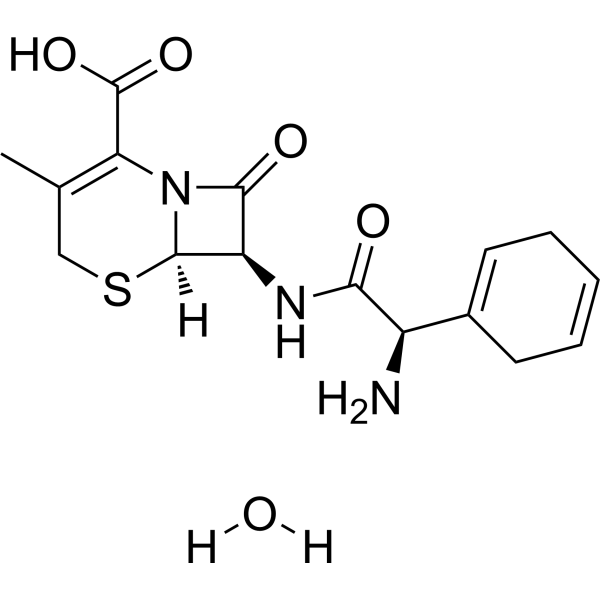
    Cefaclor monohydrate
    2 Publications Verification

    Antibiotic Bacterial Penicillin-binding protein (PBP) 5-HT Receptor Infection Neurological Disease Inflammation/Immunology
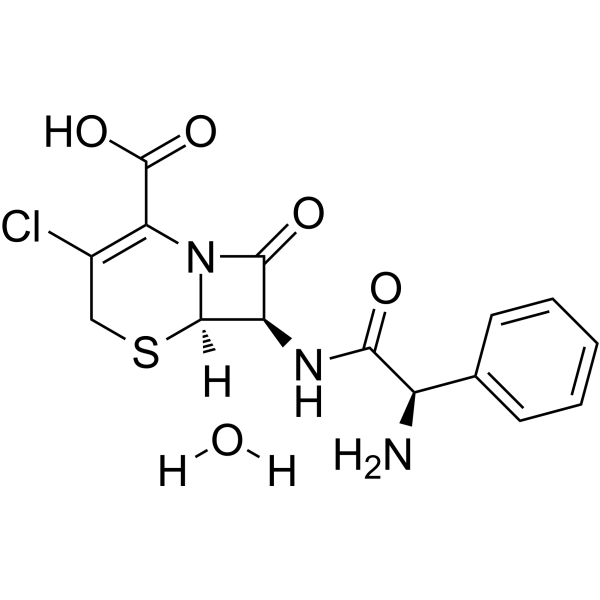
    Cefaclor is a well-absorbed orally active cephalosporin antibiotic. Cefaclor can specifically bind to specific for penicillin-binding protein 3 (PBP3). Cefaclor can be used for the research of depression and kinds of infections caused by bacteria, such as respiratory tract infections, bacterial bronchitis, pharyngitis and skin infections .
    Cefaclor monohydrate
  • HY-132282

    Bacterial Infection
    Thiamphenicol glycinate hydrochloride is a broad-spectrum antibacterial agent that can be used for respiratory tract infections research .
    Thiamphenicol glycinate hydrochloride
  • HY-20685S2

    Palmidol-d5, PEA-15,15,16,16,16-d5

    Isotope-Labeled Compounds Influenza Virus Endogenous Metabolite Infection Cancer
    Palmitoylethanolamide-d5 (Palmidol-d5, PEA-15,15,16,16,16-d5) is deuterium labeled Palmitoylethanolamide. Palmitoylethanolamide (Palmidrol) is an active endogenous compound which can used for preventing virus infection of the respiratory tract .
    Palmitoylethanolamide-d5
  • HY-B1150R

    Reference Standards Bacterial SARS-CoV Antibiotic Infection Cancer
    Clofoctol (Standard) is the analytical standard of Clofoctol. This product is intended for research and analytical applications. Clofoctol is a bacteriostatic antibiotic. Clofoctol is used in the treatment of respiratory tract and ear, nose and throat infections caused by Gram-positive bacteria. Clofoctol is only functional against Gram-positive bacteria and can penetrate into human lung tissue. Clofoctol is also an inhibitor of prostate cancer. Clofoctol has antiviral potency .
    Clofoctol (Standard)
  • HY-108971

    Antibiotic Bacterial Infection
    Demecycline, a tetracycline antibiotic, is the C6-demethylated derivative of Tetracycline (HY-A0107) against bacterial infections including pneumonia and other respiratory tract infections .
    Demecycline
  • HY-B0395CR

    DU6859a hydrate (Standard)

    Bacterial Antibiotic Reference Standards Infection
    Sitafloxacin (hydrate) (Standard) is the analytical standard of Sitafloxacin (hydrate). This product is intended for research and analytical applications. Sitafloxacin (DU6859a) hydrate is an orally active fluoroquinolone antibiotic (antibiotic) with in vitro activity against a wide range of Gram-positive and -negative bacteria, including anaerobic bacteria, as well as atypical pathogens. Sitafloxacin is used in the study of respiratory tract infections and urinary tract infections .
    Sitafloxacin hydrate (Standard)
  • HY-108402AR

    Penicillin-binding protein (PBP) Reference Standards Bacterial Antibiotic Infection
    Cefodizime (sodium) (Standard) is the analytical standard of Cefodizime (sodium). This product is intended for research and analytical applications. Cefodizime sodium is a third generation cephalosporin antibiotic with a broad spectrum of antibacterial activity. Cefodizime sodium has no renal toxic effect, good tolerance and immune regulation activity, and can be used for the research of severe infections of the respiratory and urinary tracts[1][2].
    Cefodizime sodium (Standard)
  • HY-A0035

    Antibiotic Bacterial Infection
    Faropenem is a potent and orally active beta-lactam antibiotic. Faropenem demonstrates broad-spectrum in vitro antimicrobial activity against many gram-positive and -negative aerobes and anaerobes. Faropenem is resistant to hydrolysis by nearly all beta-lactamases, including extended-spectrum beta-lactamases and AmpC beta-lactamases. Faropenem is developed as an oral proagent, faropenem medoxomil, for the research of respiratory tract infections .
    Faropenem
  • HY-B0159A

    Q-35 dihydrate

    Bacterial Antibiotic Infection
    Balofloxacin dihydrate (Q-35 dihydrate) is an orally active fluoroquinolone antibiotic with broad-spectrum antibacterial activity against gram-negative, gram-positive, and anaerobic bacteria. Balofloxacin dihydrate can be used for the research of respiratory, intestinal, and urinary tract infections .
    Balofloxacin dihydrate
  • HY-107798

    Bacterial Infection
    Potassium guaiacolsulfonate hemihydrate is an orally active expectorant used for acute respiratory tract infections. Potassium guaiacolsulfonate hemihydrate helps loosen mucus and used for a cough caused by the common cold, infections or allergies in combination with other agents .
    Potassium guaiacolsulfonate hemihydrate
  • HY-139805

    Antibiotic Bacterial Infection
    Ticarcillin is a semisynthetic, extended-spectrum, carboxypenicillin antibacterial agent, and is active against gram-positive cocci, including streptococci and staphylococci. Ticarcillin is also effective against most gram-negative organisms, including Pseudomonas aeruginosa. Ticarcillin can be used in lower respiratory tract infections, skin and skin structure infections, urinary tract infections, and intraabdominal infections research .
    Ticarcillin
  • HY-B0035R

    Sulfadimidine (Standard); Sulfadimerazine (Standard)

    Reference Standards Bacterial Antibiotic Infection
    Sulfamethazine (Standard) is the analytical standard of Sulfamethazine. This product is intended for research and analytical applications. Sulfamethazine (Sulfadimidine) is an antimicrobial that is widely used to treat and prevent various animal diseases (such as gastrointestinal and respiratory tract infections). In China and the European Commission, the maximum residue level for Sulfamethazine in animal product is set at 100 μg/kg .
    Sulfamethazine (Standard)
  • HY-B0439S1

    Sulphadoxine d3

    Parasite Antibiotic Infection
    Sulfadoxine-d3 is a deuterium labeled Sulfadoxine (HY-B0439). Sulfadoxine is a sulfonamide that is used, usually in combination with Pyrimethamine(HY-18062), for multidrug-resistant Plasmodium falciparum and P. vivax inhibition. Unlike PYR, Sulfadoxine has no impact on HIV replication or MT-2 cell cycle progression. But also Sulfadoxine exhibits suppression on respiratory, and urinary tract infections .
    Sulfadoxine D3
  • HY-B0395A

    DU6859a hydrochloride

    Antibiotic Bacterial Infection
    Sitafloxacin (DU6859a) hydrochloride is a potent, orally active fluoroquinolone antibiotic. Sitafloxacin hydrochloride shows antichlamydial activity and antibacterial activities against a broad range of gram-positive and gram-negative bacteria, including anaerobic bacteria, as well as against atypical pathogens. Sitafloxacin hydrochloride can be used for the research of respiratory tract infection and urinary tract infection .
    Sitafloxacin hydrochloride

Inquiry Online

Your information is safe with us. * Required Fields.

Salutation


Country or Region *

Applicant Name *


Organization Name *

Department *


Email Address *


Product Name *

Cat. No.


Requested quantity *

Phone Number *


Remarks

Inquiry Online

Inquiry Information

Product Name:
Cat. No.:
Quantity:
MCE Japan Authorized Agent:

