Search Result
Results for "
scopolamine
" in MedChemExpress (MCE) Product Catalog:
1
Biochemical Assay Reagents
1
Isotope-Labeled Compounds
| Cat. No. |
Product Name |
Target |
Research Areas |
Chemical Structure |
-
- HY-W010892
-
|
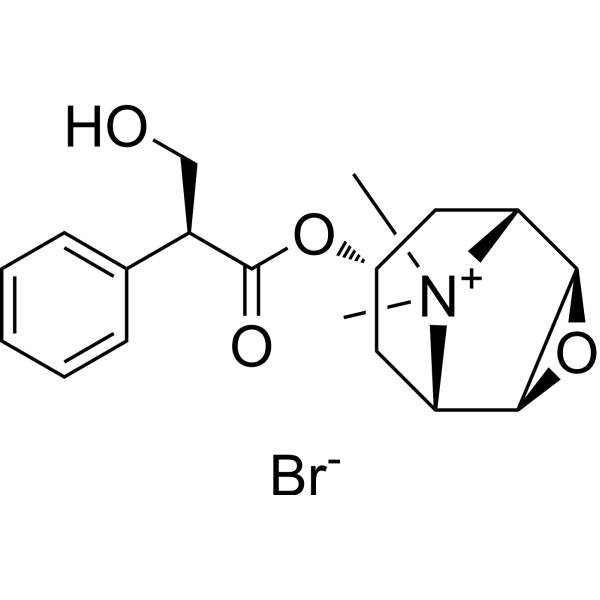
Hyoscine hydrobromide trihydrate
|
mAChR
5-HT Receptor
|
Neurological Disease
|
|
Scopolamine (Hyoscine) hydrobromide trihydrate is a high-affinity muscarinic antagonist that can cross the blood-brain barrier. Scopolamine hydrobromide trihydrate competitively antagonizes 5-HT3 receptors with an IC50 of 2.09 μM. Scopolamine hydrobromide trihydrate can induce cognitive and memory deficits in animals. Scopolamine hydrobromide trihydrate can be used in the research of preventing postoperative nausea and vomiting, motion sickness, nervous system diseases, etc .
|
-
-
- HY-N0340
-
|
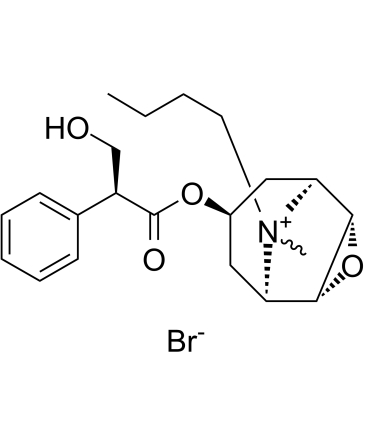
Hyoscine butylbromide; (-)-scopolamine butylbromide; Butylscopolamine bromide
|
mAChR
|
Neurological Disease
Inflammation/Immunology
|
|
Scopolamine butylbromide (Hyoscine butylbromide) is an orally active anticholinergic agent and spasmolytic. Scopolamine butylbromide binds with high affinity to rat cardiac M2 (Ki 83 nmol/L), hM2 (Ki 233 nmol/L), rat intestinal M3 (Ki 290 nmol/L) and hM3 (Ki 643 nmol/L) muscarinic receptors. Scopolamine butylbromide exerts a dose-dependent antagonistic effect on Carbachol-induced gastrointestinal smooth muscle spasm. Scopolamine butylbromide can be used for the research of abdominal colic and pain associated with gastrointestinal spasm, functional abdominal pain, chronic gastropathy and gastric ulcer .
|
-
-
- HY-10932
-
|
Ro 13-5057
|
nAChR
iGluR
|
Neurological Disease
|
|
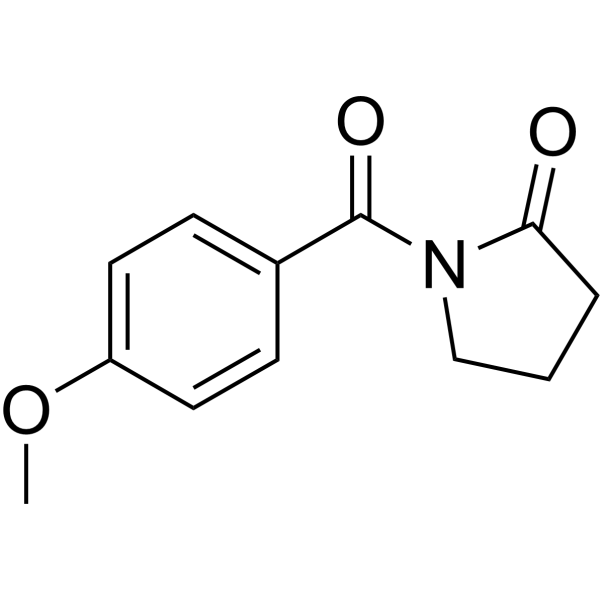
Aniracetam (Ro 13-5057) is an orally active neuroprotective agent, possessing nootropics effects. Aniracetam potentiates the ionotropic quisqualate (iQA) responses in the CA1 region of rat hippocampal slices. Aniracetam also potentiates the excitatory post synaptic potentials (EPSPs) in Schaffer collateral-commissural synapses. Aniracetam can prevents the CO2-induced impairment of acquisition in hypercapnia model rats. Aniracetam can be used to research cerebral dysfunctional disorders .
|
-
-
- HY-N2183
-
|
Quercetin 3-O-sophoroside
|
SARS-CoV
|
Infection
Neurological Disease
|
|
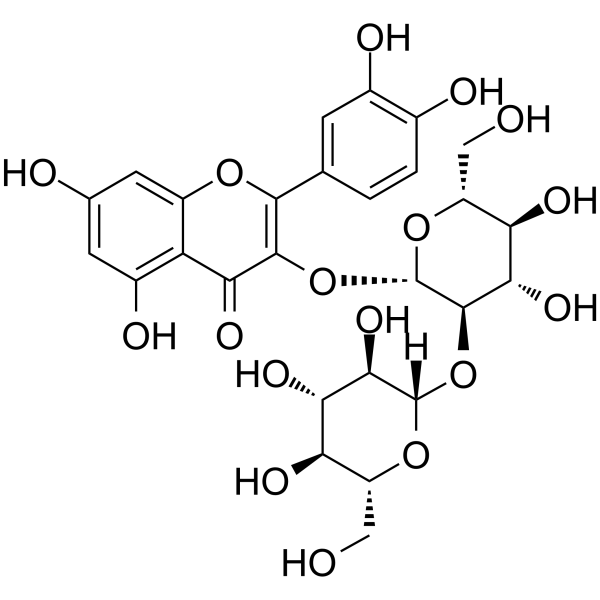
Baimaside (Quercetin 3-O-sophoroside) is a flavonoid cholinergic function modulator that binds to SARS-CoV-2-related targets. Baimaside regulates the expression of cholinergic system-related proteins and acetylcholine levels, improves scopolamine-induced learning and memory impairment, protects hippocampal neurons, inhibits pollen protein fluorescence, and protects pollen DNA. Its biosynthesis is regulated by multiple enzymes. Baimaside is completely absorbed in rats, undergoes phase Ⅱ metabolism and gut microbiota decomposition, and inhibits the invasion and proliferation of SARS-CoV-2 and its variants, making it suitable for research related to Alzheimer's disease and COVID-19 .
|
-
-
- HY-N1441
-
|
Kaempferol-3-O-rhamnoside
|
Mitochondrial Metabolism
PTEN
Autophagy
Bacterial
|
Infection
Cardiovascular Disease
Neurological Disease
Inflammation/Immunology
|
|
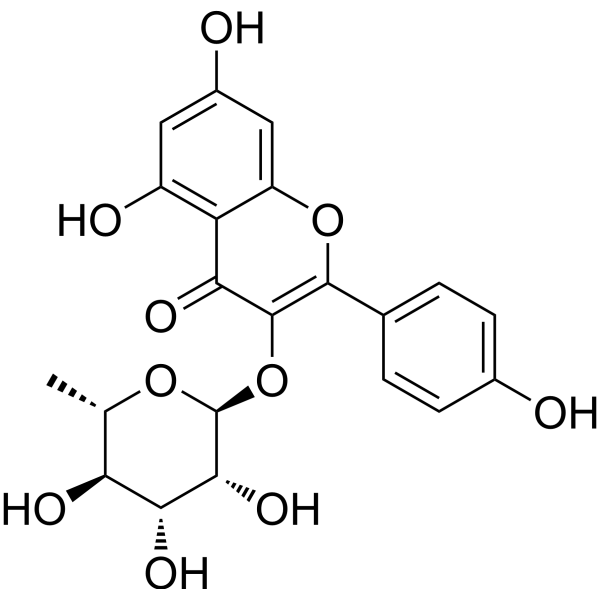
Afzelin (Kaempferol-3-O-rhamnoside)It is a flavonol glycoside that has anti-inflammatory, anti-oxidative stress response, anti-apoptotic, and anti-cardiac cytotoxic effects. AfzelinIt can reduce mitochondrial damage, enhance mitochondrial biosynthesis, and reduce mitochondria-related proteins. Parkinand PTENinduced putative kinase 1 (putative kinase 1)s level. AfzelinCan be improved D-galactosamine(GalN)/LPSSurvival rate of mice treated with doxorubicin prophylaxis (HY-15142A)Induced cardiotoxicity and scopolamine (HY-N0296)-induced neurological injury. AfzelinAlso inhibits asthma and allergies caused by ovalbumin .
|
-
-
- HY-N0310
-
|
|
Aldose Reductase
Heme Oxygenase (HO)
Reactive Oxygen Species (ROS)
Apoptosis
|
Neurological Disease
Metabolic Disease
|
|
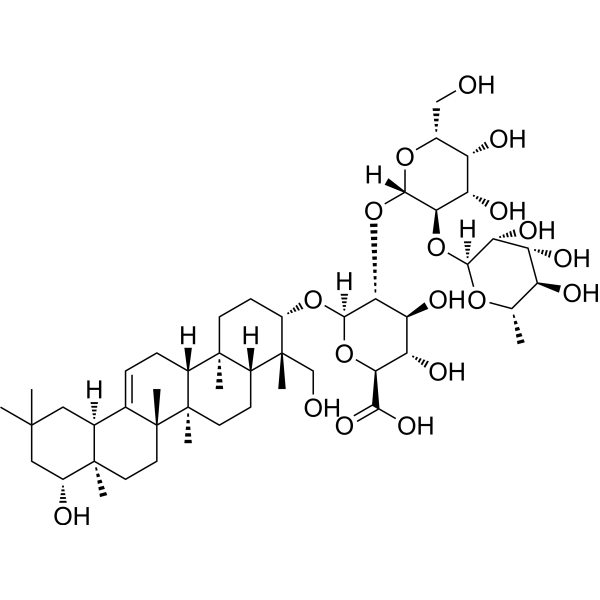
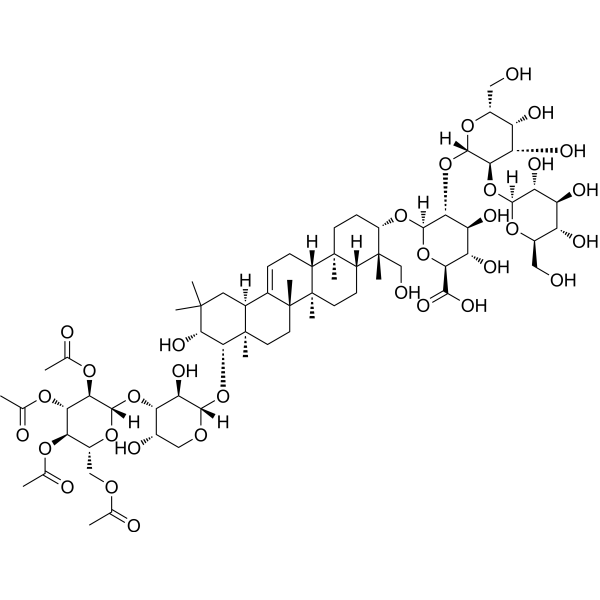
Soyasaponin Bb is an orally active, covalent inducer of heme oxygenase HO-1 and an inhibitor of aldose reductase AKR1B1. Soyasaponin Bb can regulate oxidative stress pathways, enhance antioxidant capacity, reduce reactive oxygen species (ROS) generation, and inhibit lipid peroxidation and hepatocyte apoptosis. Soyasaponin Bb improves alcohol-induced hepatocyte membrane damage and liver function abnormalities, and improves Scopolamine (HY-N0296)-induced memory impairment. Soyasaponin Bb has antioxidant, hepatoprotective, and neuroprotective activities .
|
-
-
- HY-N2736
-
|
|
Beta-lactamase
COX
Interleukin Related
Bacterial
JNK
ERK
p38 MAPK
STAT
Apoptosis
NO Synthase
Nuclear Factor of activated T Cells (NFAT)
Lactate Dehydrogenase
Reactive Oxygen Species (ROS)
SOD
Akt
Caspase
Bcl-2 Family
|
Infection
Neurological Disease
Inflammation/Immunology
|
|
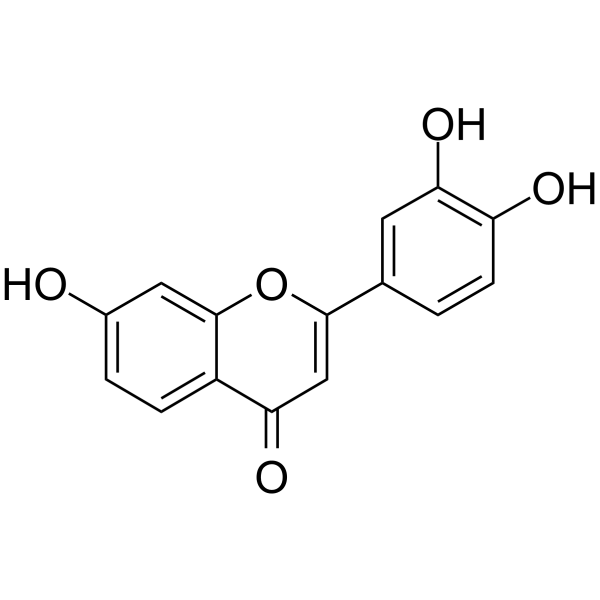
3′,4′,7-Trihydroxyflavone is an orally active inhibitor of OXA-48 (IC50 = 1.89 μM) and COX-1 (IC50 = 36.37 μM). 3′,4′,7-Trihydroxyflavone exhibits antioxidant and anti-inflammatory properties, inhibiting the release of inflammatory cytokines such as IL-6, IL-8, and TNF-α. 3′,4′,7-Trihydroxyflavone inhibits H2O2-induced neuronal apoptosis and ROS accumulation, and exerts anti-neuroinflammatory effects by suppressing the JNK-STAT1 pathway. 3′,4′,7-Trihydroxyflavone exhibits antimicrobial and antibiotic-modifying activities against multidrug-resistant Gram-negative enteric bacteria. 3′,4′,7-Trihydroxyflavone inhibits RANKL-induced osteoclast formation via NFATc1. 3′,4′,7-Trihydroxyflavone activates the CREB-BDNF axis and restores scopolamine (HY-N0296)-induced memory deficits in mice .
|
-
-
- HY-B0344
-
|
(-)-scopolamine methyl bromide; Hyoscine methyl bromide
|
mAChR
|
Neurological Disease
|
|
Methscopolamine bromide ((-)-Scopolamine methyl bromide; Hyoscine methyl bromide) is a peripherally acting muscarinic receptor (mAChR) antagonist that cannot cross the blood-brain barrier. Methscopolamine bromide blocks the muscarinic negative feedback regulation of acetylcholine release from striatal cholinergic terminals, thereby increasing acetylcholine release in the striatum of freely moving rats. Methscopolamine bromide does not induce motor excitation in freely moving rats, nor does it alter the duration of ethanol-induced loss of righting reflex in mice. Methscopolamine bromide fails to antagonize the arecoline-mediated reduction in the duration of ethanol-induced loss of righting reflex in mice .
|
-
-
- HY-N0541
-
|
Ginsenoside A1
|
Endogenous Metabolite
|
Others
|
|
Pseudoginsenoside F11 (Ginsenoside A1), a component of Panax quinquefolium (American ginseng), has been demonstrated to antagonize the learning and memory deficits induced by scopolamine, morphine and methamphetamine in mice.
|
-
-
- HY-B2065
-
|
(-)-scopolamine hydrochloride; Hyoscine hydrochloride
|
mAChR
5-HT Receptor
|
Neurological Disease
|
|
Scopolamine (Hyoscine) hydrochloride is a high-affinity muscarinic antagonist that can cross the blood-brain barrier. Scopolamine hydrochloride competitively antagonizes 5-HT3 receptors with an IC50 of 2.09 μM. Scopolamine hydrochloride can induce cognitive and memory deficits in animals. Scopolamine hydrochloride can be used in the research of preventing postoperative nausea and vomiting, motion sickness, nervous system diseases, etc .
|
-
-
- HY-N8698
-
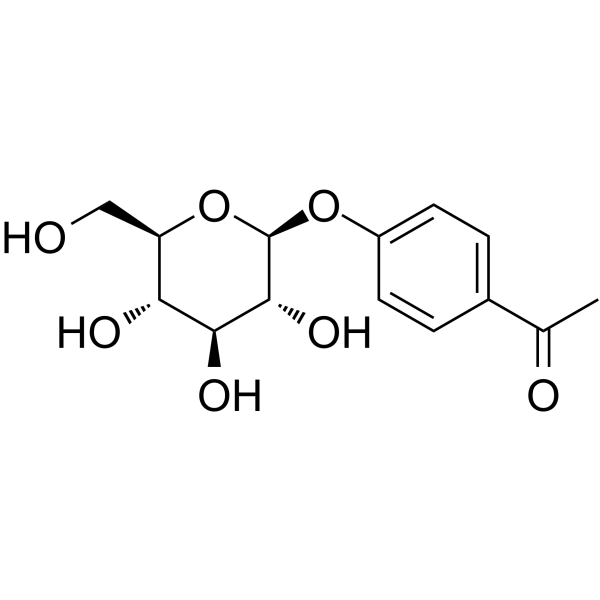
Picein
1 Publications Verification
|
SOD
Ferroptosis
Keap1-Nrf2
Heme Oxygenase (HO)
Glutathione Peroxidase
|
Neurological Disease
Metabolic Disease
Inflammation/Immunology
|
|
Picein is an antioxidant and anti-inflammatory agent. Picein can be isolated from the leaves of Picrorhiza kurroa. Picein reduces MDA levels and increases the levels of SOD, GPX and TAC. Picein alleviates oxidative stress and promotes bone regeneration in osteoporotic bone defects by inhibiting Ferroptosis (via activation of the Nrf2/HO-1/GPX4 pathway). Picein prevents scopolamine (HY-N0296)-induced passive avoidance memory impairment in rats. Picein can be used in research related to osteoporotic bone defects and Alzheimer's disease .
|
-
-
- HY-15618
-
|
M1 receptor modulator
|
mAChR
Calcium Channel
|
Neurological Disease
|
|
MK-7622 (M1 receptor modulator) is an orally active positive allosteric modulator of muscarinic M1 acetylcholine receptors (mAChRs). MK-7622 enhances ACh-induced calcium flux in CHO cells expressing human M1 receptors (EC50 = 21 nM) and shows robust agonist activity in rat M1-expressing CHO cells, increasing intracellular calcium. MK-7622 reverses Scopolamine (HY-N0296)-induced cognitive deficits in rhesus macaques in an object retrieval detour task. MK-7622 can be used for the study of Alzheimer's disease (AD) .
|
-
-
- HY-N2255
-
|
|
Akt
Apoptosis
NF-κB
Reactive Oxygen Species (ROS)
p38 MAPK
ERK
Interleukin Related
TNF Receptor
NO Synthase
nAChR
Bacterial
|
Cancer
|
|
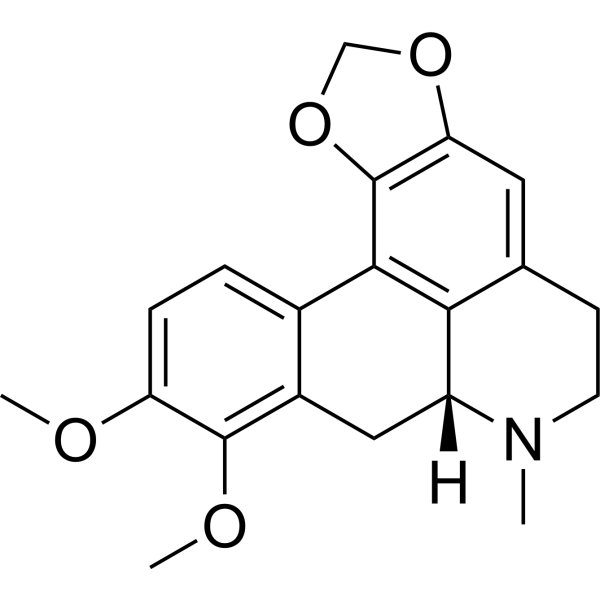
Crebanine is an isoquinoline-like alkaloid that can be derived from Stephania. Crebanine is an antagonist of the α7-nAChR with an IC50 of 19.1 μM. Crebanine suppresses the proliferation, migration, and invasion of cancer cells, triggers reactive oxygen species (ROS) burst, and promotes apoptosis. Crebanine inhibits the AKT/FoxO3a, NF-κB and MAPK signaling pathways. Crebanine attenuates NOX2 hyperactivation, exhibits antioxidant properties by reducing reactive oxygen species and peroxidation in microglia cells. Crebanine inhibits voltage-dependent Na + current in guinea-pig ventricular myocytes. Crebanine has high inhibitory activity against gram-positive animal pathogenic bacteria. Crebanine ameliorates ischemia-reperfusion brain damage in middle cerebral artery occlusion and reperfusion (MCAO/R) rats. Crebanine significantly improves Scopolamine (HY-N0296)-induced cognitive deficits in ICR mice. Crebanine can be used for the study of hepatocellular carcinoma (HCC), cerebral ischemia and Alzheimer's disease .
|
-
-
- HY-N7061
-
|
|
Drug Intermediate
|
Neurological Disease
|
|
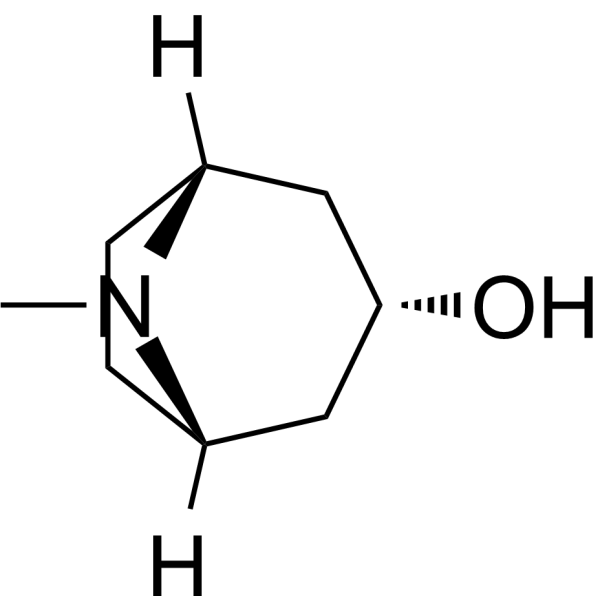
Tropine is a tropane alkaloid. Tropine serves as an important intermediate for the synthesis of anticholinergics and bronchodilators such as Atropine (HY-B1205) and Scopolamine (HY-N0296) .
|
-
-
- HY-B0459
-
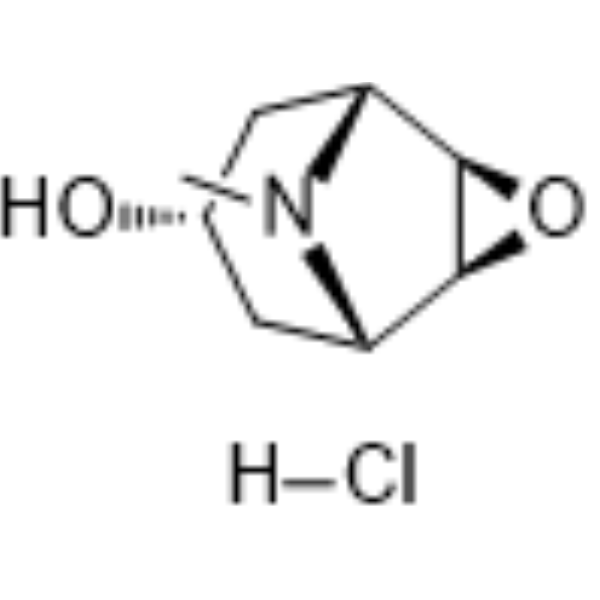
Scopine
2 Publications Verification
6,7-Epoxytropine
|
Drug Metabolite
|
Neurological Disease
Cancer
|
|
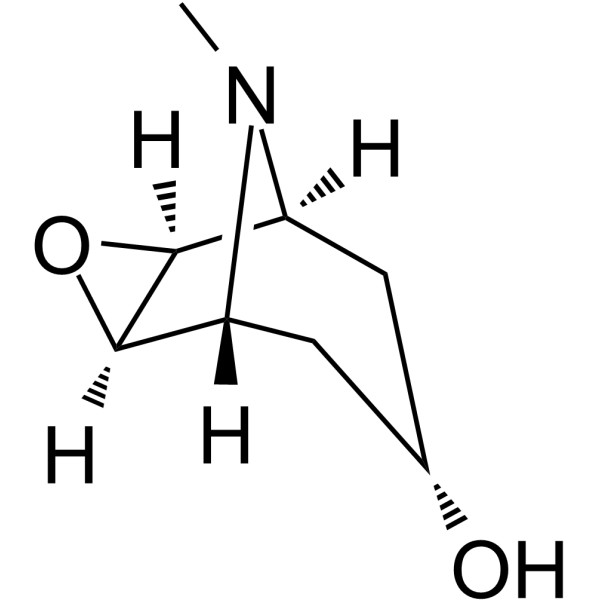
Scopine is a metabolite of Scopolamine (HY-N0296) and brain-targeting compound. Scopine significantly increases the brain exposure of Chlorambucil (HY-13593) and enhances its anti-glioma activity. Scopine can be used in targeted therapy research for brain gliomas .
|
-
-
- HY-B0459A
-
|
6,7-Epoxytropine hydrochloride
|
Drug Metabolite
|
Neurological Disease
Cancer
|
|
Scopine hydrochloride is a metabolite of Scopolamine (HY-N0296) and brain-targeting compound. Scopine hydrochloride significantly increases the brain exposure of Chlorambucil (HY-13593) and enhances its anti-glioma activity. Scopine hydrochloride can be used in targeted therapy research for brain gliomas .
|
-
-
- HY-N3026
-
-
-
- HY-W127702
-
|
Methscopolamine nitrate
|
Biochemical Assay Reagents
|
Others
|
|
Scopolamine methyl nitrate is an organic compound commonly used in neuroscience research and pharmacology research. It can be used to study the role and structure of acetylcholine receptors, and is widely used in drug development and research in related fields. In addition, this compound is also used as a substrate or catalyst in certain biochemical reactions.
|
-
-
- HY-118342
-
PQCA
1 Publications Verification
|
mAChR
|
Neurological Disease
|
|
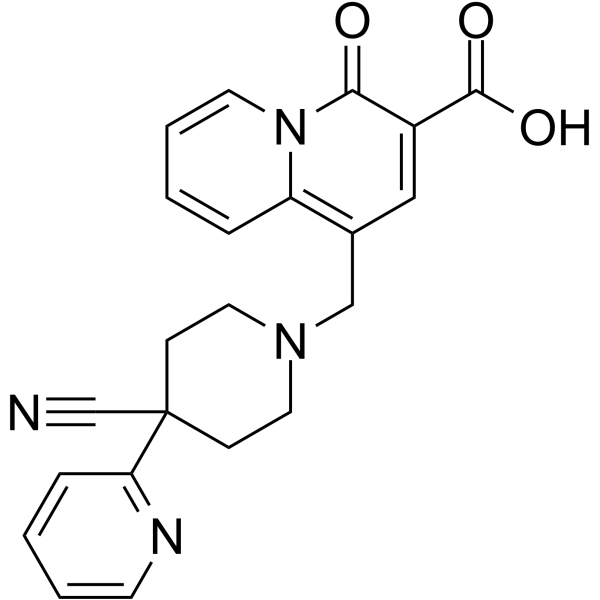
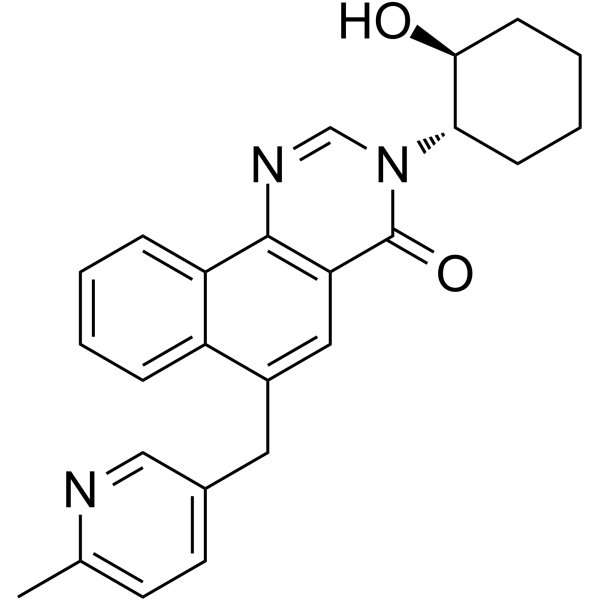
PQCA is a highly selective and potent muscarinic M1 receptor positive allosteric modulator. PQCA has an EC50 value of 49 nM and 135 nM on rhesus and human M1 receptor, respectively. PQCA is inactive for other muscarinic receptors. PQCA has potential to reduce the cognitive deficits associated with Alzheimer's disease .
|
-
-
- HY-146086
-
-
-
- HY-109118A
-
|
SUVN-502 mesylate
|
5-HT Receptor
|
Neurological Disease
|
|
Masupirdine mesylate (SUVN-502 mesylate) is a potent, selective, orally active, and brain-penetrating 5-HT6 receptor antagonist (Ki of 2.04 nM for human 5-HT6 receptor). Masupirdine mesylate has pro-cognitive effects on all stages of cognition (acquisition, consolidation, and retention), and can reverse Scopolamine (HY-N0296), MK-801 (HY-15084B)-induced and aging-related memory deficits. Masupirdine mesylate can be used in the research of Alzheimer's disease .
|
-
-
- HY-177873
-
|
|
iGluR
|
Neurological Disease
|
|
AMPA receptor modulator-10 (Compound 9a) is an orally active AMPA receptor (AMPAR) positive allosteric modulator. AMPA receptor modulator-10 exhibits potent activity (pEC50 = 5.0) on the GluA2 subtype of AMPAR, significantly enhancing glutamate-induced calcium influx and current responses. AMPA receptor modulator-10 can reverse the memory impairment induced by Scopolamine (HY-N0296) and enhance cognitive function. AMPA receptor modulator-10 can be used for the research of neurological disease, such as schizophrenia .
|
-
-
- HY-103142
-
AS19
1 Publications Verification
|
5-HT Receptor
|
Neurological Disease
|
|
AS19 is a potent, selective 5-HT7 receptor agonist with an IC50 value of 0.83 nM and a Ki of 0.6 nM. AS19 is selective for 5-HT7 over 5-HT1A, 5-HT1B, 5-HT1D, and 5-HT5A receptors (Kis = 89.7 nM, 490 nM, 6.6 nM and 98.5 nM, respectively). AS19 enhances memory consolidation and reverses Scopolamine- or Dizocilpine-induced amnesia .
|
-
-
- HY-N4268
-
|
|
Others
|
Neurological Disease
|
|
Tenuifoliside B, a component isolated from Polygalae Radix, inhibits potassium cyanide (KCN)-induced hypoxia and scopolamine-induced memory impairment. Tenuifoliside B shows potential cognitive improvement and cerebral protective effects. Tenuifoliside B has potential to become an anti-AD lead compound .
|
-
-
- HY-120717
-
|
|
mGluR
Cytochrome P450
|
Neurological Disease
|
|
VU6001966 is a brain-penetrant and selective mGlu2 receptor inhibitor. VU6001966 blocks mGlu2 receptor activity, counteracts LY379268 (HY-103558)-mediated blood-brain barrier protection and inflammatory cytokine dampening in microglia under inflammatory conditions. VU6001966 enhances antidepressant effects when combined with Scopolamine (HY-N0296). VU6001966 can be used for the research of major depressive disorder .
|
-
-
- HY-N1441R
-
|
Kaempferol-3-O-rhamnoside (Standard)
|
Mitochondrial Metabolism
PTEN
Autophagy
Bacterial
Reference Standards
|
Infection
Cardiovascular Disease
Neurological Disease
Inflammation/Immunology
|
|
Afzelin (Standard) is the analytical standard of Afzelin. This product is intended for research and analytical applications. Afzelin (Kaempferol-3-O-rhamnoside)It is a flavonol glycoside that has anti-inflammatory, anti-oxidative stress response, anti-apoptotic, and anti-cardiac cytotoxic effects. AfzelinIt can reduce mitochondrial damage, enhance mitochondrial biosynthesis, and reduce mitochondria-related proteins. Parkinand PTENinduced putative kinase 1 (putative kinase 1)s level. AfzelinCan be improved D-galactosamine(GalN)/LPSSurvival rate of mice treated with doxorubicin prophylaxis (HY-15142A)Induced cardiotoxicity and scopolamine (HY-N0296)-induced neurological injury. AfzelinAlso inhibits asthma and allergies caused by ovalbumin .
|
-
-
- HY-120408
-
|
Atroscine
|
Adrenergic Receptor
|
Neurological Disease
|
|
(±)-Scopolamine (Atroscine) is the racemic modification of Scopolamine. (±)-Scopolamine inhibits α-adrenergic receptor activity. (±)-Scopolamine has Ki values of 33 μM and 7.25 nM for α1-adrenerg receptor and muscarinic cholinergic receptor, respectively .
|
-
-
- HY-123280
-
|
|
Drug Metabolite
|
Neurological Disease
|
|
SCH 54388 is an orally active metabolite of Felbamate (HY-B0184). SCH 54388 significantly attenuates the functional impairment effects induced by Scopolamine (HY-N0296) or Dizocilpine (HY-15084B). SCH 54388 can be used in research related to cognitive impairment .
|
-
-
- HY-127165
-
|
HP 029 free base; Hydroxytacrine
|
Cholinesterase (ChE)
|
Neurological Disease
|
|
Velnacrine (HP 029 free base) is an inhibitor for acetylcholinesterase (AChE), with an IC50 of 3.27 μM. Velnacrine reverses the Scopolamine (HY-N0296)-induced amnesia in rat models, and exhibits acute toxicity with LD50 of 65 mg/kg .
|
-
-
- HY-169116
-
|
|
Dopamine Receptor
|
Neurological Disease
|
|
D5R agonist 1 (Compound 5j) is a selective, orally active and BBB penetrable D5R partial agonist (EC50: 269.7 nM). D5R agonist 1 enhances the cognition in the Scopolamine (HY-N0296)-induced amnesia model .
|
-
-
- HY-175655
-
|
|
p38 MAPK
Cholinesterase (ChE)
Interleukin Related
|
Neurological Disease
Inflammation/Immunology
|
|
BChE/p38-α MAPK-IN-1 is a selective dual inhibitor of hBChE (IC50 = 772 nM) and p38α MAPK (IC50 = 191 nM). BChE/p38-α MAPK-IN-1 reduces the production of pro-inflammatory cytokines (IL-1β, IL-6, IL-8, TNF-α) in cells. BChE/p38-α MAPK-IN-1 improves Scopolamine (HY-N0296)-induced cognitive impairment, as well as alleviates LPS (HY-D1056)-induced spatial learning impairment and exerts anti-neuroinflammatory effects in mice. BChE/p38-α MAPK-IN-1 can be used for the study of Alzheimer’s disease (AD) by targeting both cholinergic deficit and neuroinflammation .
|
-
-
- HY-W010892S
-
|
Hyoscine-d3 hydrobromide
|
Isotope-Labeled Compounds
mAChR
5-HT Receptor
|
Neurological Disease
|
|
Scopolamine-d3 hydrobromide is the deuterium labeled Scopolamine hydrobromide (HY-B2065). Scopolamine (Hyoscine) hydrochloride is a high-affinity muscarinic antagonist that can cross the blood-brain barrier. Scopolamine hydrochloride competitively antagonizes 5-HT3 receptors with an IC50 of 2.09 μM. Scopolamine hydrochloride can induce cognitive and memory deficits in animals. Scopolamine hydrochloride can be used in the research of preventing postoperative nausea and vomiting, motion sickness, nervous system diseases, etc .
|
-
-
- HY-W010892R
-
|
Hyoscine hydrobromide trihydrate (Standard)
|
mAChR
Reference Standards
5-HT Receptor
|
Neurological Disease
|
|
Scopolamine hydrobromide trihydrate (Standard) is the analytical standard of Scopolamine hydrobromide trihydrate (HY-W010892). This product is intended for research and analytical applications. Scopolamine (Hyoscine) hydrobromide is a high-affinity muscarinic antagonist that can cross the blood-brain barrier. Scopolamine hydrobromide competitively antagonizes 5-HT3 receptors with an IC50 of 2.09 μM. Scopolamine hydrobromide can induce cognitive and memory deficits in animals. Scopolamine hydrobromide can be used in the research of preventing postoperative nausea and vomiting, motion sickness, nervous system diseases, etc .
|
-
-
- HY-175758
-
|
|
Cholinesterase (ChE)
Amyloid-β
|
Neurological Disease
|
|
AChE-IN-94 is an orally active and blood-brain barrier penetrable AChE inhibitor with an IC50 of 0.40 μM and Ki of 0.28 μM. AChE-IN-94 prevents self-induced and AChE-mediated Aβ1-42 aggregation. AChE-IN-94 alleviates cognitive/memory deficits in Scopolamine (HY-N0296)-induced amnesic model. AChE-IN-94 can be used for the study of Alzheimer's disease (AD) .
|
-
-
- HY-149340
-
|
|
Cholinesterase (ChE)
|
Neurological Disease
|
|
PD07 is an orally active AChE inhibitor (IC50: 0.29 μM for hAChE). PD07 also inhibits ChEs, BACE1 (IC50: 13.42 μM), and Aβ1–42 aggregation in in vitro. PD07 is an antioxidant, and shows DPPH inhibitory activity (IC50: 26.46 μM). PD07 improves memory and cognition in Scopolamine (HY-N0296)-induced amnesia rats. PD07 can be used for research of Alzheimer’s disease .
|
-
-
- HY-10932R
-
|
Ro 13-5057 (Standard)
|
Reference Standards
nAChR
iGluR
|
Neurological Disease
|
|
Aniracetam (Standard) is the analytical standard of Aniracetam. This product is intended for research and analytical applications. Aniracetam (Ro 13-5057) is an orally active neuroprotective agent, possessing nootropics effects. Aniracetam potentiates the ionotropic quisqualate (iQA) responses in the CA1 region of rat hippocampal slices. Aniracetam also potentiates the excitatory post synaptic potentials (EPSPs) in Schaffer collateral-commissural synapses. Aniracetam can prevents the CO2-induced impairment of acquisition in hypercapnia model rats. Aniracetam can be used to research cerebral dysfunctional disorders .
|
-
-
- HY-107652
-
|
|
mAChR
|
Neurological Disease
|
|
AF-DX 384 is a selective antagonist of M2 and M4 muscarinic acetylcholine receptors (Kis=6.03 and 10 nM, respectively) . AF-DX 384 reverses deficits in novel object recognition and passive avoidance in aged rats, as well as in young rats with impairments induced by scopolamine .
|
-
-
- HY-15112
-
|
|
Prolyl Endopeptidase (PREP)
|
Infection
|
|
JTP-4819 is a potent and specific inhibitor of prolyl endopeptidase (PREP) with IC50s of 0.83 nM (in rat brain supernatant) and 5.43 nM (in Flavobacterium meningosepticum). JTP-4819 has blood-brain penetration, also improves the retention time of amnesia rats induced by Scopolamine (HY-N2096) .
|
-
-
- HY-155822
-
|
|
Cholinesterase (ChE)
Apoptosis
Caspase
|
Neurological Disease
|
|
TZ3O is an anticholinergic agent with neuroprotective effects. TZ3O inhibits acetylcholinesterase (AChE) activity in human plasma with an IC50 of 304.5 μM. TZ3O can improve memory impairment and cognitive decline in rats in the Scopolamine (HY-N0296)-induced Alzheimer-type model. TZ3O could be used in Alzheimer’s research .
|
-
-
- HY-118642
-
|
|
Cholinesterase (ChE)
Reactive Oxygen Species (ROS)
|
Cardiovascular Disease
Neurological Disease
|
|
D-Ribose-L-cysteine is an orally active cysteine analog. D-Ribose-L-cysteine improves cellular antioxidant capacity by enhancing intracellular glutathione (GSH) biosynthesis. In addition, D-Ribose-L-cysteine has a memory-enhancing effect and can reverse Scopolamine (HY-N0296)-induced memory impairment by inhibiting oxidative stress and acetylcholinesterase (AChE) activity. D-Ribose-L-cysteine can be used in the study of neurodegenerative and cardiovascular diseases .
|
-
-
- HY-178433
-
|
|
Cholinesterase (ChE)
p38 MAPK
|
Neurological Disease
|
|
BChE/p38-α MAPK-IN-2 is a BChE and p38-α MAPK dual inhibitor. BChE/p38-α MAPK-IN-2 inhibits hBChE with an IC50 of 5.1 nM, showing 1000-fold selectivity over hAChE. BChE/p38-α MAPK-IN-2 inhibits p38α MAPK with an IC50 of 8.12 μM. BChE/p38-α MAPK-IN-2 exhibits neuroprotective effect and can be used for the research of neurological disease, such as Alzheimer’s disease .
|
-
-
- HY-109118
-
|
SUVN-502 free base
|
5-HT Receptor
|
Neurological Disease
|
|
Masupirdine free base (SUVN-502 free base) is a potent, selective, orally active, and brain-penetrating 5-HT6 receptor antagonist (Ki of 2.04 nM for human 5-HT6 receptor). Masupirdine free base has pro-cognitive effects on all stages of cognition (acquisition, consolidation, and retention), and can reverse Scopolamine (HY-N0296), MK-801 (HY-15084B)-induced and aging-related memory deficits. Masupirdine free base can be used in the research of Alzheimer's disease .
|
-
-
- HY-N0310R
-
|
|
Reference Standards
Aldose Reductase
Heme Oxygenase (HO)
Reactive Oxygen Species (ROS)
Apoptosis
|
Neurological Disease
Metabolic Disease
|
|
Soyasaponin Bb (Standard) is the analytical standard of Soyasaponin Bb (HY-N0310). This product is intended for research and analytical applications. Soyasaponin Bb is an orally active, covalent inducer of heme oxygenase HO-1 and an inhibitor of aldose reductase AKR1B1. Soyasaponin Bb can regulate oxidative stress pathways, enhance antioxidant capacity, reduce reactive oxygen species (ROS) generation, and inhibit lipid peroxidation and hepatocyte apoptosis. Soyasaponin Bb improves alcohol-induced hepatocyte membrane damage and liver function abnormalities, and improves Scopolamine (HY-N0296)-induced memory impairment. Soyasaponin Bb has antioxidant, hepatoprotective, and neuroprotective activities .
|
-
-
- HY-N0340R
-
|
Hyoscine butylbromide (Standard); (-)-scopolamine butylbromide (Standard); Butylscopolamine bromide (Standard)
|
Reference Standards
mAChR
|
Neurological Disease
Inflammation/Immunology
|
|
Scopolamine butylbromide (Standard) is the analytical standard of Scopolamine butylbromide (HY-N0340). This product is intended for research and analytical applications. Scopolamine butylbromide (Hyoscine butylbromide) is an orally active anticholinergic agent and spasmolytic. Scopolamine butylbromide binds with high affinity to rat cardiac M2 (Ki 83 nmol/L), hM2 (Ki 233 nmol/L), rat intestinal M3 (Ki 290 nmol/L) and hM3 (Ki 643 nmol/L) muscarinic receptors. Scopolamine butylbromide exerts a dose-dependent antagonistic effect on Carbachol-induced gastrointestinal smooth muscle spasm. Scopolamine butylbromide can be used for the research of abdominal colic and pain associated with gastrointestinal spasm, functional abdominal pain, chronic gastropathy and gastric ulcer .
|
-
-
- HY-178356
-
|
|
Cholinesterase (ChE)
nAChR
Interleukin Related
TNF Receptor
|
Neurological Disease
Inflammation/Immunology
|
|
BChE-IN-44 is a potent, brain-penetrant, highly selective BChE inhibitor [equine BChE IC50 = 18.00 pM, human BChE IC50 = 1.50 nM]. BChE-IN-44 shows neuroprotective effects against the Aβ1-42-induced injury model and inhibitory effects on Aβ1-42 self-aggregation. BChE-IN-44 reduces the levels of inflammatory factors (NO, IL-6, and TNF-α) in Lipopolysaccharides (HY-D1056)-induced BV2 cells. BChE-IN-44 can significantly ameliorate Scopolamine (HY-N0296)-induced cognition impairment. BChE-IN-44 exhibits capacity in the regulation of BChE and acetylcholine levels in the mouse hippocampus. BChE-IN-44 can be used for the study of Alzheimer’s disease (AD) .
|
-
-
- HY-135456
-
|
|
5-HT Receptor
|
Neurological Disease
|
|
Ro4368554 is a brain-penetrant and selective 5-HT6 antagonist that reverses memory deficits induced by scopolamine and tryptophan depletion. Ro4368554 can be utilized in research related to memory deficits .
|
-
-
- HY-168301
-
|
|
Cholinesterase (ChE)
Amyloid-β
|
Neurological Disease
|
|
CL-13 is a butyrylcholinesterase (BChE) inhibitor, with an IC50 of 1.15 μM, and a selectivity index (SI) of 9.2 for acetylcholinesterase. CL-13 shows antioxidant activity in SH-SY5Y cells (DPPH EC50 = 47.01 μM) and has the ability to chelate metals involved in Aβ aggregation and/or oxidative stress, showing no neurotoxicity at 50 μM. CL-13 can reverse cognitive impairment caused by scopolamine (HY-N0296) without affecting the mice's motor skills .
|
-
-
- HY-146677
-
|
|
5-HT Receptor
Monoamine Oxidase
|
Neurological Disease
|
|
5-HT6R/MAO-B modulator 1 (compound 48) is an antagonist of 5-HT6R at Gs signaling and an irreversible MAO-B inhibitor. 5-HT6R/MAO-B modulator 1 exhibits glioprotective properties. 5-HT6R/MAO-B modulator 1 can reverse Scopolamine-induced memory deficits . 5-HT6R/MAO-B modulator 1 is a click chemistry reagent, it contains an Alkyne group and can undergo copper-catalyzed azide-alkyne cycloaddition (CuAAc) with molecules containing Azide groups.
|
-
-
- HY-P3355
-
|
|
iGluR
|
Neurological Disease
|
|
p-fin4 is a peptide inhibitor of STEP Phosphatase-GluA2 AMPA receptor interaction with a Ki of 0.4 μM. p-fin4 restores the memory deficits and displays anxiolytic and antidepressant effects in a scopolamine-treated rat model. p-fin4 is a promising lead compound for novel cognitive enhancers and/or behavioral modulators .
|
-
-
- HY-155330
-
|
|
5-HT Receptor
Monoamine Oxidase
|
Neurological Disease
|
|
PZ-1922 (Compound 16) is a BBB-penetrable 5-HT6R/5-HT3R antagonist (Ki: 17 nM, 0.45 nM for 5-HT6R/5-HT3R respectively). PZ-1922 reversibly inhibits MAO-B (pIC50: 8.93). PZ-1922 reverses Scopolamine (SCOP) (HY-N0296) induced memory deficits in the novel object recognition (NOR) test in rats. PZ-1922 prevents Aβ-induced memory decline in the T-maze test .
|
-
- HY-155330A
-
|
|
5-HT Receptor
Monoamine Oxidase
|
Neurological Disease
|
|
PZ-1922 free base is a BBB-penetrable 5-HT6R/5-HT3R antagonist (Ki: 17 nM, 0.45 nM for 5-HT6R/5-HT3R respectively). PZ-1922 free base reversibly inhibits MAO-B (pIC50: 8.93). PZ-1922 free base reverses Scopolamine (SCOP) (HY-N0296) induced memory deficits in the novel object recognition (NOR) test in rats. PZ-1922 free base prevents Aβ-induced memory decline in the T-maze test .
|
-
- HY-P3354
-
|
|
iGluR
|
Neurological Disease
|
|
p3Ysh-3 is a peptide inhibitor of STEP Phosphatase-GluA2 AMPA receptor interaction with a Ki of 1.09 μM. p3Ysh-3 restores the memory deficits and displays anxiolytic and antidepressant effects in a scopolamine-treated rat model. p3Ysh-3 is a promising lead compound for novel cognitive enhancers and/or behavioral modulators .
|
-
- HY-146327R
-
-
- HY-N11872
-
|
|
Others
|
Neurological Disease
|
|
Suffruticosol A is a neuroprotective agent that restores scopolamine-induced cellular neurodegenerative damage. Suffruticosol A ameliorates hippocampal cholinergic deficits and partially enhances BDNF signaling. Suffruticosol A has neuromodulatory effects in a Scopolamine (HY-N0296)-induced model, restoring memory and cognitive performance in mice. Suffruticosol A can be isolated from seeds of P. lactiflora .
|
-
- HY-105435
-
-
- HY-149212
-
|
|
Cholinesterase (ChE)
|
Neurological Disease
|
|
SD-6 is an orally active inhibitor of hAChE and hBChE with IC50 values of 0.907 µM and 1.579 µM, respectively. SD-6 has excellent blood-brain barrier (BBB) permeability and no neurotoxicity, which can be used for research on Alzheimer's disease .
|
-
- HY-N14226
-
-
- HY-106489
-
-
- HY-157326
-
|
|
Monoamine Oxidase
|
Neurological Disease
|
|
hMAO-B-IN-6 (compound 17d) is a potent and selective inhibitor of hMAO-B with an IC50 of 67.02 nM. hMAO-B-IN-6 significantly improves Scopolamine (HY-N0296)-induced cognitive impairment in AD mice .
|
-
- HY-P10435
-
|
|
Dopamine Receptor
|
Neurological Disease
|
|
KEMPFPKYPVEP is a 12-amino acids neuropeptide, which upregulates levels of dopamine (DA) and norepinephrine (NE) in the prefrontal cortex, exhibits spatial and object recognition memory promoting ability in Scopolamine (HY-N0296)-induced amnesia mouse model .
|
-
- HY-163320
-
|
|
Cholinesterase (ChE)
Amyloid-β
|
Neurological Disease
|
|
AChE/Aβ-IN-5 (compound AV-2) is a bifunctional inhibitor that targets AChE and auto-induced Aβ (Amyloid-β) aggregation. AChE/Aβ-IN-5 can significantly improve scopolamine- and Aβ-induced cognitive impairment in mice .
|
-
- HY-122080
-
|
|
Cholinesterase (ChE)
Beta-secretase
Amyloid-β
|
Neurological Disease
|
|
Memoquin is an anti-amyloid and anti-oxidant multi-target-directed ligand. Memoquin is an orally active inhibitor of BACE-1 and AChE with IC50 values of 108 and 1.55 nM, respectively. Memoquin is a cognitive enhancer that prevents the Aβ-induced neurotoxicity mediated by oxidative stress. Memoquin can be used for the research of Alzheimer’s disease (AD) .
|
-
- HY-N7061R
-
|
|
Reference Standards
Drug Intermediate
|
Neurological Disease
|
|
Tropine (Standard) is the analytical standard of Tropine (HY-N7061). This product is intended for research and analytical applications. Tropine is a tropane alkaloid. Tropine serves as an important intermediate for the synthesis of anticholinergics and bronchodilators such as Atropine (HY-B1205) and Scopolamine (HY-N0296) .
|
-
- HY-163646
-
|
|
Cholinesterase (ChE)
|
Neurological Disease
|
|
(Rac)-TZ3O is the (Rac) isomer of TZ3O. TZ3O is an anticholinergic compound with neuroprotective activity. TZ3O improves memory impairment and cognitive decline in a scopolamine-induced Alzheimer's disease rat model and can be used in the study of Alzheimer's disease.
|
-
- HY-116881
-
|
|
mAChR
|
Neurological Disease
|
|
SCH 57790 is a selective antegonist for muscarinic M2 receptor, which increases acetylcholine release, and thus improves cognitive performance. SCH 57790 reverses Scopolamine (HY-N0296)-induced memory deficits in mice, without significant toxicity (100 mg/kg).
|
-
- HY-105294
-
|
|
Dopamine Receptor
|
Others
|
FR 64822 is a dopamine D2 receptor agonist that can induce antinociceptive activity in rats and mice by indirectly stimulating dopamine D2 receptors. FR 64822 can promote penile erection in juvenile rats and improve amnesia in rats induced by scopolamine during passive avoidance tasks .
|
-
- HY-123904
-
|
|
iGluR
|
Neurological Disease
|
|
UoS12258 is a selective positive allosteric modulator of AMPA receptor. UoS12258 enhances AMPA receptor‐mediated synaptic transmission. UoS12258 improves performance in cognition rat models, including Scopolamine (HY-N0296)‐impaired rats and water maze learning and retention in aged rats .
|
-
- HY-162339
-
|
|
Cholinesterase (ChE)
|
Neurological Disease
|
|
BChE-IN-30 (compound (R)-37a) is a BChE inhibitor (IC50: 5 nM) with anti-inflammatory activity and low toxicity. BChE-IN-30 can improve cognitive deficits induced by scopolamine and Aβ1-42 peptide and can be used in the study of late-stage AD .
|
-
- HY-124223
-
|
|
mAChR
|
Neurological Disease
|
|
AF-DX 384 (methanesulfonate) is a selective antagonist of M2 and M4 muscarinic acetylcholine receptors (Kis=6.03 and 10 nM, respectively) . AF-DX 384 (methanesulfonate) reverses deficits in novel object recognition and passive avoidance in aged rats, as well as in young rats with impairments induced by scopolamine .
|
-
- HY-149776
-
|
|
nAChR
|
Neurological Disease
|
|
RGH-560 (compound 53) shows highly advanced α7 nAChR positive modulator properties and favorable physicochemical features. RGH-560 has robust procognitive in vivo potential. RGH-560 can be used to study Scopolamine (HY-N0296) -induced amnesia in mice .
|
-
- HY-155823
-
|
|
Cholinesterase (ChE)
|
Neurological Disease
|
|
TZ4M is a 2,4-thiazolidinedione (TZD)-based anti-ADV agent with neuroprotective effects. TZ4M exhibits AChE inhibition in human plasma. TZ4M improves memory and cognitive impairment in adult rats in a scopolamine (HY-N0296)-induced Alzheimer-type model .
|
-
- HY-157384
-
|
|
Cholinesterase (ChE)
|
Neurological Disease
|
|
BChE-IN-22 (compound 5A) is a selective eqBChE inhibitor (IC50: 0.53 μM), has anti-inflammatory and neuroprotective activities. BChE-IN-22 can inhibit cell damage caused by Aβ25-35 (HY-P0128) and improve cognitive dysfunction caused by Scopolamine (HY-N0296) .
|
-
- HY-174381
-
|
|
Cholinesterase (ChE)
Amyloid-β
Tau Protein
|
Neurological Disease
|
|
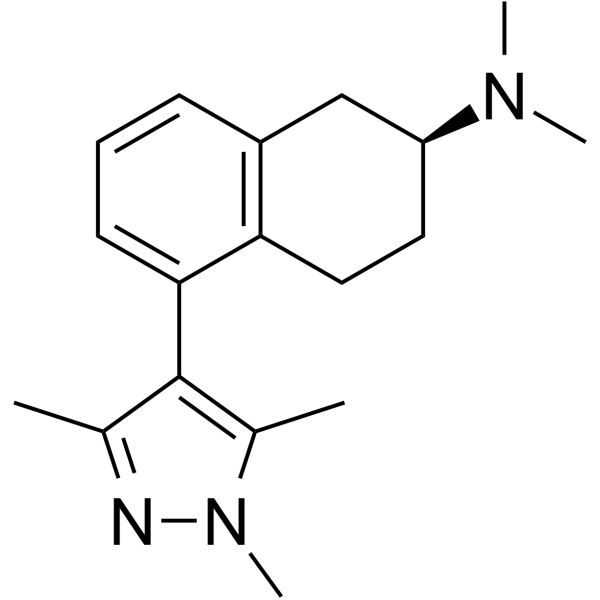
BChE-IN-41 is a highly selective Butyrylcholinesterase (BChE) inhibitor (IC50 =12 nM, Ki = 6.6 nM). BChE-IN-41 has high brain penetration with a brain-to-plasma ratio of 9.0. BChE-IN-41 has pro-cognitive effects on mice with AD-like symptoms induced by Scopolamine (HY-N0296) and Aβ1-42 .
|
-
- HY-117560
-
|
|
GABA Receptor
|
Neurological Disease
|
|
PWZ-029 is a selective inverse agonist for 5 GABAA receptors. PWZ-029 is a benzodiazepine site ligand. PWZ-029 shows a weak but significant partial agonistic effect at 1- and 3-containing receptors. PWZ-029 significantly increases retention session latency in mouse fibroblast cells. PWZ-029 can improve object recognition in normal and scopolamine-treated rat model .
|
-
- HY-118575
-
|
|
5-HT Receptor
|
Neurological Disease
|
|
DR-4004 is a 5-HT7 receptor antagonist that attenuates the decreased level of performance produced by mCPP and the performance levels after p-chloroamphetamine (PCA) lesion of the 5-HT system. DR-4004 also reverses amnesia induced by Scopolamine (HY-N0296) and Dizocilpine (HY-15084B). DR-4004 is promising for research of schizophrenia, cognitive deficits and atypical antipsychotic agents .
|
-
- HY-170583
-
|
|
Cholinesterase (ChE)
Amyloid-β
|
Neurological Disease
|
|
hAChE-IN-10 (Compound ET11) is the inhibitor for human acetylcholinesterase (AChE) with an IC50 of 6.34 nM. hAChE-IN-10 scavenges free radicals, and exhibits antioxidant activity. hAChE-IN-10 exhibits metal chelating activity, inhibits Cu 2+-induced Aβ1-42 aggregation, reduces the formation of amyloid plaques, and exhibits neuroprotective activity. hAChE-IN-10 ameliorates the Scopolamine (HY-N0296)-induced cognitive impairment in mouse models .
|
-
- HY-159898
-
-
- HY-107650
-
|
CI 979 hydrochloride; RU 35926 hydrochloride
|
mAChR
|
Neurological Disease
|
|
Milameline (CI 979; RU35926) hydrochloride is a nonselective, partical and orally active muscarinic receptor agonist that improves cognition. Milameline hydrochloride has equal affinity for different subtypes of human muscarinic receptors with IC50 of 1.3 µM for M1-, 1.1 µM for M2-, 1.5 µM for M3-, and 1.9 µM for M4-muscarinic receptors. Milameline hydrochloride has a higher affinity for sites [ 3H]CMD (IC50 = 20 nM), than [ 3H]QNB, (IC50 = 3059 nM). Milameline hydrochloride produces both central and peripheral cholinergic effects and reverses the cognitive deficits induced by Scopolamine (HY-N0296). Milameline hydrochloride can be used for the study of Alzheimer’s Disease .
|
-
- HY-135460
-
|
CI-979; RU35926
|
mAChR
|
Neurological Disease
|
|
Milameline (CI-979; RU35926) is a nonselective, partical and orally active muscarinic receptor agonist that improves cognition. Milameline has equal affinity for different subtypes of human muscarinic receptors with IC50 of 1.3 µM for M1-, 1.1 µM for M2-, 1.5 µM for M3-, and 1.9 µM for M4-muscarinic receptors. Milameline has a higher affinity for sites [ 3H]CMD (IC50 = 20 nM), than [ 3H]QNB, (IC50 = 3059 nM). Milameline produces both central and peripheral cholinergic effects and reverses the cognitive deficits induced by Scopolamine (HY-N0296). Milameline can be used for the study of Alzheimer’s Disease .
|
-
- HY-N2183R
-
|
Quercetin 3-O-sophoroside (Standard)
|
Reference Standards
SARS-CoV
|
Others
|
|
Baimaside (Standard) is the analytical standard of Baimaside. This product is intended for research and analytical applications. Baimaside (Quercetin 3-O-sophoroside) is a flavonoid cholinergic function modulator that binds to SARS-CoV-2-related targets. Baimaside regulates the expression of cholinergic system-related proteins and acetylcholine levels, improves scopolamine-induced learning and memory impairment, protects hippocampal neurons, inhibits pollen protein fluorescence, and protects pollen DNA. Its biosynthesis is regulated by multiple enzymes. Baimaside is completely absorbed in rats, undergoes phase Ⅱ metabolism and gut microbiota decomposition, and inhibits the invasion and proliferation of SARS-CoV-2 and its variants, making it suitable for research related to Alzheimer's disease and COVID-19 .
|
-
- HY-158978
-
|
|
Cholinesterase (ChE)
Monoamine Oxidase
|
Neurological Disease
|
|
Multitarget AD inhibitor-2 (Compound VN-19) is a multitargeting inhibitor acetylcholinesterase (AChE, IC50=0.14 μM), butyrylcholinesterase (BChE, IC50=11.6 μM), monoamine oxidase B (MAO B, IC50=0.45 μM). Multitarget AD inhibitor-2 inhibits self-induced aggregation of amyloid beta protein Aβ1-42 (inhibition rate is 47.3% at 20 μM), and downregulates the level of ROS in SH-SY5Y (80 inhibition rate at 25 μM). Multitarget AD inhibitor-2 ameliorates the cognitive decline in Scopolamine (HY-N0296)-induced Alzheimer’s Disease zebrafish models .
|
-
- HY-N18712
-
|
|
Others
|
Inflammation/Immunology
|
|
The active ingredients in Morinda citrifolia extract include scopolamine, danacanaldehyde, vitamins C and E, minerals (potassium, calcium), polysaccharides, fatty acids, catechins, and flavonoids. Morinda citrifolia extract possesses antioxidant, anti-inflammatory, and immune-boosting properties, helping to reduce inflammation and combat oxidative stress.
|
-
- HY-N18751
-
|
|
Bacterial
|
Inflammation/Immunology
|
|
Aegle marmelos extract, derived from the Aegle marmelos plant, is rich in various bioactive compounds, such as coumarins (e.g., ligustin, ligustin, ligustin, psoralen, scopolamine, and umbelliferone), flavonoids, phenolic acids, and terpenoids. Aegle marmelos extract possesses anti-inflammatory, antibacterial, antioxidant, antiviral, antifungal, antitumor, and antidiabetic properties.
|
-
- HY-180225
-
|
|
Cholinesterase (ChE)
|
Neurological Disease
|
|
AChE-IN-101 (Compound 7a) is an AChE inhibitor (IC50s = 0.21 μM (EeAChE); 13 nM (HsAChE)). AChE-IN-101 ameliorates Scopolamine (HY-N0296)-induced cognitive impairment. AChE-IN-101 can be used in the research of Alzheimer's disease .
|
-
- HY-107042
-
|
NRM-331
|
Tau Protein
Amyloid-β
|
Neurological Disease
|
|
trans-Sobrerol (NRM-331) is a potent mucofluidifying agent. trans-Sobrerol demonstrates an anti-amnesic effect by enhancing hippocampal cholinergic signaling, alongside exhibiting anti-tau and anti-Aβ synthesis properties. trans-Sobrerol mitigates memory impairment induced by Scopolamine (HY-N0296). trans-Sobrerol can be used in the research of Alzheimer's disease .
|
-
- HY-W754293
-
|
V0191; DMAE pidolate; DMAE PCA
|
mAChR
|
Neurological Disease
|
|
Deanol pidolate (V0191; DMAE pidolate) is an orally active pro-cholinergic agent that improves cognitive symptoms by increasing the release of acetylcholine (Ach) and avoids the typical side effects of cholinesterase inhibitors. Deanol pidolate can alleviate the harmful effects of scopolamine on long-term memory and restore to baseline levels more quickly. Deanol pidolate can be used in research on Alzheimer's disease .
|
-
- HY-170976
-
|
|
Cholinesterase (ChE)
|
Neurological Disease
|
|
BuChE-IN-16 (Compound 6a) is an orally active, BBB-permeable, and selective BuChE inhibitor with an IC50 of 0.33 μM. BuChE-IN-16 has anti-inflammatory and neuroprotective effects. BuChE-IN-16 can improve the cognitive function of zebrafish with Alzheimer's disease (AD) and alleviate memory impairment in mice induced by Scopolamine (HY-N0296). BuChE-IN-16 can be used for the research of AD .
|
-
- HY-183204
-
|
|
nAChR
|
Neurological Disease
|
|
TC-2559 is an orally active, selective central nervous system Nicotinic acetylcholine receptor agonist with a Ki value of 5 nM. TC-2559 activates central nervous system receptors selectively over peripheral nervous system receptors. TC-2559 improves scopolamine (HY-N0296)-induced cognitive impairment and enhances radial arm maze performance. TC-2559 can be used in the research of neurodegenerative diseases .
|
-
- HY-116488
-
|
|
nAChR
|
Neurological Disease
|
|
IND8 is a α7 nAChR activator and cognitive enhancer. IND8 mediates cognitive enhancement by activating α7 nAChR . IND8 improves spatial working memory, episodic short-term memory and spatial long-term memory in amnesic mice induced by Scopolamine (HY-N0296). IND8 improves memory function in mice with delayed natural memory decline. IND8 can be used in research related to Alzheimer's disease .
|
-
- HY-180946
-
|
|
Cholinesterase (ChE)
Reactive Oxygen Species (ROS)
Caspase
Keap1-Nrf2
|
Neurological Disease
|
|
AChE-IN-105 (Compound C5) is a potent, mixed AChE inhibitor with an IC50 of 5.02 μM. AChE-IN-105 scavenges ROS, decreases Hydrogen peroxide-induced Caspase-3 activation, reduces activity of the Nrf2-ARE pathway. AChE-IN-105 prevents memory impairments in the Scopolamine (HY-N0296)-induced cognitive dysfunction zebrafish model. AChE-IN-105 has potent antioxidant activity. AChE-IN-105 can be used in the research of Alzheimer's disease .
|
-
- HY-168731
-
|
|
Cholinesterase (ChE)
|
Neurological Disease
|
|
AChE/BChE-IN-25 (Compound 6e) is the orally active inhibitor for hAChE and eqBChE with IC50 of 7.9 nM and 0.79 nM. AChE/BChE-IN-25 exhibits antioxidant activity, that scavenges free radical with IC50 of 22.91 μM. AChE/BChE-IN-25 exhibits neuroprotective effects by reducing mitochondrial and cellular oxidative stress in the Drosophila Alzheimer's disease model. AChE/BChE-IN-25 ameliorates Scopolamine (HY-N0296)-induced spatial and cognitive memory impairment in mouse model .
|
-
- HY-101196
-
|
|
Endogenous Metabolite
|
Neurological Disease
|
|
PG 9 maleate is a compound with analgesic and anti-memory loss activity. PG 9 maleate exerts analgesic effects by enhancing central cholinergic transmission. PG 9 maleate protects against memory loss caused by scopolamine or dicyclomine within a specific dose range. The affinity profile of PG 9 maleate indicates significant selectivity among the M4/M1 receptor subtypes, which may be the mechanism for its analgesic and anti-memory loss effects. PG 9 maleate can increase the release of acetylcholine, thereby improving its biological activity .
|
-
- HY-180143
-
|
|
mAChR
Drug Derivative
|
Neurological Disease
|
|
VU6052254, a derivative of VU0467319 (HY-173396), is a selective, potent, orally active and brain-penetrant muscarinic M1 acetylcholine receptor (mAChR1) positive allosteric modulator with an EC50 of 59 nM. VU6052254 has no activity on the M2-5 receptor (EC50 > 30 μM). VU6052254 can improve memory recognition ability and reverse the cognitive impairment induced by Scopolamine (HY-N0296) with minimum effective dose both of 1 mg/kg. VU6052254 can be used for the research of neurological disease, such as Alzheimer's disease .
|
-
- HY-183341
-
-
- HY-180891
-
|
|
Cholinesterase (ChE)
Calcium Channel
|
Neurological Disease
|
|
Multitarget AD-IN-4 (compound IIIj) is a multitarget-directed ligand (MTDL), with the ability to simultaneously inhibit ChE enzymes (EeAChE IC50 = 0.157 μM, eqBuChE IC50 = 0.147 μM, hAChE IC50 = 1.551 μM, hBuChE IC50 = 2.152 μM), exhibit antioxidant activity, provide neuroprotection, and inhibit calcium channels (Ca 2+ channel blockade: IC50 = 30.59 μM). Multitarget AD-IN-4 reverses Scopolamine (HY-N0296)-induced amnesia in a mouse model. Multitarget AD-IN-4 can be used for Alzheimer’s disease (AD) research .
|
-
- HY-181167
-
|
|
Cholinesterase (ChE)
SOD
|
Neurological Disease
|
|
AChE/BChE-IN-34 is an acetylcholinesterase (AChE) and butyrylcholinesterase (BChE) inhibitor with IC50s of 5.97 μM and 4.57 μM, respectively. AChE/BChE-IN-34 functions as an antioxidant, oxidative stress inhibitor, reduces MDA levels, and elevates SOD and catalase in hippocampal tissue. AChE/BChE-IN-34 acts as a cognitive function enhancer, improves learning and memory in a Scopolamine (HY-N0296)-induced animal model. AChE/BChE-IN-34 is non-toxic in neuroblastoma cells across a specified concentration range. AChE/BChE-IN-34 can be used for the research of Alzheimer's disease .
|
-
- HY-181861
-
|
|
Cholinesterase (ChE)
Monoamine Oxidase
Amyloid-β
Tau Protein
|
Neurological Disease
|
|
AChE/MAO-B-IN-9 (Compound E12) is an orally active, selective, reversible, non-competitive AChE and MAO-B inhibitor, with an IC50 of 0.156 μM against electric eel AChE. AChE/MAO-B-IN-9 inhibits Aβ40/42 fibril formation, promotes Aβ fibril depolymerization, and inhibits Tau protein fibril formation. AChE/MAO-B-IN-9 exerts antioxidant and neuroprotective effects, and improves scopolamine (HY-N0296)-induced memory impairment in mice. AChE/MAO-B-IN-9 can be used for the research of Alzheimer's disease .
|
-
- HY-107650A
-
|
CI 979 hydroiodide; RU 35926 hydroiodide
|
mAChR
|
Neurological Disease
|
|
Milameline (CI 979; RU35926) hydroiodide is a nonselective, partical and orally active muscarinic receptor agonist that improves cognition. Milameline hydroiodide has equal affinity for different subtypes of human muscarinic receptors with IC50 of 1.3 µM for M1-, 1.1 µM for M2-, 1.5 µM for M3-, and 1.9 µM for M4-muscarinic receptors. Milameline hydroiodide has a higher affinity for sites [ 3H]CMD (IC50 = 20 nM), than [ 3H]QNB, (IC50 = 3059 nM). Milameline hydroiodide produces both central and peripheral cholinergic effects and reverses the cognitive deficits induced by Scopolamine (HY-N0296). Milameline hydroiodide can be used for the study of Alzheimer’s Disease .
|
-
- HY-103142R
-
|
|
Reference Standards
5-HT Receptor
|
Neurological Disease
|
|
AS19 (Standard) is the analytical standard of AS19 (HY-103142). This product is intended for research and analytical applications. AS19 is a potent, selective 5-HT7 receptor agonist with an IC50 value of 0.83 nM and a Ki of 0.6 nM. AS19 is selective for 5-HT7 over 5-HT1A, 5-HT1B, 5-HT1D, and 5-HT5A receptors (Kis = 89.7 nM, 490 nM, 6.6 nM and 98.5 nM, respectively). AS19 enhances memory consolidation and reverses Scopolamine- or Dizocilpine-induced amnesia .
|
-
- HY-180155
-
|
|
Keap1-Nrf2
Cholinesterase (ChE)
Interleukin Related
TNF Receptor
Reactive Oxygen Species (ROS)
Heme Oxygenase (HO)
Quinone Reductase
|
Neurological Disease
|
|
Keap1/Nrf2/ARE activator 2 is an activator of Keap1/Nrf2/ARE pathway and non-competitively inhibits AChE with an IC50 of 14.79 μM and a Ki of 1.35 μM. Keap1/Nrf2/ARE activator 2 promotes Nrf2 nuclear translocation, leading to antioxidant gene upregulation and enhanced cellular defense against oxidative stress. Keap1/Nrf2/ARE activator exhibits robust neuroprotection against both H2O2- and Scopolamine (SCA) (HY-N0296)-induced injury in PC12 cells. Keap1/Nrf2/ARE activator 2 ameliorates memory impairment and the neuro-inflammation associated with SCA-initiated cognitive dysfunction in a zebrafish model. Keap1/Nrf2/ARE activator 2 can be used for the research of Alzheimer's disease .
|
-
- HY-162812
-
|
|
Apoptosis
Cholinesterase (ChE)
Tau Protein
Ferroptosis
Histamine Receptor
|
Neurological Disease
|
|
H3R antagonist 4 (compound 11L) was a dual inhibitor of cholinesterase and histamine receptor (H3R), with corresponding IC50 of 7.04 μM (eeAChE), 9.73 μM (hAChE)(reversible) and 1.09 nM (H3R) , respectively. H3R antagonist 4 inhibited the aggregation of Aβ1-42 induced by itself and Cu 2+ (95.48% and 88.63%) , and degraded the Aβ1-42 fibrils induced by itself and Cu 2+ (80.16% and 89.30%) . H3R antagonist 4 chelate biometals such as Cu 2+, Zn 2+, Al 3+, and Fe 2+. H3R antagonist 4 significantly reduced tau protein hyperphosphorylation induced by Aβ1-42 and inhibited RSL-3-induced apoptosis and ferroptosis in PC12 cells. H3R antagonist 4 had the best blood-brain barrier permeability and intestinal absorption in hCMEC/D3 and hPepT1-MDCK cells.H3R antagonist 4 ameliorates learning and memory impairment in a mouse model of Alzheimer's disease induced by scopolamine (HY-N0296) .
|
-
- HY-181926
-
|
|
COX
HDAC
Microtubule/Tubulin
Interleukin Related
Amyloid-β
Tau Protein
|
Neurological Disease
|
|
COX-2/HDAC6-IN-1 (Compound 11e) is a dual COX-2 and HDAC6 inhibitor, with an IC50 of 0.12 μM against HDAC6 and an IC50 of 0.66 μM against COX-2. COX-2/HDAC6-IN-1 enhances the acetylation level of α-tubulin, regulates epigenetic gene expression, and inhibits the expression of pro-inflammatory mediators (COX-2, IL-1β, IL-6 and TNF-α). COX-2/HDAC6-IN-1 promotes Amyloid-β clearance and reduces excessive phosphorylation of Tau protein. COX-2/HDAC6-IN-1 maintains neuronal morphology by stabilizing MAP2, protects synaptic integrity by regulating synapsin, and restores the expression of memory-related genes. COX-2/HDAC6-IN-1 possesses neuroprotective activity and improves learning and memory abilities in Scopolamine (HY-N0296)-induced Alzheimer's disease mouse models. COX-2/HDAC6-IN-1 is applicable to research related to Alzheimer's disease .
|
-
| Cat. No. |
Product Name |
Type |
-
- HY-W127702
-
|
Methscopolamine nitrate
|
Biochemical Assay Reagents
|
|
Scopolamine methyl nitrate is an organic compound commonly used in neuroscience research and pharmacology research. It can be used to study the role and structure of acetylcholine receptors, and is widely used in drug development and research in related fields. In addition, this compound is also used as a substrate or catalyst in certain biochemical reactions.
|
| Cat. No. |
Product Name |
Target |
Research Area |
-
- HY-P3355
-
|
|
iGluR
|
Neurological Disease
|
|
p-fin4 is a peptide inhibitor of STEP Phosphatase-GluA2 AMPA receptor interaction with a Ki of 0.4 μM. p-fin4 restores the memory deficits and displays anxiolytic and antidepressant effects in a scopolamine-treated rat model. p-fin4 is a promising lead compound for novel cognitive enhancers and/or behavioral modulators .
|
-
- HY-P3354
-
|
|
iGluR
|
Neurological Disease
|
|
p3Ysh-3 is a peptide inhibitor of STEP Phosphatase-GluA2 AMPA receptor interaction with a Ki of 1.09 μM. p3Ysh-3 restores the memory deficits and displays anxiolytic and antidepressant effects in a scopolamine-treated rat model. p3Ysh-3 is a promising lead compound for novel cognitive enhancers and/or behavioral modulators .
|
-
- HY-P10435
-
|
|
Dopamine Receptor
|
Neurological Disease
|
|
KEMPFPKYPVEP is a 12-amino acids neuropeptide, which upregulates levels of dopamine (DA) and norepinephrine (NE) in the prefrontal cortex, exhibits spatial and object recognition memory promoting ability in Scopolamine (HY-N0296)-induced amnesia mouse model .
|
| Cat. No. |
Product Name |
Category |
Target |
Chemical Structure |
-
- HY-W010892
-
|
Hyoscine hydrobromide trihydrate
|
Alkaloids
Other Alkaloids
Datura metel L.
Solanaceae
Plants
Source Classification
|
mAChR
5-HT Receptor
|
|
Scopolamine (Hyoscine) hydrobromide trihydrate is a high-affinity muscarinic antagonist that can cross the blood-brain barrier. Scopolamine hydrobromide trihydrate competitively antagonizes 5-HT3 receptors with an IC50 of 2.09 μM. Scopolamine hydrobromide trihydrate can induce cognitive and memory deficits in animals. Scopolamine hydrobromide trihydrate can be used in the research of preventing postoperative nausea and vomiting, motion sickness, nervous system diseases, etc .
|
-
-
- HY-N0340
-
|
Hyoscine butylbromide; (-)-scopolamine butylbromide; Butylscopolamine bromide
|
Alkaloids
Structural Classification
Other Alkaloids
Datura metel L.
Solanaceae
Plants
Source Classification
|
mAChR
|
|
Scopolamine butylbromide (Hyoscine butylbromide) is an orally active anticholinergic agent and spasmolytic. Scopolamine butylbromide binds with high affinity to rat cardiac M2 (Ki 83 nmol/L), hM2 (Ki 233 nmol/L), rat intestinal M3 (Ki 290 nmol/L) and hM3 (Ki 643 nmol/L) muscarinic receptors. Scopolamine butylbromide exerts a dose-dependent antagonistic effect on Carbachol-induced gastrointestinal smooth muscle spasm. Scopolamine butylbromide can be used for the research of abdominal colic and pain associated with gastrointestinal spasm, functional abdominal pain, chronic gastropathy and gastric ulcer .
|
-
-
- HY-N2183
-
-
-
- HY-N1441
-
-
-
- HY-N0310
-
-
-
- HY-N2736
-
|
|
Flavonoids
Classification of Application Fields
Flavones
Leguminosae
Other Diseases
Phenols
Polyphenols
Plants
Vicia faba L.
Disease Research Fields
Source Classification
|
Beta-lactamase
COX
Interleukin Related
Bacterial
JNK
ERK
p38 MAPK
STAT
Apoptosis
NO Synthase
Nuclear Factor of activated T Cells (NFAT)
Lactate Dehydrogenase
Reactive Oxygen Species (ROS)
SOD
Akt
Caspase
Bcl-2 Family
|
|
3′,4′,7-Trihydroxyflavone is an orally active inhibitor of OXA-48 (IC50 = 1.89 μM) and COX-1 (IC50 = 36.37 μM). 3′,4′,7-Trihydroxyflavone exhibits antioxidant and anti-inflammatory properties, inhibiting the release of inflammatory cytokines such as IL-6, IL-8, and TNF-α. 3′,4′,7-Trihydroxyflavone inhibits H2O2-induced neuronal apoptosis and ROS accumulation, and exerts anti-neuroinflammatory effects by suppressing the JNK-STAT1 pathway. 3′,4′,7-Trihydroxyflavone exhibits antimicrobial and antibiotic-modifying activities against multidrug-resistant Gram-negative enteric bacteria. 3′,4′,7-Trihydroxyflavone inhibits RANKL-induced osteoclast formation via NFATc1. 3′,4′,7-Trihydroxyflavone activates the CREB-BDNF axis and restores scopolamine (HY-N0296)-induced memory deficits in mice .
|
-
-
- HY-N0541
-
-
-
- HY-B2065
-
|
(-)-scopolamine hydrochloride; Hyoscine hydrochloride
|
Alkaloids
Other Alkaloids
Atropa belladonna Linn.
Solanaceae
Plants
Source Classification
|
mAChR
5-HT Receptor
|
|
Scopolamine (Hyoscine) hydrochloride is a high-affinity muscarinic antagonist that can cross the blood-brain barrier. Scopolamine hydrochloride competitively antagonizes 5-HT3 receptors with an IC50 of 2.09 μM. Scopolamine hydrochloride can induce cognitive and memory deficits in animals. Scopolamine hydrochloride can be used in the research of preventing postoperative nausea and vomiting, motion sickness, nervous system diseases, etc .
|
-
-
- HY-N8698
-
Picein
1 Publications Verification
|
Nyssaceae
Plants
Saccharides
Source Classification
|
SOD
Ferroptosis
Keap1-Nrf2
Heme Oxygenase (HO)
Glutathione Peroxidase
|
|
Picein is an antioxidant and anti-inflammatory agent. Picein can be isolated from the leaves of Picrorhiza kurroa. Picein reduces MDA levels and increases the levels of SOD, GPX and TAC. Picein alleviates oxidative stress and promotes bone regeneration in osteoporotic bone defects by inhibiting Ferroptosis (via activation of the Nrf2/HO-1/GPX4 pathway). Picein prevents scopolamine (HY-N0296)-induced passive avoidance memory impairment in rats. Picein can be used in research related to osteoporotic bone defects and Alzheimer's disease .
|
-
-
- HY-N2255
-
-
-
- HY-N7061
-
-
-
- HY-B0459
-
-
-
- HY-N3026
-
-
-
- HY-N4268
-
-
-
- HY-N1441R
-
|
Kaempferol-3-O-rhamnoside (Standard)
|
Flavonols
Structural Classification
Flavonoids
Saururaceae
Houttuynia cordata Thunb.
Phenols
Polyphenols
Plants
Source Classification
|
Mitochondrial Metabolism
PTEN
Autophagy
Bacterial
Reference Standards
|
|
Afzelin (Standard) is the analytical standard of Afzelin. This product is intended for research and analytical applications. Afzelin (Kaempferol-3-O-rhamnoside)It is a flavonol glycoside that has anti-inflammatory, anti-oxidative stress response, anti-apoptotic, and anti-cardiac cytotoxic effects. AfzelinIt can reduce mitochondrial damage, enhance mitochondrial biosynthesis, and reduce mitochondria-related proteins. Parkinand PTENinduced putative kinase 1 (putative kinase 1)s level. AfzelinCan be improved D-galactosamine(GalN)/LPSSurvival rate of mice treated with doxorubicin prophylaxis (HY-15142A)Induced cardiotoxicity and scopolamine (HY-N0296)-induced neurological injury. AfzelinAlso inhibits asthma and allergies caused by ovalbumin .
|
-
-
- HY-120408
-
-
-
- HY-W010892R
-
|
Hyoscine hydrobromide trihydrate (Standard)
|
Alkaloids
Structural Classification
Other Alkaloids
Datura metel L.
Solanaceae
Plants
Source Classification
|
mAChR
Reference Standards
5-HT Receptor
|
|
Scopolamine hydrobromide trihydrate (Standard) is the analytical standard of Scopolamine hydrobromide trihydrate (HY-W010892). This product is intended for research and analytical applications. Scopolamine (Hyoscine) hydrobromide is a high-affinity muscarinic antagonist that can cross the blood-brain barrier. Scopolamine hydrobromide competitively antagonizes 5-HT3 receptors with an IC50 of 2.09 μM. Scopolamine hydrobromide can induce cognitive and memory deficits in animals. Scopolamine hydrobromide can be used in the research of preventing postoperative nausea and vomiting, motion sickness, nervous system diseases, etc .
|
-
-
- HY-N0310R
-
-
-
- HY-N0340R
-
|
Hyoscine butylbromide (Standard); (-)-scopolamine butylbromide (Standard); Butylscopolamine bromide (Standard)
|
Alkaloids
Structural Classification
Other Alkaloids
Datura metel L.
Solanaceae
Plants
Source Classification
|
Reference Standards
mAChR
|
|
Scopolamine butylbromide (Standard) is the analytical standard of Scopolamine butylbromide (HY-N0340). This product is intended for research and analytical applications. Scopolamine butylbromide (Hyoscine butylbromide) is an orally active anticholinergic agent and spasmolytic. Scopolamine butylbromide binds with high affinity to rat cardiac M2 (Ki 83 nmol/L), hM2 (Ki 233 nmol/L), rat intestinal M3 (Ki 290 nmol/L) and hM3 (Ki 643 nmol/L) muscarinic receptors. Scopolamine butylbromide exerts a dose-dependent antagonistic effect on Carbachol-induced gastrointestinal smooth muscle spasm. Scopolamine butylbromide can be used for the research of abdominal colic and pain associated with gastrointestinal spasm, functional abdominal pain, chronic gastropathy and gastric ulcer .
|
-
-
- HY-N11872
-
|
|
Paeonia lactiflora Pall.
Phenols
Polyphenols
Plants
Paeoniaceae
Source Classification
|
Others
|
|
Suffruticosol A is a neuroprotective agent that restores scopolamine-induced cellular neurodegenerative damage. Suffruticosol A ameliorates hippocampal cholinergic deficits and partially enhances BDNF signaling. Suffruticosol A has neuromodulatory effects in a Scopolamine (HY-N0296)-induced model, restoring memory and cognitive performance in mice. Suffruticosol A can be isolated from seeds of P. lactiflora .
|
-
-
- HY-N14226
-
-
-
- HY-N7061R
-
-
-
- HY-N2183R
-
|
Quercetin 3-O-sophoroside (Standard)
|
Apocynaceae
Flavonols
Structural Classification
Flavonoids
Phenols
Polyphenols
Plants
Apocynum venetum Linn.
Source Classification
|
Reference Standards
SARS-CoV
|
|
Baimaside (Standard) is the analytical standard of Baimaside. This product is intended for research and analytical applications. Baimaside (Quercetin 3-O-sophoroside) is a flavonoid cholinergic function modulator that binds to SARS-CoV-2-related targets. Baimaside regulates the expression of cholinergic system-related proteins and acetylcholine levels, improves scopolamine-induced learning and memory impairment, protects hippocampal neurons, inhibits pollen protein fluorescence, and protects pollen DNA. Its biosynthesis is regulated by multiple enzymes. Baimaside is completely absorbed in rats, undergoes phase Ⅱ metabolism and gut microbiota decomposition, and inhibits the invasion and proliferation of SARS-CoV-2 and its variants, making it suitable for research related to Alzheimer's disease and COVID-19 .
|
-
-
- HY-N18712
-
|
|
Structural Classification
Extract
|
Others
|
|
The active ingredients in Morinda citrifolia extract include scopolamine, danacanaldehyde, vitamins C and E, minerals (potassium, calcium), polysaccharides, fatty acids, catechins, and flavonoids. Morinda citrifolia extract possesses antioxidant, anti-inflammatory, and immune-boosting properties, helping to reduce inflammation and combat oxidative stress.
|
-
-
- HY-N18751
-
|
|
Structural Classification
Extract
|
Bacterial
|
|
Aegle marmelos extract, derived from the Aegle marmelos plant, is rich in various bioactive compounds, such as coumarins (e.g., ligustin, ligustin, ligustin, psoralen, scopolamine, and umbelliferone), flavonoids, phenolic acids, and terpenoids. Aegle marmelos extract possesses anti-inflammatory, antibacterial, antioxidant, antiviral, antifungal, antitumor, and antidiabetic properties.
|
-
-
- HY-107042
-
-
| Cat. No. |
Product Name |
Chemical Structure |
-
- HY-W010892S
-
|
|
|
Scopolamine-d3 hydrobromide is the deuterium labeled Scopolamine hydrobromide (HY-B2065). Scopolamine (Hyoscine) hydrochloride is a high-affinity muscarinic antagonist that can cross the blood-brain barrier. Scopolamine hydrochloride competitively antagonizes 5-HT3 receptors with an IC50 of 2.09 μM. Scopolamine hydrochloride can induce cognitive and memory deficits in animals. Scopolamine hydrochloride can be used in the research of preventing postoperative nausea and vomiting, motion sickness, nervous system diseases, etc .
|
-
| Cat. No. |
Product Name |
|
Classification |
-
- HY-146677
-
|
|
|
Alkynes
|
|
5-HT6R/MAO-B modulator 1 (compound 48) is an antagonist of 5-HT6R at Gs signaling and an irreversible MAO-B inhibitor. 5-HT6R/MAO-B modulator 1 exhibits glioprotective properties. 5-HT6R/MAO-B modulator 1 can reverse Scopolamine-induced memory deficits . 5-HT6R/MAO-B modulator 1 is a click chemistry reagent, it contains an Alkyne group and can undergo copper-catalyzed azide-alkyne cycloaddition (CuAAc) with molecules containing Azide groups.
|
Your information is safe with us. * Required Fields.
Inquiry Information
- Product Name:
- Cat. No.:
- Quantity:
- MCE Japan Authorized Agent:

