
1. Search Result
Search Result
Results for "

score

" in MedChemExpress (MCE) Product Catalog:

47

Inhibitors & Agonists

11

Screening Libraries

1

Biochemical Assay Reagents

1

Peptides

3

Inhibitory Antibodies

7

Natural
Products

5

Isotope-Labeled Compounds

Cat. No. Product Name Target Research Areas Chemical Structure
  • HY-N0401A
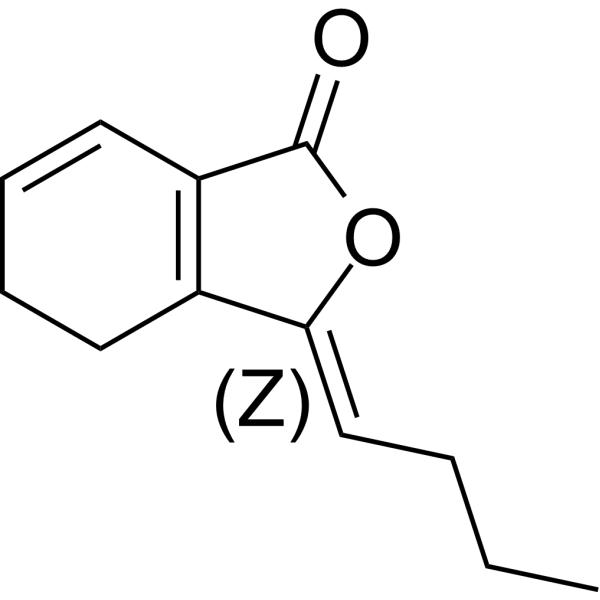
    (Z)-Ligustilide
    5 Publications Verification

    Bacterial Estrogen Receptor/ERR FATP Infection Metabolic Disease Cancer
    (Z)-Ligustilide is extracted from Ligusticum chuanxiong Hort, has antimicrobial and antifungal activity, exhibits an average antifungal score of 5.6 . (Z)-Ligustilide is orally active, it inhibits the expression of FATP5 and DGAT, inhibits fatty acid uptake and esterification in mice and has potential as therapeutics for nonalcoholic fatty liver disease (NAFLD) . (Z)-Ligustilide is also able to reactivate ERα, has epigenetic regulation, and is used in the study of tamoxifen-resistant breast cancer .
    (Z)-Ligustilide
  • HY-N7364

    trans-β-Farnesene

    Environmental Pollutants Fungal CDK Infection Cancer
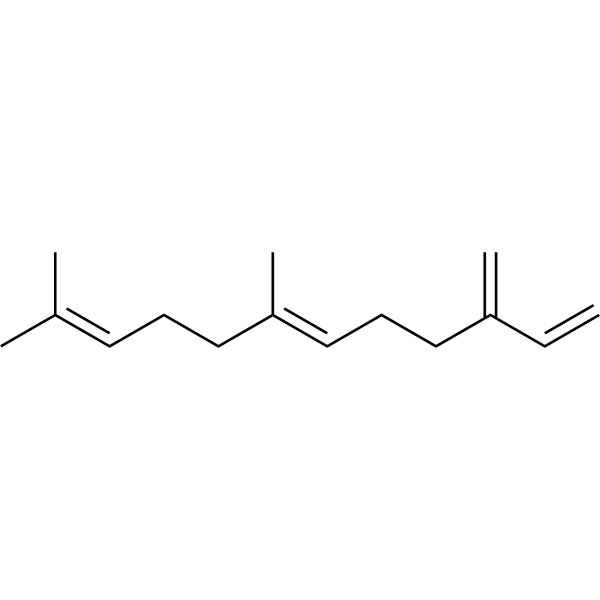
    (E)-β-Farnesene (trans-β-Farnesene) is an aphid alarm pheromone, which can be found in Phlomis aurea Decne essential oil. (E)-β-Farnesene shows good binding score with a value of -30.64 kcal/mol to the CDK2 receptor. (E)-β-Farnesene also exhibits good affinity to odorant-binding protein 3 (OBP3). (E)-β-Farnesene can be used as a feeding stimulant for the sand fly Lutzomyia longipalpis .
    (E)-β-Farnesene
  • HY-135844
    LS-102
    Maximum Cited Publications
    6 Publications Verification

    E1/E2/E3 Enzyme Inflammation/Immunology
    LS-102 is a selective E3 ubiquitin ligase synoviolin (Syvn1) inhibitor. LS-102 inhibits the autoubiquitination of synoviolin with an IC50 of 35 μM. LS-102 has the potential for rheumatoid arthritis treatment .
    LS-102
  • HY-P990774

    ASP-7266; TRAB-1; UPB-101

    Interleukin Related Inflammation/Immunology
    Verekitug (ASP-7266; TRAB-1; UPB-101) is a human monoclonal antibody targeting the thymic stromal lymphopoietin receptor (TSLPR), with a mean half-life of approximately 20 days. At doses of Verekitug ≥100 mg, complete and sustained TSLPR-specific occupancy is achieved, and the antibody does not bind to IL-7Rα. By inhibiting TSLP-driven inflammatory responses, Verekitug blocks TSLP-induced cell proliferation and TARC expression, while reducing fractional exhaled NO levels, blood eosinophil counts, and levels of IL-5 and IgE. Verekitug significantly improves scores for nasal polyps, nasal congestion and olfactory dysfunction, with favorable safety and good tolerability; potential adverse reactions include headache, upper respiratory tract infection, sinusitis and nasopharyngitis. Verekitug is used in relevant studies on asthma, chronic rhinosinusitis with nasal polyps and chronic obstructive pulmonary disease .
    Verekitug
  • HY-P991628

    PF-08634404

    PD-1/PD-L1 VEGFR Cancer
    SSGJ-707 (PF-08634404) is a bispecific antibody targeting VEGF and PD-1. SSGJ-707 exerts dual anti-tumor effects by neutralizing VEGF and blocking the PD-1 signaling pathway. SSGJ-707 can be combined with platinum-based chemotherapy to inhibit advanced non-small cell lung cancer (NSCLC), and its inhibitory effect is not limited by PD-L1 expression levels. In the HARMONi-2 trial, the objective response rate of SSGJ-707 correlates with the PD-L1 tumor proportion score, and the incidence of grade ≥3 adverse events is comparable to that of Inetetamab (HY-P99969). SSGJ-707 is being extensively investigated for a variety of malignancies including advanced NSCLC, colorectal cancer and small cell lung cancer .
    SSGJ-707
  • HY-172435

    AGN-232411; AG-80308; AGN-411

    Formyl Peptide Receptor (FPR) Neurological Disease
    Rezuforimod (AGN-232411; AG-80308) is an ophthalmic solution targeting the formyl peptide receptor (FPR) pathway. Rezuforimod exerts anti-inflammatory effects by targeting the formyl peptide receptor pathway. Administered topically, Rezuforimod significantly reduces the corneal conjunctival staining score and improves ocular discomfort symptoms, with no serious adverse events reported and favorable overall safety profile. Rezuforimod shows remarkable potential to serve as a novel therapeutic option for dry eye disease .
    Rezuforimod
  • HY-N10424
    Brazilein
    2 Publications Verification

    Na+/K+ ATPase Apoptosis Interleukin Related NO Synthase Bacterial Parasite Cardiovascular Disease Infection Neurological Disease Inflammation/Immunology
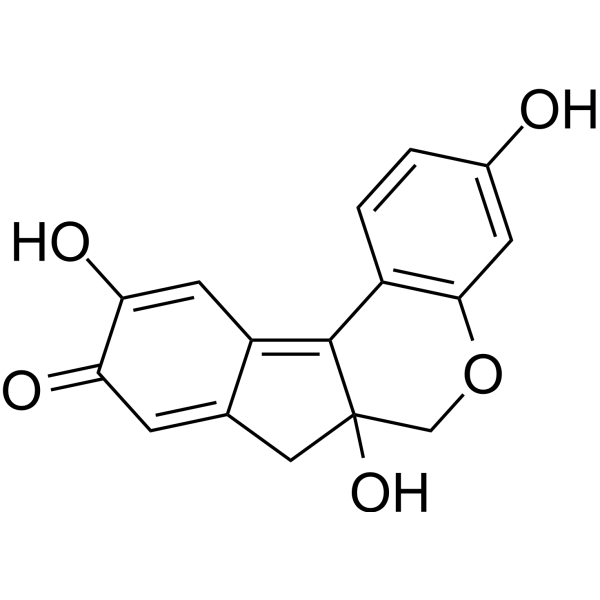
    Brazilein is a compound with anti-inflammatory and neuroprotective activities, with an IC50 of 500 μM against guinea pig Na +,K +-ATPase. Brazilein reduces iNOS mRNA expression, thereby inhibiting nitric oxide production in immune cells. Brazilein suppresses inflammatory responses by reducing the mRNA expression of TNF-α and IL-6, but has no effect on IL-1β expression. Brazilein reduces the cerebral infarction volume and improves the neurological function scores of rats with cerebral ischemia-reperfusion injury. Brazilein induces apoptosis of splenic lymphocytes in mice. Brazilein inhibits humoral immune responses in mice, and causes thymus and spleen atrophy as well as body weight loss in mice. Brazilein also possesses antimalarial and antibacterial activities. Brazilein is also a red dye. Brazilein can be used in studies related to the infection, nervous system, cardiovascular system and inflammatory diseases .
    Brazilein
  • HY-B0426A

    ALO4943A; KW4679

    Histamine Receptor CXCR Infection Neurological Disease Metabolic Disease Inflammation/Immunology
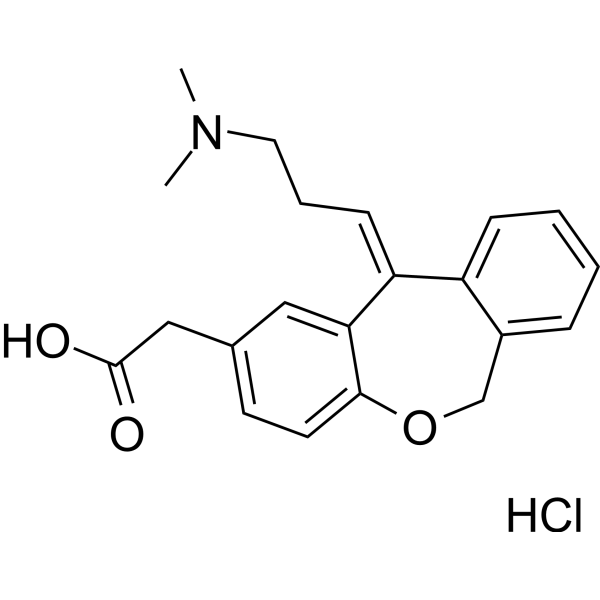
    Olopatadine hydrochloride (ALO4943A; KW4679) is an orally active histamine H1 receptor antagonist and mast cell stabilizer. Olopatadine hydrochloride exerts antiallergic effects by blocking histamine H1 receptor-mediated activities. Olopatadine hydrochloride inhibits exocytosis, chemokine release, F-actin polymerization, CXCL10-induced calcium influx, and T cell chemotactic activity. Olopatadine hydrochloride also reduces the expression levels of CXCR3 on the surface of CD4 + and CD8 + T cells. Olopatadine hydrochloride inhibits scratching behavior, improves dermatitis scores, and suppresses intraepidermal neurite outgrowth. Olopatadine hydrochloride simultaneously decreases the levels of inflammatory markers, growth factors, histamine, and specific IgE, while increasing the expression of ErbB3A/HER3A. Olopatadine hydrochloride can be used in research related to seasonal pollinosis, chronic rhinitis, urticaria, allergic conjunctivitis, alopecia areata, and atopic dermatitis .
    Olopatadine hydrochloride
  • HY-W341625

    Endogenous Metabolite Neurological Disease Metabolic Disease Cancer
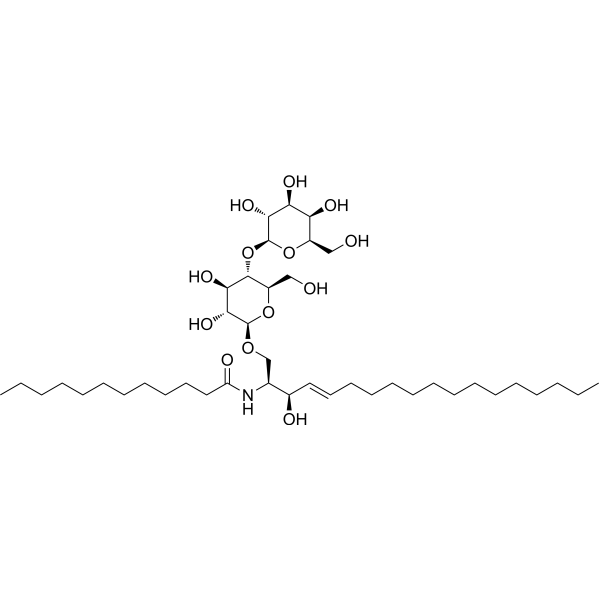
    Trihexosylceramide (d18:1/12:0) is a glycosphingolipid and mood-related compound. Trihexosylceramide (d18:1/12:0) is characterized by elevated serum levels in Mus musculus fed a high-fat diet, and its levels are positively correlated with mood Z-scores. Accumulation of Trihexosylceramide (d18:1/12:0) in tissues is considered the etiology of angiokeratoma corporis diffusum. Trihexosylceramide (d18:1/12:0) can be used in studies related to high-fat diet-induced mood disorders .\n


    Trihexosylceramide (d18:1/12:0)
  • HY-W062109

    Histamine Receptor CXCR Inflammation/Immunology
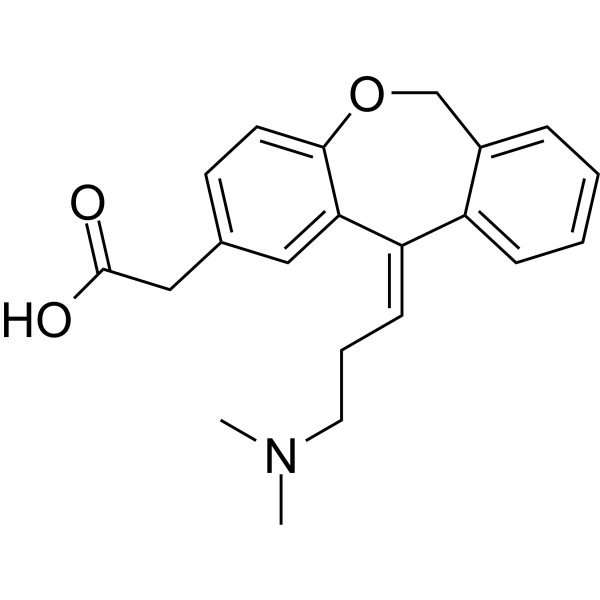
    Olopatadine (ALO4943A; KW4679) is an orally active histamine H1 receptor antagonist and mast cell stabilizer. Olopatadine exerts antiallergic effects by blocking histamine H1 receptor-mediated activities. Olopatadine inhibits exocytosis, chemokine release, F-actin polymerization, CXCL10-induced calcium influx, and T cell chemotactic activity. Olopatadine also reduces the expression levels of CXCR3 on the surface of CD4 + and CD8 + T cells. Olopatadine inhibits scratching behavior, improves dermatitis scores, and suppresses intraepidermal neurite outgrowth. Olopatadine simultaneously decreases the levels of inflammatory markers, growth factors, histamine, and specific IgE, while increasing the expression of ErbB3A/HER3A. Olopatadine can be used in research related to seasonal pollinosis, chronic rhinitis, urticaria, allergic conjunctivitis, alopecia areata, and atopic dermatitis .
    Olopatadine
  • HY-132280

    U 74006F free base

    Reactive Oxygen Species (ROS) SARS-CoV Virus Protease Neurological Disease Inflammation/Immunology
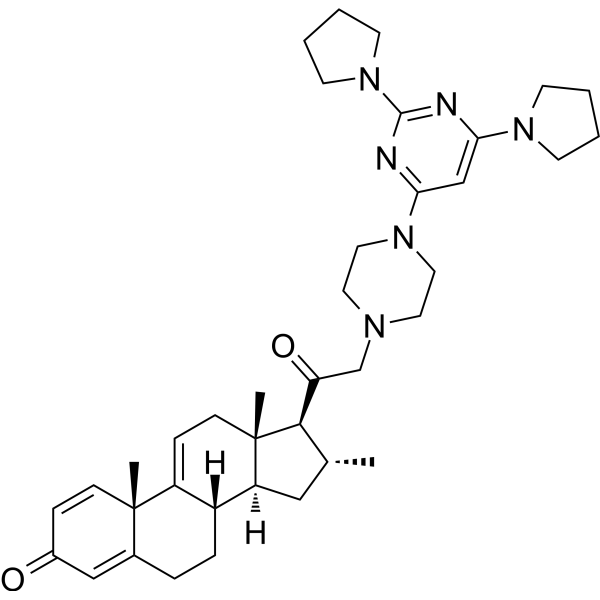
    Tirilazad (U 74006F free base) is a neuroprotective agent. Tirilazad can also bind tightly to the main protease of the COVID-19 virus and exert anti-SARS-CoV-2 activity. Tirilazad scavenges hydroxyl and lipid peroxyl free radicals and maintains the levels of endogenous antioxidants. Tirilazad reduces cerebral infarct volume and improves neurobehavioral scores in animal models of focal ischemia. Tirilazad can be used in research related to ischemic stroke and subarachnoid hemorrhage .
    Tirilazad
  • HY-P2283

    Amyloid-β Neurological Disease
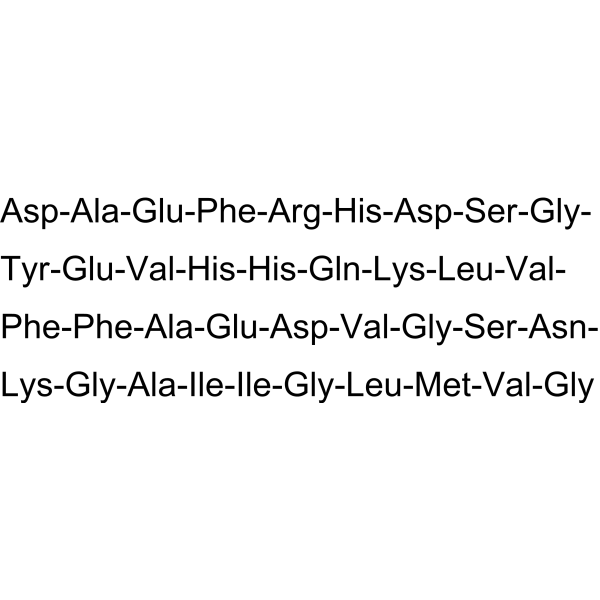
    β-Amyloid (1-37) (human) correlates moderately with Mini-Mental State Examination (MMSE) scores in Alzheimer disease. β-Amyloid (1-37) (human) possesses an added diagnostic value .
    β-Amyloid (1-37) (human)
  • HY-B1796

    Fungal Infection
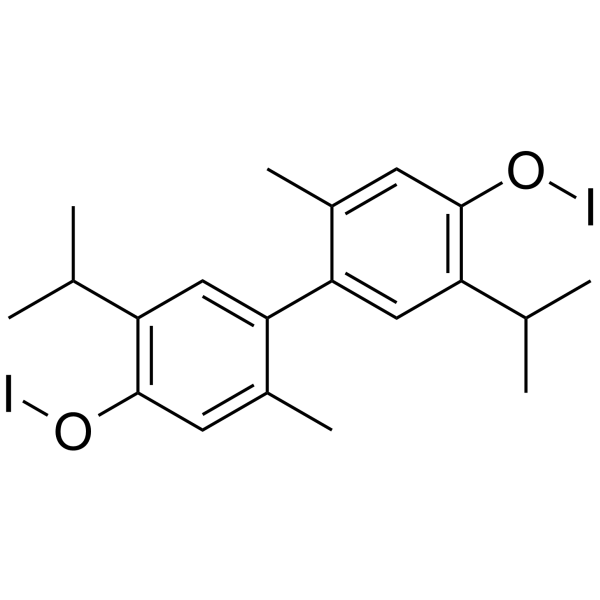
    Thymol iodide is an iodine derivative of thymol, serving as a mild preservative and fungicide. Thymol iodide is commonly used as an iodine source in the intensive culture of rotifers. Thymol iodide effectively enables Brachionus "Cayman" rotifers to reach iodine levels similar to those of copepods, and maintains a high iodine content during storage. After 28 days of intrapleural injection of Thymol iodide, it does not enhance the efficacy of inducing pleurodesis in rabbits, nor does it improve the efficacy of talc slurry pleurodesis .
    Thymol iodide
  • HY-156466

    STAT Interleukin Related IFNAR Inflammation/Immunology
    QL-1200186 is a selective, orally active, allosteric inhibitor targeting the tyrosine kinase TYK2 pseudokinase domain JH2 (IC50=0.06 nM, TYK2 JH2), with 164-fold selectivity over TYK1 JH2 (IC50=9.85 nM,TYK1 JH2). QL-1200186 first stabilizes the TYK2 JH2 conformation, inhibits the activity of the JH1 catalytic domain, and blocks the IFNα, IL-12/IL-23-mediated JAK-STAT signaling pathway. QL-1200186 can inhibit the production of Th1/Th17 cell-related cytokines (such as IFNγ, IL-23), reduce immune cell activation, and has no significant effect on JAK1/2/3 kinase activity. QL-1200186 can significantly improve skin inflammation in the Imiquimod (HY-B0180)-induced psoriasis mouse model and reduce the Psoriasis Area and Severity Index (PASI) score. QL-1200186 can be used in the study of autoimmune diseases such as psoriasis and systemic lupus erythematosus (SLE) .
    QL-1200186
  • HY-158498

    FA2 N-linked oligosaccharide; F(6)A2 glycan

    Biochemical Assay Reagents Cancer
    FA2 glycan (G0F) (FA2 N-linked oligosaccharide; F(6)A2 glycan) is a core-fucosylated biantennary N-linked oligosaccharide that serves as a prostate cancer biomarker. The level of FA2 glycan (G0F) is higher in prostate cancer than in benign prostatic hyperplasia, and it is further elevated in advanced prostate cancer with a Gleason score ≥8 compared with both benign prostatic hyperplasia and low-/intermediate-risk prostate cancer. FA2 glycan (G0F) can be used in prostate cancer research .
    FA2 glycan (G0F)
  • HY-111021
    ASP-4058
    1 Publications Verification

    LPL Receptor Inflammation/Immunology
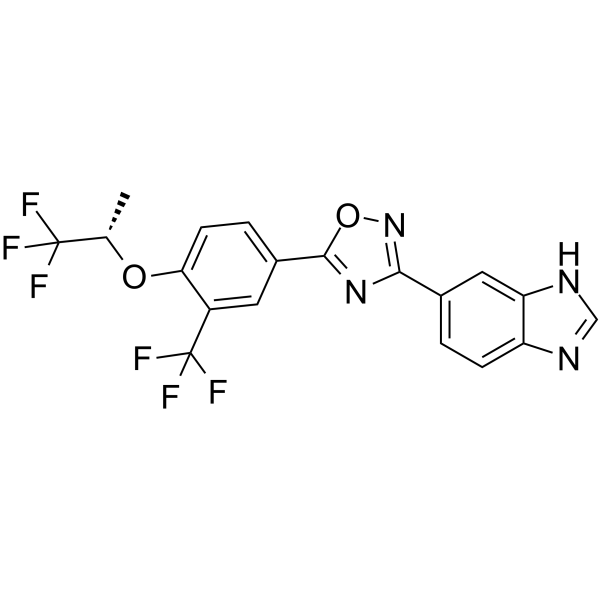
    ASP-4058 is a next-generation, selective and oral bioactive agonist for Sphingosine 1-Phosphate receptors 1 and 5 (S1P1 and S1P5), ameliorates rodent experimental autoimmune encephalomyelitis with a favorable safety profile .
    ASP-4058
  • HY-W062109S

    Isotope-Labeled Compounds Histamine Receptor CXCR Inflammation/Immunology
    Olopatadine-d6 is the deuterium labeled Olopatadine. Olopatadine hydrochloride (ALO4943A; KW4679) is an orally active histamine H1 receptor antagonist and mast cell stabilizer. Olopatadine hydrochloride exerts antiallergic effects by blocking histamine H1 receptor-mediated activities. Olopatadine hydrochloride inhibits exocytosis, chemokine release, F-actin polymerization, CXCL10-induced calcium influx, and T cell chemotactic activity. Olopatadine hydrochloride also reduces the expression levels of CXCR3 on the surface of CD4 + and CD8 + T cells. Olopatadine hydrochloride inhibits scratching behavior, improves dermatitis scores, and suppresses intraepidermal neurite outgrowth. Olopatadine hydrochloride simultaneously decreases the levels of inflammatory markers, growth factors, histamine, and specific IgE, while increasing the expression of ErbB3A/HER3A. Olopatadine hydrochloride can be used in research related to seasonal pollinosis, chronic rhinitis, urticaria, allergic conjunctivitis, alopecia areata, and atopic dermatitis .
    Olopatadine-d6
  • HY-137570

    Monoamine Oxidase Neurological Disease
    Ethyl homovanillate (Compound 24) is an structural analog of Eugenol. Ethyl homovanillate is an inhibitor of monoamine oxidase A (MAOA) with an IC50 of 8.1 μM. Ethyl homovanillate significantly increases the forced swim test score in ICR mice. Ethyl homovanillate can be studied in research on neurological diseases such as Alzheimer’s disease .
    Ethyl homovanillate
  • HY-B1349

    Biochemical Assay Reagents Others
    Mepiroxol can form various interactions with key residues of specific proteins. It establishes salt bridges with Arg-153 and Arg-74, and forms two hydrogen bonds with Asp-50 and Gly-96 through its terminal hydroxyl group, these interactions help enhance its binding affinity and lead to a higher docking score .
    Mepiroxol
  • HY-160718

    ABT-431; DAS-431

    Dopamine Receptor Neurological Disease
    Adrogolide is an A-86929 (HY-171472) prodrug and dopamine D1 receptor agonist. Adrogolide is converted rapidly in plasma to A-86929. Adrogolide improves behavioral disability and locomotor activity scores. Adrogolide can also attenuate the ability of Cocaine to induce Cocaine-seeking behavior. Adrogolide can be used in the research of Parkinson's disease .
    Adrogolide
  • HY-175165

    Enterovirus Infection
    Jun6504 is an enterovirus 2C inhibitor. Jun6504 shows potent and broad-spectrum antiviral activity against multiple strains of EV-D68 (EC50 = 250 nM), EV-A71 (EC50 = 502.4 nM), and CVB3 (EC50 = 1049 nM). Jun6504 improves paralysis score and weight gain in a neonatal mouse model of EV-D68 infection. Jun6504 reduces viral titers in the spinal cord and the infected quadriceps muscle. Jun6504 can be used for EV-D68 antiviral research .
    Jun6504
  • HY-W060417

    Interleukin Related Inflammation/Immunology Cancer
    iST2-1 is an Stimulation-2 (ST2) inhibitor with an IC50 value of 46.65 μM, blocks interaction between ST2 and IL-33, inhibits downstream signaling. iST2-1 functions as an immunomodulator, reduces proliferation of CD4 + and CD8 + T cells, increases regulatory T cell populations, reduces IFN-γ +CD4 + T cell populations, increases Foxp3 +CD4 + regulatory T cell populations in the gastrointestinal tract. iST2-1 reduces plasma soluble ST2 and IFN-γ levels, reduces graft-versus-host disease scores, improves survival in graft-versus-host disease animal models, preserves graft-versus-tumor effect. iST2-1 can be used for the research of graft-versus-host disease .
    iST2-1
  • HY-B0426AS

    Isotope-Labeled Compounds Histamine Receptor CXCR Inflammation/Immunology Endocrinology
    Olopatadine-d3 hydrochloride (ALO4943A-d3) is the deuterium labeled Olopatadine hydrochloride. Olopatadine hydrochloride (ALO4943A; KW4679) is an orally active histamine H1 receptor antagonist and mast cell stabilizer. Olopatadine hydrochloride exerts antiallergic effects by blocking histamine H1 receptor-mediated activities. Olopatadine hydrochloride inhibits exocytosis, chemokine release, F-actin polymerization, CXCL10-induced calcium influx, and T cell chemotactic activity. Olopatadine hydrochloride also reduces the expression levels of CXCR3 on the surface of CD4 + and CD8 + T cells. Olopatadine hydrochloride inhibits scratching behavior, improves dermatitis scores, and suppresses intraepidermal neurite outgrowth. Olopatadine hydrochloride simultaneously decreases the levels of inflammatory markers, growth factors, histamine, and specific IgE, while increasing the expression of ErbB3A/HER3A. Olopatadine hydrochloride can be used in research related to seasonal pollinosis, chronic rhinitis, urticaria, allergic conjunctivitis, alopecia areata, and atopic dermatitis .
    Olopatadine-d3 hydrochloride
  • HY-B0426AR

    ALO4943A (Standard); KW4679 (Standard)

    Reference Standards Histamine Receptor CXCR Inflammation/Immunology Endocrinology
    Olopatadine (hydrochloride) (Standard) is the analytical standard of Olopatadine (hydrochloride). This product is intended for research and analytical applications. Olopatadine hydrochloride (ALO4943A; KW4679) is an orally active histamine H1 receptor antagonist and mast cell stabilizer. Olopatadine hydrochloride exerts antiallergic effects by blocking histamine H1 receptor-mediated activities. Olopatadine hydrochloride inhibits exocytosis, chemokine release, F-actin polymerization, CXCL10-induced calcium influx, and T cell chemotactic activity. Olopatadine hydrochloride also reduces the expression levels of CXCR3 on the surface of CD4 + and CD8 + T cells. Olopatadine hydrochloride inhibits scratching behavior, improves dermatitis scores, and suppresses intraepidermal neurite outgrowth. Olopatadine hydrochloride simultaneously decreases the levels of inflammatory markers, growth factors, histamine, and specific IgE, while increasing the expression of ErbB3A/HER3A. Olopatadine hydrochloride can be used in research related to seasonal pollinosis, chronic rhinitis, urticaria, allergic conjunctivitis, alopecia areata, and atopic dermatitis .
    Olopatadine hydrochloride (Standard)
  • HY-W439487

    Nucleoside Antimetabolite/Analog Metabolic Disease
    7,9-Dimethylguanine is a modified nucleotide base that is a product of RNA degradation. The level of 7,9-Dimethylguanine in urine and serum can be used as a scoring indicator for the severity of alcoholic liver disease (ALD).
    7,9-Dimethylguanine
  • HY-111021A
    ASP-4058 hydrochloride
    1 Publications Verification

    LPL Receptor Inflammation/Immunology
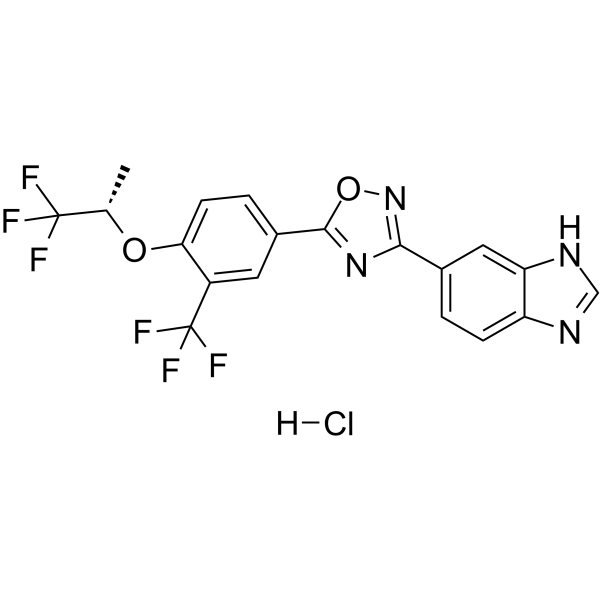
    ASP-4058 hydrochloride is a next-generation, selective and orally active agonist for Sphingosine 1-Phosphate receptors 1 and 5 (S1P1 and S1P5), ameliorates rodent experimental autoimmune encephalomyelitis with a favorable safety profile .
    ASP-4058 hydrochloride
  • HY-162164

    Others Neurological Disease
    Neuroprotective agent 3 (Compound 21a) is an antioxidant that exhibits neuroprotective effects. Neuroprotective agent 3 significantly increases neuronal viability and induces neuroprotection, as well as improves neurological deficit scores in an in vivo model of transient cerebral ischemia .
    Neuroprotective agent 3
  • HY-168355

    Cannabinoid Receptor Neurological Disease
    Δ8-THC methyl ether (compound 3) shows a good docking score (-10.167 kcal/mol) for CB2 receptor. Δ8-THC methyl ether has antinociceptive activity in mice .
    Δ8-THC methyl ether
  • HY-114766

    Phosphodiesterase (PDE) Inflammation/Immunology
    Pumafentrine is an orally active, potent dual PDE3/PDE4 inhibitor. Pumafentrine dose-dependently ameliorates the clinical score and colonic TNFα production in murine Dextran sulphate sodium (DSS; HY-116282C)-induced colitis in a preventive setting .
    Pumafentrine
  • HY-B1844

    Endogenous Metabolite Cancer
    Flucythrinate is a synthetic pyrethroid with endocrine suppressive properties. Flucythrinate showed good binding affinity to the vitamin D nuclear receptor (VDR) with a score of -11.0 kcal/mol. Flucythrinate has been proposed as a multi-target ligand that may interact with several proteins associated with breast cancer. The screening method for Flucythrinate showed good accuracy in binding site prediction and affinity estimation .
    Flucythrinate
  • HY-169115A

    Calcium Channel Inflammation/Immunology
    (Rac)-PD0299685 is a Ca(2+) channel α2δ ligand that was investigated for relieving interstitial cystitis pain in a randomized, double-blind, placebo-controlled phase IIa study. (Rac)-PD0299685 demonstrated a clinically significant reduction in daily worst pain severity scores at the 60 mg dose compared to placebo. (Rac)-PD0299685 is also a potent voltage-dependent calcium channel inhibitor for the study of retina-related diseases.
    (Rac)-PD0299685
  • HY-161997

    Microtubule/Tubulin Cancer
    hTopo-II/tubulin-IN-1 (compound 5L) is a hTopo-II/tubulin inhibitor. hTopo-II/tubulin-IN-1 inhibits cell migration and can be used in anti-cancer research .
    hTopo-II/tubulin-IN-1
  • HY-157936

    iGluR Neurological Disease
    GluN2B-NMDAR antagonist-2 (compound S-58) is a potent, selective and cross the blood-brain barrier NMDAR-GluN2B antagonist with an IC50 value of 74.01, nM. GluN2B-NMDAR antagonist-2 shows mild cytotoxicity. GluN2B-NMDAR antagonist-2 decreases the cerebral infarction rates and neurologic deficit scores. GluN2B-NMDAR antagonist-2 has the potential for the research of stroke .
    GluN2B-NMDAR antagonist-2
  • HY-175027

    RIP kinase Ferroptosis Neurological Disease
    RIPK1-IN-33 is a blood-brain barrier-permeable and orally active RIPK1 inhibitor, with an IC50 of 0.115 μM. RIPK1-IN-33 demonstrates remarkable anti-ferroptosis activity, radical scavenging capacity (IC50 = 123.3 μM), and anti-lipid peroxidation effects (IC50 = 9.72 μM). RIPK1-IN-33 markedly reduces cerebral infarction volume and improves neurological function scores in transient middle cerebral artery occlusion (tMCAO) model. RIPK1-IN-33 can be used for the study of ischemic stroke .
    RIPK1-IN-33
  • HY-N7364S

    trans-β-Farnesene-d6

    Fungal Isotope-Labeled Compounds Cancer
    (E)-β-Farnesene-d6 is deuterated labeled (E)-β-Farnesene (HY-N7364). (E)-β-Farnesene (trans-β-Farnesene) is an aphid alarm pheromone, which can be found in Phlomis aurea Decne essential oil. (E)-β-Farnesene shows good binding score with a value of -30.64 kcal/mol to the CDK2 receptor. (E)-β-Farnesene also exhibits good affinity to odorant-binding protein 3 (OBP3). (E)-β-Farnesene can be used as a feeding stimulant for the sand fly Lutzomyia longipalpis .
    (E)-β-Farnesene-d6
  • HY-178374

    Beta-secretase SARS-CoV Infection Neurological Disease
    BACE-1/Mpro-IN-1 is a high brain-penetrant BACE-1 (IC50 = 0.26 μM) and SARS-CoV-2 Mpro (IC50 = 0.91 μM) dual inhibitor. BACE-1/Mpro-IN-1 binds to the aspartyl protease and cysteine protease as a mixed-type inhibitor. BACE-1/Mpro-IN-1 exhibits the most favorable docking score and a strong interaction profile. BACE-1/Mpro-IN-1 can be used for the study of COVID-19 exacerbated Neuroinflammation and Alzheimer’s disease .
    BACE-1/Mpro-IN-1
  • HY-132280R

    U 74006F free base (Standard)

    Reference Standards Reactive Oxygen Species (ROS) SARS-CoV Virus Protease Neurological Disease Inflammation/Immunology
    Tirilazad (U 74006F free base) Standard is the analytical standard of Tirilazad (HY-132280). This product is intended for research and analytical applications. Tirilazad (U 74006F free base) is a neuroprotective agent. Tirilazad can also bind tightly to the main protease of the COVID-19 virus and exert anti-SARS-CoV-2 activity. Tirilazad scavenges hydroxyl and lipid peroxyl free radicals and maintains the levels of endogenous antioxidants. Tirilazad reduces cerebral infarct volume and improves neurobehavioral scores in animal models of focal ischemia. Tirilazad can be used in research related to ischemic stroke and subarachnoid hemorrhage .
    Tirilazad (Standard)
  • HY-B0426AS2

    ALO4943A-d6 hydrochloride; KW4679-d6 hydrochloride

    Isotope-Labeled Compounds Histamine Receptor CXCR Inflammation/Immunology
    Olopatadine-d6 (ALO4943A-d6; KW4679-d6) hydrochloride is deuterium-labeled Olopatadine (hydrochloride) (HY-B0426A). Olopatadine hydrochloride (ALO4943A; KW4679) is an orally active histamine H1 receptor antagonist and mast cell stabilizer. Olopatadine hydrochloride exerts antiallergic effects by blocking histamine H1 receptor-mediated activities. Olopatadine hydrochloride inhibits exocytosis, chemokine release, F-actin polymerization, CXCL10-induced calcium influx, and T cell chemotactic activity. Olopatadine hydrochloride also reduces the expression levels of CXCR3 on the surface of CD4 + and CD8 + T cells. Olopatadine hydrochloride inhibits scratching behavior, improves dermatitis scores, and suppresses intraepidermal neurite outgrowth. Olopatadine hydrochloride simultaneously decreases the levels of inflammatory markers, growth factors, histamine, and specific IgE, while increasing the expression of ErbB3A/HER3A. Olopatadine hydrochloride can be used in research related to seasonal pollinosis, chronic rhinitis, urticaria, allergic conjunctivitis, alopecia areata, and atopic dermatitis .
    Olopatadine-d6 hydrochloride
  • HY-180556

    mTOR PI3K Inflammation/Immunology
    PI3K/mTOR-IN-20 is a selective dual PI3K/mTOR inhibitor. PI3K/mTOR-IN-20 demonstrates nanomolar antiproliferative effects with IC50s of 0.380 and 0.090 μM for MRC-5 and Mlg2908 cells. PI3K/mTOR-IN-20 reduces Ashcroft scores, hydroxyproline content, collagen deposition, and downregulates fibrosis-related proteins, while restoring lung architecture in a Bleomycin-induced pulmonary fibrosis model. PI3K/mTOR-IN-20 shows a favorable safety profile with steady weight recovery and no distinct liver or kidney toxicity. PI3K/mTOR-IN-20 can be used for fetal lung fibroblasts research .
    PI3K/mTOR-IN-20
  • HY-181896S

    PPAR Inflammation/Immunology
    PPARγ agonist-23 (Compound 9) is an orally active PPARγ agonist with an EC50 of 0.32 μM. PPARγ agonist-23 improves hepatic triglyceride levels, reduces scores of steatosis and hepatocellular ballooning, and decreases the total activity score of non-alcoholic steatohepatitis (NASH). PPARγ agonist-23 can be used for the research of non-alcoholic steatohepatitis .
    PPARγ agonist-23
  • HY-N8075

    Estrogen Receptor/ERR Cancer
    Artonin U is an artonin. Artonin U can be isolated from Artocarpus species. Artonin U binds to hERα, as measured by docking score and Prime MM-GBSA binding free energy evaluation. Artonin U can be used in breast cancer research .
    Artonin U
  • HY-118756

    RS37326

    Endogenous Metabolite Inflammation/Immunology
    Anirolac (RS37326) is a nonsteroidal anti-inflammatory agent with analgesic activity. Anirolac showed analgesic efficacy comparable to that of naproxen in suppressing moderate or severe postpartum uterine pain. Anirolac induced significantly higher analgesia scores than placebo within 6 hours, especially at the 100 mg dose. Anirolac effectively relieved pain and showed a stronger analgesic effect than placebo in every assessment .
    Anirolac
  • HY-P992336

    ADAMTS Inflammation/Immunology
    CRB0017 is a recombinant monoclonal antibody targeting ADAMTS5, with high affinity for the spacer domain of ADAMTS5 and strong antigen specificity. CRB0017 binds to the spacer domain of ADAMTS5 and reduces the proteolytic activity of this enzyme. CRB0017 delays articular cartilage degradation, alleviates the pathological severity of osteoarthritis, and decreases the osteoarthritis histopathological score. CRB0017 is applicable to the research of osteoarthritis .
    CRB0017
  • HY-129245

    Hoe 175

    Endogenous Metabolite Neurological Disease
    Razobazam (Hoe 175) is a benzodiazepine derivative with cognitive activity. Razobazam has been shown to improve learning performance in socially deprived rats. Razobazam increased avoidance scores by 18% after training. Razobazam caused significant changes in the optical density of certain areas of the rat brain, including a 22% decrease in the lateral habenula and a 25% increase in the ventral tegmental area. Razobazam also caused a 13% increase in optical density in the prefrontal cortex of rats .
    Razobazam
  • HY-182359

    JAK STAT Inflammation/Immunology
    YYSW001 is a selective and orally acrive JAK1 inhibitor with an IC50 of 6 nM and a Kd of 32.32 μM. YYSW001 blocks JAK1-dependent phosphorylation of STAT6, as well as IL-6-induced phosphorylation of STAT3. YYSW001 suppresses pro-inflammatory cytokine levels, reduces paw swelling, lowers clinical arthritis scores, alleviates joint damage and decreases bone loss. YYSW001 is applicable for the research of rheumatoid arthritis .
    YYSW001
  • HY-182026

    FXR G protein-coupled Bile Acid Receptor 1 TNF Receptor Reactive Oxygen Species (ROS) Inflammation/Immunology
    FXR agonist 17 is an orally active, steroidal FXR agonist with EC50 values of 42.2 nM (TR-FRET) and 176.4 nM (luciferase reporter assay), respectively. FXR agonist 17 activates TGR5 (EC50 = 2.6 μM) but does not activate hMRGPRX4. FXR agonist 17 exerts anti-inflammatory, hepatoprotective and antifibrotic effects, improves the non-alcoholic steatohepatitis (NAFLD) activity score and reduces the severity of liver fibrosis. FXR agonist 17 can be used for the research of NAFLD, cholestatic liver disease and liver fibrosis .
    FXR agonist 17
  • HY-115373

    MMP Inflammation/Immunology
    RO314724 is a selective MMP-1 inhibitor. RO314724 chelates to the catalytic zinc ion within the active site of MMP-1 and forms a stable complex with MMP-1. RO314724 can be used for the research of osteoarthritis .
    RO314724

Inquiry Online

Your information is safe with us. * Required Fields.

Salutation


Country or Region *

Applicant Name *


Organization Name *

Department *


Email Address *


Product Name *

Cat. No.


Requested quantity *

Phone Number *


Remarks

Inquiry Online

Inquiry Information

Product Name:
Cat. No.:
Quantity:
MCE Japan Authorized Agent:

