
1. Search Result
Search Result
Results for "

severity

" in MedChemExpress (MCE) Product Catalog:

52

Inhibitors & Agonists

1

Fluorescent Dye

7

Peptides

7

Inhibitory Antibodies

7

Natural
Products

1

Isotope-Labeled Compounds

Cat. No. Product Name Target Research Areas Chemical Structure
  • HY-135844
    LS-102
    5+ Cited Publications

    E1/E2/E3 Enzyme Inflammation/Immunology
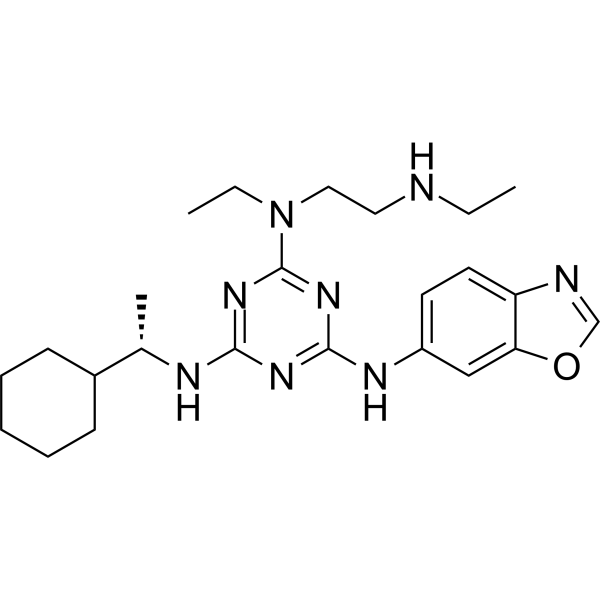
    LS-102 is a selective E3 ubiquitin ligase synoviolin (Syvn1) inhibitor. LS-102 inhibits the autoubiquitination of synoviolin with an IC50 of 35 μM. LS-102 has the potential for rheumatoid arthritis treatment .
    LS-102
  • HY-B1077
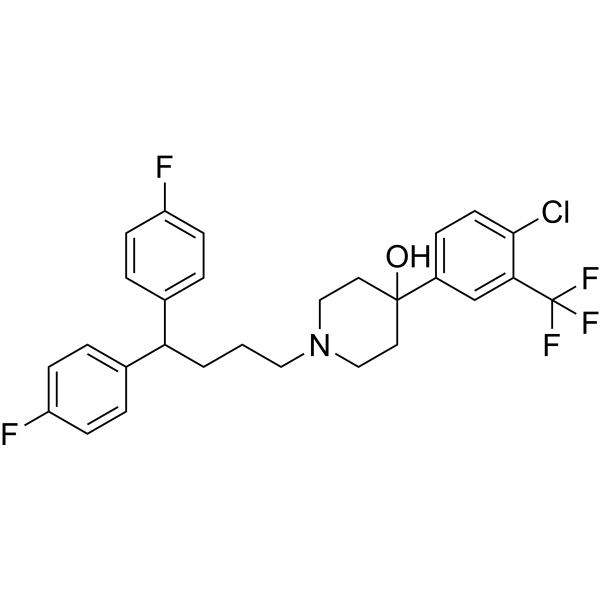
    Penfluridol
    Maximum Cited Publications
    9 Publications Verification

    R-16341

    Calcium Channel Dopamine Receptor Autophagy Apoptosis Neurological Disease Inflammation/Immunology Cancer
    Penfluridol (R-16341) is a potent, long-acting, first-generation, oral diphenylbutylpiperidine antipsychotic agent by targeting D2-like dopamine receptor. Penfluridol effectively inhibits TNFα-induced NF-κB activation and alleviates the severity of arthritis and colitis in vivo. Penfluridol is a Ca2+-calmodulin inhibitor. Penfluridol induces apoptosis and autophagy. Penfluridol is used for chronic schizophrenia, acute psychosis, Tourette syndrome and autoimmune diseases. Penfluridol inhibites the growth of E. faecalis planktonic cells with the MIC of 7.81 μg/ml .
    Penfluridol
  • HY-126995

    Endogenous Metabolite Metabolic Disease
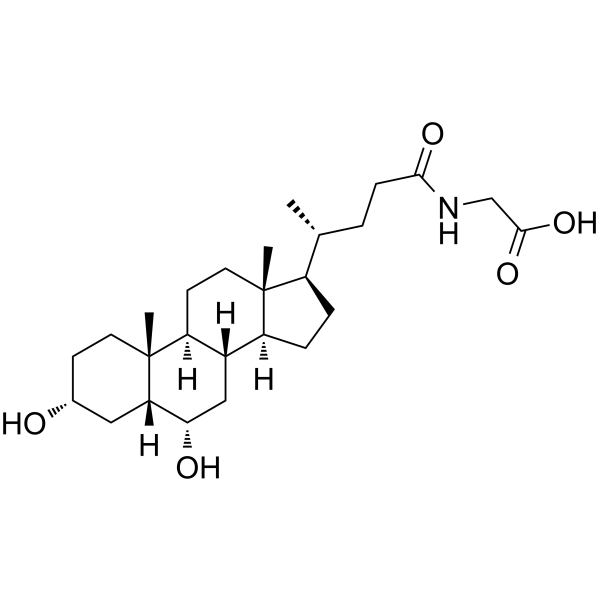
    Glycohyodeoxycholic acid is a glycine-conjugated bile acid and also a metabolite of Hyodeoxycholic acid (HY-N0169). The serum level of Glycohyodeoxycholic acid is negatively correlated with the severity of non-alcoholic fatty liver disease. Glycohyodeoxycholic acid can be used in research related to non-alcoholic fatty liver disease .
    Glycohyodeoxycholic acid
  • HY-B0412
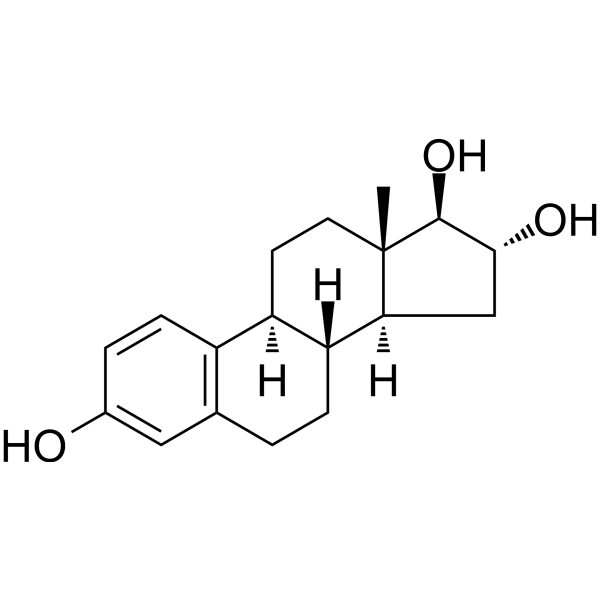
    Estriol
    5 Publications Verification

    Oestriol

    Estrogen Receptor/ERR Endogenous Metabolite Cancer
    Estriol (Oestriol), an orally active estrogen, is a ERα and ERβ agonist. Estriol is a potent GPR30 antagonist in estrogen receptor-negative breast cancer cells. Estriol can ameliorate disease severity through immunomodulatory mechanisms that decrease tissue inflammation. Estriol has powerful proconvulsant effects .
    Estriol
  • HY-P3479

    Insulin Receptor Metabolic Disease
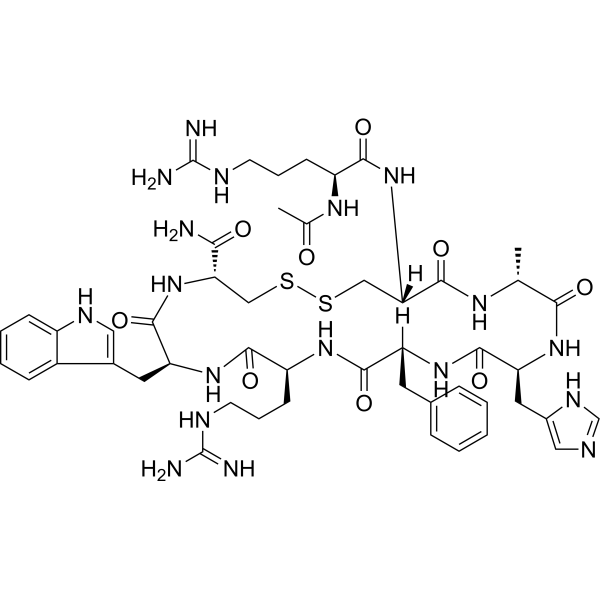
    Insulin (swine) is an orally active insulin derived from pigs. Insulin (swine) when administered orally acts as an antigen to reduce the severity of pancreatic lymphocyte infiltration, but has no metabolic effect on blood glucose levels. Insulin (swine) increases glucose oxidation, stimulates lipogenesis, and lowers blood glucose levels. Insulin (swine) can be used in diabetes research .
    Insulin (swine)
  • HY-113493

    Endogenous Metabolite Metabolic Disease
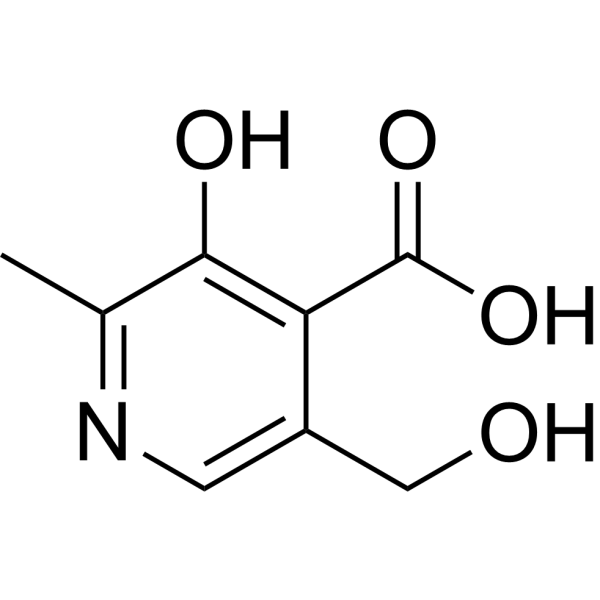
    4-Pyridoxic acid is an endogenous substrate of renal organic anion transporters (OAT1/3) and a catabolite of vitamin B6. 4-Pyridoxic acid is excreted through OAT1/3-mediated tubular active secretion, which can reflect OAT1/3 activity. Elevated plasma concentrations of 4-Pyridoxic acid are associated with decreased OAT1/3 activity in chronic kidney disease (CKD) and can be used as a biomarker to reflect the severity of knee osteoarthritis (KOA) and lumbar spondylosis (LS) .
    4-Pyridoxic acid
  • HY-105070A

    E5564

    EBV Toll-like Receptor (TLR) Infection Inflammation/Immunology
    Eritoran tetrasodium (E5564) is a Toll-like receptor 4 (TLR4) antagonist. Eritoran tetrasodium protects mice against lethal influenza virus infection, such as Ebola virus (EBOV), Marburg virus (MARV). Eritoran tetrasodium decreases the level of granulocytosis, may alleviate the severity of the "cytokine storm". Eritoran tetrasodium inhibits pathogenesis of filovirus infection. Eritoran tetrasodium has anti-inflammatory activity .
    Eritoran tetrasodium
  • HY-P99529

    BAX1810; TAK-752; SM101

    Fc Receptor (FcR) Inflammation/Immunology
    Valziflocept (BAX1810; TAK-752) is a recombinant soluble human FcγRIIb receptor that targets Fc and FcγR. FcγRs bind to and neutralize pathogenic IgG, thereby acting as a "decoy" or "scavenger" receptor that reduces the severity of autoimmune diseases. Valziflocept is used in research on autoimmune diseases such as systemic lupus erythematosus (SLE) .

    Valziflocept
  • HY-138668

    TRP Channel Neurological Disease
    JW-65 is a selective TRPC3 channel inhibitor with favorable blood-brain barrier penetration. JW-65 directly binds to human TRPC3 protein and modulates calcium signaling to reduce seizure susceptibility. JW-65 reduces seizure incidence, severity, and duration while prolonging seizure latency in multiple seizure models. JW-65 alleviates Aβ‑induced neuronal damage. JW-65 serves as a valuable tool for research on epilepsy, seizure disorders, and Alzheimer’s disease .
    JW-65
  • HY-P99148

    TNF Receptor Metabolic Disease Inflammation/Immunology
    Anti-Mouse TNF alpha Antibody (TN3-19.12) is an anti-mouse TNF alpha IgG antibody inhibitor derived from host Armenian Hamster. Anti-Mouse TNF alpha Antibody (TN3-19.12) neutralizes cytotoxic activity in supernatants obtained from LNC-8 cells. Anti-Mouse TNF alpha Antibody (TN3-19.12) reduces the symptoms and severity of EAE (experimental allergic encephalomyelitis) in LNC-8 cells xenograft mice models. Anti-Mouse TNF alpha Antibody (TN3-19.12) prevents diabetes in NOD mice. Anti-Mouse TNF alpha Antibody (TN3-19.12) shows apparent radiosensitizing effect in CD2F1 mice .
    Anti-Mouse/Rat/Rabbit TNF alpha Antibody (TN3-19.12)
  • HY-P10019

    NLY01

    GCGR Neurological Disease Inflammation/Immunology
    Pegsebrenatide (NLY01) is a blood-brain barrier-penetrant GLP-1R agonist. Pegsebrenatide alleviates retinal inflammation and neuronal death secondary to ocular hypertension . Pegsebrenatide significantly delays onset and reduces disease severity in experimental autoimmune encephalomyelitis . Pegsebrenatide inhibits the formation of A1 reactive astrocytes in nerve cells and reduces the loss of retinal ganglion cells and dopaminergic neurons. Pegsebrenatide exerts neuroprotective effects in a mouse model of Parkinson's disease by directly preventing microglia-mediated conversion of astrocytes to the A1 neurotoxic phenotype. Pegsebrenatide can be used for research on glaucoma, Parkinson's disease, and multiple sclerosis .
    Pegsebrenatide
  • HY-135953

    Apoptosis Cancer
    CDDO-3P-Im is an analogue of CDDO-Imidazolide with chemopreventive effect. CDDO-3P-Im can reduce the size and the severity of the lung tumors in mouse lung cancer model . CDDO-3P-Im is a orally active necroptosis inhibitor that can be used for the research of ischemia/reperfusion (I/R) .
    CDDO-3P-Im
  • HY-156466

    STAT Interleukin Related IFNAR Inflammation/Immunology
    QL-1200186 is a selective, orally active, allosteric inhibitor targeting the tyrosine kinase TYK2 pseudokinase domain JH2 (IC50=0.06 nM, TYK2 JH2), with 164-fold selectivity over TYK1 JH2 (IC50=9.85 nM,TYK1 JH2). QL-1200186 first stabilizes the TYK2 JH2 conformation, inhibits the activity of the JH1 catalytic domain, and blocks the IFNα, IL-12/IL-23-mediated JAK-STAT signaling pathway. QL-1200186 can inhibit the production of Th1/Th17 cell-related cytokines (such as IFNγ, IL-23), reduce immune cell activation, and has no significant effect on JAK1/2/3 kinase activity. QL-1200186 can significantly improve skin inflammation in the Imiquimod (HY-B0180)-induced psoriasis mouse model and reduce the Psoriasis Area and Severity Index (PASI) score. QL-1200186 can be used in the study of autoimmune diseases such as psoriasis and systemic lupus erythematosus (SLE) .
    QL-1200186
  • HY-N11451

    LNFP-III

    Arginase Aldehyde Dehydrogenase (ALDH) Indoleamine 2,3-Dioxygenase (IDO) Inflammation/Immunology
    Lacto-N-fucopentaose III (LNFP-III) is an immune modulator. Lacto-N-fucopentaose III reduces the severity of experimental autoimmune encephalomyelitis (EAE) and CNS inflammation .
    Lacto-N-fucopentaose III
  • HY-107203

    HWA 285

    Phosphodiesterase (PDE) Neurological Disease Inflammation/Immunology
    Propentofylline is a xanthine-derivative that inhibits adenosine uptake and blocks phosphodiesterase activity. Propentofylline has neuroprotective, antiproliferative, and anti-inflammatory effects that improve cognition and dementia severity in patients with Alzheimer's disease or vascular dementia.
    Propentofylline
  • HY-126995R

    Reference Standards Endogenous Metabolite Metabolic Disease
    Glycohyodeoxycholic acid (Standard) is the analytical standard of Glycohyodeoxycholic acid. This product is intended for research and analytical applications. Glycohyodeoxycholic acid is a glycine-conjugated bile acid and also a metabolite of Hyodeoxycholic acid (HY-N0169). The serum level of Glycohyodeoxycholic acid is negatively correlated with the severity of non-alcoholic fatty liver disease. Glycohyodeoxycholic acid can be used in research related to non-alcoholic fatty liver disease.
    Glycohyodeoxycholic acid (Standard)
  • HY-143237

    Phosphodiesterase (PDE) Others
    ATX inhibitor 11 (compound 13c) is a potent ATX (autotaxin) inhibitor, with an IC50 of 2.7 nM. ATX inhibitor 11 can typically alleviate the severity of fibrosis tissues and effectively reduce the deposition of fibrotic biomarker α-SMA in mice fibrosis model. ATX inhibitor 11 can be used for lung fibrosis research .
    ATX inhibitor 11
  • HY-121495

    Parasite Infection
    BKI-1369 is a bumped kinase inhibitor (BKI). BKI-1369 increases human Ether-a-go-go-related gene (hERG)-inhibitory activity with an IC50 of 1.52 μM. BKI-1369 reduces the parasite burden and diseases severity in the gnotobiotic pig model. BKI-1369 has been well characterized for potency, stability, metabolism, toxicity, pharmacokinetics and is potent against C. parvum in infected mice and calves .
    BKI-1369
  • HY-14743B

    SCV 07 hydrochloride; Gamma-D-glutamyl-L-tryptophan hydrochloride

    Bacterial STAT Infection Inflammation/Immunology Cancer
    Golotimod hydrochloride (SCV 07 hydrochloride), an immunomodulating peptide with antimicrobial activity, significantly increases the efficacy of antituberculosis therapy, stimulates thymic and splenic cell proliferation, and improves macrophage function. Golotimod hydrochloride (SCV 07 hydrochloride) inhibits STAT3 signaling and modulates the duration and severity of oral mucositis in animal models that received radiation or a combination of radiation and Cisplatin. Golotimod hydrochloride (SCV 07 hydrochloride) is also a potential therapeutic for recurrent genital herpes simplex virus type 2 (HSV-2) .
    Golotimod hydrochloride
  • HY-126379

    Apoptosis Cancer
    CDDO-2P-Im is an analogue of CDDO-Imidazolide with chemopreventive effect. CDDO-2P-Im can reduce the size and the severity of the lung tumors in mouse lung cancer model .
    CDDO-2P-Im
  • HY-P3472

    Cyclo(L-Pro-L-Ile)

    Amino Acid Derivatives Inflammation/Immunology
    Cyclo(IP) (Cyclo-(L-Pro-L-Ile)), a Diketopiperazine can be derived From Bacillus thuringiensis JCK-1233, results in suppression of PWD severity and increased the expression of defense-related genes similarly to Bacillus thuringiensis JCK-1233 treatment .
    Cyclo(IP)
  • HY-177388

    Complement System Inflammation/Immunology
    Factor B-IN-6 is an orally active Factor B inhibitor. Factor B-IN-6 exhibits significant inhibitory activity against activation of the human serum serotonin pathway. Factor B-IN-6 can improve the severity of renal lesions and renal function, and reduce urinary protein in animal models. Factor B-IN-6 is useful for kidney disease research .
    Factor B-IN-6
  • HY-14743

    SCV 07; Gamma-D-glutamyl-L-tryptophan

    Bacterial STAT Infection Inflammation/Immunology Cancer
    Golotimod (SCV-07), an immunomodulating peptide with antimicrobial activity, significantly increases the efficacy of antituberculosis therapy, stimulates thymic and splenic cell proliferation, and improves macrophage function. Golotimod (SCV-07) inhibits STAT3 signaling and modulates the duration and severity of oral mucositis in animal models that received radiation or a combination of radiation and Cisplatin. Golotimod (SCV-07) is also a potential therapeutic for recurrent genital herpes simplex virus type 2 (HSV-2) .
    Golotimod
  • HY-B0709

    Estrogen Receptor/ERR Endocrinology
    Estradiol acetate is a novel orally active Estradiol (HY-B0141) prodrug. Estradiol acetate reduces the frequency and severity of postmenopause symptoms. Estradiol acetate can be used in the research of menopausal symptoms .
    Estradiol acetate
  • HY-109072

    DNA/RNA Synthesis SARS-CoV Infection
    Riamilovir is an antiviral drug whose activity is primarily directed against RNA viruses. Riamilovir acts directly on the virus's RNA-dependent RNA polymerase, thereby preventing the virus from replicating. This mechanism allows Riamilovir to effectively reduce the amount of virus, accelerate the relief of symptoms, and help reduce the severity of the disease. Riamilovir can be used in the study of acute respiratory viral infections caused by new variants of SARS-CoV-2 .
    Riamilovir
  • HY-P10371

    txCD47

    Reactive Oxygen Species (ROS) Thrombopoietin Receptor Mitochondrial Metabolism HSP HSV CD47 Infection Inflammation/Immunology Cancer
    PKHB1 (txCD47) is a CD47 agonist and Thrombospondin-1 peptide mimetic. PKHB1 activates CD47 and triggers Caspase-independent, calcium-dependent cell death via mitochondrial alterations, ROS production, endoplasmic reticulum morphological changes, and dissipation of mitochondrial membrane potential. PKHB1 induces the exposure of Calreticulin, HSP70, and HSP90, thereby driving immunogenic cell death. PKHB1 promotes intratumoral CD8 + T cell infiltration and inhibits breast tumorigenesis. PKHB1 reduces HSV-1 levels and alleviates the severity of herpes simplex keratitis. PKHB1 can be used in research related to breast cancer, herpes simplex keratitis, and T-cell acute lymphoblastic leukemia .
    PKHB1
  • HY-175984

    LPL Receptor Inflammation/Immunology
    S1P1 agonist 7 is a potent, orally active, and β-arrestin-biased S1P1 agonist (EC50(G‑protein) = 12.7 nM and EC50(β‑arrestin) = 3.23 nM). S1P1 agonist 7 demonstrates potent immunomodulatory activity and a favorable safety profile. S1P1 agonist 7 exhibits excellent metabolic stability, minimal to moderate CYP inhibition, and S1P3-sparing selectivity. S1P1 agonist 7 shows pharmacokinetics, effectively reduces circulating lymphocytes, and significantly alleviates disease severity in experimental autoimmune encephalomyelitis (EAE) mouse models under both prophylactic and therapeutic regimens. S1P1 agonist 7 can be used for multiple sclerosis (MS) research .
    S1P1 agonist 7
  • HY-120146

    GABA Receptor Neurological Disease
    NNC 05-2090 is aGABA uptake inhibitor and inhibitor of the β-GABA transporter (BGT-1) (IC50 sub>: 10.6 μM). NNC 05-2090 also inhibits mGAT2 with a Ki value of 1.4 μM. NNC 05-2090 has anticonvulsant activity and can be used in the study of epilepsy and neurological diseases .
    NNC 05-2090
  • HY-W439487

    Nucleoside Antimetabolite/Analog Metabolic Disease
    7,9-Dimethylguanine is a modified nucleotide base that is a product of RNA degradation. The level of 7,9-Dimethylguanine in urine and serum can be used as a scoring indicator for the severity of alcoholic liver disease (ALD).
    7,9-Dimethylguanine
  • HY-117659

    Prostaglandin D Metabolite

    Prostaglandin Receptor Inflammation/Immunology
    PGDM (Prostaglandin D Metabolite) is the main urinary metabolite of Prostaglandin D2 and is prone to reversible cyclization. PGDM may serve as a biomarker for the endogenous production of PGD2 or be used to evaluate the severity of acute allergic reactions .
    PGDM
  • HY-107203S

    HWA 285-d6

    Isotope-Labeled Compounds Phosphodiesterase (PDE) Neurological Disease Inflammation/Immunology
    Propentofylline-d6 (HWA 285-d6) is the deuterium labeled Propentofylline. Propentofylline is a xanthine-derivative that inhibits adenosine uptake and blocks phosphodiesterase activity. Propentofylline has neuroprotective, antiproliferative, and anti-inflammatory effects that improve cognition and dementia severity in patients with Alzheimer's disease or vascular dementia .
    Propentofylline-d6
  • HY-155548

    ROR Inflammation/Immunology
    RORγt inverse agonist 31 (14g) is a potent retinoic acid receptor-related orphan receptor γt (RORγt) inverse agonist, with an IC50 of 0.428 μM. RORγt inverse agonist 31 can alleviate the severity of Imiquimod (HY-B0180)-induced psoriasis in mice .
    RORγt inverse agonist 31
  • HY-P991445

    SARS-CoV Infection
    REGN3051 is a human IgG1 monoclonal antibody (mAb) targeting MERS CoV. REGN3051 reduces viral titers in the lungs of mice expressing human DPP4. REGN3051 decreases lung disease severity and viral replication in marmosets inoculated with MERS-CoV. Recommended isotype control: Human IgG1 kappa, Isotype Control (HY-P99001) .
    REGN3051
  • HY-169115A

    Calcium Channel Inflammation/Immunology
    (Rac)-PD0299685 is a Ca(2+) channel α2δ ligand that was investigated for relieving interstitial cystitis pain in a randomized, double-blind, placebo-controlled phase IIa study. (Rac)-PD0299685 demonstrated a clinically significant reduction in daily worst pain severity scores at the 60 mg dose compared to placebo. (Rac)-PD0299685 is also a potent voltage-dependent calcium channel inhibitor for the study of retina-related diseases.
    (Rac)-PD0299685
  • HY-161255

    NO Synthase Inflammation/Immunology
    3,4-DAA is an orally active Anthranilic acid derivative with potent immunosuppressive activities. 3, 4-DAA can alleviate the severity of colitis through inhibiting Th1 cells response, promoting Th2 cytokines expression and inducing CD4 +CD25 + T cells expression . 3,4-DAA suppressed expression of inducible nitric oxide synthase (iNOS) and nitric oxide (NO) release from EOC20 cells induced by IFN-γ and Lipopolysaccharide .
    3,4-DAA
  • HY-14743A

    SCV 07 TFA; Gamma-D-glutamyl-L-tryptophan TFA

    Bacterial STAT Infection Inflammation/Immunology Cancer
    Golotimod TFA (SCV 07 TFA), an immunomodulating peptide with antimicrobial activity, significantly increases the efficacy of antituberculosis therapy, stimulates thymic and splenic cell proliferation, and improves macrophage function. Golotimod TFA (SCV 07 TFA) inhibits STAT3 signaling and modulates the duration and severity of oral mucositis in animal models that received radiation or a combination of radiation and Cisplatin. Golotimod TFA (SCV 07 TFA) is also a potential therapeutic for recurrent genital herpes simplex virus type 2 (HSV-2) .
    Golotimod TFA
  • HY-14743R

    SCV 07 (Standard); Gamma-D-glutamyl-L-tryptophan (Standard)

    Bacterial STAT Reference Standards Infection Inflammation/Immunology Cancer
    Golotimod (Standard) is the analytical standard of Golotimod. This product is intended for research and analytical applications. Golotimod (SCV-07), an immunomodulating peptide with antimicrobial activity, significantly increases the efficacy of antituberculosis therapy, stimulates thymic and splenic cell proliferation, and improves macrophage function. Golotimod (SCV-07) inhibits STAT3 signaling and modulates the duration and severity of oral mucositis in animal models that received radiation or a combination of radiation and Cisplatin. Golotimod (SCV-07) is also a potential therapeutic for recurrent genital herpes simplex virus type 2 (HSV-2) .
    Golotimod (Standard)
  • HY-B1077R

    R-16341 (Standard)

    Reference Standards Calcium Channel Dopamine Receptor Autophagy Apoptosis Neurological Disease Inflammation/Immunology Cancer
    Penfluridol (Standard) is the analytical standard of Penfluridol. This product is intended for research and analytical applications. Penfluridol (R-16341) is a potent, long-acting, first-generation, oral diphenylbutylpiperidine antipsychotic agent by targeting D2-like dopamine receptor. Penfluridol effectively inhibits TNFα-induced NF-κB activation and alleviates the severity of arthritis and colitis in vivo. Penfluridol is a Ca2+-calmodulin inhibitor. Penfluridol induces apoptosis and autophagy. Penfluridol is used for chronic schizophrenia, acute psychosis, Tourette syndrome and autoimmune diseases. Penfluridol inhibites the growth of E. faecalis planktonic cells with the MIC of 7.81 μg/ml .
    Penfluridol (Standard)
  • HY-167939

    Adrenergic Receptor Inflammation/Immunology
    (R)-Bambuterol is a β2-receptor agonist with anti-asthmatic and colitis-improving activity. (R)-Bambuterol is indicated for the treatment of asthma and chronic obstructive pulmonary disease and has the advantage of a once-daily dosing and a favorable side effect profile. (R)-Bambuterol significantly reduced disease severity in a mouse model of colitis, more effectively than (RS)-Bambuterol or (S)-Bambuterol. (R)-Bambuterol can significantly reduce the levels of inflammatory cytokines and reduce the infiltration of macrophages in mice with colitis. (R)-Bambuterol also increases β2-adrenoceptor levels and reduces the expression of IL-6, IL-17 and other related proteins in colon tissue in a dose-dependent manner .
    (R)-Bambuterol
  • HY-P991937

    Lipase Inflammation/Immunology
    SOL-116 is a humanized anti-BSSL antibody. SOL-116 blocks BSSL from binding to monocytes. SOL-116 reduces the severity of Pristane (HY-N7819)-induced arthritis in rats .
    SOL-116
  • HY-108979

    Progesterone Receptor Endocrinology
    Medrogestone is an orally active Progestin. Medrogestone shows a marked local progestational effect. Medrogestone maintains pregnancy in ovariectomized rats. Medrogestone inhibits ovulation. Medrogestone prevents pregnancy. Medrogestone produces a significant reduction in the severity of benign prostatic hypertrophy .
    Medrogestone
  • HY-W583753

    Bacterial Infection
    Dipotassium phosphite is a phosphite salt and is an antibacterial agent. Dipotassium phosphite directly and indirectly affects development of Phytophthora infestans.Dipotassium phosphite reduces late blight severity in field-grown tomato plants and increases productivity of field-grown tomato plants. Dipotassium phosphite can be used for the research of late blight .
    Dipotassium phosphite
  • HY-P992336

    ADAMTS Inflammation/Immunology
    CRB0017 is a recombinant monoclonal antibody targeting ADAMTS5, with high affinity for the spacer domain of ADAMTS5 and strong antigen specificity. CRB0017 binds to the spacer domain of ADAMTS5 and reduces the proteolytic activity of this enzyme. CRB0017 delays articular cartilage degradation, alleviates the pathological severity of osteoarthritis, and decreases the osteoarthritis histopathological score. CRB0017 is applicable to the research of osteoarthritis .
    CRB0017
  • HY-182579

    p38 MAPK TNF Receptor Interleukin Related Inflammation/Immunology
    CBS-3408 is an orally active p38α MAPK inhibitor. CBS-3408 inhibits the release of TNFα and IL-1β. CBS-3408 reduces the disease severity of arthritis in mice. CBS-3408 inhibits TNFα release in a rat endotoxemia model. CBS-3408 can be used in studies related to endotoxemia and arthritis .
    CBS-3408
  • HY-D3225

    Fluorescent Dye Neurological Disease
    MD-B is a •OH Fluorescent probe with blood-brain barrier permeability. MD-B undergoes single-electron oxidation by hydroxyl radicals (•OH), which triggers fluorescence enhancement and enables in-situ imaging of •OH. MD-B allows imaging analysis of hydroxyl radicals (•OH) in the mouse brain, revealing a positive correlation between elevated •OH levels and the severity of depressive phenotypes. MD-B can be used in depression-related research .
    MD-B
  • HY-180890

    PPAR NF-κB NOD-like Receptor (NLR) NEKs Metabolic Disease Inflammation/Immunology
    PPARγ agonist-21 (Compound 9a) is a PPARγ agonist with an EC50 of 3.12 μM. PPARγ agonist-21 activates PPAR-γ to inhibit NF-κB and attenuate NLRP3 inflammasome assembly. PPARγ agonist-21 blocks NLRP3-ASC and NLRP3-NEK7 interaction. PPARγ agonist-21 attenuates the severity of gouty arthritis .
    PPARγ agonist-21
  • HY-14402

    LPL Receptor Infection Inflammation/Immunology
    AMG 369 is an orally active and potent dual S1P1/S1P5 agonist with limited activity at S1P3 and no activity at S1P2/S1P4. AMG 369 reduces blood lymphocyte counts. AMG 369 delays onset and reduces severity of experimental autoimmune encephalomyelitis in rat .
    AMG 369
  • HY-182026

    FXR G protein-coupled Bile Acid Receptor 1 TNF Receptor Reactive Oxygen Species (ROS) Inflammation/Immunology
    FXR agonist 17 is an orally active, steroidal FXR agonist with EC50 values of 42.2 nM (TR-FRET) and 176.4 nM (luciferase reporter assay), respectively. FXR agonist 17 activates TGR5 (EC50 = 2.6 μM) but does not activate hMRGPRX4. FXR agonist 17 exerts anti-inflammatory, hepatoprotective and antifibrotic effects, improves the non-alcoholic steatohepatitis (NAFLD) activity score and reduces the severity of liver fibrosis. FXR agonist 17 can be used for the research of NAFLD, cholestatic liver disease and liver fibrosis .
    FXR agonist 17
  • HY-N18868

    PC(16:0/8:0)

    Endogenous Metabolite Cardiovascular Disease
    1-Palmitoyl-2-capryloyl-sn-glycero-3-phosphocholine (PC(16:0/8:0)) is a phosphatidylcholine glycerophospholipid. 1-Palmitoyl-2-capryloyl-sn-glycero-3-phosphocholine promotes platelet aggregation and flow-induced platelet-dependent thrombus formation. 1-Palmitoyl-2-capryloyl-sn-glycero-3-phosphocholine is a valid biomarker for CAD risk, severity, and subtype differentiation. 1-Palmitoyl-2-capryloyl-sn-glycero-3-phosphocholine is suitable for basic research on various types of coronary artery disease .
    1-Palmitoyl-2-capryloyl-sn-glycero-3-phosphocholine
  • HY-P992410

    PAI-1 TGF-beta/Smad Inflammation/Immunology
    MEDI-579 is a fully human monoclonal antibody against PAI-1, with a KD value of 6 pM for human PAI-1 and 105 pM for rat PAI-1. MEDI-579 restores renal plasmin activity and inhibits PAI-1-mediated intracellular signal transduction. MEDI-579 reduces albuminuria, glomerulosclerosis severity, TGF-β1 expression level, and phosphorylated Smad2 level induced in diabetic mice. MEDI-579 decreases the levels of active PAI-1 in plasma and kidneys, and increases plasma plasmin level in a mouse model of lupus nephritis. MEDI-579 can be used in research related to diabetic nephropathy and lupus nephritis. The recommended isotype control is human IgG1 kappa (HY-P99001) .
    MEDI-579

Inquiry Online

Your information is safe with us. * Required Fields.

Salutation


Country or Region *

Applicant Name *


Organization Name *

Department *


Email Address *


Product Name *

Cat. No.


Requested quantity *

Phone Number *


Remarks

Inquiry Online

Inquiry Information

Product Name:
Cat. No.:
Quantity:
MCE Japan Authorized Agent:

