




87 Results for "

therapeutic targeting

" in MedChemExpress (MCE) Product Catalog:
Products (87)

87 Results for "therapeutic targeting" in MCE Product Catalog:

10
10 Publications Verification
Cat. No.: HY-128586A
CAS No.: 1848959-11-4
Purity:  98.91%
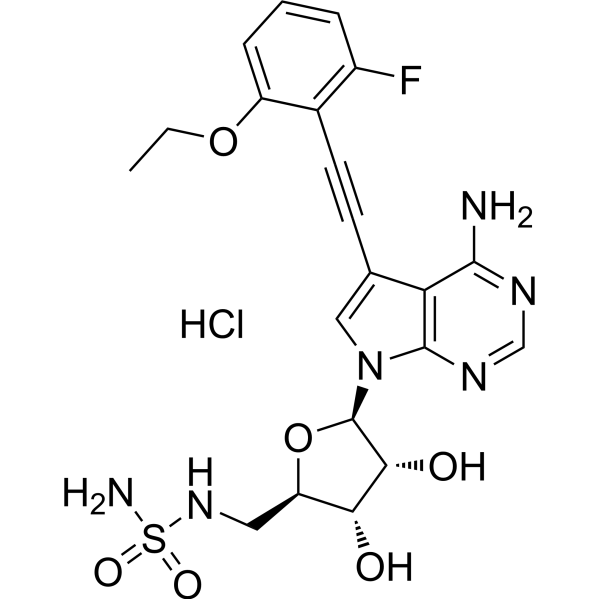
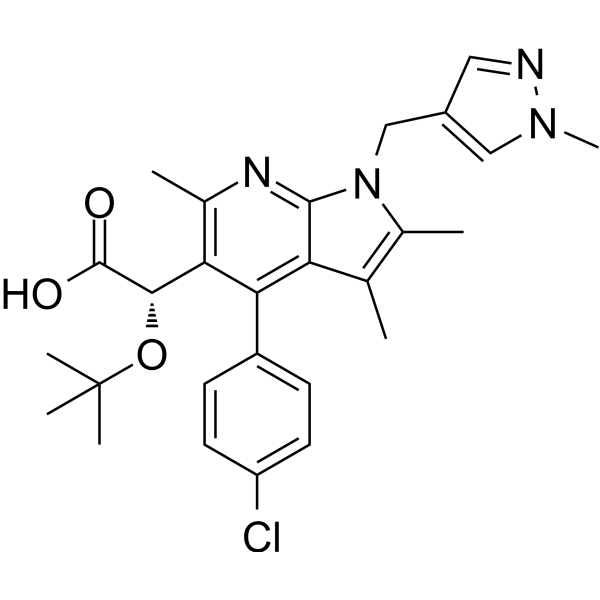
TAS4464 hydrochloride is a long-acting, highly selective covalent inhibitor targeting NEDD8-activating enzyme (NAE) (IC50=0.955 nM), and also inhibits CAII with an IC50 of 0.73 μM, which is less potent than MLN4924 (HY-70062). The IC50 values of TAS4464 hydrochloride against other E1 enzymes UAE and SAE are 449 nM and 1280 nM, respectively. TAS4464 hydrochloride targets NEDD8 in an ATP-dependent manner to inhibit NAE, blocks the neddylation pathway, causes accumulation of CRL ubiquitin ligase substrates (such as CDT1, p27, phosphorylated IκBα), and further induces tumor cell apoptosis. TAS4464 hydrochloride exhibits antiproliferative and cytotoxic effects, and has broad-spectrum antitumor activity against various hematologic and solid tumor cell lines as well as patient-derived tumor cells. TAS4464 hydrochloride has a wide therapeutic window, without obvious toxicity. TAS4464 hydrochloride can be used in the research of hematologic malignancies (leukemia, lymphoma, multiple myeloma, etc.) and solid tumors (small cell lung cancer, colorectal cancer, sarcoma, endometrial cancer, ovarian cancer, etc.) .
loading...
    loading...
4
4 Cited Publications
Cat. No.: HY-145411
CAS No.: 1443687-74-8
Purity:  ≥98.0%
Target:  

Liposome

Research Areas:  

Endocrinology

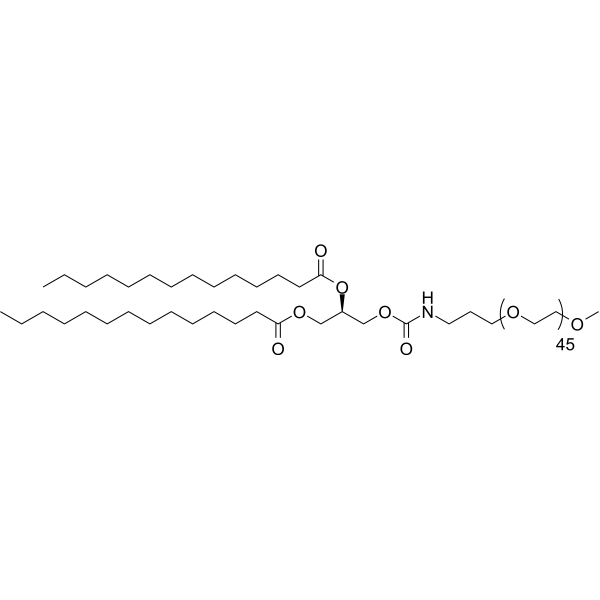
PEG2000-C-DMG, a pegylated lipid, can be used for the preparation of Onpattro. Onpattro, a hepatically directed investigational RNAi therapeutic agent, harnesses this process to reduce the production of mutant and wild-type transthyretin by targeting the 3′ untranslated region of transthyretin mRNA .
loading...
    loading...
1
1 Cited Publications
Cat. No.: HY-132606A
CAS No.: 2247026-22-6
Synonyms: DCR-PHXC sodium
Nedosiran (DCR-PHXC) sodium is an RNA interference (RNAi) targeting lactate dehydrogenase (LDH). Nedosiran sodium represents an impactful potential therapeutic for primary hyperoxaluria (PH) with end-stage renal disease (ESRD). Nedosiran sodium is a GalNAc-dsRNA conjugate .
loading...
    loading...
1
1 Cited Publications
Cat. No.: HY-132613
CAS No.: 1834612-06-4
Purity:  99.21%
Lumasiran sodium, an investigational RNA interference (RNAi) therapeutic agent, reduces hepatic oxalate production by targeting glycolate oxidase. Lumasiran sodium reduces urinary oxalate excretion, the cause of progressive kidney failure in primary hyperoxaluria type 1 (PH1) .
loading...
    loading...
1
1 Cited Publications
Cat. No.: HY-113064
CAS No.: 2897-21-4
Purity:  ≥99.0%
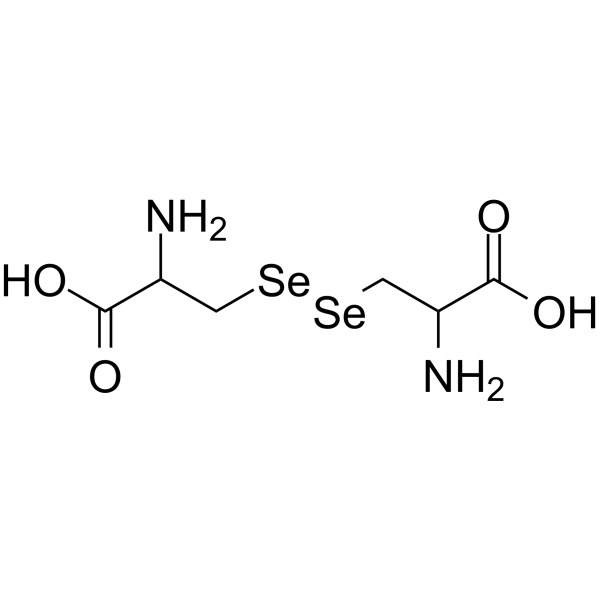
Selenocystine is a broad-spectrum anti-cancer agent. Selenocystine induces DNA damage in HepG2 cells, particularly in the form of DNA double strand breaks (DSBs). Selenocystine exhibits great promise as a therapeutic or adjuvant agent targeting DNA repair for cancer treatment .
loading...
    loading...
1
1 Cited Publications
Cat. No.: HY-147007
CAS No.: 1005288-15-2
Purity:  96.58%
Target:  

β-catenin Wnt CDK

Research Areas:  

Cancer

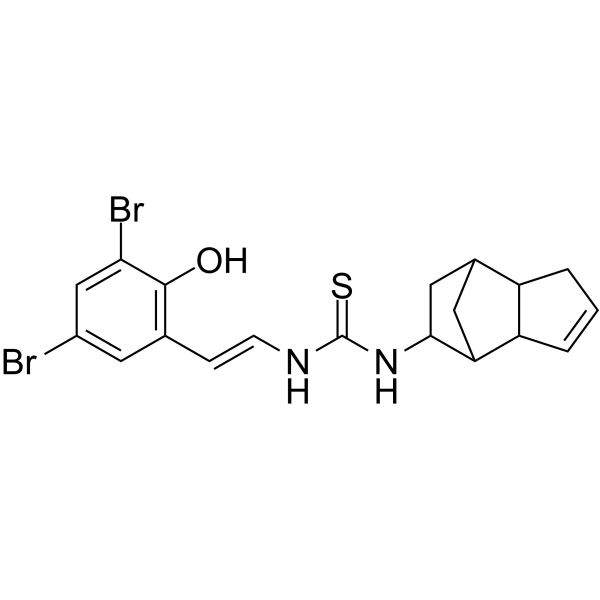
β-catenin-IN-3 (Compound C2) is a selective β-catenin inhibitor. β-catenin-IN-3 binds to allosteric site on the surface of β-catenin with K D calculated at 54.96 nM. β-catenin-IN-3 selectively inhibits β-catenin via targeting a cryptic allosteric modulation site, lowers its cellular load. β-catenin-IN-3 significantly reduces viability of β-catenin driven cancer cells, and triggers β-catenin degradation via proteasome system in β-catenin-overexpressing cancer cells .
loading...
    loading...
1
1 Cited Publications
Cat. No.: HY-132606
CAS No.: 2266591-83-5
Synonyms: DCR-PHXC
Nedosiran (DCR-PHXC) is an RNA interference (RNAi) targeting lactate dehydrogenase (LDH). Nedosiran represents an impactful potential therapeutic for primary hyperoxaluria (PH) with end-stage renal disease (ESRD). Nedosiran is a GalNAc-dsRNA conjugate .
loading...
    loading...
Cat. No.: HY-W127575
CAS No.: 747-90-0
Synonyms: delta-3,5-Cholestadiene
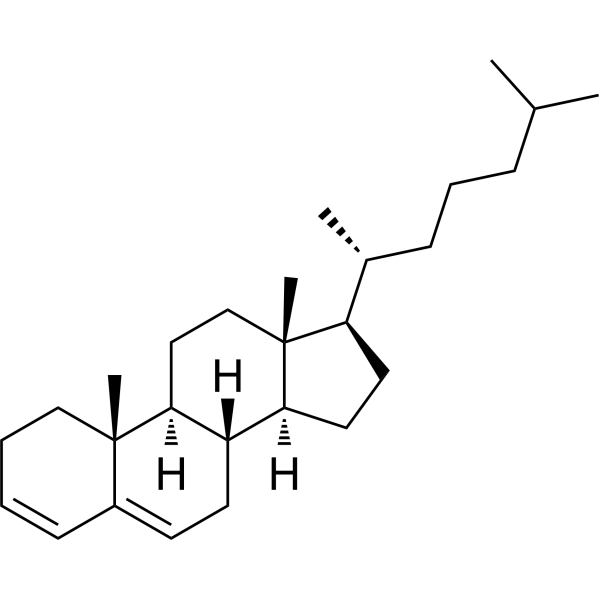
Cholesta-3,5-diene is an inflammatory modulator that targets immune cells such as neutrophils and accelerates wound healing by promoting neutrophil chemotaxis and fibroblast migration. Cholesta-3,5-diene enhances immune cell recruitment and extracellular matrix deposition by activating chemokine receptor-mediated signaling pathways such as PI3K/Akt. Cholesta-3,5-diene can be applied topically to wound repair and has potential therapeutic value in chronic ulcers or skin lesions .
loading...
    loading...
Cat. No.: HY-172435
CAS No.: 1431754-15-2
Synonyms: AGN-232411; AG-80308; AGN-411
Research Areas:  

Neurological Disease

Rezuforimod (AGN-232411; AG-80308) is an ophthalmic solution targeting the formyl peptide receptor (FPR) pathway. Rezuforimod exerts anti-inflammatory effects by targeting the formyl peptide receptor pathway. Administered topically, Rezuforimod significantly reduces the corneal conjunctival staining score and improves ocular discomfort symptoms, with no serious adverse events reported and favorable overall safety profile. Rezuforimod shows remarkable potential to serve as a novel therapeutic option for dry eye disease .
loading...
    loading...
Cat. No.: HY-P10739
CAS No.: 1021155-39-4
Target:  

Exosomes Collagen

Research Areas:  

Inflammation/Immunology

WYRGRL is a selective, high-affinity collagen type II-binding peptide with a IC50 of 140 nM. Collagen type II is the most abundant and specific structural protein in the extracellular matrix of articular cartilage. WYRGRL can precisely target small-molecule compounds such as Dexamethasone (HY-14648) and nanocarrier-engineered exosomes to cartilage, significantly enhancing their therapeutic effects on osteoarthritis .
loading...
    loading...
Cat. No.: HY-141126
CAS No.: 1632372-86-1
Purity:  96.24%
Research Areas:  

Cancer

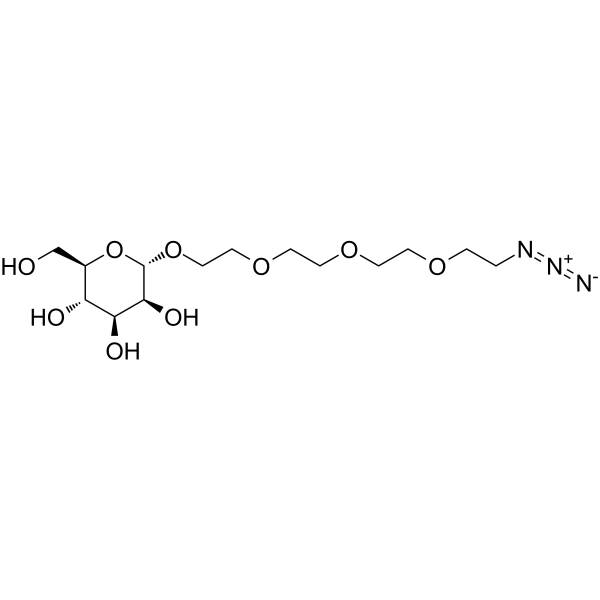
Azido-PEG4-alpha-D-mannose is a PEG linker that combines an azide group with an alpha-D-mannose moiety. Azido-PEG4-alpha-D-mannose is a click chemistry reagent, it contains an Azide group and can undergo copper-catalyzed azide-alkyne cycloaddition reaction (CuAAc) with molecules containing Alkyne groups. It can also undergo strain-promoted alkyne-azide cycloaddition (SPAAC) reactions with molecules containing DBCO or BCN groups. Azido-PEG4-alpha-D-mannose has the targeting property of mannose, which can accurately deliver drugs to specific cells or tissues to improve the therapeutic effect of drugs .
loading...
    loading...
Cat. No.: HY-N9459
CAS No.: 1078691-95-8
Synonyms: D-Glucosamine Hydrochloride
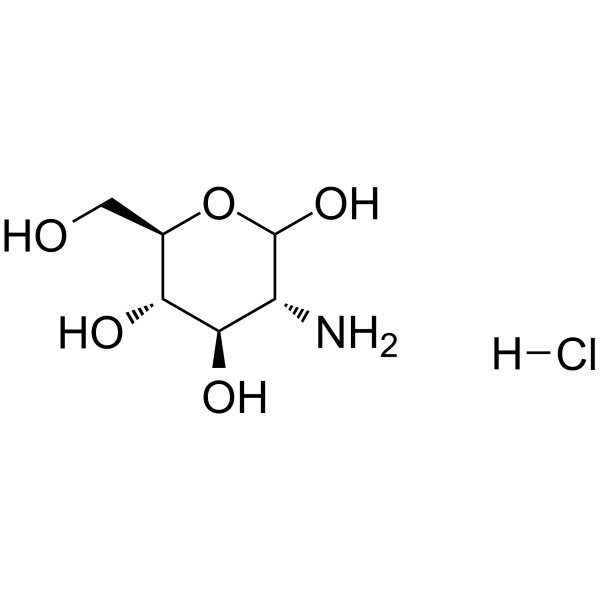
2-Amino-2-deoxyglucose hydrochloride (D-Glucosamine Hydrochloride) is a glucose analog that is specifically recognized and transported by the cell membrane GLUT1. 2-Amino-2-deoxyglucose hydrochloride acts as a tumor-targeting ligand and a guiding molecule for the synthesis of prodrug conjugates, thus delivering drugs precisely to tumor cells. 2-Amino-2-deoxyglucose hydrochloride is applicable to diagnostic imaging and therapeutic efficacy monitoring of solid tumors and various cancers (e.g., breast cancer, glioblastoma). 2-Amino-2-deoxyglucose hydrochloride also helps bacteria resist lysozyme digestion by integrating into the non-N-acetylated residues of Streptococcus pneumoniae peptidoglycan. 2-Amino-2-deoxyglucose hydrochloride is used in studies on tumor metabolism and the exploration of bacterial drug resistance mechanisms .
loading...
    loading...
Cat. No.: HY-124295
CAS No.: 1338320-94-7
Purity:  99.40%
Synonyms: ABT-301; MPT0E028; TMU-C-0012
Target:  

HDAC Akt Apoptosis

Research Areas:  

Inflammation/Immunology Cancer

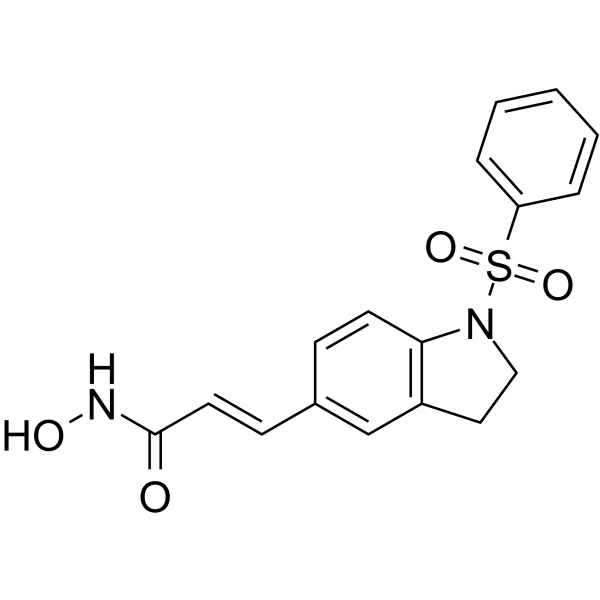
Imofinostat (ABT-301; MPT0E028) is an orally active and selective HDAC inhibitor with IC50s of 53.0 nM, 106.2 nM, 29.5 nM for HDAC1, HDAC2 and HDAC6, respectively. Imofinostat has a weak inhibitory effect on HDAC8 (IC50 of 2.5 ​​μM), but no inhibitory effect on HDAC4 (IC50>10 μM). Imofinostat reduces the viability of B-cell lymphomas by inducing apoptosis and possesses potent direct Akt targeting ability and reduces Akt phosphorylation in B-cell lymphoma. Imofinostat has a broad-spectrum antitumor activity, including colorectal cancer, B-cell lymphoma, non-small cell lung carcinoma (NSCLC), and pancreatic cancer, while also showing therapeutic potential in non-tumor diseases like emphysema and pulmonary fibrosis .
loading...
    loading...
Cat. No.: HY-130000
CAS No.: 2245231-10-9
Purity:  99.76%
Synonyms: STP0404
Target:  

HIV Integrase HIV

Research Areas:  

Infection

Pirmitegravir is a potent and first-in-class inhibitor of allosteric integrase (ALLINI) that targets LEDGF/p75 binding site. Pirmitegravir displays picomolar IC50 in human PBMCs with a >24,000 therapeutic index against HIV-1. Pirmitegravir harbors outstanding anti-virus and safety properties .
loading...
    loading...
Cat. No.: HY-P4116
CAS No.: 2293160-09-3
Synonyms: pHLIP
Target:  

Inhibitory Antibodies

Research Areas:  

Metabolic Disease Cancer

pH-Low Insertion Peptide (pHLIP) is a short, pH-responsive peptide capable of inserting across a cell membrane to form a transmembrane helix at acidic pH. pH-Low Insertion Peptide targets the acidic tumor microenvironment for tumors at early and metastatic stages with high specificity, used as a specific ligand. pH-Low Insertion Peptide successfully modify polylysine polymers to have the pH-responsive capability. pH-Low Insertion Peptide-based targeting of cancer presents an opportunity to monitor metabolic changes, and to selectively deliver imaging and therapeutic agents to tumors .
loading...
    loading...
Cat. No.: HY-P3436
CAS No.: 771479-86-8
Target:  

Exosomes

Research Areas:  

Cardiovascular Disease

WLSEAGPVVTVRALRGTGSW is a cardiomyocyte-targeting peptide that specifically recognizes tenascin X on the surface of cardiomyocytes. WLSEAGPVVTVRALRGTGSW can serve as a targeting ligand to conjugate with various therapeutic carriers (drugs, genes, exosomes, nanoparticles, etc.) for research on cardiovascular diseases (such as myocardial infarction, heart failure) .
loading...
    loading...
Cat. No.: HY-N6022
CAS No.: 482-25-7
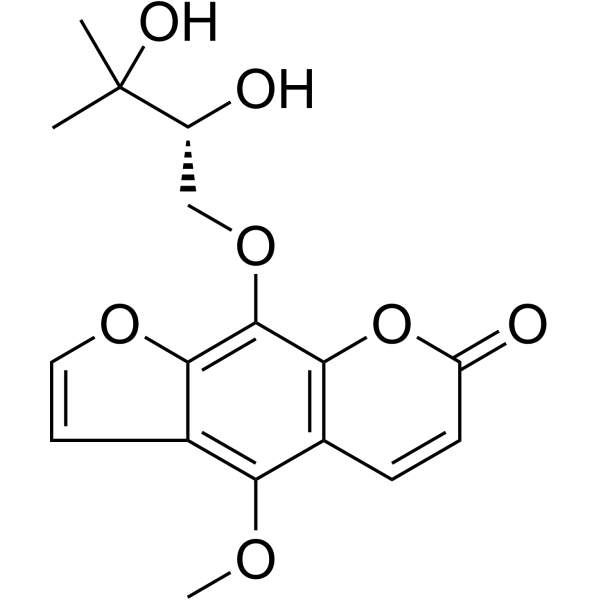
Byakangelicin, one of the active compounds found in the roots of Angelica gigas, can serve as a modulator to improve brain accumulation of diverse active compounds (Umb, Cur, and Dox) and enhance therapeutic effects . Byakangelicin is likely to increase the expression of all PXR target genes (such as MDR1) and induce a wide range of agent-agent interactions. Byakangelicin can inhibit the effects of sex hormones, it may increase the catabolism of endogenous hormones .
loading...
    loading...
Cat. No.: HY-D1555
CAS No.: 2692677-77-1
Synonyms: Cy7 DBCO
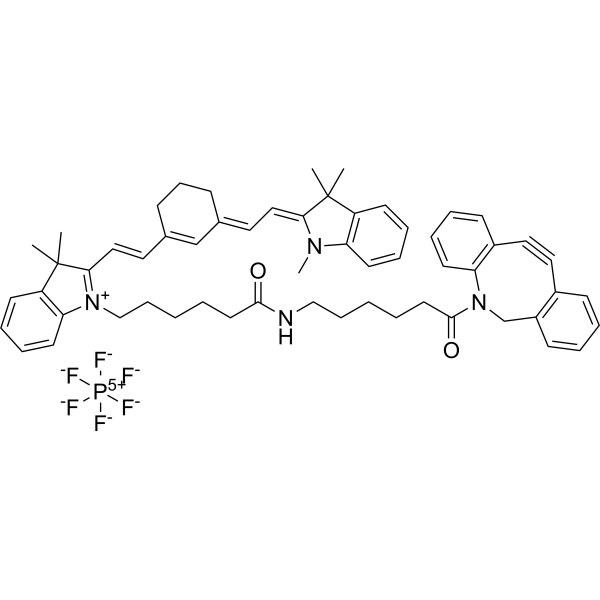
Cyanine7 DBCO (Cy7 DBCO) is a near-infrared fluorescent dye and an efficient bio-orthogonal quencher. Cyanine7 DBCO is formed by covalent connection of the near-infrared fluorescent dye Cy7 and the dibenzocyclooctyne (DBCO) functional group. After reacting with N3-Cy5-COOH, the fluorescence of Cy5 decreases by 90% within 90 minutes, and rapid signal attenuation can be observed within 2-5 minutes. Cyanine7 DBCO can be used for the study of deep tissue imaging and receptor-targeted therapeutic strategies .
loading...
    loading...
Cat. No.: HY-N7491A
CAS No.: 2056011-05-1
Target:  

Calcium Channel

Research Areas:  

Cancer

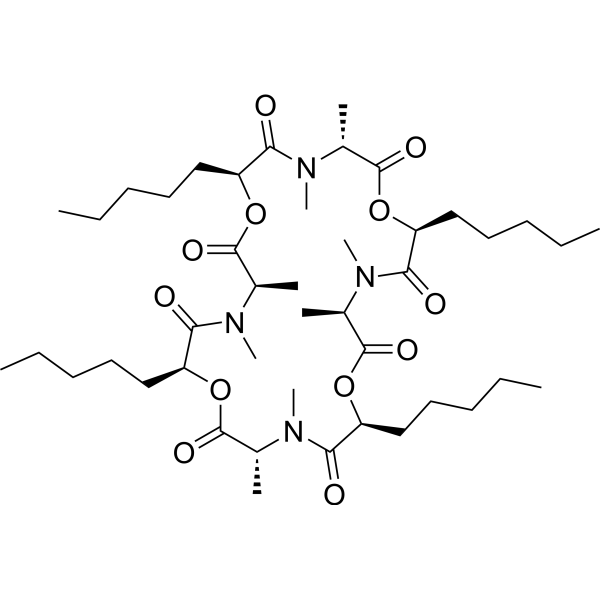
ent-(+)-verticilide is a potent and selective inhibitor of cardiac ryanodine receptor (RyR2) calcium release channels with antiarrhythmic activity. ent-(+)-verticilide inhibits RyR2-mediated diastolic Ca2+ leak and exhibits higher potency and a distinct mechanism of action compared with theDantrolene and Tetracaine. ent-(+)-verticilide is a useful tool to investigate the therapeutic potential of targeting RyR2 hyperactivity in heart and brain pathologies .
loading...
    loading...
Cat. No.: HY-168943
PLGA nanoparticles, 100nm, are biodegradable tumor-targeting nanocarriers that can serve as drug delivery enhancers and multidrug resistance inhibitors. PLGA nanoparticles, 100nm, passively enriched through the EPR effect and actively targeted via ligand-mediated endocytosis, can encapsulate various antitumor active molecules. PLGA nanoparticles, 100nm can specifically recognize multiple types of tumor cells and improve cellular uptake, cytotoxicity and antiproliferative effects after modification with ligands such as transferrin, folic acid, and RGD. PLGA nanoparticles, 100nm can encapsulate various therapeutic drugs and can be surface modified to achieve targeting, imaging, and prolonged circulation time, making them suitable for cancer-related research .
loading...
    loading...

