
14716 Results for "

transient receptor potential cation channel 5

" in MedChemExpress (MCE) Product Catalog:
Products (14716)

14716 Results for "transient receptor potential cation channel 5" in MCE Product Catalog:

819
819 Publications Verification
Cat. No.: HY-13418
CAS No.: 1219168-18-9
Purity:  99.7%
Synonyms: Compound C dihydrochloride; BML-275 dihydrochloride
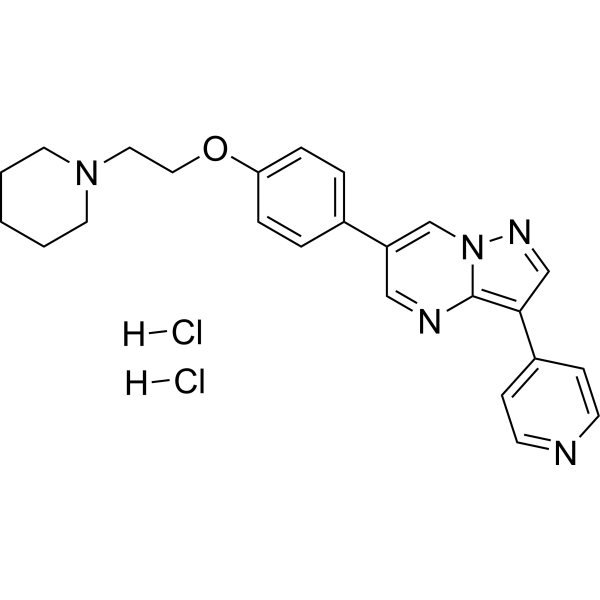
Dorsomorphin (Compound C) dihydrochloride is a potent, selective and ATP-competitive AMPK inhibitor, with a Ki of 109 nM. Dorsomorphin dihydrochloride inhibits BMP pathway by targeting the type I receptors ALK2, ALK3, and ALK6. Dorsomorphin dihydrochloride can reverse autophagy activation and anti-inflammatory effect of Urolithin A (HY-100599).
loading...
    loading...
819
819 Publications Verification
Cat. No.: HY-13418A
CAS No.: 866405-64-3
Purity:  99.10%
Synonyms: BML-275
Research Areas:  

Cancer

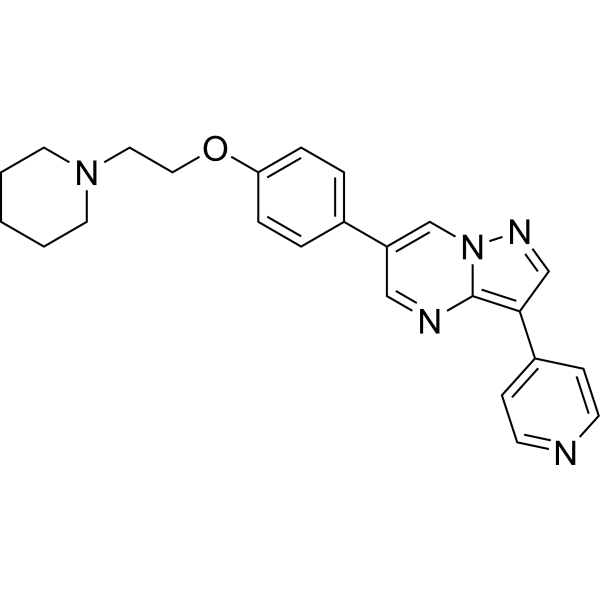
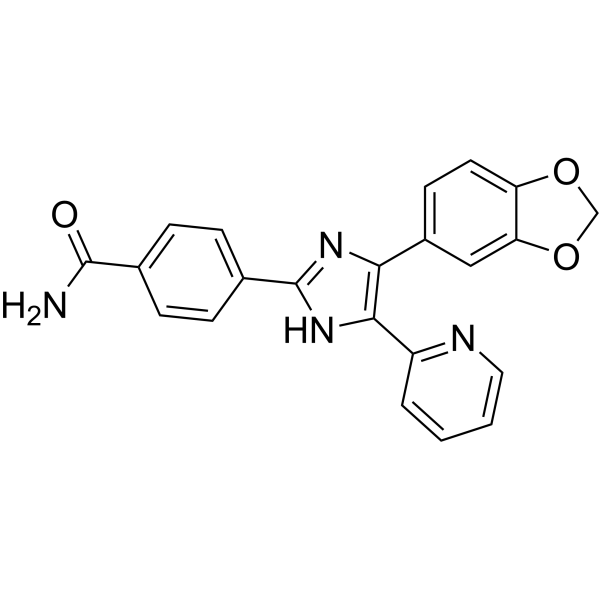
Dorsomorphin (BML-275) is a selective and ATP-competitive AMPK inhibitor (Ki=109 nM in the absence of AMP). Dorsomorphin (BML-275) selectively inhibits BMP type I receptors ALK2, ALK3, and ALK6. Dorsomorphin can reverse autophagy activation and anti-inflammatory effect of Urolithin A (HY-100599) .
loading...
    loading...
494
494 Cited Publications
Cat. No.: HY-108232
CAS No.: 1032349-77-1
Purity:  99.72%
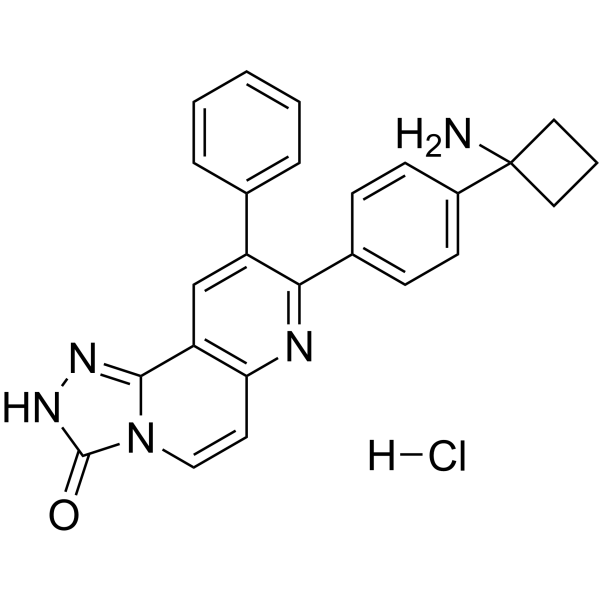
MK-2206 is an orally active pan-AKT inhibitor, with IC50 values of 8 nM, 12 nM and 65 nM against AKT1, AKT2 and AKT3, respectively. MK-2206 inhibits the Akt/mTOR signaling pathway and reduces the levels of downstream GSK3β and Mcl-1 via proteasomal degradation. MK-2206 induces G1-phase cell cycle arrest, apoptosis, epithelial-mesenchymal transition, fibroblast activation and extracellular matrix deposition. MK-2206 causes transient hyperglycemia and hyperinsulinemia in animals. MK-2206 can be used in research related to solid tumors, renal fibrosis and hypercholesterolemia .
loading...
    loading...
494
494 Cited Publications
Cat. No.: HY-10358
CAS No.: 1032350-13-2
Purity:  99.94%
Synonyms: MK-2206 (2HCl)
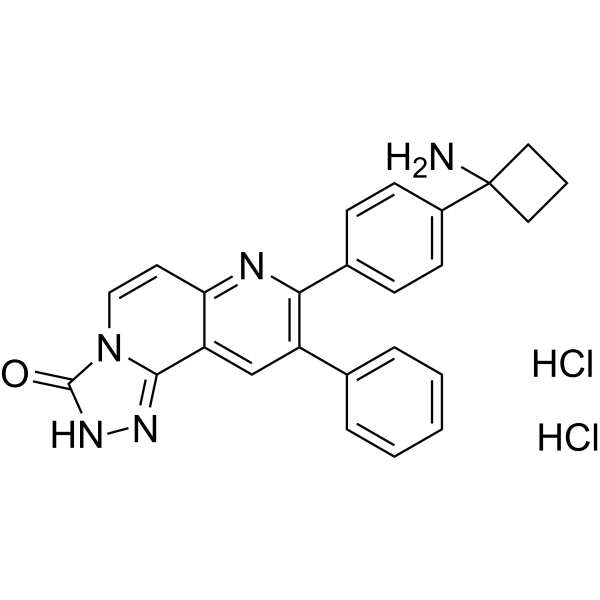
MK-2206 dihydrochloride (MK-2206 2HCl) is an orally active pan-AKT inhibitor, with IC50 values of 8 nM, 12 nM and 65 nM against AKT1, AKT2 and AKT3, respectively. MK-2206 dihydrochloride inhibits the Akt/mTOR signaling pathway and reduces the levels of downstream GSK3β and Mcl-1 via proteasomal degradation. MK-2206 dihydrochloride induces G1-phase cell cycle arrest, apoptosis, epithelial-mesenchymal transition, fibroblast activation and extracellular matrix deposition. MK-2206 dihydrochloride causes transient hyperglycemia and hyperinsulinemia in animals. MK-2206 dihydrochloride can be used in research related to solid tumors, renal fibrosis and hypercholesterolemia .
loading...
    loading...
452
452 Cited Publications
Cat. No.: HY-B0988
CAS No.: 138-14-7
Synonyms: Desferrioxamine B mesylate; DFOM
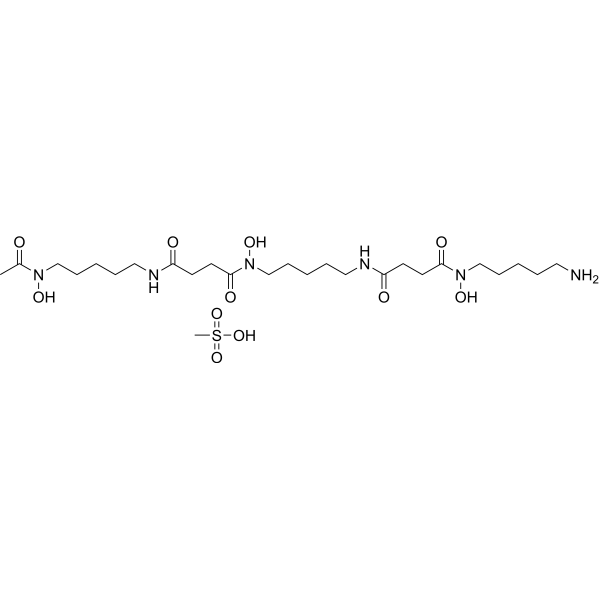
Deferoxamine mesylate (Deferoxamine B mesylate) is an iron chelator (binds to Fe(III) and many other metal cations), is widely used to reduce iron accumulation and deposition in tissues. Deferoxamine mesylate upregulates HIF-1α levels with good antioxidant activity. Deferoxamine mesylate also shows anti-proliferative activity, can induce apoptosis and autophagy in cancer cells. Deferoxamine mesylate can be used in studies of diabetes, neurodegenerative diseases as well as anti-cancer and anti-COVID-19 [5].
loading...
    loading...
452
452 Cited Publications
Cat. No.: HY-B1625
CAS No.: 70-51-9
Synonyms: Deferoxamine B; Deferriferrioxamine B; Deferrioxamine
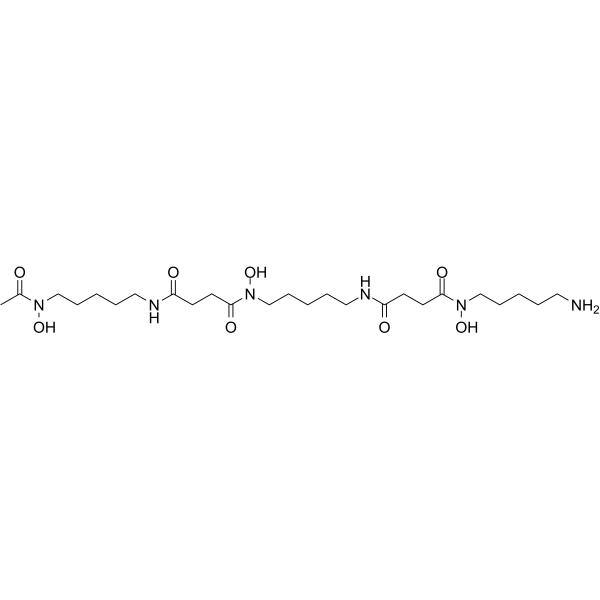
Deferoxamine (Deferoxamine B) is an iron chelator (binds to Fe(III) and many other metal cations), is widely used to reduce iron accumulation and deposition in tissues. Deferoxamine upregulates HIF-1α levels with good antioxidant activity. Deferoxamine also shows anti-proliferative activity, can induce apoptosis and autophagy in cancer cells. Deferoxamine can be used in studies of diabetes, neurodegenerative diseases as well as anti-cancer and anti-COVID-19 [5].
loading...
    loading...
402
402 Cited Publications
Cat. No.: HY-14648
CAS No.: 50-02-2
Purity:  99.86%
Synonyms: Hexadecadrol; Prednisolone F
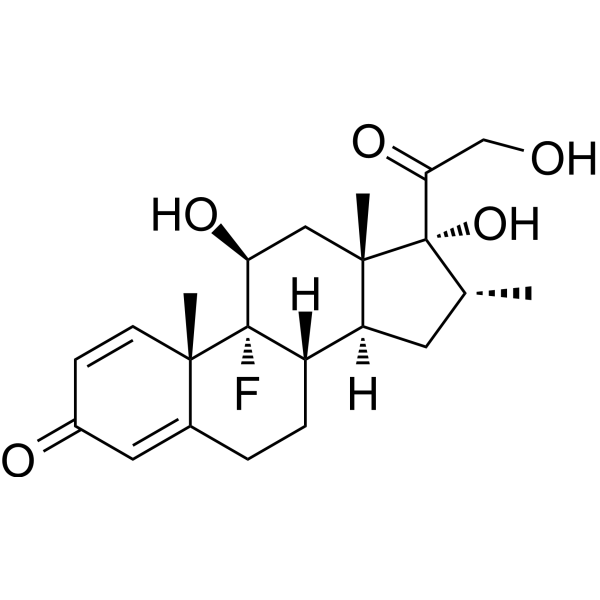
Dexamethasone (Hexadecadrol) is a glucocorticoid receptor agonist, apoptosis inducer, and common disease inducer in experimental animals, constructing models of muscle atrophy, hypertension, and depression. Dexamethasone can inhibit the production of inflammatory miRNA-155 exosomes in macrophages and significantly reduce the expression of inflammatory factors in neutrophils and monocytes. Dexamethasone also has potential for use in COVID-19 research .
loading...
    loading...
402
402 Cited Publications
Cat. No.: HY-14648C
CAS No.: 50-02-2
Purity:  ≥98.0%
Synonyms: Dexamethasone cyclodextrin complex
Dexamethasone (Hexadecadrol) Water Soluble is a water-soluble form of Dexamethasone (HY-14648). Dexamethasone is a glucocorticoid receptor agonist, apoptosis inducer, and a common disease inducer in experimental animals. It can be used to construct models of muscle atrophy, hypertension, and depression. Dexamethasone can inhibit the production of inflammatory miRNA-155 exosomes in macrophages and significantly reduce the expression of inflammatory factors in neutrophils and monocytes. Dexamethasone also has the potential to be used in COVID-19 research .(Sale size is the weight of dexamethasone)
loading...
    loading...
323
323 Cited Publications
Cat. No.: HY-10431
CAS No.: 301836-41-9
Purity:  99.85%
Research Areas:  

Cancer

SB-431542 is a TGF-β receptor kinase inhibitor (TRKI). SB-431542 has inhibitory activity for ALK4, ALK5 and ALK7 with IC50 values of 1 μM, 0.75 μM and 2 μM, respectively. SB-431542 also inhibits TGF-β-induced transcription, gene expression, apoptosis, and growth suppression. SB-431542 can be used for the research of cancer and signal transduction pathways .
loading...
    loading...
245
245 Cited Publications
Cat. No.: HY-15534
CAS No.: 3520-43-2
Purity:  98.71%
Synonyms: CBIC2
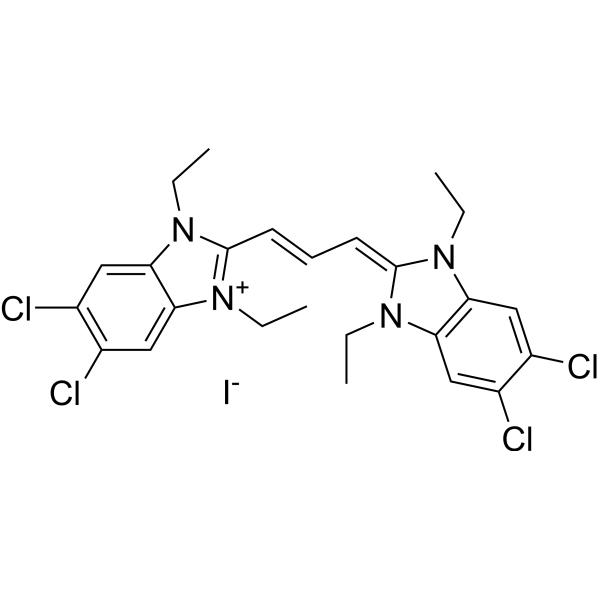
JC-1 (CBIC2) is an ideal fluorescent probe widely used to detect mitochondrial membrane potential. JC-1 accumulates in mitochondria in a potential dependent manner and can be used to detect the membrane potential of cells or purified mitochondria. In normal mitochondria, JC-1 aggregates in the mitochondrial matrix to form a polymer, which emits strong red fluorescence (Ex=585 nm, Em=590 nm); When the mitochondrial membrane potential is low, JC-1 cannot aggregate in the matrix of mitochondria and produce green fluorescence (ex=510 nm, em= 527 nm) .
loading...
    loading...
233
233 Cited Publications
Cat. No.: HY-15371
CAS No.: 66575-29-9
Purity:  98.95%
Synonyms: Coleonol; Colforsin; HL 362
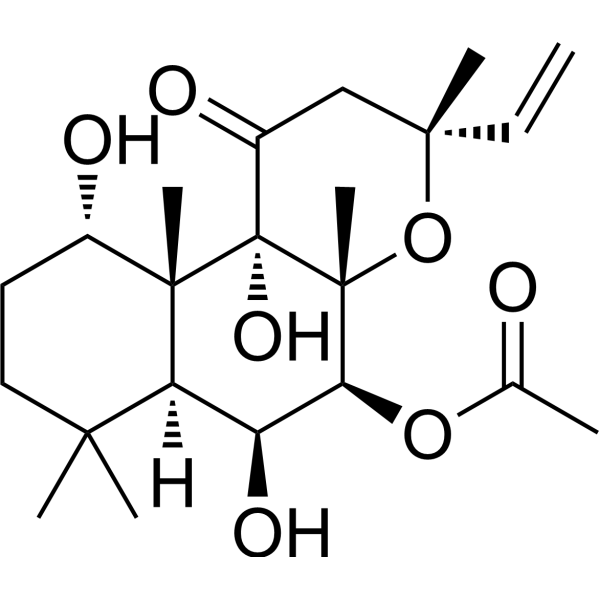
Forskolin (Coleonol) is a potent adenylate cyclase activator with an IC50 of 41 nM and an EC50 of 0.5 μM for type I adenylyl cyclase . Forskolin is also an inducer of intracellular cAMP formation . Forskolin induces differentiation of various cell types and activates pregnane X receptor (PXR) and FXR . Forskolin exerts a inotropic effect on the heart, and has platelet antiaggregatory and antihypertensive actions. Forskolin also induces autophagy [5].
loading...
    loading...
197
197 Cited Publications
Cat. No.: HY-14600
CAS No.: 155141-29-0
Purity:  99.73%
Synonyms: BRL 49653C
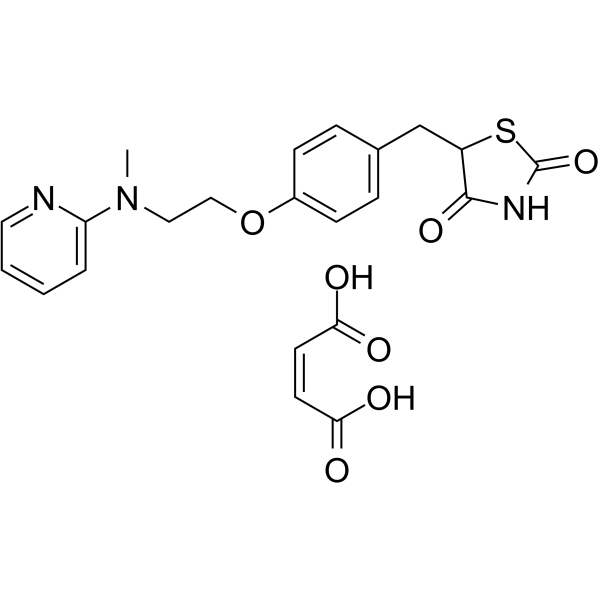
Rosiglitazone maleate (BRL 49653C) is a potent and selective activator of PPARγ, with EC50s of 30 nM, 100 nM and 60 nM for PPARγ1, PPARγ2, and PPARγ, respectively, and a Kd of appr 40 nM for PPARγ; Rosiglitazone maleate is also an modulator of TRP channels, inhibits TRP melastatin 2 (TRPM2), TRPM3 and activates TRP canonical 5 (TRPC5).
loading...
    loading...
186
186 Cited Publications
Cat. No.: HY-125944
CAS No.: 1569257-94-8
Purity:  98.03%
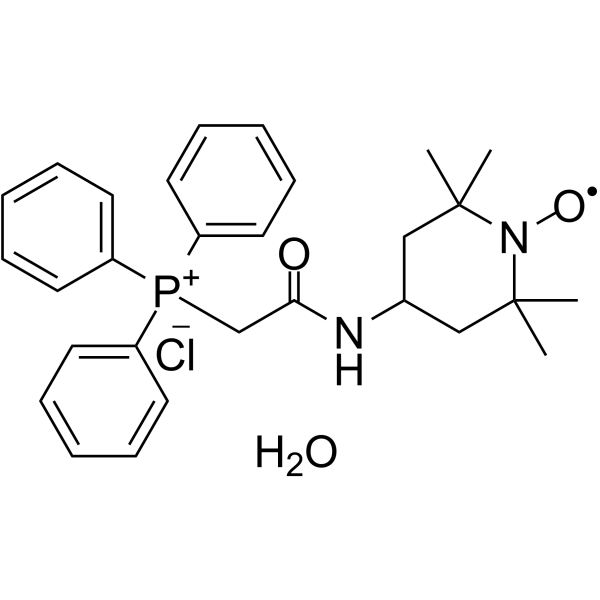
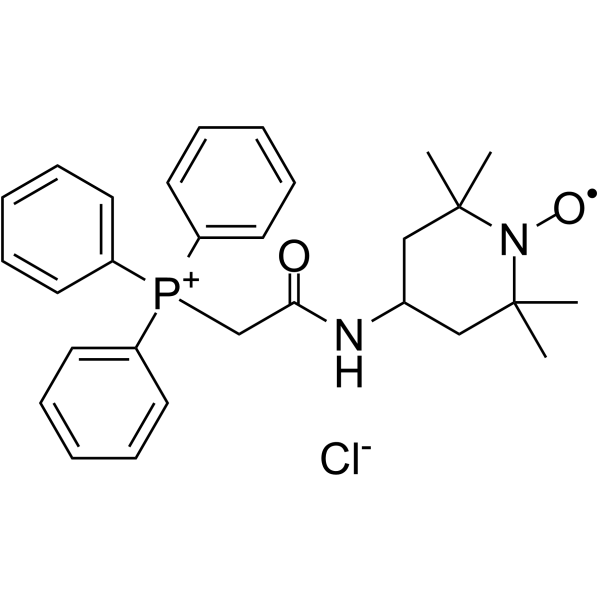
MitoTEMPO hydrate is a mitochondria-targeted antioxidant . MitoTEMPO hydrate induces mitophagy by activating the PINK1/Parkin pathway, inhibits NLRP3 inflammasome activation, restores mitochondrial membrane potential, and improves renal function and podocyte injury. MitoTEMPO hydrate regulates Ca 2+ homeostasis, inhibits Bnip3 overexpression, shortens action potential duration, and exerts antiarrhythmic effects. MitoTEMPO hydrate reverses premature senescence, reduces trabecular bone loss, and decreases cell apoptosis. MitoTEMPO hydrate can be used in studies of chronic kidney disease, age-related cardiac dysfunction, postmenopausal osteoporosis, and ischemic stroke .
loading...
    loading...
186
186 Cited Publications
Cat. No.: HY-112879
CAS No.: 1334850-99-5
Purity:  99.19%
Mito-TEMPO is a mitochondria-targeted antioxidant. Mito-TEMPO induces mitophagy by activating the PINK1/Parkin pathway, inhibits NLRP3 inflammasome activation, restores mitochondrial membrane potential, and improves renal function and podocyte injury. Mito-TEMPO regulates Ca 2+ homeostasis, inhibits Bnip3 overexpression, shortens action potential duration, and exerts antiarrhythmic effects. Mito-TEMPO reverses premature senescence, reduces trabecular bone loss, and decreases cell apoptosis. Mito-TEMPO can be used in studies of chronic kidney disease, age-related cardiac dysfunction, postmenopausal osteoporosis, and ischemic stroke .
loading...
    loading...
184
184 Cited Publications
Cat. No.: HY-D0814
CAS No.: 28718-90-3
Synonyms: 4',6-Diamidino-2-phenylindole dihydrochloride
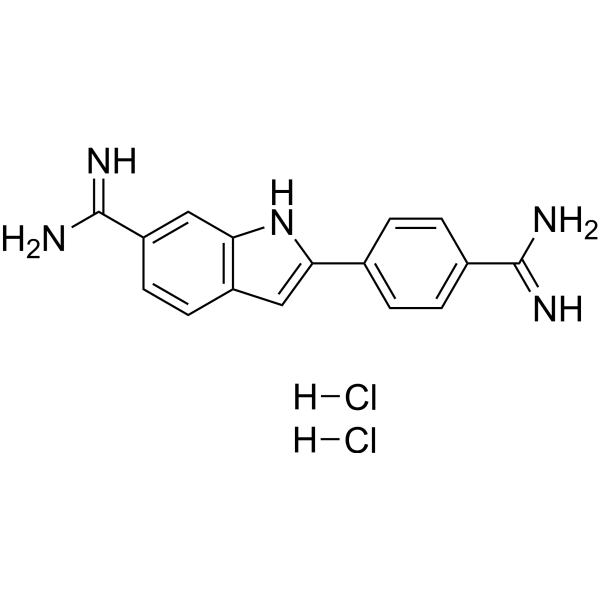
DAPI (4',6-Diamidino-2-phenylindole) dihydrochloride is a DAPI dye. DAPI is a fluorescent dye that binds strongly to DNA. It binds to the AT base pair of the double-stranded DNA minor groove, and one DAPI molecule can occupy three base pair positions. The fluorescence intensity of DAPI molecules bound to double-stranded DNA is increased by about 20 times, and it is commonly observed with fluorescence microscopy, and the amount of DNA can be determined based on the intensity of fluorescence. DAPI cannot penetrate intact cell membranes and is commonly used for staining damaged and fixed cells . DAPI (Compound 3) is an acid-sensing ion channel 3 (ASIC3) inhibitor. DAPI binds to ASIC3 and blocks the channel function. DAPI can be used in the study of chronic pain treatment (Ex/Em = 356/451 nm).
loading...
    loading...
184
184 Cited Publications
Cat. No.: HY-D2868
CAS No.: 47165-04-8
Synonyms: 4',6-Diamidino-2-phenylindole
DAPI (4',6-Diamidino-2-phenylindole) is a DAPI dye. DAPI is a fluorescent dye that binds strongly to DNA. It binds to the AT base pair of the double-stranded DNA minor groove, and one DAPI molecule can occupy three base pair positions. The fluorescence intensity of DAPI molecules bound to double-stranded DNA is increased by about 20 times, and it is commonly observed with fluorescence microscopy, and the amount of DNA can be determined based on the intensity of fluorescence. DAPI cannot penetrate intact cell membranes and is commonly used for staining damaged and fixed cells . DAPI (Compound 3) is an acid-sensing ion channel 3 (ASIC3) inhibitor. DAPI binds to ASIC3 and blocks the channel function. DAPI can be used in the study of chronic pain treatment (Ex/Em = 356/451 nm).
loading...
    loading...
178
178 Cited Publications
Cat. No.: HY-D1738
CAS No.: 28718-91-4
Synonyms: 4',6-Diamidino-2-phenylindole dilactate
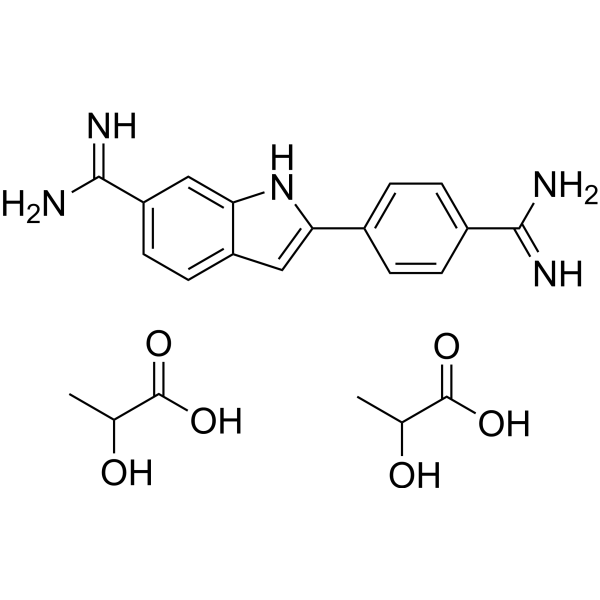
DAPI (4',6-Diamidino-2-phenylindole) dilactate is a DAPI dye. DAPI is a fluorescent dye that binds strongly to DNA. It binds to the AT base pair of the double-stranded DNA minor groove, and one DAPI molecule can occupy three base pair positions. The fluorescence intensity of DAPI molecules bound to double-stranded DNA is increased by about 20 times, and it is commonly observed with fluorescence microscopy, and the amount of DNA can be determined based on the intensity of fluorescence. DAPI cannot penetrate intact cell membranes and is commonly used for staining damaged and fixed cells . DAPI (Compound 3) is an acid-sensing ion channel 3 (ASIC3) inhibitor. DAPI binds to ASIC3 and blocks the channel function. DAPI can be used in the study of chronic pain treatment (Ex/Em = 356/451 nm) .
loading...
    loading...
169
169 Cited Publications
Cat. No.: HY-K0601

MCE JC-1 Mitochondrial Membrane Potential Assay Kit uses JC-1 to detect the mitochondrial membrane potential in variety of cell types, as well as intact tissues and isolated mitochondria.

loading...
    loading...
155
155 Cited Publications
Cat. No.: HY-100545
CAS No.: 126150-97-8
Purity:  99.23%
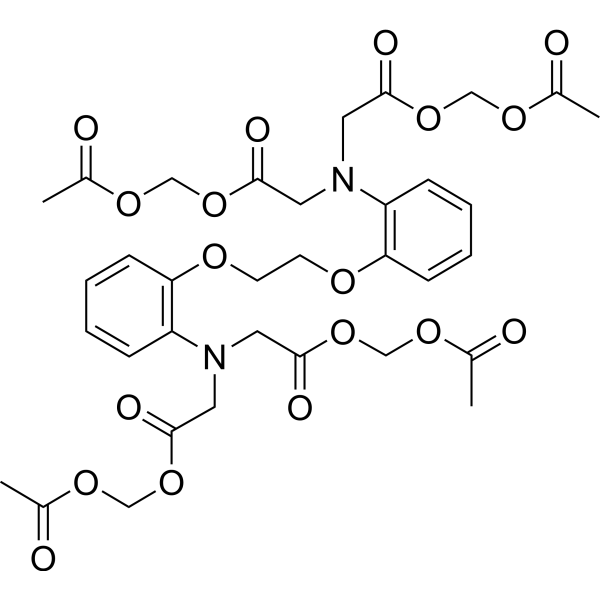
BAPTA-AM is a well-known membrane permeable Ca 2+ chelator. BAPTA-AM inhibits hERG channels, hKv1.3 and hKv1.5 channels in HEK 293 cells with IC50s of 1.3 μM, 1.45 μM and 1.23 μM, respectively .
loading...
    loading...
153
153 Cited Publications
Cat. No.: HY-12708
CAS No.: 50-53-3
Purity:  99.75%
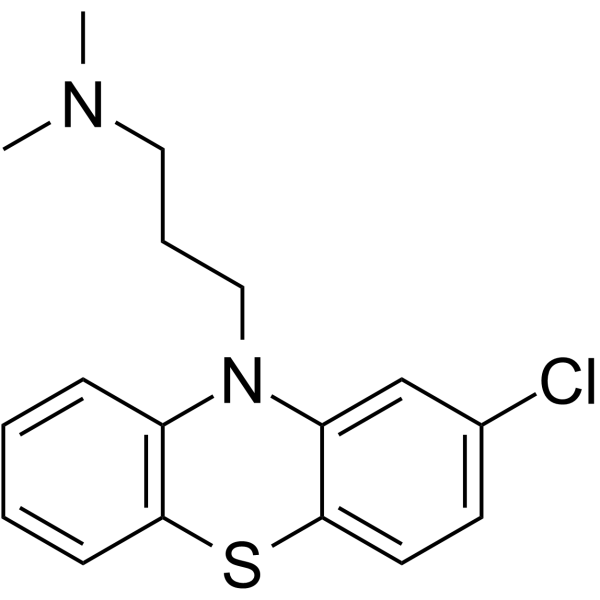
Chlorpromazine is an orally active, blood-brain barrier-transparent antipsychotic agent that effectively antagonises D2 dopamine receptors and 5-HT2A, which is widely used in schizophrenia and other psychiatric disorders. Chlorpromazine exerts anti-cancer activity through a variety of pathways, including anti-proliferation, induction of autophagy and cycle arrest (G2-M phase), inhibition of cytochrome c oxidase (CcO), inhibition of tumour growth and metastasis, and inhibition of tumour immune escape. Chlorpromazine also blocks hNav1.7 channels (IC50=25.9 μM; concentration-dependent) and HERG potassium channels (IC50=21.6 μM), which has potential for analgesic and cardiac arrhythmic studies. Chlorpromazine also can inhibit clathrin-mediated endocytosis [5].
loading...
    loading...

