1. Search Result
Search Result
Results for "

tumor inhibition

" in MedChemExpress (MCE) Product Catalog:

317

Inhibitors & Agonists

1

Screening Libraries

2

Fluorescent Dyes

7

Biochemical Assay Reagents

3

Peptides

22

Inhibitory Antibodies

35

Natural
Products

1

Recombinant Proteins

13

Isotope-Labeled Compounds

4

Antibodies

7

Click Chemistry

8

Oligonucleotides

1

GMP Molecules

Cat. No. Product Name Target Research Areas Chemical Structure
  • HY-10619
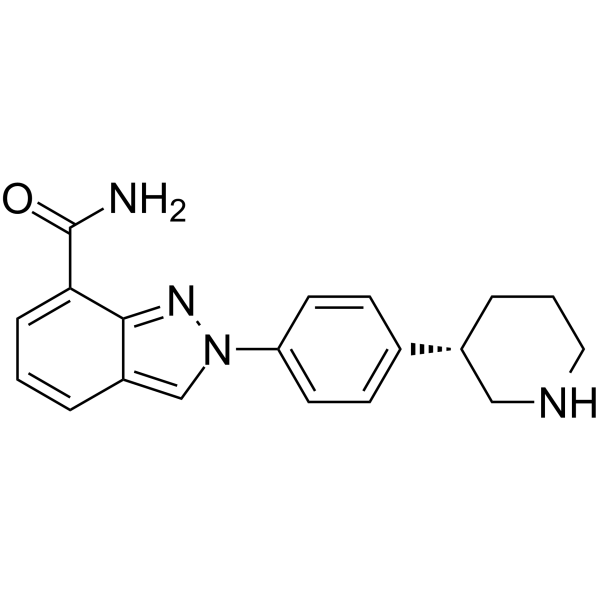
    Niraparib
    80+ Cited Publications

    MK-4827

    PARP Apoptosis Cancer
    Niraparib (MK-4827) is a highly potent and orally bioavailable PARP1 and PARP2 inhibitor with IC50s of 3.8 and 2.1 nM, respectively. Niraparib leads to inhibition of repair of DNA damage, activates apoptosis and shows anti-tumor activity .
    Niraparib
  • HY-13016
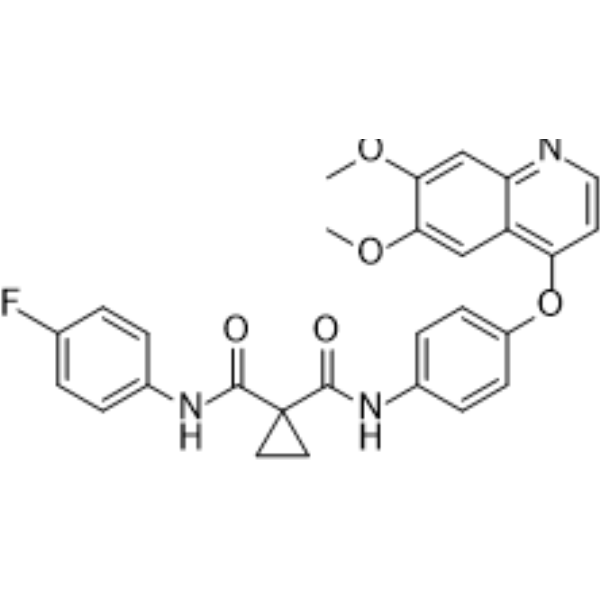
    Cabozantinib
    55+ Cited Publications

    XL184; BMS-907351

    VEGFR c-Met/HGFR c-Kit TAM Receptor FLT3 Apoptosis Cancer
    Cabozantinib is a potent and orally active inhibitor of VEGFR2 and MET, with IC50 values of 0.035, and 1.3 nM, respectively. Cabozantinib displays strong inhibition of KIT, RET, AXL, TIE2, and FLT3 (IC50=4.6, 5.2, 7, 14.3, and 11.3 nM, respectively). Cabozantinib shows antiangiogenic activity. Cabozantinib disrupts tumor vasculature and promotes tumor and endothelial cell apoptosis .
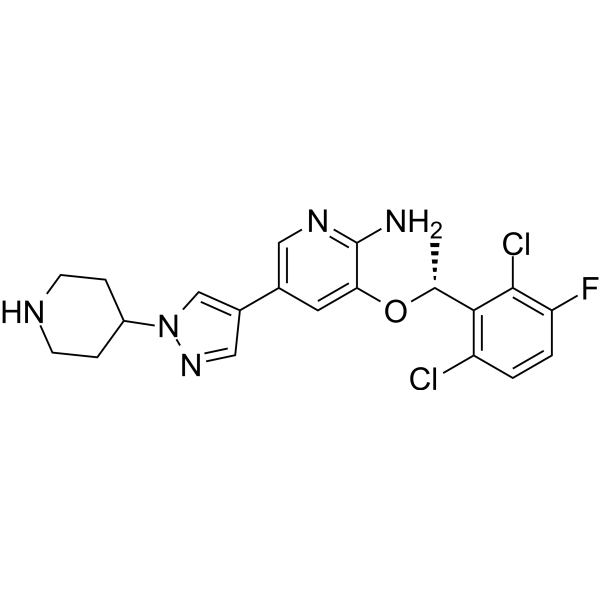
    Cabozantinib
  • HY-156633
    Rezatapopt
    3 Publications Verification

    PC14586

    MDM-2/p53 Cancer
    Rezatapopt (PC14586) is an orally active antineoplastic agent. Rezatapopt binds to a pocket created by the TP53 Y220C mutation. Rezatapopt restores p53 tumor suppressor functions by stabilization of the p53 protein structure. Rezatapopt demonstrates tumor inhibition and regression in mouse models with established human tumor xenografts harboring the TP53 Y220C mutation .
    Rezatapopt
  • HY-14754
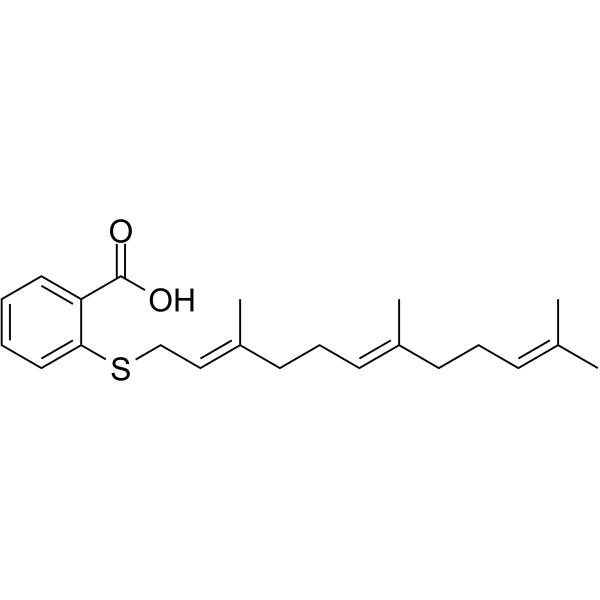
    Salirasib
    10+ Cited Publications

    S-Farnesylthiosalicylic acid; Farnesyl Thiosalicylic Acid; FTS

    Ras Autophagy Cancer
    Salirasib is a Ras inhibitor that inhibits specifically both oncogenically activated Ras and growth factor receptor-mediated Ras activation, resulting in the inhibition of Ras-dependent tumor growth.
    Salirasib
  • HY-N0404
    Sinigrin
    4 Publications Verification

    Allyl-glucosinolate; 2-Propenyl-glucosinolate

    p38 MAPK AMPK Bacterial Fungal Interleukin Related PPAR CDK PI3K Akt mTOR Apoptosis Reactive Oxygen Species (ROS) Infection Metabolic Disease Inflammation/Immunology Cancer
    Sinigrin (Allyl-glucosinolate) is an orally active glucosinolate found in cruciferous plants. Sinigrin possesses multiple activities such as anti-cancer, antibacterial, antifungal, anti-inflammatory, antioxidant, and inhibition of fat synthesis. Sinigrin can be used in the research of tumors, inflammatory, and metabolic diseases .
    Sinigrin
  • HY-10619B
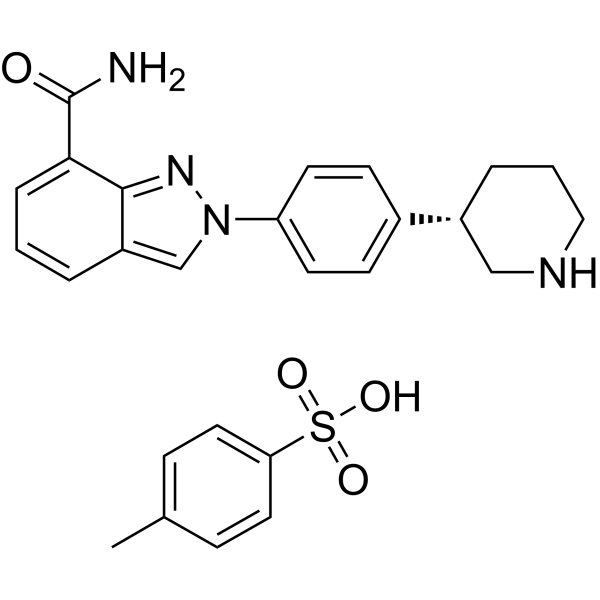
    Niraparib tosylate
    80+ Cited Publications

    MK-4827 tosylate

    PARP Apoptosis Cancer
    Niraparib tosylate (MK-4827 tosylate) is a highly potent and orally bioavailable PARP1 and PARP2 inhibitor with an IC50 of 3.8 and 2.1 nM, respectively. Niraparib tosylate leads to inhibition of repair of DNA damage, activates apoptosis and shows anti-tumor activity .
    Niraparib tosylate
  • HY-P99192

    LY2875358

    c-Met/HGFR Cancer
    Emibetuzumab (LY2875358) is a humanized bivalent MET antibody (IgG4 type). Emibetuzumab shows high neutralization and internalization activities, resulting in inhibition of both HGF-dependent and HGF-independent MET pathway activation and tumor growth. Emibetuzumab can be used in study of cancer .
    Emibetuzumab
  • HY-10619A
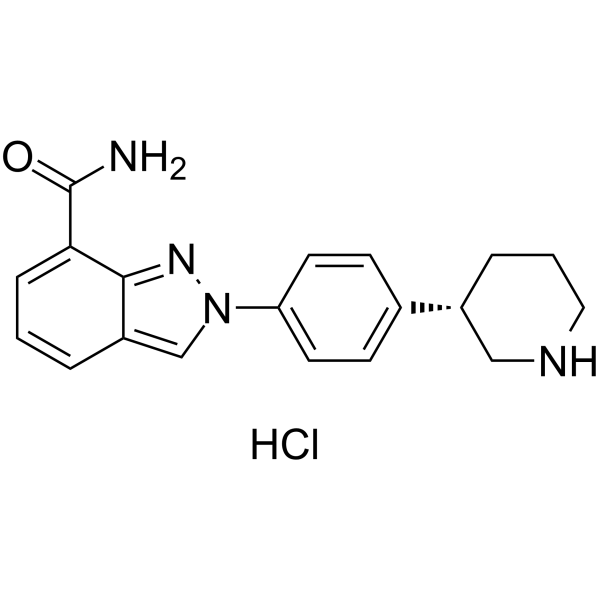
    Niraparib hydrochloride
    80+ Cited Publications

    MK-4827 hydrochloride

    PARP Apoptosis Cancer
    Niraparib hydrochloride (MK-4827 hydrochloride) is a highly potent and orally bioavailable PARP1 and PARP2 inhibitor with IC50s of 3.8 and 2.1 nM, respectively. Niraparib hydrochloride leads to inhibition of repair of DNA damage, activates apoptosis and shows anti-tumor activity .
    Niraparib hydrochloride
  • HY-N2584A
    Isoxanthohumol
    3 Publications Verification

    HSV Apoptosis Reactive Oxygen Species (ROS) Autophagy CMV Fungal Integrin S100 Protein Infection Metabolic Disease Inflammation/Immunology Cancer
    Isoxanthohumol is an orally active flavonoid compound. Isoxanthohumol has biological activities such as anti-tumor, anti-inflammatory, antioxidant, antiviral, antifungal, and inhibition of adipogenesis. Isoxanthohumol can induce apoptosis, autophagy, and migration of tumor cells. Isoxanthohumol is active against viruses such as HSV, BVDV, CMV, and Rhino. Isoxanthohumol can be used for the research of tumors, metabolic, and inflammatory diseases .
    Isoxanthohumol
  • HY-134904
    RMC-6272
    3 Publications Verification

    RM-006

    mTOR Cancer
    RMC-6272 (RM-006) is a bi-steric mTORC1-selective inhibitor. RMC-6272 exhibits potent and selective (> 10-fold) inhibition of mTORC1 over mTORC2. RMC-6272 shows improved inhibition of mTORC1 in comparison to Rapamycin, and induces more cell death in TSC2 null tumors .
    RMC-6272
  • HY-10619E
    Niraparib tosylate hydrate
    80+ Cited Publications

    MK-4827 tosylate hydrate

    PARP Apoptosis Cancer
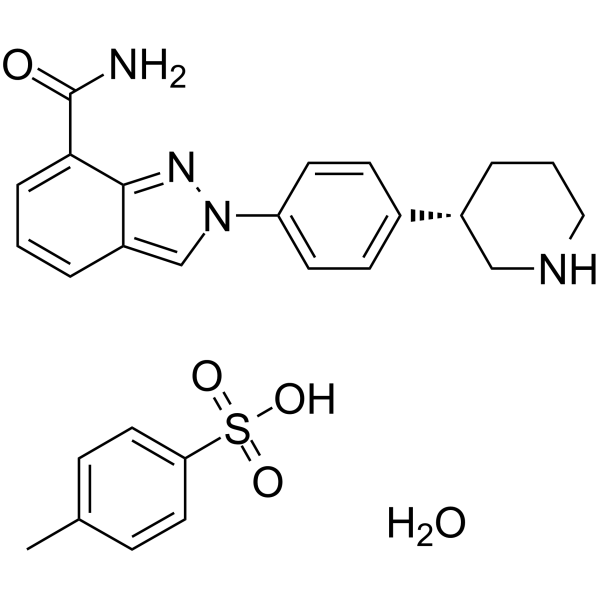
    Niraparib (MK-4827) tosylate hydrate is a highly potent and orally bioavailable PARP1 and PARP2 inhibitor with IC50s of 3.8 and 2.1 nM, respectively. Niraparib tosylate hydrate leads to inhibition of repair of DNA damage, activates apoptosis and shows anti-tumor activity .
    Niraparib tosylate hydrate
  • HY-B0021
    Doxifluridine
    2 Publications Verification

    Ro 21-9738; 5-Fluoro-5'-deoxyuridine; 5'-DFUR

    Thymidylate Synthase Cancer
    Doxifluridine has anticancer activity. Doxifluidine is a 5-FU prodrug. Doxifluridine is a thymidine synthase inhibitor. Doxifluridine can enhance tumor inhibition by synergizing with a variety of drugs .
    Doxifluridine
  • HY-172429

    ORIC-114

    EGFR Neurological Disease Cancer
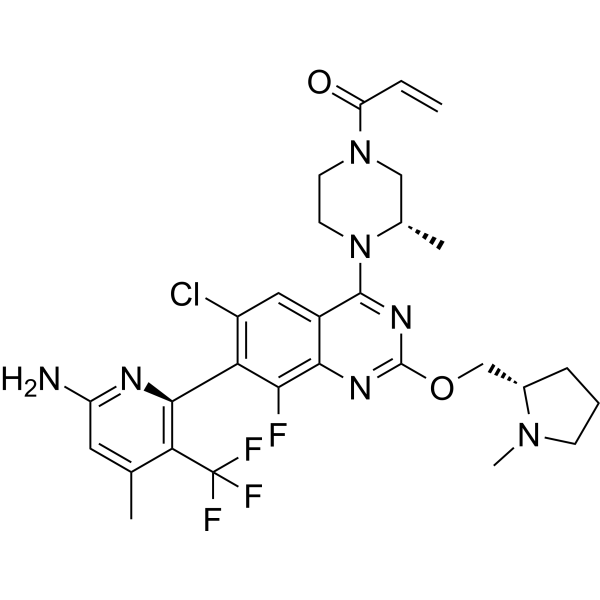
    Enozertinib (ORIC-114) is an orally active, CNS-penetrant, highly selective and irreversible dual EGFR/HER2 inhibitor that exhibits potent and targeted inhibition of exon 20 insertion mutations. Enozertinib exhibits high kinome selectivity for the EGFR family of receptors to reduce off-target kinase liabilities. Enozertinib induces tumor regression and demonstrates antitumor activity in central nervous system and non-small cell lung cancer (NSCLC) tumor models. Enozertinib can be used for the research of solid tumors and NSCLC .
    Enozertinib
  • HY-P99489

    ABBV 181; PR 1648817

    PD-1/PD-L1 Inflammation/Immunology Cancer
    Budigalimab (ABBV 181; PR 1648817) is a humanized, recombinant IgG1 monoclonal antibody targeting programmed cell death 1 (PD-1) receptor. Budigalimab has an Fc mutation that reduces the inhibition of Fc receptor interactions and effector factors. Budigalimab can block the binding of PD-1 and PD-L1, which has anti-tumor activity. Budigalimab can be used in the study of solid tumors .
    Budigalimab
  • HY-16496

    OSI-7836

    DNA/RNA Synthesis Inflammation/Immunology Cancer
    Thiarabine (OSI-7836) shows potent anti-tumor activity and inhibition of DNA synthesis.
    Thiarabine
  • HY-N2357

    (-)-Eudesmin; Eudesmine; (-)-Eudesmine

    Ribosomal S6 Kinase (RSK) Infection Metabolic Disease Inflammation/Immunology Cancer
    Eudesmin ((-)-Eudesmin) impairs adipogenic differentiation via inhibition of S6K1 signaling pathway. Eudesmin possesses diverse therapeutic effects, including anti-tumor, anti-inflammatory, and anti-bacterial activities .
    Eudesmin
  • HY-156715

    MASTL Cancer
    MASTL-IN-1 is a selective and orally active MASTL inhibitor with a Ki <0.03 nM. MASTL-IN-1 inhibits phosphorylation of ENSA and inhibits proliferation in cancer cells. MASTL-IN-1 induces tumor growth inhibition and stasis in pancreatic cancer xenograft models .
    MASTL-IN-1
  • HY-P991669

    AML-01

    Caspase Apoptosis Cancer
    IGN523 is an anti-CD98 antibody (hCD98, KD = 0.55 nM). IGN523 induces antibody-dependent cell-mediated cytotoxicity (ADCC) activity, lysosomal membrane permeabilization, and inhibition of essential amino acid transport, ultimately leading to caspase-3 and caspase-7-mediated apoptosis of tumor cells. IGN523 inhibits tumor growth in multiple tumor xenograft models. IGN523 is useful in the research of non-small cell lung cancer (NSCLC), acute myeloid leukemia (AML), and other cancers. .
    IGN523
  • HY-P99667
    Ipafricept
    4 Publications Verification

    OMP-54F28; FZD8-Fc

    Wnt Cancer
    Ipafricept (OMP-54F28; FZD8-Fc) is a first class recombinant fusion protein with the extracellular part of the human frizzled-8 receptor fused to a human IgG1 Fc fragment that binds Wnt ligands, which blocks Wnt signaling. Ipafricept reduces tumor growth and results in a decrease in both liver and lung metastases combined with Gemcitabine (HY-17026) in pancreatic cancer mouse models. Ipafricept shows solid tumor inhibition activity with well tolerance, such as desmoid tumor, germ cell cancer, ovarian cancer .
    Ipafricept
  • HY-130332

    Macrophage migration inhibitory factor (MIF) Cancer
    Mitomycin A is an antitumor agent. Mitomycin A inhibits the spontaneous migration of mouse monocytes. Mitomycin A inhibits the production of MIF (Migration Inhibition Factor) by human lymphocytes. Mitomycin A can be used in the research of tumor diseases .
    Mitomycin A
  • HY-P990704

    AZD-2936

    PD-1/PD-L1 Transmembrane Glycoprotein Cancer
    Rilvegostomig (AZD-2936) is a bispecific humanized IgG1 antibody targeting PD-1 and TIGIT. Rilvegostomig induces tumor growth inhibition and modulates the tumor immune microenvironment. Rilvegostomig exhibits anti-tumor activity in metastatic non-small cell lung cancer (without prior immune checkpoint inhibitor treatment). Rilvegostomig can be used in research related to metastatic non-small cell lung cancer and endometrial cancer .
    Rilvegostomig
  • HY-116506

    RAR/RXR Reactive Oxygen Species (ROS) Apoptosis Autophagy Cancer
    Bigelovin, a sesquiterpene lactone isolated from Inula hupehensis, is a selective retinoid X receptor α agonist. Bigelovin suppresses tumor growth through inducing apoptosis and autophagy via the inhibition of mTOR pathway regulated by ROS generation .
    Bigelovin
  • HY-172429A

    ORIC-114 hemihydrate

    EGFR Neurological Disease Cancer
    Enozertinib (ORIC-114) hemihydrate is an orally active, CNS-penetrant, highly selective and irreversible dual EGFR/HER2 inhibitor that exhibits potent and targeted inhibition of exon 20 insertion mutations. Enozertinib hemihydrate exhibits high kinome selectivity for the EGFR family of receptors to reduce off-target kinase liabilities. Enozertinib hemihydrate induces tumor regression and demonstrates antitumor activity in central nervous system and non-small cell lung cancer (NSCLC) tumor models. Enozertinib hemihydrate can be used for the research of solid tumors and NSCLC .
    Enozertinib hemihydrate
  • HY-N2423
    Sinigrin hydrate
    4 Publications Verification

    Allyl-glucosinolate hydrate; 2-Propenyl-glucosinolate hydrate

    p38 MAPK AMPK Bacterial Fungal Interleukin Related PPAR CDK PI3K Akt mTOR Apoptosis Reactive Oxygen Species (ROS) Infection Metabolic Disease Inflammation/Immunology Cancer
    Sinigrin (Allyl-glucosinolate) hydrate is an orally active glucosinolate found in cruciferous plants. Sinigrin hydrate possesses multiple activities such as anti-cancer, antibacterial, antifungal, anti-inflammatory, antioxidant, and inhibition of fat synthesis. Sinigrin hydrate can be used in the research of tumors, inflammatory, and metabolic diseases .
    Sinigrin hydrate
  • HY-P991061

    CHS-114; SRF-114

    CCR Cancer
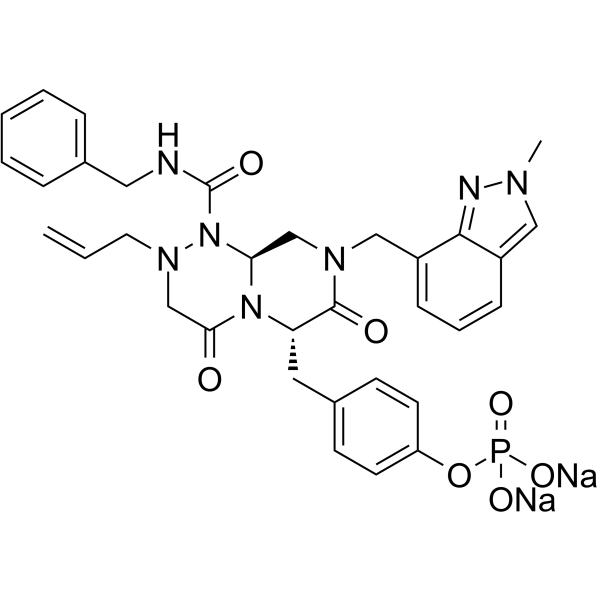
    Tagmokitug (CHS-114; SRF-114) is a fully human IgG1 antibody targeting CCR8. Tagmokitug selectively binds to human CCR8 (Kd = 502 pM) and mediates the death of CCR8-expressing cells via antibody-dependent cellular cytotoxicity and antibody-dependent cellular phagocytosis. Tagmokitug selectively eliminates intratumoral regulatory T cells, induces tumor growth inhibition, remodels the tumor immune microenvironment, and promotes the differentiation of cytotoxic CD8 + T cell subsets. Tagmokitug can be used for the research of solid tumors .
    Tagmokitug
  • HY-16986
    EPZ011989
    3 Publications Verification

    Histone Methyltransferase Cancer
    EPZ011989 is a potent and orally active Zeste Homolog 2 (EZH2) inhibitor with metabolic stability. EPZ011989 has inhibitory inhibition for EZH2 with a Ki value of <3 nM. EPZ011989 shows robust methyl mark inhibition and anti-tumor activity. EPZ011989 can be used for the research of various cancers . EPZ011989 is a click chemistry reagent, it contains an Alkyne group and can undergo copper-catalyzed azide-alkyne cycloaddition (CuAAc) with molecules containing Azide groups.
    EPZ011989
  • HY-18959
    CWP232228
    5+ Cited Publications

    β-catenin Wnt Cancer
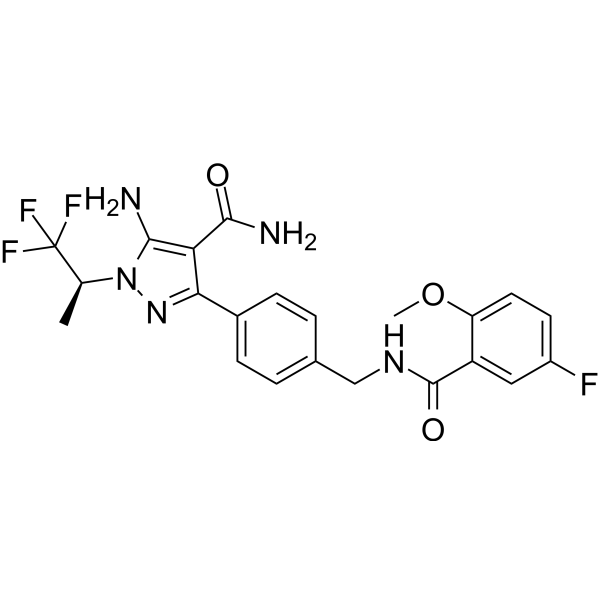
    CWP232228, a highly potent selective Wnt/β-catenin signaling inhibitor, antagonizes binding of β-catenin to T-cell factor (TCF) in the nucleus. CWP232228 suppresses tumor formation and metastasis without toxicity through the inhibition of the growth of breast and liver cancer stem cells (CSCs) .
    CWP232228
  • HY-125232
    MS645
    1 Publications Verification

    Epigenetic Reader Domain Cancer
    MS645 is a bivalent BET bromodomains (BrD) inhibitor with a Ki of 18.4 nM for BRD4-BD1/BD2. MS645 spatially constrains bivalent inhibition of BRD4 BrDs resulting in a sustained repression of BRD4 transcriptional activity in solid-tumor cells .
    MS645
  • HY-153364

    PPAR Cancer
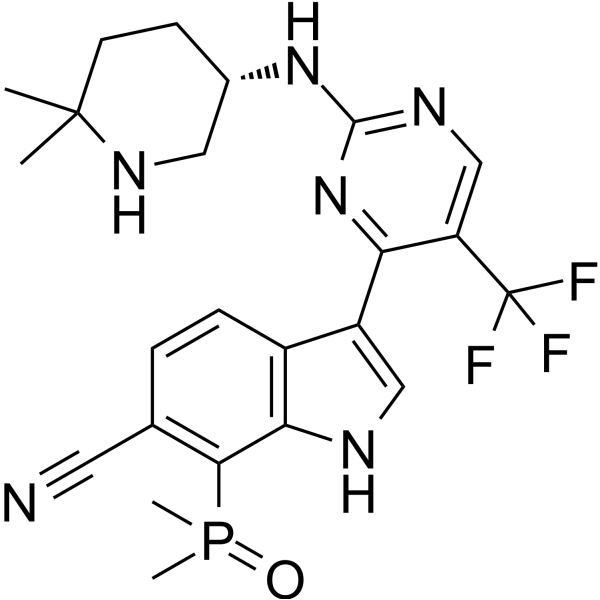
    FTX-6746 is an orally active PPARG inhibitor. FTX-6746 shows potent tumor inhibition in mouse xenograft models .
    FTX-6746
  • HY-13603
    Crolibulin
    1 Publications Verification

    EPC2407

    Microtubule/Tubulin Apoptosis Cardiovascular Disease Cancer
    Crolibulin (EPC2407) is a tubulin polymerization inhibitor, with potent apoptosis induction and cell growth inhibition. Crolibulin has anti-tumor activity. Crolibulin also has cardiovascular toxicity and neurotoxicity .
    Crolibulin
  • HY-13540

    GPI 21016

    PARP Cancer
    E7016 (GPI 21016) is an orally available PARP inhibitor. E7016 can enhance tumor cell radiosensitivity in vitro and in vivo through the inhibition of DNA repair. E7016 acts as a potential anticancer agent .
    E7016
  • HY-156350

    DAPK Cancer
    SGC-STK17B-1, a chemical probe, is an ATP-competitive and selective STK17B (a member of DAPK family) inhibitor (IC50: 34 nM, KD: 5.6 nM) .
    SGC-STK17B-1
  • HY-157029S

    Ras Cancer
    KRASG12D-IN-1 (compound 22) is a KRAS G12D Inhibitor. KRASG12D-IN-1 has dose-dependent anti-tumor efficacy in the AsPC-1 xenograft mouse models with a tumor growth inhibition .
    KRASG12D-IN-1
  • HY-135818

    Dihydroceramide Desaturase 1 (DES1) Cancer
    XM462 is a dihydroceramide desaturase inhibitor. XM462 produced a mixed-type inhibition (Ki=2 μM) in vitro. XM462 has dihydroceramide desaturase inhibition both in vitro and in cultured cells with IC50 values of 8.2 and 0.78 μM, respectively. XM462 can be used for the research of tumor .
    XM462
  • HY-157031S

    Ras Cancer
    KRASG12D-IN-2 (compound 28) is a KRAS G12D Inhibitor. KRASG12D-IN-1 has dose-dependent anti-tumor efficacy in the AsPC-1 xenograft mouse models with a tumor growth inhibition .
    KRASG12D-IN-2
  • HY-130326

    Ru(η6-p-cymene)Cl2(pta)

    Apoptosis Caspase Cardiovascular Disease Cancer
    RAPTA-C (Ru(η6-p-cymene)Cl2(pta)) acts as an anti-cancer and anti-angiogenic agent. RAPTA-C exhibits anti-metastatic, anti-angiogenic, and anti-tumoral activities through protein and histone-deoxyribonucleic acid alterations. RAPTA-C exhibits cell growth inhibition by triggering G(2)/M phase arrest in cancer cells. RAPTA-C also enhances the levels of p53 and triggers the mitochondrial Apoptotic pathway, resulting in cytochrome C release and caspase-9 activation. RAPTA-C reduces the growth of tumors with the inhibition of angiogenesis in a ovarian carcinoma model .
    RAPTA-C
  • HY-168950

    Annexin A Cancer
    ANXA3 degrader 1 (Compound 18a5) is a highly selective ANXA3 degrader with cancer cell inhibition activity. ANXA3 degrader 1 displays excellent inhibitory effect in a triple-negative breast cancer (TNBC) tumor xenograft model (TGI=96%) .
    ANXA3 degrader 1
  • HY-17509
    Deracoxib
    1 Publications Verification

    SC 046; SC 46; SC 59046

    COX Apoptosis Neurological Disease Inflammation/Immunology Cancer
    Deracoxib (SC 046; SC 59046), an orally active COX-2 inhibitor, is a veterinary nonsteroidal anti-inflammatory agent used exclusively in dogs. Deracoxib inhibits the COX-2 enzyme to reduce the production of prostaglandins, effectively controlling pain and inflammation after canine soft tissue surgery. Deracoxib reduces the inhibition of COX-1 and lowers the risk of gastrointestinal side effects. Deracoxib induces tumor cell cycle arrest and apoptosis, and shows anti-tumor activity in canine osteosarcoma, breast tumors and bladder transitional cell carcinomas .
    Deracoxib
  • HY-W103792

    HDAC Cancer
    4-Phenylcinnamic acid is a weak HDAC2 inhiibitor (IC50 > 5 μM). 4-Phenylcinnamic acid has weak cell growth inhibition against tumor cells .
    4-Phenylcinnamic acid
  • HY-114228
    PROTAC BET degrader-2
    2 Publications Verification

    PROTACs Epigenetic Reader Domain Cancer
    PROTAC BET degrader-2 is a PROTAC connected by ligands for Cereblon and BET with an IC50 value of 9.6 nM in cell growth inhibition in the RS4;11 cells and capable of achieving tumor regression.
    PROTAC BET degrader-2
  • HY-13016A

    XL184 hydrochloride; BMS-907351 hydrochloride

    VEGFR c-Met/HGFR c-Kit TAM Receptor FLT3 Apoptosis Cancer
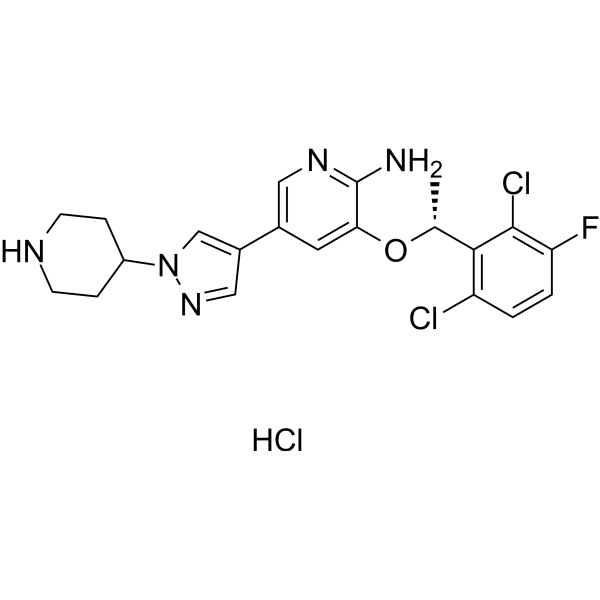
    Cabozantinib hydrochloride is a potent and orally active inhibitor of VEGFR2 and MET, with IC50 values of 0.035 and 1.3 nM, respectively. Cabozantinib hydrochloride displays strong inhibition of KIT, RET, AXL, TIE2, and FLT3 (IC50=4.6, 5.2, 7, 14.3, and 11.3 nM, respectively). Cabozantinib hydrochloride shows antiangiogenic activity. Cabozantinib hydrochloride disrupts tumor vasculature and promotes tumor and endothelial cell apoptosis .
    Cabozantinib hydrochloride
  • HY-129510

    EGFR Mitosis Cancer
    4-Methyl erlotinib, is a potent and selective epidermal growth factor receptor (EGFR) tyrosine kinase inhibitor. 4-Methyl erlotinib potently inhibits EGF-mediated tumor cell mitosis by reducing EGFr-specific tyrosine phosphorylation. Using a mouse model of human tumor transplantation, 4-Methyl erlotinib demonstrated significant and sustained suppression of EGFr phosphotyrosine levels, resulting in significant growth inhibition of EGFr-dependent human cancers .
    4-Methyl erlotinib
  • HY-18652A

    Ro 5126766 potassium; CH5126766 potassium

    Raf MEK Cancer
    Avutometinib (CH5126766) (potassium) is a RAF/MEK clamp that potently inhibits RAF/MEK kinase activity and induces dominant negative RAF-MEK complexes preventing phosphorylation of MEK by ARAF, BRAF and CRAF. Avutometinib (potassium) shows anti-proliferative potency across tumor cell lines carrying KRAS mutations including PDAC cell lines. Avutometinib (potassium) induces tumor inhibition and increases survival in a KRAS/p53 pancreatic cancer mouse model. Avutometinib (potassium) is promising for research of low-grade-serous-ovarian-carcinoma (LGSOC), ovarian cancer and pancreatic ductal adenocarcinoma (PDAC) .
    Avutometinib potassium
  • HY-175727

    DGK Cancer
    DGKα-IN-9 is a diacylglycerol kinase alpha (DGKα) inhibitor. DGKα-IN-9 demonstrates a tumor growth inhibition in MC38 or or CT26 mouse tumor model. DGKα-IN-9 can be used for the study of cancer .
    DGKα-IN-9
  • HY-120281

    MEK PI3K Akt Apoptosis Caspase Cancer
    ST-168 is an orally active MEK/PI3K inhibitor with an IC50 of 182 nM against MEK1 and IC50 values ​​of 69.2, 41.7, 1482 and 2293 nM against PI3Kα, PI3Kδ, PI3Kβ and PI3Kγ respectively. ST-168 completely inhibits the phosphorylation of ERK1/2 and AKT and induces cancer cell death in a 3D tumor sphere model. ST-168 demonstrates significant antitumor effects in the A375 melanoma mouse model. ST-168 improves the ocular toxicity profile of MEK inhibitors, showing lower caspase activation levels, indicating reduced apoptosis induction. ST-168 can be used in melanoma research .
    ST-168
  • HY-161515

    NAMPT Epigenetic Reader Domain Cancer
    BRD4/NAMPT-IN-1 (Compound A2) shows strong inhibitory effects on NAMPT and BRD4 (IC50=35 nM (NAMPT) and 58 nM (BRD4)). BRD4/NAMPT-IN-1 inhibits the growth and migration of hepatocellular carcinoma cells and promotes apoptosis. BRD4/NAMPT-IN-1 also shows potent anticancer effects in HCCLM3 xenograft mouse model, with no obvious toxic effects .
    BRD4/NAMPT-IN-1
  • HY-32015
    Cot inhibitor-1
    2 Publications Verification

    MAP3K Inflammation/Immunology
    Cot inhibitor-1 (compound 28) is a selective tumor progression loci-2 (Tpl2) kinase inhibitor with an IC50 of 28 nM. Cot inhibitor-1 shows an inhibition of TNF-alpha production in human whole blood with an IC50 of 5.7 nM .
    Cot inhibitor-1
  • HY-173116

    Carbonic Anhydrase Cancer
    DOTA-XYIMSR-01 is a molecular probe targeting CAIX that can be labeled with 177Lu for the inhibition and localization of malignant gliomas. The uptake of [177Lu] Lu-XYIMSR-01 in U87MG tumors is 6.19 % of the injected dose per gram (% ID/g), and the tumor-to-muscle uptake ratio is 20.14. In the orthotopic glioma model, combined injection with Temozolomide (HY-17364) can significantly improve the survival rate of mice and inhibit tumor growth. DOTA-XYIMSR-01 shows promise for research in the field of anti-cancer therapy .
    DOTA-XYIMSR-01
  • HY-161180

    NAMPT Cancer
    Antitumor Agent-136 (Compound 17) is a potent broad-spectrum antitumor agent and a NAMPT inhibitor with an IC50 of 9.5 nM. Antitumor Agent-136 can reduce the levels of intracellular and extracellular NAMPT protein through the ubiquitin proteasome pathway, thus achieving tumor inhibition .
    Antitumor agent-136
  • HY-20808

    COX Cancer
    Antioxidant agent-15 (Compound 4) is a potent antioxidant inhibition activity, with the IC50 of 15.44 nM. Antioxidant agent-15 inhibits tumor cell growth in Hela, Hep G2 and Caco-2 cells, with the IC50 of 395.26, 400.4 and 24.6 nM, respectively .
    Antioxidant agent-15

Inquiry Online

Your information is safe with us. * Required Fields.

Salutation


Country or Region *

Applicant Name *


Organization Name *

Department *


Email Address *


Product Name *

Cat. No.


Requested quantity *

Phone Number *


Remarks

Inquiry Online

Inquiry Information

Product Name:
Cat. No.:
Quantity:
MCE Japan Authorized Agent:

