


1. Search Result
Search Result
Pathways Recommended: Neuronal Signaling JAK/STAT Signaling
Results for "

type-I interferon signaling

" in MedChemExpress (MCE) Product Catalog:

22

Inhibitors & Agonists

1

Screening Libraries

1

Peptides

2

Inhibitory Antibodies

4

Natural
Products

2

Isotope-Labeled Compounds

2

Oligonucleotides

Cat. No. Product Name Target Research Areas Chemical Structure
  • HY-12512
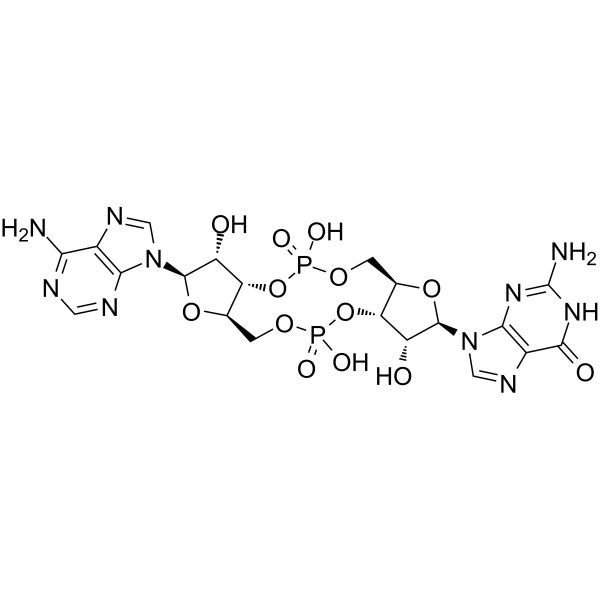
    cGAMP
    Maximum Cited Publications
    26 Publications Verification

    Cyclic GMP-AMP; 3',3'-cGAMP

    STING Inflammation/Immunology
    cGAMP (Cyclic GMP-AMP) functions as an endogenous second messenger in metazoans and triggers interferon production in response to cytosolic DNA. cGAMP activates stimulator of interferon genes (STING), which activates a signaling cascade leading to the production of type I interferons and other immune mediators .
    cGAMP
  • HY-W015346
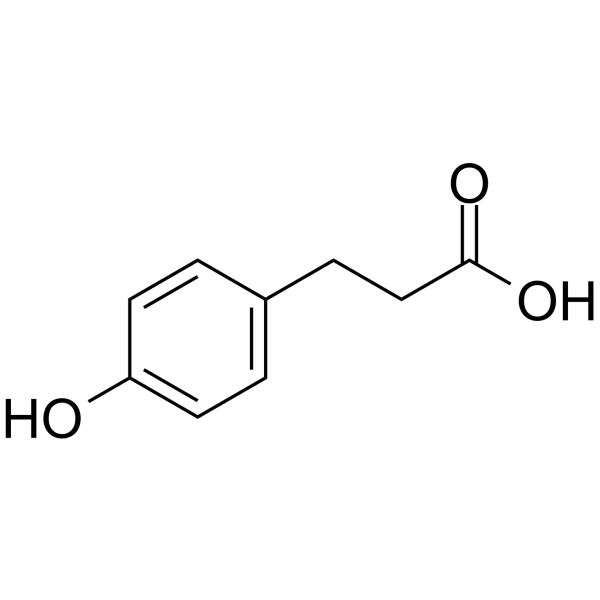
    Desaminotyrosine
    2 Publications Verification

    3-(4-Hydroxyphenyl)propionic acid

    Influenza Virus Endogenous Metabolite Infection
    Desaminotyrosine is a microbially associated metabolite protecting from influenza through augmentation of type I interferon signaling.
    Desaminotyrosine
  • HY-150741
    ODN 2216
    1 Publications Verification

    Toll-like Receptor (TLR) IFNAR Interleukin Related Infection Inflammation/Immunology Cancer
    ODN 2216 is a type A CpG oligodeoxynucleotide vaccine adjuvant and a TLR9 agonist. ODN 2216 interacts with TLR9 in the lysosomes of CD4 + T cells and activates feedback-dependent signaling pathways. ODN 2216 induces the production of type I interferons, IL-6 and TGF-β via the IRAK4/IRF7 axis, while increasing intracellular ATP levels. ODN 2216 not only induces the differentiation of CD4 + T cells into anti-inflammatory Th3-like regulatory phenotypes to inhibit autologous proliferation, but also enhances the specific CD8 + T cell-mediated cytotoxicity against Mammaglobin-A in breast cancer cells. ODN 2216 is widely used in studies related to breast cancer and systemic lupus erythematosus .
    ODN 2216
  • HY-148029

    TAK-676

    STING Cancer
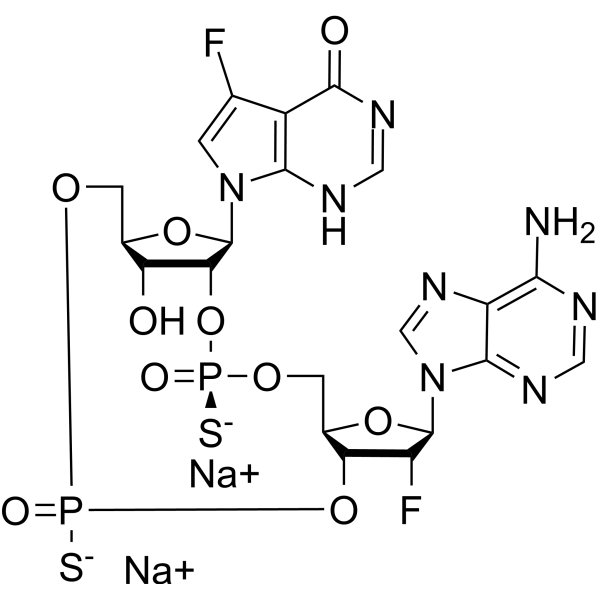
    Dazostinag disodium (TAK-676) is an agonist of STING, triggering the activation of STING signaling pathway and type I interferons. Dazostinag disodium is also a modulator of immune system, resulting complete regressions and durable memory T-cell immunity. Dazostinag disodium promotes durable IFN-dependent antitumor immunity .
    Dazostinag disodium
  • HY-110385
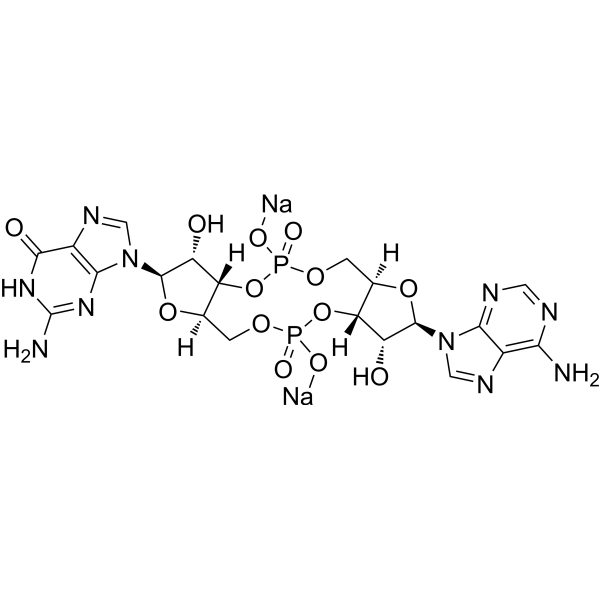
    cGAMP disodium
    Maximum Cited Publications
    26 Publications Verification

    Cyclic GMP-AMP disodium; 3',3'-cGAMP disodium

    STING Endogenous Metabolite Inflammation/Immunology
    cGAMP (Cyclic GMP-AMP) disodium functions as an endogenous second messenger in metazoans and triggers interferon production in response to cytosolic DNA. cGAMP diammonium activates stimulator of interferon genes (STING), which activates a signaling cascade leading to the production of type I interferons and other immune mediators .
    cGAMP disodium
  • HY-P1934
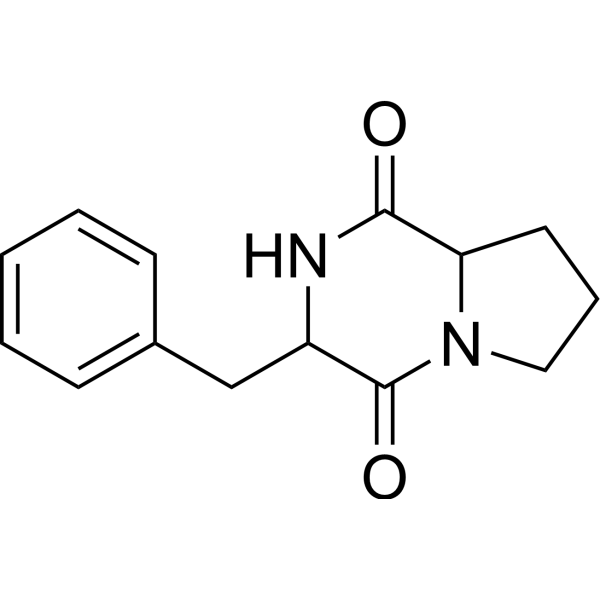
    Cyclo(Phe-Pro)
    5+ Cited Publications

    Cyclo(phenylalanylprolyl); A-64863

    HCV Bacterial Antibiotic Reactive Oxygen Species (ROS) Infection
    Cyclo(Phe-Pro) (Cyclo(phenylalanylprolyl)) is a quorum-sensing molecule of Vibrio vulnificus that specifically interacts with RIG-I, inhibiting RIG-I polyubiquitination, suppressing IRF-3 activation, and reducing type I interferon production. Cyclo(Phe-Pro) enhances susceptibility to HCV and influenza virus and also alleviates plant aluminum toxicity stress. The mechanism of Cyclo(Phe-Pro) involves the regulation of host immune signaling pathways, bacterial virulence gene expression, and plant antioxidant systems, making it a promising candidate for research in viral infections, bacterial virulence regulation, and agricultural stress resistance .
    Cyclo(Phe-Pro)
  • HY-168034

    STING Integrin NF-κB SARS-CoV Infection Inflammation/Immunology
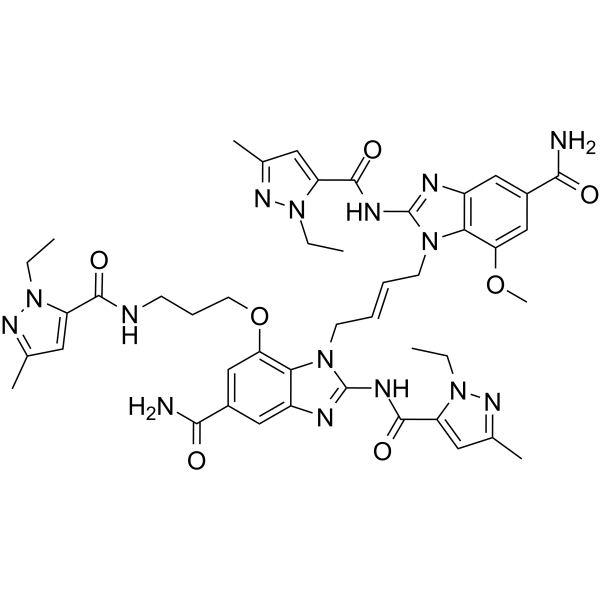
    diABZI-4 is a STING activator and broad-spectrum antiviral agent with immunostimulatory activity. diABZI-4 triggers the TBK1-IRF3 and NF-κB signaling cascades by inducing STING oligomerization, thereby promoting the production of type I/III interferons and various proinflammatory cytokines. diABZI-4 exhibits broad-spectrum antiviral activity and effectively inhibits the replication of influenza A virus, SARS-CoV-2, herpes simplex virus, and other viruses. diABZI-4 also activates lymphocytes and macrophages to provide significant pre- and post-exposure protection in viral disease models. diABZI-4 can be used to study COVID-19, respiratory viral infections, and related immunopathological mechanisms .
    diABZI-4
  • HY-150741C
    ODN 2216 sodium
    1 Publications Verification

    Toll-like Receptor (TLR) Cancer
    ODN 2216 sodium is a type A CpG oligodeoxynucleotide vaccine adjuvant and a TLR9 agonist. ODN 2216 sodium interacts with TLR9 in the lysosomes of CD4 + T cells and activates feedback-dependent signaling pathways. ODN 2216 sodium induces the production of type I interferons, IL-6 and TGF-β via the IRAK4/IRF7 axis, while increasing intracellular ATP levels. ODN 2216 sodium not only induces the differentiation of CD4 + T cells into anti-inflammatory Th3-like regulatory phenotypes to inhibit autologous proliferation, but also enhances the specific CD8 + T cell-mediated cytotoxicity against Mammaglobin-A in breast cancer cells. ODN 2216 sodium is widely used in studies related to breast cancer and systemic lupus erythematosus .
    ODN 2216 sodium
  • HY-117066
    CL075
    3 Publications Verification

    3M002

    Toll-like Receptor (TLR) Inflammation/Immunology
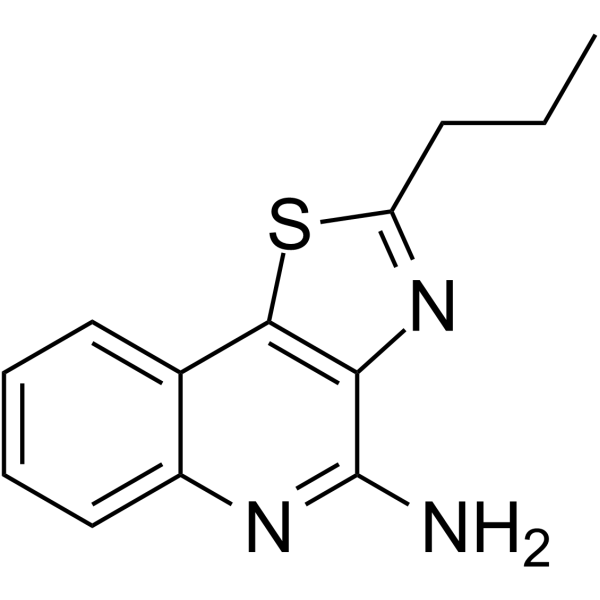
    CL075 (3M002) is a selective TLR8 agonist with immunomodulating properties. CL075 triggers a MyD88-dependent signaling pathway to elicit production of inflammatory cytokines and type I interferons (IFNs) via activation of NF-κB and IRF7, respectively .
    CL075
  • HY-153701S

    Envudeucitinib; ESK-001

    JAK Interleukin Related IFNAR Isotope-Labeled Compounds Inflammation/Immunology
    Envudeucitinibum (Envudeucitinib) is a highly selective, allosteric and orally active TYK2 inhibitor binding to the JH2 domain of TYK2. Envudeucitinibum has no off-target effects on other kinases (JAK1-3). Envudeucitinibum reduces signaling and production of proinflammatory cytokines including IL-12, IL-23, IL-17, and type I interferons (IFNs). Envudeucitinibum can be used for the research of plaque psoriasis, systemic lupus erythematosus (SLE), and other immune-mediated diseases .
    Envudeucitinibum
  • HY-160406

    STING IFNAR Interleukin Related Inflammation/Immunology Cancer
    SNX281 is a selective STING agonist, with IC50 values of 4.1, 4.5, 10.7, and 3.7 μM against human, mouse, rat, and monkey STING, respectively. SNX281 undergoes homodimerization at the STING binding site, triggering a conformational shift of STING from an inactive open state to an active closed state, thereby driving downstream STING-dependent signaling pathways. SNX281 induces type I interferons, IFN-β, TNF-α, IL-6, cytokine release, T cell responses, and long-lasting immune memory. SNX281 exhibits anti-tumor activity and is applicable to research related to colorectal cancer, melanoma, advanced solid tumors, lymphoma, and ovarian cancer .
    SNX281
  • HY-P99666

    IFNAR Infection Cancer
    Interferon alfa-2b is a type I interferon that activates novel genes and exerts potent antiviral and antiproliferative activity on target cells. Signaling by Interferon alfa-2b requires receptor-dependent activation of Stat1 and Stat2 to form a heterodimeric STAT that binds to the DNA-binding protein IRF-9 (p48) and forms ISGF-3 (IFN-stimulated gene factor 3). The driver genes are then further activated by ISGF-3 to achieve antiviral function .
    Interferon alfa-2b
  • HY-158432

    PROTACs Histone Demethylase Cancer
    GT-653 is a PROTAC degrader for lysine-specific demethylase 5B (KDM5B). GT-653 degrades 68.35% KDM5B at 10 μM in a ubiquitin proteasome-dependent manner, upregulates H3K4me3 levels, and activates the type-I interferon signaling pathway in prostate cancer cells 22RV1. (Pink: KDM5B ligand (HY-158433); Black: Linker (HY-W004896); Blue: E3 ligase ligand (HY-103596))
    GT-653
  • HY-163719

    PARP Cancer
    PARP7-IN-22 (XLY-1) is a PARP7 inhibitor with an IC50 of 0.6 nM. PARP7-IN-22 (XLY-1) is orally active, enhances type I interferon signaling in vitro, restores type I interferon signaling, promotes T cell infiltration into tumor tissues, and significantly inhibits tumor growth. PARP7-IN-22 shows promise for research in the field of cancer immunotherapy .
    PARP7-IN-22
  • HY-N16021

    Toll-like Receptor (TLR) Cdc42-binding kinase Galectin Inflammation/Immunology
    4A-MPLA ammonium is an orally active TLR4 agonist. 4A-MPLA ammonium induces TLR4 endocytosis dependent on Cdc42 and galectin-3, triggering TRIF-mediated signaling and sustained IFN-β production. 4A-MPLA ammonium promotes lipid droplet formation, upregulates interferon-stimulated genes and type I IFN signaling genes, downregulates lysosome/phagosome function genes, and modulates tolerogenic dendritic cell function. 4A-MPLA ammonium can be used for the research of colitis .
    4A-MPLA ammonium
  • HY-110385A
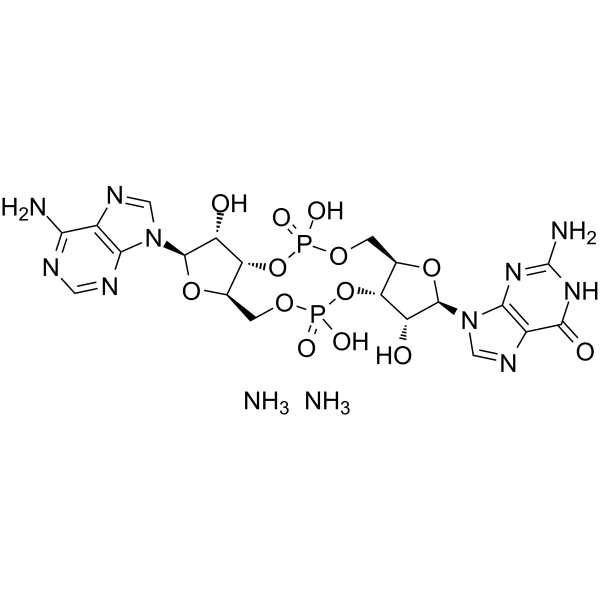
    cGAMP diammonium
    Maximum Cited Publications
    26 Publications Verification

    Cyclic GMP-AMP diammonium; 3',3'-cGAMP diammonium

    STING Endogenous Metabolite Inflammation/Immunology
    cGAMP (Cyclic GMP-AMP) diammonium functions as an endogenous second messenger in metazoans and triggers interferon production in response to cytosolic DNA. cGAMP diammonium activates stimulator of interferon genes (STING), which activates a signaling cascade leading to the production of type I interferons and other immune mediators .
    cGAMP diammonium
  • HY-143321

    STING Cancer
    STING agonist-13 is a stimulator of interferon genes (STING) agonist, for cancer immunity via STING-mediated immune activation. STING agonist-13 can stimulate STING downstream signaling and promoting type I interferon immune responses. STING agonist-13 significantly decreases tumor volume and shows immunological memory-derived cancer inhibition .
    STING agonist-13
  • HY-E70834

    JAK Cancer
    JAK1 is a non-receptor tyrosine kinase that plays a critical role in cell signaling via type I/II cytokines and interferons (IFNs). JAK1(JH1) is a kinase domain. JAK1(JH1) Recombinant Human Active Protein Kinase is a recombinant JAK1(JH1) protein that can be used to study JAK1(JH1)-related functions .
    JAK1(JH1) Recombinant Human Active Protein Kinase
  • HY-P992369

    VISTA Cancer
    HMBD-002 is an Fc-independent, non-depleting IgG4 subclass antibody that targets VISTA and VSIG3. It is widely used in research related to various solid tumors, including colon cancer, triple-negative breast cancer, and non-small cell lung cancer. HMBD-002 blocks the interactions of VISTA with VSIG3 and LRIG1, relieves immunosuppression without depleting VISTA-positive cells, activates the cytotoxic program of CD8 + T cells, and drives the type I interferon signaling pathway. HMBD-002 reprograms tumor-associated macrophages to the M1 phenotype, reduces tumor infiltration of inhibitory myeloid cells, thereby significantly inhibiting tumor growth and improving survival. HMBD-002 is well tolerated in rodent and non-human primate animal models .
    HMBD-002
  • HY-W015346S

    3-(4-Hydroxyphenyl)propionic acidd-d8

    Isotope-Labeled Compounds Influenza Virus Endogenous Metabolite Infection
    Desaminotyrosine-d8 (3-(4-Hydroxyphenyl)propionic acid-d8) is the deuterium labeled Desaminotyrosine (HY-W015346). Desaminotyrosine is a microbially associated metabolite protecting from influenza through augmentation of type I interferon signaling.
    Desaminotyrosine-d8
  • HY-181603

    Enterovirus IFNAR Infection
    Antiviral agent 79 is a broad-spectrum antiviral agent. Antiviral agent 79 exhibits anti-EV71, anti-CVB3 and anti-ADV7 activities. Antiviral agent 79 activates the host type I interferon signaling pathway to enhance antiviral defense. Antiviral agent 79 can be used in research related to viral infections .
    Antiviral agent 79
  • HY-W682115

    Polycytidylic acid

    Toll-like Receptor (TLR) RIG-I-like receptor (RLR) Metabolic Disease Cancer
    Poly(C) (Polycytidylic acid) is a pleiotropic immunostimulant that specifically binds to TLR3, RIG-I and MDA5 receptors. Poly (C) recruits adaptor proteins to activate downstream signaling pathways and induce the production of type I interferons and inflammatory cytokines. Poly (C) triggers cancer cell apoptosis via the intrinsic or extrinsic caspase pathway, thereby exerting inhibitory effects on tumor growth and metastasis. Poly (C) acts as a vaccine adjuvant to modify the tumor microenvironment, regulate the expression of endothelial adhesion molecules and induce virus-like immune responses. Poly (C) can be applied to research related to melanoma, various solid tumors, hematological malignancies and autoimmune insulin-dependent diabetes mellitus .
    Poly(C)

Inquiry Online

Your information is safe with us. * Required Fields.

Salutation


Country or Region *

Applicant Name *


Organization Name *

Department *


Email Address *


Product Name *

Cat. No.


Requested quantity *

Phone Number *


Remarks

Inquiry Online

Inquiry Information

Product Name:
Cat. No.:
Quantity:
MCE Japan Authorized Agent:

