


Search Result
Results for "
xenotransplantation
" in MedChemExpress (MCE) Product Catalog:
1
Biochemical Assay Reagents
2
Isotope-Labeled Compounds
| Cat. No. |
상품명 |
Target |
연구분야 |
Chemical Structure |
-
- HY-148748
-
|
|
JAK
STAT
p38 MAPK
|
Cardiovascular Disease
|
|
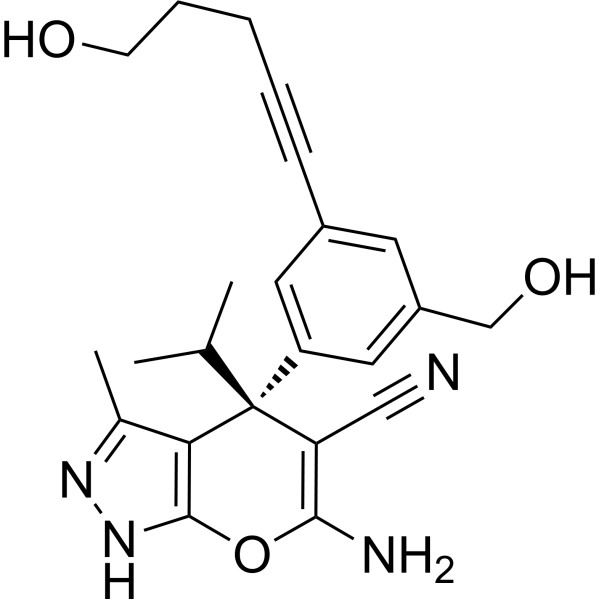
Butyzamide is an orally active activator of Mpl, a thrombopoietin (TPO) receptor. Butyzamide increases the phosphorylation level of JAK2, STAT3, STAT5 and MAPK. Butyzamide increases the level of platelets in mouse xenotransplantation assay .
|
-
-
- HY-B0199A
-
|
RS 61443 hydrochloride; TM-MMF hydrochloride
|
Interleukin Related
|
Inflammation/Immunology
|
|
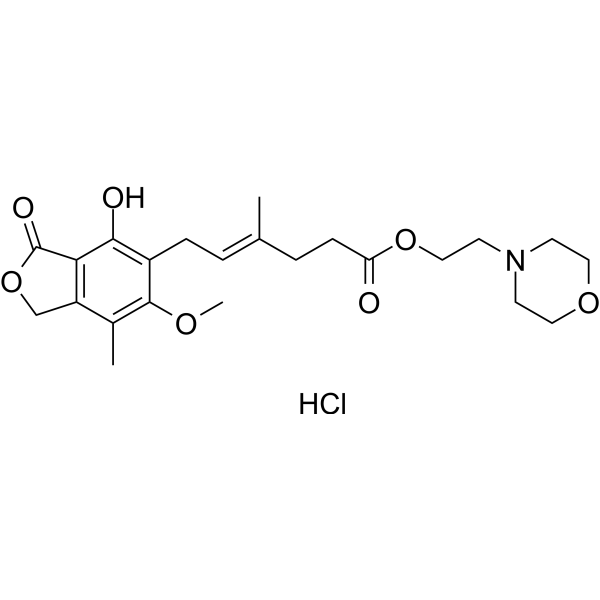
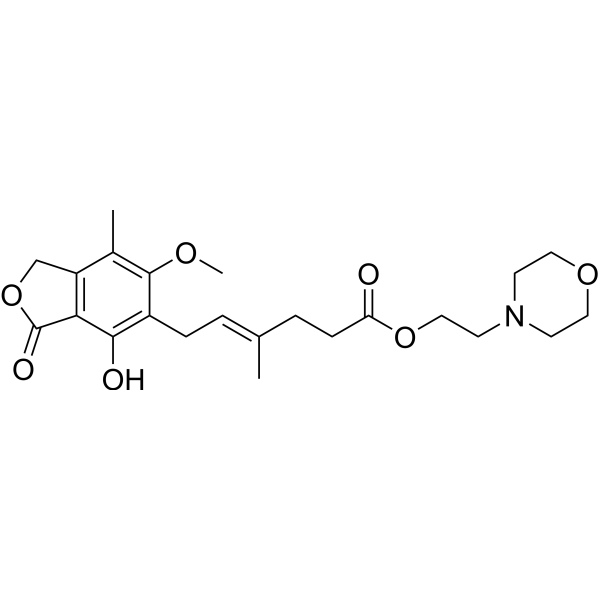
Mycophenolate mofetil (RS 61443; TM-MMF) hydrochloride is an orally active antimetabolic immunosuppressant with antiproliferative and anti-inflammatory properties. Mycophenolate mofetil hydrochloride significantly inhibits the production of B, T lymphocytes and the proliferation of smooth muscle cells by selectively blocking the de novo purine synthesis pathway. Mycophenolate mofetil hydrochloride effectively reduces adventitial inflammation, medial necrosis and intimal thickening in rat aortic allografts, and decreases the number of lymphocytes expressing the IL-2 receptor, thereby delaying xenograft rejection. Mycophenolate mofetil hydrochloride shows certain toxicity in a hamster-to-rat limb xenotransplantation model when used in combination with FK506 (HY-13756). Mycophenolate mofetil hydrochloride is widely used in studies related to allograft arteriosclerosis (chronic rejection) .
|
-
-
- HY-124611
-
|
|
HSP
Apoptosis
|
Cancer
|
|
JG-231 is an allosteric inhibitor of heat shock protein 70 (Hsp70). JG - 231 inhibits the binding of Hsp70 and BAG family proteins, including inhibition of Hsp70 and BAG1 with a Ki of 0.11 μM. JG-231 inhibits proliferation of tumor cells and induces apoptosis. JG-231 has antitumor activity .
|
-
-
- HY-P990134
-
|
|
TNF Receptor
IFNAR
|
Inflammation/Immunology
Cancer
|
|
Anti-Mouse CD40L/CD154 Antibody (MR-1) is an anti-mouse CD40L/CD154 IgG monoclonal antibody. Anti-Mouse CD40L/CD154 Antibody (MR-1) reduces the expression of IFN signaling pathway and lowers the level of IFN-β. Anti-Mouse CD40L/CD154 Antibody (MR-1) can prolong the survival time of transplants. Anti-Mouse CD40L/CD154 Antibody (MR-1) can be used for researches on cancer, inflammation conditions and xenotransplantation such as pancreatic cancer and autoimmune cholangitis .
|
-
-
- HY-134978B
-
|
|
SHMT
|
Cancer
|
|
(-)SHIN2 is the isomer of (+)SHIN2 (HY-134978A). (+)SHIN2 is an inhibitor of serine hydroxymethyltransferase (SHMT) with antileukemic effect. (+)SHIN2 synergisty with and Methotrexate (HY-14519) in vivo xenotransplantation models . (-)SHIN2 is a click chemistry reagent, it contains an Alkyne group and can undergo copper-catalyzed azide-alkyne cycloaddition (CuAAc) with molecules containing Azide groups.
|
-
-
- HY-B0199S
-
|
|
Isotope-Labeled Compounds
Interleukin Related
|
Cancer
|
|
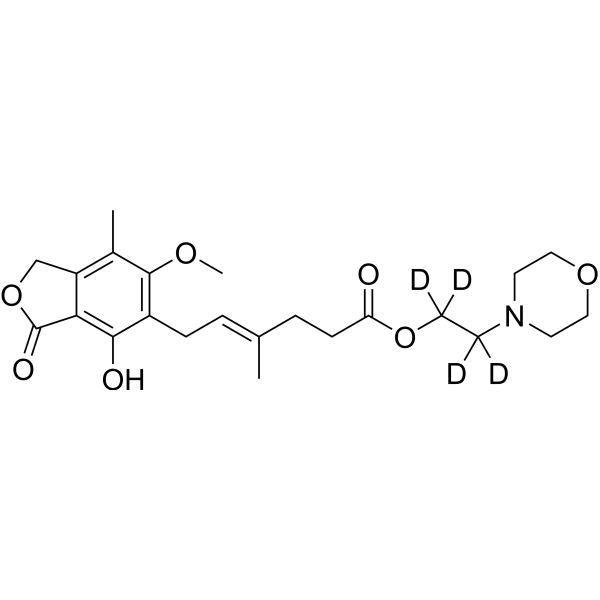
Mycophenolate Mofetil-d4 is the deuterium labeled Mycophenolate Mofetil. Mycophenolate mofetil (RS 61443; TM-MMF) hydrochloride is an orally active antimetabolic immunosuppressant with antiproliferative and anti-inflammatory properties. Mycophenolate mofetil hydrochloride significantly inhibits the production of B, T lymphocytes and the proliferation of smooth muscle cells by selectively blocking the de novo purine synthesis pathway. Mycophenolate mofetil hydrochloride effectively reduces adventitial inflammation, medial necrosis and intimal thickening in rat aortic allografts, and decreases the number of lymphocytes expressing the IL-2 receptor, thereby delaying xenograft rejection. Mycophenolate mofetil hydrochloride shows certain toxicity in a hamster-to-rat limb xenotransplantation model when used in combination with FK506 (HY-13756). Mycophenolate mofetil hydrochloride is widely used in studies related to allograft arteriosclerosis (chronic rejection) .
|
-
-
- HY-148748G
-
|
|
JAK
STAT
p38 MAPK
|
Cardiovascular Disease
|
|
Butyzamide (GMP) is Butyzamide (HY-148748) produced by using GMP guidelines. GMP small molecules works appropriately as an auxiliary reagent for cell therapy manufacture. Butyzamide is an orally active activator of Mpl, a thrombopoietin (TPO) receptor. Butyzamide increases the phosphorylation level of JAK2, STAT3, STAT5 and MAPK. Butyzamide increases the level of platelets in mouse xenotransplantation assay .
|
-
-
- HY-155195
-
|
|
FLT3
|
Cancer
|
|
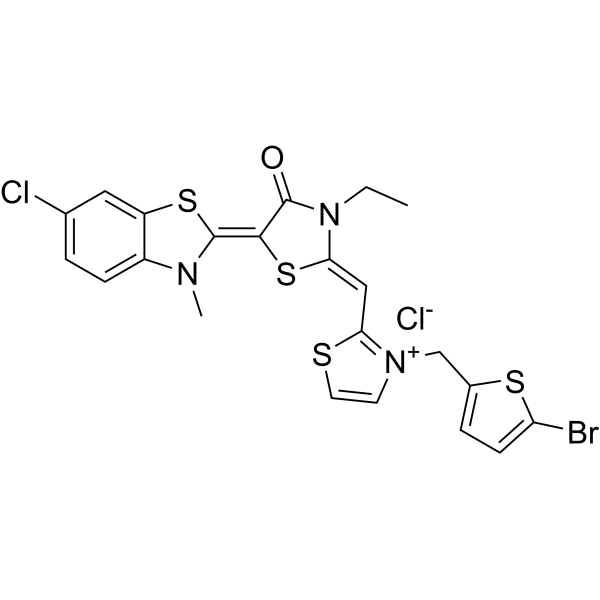
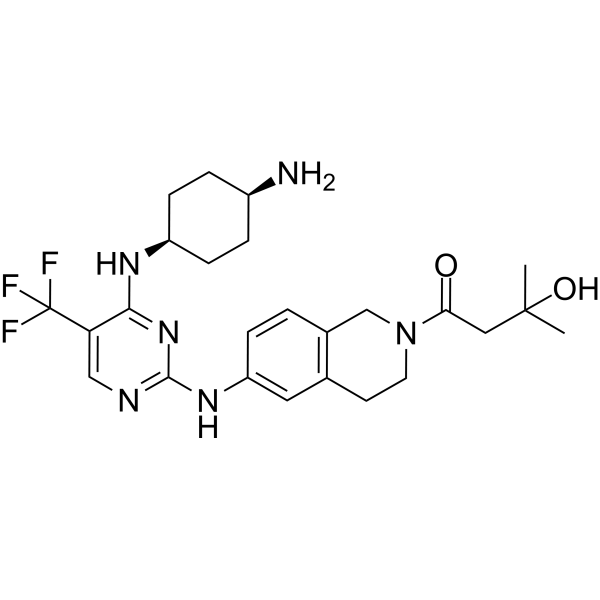
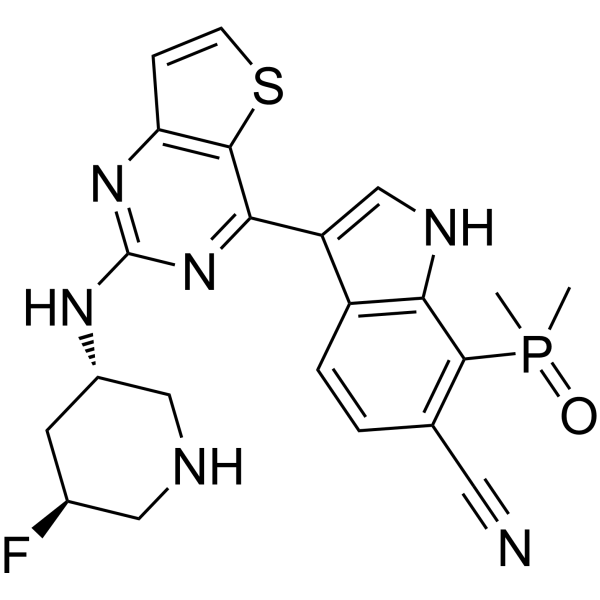
FLT3/CHK-IN-1 (Compound 18) is a dual inhibitor of FLT3/CHK1. FLT3/CHK-IN-1 is more than 1700 times more selective to c-KI T and greatly reduces hERG affinity with an IC50 value of 58.4 μM. FLT3/CHK-IN-1 inhibits tumor growth in mouse xenotransplantation models inoculated with MV-4-11 cells .
|
-
-
- HY-B0199R
-
|
RS 61443 (Standard); TM-MMF (Standard)
|
Reference Standards
Interleukin Related
|
Cancer
|
|
Mycophenolate Mofetil (Standard) is the analytical standard of Mycophenolate Mofetil. This product is intended for research and analytical applications. Mycophenolate mofetil (RS 61443; TM-MMF) hydrochloride is an orally active antimetabolic immunosuppressant with antiproliferative and anti-inflammatory properties. Mycophenolate mofetil hydrochloride significantly inhibits the production of B, T lymphocytes and the proliferation of smooth muscle cells by selectively blocking the de novo purine synthesis pathway. Mycophenolate mofetil hydrochloride effectively reduces adventitial inflammation, medial necrosis and intimal thickening in rat aortic allografts, and decreases the number of lymphocytes expressing the IL-2 receptor, thereby delaying xenograft rejection. Mycophenolate mofetil hydrochloride shows certain toxicity in a hamster-to-rat limb xenotransplantation model when used in combination with FK506 (HY-13756). Mycophenolate mofetil hydrochloride is widely used in studies related to allograft arteriosclerosis (chronic rejection) .
|
-
-
- HY-P990242
-
|
|
Galectin
TNF Receptor
IFNAR
Interleukin Related
|
Inflammation/Immunology
Cancer
|
|
Anti-Mouse Galectin-9 Antibody (RG9-1) is an anti-mouse Galectin-9 IgG2b monoclonal antibody. Anti-Mouse Galectin-9 Antibody (RG9-1) promotes inflammatory response by enhancing the secretion of IFN-γ, TNF-α, and IL-6. Anti-Mouse Galectin-9 Antibody (RG9-1) can increase CD8 T cell and Treg frequency. Anti-Mouse Galectin-9 Antibody (RG9-1) reduces graft survival time by increasing CD4 + and CD8 + T cell infiltration. Anti-Mouse Galectin-9 Antibody (RG9-1) can be used for researches on inflammation conditions, cancer and xenotransplantation such as ischemia-reperfusion, colon cancer, breast cancer and leukemia .
|
-
-
- HY-P990237
-
|
|
CD28
|
Inflammation/Immunology
Cancer
|
|
Anti-Mouse ICOS Antibody (7E.17G9) is a mouse ICOS agonist IgG2b monoclonal antibody. Anti-Mouse ICOS Antibody (7E.17G9) can upregulate ICOS expression and enhance T cell function. Anti-Mouse ICOS Antibody (7E.17G9) can significantly inhibit the immune regulatory function of dendritic cells (DCs). Anti-Mouse ICOS Antibody (7E.17G9) can eliminate transplant tolerance. Anti-Mouse ICOS Antibody (7E.17G9) can be used for researches on inflammation conditions, cancer and xenotransplantation such as nephritis and pancreatic cancer .
|
-
-
- HY-P990197
-
|
|
L-Selectin
|
Metabolic Disease
Inflammation/Immunology
|
|
Anti-Mouse MAdCAM-1 Antibody (MECA-367) is an anti-mouse MAdCAM-1 IgG2a monoclonal antibody. Anti-Mouse MAdCAM-1 Antibody (MECA-367) significantly inhibits the migration of pig peripheral blood lymphocytes (PBL) by blocking the function of MAdCAM-1. Anti-Mouse MAdCAM-1 Antibody (MECA-367) selectively inhibits B cell migration to exacerbate inflammation. Anti-Mouse MAdCAM-1 Antibody (MECA-367) can be used for researches on inflammation, metabolic conditions and xenotransplantation such as colitis and diabetes .
|
-
-
- HY-144642
-
|
|
PARP
|
Cancer
|
|
PARP-1-IN-1 is a high selective and orally active PARP-1 inhibitor (IC50=0.96 nM). PARP-1-IN-1 has well tolerance and remarkable single dose activity in the MDA-MB-436 xenotransplantation model .
|
-
-
- HY-157210
-
|
|
CDK
|
Cancer
|
|
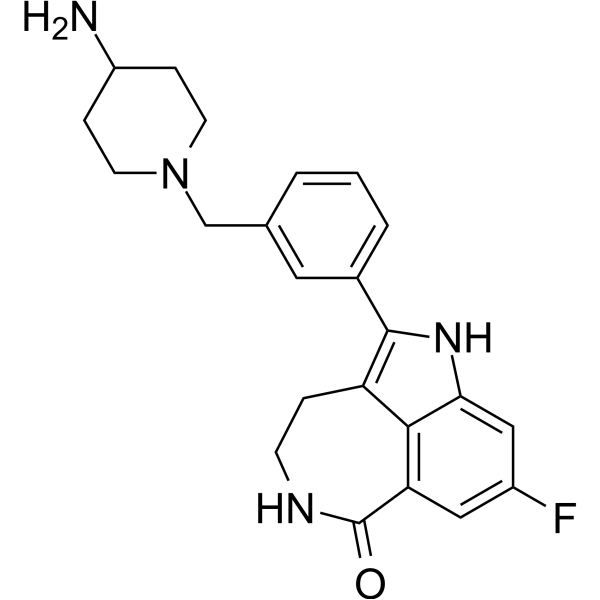
CDK7-IN-26 (compound 36) is an orally active CDK7 inhibitor (IC50: 7.4 nM). CDK7-IN-26 potently inhibits the growth of triple-negative breast cancer (TNBC) cell line-derived xenograft (CDX) tumors in vivo and inhibits MDA-MB-453 cells in vitro with an IC50 of 0.15 μM .
|
-
-
- HY-154313
-
|
Clospirazine
|
Ras
|
Cancer
|
|
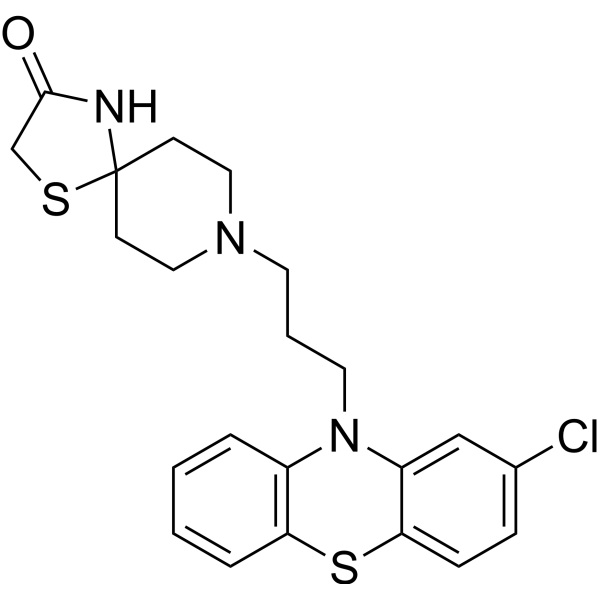
Spiclomazine (Clospirazine) is a potent mutant KRAS(G12C) inhibitor that selectively inhibits mutant KRAS-driven pancreatic cancer. Spiclomazine can eliminate KRas-GTP levels in KRAS-driven pancreatic cancer and effectively inhibit RAS-mediated signaling. Spiclomazine significantly inhibits tumor progression in mouse renal capsule xenotransplantation models .
|
-
-
- HY-B0199AS
-
|
RS 61443-d4 hydrochloride; TM-MMF-d4 hydrochloride
|
Isotope-Labeled Compounds
Interleukin Related
|
Cancer
|
|
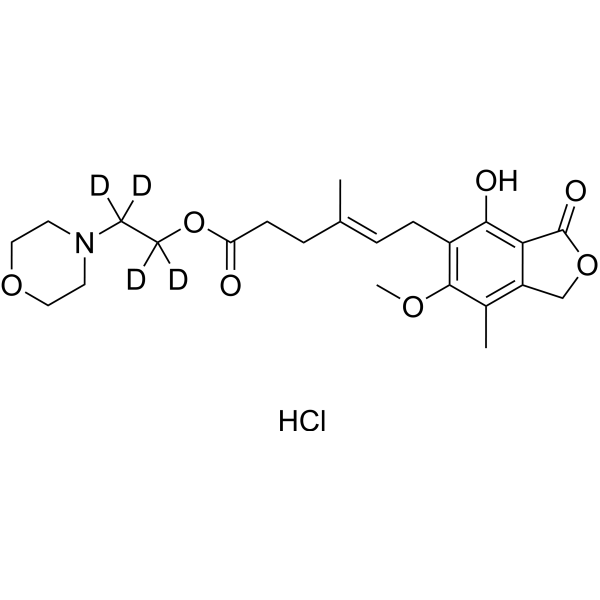
Mycophenolate Mofetil-d4 hydrochloride is deuterated labeled Mycophenolate mofetil hydrochloride (HY-B0199A). Mycophenolate mofetil (RS 61443; TM-MMF) hydrochloride is an orally active antimetabolic immunosuppressant with antiproliferative and anti-inflammatory properties. Mycophenolate mofetil hydrochloride significantly inhibits the production of B, T lymphocytes and the proliferation of smooth muscle cells by selectively blocking the de novo purine synthesis pathway. Mycophenolate mofetil hydrochloride effectively reduces adventitial inflammation, medial necrosis and intimal thickening in rat aortic allografts, and decreases the number of lymphocytes expressing the IL-2 receptor, thereby delaying xenograft rejection. Mycophenolate mofetil hydrochloride shows certain toxicity in a hamster-to-rat limb xenotransplantation model when used in combination with FK506 (HY-13756). Mycophenolate mofetil hydrochloride is widely used in studies related to allograft arteriosclerosis (chronic rejection) .
|
-
-
- HY-P990160
-
|
|
MHC
|
Neurological Disease
Metabolic Disease
Inflammation/Immunology
|
|
Anti-Rat TCR alpha/beta Antibody (R73) is an anti-mouse TCR alpha/beta IgG1 monoclonal antibody. Anti-Rat TCR alpha/beta Antibody (R73) suppresses immune response by depleting α/β + T cells. Anti-Rat TCR alpha/beta Antibody (R73) can inhibit the expression of pro-inflammatory cytokines. Anti-Rat TCR alpha/beta Antibody (R73) can extend graft survival time by reducing infiltration of T cells and neutrophils. Anti-Rat TCR alpha/beta Antibody (R73) can be used for researches on inflammation, metabolic conditions and xenotransplantation such as arthritis, acute inflammatory peripheral neuropathy and diabetes .
|
-
-
- HY-123790
-
|
|
PI3K
|
Inflammation/Immunology
|
|
AS2541019 is a PI3Kδ (p110δ) inhibitor. AS2541019 inhibits B cell activation and proliferation, and suppresses xenograft antibody production .
|
-
-
- HY-P2289A
-
|
pBD-1 TFA
|
Bacterial
|
Infection
|
|
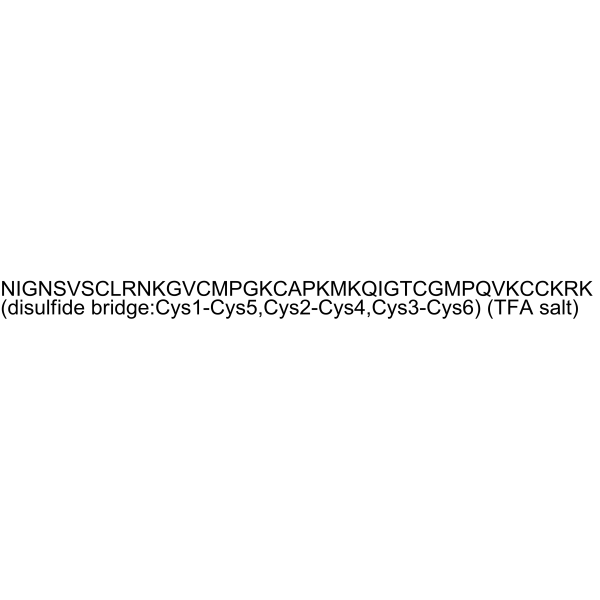
β-defesin 1 (pig) (pBD-1) TFA is an endogenous and constitutively expressed antimicrobial peptide (AMP) from porcine tissues, particularly expresses in pig mucosal epithelial sites. β-defesin 1 (pig) TFA has antimicrobial activities and contributes to mucosal and systemic host defenses in pigs .
|
-
-
- HY-P2289
-
|
pBD-1
|
Bacterial
|
Infection
|
|
β-defesin 1 (pig) (pBD-1) is an endogenous and constitutively expressed antimicrobial peptide (AMP) from porcine tissues, particularly expresses in pig mucosal epithelial sites. β-defesin 1 (pig) has antimicrobial activities and contributes to mucosal and systemic host defenses in pigs .
|
-
-
- HY-P990206
-
|
|
Notch
Interleukin Related
|
Inflammation/Immunology
|
|
Anti-Mouse Jagged 2 Antibody (HMJ2-1) is an anti-mouse Jagged 2 IgG monoclonal antibody. Anti-Mouse Jagged 2 Antibody (HMJ2-1) regulates Treg/Th17 balance through IL-9. Anti-Mouse Jagged 2 Antibody (HMJ2-1) increases Jagged2-Notch signaling through activation of RBP-Jk. Anti-Mouse Jagged 2 Antibody (HMJ2-1) can be used for researches on inflammation conditions and xenotransplantation such as experimental autoimmune encephalomyelitis (EAE) .
|
-
-
- HY-148748G
-
|
|
Fluorescent Dyes
|
|
Butyzamide (GMP) is Butyzamide (HY-148748) produced by using GMP guidelines. GMP small molecules works appropriately as an auxiliary reagent for cell therapy manufacture. Butyzamide is an orally active activator of Mpl, a thrombopoietin (TPO) receptor. Butyzamide increases the phosphorylation level of JAK2, STAT3, STAT5 and MAPK. Butyzamide increases the level of platelets in mouse xenotransplantation assay .
|
-
- HY-148748G
-
|
|
Biochemical Assay Reagents
|
|
Butyzamide (GMP) is Butyzamide (HY-148748) produced by using GMP guidelines. GMP small molecules works appropriately as an auxiliary reagent for cell therapy manufacture. Butyzamide is an orally active activator of Mpl, a thrombopoietin (TPO) receptor. Butyzamide increases the phosphorylation level of JAK2, STAT3, STAT5 and MAPK. Butyzamide increases the level of platelets in mouse xenotransplantation assay .
|
| Cat. No. |
상품명 |
Target |
Research Area |
-
- HY-P2289A
-
|
pBD-1 TFA
|
Bacterial
|
Infection
|
|
β-defesin 1 (pig) (pBD-1) TFA is an endogenous and constitutively expressed antimicrobial peptide (AMP) from porcine tissues, particularly expresses in pig mucosal epithelial sites. β-defesin 1 (pig) TFA has antimicrobial activities and contributes to mucosal and systemic host defenses in pigs .
|
-
- HY-P2289
-
|
pBD-1
|
Bacterial
|
Infection
|
|
β-defesin 1 (pig) (pBD-1) is an endogenous and constitutively expressed antimicrobial peptide (AMP) from porcine tissues, particularly expresses in pig mucosal epithelial sites. β-defesin 1 (pig) has antimicrobial activities and contributes to mucosal and systemic host defenses in pigs .
|
-
- HY-P11658
-
|
Peptoid 1
|
Peptides
|
Cancer
|
|
Anticancer peptoid 1 (Peptoid 1) is a peptoid with antitumor activity. Anticancer peptoid 1 exerts cytotoxicity primarily via plasma membrane damage. Anticancer peptoid 1 exerts cytotoxicity against a broad range of cancer cell lines, including those with multidrug resistance. Anticancer peptoid 1 inhibits tumor growth in a human breast cancer xenotransplantation mouse model without noticeable acute adverse effects. Anticancer peptoid 1 can be used for the research of cancer, such as breast cancer, and prostate cancer .
|
| Cat. No. |
상품명 |
Target |
Research Area |
Image |
-
- HY-P990134
-
|
|
TNF Receptor
IFNAR
|
Inflammation/Immunology
Cancer
|
|
Anti-Mouse CD40L/CD154 Antibody (MR-1) is an anti-mouse CD40L/CD154 IgG monoclonal antibody. Anti-Mouse CD40L/CD154 Antibody (MR-1) reduces the expression of IFN signaling pathway and lowers the level of IFN-β. Anti-Mouse CD40L/CD154 Antibody (MR-1) can prolong the survival time of transplants. Anti-Mouse CD40L/CD154 Antibody (MR-1) can be used for researches on cancer, inflammation conditions and xenotransplantation such as pancreatic cancer and autoimmune cholangitis .
|
-
(5)
-
- HY-P990242
-
|
|
Galectin
TNF Receptor
IFNAR
Interleukin Related
|
Inflammation/Immunology
Cancer
|
|
Anti-Mouse Galectin-9 Antibody (RG9-1) is an anti-mouse Galectin-9 IgG2b monoclonal antibody. Anti-Mouse Galectin-9 Antibody (RG9-1) promotes inflammatory response by enhancing the secretion of IFN-γ, TNF-α, and IL-6. Anti-Mouse Galectin-9 Antibody (RG9-1) can increase CD8 T cell and Treg frequency. Anti-Mouse Galectin-9 Antibody (RG9-1) reduces graft survival time by increasing CD4 + and CD8 + T cell infiltration. Anti-Mouse Galectin-9 Antibody (RG9-1) can be used for researches on inflammation conditions, cancer and xenotransplantation such as ischemia-reperfusion, colon cancer, breast cancer and leukemia .
|
-
(5)
-
- HY-P990237
-
|
|
CD28
|
Inflammation/Immunology
Cancer
|
|
Anti-Mouse ICOS Antibody (7E.17G9) is a mouse ICOS agonist IgG2b monoclonal antibody. Anti-Mouse ICOS Antibody (7E.17G9) can upregulate ICOS expression and enhance T cell function. Anti-Mouse ICOS Antibody (7E.17G9) can significantly inhibit the immune regulatory function of dendritic cells (DCs). Anti-Mouse ICOS Antibody (7E.17G9) can eliminate transplant tolerance. Anti-Mouse ICOS Antibody (7E.17G9) can be used for researches on inflammation conditions, cancer and xenotransplantation such as nephritis and pancreatic cancer .
|
-
(5)
-
- HY-P990197
-
|
|
L-Selectin
|
Metabolic Disease
Inflammation/Immunology
|
|
Anti-Mouse MAdCAM-1 Antibody (MECA-367) is an anti-mouse MAdCAM-1 IgG2a monoclonal antibody. Anti-Mouse MAdCAM-1 Antibody (MECA-367) significantly inhibits the migration of pig peripheral blood lymphocytes (PBL) by blocking the function of MAdCAM-1. Anti-Mouse MAdCAM-1 Antibody (MECA-367) selectively inhibits B cell migration to exacerbate inflammation. Anti-Mouse MAdCAM-1 Antibody (MECA-367) can be used for researches on inflammation, metabolic conditions and xenotransplantation such as colitis and diabetes .
|
-
(5)
-
- HY-P990160
-
|
|
MHC
|
Neurological Disease
Metabolic Disease
Inflammation/Immunology
|
|
Anti-Rat TCR alpha/beta Antibody (R73) is an anti-mouse TCR alpha/beta IgG1 monoclonal antibody. Anti-Rat TCR alpha/beta Antibody (R73) suppresses immune response by depleting α/β + T cells. Anti-Rat TCR alpha/beta Antibody (R73) can inhibit the expression of pro-inflammatory cytokines. Anti-Rat TCR alpha/beta Antibody (R73) can extend graft survival time by reducing infiltration of T cells and neutrophils. Anti-Rat TCR alpha/beta Antibody (R73) can be used for researches on inflammation, metabolic conditions and xenotransplantation such as arthritis, acute inflammatory peripheral neuropathy and diabetes .
|
-
(5)
-
- HY-P990206
-
|
|
Notch
Interleukin Related
|
Inflammation/Immunology
|
|
Anti-Mouse Jagged 2 Antibody (HMJ2-1) is an anti-mouse Jagged 2 IgG monoclonal antibody. Anti-Mouse Jagged 2 Antibody (HMJ2-1) regulates Treg/Th17 balance through IL-9. Anti-Mouse Jagged 2 Antibody (HMJ2-1) increases Jagged2-Notch signaling through activation of RBP-Jk. Anti-Mouse Jagged 2 Antibody (HMJ2-1) can be used for researches on inflammation conditions and xenotransplantation such as experimental autoimmune encephalomyelitis (EAE) .
|
-
(5)
| Cat. No. |
상품명 |
Category |
Target |
Chemical Structure |
-
- HY-B0199A
-
|
RS 61443 hydrochloride; TM-MMF hydrochloride
|
Structural Classification
Monophenols
Classification of Application Fields
Phenols
Endogenous metabolite
Disease Research Fields
Source Classification
Cancer
|
Interleukin Related
|
|
Mycophenolate mofetil (RS 61443; TM-MMF) hydrochloride is an orally active antimetabolic immunosuppressant with antiproliferative and anti-inflammatory properties. Mycophenolate mofetil hydrochloride significantly inhibits the production of B, T lymphocytes and the proliferation of smooth muscle cells by selectively blocking the de novo purine synthesis pathway. Mycophenolate mofetil hydrochloride effectively reduces adventitial inflammation, medial necrosis and intimal thickening in rat aortic allografts, and decreases the number of lymphocytes expressing the IL-2 receptor, thereby delaying xenograft rejection. Mycophenolate mofetil hydrochloride shows certain toxicity in a hamster-to-rat limb xenotransplantation model when used in combination with FK506 (HY-13756). Mycophenolate mofetil hydrochloride is widely used in studies related to allograft arteriosclerosis (chronic rejection) .
|
-
-
- HY-B0199R
-
|
RS 61443 (Standard); TM-MMF (Standard)
|
Structural Classification
Monophenols
Phenols
Endogenous metabolite
Source Classification
|
Reference Standards
Interleukin Related
|
|
Mycophenolate Mofetil (Standard) is the analytical standard of Mycophenolate Mofetil. This product is intended for research and analytical applications. Mycophenolate mofetil (RS 61443; TM-MMF) hydrochloride is an orally active antimetabolic immunosuppressant with antiproliferative and anti-inflammatory properties. Mycophenolate mofetil hydrochloride significantly inhibits the production of B, T lymphocytes and the proliferation of smooth muscle cells by selectively blocking the de novo purine synthesis pathway. Mycophenolate mofetil hydrochloride effectively reduces adventitial inflammation, medial necrosis and intimal thickening in rat aortic allografts, and decreases the number of lymphocytes expressing the IL-2 receptor, thereby delaying xenograft rejection. Mycophenolate mofetil hydrochloride shows certain toxicity in a hamster-to-rat limb xenotransplantation model when used in combination with FK506 (HY-13756). Mycophenolate mofetil hydrochloride is widely used in studies related to allograft arteriosclerosis (chronic rejection) .
|
-
| Cat. No. |
상품명 |
Chemical Structure |
-
- HY-B0199S
-
|
|
|
Mycophenolate Mofetil-d4 is the deuterium labeled Mycophenolate Mofetil. Mycophenolate mofetil (RS 61443; TM-MMF) hydrochloride is an orally active antimetabolic immunosuppressant with antiproliferative and anti-inflammatory properties. Mycophenolate mofetil hydrochloride significantly inhibits the production of B, T lymphocytes and the proliferation of smooth muscle cells by selectively blocking the de novo purine synthesis pathway. Mycophenolate mofetil hydrochloride effectively reduces adventitial inflammation, medial necrosis and intimal thickening in rat aortic allografts, and decreases the number of lymphocytes expressing the IL-2 receptor, thereby delaying xenograft rejection. Mycophenolate mofetil hydrochloride shows certain toxicity in a hamster-to-rat limb xenotransplantation model when used in combination with FK506 (HY-13756). Mycophenolate mofetil hydrochloride is widely used in studies related to allograft arteriosclerosis (chronic rejection) .
|
-
-
- HY-B0199AS
-
|
|
|
Mycophenolate Mofetil-d4 hydrochloride is deuterated labeled Mycophenolate mofetil hydrochloride (HY-B0199A). Mycophenolate mofetil (RS 61443; TM-MMF) hydrochloride is an orally active antimetabolic immunosuppressant with antiproliferative and anti-inflammatory properties. Mycophenolate mofetil hydrochloride significantly inhibits the production of B, T lymphocytes and the proliferation of smooth muscle cells by selectively blocking the de novo purine synthesis pathway. Mycophenolate mofetil hydrochloride effectively reduces adventitial inflammation, medial necrosis and intimal thickening in rat aortic allografts, and decreases the number of lymphocytes expressing the IL-2 receptor, thereby delaying xenograft rejection. Mycophenolate mofetil hydrochloride shows certain toxicity in a hamster-to-rat limb xenotransplantation model when used in combination with FK506 (HY-13756). Mycophenolate mofetil hydrochloride is widely used in studies related to allograft arteriosclerosis (chronic rejection) .
|
-
| Cat. No. |
상품명 |
Target |
연구분야 |
Chemical Structure |
-
- HY-148748G
-
|
|
JAK
STAT
p38 MAPK
|
Cardiovascular Disease
|
|
Butyzamide (GMP) is Butyzamide (HY-148748) produced by using GMP guidelines. GMP small molecules works appropriately as an auxiliary reagent for cell therapy manufacture. Butyzamide is an orally active activator of Mpl, a thrombopoietin (TPO) receptor. Butyzamide increases the phosphorylation level of JAK2, STAT3, STAT5 and MAPK. Butyzamide increases the level of platelets in mouse xenotransplantation assay .
|
-
Your information is safe with us. * Required Fields.
Inquiry Information
- 상품명:
- Cat. No.:
- 수량:
- MCE Japan Authorized Agent:

