



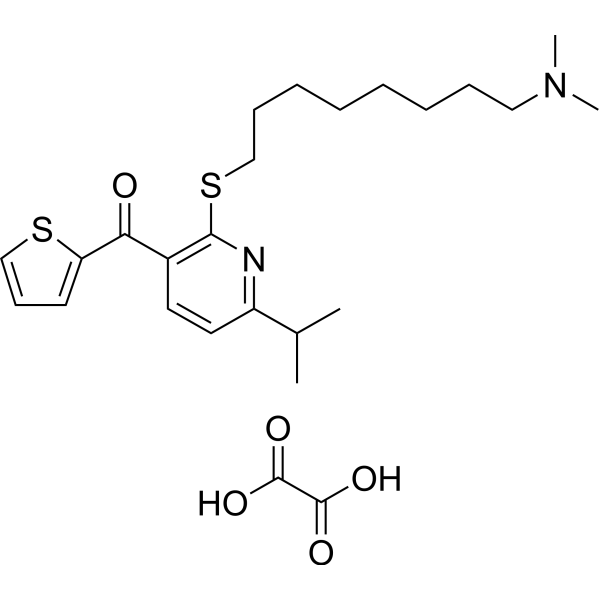
Y-29794 oxalate
Y-29794 oxalate is a selective, orally active and blood-brain barrier permeable non-peptide prolyl endopeptidase inhibitor. Y-29794 oxalate blocks the IRS1-AKT-mTORC1 pathway and inhibits tumor growth. Y-29794 oxalate is also effective in inhibiting the progression of Aβ-like deposition in the hippocampus of aging-accelerated mice (SAM).
For research use only. We do not sell to patients.
- CAS No.: 146794-84-5
- Formula: C25H36N2O5S2
- Molecular Weight:508.69
-
Storage:
Please store the product under the recommended conditions in the Certificate of Analysis.

To place orders, for customer services and technical support, please contact: MedChemExpress USA
Tel: 609-228-6898 E-mail: [email protected] [email protected]


-
 Biological Activity
-
Chemical Information
- Protocols
- Purity & Documentation
- References
-
 Help & FAQs


-
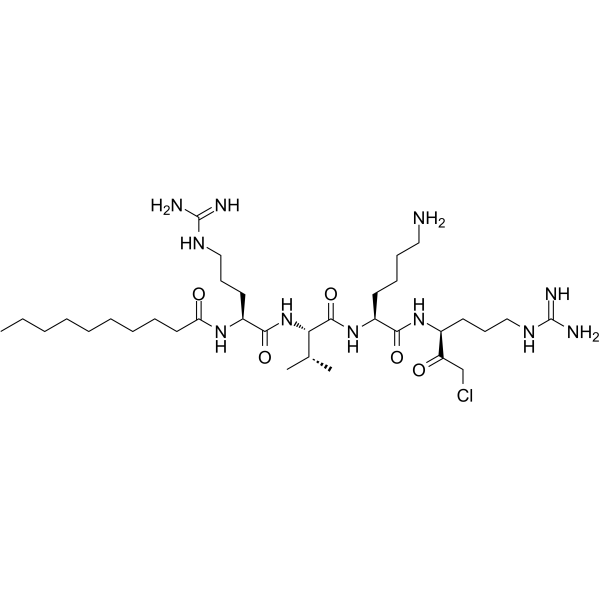
HY-107760
Decanoyl-RVKR-CMKHIV Inhibitor -
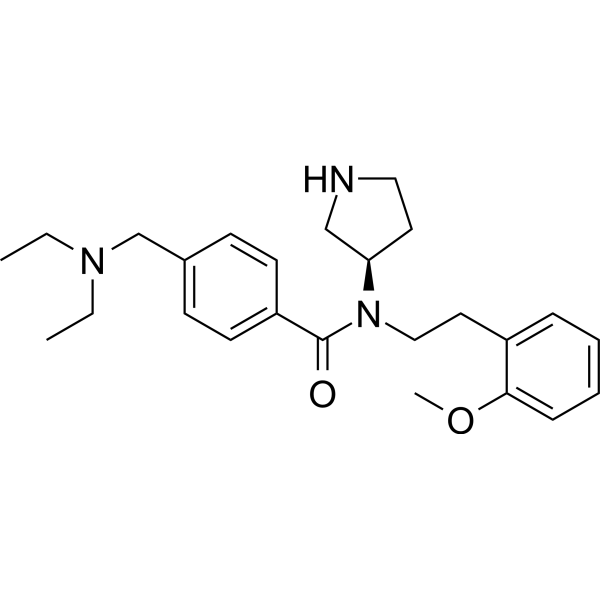
HY-13447
PF-429242S1P Inhibitor -
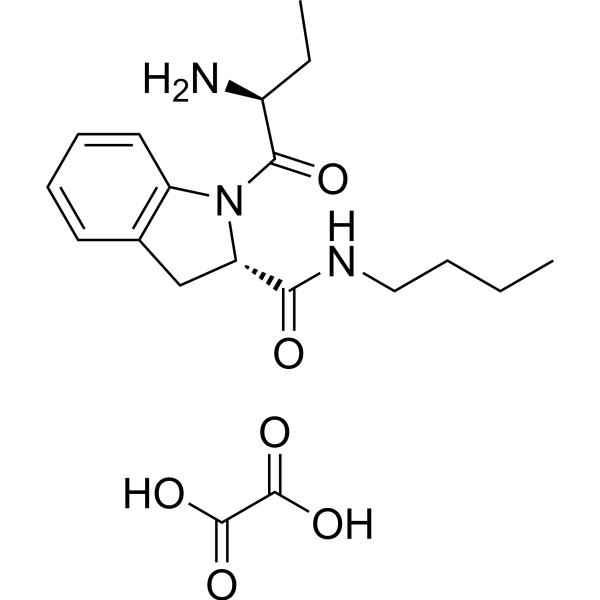
HY-107759
Butabindide oxalateTPP II Inhibitor -
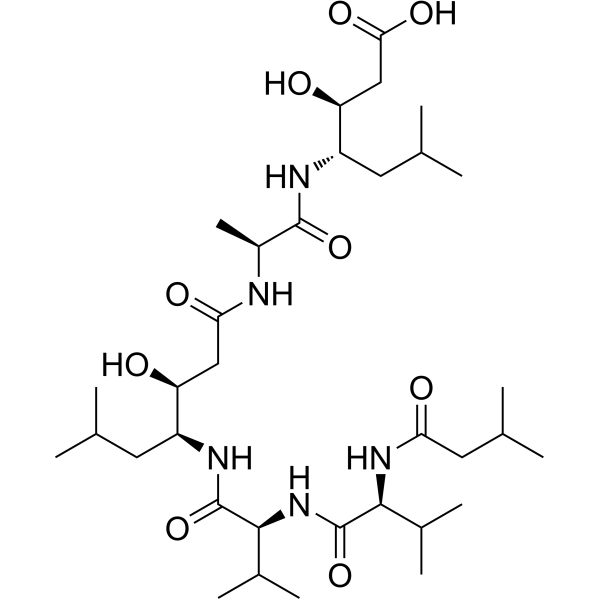
HY-P0018
PepstatinAspartic Protease Inhibitor -
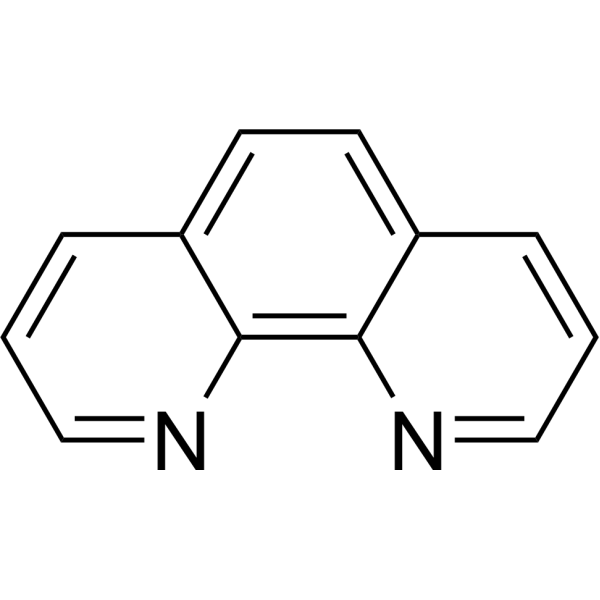
HY-W004544
o-PhenanthrolineMMP Inhibitor -
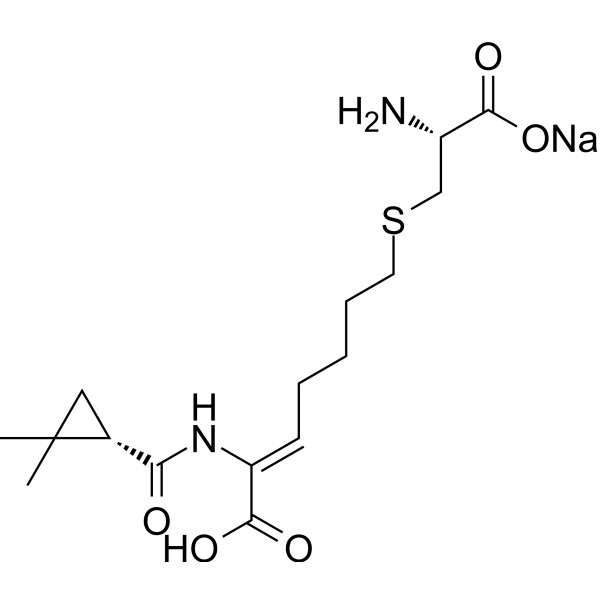
HY-A0166A
Cilastatin sodiumRenal Dehydropeptidase I Inhibitor -
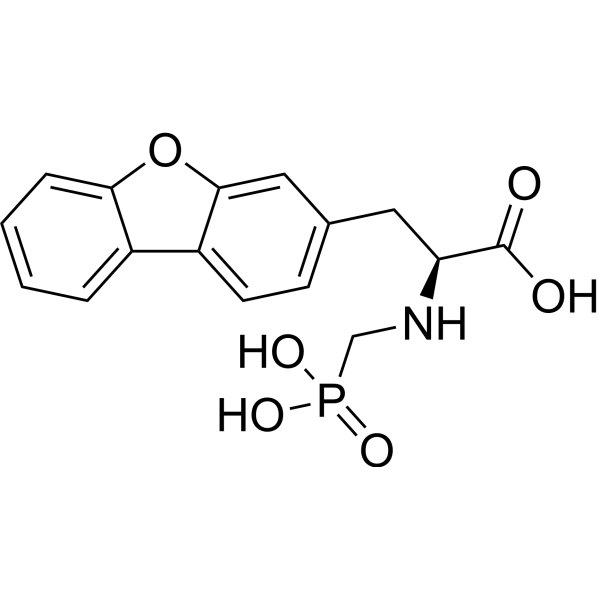
HY-107762
CGS35066ECE-1 Inhibitor -
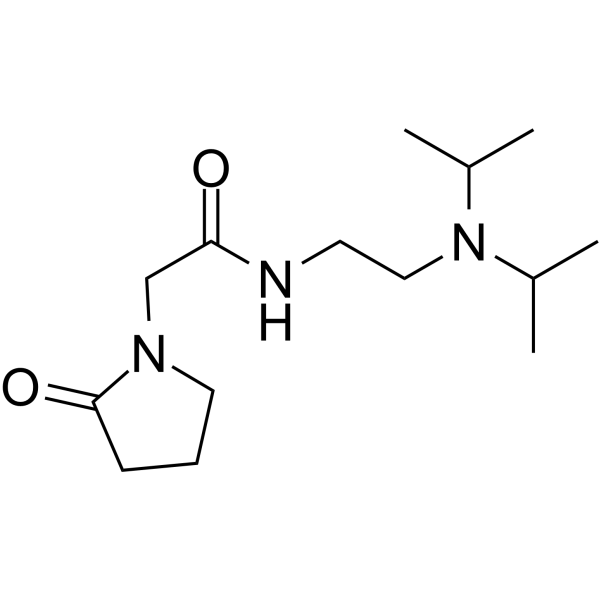
HY-17455
PramiracetamPREP Inhibitor -
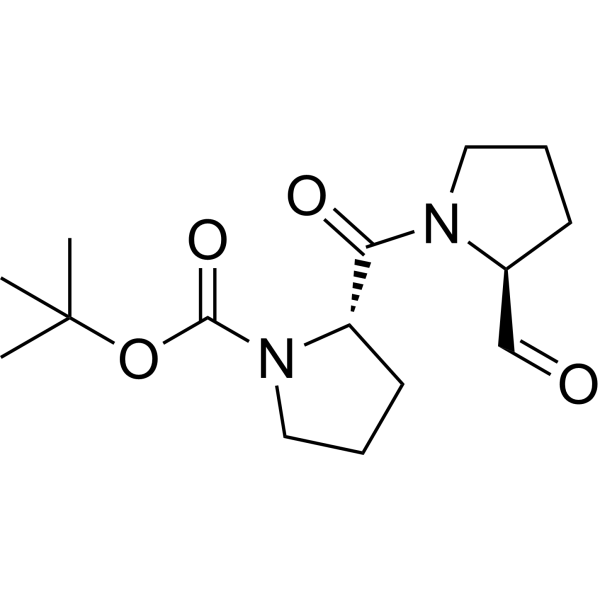
HY-113951
Prolyl Endopeptidase Inhibitor 1Prolyl endopeptidase Inhibitor -
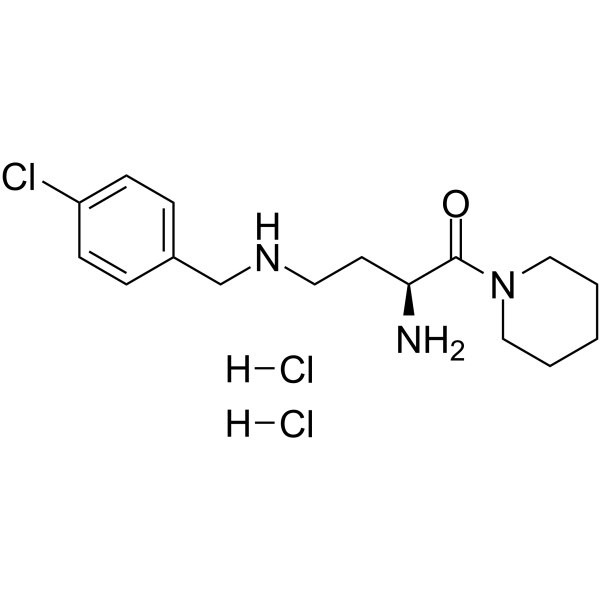
HY-101769
UAMC00039 dihydrochloride -

HY-P0018R
Pepstatin (Standard)Aspartic Protease Inhibitor -
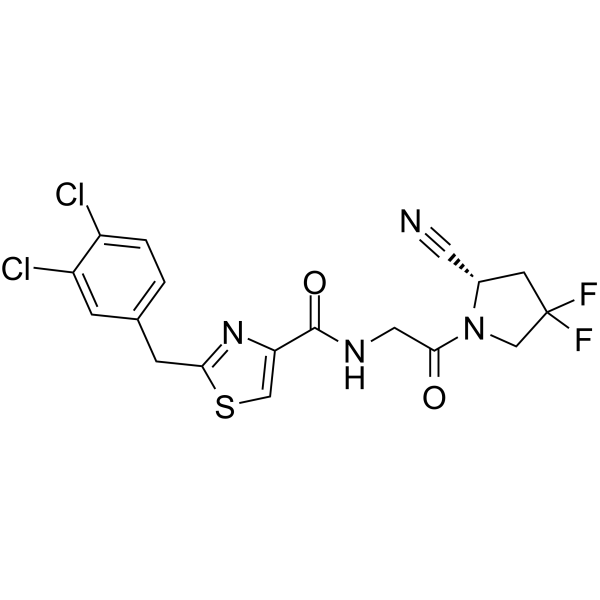
HY-W404002
BR102910FAP Inhibitor


Biological Activity
Description


Chemical Information
-
CAS No. 146794-84-5
-
Molecular Weight 508.69
-
Formula C25H36N2O5S2
-
SMILES
O=C(C1=CC=CS1)C2=C(N=C(C(C)C)C=C2)SCCCCCCCCN(C)C.OC(C(O)=O)=O
-
Shipping
Room temperature in continental US; may vary elsewhere.
-
Storage
Please store the product under the recommended conditions in the Certificate of Analysis.

Protocols
-
Patient-Derived Xenograft (PDX)
Patient-derived xenograft (PDX) models are generated by engrafting primary human tumor tissue directly into immunodeficient mice, allowing in vivo propagation of patient tumor biology without initial in vitro adaptation. These models are used to preserve key histopathological and molecular characteristics of the original tumor and enable assessment of tumor growth dynamics and therapeutic response in a living organism. The biological readout is tumor engraftment and subsequent growth in the murine host, which reflects the ability of human tumor cells to survive, vascularize, and expand in an immunocompromised microenvironment.
-
Patient-Derived Orthotopic Xenograft (PDOX)
Patient-derived orthotopic xenograft (PDOX) modeling implants fresh patient tumor tissue or patient-derived tumor cells into the anatomically corresponding organ or tissue site of immunodeficient mice, usually by surgical orthotopic implantation, to preserve patient tumor histology, local microenvironmental context, invasion, metastatic behavior, and treatment-response features better than subcutaneous implantation. PDOX readouts include tumor engraftment, orthotopic tumor growth, local invasion, metastasis, recurrence after resection, histologic similarity to the donor tumor, biomarker retention, molecular concordance, survival, and response or resistance to therapy. PDOX models are used for preclinical drug testing and individualized therapy evaluation, but engraftment success varies by tumor type and specimen quality.
-
Subcutaneous Cell-Line-Derived Xenograft
Subcutaneous cell-line-derived xenograft (CDX) models are established by implanting cultured human cancer cell lines into immunodeficient mice, where the injected cells form localized tumors that can be monitored in vivo as a measure of tumorigenic potential, growth kinetics, and treatment response. These models are widely used in oncology research because they allow reproducible tumor formation and enable comparative assessment of tumor growth between different cell lines or genetic manipulations in a controlled in vivo microenvironment. Subcutaneous implantation of cancer cells in immunodeficient mice is a standard approach for evaluating tumor growth behavior and therapeutic response across multiple cancer types, including prostate, esophageal, pancreatic, and colon cancer models.
-
Orthotopic Cell-Line Xenograft
Orthotopic cell-line xenograft models involve implantation of human cancer cell lines into the anatomically corresponding organ of immunodeficient mice to reproduce tumor growth within a native microenvironment, enabling more clinically relevant tumor behavior compared with subcutaneous models. These models are widely used because orthotopic placement better recapitulates tumor progression, including invasion and metastatic spread, which are often underrepresented in heterotopic implantation systems. Compared with conventional xenografts, orthotopic implantation is described as more technically complex but provides improved simulation of tumor-microenvironment interactions and metastatic behavior, making it particularly valuable for translational oncology research. Surgical orthotopic implantation approaches have been emphasized as enabling faithful reproduction of clinical cancer features, including metastasis and disease progression patterns that align with the tumor’s organ of origi
-
Alzheimer’s Disease Modeling
Alzheimer’s Disease (AD) is a neurodegenerative disorder characterized by a progressive decline in cognitive functions and loss of specific types of neurons and synapses. Alzheimer's symptoms can be simulated in mice by injecting drugs (such as Aβ) or genetically modified.


Purity & Documentation
References
[1]. Perez RE, et al. Prolyl endopeptidase inhibitor Y-29794 blocks the IRS1-AKT-mTORC1 pathway and inhibits survival and in vivo tumor growth of triple-negative breast cancer. Cancer Biol Ther. 2020 Nov 1;21(11):1033-1040. [Content Brief]
[2]. Kato A, et al. Prevention of amyloid-like deposition by a selective prolyl endopeptidase inhibitor, Y-29794, in senescence-accelerated mouse. J Pharmacol Exp Ther. 1997 Oct;283(1):328-35. [Content Brief]
[3]. Nakajima T, et al. Y-29794--a non-peptide prolyl endopeptidase inhibitor that can penetrate into the brain. Neurosci Lett. 1992 Jul 20;141(2):156-60. [Content Brief]

Calculators
Concentration (start) × Volume (start) = Concentration (final) × Volume (final)


Y-29794 oxalate Related Classifications
HY-107758 Related Classifications
 Powered by Bioz