



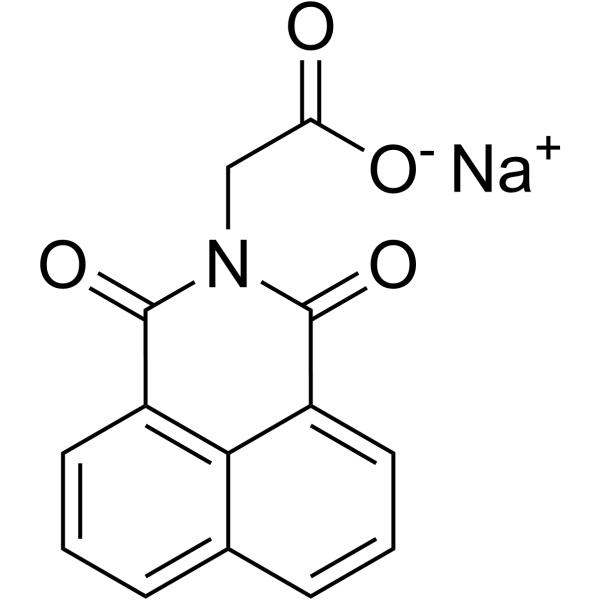
Alrestatin sodium
Based on 1 publication(s) in Google Scholar
Alrestatin (AY-22284) sodium is an aldose reductase inhibitor. Alrestatin sodium reduces fructose levels in the uterine fluid of mice. Alrestatin sodium interferes with sperm capacitation and impairs fertilization function in mice. Alrestatin sodium decreases basal and tyramine-induced norepinephrine release in rat pancreatic specimens in vitro. Alrestatin sodium enhances glucose- and arginine-stimulated insulin secretion in vivo. Alrestatin sodium can be used in studies related to diabetes and reproductive diseases.
For research use only. We do not sell to patients.
- CAS No.: 51876-97-2
- Formula: C14H8NNaO4
- Molecular Weight:277.21
-
Storage:
Please store the product under the recommended conditions in the Certificate of Analysis.

To place orders, for customer services and technical support, please contact: MedChemExpress USA
Tel: 609-228-6898 E-mail: [email protected] [email protected]


-
 Biological Activity
-
Chemical Information
- Protocols
- Purity & Documentation
- References
-
 Help & FAQs


-
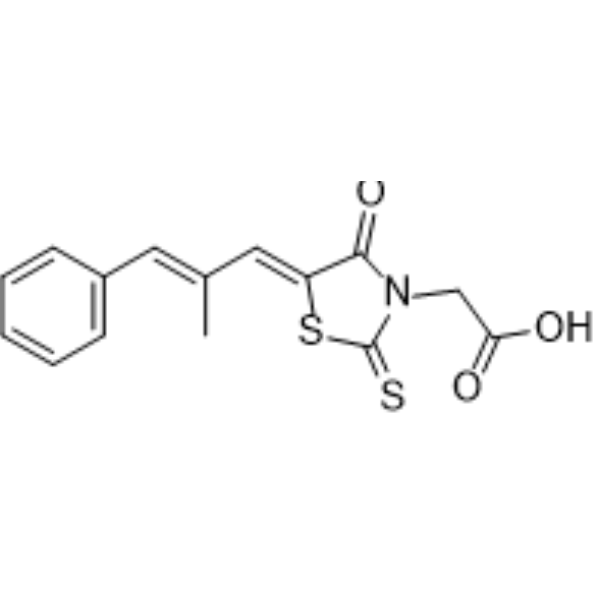
HY-66009
EpalrestatAldose Reductase Inhibitor -
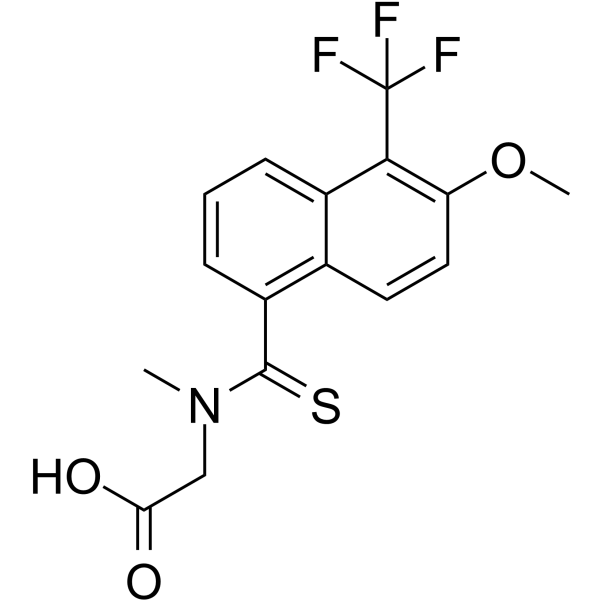
HY-16500
TolrestatAldose Reductase Inhibitor -

HY-16500R
Tolrestat (Standard)Aldose Reductase Inhibitor -

HY-66009R
Epalrestat (Standard)Aldose Reductase Inhibitor -
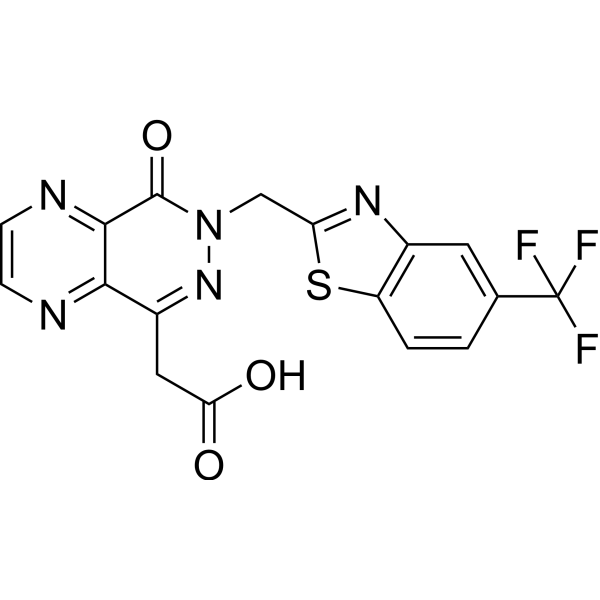
HY-18967
CaficrestatAldose Reductase Inhibitor -
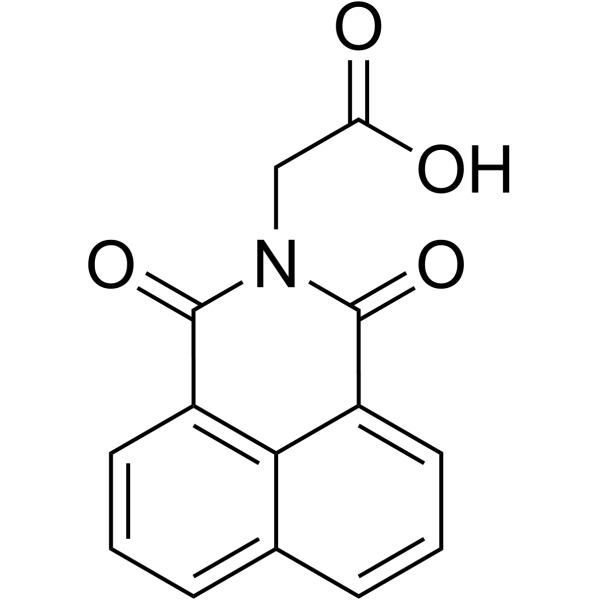
HY-B1202
AlrestatinAldose Reductase Inhibitor -
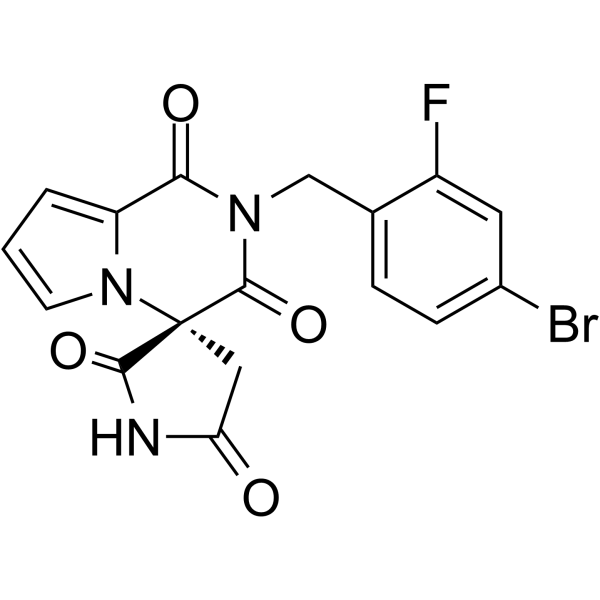
HY-15314
RanirestatAldose Reductase Inhibitor -
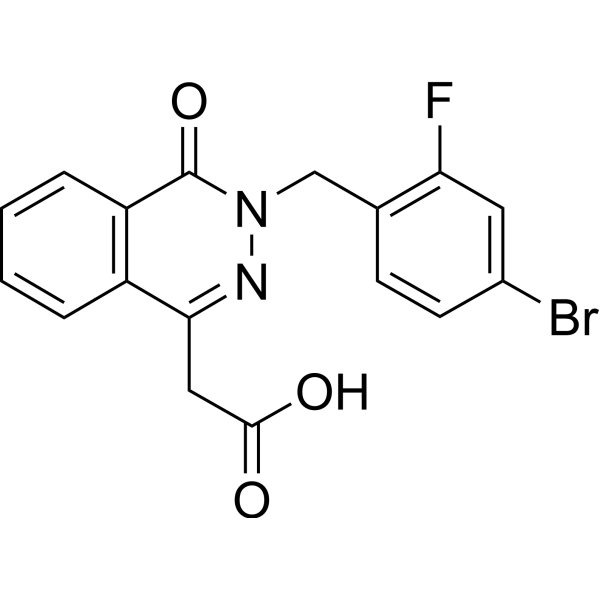
HY-106697
PonalrestatAldose Reductase Inhibitor -
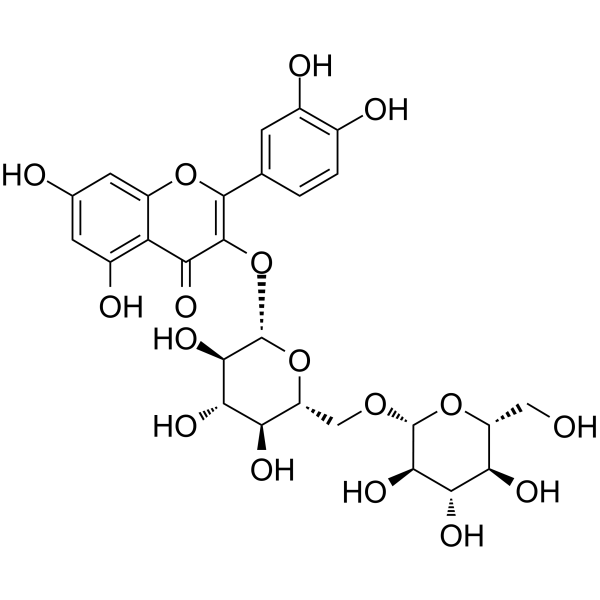
HY-N4089
Quercetin 3-gentiobiosideAromatase Inhibitor -

HY-B1202R
Alrestatin (Standard)Standard -
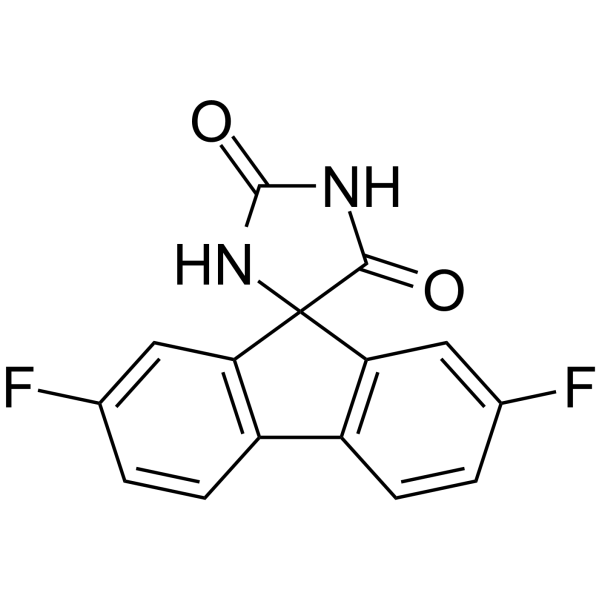
HY-16255
ImirestatAldose Reductase Inhibitor -
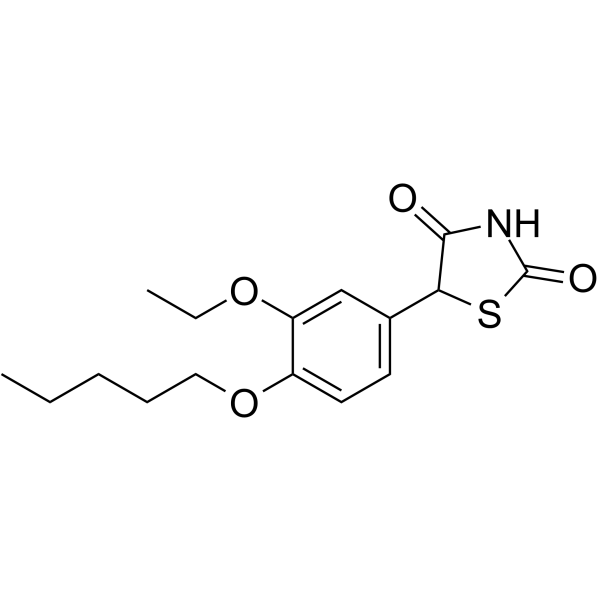
HY-16433
RisarestatAldose Reductase Inhibitor
Publications Citing Use of MedChemExpress (MCE) Alrestatin sodium
More

Biological Activity
Description
In Vitro
Alrestatin (1-5 mg/mL; 15 min) sodium dose-dependently inhibits basal and tyramine-stimulated 3H-norepinephrine release from rat splenic and pancreatic tissue samples in vitro[1].
MedChemExpress (MCE) has not independently confirmed the accuracy of these methods. They are for reference only. Further protocols information, click here.
In Vivo
Alrestatin (0.15 μg/μL; intrauterine infusion) sodium significantly reduces fructose levels in mouse uterine fluid without altering glucose or sorbitol levels[2].
Alrestatin (1.5 mmol/L; intrauterine injection) sodium significantly reduces sperm capacitation rate and fertilization rate in mice, while co-administration of fructose or sorbitol reverses these effects[2].
MedChemExpress (MCE) has not independently confirmed the accuracy of these methods. They are for reference only.
-
Animal Model:Sprague-Dawley (male, 200-250 g, fasted, anaesthetized)[1]
-
Dosage:0.75 mmol/kg
-
Administration:i.v.; single bolus
-
Result:Produced significantly greater mean incremental plasma insulin levels compared to vehicle.
Reduced mean incremental plasma glucose levels significantly compared to vehicle.
Did not significantly alter basal fasting plasma glucose or insulin levels relative to vehicle when administered without glucose.


Chemical Information
-
CAS No. 51876-97-2
-
Molecular Weight 277.21
-
Formula C14H8NNaO4
-
SMILES
O=C([O-])CN(C(C1=CC=CC2=CC=CC3=C12)=O)C3=O.[Na+]
-
Synonyms
AY-22284A
-
Shipping
Room temperature in continental US; may vary elsewhere.
-
Storage
Please store the product under the recommended conditions in the Certificate of Analysis.


Publications (1)
-
Journal Impact Factor
-
Most Recent
-
Theriogenology
Expression of aldose reductase in mouse endometrial epithelial cells and its role in sperm capacitation. [Abstract]2023 Oct 1:209:243-250. PMID: 37480702

Protocols
-
Research Protocol for Endocrine Diseases
Endocrine diseases often arise from disrupted hormone production, hormone signaling, or target-tissue responsiveness; for diabetes-focused endocrine disease models, insulin signaling regulates glucose uptake, hepatic glucose output, lipid metabolism, and β-cell compensation. Type 2 diabetes develops through interacting defects in insulin resistance, β-cell dysfunction, adipose inflammation, hepatic glucose overproduction, altered incretin signaling, and ectopic lipid metabolism. A major unresolved question is whether endocrine dysfunction is driven primarily by target-tissue insulin resistance, intrinsic β-cell failure, immune/inflammatory stress, or combined multi-organ failure that differs by disease stage.
-
Human Islet Cell Culture
The method of preserving islets in vitro, with purified reduced immunogenicity. The steps are islet isolation, islet cell purification, in vitro determination of islet function and islet cell culture.
-
Research Protocol for Metabolic Diseases
AMP-activated protein kinase, AMPK, is a conserved cellular energy sensor that responds to reduced cellular energy status and coordinates metabolism by increasing ATP-generating catabolic pathways while suppressing ATP-consuming anabolic processes. In metabolic disease research, the AMPK pathway is experimentally relevant because it regulates hepatic lipid synthesis, fatty acid oxidation, glucose production, skeletal-muscle glucose disposal, mTORC1-linked biosynthesis, autophagy, mitochondrial homeostasis, and whole-body energy balance. The central pathway logic is that energy stress, metformin, exercise-like stimulation, or direct AMPK activators increase AMPKα Thr172 phosphorylation and downstream substrate phosphorylation, including ACC and RAPTOR. Phosphorylation of ACC suppresses lipogenesis and supports fatty acid oxidation, whereas phosphorylation of RAPTOR suppresses mTORC1 signaling and links cellular energy status to growth and protein synthesis control. The pathway is linked


Purity & Documentation
References
[1]. Kobric M, et al. Effect of alrestatin sodium on glucose-stimulated insulin secretion in the fasted anaesthetized rat. Horm Metab Res. 1978;10(6):495-500. [Content Brief]
[2]. Lei Y, et al. Expression of aldose reductase in mouse endometrial epithelial cells and its role in sperm capacitation. Theriogenology. 2023;209:243-250. [Content Brief]

Calculators
Concentration (start) × Volume (start) = Concentration (final) × Volume (final)


Alrestatin sodium Related Classifications
HY-B1202A Related Classifications
 Powered by Bioz