



Galantide
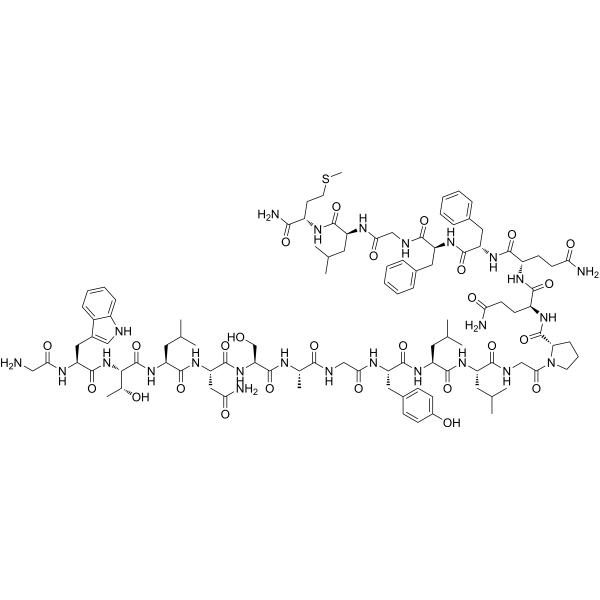
Galantide, a non-specific galanin receptor antagonist, is a peptide consisting of fragments of galanin and substance P. Galantide recognizes two classes of galanin binding sites (KD<0.1 nM and ~6 nM) in the rat hypothalamus. Galantide dose dependently (IC50=1.0 nM) antagonizes the galanin-mediated inhibition of the glucose-induced insulin secretion from mouse pancreatic islets. Galantide appears to bind to a single population of SP receptors (KD~40 nM).
For research use only. We do not sell to patients.
- CAS No.: 138579-66-5
- Formula: C104H151N25O26S
- Molecular Weight:2199.53
-
Storage:
Sealed storage, away from moisture.
Powder -80°C, 2 years , -20°C, 1 year* In solvent : -80°C, 6 months; -20°C, 1 month (sealed storage, away from moisture)

To place orders, for customer services and technical support, please contact: MedChemExpress USA
Tel: 609-228-6898 E-mail: [email protected] [email protected]


-
 Biological Activity
-
Chemical Information
- Protocols
- Purity & Documentation
- References
-
 Help & FAQs


-
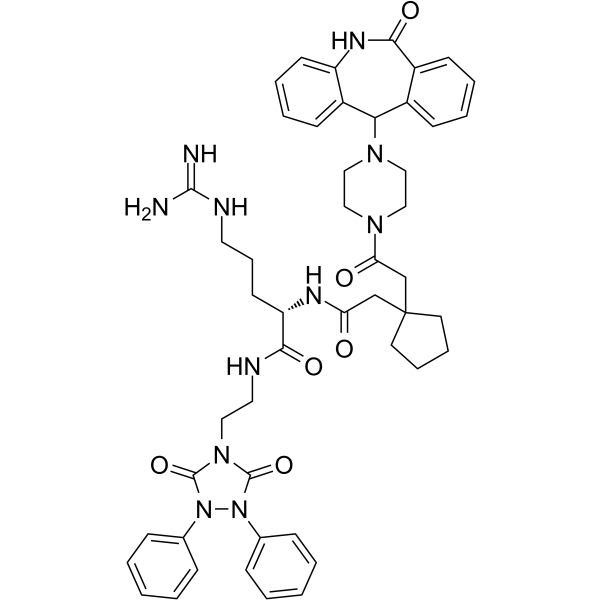
HY-101986
BIIE-0246NPY2R Antagonist -
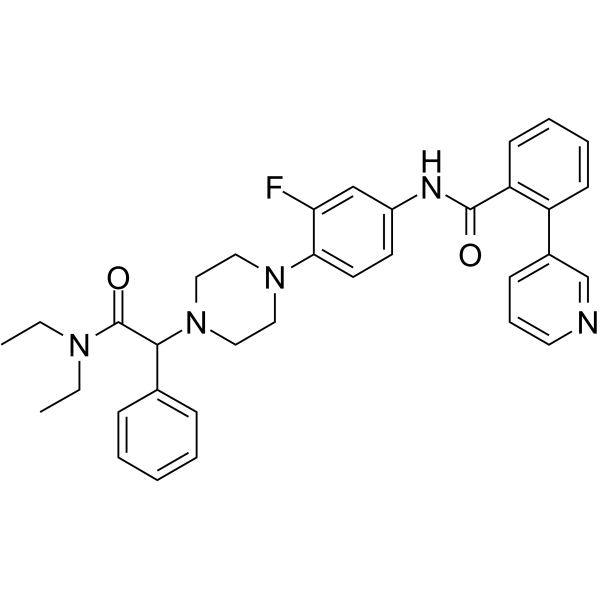
HY-14450
JNJ-31020028Y2 Receptor Antagonist -
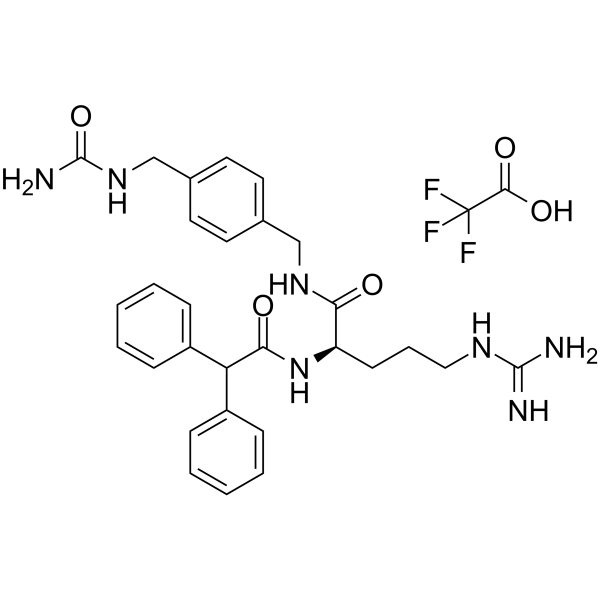
HY-107725
BIBO3304NPY Y1 Receptor Antagonist -

HY-P0198
Neuropeptide Y (human,rat,mouse)Active Compound -
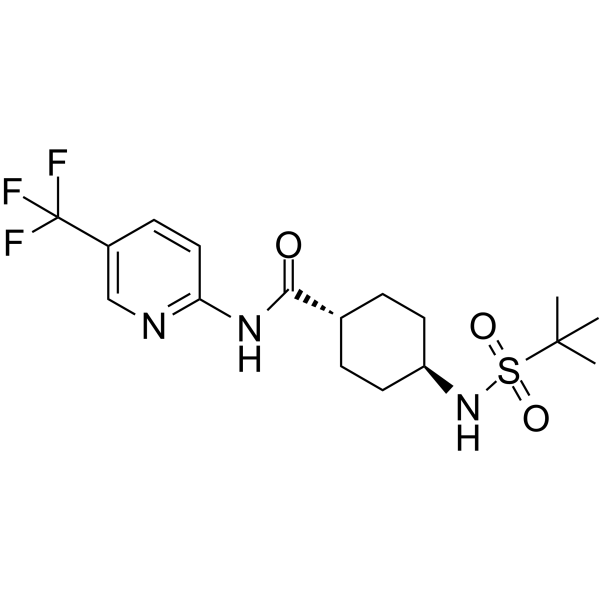
HY-14423
VelneperitNeuropeptide Y Receptor Antagonist -
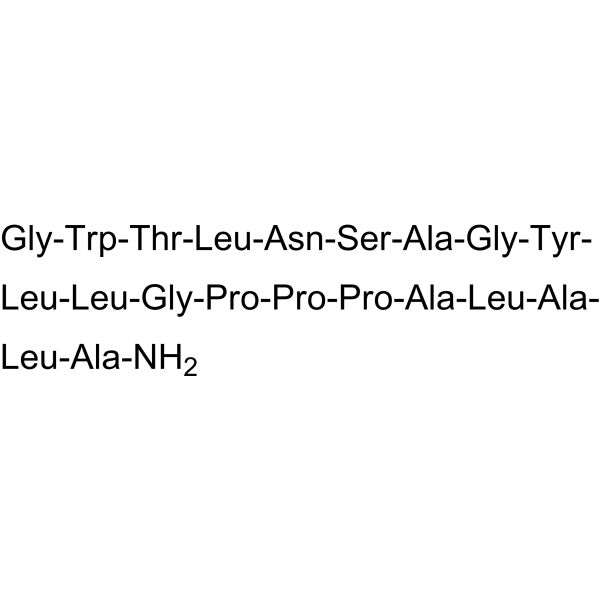
HY-P1025
M40Galanin Receptor Modulator -
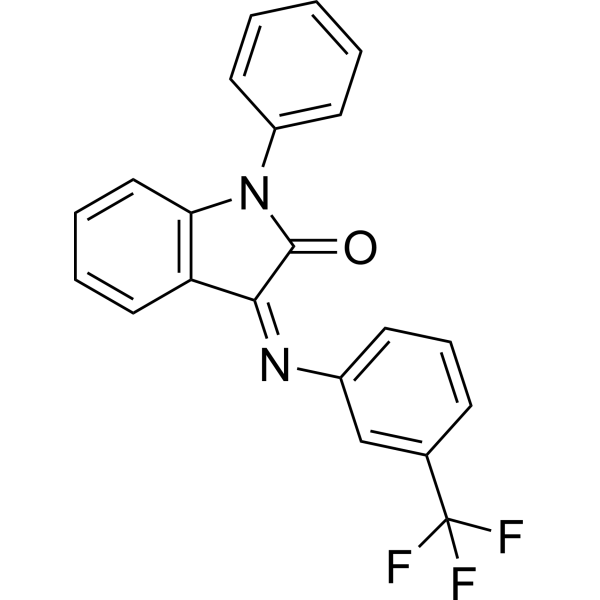
HY-100717
HT-2157Gal3 Antagonist -
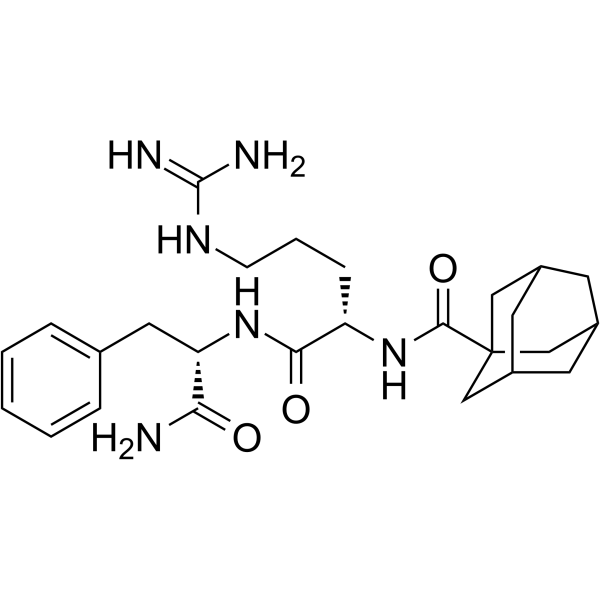
HY-107382
RF9Neuropeptide Y Receptor Antagonist -
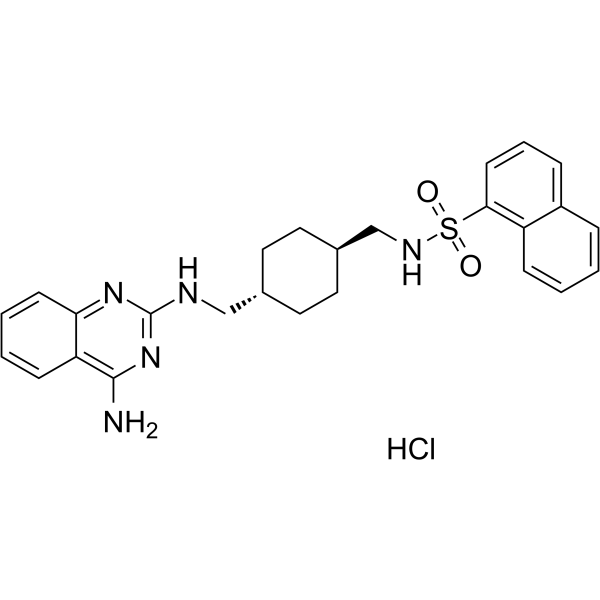
HY-107723
CGP71683 hydrochlorideNeuropeptide Receptor Antagonist -
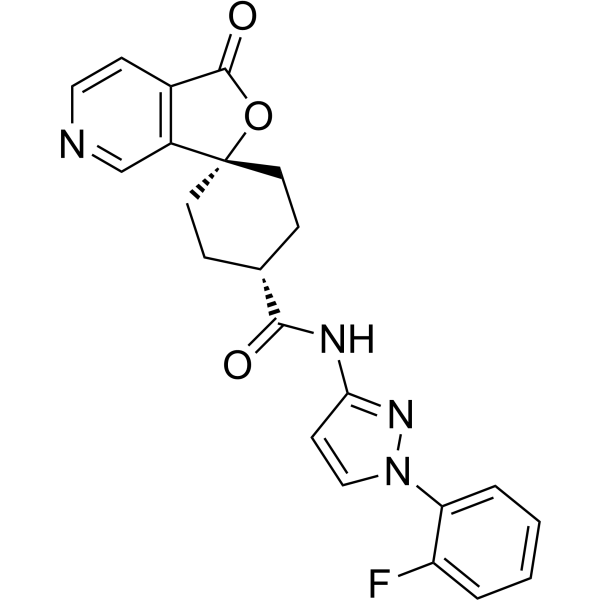
HY-15411
MK-0557Neuropeptide Y Receptor Antagonist -
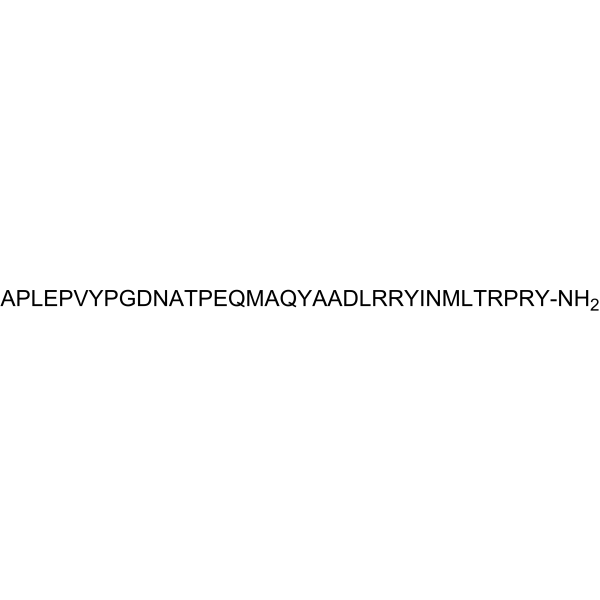
HY-P0199
Pancreatic Polypeptide, humanNeuropeptide Y Receptor Agonist -
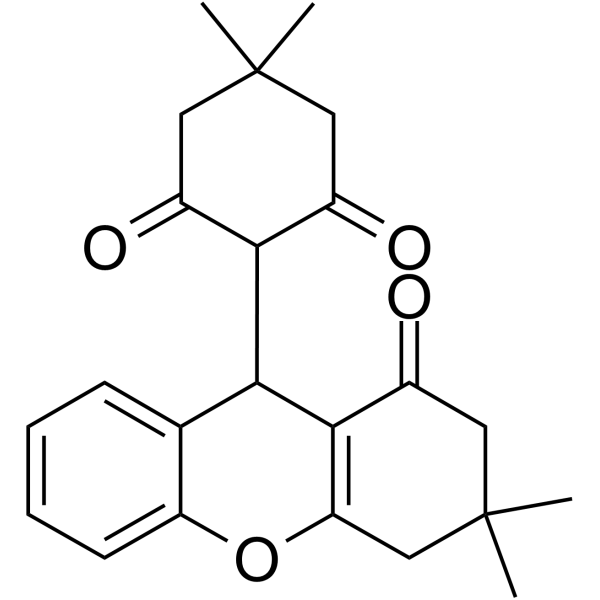
HY-107734
L 152804NPY Y5 Receptor Antagonist
All Neuropeptide Y Receptor Isoforms
More

Biological Activity
Description
In Vitro
Galantide do not activate the K+ conductance but produces a concentration-dependent antagonism (IC50=4 nM) of the galanin-induced increase in K+ conductance. Galantide acts like galanin and inhibits the voltage-dependent Ba2+ current (IBa). The inhibition of IBa also is concentration dependent (IC50=16 nM) and the maximum inhibition produced by galantide is approximately 40%[3].
MedChemExpress (MCE) has not independently confirmed the accuracy of these methods. They are for reference only. Further protocols information, click here.
In Vivo
MedChemExpress (MCE) has not independently confirmed the accuracy of these methods. They are for reference only.


Chemical Information
-
CAS No. 138579-66-5
-
Appearance Solid
-
Molecular Weight 2199.53
-
Formula C104H151N25O26S
-
Color White to off-white
-
Sequence
Gly-Trp-Thr-Leu-Asn-Ser-Ala-Gly-Tyr-Leu-Leu-Gly-Pro-Gln-Gln-Phe-Phe-Gly-Leu-Met-NH2
-
Sequence Shortening
GWTLNSAGYLLGPQQFFGLM-NH2
-
Shipping
Room temperature in continental US; may vary elsewhere.
-
Storage
Sealed storage, away from moisture
Powder -80°C 2 years -20°C 1 year * In solvent : -80°C, 6 months; -20°C, 1 month (sealed storage, away from moisture)

Protocols
-
Research Protocol for Endocrine Diseases
Endocrine diseases often arise from disrupted hormone production, hormone signaling, or target-tissue responsiveness; for diabetes-focused endocrine disease models, insulin signaling regulates glucose uptake, hepatic glucose output, lipid metabolism, and β-cell compensation. Type 2 diabetes develops through interacting defects in insulin resistance, β-cell dysfunction, adipose inflammation, hepatic glucose overproduction, altered incretin signaling, and ectopic lipid metabolism. A major unresolved question is whether endocrine dysfunction is driven primarily by target-tissue insulin resistance, intrinsic β-cell failure, immune/inflammatory stress, or combined multi-organ failure that differs by disease stage.
-
Human Islet Cell Culture
The method of preserving islets in vitro, with purified reduced immunogenicity. The steps are islet isolation, islet cell purification, in vitro determination of islet function and islet cell culture.


Purity & Documentation
-
Data Sheet (264 KB)
-
SDS (252 KB)
- English - EN (252 KB)
- Français - FR (252 KB)
- Deutsch - DE (252 KB)
- Norwegian - NO (252 KB)
- Español - ES (252 KB)
- Swedish - SV (252 KB)
- Italian - IT (252 KB)
- Korean - KR (252 KB)
- Portuguese - PT (252 KB)
-
Handling Instructions (2659 KB)
References
[1]. Langel U, et al. Design of chimeric peptide ligands to galanin receptors and substance P receptors. Int J Pept Protein Res. 1992;39(6):516-522. [Content Brief]
[2]. Lindskog S, et al. The novel high-affinity antagonist, galantide, blocks the galanin-mediated inhibition of glucose-induced insulin secretion. Eur J Pharmacol. 1992;210(2):183-188. [Content Brief]
[3]. Mulvaney JM, et al. Galantide distinguishes putative subtypes of galanin receptors in mudpuppy parasympathetic neurons. Eur J Pharmacol. 1995;287(1):97-100. [Content Brief]

Calculators
Concentration (start) × Volume (start) = Concentration (final) × Volume (final)


Galantide Related Classifications
HY-P0262 Related Classifications
 Powered by Bioz