



KB-R7943 mesylate
Based on 4 publication(s) in Google Scholar
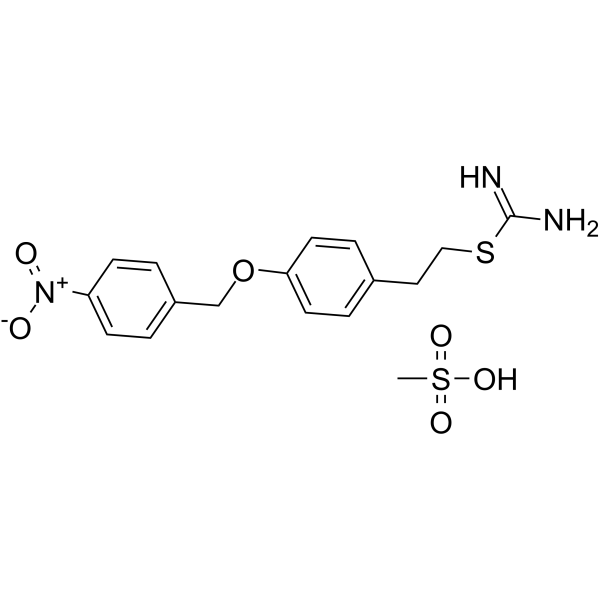
KB-R7943 mesylate is a widely used inhibitor of the reverse Na+/Ca2+ exchanger (NCXrev) with IC50 of 5.7±2.1 μM. KB-R7943 mesylate induces cancer cell death via activating the JNK pathway and blocking autophagic flux.
For research use only. We do not sell to patients.
- Purity : 99.14%
- CAS No.: 182004-65-5
- Formula: C17H21N3O6S2
- Molecular Weight:427.50
-
Storage:
4°C, sealed storage, away from moisture
* In solvent : -80°C, 6 months; -20°C, 1 month (sealed storage, away from moisture)

To place orders, for customer services and technical support, please contact: MedChemExpress USA
Tel: 609-228-6898 E-mail: [email protected] [email protected]


-
 Biological Activity
-
Chemical Information
-
Solvent & Solubility
- Protocols
- Purity & Documentation
- References
-
 Help & FAQs


-
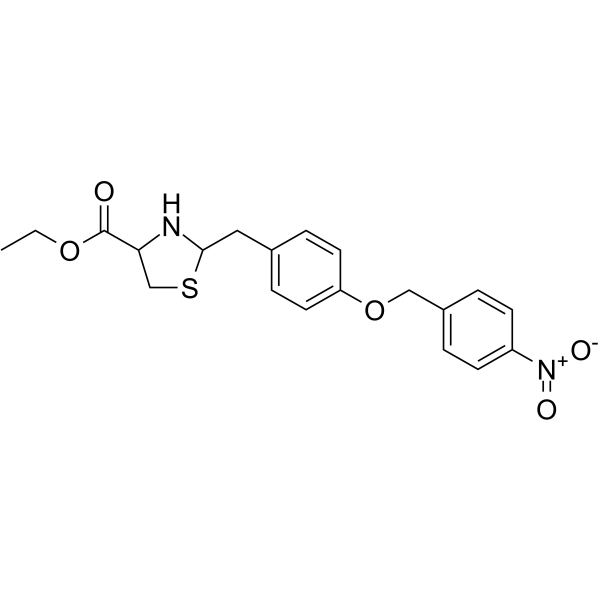
HY-107658
SN 6Na+/Ca2+ Exchanger Inhibitor -
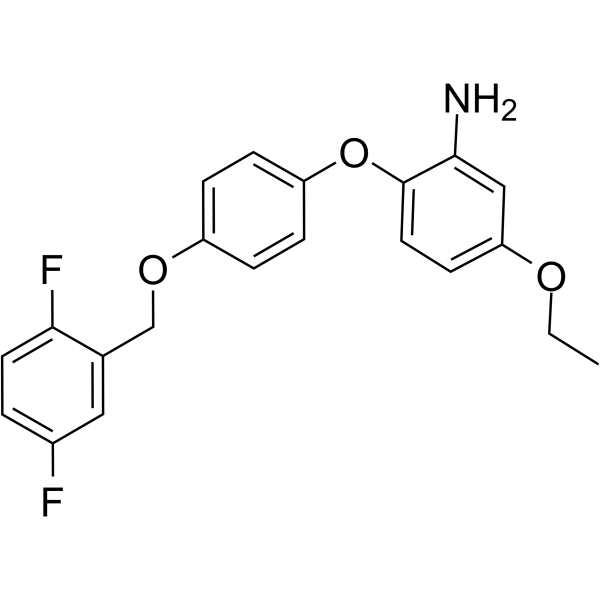
HY-15515
SEA0400Na+/Ca2+ Exchanger Inhibitor -
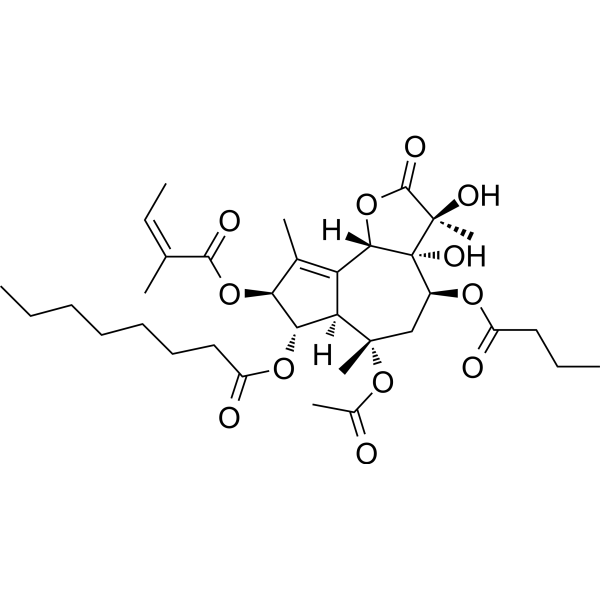
HY-13433
ThapsigarginER Stress Inducer -
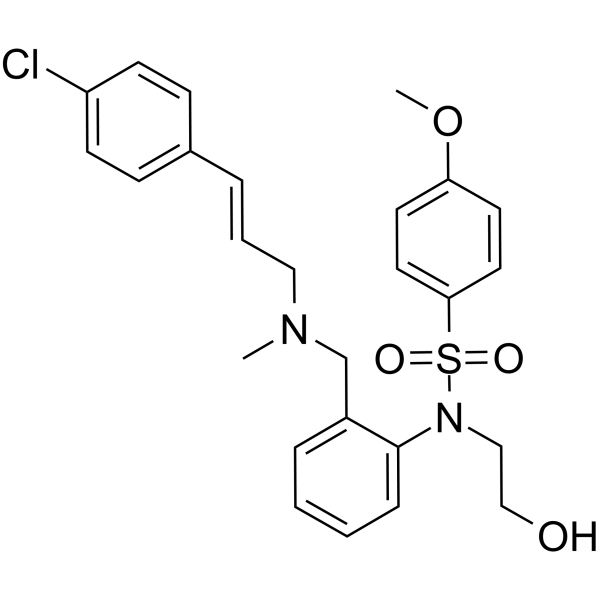
HY-15465
KN-93CaMK II Inhibitor -
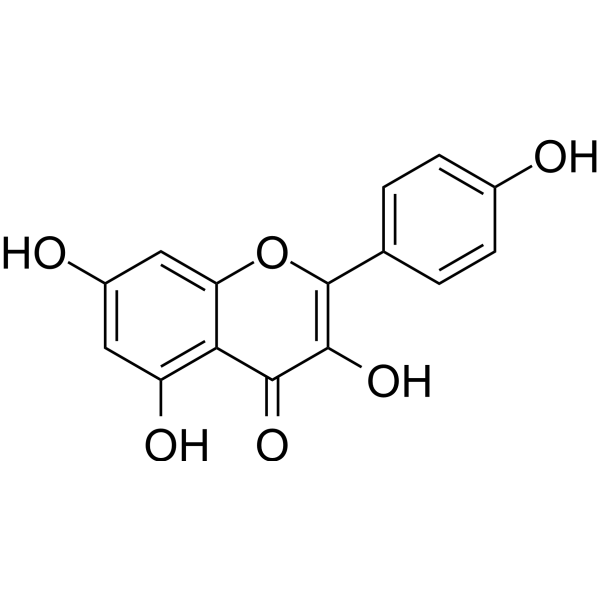
HY-14590
KaempferolEstrogen Receptor α Inhibitor -
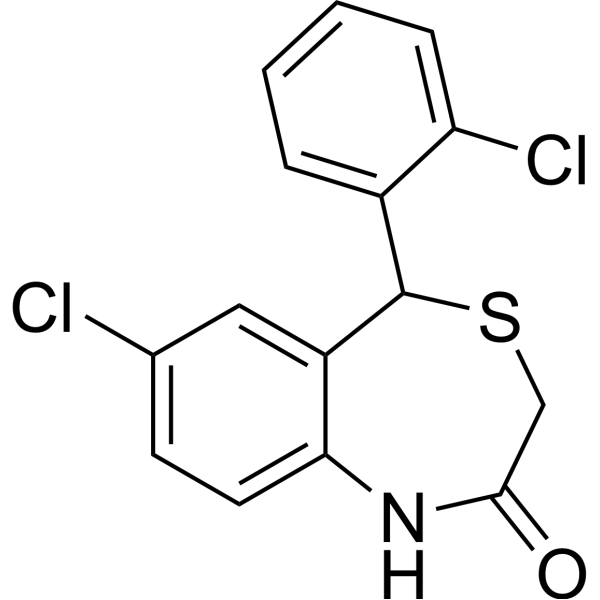
HY-15754
CGP37157Na+/Ca2+ Exchanger Inhibitor -
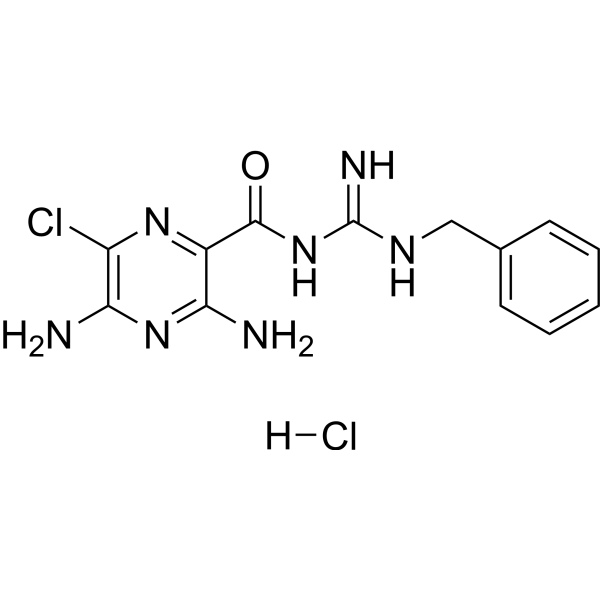
HY-B1546A
Benzamil hydrochlorideENaC Blocker -
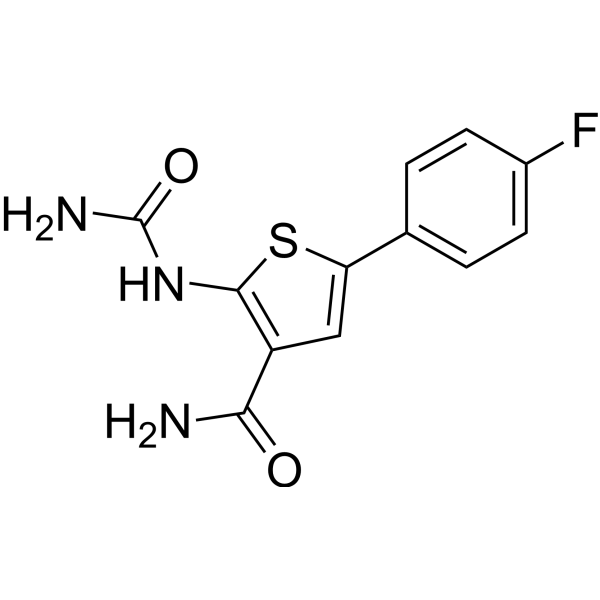
HY-10074
TPCA-1IKK-2 Inhibitor -
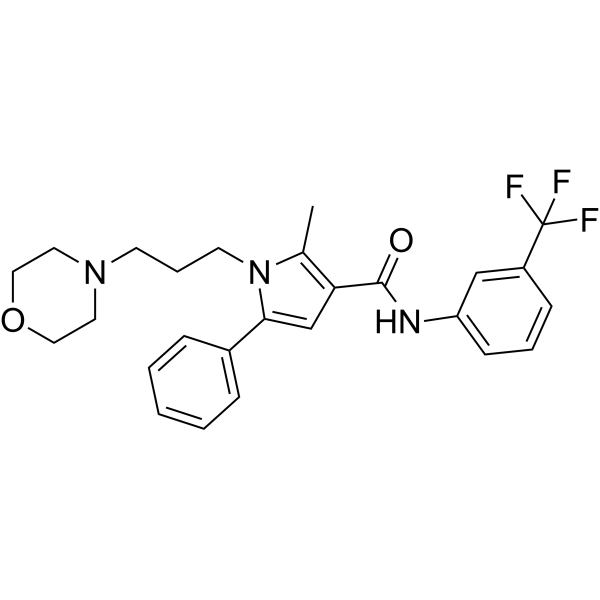
HY-100208
HC-067047TRPV4 Antagonist -
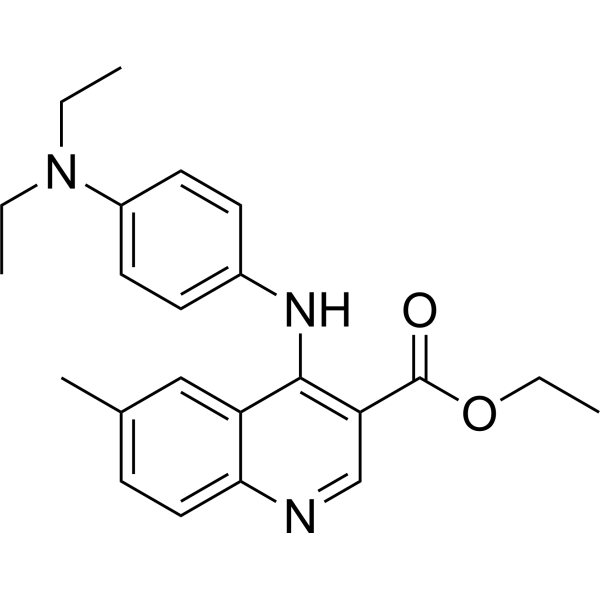
HY-138620
MCU-i4Ca2+ Uptake Blocker -

HY-107658R
SN 6 (Standard)Reference Standard -
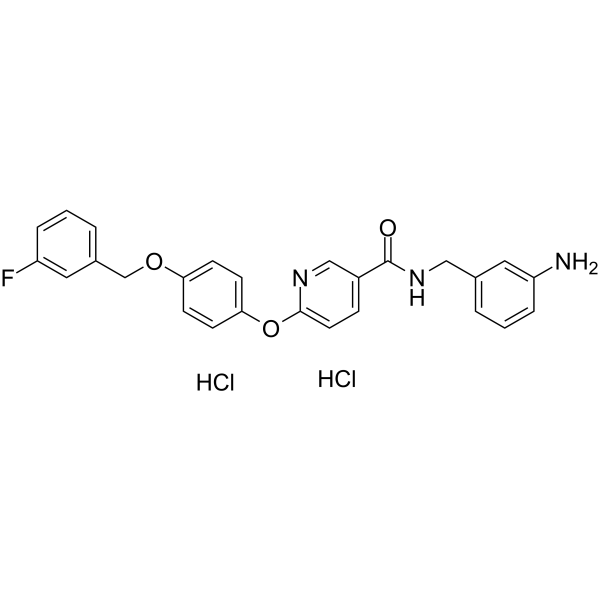
HY-136182
YM-244769 dihydrochlorideNCX Inhibitor
Publications Citing Use of MedChemExpress (MCE) KB-R7943 mesylate
More

Biological Activity
Description
IC50 & Target
IC50: 5.7±2.1 μM (Na+/Ca2+ exchanger)[1]
In Vitro
KB-R7943 mesylate blocks NMDAR-mediated ion currents, and inhibits NMDA-induced increase in cytosolic Ca2+ with IC50=13.4±3.6 μM but accelerates calcium deregulation and mitochondrial depolarization in glutamate-treated neurons. KB-R7943 depolarizes mitochondria in a Ca2+-independent manner. KB-R7943 inhibits 2,4-dinitrophenol-stimulated respiration of cultured neurons with IC50=11.4±2.4 μM. In addition to NCXrev, KB-R7943 dose-dependently and reversibly blocked ion currents elicited by NMDA. KB-R7943 dose-dependently inhibits NMDA-induced increases in [Ca2+]c with IC50=13.4±3.6 μM confirming the inhibition of NMDA receptors observed in electrophysiological experiments[1]. wtRyR1-HEK 293 pretreated with KB-R7943 (10 μM, 10 min) dissolved in the bulk perfusion exhibited significantly attenuated responses to caffeine. In this regard, KB-R7943 produced more pronounced inhibition of caffeine-induced Ca2+ release elicited by 1 mM compared with 0.5 and 0.75 mM (60 versus 58 versus 37%, p<0.05, respectively)[2]. KB-R7943 inhibits both IhERG and native IKr rapidly on membrane depolarization with IC50 values of ~89 and ~120 nM, respectively, for current tails at 40 mV following depolarizing voltage commands to +20 mV. IhERG inhibition by KB-R7943 exhibits both time- and voltage-dependence but shows no preference for inactivated over activated channels[3].
MedChemExpress (MCE) has not independently confirmed the accuracy of these methods. They are for reference only. Further protocols information, click here.


Chemical Information
-
CAS No. 182004-65-5
-
Appearance Solid
-
Molecular Weight 427.50
-
Formula C17H21N3O6S2
-
Color White to yellow
-
SMILES
NC(SCCC1=CC=C(OCC2=CC=C([N+]([O-])=O)C=C2)C=C1)=N.CS(=O)(O)=O
-
Shipping
Room temperature in continental US; may vary elsewhere.
-
Storage
4°C, sealed storage, away from moisture
* In solvent : -80°C, 6 months; -20°C, 1 month (sealed storage, away from moisture)


Publications (4)
-
Journal Impact Factor
-
Most Recent
-
Aging Cell
Reducing Nav1.6 expression attenuates the pathogenesis of Alzheimer's disease by suppressing BACE1 transcription. [Abstract]2022 May;21(5):e13593. PMID: 35353937 -
Br J Pharmacol
Scorpion venom heat-resistant synthesized peptide ameliorates 6-OHDA-induced neurotoxicity and neuroinflammation: likely role of Nav 1.6 inhibition in microglia. [Abstract]2021 Sep;178(17):3553-3569. PMID: 33886140 -
J Am Heart Assoc
Sodium-Glucose Cotransporter 2 Inhibitor Canagliflozin Antagonizes Salt-Sensitive Hypertension Through Modifying Transient Receptor Potential Channels 3 Mediated Vascular Calcium Handling. [Abstract]2022 Aug 2;11(15):e025328. PMID: 35904193 -
Am J Physiol Cell Physiol
PFOS-induced Sertoli cell injury through c-Jun N-terminal kinase (JNK) - a study by RNA-Seq. [Abstract]2024 Aug 1;327(2):C291-C309. PMID: 38826136


Solvent & Solubility
In Vitro:
DMSO : 100 mg/mL (233.92 mM; Need ultrasonic; Hygroscopic DMSO has a significant impact on the solubility of product, please use newly opened DMSO)
Please refer to the solubility information to select the appropriate solvent. Once prepared, please aliquot and store the solution to prevent product inactivation from repeated freeze-thaw cycles.
Storage method and period of stock solution: -80°C, 6 months; -20°C, 1 month (sealed storage, away from moisture). When stored at -80°C, please use it within 6 months. When stored at -20°C, please use it within 1 month.
Please refer to the solubility information to select the appropriate solvent. Once prepared, please aliquot and store the solution to prevent product inactivation from repeated freeze-thaw cycles.
Storage method and period of stock solution: -80°C, 6 months; -20°C, 1 month (sealed storage, away from moisture). When stored at -80°C, please use it within 6 months. When stored at -20°C, please use it within 1 month.
Concentration (start) × Volume (start) = Concentration (final) × Volume (final)
In Vivo:
Select the appropriate dissolution method based on your experimental animal and administration route.
- For the following dissolution methods, please ensure to first prepare a clear stock solution using an In Vitro approach and then sequentially add co-solvents:
- To ensure reliable experimental results, the clarified stock solution can be appropriately stored based on storage conditions. As for the working solution for In Vivo experiments, it is recommended to prepare freshly and use it on the same day.
- The percentages shown for the solvents indicate their volumetric ratio in the final prepared solution. If precipitation or phase separation occurs during preparation, heat and/or sonication can be used to aid dissolution.
Add each solvent one by one: 10% DMSO 40% PEG300 5% Tween-80 45% Saline
Solubility: ≥ 2.5 mg/mL (5.85 mM); Clear solution
This protocol yields a clear solution of ≥ 2.5 mg/mL (saturation unknown).
Taking 1 mL working solution as an example, add 100 μL DMSO stock solution (25.0 mg/mL) to 400 μL PEG300, and mix evenly; then add 50 μL Tween-80 and mix evenly; then add 450 μL Saline to adjust the volume to 1 mL.
Preparation of Saline: Dissolve 0.9 g sodium chloride in ddH₂O and dilute to 100 mL to obtain a clear Saline solution.
Add each solvent one by one: 10% DMSO 90% (20% SBE-β-CD in Saline)
Solubility: ≥ 2.5 mg/mL (5.85 mM); Clear solution
This protocol yields a clear solution of ≥ 2.5 mg/mL (saturation unknown).
Taking 1 mL working solution as an example, add 100 μL DMSO stock solution (25.0 mg/mL) to 900 μL 20% SBE-β-CD in Saline, and mix evenly.
Preparation of 20% SBE-β-CD in Saline (4°C, storage for one week): 2 g SBE-β-CD powder is dissolved in 10 mL Saline, completely dissolve until clear.
In Vivo Dissolution Calculator
Please enter the basic information of animal experiments:
-
-
-
-
Recommended: Prepare an additional quantity of animals to account for potential losses during experiments.
Please enter your animal formula composition:
-
%DMSO +
Recommended: Keep the proportion of DMSO in working solution below 2% if your animal is weak.
-
%+
-
+%Tween-80 + +
-
%Saline +
The co-solvents required include: DMSO, . All of co-solvents are available by MedChemExpress (MCE). , Tween 80. All of co-solvents are available by MedChemExpress (MCE).
Working solution concentration: 0.22 mg/mL
Method for preparing stock solution: mg drug dissolved in μL DMSO. Stock solution concentration: mg/mL. * In solvent : -80°C, 6 months; -20°C, 1 month (sealed storage, away from moisture)
1. Take μL DMSO stock solution;
2. Add μL .
μL , mix evenly;
3. Then add μL Tween 80, mix evenly;
4. Then add μL
Please ensure that the stock solution in the first step is dissolved to a clear state, and add co-solvents in sequence. You can use ultrasonic heating (ultrasonic cleaner, recommended frequency 20-40 kHz), vortexing, etc. to assist dissolution.

Protocols
-
Cell Cytotoxicity Assay
Cytotoxicity assays are usually based on the assessment of cell membrane damage, which can also be indirectly detected by measuring cell viability. Detection methods include MTT assay, CKK-8 assay, LDH assay and ATP assay, etc.
-
Mammalian live/dead viability and cytotoxicity staining
Live/dead viability and cytotoxicity staining assays are based on the simultaneous detection of intracellular esterase activity in metabolically active (viable) cells and membrane integrity loss in non-viable cells. In commonly used dual-staining approaches, membrane-permeant fluorogenic substrates are converted by intracellular esterases into fluorescent products in live cells, while impermeant DNA-binding dyes selectively enter cells with compromised plasma membranes and label nucleic acids in dead or dying cells, enabling discrimination between viable and non-viable populations by fluorescence microscopy or flow cytometry.
-
Autophagy
Autophagy is a process in which eukaryotic cells use lysosomes to degrade their own cytoplasmic proteins and damaged organelles under the regulation of autophagy related gene (Atg). Microtubule-associated proteins light chain 3 (LC3) is recognized as autophagy marker, which transfers from cytoplasmic LC3 (LC3-I) to membrane type (LC3-II). LC3-II/I ratio could be detected by Western Blot and fluorescence microscopy.
-
Apoptosis Solutions
Apoptosis is a regulated, generally non-lytic cell-death pathway that removes unwanted, damaged, infected, or abnormal cells through coordinated morphological changes, caspase activation, DNA fragmentation, and membrane remodeling. The intrinsic apoptosis pathway is controlled mainly by mitochondrial outer membrane permeabilization, BCL-2 family proteins, cytochrome c release, apoptosome formation, caspase-9 activation, and downstream executioner caspase-3/7 activation. The extrinsic apoptosis pathway is initiated by death receptors such as Fas, TNFR, and TRAIL receptors, which recruit adaptor proteins and activate caspase-8 before engaging executioner caspases or mitochondrial amplification through BID cleavage. Apoptosis is linked to many phenotypes, including cancer cell killing, tissue homeostasis, immune regulation, neurodegeneration, infection response, and treatment-induced cytotoxicity; unresolved questions include how apoptosis interacts with necroptosis, pyroptosis, ferroptos
-
Ca2+ Staining Technique
Ca2+ staining is an experimental technique that utilizes specific fluorescent probes (such as Fluo-4 AM, Fura-2, etc.) to qualitatively or quantitatively detect dynamic changes in intracellular Ca2+ concentrations; this is achieved by monitoring the changes in fluorescent signals generated when these probes bind to free intracellular calcium ions. The underlying principle relies primarily on the presence of chelating groups within the probe's molecular structure that possess high affinity for calcium ions.
-
Macroautophagy Solutions
Macroautophagy is a conserved lysosome-dependent degradation pathway in which cytoplasmic material is sequestered into double-membrane autophagosomes and delivered to lysosomes for degradation and recycling. The pathway supports cellular homeostasis during nutrient limitation, organelle stress, protein-aggregate accumulation, infection, differentiation, and tissue remodeling by coupling cargo sequestration, autophagosome maturation, lysosomal fusion, and degradation of cargo-derived macromolecules. The core molecular sequence includes initiation by nutrient- and stress-regulated autophagy machinery, autophagosome nucleation, LC3/ATG8-family conjugation to autophagosomal membranes, cargo selection through receptors such as SQSTM1/p62, autophagosome-lysosome fusion, and lysosomal degradation. LC3 was identified as a mammalian homolog of yeast Atg8 that localizes to autophagosomal membranes after processing, and p62/SQSTM1 was shown to connect ubiquitinated cargo with autophagic degradati


Purity & Documentation
-
Data Sheet (279 KB)
-
SDS (394 KB)
- English - EN (394 KB)
- Français - FR (394 KB)
- Deutsch - DE (394 KB)
- Norwegian - NO (394 KB)
- Español - ES (394 KB)
- Swedish - SV (394 KB)
- Italian - IT (394 KB)
- Korean - KR (394 KB)
- Portuguese - PT (394 KB)
-
Handling Instructions (2659 KB)
References
[1]. Brustovetsky T, et al. KB-R7943, an inhibitor of the reverse Na+ /Ca2+ exchanger, blocks N-methyl-D-aspartate receptor and inhibits mitochondrial complex I. Br J Pharmacol. 2011 Jan;162(1):255-70. [Content Brief]
[2]. Barrientos G, et al. The Na+/Ca2+ exchange inhibitor 2-(2-(4-(4-nitrobenzyloxy)phenyl)ethyl)isothiourea methanesulfonate(KB-R7943) also blocks ryanodine receptors type 1 (RyR1) and type 2 (RyR2) channels. Mol Pharmacol. 2009 Sep;76(3):560-8. [Content Brief]
[3]. Cheng H, et al. High potency inhibition of hERG potassium channels by the sodium-calcium exchange inhibitor KB-R7943. Br J Pharmacol. 2012 Apr;165(7):2260-73. [Content Brief]
[4]. Long Z, et al. The reverse-mode NCX1 activity inhibitor KB-R7943 promotes prostate cancer cell death by activating the JNK pathway and blocking autophagic flux. Oncotarget. 2016;7(27):42059-70. [Content Brief]


Complete Stock Solution Preparation Table
Please refer to the solubility information to select the appropriate solvent. Once prepared, please aliquot and store the solution to prevent product inactivation from repeated freeze-thaw cycles.
Storage method and period of stock solution: -80°C, 6 months; -20°C, 1 month (sealed storage, away from moisture). When stored at -80°C, please use it within 6 months. When stored at -20°C, please use it within 1 month.
| Optional Solvent | Concentration Solvent Mass | 1 mg | 5 mg | 10 mg | 25 mg |
|---|---|---|---|---|---|
| DMSO | 1 mM | 2.3392 mL | 11.6959 mL | 23.3918 mL | 58.4795 mL |
| 5 mM | 0.4678 mL | 2.3392 mL | 4.6784 mL | 11.6959 mL | |
| 10 mM | 0.2339 mL | 1.1696 mL | 2.3392 mL | 5.8480 mL | |
| 15 mM | 0.1559 mL | 0.7797 mL | 1.5595 mL | 3.8986 mL | |
| 20 mM | 0.1170 mL | 0.5848 mL | 1.1696 mL | 2.9240 mL | |
| 25 mM | 0.0936 mL | 0.4678 mL | 0.9357 mL | 2.3392 mL | |
| 30 mM | 0.0780 mL | 0.3899 mL | 0.7797 mL | 1.9493 mL | |
| 40 mM | 0.0585 mL | 0.2924 mL | 0.5848 mL | 1.4620 mL | |
| 50 mM | 0.0468 mL | 0.2339 mL | 0.4678 mL | 1.1696 mL | |
| 60 mM | 0.0390 mL | 0.1949 mL | 0.3899 mL | 0.9747 mL | |
| 80 mM | 0.0292 mL | 0.1462 mL | 0.2924 mL | 0.7310 mL | |
| 100 mM | 0.0234 mL | 0.1170 mL | 0.2339 mL | 0.5848 mL |


KB-R7943 mesylate Related Classifications
HY-15415 Related Classifications
 Powered by Bioz