



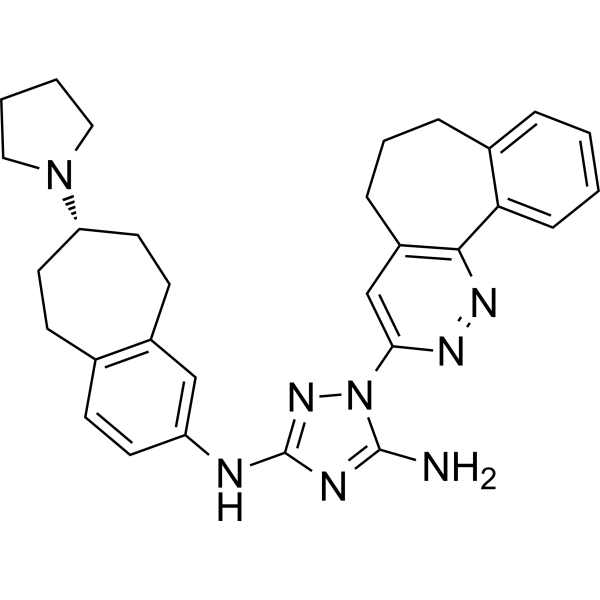
Bemcentinib
Based on 67 publication(s) in Google Scholar
Bemcentinib (R428) is a selective and orally active Axl inhibitor with an IC50 of 14 nM. Bemcentinib retards cancer cell migration and invasion. Bemcentinib exhibits >100-fold selectivity for Axl versus Abl and 50- and >100-fold selectivity over TAM family kinases Mer and Tyro3, respectively, in cells. Bemcentinib blocks tumor spread and prolongs survival in models of metastatic breast cancer.
For research use only. We do not sell to patients.
- Purity : 99.88%
- CAS No.: 1037624-75-1
- Formula: C30H34N8
- Molecular Weight:506.64
-
Storage:Powder -20°C, 3 years , 4°C, 2 years ; In solvent -80°C, 6 months , -20°C, 1 month

To place orders, for customer services and technical support, please contact: MedChemExpress USA
Tel: 609-228-6898 E-mail: [email protected] [email protected]


-
 Biological Activity
-
Chemical Information
-
Solvent & Solubility
- Protocols
- Purity & Documentation
- References
-
 Help & FAQs


-
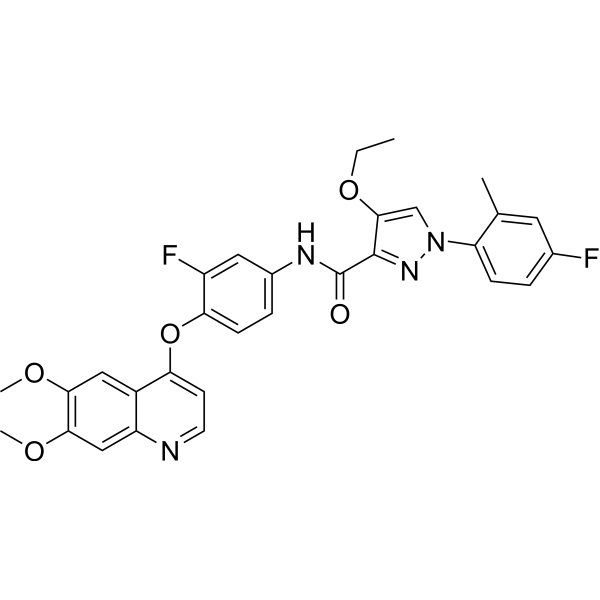
HY-12494
LDC1267AXL/TAM/FLT3 Inhibitor -
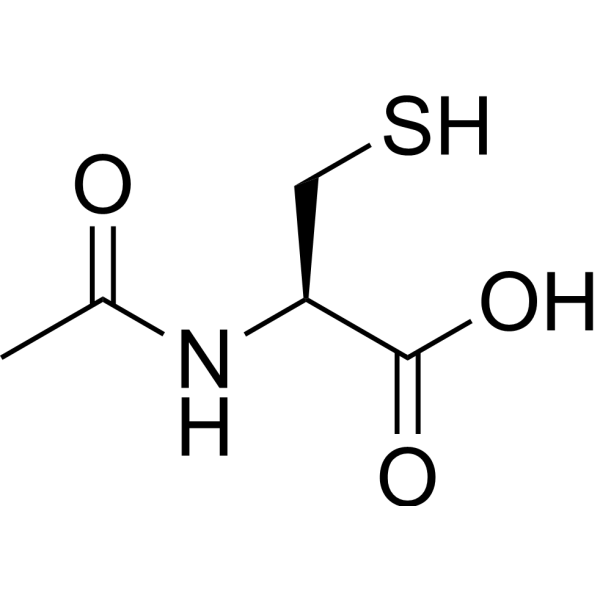
HY-B0215
AcetylcysteineMucolytic Agent -
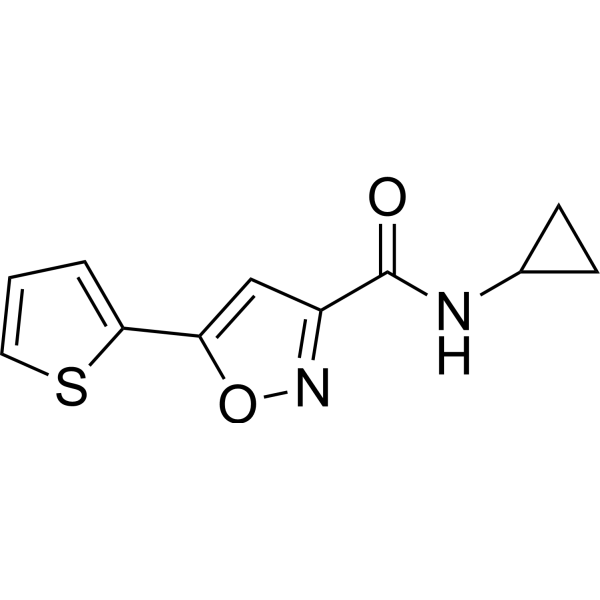
HY-12323
ISX-9Neural Stem Cell Differentiation Inducer -
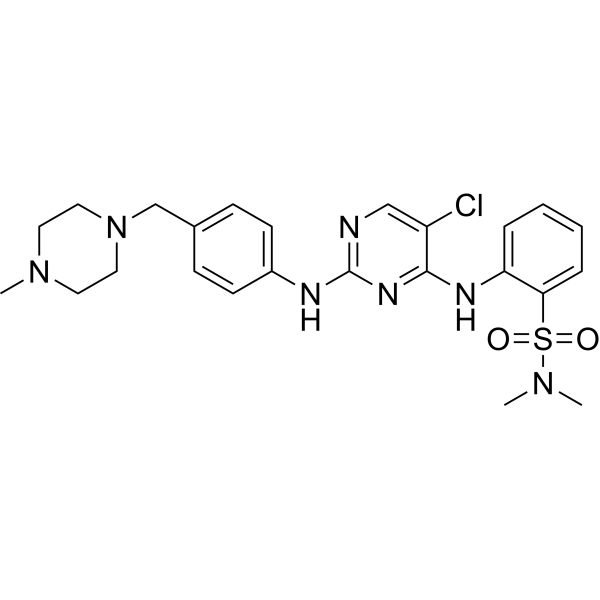
HY-12963
DubermatinibAxl Inhibitor -
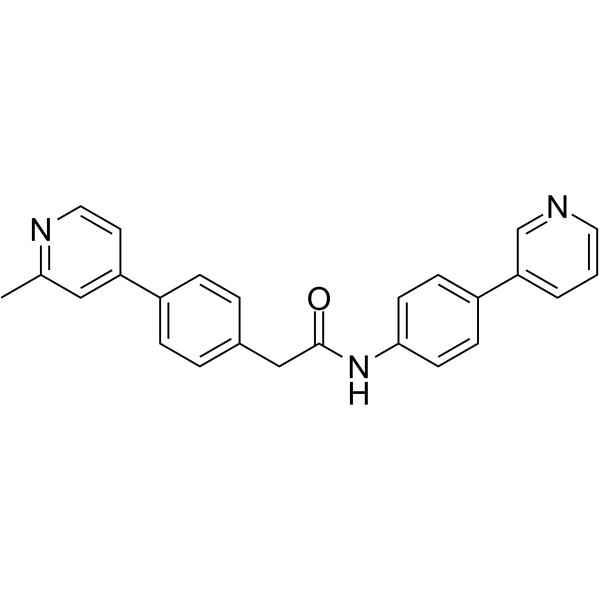
HY-15659
Wnt-C59PORCN Inhibitor -
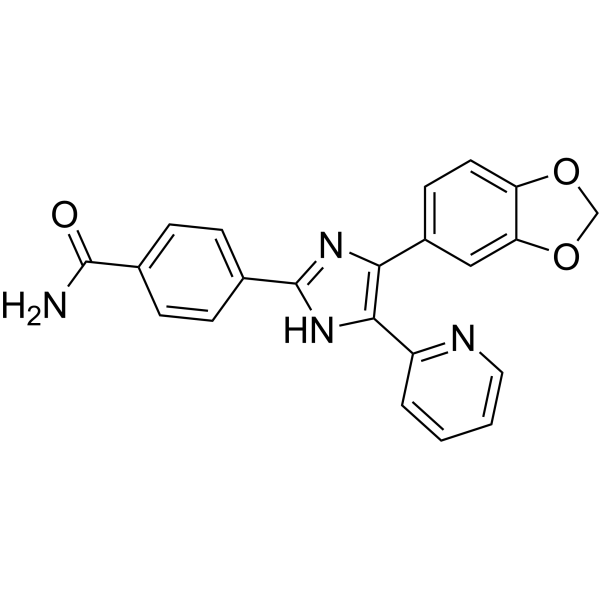
HY-10431
SB-431542TGF-β Receptor Kinase Inhibitor -
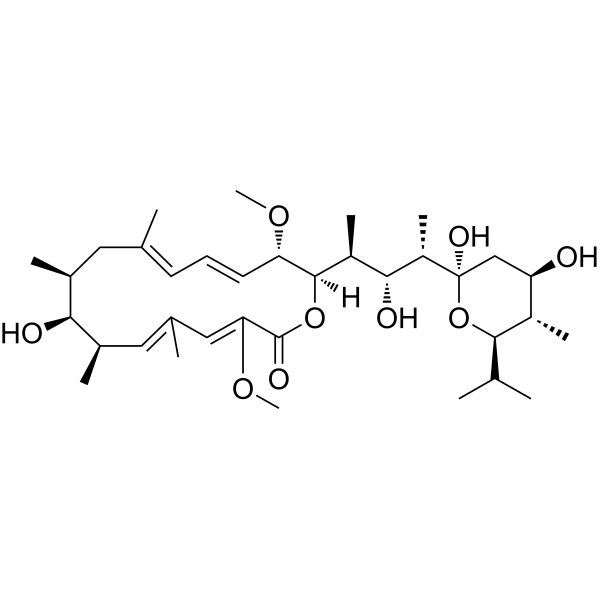
HY-100558
Bafilomycin A1V-ATPase Inhibitor -
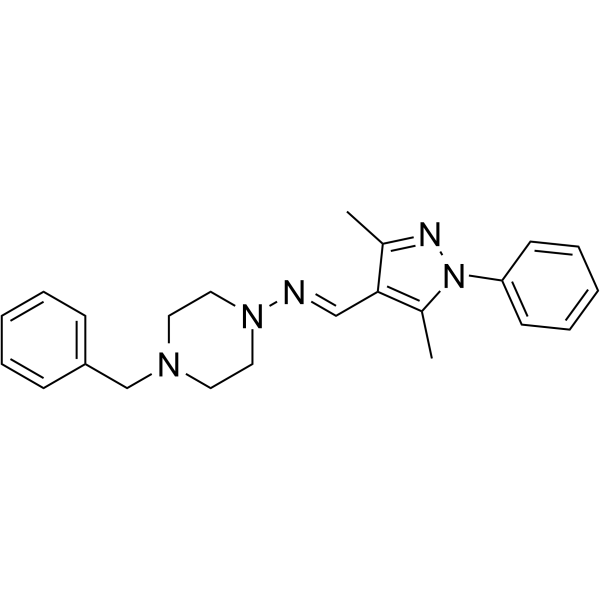
HY-100224
SANT-1Smo Antagonist -
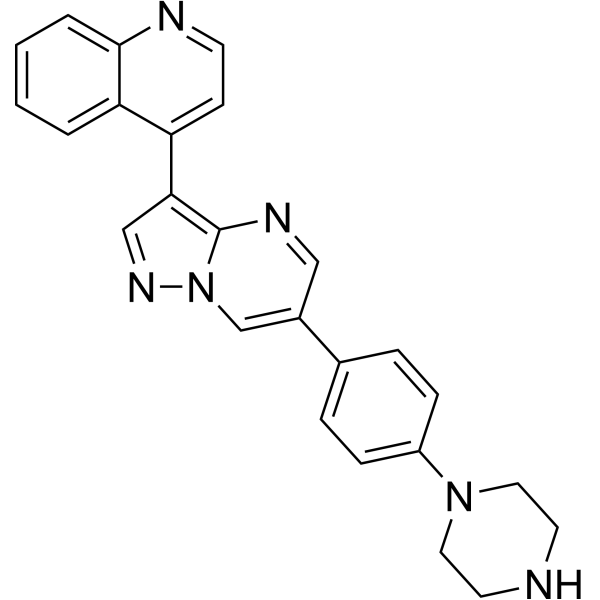
HY-12071
LDN193189ALK2/3 Inhibitor -
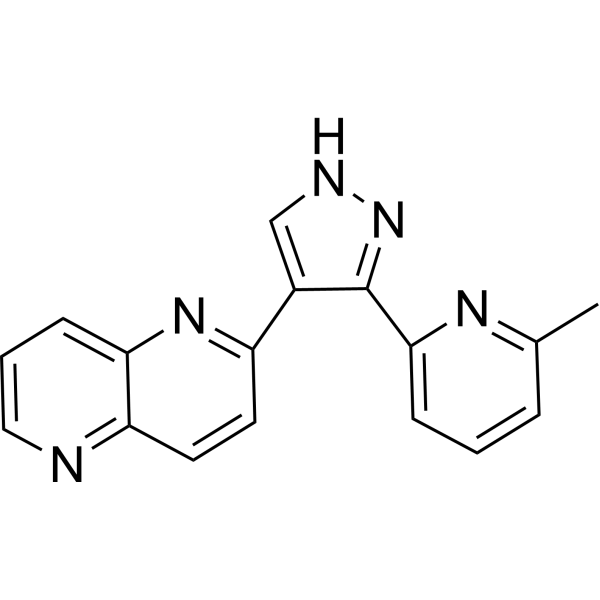
HY-13012
RepSoxTGFβR-1/ALK5 Inhibitor -
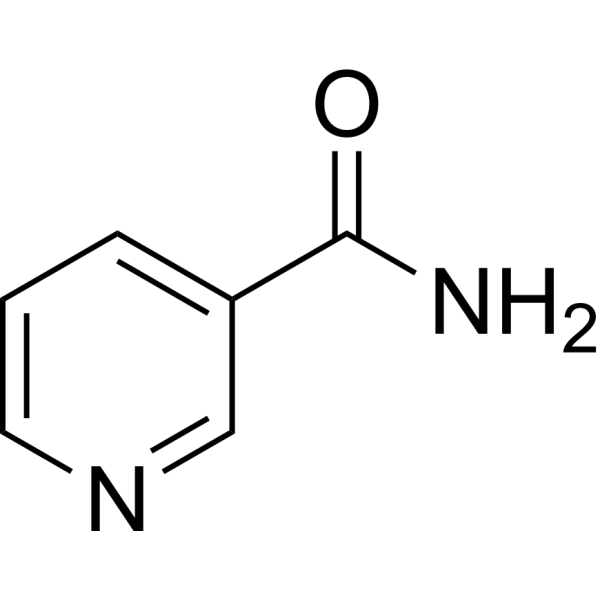
HY-B0150
NicotinamideSIRT Inhibitor -
HY-10115
PI-103PI3K/mTOR Inhibitor
Publications Citing Use of MedChemExpress (MCE) Bemcentinib
More- Signal Transduct Target Ther. 2026 Jun 17;11(1):238. [Abstract]
- Cancer Cell. 2025 Feb 10;43(2):269-291.e19. [Abstract]
- Cancer Cell. 2024 Oct 14;42(10):1693-1712.e24. [Abstract]
- Cancer Cell. 2018 Dec 10;34(6):954-969.e4. [Abstract]
- Science. 2025 Feb 21;387(6736):892-900. [Abstract]
- Cell. 2026 May 28;189(11):3444-3464.e28. [Abstract]
- Mil Med Res. 2023 Feb 22;10(1):7. [Abstract]
- Eur Respir J. 2025 Jun 5;65(6):2400615. [Abstract]
- Cell Stem Cell. 2020 Jul 2;27(1):125-136.e7. [Abstract]
- Cancer Res. 2026 Mar 5. [Abstract]
- Nat Commun. 2023 Jun 15;14(1):3560. [Abstract]
- Neuron. 2022 Nov 16;110(22):3711-3726.e16. [Abstract]
- Theranostics. 2018 Jul 30;8(15):4262-4278. [Abstract]
- Cell Rep Med. 2025 Dec 29:102526. [Abstract]
- J Immunother Cancer. 2026 Jun 24;14(6):e014421. [Abstract]
- Cell Commun Signal. 2024 Dec 18;22(1):598. [Abstract]
- J Pharm Anal. 2025 May;15(5):101092. [Abstract]
- Acta Pharmacol Sin. 2023 May;44(5):984-998. [Abstract]
- Br J Cancer. 2025 Nov 26. [Abstract]
- Cell Rep. 2021 Apr 6;35(1):108959. [Abstract]
- Cell Syst. 2020 Nov 18;11(5):478-494.e9. [Abstract]
- JCI Insight. 2020 Oct 15;5(20):e141321. [Abstract]
- Cell Mol Life Sci. 2022 May 27;79(6):316. [Abstract]
- EMBO Rep. 2020 Nov 5;21(11):e50078. [Abstract]
- Cell Rep Methods. 2023 Dec 18;3(12):100663. [Abstract]
- Commun Biol. (2021) 4:1002.
- Commun Biol. 2021 Aug 24;4(1):1002. [Abstract]
- Pharmaceuticals (Basel). 2023 May 6;16(5):703. [Abstract]
- Int Immunopharmacol. 2026 Jun 16:185:117018. [Abstract]
- Protein Sci. 2024 Apr;33(4):e4948. [Abstract]
- J Mol Med (Berl). 2026 Apr 23;104(1):68. [Abstract]
- J Mol Med (Berl). 2025 Sep;103(9):1043-1053. [Abstract]
- Biochim Biophys Acta Mol Basis Dis. 2022 Dec 1;1868(12):166490. [Abstract]
- Transplantation. 2022 Jul 1;106(7):1351-1364. [Abstract]
- Sci Rep. 2017 Dec 19;7(1):17770. [Abstract]
- J Cell Mol Med. 2025 Jan;29(1):e70321. [Abstract]
- J Cell Mol Med. 2019 Aug;23(8):5518-5531. [Abstract]
- Antiviral Res. 2025 Dec:244:106307. [Abstract]
- FEBS J. 2025 Oct 28. [Abstract]
- FEBS J. 2025 Jan;292(1):115-128. [Abstract]
- J Virol. 2025 Aug 25:e0022125. [Abstract]
- BMC Cancer. 2021 Jun 17;21(1):713. [Abstract]
- Am J Physiol Heart Circ Physiol. 2022 Nov 1;323(5):H917-H933. [Abstract]
- Int J Biochem Cell Biol. 2025 Mar:180:106750. [Abstract]
- Genes (Basel). 2022 Nov 2;13(11):2011. [Abstract]
- Genes (Basel). 2020 Dec 23;12(1):9. [Abstract]
- World J Surg Oncol. 2022 Oct 6;20(1):334. [Abstract]
- Head Neck. 2023 May;45(5):1255-1271. [Abstract]
- Exp Ther Med. 2020 Nov;20(5):41. [Abstract]
- Res Sq. 2026 Jun 29.
- Technical University of Dresden. 2025.
- J Mazandaran Univ Med Sci. 2025; 35 (251):15-29.
- bioRxiv. 2025 Aug 13.
- bioRxiv. 2025 May 30.
- bioRxiv. 2025 May 21.
- bioRxiv. 2024 Aug 6:2024.08.05.606734. [Abstract]
- Preprints. 2023 Sep 28.
- Research Square Preprint. 2023 Jul 3.
- bioRxiv. 2023 Jun 11.
- Nencki Institute of Experimental Biology. 2022 Oct.
- Research Square Preprint. 2021 Dec.
- Biomed Pharmacother. 2021 Dec:144:112347. [Abstract]
- bioRxiv. 2020 Jun.
- bioRxiv. 2020 Apr.
- bioRxiv. 2020 Mar.
- University of Oslo. 2019 Feb.
- Oncotarget. 2017 Jun 20;8(25):41064-41077. [Abstract]
 Customer Validation & Images

-
WB
-
WB
-
WB
-
WB
-
WB


Biological Activity
Description
IC50 & Target
|
Axl |
Cellular Effect
|
Cell Line

|
Type | Value | Description | References |
|---|---|---|---|---|
| 4T1 | IC50 |
0.94 μM
Compound: 1; R428, BGB-324
|
Antiproliferative activity against mouse 4T1 cells highly expressing AXL after 72 hrs by MTT assay
Antiproliferative activity against mouse 4T1 cells highly expressing AXL after 72 hrs by MTT assay
|
[PMID: 35279611] |
| BaF3 | IC50 |
117.2 nM
Compound: 8; R428; BGB324
|
Antiproliferative activity against mouse BaF3 stably expressing human TEL-AXL incubated for 72 hrs
Antiproliferative activity against mouse BaF3 stably expressing human TEL-AXL incubated for 72 hrs
|
[PMID: 33957388] |
| BaF3 | IC50 |
117.2 nM
Compound: 2; BGB324
|
Antiproliferative activity against mouse BaF3/TEL-AXL cells incubated for 72 hrs by SRB or CCK8 assay
Antiproliferative activity against mouse BaF3/TEL-AXL cells incubated for 72 hrs by SRB or CCK8 assay
|
[PMID: 33733758] |
| BaF3 | IC50 |
98.8 nM
Compound: 1; BGB324
|
Antiproliferative activity against mouse BaF3 cells transfected with TEL-AXL assessed as inhibition of cell growth incubated for 72 hrs
Antiproliferative activity against mouse BaF3 cells transfected with TEL-AXL assessed as inhibition of cell growth incubated for 72 hrs
|
[PMID: 36358010] |
| GES1 | IC50 |
>60 μM
Compound: 1; R428, BGB-324
|
Cytotoxicity against human GES1 cells after 72 hrs by MTT assay
Cytotoxicity against human GES1 cells after 72 hrs by MTT assay
|
[PMID: 35279611] |
| HeLa | IC50 |
<30 nM
Compound: 17; BGB324; R428
|
Inhibition of recombinant AXL in human HeLa cells after 1 hr by ELISA
Inhibition of recombinant AXL in human HeLa cells after 1 hr by ELISA
|
[PMID: 26555154] |
| MCF-10A | IC50 |
>60 μM
Compound: 1; R428, BGB-324
|
Cytotoxicity against human MCF-10A cells after 72 hrs by MTT assay
Cytotoxicity against human MCF-10A cells after 72 hrs by MTT assay
|
[PMID: 35279611] |
| MDA-MB-231 | IC50 |
2.84 μM
Compound: 1; R428, BGB-324
|
Antiproliferative activity against human MDA-MB-231 cells highly expressing AXL after 72 hrs by MTT assay
Antiproliferative activity against human MDA-MB-231 cells highly expressing AXL after 72 hrs by MTT assay
|
[PMID: 35279611] |
In Vitro
Bemcentinib (R428) (2 μM) significantly interferes with mechanisms of migration and invasion of Axlpos melanoma cells at levels comparable to Axl knockdown[1].
Bemcentinib (R428) synergizes with CDDP to enhance suppression of liver micrometastasis[2].
Bemcentinib (R428) (50 nM-1 μM) causes a concentration-dependent inhibition of preadipocyte differentiation into mature adipocytes, as evidenced by reduced lipid uptake[3].
MedChemExpress (MCE) has not independently confirmed the accuracy of these methods. They are for reference only. Further protocols information, click here.
In Vivo
Bemcentinib (R428) (75 mg/kg/day, 25 mg/kg twice daily, p.o.) makes mice keep on a high-fat diet resulted in significantly reduced weight gain and subcutaneous and gonadal fat mass[3].
MedChemExpress (MCE) has not independently confirmed the accuracy of these methods. They are for reference only.
Clinical Trial
| NCT Number | Sponsor | Condition | Start Date |
Phase
|
|---|---|---|---|---|
| NCT01329991 | Plexxikon| | 2011-05 | PHASE1 |


Chemical Information
-
CAS No. 1037624-75-1
-
Appearance Solid
-
Molecular Weight 506.64
-
Formula C30H34N8
-
Color Off-white to yellow
-
SMILES
NC1=NC(NC2=CC(CC[C@@H](N3CCCC3)CC4)=C4C=C2)=NN1C(N=N5)=CC6=C5C7=CC=CC=C7CCC6
-
Synonyms
R428; BGB324
-
Shipping
Room temperature in continental US; may vary elsewhere.
-
Storage
Powder -20°C 3 years 4°C 2 years In solvent -80°C 6 months -20°C 1 month


Publications (67)
-
Journal Impact Factor
-
Most Recent
-
Signal Transduct Target Ther
Targeting oncogenic TβRI signaling inhibits androgen-independent prostate cancer growth and metastasis. [Abstract]2026 Jun 17;11(1):238. PMID: 42303991 -
Cancer Cell
Adiponectin reduces immune checkpoint inhibitor-induced inflammation without blocking anti-tumor immunity. [Abstract]2025 Feb 10;43(2):269-291.e19. PMID: 39933899 -
Cancer Cell
Distinct tumor architectures and microenvironments for the initiation of breast cancer metastasis in the brain. [Abstract]2024 Oct 14;42(10):1693-1712.e24. PMID: 39270646 -
Cancer Cell
Targeting PKCδ as a Therapeutic Strategy against Heterogeneous Mechanisms of EGFR Inhibitor Resistance in EGFR-Mutant Lung Cancer. [Abstract]2018 Dec 10;34(6):954-969.e4. PMID: 30537515
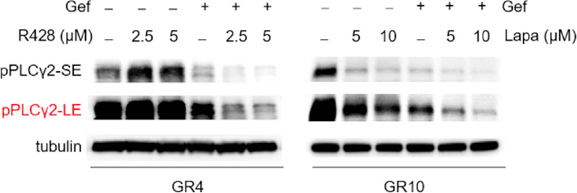
Bemcentinib purchased from MedChemExpress. Usage Cited in: Cancer Cell. 2018 Dec 10;34(6):954-969.e4. [Abstract]
Western blot showing phosphorylated PLCγ2 in cells treated with gef (1 μM) and R428 or Lapa for 24 hr. SE, short exposure; LE, long exposure.
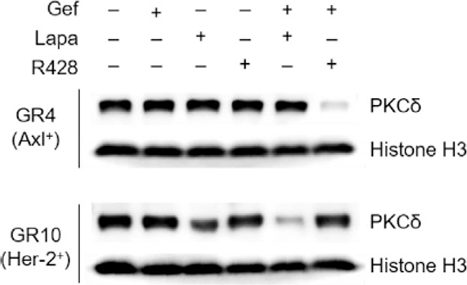
Bemcentinib purchased from MedChemExpress. Usage Cited in: Cancer Cell. 2018 Dec 10;34(6):954-969.e4. [Abstract]
Western blot showing PKCδ expression in nuclear extracts of GR4 and GR10 cells treated with 1 μM gef in combination with 2.5 μM R428 and 5 μM GW572016 (Lapa) for 24 hr.
-
Science
2025 Feb 21;387(6736):892-900. PMID: 39977508 -
Cell
2026 May 28;189(11):3444-3464.e28. PMID: 41923641 -
Mil Med Res
Single-cell transcriptomic dissection of the cellular and molecular events underlying the triclosan-induced liver fibrosis in mice. [Abstract]2023 Feb 22;10(1):7. PMID: 36814339
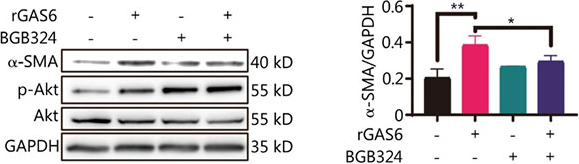
Bemcentinib purchased from MedChemExpress. Usage Cited in: Mil Med Res. 2023 Feb 22;10(1):7. [Abstract]
Bemcentinib (BGB324; 1 μM; 30 min) partially blocks the activation of HSC by rGAS6 in LX-2 cells.
-
Eur Respir J
Inhibition of AXL ameliorates pulmonary fibrosis via attenuation of M2 macrophage polarization. [Abstract]2025 Jun 5;65(6):2400615. PMID: 39788632 -
Cell Stem Cell
A Human Pluripotent Stem Cell-based Platform to Study SARS-CoV-2 Tropism and Model Virus Infection in Human Cells and Organoids. [Abstract]2020 Jul 2;27(1):125-136.e7. PMID: 32579880 -
Cancer Res
Metronomic Chemotherapy Induces Metabolic Reprogramming in Cancer Cells That Modulates Mature Regulatory Dendritic Cell Function to Stimulate Antitumor Immunity. [Abstract]2026 Mar 5. PMID: 41784618 -
Nat Commun
CNK2 promotes cancer cell motility by mediating ARF6 activation downstream of AXL signalling. [Abstract]2023 Jun 15;14(1):3560. PMID: 37322019 -
Neuron
Uncompetitive, adduct-forming SARM1 inhibitors are neuroprotective in preclinical models of nerve injury and disease. [Abstract]2022 Nov 16;110(22):3711-3726.e16. PMID: 36087583 -
Theranostics
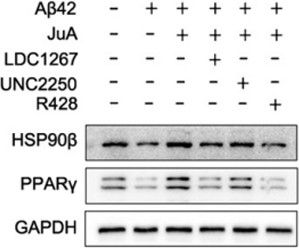
Jujuboside A promotes Aβ clearance and ameliorates cognitive deficiency in Alzheimer's disease through activating Axl/HSP90/PPARγ pathway. [Abstract]2018 Jul 30;8(15):4262-4278. PMID: 30128052
Bemcentinib purchased from MedChemExpress. Usage Cited in: Theranostics. 2018 Jul 30;8(15):4262-4278. [Abstract]
BV2 cells are pretreated with 0.1% DMSO (Ctrl), JuA (25 µM) or JuA (25 µM) with the indicated antagonist of TAM receptor (LDC1267 at 1 µM, UNC2250 at 5 µM, R428 at 5 µM) for 30 min, followed by administration of Aβ42 (5 μM) for 12 h.
-
Cell Rep Med
CDK4/6 inhibition overcomes venetoclax resistance mechanisms with enhanced combination activity in acute myeloid leukemia. [Abstract]2025 Dec 29:102526. PMID: 41468895 -
J Immunother Cancer
Spatial immune atlas of breast cancer brain metastasis reveals CD163+ macrophage reprogramming associated with immune escape. [Abstract]2026 Jun 24;14(6):e014421. PMID: 42342408 -
Cell Commun Signal
CD91-mediated reprogramming of DCs by immunogenic heat shock proteins requires the kinases AXL and Fgr. [Abstract]2024 Dec 18;22(1):598. PMID: 39696592 -
J Pharm Anal
Screen of FDA-approved drug library identifies vitamin K as anti-ferroptotic drug for osteoarthritis therapy through Gas6. [Abstract]2025 May;15(5):101092. PMID: 40496065 -
Acta Pharmacol Sin
Circulating small extracellular vesicles promote proliferation and migration of vascular smooth muscle cells via AXL and MerTK activation. [Abstract]2023 May;44(5):984-998. PMID: 36450791 -
Br J Cancer
Crosstalk of NPY and TGFβ orchestrates the signaling to facilitate perineural invasion of oral squamous cell carcinoma. [Abstract]2025 Nov 26. PMID: 41298817 -
Cell Rep
Drug repurposing screens reveal cell-type-specific entry pathways and FDA-approved drugs active against SARS-Cov-2. [Abstract]2021 Apr 6;35(1):108959. PMID: 33811811 -
Cell Syst
Receptor-Driven ERK Pulses Reconfigure MAPK Signaling and Enable Persistence of Drug-Adapted BRAF-Mutant Melanoma Cells. [Abstract]2020 Nov 18;11(5):478-494.e9. PMID: 33113355 -
JCI Insight
Single cell transcriptomics of mouse kidney transplants reveals a myeloid cell pathway for transplant rejection. [Abstract]2020 Oct 15;5(20):e141321. PMID: 32970632 -
Cell Mol Life Sci
2022 May 27;79(6):316. PMID: 35622156 -
EMBO Rep
The actin modulator hMENA regulates GAS6-AXL axis and pro-tumor cancer/stromal cell cooperation. [Abstract]2020 Nov 5;21(11):e50078. PMID: 32909687 -
Cell Rep Methods
AA2P-mediated DNA demethylation synergizes with stem cell agonists to promote expansion of hematopoietic stem cells. [Abstract]2023 Dec 18;3(12):100663. PMID: 38070507 -
-
Commun Biol
2021 Aug 24;4(1):1002. PMID: 34429509 -
Pharmaceuticals (Basel)
Gas6/Axl Axis Activation Dampens the Inflammatory Response in Osteoarthritic Fibroblast-like Synoviocytes and Synovial Explants. [Abstract]2023 May 6;16(5):703. PMID: 37242486 -
Int Immunopharmacol
CTSK+ macrophages drive fibrotic stenosis in benign airway stenosis via the PROS1-AXL pathway. [Abstract]2026 Jun 16:185:117018. PMID: 42302376 -
Protein Sci
Identification of a novel DNA repair inhibitor using an in silico driven approach shows effective combinatorial activity with genotoxic agents against multidrug-resistant Escherichia coli. [Abstract]2024 Apr;33(4):e4948. PMID: 38501485 -
J Mol Med (Berl)
The role and mechanism of TNFRSF21 in promoting necroptosis of vascular endothelial cells and inducing vascular leakage in sepsis. [Abstract]2026 Apr 23;104(1):68. PMID: 42020785 -
J Mol Med (Berl)
Sex hormone-binding globulin restrains hepatic fibrosis via inhibition of Tgfβ expression. [Abstract]2025 Sep;103(9):1043-1053. PMID: 40616670 -
Biochim Biophys Acta Mol Basis Dis
AXL and MERTK receptor tyrosine kinases inhibition protects against pancreatic necrosis via selectively limiting CXCL2-related neutrophil infiltration. [Abstract]2022 Dec 1;1868(12):166490. PMID: 35841983 -
Transplantation
Activated AXL Protects Against Hepatic Ischemia-reperfusion Injury by Upregulating SOCS-1 Expression. [Abstract]2022 Jul 1;106(7):1351-1364. PMID: 35546091 -
Sci Rep
Cell softening in malignant progression of human lung cancer cells by activation of receptor tyrosine kinase AXL. [Abstract]2017 Dec 19;7(1):17770. PMID: 29259259
Bemcentinib purchased from MedChemExpress. Usage Cited in: Sci Rep. 2017 Dec 19;7(1):17770. [Abstract]
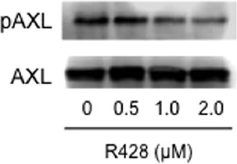
Western blot analysis of pAXL level in H1299 cells treated with the indicated concentration of R428 for 1 h. Results are confirmed in three independent experiments.
-
J Cell Mol Med
Orderly Regulation of Macrophages and Fibroblasts by Axl in Bleomycin-Induced Pulmonary Fibrosis in Mice. [Abstract]2025 Jan;29(1):e70321. PMID: 39779468 -
J Cell Mol Med
Long non-coding RNA LINC00526 represses glioma progression via forming a double negative feedback loop with AXL. [Abstract]2019 Aug;23(8):5518-5531. PMID: 31240814 -
Antiviral Res
Repurposed doxepin targeting host AXL kinase to disrupt viral 2C-mediated immune evasion in Coxsackievirus B infection. [Abstract]2025 Dec:244:106307. PMID: 41197812 -
FEBS J
Single-cell RNA sequencing reveals the protective role of renal Cx3cr1+ macrophages in cisplatin-induced acute kidney injury. [Abstract]2025 Oct 28. PMID: 41147753 -
FEBS J
The AXL inhibitor bemcentinib overcomes microenvironment-mediated resistance to pioglitazone in acute myeloid leukemia. [Abstract]2025 Jan;292(1):115-128. PMID: 39325663 -
J Virol
SFTSV utilizes AXL/GAS6 for entry via PI3K-PLC-dependent macropinocytosis activated by AXL-kinase. [Abstract]2025 Aug 25:e0022125. PMID: 40853130 -
BMC Cancer
AXL receptor tyrosine kinase: a possible therapeutic target in acute promyelocytic leukemia. [Abstract]2021 Jun 17;21(1):713. PMID: 34140003 -
Am J Physiol Heart Circ Physiol
Role of Axl in target organ inflammation and damage due to hypertensive aortic remodeling. [Abstract]2022 Nov 1;323(5):H917-H933. PMID: 36083796 -
Int J Biochem Cell Biol
2025 Mar:180:106750. PMID: 39900236 -
Genes (Basel)
Integrative Transcriptomic Analysis Identify Potential m6A Pathway-Related Drugs That Inhibit Cancer Cell Proliferation. [Abstract]2022 Nov 2;13(11):2011. PMID: 36360248 -
Genes (Basel)
2020 Dec 23;12(1):9. PMID: 33374832 -
World J Surg Oncol
AXL, along with PROS1, is overexpressed in papillary thyroid carcinoma and regulates its biological behaviour. [Abstract]2022 Oct 6;20(1):334. PMID: 36203174 -
Head Neck
Dual Axl/MerTK inhibitor INCB081776 creates a proinflammatory tumor immune microenvironment and enhances anti-PDL1 efficacy in head and neck cancer. [Abstract]2023 May;45(5):1255-1271. PMID: 36939040 -
Exp Ther Med
Pharmaceutical inhibition of AXL suppresses tumor growth and invasion of esophageal squamous cell carcinoma. [Abstract]2020 Nov;20(5):41. PMID: 32952632 -
-
-
-
-
-
-
bioRxiv
Human Vascularized Macrophage-Islet Organoids to Model Immune-Mediated Pancreatic β cell Pyroptosis upon Viral Infection. [Abstract]2024 Aug 6:2024.08.05.606734. PMID: 39149298 -
-
-
-
-
-
Biomed Pharmacother
Overcoming PLK1 inhibitor resistance by targeting mevalonate pathway to impair AXL-TWIST axis in colorectal cancer. [Abstract]2021 Dec:144:112347. PMID: 34700228 -
-
-
-
-
Oncotarget
2017 Jun 20;8(25):41064-41077. PMID: 28455956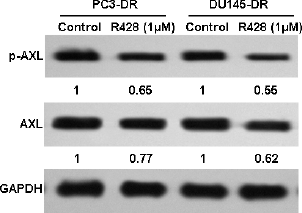
Bemcentinib purchased from MedChemExpress. Usage Cited in: Oncotarget. 2017 Jun 20;8(25):41064-41077. [Abstract]
The expression of AXL in the PC3-DR and DU145-DR cells treated with R428 (1 μM) is analyzed by western blotting.


Solvent & Solubility
In Vitro:
DMSO : 12.5 mg/mL (24.67 mM; ultrasonic and warming and heat to 60°C; Hygroscopic DMSO has a significant impact on the solubility of product, please use newly opened DMSO)
Please refer to the solubility information to select the appropriate solvent. Once prepared, please aliquot and store the solution to prevent product inactivation from repeated freeze-thaw cycles.
Storage method and period of stock solution: -80°C, 6 months; -20°C, 1 month. When stored at -80°C, please use it within 6 months. When stored at -20°C, please use it within 1 month.
Please refer to the solubility information to select the appropriate solvent. Once prepared, please aliquot and store the solution to prevent product inactivation from repeated freeze-thaw cycles.
Storage method and period of stock solution: -80°C, 6 months; -20°C, 1 month. When stored at -80°C, please use it within 6 months. When stored at -20°C, please use it within 1 month.
Concentration (start) × Volume (start) = Concentration (final) × Volume (final)
In Vivo:
Select the appropriate dissolution method based on your experimental animal and administration route.
- For the following dissolution methods, please ensure to first prepare a clear stock solution using an In Vitro approach and then sequentially add co-solvents:
- To ensure reliable experimental results, the clarified stock solution can be appropriately stored based on storage conditions. As for the working solution for In Vivo experiments, it is recommended to prepare freshly and use it on the same day.
- The percentages shown for the solvents indicate their volumetric ratio in the final prepared solution. If precipitation or phase separation occurs during preparation, heat and/or sonication can be used to aid dissolution.
Add each solvent one by one: 10% DMSO 40% PEG300 5% Tween-80 45% Saline
Solubility: ≥ 1.25 mg/mL (2.47 mM); Clear solution
This protocol yields a clear solution of ≥ 1.25 mg/mL (saturation unknown).
Taking 1 mL working solution as an example, add 100 μL DMSO stock solution (12.5 mg/mL) to 400 μL PEG300, and mix evenly; then add 50 μL Tween-80 and mix evenly; then add 450 μL Saline to adjust the volume to 1 mL.
Preparation of Saline: Dissolve 0.9 g sodium chloride in ddH₂O and dilute to 100 mL to obtain a clear Saline solution.
In Vivo Dissolution Calculator
Please enter the basic information of animal experiments:
-
-
-
-
Recommended: Prepare an additional quantity of animals to account for potential losses during experiments.
Please enter your animal formula composition:
-
%DMSO +
Recommended: Keep the proportion of DMSO in working solution below 2% if your animal is weak.
-
%+
-
+%Tween-80 + +
-
%Saline +
The co-solvents required include: DMSO, . All of co-solvents are available by MedChemExpress (MCE). , Tween 80. All of co-solvents are available by MedChemExpress (MCE).
Working solution concentration: 0.22 mg/mL
Method for preparing stock solution: mg drug dissolved in μL DMSO. Stock solution concentration: mg/mL.
1. Take μL DMSO stock solution;
2. Add μL .
μL , mix evenly;
3. Then add μL Tween 80, mix evenly;
4. Then add μL
Please ensure that the stock solution in the first step is dissolved to a clear state, and add co-solvents in sequence. You can use ultrasonic heating (ultrasonic cleaner, recommended frequency 20-40 kHz), vortexing, etc. to assist dissolution.

Protocols
-
Scratch/Wound-Healing Migration Assay
The scratch/wound-healing migration assay measures collective migration of adherent cells into an experimentally created cell-free gap in a confluent monolayer. The readout is generated by imaging the gap immediately after scratching and at later time points, then quantifying reduction in wound area, wound width, or percentage closure as cells move into the denuded region. Gap closure reflects cell migration but may also include cell proliferation, so interpretation should distinguish migration-focused conditions from proliferation-driven closure when possible, such as by using short assay windows, serum-controlled conditions, cell counting, or proliferation controls reported in published protocols.
-
Cell Cytotoxicity Assay
Cytotoxicity assays are usually based on the assessment of cell membrane damage, which can also be indirectly detected by measuring cell viability. Detection methods include MTT assay, CKK-8 assay, LDH assay and ATP assay, etc.
-
Cell migration
Cell migration is a method that plays an important role in wound healing, cell differentiation, embryonic development, etc.
-
Chemotaxis Gradient Chamber Assay 1
The chemotaxis gradient chamber assay is based on the principle of observing directional cell migration in response to a stable, linear or quasi-linear concentration gradient of a chemoattractant formed between two fluid reservoirs separated by a narrow observation chamber. Cells placed within the chamber respond to the gradient by polarized movement toward higher chemoattractant concentrations, allowing quantification of chemotactic behavior in real time under microscopy. The classic Zigmond chamber design enables simultaneous visualization of gradient formation and individual cell trajectories, making it suitable for studying leukocyte chemotaxis and other motile cell types in vitro.
-
Under-Agarose Cell Migration Assay
The under-agarose cell migration assay is a classical in vitro chemotaxis method designed to evaluate directed cell movement through a semi-solid agarose matrix toward soluble chemoattractant gradients, enabling visualization and quantification of leukocyte or motile cell migration in a confined 2D-like environment. In this system, cells and chemoattractants are placed in separate wells cut into an agarose gel, allowing diffusion-driven gradient formation that guides directional migration, which is typically assessed by measuring migration distance, cell morphology changes, and accumulation toward the chemoattractant source. This assay has been widely used to study neutrophil and leukocyte chemotaxis as a simple alternative to filter-based migration systems and allows direct microscopic observation of migrating cells under near-physiological confinement conditions.
-
Neural Crest/Neuronal Cell Migration Explant Assay
Neural crest (NC) and neuronal cell migration explant assays are in vitro systems in which neural tube-derived tissues are cultured to allow premigratory or newly emigrated neural crest cells to undergo epithelial-to-mesenchymal transition (EMT), migrate away from the explant, and form a measurable radial outgrowth that reflects migratory capacity and environmental responsiveness. These assays typically quantify migration by measuring the expansion of cell outgrowth from neural tube or neural plate border explants over time, often comparing early and later timepoints to derive a migration index such as a radius ratio, which reflects net cell dispersal from the explant core. Neural tube explant cultures preserve key aspects of neural crest behavior, including EMT, migration, and early differentiation, making them suitable for assessing intrinsic migratory ability and extrinsic cue dependence. However, studies emphasize that migratory outgrowth from neural tube explants may include non-n
-
Transwell/Boyden Chamber Migration Assay
The Transwell/Boyden chamber migration assay measures cell movement through a porous membrane separating an upper and lower chamber, usually after a chemoattractant gradient is established by placing cells in the upper chamber and chemoattractant-containing medium in the lower chamber. The readout is generated by quantifying cells that traverse the membrane and appear on the lower membrane surface or in the lower chamber, depending on whether the cell type is adherent or non-adherent. This assay reflects chemotactic or haptotactic migration rather than matrix invasion unless an extracellular-matrix barrier is added to the membrane.
-
3D Collagen/Hydrogel Matrix Migration Assay
The 3D collagen/hydrogel matrix migration assay is based on embedding cells within or on top of a fibrillar collagen type I-rich three-dimensional matrix to model in vivo-like extracellular matrix (ECM) architecture, enabling analysis of cell migration through a physically and biochemically relevant scaffold. In contrast to 2D migration systems, cells in 3D matrices interact with fibrillar collagen networks, requiring coordinated adhesion remodeling and proteolytic or non-proteolytic deformation mechanisms to move through confined spaces, thereby providing a more physiologically relevant readout of invasive and migratory behavior in tissue-like environments. Cell movement in 3D collagen matrices is typically quantified by tracking single-cell trajectories, invasion depth, or matrix penetration over time, reflecting combined effects of cytoskeletal dynamics, cell-ECM adhesion turnover, and ECM remodeling. These systems are widely used to study tumor cell invasion and stromal cell motili
-
Cell invasion
Cell invasion is the ability of cells to migrate from one area to another via the extracellular matrix. Cell invasion is the response of normal and cancer cells to chemical and mechanical stimuli. Before migrating to a new region, the extracellular matrix is degraded by proteases within the cell. Cell invasion often occurs during wound repair, vascularization and inflammation, abnormal tissue invasion, and tumor cell metastasis.
-
Cell-Exclusion Zone Migration Assay
The Cell-Exclusion Zone (CEZ) migration assay is an in vitro 2D cell migration method in which a defined cell-free area is created using removable physical barriers such as silicone stoppers, allowing cells to be seeded around the barrier and subsequently migrate into the cleared zone after barrier removal. This approach enables quantification of collective cell migration by monitoring repopulation of the initially cell-free region over time using microscopy-based imaging. Compared with scratch-based wound healing assays, barrier-based exclusion methods are designed to avoid mechanical damage to the extracellular matrix and reduce injury-induced effects on boundary cells, thereby improving interpretability of migration behavior in vitro. The assay readout is typically the progressive reduction in the cell-free area or the number of cells invading the exclusion zone, reflecting coordinated cell motility relevant to physiological processes such as wound healing, epithelial repair, and ca
-
Chemotaxis Gradient Chamber Assay 2
Chemotaxis gradient chamber assays measure directional cell migration in response to a soluble chemical gradient by imaging cells as they move across a defined observation region; the readout is generated from time-lapse cell trajectories, displacement toward the gradient, forward migration index, trajectory plots, rose/polar plots, and statistical tests of non-random directionality. The Dunn chamber is a direct-viewing glass chamber in which cells migrate across a bridge between control and chemoattractant wells, allowing observation of cells in a linear concentration gradient; related direct-viewing formats include the Insall chamber, which supports defined unidirectional gradients and high numerical-aperture microscopy, and the μ-Slide Chemotaxis chamber, which supports long-term live-cell imaging and gradient characterization with fluorescent dye.
-
Breast Cancer Modeling
Breast cancer is a heterogeneous cancer, and it has been distinguished into four subtypes: luminal A, luminal B, HER2-positive and basal-like. Molecular mutations, epigenetic alterations, hormone exposure and immune microenvironment are related to the progression of breast cancer.


Purity & Documentation
-
Data Sheet (285 KB)
-
SDS (396 KB)
- English - EN (396 KB)
- Français - FR (396 KB)
- Deutsch - DE (396 KB)
- Norwegian - NO (396 KB)
- Español - ES (396 KB)
- Swedish - SV (396 KB)
- Italian - IT (396 KB)
- Korean - KR (396 KB)
- Portuguese - PT (396 KB)
-
Handling Instructions (2659 KB)
References
[1]. Sensi M, et al. Human cutaneous melanomas lacking MITF and melanocyte differentiation antigens express a functional Axl receptor kinase. J Invest Dermatol. 2011 Dec;131(12):2448-57. [Content Brief]
[2]. Holland SJ, et al. R428, a selective small molecule inhibitor of Axl kinase, blocks tumor spread and prolongs survival in models of metastatic breast cancer. Cancer Res. 2010 Feb 15;70(4):1544-54. [Content Brief]
[3]. Lijnen HR, et al. Growth arrest-specific protein 6 receptor antagonism impairs adipocyte differentiation and adipose tissue development in mice. J Pharmacol Exp Ther. 2011 May;337(2):457-64. [Content Brief]


Complete Stock Solution Preparation Table
Please refer to the solubility information to select the appropriate solvent. Once prepared, please aliquot and store the solution to prevent product inactivation from repeated freeze-thaw cycles.
Storage method and period of stock solution: -80°C, 6 months; -20°C, 1 month. When stored at -80°C, please use it within 6 months. When stored at -20°C, please use it within 1 month.
| Optional Solvent | Concentration Solvent Mass | 1 mg | 5 mg | 10 mg | 25 mg |
|---|---|---|---|---|---|
| DMSO | 1 mM | 1.9738 mL | 9.8689 mL | 19.7379 mL | 49.3447 mL |
| 5 mM | 0.3948 mL | 1.9738 mL | 3.9476 mL | 9.8689 mL | |
| 10 mM | 0.1974 mL | 0.9869 mL | 1.9738 mL | 4.9345 mL | |
| 15 mM | 0.1316 mL | 0.6579 mL | 1.3159 mL | 3.2896 mL | |
| 20 mM | 0.0987 mL | 0.4934 mL | 0.9869 mL | 2.4672 mL |


Bemcentinib Related Classifications
HY-15150 Related Classifications
 Powered by Bioz