Infection
-
Infection Related Products (18677)
Related Products (18677)

-
Antibodies (22)
-
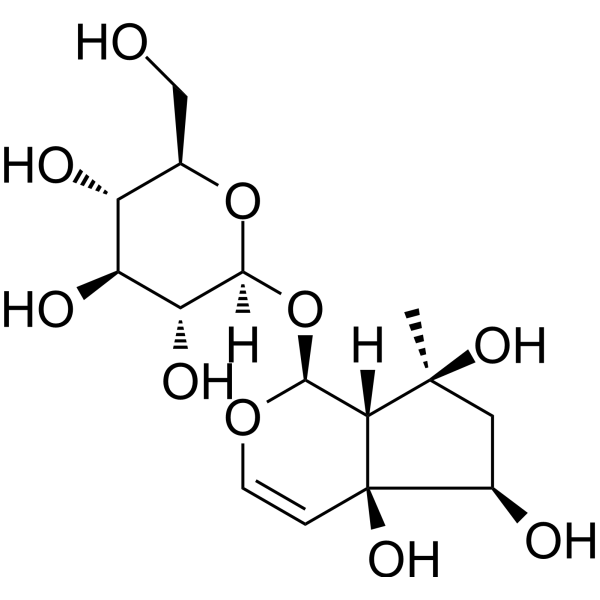
Harpagide
 0 Images
Harpagide is a class of iridoid glycoside isolated from Scrophularia ningpoensis and has antiparasitic activity, which exhibits good in vitro trypanocidal activities against African trypanosomes (T.b. rhodesiense) with an IC50 of 21 μg/mL. Harpagide exerts significant antileishmanial activity against L. donovani with an IC50 value of 2.0 μg/mL. Harpagide also possess significant anti-inflammatory activities.
-
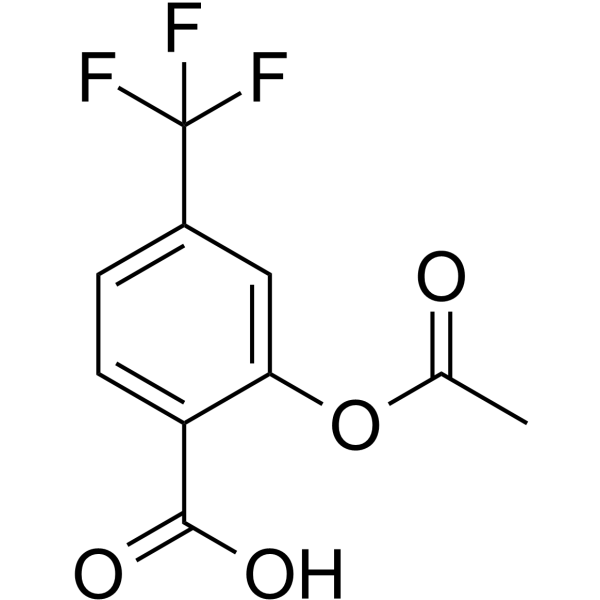
Triflusal
 0 Images
Triflusal is an orally bioavailable, blood-brain barrier-permeable dual Cyclooxygenase-1 (COX-1)/cAMP phosphodiesterase inhibitor. Triflusal inhibits platelet aggregation, NF-κB activation, iNOS activity, and prostaglandin synthesis in ischaemic tissue. Triflusal stimulates neutrophil nitric oxide production, eNOS protein expression, and cNOS activity. Triflusal alleviates cerebral ischemic injury in rats and ameliorates pathological lesions and related gene expression in transgenic Alzheimer’s disease models. Triflusal can be used for the research of thromboembolic/ischemic cardiovascular and cerebrovascular diseases, and Alzheimer’s disease.
-
Flucofuron
 0 Images
Flucofuron exhibits high efficacy against trophozoites of both N. fowleri strains (ATCC 30808 : IC50 = 2.58 μM and ATCC 30215: IC50 = 2.47 μM), being even active against the resistant cyst stage (IC50 = 0.88 μM). Flucofuron can induce cell apoptosis. Flucofuron can be used for the researches of infection and inflammation, such as Primary amoebic meningoencephalitis (PAM).
-
Artemotil
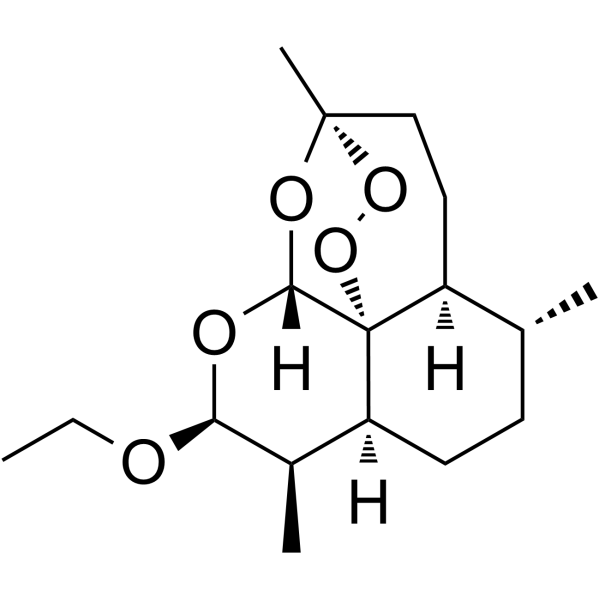 0 ImagesSynonyms: β-Arteether; (+)-Arteether; Arteether
Artemotil (β-Arteether) has antimalarial activity for the treatment of chloroquine-resistant Plasmodium falciparum malaria with an IC50 of 1.61 nM. Artemotil also has central nervous system (CNS) neurotoxicity and anorectic toxicity in rats, dogs and monkeys.
-
β-Caryophyllene (Standard)
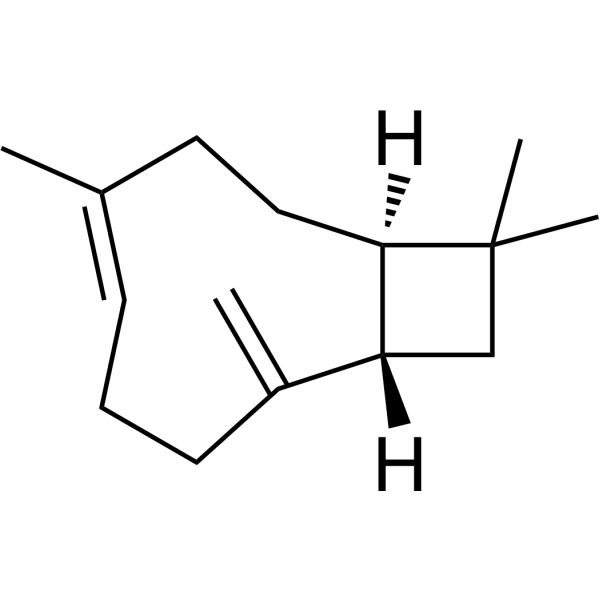 0 ImagesSynonyms: (-)-(E)-Caryophyllene(Standard); (−)-β-caryophyllene(Standard); (−)-trans-Caryophyllene (Standard)
β-Caryophyllene (Standard) is the analytical standard of β-Caryophyllene. This product is intended for research and analytical applications. β-Caryophyllene is a CB2 receptor agonist.
-
Mancozeb
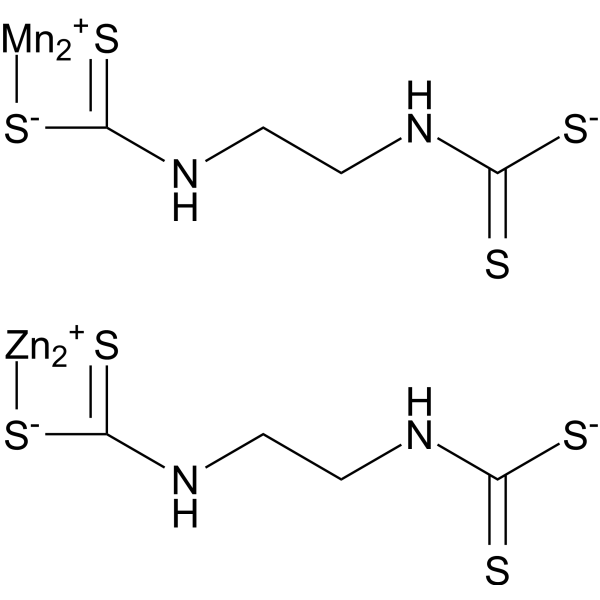 0 Images
Mancozeb is a widely used fungicide that is effective against fungal diseases in most cereals, vegetables, fruits and ornamental plants. In addition, Mancozeb can cause liver damage in mice by activating the Keap1/Nrf2 signaling pathway. Mancozeb upregulates lactate dehydrogenase and cytochrome c to alter cell metabolism and induce cell death. Mancozeb has reproductive toxicity and can induce apoptosis in ovarian cells.
-
Mipomersen
 0 ImagesCat. No.: HY-148647CAS No.: 1000120-98-8Synonyms: ISIS 301012 free base
Mipomersen (ISIS 301012 free base) is an antisense oligonucleotide inhibitor of apolipoprotein B (apoB). Mipomersen has anti-HCV effect and reduces the infectivity of the HCV. Mipomersen can be used for the research of homozygous familial hypercholesterolemia (HoFH).
-
Nitrofurazone
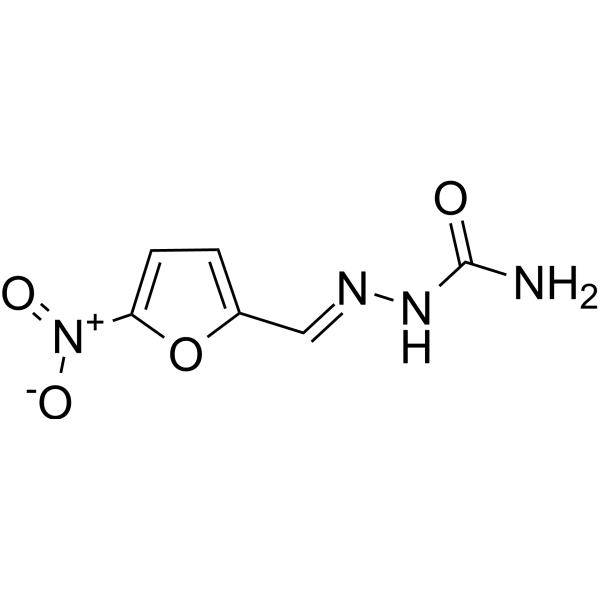 0 Images
Nitrofurazone (Nitrofural) is a broad spectrum antibiotic that has oral activity. Nitrofurazone is a nitro-aromatic drug. Nitrofurazone is active against both Gram-positive and Gram-negative bacteria.
-
Trecovirsen sodium
 0 ImagesCat. No.: HY-149906CSynonyms: GEM91 sodium
Trecovirsen sodium is a 25-mer antisense phosphorothioate oligonucleotide targeted at the gag site of the HIV gene.
-
Eugenol acetate
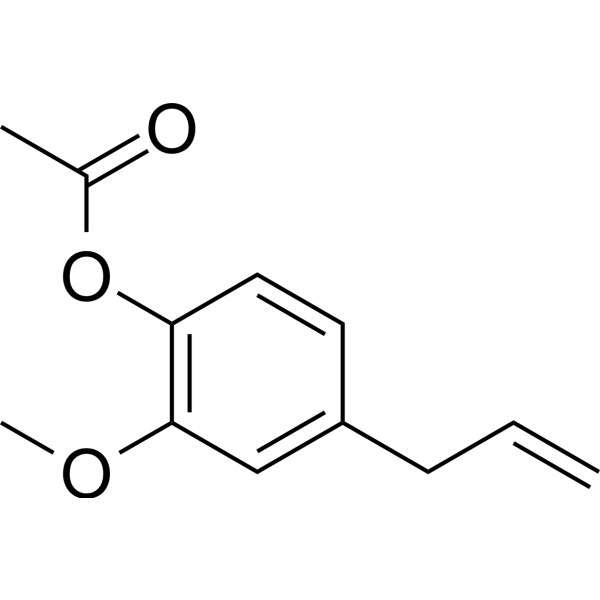 0 ImagesSynonyms: Acetyleugenol
Eugenol acetate (Eugenyl acetate) is an antibacterial, anticancer, anti-inflammatory and antioxidant. Eugenol acetate inhibits NF-κB and enhances the expression of p53 and p21 (WAF1). Eugenol acetate can prevent chemically induced skin cancer, inhibit cancer cell proliferation and induce apoptosis.
-
Monensin sodium (Standard)
 0 ImagesCat. No.: HY-N0150RCAS No.: 22373-78-0Synonyms: Monensin A sodium (Standard)
Monensin (sodium) (Standard) is the analytical standard of Monensin (sodium). This product is intended for research and analytical applications. Monensin (Monensin A) sodium, an orally active antibiotic, is an ionophore that mediates Na+/H+ exchange. Monensin sodium is a potent Wnt signaling inhibitor. Monensin sodium causes a marked enlargement of the multivesicular bodies (MVBs) and regulates exosome secretion. Monensin sodium can be used for bacterial, fungal, and parasitic infections research, and shows anticancer effects.
-
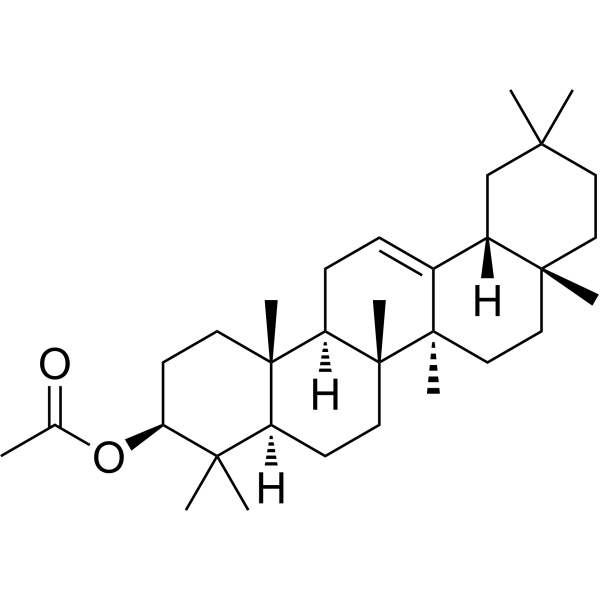
β-Amyrin acetate
 0 Images
β-Amyrin acetate is a triterpenoid with potent anti-inflammatory, antifungal, anti-diabetic, anti-hyperlipidemic activities. β-Amyrin acetate can inhibit HMG-CoA reductase activity by locating in the hydrophobic binding cleft of HMG CoA reductase.
-
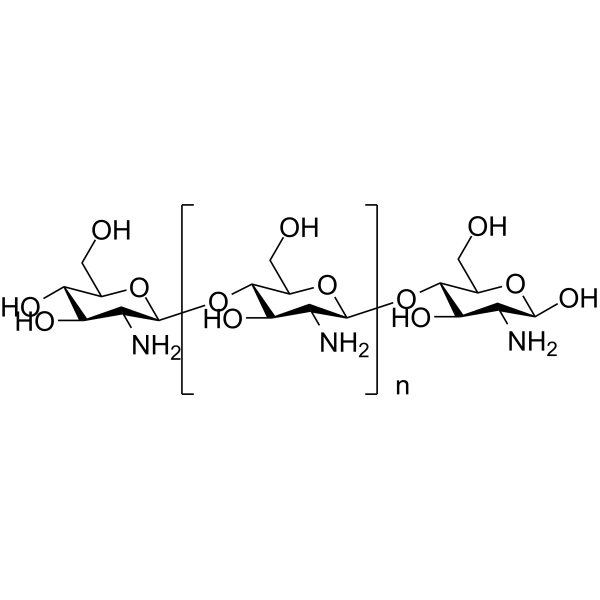
Chitosan (≥80% deacetylated, Medium viscosity,200-400mPa.s)
 0 ImagesSynonyms: Deacetylated chitin (≥80% deacetylated, Medium viscosity,200-400mPa.s); Poly(D-glucosamine) (≥80% deacetylated, Medium viscosity,200-400mPa.s)
Chitosan (Deacetylated chitin; Poly(D-glucosamine)) (≥80% deacetylated, Medium viscosity,200-400mPa.s) is a polysaccharide obtained by deacetylating chitin, and exhibits antimicrobial activity against various bacteria and fungi.
-
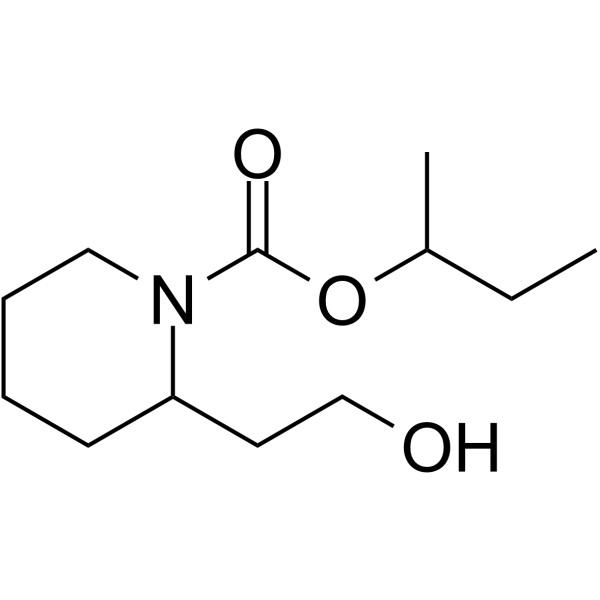
Picaridin
 0 ImagesSynonyms: Lcaridin
Picaridin (Lcaridin) is a broad spectrum arthropod repellent. Picaridin interacts with mosquito and tick olfactory receptor proteins. Picaridin repels Aedes aegypti. Picaridin exhibits considerable antibacterial, anticandidal and antifungal properties.
-
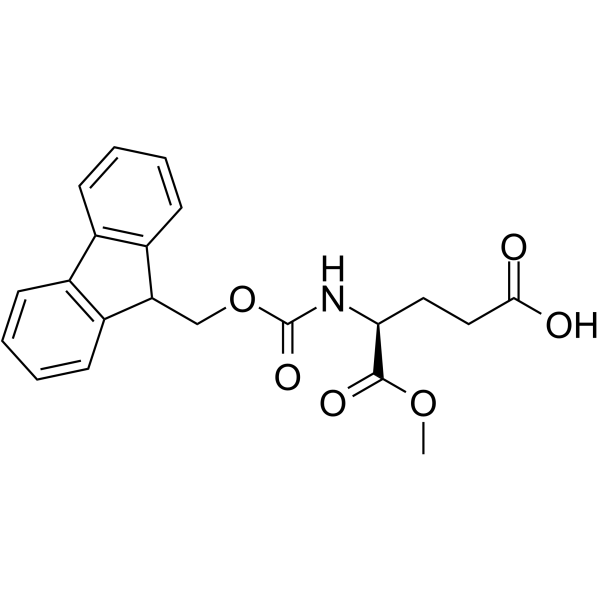
Fmoc-Glu-OMe
 0 Images
Fmoc-Glu-OMe is a glutamic acid derivative. Fmoc-Glu-OMe exhibits significant antibacterial activity and excellent gelation properties in silver nitrate (AgNO3) solution. Fmoc-Glu-OMe promotes wound healing in rat models and eliminates bacteria in MRSA-infected rat wound models. Fmoc-Glu-OMe can be used in studies related to wound infections and MRSA-infected wounds.
-
PSI-7409 tetrasodium
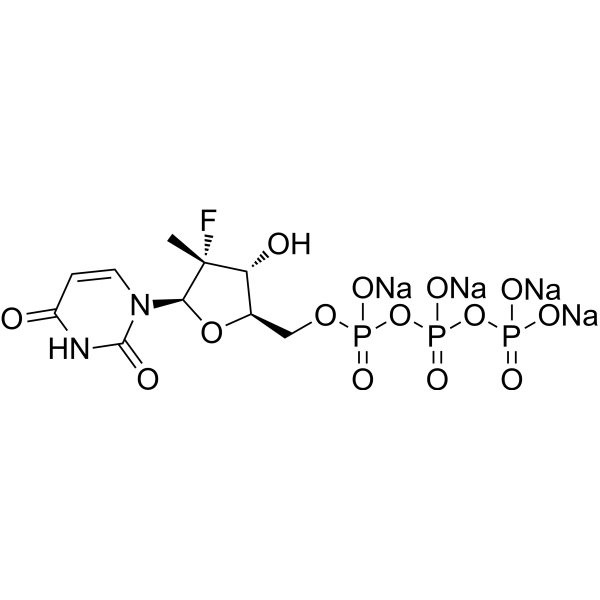 0 ImagesCat. No.: HY-15745ACAS No.: 1621884-22-7
PSI-7409 tetrasodium is an active 5'-triphosphate metabolite of sofosbuvir (PSI-7977), inhibiting HCV NS5B polymerases, with IC50s of 1.6, 2.8, 0.7 and 2.6 μM for GT 1b_Con1, GT 2a_JFH1, GT 3a, and GT 4a NS5B polymerases, respectively.
-
LtaS-IN-1
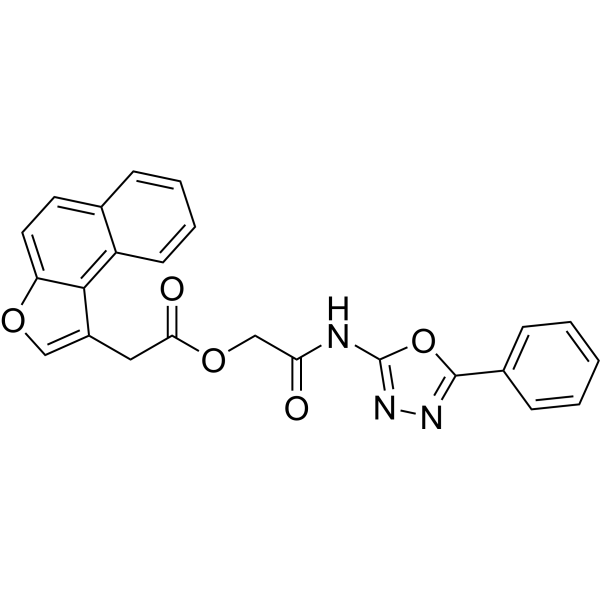 0 Images
LtaS-IN-1 (compound 1771) is a potent small-molecule inhibitor of Lipoteichoic acid (LTA) synthesis in multidrug-resistant (MDR) E. faecium and by altering the cell wall morphology. LtaS-IN-1 alone inhibits Enterococcus.spp 28 strains with varying MIC values ranging from 0.5 μg/mL to 64 μg/mL. LtaS-IN-1 combination with antibiotics abolishs multidrug-resistant E. faecium growth almost completely.
-
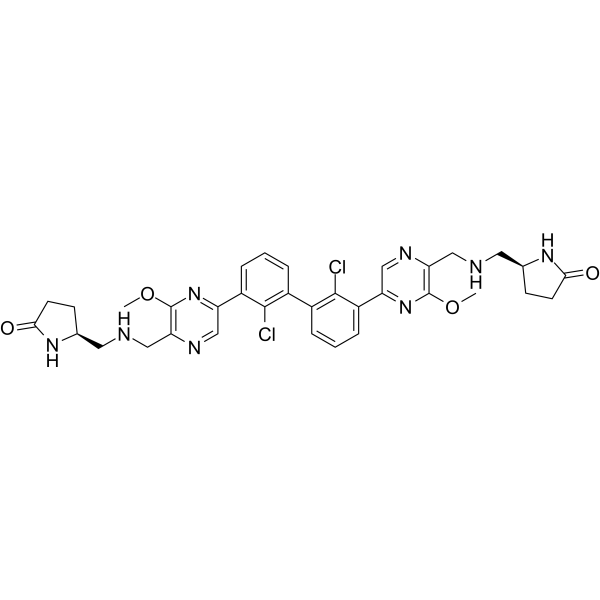
Evixapodlin
 0 ImagesSynonyms: GS-4224; PD-1/PD-L1-IN 7
Evixapodlin (GS-4224) is a human PD-1/PD-L1 protein/protein interaction inhibitor with an IC50 of 0.213 nM. Evixapodlin has anticancer and antiviral functions.