



α-synuclein
α-Syn
α-Synuclein is an abundant neuronal protein that is highly enriched in presynaptic nerve terminals. α-synuclein regulates synaptic vesicle trafficking and subsequent neurotransmitter release. Genetics and neuropathology studies link α-synuclein to Parkinson's disease (PD) and other neurodegenerative disorders. Accumulation of misfolded oligomers and larger aggregates of α-synuclein defines multiple neurodegenerative diseases called synucleinopathies, but the mechanisms by which α-synuclein acts in neurodegeneration are unknown.
α-synuclein Isoform Specific Products
All Product Categories
-
α-synuclein Inhibitors
(117)
View all products
-
α-synuclein Antagonists
(2)
View all products
-
α-synuclein Activator
(1)
View all products
-
α-synuclein Modulators
(2)
View all products
-
α-synuclein Inducers
(2)
View all products
-
α-synuclein Degraders
(11)
View all products
-
α-synuclein Control
(1)
View all products
-
α-synuclein Ligands
(6)
View all products
-
α-synuclein Related Products (157)
Related Products (157)

-
α-synuclein Isoform Comparison
-
α-Synuclein ligand-1
 0 ImagesCat. No.: HY-187000CAS No.: 749927-21-7α-Synuclein ligand-1 is a α-Synuclein ligand, which can be used for the synthesis of PROTACs, such as PROTAC α-synuclein degrader 5 (HY-155021).
-
α-Synuclein (34-45) (human)
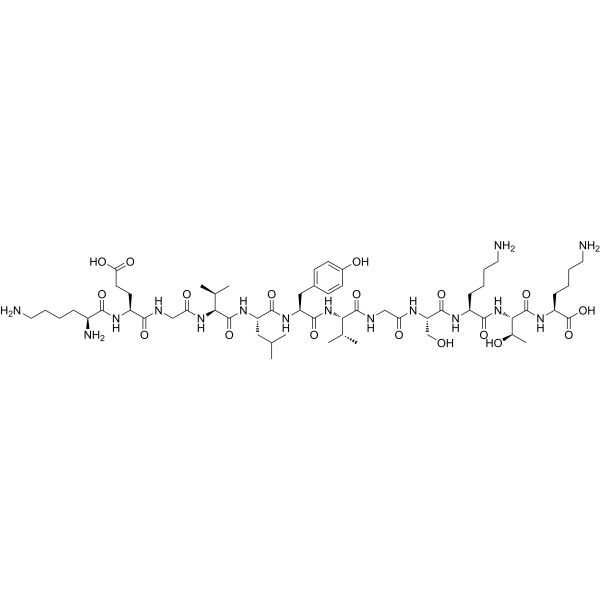 0 ImagesCat. No.: HY-P5041CAS No.: 2170181-52-7α-Synuclein (34-45) (human) is the 34-45 fragment of α-Synuclein. α-Synuclein is an abundant neuronal protein that is highly abundant in presynaptic nerve terminals. α-Synuclein is a Parkinson's disease (PD) biomarker.
-
α-Synuclein inhibitor 6
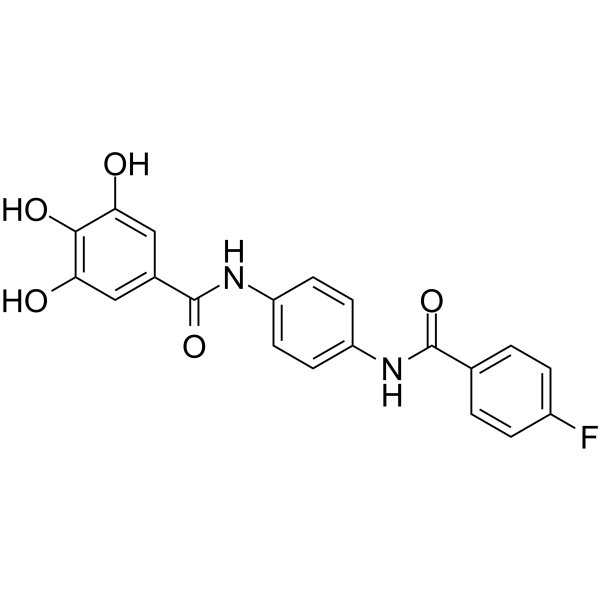 0 ImagesCat. No.: HY-147668CAS No.: 2489813-02-5α-Synuclein inhibitor 6 (compound 3ge) is a potent and BBB-penetrated inhibitor of α-Synuclein (α-Syn) aggregation, with an IC50 of 1.70 μM and inhibition ratio at 30 μM of 94.4%.
-
D-Trp-Aib
 0 ImagesCat. No.: HY-114613CAS No.: 1123071-24-8D-Trp-Aib is a dipeptide and amyloid-β inhibitor with a Kd of 29.6 nM. D-Trp-Aib triggers formation of non-toxic, non-β-sheet, amorphous amyloid β clusters from misfolded amyloid β monomers and toxic amyloid β oligomers, and reduces toxic amyloid β1-42 deposits. D-Trp-Aib inhibits amyloid fibril formation of α‑synuclein, IAPP and calcitonin. D-Trp-Aib can be used for the research of Alzheimer's disease.
-
2N4R Tau/α-Syn against-1
 0 ImagesCat. No.: HY-1730492N4R Tau/α-Syn against-1 (Compound 4d) targets α-synuclein and tau protein, inhibits the fibrillation and oligomer formation of α-synuclein and tau proteins, exhibits disaggregation activity on Aβ fibers. 2N4R Tau/α-Syn against-1 can be used in research of Parkinson's disease and Alzheimer's disease.
-
Sycosterol A
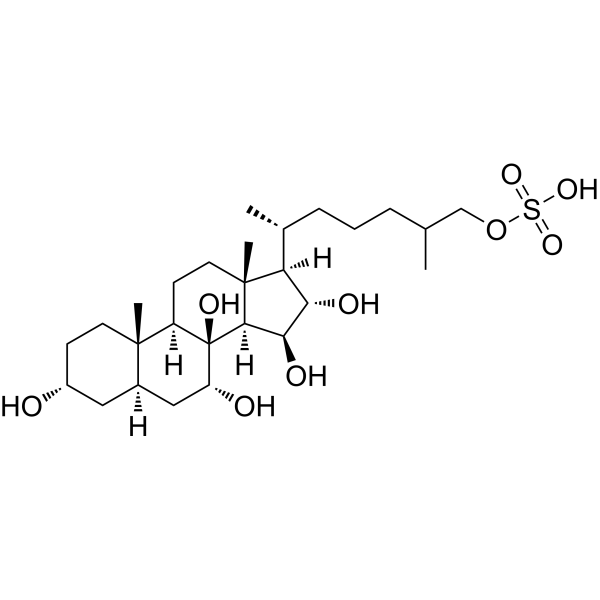 0 ImagesCat. No.: HY-N10306CAS No.: 3034046-94-8Sycosterol A is a sterol-based α-synuclein (α-syn) inhibitor that targets α-synuclein aggregates and inhibits α-synuclein aggregation. Sycosterol A can be used in the study of anti-neurodegenerative diseases.
-
tau-0N4R-IN-1
 0 ImagesCat. No.: HY-159941CAS No.: 2200453-71-8tau-0N4R-IN-1 (Compound 6T) is an BBB-penetrable inhibitor of tau 0N4R oligomerization. tau-0N4R-IN-1 effectively inhibits the fibrosis of tau 0N4R, 2N3R, and 2N4R, exhibits an anti-seeding effect on tau in vitro, reduces the oligomerization of α-syn dose-dependently, and prevents formation of α-syn inclusions. tau-0N4R-IN-1 is stable in mouse microsomes and reduces Aβ plaques in brain tissues from AD patients. tau-0N4R-IN-1 has good pharmacokinetic properties in mice.
-
α-Synuclein (71-82) (human)
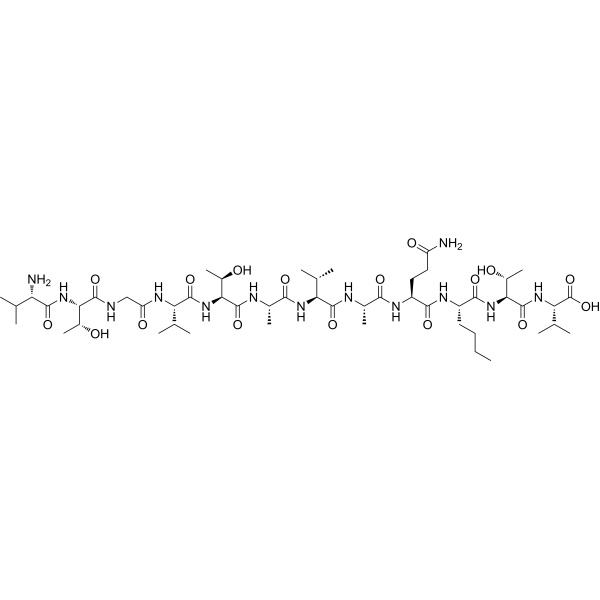 0 ImagesCat. No.: HY-P5046CAS No.: 332867-16-0α-Synuclein (71-82) (human) is the 71-82 fragment of α-Synuclein. α-Synuclein is an abundant neuronal protein that is highly abundant in presynaptic nerve terminals. α-Synuclein is a biomarker for Parkinson's disease (PD).
-
Dopal-d5
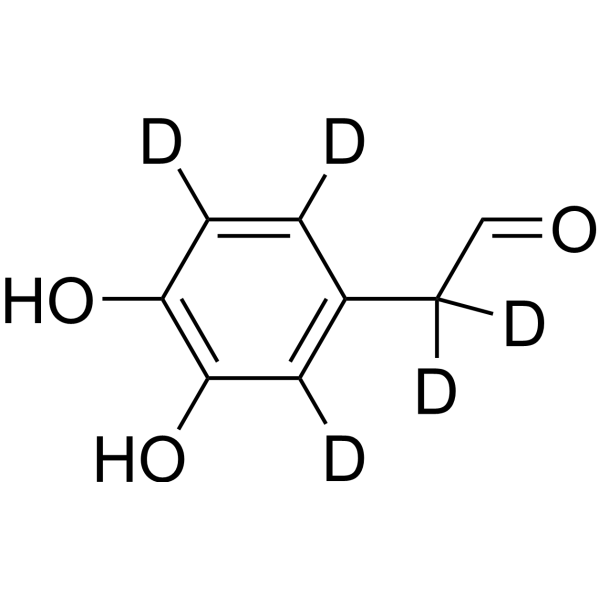 0 ImagesCat. No.: HY-121252SDopal-d5 is the deuterium labeled Dopal (HY-121252). Dopal is a metabolite and aldehyde neurotoxin of Dopamine (HY-B0451). Dopal exhibits cytotoxicity, induces α-synuclein oligomerization and aggregation, and is closely associated with the pathogenesis of Parkinson's disease. Dopal can be used in research related to Parkinson's disease.

-
Scyllo-Inositol-d6
 0 ImagesCat. No.: HY-W707693CAS No.: 115268-26-3Scyllo-Inositol-d6 is the deuterium labeled Scyllo-Inositol (HY-W010041). Scyllo-Inositol is an inhibitor that targets the aggregation of misfolded proteins (such as α-synuclein and Amyloid-β), is orally effective, and can cross the blood-brain barrier. Scyllo-Inositol can selectively bind to and stabilize non-toxic oligomers, preventing them from converting into toxic fibers, exerting protein homeostasis regulation and neuroprotective activity. Scyllo-Inositol binds to the hydrophobic region of pathogenic proteins, inhibits protein aggregation, and promotes lysosome- and proteasome-mediated degradation pathways, thereby reducing neurotoxicity. Scyllo-Inositol can be used in the study of neurodegenerative diseases such as Parkinson's disease, Alzheimer's disease, and Huntington's disease.
-
Carveol (Standard)
 0 ImagesCat. No.: HY-W017370RCAS No.: 99-48-9Carveol (Standard) is the analytical standard of Carveol. This product is intended for research and analytical applications. Carveol is an orally active monoterpenoid alcohol with neuroprotective, antioxidant, anti-inflammatory, anticonvulsant, antidiabetic, hypolipidemic and hepatoprotective activities. Carveol upregulates the expression of Bcl2, downregulates the expression of caspase-3, TNF-α, IL1β and IL6, activates the Nrf2/HO-1 antioxidant signaling pathway, inhibits the RAGE/NF-κB signaling pathway, and suppresses neuroinflammation and neuronal apoptosis. Carveol inhibits α-synuclein aggregation, improves cognitive ability, and inhibits α-amylase activity. Carveol exerts neuroprotective effects in a rat model of Parkinson's disease. Carveol exhibits antidiabetic effects in alloxan-induced diabetic rats. Carveol alleviates PTZ-induced seizures in rats. Carveol can be used in research related to Parkinson's disease, epilepsy, diabetes and ischemic stroke.
-
Brazilin-7-acetate
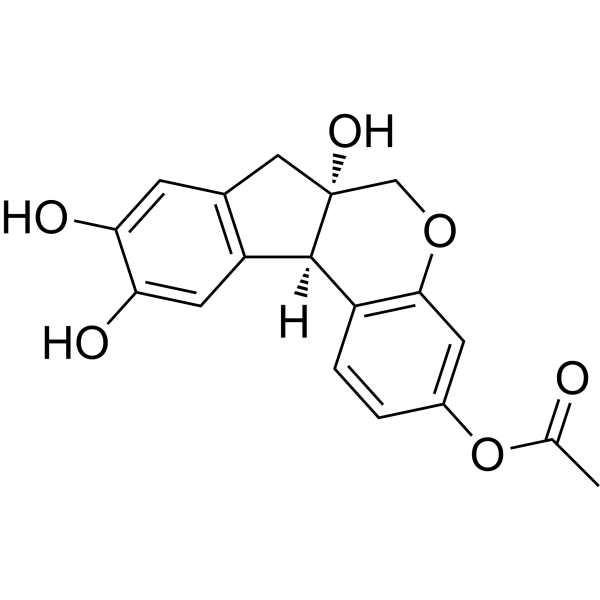 0 ImagesCat. No.: HY-157225CAS No.: 3040318-36-0Brazilin-7-acetate (B-7-A) is an inhibitor of α-synuclein (α-Syn) aggregates. Brazilin-7-acetate inhibits the formation of α-synuclein fibril, mitigates cytotoxicity, and decreases oxidative stress. Brazilin-7-acetate can be used in the research of Parkinson's disease.
-
Tambulin
 0 ImagesTambulin is an orally active flavonol compound found in Zanthoxylum armatum. Tambulin can inhibit cell proliferation, induce apoptosis and inhibit ROS production. Tambulin upregulates cleaved caspase-3, cleaved caspase-9, and Bax, downregulates Bcl-2 levels. Tambulin can stimulate glucose-dependent insulin secretion and induce endothelium-independent vasorelaxation. Tambulin binds to succinate dehydrogenase (SDH) (Ki = 11.02 μM) and shows significant ferric reducing power. Tambulin can enhances oxidative stress resistance, reduces, lipofuscin deposits, lipid levels, α-synuclein levels, improves locomotary behavior, and dopamine levels in in age-synchronized L1 hermaphrodite Caenorhabditis elegans models of ageing and Parkinson's disease. Tambulin can be used for the researches of Parkinson's disease, lung squamous cell carcinoma, and diabetes.
-
PBT434 free base
 0 ImagesCat. No.: HY-120475BCAS No.: 1232840-87-7Synonyms: ATH434 free basePBT434 (ATH434) free base is a potent, orally active and cross the blood-brain barrier α-synuclein aggregation inhibitor. PBT434 free base can be used as a iron chelator and modulates transcellular iron trafficking. PBT434 free base inhibits iron-mediated redox activity and iron-mediated aggregation of α-synuclein. PBT434 free base prevents the loss of substantia nigra pars compacta neurons (SNpc). PBT434 free base has the potential for the research of Parkinson’s disease (PD).
-
HUP-46
 0 ImagesCat. No.: HY-176749CAS No.: 3007689-83-7
-
α-Synuclein inhibitor 4
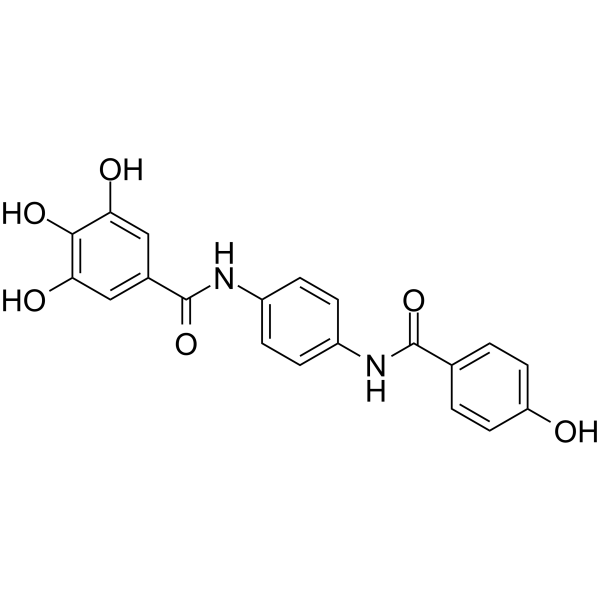 0 ImagesCat. No.: HY-147666CAS No.: 2489813-08-1α-Synuclein inhibitor 4 (compound 3gh) is a potent and BBB-penetrated inhibitor of α-Synuclein (α-Syn) aggregation, with an IC50 of 0.98 μM and inhibition ratio at 30 μM of 91.2%.
-
Corynoxine B (Standard)
 0 ImagesCat. No.: HY-N0901ARCAS No.: 17391-18-3Corynoxine B Standard is an analytical standard for Corynoxine B. This product is intended for research and analytical applications. Corynoxine B is an alkaloid-type autophagy inducer and α-synuclein aggregation inhibitor that ameliorates Mn-induced dysregulation of autophagy and enhances the clearance of α-synuclein (α-syn) in Parkinson's disease mice.
-
Tat-βsyn-degron
 0 ImagesCat. No.: HY-P10360CAS No.: 2816095-52-8Tat-βsyn-degron is an α-synuclein knockdown peptide that effectively degrades α-synuclein protein via the proteasome pathway. Tat-βsyn-degron effectively reduces α-synuclein protein levels in primary rat cortical neuron cultures. In a Parkinson's mouse toxicity model, Tat-βsyn-degron can alleviate parkinsonian toxin-induced neuronal damage and movement disorders.
-
Hordenine (Standard)
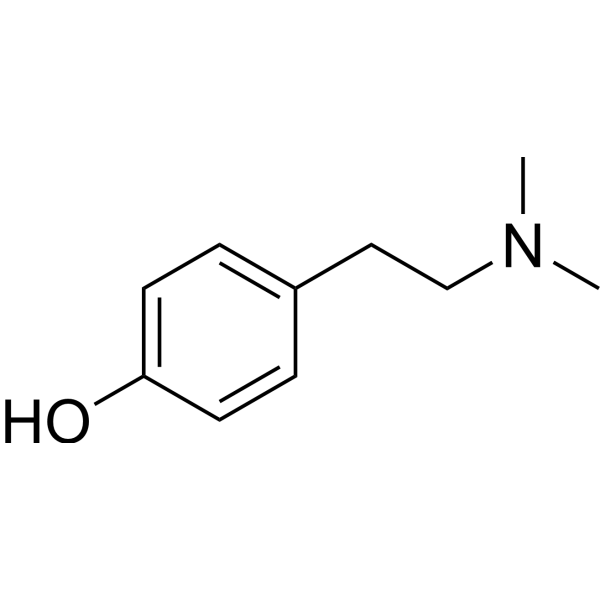 0 ImagesSynonyms: Ordenina (Standard); Peyocactine (Standard)Hordenine (Standard) (Ordenina (Standard); Peyocactine (Standard)) is the analytical standard of Hordenine (HY-N0113). This product is intended for research and analytical applications. Hordenine (Ordenina; Peyocactine) is a multifunctional alkaloid with oral activity and blood-brain barrier penetration. Hordenine inhibits LPS-induced phosphorylation of p38, JNK, ERK1/2, p65, IκB, and AKT, prevents p65 nuclear translocation, and suppresses inflammatory cytokines and mediators. Hordenine promotes M2 macrophage polarization, restores blood-milk barrier integrity, alleviates oxidative stress by reducing ROS and MDA, and attenuates LPS-induced lung injury and pulmonary edema. Hordenine inhibits cAMP production, CREB phosphorylation, and MITF expression, thereby suppressing melanin synthesis in melanocytes and reconstructed epidermis. Hordenine activates the Wnt/β-catenin signaling pathway, promotes dermal papilla cell proliferation and hair shaft elongation, and accelerates hair regeneration. Hordenine activates DRD2, acts as a D3R partial agonist, α2A-AR full agonist, and 5-HT2A-R antagonist, and inhibits SERT and DAT. Hordenine inhibits α-synuclein accumulation and ameliorates motor deficits in Parkinson's disease models. Hordenine limits alcohol intake, reduces relapse drinking behavior, and modulates alcohol-induced conditioned place preference. Hordenine can be used for research on mastitis, skin pigmentation, acute lung injury, foodborne diseases, hair loss, Parkinson's disease, bacterial infections, and alcohol use disorder.



