



Apoptosis
Apoptosis
Apoptosis is a distinctive form of cell death exhibiting specific morphological and biochemical characteristics, including cell membrane blebbing, chromatin condensation, genomic DNA fragmentation, and exposure of specific phagocytosis signaling molecules on the cell surface. Cells undergoing apoptosis differ from those dying through necrosis. Necrotic cells are usually recognized by the immune system as a danger signal and, thus, resulting in inflammation; in contrast, apoptotic death is quiet and orderly.
There are two major pathways of apoptotic cell death induction: The intrinsic pathway, also called the Bcl-2-regulated or mitochondrial pathway, is activated by various developmental cues or cytotoxic insults, such as viral infection, DNA damage and growth-factor deprivation, and is strictly controlled by the BCL-2 family of proteins. The extrinsic or death-receptor pathway is triggered by ligation of death receptors (members of the tumor necrosis factor (TNF) receptor family, such as Fas or TNF receptor-1 (TNFR1)) that contain an intracellular death domain, which can recruit and activate caspase-8 through the adaptor protein Fas-associated death domain (FADD; also known as MORT1) at the cell surface. This recruitment causes subsequent activation of downstream (effector) caspases, such as caspase-3, -6 or -7, without any involvement of the BCL-2 family.
Studies suggest that alterations in cell survival contribute to the pathogenesis of a number of human diseases, including cancer, viral infections, autoimmune diseases, neurodegenerative disorders, and AIDS (acquired immunodeficiency syndrome). Treatments designed to specifically alter the apoptotic threshold may have the potential to change the natural progression of some of these diseases.
All Product Categories
-
Apoptosis Inhibitors
(866)
View all products
-
Apoptosis Agonists
(7)
View all products
-
Apoptosis Antagonists
(9)
View all products
-
Apoptosis Activators
(355)
View all products
-
Apoptosis Modulators
(57)
View all products
-
Apoptosis Inducers
(7661)
View all products
-
Apoptosis Degrader
(1)
View all products
-
Apoptosis Controls
(33)
View all products
-
Apoptosis Related Products (9530)
Related Products (9530)

-
Antibodies (120)
-
α-Thujone
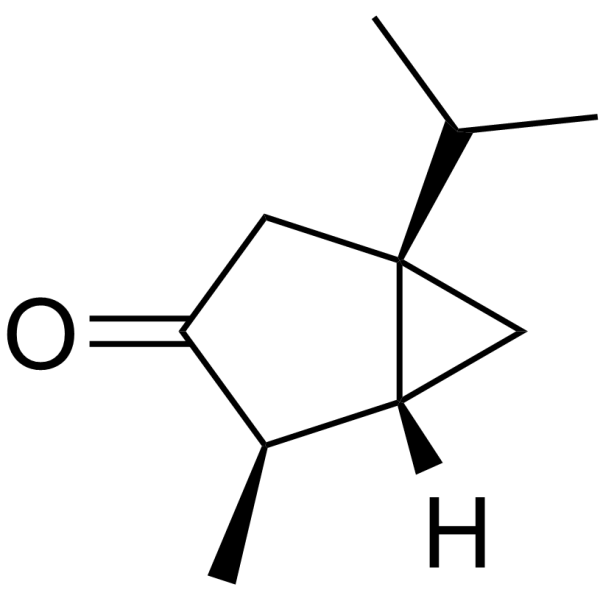 0 Imagesα-Thujone is a monoterpene isolated from Thuja occidentalis essential oil with potent anti-tumor activities. α-Thujone is a reversible modulator of the GABA type A receptor and the IC50 for α-Thujone is 21 μM in suppressing the GABA-induced currents. α-Thujone induces ROS accumulation-dependent cytotoxicity, also induces cell apoptosis and autophagy. α-Thujone has antinociceptive, insecticidal, and anthelmintic activity, and can cross the blood-brain barrier.
-
Triphenylphosphinechlorogold
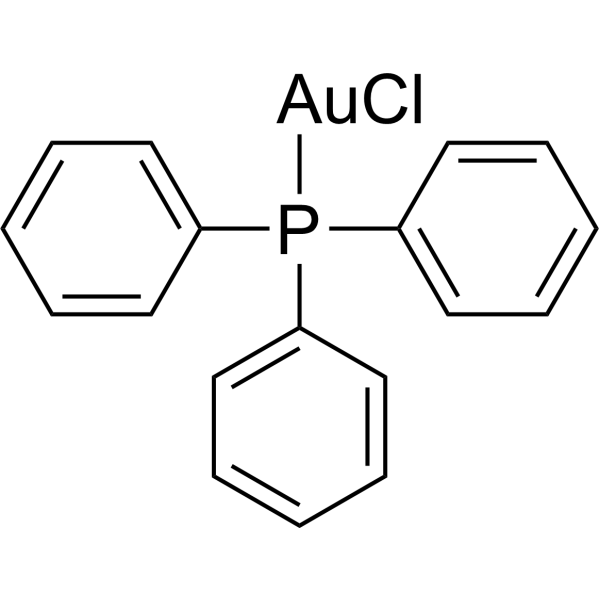 0 ImagesSynonyms: Chloro(triphenylphosphine)gold(I)Triphenylphosphinechlorogold (Chloro(triphenylphosphine)gold(I)) is a gold complex, Apoptosis inducer, and catalyst. Triphenylphosphinechlorogold exhibits high LOX inhibitory activity. Triphenylphosphinechlorogold induces cell cycle arrest and apoptosis. Triphenylphosphinechlorogold catalyzes the peroxidation of linoleic acid. A weak interaction exists between Triphenylphosphinechlorogold and DNA. Triphenylphosphinechlorogold displays antiproliferative activity against breast cancer cells.
-
Isovalerylcarnitine
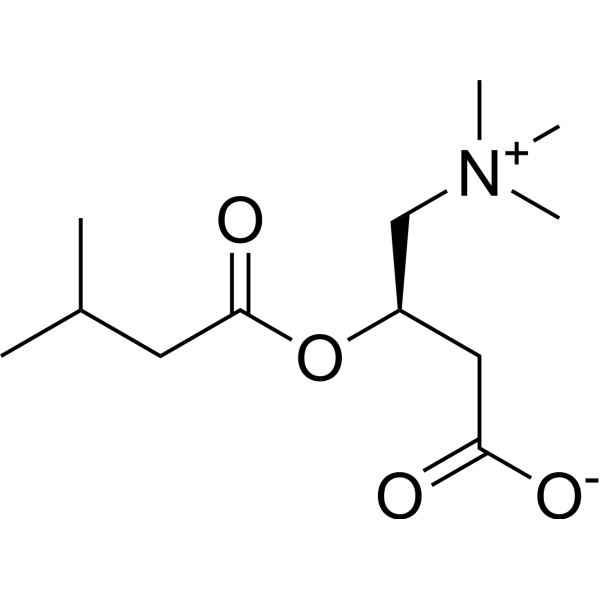 0 ImagesIsovalerylcarnitine is a metabolite of leucine. Isovalerylcarnitine can specifically activate calpain in human neutrophils. Isovalerylcarnitine inhibits tumor cell proliferation and induces apoptosis. Elevated circulating levels of Isovalerylcarnitine are negatively correlated with reduced lung cancer risk.
-
Dendrophenol
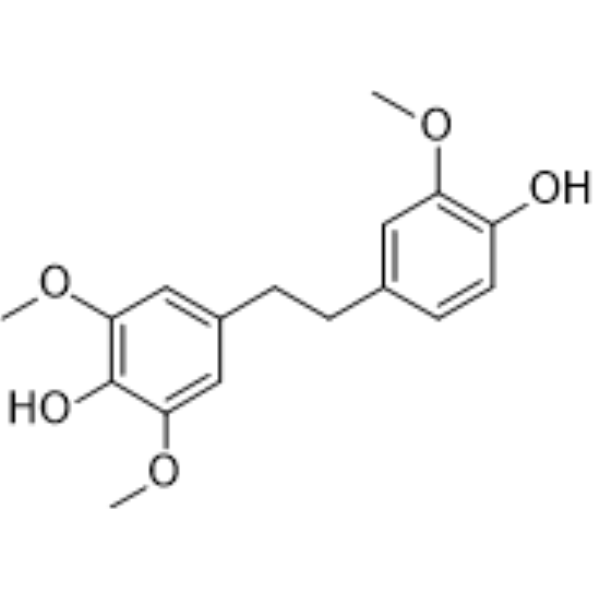 0 ImagesSynonyms: MoscatilinDendrophenol (Moscatilin) is a NF-κB inhibitor that inhibits inflammation. Dendrophenol exerts potent cytotoxic effect against tumor cells and induces cell cycle arrest and apoptosis. Dendrophenol has antitumor activity. In addition, Dendrophenol can inhibit vascular calcification by inhibiting the activation of WNT3/β-catenin.
-
Tylvalosin tartrate
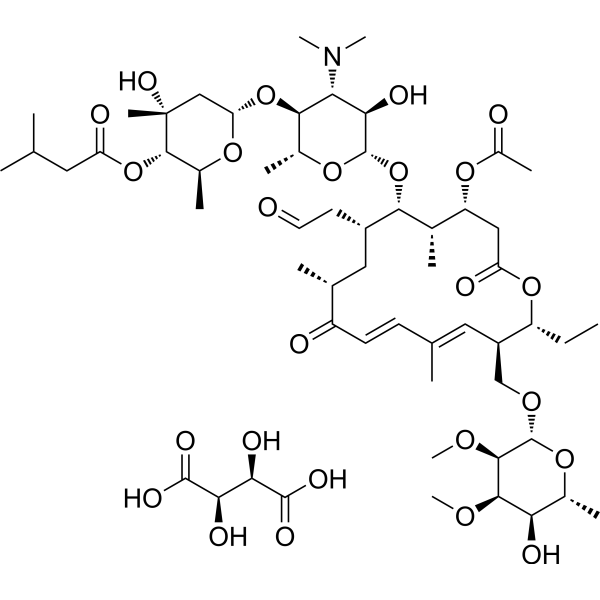 0 ImagesCat. No.: HY-128423CAS No.: 63428-13-7Synonyms: Acetylisovaleryltylosin tartrateTylvalosin (Acetylisovaleryltylosin) tartrate is an orally active, broad-spectrum macrolide antibiotic with antimicrobial activity. Tylvalosin tartrate is an antiviral agent useful in studying PRRSV infection. Tylvalosin tartrate induces apoptosis. Tylvalosin tartrate also has anti-inflammatory activity, relieves oxidative stress, and alleviates acute lung injury by inhibiting NF-κB activation.
-
TD52
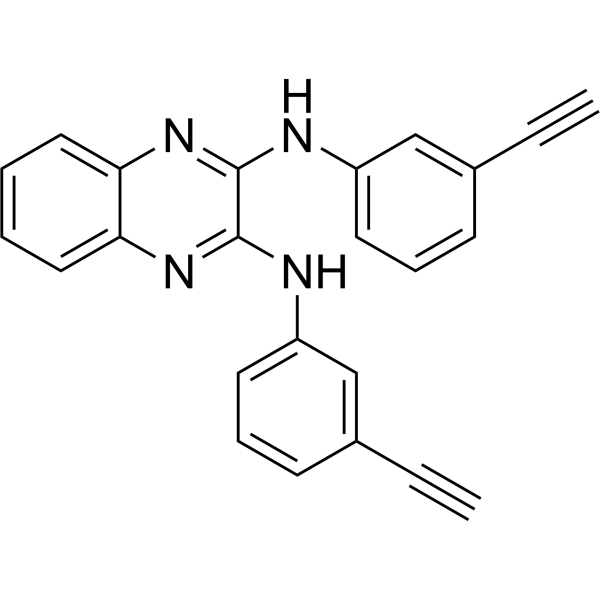 0 ImagesCat. No.: HY-135699CAS No.: 1798328-24-1TD52, an Erlotinib (HY-50896) derivative, is an orally active, potent cancerous inhibitor of protein phosphatase 2A (CIP2A) inhibitor. TD52 mediates the apoptotic effect in triple-negative breast cancer (TNBC) cells via regulating the CIP2A/PP2A/p-Akt signalling pathway. TD52 indirectly reduced CIP2A by disturbing Elk1 binding to the CIP2A promoter. TD52 has less p-EGFR inhibition and has potent anti-cancer activity. TD52 is a click chemistry reagent, it contains an Alkyne group and can undergo copper-catalyzed azide-alkyne cycloaddition (CuAAc) with molecules containing Azide groups.
-
Lornoxicam
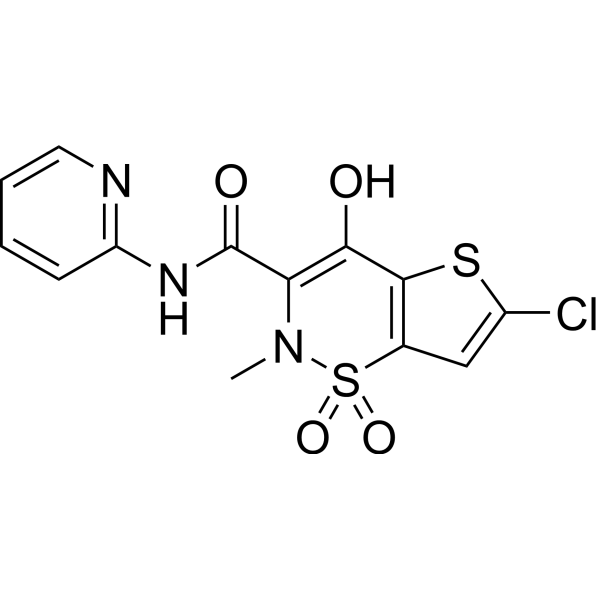 0 ImagesSynonyms: Chlortenoxicam; Ro 13-9297Lornoxicam (Chlortenoxicam) is an orally active oxycontin nonsteroidal anti-inflammatory drug (NSAID) with analgesic, anti-inflammatory, antipyretic and anticancer activities. Lornoxicam exhibits good inhibitory effects on both COX-1 and COX-2 (COX-1: IC50=0.005 μM; COX-2:IC50=0.008 μM) and inhibits the production of NO by iNOS (IC50=65 μM) and the proinflammatory cytokine IL-6 (IC50=54 μM). Lornoxicam also inhibits tumor cell proliferation and migration and induces tumor cell apoptosis. Lornoxicam can be used in the study of inflammatory pain, colorectal cancer and breast cancer.
-
N6-Benzyladenosine
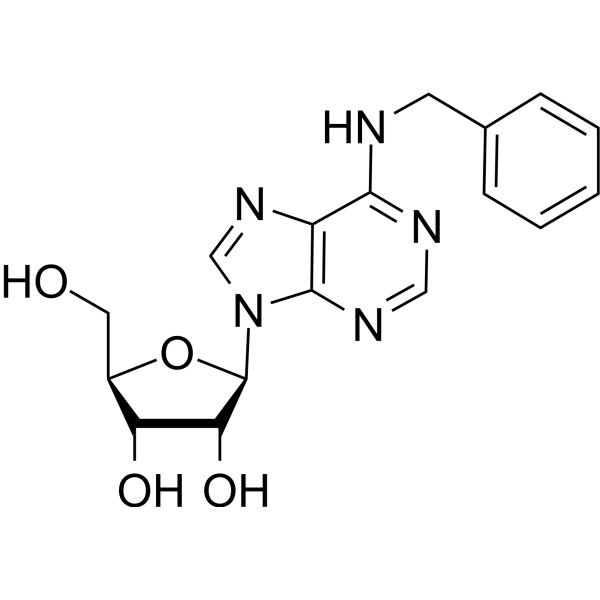 0 ImagesN6-Benzyladenosine is an adenosine receptor agonist, has a cytoactive activity. N6-Benzyladenosine arrests cell cycle at G0/G1 phase and induces cell apoptosis. N6-Benzyladenosine also exerts inhibitory effect on T. gondii adenosine kinase and glioma-.
-
Tricetin
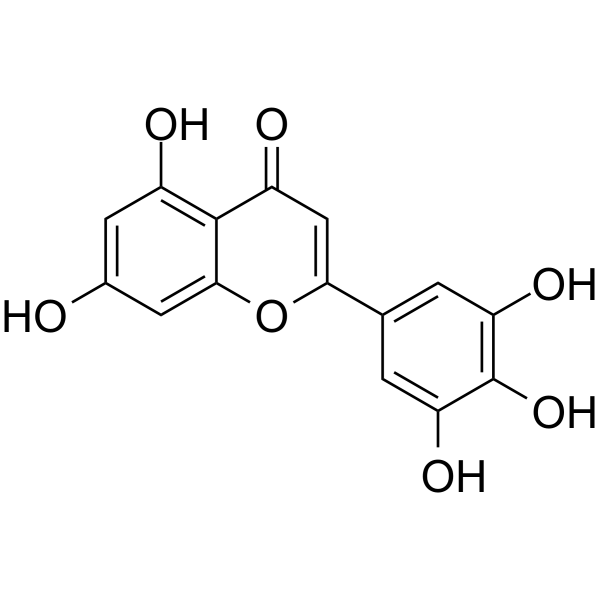 0 ImagesTricetin is a potent competitive inhibitor of the Keap1-Nrf2 Protein Protein Interaction (PPI). Tricetin protects against 6-OHDA-induced neurotoxicity in Parkinson's disease model by activating Nrf2/HO-1 signaling pathway and preventing mitochondria-dependent apoptosis pathway.
-
Bixin
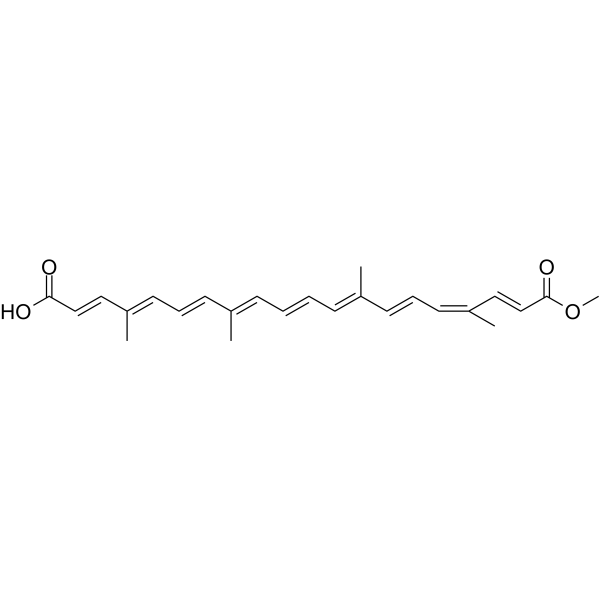 0 ImagesBixin is an orally active carotenoid found in the seeds of Bixa orellana. Bixin induces apoptosis in cancer cells. Bixin possessing anti-inflammatory, anti-tumor and anti-oxidant activities. Bixin treatment ameliorated cardiac dysfunction through inhibiting fibrosis, inflammation and reactive oxygen species (ROS) generation.
-
AK-778-XXMU
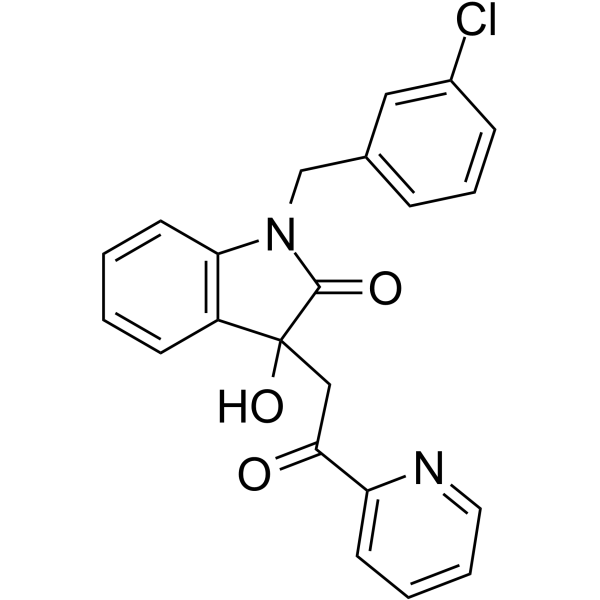 0 ImagesAK-778-XXMU is a potent DNA binding inhibitor 2 (ID2) antagonist with a KD of 129 nM. AK-778-XXMU can inhibit cell migration and invasion of glioma cell lines, induce apoptosis, and exhibits significant cancer-suppressing potency. AK-778-XXMU inhibits the ID2-KDR signaling axis, thereby down-regulating the downstream angiogenic factors (VEGFA) and invasion-related proteins (MMP2/9), and up-regulating the tumor suppressor factor (PTEN). AK-778-XXMU can be used for the study of glioma.
-
Prinomastat
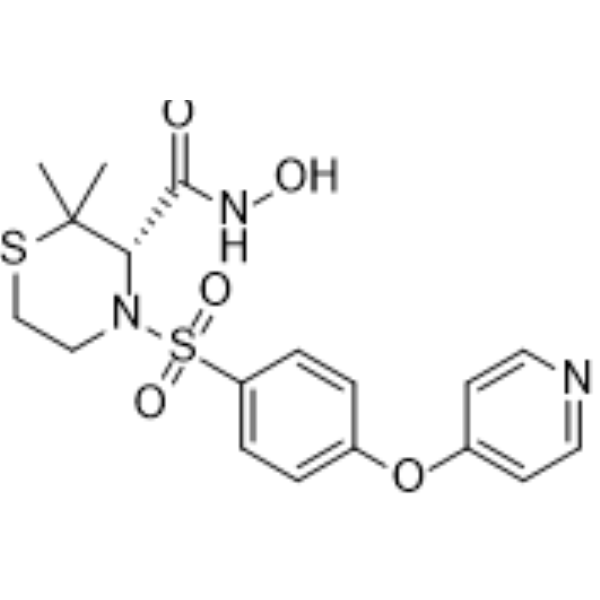 0 ImagesSynonyms: AG3340; KB-R9896Prinomastat (AG3340) is a broad spectrum, potent, orally active metalloproteinase (MMP) inhibitor with IC50s of 79, 6.3 and 5.0 nM for MMP-1, MMP-3 and MMP-9, respectively. Prinomastat inhibits MMP-2, MMP-3, MMP-13 and MMP-9 with Kis of 0.05 nM, 0.3 nM, 0.03 nM and 0.26 nM, respectively. Prinomastat crosses blood-brain barrier. Antitumor avtivity.
-
Oxypeucedanin
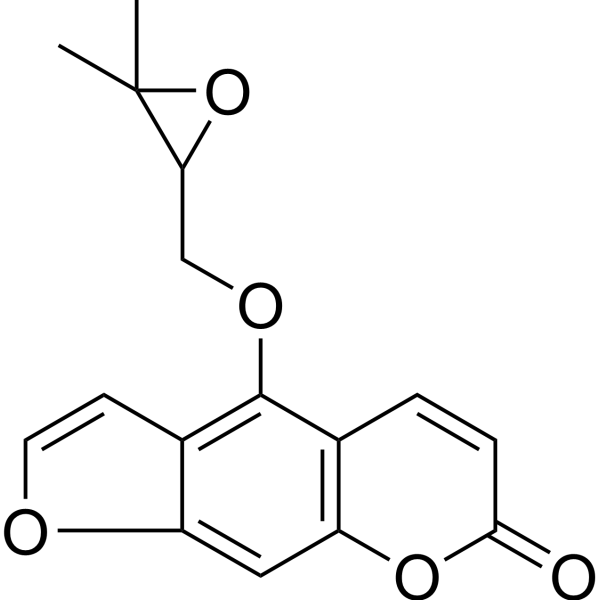 0 ImagesOxypeucedanin is a furanocoumarin derivative found in Angelica dahurica. Oxypeucedanin is an orally active PI3K/AKT/NF-κB, MAPK, and ROS inhibitor. Oxypeucedanin induces cell cycle arrest and apoptosis. Oxypeucedanin inhibits hKv1.5 channel currents (IC50: 76 nM). Oxypeucedanin exhibits anticancer, anti-inflammatory, antioxidant and antiarrhythmic activities.
-
(S)-β-Aminoisobutyric acid
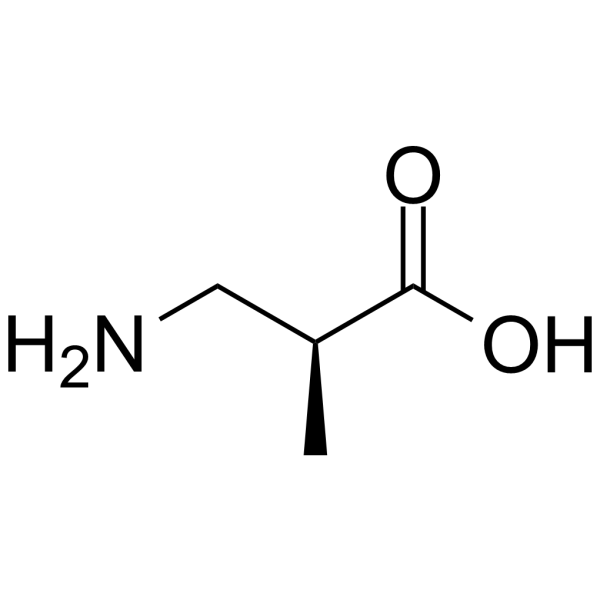 0 Images(S)-β-Aminoisobutyric acid is an orally active S-isomer of β-Aminoisobutyric acid (HY-W012974). (S)-β-Aminoisobutyric acid can be produced through the catabolism of thymine and valine. (S)-β-Aminoisobutyric acid reduces apoptosis and increases the ratio of p-AMPK. (S)-β-Aminoisobutyric acid has cardioprotective effects. (S)-β-Aminoisobutyric acid is associated with acute aerobic exercise.
-
Amiloride hydrochloride dihydrate
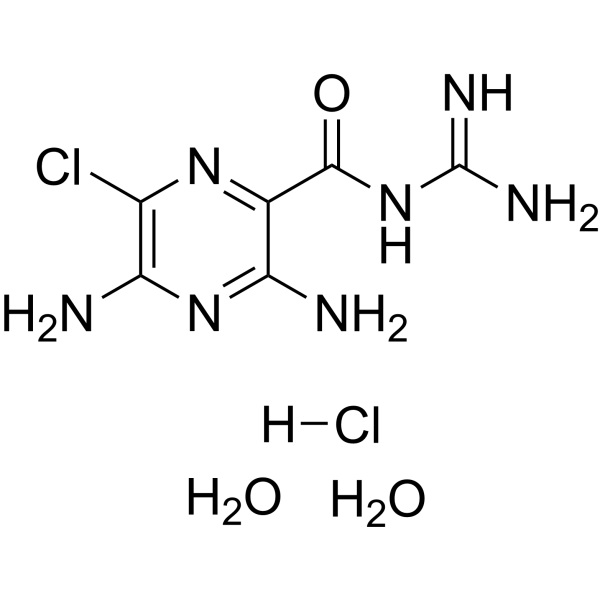 0 ImagesSynonyms: MK-870 hydrochloride dihydrateAmiloride hydrochloride dihydrate (MK-870 hydrochloride dihydrate) is an inhibitor of both epithelial sodium channel (ENaC) and urokinase-type plasminogen activator receptor (uTPA). Amiloride hydrochloride dihydrate is a blocker of polycystin-2 (PC2; TRPP2) channel.
-
5β,6β-Epoxycholestanol
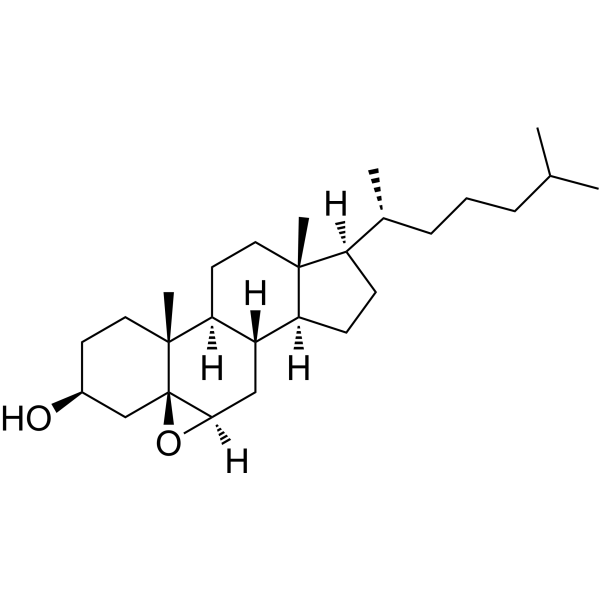 0 ImagesSynonyms: Cholesterol 5β,6β-epoxide; 5β,6β-Epoxycholesterol5β,6β-epoxycholestanol (Cholesterol 5β,6β-epoxide; 5β,6β-Epoxycholesterol) is an oxysterol. 5β,6β-epoxycholestanol induces cytotoxicity in bronchial epithelial cells. 5β,6β-epoxycholestanol induces lactate dehydrogenase (LDH) release and apoptosis in lymphoma cells undergoing macrophage differentiation. 5β,6β-epoxycholestanol is applicable to research related to atherosclerosis.
-
Genistein-d4
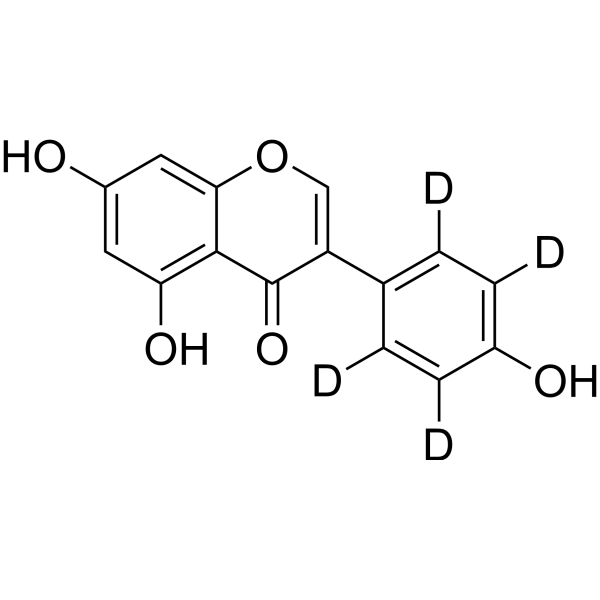 0 ImagesSynonyms: NPI 031L-d4




